
How to plan a car-free trip in France using TER trains
If you're planning a trip through France by train, you've probably realised that finding information isn't actually the difficult part. There's plenty written about the TGV, but much less about what happens once you arrive in a region and want to get around without a car. Can you spend a few days exploring Burgundy by TER? Which parts of France are genuinely easy without driving? Is it better to stay in one place or keep moving?
Those are the questions worth answering before you book anything.
France has one of Europe's best regional rail networks, but it isn't the same everywhere. Some regions are incredibly easy to explore by TER, where stations are within walking distance of historic centres and day trips feel effortless. In others, the train gets you most of the way, but buses, market days and surprisingly quiet Sundays start to influence your plans much more than you expected.
This guide isn't about booking train tickets or explaining how the SNCF website works. It's about planning a trip that actually feels enjoyable once you're there. We'll look at which regions work best without a car, where it makes sense to base yourself, the small details that people often don't think about until they're travelling, and a few itineraries that fit naturally around the TER network instead of fighting against it.
France's TER network isn't built the same way everywhere
One thing that's useful to understand before you start planning is that France doesn't have one regional rail network. It has lots of regional networks that all work a little differently, and recognising those differences makes choosing where to travel much easier.
Some regions naturally revolve around one city. Burgundy is a good example. Once you've reached Dijon, most of the interesting day trips sit comfortably within the regional TER network, which means you can unpack once and spend the rest of the week travelling with a small day bag instead of your suitcase.
If you're still deciding whether Burgundy is the right region to start with, Burgundy without a car goes much deeper into how the TER network connects the region.
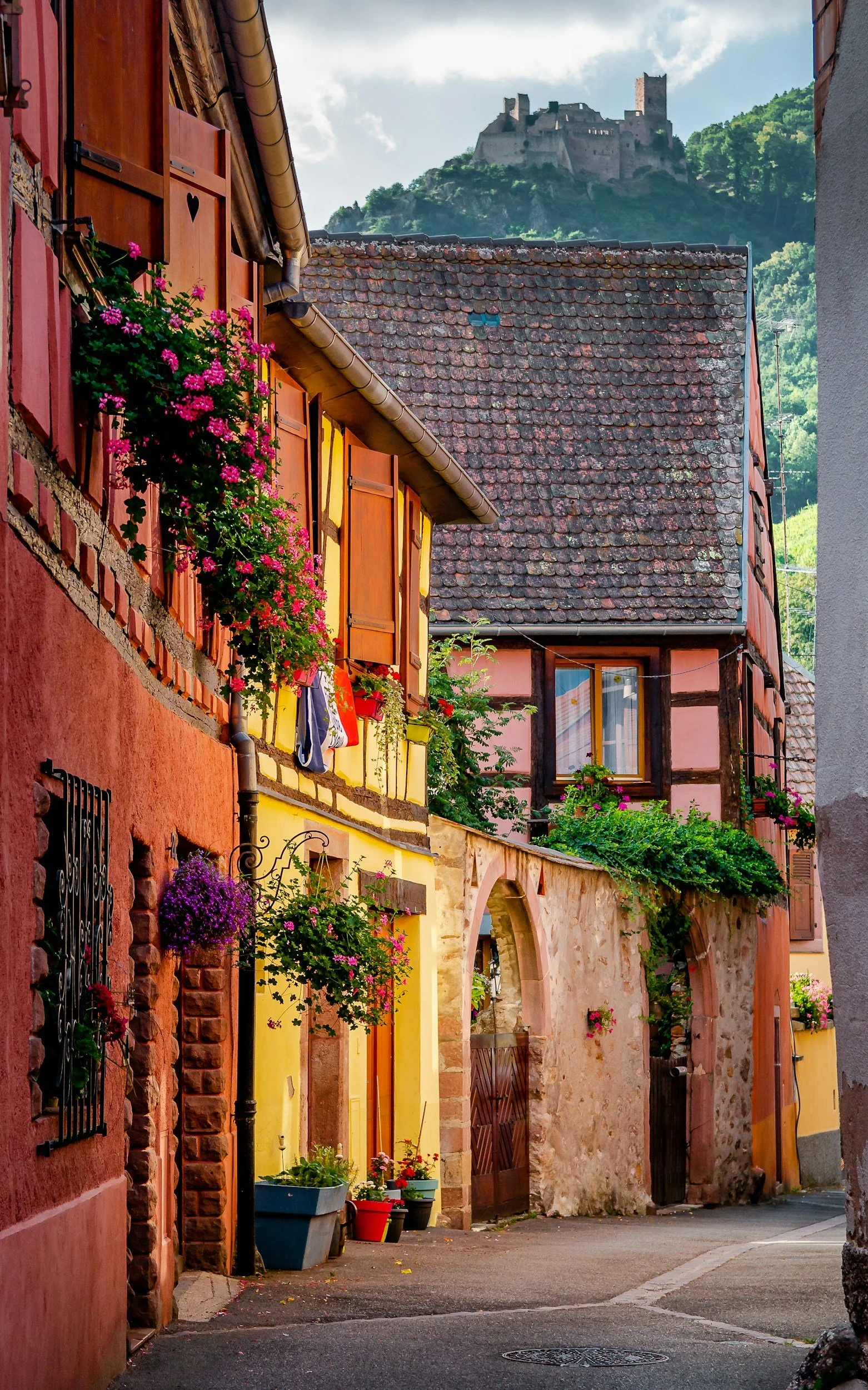
Other regions are much more linear. In Alsace, the railway follows the Rhine Valley, linking towns like Strasbourg, Sélestat, Colmar and Mulhouse in a way that makes moving between them feel quick and uncomplicated. You're rarely travelling in the wrong direction, and even changing your plans halfway through the day doesn't usually create much extra travel time.
Then there are regions where one larger city quietly holds everything together. Occitanie works like that. Toulouse becomes the natural starting point, with TER routes spreading out towards places like Albi, Cahors and Montauban. The journeys are longer than they are in Alsace, but they're direct often enough that staying in one place still makes sense.
The Loire Valley sits somewhere between those two approaches. If you base yourself in Tours or Blois, the main railway line gives you easy access to several towns, while châteaux and smaller villages sometimes mean swapping the train for a local bus, a bike or a short taxi ride for the final stretch.
Provence is probably the region that's easiest to misunderstand. Looking at the railway map, it seems as though almost everything should be connected by train. In reality, the TER network links the cities exceptionally well, while many of the villages people picture when they think of Provence sit beyond the railway. Once you start thinking of Provence as a train-and-bus region rather than a train-only region, planning suddenly becomes much easier.
If Provence is also on your shortlist, getting around Provence explains where trains work brilliantly and where you'll naturally switch to local buses.
That difference is worth understanding before you compare destinations, because choosing the right region usually has a much bigger impact on your trip than choosing between two neighbouring towns.
Not every part of France works equally well without a car
One of the easiest ways to make a train trip through France feel effortless is to pick the right region from the start.
It's tempting to open Google Maps, spot a few beautiful towns and assume they'll all be easy to connect by train. Sometimes that's true. Other times you'll discover that the station is a few kilometres outside town, the local bus only runs a handful of times a day, or Sunday's timetable looks completely different from the rest of the week.
Some parts of France are simply much easier to explore without a car than others.
If it's your first time relying on TER trains, Alsaceis probably the easiest place to start. The towns are fairly close together, trains run frequently throughout the day, and stations are usually within a short walk of the historic centre. It rarely feels complicated to move between places, even if you're travelling with luggage.
Burgundy is another region that works exceptionally well by train. Dijon makes a brilliant base for a few days, with direct TER services to places like Beaune and Chalon-sur-Saône. The station is close enough to the old town that you can usually walk to your hotel, and once you've settled in, it's easy to head out on day trips without constantly checking train times.
If you're travelling between Dijon and Lyon anyway, Tournus is one of those places that's easy to add without changing your whole itinerary.
If you're looking at Occitanie, expect slightly longer journeys but a network that still works very well. Travelling between Toulouse, Cahors and Albi often takes around an hour or a little more, but many routes are direct and the scenery makes the journey feel like part of the trip rather than time lost getting somewhere.
TheLoire Valley is another good option, especially if you base yourself in a larger town like Tours or Blois. The main rail network is straightforward, although some of the famous châteaux are easier to reach by local bus, bike or taxi than by train alone.
Normandy is somewhere in the middle. Reaching places like Rouen, Caen and Bayeux by train is easy enough, but once you want to explore the coastline or some of the smaller villages, you'll often need to combine TER trains with local buses.
Provence is probably the region that catches people out most often. Cities like Avignon, Arles and Marseille are very well connected by rail, but many of the villages that people picture when they think of Provence aren't on the railway network at all. They're still possible to visit, but you'll usually need a bus or taxi for the final stretch, so planning takes a little more effort.
If you're heading further south afterwards, small towns near Marseille compares several easy rail destinations that are often overlooked.
Choosing the right region before you start looking at individual towns makes everything else much easier. Once you've picked an area where the rail network works in your favour, building the rest of the itinerary becomes surprisingly straightforward.
One decision that makes train travel in France much easier
One of the biggest mistakes people make when planning a train trip through France is trying to fit too much into one week.
On paper, changing hotels every night can look efficient. In reality, it usually means spending your mornings checking out, your afternoons finding the next hotel and your evenings trying to squeeze in everything you wanted to see before the last restaurant closes.
France is much more enjoyable when you settle somewhere for a few days and let the regional trains do the work.
If you're exploring Burgundy, Dijon is probably one of the easiest places in France to use as a base. Four nights gives you enough time to experience the city itself without feeling rushed, while still leaving room for day trips. Beaune is less than half an hour away by TER, Chalon-sur-Saône is an easy journey south, and if you're happy to combine a short train ride with a local bus or taxi, you can also reach places like Semur-en-Auxois and some of the surrounding wine villages.
The timing works well too. If you arrive on a Friday, you'll catch Dijon at its busiest on Saturday morning when Les Halles market is in full swing. Instead of dragging your suitcase to another hotel the next day, you can simply walk back to the station whenever you're ready for a day trip.
If you're wondering whether Dijon gives you enough variety for four nights, Semur guide is a good example of the kind of day trip that's much easier than it first appears.
Toulouse feels completely different. It's a bigger city, so journeys out to places like Cahors or Albi take longer, but that's part of what makes it a good base. You don't feel like you have to leave first thing in the morning just to make the day worthwhile. You can have breakfast near Place du Capitole, catch a mid-morning TER and still have plenty of time to explore before heading back for dinner. In the evenings, Toulouse stays lively in a way that many smaller towns don't, especially outside the peak summer season.
Once you've chosen Toulouse as your base, these day trips help you work out which ones are genuinely realistic by TER.
For a first train trip through France, it's hard to beat Colmar. Distances between towns are shorter than in many other regions, and it's easy to visit places like Strasbourg, Sélestat or Mulhouse without spending much of the day travelling. Because the station is only around a ten-minute walk from the old town, arriving with luggage feels straightforward, even if it's your first stop after a longer journey from Paris or Switzerland.
You'll also notice that each place gives you a slightly different kind of trip. Dijon is great if you're interested in food, wine and markets. Toulouse suits travellers who don't mind longer rail journeys in exchange for having more options in the evenings. Colmar keeps everything compact, making it a great choice if you'd rather spend your time wandering between towns than sitting on trains.
Another thing you start noticing after a few days is how differently each base behaves once the day visitors have left. Dijon still feels lively around Place François Rude on a Tuesday evening, with people lingering outside cafés long after the market has packed away, while somewhere like Beaune becomes noticeably quieter once the wine tasting tours finish for the afternoon. That's surprisingly useful to know when you're deciding where to spend your evenings, because two towns that are only twenty minutes apart by TER can feel completely different after about six o'clock.
If you're already planning your next route through France, French market towns overnight is a good place to continue.
The small station details that can change your whole trip
The stations themselves start telling you useful things too.
After a few days travelling by TER, you stop assuming every station works in exactly the same way. Dijon-Ville has luggage lockers, cafés, a Relay newsagent and enough people coming and going that waiting half an hour between trains rarely feels inconvenient. Smaller stations are often much simpler. At places like Montbard or Nuits-Saint-Georges, once the train has gone, the station can become remarkably quiet, with little more than a waiting room, a ticket machine and the next departure shown on the platform display.
If quieter railway towns are exactly what you're looking for, France countryside towns has several more that fit naturally into a TER itinerary.
That's worth remembering if you're planning to leave your suitcase somewhere for a few hours. Not every regional station has luggage lockers, even in places that receive plenty of visitors throughout the year. It's one of those small details that's easy to assume until you're standing on the platform looking around for somewhere to leave your bag.
Ticket offices can be surprisingly different too. In larger cities they're usually staffed throughout the day, but on quieter branch lines it's not unusual for the ticket office to close after the morning rush, or for there not to be one at all. After a while, you stop expecting every station to work like Paris or Lyon and simply keep the SNCF Connect app handy instead.
If you're travelling with a bicycle, you'll start noticing another pattern. On sunny weekends, stations across Burgundy and the Loire Valley fill with cyclists waiting for regional trains, particularly first thing in the morning. Many TER services allow bicycles without a reservation, although some regions introduce restrictions during the busiest summer periods, so it's always worth checking before you travel. It's one of the reasons those early Saturday trains often have a completely different atmosphere from the same service on a Tuesday morning.
Facilities vary much more than people expect as well. Some stations have toilets, cafés and somewhere comfortable to wait if you're changing trains. Others are little more than two platforms connected by a footbridge. That usually doesn't matter if you've planned a straightforward connection, but if you've deliberately left yourself half an hour between trains, it's useful to know whether you'll be spending that time with a coffee and a pastry or simply sitting on a platform watching the next TER arrive.
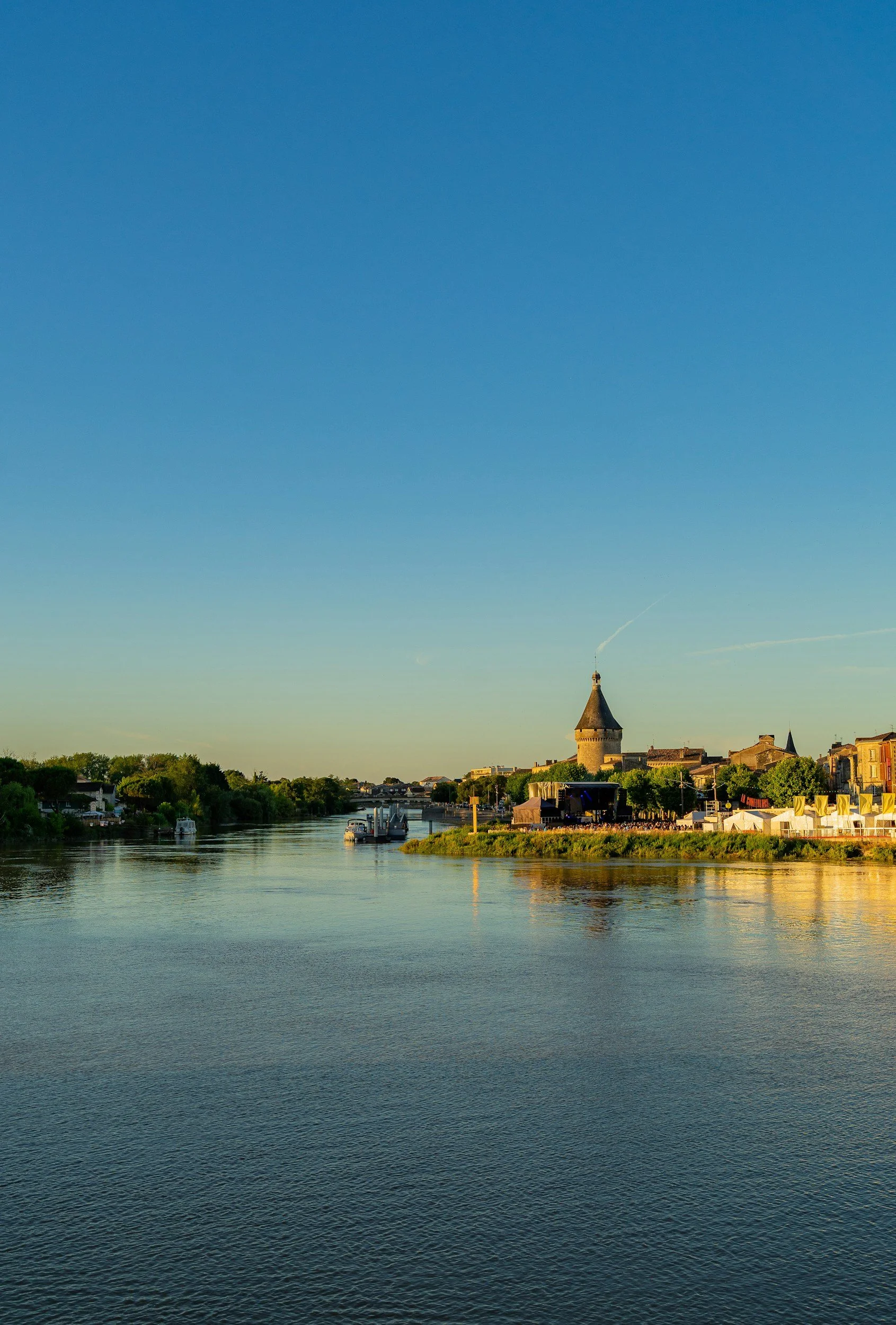
Those small differences don't usually make or break a trip, but they do change how each journey feels. After a few days, you stop thinking of stations as places you pass through and start recognising them as part of the character of each region, whether that's commuters cycling to work in Burgundy, wine travellers changing trains at Libourne or walkers stepping off with hiking boots in the foothills of the Alps.
If Bordeaux is part of the same journey, Bordeaux guide helps you decide how long to stay before heading into wine country.
Plan around market days, not just train times
One thing I almost always look at before planning a rail trip through France isn't the train timetable. It's the market calendar!
That might sound backwards at first, but after a while you start noticing that the same town can feel completely different depending on which morning you arrive.
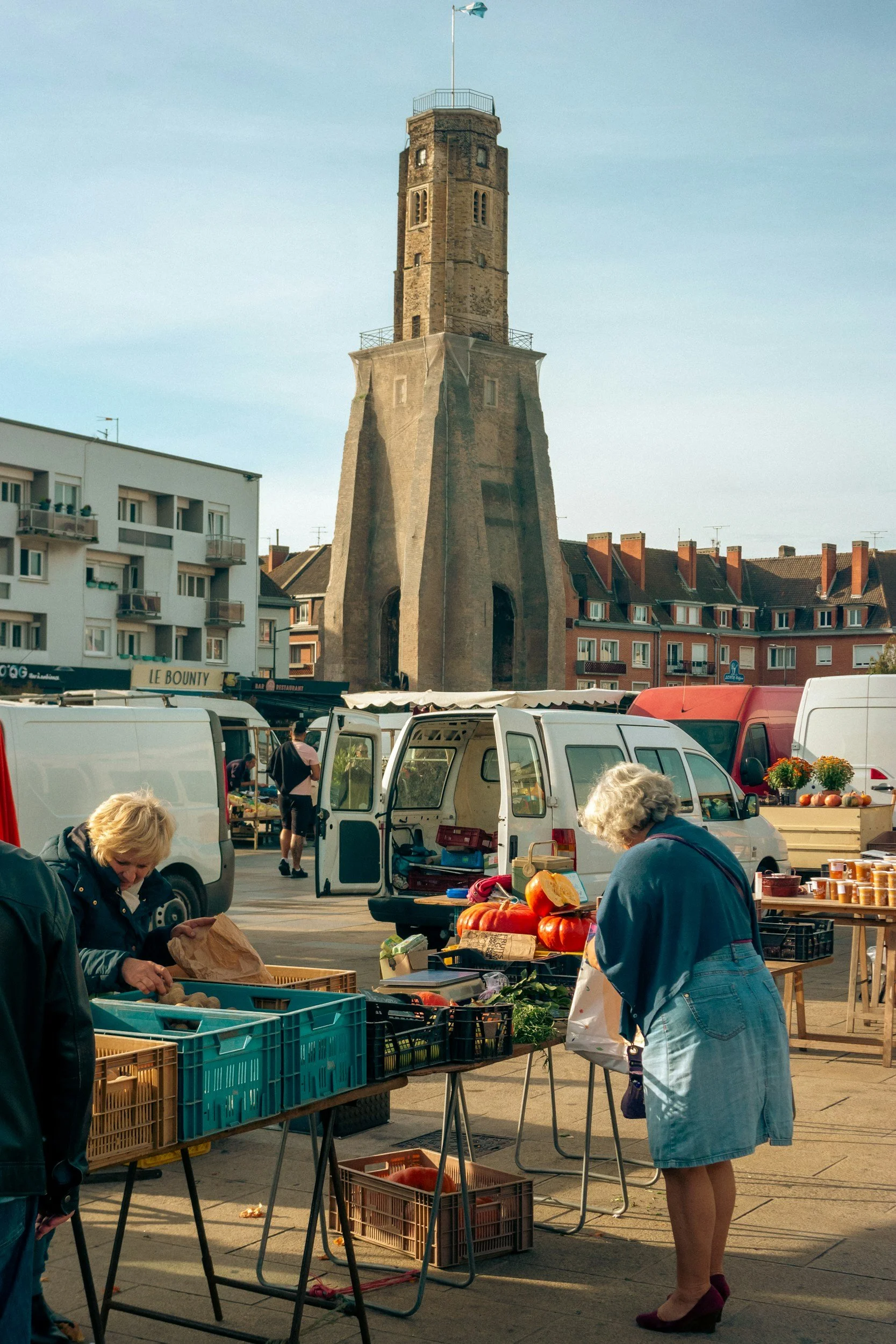
Take Pézenas. Most people naturally look at train connections from Béziers first, but it's the Saturday market that really decides when I'd want to be there. By 08:30 traders are already setting up along Cours Jean Jaurès, the stalls spread into Place Gambetta, cafés are putting out extra tables and locals are walking through town carrying baskets before most visitors have even arrived. Come back on a Monday morning and it's almost hard to believe it's the same place.
The same thing happens in Nyons, although much earlier than people expect. The Wednesday market starts waking up long before 09:00. If your TER gets you there just before lunch, you've already missed the busiest part of the morning. By then, plenty of locals are packing up their shopping and heading home while visitors are only just arriving.
That's why I usually plan the market first and the trains afterwards.
If Nyons is already on your route, market day explains how the town changes from early morning until lunchtime.
Something else I've started noticing is that markets often make a better arrival day than a day trip. If you're staying in Amboise, arriving the afternoon before Friday's market gives you the whole morning without watching the clock. You can wander between the stalls around Place Michel Debré, stop for coffee overlooking the Loire, and only think about trains again the following day.
The opposite is often true for wine regions.
Monday looks like a sensible day for vineyard visits because the weekend crowds have disappeared, but smaller producers don't always reopen immediately after busy Saturdays and Sundays. Around parts of Burgundy and the Côte Chalonnaise, Tuesday can actually give you more options, even though the TER timetable looks almost identical.
One thing I stopped doing a long time ago was planning to "browse the market after lunch." In places like Apt or Uzès, that version of the morning has already finished. Around Place aux Herbes or Place de la Bouquerie, the conversations shift from buying vegetables and goat's cheese to long lunches under the plane trees, while vans quietly disappear one by one from the edges of the square.
If you're planning an autumn trip instead, Uzès in autumn has a completely different atmosphere from market season.
Sarlat is worth planning around rather than squeezing into whatever train happens to fit. If you arrive early on a Saturday, you'll catch producers setting out walnuts from the Périgord, fresh bread, goat's cheese and seasonal fruit across Place de la Liberté. Leave it until after lunch and you'll find yourself walking through a completely different square, where market stalls are disappearing one by one and most people are settling in for a long lunch instead.
Some of the best decisions you'll make on a France rail trip won't come from the SNCF timetable at all. They'll come from a local market calendar.
If market mornings are one of the main reasons you're travelling, this guide compares the Occitanie towns that work best as a base without a car.
Choosing the right month often matters just as much as choosing the town, which is why Provence markets is worth reading before you book.
If you're hoping to come home with something more interesting than souvenirs, brocante guide explains what experienced shoppers look for first.
If I had one week, this is how I'd split it
Looking at a railway map, it's tempting to think every region works in roughly the same way. After a few trips, you realise they really don't. Burgundy feels at its best when you unpack once and stay put, Occitanie suits longer day trips without changing hotels, and Alsace is relaxed enough that you can decide over your morning coffee whether today is a Colmar day or a Strasbourg day.
Burgundy (4 nights)
If I had four nights, I'd stay in Dijon from start to finish.
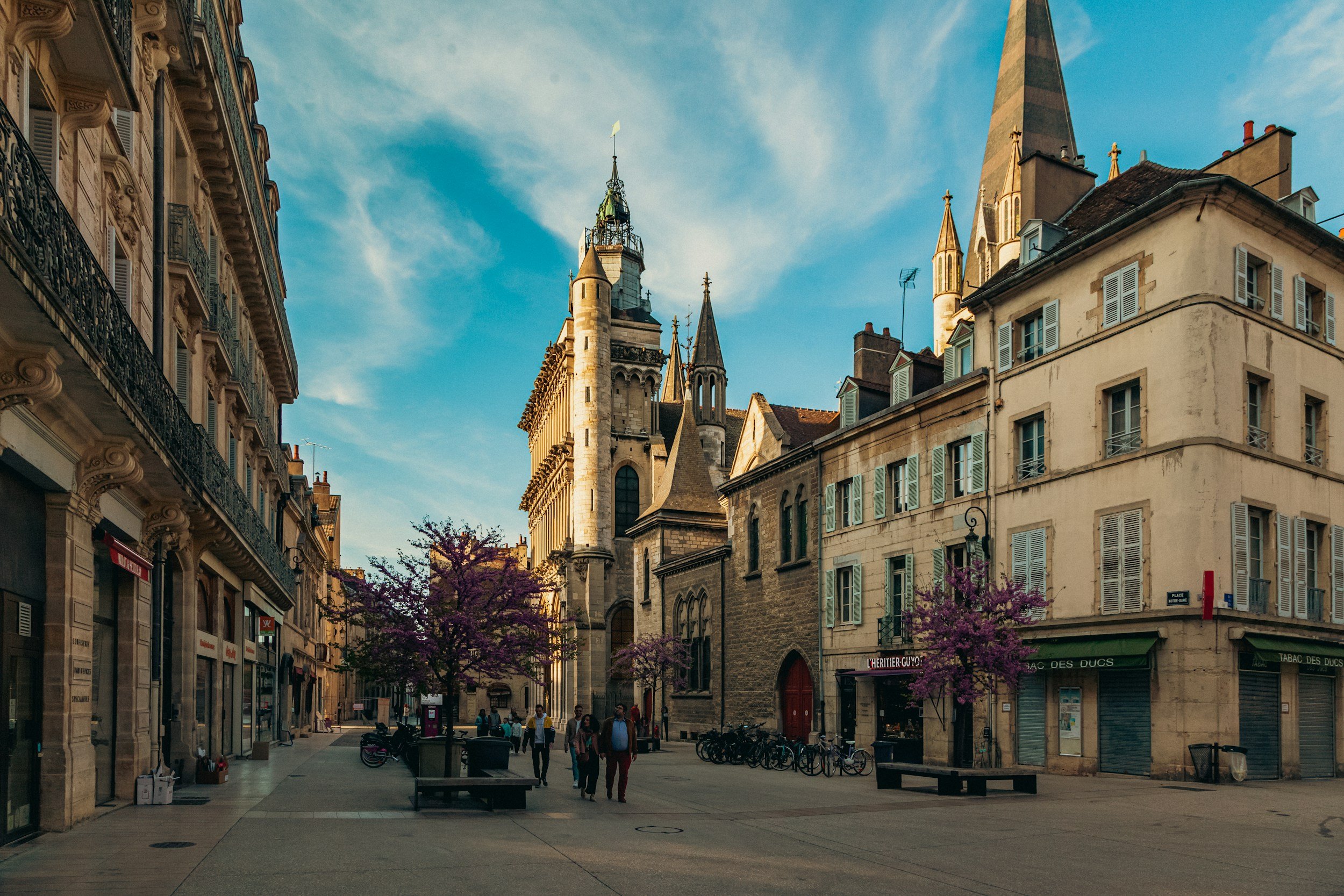
Beaune is often the place that gets people's attention first, but Dijon simply works better as a rail base. You can leave the station, cross Place Darcy, follow Rue de la Liberté into the old centre and be checking into your hotel within minutes, which means arrival day never feels wasted. Instead of spending the afternoon figuring out transport, you can wander through the streets around Rue Verrerie, stop for a coffee near Place François Rude, or take the longer walk towards Place de la Libération just before dinner, when the square starts filling with people meeting after work.
Saturday is one of the few days I wouldn't leave the city. Les Halles is already busy by the time many visitors are sitting down for breakfast, and the atmosphere changes as you move away from the market. Around Rue Musette, people are queuing outside bakeries and carrying baskets back towards the quieter residential streets, while only a few minutes away, around Place Émile Zola, everything feels noticeably calmer.
I'd save Beaune for Monday. The TER journey is short enough that you don't need to catch the first departure, and by then the weekend visitors have mostly disappeared from Place Carnot and the wine shops around Rue Monge. If you still have time before heading back, walk down towards the old ramparts rather than turning straight around for the station. Most people never make it that far.
If there's one detour I'd always recommend, it's Chalon-sur-Saône. Rather than heading back on the first afternoon train, stay until early evening and walk along Quai Gambetta as people finish work and gather beside the river. It feels like a different town from the one day-trippers usually see.
One thing I'd definitely avoid is booking two nights in Dijon and two nights in Beaune. On a map it looks balanced, but in reality you're packing your suitcase, checking out of one hotel and checking into another for a journey that takes less than half an hour by TER.
I'd rather use that time somewhere else.
One thing that surprised me the first time I planned Burgundy properly was how much the week changes after Saturday. The market disappears, the streets become quieter and even the trains feel different. By Tuesday morning, the passengers boarding at Dijon are mostly commuters, students and people heading to work rather than visitors carrying weekend bags, and the whole region settles into a very different routine.
Occitanie (5 nights)
I'd give this region five nights without thinking twice, and I'd spend every one of them in Toulouse.
It's easy to look at a map and assume you should split the trip between Toulouse, Cahors and Albi, but the train connections are straightforward enough that moving hotels rarely gives you much in return. Keeping the same room for the whole trip means you can leave with a small day bag each morning and forget about your luggage completely.
Cahors is somewhere I'd deliberately avoid rushing. Cross Pont Valentré first, then work your way back into the old town through the smaller streets instead of heading straight for Boulevard Gambetta. By late afternoon, when the light starts reaching the river again, the cafés around Place Chapou feel completely different from the lunchtime rush.
Still deciding between the Lot Valley's two best-known towns? Cahors or Figeac compares them side by side before you book anything.
I'd treat Albi the same way. A lot of visitors arrive, see the cathedral, have lunch and head back to Toulouse, but staying until the end of the afternoon changes the pace completely. Walk down towards the Palais de la Berbie, follow the paths beside the Tarn, then cross back into town once the coach groups have left. There's usually another TER later on, so there's very little reason to rush.
Something else that's worth keeping in mind is how the landscape changes depending on which direction you're travelling. Heading north from Toulouse towards Cahors, the countryside gradually becomes greener and more wooded as the train follows parts of the Lot Valley, while the journey east towards Albi feels more open, with long stretches of farmland before the cathedral suddenly appears above the rooftops as you arrive.
I'd also resist the temptation to catch the earliest train everywhere. Marché Victor Hugo is one of the best reasons to spend a slow morning in Toulouse, especially if you're staying nearby. Picking up breakfast there before leaving for an afternoon in Albi often feels like a better use of the day than rushing for an early departure just because it's available.
If you're travelling in July or August, I'd also keep an eye on the afternoon forecast. Walking across Pont Valentré in Cahors or around the open squares in Albi is much more enjoyable later in the day once the strongest heat has eased, and catching one of the later TER services back to Toulouse usually isn't difficult.
Alsace (4 nights)
Alsace feels lighter than almost anywhere else on the French TER network.
The distances are shorter, trains run frequently enough that missing one rarely changes your day, and staying in Colmar keeps almost everything within easy reach.
Once you've walked from the station into the old town and unpacked, there's very little reason to move again. Strasbourg is an easy day out when you're in the mood for a bigger city, while Sélestat works well if you'd rather spend a quieter morning exploring somewhere smaller before returning to Colmar for lunch.
One little detour that's easy to miss is the walk back from Marché Couvert towards Rue des Marchands using the smaller lanes behind Koïfhus instead of following the busiest streets. It only adds a few minutes, but it takes you through a part of Colmar where delivery vans, local shopkeepers and residents are still going about their morning while most visitors are gathered around Place de l'Ancienne Douane.
That's one of the reasons I keep coming back to Alsace for train trips. If lunch around Place de l'Ancienne Douane turns into two hours instead of one, or you end up spending longer than planned browsing the independent food shops along Rue des Marchands, it rarely ruins the rest of the day because another TER usually isn't far behind.
One little thing that's worth knowing is that you don't have to treat Strasbourg as a full-day trip every time. If you catch one of the earlier trains from Colmar, it's easy to spend the morning around La Petite France, wander through the covered market at Place Broglie if it's market day, and still be back in Colmar before dinner. A lot of visitors stay longer simply because they feel they should.
I'd also avoid squeezing Eguisheim or Riquewihr into the same day as Strasbourg if you're relying on public transport. On a map it looks perfectly manageable, but once you factor in buses and waiting times, the day starts feeling much more like a transport exercise than a holiday.
Alsace also changes more dramatically with the seasons than many people expect. In December the stations become much busier because of the Christmas markets, while a weekday in late January can feel almost empty by comparison. The railway itself works in exactly the same way, but the atmosphere around it is completely different depending on when you visit.
If the weather suddenly turns, I'd skip the train altogether. Colmar is one of those places that's surprisingly easy to enjoy without an itinerary. Spend the morning in Marché Couvert, duck into the small wine shops around Rue Berthe Molly, then wander back through the quieter streets behind Koïfhus instead of following the crowds through Little Venice. It's only a five-minute detour, but it feels like a different part of town.
A few things that are easy to overlook
France is actually a very forgiving country to travel around by regional train, but there are a handful of planning decisions that can quietly make the whole trip feel more complicated than it needs to be, and most of them happen long before you've booked the first ticket.
Wine villages are probably the best example. Looking at a map, it's easy to assume that anywhere surrounded by vineyards must also sit on the railway network, but that's rarely how it works in practice. Places like Gigondas, Châteauneuf-du-Pape or Saint-Rémy-de-Provence are all perfectly possible to visit without hiring a car, but they rely on buses, short taxi journeys or a combination of both once you've stepped off the train. The railway gets you surprisingly close. It's usually those last few kilometres that decide whether the day feels relaxed or slightly awkward.
If you're planning to stay there rather than just visit for the day, Saint-Rémy mornings gives you a much better feel for the town before it gets busy.
The station itself is worth looking at a little more closely before booking a hotel, especially in towns you've never visited before. I've changed my mind more than once after opening Street View and realising that what looked like a ten-minute walk actually meant dragging a suitcase uphill, crossing a busy ring road or following an industrial street before reaching the old town. Le Puy-en-Velay is a good example. The station is conveniently placed, but the climb towards the cathedral district becomes much more noticeable with luggage than it ever looks on a map.
One thing I almost always check now is whether I'm arriving at the station the town actually revolves around. In places like Aix-en-Provence, for example, high-speed trains stop at Aix-en-Provence TGV, which sits several kilometres outside the historic centre. If your hotel is around Cours Mirabeau, you'll still need a shuttle bus or taxi before you've really arrived, and it's an easy detail to miss if you've only searched for "Aix-en-Provence station."
I'd also be cautious about building an itinerary around very short connections, even when the timetable says they're possible. A twelve-minute change looks generous until the first train is running a few minutes late, you've never been through the station before and the platform for your next TER turns out to be on the opposite side of the building. I'd much rather spend twenty minutes with a coffee than spend those same twenty minutes wondering whether the next train has already left.
Sundays deserve a little more planning than weekdays, although not because of the trains themselves. It's often everything around the station that changes first. You arrive expecting to pick up picnic supplies or have lunch before checking into your hotel, only to find that the bakery you've bookmarked is closed, the independent wine shop doesn't open until Tuesday and several family-run restaurants are taking their weekly day off. Figeac is one of those towns where it's worth checking opening hours before deciding that Sunday is your arrival day.
The other thing I'd stop doing is relying on Google Maps for the whole journey. It's excellent once you've arrived and you're trying to find a café or walk back to your hotel, but when I'm still planning a rail trip, I almost always have SNCF Connect open alongside it. Regional timetables, engineering works, platform information and seasonal changes are often much clearer there, and it usually gives a more realistic picture of how the journey actually fits together.
Looking back, it's rarely the train that makes a trip through France feel difficult. More often it's one small assumption made while everything was still open in browser tabs at home, whether that's believing a village sits beside its station, assuming every Sunday works like a Saturday, or booking a hotel because it looked close on the map without ever checking what the walk actually feels like once you've stepped off the train.
If you're still choosing a base, Aix-en-Provence in spring is useful if you're travelling outside the busiest summer months.
Knowing when to choose TER instead of TGV
One thing that's easy to assume before your first rail trip through France is that the fastest train is always the best option. Quite often, it is. If you're travelling from Paris to Dijon, Strasbourg or Avignon, I'd almost always take the TGV. It covers the long distance quickly and gives you more time once you've arrived.
It's after that first journey that TER trains usually become much more useful.
Think of the TGV as the train that gets you into a region, and TER as the network that helps you explore it.
If you're staying in Dijon, for example, there's very little reason to look at high-speed trains once you've arrived. The regional TER network is what connects you with places like Beaune, Chalon-sur-Saône and Montbard, and the journeys are short enough that you don't feel as though you're spending the day travelling.
The same applies in Alsace. A TGV from Paris to Strasbourg makes perfect sense, but once you're there, it's the TER that links Strasbourg, Colmar, Sélestat and Mulhouse throughout the day. Booking high-speed trains between those towns would simply add unnecessary cost without saving much time.
Occitanie works in much the same way. A fast train to Toulouse is the easiest way to reach the region, but the slower regional services are what take you to places like Albi, Cahors and Montauban. They're designed for everyday travel rather than racing across the country, which is why they stop in the smaller towns that many visitors actually want to explore.
One thing I wouldn't do is build the whole trip around TGV connections just because they're faster on paper. A direct high-speed train followed by an hour waiting at a station often feels less enjoyable than a straightforward TER that leaves twenty minutes later and drops you exactly where you want to be.
That's probably the easiest way to think about it. Let the TGV cover the long distances, then let the TER network take over once you're there. That's how most relaxed car-free trips through France naturally come together.
If you're continuing towards the Mediterranean after a Provence visit for example, Collioure is one of the easiest coastal towns to add by train.
Before you start booking anything
The France rail trips that stay with people rarely have the longest itineraries.
More often than not, they look surprisingly uncomplicated when you see them written down. One region, one good base, maybe two if you're travelling for longer, and enough time to spend an evening somewhere after the last of the day visitors have gone home instead of catching the next train because the timetable says you should.
It's also worth remembering that regional trains aren't really designed for racing across the country. That's what the TGV network does brilliantly. TER trains are different. They connect places that are close enough to each other that you can have coffee in one town, lunch in another and still be back in the same hotel before dinner without spending half the day travelling.
TER timetables often become noticeably lighter outside summer on smaller branch lines. If you're travelling in November or February, the train you planned to catch in July might not exist at all, so it's always worth checking the timetable for your actual travel dates rather than assuming services stay the same year-round.
If I could leave you with one thought before you book anything, it would probably be this: don't start by asking how many places you can fit into the trip. Start by asking where you'd still be happy wandering back through the market square or ordering one more coffee after the lunchtime crowd has disappeared…
That's usually the place worth building the itinerary around.
Ps. if this is the kind of travel you enjoy most, I’ve written a piece of mindful countryside escapes ideal for a long weekend in France.
FAQs: France TER train travel
Is France easy to travel without a car?
In many regions, yes. Places like Burgundy, Alsace and parts of Occitanie have excellent TER connections, which means you can comfortably travel between cities and market towns without hiring a car. The trick isn't trying to visit everywhere, but choosing a region where the train network naturally links the places you want to see.
Is Burgundy or Alsace better for a first France rail trip?
If you've never travelled around France by TER before, I'd usually recommend starting with Burgundy. Dijon is one of the easiest regional bases in the country because you can reach several very different towns without changing hotels, and the station sits within easy walking distance of the historic centre. Alsace is just as easy once you're there, but Burgundy gives you a better feel for how the regional rail network works in different landscapes and towns.
Should I stay in Dijon or Beaune?
I'd choose Dijon almost every time.
Beaune is wonderful to visit, but it's much better as a day trip than a base for most people travelling by rail. Dijon gives you more restaurants, more evening life, more direct TER connections and far more flexibility if the weather changes or you decide to swap one day trip for another. Because the journey between the two takes well under half an hour, changing hotels usually creates more work than value.
How many hotel changes make sense on a one-week France rail trip?
Fewer than most people plan.
A week often works best with one base, or two at the very most if you're travelling between regions. Every hotel change quietly takes time away from the trip, even if the train journey itself is short. Checking out, storing luggage, waiting for your room to be ready and getting your bearings again all add up much faster than people expect.
How much time should I leave between TER connections?
I'd be cautious about anything under fifteen minutes unless you know the station already.
Regional trains are generally reliable, but a small delay, a platform change or simply taking the wrong exit can suddenly make what looked like a comfortable connection feel unnecessarily stressful. If the choice is between rushing for twelve minutes or having twenty-five minutes to grab a coffee, I'd take the coffee every time.
Do market days really make that much difference?
Much more than most guidebooks suggest.
A town doesn't suddenly become more beautiful because it's market day, but it often feels much livelier. Local producers are setting up early, bakeries are busier, cafés fill more quickly and there's simply more happening in the streets. I usually check the market calendar before I book accommodation because arriving on the right day can completely change how a place feels.
Can you visit French wine villages without renting a car?
Yes, but it's worth checking how you'll cover the last part of the journey before you book anything.
The train often gets you surprisingly close, but villages such as Gigondas, Châteauneuf-du-Pape or Puligny-Montrachet usually involve a local bus, a taxi or a longer walk from the nearest station. That's often the part people forget to plan.
Is Google Maps enough for planning a TER itinerary?
Not really.
Google Maps is excellent once you've arrived and you're trying to find your hotel or a restaurant, but for planning regional train journeys I'd always compare it with SNCF Connect. It's usually much clearer for TER services, platform information, timetable updates and engineering works that might affect your trip.
Can you explore Provence using only TER trains?
You can explore a surprising amount without a car, but it's best to think of Provence as a combination of trains and buses rather than trains alone.
The railway makes travelling between places like Avignon, Arles, Marseille and Aix-en-Provence very straightforward, while many of the famous hill villages rely on local bus connections for the final stretch. Planning around both networks usually creates a much more relaxed trip than expecting every destination to have its own railway station.
Is Sunday a bad day to travel around France?
Not at all, but it's worth planning a little differently.
The trains usually aren't the issue. It's the smaller things that catch people out, like discovering the bakery you wanted to visit is closed, the wine shop doesn't open on Sundays or the restaurant you've saved is taking its weekly day off. I normally check restaurant opening hours before I decide which town to use as my Sunday base.
What's the biggest mistake people make when planning a France rail trip?
Trying to see too much.
France has one of the best regional rail networks in Europe, but that doesn't mean every good itinerary needs five hotels and a different town every day. The trips people talk about afterwards are usually the ones where they had time to stay for another coffee, walk through the market twice or decide to catch the next train instead of the first one. That's much harder to do when every day revolves around checking in somewhere new.