
Arles is a different city once summer is over
By the end of September, Arles calms down in a way you immediately notice. The big summer crowds thin out, the photography festival wraps up, and the streets around the Roman Arena stop feeling like a constant queue. You can stand in front of the Amphithéâtre d’Arles without someone brushing past your shoulder every few seconds. Place du Forum still has people at the cafés, but it’s no longer packed three tables deep.
Arriving by train feels easier too. From Gare d’Arles, it’s a straightforward ten-minute walk into the old town. You cross Boulevard Clémenceau, follow the signs toward the centre, and within a few blocks you’re on narrow stone streets lined with shutters and small shopfronts. No tour buses idling. No groups blocking the pavement. Just a normal walk with your suitcase rolling behind you.
By October, hotel prices soften. Small places near Rue du Grand Prieuré or in the Hauture district often have availability midweek, and you don’t need to plan weeks ahead. Restaurants that were fully booked in July suddenly have space. At Le Criquet, just behind the Arena, you can often walk in for dinner around 7 pm without stress. Even the more popular spots near Place du Forum feel manageable.
The weather helps. October afternoons usually sit somewhere between 18 and 23 degrees. Warm enough to sit outside with a coffee, cool enough that you’re not searching for shade. Mornings start closer to 10 or 12 degrees, so you’ll want a sweater when you head out for bread. November stays milder than people expect. Many days reach 15 to 18 degrees if the sun is out, though evenings cool off quickly once it drops behind the rooftops.
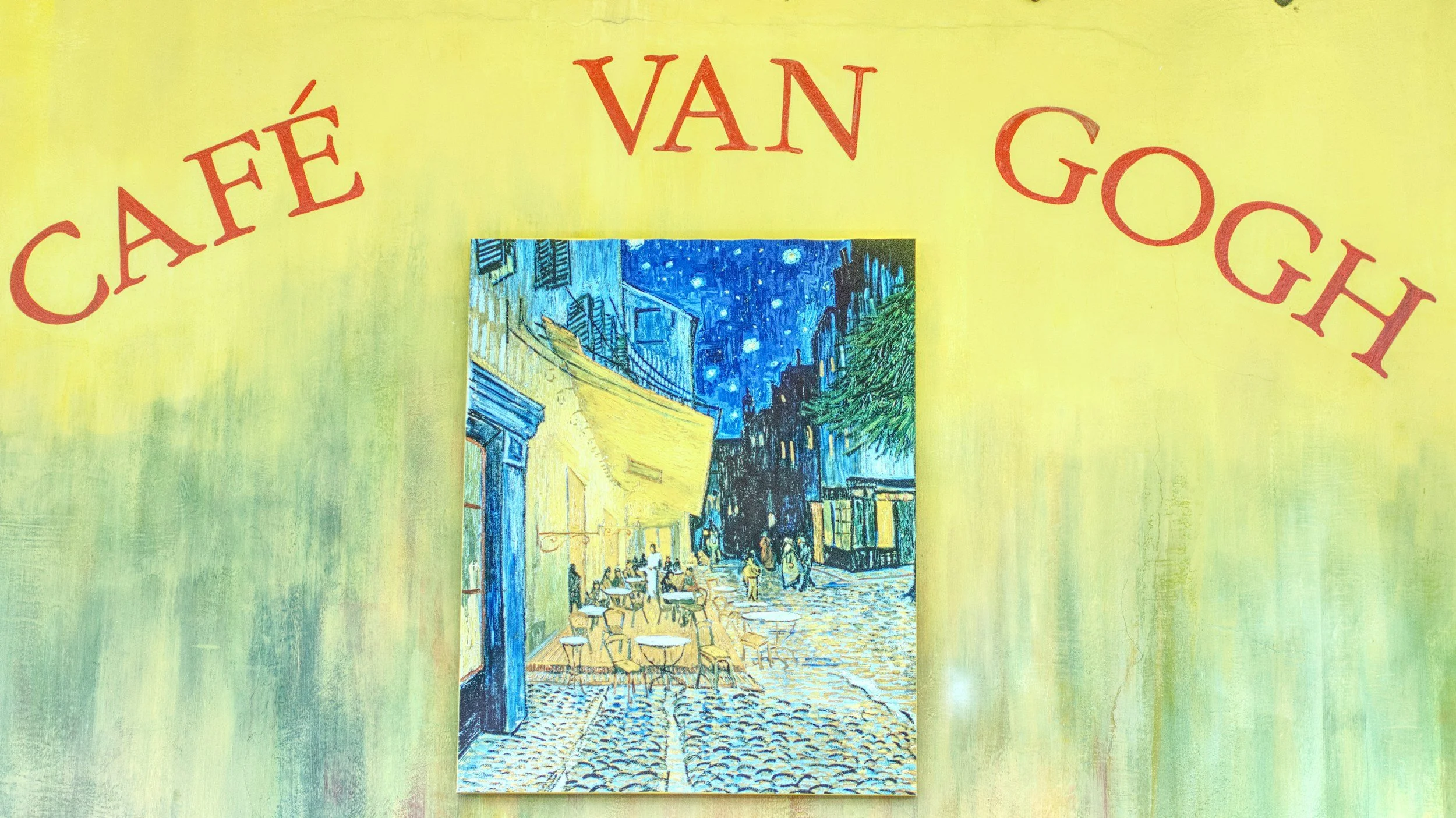
Cafés feel more local this time of the year. On Place du Forum, the terrace at Café Van Gogh still has people sitting outside, but you’ll notice more conversations and fewer cameras. Tables stay outdoors with small heaters switched on. Down by the Rhône along Quai Lamartine, the light changes on windy days. When the mistral blows, the sky turns completely clear and the river looks sharper, almost metallic!
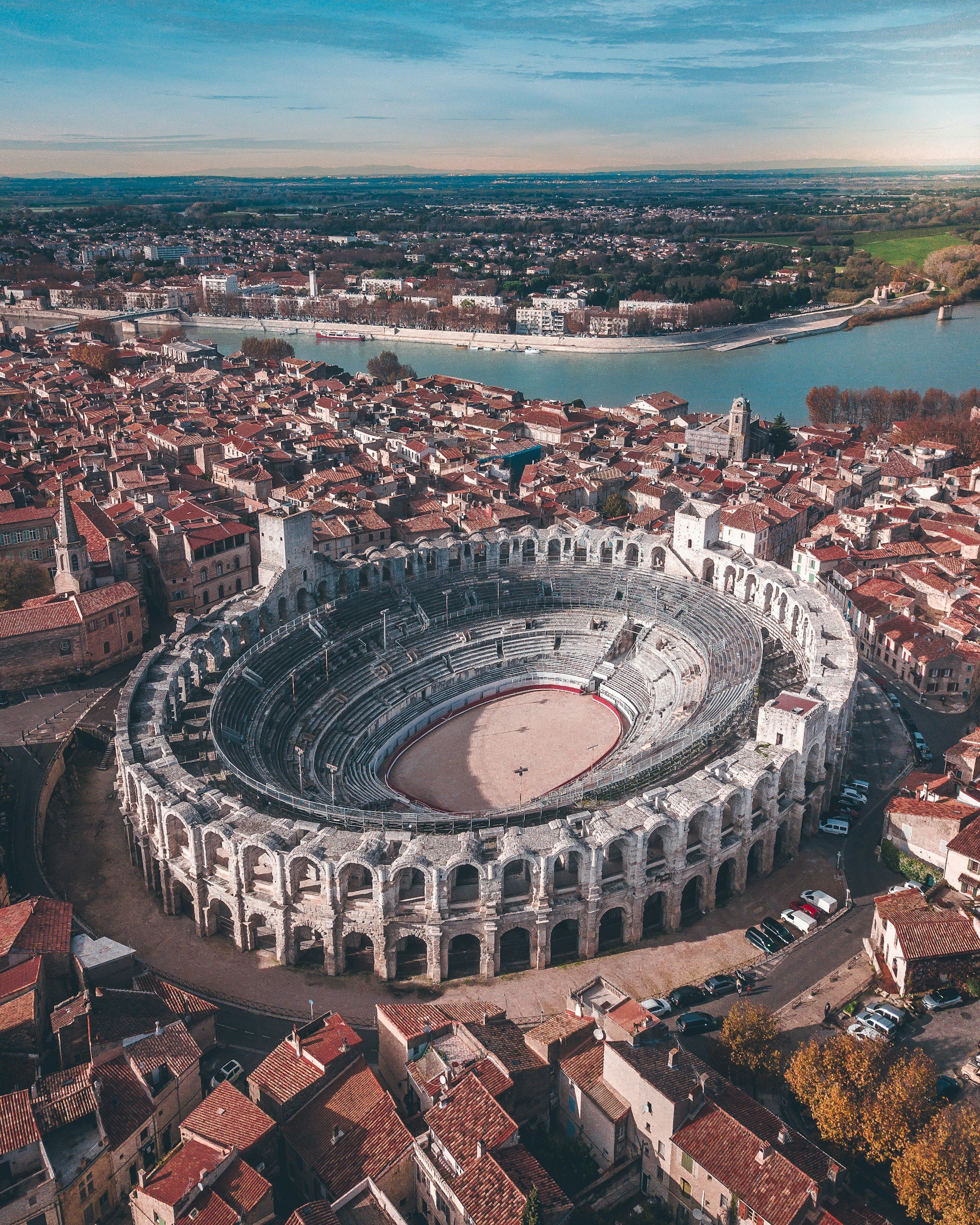
Morning light along the Rhône near Quai Lamartine
Quai Lamartine is where you go if you want space first thing in the morning. It runs along the Rhône just outside the tight web of streets in the old town. From Place du Forum, it’s an easy five-minute walk downhill. You pass a few closed shopfronts, maybe a bakery opening up, and then the streets suddenly widen when you reach the river.
If you’ve ever ended up somewhere that looked quiet but felt slightly off, this quiet vs closed towns explains that difference better than most.
The difference is immediate. Instead of cobblestones and narrow corners, you get a broad pavement and open sky. In October, the sun doesn’t rush up. Around 7:30 or closer to 8:00, the light starts hitting the buildings across the water on the Trinquetaille side. The façades look pale and almost chalky in that early light and it’s quiet enough that you can actually hear the water moving and the traffic crossing the bridge in the distance.
Most of the people out here are locals and it feels like a normal riverside path.
If you want a proper walk, head toward Pont de Trinquetaille. You can cross it for a wider view over the Rhône, then loop back on the same side toward the Musée Départemental Arles Antique, the modern building with the blue glass panels. From Place du Forum down to the bridge and back takes about 35 to 40 minutes without rushing. There are benches along the path if you want to sit for a bit, and before 9 am most of them are empty.
The market at Place du Forum after high season ends
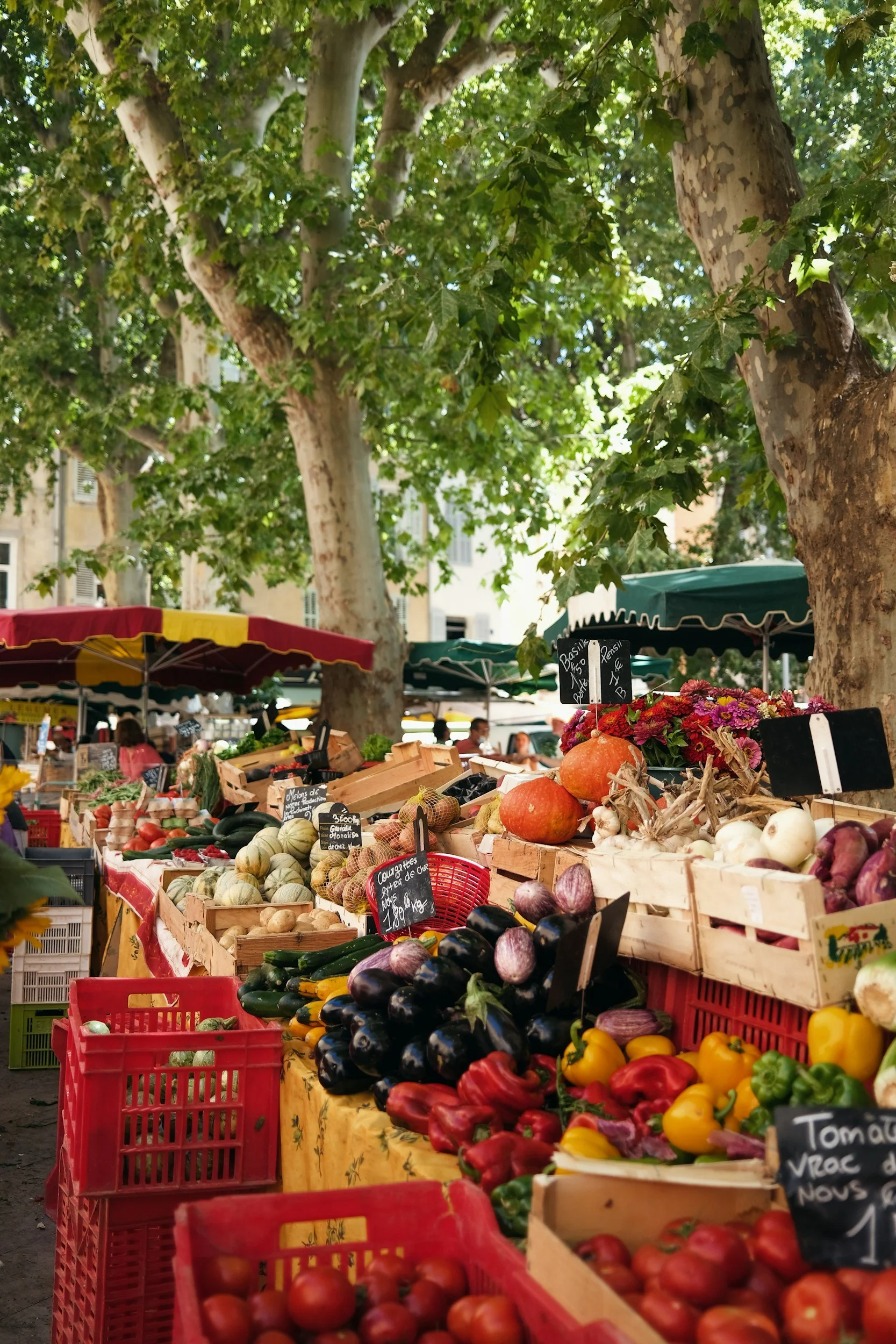
The Arles market takes over Boulevard des Lices every Wednesday and Saturday morning. It’s long, really long, stretching almost the entire curve of the boulevard under the plane trees. In October, all the stalls are still there, but the pace changes. You’re not shoulder to shoulder with tour groups. You can actually stop and taste olives without feeling pushed along.
You’ll find the usual Provençal staples, but it feels more regional than staged once summer ends. Big bowls of green and black olives marinating in herbs. Fresh goat cheese from farms in the Alpilles, often sold plain or rolled in ash. Seasonal vegetables depending on the week, pumpkins and late tomatoes in early October, then mushrooms and darker greens later in the month. There’s always at least one rotisserie stand with chickens turning slowly, trays of potatoes underneath catching the juices. Camargue rice is sold in heavy paper bags, sometimes in different varieties, white, red, or semi-wholegrain.
If you arrive before 9:30 am, it’s easy to move around. Locals shop early. By 10:30, it fills up, but it’s still manageable compared to July when the entire boulevard can feel packed. In autumn, you can take your time. Walk one direction, then double back to the stalls you liked without fighting through crowds.
Just a few steps away, Place du Forum has its own quieter rhythm. Cafés like Café Van Gogh and Le Café La Nuit open around 8 am. In October, you can usually choose your table. You’ll see shop owners unlocking doors, delivery vans squeezing through narrow streets, parents walking children toward school. If you want bread, Boulangerie Soulier on Rue de la République is a short walk away and opens early. People pop in, come out with baguettes tucked under their arms, and head home. It feels like a normal weekday morning in Arles!
Markets are usually where it becomes obvious whether a place actually works, and these southern France winter markets show how that changes once the season shifts.
Cafés around Place Voltaire when tables are easy to find
Place Voltaire is one of those squares you only end up in if you’re actually staying in Arles for a few days. It’s just five minutes from the Arena, but most visitors don’t drift this way. You walk north past smaller streets, and suddenly the souvenir shops disappear. You see laundry on balconies. Bikes leaning against walls. It feels lived-in. If you’re trying to picture what “lived-in” really means day to day, this French countryside year-round gets that idea exactly right.
There are a few small cafés around the square that stay open all year. Simple terraces, metal chairs, maybe a chalkboard menu leaning against the wall. In October, you can turn up at 11 am and sit wherever you like. You’ll see older locals having a coffee, someone reading the paper, maybe a couple sharing a bottle of rosé even before lunch. It’s relaxed without trying to be.
The streets nearby, especially around Rue Porte de Laure and Rue du Sauvage, are even calmer. These are narrow lanes with uneven stone underfoot and wooden shutters that creak when they open. If you’re choosing where to stay, this pocket makes sense. You’re close enough to walk everywhere in five minutes, but far enough that you won’t hear crowds late into the evening.
Most of the small hotels and guesthouses here are inside old houses. You ring a bell, step through a heavy wooden door, and find a quiet courtyard inside with plants and a few chairs. No big reception desks. No lobby music. Just someone greeting you and showing you up a tiled staircase to your room. It feels personal in a normal way…
Mistral days and clear skies in early autumn
In autumn, the mistral is part of daily life in Arles. You’ll notice it straight away because it’s loud. Wooden shutters hit against walls, and the wind moves quickly through the narrow streets around the Arena and Place du Forum. It’s a dry wind, not humid, and it can last a full day or several days in a row.
When it blows, the sky is completely clear. From Quai Lamartine, you can see across the Rhône without any blur in the distance. The buildings on the Trinquetaille side look sharp and pale. If you drive toward the Camargue, the landscape feels very open, with no mist over the wetlands or fields. It’s good visibility for walking or driving, just colder than it looks.
The temperature often drops a few degrees when the mistral is strong. Even if it says 18 degrees, it can feel closer to 14 because of the wind. Sitting outside for a long lunch isn’t very comfortable unless you’re sheltered. Most cafés on Place du Forum keep their terraces open, but you’ll see people choosing tables closer to walls or inside.
If the forecast shows high wind speeds, it makes sense to plan indoor visits earlier in the day. The Musée Réattu near the river or the Musée Départemental Arles Antique are solid options when it’s gusty outside. Later in the afternoon, the wind sometimes weakens slightly, and that’s when a walk along Quai Lamartine or through the smaller streets near Rue du Grand Prieuré feels easier.
Getting to Arles without touching Marseille airport chaos
Most international visitors default to Marseille Provence Airport, but Arles can be reached without spending time in central Marseille. If you’re coming from somewhere busier like Marseille, this quiet towns near Lyon piece shows how different the pace can feel once you move inland.
And if you’re still figuring out where to base yourself along the coast, these small towns near Marseille give a clearer sense of what actually feels easy once you’re there.
Train routes via Avignon TGV and onward to Arles station
If you’re coming from Paris or Lyon, Avignon TGV is usually the easiest arrival point. The high-speed train from Paris takes around 2 hours and 40 minutes. From Lyon, it’s roughly an hour. The station itself is modern and straightforward, not especially charming, but easy to navigate.
From Avignon TGV, you switch to a regional TER train to Arles. The ride takes about 20 minutes. Trains usually run about once an hour, sometimes more frequently during the day. You don’t need to leave the station complex to transfer. You follow the signs down to the regional platforms and wait there. It’s simple, even with luggage.
Arles train station is small and practical. When you step off the train, you’re already close to the centre. It’s about a 10-minute walk to Place du Forum. You cross Boulevard Clémenceau and follow signs toward the historic centre. Most hotels inside the old town are 12 to 15 minutes on foot. Streets are cobbled in places, so a suitcase with solid wheels helps, but you don’t need a taxi unless you’re carrying something heavy.
If you’re figuring out trains before you go, this Eurail for slower routes is one of the few guides that doesn’t overcomplicate something fairly simple.
Driving from Nîmes or Montpellier instead of Marseille
If you’re flying, Montpellier or Nîmes are calmer than Marseille. Both airports are smaller and quicker to get through. From Montpellier, the drive to Arles takes about an hour using the A9 and then the N113. The route is direct and mostly flat. From Nîmes, it’s closer to 30 minutes by car.
Outside peak summer months, traffic is manageable. You’re not dealing with heavy coastal congestion. Roads are well signed, and once you approach Arles, signs clearly point toward the centre and parking areas.
Parking inside the old town is limited. Cars aren’t allowed on many of the narrow streets unless you have special access. The Parking du Centre near Boulevard des Lices and Parking Lamartine by the river are two common options. Expect to pay roughly €15 to €20 per day. Most small guesthouses inside the historic centre don’t have private parking, so it’s important to check before booking. Some will direct you to a nearby public garage instead.
Car rental timing if planning Camargue or Alpilles day trips
You don’t necessarily need a car for your entire stay. Arles itself is completely walkable. If you’re planning day trips to the Camargue or into the Alpilles, renting a car for two or three days in the middle of your trip works well. Rental agencies are located close to the train station, which makes pick-up and drop-off easy.
In October, you can often rent without booking weeks in advance, but if there’s a local event or festival, availability drops quickly. A small car is enough. Roads toward Saintes-Maries-de-la-Mer or Saint-Rémy-de-Provence are straightforward, and parking in those towns is simpler outside summer.
If you’re thinking about doing this without a car, this France in winter without one makes it feel a lot less complicated than it sounds.
Staying inside the historic centre but away from the crowds
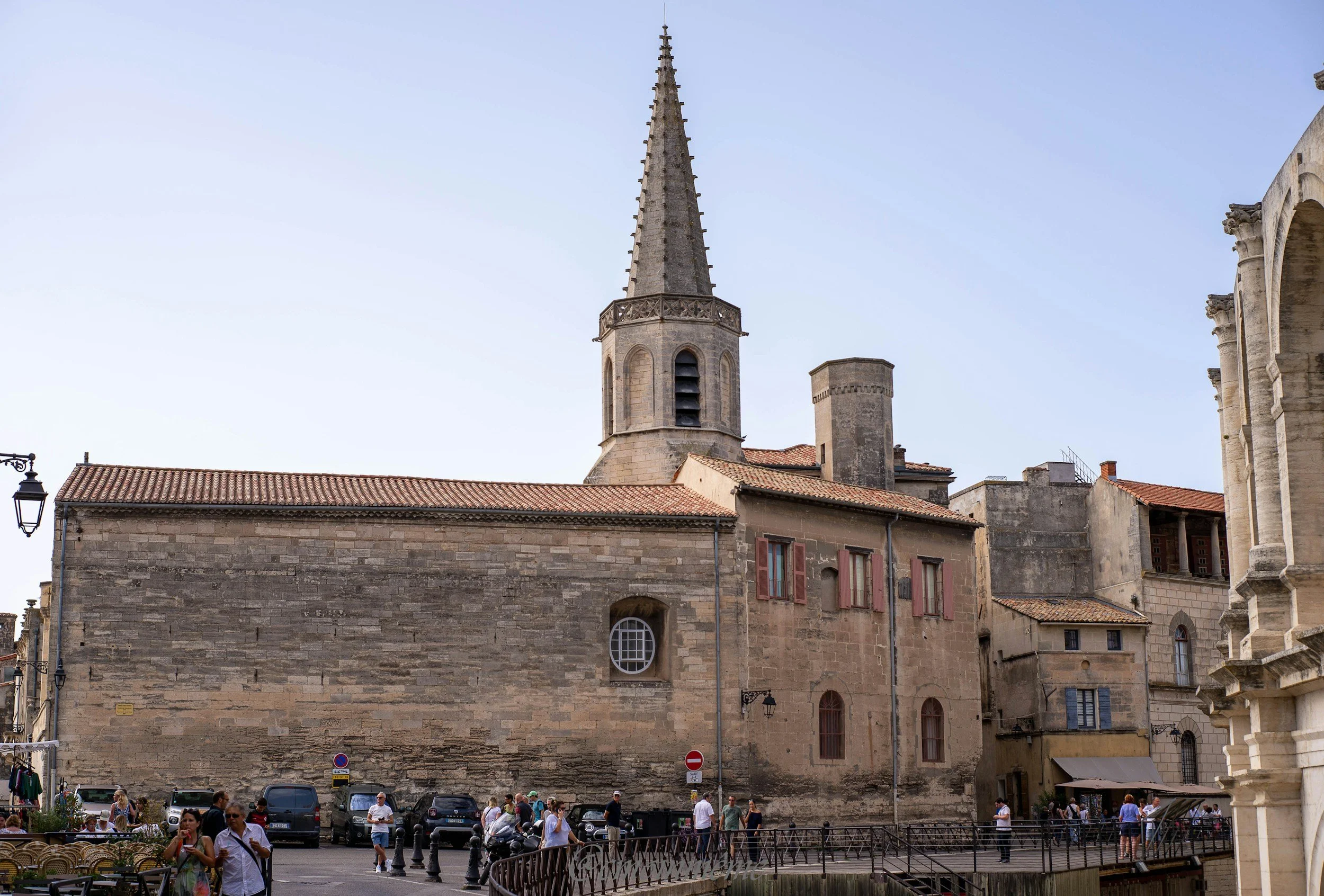
Arles is small enough that you don’t need to overthink location, but street choice does matter. You can walk from one side of the historic centre to the other in about 15 to 20 minutes without rushing. From the Arena down to the Rhône is only a few blocks. The difference is whether you’re staying directly next to the Roman Arena or one or two streets back.
If you book a room right on Place du Forum or beside the Amphithéâtre d’Arles, you’ll hear more foot traffic, especially during the day. Even in October, that area stays the busiest. It’s convenient, but not the quietest option. Moving just slightly away makes a big difference.
If Arles starts to feel a bit too structured, these Drôme cottage stays show what happens when you move slightly further out and let the days stretch a bit. For a wider look at that same area, this Drôme Provençale guide gives a better sense of how the region actually is like once you’re there.
Quiet streets near Rue du Grand Prieuré and Hauture district
The Hauture district sits just behind the Arena, slightly uphill. It’s still central, but it feels more residential. Streets like Rue du Grand Prieuré and Rue de la Calade are narrow and mostly lined with front doors rather than shops. In the evening, it’s quiet enough that you mostly hear your own footsteps (love that!)
From here, it’s about five minutes downhill to Place du Forum. You’re close enough to walk everywhere easily, but you’re not directly in the flow of visitors. There are fewer souvenir stores and more regular houses with shutters, potted plants near the entrance, and small balconies with laundry hanging. At night, once restaurants close, the area settles quickly. If you’re the someone who prefers to sleep with the windows slightly open in autumn, this part of town makes that possible.
Small guesthouses inside former townhouses
In Arles, a lot of the nicest places to stay don’t look like hotels from the outside. They look like normal old houses. Heavy wooden doors, faded shutters, stone façades that have clearly been there for centuries. You basically ring the bell and someone comes down to open it. No big reception desk and no lobby music.
Places like Hôtel de l’Amphithéâtre or L’Hôtel Particulier are set inside old buildings right in the historic centre. Even smaller spots tucked into streets near Rue du Grand Prieuré follow the same pattern. Rooms are spread over different floors, and most of the time there’s no lift. You carry your suitcase up a narrow staircase, sometimes tiled, sometimes stone. It’s manageable, just something to know in advance.
Breakfast usually runs between 8 and 10 am and feels simple in a good way. Bread from a local bakery, butter, jam, maybe yogurt and fruit. In smaller guesthouses, it’s often served in a courtyard. Those courtyards matter more than you think. On windy days, especially when the mistral is strong, they’re calm and protected while the streets outside are gusty.
Prices shift quite a bit once summer is over. A room that might cost around €200 a night in July can drop to somewhere between €140 and €160 in October, especially during the week. You’re staying in the same central location, walking distance to the Arena and Place du Forum, just without the high-season crowds.
When to avoid festival weekends and photo workshops
Arles isn’t busy all the time, but when it is, you really notice it. The biggest shift happens during Les Rencontres d’Arles, the photography festival that runs from early July through September. During those months, hotels fill up quickly and even smaller guesthouses near Rue du Grand Prieuré or Place Voltaire get booked out. You’ll see exhibition posters everywhere and a steady stream of people moving between venues.
By October, most of that energy is gone, but there can still be photography workshops or smaller cultural weekends that bring in groups for a few days. It’s not chaotic, just busier than you’d expect if you assumed autumn meant completely empty streets. You’ll feel it when restaurants that were easy to walk into suddenly need a reservation again.
Feria du Riz in September and Feria de Pâques around Easter are the other big moments. During those weekends, Boulevard des Lices fills up, the Arena hosts events, and the whole town feels louder and more crowded. It’s fun if that’s what you’re coming for, but it’s not the calm version of Arles.
Before booking, it’s worth taking a quick look at local event dates. A random weekend can look quiet on paper and turn out to be fully booked because of a festival or regional gathering.
Staying in Arles and exploring Provence from there
Arles is great if you want to move around without packing and unpacking every night. You’re right between the Camargue, the Alpilles, and smaller towns along the Rhône. Most places are under an hour away, so you can head out after breakfast and be back before dinner without stress!
35 minutes to Saint-Rémy-de-Provence before midday traffic builds
Saint-Rémy-de-Provence is about 35 minutes by car from Arles, and the drive is easy. You leave Arles, pass fields and olive trees, and before long you’re at the roundabout leading into town. In October it’s still busy enough that timing matters. If you arrive before 10 am, you can park without circling and walk through the centre before it fills up.
The old town is small. You loop around Place Jean Jaurès and Place de la République, stop for coffee, maybe pick up something from the Wednesday market if that’s the day you’re there. By 10:30 or 11, more cars start coming in and the main streets feel tighter. Parking near Avenue de la Résistance fills quickly, so earlier is better.
Leaving in the mid-afternoon makes a difference too. Saint-Rémy keeps a steady flow of visitors into the evening, especially around the central squares where restaurants are close together. When you drive back to Arles, it feels more open. Evenings near Place Voltaire or in the Hauture district are quieter. You still have good places to eat, but without the same concentration of people. That balance is what makes staying in Arles practical.
Camargue villages like Saintes-Maries-de-la-Mer outside summer
It takes about 40 minutes to drive from Arles down to Saintes-Maries-de-la-Mer. Once you’re out of town, the road flattens out and it’s mostly open land. You pass rice fields, low water channels, and sometimes white Camargue horses standing close to the road. There’s not much traffic in October, so the drive feels easy.
In summer, this place is busy! The beach fills up, the streets near the church get tight, and parking can turn into a loop around town. In October, you pull in and usually find a space without circling too long. There are still visitors, just not in waves. People walk slowly along the seafront. A few cafés are open. It feels normal.
The centre is compact. You can walk past Notre-Dame-de-la-Mer, cut through a few small streets with whitewashed buildings, and be at the water in minutes. Avenue Frédéric Mistral has restaurants that stay open most of the year, but once November starts, some close a couple of days a week. Lunch is usually finished by 2 pm, so it’s better to time it right.
If you drive just outside town toward Parc Ornithologique du Pont de Gau, you’ll often see flamingos in the wetlands during migration season. You don’t need to overplan it. Walk through town, look at the sea for a bit, maybe sit down for grilled fish, then take the quieter back road through the marshes on the way back. By late afternoon, you’re back in Arles, where dinner feels calmer and less seasonal.
If you’re specifically thinking about timing, this Drôme in autumn shows how much easier it all feels once summer drops off.
Uzès as a slower alternative to Aix-en-Provence
Uzès is about an hour from Arles, and it’s one of those towns that feels complete without being overwhelming. You park outside the centre, usually in one of the lots near Boulevard Gambetta, and walk in within ten minutes. The streets narrow quickly, and within a few blocks you’re standing on Place aux Herbes.
That square is the reason to come. It’s large but enclosed, with stone arcades wrapping around it and cafés tucked underneath. In October, tables are still outside. People sit with coffee, a glass of local rosé, or a simple lunch. It’s active without being noisy. You can actually hear conversations instead of traffic.
Unlike Aix-en-Provence, you’re not navigating wide boulevards or constant traffic. Uzès feels tighter and more grounded. You walk five minutes and you’ve crossed most of the centre. There’s the Duché d’Uzès rising above the rooftops, small food shops selling tapenade and local olive oil, and bakeries where people queue for bread on a Saturday morning.
Market day on Saturday fills Place aux Herbes with stalls, but it’s still manageable if you arrive early. By 9 am, locals are already buying vegetables and cheese. By noon, it’s busier but not crazy busy. After lunch, it clears quickly. By mid-afternoon, the square looks almost back to normal. Then you drive the hour back to Arles, where dinner feels easier and the streets aren’t packed with weekend visitors.
Aix has a completely different energy, and this Aix-en-Provence slow guide makes that contrast pretty clear.
The Alpilles countryside in late September light
The Alpilles are close enough that you don’t need to plan a full day around them. From Arles, it’s about 25 to 30 minutes by car. You leave the flat surroundings of the Rhône and gradually the land starts to rise. Olive trees appear along the roadside. The stone looks pale and dry. The roads get narrower and curve a little more.
Late September is a good time to drive through this area because things are still happening. In some vineyards, harvest is underway. You might see workers between the rows or small tractors moving slowly along the edge of a field. Olive groves stretch out in tight lines, and in the afternoon light the leaves take on that grey-green tone that’s very specific to this region.
Les Baux-de-Provence is the best-known stop, and it still draws people well into autumn. If you want to walk the village streets without feeling crowded, go early. Before 9:30 am is usually calm, even on a weekend. Midday is busier, and the car park fills up faster than you’d think. Late afternoon works too. Around 4 pm, some visitors start leaving, and the atmosphere feels different.
That said, you don’t have to spend much time in Les Baux itself. The smaller roads around it are often more interesting. There are marked walking trails starting from simple roadside parking areas. You can park, walk for 20 or 30 minutes along a gravel path, and look out over vineyards and olive groves without much company. You don’t need special gear. Just comfortable shoes.
It’s easy to combine a short walk with a slow drive through the hills, maybe passing through a village like Maussane-les-Alpilles for a coffee, then heading back to Arles before sunset. The whole outing feels manageable, not like a big “excursion”.
What a normal day in Arles looks like after summer
After the summer crowds leave, the days in Arles feel predictable in a good way. Mornings start early. Around 7 am, lights switch on inside the bakeries near Boulevard des Lices. If you step outside before 8, the air smells like warm bread and coffee drifting from open doors. It really does!
Boulangerie Soulier on Rue de la République is a regular stop for many people staying in the centre. You’ll see locals standing in a short line, still half awake, ordering a baguette tradition or a couple of croissants. The queue moves quickly - It’s simple and efficient. There are other small bakeries scattered around the boulevard and side streets, and they are all the same.
By 9 am, Boulevard des Lices feels active but not busy. Parents walking children to school. Shopkeepers sweeping the pavement in front of their stores. If it’s a Wednesday or Saturday, the market stalls begin setting up early, and by mid-morning the boulevard is lined with produce and cheese stands.
Most bakeries close for a few hours after lunch, usually sometime between 1 and 4 pm. If you forget and walk past mid-afternoon, the shutters are down. It catches visitors off guard at first, but locals plan around it. Sunday mornings still have energy, especially on market days. By late afternoon, though, the centre quiets. A few cafés remain open, but many shops close.
Markets are where the shift really shows, and these quiet Provence market towns feel very different once the summer crowds are gone.
Out of season, this winter markets in the south gives a more honest picture of how they actually function week to week.
If you’re trying to understand timing properly, this Provence markets by seasonexplains why some visits feel better than others.
Grocery shopping at Monoprix vs small épiceries
If you need proper groceries rather than just bread and cheese, you’ll probably end up at Monoprix near Place Lamartine. It’s about a 10-minute walk from the Arena, just outside the tightest part of the old town. It’s not charming, but it’s practical. You’ll find everything in one place, vegetables, yogurt, wine, bottled water, cleaning supplies. It usually opens around 9 am and stays open until about 7 pm, including Saturdays. If you’re arriving late afternoon and realise you need basics for your room, this is the safest option.
The small épiceries inside the historic centre are different. They’re scattered along side streets near Rue de la République or closer to Place Voltaire. They’re good for quick stops, a bottle of olive oil, a few tomatoes, pasta, maybe local tapenade. But they close earlier, and many shut completely on Sunday afternoons. You can’t assume they’ll be open at 6:30 pm.
If you’re planning a simple dinner in your guesthouse, it’s better to shop before 6 pm. After that, options narrow quickly!
Walking the Roman Arena at opening time
The Arena opens at 9 am, and honestly, that first hour is the best time to be there. If you walk in right when it opens, you’ll probably share the space with just a few other people. You can wander around the lower level, climb up the steep stone steps, and stand at the top looking over the town without anyone brushing past you.
By around 10 or 10:30, more people start arriving. It’s not chaotic in autumn, but you’ll notice the shift. A few small groups. More voices echoing under the arches. Going early just makes it easier to move at your own speed…
In November, it’s even quieter. Some mornings feel almost empty. The stone is cool, the air sharper, and you don’t have to wait to take a photo or read the panels.
You can buy tickets at the entrance, and there’s a combined ticket that includes the Théâtre Antique as well. It’s worth doing both in the same morning since they’re only a short walk apart. Start with the Arena, then head over to the Théâtre Antique before lunch while things are still calm.
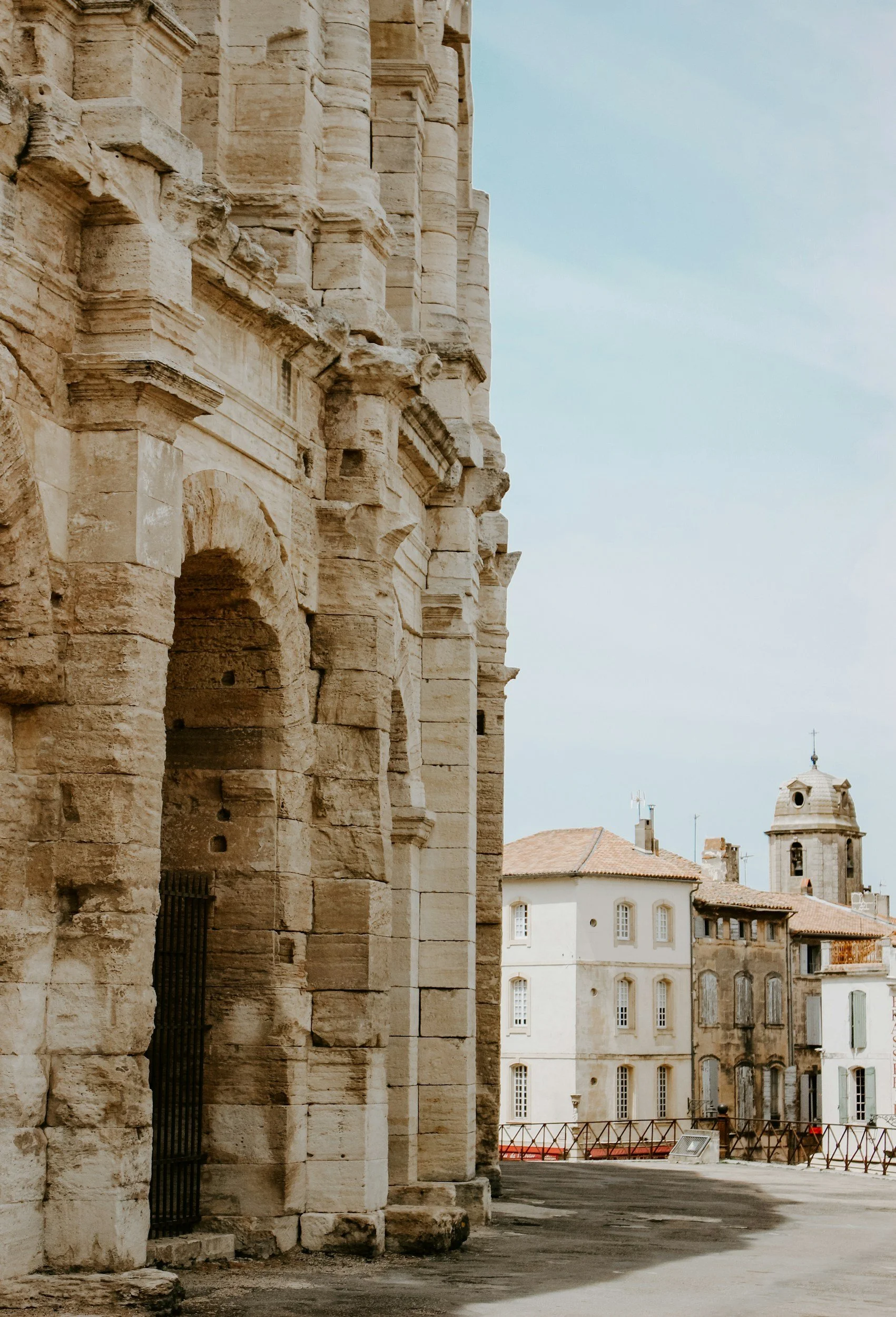
Evenings near the Théâtre Antique without crowds spilling out
By 7 pm in October, the area around the Théâtre Antique is mostly just neighbourhood again. In summer, you might have crowds drifting out after an event. In autumn, it’s way more quiet.
Head toward Rue de la République and you’ll still find dinner options. Le Galoubet, for example, usually opens around 7 pm, and if you go right at opening you can choose your table without waiting. A few doors down, smaller bistros light candles in the window and start setting out menus.
People here tend to eat earlier outside high season. By 8 pm most tables are taken, but by 9:30 or 10 pm kitchens start closing. If you show up at 9:45 expecting a long dinner, you might find the staff already winding down… Eat around 7 or 7:30, then take a slow walk back through streets like Rue Porte de Laure or up toward Hauture. The centre settles quickly once plates are cleared, and the stone streets feel almost empty by 10:30.
How’s the weather from late September to early December?
Average temperatures and rainfall in October
October in Arles is usually comfortable. Afternoons often reach 20 to 23 degrees, especially early in the month. You can sit outside for lunch without needing a coat. Mornings are cooler though, closer to 10 or 11 degrees, so if you step out at 8 am for the market on Boulevard des Lices, you’ll want a sweater.
Rain happens, but it’s rarely an all-day situation. You might get a heavy shower that lasts 30 minutes, then blue sky again. The stone streets dry quickly once the sun comes back. A light waterproof jacket is enough. Proper shoes help too, because the cobblestones near Rue de la République and around the Arena get slippery when wet.
The mistral and its impact on clear days
The mistral changes the feel of the day more than the temperature does. It can blow for one, two, sometimes three days in a row. The sky turns completely clear. From Quai Lamartine, you see straight across the Rhône with no haze at all. If you’re driving through the Camargue, the landscape looks very open and sharp.
But it feels colder than the numbers suggest. Even at 18 degrees, the wind cuts through light layers. If you’re planning to walk near the wetlands or along the seafront at Saintes-Maries-de-la-Mer, check the wind forecast. Open areas get gusty fast. On windy days, sticking to the old town streets or sheltered squares like Place Voltaire is more comfortable.
Packing realistically for Provence in shoulder season
You don’t need heavy coats in October, but you do need layers. A sweater for early mornings. Something lighter underneath for the afternoon. By 3 pm, you might be fine sitting in the sun with just a long-sleeve shirt. After sunset, it cools down quickly.
Restaurants still keep outdoor tables out, and many have heaters running in the evening. You’ll see people eating outside in jackets, not wrapped in blankets!
If you’re planning the trip around May instead, this Provence in May itinerary shows how the days tend to fall into place.
Comparing Arles to staying in Aix-en-Provence in autumn
If you’ve stayed in Aix before, you’ll notice the difference straight away when you base yourself in Arles. Aix feels bigger and more polished. Cours Mirabeau is always busy, even in October. There’s traffic circling, people moving between shops, and hotel prices that don’t drop as much as you’d expect once summer ends.
Accommodation pricing differences after September
In Arles, once September is over, room rates ease up. A small hotel inside the old centre near Rue du Grand Prieuré or close to Place Voltaire might cost around €140–170 per night in October. In July, that same room can be well over €200.
In Aix, especially around Cours Mirabeau or Place des Prêcheurs, boutique hotels often stay above €220–250 even in autumn. There’s steady demand from weekend visitors and business travel, so prices don’t shift much. In Arles, midweek feels looser. You can sometimes book just a few days ahead without everything being sold out.
Parking and traffic realities
Driving into Aix is different. There’s more traffic, more lights, more cars circling the centre. Even in October, it can take time to get in and out, especially late afternoon.
Arles is simpler. The historic centre limits cars, so once you park, you walk. Parking Lamartine by the river or Parking du Centre near Boulevard des Lices are easy enough outside peak season. You’re not sitting in traffic for long. Streets are narrower, but overall there’s less movement.
Walkability inside the old town
Arles is compact. From the Arena to Place du Forum is just a few minutes. From there to the Rhône is another short walk. You can cross most of the centre in under 15 minutes without trying.
In Aix, distances stretch out more. Walking from one side of the centre to the other takes longer, and you feel the scale of the town. In Arles, everything sits close together. You step out of your hotel, grab coffee on Rue de la République, wander through the market on Boulevard des Lices, and you’re back within a short loop. It’s easy to move around without planning and that’s lovely.
Food spots that stay open all year around
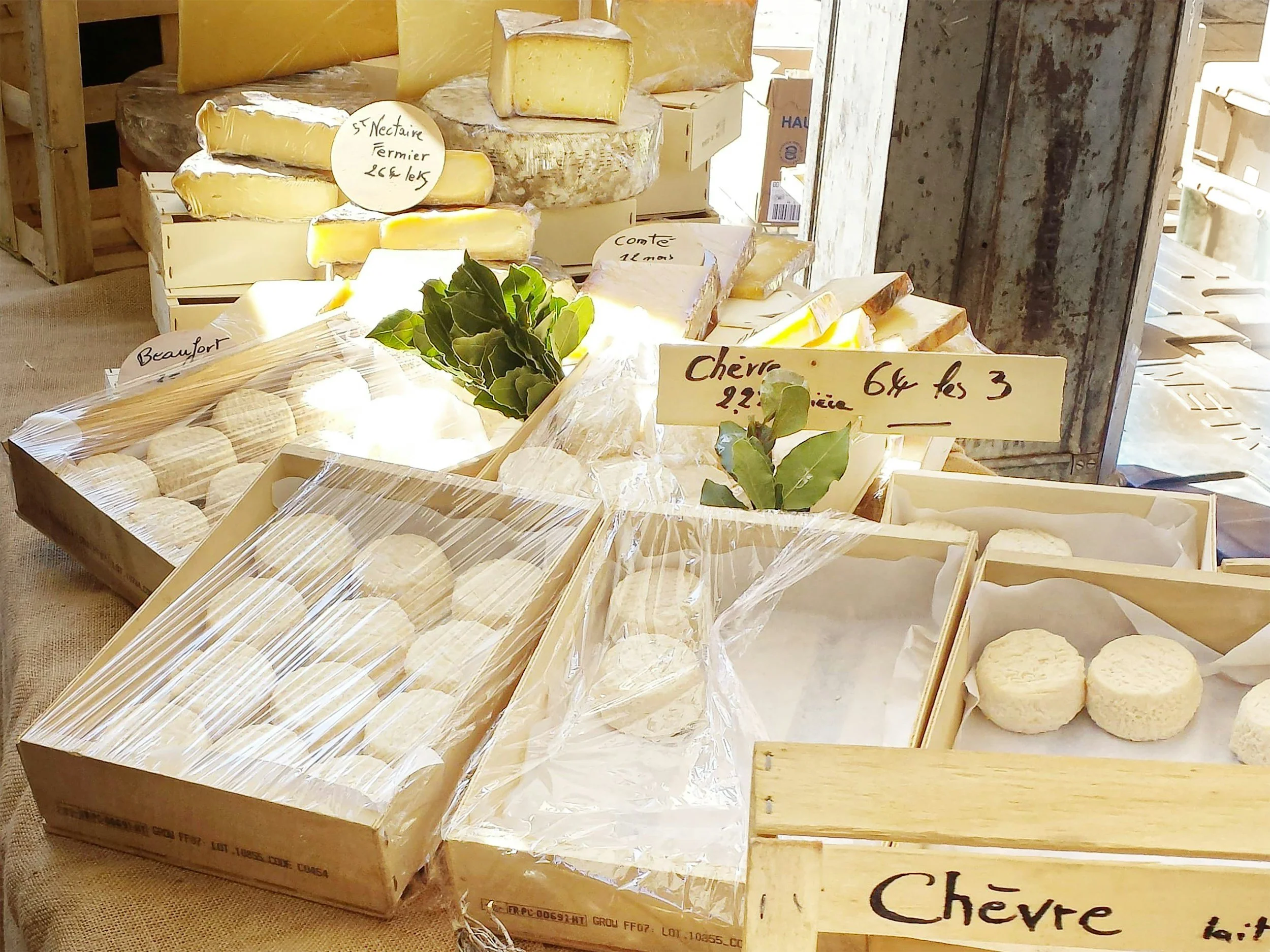
Once summer is over, you can’t assume every restaurant stays open, but Arles doesn’t go quiet either. You just need to know which places keep going through autumn.
Traditional bistros near Place du Forum
Around Place du Forum, a few solid spots stay open all year. Le Criquet on Rue Porte de Laure is one of them. It’s right behind the Arena and still busy in October, just not packed. If you turn up at 12 pm, you’ll probably get a table straight away. By 12:45, it fills up, mostly with regulars and a few visitors who’ve figured it out.
Lunch usually runs until about 2 pm. Expect proper dishes, beef daube, roast chicken, seasonal vegetables, not just quick salads. In cooler months, people sit inside rather than on the square, but outdoor tables are still there if the sun is out.
Le Galoubet on Rue du Dr Fanton is another steady choice. It’s small and cosy, and even in October it’s smart to book in the evening because there aren’t that many tables.
Simple lunch spots locals use midweek
Rue de la République is more everyday. Around noon on a weekday, you’ll see shop staff and office workers sitting down for lunch. Brasseries along this street serve simple plates, steak frites, omelettes, salads, nothing complicated. You don’t need a reservation, but timing helps.
Go at 12 pm and it’s easy. By 12:30 or 1 pm, it’s busier. People eat, finish, and head back to work. It’s not a long, slow lunch scene. It’s practical and reliable.
If you’d rather grab something quick, bakeries sell sandwiches and quiche slices you can take down to the Rhône and eat on a bench along Quai Lamartine.
Sunday closures to plan around
Sunday morning is active because of the market on Boulevard des Lices. You can easily build lunch from market stalls, roast chicken, cheese, bread, olives. Sunday evening is different. Quite a few restaurants close, and Monday is often a rest day too.
If you’re staying Sunday night, check opening hours earlier in the day and decide where you’re eating. Otherwise, you might end up walking around at 8:30 pm with fewer options than you expected.
Day trips by regional train instead of driving
You don’t need a car every day if you’re based in Arles. The regional TER trains are simple to use, and the station is right on the edge of town. From most hotels in the centre, it’s about a 10 to 15 minute walk. Buy a ticket at the machine, check the platform, and you’re on your way.
Arles to Nîmes in under 30 minutes
Nîmes is an easy one. The train takes about 25 to 30 minutes, and there are several departures throughout the day. You step off and you’re already close to the centre. The Roman Arena in Nîmes is only about 10 minutes on foot from the station, and the streets around it are wide and easy to navigate.
It works well as a half-day trip. Go in the morning, walk through the centre, maybe have lunch near the Maison Carrée, and be back in Arles mid-afternoon without worrying about parking.
Avignon centre vs Avignon TGV logistics
Avignon has two stations, and it matters which one you choose. Avignon Centre is the one you want for a day trip. The train from Arles drops you there in roughly 20 minutes, and from the station it’s about a 5 to 10 minute walk to the city walls and the historic streets.
Avignon TGV is different. It’s further out, built for high-speed trains. If you arrive there, you need a short regional train or bus to reach the centre. For a simple day out, always check that your ticket says “Avignon Centre.”
Tarascon and Beaucaire as overlooked stops
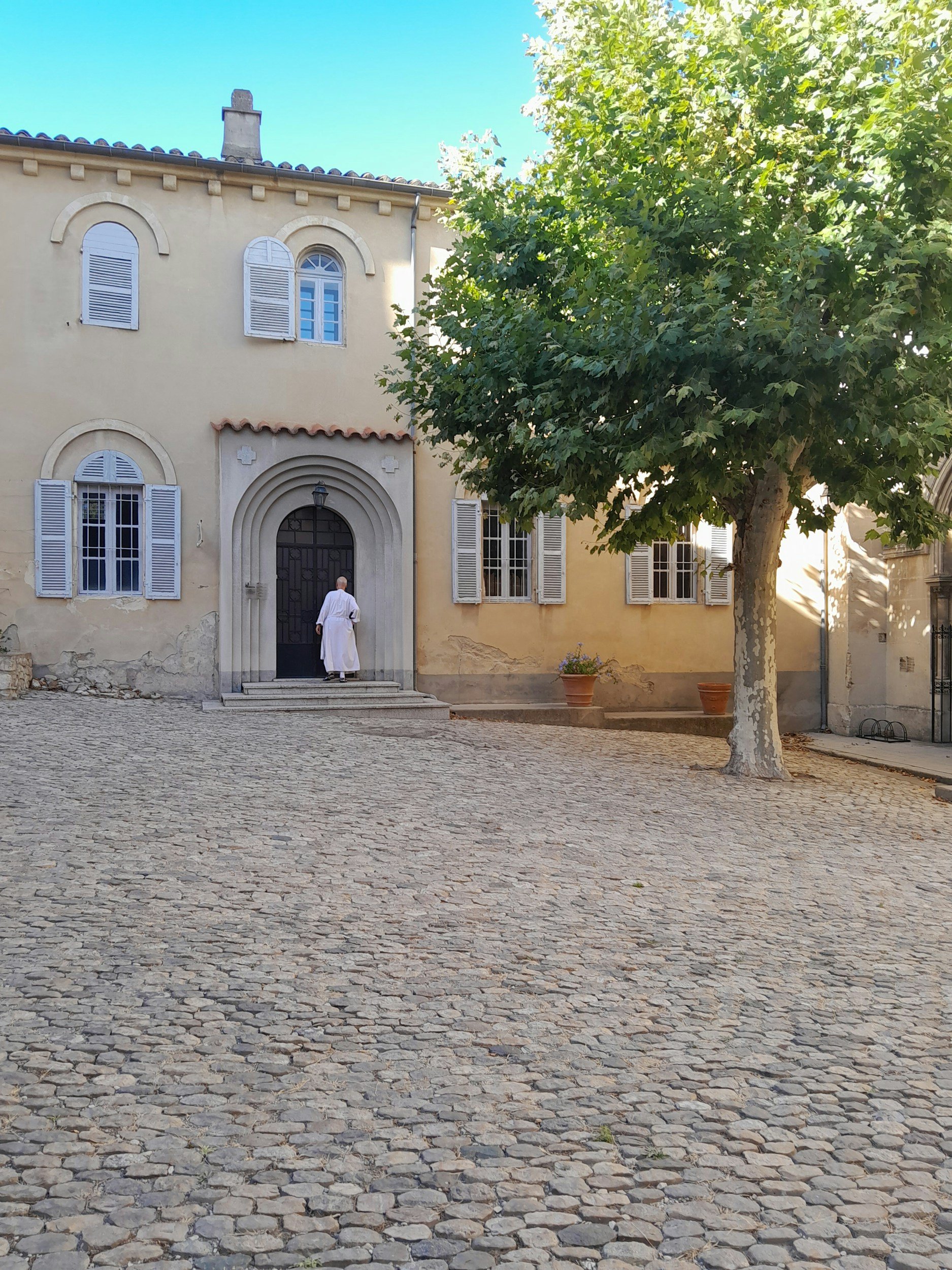
Tarascon and Beaucaire are even closer. Both are about 10 to 15 minutes from Arles by train. These aren’t polished destinations. They feel more local, with fewer visitors wandering around.
Tarascon has a large medieval castle right by the river and a small centre you can walk in under an hour. Beaucaire sits just across the Rhône and has narrow streets climbing up from the water. Neither town takes a full day, but if you want a short train ride and somewhere quieter than Nîmes or Avignon, they’re easy options. You can go, walk for a couple of hours, and be back in Arles in time for dinner.
Four nights in Arles at the end of October
Day 1 arrival and old town walk
Arrive at Gare d’Arles and walk into town. It takes about 10 minutes on foot. Cross Boulevard Clémenceau, follow the signs toward the centre, and you’re quickly inside the old streets. Drop your bag at the hotel, open the windows if the weather allows, and head back out before it gets dark.
Start with the Arena while it’s still open if you arrive early enough. If not, walk around it and continue toward the Théâtre Antique. From there, make your way down toward Quai Lamartine by the Rhône. The river path is wide and easy to follow, especially at sunset. You’ll likely see locals walking dogs rather than groups of visitors.
For dinner, head toward Place Voltaire or the streets around Rue Porte de Laure. Eat around 7 or 7:30 pm. It’s easier to get a table at that time, and the evening feels settled rather than busy.
Day 2 Camargue loop
Pick up a rental car near the train station early, ideally by 8:30 am. The drive to Saintes-Maries-de-la-Mer takes about 40 minutes. Go straight there first before it gets busier. Park near the centre and walk through town toward the church and seafront.
After a short walk, drive toward Parc Ornithologique du Pont de Gau. You can spend an hour or two walking the paths and looking for flamingos and other birds in the wetlands. Bring water and comfortable shoes. It’s flat and easy, but exposed.
Have lunch back in Saintes-Maries or pack something from Arles and eat by the water. By mid-afternoon, start heading back. The light across the marshes shifts later in the day, and traffic remains light in October. You’ll be back in Arles before sunset, which gives you time to return the car if you only rented it for the day.
Day 3 Alpilles and Saint-Rémy
Drive north toward Saint-Rémy-de-Provence in the morning. If it’s Wednesday, arrive early for the market. Parking fills up quickly after 10 am, so aim to be there before then. Walk the loop around Place Jean Jaurès and Place de la République, have coffee, and explore a few side streets.
From Saint-Rémy, head toward the Alpilles. You don’t need a long hike. Park near one of the marked trails outside Les Baux-de-Provence and walk for 30 to 45 minutes through olive groves and low rocky paths. The stunning views stretch over vineyards and hills.
Avoid Les Baux at midday if possible. Either go early or later in the afternoon. By mid to late afternoon, start driving back to Arles. Evenings there remain calmer than in Saint-Rémy.
Day 4 Avignon or Uzès
For Avignon, take a morning TER train to Avignon Centre. The ride is about 20 minutes. From the station, walk into the old city and spend a few hours around the Palais des Papes and nearby streets. Have lunch before 1 pm to avoid queues, then catch an afternoon train back.
If you prefer Uzès, drive about an hour north. Park outside the centre and walk into Place aux Herbes. Spend a couple of hours wandering, have lunch, and return mid-afternoon.
Back in Arles for your final evening, keep dinner simple. Choose somewhere you liked earlier in the trip or try a small place you walked past on your first night. The old town will feel familiar by then, and everything is within easy walking distance.
For a completely different kind of quiet, this Chartres in winter shows how a place changes once the pace drops right down.
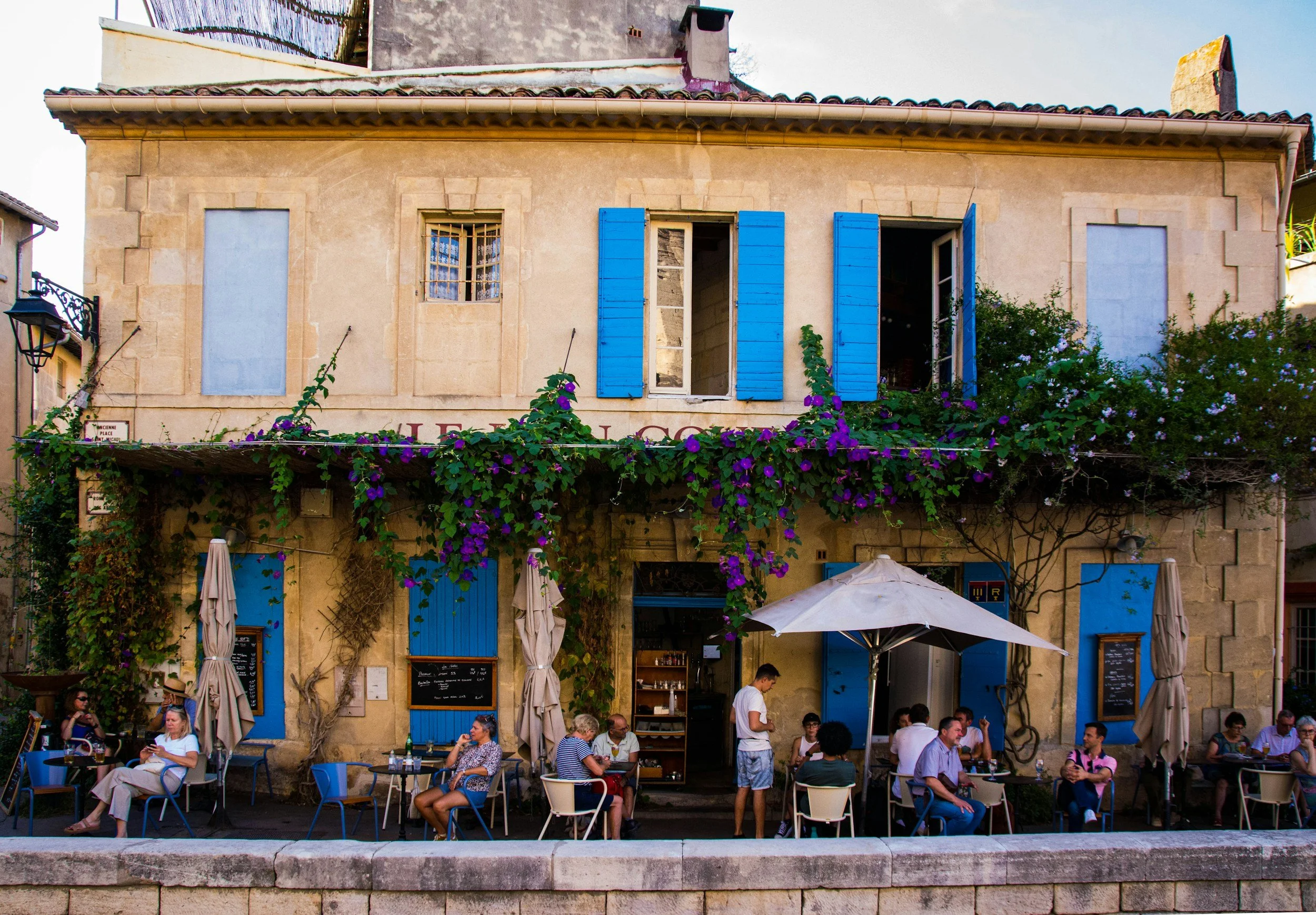
A Different Side of Arles in October and November
Arles in late October isn’t dramatic or special. That’s kind of the point. You’re not juggling reservations or trying to squeeze five places into one afternoon. You wake up, look outside, and decide what makes sense that day. Market? River walk? Train to Nîmes? Stay put and linger over coffee? It’s all easy.
After a few days, the town starts to feel familiar. You know which bakery to go to. You know which streets stay quieter at night. You know that if you don’t buy groceries before 6 pm, you’ll regret it. It stops feeling like a trip and starts feeling almost routine.
That’s why Arles works so well outside summer. You get access to Saint-Rémy, the Camargue, Uzès, Avignon, but you come back each evening to streets that settle down early. You don’t have to fight for space. You don’t have to plan every detail in advance.
If this is the kind of travel you prefer, slower days, smaller towns, knowing the schedule of the bakery, then Arles in autumn makes a lot of sense. And if you want more guides built like this, practical and grounded, you can join the Cozy Travel Club and I’ll send them straight to you.
For something that leans even further into that slower pace, these French towns worth a few nights explain why rushing through doesn’t really work here.
Visit Arles in Autumn: FAQ
Is Arles worth visiting in autumn?
Yes, especially if summer felt too busy. After September, Arles becomes noticeably easier to move through. You can walk across the centre, find a table without planning ahead, and spend time in places without feeling rushed. The town doesn’t empty out, it just settles.
What is Arles like after summer in Provence?
After summer, Arles feels more balanced. There are still people around, but the pressure drops. Streets aren’t crowded, cafés are easier to sit in, and the day unfolds more naturally. It feels less like a destination and more like somewhere people actually live.
What is the weather like in Arles in autumn?
In September and early October, daytime temperatures are usually between 18°C and 25°C, with warm afternoons and cooler evenings. By late October and November, it becomes cooler and more variable, but still manageable for walking. Rain tends to come in short spells rather than lasting all day.
Are things still open in Arles after summer?
Yes. Cafés, restaurants, bakeries, and shops remain open, especially in the historic centre. Some places shorten hours slightly or close one extra day a week, but the town continues to function normally. You don’t feel like you’re arriving out of season.
Are markets still running in Arles in autumn?
Yes. The main market along Boulevard des Lices continues through autumn and is still part of weekly routines. It may be slightly less crowded than in summer, but it remains active, especially in the mornings.
Is Arles crowded in autumn?
Early September can still be busy, but from October onward the pace drops. You can move through the centre without adjusting your day around other people, and places feel easier to use rather than something you have to time carefully.
How many days do you need in Arles in autumn?
Two to three days works well. That gives you time to settle into the town, return to the same cafés, and experience how the day actually unfolds without needing to rush.
Can you visit Arles without a car?
Yes. The historic centre is compact, and most places are within walking distance. The train station is about a 10–15 minute walk from the centre, which makes arriving and moving around simple.
Is Arles a good base for Provence in autumn?
Yes, especially if you want somewhere that stays active outside peak season. You can reach places like Avignon, Nîmes, and smaller towns by train, which makes it a practical base without needing a car.
What is there to do in Arles in autumn?
Most of what you do isn’t structured as activities. You move between cafés, markets, short walks, and places like the amphitheatre or churches when it fits naturally into the day. Autumn makes this easier because you’re not working around heat or crowds.