If market day matters, stay in one of these Occitanie towns
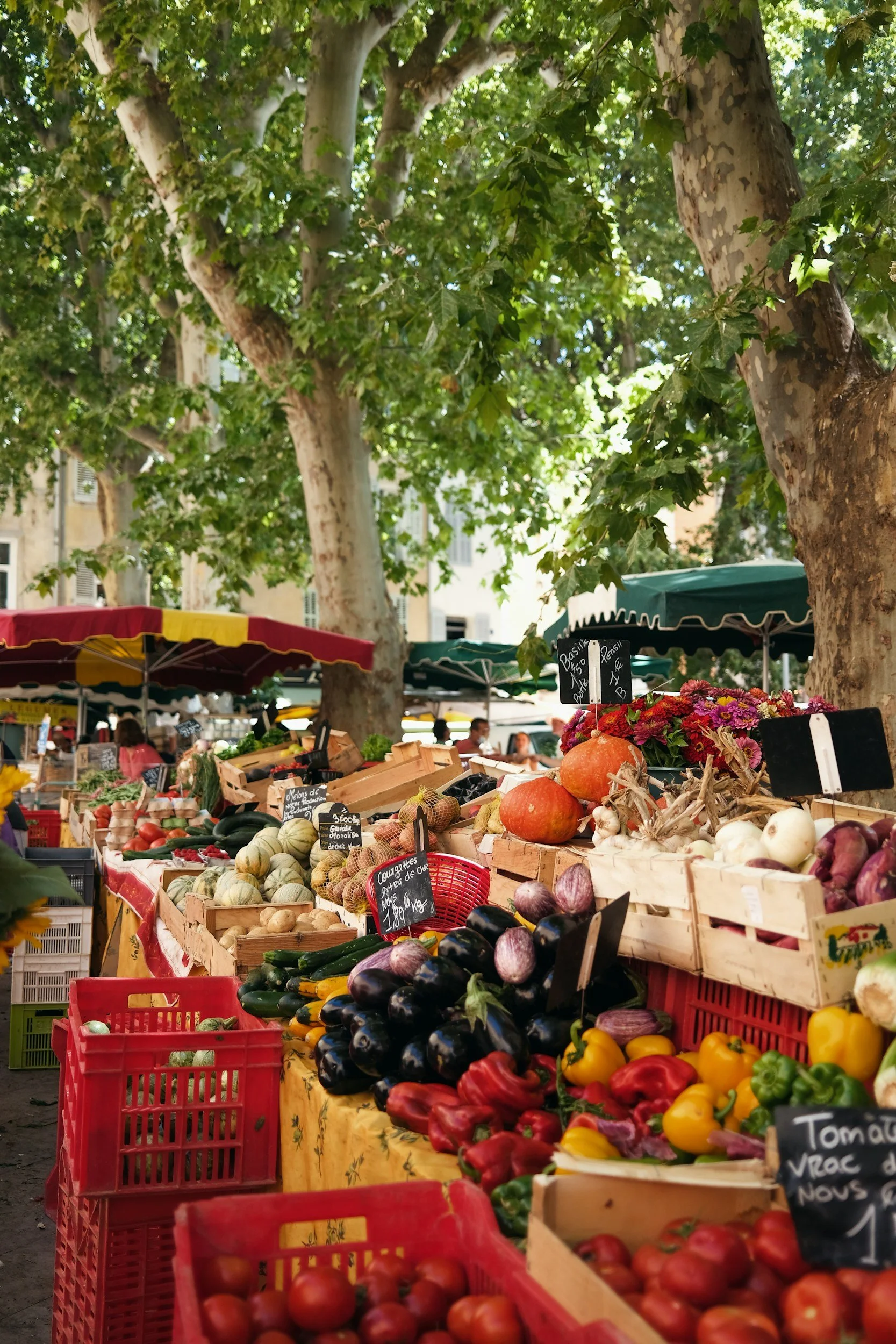
Somewhere along the way, planning a trip to Occitanie tends to become a search for the "best" market town.
A few hours of research usually produces the same names. Uzès appears first. Pézenas isn't far behind. Narbonne enters the conversation if trains are involved. Then Revel appears in a forum discussion. Someone else mentions Sommières. Before long, the list has grown to the point where choosing between them feels harder than planning the trip itself.
The funny thing is that most of these towns are being recommended for entirely different reasons.
Uzès is often talked about as though the market alone justifies the journey. Pézenas tends to attract people who enjoy spending half a day wandering without any particular plan. Narbonne functions differently again, partly because it is much easier to reach and partly because daily life doesn't revolve around a single market morning in quite the same way.
That's what makes the decision more complicated than it first appears.
A market is only one part of a stay. Most of the trip happens outside market hours, over breakfast before the stalls open, on afternoons spent exploring nearby villages, and in those quieter hours when you're deciding whether there is enough in the town itself to justify another day. Some places reveal themselves gradually over several nights. Others make a strong first impression and then become surprisingly repetitive once the market has packed up and the day visitors have left.
Occitanie is large enough that choosing the wrong base can also mean spending more time in the car than expected. Distances on the map often look manageable until you're driving from one market town to another on narrow roads several mornings in a row. Staying somewhere that places several good markets within easy reach changes the rhythm of a trip completely.
The towns in this guide all have strong market traditions, but they don't offer the same version of southern France. Some work best for travellers who want their week to revolve around market days. Others make more sense for people who are just as interested in cafés, restaurants and the everyday life between those market mornings. A few are surprisingly practical without a car. A few become much easier once you have one.
Rather than asking which market is best, it often makes more sense to ask a different question entirely: where would you still be happy to stay if there wasn't a market tomorrow morning?
That's usually where the differences start to become clear.
The more market towns I visit, the more convinced I become that some of the best places in France aren't the easiest to reach, which is why these train-friendly towns are worth bookmarking.
Uzès: still the benchmark
Most people arrive in Uzès because of the Saturday market and, to be fair, it doesn't take long to understand why.
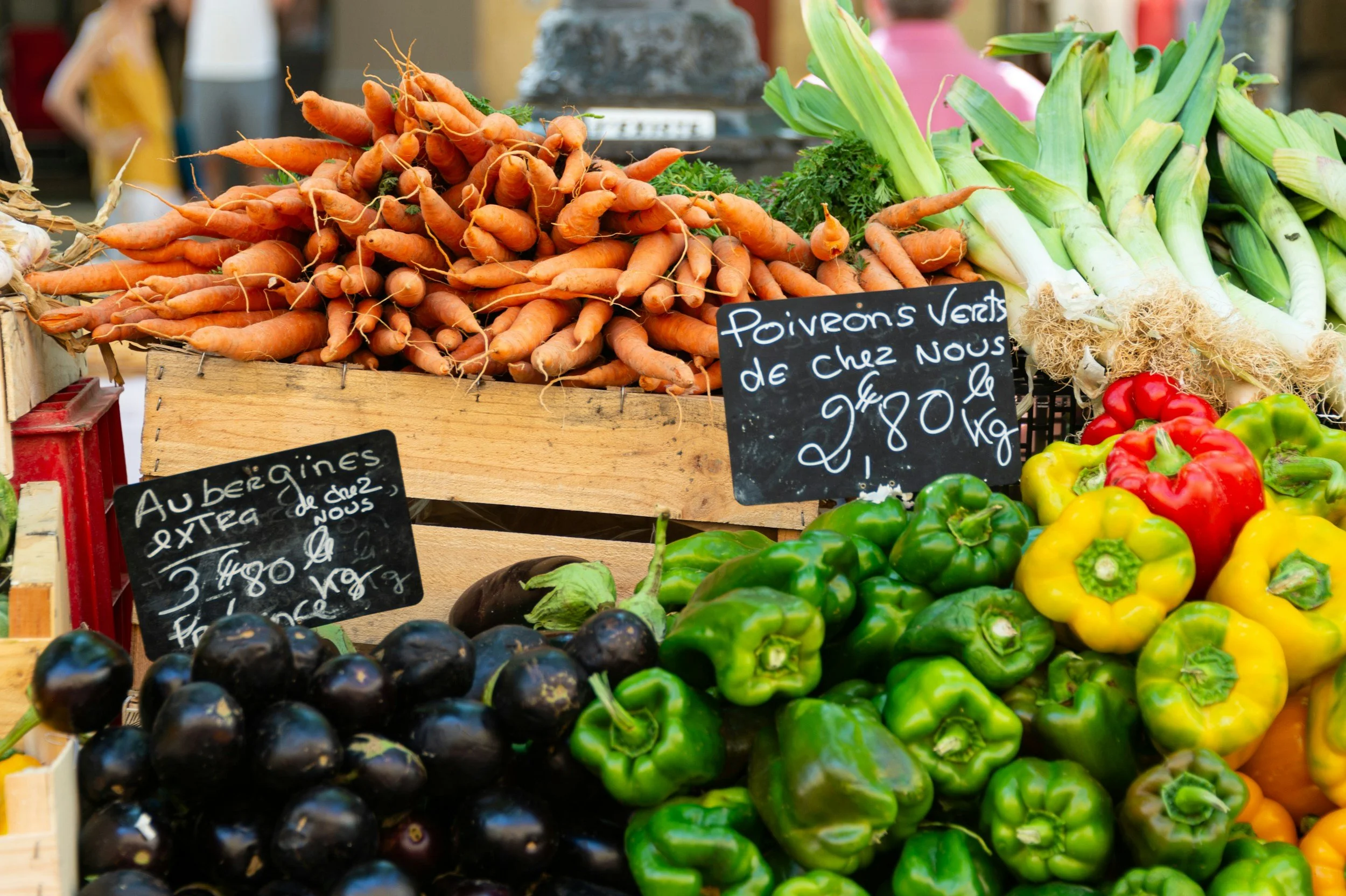
By mid-morning, Place aux Herbes is packed with people carrying flowers, baskets and paper bags filled with market purchases, café terraces are completely full and the market has already spilled well beyond the square itself into the surrounding streets. You can spend an hour there and still feel as though you've only seen a fraction of it. One street seems to be lined with olive oils, tapenades and local wines, another with pottery, woven baskets and antique linen, while somewhere in between you'll find producers from across the Gard selling everything from Pélardon goat's cheese and honey to seasonal fruit picked only a few kilometres away.
The temptation is to stay around Place aux Herbes because that's where most of the activity is, but Uzès becomes more interesting once you start drifting away from the square and stop worrying about where you're going. A street that looks unremarkable at first suddenly opens into a small square. A doorway leads into a courtyard you hadn't noticed. An antique shop appears where you weren't expecting one. It's the sort of town where simple errands have a habit of taking much longer than planned.
That's part of the reason people often stay longer here than they originally intended.
The market is excellent, but if you're spending four or five days in town, most of your trip won't actually take place on market day. It'll happen while wandering through the old centre on a quiet Monday morning, browsing shelves at Librairie de la Place aux Herbes, stopping for coffee before the town fully wakes up or deciding whether to spend the afternoon in Uzès itself or drive out into the surrounding countryside.
The mornings have a completely different feel depending on when you step outside. Before nine o'clock, Place aux Herbes still belongs largely to locals collecting bread, picking up vegetables or stopping for a quick coffee before work. A couple of hours later, especially between May and September, the square feels almost like a different place altogether. Finding a table at Terroirs can suddenly require patience and the market takes on a very different energy.
By evening, the pace changes again. The stalls have disappeared, day-trippers are heading back towards Nîmes and Avignon, and people settle into terraces with a glass of wine rather than a shopping basket. La Fille des Vignes is one of those places that suits Uzès particularly well. Nothing about it feels rushed and the wine list leans heavily towards producers from the Gard and neighbouring parts of Occitanie, making it easy to spend an hour or two trying wines from villages you passed earlier in the day without even realising it.
One thing that becomes obvious after a few days in Uzès is how strongly the surrounding area influences the town itself. You're close enough to the Pont du Gard that it doesn't need an entire day. Saint-Quentin-la-Poterie is only a short drive away and has enough pottery workshops, galleries and studios to fill an afternoon. Vineyards surround much of the area, and depending on the season you'll notice local wines appearing everywhere from market stalls to restaurant menus.
The influence of Provence starts creeping in as well. It appears in the olive oils, the ceramics, the lavender products and even in the colours of the landscape once you leave the town behind and start driving through vineyards and low hills towards neighbouring villages.
Compared with Narbonne, Uzès asks a little more from you logistically. There isn't a train station in town, so most visitors arrive via Nîmes before continuing by bus, taxi or rental car. Compared with Pézenas, however, there are more market-focused day trips within easy reach, which becomes useful if your week is built around moving from one market day to the next.
By the end of a stay, the market itself often becomes only part of what people remember. It might be the coffee they ended up ordering from the same place every morning, the pottery they carried home from Saint-Quentin-la-Poterie, an antique map discovered in a shop they nearly walked past, or a bottle of local wine shared on a terrace after the crowds had disappeared. The market usually gets the attention, but it's rarely the only reason people end up returning.
A lot of people end up choosing between Uzès and Pézenas without realising how different the two towns actually feel once market day is over, and this comparison usually settles the debate pretty quickly.
If Uzès is already on your shortlist, it's worth seeing how different the town feels once the summer crowds disappear because autumn in Uzès is almost a completely different experience.
Pézenas: the town you keep drifting back to
Pézenas often ends up being compared with Uzès because both are historic towns with well-known markets, beautiful old centres and enough cafés, restaurants and independent shops to fill several days, but once you're actually there the comparison starts feeling less useful because the experience of spending time in each place is surprisingly different.
In Uzès, the market tends to sit at the centre of everything. In Pézenas, it feels more like one thread woven through a town that already has plenty going on without it.
The Saturday market is substantial and easily fills a morning, spilling through the historic centre with stalls selling fruit, vegetables, flowers, cheeses, olives, clothing and regional produce from around Hérault, but it's not really the thing that stays with you afterwards. What tends to linger is the feeling of walking through a town where every street seems to offer another reason to slow down, whether that's an antique dealer tucked into an old stone building, a tiny gallery hidden behind a courtyard entrance or a shop window filled with objects that make you stop and wonder where they've spent the last hundred years.
It's surprisingly easy to lose track of time here!
You head out in the morning planning to grab a coffee and maybe spend an hour wandering before lunch, only to find yourself still walking around two hours later because one street led to another and then another, and somewhere along the way you became distracted by a furniture restorer working with the door open, shelves of old books stacked outside a shop or an antique dealer displaying maps, mirrors and paintings that seem to have accumulated over several generations.
The old centre feels larger than it first appears on a map, partly because it unfolds gradually rather than revealing itself all at once. Some towns give you their best view within ten minutes. Pézenas is more the sort of place where you keep noticing things on your third walk through the same street that you somehow missed the first two times.
The town's connection with artisans isn't something that exists only for visitors either. Upholsterers, cabinet makers, decorative arts workshops and galleries remain part of everyday life here, which gives the centre a very different atmosphere from places where most of the old buildings have become restaurants, souvenir shops or short-term rentals. Even if you have absolutely no intention of buying an antique wardrobe or a nineteenth-century map, the browsing alone can easily occupy an afternoon.
You'll wander through stalls selling local honey, olives, tapenades, fresh vegetables and cheeses from around the region, perhaps pick up something for lunch and then continue wandering through the centre rather than feeling as though the morning has reached its conclusion once you've finished shopping. By early afternoon, the market begins fading back into the town rather than ending abruptly. People settle onto terraces, long lunches take over and the pace slows almost without anybody noticing.
One thing that becomes obvious after spending a few days in Pézenas is how strongly the surrounding wine country shapes everyday life. Vineyards begin appearing almost as soon as you leave town and names like Faugères, Saint-Chinian, Picpoul de Pinet and Coteaux du Languedoc appear on menus, in wine bars and in conversations often enough that even casual wine drinkers start becoming familiar with them. You don't need to organise a formal tasting to experience the region's wine culture because it quietly appears everywhere.
That part of Occitanie also opens up some very different day trips from the ones people tend to make when staying in Uzès.
One morning might begin in the market and end with oysters beside the Étang de Thau. Another day might take you through vineyards on the way to a long lunch in Mèze, where fishing boats bob gently in the harbour and nobody seems particularly concerned about how quickly the afternoon is passing. Marseillan is close enough to visit without much planning, while the beaches and coastal landscapes around the Mediterranean never feel far away.
Back in town, evenings have a habit of stretching out longer than expected. A glass of wine becomes dinner. Dinner becomes another glass of wine. Around Place Gambetta and the surrounding streets, people linger outdoors well into the evening, particularly during the warmer months when the stone buildings seem to hold onto the day's warmth long after sunset. If you're interested in regional wines, places like Le Sommelier are worth seeking out, not because they're trying to impress anyone but because the focus remains firmly on producers from the surrounding countryside.
Coffee culture feels similarly relaxed. Nobody appears to be rushing through a takeaway cup on the way somewhere else. Instead, mornings often unfold slowly around the cafés near Place Gambetta and Cours Jean Jaurès, where people settle into conversations, read newspapers and watch the town gradually wake up around them.
Getting to Pézenas is fairly straightforward. Most visitors arrive through Béziers or Montpellier before continuing by car, and although you can absolutely enjoy the centre without driving, staying here tends to make people curious about what lies beyond it. The coastline is close. The vineyards are close. Small villages appear in every direction. By the second or third day, most people have a growing list of places they want to explore.
That's probably what makes Pézenas is a great place to stay.
Not because there is one attraction that defines the town, and not because the market is necessarily better than anywhere else, but because the place gives you enough reasons to stay engaged between market days. A morning can disappear in antique shops, and an afternoon can disappear over lunch beside the lagoon. By the time you're packing to leave, the market often feels like only one small part of a much larger memory of the town.
If you're reading this because you're trying to choose a base rather than a market, these Languedoc towns might complicate your decision in the best possible way.
Narbonne: where a week starts to take on its own shape
Narbonne was the town I understood the least before spending time there.
Looking at a map, it seems like the practical choice. There's a train station in the centre, Les Halles is open most days, the coast is nearby and you can reach half a dozen other places without much effort. None of that sounds particularly exciting when you're comparing it to somewhere like Uzès, where the market is famous enough to build an entire trip around.
Then a few days pass and Narbonne starts making sense in a completely different way.
One thing I noticed quite quickly was how often I ended up back at Les Halles. Not because I was trying to. It just kept happening. I'd stop by in the morning for coffee, return later because I'd spotted a cheese stall I wanted another look at, then somehow find myself back again before dinner because buying a bottle of local wine from one of the nearby merchants suddenly seemed like a good idea.
The first time through, you're looking at everything. By the end of the week you're heading straight towards the places you already know. You'll start recognising the stalls with queues of locals, you'll notice that some counters seem busiest before most visitors have even finished breakfast and you'll probably find yourself returning to the same producers rather than trying something new every time.
A lot of people stay near the canal and Les Halles and, after spending time there, it's easy to understand why. The area around the market feels connected to everything without being particularly busy, and after a day or two you stop thinking about where things are because you're walking the same routes naturally. Most mornings seem to drift between Les Halles, the canal and the streets around the centre without much planning involved.
The canal becomes part of the day in a way that's difficult to explain before you've spent time there. You head out intending to visit somewhere completely different and somehow end up back beside the water again. The stretch around Pont des Marchands, where the buildings seem to grow directly out of the canal itself, became one of those places I kept passing through whether I meant to or not.
What surprised me most about Narbonne was that some of the streets I liked best weren't the ones I expected to remember. The cathedral is impressive and most visitors spend time around the Archbishop's Palace, but I found myself wandering repeatedly through quieter streets behind them where daily life felt much more visible. Rue de l'Ancien Courrier, Rue Droite and the smaller lanes branching away from the centre often ended up being more interesting than the major sights because something was always happening. Somebody was unloading boxes into a shop. A resident was watering plants outside their door. A café table had somehow expanded into half the pavement.
If you're somebody who likes bookshops, Librairie Libellis is worth seeking out, particularly on a slower afternoon when you're not trying to tick anything off a list. The same goes for several of the wine merchants around the centre, where conversations tend to revolve around La Clape, Corbières and Minervois rather than bottles you've already seen everywhere else.
The thing Narbonne does better than any of the other towns in this article is give you room to change your mind.
You can wake up without a plan and still end up having a good day.
Maybe the morning disappears in Les Halles. Maybe you take the train to Collioure because the weather looks clear. Maybe somebody mentions Bages over coffee and that's where the afternoon goes instead. The village sits above the lagoon and has a completely different feel from Gruissan, which gets far more attention. There are artists' studios tucked into old buildings, views across the Étang de Bages-Sigean that seem to change every hour and enough small streets to wander through that it's worth lingering rather than simply stopping for photographs.
The roads through La Clape become more interesting the longer you're in the area as well. The first drive is usually about the scenery. The second is when you start noticing wineries. By the third, you're pulling over because a vineyard you've passed twice already suddenly looks worth investigating.
Not everything about Narbonne is perfect. If you're hoping for the concentrated atmosphere of a market town where everything happens within a handful of streets, the city can feel slightly spread out at first. Some parts near the station are functional rather than beautiful and sections of the centre become much quieter in the evening than people often expect. Staying close to Les Halles generally solves most of that.
By the end of a week, Narbonne often feels less like the destination itself and more like the place that held everything together. The seafood lunch in Bages, the bottle of wine brought back from La Clape, the market stall you kept returning to, the route beside the canal that somehow became part of every day. Those are usually the things people end up talking about afterwards!
Narbonne isn't the only place that works well without a car, and Béziers by train tends to surprise people who assume they'll need to drive everywhere in southern France.
Revel: where the market still feels like the reason people come
After spending time in places like Uzès, Pézenas and Narbonne, Revel can feel almost surprisingly straightforward.
The market is the reason many people come here and nobody seems particularly embarrassed about that fact.
On Saturday mornings, everything gravitates towards Place Philippe VI de Valois. The timber market hall dominates the centre of town, café terraces fill up early and people arrive carrying proper shopping bags rather than wandering around with a camera and no particular plan. You see families loading vegetables into car boots, locals discussing which stall they're buying cheese from this week and traders who clearly know many of their customers by name.
The market itself is large enough that you can easily spend most of the morning there, but what I liked most about Revel was what happened once the busiest hours were over and the town settled back into its normal rhythm.
By lunchtime, the market crowds start thinning out. The busiest part of the day is over, traders begin packing away and people drift towards the cafés around the square. If you're staying several days, this is often when the town feels most enjoyable because you're no longer navigating market crowds and can wander through the centre at your own pace.
Spend a few days in Revel and you'll start noticing that furniture seems to appear everywhere. Not in a museum sense, but in everyday life. One morning you walk past a workshop where somebody is restoring an old walnut cabinet. Later you notice a specialist shop selling hand-crafted tables. Then you pass another storefront displaying armoires and dining furniture that would look perfectly at home in a centuries-old farmhouse somewhere in the Lauragais countryside.
It feels different from the market towns further south. In Narbonne, conversations often drift towards wine, oysters or where to spend an afternoon along the coast. In Revel, people are just as likely to mention a furniture maker, an antique dealer or a workshop they've been visiting for years. The town has been associated with cabinetmaking for generations and, even if you arrive knowing nothing about that history, it's difficult to miss once you've spent a little time wandering around the centre.
After a few days, the market stops being the only thing shaping your routine. You grab a coffee at Café de la Paix before most of the tables fill up, take a slow lap around the square, pop into Librairie Capéran because you've got half an hour to spare and somehow end up walking through the market hall several times a day simply because it's impossible to avoid. It sits right in the middle of town and gradually becomes less of a landmark and more of a shortcut. By the end of a stay, you'll probably know exactly which entrance you use most often without ever consciously deciding on it.
After a couple of days in Revel, Saint-Ferréol starts coming up surprisingly often. Somebody mentions going for a walk there before breakfast. A café owner recommends it when the weather is warm. You overhear people talking about spending the afternoon by the water. Eventually you realise it's one of the places locals genuinely use rather than simply recommend.
The lake sits only a few minutes outside town, but it changes the rhythm of a stay quite a bit. Market mornings can be busy and social, whereas Saint-Ferréol feels like the place people head when they don't really want to do very much at all. Some spend an hour walking around the reservoir. Others bring a book and disappear for most of the afternoon. During summer, families spread out beneath the trees, people picnic beside the water and the cafés around the lake stay busy well into the evening.
Sorèze ends up fitting naturally into the same stay. It's close enough that you can decide to go after a late breakfast and still have most of the day ahead of you. The abbey school is what attracts most first-time visitors, but I found myself spending more time wandering through the streets around it, stopping outside small galleries, peering into shop windows and lingering in the squares where people seemed to be settling in for a long lunch rather than hurrying somewhere else. It's not a place that demands an itinerary. An hour can easily become an afternoon without anything particularly dramatic happening.
If you're choosing between Revel and somewhere like Narbonne, the decision usually comes down to how much you want the market itself to shape the trip.
Narbonne gives you train lines, the coast, wine regions and enough restaurants to spend a week trying somewhere different every evening. Revel is much narrower in focus than that. Most people aren't here because they're trying to see ten different places in five days. They're here because they genuinely enjoy market culture and don't mind spending time in a town that still revolves around it.
By the middle of the week, you'll probably know which traders you'll be visiting again on Saturday. You'll recognise parts of the market hall without needing to think about where you're going. You'll have driven out to Saint-Ferréol at least once, possibly more, and if you've spent any time wandering around Sorèze you'll understand why so many people end up pairing the two together.
The market doesn't feel like an event that happens once a week and then disappears. Even on quieter days, it still shapes conversations, opening hours, routines and the way people move around town. That's the difference I kept coming back to while comparing Revel with the other places in this guide.
For some travellers, that will feel limiting. But for others, it's exactly the reason to stay here.
For readers who love the idea of staying somewhere for a week and barely touching the car keys, the Lot Valley solves a surprisingly similar problem in a completely different part of France.
Lodève: where market mornings turn into museum afternoons and lake evenings
After spending time in places like Uzès or Revel, where the market seems to sit at the centre of everything, Lodève feels a little broader somehow. People still talk about the Saturday market and it's busy enough to fill much of the centre, but you'll just as easily hear somebody recommending an exhibition, a walk around Lac du Salagou or a village you've never heard of twenty minutes away.
Getting to Lodève is slightly different from some of the other towns in this guide. There isn't a train station in the centre, so most people arrive via Montpellier before continuing by bus or car. The journey from Montpellier takes around an hour and is straightforward enough, although Lodève definitely works best if you have access to a car for at least part of the trip. Places like Lac du Salagou, Mourèze, Villeneuvette and Cirque de Navacelles are all close enough for easy day trips, but reaching them without your own transport requires considerably more planning.
That said, once you're in the centre, everything becomes very walkable. The market, cafés, museum, restaurants and most of the shops sit within a relatively compact area, so days spent in Lodève itself rarely involve much more than wandering from one part of town to another.
The market spreads through the streets around Place de la République and, like most good French markets, the busiest hour seems to arrive before many visitors have even finished breakfast. Traders are setting up vegetables, olives, honey and cheeses while café tables start filling around the edges of the square. By late morning, people are carrying bags full of produce and discussing lunch plans rather than rushing off to the next attraction.
After a couple of days, I realised I was spending more time in the centre than I'd expected. I'd head into town to visit the museum and end up staying for most of the afternoon because there were a few other places I wanted to look at while I was there. The same thing happened with the bookshops and small independent shops around Place de la République. What started as a quick walk often turned into lunch, another wander around the centre and a stop somewhere for coffee before heading back.
Lodève isn't packed with major attractions, but there always seemed to be enough going on that I wasn't looking for ways to fill the day.
The museum is worth spending time in, even if you're not somebody who normally plans trips around museums. Part of that comes down to the exhibitions themselves, but part of it comes down to where you are. After looking at the geology and history of the region inside, you drive ten minutes outside town and suddenly you're standing beside the red earth around Salagou wondering how the landscape can look so different from the rest of southern France.
I kept ending up around Place de la République. Coffee at Café du Commerce usually turned into a longer wander through the centre, often with a stop at Librairie Papeterie Feuilles de Vigne or one of the small galleries tucked into the surrounding streets. The area between the museum and the square felt particularly easy to spend time in because there was always something else to look at, whether that was a local exhibition, a bakery window or a shop selling regional products from around the Hérault.
After a few days, I found myself spending less time thinking about Lodève itself and more time thinking about what sat around it.
One afternoon disappeared around Lac du Salagou. Another ended up in Villeneuvette, which is only a short drive away but feels completely different again. Somebody mentioned Mourèze over coffee and suddenly the next morning was sorted as well. That's the pattern that seemed to repeat itself throughout the stay. One recommendation led naturally to another.
If Narbonne is the place that encourages spontaneous train journeys and Revel revolves around market day, Lodève seems to pull people towards the surrounding landscape. The market still matters, but it doesn't need to carry the entire trip on its own.
Quite a few travellers looking at Occitanie are secretly considering Provence as well, and Apt or Gordes? is one of those decisions that's easier to make once you see the trade-offs side by side.
Saint-Antonin-Noble-Val: where the market is only half the reason to stay
The Sunday market is usually what gets people to Saint-Antonin-Noble-Val in the first place.
By mid-morning, the centre is packed. Market stalls fill the squares and spill into the surrounding streets, people arrive from villages across the region carrying baskets and shopping trolleys and finding an empty café table starts becoming increasingly difficult. If you're staying in town, it's worth getting out early because the atmosphere changes noticeably once the crowds arrive.
What surprised me wasn't the market itself. It was how quickly I stopped thinking about it!
A day or two later, once the stalls had gone and the centre had gone back to “normal”, I found myself spending far more time wandering around the old streets than I expected. I'd head out for a coffee and somehow end up on the other side of town an hour later because I'd stopped in a gallery, browsed an antique shop or wandered into a bookshop along the way. There is so much to explore here…
Rue Droite and Rue de la Pélisserie were probably the streets I walked most often. Not because there was one particular thing I needed to see, but because every time I went through there I seemed to notice something different. One morning it was a ceramics studio with the door open. Another day it was an artist working inside a gallery that I'd somehow managed to walk past twice already. Then there were the antique dealers, old signs above shopfronts and little details in the stonework that made the town feel older than it already looked.
Librairie Le Tracteur Savant became one of those places where a quick look around rarely stayed quick. The same thing happened in several of the artist studios scattered around the centre. You'd tell yourself you'd spend five minutes inside and then realise half an hour had disappeared.
After a few days, I realised I was spending more time in the centre than I'd expected. I'd head into town to buy a few things from the market and end up staying most of the morning because there was always something else to look at. A stop at Librairie Le Tracteur Savant usually took longer than planned, and more than once I found myself walking back through Rue Droite simply because I'd spotted a gallery or shop earlier and wanted another look.
Lunch was often whatever I'd bought that morning. Saint-Antonin is a good place for that. One stall selling Rocamadour goat's cheese, another with walnuts from nearby farms, fresh bread from a bakery in the square and fruit that looked too good to leave behind. By the time I'd finished wandering around the market, lunch was usually already in my bag.
What I liked was that there wasn't much separation between market day and the rest of the week. On Sunday the centre is busy, but by Wednesday you're seeing many of the same places in a completely different way. The gallery you walked past because it was crowded. The bookshop you didn't have time for. The small antiques shop tucked into a side street off Rue de la Pélisserie. Staying several days gives you time to notice those things rather than trying to fit everything into one market morning.
The thing that really makes Saint-Antonin different from the other towns in this guide starts once you leave the centre.
After a few days, I realised that I wasn't spending all that much time in Saint-Antonin itself.
The market and the town pull you in at first, but then you start noticing how much there is around it. Bruniquel is only a short drive away and became one of those places I kept finding excuses to return to. The château is the obvious landmark, but most of my time ended up being spent in the streets below it, wandering past old stone houses, stopping for coffee and looking into small shops I'd missed the first time around.
The same thing happened with Penne. The ruined castle dominates everything long before you actually reach the village and it's one of those places that makes you slow the car down because the view keeps changing as you get closer. Once you're there, it feels less like a sightseeing stop and more like somewhere that's simply part of the landscape.
Roc d'Anglars ended up being one of the places I recommended most often afterwards. Not because it's some secret viewpoint or dramatic hike, but because it gives you a much better sense of where Saint-Antonin sits. Looking down at the river looping around the town, the rooftops clustered together below and the cliffs rising behind them, it's easier to understand why people base themselves here rather than just visiting for the market and moving on.
That's probably what I found myself doing throughout the week. The market might have been the reason for staying in Saint-Antonin, but places like Bruniquel, Penne and the roads running through the gorge were the reason I kept finding things to do afterwards.
Getting here takes a little more effort than somewhere like Narbonne. Most people arrive by car, although Caussade isn't far away if you're travelling by train. Once you're here though, the centre is compact enough that the car often stays parked for longer than expected.
By the end of a stay, I didn't really think of Saint-Antonin as a market town anymore, even though the market is excellent. I thought of it as the place where I bought walnuts on Sunday morning, ended up in Bruniquel on Tuesday, spent Wednesday browsing bookshops and galleries and somehow kept finding reasons to walk back through the same streets again and again without getting bored of them…
If your favourite part of any trip is the hour before everyone else wakes up, you'll probably enjoy Saint-Rémy at 8am more than the town itself.
Sommières: for travellers deciding between Uzès and Montpellier
Sommières was probably the town I found hardest to compare with the others in this guide.
People often put it in the same category as Uzès because both have strong weekly markets, beautiful old centres and easy access to some of the most interesting parts of southern France, but after spending time in both places they felt surprisingly different. Uzès feels like somewhere people deliberately choose. Sommières often feels like somewhere people discover.
Wednesday is market day and, if you're staying in town, you'll probably plan at least one morning around it. The market fills much of the centre and spills through the streets around Place Jean Jaurès, with traders arriving from across the Gard and neighbouring parts of Occitanie. By mid-morning, you'll find queues forming for cheese, people carrying armfuls of flowers back to their cars and café terraces so busy that finding a table can require a bit of patience.
The interesting part starts once Wednesday is over!
A lot of market towns feel quieter after market day. Sommières does too, but not in a way that makes the town feel empty. If anything, that's when I started noticing the places I had rushed past earlier in the week. The streets around Rue Général Bruyère, Rue Campane and Rue Taillade became much more interesting once the crowds disappeared. There are small galleries, independent shops and businesses tucked into old buildings all over the centre, but they're easy to miss when you're focused on the market.
If I stayed here again, I'd look for accommodation somewhere between Place Jean Jaurès and the river rather than higher up towards the château. The views from the upper part of town are beautiful, especially late in the day, but after a few days of repeatedly walking uphill with shopping bags, bottles of wine or market purchases, I suspect I'd appreciate being closer to the centre.
The river ends up becoming a bigger part of a stay than I expected too. Most first-time visitors spend their time around the market square, but after a few days I found myself walking towards the Vidourle more often than anywhere else. Parts of the riverside become surprisingly lively in the late afternoon, particularly when the weather is warm, and several cafés and terraces seem to fill up at exactly the same time each day.
One thing that stood out was how many people appeared to have their own version of Sommières. Some spent every morning around the market square, while others seemed more interested in the galleries and antique shops. A few appeared to treat the town almost as a base for exploring the surrounding countryside before returning in the evening.
Montpellier is less than an hour away, but most people I met weren't talking about Montpellier. They were talking about Pic Saint-Loup. They were discussing wineries they'd visited in the surrounding countryside, restaurants in nearby villages or places they'd discovered while driving through the Gard. Sommières is a great place from where where you an do a lot of day trips!
Also, worth mentioning that librairie Cafésinhro became one of those places I kept finding myself back inside (no surprise maybe), while Café de l'Union was the sort of place where stopping for a quick coffee rarely stayed quick. For dinner, Sansavino is worth knowing about, particularly if local wines are part of the reason you're travelling through this part of France.
The château is worth visiting at least once as well, not just for the history but because it gives you a completely different perspective on the town. Looking down across the rooftops, the river and the surrounding countryside, it becomes obvious why Sommières developed here in the first place.
That's probably the biggest difference between Sommières and somewhere like Revel. In Revel, the market remains the centre of gravity throughout the stay. In Sommières, the market “introduces” you to the town, but it's everything else that tends to fill the rest of the week.
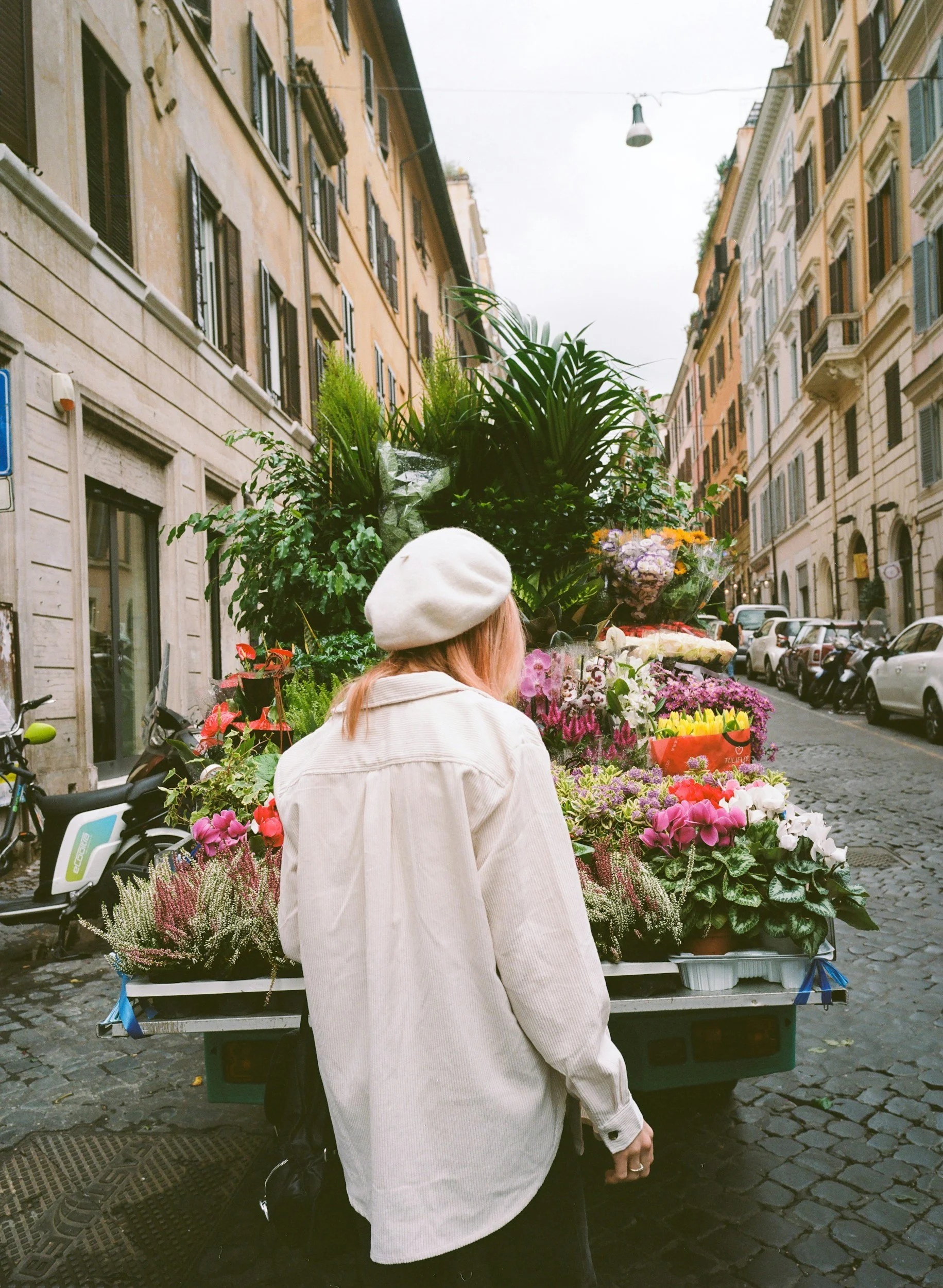
If you've ever come home from a brocante wondering whether you overpaid for absolutely everything, this guide will probably save you money on your next trip.
Nyons is one of those places that looks straightforward until you start planning around market day, and this guide answers most of the questions people don't realise they have yet.
Villefranche-de-Rouergue: the market town that keeps giving you reasons to stay another day
Villefranche-de-Rouergue was probably the town in this guide that changed most between day one and day four.
The Thursday market is what gets most people here in the first place and it absolutely lives up to its reputation. By mid-morning, Place Notre-Dame is packed, the arcades are full of shoppers moving between stalls and some of the busiest cheese producers already have queues forming. If you're planning to buy anything specific, particularly local cheeses, charcuterie or seasonal produce, it's worth arriving earlier than you think you need to because the market changes quite quickly as the morning goes on. By late morning, many locals seem to have finished shopping and are already sitting with coffee while visitors are still making their first lap around the stalls.
The market fills a large part of the centre, but what I found interesting was how quickly the town moved on from market day. Some places feel as though everything revolves around one morning a week. Villefranche never really gave me that impression…
A couple of days later, I was spending more time around Rue de la République, Rue Marcellin Fabre and Rue du Sénéchal than I was around the market itself. The centre is large enough that you don't feel as though you've seen everything after one afternoon, and there are enough independent businesses tucked beneath old stone buildings that wandering without a plan works surprisingly well here. One morning I'd end up browsing at Librairie La Folle Avoine, another I'd lose time looking through antiques and vintage pieces at one of the dealers near Rue du Sénéchal, and more than once I found myself drifting back towards the arcades around Place Notre-Dame simply because I'd spotted a gallery or shop earlier in the week and wanted another look. The Musée Urbain Cabrol is worth knowing about too if you're interested in the town's history, and a short walk away you'll find small independent food shops selling local cheeses, charcuterie and products from around Aveyron that make it very easy to return home carrying more than you intended.
Librairie La Folle Avoine became one of those places I kept ending up back inside, partly because the selection was good and partly because it sits in exactly the sort of street you naturally walk through several times a day. The same thing happened with some of the antique dealers and independent shops scattered through the historic centre. Villefranche isn't as obviously antique-focused as Pézenas, but if you enjoy browsing old furniture, vintage objects and slightly eccentric shops where the owner seems perfectly happy to spend twenty minutes talking about where something came from, you'll find plenty to keep you occupied.
If I stayed here again, I'd look for accommodation somewhere within a few minutes of Place Notre-Dame rather than on the outer edges of town. Most of the cafés, restaurants and day-to-day life seem to orbit around the historic centre and, after a few days, you'll probably find yourself walking back towards the square several times anyway. Some of the streets further from the centre become surprisingly quiet once evening arrives, whereas the area around the arcades tends to hold onto a bit more life after dinner.
Coffee wasn't something I spent much time thinking about before arriving, but by the end of the week I realised I'd developed a routine without meaning to! Le Glacier was usually where I ended up first thing in the morning, especially on market day, while some of the smaller terraces beneath the arcades were better later in the afternoon when the pace of the town slowed slightly and people seemed more interested in lingering than rushing anywhere.
Food ended up being another reason I kept heading back towards Place Notre-Dame. L'Atelier de Trébosc is worth knowing about if you're interested in regional cooking, but quite a few meals started much earlier in the day at the Thursday market. One stall for Laguiole or Roquefort, another for saucisson, a loaf of bread tucked under one arm and fruit bought on impulse because it looked too good to leave behind. By the time I'd finished wandering around the market, lunch was usually already sorted.
What I liked about Villefranche was that eating never felt like something that needed planning. Some days I'd find a table beneath the arcades around Place Notre-Dame and stay there much longer than intended, watching the square gradually empty after the market. Other days I'd pick up a few things from one of the food shops around the centre and head towards the quieter streets behind Rue du Sénéchal instead. After a few days, I realised I was spending less time searching for restaurants and more time building meals from whatever looked best that morning…
One thing I think people occasionally underestimate about Villefranche is how useful it is as a base. First-time visitors often focus almost entirely on the town itself, but repeat visitors seem to use it differently. They spend a morning at the market, then disappear to Najac for the afternoon. The next day they're in Belcastel. Then Sauveterre-de-Rouergue. After a while, you realise the town sits in the middle of an area packed with places that are easy to reach without feeling as though you're spending the whole day driving!
Najac came up more than any other recommendation while I was there and it's easy to understand why. The village stretches along a ridge beneath its château and feels completely different from Villefranche despite being relatively close. Belcastel has a different atmosphere again, while Sauveterre-de-Rouergue is one of those places that tends to make people wonder why they'd never heard of it before.
The other thing that stood out was how many people seemed to have their own version of Villefranche. Some were there almost entirely for the market. Others spent their time in bookshops, galleries and cafés. A few seemed more interested in using the town as a base for exploring rural Aveyron. The town somehow accommodates all of those approaches without feeling as though it's trying to be anything in particular.
That's probably why I think it fits so well as the final town in this guide. Some market towns are brilliant for a weekend and start feeling predictable after a couple of days. Villefranche-de-Rouergue never really reached that point. Every time I thought I'd got a handle on the place, I found another street, another shop or another reason to head back into the centre the following morning!
In case Villefranche-de-Rouergue ends up being your favourite town in this article, there's a good chance you'll also enjoy Semur-en-Auxois because they share more in common than you might expect.
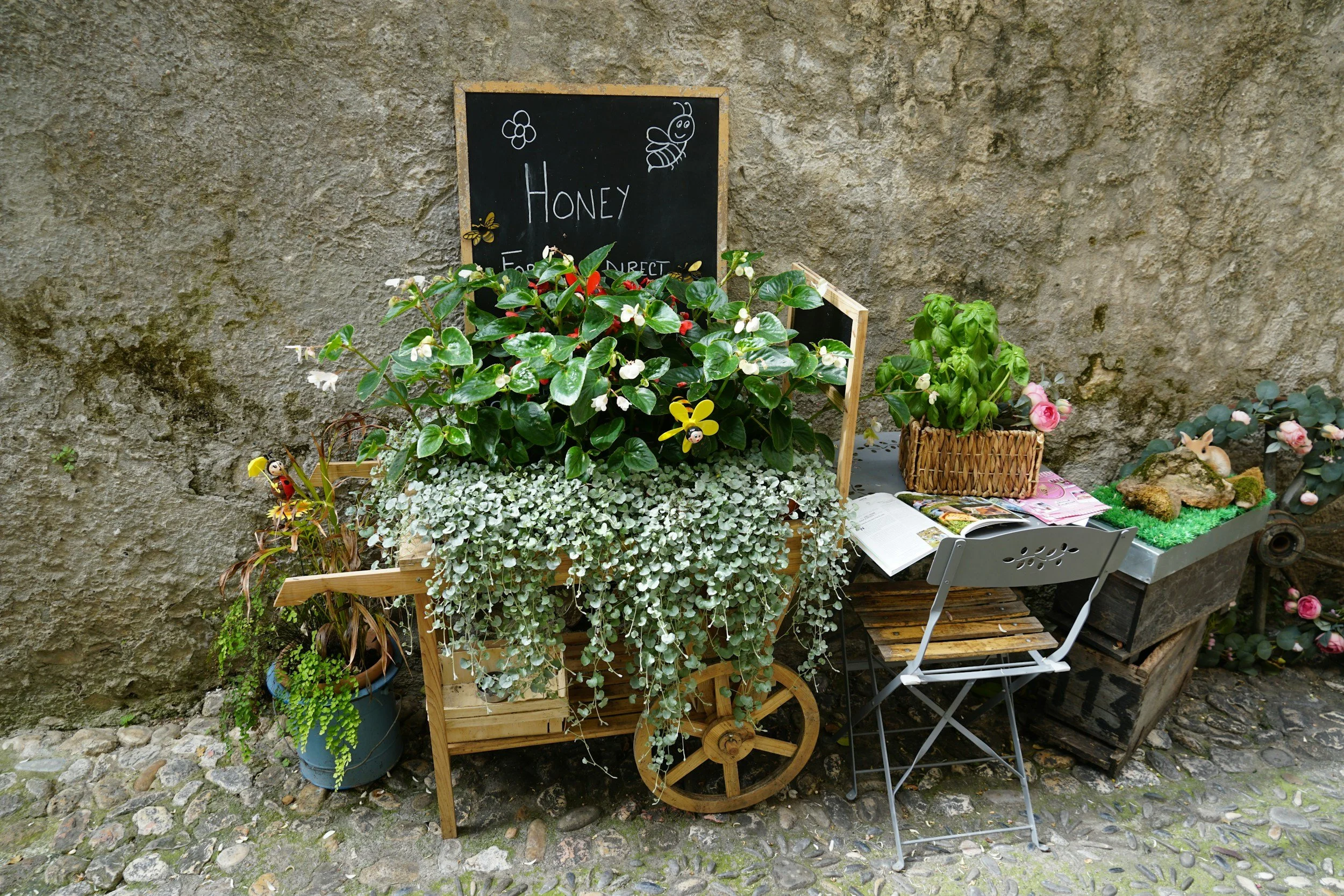
If markets in Provence are the reason you're travelling in the first place, this seasonal breakdown makes it much easier to work out when to go rather than just where.
Some markets are worth an hour. Others are worth building an entire trip around. These towns fall firmly into the second category.
Which market town will suit you best?
After putting this guide together, one thing became surprisingly clear. The market that looks best in photos isn't always the market town people end up enjoying most.
It's easy to spend hours comparing markets before a trip, looking at how many stalls there are, reading reviews and trying to work out which one is considered the most famous, but after a few days in any of these towns the market usually becomes just one part of the week rather than the thing that defines it.
The questions that start mattering are often much smaller and much less obvious when you're planning from home. Which café do you keep finding yourself returning to every morning? Which streets still feel interesting after you've already walked through them half a dozen times? Is there somewhere to wander on a Tuesday afternoon when the market is long gone and the weather isn't particularly good? Are there enough bookshops, galleries, wine bars, food shops or nearby villages to keep things interesting without needing to get in the car every few hours?
That's really what separates these towns from one another.
Some people will feel completely at home in Narbonne because they like having train connections, restaurants and day trips in every direction. Others will find themselves happier in Revel, where the market remains much more connected to everyday life throughout the week. Someone else will spend five days in Saint-Antonin-Noble-Val and wonder why they would ever choose a larger town when they have the river, the gorge and a market on their doorstep.
None of those choices are wrong. They're just different!
If there's one thing I'd do before booking accommodation, it would be to spend less time comparing the markets themselves and more time thinking about what you'd like the rest of the week to look like. In my experience, that's usually where people end up finding the town that suits them best, and it's also the reason two travellers can visit the same market and come away convinced that completely different towns were the highlight of the trip.
Several of these towns become much easier to enjoy once you stop worrying about driving, and this guide answers most of the questions people end up Googling halfway through planning.
One thing people often underestimate is how much the location of your hotel affects the entire trip, which is exactly why these walkable stays are worth a look before booking anything.
FAQs: market towns in Occitanie
Which market town in Occitanie is best for a first visit?
For a first trip, Uzès and Narbonne are usually the easiest starting points. Uzès has one of the region's best-known markets, a compact historic centre and plenty happening throughout the week, while Narbonne gives you the flexibility of train connections, restaurants, wine regions and easy day trips. If you're visiting Occitanie specifically because you love French markets, Uzès is often the safer first choice.
Which market town in Occitanie is best without changing hotels?
Narbonne is probably the strongest option if you want to stay in one place for an entire week. The train station makes it easy to explore nearby towns, the coast and surrounding wine regions without constantly moving accommodation. Villefranche-de-Rouergue is another good option because there are enough nearby villages, markets and restaurants to keep a longer stay interesting.
Is Uzès or Pézenas better for market lovers?
The markets attract slightly different visitors. Uzès feels more focused on food, produce and weekly shopping, while Pézenas combines market culture with antiques, galleries, independent shops and a larger browsing culture. If your ideal morning involves filling a basket with food and heading back with ingredients for lunch, Uzès usually comes out ahead. If you enjoy spending as much time in antique shops and galleries as you do at market stalls, Pézenas often feels like the better fit.
Is Narbonne or Uzès a better base for a week?
Narbonne gives you more flexibility. There are more restaurants, better transport connections and a wider range of day trips. Uzès feels more centred around the town itself. People who like spending most of their time in one beautiful market town often prefer Uzès, while people who enjoy exploring different places throughout the week tend to prefer Narbonne.
Which market town in Occitanie is easiest to visit without a car?
Narbonne is the easiest by far thanks to its train station and regional connections. Some of the other towns in this guide, including Saint-Antonin-Noble-Val, Lodève and Villefranche-de-Rouergue, become much more rewarding if you have access to a car because many of their best day trips sit outside the town centres.
Which market town in Occitanie has the best food market?
Revel, Uzès and Villefranche-de-Rouergue are probably the strongest contenders if food is the main reason for your trip. All three attract local producers selling cheeses, seasonal fruit and vegetables, breads, charcuterie and regional specialities. In reality, though, the atmosphere of the town often matters more than the number of stalls once you've been there for a few days.
Which market town in Occitanie has the nicest historic centre?
That depends on personal taste, but Uzès, Saint-Antonin-Noble-Val and Villefranche-de-Rouergue all stand out for different reasons. Uzès feels elegant and cohesive, Saint-Antonin is woven into a dramatic river landscape and Villefranche has one of the most impressive market squares in the region beneath the arcades of Place Notre-Dame.
Which market town in Occitanie is best for bookshops, galleries and independent shops?
Pézenas is difficult to beat if you enjoy spending entire afternoons browsing. The town has a strong creative community, plenty of galleries and a concentration of independent businesses that extends well beyond market day. Lodève is another good option, particularly if museums, exhibitions and bookshops are just as important to you as the market itself.
Which market town in Occitanie feels least touristy?
Lodève and Villefranche-de-Rouergue often feel more connected to everyday local life than some of the better-known destinations in the region. Both attract visitors, but neither town feels as though it exists primarily for tourism, particularly outside the busiest summer weeks.
How many nights should you stay in a market town in Occitanie?
Three to five nights usually works well. That's enough time to experience market day, settle into the rhythm of the town and explore a few nearby villages without feeling rushed. Many travellers discover that the market becomes less important after the first day or two, while the cafés, food shops, galleries, bookshops and surrounding countryside end up shaping the rest of the trip.
Which market town in Occitanie is best for returning visitors?
Villefranche-de-Rouergue and Saint-Antonin-Noble-Val are both strong choices for people who have already visited the region. The towns themselves are interesting, but the real appeal comes from everything around them. Many repeat visitors spend less time focusing on the market and more time exploring nearby villages, local restaurants, walking routes and smaller corners of the region that don't appear in most guidebooks.
Where should I stay in Occitanie if I love markets and bookshops?
Pézenas, Lodève and Villefranche-de-Rouergue would be my shortlist. All three have strong market traditions, independent bookshops, creative communities and enough going on between market days that you won't feel as though the trip revolves around a single morning each week.