
Can you visit Provence without a car? Yes. Here's how.
You step off the train at Avignon TGV and pause for a second… To the left, a small crowd is forming at the rental desks, people checking names, waiting for keys, asking about insurance. Straight ahead, signs point to the shuttle into Avignon Centre, and a bus is just about to leave.
Both options are easy enough. That’s not the issue.
What you’re really deciding in that moment is what your days are going to look like once you’ve checked in, dropped your bag, and started moving around. Not in a vague way, but in very specific terms. Are you going to be checking departure times before you leave for lunch, or just heading out and seeing where you end up? Are you choosing one place for the day because it fits the schedule, or stopping in two or three because they’re on the way?
Provence is one of those places where the map doesn’t tell you much. Everything looks close. Avignon to Gordes, Aix to the Luberon, the coast near Cassis. But once you’re actually there, you start noticing the gaps. A bus that runs twice in the afternoon. A station that isn’t where you expected it to be. A village that’s easy to reach, but not easy to leave.
At the same time, there are parts of the region where you don’t need a car at all. You can move between Avignon, Arles and Nîmes without thinking about it, and spend full days just walking, eating, sitting down somewhere, and continuing on.
That’s why this decision isn’t as simple as “car or no car.” Both work, but they create completely different trips once you’re in it. The difference shows up in small moments, getting to a market early enough, staying longer than planned, deciding where to go next without checking anything first.
This is a breakdown of what actually changes, based on how Provence works day to day. Not just routes and transport options, but how long things take, where plans fall apart, and where having a car quietly makes things easier than expected.
Renting a car in Provence or using trains
That feeling when you step off the train at Avignon TGV and it’s not confusing - but it’s also not as seamless as it looked on Google Maps! The station sits out in the open, a few low buildings, car rental desks off to one side, and a steady flow of people heading in different directions without really stopping. Some walk straight to the parking area, others line up for keys, and a smaller group heads towards the shuttle that runs into town.
If you’re not picking up a car, there’s a small chain of steps that starts immediately. You either take the TER shuttle into Avignon Centre or grab a taxi. The shuttle itself is quick, under 10 minutes, but you’re waiting for it, checking the platform, watching the time. Once you arrive, you’re still not fully “there” yet. If you’re staying inside the old town, you’re walking past the ramparts, likely entering through Porte de la République, then continuing on foot over cobbled streets that aren’t ideal with a suitcase.
Do the same arrival with a car and it plays out differently. You leave the station, join the road towards the city, pass the Rhône, and within 15–20 minutes you’re pulling up near your hotel. If you’re staying somewhere slightly outside, maybe near Villeneuve-lès-Avignon or further into the countryside, you just continue driving. There’s no second step.
Aix-en-Provence TGV feels even more removed. It’s about 15–20 minutes outside the city, surrounded by open land and highways. Without a car, you’re relying on the airport-style shuttle buses into the centre, usually dropping you near the bus station by Avenue de l’Europe. From there, it’s a walk into the old town, often along Cours Mirabeau. It works, but again, it’s a sequence rather than a single movement.
Marseille Saint-Charles is different. You arrive directly in the city, climb down the grand staircase, and you’re already in it. But Marseille brings its own layer. It’s larger, busier, and getting from the station to your exact neighbourhood takes a bit more attention, whether that’s the metro, a taxi, or walking with luggage through streets that change quickly from one block to the next.
The car rental process itself is rarely complicated, but it’s not instant either. In Avignon, late morning arrivals often mean waiting 20–30 minutes while the previous wave of travellers picks up their cars. In Aix, you walk a bit further to reach the rental area, which spreads people out but still takes time. In Marseille, there’s more choice, but also more people, more counters, more waiting.
None of this is a problem on its own. But this first hour is where the difference starts to show. Without a car, you’re already linking steps together, train to shuttle, shuttle to centre, centre to hotel. With a car, you compress all of that into one movement and decide later where to go next.
A lot of people plan their trip around markets and then end up in the busiest ones, so it’s genuinely useful to glance at hidden market towns first, some of these are the ones locals actually go to.
Getting around Provence without a car and where trains actually take you
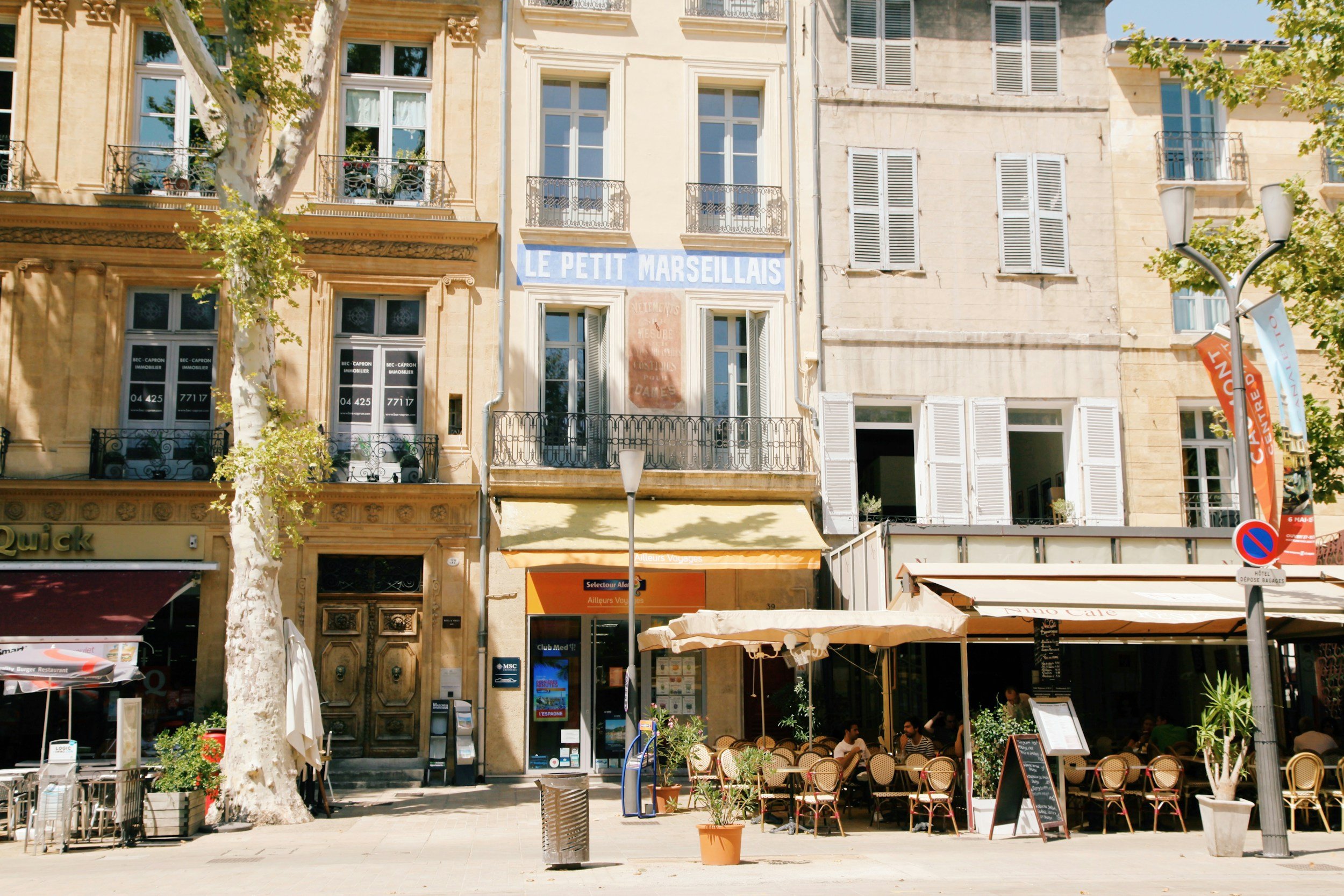
If you stay in Avignon without a car, the first couple of days usually run very smoothly without you having to think about it too much. You leave your place inside the old town, pass the small bakeries opening along Rue de la République, maybe stop briefly near Place de l’Horloge, and then continue towards Avignon Centre. It’s close enough that you don’t check the time before leaving, you just head there and see what’s running next.
If you’re already thinking about staying somewhere quieter than Avignon or Aix, it’s worth seeing what that actually feels like before you book, because these drome stays are a very different kind of trip once you’re there.
The trains to Arles and Nîmes are frequent enough that you rarely need to plan more than an hour ahead. You arrive at the station, glance at the board, and there’s usually a departure within a reasonable window. The journey itself is short, so it doesn’t break your day into pieces. You’re not thinking about it as a “travel day,” just as a short transfer between places.
When you arrive in Arles, the station feels close to everything. You walk out, cross towards the Rhône, and within a few minutes you’re moving through streets that already feel like the centre. In Nîmes, it’s similar. You leave the station, pass through the square, and reach the arena quickly, with cafés already filling up along the way. You don’t need a second form of transport, and you don’t need to figure anything out on arrival.
As long as you stay within these towns, the structure of your day stays simple. You leave mid-morning, spend time walking, stop for lunch when it makes sense, and return later in the afternoon or early evening. You’re not adjusting your plans around transport, you’re just fitting transport into what you already want to do.
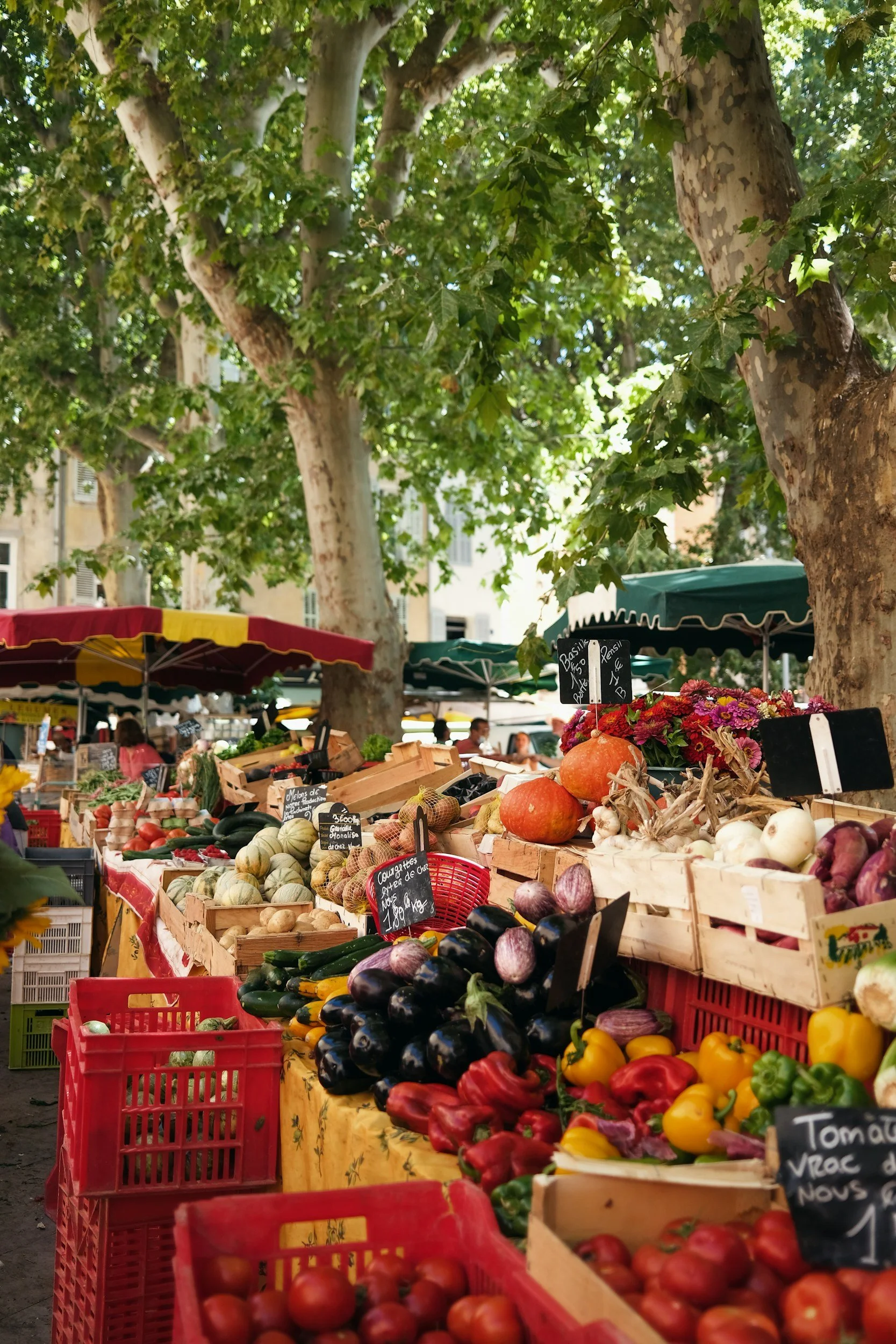
The first place where this starts to change slightly is L'Isle-sur-la-Sorgue. It still works well by train, and on Sundays the market makes it worth the trip on its own. You arrive, walk towards the canals, and within a few minutes you’re already among antique stalls, food vendors, and small cafés. The station is close enough that you don’t think about the connection.
Villages like Gordes and Roussillon require an extra step, usually a bus from a nearby town such as Cavaillon. The journey itself isn’t difficult, but it changes how you plan the day. Instead of deciding in the morning, you check the bus timetable the evening before, looking at when it leaves and when it comes back.
What usually catches people off guard is how limited those bus connections actually are once you look closely. From Cavaillon to Gordes, you’re often looking at just a handful of departures spread across the day, sometimes two in the morning and a couple in the afternoon, with long gaps in between. The last return can be earlier than expected, especially outside peak summer, which means you’re already thinking about getting back before the day really winds down. The stop itself isn’t in the centre either, you get off below the village and walk uphill for around 10–15 minutes before you reach Place du Château. It’s all manageable, but once you’ve done it once, you realise why most itineraries in the Luberon assume you’re driving. This is where trains stop working well for most Luberon routes.
Once you arrive in Gordes, the bus stops below the village, near the same area where cars park. From there, you walk up towards the centre. It’s not far, but it’s a steady incline, and by the time you reach the main square you’ve already used more time than you might expect from the map. You walk through the village, stop at viewpoints, maybe sit down somewhere for lunch, but you keep an eye on the time, not constantly, but enough to make sure you don’t miss the return.
Roussillon works in a similar way. The bus drops you just outside, and you walk in towards the ochre streets. The distance is short, but it’s another small transition that becomes part of the day. You move through the village, take your time where it makes sense, and at some point check how long you have left before heading back.
This is where the difference between train travel and combined transport becomes clear. With trains alone, you can move between places without thinking too much about timing. Once buses are involved, your day becomes more fixed. You might arrive later than planned or leave earlier than you would prefer, simply because that’s when the connection runs.
It becomes even more clear later in the day. Trains between Avignon, Arles and Nîmes continue into the evening, so returning from those towns is flexible. In smaller villages, the last bus often leaves earlier. If you want to stay for dinner, you need to check in advance whether there’s a return option or arrange a taxi.
Without a car, most days end up focused on one place at a time. The train network supports certain routes very well, and if you stay within those, the trip feels easy to manage. Once you start adding villages that sit outside that network, each part of the journey depends on the next, and the timing becomes part of the day rather than something in the background.
If you’re trying to avoid the crowds altogether, especially in summer, you’ll probably want to rethink where you base yourself, and these quiet market towns make that decision much easier. And in case you’re unsure whether to stay put or move around every night, it helps to quickly check 3–5 night towns, because some places in France are much better for slowing down than others.
Driving in Provence with real distances, roads and parking situations
Driving in Provence doesn’t feel difficult, but it does feel slower than it looks on a map. You leave Avignon, follow signs towards Apt or Gordes, and within a few minutes you’re already on smaller roads where the pace changes. The distances aren’t long, but you’re not moving quickly either. A route that looks like 25 kilometres can still take close to an hour once you factor in curves, roundabouts, and other cars doing the same circuit. So, the map suggests short distances, but in practice most routes between villages take longer than expected.
The drive from Avignon to Gordes is a good example. You cross the Rhône, pass through a few roundabouts near Le Pontet, and then continue on roads that gradually narrow as you move further out. Just before reaching Gordes, you get that first clear view of the village from the road below, where most cars slow down briefly before continuing to the parking areas. It’s not a long drive, but it requires more attention than a motorway.
From Gordes, continuing to Roussillon takes another 15–20 minutes. The road between the two passes through open sections of the Luberon, with vineyards, stone houses and occasional cyclists sharing the same route. You’ll see quickly that overtaking isn’t always possible, so your pace is often set by the car in front of you.
Parking is straightforward once you know how it works, but it’s not always obvious when you arrive. In Gordes, you don’t drive into the centre. Instead, you follow signs to the main parking areas just below the village. These are paid car parks, and during summer they fill up steadily from mid-morning onwards. If you arrive before 10:00, you’ll usually find a space without much searching. After that, it can take a bit longer, especially on weekends.
In Bonnieux and Ménerbes, the setup is similar but slightly less busy. You park just outside the centre and walk in. The distances are short, but the streets are often sloped, so you’re moving uphill or downhill most of the time. It’s part of the layout rather than something you plan around, but it becomes noticeable after a few stops in one day.
L'Isle-sur-la-Sorgue is different. Here, you can park closer to the centre, especially outside peak market hours. On Sundays, when the market is on, many streets are closed, and you’ll need to use designated parking areas slightly further out and walk in along the canals. The walk itself is pleasant, but it adds time compared to arriving on a quieter day.
Road conditions across the Luberon are generally good, but the layout requires attention. Many roads are single carriageways with bends and limited visibility, especially as you move between villages. In summer, you’ll also share the road with cyclists, particularly in the mornings, and it’s common to slow down behind them until there’s a safe place to pass.
Routes like the D900 are wider and move more quickly, especially between larger towns, but most of the smaller connections you’ll use for villages are narrower and slower. You’re not covering long distances, but you’re also not moving at a consistent speed.
Fuel stations are easy to find near larger towns like Avignon and Cavaillon, but less frequent once you’re deeper into the countryside. It’s not something that causes problems, but it’s worth filling up before spending a full day moving between smaller villages.
Driving here doesn’t feel complicated, but it does shape your day in a quiet way. You move when you want, stop where it makes sense, and adjust plans as you go, but each journey takes a bit longer than expected, and each stop involves a short walk into the centre. Over the course of a day, those small details add up and define how much you actually see and how you move between places.
If part of your plan involves wine, long lunches and not moving much at all, it’s worth looking at vineyard picnic before you assume it works everywhere, it really doesn’t.
Car vs train in Provence based on what your days will actually look like
Start a morning in Avignon and the difference shows up naturally, not because you’re thinking about transport, but because of how the day begins to unfold once you step outside.
With a car, you’re usually out through one of the gates in the city walls not long after breakfast, often Porte de la République without really noticing it, and within a few minutes you’ve left the tighter streets behind. The road past Le Pontet is familiar after a day or two, a few roundabouts, some supermarkets, and then it opens up as you head towards the Luberon. If you leave early, before things pick up, it’s a calm drive, and you reach L'Isle-sur-la-Sorgue in about half an hour.
Arriving there early changes the feel of it completely. You park somewhere near Avenue des Quatre Otages or just outside the centre and walk in along the canals while things are still setting up. Stalls are opening, café tables along Quai Jean Jaurès are being arranged, and you move through it without needing to think about where to go next. You stay as long as it feels right, then head back to the car and continue.
The drive to Gordes isn’t far, but it slows down as you get closer. The road narrows, there are more bends, and just before the village you pass that viewpoint where cars tend to slow down or stop briefly. From there, you follow signs to the parking areas below the centre and walk up into the village, passing stone houses and small shops on the way to Place du Château.
By mid-afternoon, you still have options. Roussillon is close enough that it’s easy to continue, and the drive takes you through more open parts of the Luberon before you arrive near Place de la Poste and walk into the centre. If you’re still in the mood to keep going, you might pass through Bonnieux on the way back, park lower down, and walk up for the view over the valley before heading back towards Avignon.
The return doesn’t feel like a deadline. You cross back over the Rhône when you’re ready, often with enough time to head out again later in the evening, maybe towards Place Pie or along Rue des Teinturiers.
Without a car, the same day settles into a different shape from the beginning. You leave your accommodation and walk towards Avignon Centre, but instead of deciding where to go on the spot, you’ve already checked what’s realistic. If you’re heading to L’Isle-sur-la-Sorgue, the train works well, and once you arrive, the experience feels very similar. You walk along the canals, move through the market, find somewhere for lunch, and nothing feels restricted.
The difference appears when you think about adding another place. Getting from L’Isle-sur-la-Sorgue to Gordes means switching from train to bus, and the timing between those doesn’t leave much room to move things around. It’s not that it can’t be done, but it doesn’t fit into the same kind of day.
So instead, you stay longer in one place. You take your time in L’Isle-sur-la-Sorgue, maybe walk a bit further along the canals, sit down for lunch without watching the clock too closely, and then head back when the train runs. Or you choose Gordes for the day and plan everything around getting there and back.
Arriving in Gordes by bus, you step off below the village and walk up the same route from the parking area. It’s a steady climb, and by the time you reach the centre, you’ve already spent more time getting there than you would by car. Once you’re in the village, the experience itself doesn’t change much, you walk, stop, sit down somewhere, but there’s always a return time in the background that shapes when you leave.
Roussillon works the same way. The bus drops you just outside, you walk in, spend time there, maybe follow part of the Sentier des Ocres, and then at some point you check how long you have before heading back. It’s not stressful, but it’s there.
As the afternoon moves on, the difference becomes clearer without needing to think about it directly. With a car, you still have flexibility. You can add another stop, take a different route back, or stay longer somewhere without adjusting anything else. Without one, you’re already working towards the return, especially if buses are involved.
By the time evening comes around, the pattern is set. With a car, you can still be out somewhere outside your base and come back later. Without one, you’re back in Avignon, walking again through the same streets near Place de l’Horloge or Rue des Teinturiers, because getting back from smaller villages later in the day isn’t always possible.
After a few days, it’s not something you actively think about, but it does shape the trip. With a car, you move between places more freely and often see several in a single day. Without one, each day tends to centre around one place, and everything else fits around getting there and back.
This is usually the point where people realise they’re either planning around transport or moving independently of it.
If you’re going in spring, especially April, Provence feels completely different to summer, and this april in provence will probably change how you plan your days.
Where staying without a car works well in Provence
If you’re planning to rely on trains, the place you choose to stay ends up deciding most of the trip for you, often more than the list of places you had in mind before arriving.
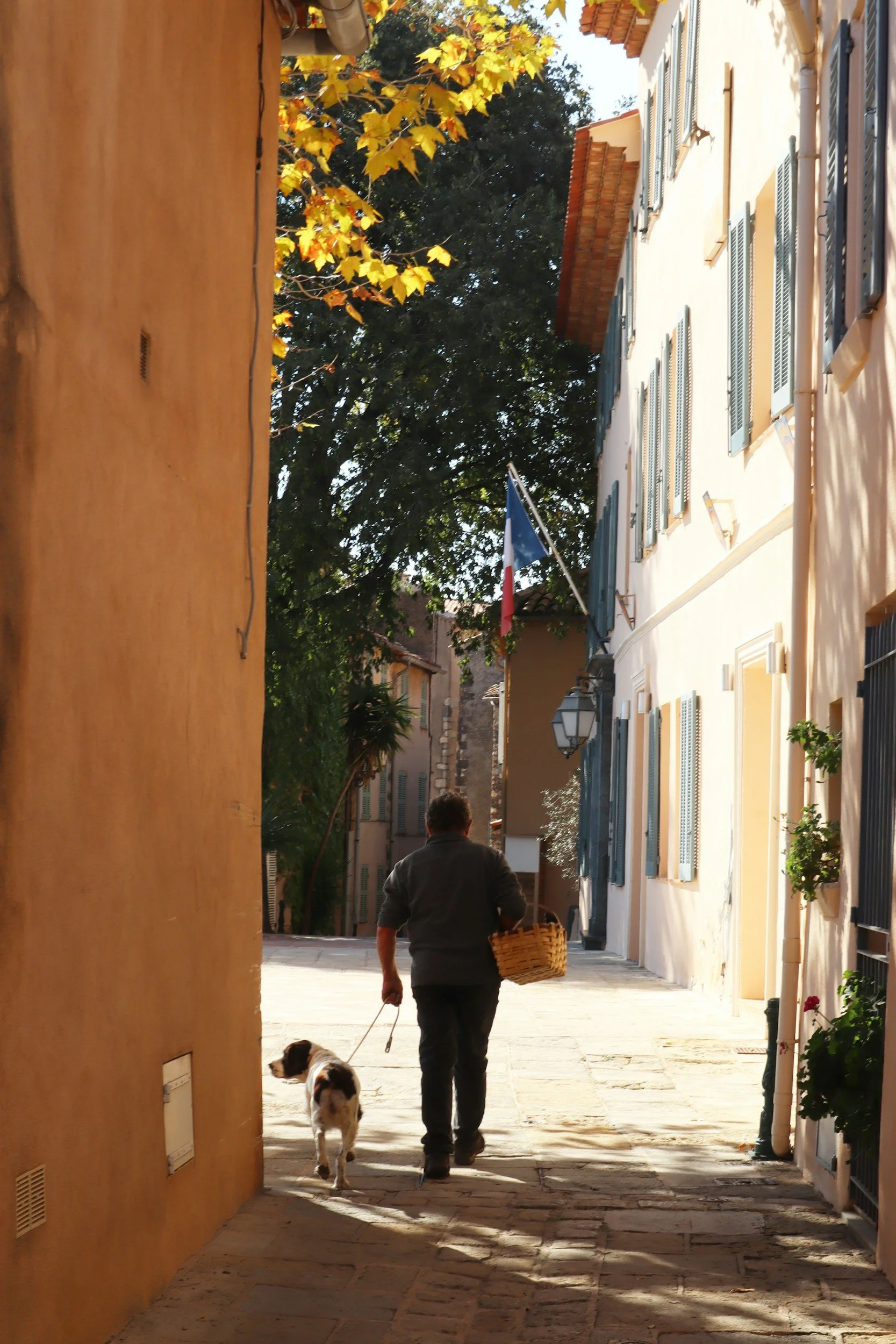
In Avignon, it’s very easy to settle into a routine that works without needing to think about transport much at all. If you stay inside the old town, somewhere near Rue des Teinturiers, Place Pie, or closer to Place de l’Horloge, everything you need is already within a short walk. In the morning, you step out, pick up something from a bakery, maybe along Rue de la République, and then decide what to do from there.
Reaching Avignon Centre takes a few minutes on foot from most central locations, so leaving for a day trip doesn’t require much planning. You can head to Arles or Nîmes mid-morning, spend the day there, and be back in Avignon in time for dinner without needing to check much beyond the next train. Even evenings stay simple. You’re already where most restaurants are, so there’s no need to factor in how to get back.
Aix-en-Provence works in a similar way, but with a slightly different feel once you’re there. If you stay near Cours Mirabeau or within the older streets just behind it, everything is close enough that you move around on foot without thinking about distances. Mornings often start slowly here, cafés opening along the main avenue, small streets filling gradually, and you don’t need to leave the city every day to feel like you’re seeing something new.
Getting in and out of Aix without a car involves a short transfer from Aix-en-Provence TGV, usually by shuttle bus, but once you’re settled in the centre, daily life is straightforward. There are buses to nearby areas, and trains from the TGV station if you want to go further, but it’s also a place where staying local for a few days works naturally without needing to plan outings every day.
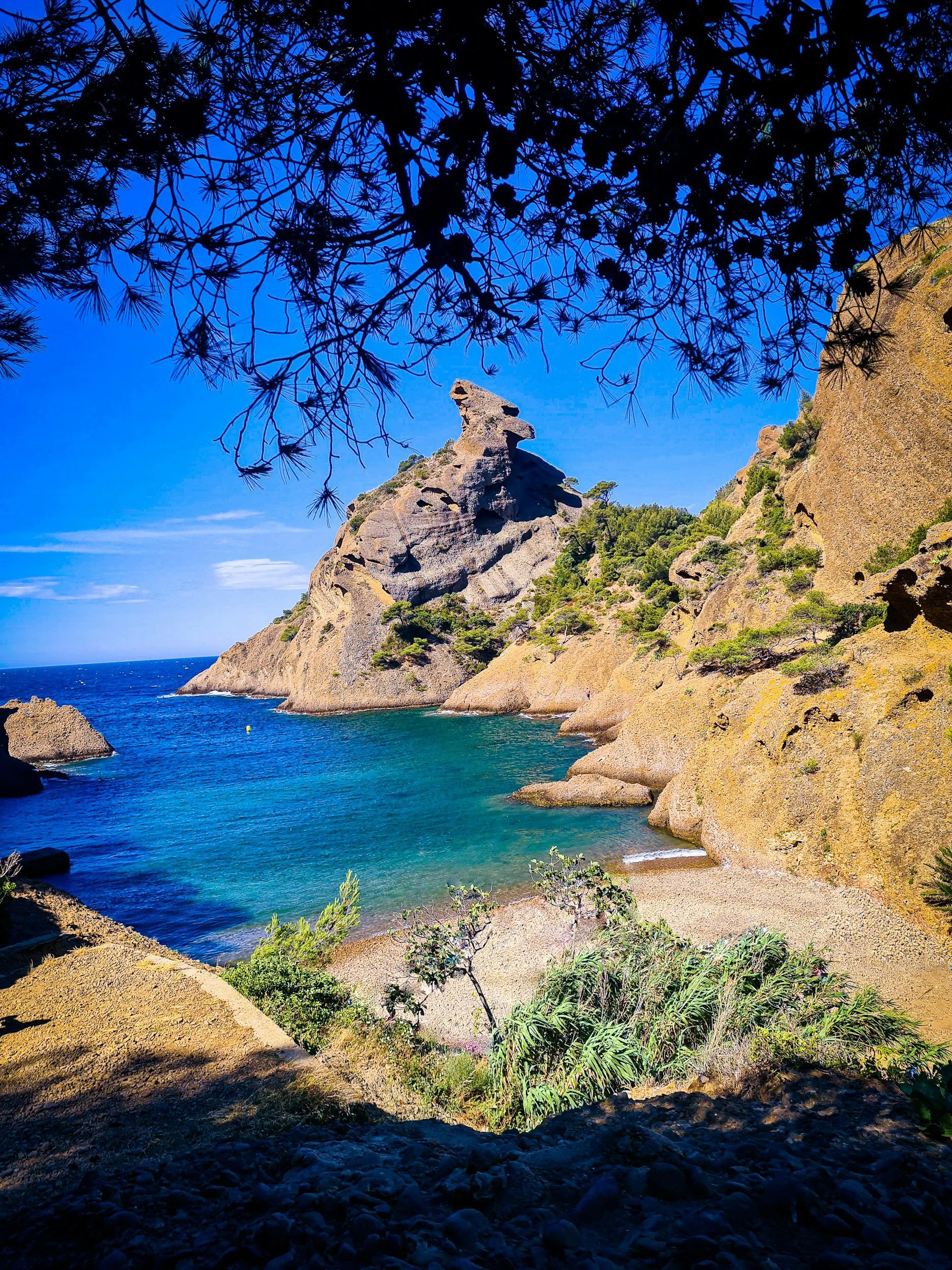
Marseille can also work without a car, but it requires a bit more awareness of where you stay. If you’re near the Vieux-Port or close to a metro line, moving around is manageable, and you can take trains to places like Cassis for the day. The difference is that Marseille is larger, and getting from one part of the city to another can take longer than expected, so your base within the city matters more.
Where things become less straightforward is when you stay in smaller villages in the Luberon without a car. Places like Bonnieux or Ménerbes are set up in a way that assumes you’ll be arriving by road. Getting there without a car usually means taking a train to a nearby town such as Cavaillon, then continuing by bus or taxi. The journey itself is manageable, but it takes longer and involves more steps.
Once you arrive, the experience changes again. These villages are compact, often built on a slope, and everything is within walking distance, but only within that one place. If you want to visit another village nearby, you’re back to checking bus schedules or arranging a taxi. There isn’t the same flexibility to move around during the day.
Staying in one of these villages without a car can still work if the plan is to stay mostly in that location, walking through the streets, having long lunches, and not moving around too much. But if the idea is to explore several places over a few days, the lack of direct connections between villages becomes obvious quite quickly.
If you’re considering staying in one village without moving around too much, it’s worth checking moustiers in spring first, it gives a very honest sense of what that kind of stay looks like.
And if you’re reading this thinking “this sounds great but maybe a bit too busy,” then definitely look at quiet alternatives before you decide, some of these feel surprisingly similar.
When renting a car in Provence makes the biggest difference
There are parts of Provence where you can manage perfectly well without a car, and then there are parts where the whole structure of the trip shifts the moment you have one. The Luberon is the clearest example, not because it’s remote, but because everything sits just far enough apart that public transport doesn’t quite connect it in a practical way.
If you leave Avignon in the morning and head towards the Luberon, the drive itself starts to explain why. You pass through Le Pontet, join the D900, and within 20 minutes the surroundings change from small commercial areas to more open countryside. It’s not a dramatic shift, but the spacing between places increases, and you start seeing how spread out everything is.
The first stop is often L'Isle-sur-la-Sorgue, especially on a Sunday. Arriving early means you can park somewhere near Avenue des Quatre Otages or along one of the streets just outside the centre before it gets busy. From there, you walk in along the canals, cross a few low bridges, and move through the market while it’s still setting up. You might stop for coffee near Quai Jean Jaurès, then continue without needing to think about timing.
When you leave, you don’t need to decide much in advance. You get back in the car and continue towards Gordes. The road narrows slightly as you approach, and just before the village you pass that well-known viewpoint where cars slow down or pull over. You follow signs to the parking areas below the centre, usually along Chemin de Fontanille, and walk up from there.
Once you’re in Gordes, you move through it at your own pace. You might stop near Place du Château, walk further into quieter streets, or sit down somewhere for lunch. There’s no need to think about when to leave, so you don’t. When you’re ready, you head back to the car and decide what comes next.
Roussillon is close enough that it still makes sense to continue. The drive takes around 15–20 minutes, passing vineyards and open stretches where the road dips slightly before rising again towards the village. You park near Place de la Poste or one of the designated lots nearby and walk in towards the centre, continuing through the ochre streets or heading towards the Sentier des Ocres if you want a longer walk.
At this point, it’s mid-afternoon and you still have options. You can head back towards Avignon, or you can take a small detour through Bonnieux, where you park lower down and walk up towards the church for a view across the valley. If there’s still time, you might pass through Ménerbes as well, even if it’s just a short stop before continuing.
None of this requires planning beyond deciding roughly where to start. The villages sit close enough to each other that you can link them together naturally, and the roads between them are part of the day rather than something you need to optimise.
The difference becomes even clearer if you’re staying outside the main towns. Many countryside hotels and guesthouses are located along smaller roads between villages, not in them. Arriving without a car usually means taking a train to somewhere like Cavaillon and then a taxi for the final stretch. That works for getting there, but once you’ve arrived, moving around becomes limited.
With a car, you can stay in one of these places and still move freely during the day. You might drive into L’Isle-sur-la-Sorgue in the morning for the market, return in the afternoon, and head out again later for dinner somewhere nearby. Distances are short, but without a car they’re not easy to cover.
Short trips are another situation where the difference stands out more than expected. If you’re in Provence for three or four days, relying on trains and buses often means choosing one place per day and building around that. With a car, you can combine places without feeling rushed, because you’re not waiting between connections or adjusting your timing to match them.
There are also smaller moments that don’t show up in an itinerary but become part of the day once you’re driving. You notice a vineyard along the road and stop briefly. You pass through a village that wasn’t planned and decide to walk through it for ten minutes. You leave somewhere earlier than expected and add another stop on the way back. None of these things require effort, and over the course of a day, they add up.
Renting a car makes the biggest difference when your plans include several villages, countryside stays, or a short window of time where you want to move between places without needing to organise each step. It’s less about distance and more about being able to move through the area without having to think about how each part connects to the next.
When you can skip the car and rely on trains in Provence
There’s a version of Provence where you don’t need a car at all, and it usually starts with choosing a base that makes daily movement feel almost automatic rather than planned.
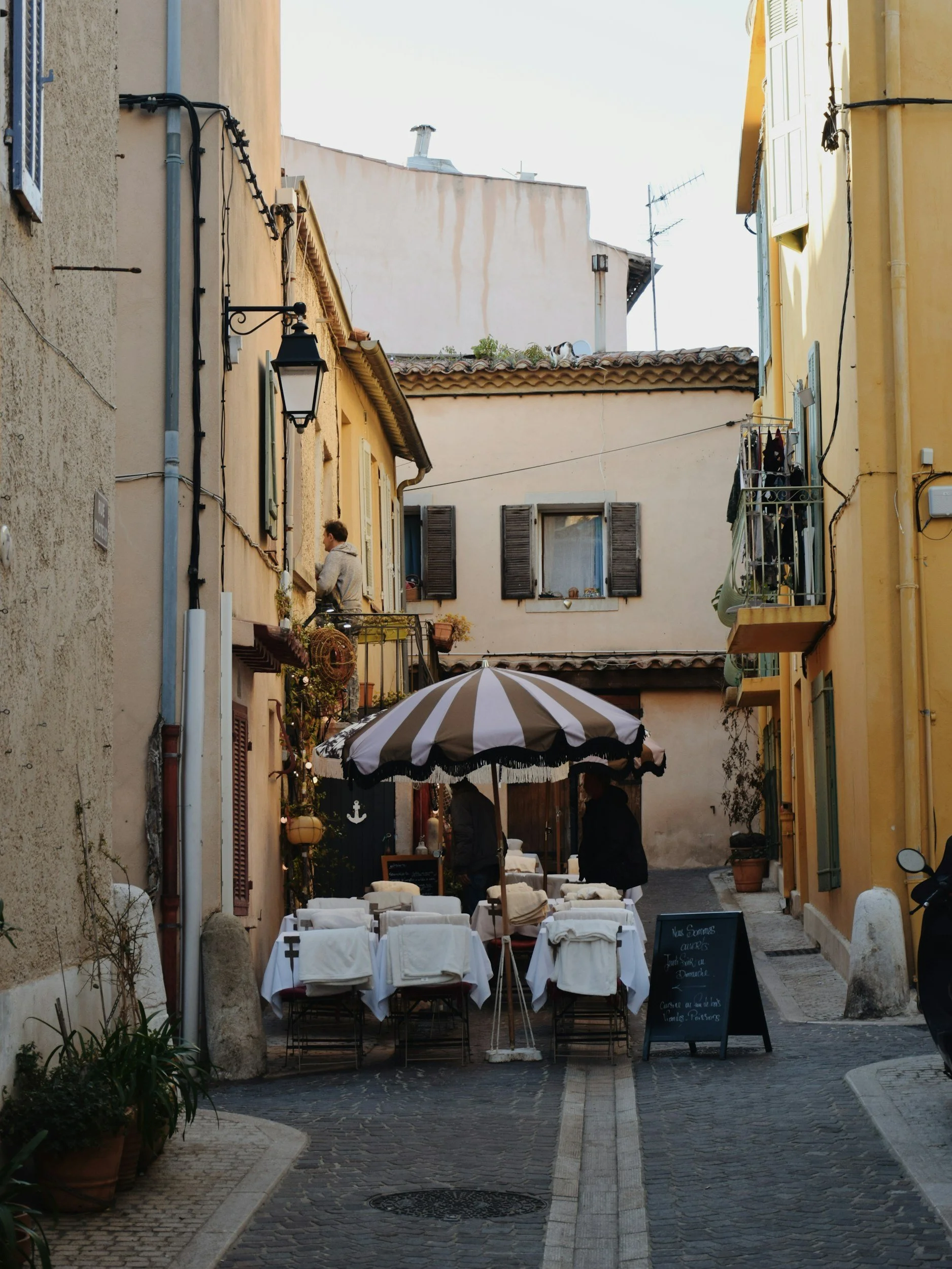
If you stay in Avignon, especially inside the old town, the days tend to fall into place without much effort. You step out in the morning, walk past Rue des Teinturiers where the water wheels turn slowly along the canal, cut across towards Place Pie where the market hall is already open, and continue on towards Avignon Centre. The walk is short enough that you don’t check the time before leaving, you just go and see what’s next.
From there, the train network covers exactly the kind of distances that work well for a day trip. Arles is close, and when you arrive, you’re already within walking distance of everything. You leave the station, head towards the Rhône, pass under the shade of plane trees, and within a few minutes you’re near Place du Forum, where people are already sitting outside. You spend the day moving through the town on foot, stopping when something catches your attention, and heading back when it feels right rather than when you have to.
Nîmes works in much the same way, but with a slightly different layout. The station opens onto a larger square, and from there you walk straight towards the arena and the older streets around it. Everything is close enough that once you’ve arrived, you don’t need to think about transport again for the rest of the day.
Even L'Isle-sur-la-Sorgue fits here more easily than people expect. The train from Avignon is short, and when you arrive, you’re close enough to walk straight towards the canals. On Sundays, the market fills the town, stretching across bridges and small streets, and you can spend hours moving through it without needing to go anywhere else.
The key difference in all of these places is how little you need to organise once you arrive. The station is close to the centre, the centre is easy to walk, and the day isn’t broken up into separate steps. You leave, arrive, and continue on foot.
Aix-en-Provence works slightly differently, but still without needing a car. You usually arrive via Aix-en-Provence TGV and take the shuttle bus into town, which drops you near Avenue de l’Europe. From there, you walk into the centre, often along Cours Mirabeau, and once you’re there, everything is within reach. Mornings start slowly, cafés opening along the main avenue, smaller streets filling in behind it, and you don’t feel the need to leave the city every day because there’s enough to fill your time without moving around.
Marseille can also work, but it depends more on where you stay. If you’re near the Vieux-Port or within easy reach of a metro line, getting around is manageable, and trains run along the coast towards places like Cassis. The difference here is scale. Marseille is larger, so distances within the city matter more, and where you base yourself has a bigger impact on how easy each day feels.
What ties all of this together is that your days stay simple. You choose one place, take a direct train there, and spend the day on foot without needing to think about connections beyond the return journey. It works best when you don’t try to combine too much into a single day and instead let each place stand on its own.
It also becomes noticeably easier outside the busiest summer weeks. In May, June, or September, trains are less crowded, platforms are calmer, and you can move around without needing to plan everything in advance. You arrive, find your way out of the station, and continue without much friction.
And if part of your plan involves markets, it’s honestly worth checking summer markets first, because the day you go matters more than the place itself.
Practical details that influence the decision more than expected
Most people focus on the obvious part of the decision, whether it’s easier to drive or take the train, but once you’re actually in Provence, it’s the smaller, repeated moments that end up shaping how the days feel.
In Avignon, things usually start simply. If you’re staying somewhere near Place Pie or along Rue des Teinturiers, the morning unfolds without much effort. You step out, pass Les Halles while it’s opening, walk along Rue de la République, and reach Avignon Centre in a few minutes without needing to check anything in advance. That part stays easy as long as you’re moving between places like Arles or Nîmes, where the station is close to the centre and the rest of the day happens on foot.
The difference starts to show once your plans include anything beyond a direct train. It’s not a major shift, but it becomes part of the day in a quiet way. You begin to notice departure times, not because they’re difficult to manage, but because they exist in the background. You might leave a café slightly earlier than you intended or decide against sitting down somewhere new because you’re aware of the next connection. None of these decisions feel significant on their own, but they come up often enough to influence how you move through the day.
Driving removes that layer almost entirely, but it replaces it with a different set of small considerations. In villages like Gordes or Roussillon, you don’t arrive directly in the centre. You follow signs to the parking areas just outside, usually along roads like Chemin de Fontanille in Gordes or near Place de la Poste in Roussillon, and then walk in from there. Early in the day, this tends to be quick and straightforward. Later on, especially around late morning, you might need a bit more time to find a space, and that pattern repeats each time you stop somewhere new.
Over the course of a day, these short walks in and out of villages become part of the routine. They’re not difficult, but they add a rhythm to the day that you don’t notice when everything is directly connected by train. The same goes for driving itself. Roads between towns like Avignon and Cavaillon are easy, but once you move further into the Luberon, they narrow, curve, and slow down. You adjust your speed, follow the car ahead, wait for a safe moment to pass a cyclist, and continue.
Fuel is simple to manage, but it’s something you stay aware of once you’re outside the larger towns. Stations are easy to find near Avignon or along main roads like the D900, but less frequent between smaller villages, so it becomes something you handle when it’s convenient rather than leaving it until later.
Luggage is another detail that only really stands out when you’re moving between places. Without a car, each change of location means walking through a station, onto a train, sometimes onto a bus, and then through streets that aren’t always smooth. In Avignon, that often means cobblestones inside the old town. In Aix-en-Provence, arriving from Aix-en-Provence TGV involves taking a shuttle bus first and then walking into the centre along Cours Mirabeau or nearby streets.
None of this is difficult on its own, but it repeats each time you move, and that’s where it becomes noticeable. With a car, those transitions are reduced to loading and unloading once per stop, without needing to think about surfaces, distances, or connections.
Costs don’t always make the decision clearer either. Renting a car in summer can be expensive, especially in July and August, and parking fees add up in popular villages. Trains are usually affordable for shorter routes, but combining them with buses or occasional taxis can bring the total closer to what you would spend on a car over a few days.
If you’re stuck between staying right in the centre or slightly outside in a quieter spot, especially around lakes or smaller towns, this talloires or annecy comparison helps you figure that out fast.
The part of Provence most people don’t plan for
The easiest way to decide is to look at the days you’ve planned and count how many times you want to move after lunch.
If the answer is “not much,” trains can work beautifully. Stay in Avignon, Arles, Aix-en-Provence or Marseille, choose one place for the day, and let the return journey be simple. That kind of trip doesn’t need a car.
If your plan includes L’Isle-sur-la-Sorgue in the morning, Gordes after lunch, Roussillon before heading back, or dinner somewhere outside town, you’ll feel the limits of public transport quickly. Not because Provence is difficult without a car, but because buses and trains don’t support that kind of movement well.
That’s the real decision. Not whether Provence can be done without a car. It can. The better question is whether your trip is built around connected towns or around the smaller spaces between them. Trains are enough for the first version. A car makes far more sense for the second.
If you’re already hesitating between a few similar towns for a base, especially in southern France, it’s worth quickly checking uzès or pézenas before you commit, they feel similar on paper but land very differently once you’re there.
FAQs about getting around Provence
Do you need a car in Provence or can you rely on trains?
You can rely on trains if you stay in places like Avignon, Arles and Nîmes. These towns are directly connected, and the stations are within walking distance of the centre. You’ll need a car if your plans include villages in the Luberon, where there are no train stations and limited bus connections.
Is it worth renting a car in Provence for the Luberon?
Yes, if you want to visit several villages in one trip. Places like Gordes, Roussillon and Bonnieux are close to each other but not connected by train. With a car, you can visit two or three in the same day. Without one, you usually need to choose a single village and plan around bus schedules.
How many days do you need a car in Provence?
Many trips work well with a mix. You can spend the first few days in Avignon or Aix-en-Provence without a car, then rent one for 2–3 days to explore the Luberon or countryside areas. This avoids driving in cities while still giving you flexibility where it matters.
Can you visit Provence villages without driving?
You can, but it takes more planning. Villages like Gordes are reachable by bus from towns such as Cavaillon, but services are limited and often run only a few times per day. Visiting multiple villages in one day is difficult without a car.
Where do you actually need a car in Provence?
You’ll need a car in areas like the Luberon, countryside around Apt, and smaller villages that sit away from train lines. You don’t need one in cities like Avignon, Arles or Marseille, where everything is accessible on foot once you arrive.
Is public transport reliable in Provence?
Trains between major towns are reliable and run frequently. Buses to smaller villages are less frequent and often require planning in advance. They work best if you build your day around a single destination rather than trying to combine several stops.
Is it easy to drive in Provence for first-time visitors?
Driving is manageable, but slower than expected in rural areas. Roads in the Luberon are narrow with curves and limited overtaking. Parking is usually outside village centres, so you’ll walk a short distance into places like Gordes or Roussillon.
Can you do day trips from Avignon without a car?
Yes, especially to Arles, Nîmes and L'Isle-sur-la-Sorgue. These routes are direct by train and don’t require additional transport once you arrive.
Is it better to stay in Avignon or Aix-en-Provence without a car?
Avignon is easier for day trips because the station is central and connections are simple. Aix-en-Provence works well if you prefer staying in one place and exploring locally on foot.
What is the best way to get around Provence without a car?
The simplest approach is to base yourself in a town with a central train station, take direct trains for day trips, and avoid relying on multiple connections. Once buses are involved, it’s best to plan one destination per day.
Where do you park in Gordes and is it difficult in summer?
Parking in Gordes is always outside the village centre. Most visitors use the main paid parking areas below the viewpoint, including lots along Chemin de Fontanille. In July and August, these fill up from around 10:00, especially on weekends. Arriving earlier in the morning usually means you can drive straight in and park without waiting. From the parking area, it’s a short uphill walk into the village.
Are buses to Luberon villages like Gordes and Roussillon frequent?
Buses to villages such as Gordes and Roussillon run, but not often enough to move freely between places. Most routes operate a few times per day, with longer gaps in the afternoon. This means you usually plan your day around one village and return at a fixed time rather than visiting several in one trip.
Is it better to rent a car for just a few days in Provence?
Yes, this is often the most practical option. You can stay in a town like Avignon without a car at the start of your trip, then rent one for 2–3 days to explore the Luberon. Picking up a car at Avignon TGV or Avignon Centre works well and avoids driving in city centres for the entire stay.