Autumn is the best time to explore Occitanie. These are the towns I'd choose.
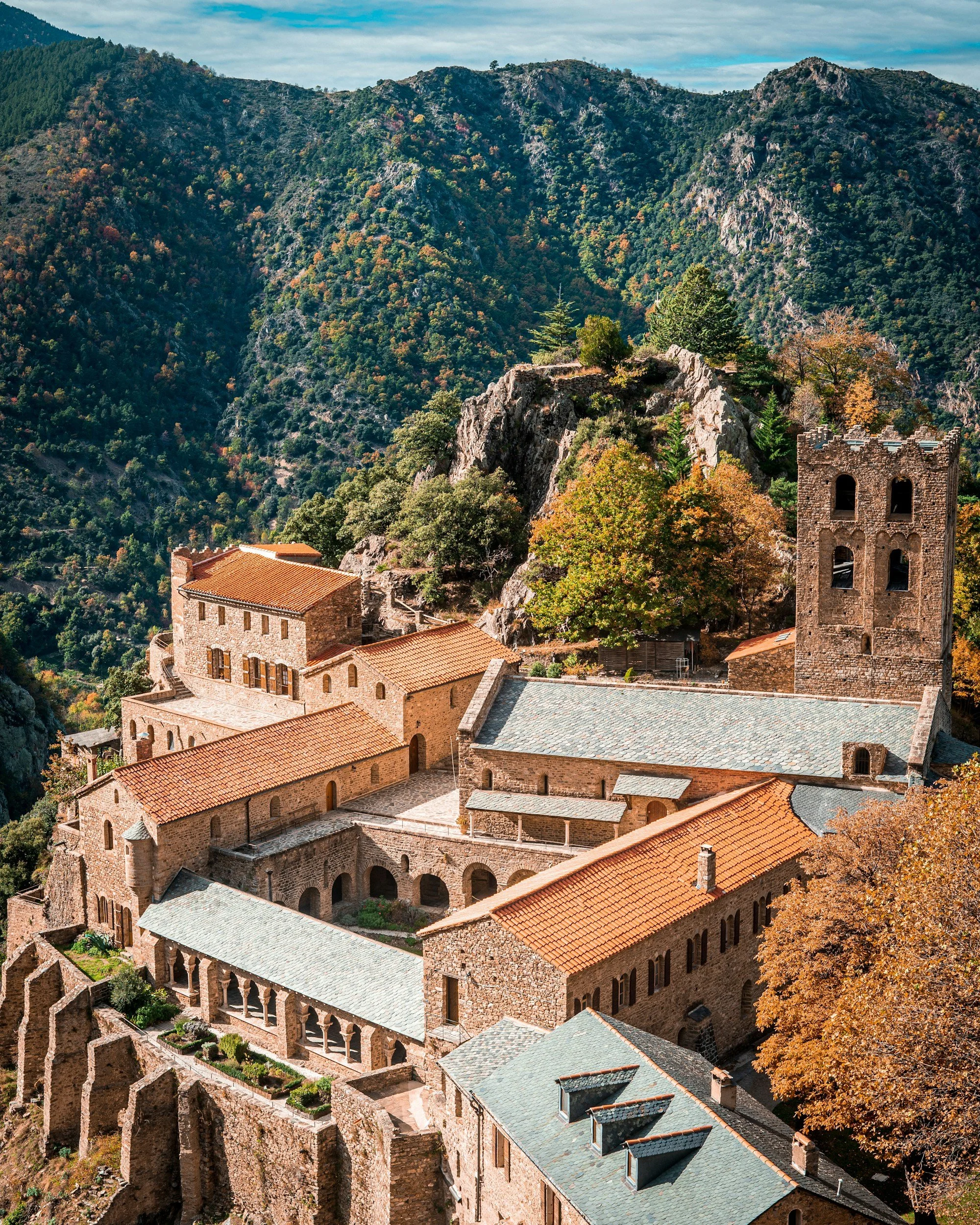
For a long time, whenever I thought about an autumn trip in southern France, I automatically started looking at Provence. It was familiar, easy to picture and seemed like the obvious choice. Looking back, I think I overlooked Occitanie for exactly the same reason. I assumed it was somewhere I'd drive through on the way to somewhere else rather than somewhere I'd actually want to base myself for a week.
The more time I've spent there, the more that's changed. Autumn suits this part of France in a way I hadn't expected. Saturday mornings in Albi are still built around the market beneath the brick façades of the old town, Pézenas feels made for slow afternoons wandering between independent shops and antique dealers, and in Saint-Antonin-Noble-Val the cafés beside the Aveyron stay busy long after the market has finished because walkers, cyclists and locals are all sharing the same terraces instead of hurrying on to the next stop. Even somewhere like Figeac, which many people seem to overlook completely, feels as though it settles into itself once summer begins to fade.
What changed most for me wasn't the weather. It was the way I started choosing where to stay. A few years ago I'd probably have looked for the biggest market or the town I'd seen mentioned most often. Now I find myself thinking about everything that happens once the market starts packing away instead. Am I in the mood to spend the afternoon wandering between the workshops and little food shops around Place Gambetta in Pézenas? Would I rather cross Pont Vieux in Albi, walk along the Tarn before calling into the Musée Toulouse-Lautrec, or sit outside on Place Champollion in Figeac while the cafés slowly fill up again after lunch? Those are the questions that usually decide the trip now, because they're what I'll probably remember a few months later.
None of these towns are secret, and they're certainly not the only places I'd recommend in Occitanie. They're simply the four I kept coming back to while researching this guide because each one offers a completely different kind of autumn weekend. If someone asked me where I'd spend a week in southern France today, these are the places I'd start with. Not because I think they're the "best", but because I already know what kind of trip I'd have in each of them, and that makes choosing between them much easier.
Why I'd plan an autumn trip through Occitanie differently
One thing I realised quite quickly is that autumn doesn't simply make Occitanie quieter. It changes what you notice.
In July it's easy to come home talking about which market was the biggest or which square was the busiest. By October I find myself remembering completely different things. A bakery in Figeac with shelves full of walnut cakes, the first bottles from the grape harvest appearing on wine lists around Albi, or producers in Saint-Antonin-Noble-Val chatting about mushrooms because there'd finally been enough rain. They're tiny details, but they're the sort of things that make one autumn weekend feel completely different from another.
The markets are a good example because, despite what some people assume, they don't disappear after summer. Albi is still busy on Saturday mornings, Saint-Antonin-Noble-Val still fills up on Sundays, Figeac still draws people into the centre every Saturday and Pézenas hasn't suddenly gone quiet either. What changes isn't whether the markets are there. It's what everyone has come to buy.
A few months earlier the stalls were piled high with peaches, nectarines and melons. By late September the peaches and apricots have largely disappeared, making room for baskets of walnuts from the Lot, chestnuts from the Cévennes, wild cèpes and girolles when the season has been good, late figs, table grapes, squash, pumpkins, onions braided together for winter kitchens and the first bottles of newly pressed grape juice appearing at vineyard stalls before the wines are even ready. If you're travelling through Gaillac, Fronton, Minervois or the vineyards around Pézenas, you'll also notice tractors moving between the vines, crates of freshly picked grapes waiting outside wineries and cellar doors that are sometimes busier with harvest than tastings. That's worth knowing before you book because some producers reduce visitor appointments during the busiest weeks of the vendanges, while others open specially for harvest events and cellar weekends.
That's another reason I now spend almost as much time looking at local event calendars as I do looking at maps. Across Occitanie, September and October bring village fêtes, harvest weekends, chestnut celebrations, walnut festivals, food fairs and small brocantes that often never appear in English-language travel guides. One weekend you might arrive in Saint-Antonin-Noble-Val and find the market spilling into a village festival. Another week it's a harvest celebration near Gaillac, a chestnut event in the foothills of the Cévennes or producers gathering in a square to celebrate the new olive or walnut season. Those are the weekends I'd choose every time because they change far more than the events calendar. They change what's in the cafés, what's on the market stalls and what everyone seems to be talking about.
I've also realised that I plan my days differently in autumn without really thinking about it. In July I usually book museum visits for the morning because I know the hottest part of the day is still to come. By October I stop worrying about that completely. I'd rather spend the morning wandering around the market, stop for coffee once I've found somewhere I actually want to sit, have lunch when I get hungry and only think about museums afterwards. That's usually when I'd head to the Musée Toulouse-Lautrec in Albi or the Champollion Museum in Figeac. They're often quieter by then, and it also means I'm not leaving halfway through lunch because I've booked a timed entry for one o'clock.
I think that's why autumn feels more relaxed to me. The day isn't built around avoiding the heat anymore, so I stop looking at my watch quite so much. If I spend forty minutes talking to someone selling walnuts at the market or decide I'd rather order another coffee before visiting the museum, it doesn't really matter. There's still plenty of time left.
The cafés change too, although it's easier to notice after you've been sitting there for a while. In September you'll still hear plenty of English, Dutch and German around you, but by October you'll often find yourself surrounded by people who've finished their shopping rather than people trying to fit three towns into the same day. I've always liked that change. If I'm deciding where to stay for a few days, I'll often think about whether it's somewhere I'd genuinely enjoy spending an hour or two doing very little. Place Champollion in Figeac is one of those places for me. So is Place Sainte-Cécile in Albi once the lunchtime rush has settled down. I don't think I'd say the same about every town, and that's often what ends up deciding where I book.
Travelling around Occitanie without a car also turned out to be much easier than I'd expected, although I quickly learnt that the day of the week matters almost as much as the destination itself. The TER network makes places like Albi and Figeac straightforward, while the regional liO coaches fill in many of the gaps to towns such as Pézenas and Saint-Antonin-Noble-Val. What I wouldn't do anymore, though, is assume that Saturday and Sunday work in the same way. Saturday is usually the easiest day to move around because the trains and buses are still running fairly full timetables, whereas by Sunday afternoon some of the smaller bus routes become much less frequent. That changed the way I started planning these weekends. Instead of treating the market as one stop before moving on somewhere else, I'd decide which market I wanted to visit first, then book somewhere I was happy to spend the rest of the weekend. It sounds like a small change, but I think it makes a much bigger difference than trying to squeeze one more town into the itinerary simply because it looks close on the map.
That also changed the way I compare towns. A few years ago I would almost certainly have chosen whichever place had the biggest market because I assumed that was the most important part of the weekend. After researching all of these towns, I don't think that's the question I'd ask anymore. I'd be thinking about where I'd want to be once everyone else had started heading home. Would I rather spend the afternoon walking beside the Tarn in Albi before calling into the Musée Toulouse-Lautrec, browse another couple of workshops around Rue de la Foire in Pézenas because I wasn't quite ready to leave, follow the paths above the Aveyron Gorge after lunch in Saint-Antonin-Noble-Val, or sit outside on Place Champollion in Figeac with a glass of local wine while the covered market carried on trading nearby? Those are the moments that now decide where I stay!
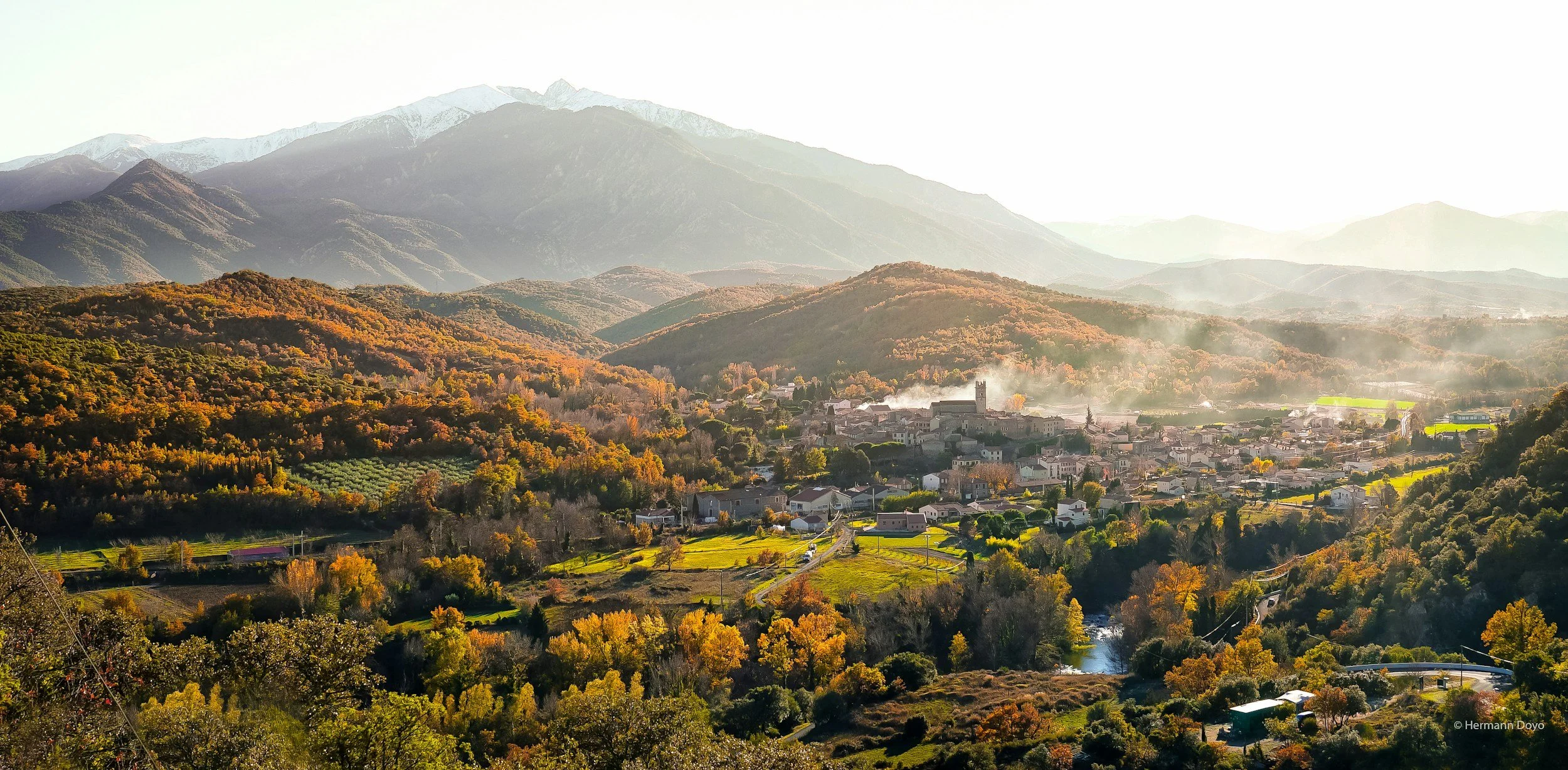
A lot of people automatically head for Provence, but these Occitanie market towns made me rethink that completely.
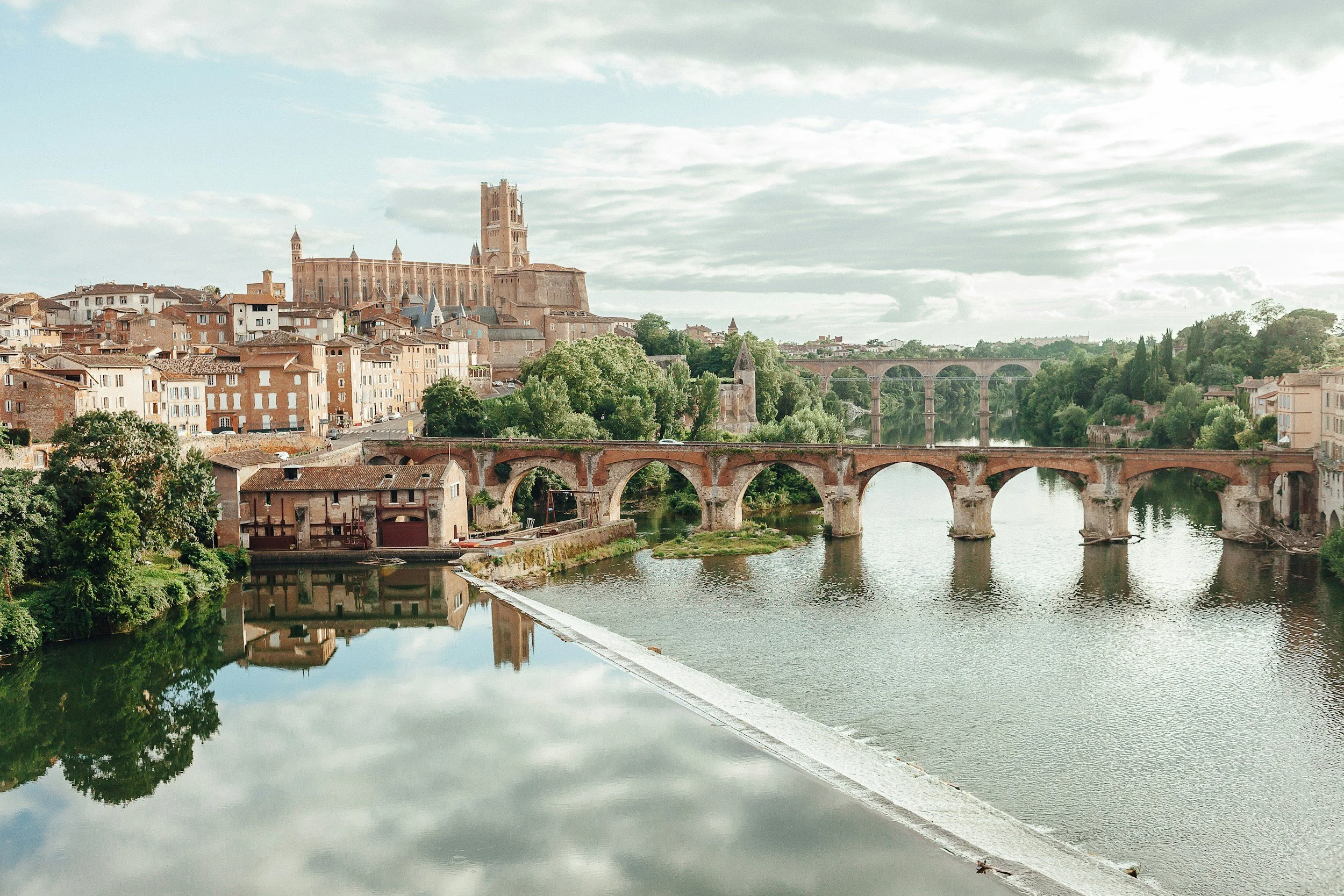
I'd choose Albi if I wanted one place I could happily spend three or four days
Out of all the towns in this guide, I think Albi is the one I'd be happiest booking for three or four nights. Not because there's one outstanding attraction I'd want to keep coming back to, but because almost everything I'd actually enjoy doing sits within a short walk of everything else. Once I've arrived, I barely think about transport again. The market, the covered market, the cathedral, the river, museums, cafés, bookshops and wine bars all seem to connect naturally, so the days never feel as though they're built around getting from one place to another.
Albi is also one of the easiest places in this guide to reach without a car. Direct TER trains from Toulouse take around an hour, which makes it an easy Friday evening arrival if you're flying into Toulouse-Blagnac. Once you're in the centre, I never really felt the need to use public transport again because the station, market, cathedral, museums and river are all within comfortable walking distance.
Saturday is the day I'd build the weekend around, although not just because it's Albi's biggest market. What makes it work so well is that you never feel as though you're walking through one long line of stalls. The market threads its way between Place de la Pile, Place Fernand Pelloutier, Rue Émile Grand, Rue Mariès, the Marché Couvert and the streets around Place Sainte-Cécile, so you'll naturally drift between fruit and vegetable producers, cheesemongers, florists and bakers before finding yourself outside places like Librairie Clair-Obscur, Librairie Attitude, Maison Janin, Pâtisserie Mayan or one of the cafés spilling onto the cathedral square. More than 150 traders come together across the city's weekly markets, but because they're woven into the permanent shops instead of sitting in one huge open square, the morning never feels repetitive. You'll wander from choosing walnuts or goat's cheese to browsing a bookshop, stop to look in the window of a chocolate shop, then somehow end up back among the market stalls again without really thinking about it.
I wouldn't head straight for Cathédrale Sainte-Cécile, even though it's only a couple of minutes away. I'd walk into the Marché Couvert first because, for me, it's one of the places that really shows you what Albi is like once the photos have been taken. People aren't here because it's a tourist attraction. They're here to buy lunch, pick up bread for the weekend or call in at their usual cheese stall before carrying on through the market outside.
I'd happily lose half an hour in here without feeling I'd missed anything. You can browse the cheeses at Fromagerie Émeline or Cianni Frères, look at what's in season at Les Saveurs des Halles, pick up a bottle from Domaine Carcenac if you fancy trying a local Gaillac wine, or simply wander around until something catches your eye. If you're already thinking about lunch, La Loge au Grain and La Bibinutile are both good places to stop because so much of what they serve comes straight from the producers around you.
What I enjoy most, though, is that you never really leave the market. You step outside with a piece of cheese or a loaf of bread, find yourself among the stalls on Place de la Pile, stop to look at apples, walnuts or mushrooms from another producer, then wander back into the covered market because you've remembered you wanted a bottle of wine or a jar of honey before you head back to the hotel. It never feels like separate markets. It just feels like Saturday morning in Albi.
I'd probably end up buying lunch here as well rather than leaving the market to look for somewhere else. La Bibinutile sits right inside the hall, so it's easy to stop for a plate built around whatever's in season that week, while L'Épi du Rouergue is where I'd pick up a fresh baguette if I was putting together a picnic instead. I quite like doing that in Albi because by the time you've added a piece of Lacaune cheese, some local charcuterie, fruit from one of the producers and a bottle of Gaillac wine, you've got lunch without really trying.
October changes the market in ways that aren't always obvious until you've walked around it for a while. The peaches and nectarines that filled the stalls during summer have mostly disappeared, and in their place you'll see baskets of walnuts from the Tarn and neighbouring departments, cèpes and other wild mushrooms when the weather has been good, pumpkins, apples, jars of local honey and plenty of duck products, from confit and magret to pâtés and terrines. If you're curious about Gaillac wines, this is also one of the easiest places to start because several traders stock bottles from nearby domaines, so you're often choosing between wines that have travelled less than an hour to reach the market.
Before leaving, I'd also look in one of the bakeries for Janots, Navettes or Gimblettes. They aren't the sort of pastries you'll see piled up in every shop window, which is exactly why I like keeping an eye out for them. They're part of Albi's baking traditions, and taking a small bag back to the hotel feels much more like bringing home a taste of the city than buying another box of chocolates from a souvenir shop.
One little detail I really like is that Saturday isn't only about food. On Rue Mariès, the Marché de la Création et des Bouquinistes quietly runs alongside everything else, with artists, second-hand booksellers and print sellers setting up their stands every Wednesday and Saturday. I almost always end up slowing down here because it's one of those markets where you can spend twenty minutes leafing through old cookbooks or vintage maps without feeling as though you're expected to buy anything. Afterwards I'd usually wander up Rue Sainte-Claire, where Librairie Clair-Obscur has been introducing readers to independent publishers and carefully chosen books for decades. It's exactly the sort of place I like finding after the market…
By two or three o'clock, Albi feels noticeably different. The vans are replacing the market stalls, the queues outside the Marché Couvert have disappeared and it's suddenly possible to stop in Place Sainte-Cécile without feeling you're in everybody's way. That's usually when I'd finally go inside Cathédrale Sainte-Cécile or wander through the galleries of the Musée Toulouse-Lautrec. There's no rush anymore, and I actually prefer seeing both once the busiest part of the morning has passed.
Before leaving the old town, I'd walk through the Jardins du Palais de la Berbie and keep going across Pont Vieux. Most people stop halfway over the bridge for the classic photograph of the cathedral above the Tarn, but the view gets even better if you carry on to the riverside paths below Pont Neuf. Looking back from there, you can see the cathedral, the Berbie Palace and the long line of red-brick buildings rising above the river all at once, yet it's often quiet enough that you'll hear the water before you hear anyone else. It's only a few minutes from the market, but it feels like you've left the Saturday crowds behind.
If I had a bit of flexibility with my dates, though, I'd probably arrive on Thursday instead of Friday. Every Thursday afternoon from 4 pm, the Marché des Producteurs de Pays fills the Halle du Castelviel on Place du Foirail du Castelviel with producers from less than sixty kilometres away, selling Gaillac wines, goat's and cow's cheeses, bread, honey, saffron, seasonal vegetables and meat from farms across the Tarn. The atmosphere couldn't be more different from Saturday. Instead of weaving through hundreds of shoppers, you're talking directly to the people who grew, baked or made what they're selling, and there's time to ask questions without feeling you're holding up a queue.
The first Thursday evenings in September and October are even better. The market stays open later, local chefs run cooking demonstrations using ingredients bought from the stalls around them, live music starts under the hall and people settle down with simple farm plates and a glass of Gaillac wine instead of rushing home after shopping. I actually think it's one of the nicest ways to begin a weekend in Albi because by Saturday morning the city already feels familiar instead of brand new.
I don't think I'd choose Albi if my whole plan was to spend every day visiting vineyards or driving out to little villages because there are other parts of Occitanie that make much more sense for that. But that's never really what I wanted from Albi anyway.
What surprised me was how little I felt like leaving! I kept thinking I'd wander somewhere else after lunch, but instead I'd find myself walking back through the market to buy something I'd talked myself out of earlier, stopping for another coffee because the square had gone quiet, or crossing Pont Vieux again simply because I liked the view in the late afternoon more than I had in the morning. Even walking back to the station didn't feel like something I wanted to rush.
By the end of the weekend I'd still not seen absolutely everything, but I also didn't really care. I'd found a couple of cafés I liked, a bakery I'd happily go back to, a few shops I'd spent longer in than I'd expected and a market I'd probably wander around again even if I didn't need to buy anything. That's usually a good sign!
I'd choose Pézenas if wandering around shops is part of the holiday
I don't think I'd choose Pézenas because of one particular attraction. I'd choose it because it's one of those towns where I can leave my hotel after breakfast, wander around for half the day and never really feel like I've stopped doing anything interesting. I might spend twenty minutes looking around Librairie Un Point Un Trait, walk into a ceramics studio on Rue de la Foire just because the door happens to be open, stop outside another shop window on Place Gambetta, then realise it's nearly lunchtime without ever feeling as though I've been trying to fill the morning. That's what I enjoy about Pézenas. It doesn't ask you to follow an itinerary. You just keep wandering, and somehow the day fills itself.
I'd still plan my weekend around Saturday because that's when Pézenas feels busiest without ever becoming overwhelming. From early morning the market spreads through Cours Jean Jaurès, Place Gambetta and the surrounding streets, where you'll move between stalls selling fruit and vegetables, Pélardon goat's cheese, olives, bread, honey, flowers and seasonal produce before eventually reaching the smaller organic market in Square du Poilu, where many of the growers are selling what they've picked or made themselves. I nearly always end up wandering between the two because they have completely different personalities. Around Cours Jean Jaurès people are filling shopping bags for the weekend, while over in Square du Poilu it's much easier to stop, ask a question and leave with a recommendation for a wine, a cheese or somewhere to have lunch.
By early afternoon the market has mostly disappeared, but I never feel as though the day has finished. If anything, that's when I start noticing the old town properly because I'm no longer looking at the stalls. I'll wander back through Rue de la Foire, drift into Maison des Métiers d'Art to see which local makers are exhibiting, look through the window of Librairie Un Point Un Trait, then carry on towards Rue de la Verrerie, Rue Alfred Sabatier and Rue Conti, where workshops and galleries sit behind heavy wooden doors that are often left open while people are working inside. You might hear somebody shaping clay before you see the pottery, catch the smell of leather from a workshop further down the street or stop because a glassmaker is working with the door wide open. That's the part of Pézenas I always remember afterwards because it never feels as though the workshops are there for visitors. You're simply walking through the town while people get on with what they've been doing there for years.
I almost always end up walking into the Maison des Métiers d'Art on Place Gambetta, even if I only meant to have a quick look. From the street it doesn't seem especially big, but once you're inside it keeps unfolding into another room, then another, until you realise you've been there much longer than you expected. The old consular building now brings together the work of around a hundred contemporary makers from across France, so you'll move from ceramics to furniture, glass, jewellery, lighting and textiles without ever feeling as though you're walking around a gallery that's trying too hard to impress you. I nearly always wander upstairs as well because there's a specialist library devoted entirely to craftsmanship, with shelves of books on ceramics, woodworking, glassmaking, jewellery and traditional techniques that anyone is welcome to sit and browse. If you're visiting in autumn it's worth checking what's on before you arrive because the temporary exhibitions change regularly, which means there's often something new to see even if you've been before.
What I enjoy most, though, usually happens after I've walked back outside. I don't think I've ever gone into one of the workshops in Pézenas because I was looking for something specific. More often I'll stop because I can hear somebody working behind an open door or notice something half-finished on a workbench, end up chatting for ten or fifteen minutes without really keeping track of the time and only then start wondering whether there's anything I'd like to take home. Sometimes there is, sometimes there isn't, but that conversation is nearly always the part I remember afterwards! And I am acurious soul. That's also why shopping here feels completely different from wandering through a row of souvenir shops. By the time I leave, I usually know who made the piece, how they made it and why it ended up looking the way it does, and somehow that makes it much harder to walk straight past the next workshop without looking in as well.
Lunch is another reason I never feel any hurry to leave the old town once the market starts packing away. I'd much rather keep wandering for another hour, look in a few more workshops and only stop when I realise I'm actually hungry instead of watching the clock because it's lunchtime.
If I feel like something sweet first, I nearly always end up at Chocola'Thé on Cours Jean Jaurès. It isn't just a chocolate shop with a couple of tables squeezed into the corner. You can sit down properly with tea, coffee or a glass of regional wine while trying to decide which chocolates to take home, and it's the sort of place that's very easy to stay in longer than you'd planned.
If I'm looking for lunch instead, I'd probably head to La Fabrique. One of the things I like is that the menu changes with what's available, so you're just as likely to find vegetables from Les Jardins de Pézenas, bread from La Boulangerie Imaginaire, local cheeses or wines from nearby estates as you are the same dishes every time you visit. It feels like the kind of place that belongs in Pézenas rather than a restaurant that could have opened anywhere else, and I think that's one of the reasons I've ended up going back more than once.
I'd still leave plenty of time for the antique shops because they're part of the reason I enjoy wandering around Pézenas in the first place. They're scattered through the old streets rather than grouped together, so it's easy to spend half an hour looking around one shop before stumbling across another a few doors later on Rue Conti, Rue Alfred Sabatier or one of the little lanes leading back towards Place Gambetta. Some specialise in eighteenth- and nineteenth-century furniture, while others are packed with old mirrors, paintings, ceramics, silverware, linen, glass and the sort of things you only notice once you've slowed down enough to start opening drawers and looking properly.
If your trip happens to fall during the Grand Déballage in October, the whole atmosphere changes. More than two hundred professional dealers arrive in Pézenas and the fair stretches for almost a kilometre along the old Route Nationale 113, making it one of the biggest antique events in southern France. I'd happily spend a morning there, but if I'm honest, I probably enjoy Pézenas even more on an ordinary weekend when I can wander in and out of the permanent shops at my own pace, stop for a coffee whenever I feel like it and never feel as though I need to see everything before the day is over.
Even though Pézenas sits in the middle of the Languedoc-Pézenas wine region, I wouldn't spend every day driving out to wineries. I'd give the town a day or two first because I think that's where people often rush things. It's very easy to arrive, wander through the Saturday market, have lunch and immediately head off towards the vineyards around Nizas, Montagnac or Alignan-du-Vent, but I'd rather leave that until the following day. By then I've usually had time to explore the workshops around Rue de la Foire, browse a few more independent shops and settle into the pace of the town instead of feeling as though I'm already on my way somewhere else. That's also why I think Pézenas works much better if you stay for two or three nights rather than treating it as a stop between Montpellier and Carcassonne.
One thing that surprised me when I first started planning trips here was how straightforward it is without a car. The railway disappeared decades ago, but the liO buses from Béziers, Agde and Montpellier stop just a short walk from the historic centre, and once you've arrived I don't think you'll spend much time thinking about transport again. Most days I simply wander from Cours Jean Jaurès into Place Gambetta, disappear down whichever side street catches my eye and eventually find myself back where I started without really meaning to. The old town isn't especially big, but that's part of its appeal. You cover very little ground, yet it never feels as though you've run out of places to look.
If somebody asked me whether they should stay in Pézenas, I probably wouldn't start by talking about museums or famous sights because that's never really been the reason I enjoy coming here. I'd ask whether they're the sort of person who likes walking into a workshop because the door happens to be open, who'll happily spend longer choosing olive oil than ticking another attraction off a list, or who enjoys sitting over a glass of wine on Place Gambetta simply because there's nowhere else they need to be. If the answer is yes, I think they'll understand Pézenas almost as soon as they arrive.
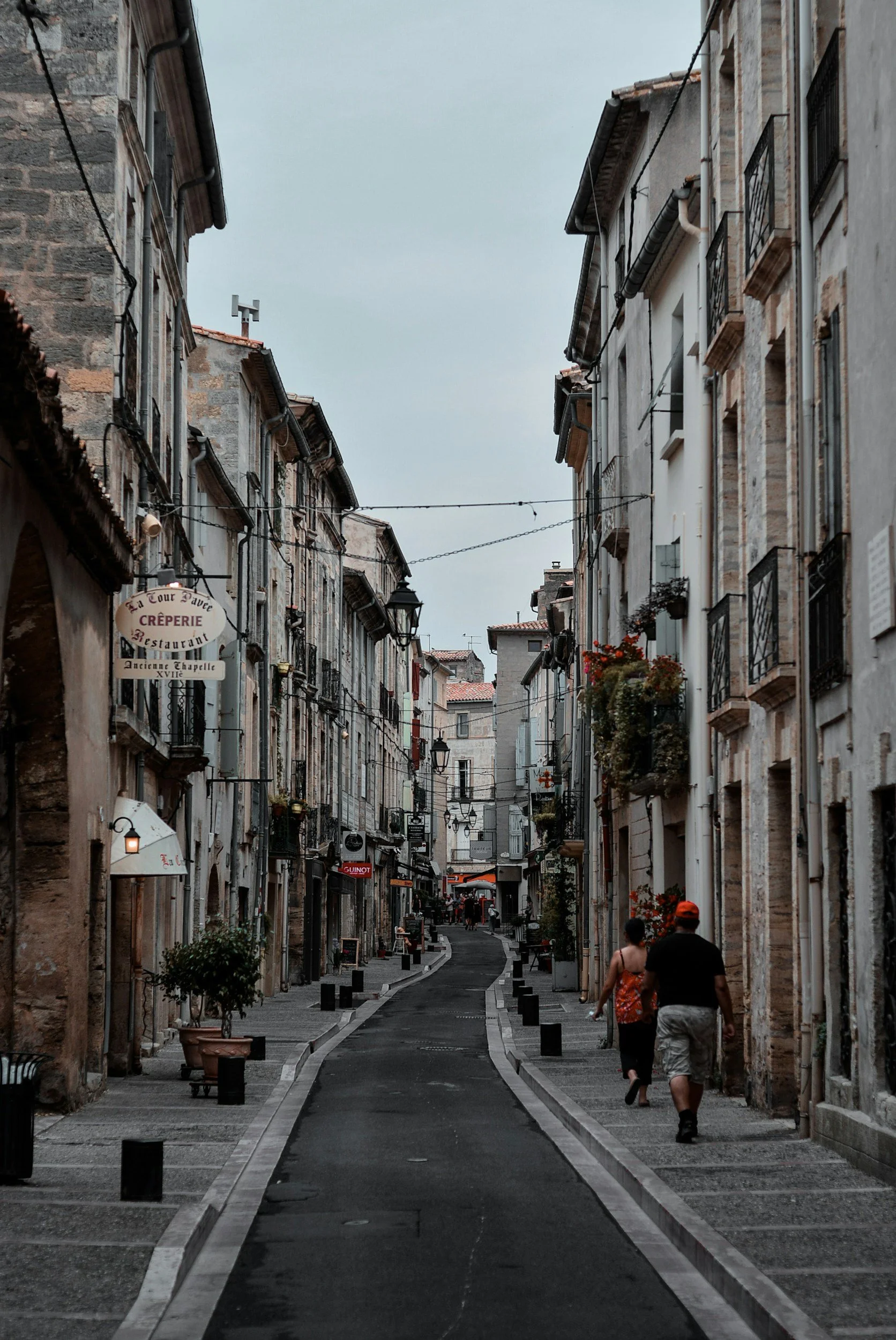
At this point, most people start wondering whether Pézenas or Uzès would suit them better. This comparison makes the differences surprisingly obvious once you see them side by side.
I'd choose Saint-Antonin-Noble-Val if you enjoy walking as much as wandering towns
Saint-Antonin-Noble-Val feels very different from the other towns in this guide because the landscape is never really separate from the town itself. Sitting on the banks of the Aveyron River, surrounded by the limestone cliffs of the Gorges de l'Aveyron, it has been an important market town since the Middle Ages, and you still get the feeling that people come here as much for the surrounding countryside as they do for the medieval streets themselves. Sunday mornings fill Place de la Halle and the neighbouring lanes with producers from across the region, but by the afternoon many people have swapped shopping bags for walking boots, paddles or bicycles, and the centre becomes noticeably quieter again. I think that's what makes Saint-Antonin-Noble-Val such a different choice from somewhere like Albi or Pézenas. You're not really booking a town. You're booking a town, a river valley and several days of having somewhere beautiful to disappear to once you've finished your morning coffee.
Saint-Antonin-Noble-Val gives me a completely different feeling from somewhere like Albi or Pézenas because I never expect to spend the whole day in the town itself. The market is usually where I start the morning, but by the afternoon I'm almost always thinking about the river, the cliffs or one of the walking paths leading out into the Aveyron Gorge instead. That's the reason I'd choose it. I don't really want a weekend where every hour is spent wandering the same streets. I like knowing that I can spend the morning in a medieval market square and still be walking above the river a couple of hours later without ever getting in the car.
Sunday has to be market day. By eight or nine o'clock the centre has completely changed, with stalls filling Place de la Halle, Place des Tilleuls, Place du Buoc, Rue de la Pélisserie and the narrow streets running between the old stone houses, but because everything happens inside such a compact medieval centre it never feels difficult to get around. I'll normally walk one loop without buying anything, just to see who's there, then head back once I've decided where I actually want to stop. That's usually when I'll end up talking to somebody selling walnuts from the Quercy, choosing between different goat's cheeses, picking up fresh bread for lunch or standing far too long deciding which jar of local honey to take home. Before long I'm back under the old covered market hall again, even though I wasn't trying to get there, because somehow every little street seems to lead back towards it.
I'd definitely stay for Monday as well because I think too many people leave Saint-Antonin-Noble-Val just as it's becoming the sort of place I actually came for. By mid-afternoon the market has almost disappeared, the vans have gone and Place de la Halle feels completely different again. You'll still find people sitting outside the cafés, but they're no longer trying to grab lunch before driving somewhere else. People seem to settle in, order another coffee or a glass of wine and let the afternoon carry on. I nearly always end up doing exactly the same thing because after a busy Sunday morning I don't really feel any need to rush off looking for something else.
That's also about the time I'd think about going for a walk. One of the things I like here is that you don't have to plan it. Within a few minutes you're across the bridge, following the river and climbing out of the town without ever needing to get in the car. I don't think the Cirque de Bône walk is especially difficult, but I do think it's worth doing because it completely changes how you see Saint-Antonin. Looking back across the rooftops with the river winding through the middle makes you realise how small the town actually is, and how much of the weekend is really about the valley around it rather than the streets themselves.
If I'd still got plenty of daylight left, I'd probably keep walking towards Roc d'Anglars before heading back down again. I don't usually go because I'm trying to reach the viewpoint as quickly as possible. I go because it's one of those walks where I keep stopping to look back. In October the trees start turning, there are far fewer canoes on the river than there were a month earlier and the whole valley feels much quieter. By the time I'm back in Place de la Halle, it honestly doesn't feel like the same town I walked around that morning.
One thing I always notice in October is how much of the market suddenly revolves around walnuts. They seem to be everywhere. One stall is selling them fresh in their shells, another has bottles of walnut oil lined up beside jars of honey, and before long you'll spot walnut cakes, walnut bread and little bags of kernels sitting next to the local cheeses. It never feels as though the town is putting on an autumn event. That's simply what's in season, and because Saint-Antonin sits right on the edge of Quercy, it feels completely normal that walnuts are part of almost every market morning at that time of year. If the weather has been wet enough, you'll usually start seeing baskets of wild mushrooms appear as well, and I always find myself slowing down around those stalls because somebody is nearly always asking how they'd cook them or where they'd been found.
If you've got a few extra days, I'd also try to be there on a Thursday afternoon because the little organic market has a completely different feel from Sunday. You won't find hundreds of stalls filling the streets or crowds weaving their way through the centre. Instead you'll find a handful of local growers setting up in Place de la Halle, people stopping for a chat because nobody is in a hurry, and producers who have plenty of time to answer questions about what they've brought with them that week. I actually like having both markets in the same trip because they complement each other so well. Sunday gives you the excitement of a big medieval market that's been part of the town for centuries, while Thursday feels much more like you've wandered into an ordinary afternoon that just happens to involve buying vegetables, cheese and bread before heading home for dinner.
Getting to Saint-Antonin-Noble-Val without a car takes a little more planning than somewhere like Albi or Figeac, and I'd probably work that out before booking anywhere. The liO buses from Montauban, Lexos and Laguépie make it perfectly possible, but they don't run with the same frequency as the TER trains, especially on Sundays, so it's worth checking the timetable before deciding when to arrive and leave. Once you're here, though, I honestly don't think you'll spend much time thinking about transport again. The Sunday market, Place de la Halle, the cafés, the riverside and walks like Cirque de Bône all begin within a few minutes of each other, so the rest of the weekend becomes surprisingly simple.
I don't think I'd come here if what I really wanted was a long list of museums, galleries or shops because that's never been the reason Saint-Antonin-Noble-Val appeals to me. I'd come because I like the way the days seem to fall into place without much effort. You wander around the market in the morning, buy something for lunch without really planning to, cross the bridge when you feel like stretching your legs and suddenly you're climbing above the river instead of wandering around another old street. By the time you're back in Place de la Halle, people are sitting outside with a drink, the market has become a memory and the town feels completely different from the one you woke up in that morning. I think that's what I'd miss if I only came for a few hours. The market is excellent, but it's everything that happens afterwards that would make me want to come back.
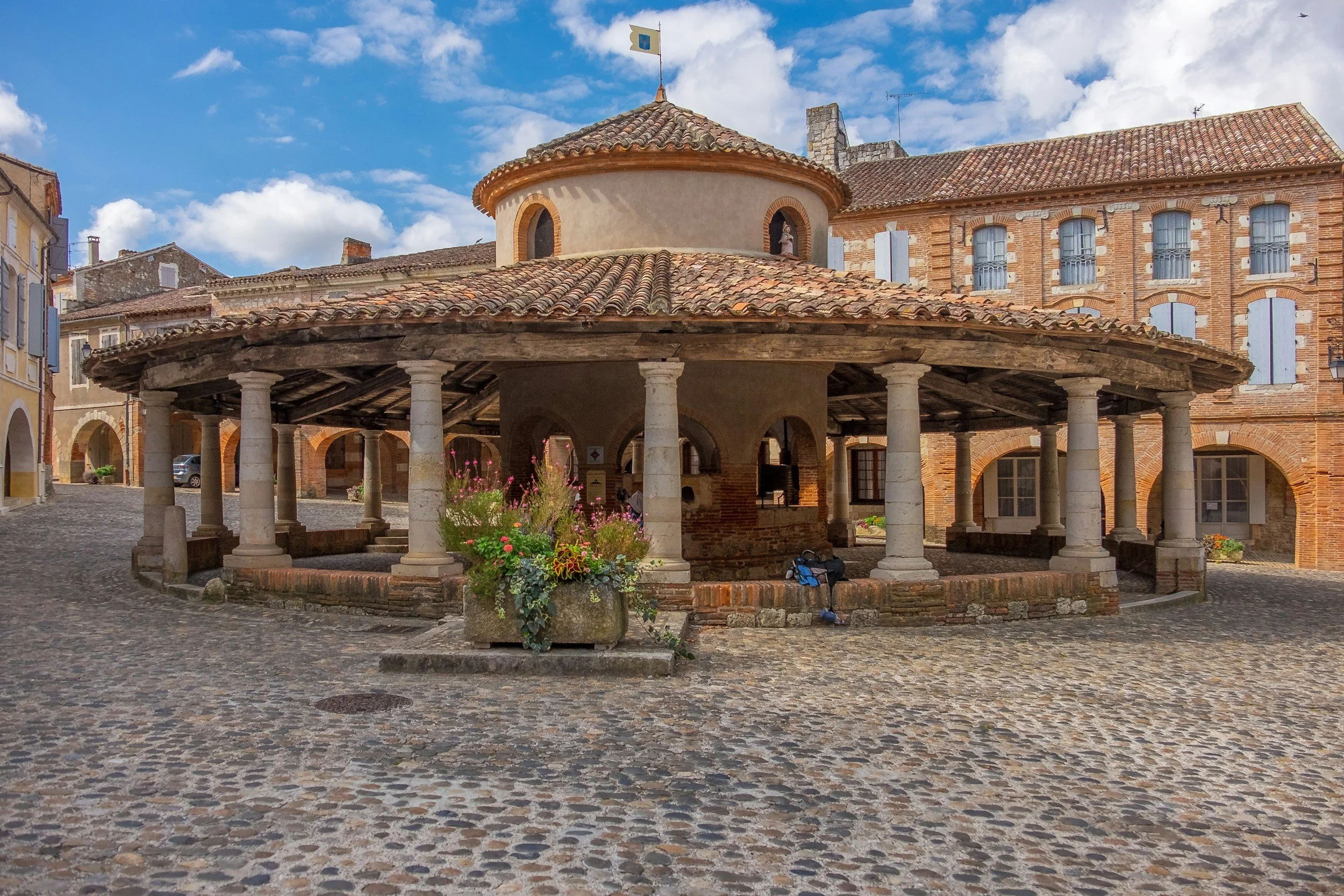
Saint-Antonin-Noble-Val often leads people towards the Lot Valley. Before settling on a place to stay, this guide helps you work out which town actually suits the kind of weekend you want.
I also wouldn't overlook Uzès later in the season. This autumn guide explains why October is one of the best times to visit.
I'd choose Figeac if I wanted somewhere that still feels genuinely local
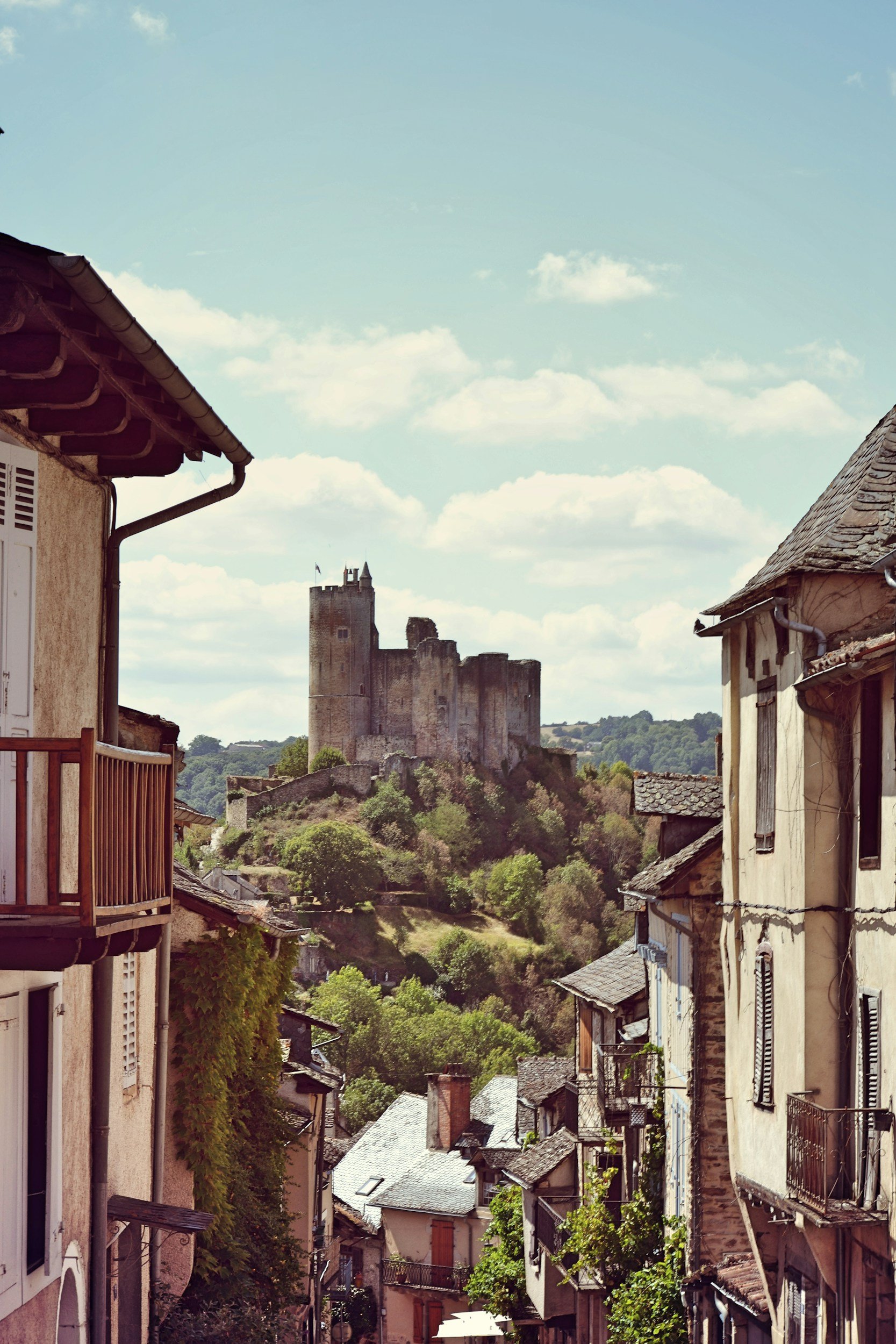
I nearly skipped Figeac the first time I started looking at towns in this part of France. On paper it didn't seem to have the obvious reasons to stop. There wasn't a huge cathedral like Albi, rows of workshops like Pézenas or dramatic scenery like Saint-Antonin-Noble-Val, so I kept thinking there must be somewhere more interesting instead. Looking back, I was completely wrong. Figeac isn't the kind of place that tries to catch your attention straight away. It grows on you after a few hours, when you've wandered through Place Champollion, ended up in Rue Gambetta without really planning to and realised you've spent most of the morning doing exactly what everyone else is doing. Buying bread, stopping for coffee, calling into Les Halles, looking in bookshop windows and sitting on a bench for a while because there's no real reason to hurry anywhere.
I'd still make sure I was there on a Saturday because that's when everything comes together. The market fills Place Carnot, Place Champollion, Place Vival, Rue Gambetta and all the little streets in between, but I never feel as though I'm walking around one enormous market. It feels more like the town carrying on as it always has, only with a few more stalls squeezed in between the cafés and shops. I'll usually do a full lap before buying anything because I know I'll spot something I'd missed the first time. One stall has Rocamadour goat's cheese, another is selling walnuts and walnut oil from the Quercy, somebody further along has apples, mushrooms and jars of honey, and before long I've wandered into Les Halles de Figeac because I wanted another look at the cheeses or couldn't quite decide which pâté to take home. That's probably why I enjoy markets like this so much. They don't feel separate from the town. They're just part of Saturday morning.
I wouldn't head off somewhere else once the outdoor market starts packing away. That's usually when I wander into Les Halles de Figeac because the day is still carrying on inside. The butchers are serving their regular customers, people are queuing at the cheesemonger, somebody's choosing sausages for Sunday lunch and the fish counter is still busy. It doesn't suddenly become a tourist market just because the stalls outside have disappeared. I'd probably leave with a piece of Rocamadour AOP, a bag of Quercy walnuts and whatever looked best that morning, then find somewhere nearby to sit down rather than rushing to the next thing on my list.
I also never feel any hurry to visit the Champollion Museum first thing in the morning. I'd much rather get there later, once the market has finished and Place Champollion has gone quiet again. By then people have swapped shopping bags for coffee cups, most of the day-trippers have started disappearing and the square feels completely different from the one you walked through a few hours earlier. I think I enjoy the museum more because of that. After spending the morning in the streets where Jean-François Champollion grew up, walking into the museum feels like carrying on the same story rather than starting a completely different part of the day.
Once I'm back outside, I don't usually have anywhere in particular I'm trying to get to. I'll wander down Rue Séguier, turn into Rue Colomb if something catches my eye, then end up back around Place Champollion without really meaning to. I almost always stop in La Fourmi Rouge because I can't walk past an independent bookshop without looking inside, and if I've still got time I'll usually call into Change de Disque as well. I like places like that because they never feel as though they're there for visitors. You'll find people reading the newspaper, chatting over coffee or flicking through old records while somebody else is ordering another espresso, and it's very easy to lose half an hour without noticing. Looking back, those are usually the moments I remember most from Figeac!
I nearly always leave a bit of space in my bag before coming to Figeac because I know I'll end up taking something home. Les Cordeliers is usually my first stop after the market. I'll often walk in thinking I'm just having a look, then spend far longer than I'd planned comparing bottles from Cahors, Marcillac and the Côtes du Lot, looking through shelves of regional chocolates and preserves or wondering whether I really need another bottle of walnut oil. It's the sort of shop where one thing leads to another, and before long you've forgotten what you originally walked in to buy.
If I've still got room afterwards, I'll nearly always call into Les Giroflées as well. It's a cooperative supplied by around fifty farms across the Lot, so instead of everything coming from one producer, you're browsing what people around Figeac are actually growing, making and producing. Depending on the time of year that might mean duck confit, fresh goat's cheese, apples, jars of honey, beer from a nearby brewery or bread that arrived that morning, and I like that nothing feels especially curated. It just feels like an ordinary food shop where local people are doing their shopping. More than once I've gone in thinking I'd buy something for the train home and walked out carrying half my dinner as well…
One thing I'd always try to do is stay until Monday instead of leaving on Sunday afternoon. Most people come to Figeac for the Saturday market, but I actually think Monday tells you much more about the town than Saturday does. The market has gone, the streets are quieter and Place Champollion feels like it belongs almost entirely to local people again. You'll see people calling into the baker before work, friends meeting for coffee outside the cafés and shopkeepers opening their doors for another ordinary week. Nothing special is happening, which is exactly why I enjoy being there.
I normally wander through Les Halles again before catching my train because the permanent traders are still there even after the outdoor market has disappeared. People are buying cheese for dinner, picking up meat from the butcher or stopping to chat for a few minutes before heading home, and it reminds me that Figeac isn't really a market town that comes alive once a week. It's a town where the market simply happens to be part of everyday life.
That's probably why I'd choose Figeac over some of the better-known places in Occitanie if I had four or five days rather than a quick weekend. I never feel under any pressure to see everything before I leave because the appeal isn't one particular attraction. It's the fact that Monday is still enjoyable, Tuesday would probably be as well, and by then I've usually found myself returning to the same café, buying bread from the same bakery and taking exactly the same shortcut through the old streets because it already feels familiar.
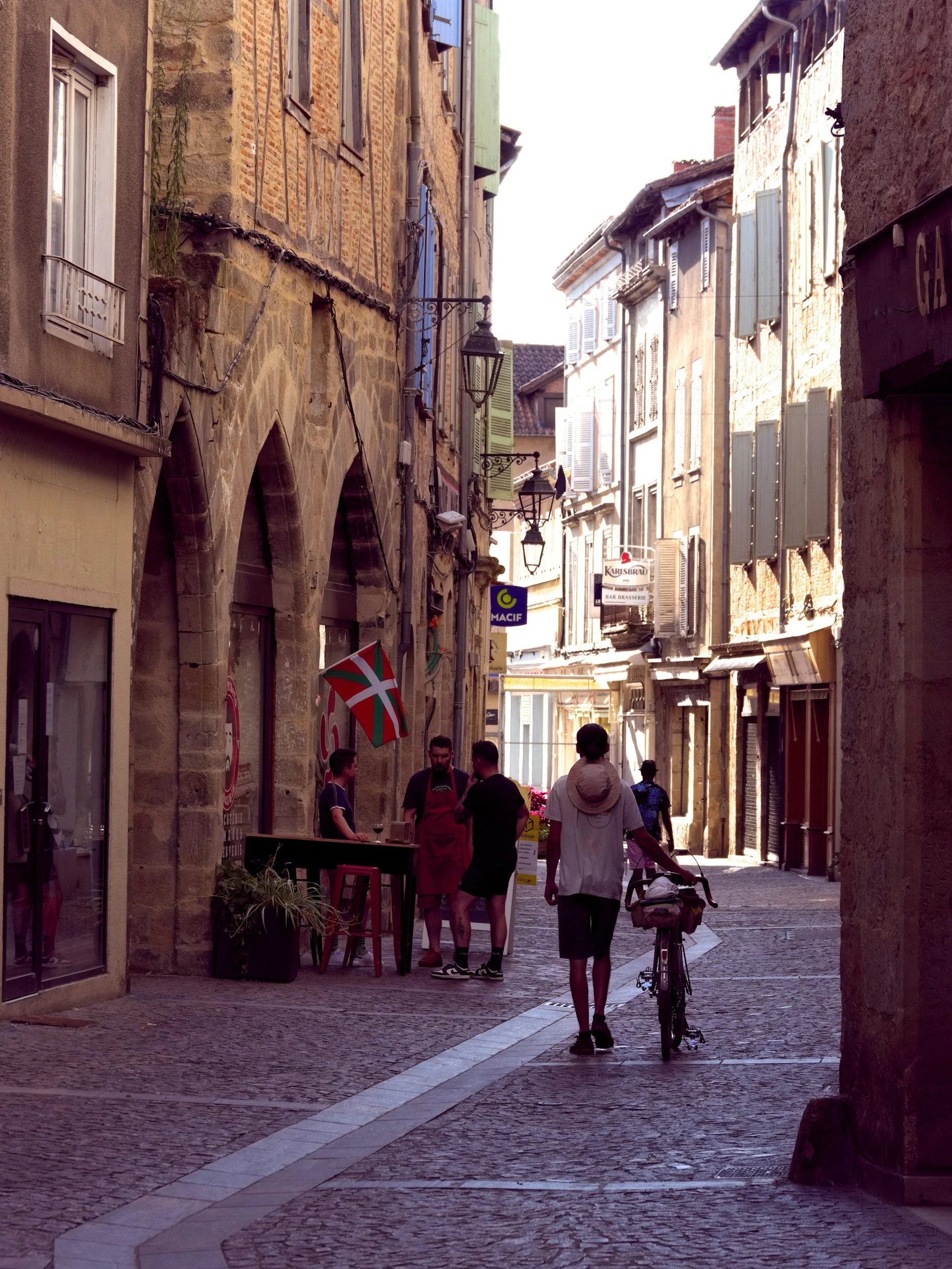
Before you book Figeac, I'd genuinely compare it with Cahors because they're often recommended for the same kind of trip, even though they feel completely different once you're there.
Not everyone wants to finish in Occitanie. These Burgundy villages are one of my favourite ways to continue north without ever hiring a car.
Choosing between these towns? This is how I'd decide.
I don't really choose towns because of the market anymore. That's probably how I travelled ten years ago because it seemed like the obvious place to start. I'd look for the biggest market, book a hotel nearby and assume the rest of the weekend would work itself out. Now I do almost the opposite. The market is still the anchor for the trip, but it's over by lunchtime. What I really want to know before I book anything is whether I'll still be happy at four o'clock in the afternoon.
If the answer is sitting by the Tarn, wandering back through Marché Couvert because I forgot to buy a piece of cheese the first time, calling into a bookshop on the way to Place Sainte-Cécile or ordering another glass of Gaillac while the square slowly empties, then I'd book Albi. I don't need to think too hard about what to do there because the town seems to make those decisions for me. I just keep walking until something catches my eye.
Pézenas is completely different. I don't think I've ever managed to stick to a plan there, and I've stopped trying. I'll tell myself I'm only going to have a quick look inside one workshop, then notice another doorway open further along Rue de la Foire, end up chatting to somebody who's restoring old furniture, call into Librairie Un Point Un Trait because I can't resist an independent bookshop, and before I know it the cafés around Place Gambetta are filling up again because it's already the middle of the afternoon. I honestly couldn't tell you how many shops I went into or exactly where I walked because that's never really what I remember afterwards.
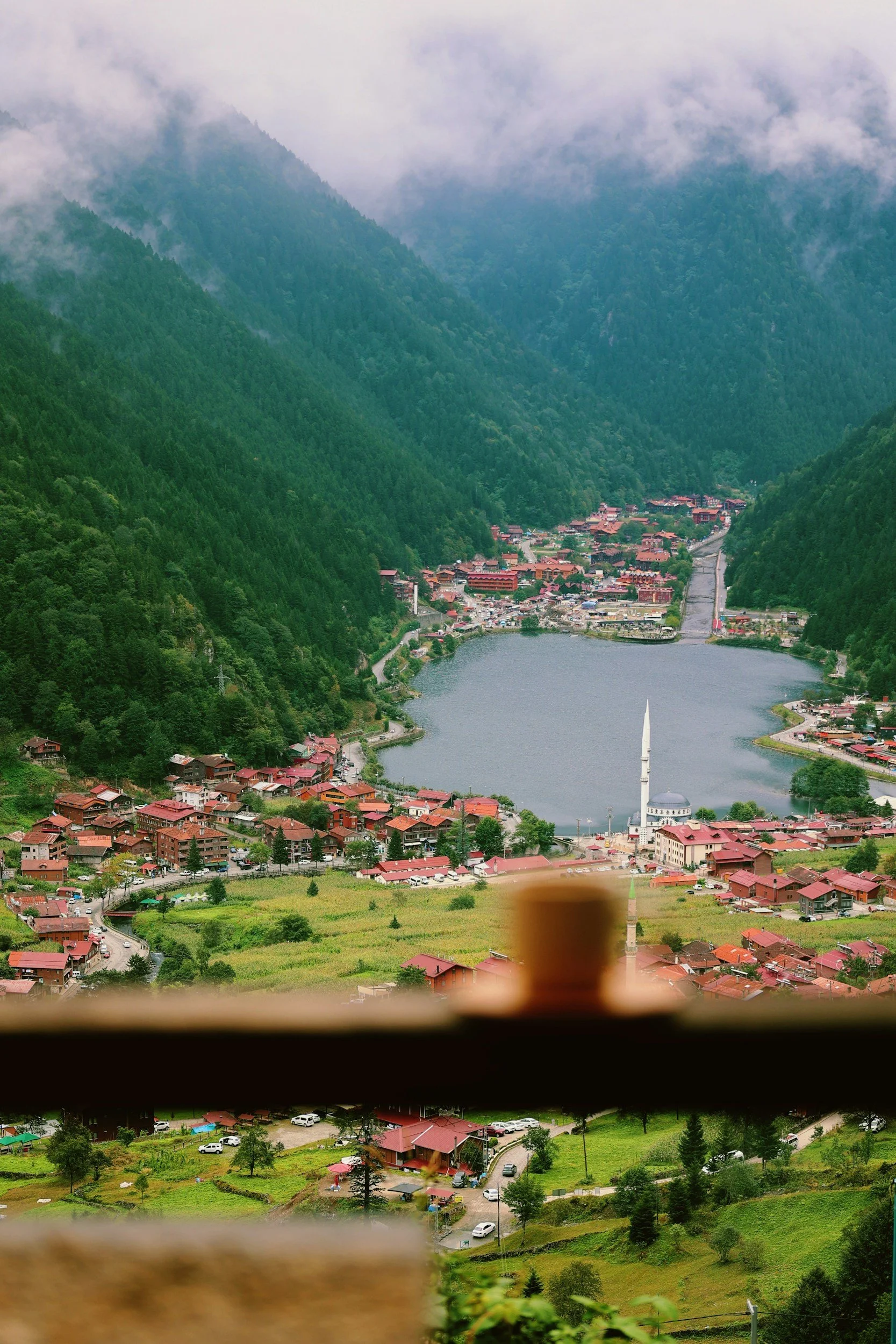
Figeac market
Some weekends I know I'll want to spend half the afternoon outside, and that's when I'd book Saint-Antonin-Noble-Val without thinking twice. I'd still be at the Sunday market first thing, probably buying far more bread, walnuts and goat's cheese than I actually needed, but I also know I wouldn't stay in the square all day. After lunch I'd want to cross the river, climb up towards the Cirque de Bône or Roc d'Anglars and spend a couple of hours looking back across the valley before wandering into town again later in the afternoon. I like weekends that feel as though they've changed direction halfway through, and nowhere else in this guide really does that in quite the same way.
Figeac is the one I'd choose when I don't really want to think about what I'm doing at all. I'd wander around the Saturday market, call into Les Halles, stop somewhere on Place Champollion for coffee, probably end up in La Fourmi Rouge even though I wasn't planning to buy another book, and before I knew it the afternoon would have gone. That's what I like about Figeac. I never feel as though I need to make the most of it because the town isn't trying to impress me. Monday morning is just as enjoyable as Saturday afternoon, people are still doing their shopping, the cafés are still busy and life carries on exactly as it did before I arrived. I think that's quite rare, and it's the reason I'd happily stay an extra day instead of moving on somewhere else.
Transport usually makes the shortlist much smaller before I've even looked at hotels. If I'm relying completely on trains, I'll almost always look at Albi and Figeac first because there's something really nice about stepping off the train, walking ten minutes and already feeling as though the weekend has started. I don't have to think about buses, taxis or hiring a car once I've arrived, which means I can spend Friday evening wandering around the centre instead of trying to work out how to get there. Pézenas is still an easy trip, but I always check the liO bus times before booking because that final connection shapes the whole journey. Saint-Antonin-Noble-Val takes the most planning, but it's also the town where I feel least tempted to leave once I'm there, so for me the extra effort has always felt worth it.
If somebody asked me which one to book tomorrow, I honestly couldn't answer until they told me what kind of weekend they wanted. Do they want to spend Saturday buying food they'll eat that evening, disappear into bookshops and cafés on Sunday and catch the train home on Monday feeling as though they've genuinely got to know a town? I'd say Figeac. If they'd rather fill a bag with market shopping before heading off for a walk through the gorge, then Saint-Antonin-Noble-Val makes much more sense. If the weekend is really about wandering, shopping and coming home with something made by the person who sold it to you, I'd send them to Pézenas. And if they want a place where they can happily drift between the market, the river, the cathedral and another glass of Gaillac without ever looking at the time, I'd tell them to book Albi.
That's probably why I've stopped trying to decide which one is "best". They're all good, just for completely different weekends. Once I'd started thinking about them like that, choosing where to stay in Occitanie became much easier.
Thinking about Provence instead? I'd read this autumn guide before making the decision because the two regions shine in very different ways once summer is over.
I'd rather stay three nights than see three towns
Looking at a map, it's very easy to think you can squeeze four or five of these towns into the same trip. I used to think exactly the same thing. Albi doesn't look especially far from Saint-Antonin-Noble-Val, Figeac seems close enough to the Lot Valley and Pézenas feels as though it should slot neatly into the same route, but Occitanie has a habit of taking longer to cross than it first appears.
It's not usually because the trains are slow. More often it's because the transport network doesn't always work in the direction you expect. You might find yourself changing in Toulouse even though your destination looks closer on the map, waiting for a liO bus that only runs a handful of times a day or discovering that the Sunday timetable is completely different from the one you checked for Saturday. None of that makes travelling around the region difficult, but it does change how I'd plan the trip.
I've also realised it's rarely the train journey itself that takes up the day. It's checking out of the hotel before breakfast because that's when the bus leaves. It's sitting on a platform in Capdenac for half an hour because the next connection isn't until lunchtime. It's arriving somewhere new just as cafés are closing for lunch, dropping your suitcase at the hotel and suddenly noticing it's already three o'clock before you've actually started exploring.
That's why I don't really plan these trips around distances anymore. I plan them around how many mornings I want in the same place.
Three mornings in Albi feels completely different from one morning in Albi, one in Cordes-sur-Ciel and another somewhere else. The same goes for Figeac. I'd much rather wake up knowing exactly where I'm going for coffee, call back into Les Halles because I regretted not buying that cheese yesterday or spend another hour in La Fourmi Rouge than spend half the day watching stations go past the train window. I feel exactly the same about Pézenas. I'd rather walk down Rue de la Foire for the third time than pack my suitcase after breakfast because Google Maps says another town is only forty-five minutes away.
I've found that Google Maps is brilliant at measuring kilometres, but it's not very good at showing how a place actually fits into a weekend. 45 kilometres can still mean changing trains, waiting for a bus and arriving just as the market is packing away. Staying where you are usually means another slow breakfast, or finally buying the book you kept thinking about overnight.
I think autumn also gives you permission to leave a few things for another trip. During summer it's easy to feel as though you should be moving on because there are longer opening hours, more festivals and another village just down the road. By October I don't really think like that anymore. If I've spent most of the morning at the market in Figeac, I'm quite happy to leave the museum until Monday. If I've walked up to the Cirque de Bône after lunch in Saint-Antonin-Noble-Val, I don't feel any need to drive somewhere else before dinner just because there's still time. And in Albi, I've never regretted spending another hour by the Tarn instead of squeezing in one more sight before the day was over.
I've also noticed that I remember places differently when I stay put. I remember which bakery I walked back to because I'd been thinking about the walnut tart all afternoon. I remember which bench I ended up sitting on with a coffee after the market had finished, or the little shortcut that saved me walking around the square every time I went back to the hotel!
The towns in this guide aren't the only places I'd travel for an autumn weekend. These French towns would be at the top of my shortlist too.
Fancy a glass of local red? Wine is a big reason to visit this part of France, and these train-friendly wine regions are hard to ignore if you're already thinking about extending the trip.
If somebody gave me one autumn week in Occitanie tomorrow...
If somebody handed me a free week in Occitanie tomorrow, I don't think I'd spend very long deciding where to start. I'd book an afternoon train to Albi, find a small hotel somewhere inside the old town and leave the first evening almost completely empty. I've learnt not to plan too much on arrival days because they're usually my favourite part of the trip anyway. I like dropping my bag at the hotel, seeing the streets for the first time, working out where the bakeries and cafés are, then sitting down somewhere around Place Sainte-Cécile while the light starts changing over the cathedral. Dinner usually sorts itself out after that.
Saturday would stay exactly where it belongs. I'd spend the whole day in Albi instead of trying to squeeze in Cordes-sur-Ciel or another village just because it's nearby. I'd probably do two laps of the market before buying anything, call back into the Marché Couvert because I'd changed my mind about a piece of cheese I'd looked at earlier, then leave the Musée Toulouse-Lautrec until later in the afternoon when the market had started disappearing. One thing I always enjoy in Albi is how different the town feels by four o'clock. The queues have gone, the square is quieter and walking across Pont Vieux suddenly feels like a completely different experience from the one you had that morning.
I'd leave for Figeac on Sunday, but not especially early. I'd rather have breakfast first than spend the morning watching the station clock. The journey is long enough that I wouldn't try to fit anything else into the day afterwards either. I'd probably have enough time to wander through Place Champollion, call into La Fourmi Rouge because I know I wouldn't be able to walk past it without looking inside, then find somewhere for dinner before the streets emptied for the evening. That would be enough.
Monday is really the reason I'd gone to Figeac in the first place. By then the weekend visitors have mostly disappeared and the town settles back into ordinary life again. I'd call into Les Halles, stop by Les Giroflées to see what local producers had brought in that week, wander around without checking the time and probably end up sitting in the same café twice because I liked it the day before. That's the version of Figeac I enjoy most, and I think it's the one a lot of people miss because they've already moved on.
I wouldn't be in any hurry to leave on Tuesday either, especially knowing that getting to Saint-Antonin-Noble-Val takes a little more planning. I'd rather spend the morning in Figeac, catch a train around lunchtime and arrive later in the afternoon than try to squeeze another stop into the journey. One thing Occitanie has taught me is that the map is usually more optimistic than the timetable, and I've stopped trying to prove otherwise.
Wednesday would probably end up being the quietest day of the whole trip, and I think I'd need that by then. I'd grab breakfast from Boulangerie Le Festin de Babette before the town had properly woken up, throw a piece of cheese, some bread and a couple of apples into my backpack and spend the rest of the day outside. I wouldn't be in any hurry to reach Roc d'Anglars or the Cirque de Bône because half the reason I enjoy those walks is stopping every few minutes to look back towards the town. By October the first yellow leaves are starting to appear among the oaks, the river is much quieter than it was in August and, if I've timed it well after a bit of rain, I'll probably spend as much time looking at mushrooms growing beside the path as I do looking at the view.
I'd leave Pézenas until the end because I think it's a lovely town to arrive in when you're no longer trying to see everything. I'd check into a hotel, drop my bag and head straight back out again without even thinking about a route. I'd probably end up walking along Rue Conti, through Rue de la Foire, into Maison des Métiers d'Art, stop outside a workshop because somebody had their door open and then realise I was back on Place Gambetta without remembering exactly how I'd got there. That's happened to me more than once, and I suspect it'd happen again.
If Saturday happened to be my last day, I wouldn't feel any pressure to make the most of it because by then I'd already feel as though the holiday had done what I wanted it to do. I'd wander through the market early while local people were still filling their baskets for the weekend, spend a while over at the organic producers in Square du Poilu, buy a few things for the train home and probably call back into one or two workshops because I'd been thinking about something I'd seen the day before. I nearly always find that's when I end up buying something, not the first time I walk past.
Looking back, I honestly don't think I'd remember the trip by the order I visited the towns. I'd remember standing on Pont Vieux in Albi just before dinner, finding the same café twice in Figeac without meaning to, stopping halfway up the path above Saint-Antonin because I kept turning around to look at the valley, or walking back into the same workshop in Pézenas because I couldn't stop thinking about something I'd seen in the window the day before.
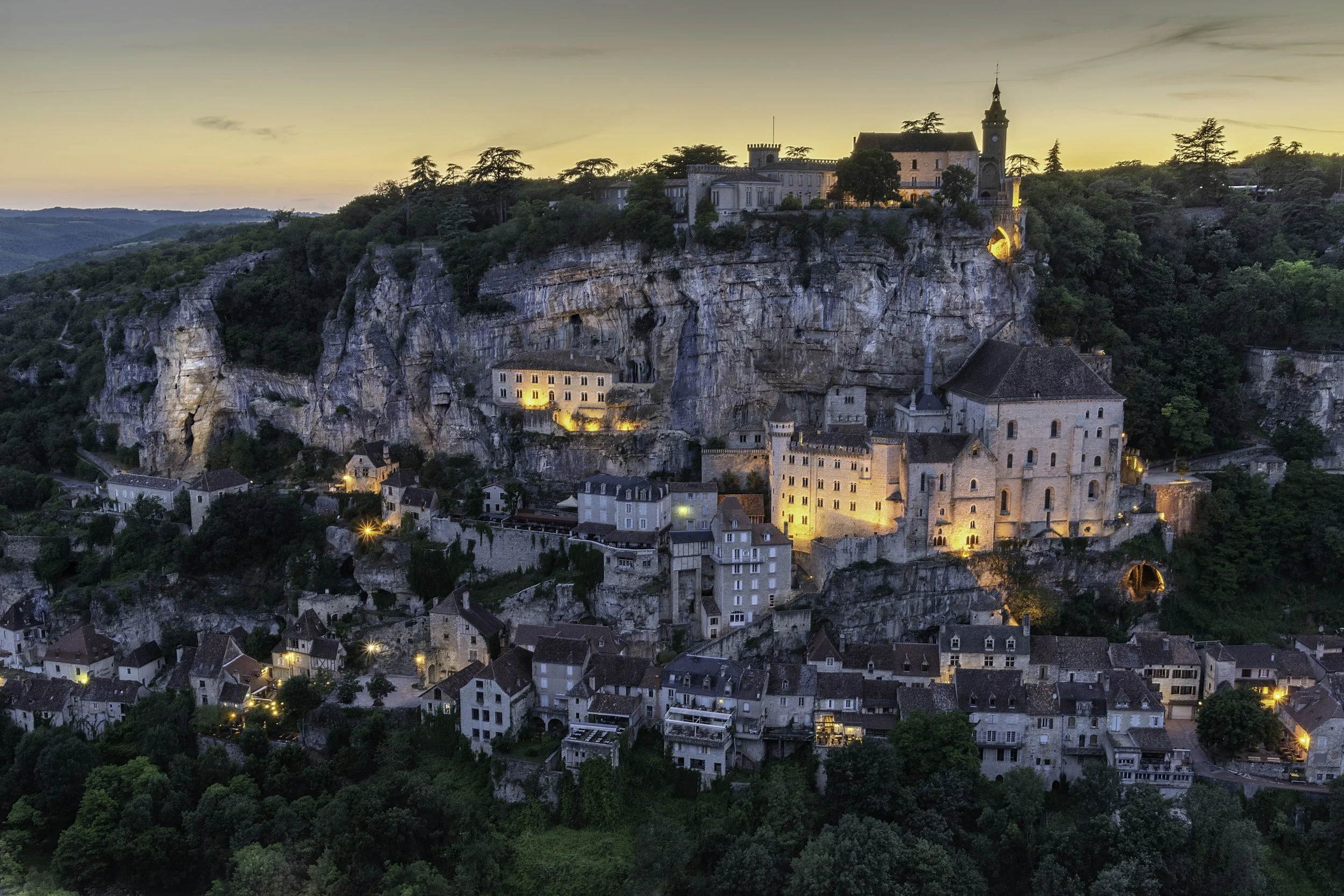
If you're carrying on towards the Mediterranean afterwards, I'd seriously look at Collioure before booking anywhere else on the coast.
One thing that surprises almost everyone is how straightforward regional trains are in France. This guide explains the few things I'd know before planning the trip.
The autumn events I'd always check before booking
One thing I nearly always do now, before I've even booked a hotel, is spend ten minutes looking at what's happening that particular weekend. I never used to bother with it because I assumed I'd find everything once I arrived, but I've changed my mind completely. More than once I've moved a trip by a week after spotting something that would've made the whole weekend much more interesting.
I'm not talking about the big festivals that already appear in every guidebook. They're easy enough to find. It's the smaller things I'm looking for now. Maybe a village fête des châtaignes, a walnut festival, a brocante that's only held once every autumn, an open weekend at a vineyard or a market celebrating the start of the mushroom season after the first autumn rain. They're the sort of events locals already know about, which is probably why they often don't get much attention outside the region.
If I were staying in Albi, I'd always have one eye on what was happening over in Gaillac before I booked anything. It's only about twenty minutes away by TER, so it's incredibly easy to fit into the same weekend. During September and October, wineries across the appellation often open their doors for harvest weekends, guided walks through the vineyards, cellar visits and tastings that you won't necessarily find at other times of the year. Then everything changes again towards the third Thursday of November when Gaillac Primeur is released. Restaurants start pouring the first wines from the new vintage, wine merchants organise tastings and producers celebrate the end of the harvest. None of that is happening in Albi itself, but it's close enough that I'd happily build my weekend around it.
I'd do exactly the same thing before booking Figeac. Some years you'll find small food fairs celebrating walnuts or saffron from the Quercy Blanc, while villages around the Lot Valley organise harvest meals, apple festivals or autumn markets that never make it into the big travel guides. Around Saint-Antonin-Noble-Val, it's worth keeping an eye on local walking weekends, produce fairs and village fêtes tucked away in the Aveyron Gorge, while Pézenas has one date I always look for first: Le Grand Déballage. Every October, more than two hundred antique dealers arrive from across France and transform the town into one of the country's biggest brocante weekends. Even if I wasn't planning to buy anything, I'd move my trip by a few days just to see it.
If my trip happened to line up with Le Grand Déballage in Pézenas, I honestly wouldn't look at another weekend. The town is already full of antique dealers and brocante shops throughout the year, but during the autumn fair everything spills out onto the streets. More than two hundred professional dealers set up along the old Route Nationale 113, with furniture standing beside old enamel signs, boxes of postcards, paintings, linen, silverware, mirrors and books that people happily spend half an hour rummaging through. Even if antiques aren't normally your thing, it's worth seeing because the whole town feels different. The cafés are busy from breakfast onwards, people compare what they've found over lunch and you'll hear just as many conversations about a nineteenth-century cupboard or a stack of old maps as you will about where to have dinner later that evening.
The food weekends are the ones I usually end up enjoying most, though, partly because they're much harder to find unless you know where to look. Around Figeac, the villages of the Lot celebrate the end of the walnut harvest with small foires aux noix, where growers sell this year's crop alongside walnut oil, cakes, breads and local cheeses instead of putting together something that feels like a festival for visitors. A little further south, Cajarc celebrates its saffron harvest each autumn, when producers spend hours separating the tiny red threads by hand after the flowers have been picked. It isn't a huge event, and that's exactly the point. You're much more likely to find yourself talking to the person who grew the walnuts or harvested the saffron than watching a demonstration put on for tourists, and I nearly always come away from weekends like that having learnt something I wasn't expecting.
The little village fêtes are usually the ones I'd move my trip for. They're rarely the biggest events on the calendar, but they often end up being the most enjoyable because everyone seems to know everyone else. The chestnut festival in Saint-Martin-Laguépie is a good example. You'll find people roasting chestnuts over open fires, local producers selling honey, cider and preserves, long tables where families have been meeting up for lunch for years and live music that feels like it's there because somebody in the village offered to bring an accordion rather than because a tourism office booked a headline act. That's much more my kind of weekend.
What I like even more is what happens outside the festival itself. You don't have to spend the whole day there for it to shape the rest of your trip. If I'm in Figeac, I'll suddenly notice walnut cakes in bakery windows that weren't there the week before. If I'm in Albi, somebody will tell me to try this year's Gaillac Primeur because it's just been released. Around Pézenas, cafés seem a little busier because people have come into town for the antiques fair and decided to stay for lunch. None of that gets advertised on a poster, but it's usually those little changes I end up remembering afterwards.
I've also learnt not to trust the English-language websites too much for weekends like these. Half the things I've stumbled across over the years were only mentioned on a village Facebook page, a tourist office noticeboard or a handwritten poster outside the bakery. That's usually where I look now before I book anything, because moving a trip by a few days has often given me a completely different weekend without changing the route at all.
I don't usually come home talking about the festival itself anyway. A few months later I'm much more likely to remember buying hot roasted chestnuts from a stall outside a village hall, ending up in a conversation with somebody selling walnuts because I asked what the difference was between two varieties, or walking into a wine bar in Gaillac and realising everyone was ordering the first glasses of the new vintage because it had only been released the day before. Those are the moments that stay with me. Half the time I couldn't even tell you the official name of the event that brought everyone together.
That's why I nearly always check what's happening before I book anything now. Not because I want a packed programme for the weekend, but because one small local event can completely change how a town feels. If I'm thinking about Figeac, Albi, Pézenas or Saint-Antonin-Noble-Val, I'll spend ten minutes looking through the tourist office website, the town's Facebook page or the local events calendar before I book my train. More than once I've moved a trip by a few days after spotting a harvest weekend, a brocante or a village fête that I'd never have found otherwise!
After writing this guide, I realised I plan southern France very differently now. These Drôme Provençale towns changed the way I think about choosing a base just as much as Occitanie did.
What I'd pack differently for an autumn trip
That's probably the biggest thing I've changed over the last few years. The first time I travelled around these market towns, my suitcase was already full before I'd even left home. By the end of the weekend I was trying to work out how to fit a bottle of Gaillac wine between two jumpers, wrap a jar of honey in a T-shirt and somehow stop a piece of Rocamadour cheese from getting squashed on the journey home. Now I almost expect to come back with more than I left with, so I pack accordingly.
I also never travel without a fold-up shopping bag anymore. That isn't because I suddenly became organised. It's because I've learnt the hard way that wandering around Albi or Figeac carrying four paper bags doesn't stay enjoyable for very long. One has bread sticking out of the top, another has walnuts rolling around in the bottom, the cheese is somehow balancing on top of everything else and then you spot another stall selling something you want. A lightweight tote bag solves all of that, and I use mine so often that I don't even think about packing it anymore.
One thing that still surprises me is how often I buy food long before I planned to eat it. I'll tell myself I'm only looking around the market, then somebody offers me a taste of a cheese or a pâté, I buy a loaf of bread from the next stall, find a couple of apples that look too good to leave behind and suddenly I'm carrying lunch around with me. That's another reason I try not to overpack. I'd much rather have room for a bottle of walnut oil, a piece of cheese or something I found in a workshop in Pézenas than another jumper I never ended up wearing.
I still carry a little cash as well, although much less than I used to. Most places take cards now, but every so often you'll find a grower at a village market, a stall at a brocante or somebody selling honey from the back of a van where cash is simply easier. It's never a huge amount, but I've been caught out often enough that I always throw a few notes into my wallet before I leave.
The only thing I'd really think about clothes is whether I'd still be comfortable at nine in the morning and five in the afternoon. October days in Occitanie can change surprisingly quickly. I've walked to the market wearing a light jacket, carried it over my arm for most of the afternoon and put it straight back on when I stopped for a drink outside later in the day. One extra layer usually gets worn far more than anything else I pack…
Harvest festivals aren't unique to Occitanie. Alsace in autumn feels completely different, but I'd happily plan a whole trip around those weekends too.
If I were booking this trip again...
Writing this guide made me realise I'd been asking myself the wrong question for years. Whenever I started planning a trip through France, I'd spend ages comparing towns, zooming in and out on Google Maps, reading articles and convincing myself there had to be one place that was obviously better than the others, because I was so worried about choosing the wrong base and missing somewhere that might have been even nicer. Looking back, I don't think there ever was a wrong choice. I was just asking the wrong question.
These days I'm much more interested in what I actually want the weekend to feel like because that's usually what decides where I end up booking. If I'm picturing a Saturday that starts at a market before drifting towards the Tarn with a coffee, a long lunch and maybe a glass of Gaillac later in the afternoon, then I'll book Albi without giving it much more thought. If what sounds appealing is spending hours wandering between workshops, antiques, little independent shops and cafés without really caring what time it is, then Pézenas is almost always the place I end up choosing instead. Other weekends I know I'll be happier putting on walking shoes after lunch than sitting down in another museum, and that's when Saint-Antonin-Noble-Val makes much more sense, while Figeac is the town I keep coming back to whenever I simply want to disappear into everyday French life for a few days, buy bread from the market, sit on Place Champollion with a coffee and spend the afternoon wandering around without feeling as though I should be doing anything in particular.
The other thing that's completely changed is when I book. I don't start by looking for hotels anymore because they're rarely what decides whether a weekend turns out to be memorable. Instead I'll open the local events calendar first to see whether anything happens to be going on while I'm thinking of travelling. If Le Grand Déballage is taking place in Pézenas, then that's the weekend I'd choose. If Gaillac Primeur has just been released, I'd rather be around Albi that week than the week before, and if I come across a little walnut fair, a saffron weekend or a village fête while I'm looking around the Lot, I'm more than happy to move the whole trip by a few days because I've learnt that those are often the weekends I end up talking about afterwards.
I think the biggest surprise, though, is that I don't really worry about choosing the "right" town anymore. I already know I'll leave every one of them with a list of things I didn't quite get around to doing, whether that's another walk above Saint-Antonin-Noble-Val, another browse through the workshops in Pézenas, another slow morning in Figeac or another evening by the Tarn in Albi, but that doesn't bother me in the slightest because I'd much rather come home already thinking about the next visit than spend the whole trip trying to cram four different towns into the same long weekend just because they looked close together on the map.
Maybe that's what researching this guide changed more than anything else. It reminded me that I travel because I like knowing there's always another market I haven't wandered around yet, another producer I haven't met, another café I'll probably end up returning to twice in the same weekend without even meaning to, and another excuse to come back when autumn arrives again.
However, I actually don't think Occitanie is the only place that's perfect for this kind of slower weekend. These small European towns have exactly the same feeling and might also be worth a look?
One thing researching this article reminded me is that quieter almost always wins. These Provence towns prove exactly the same point.
FAQs about Occitanie in autumn
Is autumn really the best time to visit Occitanie?
I honestly think it's the easiest season to enjoy the region without feeling as though you're constantly competing for space. The weekly markets are still in full swing, but the produce changes completely. Instead of summer peaches and melons you'll find walnuts, mushrooms, chestnuts, squash, apples, duck specialities and the first autumn wines appearing on market stalls. It's also when vineyard harvests, village fêtes, brocantes and seasonal food festivals begin, so choosing the right weekend often matters more than choosing the "right" town.
Which town in Occitanie would you choose for a first visit?
If I only had one answer, I'd probably say Albi. It has one of the region's best Saturday markets, an excellent covered market, the Musée Toulouse-Lautrec, riverside walks, cafés, bookshops and straightforward train connections, all within walking distance. It gives you a little bit of everything, which makes it an easy place to base yourself if you've never visited Occitanie before.
Where should I stay in Occitanie without a car?
That depends on how you're travelling. If you're relying entirely on trains, I'd choose Albi or Figeac because both stations are only a short walk from the historic centre. Pézenas is easy enough to reach by regional liO bus, while Saint-Antonin-Noble-Val takes a little more planning but rewards you with excellent walking once you've arrived. I wouldn't choose a different hotel every night because that's usually where public transport starts eating into your holiday.
Is Albi worth three or four days?
I think that's actually the ideal amount of time. Most people visit for the cathedral and the Saturday market, but they're only part of what makes Albi enjoyable. Three or four days gives you time to explore the covered market, browse independent bookshops, spend an afternoon in the Musée Toulouse-Lautrec, walk along the Tarn and even take a short train to nearby Gaillac if there's a vineyard event or harvest weekend happening.
Pézenas or Albi: which would you choose?
I'd choose Albi if I wanted cafés, museums, riverside walks and enough variety to fill several days without leaving town. I'd choose Pézenas if my favourite part of travelling is browsing artisan workshops, antique dealers, little food shops and independent boutiques. They suit completely different kinds of weekends, which is why I don't think one is objectively better than the other.
Which town feels the most local?
For me, that's Figeac. The market feels like somewhere people genuinely come to do their weekly shopping, the covered market stays busy after the outdoor stalls have packed away and the cafés around Place Champollion fill naturally with local people rather than emptying once the visitors leave. It never feels as though the town changes its personality because tourists have arrived.
Which town has the best market in autumn?
I'd probably stop asking which market is "best" and instead think about what kind of morning you want. Albi has the biggest choice of stalls and combines beautifully with the covered market afterwards. Figeac feels more local, particularly if food is your priority. Saint-Antonin-Noble-Val pairs its Sunday market with one of the most beautiful landscapes in the region, while Pézenas is the place I'd choose if I knew I'd spend the afternoon wandering workshops and antique shops rather than heading straight back to my hotel.
Can you explore Occitanie entirely by train?
Not completely, but you can get surprisingly close. Albi and Figeac are excellent railway destinations, while towns like Pézenas and Saint-Antonin-Noble-Val need a regional bus for the final part of the journey. If you're planning a car-free holiday, I'd recommend choosing one base and exploring from there instead of trying to move between towns every day.
Is October too late to visit the markets in Occitanie?
Not at all. October is actually one of my favourite months because the markets feel more seasonal than they do in summer. You'll still find the regular weekly markets, but the stalls begin filling with walnuts, mushrooms, chestnuts, squash, apples, local cheeses, duck products and freshly harvested wines. It's also when many villages begin hosting harvest weekends, food festivals and autumn brocantes.
What makes autumn different from spring in Occitanie?
Spring feels like the beginning of the season, while autumn feels like the reward for everything that's been growing all year. Vineyards are harvesting grapes, walnut growers are bringing in their crops, mushroom season begins after autumn rain, bakeries start baking with chestnuts and walnuts, and many villages celebrate those harvests with small festivals that simply don't exist earlier in the year. If food and local traditions are part of the reason you're travelling, I'd choose autumn every time.
Which town is best if I enjoy cafés, bookshops and slow afternoons?
I'd choose Albi first, with Figeac a very close second. Both have independent bookshops, cafés that stay busy after the market has finished and enough to keep you wandering long after lunch without feeling as though you need another attraction. They're the two towns I'd happily return to simply to spend another quiet weekend.
How would you plan one autumn week in Occitanie?
I'd start in Albi on a Friday so I was there for the Saturday market, then continue to Figeac for a couple of slower days before finishing in either Pézenas or Saint-Antonin-Noble-Val, depending on whether I wanted my last days to revolve around artisan workshops or autumn walks. I wouldn't try to fit six or seven towns into the same itinerary. After researching this guide, I honestly think choosing the right weekend matters more than squeezing in one more destination.