
Bordeaux is surprisingly easy to enjoy on your own
Bordeaux makes sense quite quickly once you arrive. The train from Paris pulls into Gare Saint-Jean, and within a few minutes of stepping outside, you’re already on the tram heading toward the river or walking straight across Pont de Pierre into the older part of the city.
What stands out first isn’t a landmark, but how spread out everything feels compared to places like Lyon or Nice. Streets are wider, buildings sit lower, and there’s more space between things. Around Quai de la Douane and Place de la Bourse, people move slowly along the river rather than clustering in one area, and it’s easy to walk for a while without needing to stop. Bordeaux is often reduced to wine, but once you’re there, most of your time isn’t spent in vineyards. It’s spent walking between the river, small streets, and cafés that don’t require you to plan anything in advance.
That matters when you’re travelling alone. You don’t feel like you need to “place yourself” somewhere, whether that’s a café, a viewpoint, or a specific neighbourhood. You can just keep moving between the river, the grid of streets behind it, and areas like Chartrons without needing a plan for how the day should look.
By the time you’ve crossed the city once on foot, you realise Bordeaux doesn’t really push you toward anything specific. You pick a direction, stop when something makes sense, and continue from there without feeling like you’re missing something important.
That’s what makes it work so well for solo travel.
If you’re already thinking about staying longer in the south, these towns near Marseille are easy to extend a trip in.

Start Your Day in Bordeaux at Le Jardin Public
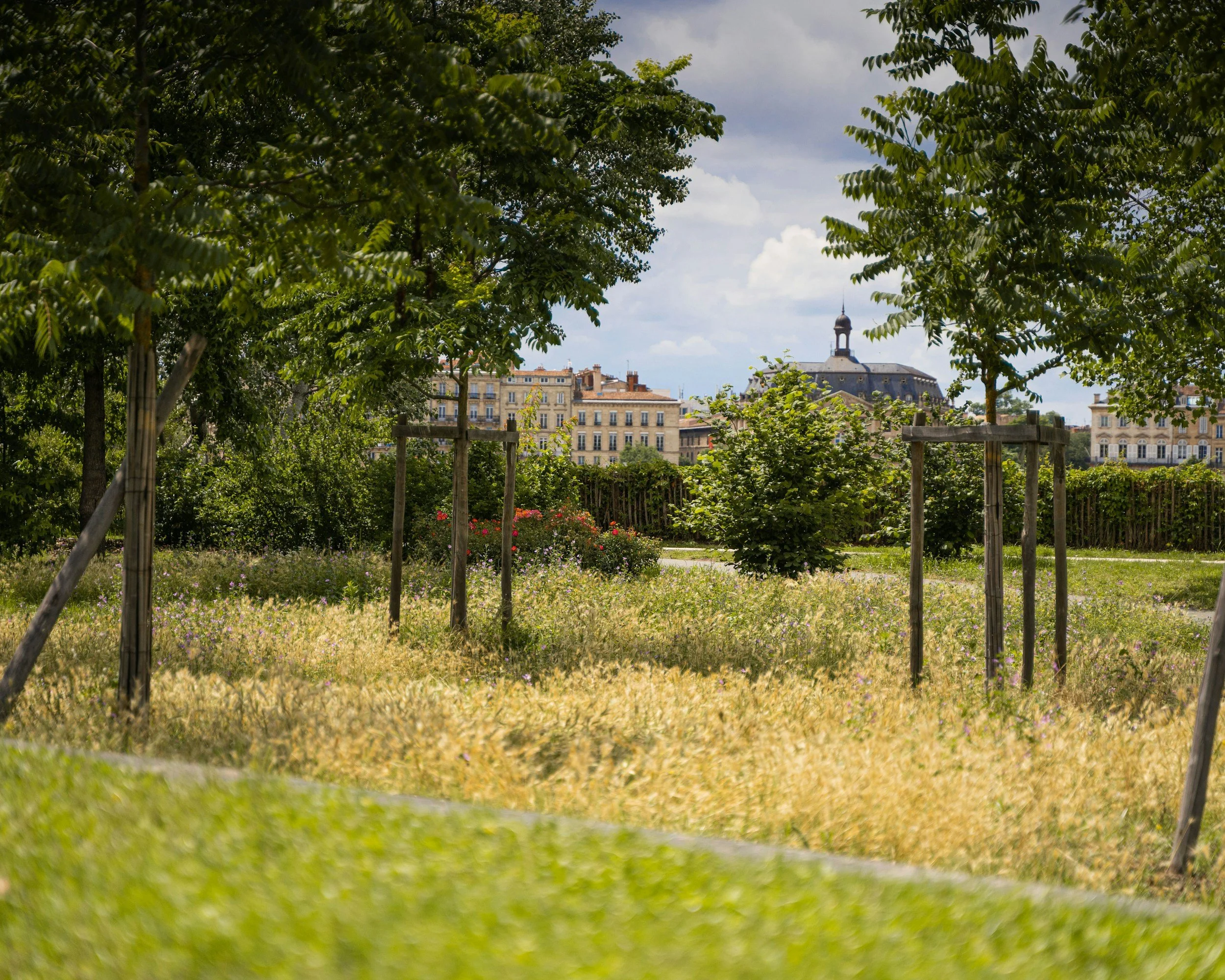
Le Jardin Public sits just north of the centre, and it’s one of the few places where people actually stop rather than pass through. This 18th-century park isn’t just a patch of grass - it’s where locals come to breathe, slow down, and catch up with friends away from the busier café terraces. Tucked right in the center of the city, it’s big enough to wander without bumping into people every few minutes, yet small enough that you can easily find your way back out without getting lost.
If you arrive early, ideally before 9 a.m. it’s mostly locals there. Joggers, parents, a few people sitting with coffee before the city fills in. The air smells faintly of freshly cut grass, the fountains are quietly bubbling, and the city feels like it’s still stretching awake.
Once inside, you’ve got a few options for how to spend your time. You will probably follow the main path without thinking too much about direction, pass the lake, and usually end up sitting for a while before moving again. The park isn’t large, but it’s enough to reset the pace of the day. You can also explore the botanical gardens. They’re small but carefully curated, and the historic 19th-century bandstand makes for a charming photo stop.
Boulangerie Louis Lamour is a short walk from the park, and it’s worth stopping before going in rather than after. The almond croissants are still warm earlier in the morning, and you’ll probably end up carrying one around for a while before sitting down somewhere.
If you’ve got a free afternoon, Le Jardin Public is just as good later in the day when locals gather on the grass with picnic blankets, books, and a bottle of wine. But for solo travelers who prefer a calmer start, mornings here are hard to beat.
Where to Find Art and Independent Galleries in Bordeaux
You don’t come to Bordeaux for art in the obvious way, which is exactly why it works better than expected once you start looking for it.
Most of it sits slightly off the main flow, so you don’t walk into it accidentally. You have to decide to step inside, and once you do, it’s usually quiet enough that you can take your time without adjusting to anyone else.
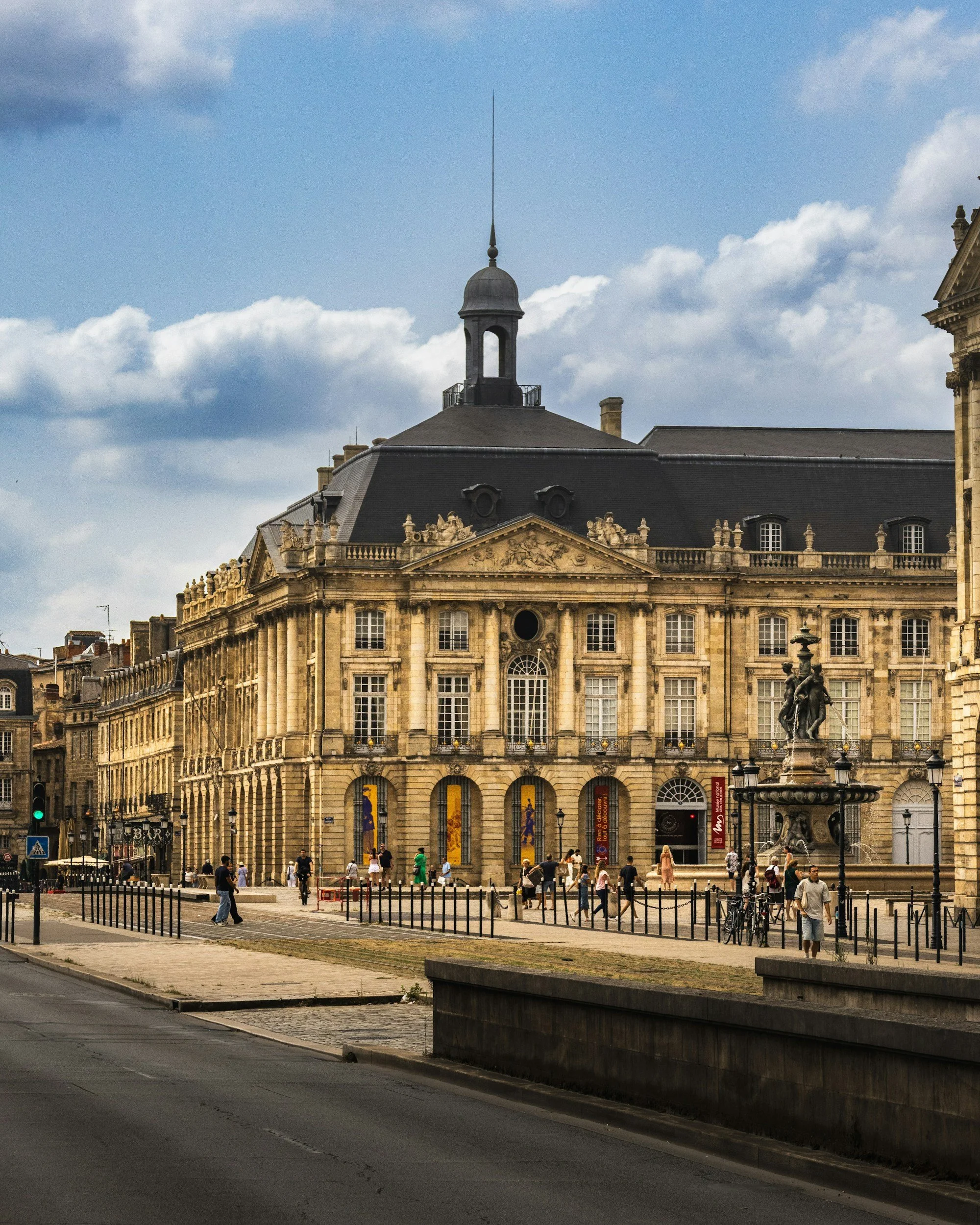
The Musée des Beaux-Arts de Bordeaux is the easiest place to start because it’s right by Jardin Public and Place Gambetta, so you’re likely to pass it anyway. The building is split into two wings, and you can move through one side without committing to the whole thing. It’s not overwhelming, which matters more than the collection itself. You don’t hit that point where you stop paying attention.
Base Sous-Marine is completely different. It’s out toward Bassins à Flot, and getting there takes a bit more effort, which is why it’s rarely crowded in a frustrating way. The space is a former submarine base, and you feel that immediately. Concrete, low ceilings in some sections, large open chambers in others, water still present inside the structure. The exhibitions are projected across walls and surfaces, and the sound carries in a way that makes you slow down without thinking about it.
If you’re already in the Chartrons area, it’s worth checking smaller spaces rather than heading back toward the centre. Places like Espace29 or temporary exhibitions tucked between galleries change often, and you won’t always know what’s on before you go in. That’s part of the point. You step inside, look around, and leave when you’ve seen enough.
Don’t feel like you need to see everything in one go. Pick one gallery and stay for a while. Ask the staff for recommendations - they’re usually happy to point you toward other small exhibitions happening that week. You might even discover pop-up shows or open studios that aren’t listed in guidebooks.
Enjoy a personal wine tasting at Bordeaux’s small vineyards
Wine in Bordeaux becomes easier once you stop trying to do it the way most guides suggest.
The larger châteaux run on fixed schedules, group tastings, and set routes through the estate. That works if you’re in a group, but on your own it can feel slightly rigid, especially if you just want to taste a few wines and move on.
Smaller estates around Pessac-Léognan are easier to adjust to. Château du Taillan is one of the closest to the city, about 20 minutes out, and it’s small enough that tastings don’t feel too formal. You’re often in a small group, sometimes just a few people, and there’s time between pours rather than everything happening quickly.
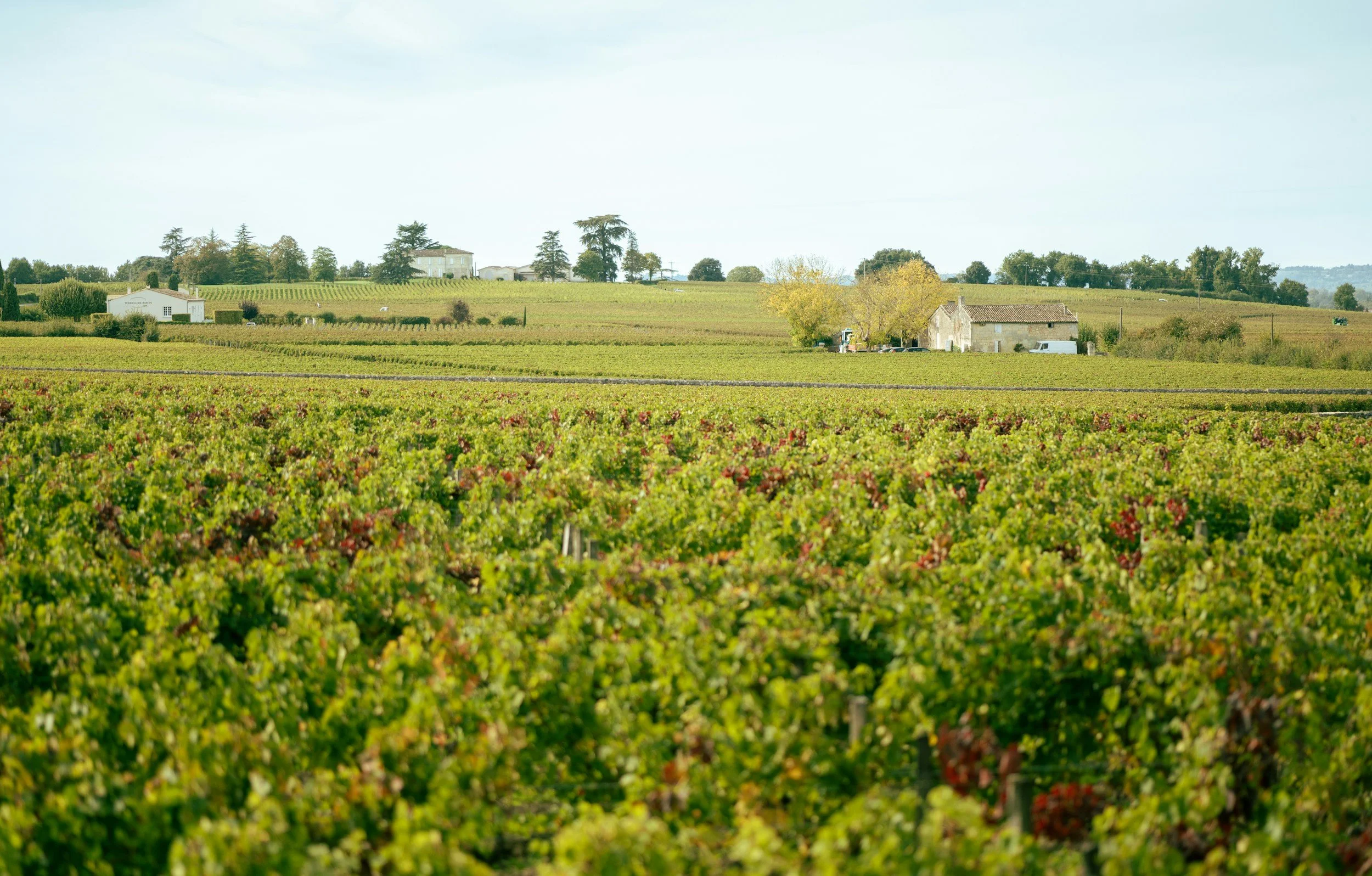
Domaine de La Solitude is further out but quieter once you’re there. The vineyards are visible from the tasting area, and if you arrive mid-morning, you’ll usually see people working rather than just hosting visitors. It changes the feel of the visit completely.
If you don’t want to leave the city, Bordeaux handles that well too! Places like Le Bar à Vin near the Opera let you taste multiple wines without committing to a full bottle or a structured tasting. You order by the glass, sit or stand where you want, and move on when you’ve had enough.
That flexibility matters more when you’re on your own.
One thing that’s worth knowing in advance: smaller vineyards don’t always advertise clearly that they accept solo visitors. Emailing ahead usually works better than trying to book through a platform. Some will say no, but enough will say yes that it’s worth the effort.
You don’t need to visit several places in one day. One tasting is usually enough, especially if you want to keep the rest of the day open.
Bordeaux Tourism offers a "Pass Vignobles" that gives you discounted entry to several vineyards. It’s a great way to plan a couple of relaxed tastings without locking yourself into a rushed group tour. And if you don’t drive, plenty of these smaller estates are accessible via train or bike rental.
If you’re drawn more to places where the day builds around light and walking, Arles settles into that kind of pace in autumn.
Domaine de La Solitude
Wander Through Bordeaux’s Old Town at your own pace
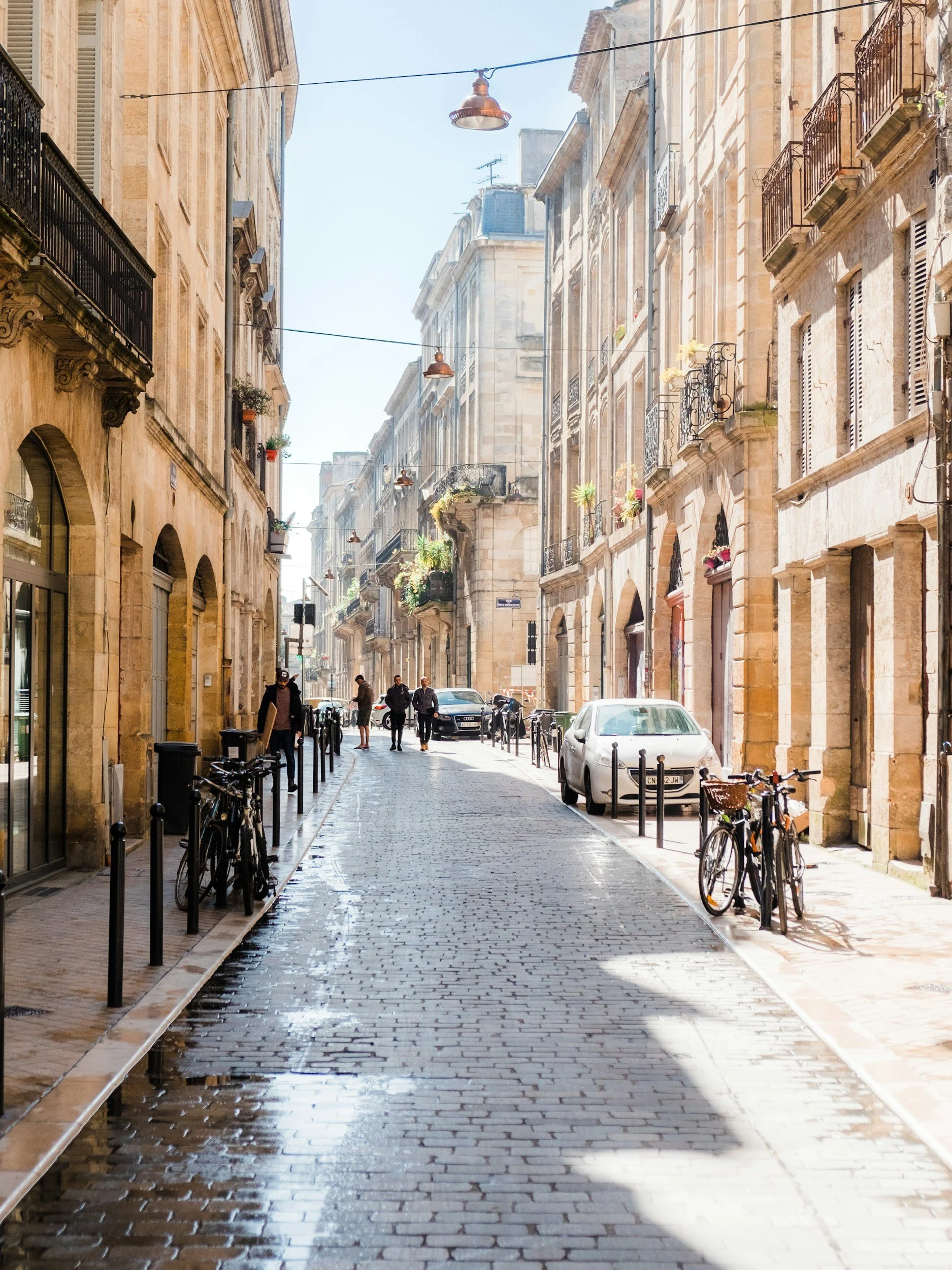
You don’t need a route here. The streets are short, and most of them lead back toward the river anyway. It’s compact enough to explore on foot, but full of side streets and quiet squares that most visitors walk straight past.
If you start your walk at Place de la Bourse, come early, before the tour groups arrive. The square’s 18th-century architecture glows in the soft morning light, and the Miroir d’Eau (water mirror) is still calm enough to give a perfect reflection of the buildings. From here, head down the narrow lanes toward Rue Saint-Rémi, which is lined with cafés if you feel like stopping for a quick espresso.
Make your way to Grosse Cloche, a medieval belfry. The arch at Grosse Cloche frames the street in a way that makes you slow down without meaning to. Stand under the archway and you’ll see how the street curves away - a reminder that Bordeaux’s layout comes from centuries before city grids were a thing. A couple of streets over, Rue Sainte-Catherine offers more bustle, but duck into the smaller cross-streets to find vintage shops and tiny patisseries.
One of the nicest solo walking routes is to loop past Porte Cailhau, a fortified 15th-century gate with views toward the Garonne River. There’s a small café across the street where you can sit outside and watch life go by - a good spot to rest your feet and jot down some notes if you’re journaling your trip.
Keep an eye out for the small brass plaques in the pavement! They mark the historic wine trade route through the city. Following them is a fun way to explore without needing a strict map, and you’ll likely stumble into quiet corners where the only sound is your footsteps on the cobblestones.
Markets tend to be especially grounding when you’re travelling alone, because they give the day some shape without demanding conversation or plans, and this guide looks at French markets that still work that way for locals and visitors alike.
Where to Eat in Bordeaux as a Solo Traveler
Eating alone in Bordeaux doesn’t require adjusting anything. Most places are set up in a way where a table for one doesn’t stand out, especially in the centre and around Saint-Pierre.
La Tupina is one of the places people mention early, and it makes sense if you want something slower. It sits slightly away from the busiest streets, and inside it’s built around the open hearth where dishes are cooked in front of you. That alone gives you something to focus on if you’re not used to sitting through a longer meal on your own. The portions are generous, and meals tend to stretch without feeling drawn out.
Closer to the river, Le Petit Commerce works better if you don’t want a full sit-down dinner. The counter is the easiest place to sit, especially in the evening when it fills up quickly. You’re close enough to the kitchen to see what’s coming out, and the menu changes often enough that you don’t need to overthink your order.
In Saint-Pierre, places like Chez Fred are built more around wine and small plates. Cheese, charcuterie, simple dishes that don’t require committing to a full meal. It’s the kind of place where you sit down for one glass and stay longer without planning to.
If you don’t feel like sitting down at all, wine bars like Aux Quatre Coins du Vin make things easier. You load a card, pour small amounts yourself, and move between different bottles without needing to ask. It removes the hesitation of ordering the “wrong” thing, especially if you’re on your own.
What stands out is how little you need to plan. You walk, look inside a few places, and sit down where it feels right. Most evenings don’t go further than that.
And if what you’re noticing is how easy it is to move between cafés and small streets, Aix-en-Provence has that same flow in spring.
Best Spots to Watch the Sunset Over the Garonne River
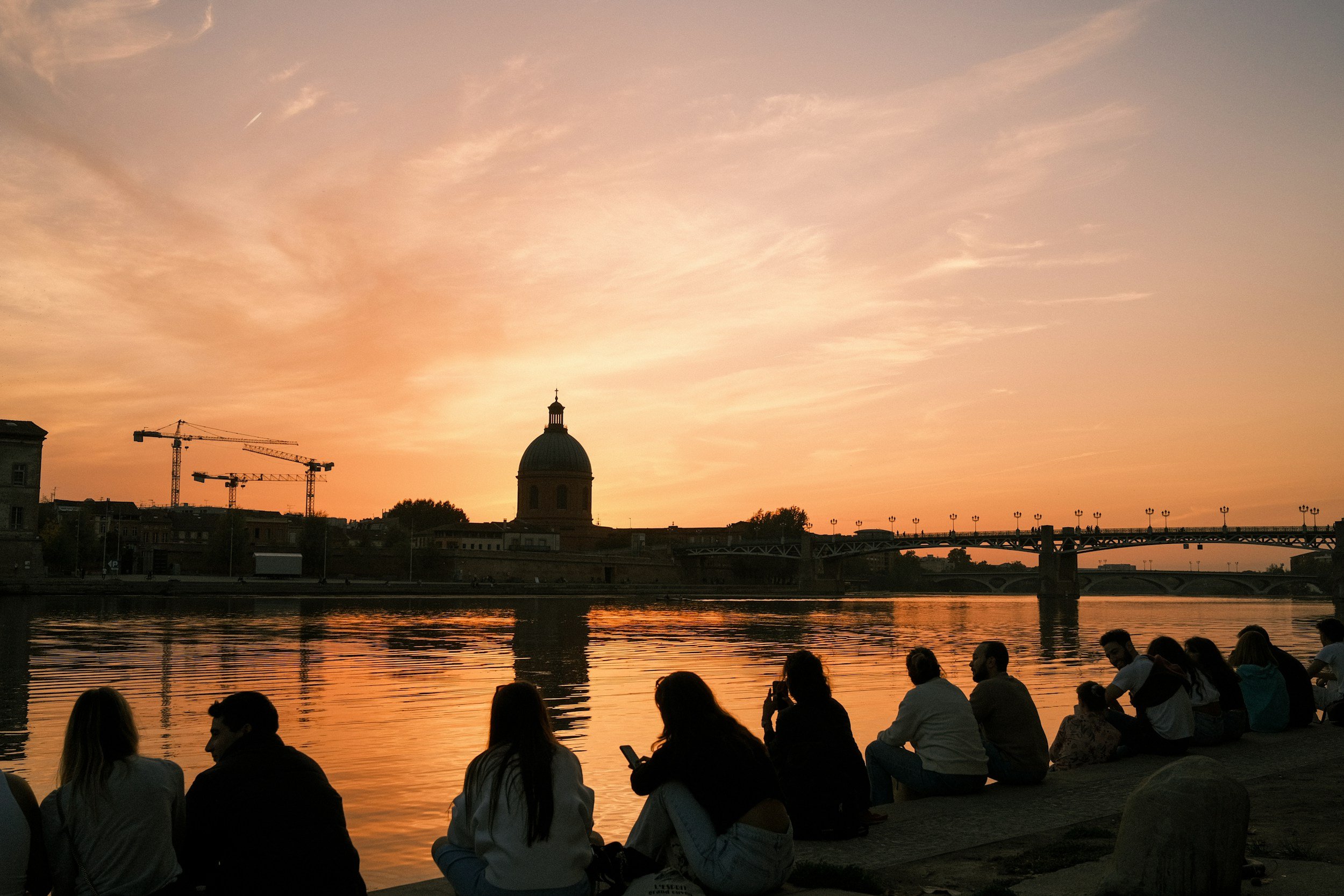
Bordeaux’s riverfront is one of the city’s best places to slow down, and it’s even better when the day starts to fade. The Quais de Bordeaux stretch for kilometers along the Garonne River, lined with benches, bike paths, and open spaces where locals come to walk their dogs, skate, or just sit with friends. As a solo traveler, it’s a great spot to blend in, relax, and enjoy the view without feeling like you’re “waiting” for something to happen.
If you’re after a quiet moment, start near the Pont de Pierre, Bordeaux’s iconic stone bridge. From here, you can look back toward the Old Town and see the rooftops glowing in the evening light. It’s especially beautiful in late spring and summer when the sky turns pink and gold just before the sun dips behind the city.
For a slightly livelier vibe, wander toward the Miroir d’Eau by Place de la Bourse. In the evening, the reflections of the illuminated buildings make for incredible photos, and the atmosphere is still laid-back enough to enjoy on your own. If you prefer more space, walk a little further north toward Hangar 14 - you’ll find fewer people here, and the river feels wider, quieter, and more open.
Bring a takeaway pastry or a small snack from Boulangerie Louis Lamour or a local cheese shop, and make it a casual picnic. You can easily spend an hour or more here without noticing the time pass. For the best light, aim to arrive about 30 minutes before sunset so you can watch the sky change color over the water.
Bordeaux is ideal for solo travel
By the end of a few days in Bordeaux, you stop noticing individual places as much.
You remember the route instead. Walking from the river up toward Saint-Pierre without checking directions. Cutting across to Chartrons and realising you’ve taken the same street twice without meaning to. Sitting down somewhere for a quick coffee and staying longer because nothing is pushing you to leave.
It’s not a city that builds toward one highlight or a single moment.
Most of what stays with you is smaller than that. The way the light sits on the stone buildings in the late afternoon. The fact that you can cross most of the centre on foot without planning anything. How easy it is to fill a day without deciding what the day is supposed to be.
And once you get used to that, it’s hard to go back to travelling any other way.
If what works in Bordeaux is the ability to move at your own pace without feeling out of place, there are other French towns where staying a few nights feels just as natural, especially places built around walking, cafés, and daily routines rather than sightseeing.
If Bordeaux works for you because you don’t need to plan every hour, you’ll probably feel the same shift in Uzès slows things down even more.
Getting to Bordeaux
Bordeaux is one of those cities that’s easy to reach without feeling over-connected, which is part of why it works so well for a solo trip. You don’t need to plan much in advance, and arriving doesn’t feel stressful or overwhelming.
Most people come via Paris, and the train is the simplest option. High-speed trains run regularly from Paris Montparnasse, and the journey takes just over two hours. It’s a comfortable ride, easy to manage on your own, and you arrive right in the centre of Bordeaux, close to the river and within walking distance of many neighbourhoods.
If you’re flying in, Bordeaux–Mérignac Airport is small and straightforward. From there, getting into the city is easy by tram or taxi, and you’re in town quickly without needing to navigate anything complicated. It’s the kind of arrival where you don’t feel disoriented or rushed, which makes a difference when you’re travelling alone.
Once you’re there, having a car isn’t necessary. Bordeaux is flat, walkable, and well connected by tram, and most areas you’ll want to spend time in are close together. You can arrive with a small bag, take your time getting settled, and start exploring almost immediately.
For travelers moving around France alone, towns that are easy to reach by train tend to make everything feel simpler, especially when you’re arriving solo with no car or fixed plan.
Some people arrive in Bordeaux and realise quite quickly they’d prefer somewhere even quieter, which is where these towns near Lyon feel like a better fit.
And once you start looking beyond cities entirely, it’s hard not to consider these castle towns you can reach by train.

FAQs: Bordeaux solo travel
Is Bordeaux good for solo travel?
Yes, mainly because you don’t need to organise much once you’re there. The centre is compact, most areas are walkable, and it’s easy to move between the river, Saint-Pierre, and Chartrons without planning routes in advance. Cafés and wine bars are used to people coming in alone, so you don’t feel out of place sitting down for a while.
Is Bordeaux safe for solo travellers?
Bordeaux is generally safe, especially in central areas like Saint-Pierre, Chartrons, and around Place des Quinconces. During the day and early evening, it’s comfortable to walk alone. At night, stick to lit streets and avoid quieter stretches along the river further out. Like anywhere, keep an eye on your belongings around tram stops and busy areas.
How many days do you need in Bordeaux alone?
Two to three days is usually enough. One day for the centre and riverfront, one for museums or slower wandering, and one for a vineyard visit if you want to leave the city. You don’t need to rush to cover everything, since most areas connect easily on foot.
Can you visit Bordeaux vineyards without a car?
Yes, but it takes a bit of planning. Some vineyards in Pessac-Léognan are reachable by bus, bike, or short taxi ride from the city. Smaller estates often accept solo visitors if you email ahead, even if it’s not clearly listed online. If you want something simpler, wine bars in the city offer a good alternative without leaving Bordeaux.
What is the best area to stay in Bordeaux for solo travel?
Saint-Pierre is the most central and easiest area to stay in, especially if you want to walk everywhere. Chartrons is slightly quieter, with more space and good access to the river. Both areas work well without a car and have plenty of cafés and restaurants within a short distance.
What can you do alone in Bordeaux?
Most of the city works well on your own without needing to structure your day. Walking along the Garonne, spending time in bookshops, visiting smaller museums, or sitting in cafés are all easy to do alone. Wine tastings can also be done solo, either at smaller vineyards or in city wine bars.
What is Bordeaux known for besides wine?
Beyond wine, Bordeaux is known for its riverfront, 18th-century architecture, and strong food culture. Areas like Saint-Pierre and Chartrons are built around walking, eating, and spending time rather than sightseeing, which is part of what makes the city easy to stay in for a few days.
When is the best time to visit Bordeaux for solo travel?
Spring (April to June) and early autumn (September to mid-October) are the easiest times to visit. The weather is mild, cafés are open, and the city isn’t at its busiest. Winter is quieter and slower, while summer brings more visitors, especially around the riverfront.
Is Bordeaux walkable?
Yes, most of the centre is flat and easy to walk. You can move between the main areas, including the river, Saint-Pierre, and Jardin Public, in 10–20 minutes. Trams are useful if you’re staying further out, but you won’t need them for most of your time in the city.