
Head to Collioure if your favourite trips revolve around cafés and coastal walks
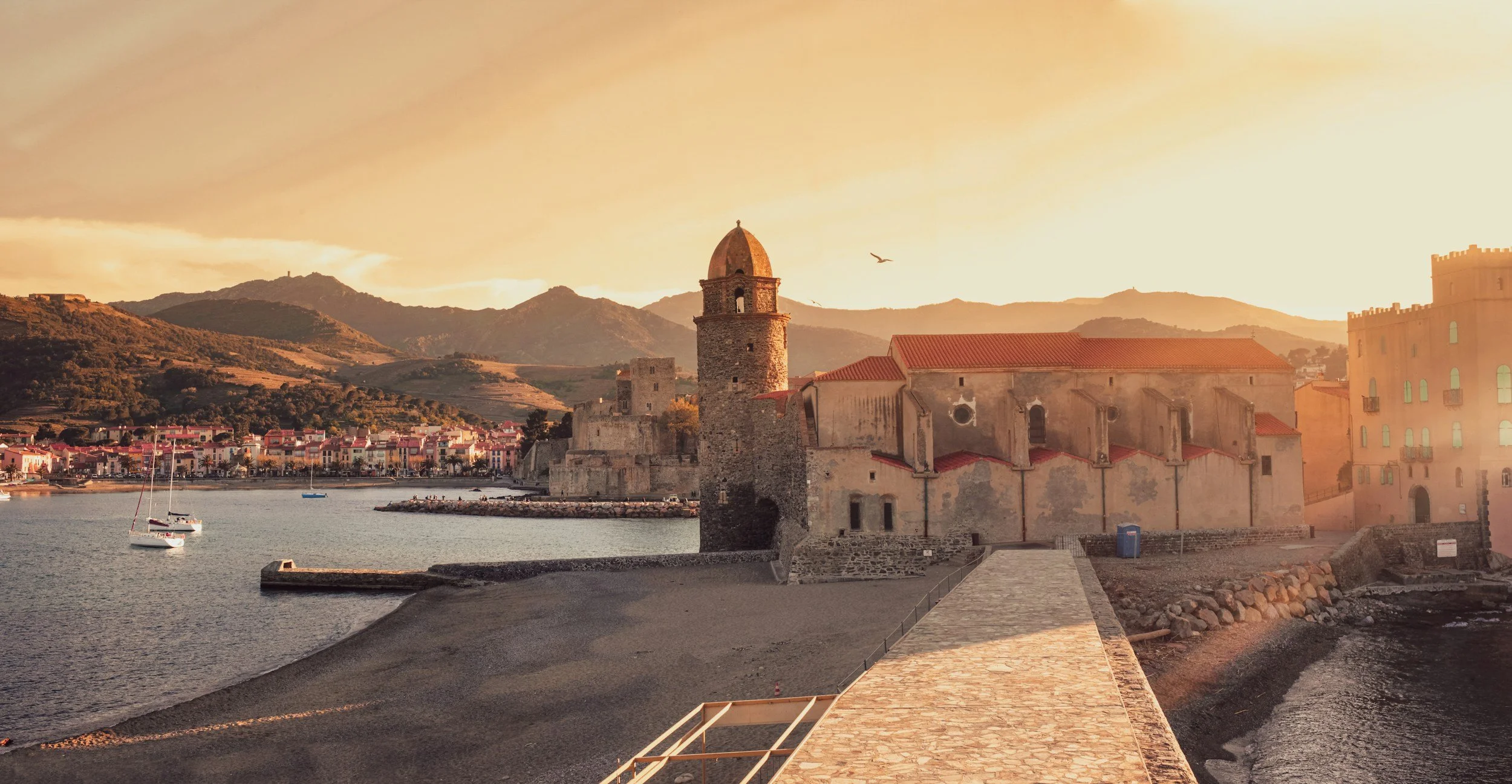
Most people don't stay long in Collioure.
People arrive from Perpignan in the morning, spend a few hours around the harbour, wander through the old centre and leave with a handful of photos of the church and waterfront. It makes sense on paper. The town is relatively small, the main sights are close together and many guidebooks present Collioure as something you can comfortably see in an afternoon.
The reality feels a little different once you stay for a few days.
What stands out is not a single attraction or viewpoint but how easy the town is to settle into. The market appears twice a week in the centre, the train station is close enough that arriving without a car feels straightforward, and much of the day can be spent moving between cafés, coastal paths, small beaches and the harbour without thinking much about logistics. There are very few decisions to make once you arrive, which is rarer than it sounds along this stretch of the Mediterranean coast.
That becomes particularly obvious if you've spent time elsewhere in southern France. Some destinations require a car to be practical. Others are dominated by large beaches and resort infrastructure that spread everything out. Collioure remains surprisingly compact. You can walk from the station to the waterfront in a matter of minutes, spend the morning at the market, follow the coastal path towards Port-Vendres after lunch and still find yourself back in the centre before dinner.
The town also changes more throughout the day than many first-time visitors realise. Early mornings belong largely to residents buying bread, setting up market stalls and opening cafés. By midday, the waterfront becomes considerably busier. Later in the evening, particularly outside the height of summer, parts of the old town become noticeably quieter again.
This is where Collioure starts to make more sense as a short stay rather than a day trip. Spending a few nights here gives you time to experience the market, walk sections of the coastline, take the train to nearby towns such as Banyuls-sur-Mer or Cerbère and see how the atmosphere shifts once the busiest hours have passed. Those details rarely appear in destination roundups, but they often determine whether a place feels enjoyable for an afternoon or somewhere worth settling into for several days.
If you're planning a Provence trip next and wondering whether Gordes is actually worth the crowds, Apt or Gordes breaks down the differences in a way most guides don't.
How to get to Collioure
Collioure sits on France's Côte Vermeille, around 30 kilometres south of Perpignan and only a short distance from the Spanish border.
For most visitors, the easiest way to arrive is by train. Perpignan is the main transport hub for the region and has direct TGV connections from Paris, Lyon, Montpellier, Nîmes, Marseille and several other French cities. Travellers coming from Spain can also reach Perpignan by train before continuing south.
From Perpignan, regional TER trains run regularly to Collioure throughout the day. The journey takes approximately 25 minutes and follows one of the most scenic stretches of railway in southern France as the line begins approaching the Mediterranean coast.
The station in Collioure sits above the town centre. Most hotels, guesthouses and holiday apartments can be reached on foot in around 5 to 15 minutes, although some accommodation higher on the hillside involves steeper streets and steps. If you're travelling with a large suitcase, it's worth checking the exact location of your accommodation before booking.
Visitors arriving by car can reach Collioure in around 35 minutes from Perpignan via the D914 coastal road. Parking becomes more challenging during summer, particularly on market days and weekends, which is one reason many travellers find the train a simpler option.
If you're planning to explore the Côte Vermeille, nearby towns such as Port-Vendres, Banyuls-sur-Mer and Cerbère are all connected by the same TER railway line. This makes it easy to use Collioure as a base for several days without needing a vehicle.
If you're continuing north after Collioure and don't want to spend the entire journey on motorways or high-speed trains, small towns en route offers several worthwhile stops.
Most visitors only experience Collioure at its busiest
One reason opinions about Collioure can vary so much is that people are often talking about completely different versions of the town.
Someone arriving on a Wednesday market morning in September will leave with a very different impression than someone visiting for a few hours on a Saturday afternoon in August. Both have technically been to Collioure, but the experience is not remotely the same.
Most visitors arrive between late morning and early afternoon. The trains from Perpignan begin bringing in day-trippers, tour groups start appearing around the harbour, and the narrow streets between the waterfront and the old centre become noticeably busier. If you've seen photographs of people squeezing past each other along the harbour front or waiting for a table overlooking the water, they were almost certainly taken during these hours.
This is also when many visitors make the same mistake: they assume this is what Collioure feels like all day.
It isn't.
Before 9am, the town feels surprisingly different. Bakery queues begin forming, market traders are still arranging stalls on market days, and locals are walking through the centre long before most visitors arrive. The harbour remains quiet enough that finding a table for coffee is rarely difficult, and the streets around the church and château often feel almost empty compared with a few hours later.
The difference becomes even more noticeable if you're staying overnight.
Many day visitors arrive, spend most of their time around the waterfront, have lunch, browse a few shops and leave again. They rarely venture much further. Some never walk beyond the harbour area at all. As a result, they miss several parts of the town that become more enjoyable once the busiest hours pass, including the residential streets above the centre, the quieter sections of coastline and the evening atmosphere around the old town.
The market takes place on Wednesdays and Sundays and is one of the best reasons to stay an extra night. Many visitors naturally gravitate towards these days, which means the town feels busier than usual from mid-morning onwards. Arriving at the market shortly after opening feels very different from arriving at 11am when the narrow streets are already filling with people carrying shopping bags, beach towels and cameras.
Sundays in particular can catch people by surprise. The market attracts visitors from elsewhere along the Côte Vermeille, and the town often feels livelier than on a typical weekday. If you're hoping for the quietest possible experience, a Tuesday or Thursday morning will usually feel very different.
The season matters just as much as the day of the week!
July and August bring the largest crowds, especially between around 11am and 4pm when the waterfront, beaches and restaurant terraces are at their busiest. September often feels like a different destination altogether. The sea remains warm enough for swimming, outdoor dining is still very much part of daily life, but there is noticeably more room to move around. Market mornings become easier to enjoy, restaurants are less pressured, and the coastal paths towards Port-Vendres feel far less crowded.
Even October can be surprisingly appealing for travellers who enjoy walking. The temperatures are often more comfortable for longer coastal walks than the height of summer, although some seasonal businesses begin reducing their opening hours as autumn progresses.
This is one of the main reasons Collioure tends to work best as a short stay rather than a day trip. Spending two or three nights allows you to experience more than the busiest part of the day. You get the early morning market setup, the quieter harbour before breakfast, the atmosphere after dinner when many visitors have already left, and the flexibility to explore nearby towns without feeling rushed.
The people who leave saying they wish they had booked an extra night are usually not the ones who came for three days. They're the ones who arrived for an afternoon and realised too late that they had only seen Collioure during its busiest hours.
If you're drawn to places where books, cafés and everyday village life matter more than sightseeing, Montolieu guide offers a completely different side of southern France that feels surprisingly easy to pair with a trip through Occitanie.
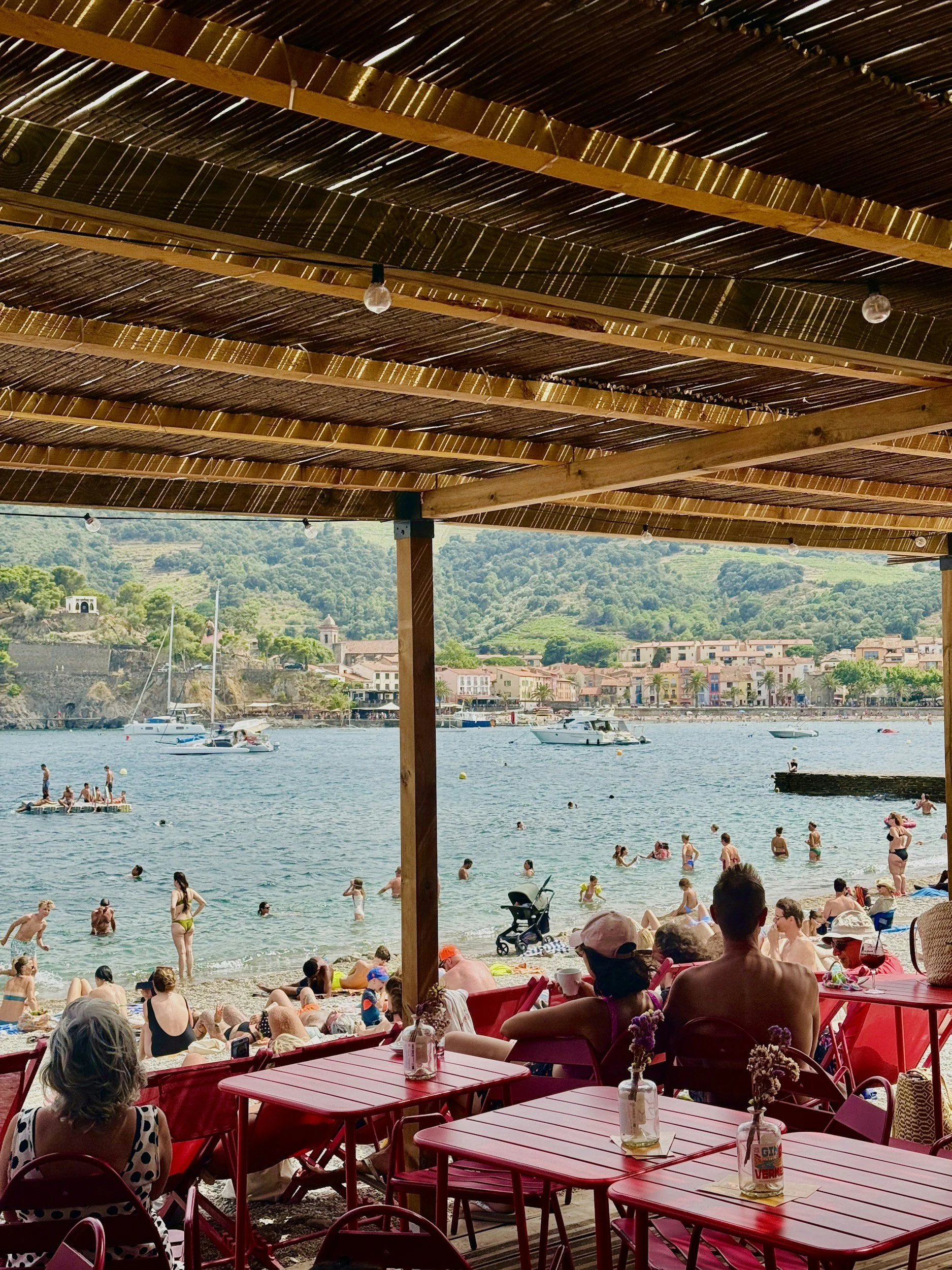
The station is much closer than most people expect
One of the reasons Collioure works so well for a few days is that the practical side of the trip tends to disappear surprisingly quickly.
Before arriving, a lot of people assume they will need a car because that's often the default for smaller towns in southern France. You look at the map, see a stretch of Mediterranean coastline dotted with villages and immediately imagine rental cars, parking searches and winding coastal roads. Then you arrive in Collioure and realise the station is only a short walk from the centre and that most of the places you'll spend time are already within walking distance of each other.
The walk from the station isn't particularly scenic or dramatic, but that's almost the point. You're not dealing with a station stranded on the outskirts of town or trying to work out local bus connections after a long journey. Within a few minutes you're already heading downhill towards the centre, and before long the harbour appears between the buildings and the logistics part of the trip is essentially over.
What often surprises people is how little they think about transport after that.
The train line running along the Côte Vermeille is one of the reasons. Looking at a map before a trip, Port-Vendres, Banyuls-sur-Mer and Cerbère can feel like separate destinations that require planning. Once you're there, they start feeling more like neighbouring districts connected by a very scenic railway. The journey from Collioure to Port-Vendres takes only a few minutes. Banyuls isn't much further. Suddenly the idea of hiring a car to visit nearby towns starts feeling less essential than it did at home.
The other thing that becomes obvious fairly quickly is that Collioure itself isn't especially car-friendly. The old centre wasn't designed with modern traffic in mind, many streets are narrow, and during summer there are moments when driving feels considerably less appealing than walking. On market mornings in particular, watching somebody slowly circle looking for parking while everyone else is already sitting at a café with a coffee in front of them can be a useful reminder that convenience isn't always tied to having a vehicle.
That doesn't mean a car never becomes useful. After a few days, many visitors start looking beyond the coastline towards the Albères mountains, the vineyard roads above Banyuls-sur-Mer or villages such as Sorède and Laroque-des-Albères. Those places are much easier to explore with your own transport and show a completely different side of the region. The question is really whether those places are the focus of your trip or an addition to it.
For most people coming to Collioure for the harbour, the market, the cafés and the coastline, the answer is usually the same. They arrive thinking about transport and leave having barely thought about it at all, which is probably one of the strongest arguments for visiting without a car in the first place.
Travelling without a car around this part of France is easier than many people expect, but winter train travel becomes even more useful if you're planning a return trip outside the summer season.
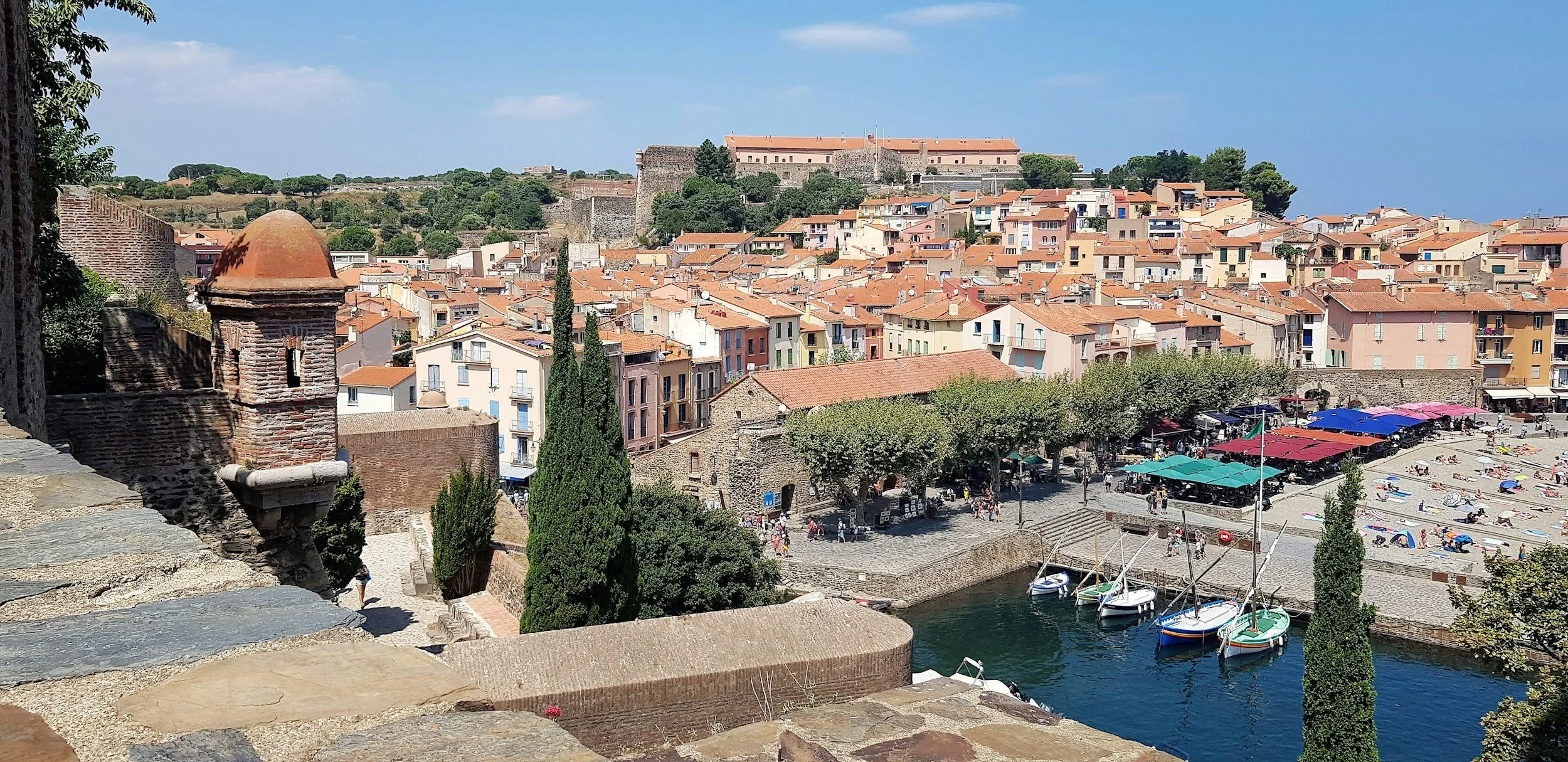
What actually fills your days in Collioure
One reason people often underestimate Collioure is because the town itself is relatively small.
If you look at a map, it is easy to assume there isn't enough here for more than an afternoon. The harbour, old town and waterfront all sit within a compact area, and most of the places that appear in guidebooks can be reached within a short walk.
Yet many visitors end up staying three or four nights and still leave feeling as though they could have spent longer.
Part of that comes down to geography.
Collioure sits in a particularly useful position along the Côte Vermeille. The town itself provides enough cafés, restaurants, beaches and walking routes to fill a day, but it is also connected to Port-Vendres, Banyuls-sur-Mer and Cerbère by the same railway line. Instead of planning large day trips, many people spend a few hours elsewhere and return before dinner.
A typical example is Port-Vendres. The town is only a few minutes away by train and around an hour on foot via the coastal path. Unlike Collioure, which revolves around its historic centre and waterfront, Port-Vendres is still very much a working harbour. Fishing boats unload their catch here, locals shop along the marina, and the atmosphere feels noticeably less visitor-focused. It is the sort of place people often end up spending longer in than expected before catching the next train back north.
Others head south towards Banyuls-sur-Mer. The landscape changes quite quickly once you leave Collioure. Vineyards begin covering the hillsides, the coastline becomes more rugged and the towns feel less polished and more residential. Banyuls itself is known for its sweet fortified wine, and several wine producers are located within walking distance of the station. It works well for a relaxed afternoon, particularly outside the height of summer.
If the vineyard-covered hills around Banyuls leave you wanting more wine regions that still feel grounded in local life, Vongnes weekend explores a completely different wine landscape further north.
Back in Collioure, many visitors find themselves naturally drawn away from the harbour after the first day.
The area around the Château Royal and Notre-Dame-des-Anges receives most of the attention, but there is more to the town than its most photographed corner. Walking uphill towards the old windmill, Moulin de Collioure, provides a completely different perspective. The route passes vineyards, stone terraces and quieter residential streets before opening up towards views across the bay and surrounding coastline.
Fort Saint-Elme sits above town and can be seen from almost everywhere in Collioure. The climb is steeper than many people expect, particularly during warmer months, but the views stretch across the coastline towards Argelès-sur-Mer in one direction and the Spanish border in the other.
The beaches also tend to be used differently here than in larger Mediterranean resorts. Plage Boramar, directly beside the harbour, attracts most visitors initially, but many people eventually drift towards smaller stretches of coastline such as Plage de l'Ouille between Collioure and Port-Vendres. Reaching them usually involves a walk rather than a drive, which naturally limits the crowds.
What surprises many first-time visitors is how little planning is required! You don't need to decide between museums, attractions and organised excursions every morning. One day might revolve around the market and a long lunch. Another might involve walking to Port-Vendres and taking the train back. The next could be spent exploring Banyuls, swimming in the afternoon and returning to Collioure for dinner.
For anyone planning around market dates, summer market guide makes it much easier to compare which towns are worth adjusting your itinerary for.
If browsing the stalls in Collioure leaves you wanting antiques rather than produce, brocante guide explains where to find the markets locals arrive at before sunrise.
Market mornings show a different side of Collioure
If you're spending a few days in Collioure and happen to be there on a Wednesday or Sunday, the market tends to pull the centre of gravity away from the harbour for a few hours.
Most first-time visitors naturally gravitate towards the waterfront. They arrive from the station, walk downhill, see the church tower, the boats, the cafés overlooking the bay and stay there. On market mornings, however, a lot of the activity shifts a few streets inland around Place du 8 Mai, Rue de la République and the lanes connecting the two. By mid-morning, those streets often feel busier than parts of the harbour itself.
What I like about the market is that it still feels connected to everyday life in the town. It isn't particularly large and it certainly isn't the most impressive market in southern France, but that's not really the point. You'll see visitors carrying canvas bags and taking photographs, but you'll also see plenty of people who are clearly there to do their shopping for the week, comparing vegetables, discussing prices and leaving with far more than a bottle of wine and a souvenir.
The produce changes with the seasons, but the market always feels closely tied to the surrounding landscape. During summer, stalls fill with peaches, apricots, cherries and melons from around Roussillon. At other times of the year, you'll find cheeses from inland villages, olives, charcuterie and wines produced on the steep vineyard terraces that cover the hillsides between Collioure and Banyuls-sur-Mer. Those terraces are hard to miss once you've spent time here. They appear above the railway line, beside the coastal road and on slopes that seem almost impossibly steep in places.
Anchovies inevitably make an appearance as well. Visitors quickly realise that Collioure's connection to anchovy production is not simply a historical footnote that appears in guidebooks. The shops belonging to houses such as Roque and Desclaux remain part of the town, and market mornings often send people wandering in that direction afterwards. Even travellers who have never shown much interest in anchovies before arriving often end up leaving with a jar tucked into their luggage.
The market also changes how people move through the town. On a normal day, many visitors spend most of their time close to the waterfront between the Château Royal and Notre-Dame-des-Anges. On market days, people naturally drift through parts of the centre they might otherwise overlook, stopping at wine merchants along Rue de la République, browsing food shops, disappearing into side streets and eventually reappearing somewhere entirely different an hour later.
One small detail that catches people out is that not everything remains open continuously throughout the afternoon. Some independent shops still close for lunch, particularly outside the busiest summer months, so the period between about one and three o'clock can feel surprisingly quiet in certain parts of the centre. Visitors expecting the same opening hours as larger cities occasionally find themselves adjusting their plans around a long lunch instead.
Sunday tends to be the busier of the two market days, particularly once visitors begin arriving from elsewhere along the coast. Wednesday often feels a little more relaxed, although "relaxed" is relative in a town as popular as Collioure. Arriving before nine o'clock makes a bigger difference than choosing between the two days.

The market in Collioure is relatively small, so if you're wondering where locals still shop in larger numbers across the region, Languedoc market towns is a useful next stop.
People who enjoy staying overnight in market towns rather than rushing through them often end up loving market town weekends for exactly the same reasons Collioure works so well over several days.
The walk to Port-Vendres is worth doing at least once
After a day or two in Collioure, it becomes obvious that most visitors spend the majority of their time within a relatively small area between the harbour, the market streets and the beaches closest to the centre. There is nothing wrong with that because it happens to be a beautiful part of town, but it also means many people leave without ever seeing the stretch of coastline that makes this corner of France feel so different from much of the Mediterranean further north.
The walk towards Port-Vendres begins almost without ceremony. One minute you're still close to the waterfront around Plage Saint-Vincent, watching people settle into cafés or wander between the harbour and the château, and not long afterwards you're looking back towards Collioure from above Anse de la Balette with a completely different perspective of the town. The church tower of Notre-Dame-des-Anges still dominates the skyline, but from here it feels much more connected to the landscape around it. The vineyards, the hills and the coastline all begin competing for attention.
What I always find interesting about this walk is that some of the best views are not ahead of you but behind you. Every time the path climbs slightly, Collioure reveals itself from another angle. The pastel-coloured buildings around the harbour, the fortifications, the curve of the bay and the slopes behind town gradually fit together in a way they never quite do when you're standing at sea level.
Most people eventually make their way to Plage de l'Ouille, a small pebble beach tucked between Collioure and Port-Vendres that tends to attract swimmers, walkers and locals rather than large numbers of day-trippers. It is not the easiest beach to access in the area and that probably explains why it often feels quieter than Plage Boramar back in the centre of town. On warm mornings you'll often find people arriving with snorkelling gear or a book and staying much longer than they originally intended.
The landscape starts changing as you continue south. The vineyard terraces become impossible to ignore, climbing steep slopes that look as though they should be too rugged for agriculture. These are the same vineyards responsible for the Collioure and Banyuls wines you'll see throughout the region, although standing among them makes it much easier to appreciate how much work goes into maintaining them. Looking at a bottle on a restaurant table and looking at the terraces themselves are two very different experiences.
Port-Vendres arrives gradually. First you notice the harbour infrastructure in the distance, then the marina, then the fishing boats. Unlike Collioure, which immediately presents its most photogenic side, Port-Vendres feels like a place that continues functioning whether visitors are there or not. Fishing remains part of daily life, boats come and go throughout the day and the waterfront feels noticeably less concerned with appearances.
Many people walk one way and return by train, which is probably the option I would choose if staying several days in Collioure. The journey back takes only a few minutes, costs very little and leaves plenty of time for a late lunch or an afternoon wandering through town. It also means you can enjoy the coastline without feeling obliged to save enough energy for the return journey.
By the time you get back to Collioure, the town often feels slightly different. Not because anything has changed, but because you've seen where it sits within the wider landscape of the Côte Vermeille. The harbour no longer feels like the centre of everything. It feels like one stop along a coastline that continues through Port-Vendres, Banyuls-sur-Mer and eventually towards the Spanish border, connected by walking paths, vineyards, fishing ports and one of the most useful railway lines in southern France.
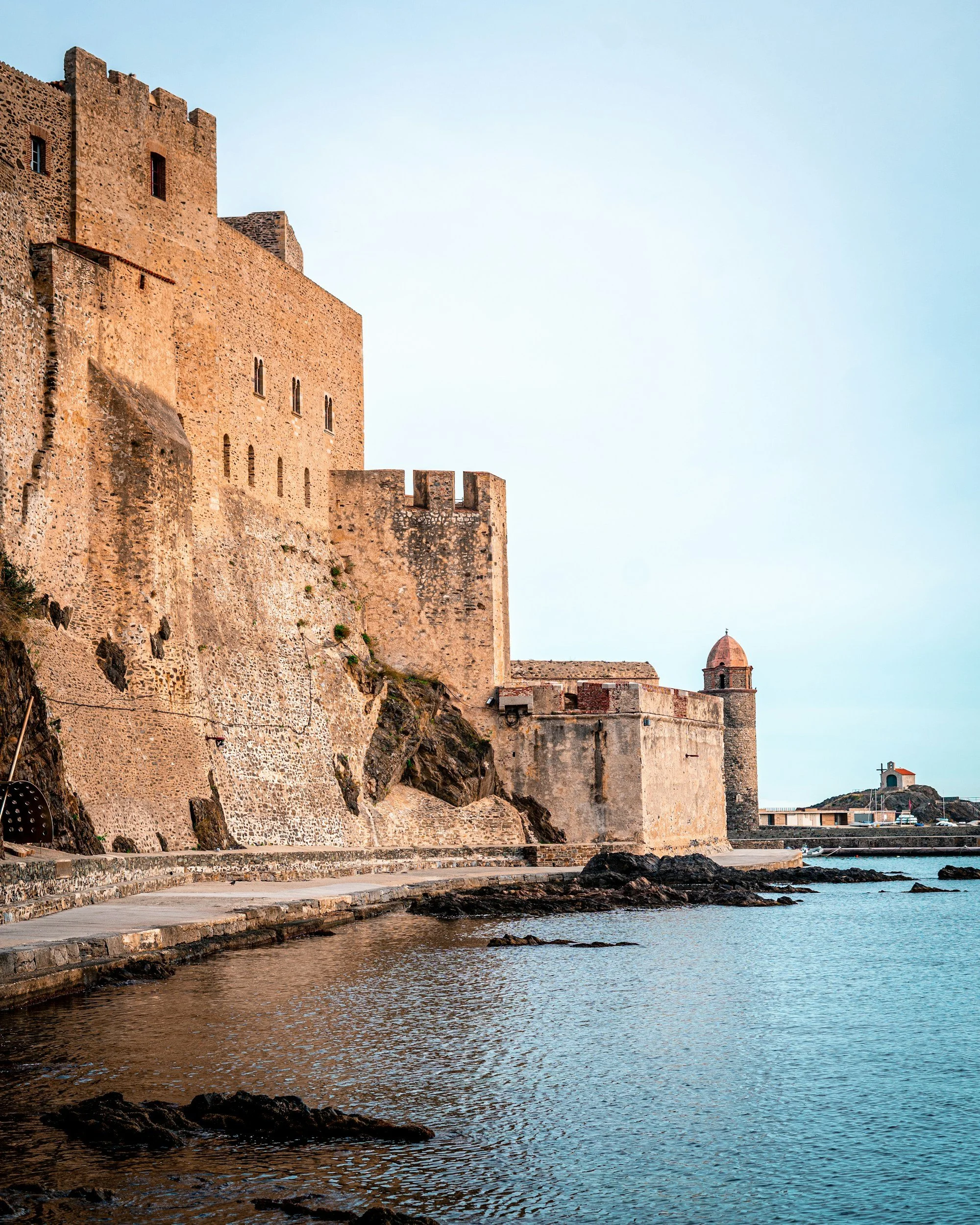
Travelling alone along the French Mediterranean coast can feel surprisingly easy, and solo southern France answers many of the questions people have before booking.
The nearby towns feel completely different
One thing that becomes obvious quite quickly around here is that distance doesn't tell you much.
Collioure, Port-Vendres, Banyuls-sur-Mer and Cerbère are all connected by the same railway line and sit only a few minutes apart, yet they feel nothing alike once you start spending time in them. A lot of first-time visitors assume they're basically variations of the same coastal town, but after a day or two it's hard to imagine confusing one with another.
Argelès-sur-Mer is usually the biggest surprise.
People often picture another version of Collioure and instead find wide beaches, long promenades, apartment blocks and a coastline built much more around traditional beach holidays. If you're walking near the marina or along the seafront in summer, the atmosphere feels completely different from the narrow streets around the harbour in Collioure. Neither is better, but they attract different people. Some visitors love the space and the beach. Others are ready to get back on the train after an hour and return south.
Port-Vendres is the town I think most people underestimate.
It's only one stop away and doesn't have Collioure's postcard looks, which means a lot of visitors barely give it a chance. The first impression can feel a little rough around the edges compared with the colourful harbour back in Collioure, but that's also what makes it interesting. Around Place Castellane and the quays, people are getting on with everyday life. Fishing boats still come and go, locals stop for coffee, deliveries arrive, and the town feels far less concerned with being photographed.
The longer you stay, the more it grows on you.
Banyuls-sur-Mer has a completely different feel again. The vineyards that appear occasionally around Collioure suddenly become impossible to ignore. They climb every hillside, appear behind houses and stretch towards the sea in almost every direction. If you walk away from the waterfront and into the streets behind the centre, you quickly realise how much the landscape shapes daily life here.
The evenings are probably what I remember most about Banyuls.
Collioure tends to stay busy around the harbour well into the evening, particularly during summer. Banyuls feels calmer. People sit over dinner for a long time, restaurants remain busy, but there is less movement and fewer people wandering around. It feels more residential, less like somewhere people are passing through.
Then there's Cerbère, which feels like the coastline suddenly decides to become dramatic.
The train ride alone is worth doing. The hills get steeper, the views open up, and by the time you arrive it feels noticeably different from the towns further north. Cerbère isn't somewhere I would recommend for a full day unless you're planning a longer walk, but for a few hours it's fascinating. The scenery around Cap Cerbère and the coastal paths above the sea is some of the most impressive anywhere on this stretch of coast.
What I like most about staying in Collioure is that you don't really have to choose. You can basically spend the morning at the market, take the train to Port-Vendres for lunch, head to Banyuls another day and squeeze in a trip to Cerbère whenever the weather looks good. The distances are so short that it never feels like a major excursion.
That's part of what makes Collioure such an easy base. You're not just staying in one town. You're sitting in the middle of a coastline where every stop feels slightly different from the last, even though they're all connected by a train journey shorter than most people's morning commute.
If you're already thinking ahead to another French town that feels compact, walkable and rewarding over a long weekend, Semur comparison is worth a look.
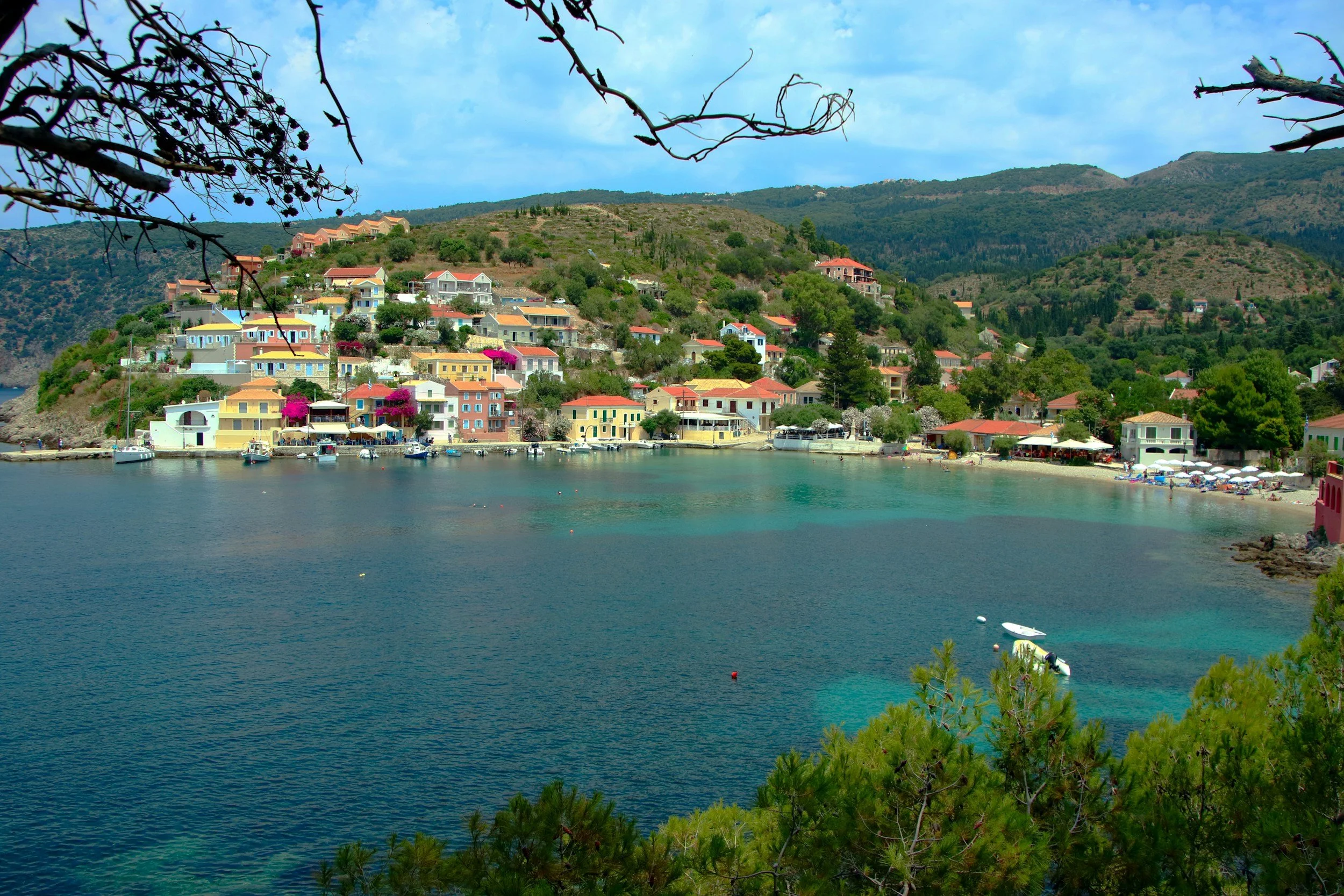
Where a car starts becoming tempting
For most people, the funny thing about Collioure is that they arrive convinced they'll need a car and leave wondering why they bothered looking at rental prices in the first place.
The town itself makes life very easy. You can walk from the station to the harbour, spend an entire day moving between the market, cafés, beaches and old streets, then catch a train to Banyuls-sur-Mer the following morning without ever thinking about transport. Even Port-Vendres, which looks further away on a map than it actually feels, is close enough that many people end up walking there and taking the train back.
The temptation to have a car usually arrives later…
It tends to happen while sitting somewhere overlooking the harbour, or perhaps halfway along the coastal path towards Port-Vendres, when you start noticing everything beyond the coastline. The steep vineyard terraces above Collioure are impossible to ignore once you've spent a few days here. You see them from the train. You see them from Fort Saint-Elme. You see them from restaurant terraces around the harbour. Eventually you start wondering where those roads go and what is hiding beyond the ridges behind town.
That is where a car becomes interesting. Not because Collioure needs one, but because the surrounding region suddenly opens up.
The roads winding through the Albères mountains feel completely different from anything along the waterfront. Twenty minutes after leaving Collioure, you can find yourself in places like Sorède or Laroque-des-Albères, sitting beneath plane trees in a village square while the Mediterranean has completely disappeared from view. The contrast catches people off guard because the distances are so short. One moment you're looking at fishing boats and the church tower in Collioure, the next you're driving through cork oak forests and quiet village roads where very few visitors seem to venture.
The vineyard roads above Banyuls-sur-Mer are another place where having a car starts making sense. Most visitors only see the vineyards from below, usually through a train window or while walking the coast, but the roads climbing into the hills tell a different story. Some of the terraces look almost impossible to farm, stone walls stretch across slopes in every direction, and the views back towards the sea become bigger with every turn. It's one of those landscapes that makes much more sense once you've spent time inside it rather than simply looking at it from a distance.
Paulilles is another place that often ends up on people's list once they've been in the area for a few days. The old dynamite factory site between Port-Vendres and Banyuls has been transformed into a coastal park, but what most people remember are the coves, the walking paths and the feeling that you've somehow stumbled across a completely different stretch of coastline despite being only a short drive from Collioure. Technically you can reach it without a car, but it becomes the sort of outing you plan around rather than something you decide to do on a whim.
What I wouldn't do is hire a car from day one!
Collioure is one of those places where a car can quickly become more of a burden than a benefit, particularly during summer when parking around the centre becomes an exercise in patience. The irony is that the days when the town is busiest are often the days when you need the car least because everything that makes Collioure enjoyable is already within walking distance.
A much better approach is to spend your first few days entirely on foot and by train. Walk to Port-Vendres. Take the train to Banyuls. Spend a market morning in town. Get to know the coastline first. Then, if you find yourself becoming curious about the roads disappearing into the hills behind the vineyards, that's probably the moment a car starts earning its keep.
Until then, there's a good chance it would spend more time parked than moving.
Many visitors discover they enjoy travelling through southern France without a car far more than expected, and Provence transport guide answers most of the questions that usually come next.
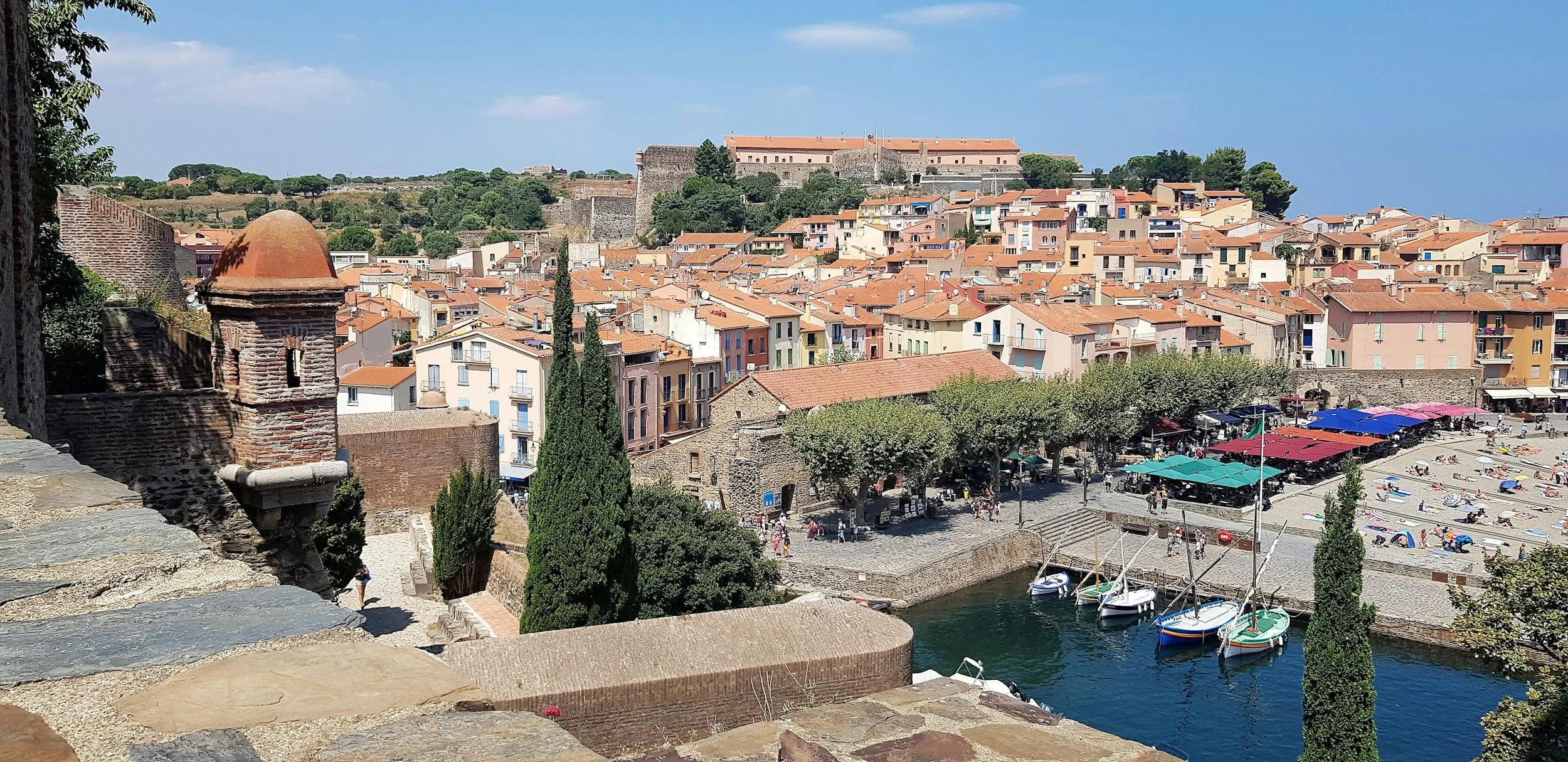
Why three nights usually works better than one
Collioure looks deceptively small when you're planning a trip. The station sits close to the centre, the harbour is compact, and most of the photographs people see before arriving tend to focus on the same handful of streets around the waterfront. Looking at a map, it is easy to imagine arriving in the afternoon, spending a night or two and leaving feeling as though you've covered most of what the town has to offer.
The reality tends to be a little different because the places that stay with people are not usually the ones they rushed to see first.
During a short visit, most of your time naturally ends up concentrated around the harbour and the streets immediately behind it. You're finding your hotel, working out where everything is, deciding where to eat and figuring out which direction the town actually extends once you move beyond the waterfront. By the time those things become familiar, many people are already looking at train schedules or packing for the next destination.
A few extra days changes the experience in ways that are surprisingly difficult to explain before you're there. You start noticing that some streets feel completely different at different times of day. The area around Rue de la République that felt busy and crowded on arrival can seem unexpectedly quiet early in the evening. The roads climbing towards Fort Saint-Elme begin to make more sense once you've walked them more than once. Small details that barely registered on the first day gradually become part of your mental map of the town.
One thing that happens quite often is that people begin returning to places they didn't have time for earlier. A gallery they walked past. A wine merchant they meant to visit. A terrace that was full the first evening. A narrow side street they assumed led nowhere interesting until they happened to take it the following day and discovered a completely different view across the rooftops.
The harbour itself changes as well, not because it becomes more impressive, but because you stop looking at it as a visitor. The first time you see it, your attention goes straight to the church tower and the waterfront. A few days later, you're paying attention to entirely different things. Which side of the bay catches the last sunlight. Which cafés seem busiest with residents rather than visitors. Which routes through town allow you to avoid the busiest streets altogether.
Those are not major attractions and they are certainly not reasons to book a trip on their own, but they are often the reasons people remember a place more clearly afterwards.
What makes Collioure work particularly well for three nights is that there is enough time for the town to become familiar without ever becoming predictable. You can spend a morning doing absolutely nothing beyond wandering through the centre, stop somewhere for lunch, change your plans halfway through the afternoon and never feel as though you've wasted a day because the place itself is enjoyable to spend time in.
That is a surprisingly rare quality, and it is usually what people are talking about when they say they wish they had stayed longer, even if they don't quite realise it at the time.
If your ideal base is somewhere quieter and greener than the Mediterranean coast, Périgord Noir stays helps narrow down which villages are actually worth staying in.
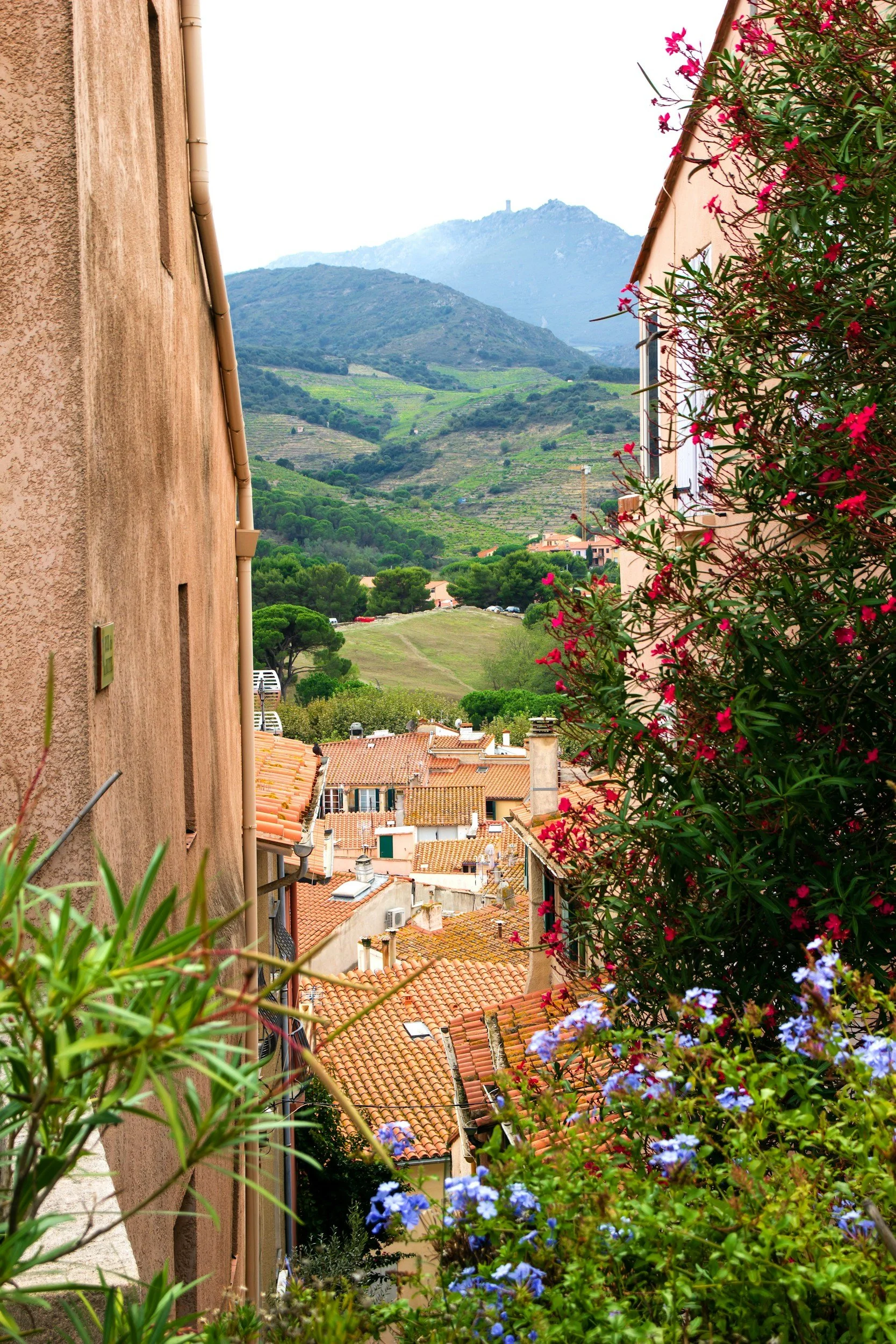
FAQs about visiting Collioure
Is Collioure worth staying overnight or should you visit as a day trip?
Most people can see the main harbour area in a few hours, which is why Collioure appears on so many day-trip itineraries from Perpignan and the surrounding coast. The difference is that day-trippers usually spend almost all of their time around the waterfront and the streets closest to the château. Staying overnight gives you time to explore the quieter parts of town, walk part of the Côte Vermeille, visit nearby places such as Port-Vendres or Banyuls-sur-Mer and experience the town outside the busiest hours of the day.
How many days do you need in Collioure?
Three nights works particularly well because it allows time for the town itself as well as the surrounding coastline. One day can easily disappear exploring Collioure, another can be spent walking or visiting Port-Vendres, and a third might include Banyuls-sur-Mer, Cerbère or the vineyard-covered hills behind the coast. Many visitors arrive expecting to stay one night and end up wishing they had booked longer.
What is better: Collioure, Banyuls-sur-Mer or Port-Vendres?
They are very different places despite being only a few train stops apart. Collioure has the most restaurants, cafés and accommodation options. Banyuls-sur-Mer feels more connected to wine culture and generally quieter in the evenings. Port-Vendres revolves around its working harbour and often appeals to travellers looking for somewhere that feels less visitor-focused. If you're visiting the Côte Vermeille for the first time, Collioure is usually the easiest base.
Can you explore the Côte Vermeille without a car?
Yes. This is one of the easiest parts of southern France to explore by train. The railway connects Collioure with Argelès-sur-Mer, Port-Vendres, Banyuls-sur-Mer and Cerbère, and the stations are all close enough to walk from. Many visitors arrive by train from Perpignan and never need a car during their stay.
Is the walk from Collioure to Port-Vendres worth it?
For many people, it ends up being one of the highlights of the trip. The route passes small coves, vineyard-covered hillsides and some of the best views back towards Collioure. Walking one way and returning by train is often the most enjoyable option, particularly during warmer months.
What is the best area to stay in Collioure?
The area around the harbour and old centre is the most convenient if you're visiting without a car. Everything is within walking distance, including restaurants, cafés, beaches and the train station. Travellers looking for somewhere slightly quieter often prefer the Faubourg side of the harbour, which feels more residential while remaining close to the centre.
When is the best time to visit Collioure?
May, June and September tend to offer the best balance of pleasant weather and manageable visitor numbers. July and August are lively but noticeably busier, particularly around the harbour and beaches. September remains warm enough for swimming and outdoor dining while feeling less crowded than peak summer.
Is Collioure a good base for exploring southern France?
It works particularly well if your focus is the Côte Vermeille and the French Mediterranean coast south of Perpignan. The train connections make it easy to visit neighbouring towns, while inland villages in the Albères mountains can be reached on day trips if you have access to a car.
What should you not miss in Collioure?
Most visitors see the harbour, Château Royal and Notre-Dame-des-Anges. Less obvious highlights include the walk towards Port-Vendres, the upper streets leading towards Fort Saint-Elme, market mornings around Place du 8 Mai and the quieter Faubourg district across the harbour.
Is Collioure crowded?
It can be, particularly between late morning and late afternoon during July and August. Many visitors arrive on day trips, which means the busiest period is often concentrated in the middle of the day. Early mornings and evenings generally feel much calmer, especially outside peak summer.