
Semur-en-Auxois is the Burgundy town I'd happily stay an extra night in
Semur-en-Auxois is one of those Burgundy towns that many people discover by accident. It sits around 15 minutes from the A6 between Paris and Lyon, making it an easy detour for travellers who want somewhere smaller and more walkable than Dijon, Beaune, or the larger wine towns further south.
The atmosphere changes quickly once you leave the motorway behind. Instead of busy tasting rooms and tour groups, you arrive in a medieval hill town wrapped around a bend in the River Armançon, connected by old stone bridges and narrow streets where bakery queues form before 10am and restaurant reservations still matter on Saturday evenings because local people eat there too.
What makes Semur-en-Auxois different is that it works well even if wine is not the main reason for your trip. The town is compact enough to explore on foot, large enough for a couple of nights, and surrounded by places like Flavigny-sur-Ozerain, Fontenay Abbey, and the rolling countryside of northern Burgundy.
This guide focuses on the practical details that are difficult to judge from photos alone: where to park, which streets are steep with luggage, whether Montbard station is realistic without a car, where to stay within walking distance of restaurants, and whether Semur-en-Auxois is worth an overnight stay or simply a stop between Paris and Provence.
If you're building an itinerary between Dijon and Lyon, these Burgundy stops are worth looking at before you settle on just one destination.
Where Semur-en-Auxois actually sits if you’re driving between Paris, Dijon and Lyon
Semur-en-Auxois is one of those towns people often drive past without realizing how close it actually is to the motorway. If you are coming south from Paris on the A6, you leave the motorway near Bierre-lès-Semur and reach town about 15 minutes later. Paris is roughly a 3-hour drive away, Dijon about 1 hour, and Beaune around 75 minutes south depending on traffic and where you stop along the way.
The drive into town feels very different from the Burgundy most people picture online. You are not surrounded by vineyards or wine estates here. The roads narrow quite quickly after the motorway, and suddenly you are passing stone farmhouses, garden plots, local cafés with handwritten lunch menus, and villages where almost everything shuts between lunch and late afternoon.
That inland location changes the atmosphere quite a bit. Around Beaune, there is a constant flow of wine tourism, restaurant bookings, tasting appointments, and people moving between villages all day. Around Semur-en-Auxois, the roads feel quieter and the pace of the day depends more on local routines. Bakeries get busy before noon, supermarkets close earlier on Sundays, and some restaurants only open a few evenings a week outside summer.
It also works well geographically if you are trying to break up a longer drive through France without staying somewhere directly beside the motorway. A lot of people heading toward Provence or the Alps stop around here for one or two nights because you can park the car and walk everywhere once you arrive. The old town itself is compact enough that you are rarely walking more than 10 minutes between dinner, cafés, bakeries, and the main viewpoints over the river.
Semur-en-Auxois also sits in a useful position for exploring quieter parts of Burgundy that most visitors skip. Flavigny-sur-Ozerain is less than 20 minutes away by car, while Avallon takes about 45 minutes and Vézelay just over an hour if you continue west. The roads between them are slower than the motorway route south through Beaune, but that is also partly why this area feels less busy even in summer.
One thing worth knowing before arriving is that the town is hillier than it first appears in photos. Most parking sits below the historic centre near the river, which means many arrivals involve dragging luggage uphill through stone streets for five or ten minutes. It is manageable, but after a long drive from Paris, it feels different from arriving at a flat hotel beside a larger road.
Arrival time also changes the first impression quite a lot. Reaching town around 2:30pm on a weekday can make Semur feel quieter than it actually is because lunch service has ended and several smaller businesses close for a few hours in the afternoon. Around 5pm, the centre starts feeling more alive again. People stop for bread on the way home, terraces begin filling before dinner, and the streets around the upper town feel a lot more active than they do earlier in the afternoon.
If you're wondering whether Semur-en-Auxois is worth a detour or if there's an easier Burgundy stop along the same route, this Tournus guide makes the choice much clearer.
Why people skip Semur-en-Auxois for Beaune even when this side of Burgundy feels calmer
Most Burgundy itineraries online stay heavily focused around Beaune, so people often book there automatically before looking properly at the map. It is easier to recognize the name, there are more hotels, more wine cellars, and far more restaurant recommendations repeated across blogs, TikTok videos, and travel guides.
Semur-en-Auxois usually gets treated as somewhere people pass through instead of somewhere they stay.
Part of that comes down to geography. Beaune sits directly inside the wine route, while Semur is further north in the quieter Auxois area where the landscape feels more rural and less centered around vineyards. If someone is planning a Burgundy trip mainly around wine tastings, Michelin restaurants, and famous villages like Meursault or Pommard, they naturally stay further south.
But for travelers who are not trying to fill the day with wine appointments, Semur often ends up feeling easier and calmer once they arrive.
Parking is one example. In Beaune during summer weekends, hotel parking fills quickly, streets around the centre stay busy late into the evening, and restaurant reservations sometimes need to be booked days ahead. In Semur-en-Auxois, you still need dinner reservations on Saturdays, but the overall pace feels less crowded and less planned around tourism schedules.
The mornings feel different too. Around Beaune, especially in July and September, many cafés fill early with visitors starting wine tastings or cycling routes through the vineyards. In Semur, the centre stays quieter longer. Around 8am, you are more likely to see bakery deliveries, parents walking children to school, and locals stopping for coffee before work than large groups starting sightseeing plans.
The evenings change the atmosphere quite a bit as well. In Beaune, the centre stays active late into the night during peak season. In Semur-en-Auxois, parts of the old town become very quiet after dinner, especially once you move away from the main restaurant terraces near the centre. Some streets near the ramparts are almost empty by 9pm outside July and August.
Hotel prices also shift quite a lot between the two towns. During autumn wine season and summer weekends, staying in Beaune can become surprisingly expensive compared to smaller Burgundy towns nearby. In Semur, you usually get more space, easier parking, and quieter surroundings for the same price range.
That does not mean Semur-en-Auxois is “better” than Beaune. They suit different types of Burgundy trips. Beaune makes more sense if the trip revolves around wine tourism and restaurants. Semur makes more sense if you want a walkable small town, quieter roads, shorter distances between things, and a part of Burgundy that still feels connected to daily local life outside tourism season.
A lot of people discover Semur while planning a Burgundy trip and then realise they're not sure how to get around once they're there. This train-friendly route answers most of those questions before you start booking.
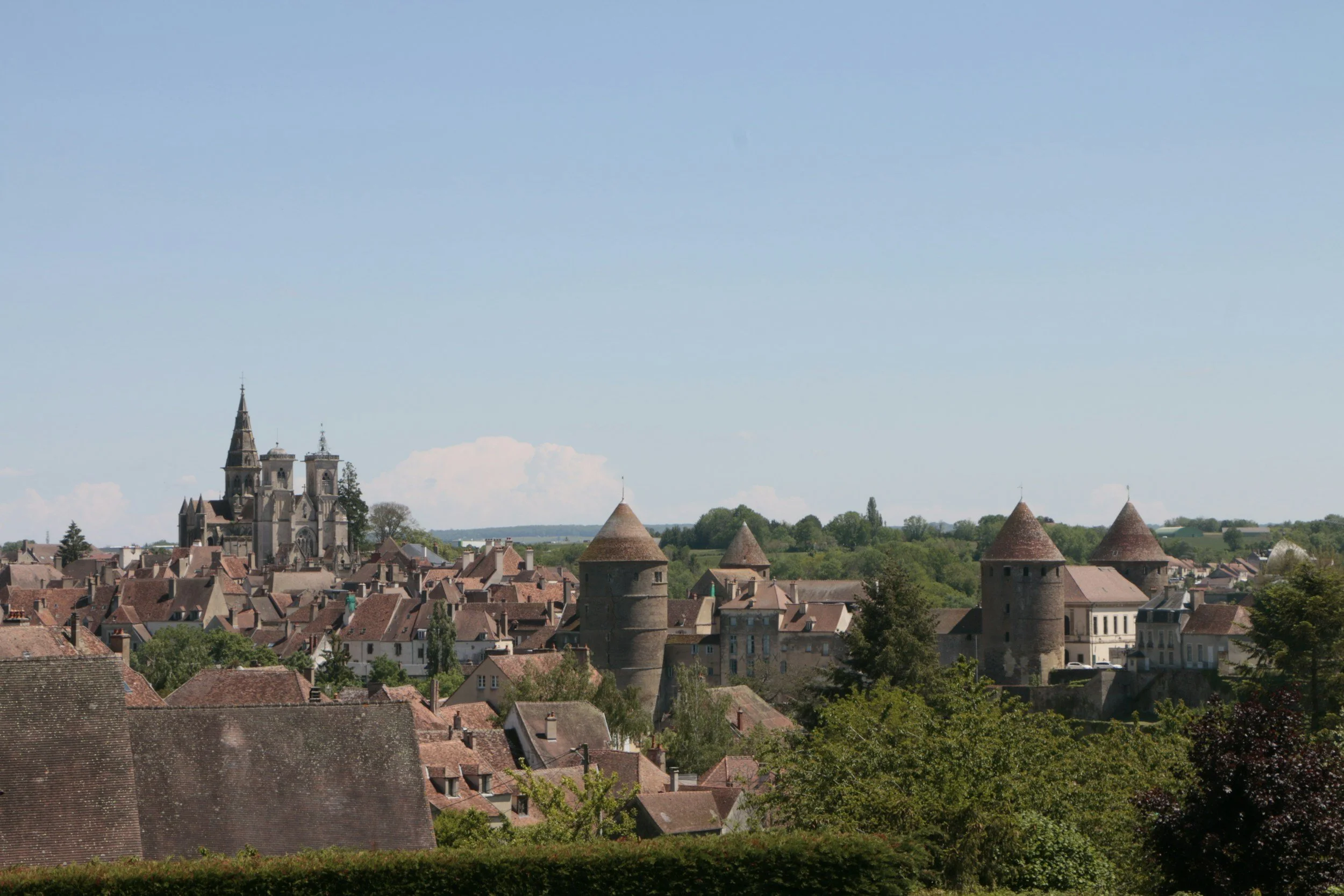
If you are deciding between staying in a famous Burgundy wine village or somewhere quieter with easier logistics, our guide to French towns worth staying 3–5 nightsgives a clearer picture of which towns actually suit slower regional travel.
The first walk into the old town from the lower parking areas
Most people arriving in Semur-en-Auxois for the first time end up parking somewhere below the old town near the river, usually around Avenue de la Gare or the parking areas close to Pont Pinard. Unless your hotel has very specific parking instructions inside the centre, it is normally easier to leave the car below and walk up instead of trying to navigate the narrow upper streets straight away.
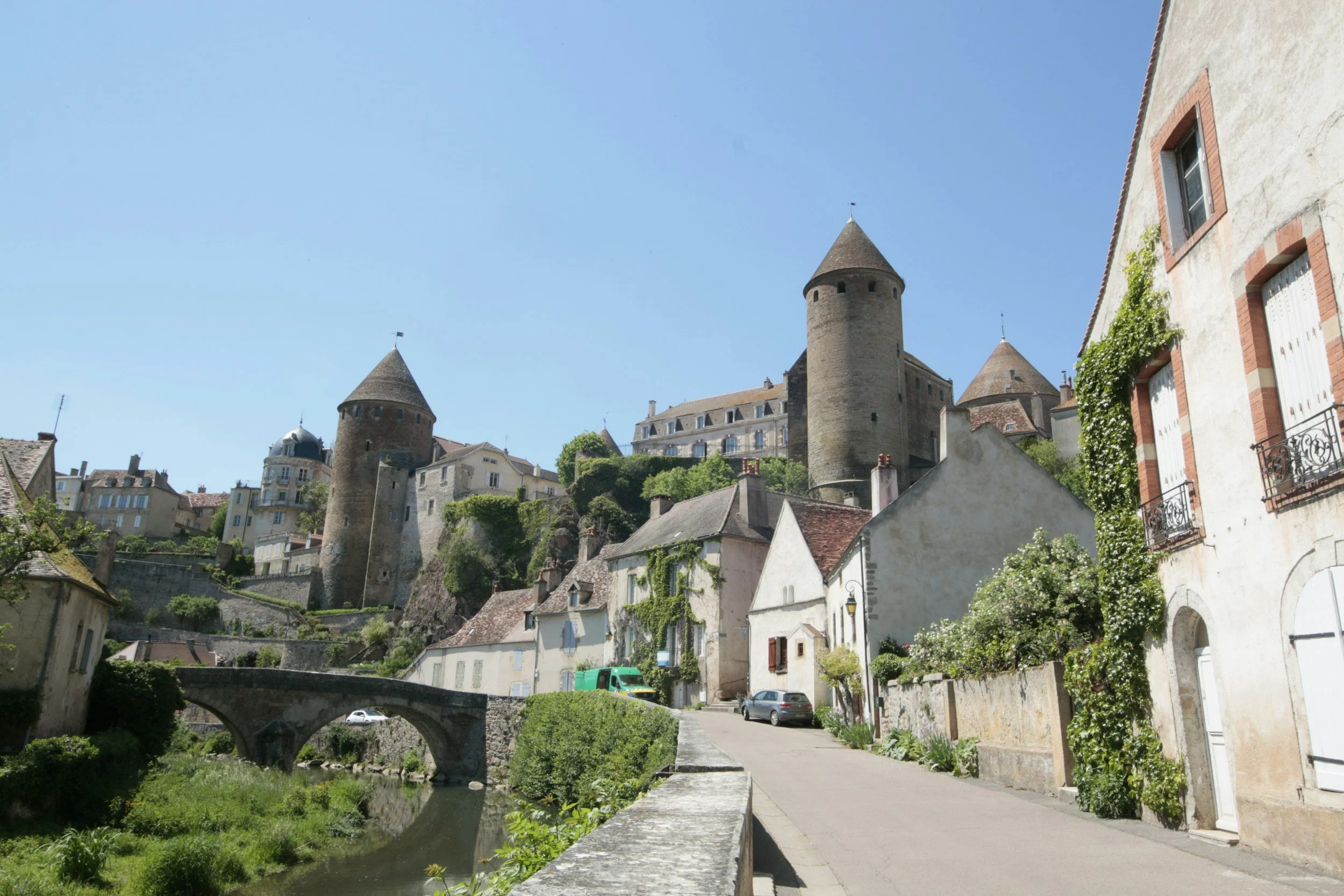
The first few minutes feel quite different from the Burgundy towns people usually picture before arriving. You are not stepping directly into vineyard terraces or busy restaurant squares. Instead, you cross the river with the old towers rising above you, pass stone walls covered in ivy, and start climbing gradually toward the upper streets where most of the cafés and restaurants sit.
The uphill walk catches people off guard a little. On Google Maps it looks short, but with luggage the climb feels much steeper than expected, especially on warmer afternoons in July or August. The stone streets are uneven in places, and some sidewalks narrow quickly once you get higher into town. Rolling a suitcase over the old paving near Rue du Vieux Marché can get frustrating within about two minutes.
A lot of people arrive sometime between 2pm and 5pm after driving down from Paris or across from Dijon. That timing changes the atmosphere more than you would think. Around 3pm, parts of the centre can feel almost too quiet at first. Chairs are still stacked outside some cafés after lunch service, bakery shelves look half empty before the late afternoon bread rush, and several smaller shops shut completely for a few hours.
Then around 5pm, the town starts waking up again. You see people stopping at the boulangeries along Rue Buffon on the way home from work, restaurant staff setting tables outside, and locals sitting for a drink before dinner near Place Notre-Dame. The centre feels noticeably more alive compared to mid-afternoon.
One thing that stands out quickly is that daily life still moves through the old town normally. Walking uphill, you pass pharmacy signs, tabacs, small grocery shops, and residents carrying shopping bags through the same streets visitors are photographing. Early evenings often bring teenagers sitting along the stone walls near the ramparts, while older locals stop outside cafés for quick conversations before heading home.
The lower river area changes a lot depending on the season too. In summer, people linger near the bridges after dinner and the reflections from the old towers stay visible on the water until quite late. Around October, especially on weekdays, the atmosphere becomes much quieter once the light fades. By around 8:30pm, parts near the river can already feel almost empty apart from a few occupied restaurant tables higher up toward the centre.
If you arrive after dark, the approach into town feels calmer than most Burgundy stops along the motorway route south. The towers above the river are softly lit, traffic disappears fairly early, and the sound carrying through the streets is usually just restaurant conversations and glasses from the terraces near the upper square.
The streets around Rue Buffon that feel busiest during the middle of the day
Rue Buffon is one of the streets where Semur-en-Auxois still feels most connected to everyday life during the middle of the day. A lot of people naturally pass through here because it links several of the busiest parts of the upper town together, especially around Place Notre-Dame and the streets leading toward the old market area.
Late mornings are usually the liveliest. Around 10am to noon, the cafés begin filling properly, bakery queues stretch onto the pavement, and people move between the small shops along the street carrying bread, flowers, or market bags. You get a mix of overnight visitors, locals running errands, and people stopping for lunch before continuing south through Burgundy.
The stretch near Place Notre-Dame tends to stay busiest the longest because several terraces and restaurants sit close together there. During warmer months, tables fill surprisingly early for lunch, especially on Fridays and Saturdays. By around 12:30pm, finding an outdoor table without a reservation can already become difficult at some places near the square.
A few minutes away, the atmosphere changes quickly. The smaller lanes branching away from Rue Buffon toward Rue du Rempart or the quieter streets closer to the ramparts often feel almost residential even in summer. Laundry hangs from upper windows, shutters stay half closed during the hottest part of the afternoon, and you sometimes walk several minutes without passing anyone once you move away from the main restaurant terraces.
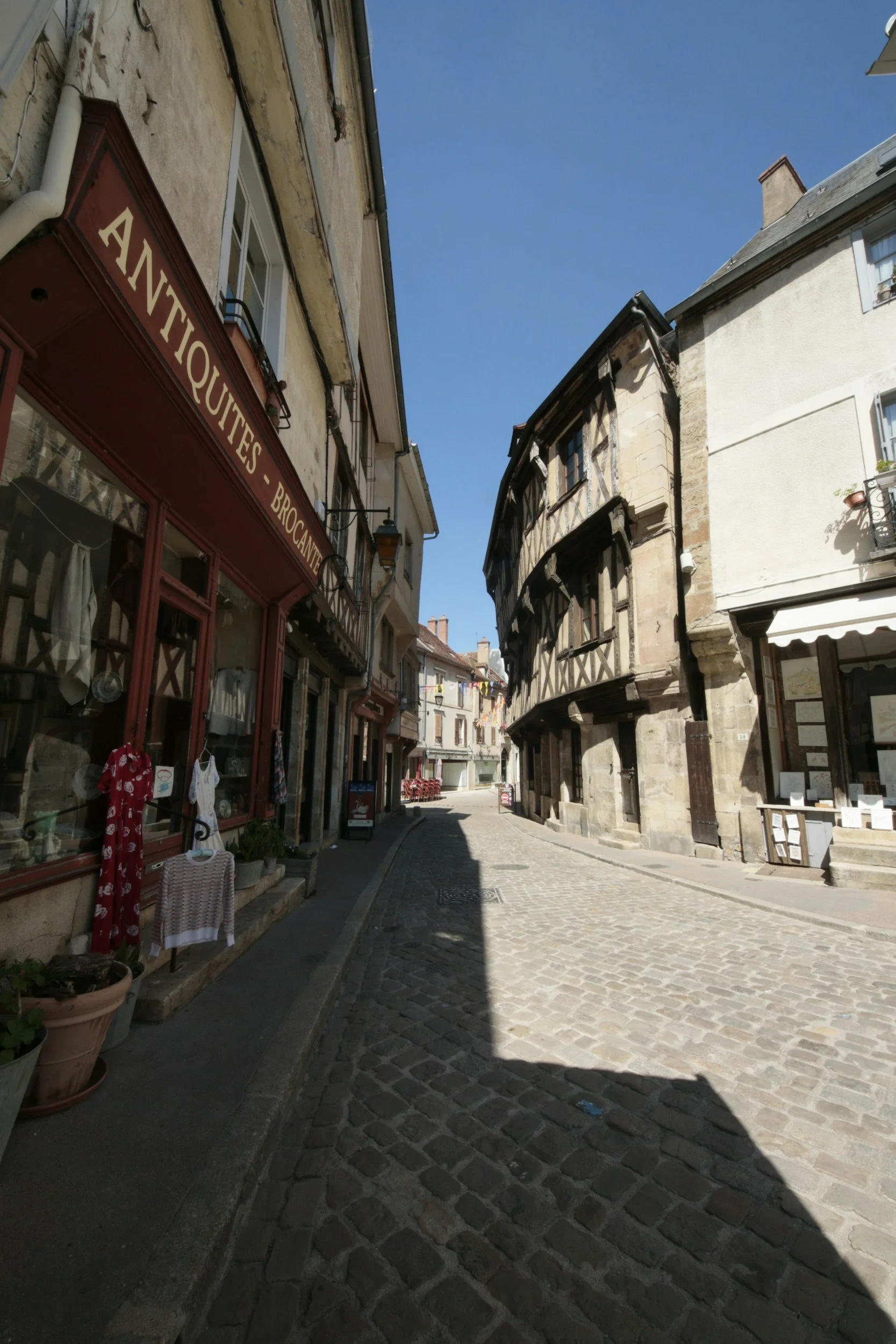
One detail people often notice here compared to Beaune is that the centre does not feel dominated by wine tourism. Along Rue Buffon, you still pass practical businesses mixed in naturally with cafés and restaurants. There are pharmacies, hair salons, bakeries, tabacs, and smaller local shops rather than rows of tasting rooms and souvenir stores aimed entirely at visitors.
Around lunchtime, the smell from the bakeries and kitchens spreads through the street quite strongly, especially near the lower section closer to Place Gaveau where several restaurants open their doors onto the pavement. Then between roughly 2pm and 4pm, the pace drops suddenly. Chairs empty out, some businesses close completely for the afternoon pause, and parts of the street become unexpectedly quiet for a town that looked busy only an hour earlier.
The timing changes again around apéro hour. From about 5:30pm onward, people slowly return to the terraces, especially on warm evenings between May and September. Locals stop for a drink before dinner, visitors settle into outdoor tables after walking around town, and the light across the pale stone buildings softens quite a lot compared to the harsher midday sun that hits Rue Buffon directly during summer afternoons.
If you stay overnight, it is worth walking through this area both late morning and later in the evening because the atmosphere feels completely different depending on the hour. If what you enjoy most about Semur is spending the evening in a historic centre after the day-trippers leave, these overnight stays might give you ideas for your next trip.
Many travellers love Semur-en-Auxois but end up wishing they'd planned one more town into the trip. These market towns are the ones I'd look at next.
If you’re continuing further south after Burgundy and wondering whether Provence is realistic without driving everywhere, this car-free Provence guide saves a lot of planning headaches.
What catches people off guard about the hills and stone staircases here
The biggest surprise in Semur-en-Auxois is usually not the town itself. It is the amount of uphill walking once you actually arrive.
From below near the river, the old town looks compact enough that people assume everything will be flat and easy to reach in a few minutes. Then they start dragging a suitcase uphill from the parking areas near Pont Pinard or Avenue de la Gare and realize quite quickly that Semur is built almost vertically in parts.
Some of the steepest sections are the smaller streets connecting the lower river level to the upper centre around Rue Buffon and Place Notre-Dame. The climb itself is not long, but the combination of uneven stone, narrow pavements, and heat in summer makes it feel more tiring than expected, especially after several hours in the car.
The staircases around the ramparts are another thing people do not really notice in photos beforehand. Near Rue du Rempart and some of the paths leading down toward the river viewpoints, there are old stone steps worn smooth from years of use. After rain, they become slippery enough that you naturally slow down without even thinking about it. In autumn, damp leaves collect along the edges early in the morning before the streets dry later in the day.
Footwear honestly matters here more than in a lot of small French towns. By the second day, most people stop wearing anything with hard soles because the streets are uneven almost everywhere once you move away from the main square. Even walking back uphill carrying pastries and coffee from the bakery near Rue Buffon feels surprisingly awkward if your shoes are slippery.
Where you stay changes the experience quite a lot too. Staying inside the upper old town is much nicer once you are settled because restaurants, cafés, and bakeries are all within a few minutes on foot. But arriving with luggage can be frustrating depending on the street. Some hotels sit along narrow lanes where cars barely fit through, while others require a short uphill walk from the nearest parking area.
The hills also shape the daily routine here more than people expect. You notice it after dinner when deciding whether you actually want to walk back down toward the river again. Or in the morning when you realize the bakery run involves another climb back uphill carrying warm bread and coffee.
At the same time, the elevation is also part of what makes Semur look the way it does. Some of the nicest viewpoints are the small gaps between buildings near the ramparts where you suddenly see the river bending below the towers. Around sunset, especially near the southern side of town, the stone walls catch the light differently and the valley below becomes much quieter once the day visitors leave.
Semur tends to appeal to the same people who enjoy places where the days revolve more around cafés, bookshops, and slower routines than major attractions, which is probably why this Montolieu guide feels surprisingly similar in atmosphere despite being in a completely different part of France.
Staying inside the old town walls vs. booking somewhere below the centre
Where you stay in Semur-en-Auxois changes the feel of the trip quite a lot because the town is built on different levels. Some hotels place you directly inside the upper old town near the restaurants and cafés, while others sit lower down near the river where arrivals are easier and parking feels less stressful.
Inside the old town, a lot of the smaller boutique stays are tucked along streets like Rue Buffon, Rue Fevret, and the quieter lanes near the ramparts. Places such as the Hôtel de la Côte d'Or sit right in the historic centre, which makes a big difference once you are actually here. In the morning, you can walk a few minutes to the bakery without climbing uphill first, and after dinner you are already inside the quieter part of town instead of heading back up from the river in the dark.
Another stay people often book is the Hostellerie d'Aussois just outside the busiest section of the centre. It feels calmer than staying directly beside the main square, but you can still walk to restaurants within a few minutes. Some rooms overlook the gardens rather than the street, which feels especially nice during warmer months when the windows stay open in the evening.
Several chambres d’hôtes inside the old town also occupy restored stone houses with wooden staircases, exposed beams, and small terraces overlooking the valley below. A lot of them are beautiful, but it is worth checking access beforehand because some streets nearby are too narrow for easy unloading and a few properties involve carrying luggage uphill over uneven stone for several minutes.
That is the trade-off with staying inside the walls. Once you are settled, everything feels close. But arriving can be annoying if you have heavy bags or arrive during busy summer weekends when parking fills faster near the centre.
The lower part of town near Avenue de la Gare and around Pont Joly feels much more practical for one-night stays or road trip stopovers. Hotels here usually have easier parking access and flatter streets. You lose some of the atmosphere of sleeping directly inside the medieval centre, but you gain convenience, especially after a long drive from Paris or Lyon.
Some stays below the old town also have surprisingly good views looking back up toward the towers and ramparts, especially in the evening when the stone walls catch the last light. The lower river area feels quieter in a different way too. Early mornings down there are mostly delivery vans, bakery trucks, and the sound of water below the bridges rather than café terraces filling for breakfast.
One thing worth paying attention to when booking anywhere in Semur-en-Auxois is whether breakfast is actually served on-site year-round. Outside peak summer, a few smaller guesthouses reduce breakfast service during quieter weekdays, which means you end up walking into the centre earlier than expected for coffee and pastries. Around Rue Buffon and Place Notre-Dame, most cafés start opening between 8am and 9am, although Mondays can feel noticeably slower than weekends.
What the town feels like after 7pm when most visitors leave
Around 7pm, Semur-en-Auxois starts changing quite quickly, especially outside July and August. The people stopping briefly on the drive south usually leave around then, and the parking areas below the bridges near Pont Pinard begin emptying out. The upper town becomes quieter street by street rather than all at once.
Most of the evening activity concentrates around Place Notre-Dame, Rue Buffon, and the small cluster of restaurants near the church. Places like Restaurant de la Vigne and the terraces near the square usually stay busiest the longest, especially on Friday and Saturday evenings when both locals and overnight visitors come out for dinner. By around 8pm in summer, many of the outdoor tables are already full, particularly if the weather is warm enough to sit outside comfortably.
A few streets away though, the atmosphere changes completely. Rue Fevret becomes noticeably quieter after dinner service starts, and the smaller lanes around Rue du Rempart often feel almost residential by late evening. Windows stay open in summer, people sit outside talking softly near doorways, and you sometimes walk several minutes without passing anyone once you move away from the restaurant terraces.
The area near Porte Sauvigny is especially calm later in the evening. The stone houses there catch the last light just before sunset, and once the centre quiets down, you mostly hear footsteps on the old paving or glasses from restaurants further back toward Place Notre-Dame.
The lower river area changes even more after dark. During the afternoon, people constantly stop along Pont Joly and Pont des Minimes for photos of the towers reflected in the water. By around 9pm, especially midweek outside summer, those same spots can feel almost empty apart from a few couples walking back from dinner or hotel guests heading uphill toward the centre.
One thing people notice quickly is how early parts of town settle down compared to bigger French destinations. Outside peak summer, some kitchens stop taking orders surprisingly early, and by around 9:30pm several café terraces are already stacking chairs for the night. If you arrive expecting late-night restaurant culture like Lyon or Dijon, Semur feels much quieter.
That calmer atmosphere is honestly part of why staying overnight here feels different from doing a quick daytime stop. Once the day visitors leave, the centre starts feeling more like a small lived-in Burgundy town again rather than somewhere people are moving through for photos.
Late evening walks are nicest near the edges of the old town rather than directly around the main square. The stretch near the ramparts close to Rue du Rempart, the quieter corners near Porte Guillier, and the viewpoints overlooking the river below all become much calmer after dinner. In summer, the air cools quite noticeably once the sun drops behind the valley, and the old stone walls still hold a bit of warmth from the day.
Where to sit for coffee if you want the quieter side of the old town of Semur-en-Auxois
Semur-en-Auxois is at its nicest early in the morning before people start arriving from Dijon or Beaune for the day. Around 8am, the centre still feels half asleep apart from bakery queues and the sound of chairs being dragged onto café terraces around Place Notre-Dame.
Most mornings start around Rue Buffon because that is where people actually stop for bread and coffee before work. The boulangeries there get busy surprisingly early, especially on Saturdays. By around 9am, locals are already leaving with baguettes tucked under their arms while visitors are still trying to figure out where to park below the old town.
One of the better bakery stops in the centre is Boulangerie Alexandre, especially if you get there early enough for warm croissants straight from the first trays. The butter-heavy croissants and pain aux raisins usually disappear quickest on weekends, while the baguettes tradition start piling up behind the counter before lunchtime. If you arrive closer to 10am on a Saturday, the queue often stretches out toward the street.
For coffee, most people naturally end up around Place Notre-Dame first because the terraces there start filling as soon as the sun reaches the square. The cafés around the church feel busiest between about 9am and 11am, especially once day visitors begin arriving. Café crème and tartines are the standard breakfast order almost everywhere, though several places also serve simple omelettes and fresh orange juice if you want something more substantial before driving further through Burgundy.
The quieter side of town starts only a few streets away though. If you carry coffee toward Rue Fevret or the smaller lanes near Rue du Rempart, things calm down very quickly. Those streets stay cooler in the morning too because the sunlight reaches them later. You mostly pass residents opening shutters, people walking dogs, and delivery vans squeezing through the narrow streets toward the restaurants near the square.
Some of the nicest spots to sit are not actually directly on the main square at all. The benches and quieter corners near Porte Sauvigny or along the edges of the ramparts overlooking the river feel much calmer once you have coffee in hand. Most people stop briefly for photos there during the afternoon, but early mornings are different. You can sit for twenty minutes without anyone else passing through.
The town also smells different in the morning before lunch service starts. Around Rue Buffon and Place Gaveau, you get the smell of bread and pastries first, then later kitchens slowly opening for lunch prep around 11am. In colder months, especially October and November, the cafés feel even cozier because people move inside instead of spreading across the terraces. Smaller interiors with old wooden beams, stone walls, handwritten menus, and fogged-up windows start filling gradually while the streets outside stay quiet for another hour or two.
One thing that makes Semur mornings feel different from places like Beaune is that people are not rushing into wine tastings or tour schedules. The mornings revolve more around errands, coffee, bread runs, and slow starts before driving further into the countryside. Even during summer, the centre usually stays fairly manageable until close to lunchtime.
If you stay overnight inside the old town, the nicest routine is honestly just grabbing coffee and pastries early, walking down toward Pont Joly before the streets get busier, then slowly climbing back through the quieter side lanes before lunch terraces start filling around the square.
Lunch in Semur-en-Auxois versus stopping in Beaune on a summer weekend
Stopping for lunch in Semur-en-Auxois feels very different from stopping in Beaune, especially on a summer Saturday when half of Burgundy seems to be heading toward the wine route.
In Beaune, you often spend the first part of lunch just trying to deal with logistics. Cars circle around the centre looking for parking, terraces around Place Carnot fill before noon, and by the time you finally sit down, the atmosphere can already feel busy and slightly overheated, especially during July and September wine season.
Semur-en-Auxois feels calmer from the beginning simply because fewer people build entire Burgundy itineraries around coming here.
Most people arriving for lunch in Semur are either staying overnight already, driving through northern Burgundy slowly, or stopping on the way south from Paris. You notice it in the pace of the town around midday. People are not rushing between wine tastings or ticking off famous addresses. Lunch feels more connected to the actual town rather than tourism schedules.
Around 11:45am, restaurant staff begin setting tables properly around Place Notre-Dame and Rue Buffon while bakery queues are still going nearby. By about 12:30pm, the terraces near the centre are usually full enough that walking in without a reservation on weekends becomes less reliable.
Restaurant de la Vigne is one of the places that fills quickly because of its location near the centre and its traditional Burgundy menu. People usually come for dishes like boeuf bourguignon, escargots, œufs en meurette, and Burgundy wines by the glass rather than formal tasting menus. Lunch there feels busy in a local way rather than polished or overly curated.
The smaller terraces around Rue Fevret and the quieter side streets are often nicer if you want a slower lunch without sitting directly beside the busiest foot traffic. Some of the best tables are actually slightly hidden away from the main square where the old stone buildings create shade during the hottest part of the afternoon.
One thing people notice quickly here is that lunch still follows local timing. Kitchens do not stay open endlessly for late arrivals. Around 1:30pm, several restaurants are already slowing down service, and after 2pm the options narrow fast, especially outside July and August. On Sundays and Mondays, a few places close entirely, which catches some travelers off guard if they arrive expecting larger-city restaurant hours.
The menus also feel less tourism-focused than in Beaune. You still get Burgundy food, but often in a simpler and more relaxed format. Fixed lunch menus are common during the week, usually with a starter, main, and dessert changing daily depending on the season. In summer, that might mean tomato salads, local cheeses, terrines, roast chicken, or fish rather than heavier multi-course meals built entirely around wine pairings.
If you stay through the full lunch period, the atmosphere afterward changes very quickly. Around 2pm to 3pm, the centre empties out again. Restaurant staff clear tables slowly, shutters close against the afternoon heat, and parts of the old town become almost silent for an hour or two. In Beaune, afternoons stay busy because people continue moving between wine cellars and shops. In Semur-en-Auxois, lunch often feels like the main event of the middle of the day before the town quiets down again until early evening.
One of the nicest things to do afterward is walk down toward the river below the ramparts while the centre is quietest. Around Pont Joly and the lower paths near the towers, the afternoon light hits the stone walls directly and most of the day visitors are still sitting at lunch or already back on the road south.
The bakery queues locals actually wait in before noon
Around 11am in Semur-en-Auxois, the line outside Boulangerie Alexandre usually tells you whether it is a weekday or Saturday without needing to check.
On quieter weekdays, people move in and out quickly picking up baguettes before lunch. Saturdays are different. The queue starts building properly after the market, especially once people begin carrying cheese, flowers, and produce back through Rue Buffon before heading home for long lunches.
Ps. people who enjoy wandering around Semur's market square usually end up loving these Languedoc towns too.
The bakery counter changes quite a bit through the morning too. Early on, most people order pastries and coffee. Later, the focus shifts almost entirely to bread, savoury items, and desserts for lunch. By around 11:30am, the quiches and slices of pissaladière start disappearing quickly, especially on weekends.
The baguette tradition is what most locals seem to come for. You constantly hear people ordering two or three at a time while staff pull fresh batches from the back. Around lunchtime, paper bags stick out from bicycle baskets, shopping trolleys, and passenger seats parked briefly outside the bakery.
One thing worth knowing is that pastry timing actually is important to keep track of and plan for. Arriving after about 10am on Saturdays usually means the best croissants and pain suisse are already gone. The fruit tarts and tarte aux myrtilles often stay longer into the afternoon, especially outside summer.
The nicest routine is honestly buying breakfast early, then walking down toward the quieter river paths below Pont Joly before the centre fills properly. Around 8:30am, the stone streets are still cool, delivery vans are finishing their rounds, and the smell of bread follows you through the upper town as more bakery doors start opening.
Market mornings in Semur-en-Auxois outside peak summer
By around 9am on Saturdays, the stretch between Rue Buffon and Place Notre-Dame becomes difficult to walk through quickly because everybody seems to stop in the middle of the street at once. Someone is carrying roast chicken wrapped in paper, another person is balancing flowers and baguettes together, and the line outside Boulangerie Alexandre usually reaches almost to the corner closest to the square.
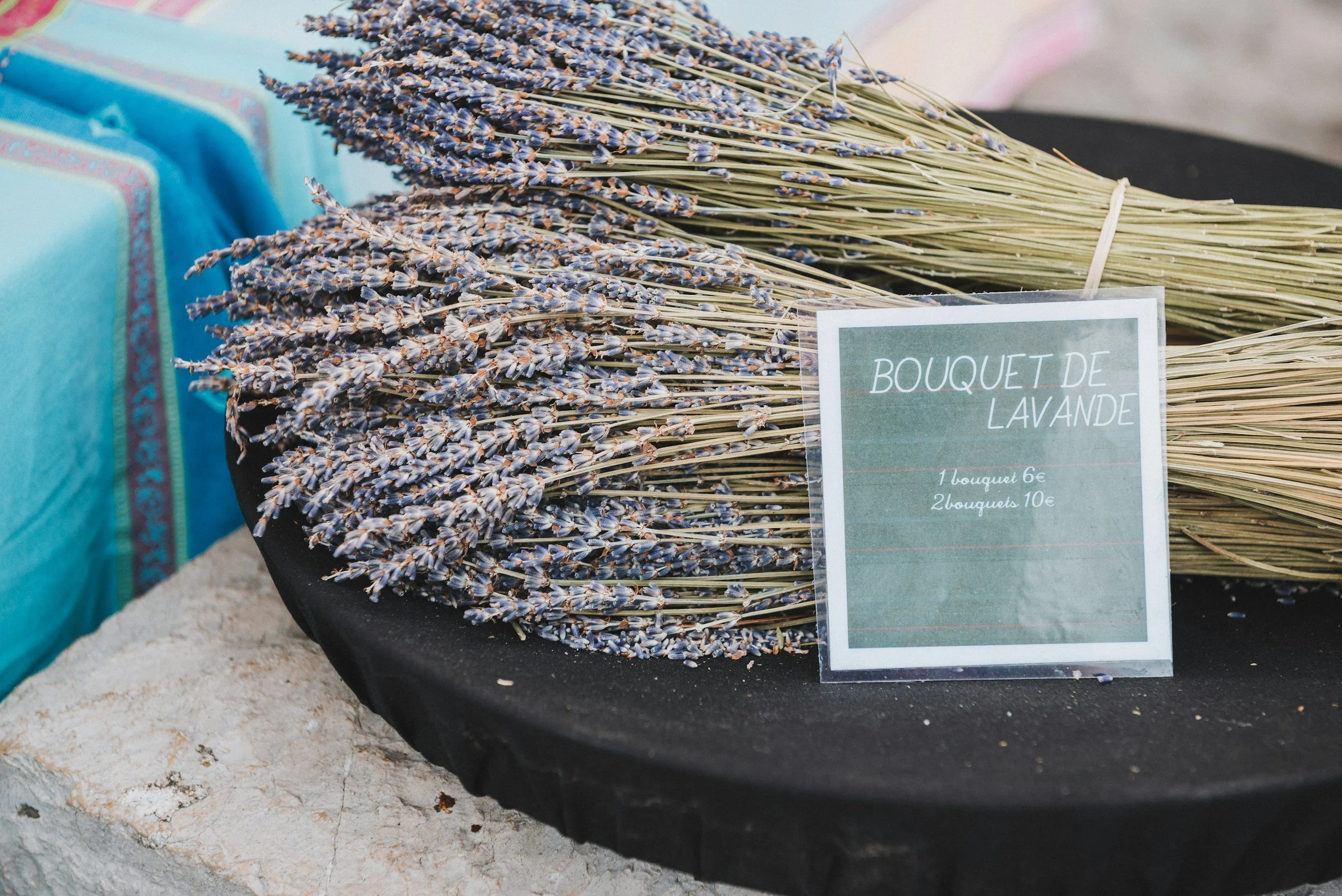
The busiest stalls are not always the ones visitors stop at first. Around mid-morning, the longest queues often form near the cheese counters selling Époisses and Soumaintrain rather than the pastries. Several people arrive carrying insulated bags specifically for cheese and meat before heading back toward the parking areas below town.
Near the centre of the market, the roast chicken stand starts smelling noticeable long before you actually see it. Potatoes cook underneath the chickens for hours collecting the fat dripping down, and by late morning people are already carrying entire lunches home in paper bags.
The side closest to Place Notre-Dame fills first because that is where the cafés start putting tables outside earliest in the morning sun. The quieter stretch near Rue Fevret stays calmer longer, especially outside summer when fewer visitors come through town.
October markets feel especially tied to the countryside around Semur. Mushroom crates appear everywhere, walnuts spill across folding tables, and stalls start filling with heavier autumn food instead of summer fruit. In spring, the same spaces are covered with strawberries, asparagus, fresh herbs, and early goat cheeses from farms outside town.
Around 11:30am, the pace changes quickly. Bakery shelves start looking emptier, people stop lingering with coffee, and the market begins turning into lunch logistics instead. You see locals walking away carrying two baguettes under one arm and roast chicken under the other before disappearing down the side streets toward the lower part of town.
Then just after midday, everything starts packing down surprisingly fast. Within an hour, the square that felt crowded all morning is suddenly quiet again apart from lunch terraces filling near Rue Buffon.
If local markets are part of your Burgundy trip, our guide to quiet Provence market towns gives another good example of places where markets still feel local.
What changes between a Tuesday morning here and a Saturday afternoon
On a Tuesday morning, Semur-en-Auxois can feel almost surprisingly quiet if you arrived expecting a busy Burgundy market town.
Around 8:30am, most of the movement happens along Rue Buffon. People stop at the bakery before work, delivery vans block half the street unloading bread and drinks for the cafés, and the tables outside Place Notre-Dame are still mostly empty apart from a few older locals sitting with coffee and the regional newspaper folded beside them.
The lower parking areas near Pont Pinard usually still have plenty of space on Tuesdays too. You can walk uphill into the centre without really thinking about crowds at all. Some of the quieter streets near Rue du Rempart feel almost empty for stretches of the morning apart from someone opening shutters or carrying groceries uphill toward the centre.
By Saturday afternoon, the whole town feels tighter somehow.
The market is still half lingering around the square, lunch service stretches long into the afternoon, and people keep stopping in the middle of narrow streets to photograph the towers above the river. Around Place Notre-Dame, nearly every outdoor table is occupied if the weather is good. The line outside Boulangerie Alexandre moves slowly because people are buying bread, pastries, fruit tarts, quiche slices, all at once before heading home.
The roads below town change too. Around 1pm, cars start circling near the lower parking areas looking for spaces while people drag market bags back downhill toward Pont Joly.
One thing that stands out on Saturdays is how many people are not actually staying overnight. You hear a lot more short conversations about “driving back later” or “continuing south.” By around 5pm, that starts reversing again. The day visitors leave, the parking spaces reopen, and the quieter side streets near Porte Sauvigny suddenly feel calm again within an hour or two.
The river path below the ramparts and the section most people miss
Most visitors only walk as far as the main bridge viewpoints near Pont Joly before heading back uphill toward Place Notre-Dame again.
You can actually see the turning point happen. People cross the bridge, stop for the tower photos, lean against the stone wall for a minute, then loop back into the centre without continuing along the lower riverside paths underneath the ramparts.
The quieter section starts a few minutes further on.
From Pont Joly, the path follows the Armançon below the southern side of town where the towers rise directly above the river instead of sitting level with you like they do from the upper streets. Down there, the scale of the old walls feels completely different because you are looking almost straight upward at the stone.
The paved section near the bridge stays busiest longest, especially in summer when people carry ice cream or pastries down from Rue Buffon before dinner. Once the path curves further beneath the trees, it empties quickly. Around early evening, you mostly pass local dog walkers, a few photographers waiting for softer light on the towers, and hotel guests wandering before dinner.
After rain, parts of the lower path stay damp for hours because the sunlight reaches the river later than the upper town. In October especially, wet leaves collect near the edges close to the water and some sections become slippery enough that people naturally slow down.
One part many visitors miss entirely is the stretch near the old lavoirs below town. From the upper streets, you barely notice it exists, but from below you get one of the clearest views back toward the towers reflected in the river without the crowds gathering around Pont Joly.
When you go changes the whole experience here too. Around midday, the river section can feel warmer and slightly stagnant during summer heat. Early mornings are completely different. Around 8am, the water stays still enough for reflections below the ramparts while the only real noise comes from delivery vans above town and church bells carrying down from the upper centre.
Small corners of Semur that feel more residential than tourist-focused
Most visitors stay fairly close to Place Notre-Dame, the bridges, and the main restaurant terraces around Rue Buffon. But some of the nicest parts of Semur-en-Auxois are actually the quieter residential lanes branching away from the centre where the town starts feeling less like a stop on a Burgundy itinerary and more like somewhere people have simply continued living for generations.
Around Rue Fevret, the architecture changes slightly from the more polished facades near the square. The houses feel narrower and taller, with faded blue and green wooden shutters, uneven stone staircases leading directly up from the street, and flower boxes squeezed onto tiny window ledges. Some doors still have old metal knockers and worn stone frames polished smooth from years of use.
Early in the morning, this part of town feels especially local. Around 8am, people step out carrying bread from Boulangerie Alexandre wrapped under one arm while delivery vans try to navigate corners that barely look wide enough for a car. You hear shutters opening above the street and cups being stacked outside the cafés closer to Place Notre-Dame while these quieter lanes still stay mostly empty.
The small streets near Porte Sauvigny are some of the nicest to wander slowly because they still feel slightly disconnected from the main visitor loop through town. Stone walls curve around awkward corners, staircases disappear between buildings, and small gardens spill out over old retaining walls above the river. During summer, ivy climbs across entire sections of the façades while old wooden beams remain visible beneath pale Burgundy stone.
Near Rue du Rempart, the medieval layout becomes much more obvious than around the main square. Some of the alleyways narrow so much that two people barely pass comfortably once restaurant deliveries or parked scooters appear along the walls. The paving stones are uneven, slightly sloped, and worn smooth in places from years of foot traffic downhill toward the river.
One thing that makes this side of Semur feel genuine is that practical everyday life still sits directly inside the old architecture. Satellite dishes hang beside medieval stone windows, bicycles lean against 15th-century walls, and residents carry groceries through streets visitors mostly ignore while heading toward the viewpoints.
There are also small corners where the town suddenly opens up again. Near the edges around Rue Pertuisot, gaps between the houses reveal views down toward the Armançon River and the lower bridges below. A few benches sit near the ramparts there, and by early evening local residents often stop briefly with dogs or takeaway pizza boxes while the busier restaurant terraces stay concentrated back near Place Notre-Dame.
The cafés hidden slightly away from the centre feel different too. Near the quieter side of Rue Buffon, smaller coffee spots fill with regulars standing at the counter for espresso rather than people lingering over long brunches. In colder months, the interiors feel especially cozy with old wooden beams, fogged-up windows, handwritten lunch menus near the entrance, and radiators working hard against the cold stone walls.
At night, these residential corners become much quieter than the main square. Around 9pm outside summer, you mostly hear cutlery from the restaurants near the church drifting through the streets while the smaller lanes themselves empty almost completely apart from residents heading home.
The Burgundy atmosphere here compared to wine villages further south
Further south in Burgundy, many villages revolve heavily around vineyards, tasting rooms, and wine tourism infrastructure. Semur-en-Auxois feels broader than that.
People often picture Burgundy as vineyard after vineyard with wine tastings booked all day between Beaune, Meursault, and Puligny-Montrachet. Then they arrive in Semur-en-Auxois and realize this part of the region feels completely different almost immediately.
Driving into Semur from the A6, you do not pass long rows of vines or winery signs every few minutes. The roads around here run through cattle fields, forests, old farmhouses, and smaller villages where the local café still doubles as the tabac, bakery, and lunch spot at the same time. Around villages west of Semur toward Précy-sous-Thil or Saulieu, some stretches of road feel almost empty outside summer weekends apart from tractors and delivery vans.
The difference becomes even clearer once you spend a full day here instead of just stopping for lunch.
In Beaune, people often spend half the day moving between cellar visits and restaurant reservations. Around Place Carnot during September or summer weekends, terraces fill early, wine bars stay packed late into the evening, and hotel parking can become stressful surprisingly fast.
In Semur-en-Auxois, the centre follows a much more ordinary daily rhythm. Around 8am, bakery queues form near Rue Buffon while delivery drivers unload crates outside cafés. Around midday, locals carry roast chicken and potatoes home from the market. By 7pm, people are still deciding where to eat while standing outside Place Notre-Dame rather than rushing between reservation times.
Even the architecture feels different from the wine villages further south. Around Beaune and the Côte d'Or, many buildings have been carefully restored around tourism and wine culture. In Semur, parts of the old town still feel rougher and more lived in. Shutters are faded from winter weather, old painted shop signs remain above businesses that closed years ago, and satellite dishes hang beside medieval stone windows without anyone trying to hide them.
The restaurants change too. Around the wine route, menus often revolve around tasting pairings and long wine lists. In Semur, lunch can just as easily mean somebody ordering jambon persillé and a glass of Burgundy red before heading back to work. During market mornings, people carry baguettes, cheese, and roast chicken through the square instead of wine purchases from cellar doors.
The countryside around town shapes the atmosphere as much as the town itself. West of Semur, the roads become slower and greener quite quickly. You pass Charolais cattle fields, patches of forest, ponds hidden behind stone walls, and villages where almost everything shuts between lunch and late afternoon. Some cafés only open properly on market days outside summer.
October feels especially different here compared to the southern Burgundy wine villages. Around Beaune, harvest season brings heavy traffic, packed hotels, and crowded tasting rooms. In Semur-en-Auxois, autumn feels quieter and more tied to the countryside around it. Markets fill with walnuts, mushrooms, apples, and bottles of cassis while the streets near the ramparts become calm surprisingly early in the evening.
One thing people often end up liking about this side of Burgundy is that the days feel less scheduled. Around the wine route, it is easy to spend the entire trip checking reservation times and driving between villages every hour or two. Around Semur, you are more likely to stop somewhere simply because a café terrace looks nice or because you passed a roadside sign for a village market and decided to pull over.
What inland Burgundy feels like if you stay away from the main wine route
Once you leave the wine villages south of Beaune, Burgundy starts spreading out much more.
The roads around Semur-en-Auxois and the wider Auxois region feel quieter almost immediately after leaving the A6. Instead of vineyard slopes and tasting rooms every few kilometres, you pass cattle fields, wooded hills, old stone farmhouses, and villages where the bakery closes before lunch if you arrive too late.
Driving west from Semur toward Saulieu or Vézelay changes the pace of the trip completely. The roads narrow, phone signal drops in sections near the forests, and some villages look almost empty until you notice a few cars outside the boulangerie around 8:30am.
A lot of inland Burgundy still runs heavily around local routines rather than tourism. In villages outside Semur, lunch service can finish by 1:30pm, cafés close on random weekdays outside summer, and some tabacs still shut completely for part of the afternoon. If you rely too heavily on Google opening hours here, you occasionally end up standing outside locked doors.
The architecture changes too once you move away from the wine route. Around the Côte d'Or villages, many façades feel carefully restored and polished around tourism. Inland Burgundy looks rougher in places. Stone walls darken from winter rain, shutters fade unevenly in the sun, and old farm buildings sit directly beside tiny village squares without much separation between residential life and visitors.
The countryside around Semur also feels wetter and greener than people expect from Burgundy. In October, morning fog often sits low around the valleys below the forests west of town while the upper roads stay clear. During spring, the edges of smaller roads fill with wildflowers and bright green fields surprisingly quickly after winter.
Food changes subtly too. Around the wine route, menus revolve heavily around bottles and pairings. Inland Burgundy leans more toward practical countryside food, such as ambon persillé, œufs en meurette, Charolais beef, roast chicken from market stalls, strong local cheeses, and long lunches that start early.
One thing people usually underestimate is how much longer days take here once you leave the main route. A drive that looks like 35 minutes on Google Maps easily turns into two hours because you stop for coffee in Montréal, pull over at a roadside produce stall, or end up sitting through lunch longer than planned in a village café near Saulieu.
By evening, inland Burgundy quiets down fast. Around 9pm outside summer, some villages are almost completely dark apart from one restaurant terrace or the light above the tabac near the church square.
If you are planning a broader countryside route through France, our article on Drôme Provence cottage stays explores another region where slower regional travel makes more sense than rushing between famous stops.
One night in Semur-en-Auxois versus slowing down for two or three
A lot of people book one night in Semur-en-Auxois thinking it will just be a practical stop on the drive south. Then they get here and realize they are leaving right when the town starts getting good.
With one night, the timing is usually very similar for almost everyone. You arrive sometime between 4pm and 6pm, drag your suitcase uphill from the parking near Pont Pinard, walk through the centre while people are already sitting down for apéro around Place Notre-Dame, have dinner, look at the bridges lit up after dark, then leave again after breakfast the next morning.
That version still works. Especially if you are driving from Paris toward Lyon or Provence and want somewhere prettier and quieter than sleeping beside the motorway.
But you mostly experience Semur during the hours when everybody else is there too.
The town feels different once you wake up here without needing to immediately get back in the car.
Around 8am, Rue Buffon still feels half asleep apart from bakery queues and delivery vans squeezing past the cafés. The river below the ramparts stays quiet much longer than the centre above it. By late morning, people from nearby villages start arriving for errands and lunch. Then after about 2pm, parts of town suddenly empty again for an hour or two once lunch service finishes and shutters close against the afternoon heat.
You do not really notice those shifts on a one-night stop because you are always arriving or leaving in the middle of them.
Two or three nights changes the pace completely. You stop trying to “fit in” Semur and start using it more naturally as a base for this side of Burgundy.
One morning ends up disappearing at the market without much planning. Another afternoon turns into a slow drive toward Flavigny-sur-Ozerain with a random coffee stop in between because you passed a terrace that looked nice. The roads west toward Vézelay and the Morvan are full of tiny villages where not much happens quickly anyway.
That is another thing people misjudge before coming here. Distances around inland Burgundy look short on the map, but the days stretch out longer than expected. Lunch lasts longer, roads are slower, and villages shut down in the afternoon whether you planned around it or not.
By the second morning, you also stop moving through town like a visitor rushing between sights. You know which bakery you want to go back to. You avoid carrying luggage uphill through the steep streets again. You start taking the quieter lanes near Rue Fevret instead of walking straight through Place Notre-Dame every time.
The weather changes the whole experience too. Semur in October with fog sitting low around the river feels completely different from a hot Saturday in June when the stone around the square still holds warmth late into the evening. After rain, the lower river paths stay damp for hours while the upper streets dry much faster once the sun reaches them again.
Honestly, this side of Burgundy just works better when there is a little extra time built into the trip. The people who seem happiest here are usually not the ones rushing between famous wine villages checking reservation times all day. They are the ones staying long enough to fall into the pace of the town without really planning to.
The kind of traveller who will probably enjoy Semur more than Dijon
Semur-en-Auxois usually makes more sense for people who end up leaving cities early even when they originally planned to stay longer.
If you like staying somewhere where cafés stay busy late into the evening, shops remain open all afternoon, and dinner naturally turns into drinks afterward, Dijon will probably feel easier and more satisfying overall.
Semur quiets down much faster than that.
Around 9pm outside summer, several streets near Rue Fevret and the ramparts are already almost empty apart from residents heading home or the sound of restaurant terraces near Place Notre-Dame closing for the night.
The town works best when you are comfortable building slower days around smaller routines instead of trying to fill every hour. Morning bakery runs matter more here than nightlife. A market morning can easily become the main event of the day. Lunch stretches long because there is nowhere else you urgently need to be afterward.
People also tend to enjoy Semur more if they already know they prefer smaller roads over efficient travel days. Driving west toward Vézelay or Saulieu from here means winding roads, villages shutting for lunch, and occasional detours because you spotted a café terrace or market sign along the way.
The practical side matters too. Semur is hillier than people expect, the old town streets are uneven in places, and carrying luggage uphill from the lower parking areas gets tiring quickly. Dijon is easier if you want train connections, larger hotels, shopping, or more flexibility around restaurant hours.
At the same time, Dijon can start feeling busy surprisingly fast during weekends and university periods. Around Rue de la Liberté and Place François Rude, terraces stay crowded most of the day, tram lines run constantly through the centre, and dinner reservations become much more important.
Semur feels quieter in a much more complete way. Early mornings are mostly bakery deliveries, church bells, and people opening shutters above the stone streets. By late afternoon outside peak season, some parts of town become almost silent for an hour or two after lunch service finishes.
People who enjoy Semur most usually seem comfortable with that slower pacing already before arriving. They are not looking for a packed itinerary or trying to “do Burgundy” efficiently. They are the ones stopping for another coffee because the terrace is still in the sun or taking the longer road back simply because the countryside looked nicer that way.
Rainy afternoons in Semur when the stone streets still feel worth walking
Rain changes the way you move through Semur-en-Auxois more than it changes whether the town is enjoyable or not.
On dry summer afternoons, most people stay around Place Notre-Dame, the bridges, and the restaurant terraces. Once the rain starts properly, the centre empties surprisingly fast and the town becomes much quieter within twenty minutes or so.
That is usually when Semur starts feeling better for people who prefer smaller Burgundy towns in the first place.
The streets around Rue Buffon stay active longest because people still duck into the boulangeries and cafés even during heavy rain. Boulangerie Alexandre usually keeps a steady queue regardless of the weather, especially around lunchtime when people start buying quiche slices, pastries, and bread instead of sitting outside for long meals.
The steepness of the town matters much more in rain though. The stone near Rue du Rempart and some of the staircases leading down toward the river become slippery enough that you naturally slow down, especially in smooth-soled shoes. The lower riverside paths beneath the ramparts also stay muddy longer than people expect because the sunlight reaches them later than the upper streets.
One thing that actually works better in bad weather here than in the vineyard villages further south is that Semur still functions like a normal town outside tourism. In smaller wine villages near Beaune, rainy afternoons can feel dead quite quickly once visitors disappear. In Semur, people still stop for coffee after errands, pharmacies stay busy, bakery runs continue, and lunch stretches longer once everybody moves indoors.
The cafés feel different too once the terraces empty. Around Place Notre-Dame, people squeeze inside instead of spreading across outdoor tables, windows fog up from wet coats and coffee steam, and the smaller interiors suddenly feel much busier than they did earlier in the day.
Rain also changes which parts of town are worth walking through. The viewpoints above the river matter less once the valley disappears into mist, but the quieter residential streets near Rue Fevret and Porte Sauvigny become nicer because you notice more details once the crowds thin out. Rainwater runs through the old gutters beside the stone houses, shutters stay half open above the lanes, and the pale stone walls darken unevenly depending on how exposed they are to the weather.
If the rain settles in for the whole afternoon, Semur works best when you stop trying to “see everything.” The town is small enough that you can move between coffee, lunch, bakeries, and short walks without constantly checking the weather radar or rearranging the day completely.
That flexibility is part of why the town handles bad weather better than people expect. You are never far from somewhere warm to stop for an hour, and because everything sits within a compact hilltop centre, rainy days here feel more manageable than trying to drive between multiple Burgundy villages in bad weather.
What the town feels like in October once Burgundy quiets down again
October changes Semur-en-Auxois pretty quickly once the summer visitors disappear and the weather turns colder.
Around 8am, the upper streets near Rue Buffon are still wet from overnight rain while bakery lights glow through fogged-up windows. Delivery vans stop halfway across the narrow streets unloading bread and drinks for the cafés, and people move faster through town carrying scarves, umbrellas, and baguettes tucked under one arm before work.
Down near Pont Joly, the river sometimes disappears completely into fog early in the morning while the upper part of town near the church stays clear. From the ramparts, you only see the tops of the trees below the towers until the mist finally starts lifting later in the morning.
The market around Place Notre-Dame changes completely by October too. Summer fruit mostly disappears and the stalls start filling with walnuts, mushrooms, apples, potatoes still covered in soil, jars of honey, pumpkins, and heavier cheeses stacked beside cured meats. Near the roast chicken stand, steam rises from the potato trays underneath while people queue carrying umbrellas and folded shopping trolleys.
At Boulangerie Alexandre, rainy Saturdays feel completely different from summer mornings. Instead of people lingering outside with coffee, everybody squeezes inside at once while the windows fog up from wet coats and warm air from the ovens in the back. By around 10am, the floor near the entrance is usually covered in wet footprints from people coming in and out carrying bread for lunch.
The quieter lanes around Rue Fevret and Porte Sauvigny feel especially good in autumn because you notice more details once the town empties slightly. Rainwater runs along the gutters beside the old stone houses, chimney smoke drifts across the upper streets in the evening, and damp leaves stick to the edges of staircases leading downhill toward the river.
Afternoons become very quiet once lunch finishes. Around 2:30pm during the week, café chairs sit stacked outside, shutters close against the weather, and some of the smaller streets near the ramparts feel almost empty apart from residents carrying groceries uphill from the lower town or parents walking home after school pickup.
One thing that works surprisingly well in October is that Semur still feels alive even during bad weather. In some of the smaller wine villages further south, rainy afternoons can feel almost abandoned once visitors leave and tasting rooms close. In Semur, people still stop for espresso near Place Notre-Dame, bakery queues form before dinner, pharmacies stay busy, and the centre keeps moving in a quieter everyday way.
The river path below the towers is also much better in autumn than people expect if you have proper shoes. Wet leaves collect along the edges near the Armançon, puddles form beneath the trees after heavy rain, and the dark stone walls reflect sharply in the water once the bright summer glare disappears.
By around 6pm, lights start appearing behind the old windows across the upper town while the quieter residential lanes empty quickly. Restaurant windows near Place Notre-Dame steam up from the cold outside, people move indoors earlier, and the whole centre starts smelling faintly of wet stone, red wine, butter, and wood smoke.
Summer evenings in Semur-en-Auxois when dinner starts earlier than people expect
In summer, dinner in Semur-en-Auxois starts earlier than a lot of visitors expect.
By around 6:30pm on warm Fridays and Saturdays, people are already sitting down outside around Place Notre-Dame while the stone walls near the church are still holding heat from the afternoon sun. Wait until 8:30pm to start looking for a table and you usually end up doing slow laps around the square reading menus and hoping somebody leaves.
Restaurant de la Vigne is normally one of the first terraces to fill. The outdoor tables closest to the church rarely stay empty long once the weather is good, especially during July and August weekends. People settle in there for escargots, œufs en meurette, Charolais beef, Burgundy reds by the glass, and long dinners that start surprisingly early compared to larger cities.
Around the same time, the smaller terraces near Rue Buffon begin filling with overnight visitors who spent the afternoon down by the river or walking around the market streets. You see tables covered with gougères, cheese plates, Burgundy pinot noir, and baskets of bread arriving almost immediately after people sit down.
One thing visitors underestimate is how limited the number of outdoor tables actually is here. Semur looks busy around dinner because everything happens within a few streets, but several restaurants are quite small once you step inside. Some only have a handful of terrace tables, and people staying in the old town usually all start looking for dinner around the exact same time.
The atmosphere changes quickly between 6pm and 7:30pm. Earlier in the evening, people are still drifting through town carrying pastries, market flowers, or ice cream from the lower streets near Pont Joly. Then suddenly the centre shifts fully into dinner mode. Waiters move between packed terraces, wine bottles start appearing on tables everywhere, and the quieter lanes behind the church empty almost completely.
The nicest tables are usually not directly in the middle of Place Notre-Dame itself but slightly along the edges closer to Rue Buffon where the buildings create more shade once the sun drops lower. During hot evenings, those smaller side terraces feel noticeably cooler than sitting directly in the square.
One thing that makes summer evenings here feel different from Beaune or Dijon is how fast the town quiets down once dinner settles in. In larger Burgundy towns, people move on to bars afterward and the streets stay active late into the night. In Semur, most of the evening stays concentrated around the restaurants themselves.
Around 9pm, the streets near Rue Fevret and Porte Sauvigny are already mostly empty apart from residents heading home through the side lanes. Down by the river near Pont Pinard, the air feels cooler than up around the square and the reflections from the lit towers become sharper once the sky darkens properly.
The smells around town change through the evening too. Near the square, it is mostly butter, wine, grilled meat, and warm bread drifting out from the restaurant kitchens. Walk a few minutes toward the quieter residential streets and it changes completely - damp stone cooling after the heat of the day, flowers from window boxes, and occasionally wood smoke if the weather cools suddenly after rain.
Worth noting that outside peak summer, some kitchens already start slowing down by around 8:45pm during the week. Sundays and Mondays are quieter again because several places reduce service or close entirely after the weekend rush.
What closes surprisingly early in Semur-en-Auxois outside July and August
Outside summer, Semur-en-Auxois slips back into local routines pretty fast once September ends.
If you arrive at 2:15pm on a grey Tuesday in October thinking you will casually find lunch somewhere around Place Notre-Dame, there is a good chance you end up walking past stacked terrace chairs and handwritten signs saying service already finished.
A lot of kitchens stop much earlier than visitors expect once July and August are over, especially on Mondays and Tuesdays. Around Rue Buffon, some restaurants already start clearing tables before 2pm if the weather is bad or the town feels quiet.
The afternoons change completely after lunch ends.
Around 3pm outside peak season, the centre can suddenly feel almost empty for an hour or two. Café chairs stay stacked outside, shutters close against the rain or cold, and the quieter lanes near Rue Fevret and Porte Sauvigny become so quiet that you mostly hear your own footsteps on the wet stone.
The boulangeries follow a different rhythm in autumn too. Around 4:30pm at Boulangerie Alexandre, the pastry shelves usually look half empty already because most locals stop there for bread on the way home from work rather than afternoon coffee. By then, the focus shifts completely toward baguette tradition, quiche slices, and evening bread runs.
One thing that catches people off guard is that practical errands still follow older small-town schedules here. Some pharmacies and smaller shops close for part of the afternoon, and a few places change opening days week to week once visitor numbers drop. In October, the handwritten note taped to the glass door often ends up more reliable than Google Maps.
Dinner timing changes too once terrace season fades. In Dijon, thinking about dinner at 8:30pm feels normal. In Semur during autumn, waiting that long narrows your options fast. Around Place Notre-Dame, some kitchens are already cleaning down by then while the quieter streets around the ramparts have almost emptied completely.
The town also gets darker earlier than people expect because of the way the old streets sit between the stone buildings. Around Rue du Rempart and some of the lower lanes leading toward the river, it can already feel late in the day by 5pm once the light disappears behind the upper town.
At the same time, mornings stay surprisingly busy.
Around 8:30am, Rue Buffon is full of bakery queues, delivery vans parked awkwardly half across the street, people carrying bread back uphill from Boulangerie Alexandre, and locals stopping for espresso near Place Notre-Dame before work. Saturday mornings especially still feel lively well into autumn because the market keeps pulling people in from nearby villages even after the summer visitors disappear.
Parking areas that make the old town much easier with luggage
A lot of people arriving in Semur-en-Auxois for the first time make the same mistake. They try driving straight into the old town thinking they will find easy parking beside the hotel, then suddenly end up halfway through a narrow stone street wondering if the car is even going to fit through the next turn.
The streets around Rue Fevret, Rue du Rempart, and parts of Rue Buffon get tight quickly once you are inside the old centre. Add weekend restaurant traffic, pedestrians, and cars trying to unload luggage at the same time and it becomes stressful fast, especially in summer.
Honestly, parking below the old town is usually much easier.
The parking areas near Avenue de la Gare and close to Pont Pinard are the simplest option for most stays. From there, you walk uphill into the centre in roughly 5 to 10 minutes depending on where your hotel or guesthouse sits.
The uphill part is what catches people off guard.
On the map, the walk looks short. With a rolling suitcase on old paving stones in 30-degree July heat, it suddenly feels a lot longer. The climb near Rue du Vieux Marché gets steep enough in places that people end up carrying luggage instead of rolling it.
If you are staying near Place Notre-Dame or lower Rue Buffon, the walk stays manageable. The boutique stays tucked higher up near Rue Pertuisot or closer to the ramparts feel much further away once you are dragging bags uphill over uneven stone.
One thing worth checking before arrival is whether your hotel lets you do a quick luggage drop inside the old town before parking below. Several smaller places do, even if they do not have actual guest parking nearby. It makes a huge difference not having to carry everything uphill immediately.
Around 5pm on Fridays and Saturdays in summer, the lower parking near Pont Pinard starts filling quickly once dinner reservations begin and overnight visitors all arrive at the same time. Arriving earlier in the afternoon is noticeably easier.
The river-level parking also makes departures simpler the next morning. Once you are already downhill with the car, getting back onto the roads toward Dijon, Avallon, or the A6 takes a few minutes instead of navigating the narrow upper streets half awake before coffee.
One thing people notice after staying overnight is how different the lower town feels after dark. Around Pont Joly and the river, everything becomes very quiet once dinner service starts above. You hear water below the bridges, a few footsteps on the path, and restaurant noise drifting down faintly from Place Notre-Dame higher up the hill.
Arriving here by train through Montbard
A lot of people planning a Burgundy trip see “Semur-en-Auxois from Paris in just over an hour” and imagine the train arriving directly into town.
The reality is a bit less smooth than that.
The TGV from Paris Gare de Lyon to Montbard really is fast (usually around one hour) but once you step off the train, the whole pace of the trip changes immediately. Montbard station is small, practical, and very quiet outside the main arrival windows. Five minutes after a train arrives, most people have already disappeared into cars or taxis and the station empties fast.
The connection between Montbard and Semur is the part you actually need to plan carefully.
There are local buses, but the schedules do not always line up neatly with the trains, especially outside summer. Miss one connection and you can easily end up sitting outside the station café with luggage for quite a while because there is not much else around the station area itself apart from parking lots, a few roads, and practical chain shops further away.
Taxis work much better, but this is not Dijon or Lyon where dozens are waiting outside. In the evenings especially, pre-booking matters. A lot of first-time visitors assume they will simply “grab a taxi” after arriving and then realize there are none there once the train leaves.
The drive to Semur takes roughly 20 to 25 minutes. What surprises people is how quickly everything starts feeling rural after leaving Montbard behind. The supermarket areas and apartment blocks disappear almost immediately and the road turns into fields, forests, roundabouts, and small villages with barely any traffic outside harvest season.
Arriving in Semur itself can also feel slightly awkward the first time if you are carrying luggage.
Most drivers drop passengers somewhere near the lower part of town around Pont Pinard because navigating the narrow upper streets inside the old centre is difficult, especially during busy weekends. From there, you still need to walk uphill into the medieval centre.
On Google Maps, the distance looks short. With a rolling suitcase on uneven stone streets in summer heat or rain, it feels much longer.
The climb near Rue du Vieux Marché catches people off guard most often. The paving stones shake small suitcase wheels constantly, some sections get steep enough that people stop halfway up to switch arms, and after heavy rain the smoother stone becomes slippery in places.
Backpacks actually work much better than hard-shell suitcases here.
If you are arriving without a car, it also helps to stay close to Place Notre-Dame or Rue Buffon rather than booking somewhere high near the ramparts. The upper residential streets around Rue Pertuisot feel beautiful once you settle in, but carrying luggage uphill through those lanes after a train journey is less charming than it sounds.
One thing that does work surprisingly well is slowing the trip down once you arrive. Semur is not the kind of place that feels easiest as a one-night stop connected tightly between train schedules and transfers. The town becomes much more enjoyable once you stop thinking about the next connection entirely.
Whether Semur-en-Auxois actually works without a car
Semur-en-Auxois itself is very walkable. The difficult part without a car is everything before and after you are actually inside the old town.
Once you are staying near Place Notre-Dame, Rue Buffon, or close to the ramparts, most of the day naturally happens on foot anyway. Coffee in the morning, bakery runs, dinner, the market, the river paths below Pont Joly, evening walks after dinner — none of that needs a car.
The old town is compact enough that you keep crossing the same streets without really planning to.
At the same time, Semur is much hillier than people expect from photos.
Walking back uphill from the river toward the church after dinner feels very different from looking at the town online beforehand. The climb near Rue du Vieux Marché and parts of Rue du Rempart gets steep enough that people stop halfway up during summer heat, especially if they are carrying shopping bags or luggage.
Good shoes matter more here than people usually expect for a Burgundy town.
Without a car, where you stay also starts mattering quite a lot. Staying near Place Notre-Dame or lower Rue Buffon makes everything easier because restaurants, cafés, and bakeries sit within a few minutes. The quieter boutique stays higher near Rue Pertuisot or the upper residential lanes feel beautiful once you settle in, but walking uphill several times a day gets tiring faster than people anticipate.
Groceries are another thing people misjudge slightly.
Picking up a few things inside the old town is easy enough, but the larger supermarkets sit lower outside the centre. The Carrefour Market below town works fine until you realize you still need to carry bottled water, wine, and groceries back uphill on uneven paving stones afterward.
Inside Semur, though, the slower pace actually works well without a car. The town is small enough that a full day can disappear pretty naturally between breakfast, the market, lunch, river walks, coffee stops, and wandering around the quieter streets near Rue Fevret once the centre empties slightly in the afternoon.
The bigger limitation is the surrounding countryside.
Places people usually combine with Semur (Flavigny-sur-Ozerain, Vézelay, Saulieu, smaller Auxois villages, lakes near the Morvan) become much harder without a car. Distances look short on Google Maps, but public transport around inland Burgundy is limited enough that day trips quickly turn into full logistical projects.
Getting to Flavigny-sur-Ozerain without a car, for example, usually means arranging a taxi or building the whole day around a bus schedule that may only run a handful of times.
The train connection through Montbard also works best when you stay put for a couple of nights instead of trying to move constantly. Semur is not difficult without a car once you are there. The exhausting part starts when people try combining it with multiple one-night stops across rural Burgundy using only trains, buses, and taxis.
One thing that actually works very well car-free is using Semur as a pause in the middle of a larger France trip. After Paris, Lyon, or several days around Beaune, the fact that most of the day happens slowly on foot starts feeling less like a limitation and more like relief.
Driving routes that make sense if you continue toward Vézelay or Avallon
The route you take leaving Semur-en-Auxois changes the mood of the next part of the trip more than people expect.
If you continue toward Vézelay, the drive works best when you avoid rushing back toward the motorway too quickly. The smaller roads west of Semur are slower, narrower, and honestly much more interesting than the faster routes Google Maps often suggests first.
Leaving town through the lower roads near Pont Pinard and continuing toward Précy-sous-Thil keeps the drive calmer almost immediately. Within ten minutes, the traffic drops away and the landscape changes into forests, cattle fields, stone farmhouses, and small villages where almost nothing seems open between lunch and late afternoon.
One thing worth knowing is that fuel stations become much less frequent once you head west toward Vézelay and the Morvan side of Burgundy. Filling up near Semur before leaving saves awkward detours later because some village stations close surprisingly early outside summer.
The roads themselves also change quite a bit depending on the weather. In October and November, fog settles low around some of the wooded sections west of Précy-sous-Thil early in the morning while the higher roads stay clear. After heavy rain, tractors leave muddy patches on smaller roads during harvest season that you do not really encounter around Beaune or the main wine route.
Lunch timing matters on this route too.
A lot of people leave Semur late in the morning thinking they will “find somewhere along the way,” then arrive in smaller villages around 2pm once kitchens are already shutting down. Around inland Burgundy, lunch still follows local schedules much more than tourism schedules outside summer weekends.
The route toward Avallon feels different from the start.
Driving north, the roads become easier and slightly faster almost immediately. Supermarkets, larger roundabouts, and fuel stations appear more regularly once you move closer toward the A6 corridor. If you are eventually continuing toward Paris, Avallon makes more sense logistically because you avoid some of the slower forest roads west of Semur.
At the same time, Avallon still keeps enough of the same atmosphere that the transition does not feel abrupt. You still pass stone villages, rolling farmland, and roadside produce stalls, especially around market mornings.
One small detail people often notice is that the road into Avallon starts feeling busier quite suddenly compared to Semur. After a few days around the quieter Auxois countryside, even moderate traffic near the supermarket zones outside Avallon feels noticeably more hectic.
If you are deciding between the two routes, Vézelay usually works better for people treating the drive itself as part of the trip. Avallon works better if you want an easier onward connection, practical stops, or a smoother route back toward Paris without spending half the day on smaller countryside roads.
Flavigny-sur-Ozerain as an easy stop from Semur-en-Auxois
Flavigny-sur-Ozerain is one of the easiest places to combine with Semur because you do not need to turn it into a full-day excursion for it to feel worthwhile.
If you leave Semur after breakfast, you are usually in Flavigny about 25 minutes later. The drive south stays quiet almost immediately after leaving the lower roads near Pont Pinard behind. You pass fields, pale stone farmhouses, tiny villages, and long stretches where there is barely another car outside summer weekends.
Getting there earlier changes the whole atmosphere.
Before around 10:30am, the village still feels calm and slightly sleepy. The smaller parking areas near the entrance are easier, the lanes around the abbey stay quiet, and most of the movement comes from shop owners opening shutters or delivery vans trying to squeeze through the narrow streets.
By lunchtime, the pace changes fast.
Cars line the roads outside the walls, the square near the cafés fills quickly, and people start clustering around the Anis de Flavigny shop near the abbey entrance.
Flavigny is also much smaller than people expect once they are actually inside the village walls. You can walk most of the main streets fairly quickly without trying very hard.
After two or three hours, most people are usually ready to move on again.
The streets furthest from the abbey are normally the nicest once the centre gets busy. A few minutes away from the main square, things quiet down quickly and you start noticing details people rush straight past earlier in the day — old Burgundy roof tiles dark from rain, stacked firewood beside stone doorways, cats sleeping on windowsills, and tiny gardens looking out over the countryside below.
Parking becomes awkward surprisingly fast too. Once the upper spaces fill, cars start lining the approach roads outside the village and people walk uphill from there instead. On busy Saturdays, traffic near the entrance slows almost to walking pace because drivers keep stopping every time somebody leaves a parking space.
Around 12:30pm, the café terraces near the centre fill quickly because there are not many places to eat once you are inside the walls. Waiting until later in the afternoon usually means wandering between menus after kitchens have already stopped service.
Coming back to Semur afterward feels noticeably different too. Flavigny becomes crowded quite quickly once the middle of the day hits, while Semur spreads people out more naturally between the river, the upper streets, the market area, and the quieter residential lanes once afternoon visitors start thinning out again.
If you are comparing quieter historic towns in France, our guide to hidden market towns in Provence looks at other places where daily life still feels grounded outside the busiest tourism centres.
The quieter stretch of Burgundy between Semur and Vézelay that people underestimate
The roads between Semur-en-Auxois and Vézelay feel very different from the Burgundy most people picture before coming here.
About fifteen minutes after leaving Semur, the vineyard scenery disappears almost completely and the roads start running through forests, cattle fields, ponds, and tiny villages where not much seems to happen outside bakery hours and lunch.
Once you pass Précy-sous-Thil heading west, the traffic drops away quickly too. Some stretches feel almost empty apart from cyclists, tractors, and the occasional delivery van moving between villages.
The route changes a lot depending on the season.
In autumn, tractors drag mud across parts of the smaller roads during harvest season and fog settles low around the wooded sections early in the morning. Around the forests west of Précy-sous-Thil, phone signal weakens in patches and some roads get dark surprisingly early once the trees close in around them.
In summer, the same roads smell faintly of cut grass, damp forest, and warm hay once you leave the stone villages behind.
Villages like Montréal are worth stopping in even if you only stay half an hour. Around the small square, people sit outside the cafés with coffee and glasses of wine while bakery customers carry paper bags back toward parked cars before lunch. It still feels much more local than the wine villages further east around Beaune.
Lunch works differently on this side of Burgundy too… Instead of planning around famous restaurants and wine tastings, most people stop wherever looks open and busy around midday. Around Sainte-Colombe-en-Auxois and the smaller villages nearby, cafés suddenly fill between noon and 1:30pm, then empty almost completely afterward once everybody heads back to work or home for the afternoon.
One thing people notice quickly on this route is how often they slow down without planning to. Cars pull halfway onto the roadside to let tractors pass, cyclists appear suddenly around blind corners, and handwritten signs for village markets or roadside produce stalls keep showing up when you least expect them.
Driving at night feels different too. Once the sun disappears, there are long stretches toward Vézelay with almost no street lighting at all apart from the occasional village church glowing faintly in the distance. After a few days around Paris, Lyon, or even Beaune, the darkness here catches people off guard.
The roads also become narrower and more winding the closer you get toward Vézelay itself. By that point, the trip usually stops feeling like a connection between destinations and starts feeling more like part of the experience instead.
Where Semur-en-Auxois fits into a slower Burgundy road trip
Semur-en-Auxois usually fits best into a Burgundy trip once you are a little tired of constantly moving around.
A lot of people arrive here after Beaune or Dijon and notice the difference almost immediately. In Beaune, the days can end up revolving around wine tastings, restaurant bookings, traffic, and figuring out where to park every few hours. In Semur, most people park once near Pont Pinard or Avenue de la Gare, walk uphill into town, and barely touch the car again until they leave.
After a few one-night stops, that starts feeling pretty good.
The town works well in the middle of a road trip because the days do not need much organizing once you are here. You can spend the morning at the market, drive to Flavigny-sur-Ozerain for a couple of hours, come back for dinner near Place Notre-Dame, and never really think about logistics the whole day.
The direction you continue afterward changes the feeling of the trip too.
Heading west toward Vézelay keeps the slower atmosphere going. The roads narrow, forests start appearing more heavily beside the road, and villages become smaller and quieter the further you go. A drive that looks short on Google Maps easily turns into half a day once you stop somewhere for lunch or pull over at a market you were not planning on.
Driving north toward Avallon feels more practical instead. The roads get slightly busier again, fuel stations and supermarkets appear more often, and the trip slowly reconnects with the A6 toward Paris.
Semur also works better before or after certain parts of Burgundy.
Coming here after Beaune usually feels like a relief because the town is quieter and much less structured around tourism. Coming here after staying somewhere deep in the Morvan countryside feels different. Semur suddenly starts feeling more active again because there are cafés, bakery queues, markets, and more people moving through the centre during the day.
One thing people often realize halfway through the stay is that Semur works better when you stop trying to squeeze too much into the schedule. The roads around this part of Burgundy are slower, lunch easily stretches longer than planned, and afternoons disappear quickly once you start wandering through villages or stopping for coffee along the way.
That is usually why people end up extending stays here from one night to two or three once they actually arrive.
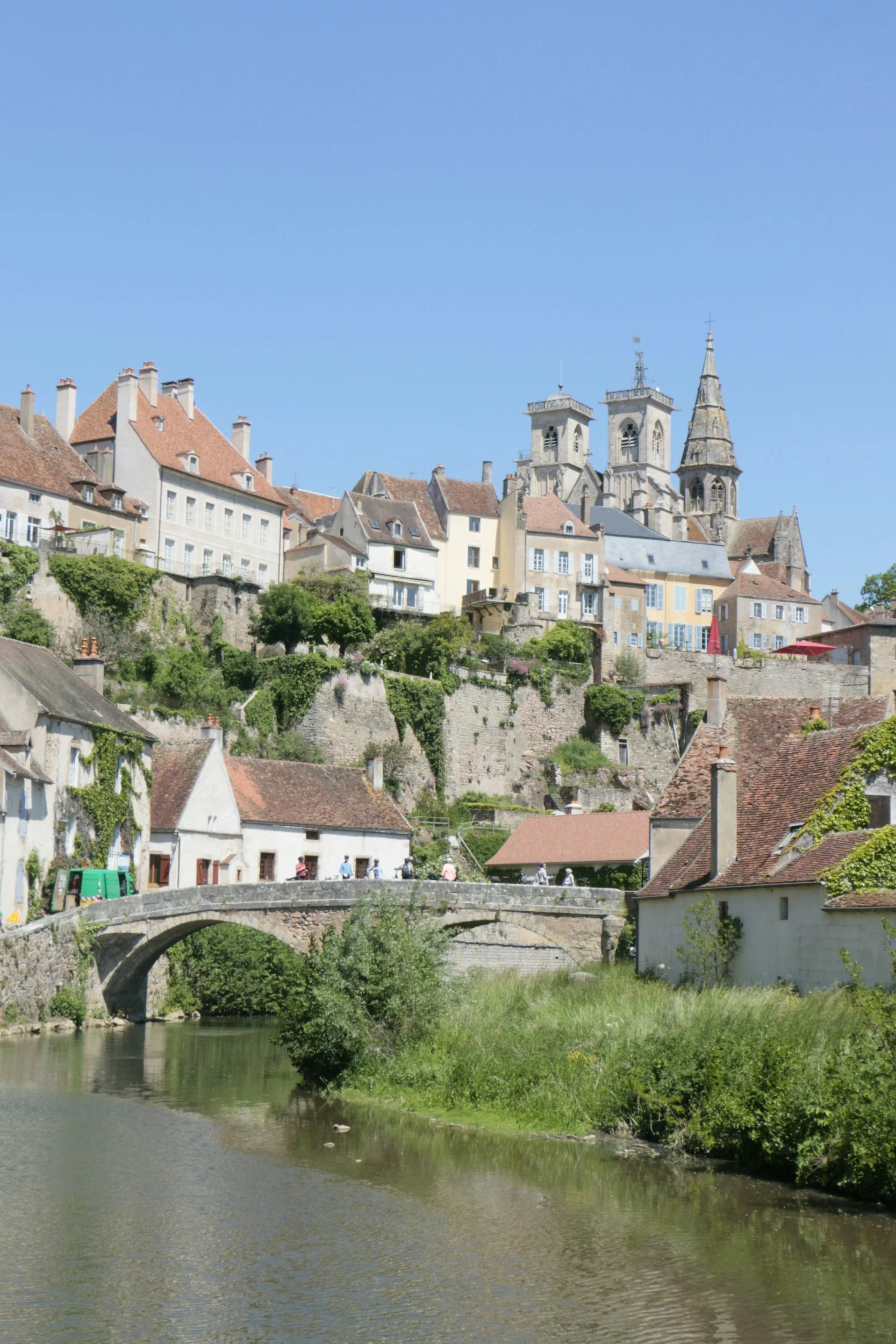
The difference between staying here and booking another wine village further south
Staying in Semur-en-Auxois changes the pace of a Burgundy trip in a way that usually only becomes obvious after a day or two, especially if you have already spent time further south around Beaune, Meursault, or Puligny-Montrachet where a lot of the trip naturally ends up revolving around winery appointments, restaurant reservations, and driving short distances between villages over and over again.
Around the Côte d'Or wine villages, people often spend more time in the car than they expected beforehand. Breakfast happens in one place, lunch somewhere else, then another tasting in the afternoon before driving back again for dinner, and even though the villages sit close together on the map, the days start feeling surprisingly structured once everything revolves around bookings and timings.
Semur works differently because once the car is parked near Pont Pinard or Avenue de la Gare, most people leave it there and move through the rest of the stay on foot without really thinking about it again.
You wake up and head downhill for coffee, stop at Boulangerie Alexandre before the pastry shelves start looking empty on Saturday mornings, wander through the market around Place Notre-Dame, maybe walk below the ramparts near Pont Joly for an hour before lunch, then end up sitting outside longer than planned because there is nowhere else you urgently need to drive afterward.
Further south in the wine villages, the middle of the day can actually feel quieter than people expect once lunch finishes and the tasting appointments spread everyone back out across the vineyards again. Around Meursault especially, there are moments during the afternoon where the streets feel almost empty apart from cyclists, delivery vans, and people moving between cellars.
Semur keeps feeling lived-in the whole day instead.
Around 4pm, locals stop by the pharmacies, bakery queues begin building again before dinner, people carry groceries uphill through Rue Buffon, and the cafés around the square still have residents sitting outside even when most of the visitors from earlier in the day have already disappeared.
The evenings change quite a bit too once you compare the two areas properly. Around Beaune during summer and harvest season, dinners can start feeling heavily planned because restaurants fill early, parking becomes irritating around the centre, and traffic between the villages stays busy until fairly late in the evening. In Semur, dinner feels much less complicated once you are already staying inside the old town because you simply walk through the square, look at a few menus, and sit down somewhere without needing to organize the whole night around reservations and driving.
Even the accommodation side feels different. Further south, a lot of stays sit outside the villages themselves among vineyards or along countryside roads where you need the car every time you leave the hotel. In Semur, many places are directly inside the old centre, so mornings start with delivery vans squeezing through the narrow streets, church bells carrying across the rooftops, and market stalls setting up before the cafés even properly fill.
The weather changes the atmosphere differently too. Around the vineyard roads south of Beaune, hot summer afternoons can feel very exposed once you spend hours driving between open vineyards and stone villages with little shade. In Semur, the lower river area beneath the ramparts cools much faster in the evening, especially near Pont Joly where the air starts feeling noticeably colder once the sun disappears behind the old buildings above.
The roads around Semur also stay calmer in general. Heading west toward Vézelay or through the smaller Auxois villages, most of the traffic comes from tractors, local drivers, cyclists, and market mornings rather than long lines of visitors moving between tasting rooms all day.
A lot of people seem to arrive in Semur at the point in the trip where they still want good food, beautiful villages, and Burgundy countryside, but no longer want every hour of the day attached to reservations, winery schedules, and getting back into the car again twenty minutes later.
People traveling through Burgundy by train often combine Semur with smaller overnight stops rather than only staying in Beaune or Dijon, and this Tournus stopover guide works especially well if you are continuing south toward Lyon afterward.
If Lake Annecy is also on your route and you are stuck choosing between staying directly in Annecy or somewhere quieter nearby, this Talloires comparison makes the decision much easier.
Grocery shops, wine caves and practical stops before continuing through Burgundy
A lot of people use Semur-en-Auxois as the place where they finally restock properly before continuing west toward Vézelay or deeper into the countryside around the Morvan.
Once you leave Semur, practical stops become much less reliable quite quickly, especially on Sundays or outside summer.
The Carrefour Market near Avenue de la Gare is usually where people stop first before leaving town because it is easy to reach without driving back into the narrow upper streets again. Around mid-morning, the parking lot fills with cars loaded with market bags, bakery boxes, and coolers before people head back onto the smaller roads.
After a few days staying in tiny wine villages further south, people often realize they have been surviving mostly on restaurant meals, bakery stops, and whatever small village shops happened to be open at the time. In Semur, you can actually buy normal groceries again without planning half the day around it.
People stock up differently here too depending on where they are heading next.
Drivers going toward Vézelay or the Morvan usually buy things for the road because lunch options become unpredictable once you leave the larger routes behind. Around 10am at Boulangerie Alexandre, people walk out carrying sandwiches, slices of quiche, apricot tarts, baguettes, and paper bags full of pastries before loading everything into cars parked downhill near Pont Pinard.
Saturday mornings look different again because the market changes what people buy. You see roast chickens turning on spits, local cheeses packed into cool bags, strawberries stacked into cardboard trays, and bottles of Burgundy wine wrapped carefully into market totes before people continue driving west.
Wine shopping also feels much less formal here than around Beaune or Meursault.
Instead of driving between domaines and tasting appointments, people usually buy wine casually alongside groceries or lunch supplies before continuing the trip. Around the smaller caves in town, customers often stop in wearing market jackets and carrying bread bags rather than treating the whole thing like a dedicated tasting experience.
One thing that catches people off guard after leaving Semur is how quickly services disappear once you continue west. Fuel stations become less frequent, smaller villages close heavily during the afternoon, and on Sundays some stretches feel almost empty apart from cyclists and local traffic.
That is why mornings around the lower part of Semur feel surprisingly busy compared to the afternoons. People are not only sightseeing. They are refilling the car, buying picnic food before long drives, stopping at pharmacies, and trying to avoid ending up hungry somewhere between villages at 2:30pm when every kitchen has already closed.
Not sure whether Burgundy is actually the right region for you? Apt or Gordes is a useful comparison if Provence keeps creeping into your search history.
Early mornings in Semur-en-Auxois before the cafés and terraces fill up
Semur-en-Auxois feels completely different before about 9am, especially if you stay inside the old town rather than driving in later from somewhere else.
Around 7:30am, Rue Buffon is mostly delivery vans, bakery customers, and people opening shutters rather than visitors walking around with cameras. Some of the narrow sections near the centre get blocked temporarily while bakery deliveries unload bread trays and restaurant staff drag tables back onto the terraces around Place Notre-Dame.
The boulangeries are busiest earlier than a lot of visitors expect.
By 8am, people are already lining up at Boulangerie Alexandre for bread and pastries before work, especially on Saturdays. Later in the morning, the queues become longer and the pastry shelves start looking noticeably emptier, particularly the croissants and pain au chocolat nearest the counter.
The cafés fill gradually rather than all at once.
Early on, most people standing outside with espresso are locals stopping briefly before work or running errands around town. Around the square near the church, café staff wipe down chairs, stack menus outside, and slowly set up the terraces while the streets still feel half asleep.
The light changes the town quite a lot during those first hours too.
The upper streets near Place Notre-Dame catch the morning sun earlier, while parts of the lower river paths below Pont Joly still stay cool and shaded. In summer, people walking down there before breakfast often end up carrying jackets for the first hour because the air near the water feels colder than up around the square.
One thing people miss by sleeping late is how practical the town feels in the mornings before the day visitors arrive. Locals stop at pharmacies, pick up flowers, carry groceries uphill through Rue Buffon, and sit for quick coffees before work in a way that disappears later once the terraces fill and the centre becomes more visitor-heavy.
Around 9:30am during summer weekends, the atmosphere starts changing quite quickly. Cars begin arriving from the lower parking areas near Pont Pinard, market visitors move uphill toward the centre, and the quieter streets around the church stop feeling empty.
People who enjoy the slower, more local side of Burgundy usually end up loving the food culture around southwest France too, especially these Lot Valley dishes that barely appear on standard France itineraries.
The hours when the town feels most photogenic versus most crowded
Semur-en-Auxois changes quite a lot visually over the course of the day because the streets are narrow enough that the light, traffic, and crowds shift block by block rather than all at once.
Before about 8:30am, the old town still feels almost empty apart from bakery customers and delivery vans.
Around Rue Buffon, restaurant suppliers squeeze through the narrow streets unloading crates while café staff drag tables onto the terraces near Place Notre-Dame. At that hour, parts of the centre still look slightly messy and half awake rather than postcard-perfect, but the streets are quiet enough that you actually notice the stone details, crooked shutters, old signs above the shopfronts, and uneven staircases people walk straight past later in the day.
The nicest early light usually hits the upper part of town first.
Near the church and the viewpoints above the river, the stone starts turning warm while the lower river paths near Pont Joly still stay cool and shaded. In summer, the path below the ramparts often stays damp from overnight moisture early in the morning, especially after rain, and the arches near the river reflect surprisingly sharply before the wind picks up later in the day.
By around 10am, the atmosphere changes quickly during weekends and summer.
Cars begin filling the lower parking near Pont Pinard, market visitors move uphill carrying flowers and produce bags, and the café terraces around Place Notre-Dame start taking over most of the open space near the church. Around lunchtime, photographing the square cleanly becomes difficult because terrace umbrellas, chalkboard menus, parked delivery vans, and restaurant queues fill much of the centre.
The busiest stretch is usually between Rue Buffon and the church because most people naturally funnel through there after walking up from the lower parking areas.
A few streets away, things already feel completely different.
The quieter lanes near Porte Sauvigny and Rue Fevret often stay almost empty even during busy weekends because most visitors never walk that far from the restaurants and viewpoints. Around those residential corners, you notice details that disappear completely once the centre gets crowded - flower boxes falling sideways from old stone windowsills, ivy growing through cracks in the walls, laundry lines between buildings, and tiny gardens hidden behind wooden gates.
One of the nicest photo spots is actually not directly around the square at all.
If you continue down toward the river path below the ramparts and walk slightly past Pont Joly, there is a section where the towers rise above the curve of the river without most of the parked cars or restaurant terraces visible. Early in the morning or just before sunset, the reflections there are much cleaner than the classic viewpoints near the main bridge because fewer people walk that far along the path.
Around 1pm in summer, the bright overhead sun flattens a lot of the texture in the pale stone buildings, especially around the open square near the church where there is very little shade. The steep lanes near Rue du Vieux Marché usually start looking better again later in the afternoon once shadows return across the staircases and walls.
The lower viewpoints near Pont Pinard become quieter again in the evening once day visitors begin leaving town. Around 8pm during summer, people stop there for photos before dinner because the skyline above the river suddenly looks much clearer once the harsher daylight disappears.
Rain changes the town completely too.
After storms or wet autumn mornings, the darker stone around Rue du Rempart and the older staircases near the church stay wet for hours longer than the upper square. Parts of the quieter lanes almost turn black once the stone absorbs the rainwater, especially in the narrower streets that barely get direct sunlight.
If you're choosing between Burgundy and southwest France for a long weekend, Cahors or Figeac helps you figure out which region fits your travel style faster.
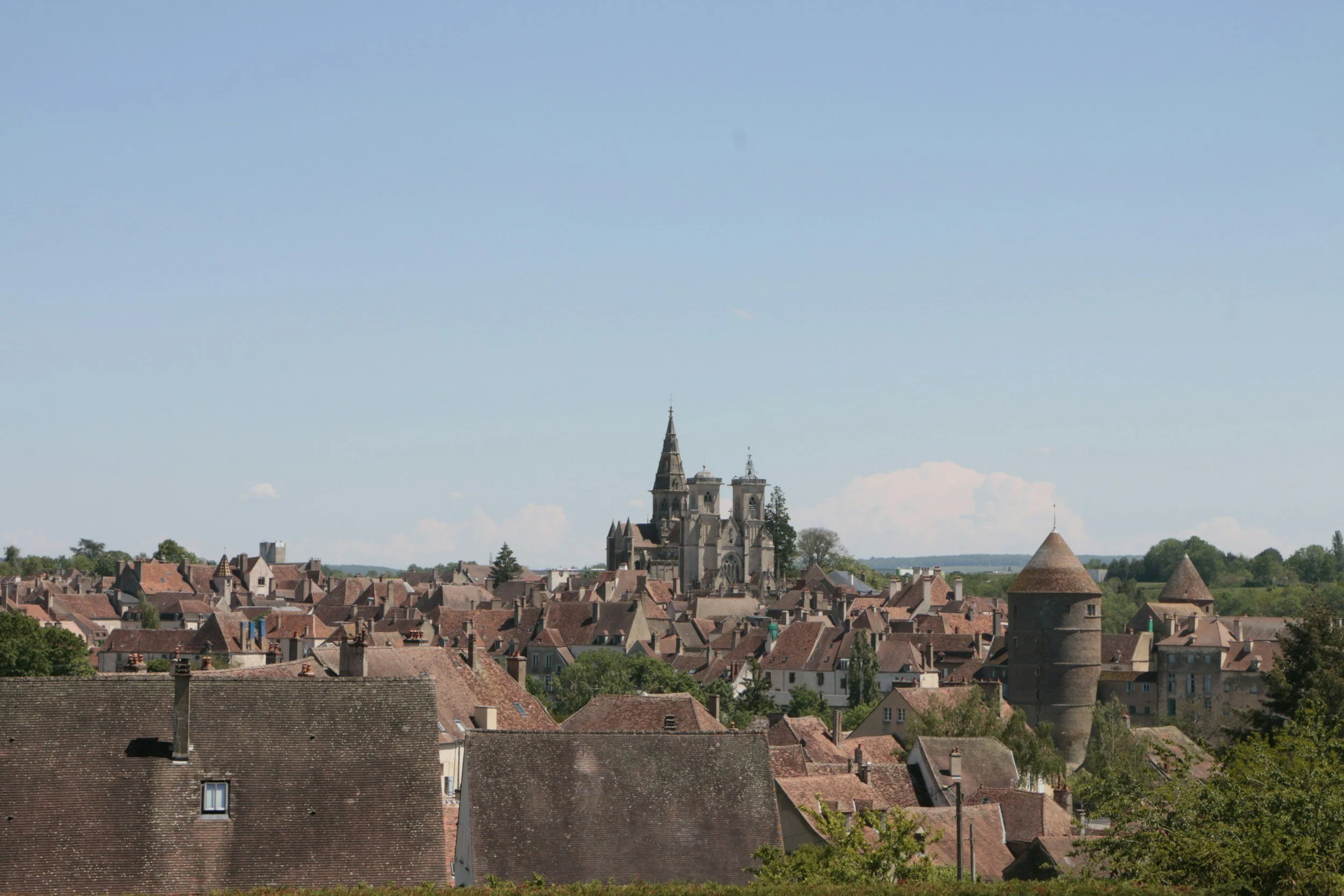
What feels genuinely convenient here and what looks easier online than it is
Semur-en-Auxois is one of those towns that looks very simple to manage online until you actually arrive there with luggage, a rental car, and a plan that suddenly starts taking longer than expected once the hills, narrow streets, and slower pace of this part of Burgundy become real.
The old town itself is compact, but the steepness changes the experience quite a lot. People normally realize that somewhere halfway up Rue du Vieux Marché after parking below town near Pont Pinard and trying to roll a suitcase uphill across uneven paving stones that looked completely manageable on Google Maps beforehand. The walking distances are technically short, but they do not feel short once you add heat, luggage, shopping bags, or several uphill climbs during the same afternoon.
Driving into the old centre can also feel more stressful than visitors expect from photos. Around Rue Fevret and Rue du Rempart, the roads narrow suddenly in places, delivery vans stop awkwardly in the middle of the street during the mornings, and pedestrians walk directly through the lanes because there is barely space for sidewalks in parts of town. During busy weekends, cars sometimes end up reversing uphill trying to let each other squeeze past near the church square.
Restaurant planning looks easier online than it really is outside peak summer too. On Google Maps, it seems like there are endless options around the centre until you arrive on a quieter weekday and realize several places are closed, another kitchen already stopped serving, and the terrace everyone wanted filled earlier than expected. Mondays and Tuesdays especially can catch people off guard once summer ends because the town returns much more to local schedules again.
The same thing happens with countryside driving times around this side of Burgundy.
A route between Semur and Vézelay or Flavigny-sur-Ozerain rarely stays as quick as it first looks online because people naturally stop more than they planned. Somebody notices a market sign in a village square, a bakery looks busy, tractors slow traffic down near harvest season, or lunch stretches longer than expected once you finally sit down somewhere. Trying to fit too many villages into one day around inland Burgundy usually ends with people arriving late, skipping places, or spending more time watching the clock than enjoying the roads.
The Montbard train connection feels similar. The fast train from Paris sounds extremely straightforward while planning the trip, and the train itself is easy enough, but the awkward part starts afterward once you step outside the station and realize there are not rows of taxis waiting unless you booked ahead properly.
At the same time, some things genuinely are much easier here than in many smaller Burgundy villages.
Once you are inside Semur itself, the days start flowing naturally on foot because almost everything practical sits within a few streets of each other. Bakeries, cafés, pharmacies, wine shops, groceries, river walks, restaurants, and the market are all close enough that you stop organizing the day so heavily after a while.
A lot of people also end up using Semur as the place where they finally reset properly before continuing west through Burgundy. The Carrefour Market below town near Avenue de la Gare becomes the stop for bottled water, picnic supplies, snacks for the road, and things people could not easily find in the smaller villages earlier in the trip. Around 10am, you see parked cars slowly filling with market bags, baguettes, pastries from Boulangerie Alexandre, and bottles of wine before people head back out toward Vézelay or the quieter roads near the Morvan.
Semur usually works best when the schedule stays slightly lighter than people originally planned, because this side of Burgundy moves more slowly than it first appears online and the town itself becomes much more enjoyable once you stop trying to optimize every hour of the day.
If you are debating between Uzès and somewhere that feels slightly less wine-tourism focused, this Uzès or Pézenas breakdown helps pretty quickly.
The small details people start noticing after a day or two in Semur-en-Auxois
The first few hours in Semur-en-Auxois are usually spent looking at the big things - the towers above the river, the bridges, the stone streets around Place Notre-Dame. After a day or two, smaller details start standing out more instead.
Around Rue Buffon in the mornings, bakery crates sit outside the doors before the terraces fully open and delivery vans stop in the middle of the narrow street because there is nowhere else to unload. Some drivers leave the engines running while carrying boxes into the restaurants near the square, which briefly blocks everybody else trying to squeeze through uphill.
The old town also has a lot more everyday clutter than people expect from photos online.
Scooters park beside medieval walls, handwritten notices stay taped to doors long after events ended, and electrical cables run unevenly across some of the older buildings near Rue Fevret. A few shutters clearly need repainting and some of the smaller stair railings feel polished smooth from years of people holding the same spots walking uphill.
Around the quieter residential lanes near Porte Sauvigny, flowerpots sit in old buckets and metal tins instead of matching planters, and bicycles get chained directly against the stone walls below windows that are barely above street level.
The café terraces look different up close too.
Some chairs wobble slightly on the uneven paving stones around Place Notre-Dame and waiters wedge folded cardboard under table legs to stop glasses sliding around. On windy mornings after market days, bits of paper and leaves collect against the edges of the church square before the cleaners pass through again.
After rain, the town changes in ways people do not really see in summer photos.
Water runs down the middle of the steeper streets near Rue du Vieux Marché, darker patches stay on the stone walls for hours afterward, and parts of the lower paths near the river smell faintly damp well into the afternoon because the sun barely reaches them properly.
You also start noticing how much of the town still revolves around ordinary routines rather than tourism.
Around lunchtime, older residents stop outside the tabac talking across the street while people carry baguettes home under their arms, and after school hours children cut through the square near the church on the way back uphill through the residential lanes.
Even the rooftops look less polished once you stop focusing only on the medieval skyline. TV antennas stick out above old Burgundy tiles, satellite dishes appear behind chimneys, and some windows have modern roller shutters sitting awkwardly against buildings that are several hundred years old.
Those are usually the details people remember afterward more than the postcard viewpoints, because they make the town feel like somewhere people still actually live rather than somewhere preserved perfectly for visitors.
Why Semur-en-Auxois works better for some Burgundy trips than others
Semur-en-Auxois is probably not the right base for people trying to cover all of Burgundy quickly.
If the plan is to spend the days driving constantly between major wineries, famous restaurants, and long tasting itineraries further south, somewhere around Beaune usually makes more sense logistically.
Semur works better once the trip slows down a little.
People who enjoy it most usually end up using the town differently from the way they originally planned. Instead of leaving early every morning to fit in as many stops as possible, they stay longer in town than expected, come back earlier for dinner, spend more time walking than driving, and start organizing the days around market mornings, bakery hours, lunch timing, and smaller roads instead of major attractions.
The overnight part changes the experience more than people expect too.
Visitors who arrive for a few daytime hours often see the busiest version of Semur — crowded terraces around lunch, people climbing uphill from Pont Pinard, delivery vans near Rue Buffon, and the main viewpoints around the church filling with visitors taking photos before driving onward again.
The quieter parts usually happen earlier and later than that.
Before around 9am, most of the movement comes from bakery customers, café staff setting up terraces, and locals running errands through the centre before work. After dinner, once the lower parking areas begin emptying and the restaurant tables thin out, parts of the old town near Porte Sauvigny and the river paths below the ramparts become surprisingly quiet again.
Two nights here feels completely different from one.
By the second morning, people already know which bakery queue moves fastest, which streets stay shaded longest during summer heat, where to park without dragging luggage too far uphill, and which cafés still have locals sitting outside after the day visitors leave.
That is usually the point where Semur starts feeling less like a stop on the route and more like part of the trip itself.
It also works better for people who enjoy noticing ordinary details rather than chasing constant highlights. The town does not rely on one famous attraction or a packed sightseeing schedule to hold attention for a couple of days. Most of the experience comes from smaller things that barely show up in guidebooks at all - early bakery runs before the shelves empty, conversations carrying through the square after dark, quieter roads toward Vézelay where lunch stops are decided almost entirely by whatever looks open and busy with locals.
A lot of Burgundy villages look impressive for an afternoon. Semur is one of the places that usually gets better after you stop trying to rush through it.
Many travellers compare Semur-en-Auxois with places in Provence, but a morning in Saint-Rémy shows just how different the atmosphere can feel.
FAQ about Semur-en-Auxois
Is Semur-en-Auxois worth visiting or is it too small?
Semur-en-Auxois is small, but that is usually the reason people end up liking it more than expected. The town itself is compact enough to walk easily, but the experience changes a lot depending on the time of day, the market schedule, and whether you stay overnight or only pass through for a few hours.
A lot of people arrive expecting a quick stop between Beaune and Vézelay, then realize the town works much better once the pace slows down a little.
Is one night enough in Semur-en-Auxois?
One night is enough to see the main streets and viewpoints, but two nights feels completely different.
People who stay longer usually experience the quieter mornings before the terraces fill, the evenings after the day visitors leave, and the slower countryside drives around the Auxois that rarely stay as quick as they first look on Google Maps.
A lot of visitors probably regret staying too short here more than staying too long.
Does Semur-en-Auxois feel touristy?
Compared to Beaune or the wine villages further south, not especially.
The busiest area is usually the stretch between Rue Buffon and Place Notre-Dame around lunchtime on Saturdays and summer weekends. A few streets away near Porte Sauvigny or the quieter residential lanes, the atmosphere changes quickly and still feels much more local and residential.
What catches visitors off guard in Semur-en-Auxois?
Usually the hills.
The old town looks compact online, but dragging luggage uphill from the lower parking near Pont Pinard feels much steeper in real life than people expect beforehand. Restaurant hours outside summer also catch people off guard because several kitchens close earlier or stay shut completely on quieter weekdays.
Where should you stay in Semur-en-Auxois if you have luggage?
Staying inside the old town is the nicest experience overall, but it is worth checking how close the accommodation is to parking beforehand.
Some of the steepest streets around Rue du Vieux Marché and the upper sections near the church become tiring with heavy luggage, especially during summer heat or rainy weather when the stone gets slippery.
Can you visit Semur-en-Auxois without a car?
Yes, but it works best if you plan the Montbard connection carefully.
The TGV from Paris to Montbard is fast and easy. The difficult part is the final journey afterward because taxis are limited unless pre-booked and local buses do not always line up smoothly with train arrivals.
Once you are actually inside Semur itself, most of the stay works very well on foot.
Is Semur-en-Auxois better than Beaune as a Burgundy base?
That depends entirely on the kind of Burgundy trip you want.
Beaune works better for winery visits, tasting schedules, Michelin-starred restaurants, and busier itineraries focused on the Côte d'Or wine villages.
Semur-en-Auxois works better for slower days, quieter evenings, countryside drives, market mornings, and people who are slightly tired of constantly getting back into the car between reservations.
What is actually open in Semur-en-Auxois on Sundays?
Sundays outside peak summer can feel quieter than visitors expect.
Some restaurants close completely, grocery options become more limited after lunch, and parts of town empty surprisingly early in the afternoon. Bakeries still bring movement to the mornings, but by later Sunday afternoon the centre can already feel half closed outside the busiest travel months.
What are the best times of day in Semur-en-Auxois?
Early mornings and evenings are usually when the town feels nicest.
Before around 9am, most of the movement comes from bakery customers, delivery vans, café staff setting up terraces, and locals running errands before work. After dinner, once the parking below town starts emptying, parts of the old centre become much quieter again.
Midday is usually the busiest and hottest part of the day during summer.
What are the best day trips from Semur-en-Auxois?
Flavigny-sur-Ozerain is the easiest short drive and works well for a slower half day rather than a full excursion.
Vézelay, Avallon, Montréal, and the smaller roads around the Morvan also work naturally from Semur, especially if you enjoy countryside drives where the villages matter as much as the final destination.
Does Semur-en-Auxois work well outside summer?
Yes, and a lot of people probably enjoy it more outside peak July and August.
October especially suits the town well because the roads quiet down again, parking becomes easier, and the countryside around the Auxois starts changing colour without the heavier summer crowds around the centre.
The tradeoff is that restaurant hours become more limited and evenings feel noticeably quieter.
What part of Semur-en-Auxois gets most crowded?
The busiest section is usually the area between Rue Buffon, Place Notre-Dame, and the church square, especially around lunch on Saturdays and summer weekends once people arrive uphill from the lower parking near Pont Pinard.
The quieter streets near Porte Sauvigny and the residential lanes near the edges of the old town empty much faster once visitors stay close to the restaurants and viewpoints.
Is Semur-en-Auxois good for a slower Burgundy road trip?
Very much so.
The town works best for people who enjoy leaving space in the itinerary instead of planning every hour around winery bookings and long driving days. Around this side of Burgundy, roads are slower, lunches stretch longer than expected, and smaller villages pull people off the route constantly once they stop rushing between destinations.
If you are planning a quieter France itinerary beyond the obvious Burgundy stops, you can also read our guide to strawberries and stone villages in Provence for another slower regional route built around smaller towns rather than major tourism hubs.