
Going to Nyons market in May? Read this first.
By 8:30 on Thursday mornings in Nyons, people are already walking back to their cars with bunches of asparagus sticking out of paper bags, warm bread under their arms, and small boxes of strawberries that usually taste much better than the giant glossy ones near the market entrances. Around Place des Arcades, the olive stalls are busy early, especially the ones where local shoppers buy by weight instead of picking up vacuum-packed gift bags for tourists.
May is a strange but very good time at the Nyons market because the season changes almost week by week. One Thursday the apricots still taste slightly hard and expensive, and two weeks later everyone suddenly seems to be buying cherries and strawberries instead. The lavender products are already everywhere even though the lavender fields around the Drôme are still green, tomato seedlings start taking over entire sections of the market, and by late morning the rotisserie chicken queue near the church gets long enough that people begin hovering nearby waiting for the next batch.
A lot of guides lump Nyons together with Provence markets further south, but the market here feels more practical and much more tied to everyday shopping. Some stalls are genuinely excellent, especially for olives, tapenade, goat cheese, and spring produce. Others mostly look good on a table or in photos. In May especially, it helps to know which products are actually in season, which stalls local people return to every Thursday, and which things are better bought elsewhere in the Drôme.
Where Nyons actually is and the easiest ways to get there for market day
Nyons sits in the southern part of the Drôme Provençale, north of Vaison-la-Romaine and around 1 hour and 15 minutes from Avignon by car depending on traffic. Even though many people group it into “Provence markets,” it technically sits in the Drôme department, and the landscape starts changing once you drive north from places like Orange or Saint-Rémy-de-Provence. The roads become hillier, olive groves replace larger vineyard plains, and the villages feel slightly less polished and less crowded overall.
Most people visit Nyons by car because public transport gets slower once you move deeper into this part of the Drôme. If you’re already staying somewhere nearby like Vaison-la-Romaine, Grignan, Dieulefit, or Mirabel-aux-Baronnies, the drive is fairly straightforward, especially early in the morning before the Thursday traffic builds.
From Avignon, the drive usually takes around 75 to 90 minutes depending on the route and market traffic. From Lyon, it’s closer to 2 hours and 45 minutes without long stops. Coming from Aix-en-Provence takes longer than many people expect for a day trip, especially if arriving after the morning rush starts around Nyons.
There’s no train station in Nyons itself. The closest larger stations are usually Orange, Montélimar, or Avignon TGV depending on where you’re coming from. From there, most people rent a car because the regional buses into Nyons are slower and not particularly practical if the main goal is arriving early enough for the market.
On Thursday mornings in May, parking becomes part of the planning. The closest spots near the old centre fill quickly, especially around Place de la Libération. Arriving before 8:30am changes the morning quite a bit because you can usually park within walking distance of the market instead of circling through traffic once the streets get busy.
If you stay overnight in Nyons itself, you avoid most of that completely. People staying directly in town often head to the market earlier, stop for coffee before shopping, and return later once the lunch crowds start building near the terraces around Place des Arcades.
If you’re planning a slower France trip and wondering where people go when Provence starts feeling too touristic, these quiet villages are a much better fit for a few calm days away from the tourist circuit.
Nyons market in May feels more local than most Provence markets nearby
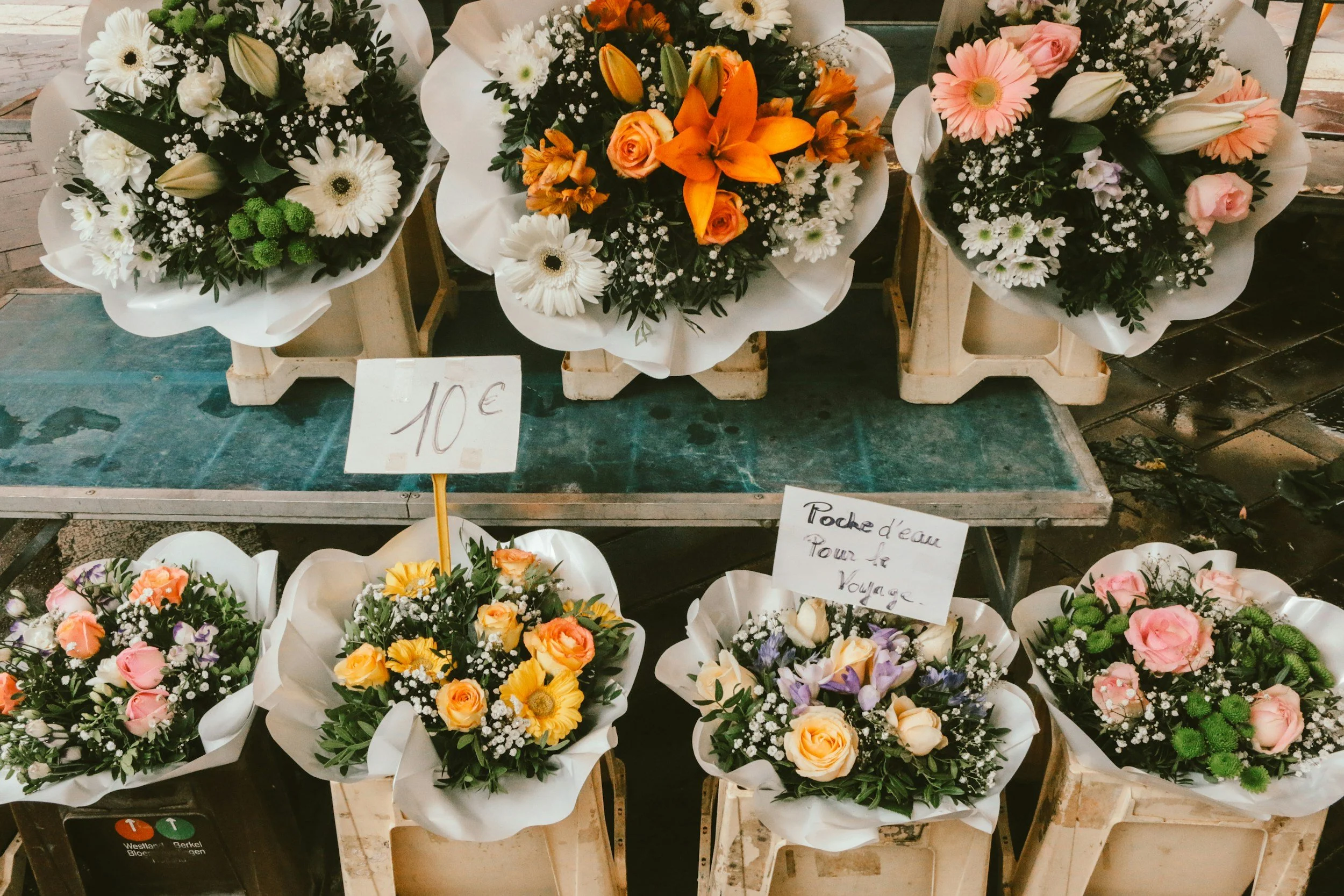
Thursday mornings start early around Place des Arcades
Around 7:45am, parts of the old centre still look half asleep while other streets are already completely busy. Metal shutters are opening around the square, café staff are carrying out chairs one stack at a time, and delivery vans are squeezed into corners of streets that will be packed with people an hour later. Some vendors are still setting up handwritten price signs while others already have small groups of customers standing in front of the tables waiting to buy things before the crowds arrive.
The area around Place des Arcades fills first. Not because it’s the quietest part of the market, but because that’s where people naturally stop when they arrive. Most visitors seem to orbit between coffee, bread, olives, and pastries before properly exploring the rest of the market streets. By 8:30, nearly every terrace under the arcades already has people sitting outside, even on colder May mornings when half the square is still in shade.
One thing that stands out in Nyons is how fast local shoppers move through the market compared with visitors. People carrying shopping trolleys or wicker baskets usually know exactly where they’re going. Some stop briefly to chat with vendors, buy a few specific things, then disappear again within twenty minutes. Meanwhile, day visitors tend to stay concentrated around the busiest central rows much longer, especially near the olive stalls and prepared food counters.
The market also spreads in a slightly messy way once you move away from the square itself. Rue des Déportés gets crowded early because several food vendors line that stretch, while some of the quieter streets behind the arcades still feel calm even later in the morning. Turning into the side streets is usually where the market starts feeling more local again. You pass folding tables selling gardening tools beside produce stands, older men reading newspapers outside cafés, and residents greeting each other while balancing baguettes under their arms on the way back home.
Around 9:30, the atmosphere changes fairly quickly. More cars begin arriving from outside town, parking spaces near the centre disappear, and people start slowing down in the narrowest sections because the walkways get congested. Some visitors are still just arriving when others are already heading back to their cars with boxes of vegetables packed into the trunk before the midday heat starts building.
If you arrive early enough, Nyons feels much more like a functioning weekly market town than a destination people are visiting for the day. That changes later in the morning once the café terraces fill completely and the busiest corners near the square become difficult to move through without stopping every few metres.
The olive groves begin almost immediately outside town
If you leave Nyons through Route de Montélimar or take the smaller roads toward Mirabel-aux-Baronnies after the market, the town disappears surprisingly fast. Within a few minutes, the supermarket car parks and market traffic are gone and the roads narrow into curves lined with olive trees, low stone walls, cypress trees, and faded farm signs pointing toward small olive domaines most visitors would drive past without noticing.
Around Nyons, the olive groves don’t feel staged for tourism in the way they sometimes do closer to the Luberon. A lot of the land still looks actively worked. In May, you see piles of freshly cut branches stacked beside the roads, tractors parked between rows of trees, and long grass growing wild underneath the olives before the hotter summer weeks dry everything out. Some groves sit right beside cherry orchards or vineyards, especially on the roads leading toward Vinsobres and Condorcet.
The drive between Nyons and Venterol is one of the easiest places to notice how tied the area still is to olive production. Small family olive mills appear without much signage, and some producers sell oil directly from buildings that look more like garages or storage barns than shops. A few places still have handwritten cardboard signs outside advertising huile d’olive de Nyons or olives noires instead of polished storefront branding aimed at visitors.
That’s also why some of the olive stalls at the market feel completely different from others. The producers local people queue for are often the ones with the least polished displays. Large metal tins of oil stacked under folding tables, olives sold in plain white containers, tapenade scooped directly into plastic tubs instead of packaged gift jars. It feels much more connected to the surrounding farms once you’ve driven through the area itself instead of only seeing the market square.
May is also one of the nicer times to drive around Nyons because the landscape still looks softer than it does later in July and August. The hills around the town are greener, broom flowers start appearing bright yellow along some roadsides, and the olive trees still have contrast against the grass underneath instead of blending into dry beige ground everywhere. Around late afternoon, especially toward Vinsobres, the light changes quite a bit on the hillsides and a lot of people end up stopping at roadside pull-offs without planning to.
One thing people often underestimate about Nyons is how hilly the surrounding area actually is. Some of the roads outside town become narrow quickly, especially once you leave the main routes. If you’re staying somewhere rural in the Baronnies area and driving back after the market, it’s worth buying cold products like cheese or tapenade later in the morning rather than leaving them in a warm car for hours while stopping between villages.
Why Nyons feels different from markets closer to Saint-Rémy or Aix
If you’ve spent time at markets in Saint-Rémy-de-Provence, Lourmarin, or central Aix, Nyons feels different almost immediately. Not quieter exactly, but very “natural and local” around the edges. In Saint-Rémy, a lot of the market energy stays concentrated around linen clothing, boutiques, art galleries, and terraces full of people lingering over rosé by 11am. In Nyons, especially earlier in the morning, you see people loading flats of strawberries into hatchbacks, carrying trays of herbs back toward parking spots near Place de la Libération, or arguing over which goat cheese stall has the better picodon that week.
Around Rue des Déportés and the streets running behind Place des Arcades, the market still feels heavily tied to ordinary life in the area. One stall sells olives and tapenade beside another selling discount underwear and gardening gloves. Older men stand outside tabacs reading newspapers while people squeeze past carrying baguettes under their arms. Nothing is really styled to match. The practical parts of the market haven’t been pushed out to make room for a prettier version of Provence.
That mix is part of what makes Nyons feel more interesting in May than some of the bigger Provence markets. The season still looks uneven. One fruit stand has beautiful local strawberries while the next still feels stuck between winter and spring produce. A vendor might be selling fresh asparagus beside boxes of slightly sad imported peaches that nobody seems interested in yet. The market doesn’t try to smooth everything into a perfectly curated “south of France” version of itself.
The shopping habits feel different too. In Aix, especially around Place Richelme, you get a lot more slow wandering and people drifting between coffee, shopping, and browsing for most of the day. In Nyons, many local shoppers move through the market quickly before the streets clog up. By 9am, some people are already heading back toward the car parks with crates of vegetables or large tins of olive oil in the trunk. You notice the same faces returning to the same stalls every week, particularly around the olive vendors near the centre rows and the cheese stalls closer to Rue des Bas Bourgs.
The food side of the market also feels less performative than markets further south. In Saint-Rémy, some prepared food stalls almost function like displays for visitors taking photos. In Nyons, people are genuinely queueing for lunch. Around late morning, the rotisserie chicken stall near Place de la Libération gets crowded fast, and people start hovering nearby waiting for fresh potatoes cooked underneath the chickens to come out. At the bakery stands, customers buy long country loaves to take home rather than small decorative pastries boxed for tourists.
Even the cafés feel slightly different. In Aix, terrace culture tends to take over entire squares by midday. In Nyons, café life stays more mixed into the market itself. Around the arcades, people stop for a quick espresso while balancing shopping bags under the table or checking which stalls are beginning to pack up. Some tables are full of visitors, but plenty are occupied by locals who clearly know each other and treat Thursday morning like part of a normal weekly routine rather than an outing.
The roads surrounding the town change the feeling too. Leaving Saint-Rémy usually means more traffic, more villas, more polished wine estates, and eventually another busy village. Leaving Nyons toward places like Aubres, Condorcet, or Mirabel-aux-Baronnies, the roads narrow almost immediately. You pass olive groves, small vineyards, old stone houses with faded shutters, and roadside signs for olive oil producers that look hand-painted rather than branded by a design agency.
That’s probably the biggest difference overall. Nyons still feels connected to the countryside around it in a very visible way. The olive oil, tapenade, cherries, asparagus, herbs, and goat cheese sold at the market don’t feel disconnected from the landscape outside town because most of it is coming from farms and producers scattered through the hills you just drove past on the way in.
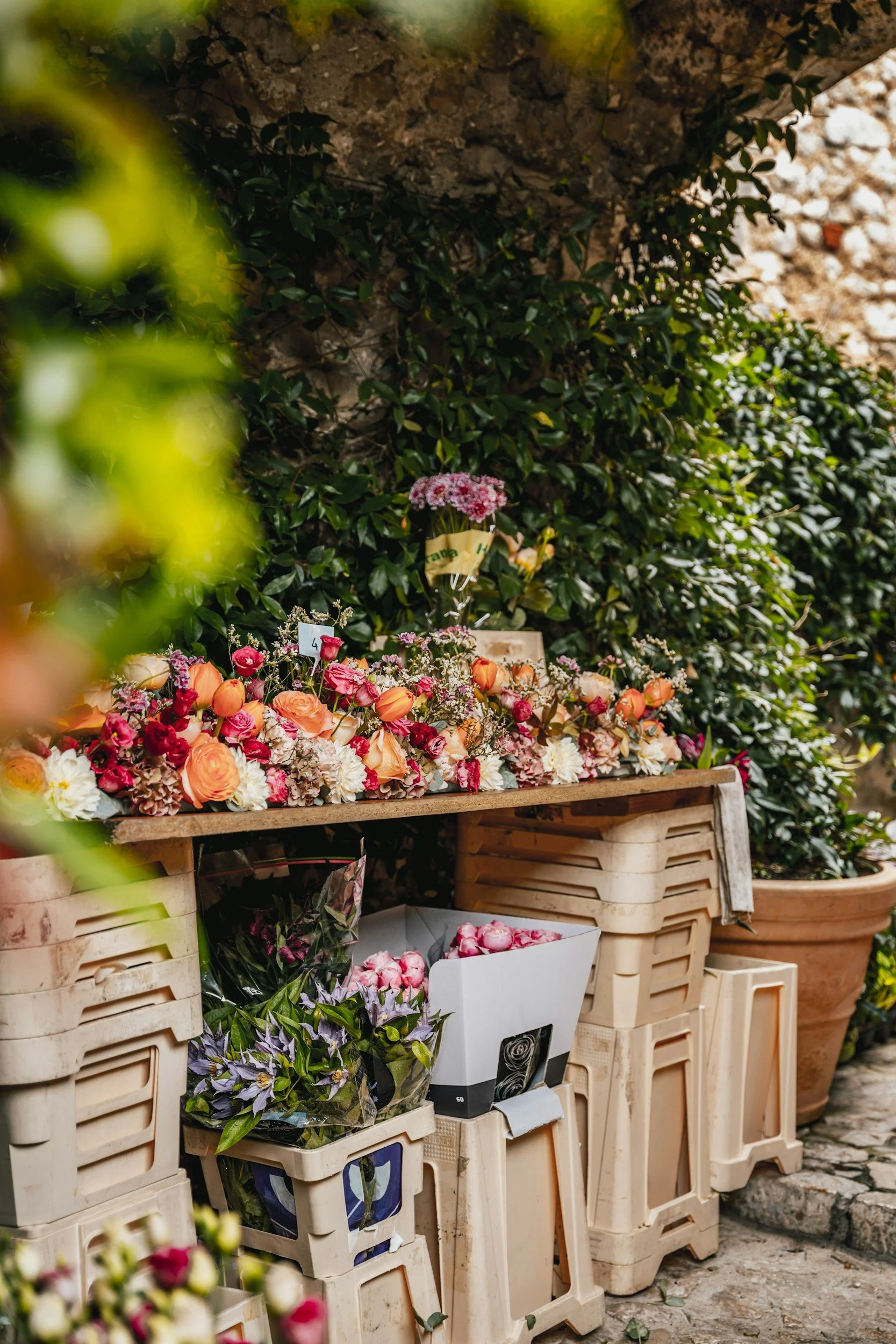
Where people stay if the market is the main reason for coming
A lot of people try to visit Nyons from Avignon, Aix, or somewhere deeper in Provence as a quick day trip, but it usually turns into a longer day than expected. By the time you’ve dealt with traffic near Orange, slower roads through the Baronnies, and the parking situation around Nyons after 9:30am, half the market morning is already gone. The people who seem to enjoy Nyons most are usually the ones staying nearby and treating the market as part of a slower few days in the area instead of trying to squeeze it into a packed Provence itinerary.
If you want to stay directly in town, the streets around Place des Arcades and Rue des Bas Bourgs are the most practical because you can walk straight into the market early before the crowds build. Hôtel Colombet gets mentioned a lot because the location is easy for market mornings and you don’t need to move the car once you’ve parked. Some smaller apartments around the old centre are even better if you know you’ll leave the market carrying food back with you. By late morning, a lot of people are balancing warm bread, olives, strawberries, roast chicken, cheese wrapped in paper, and bottles of olive oil through the narrow streets back toward their accommodation.
The nicer stays around Nyons are usually outside town though. That’s where the area starts feeling much more tied to olive groves and vineyards instead of market traffic. Around Venterol, there are small guesthouses and stone rental houses hidden between rows of olive trees where mornings are completely quiet except for tractors moving through the fields. Places like Le Clos de la Tuilière work well because you’re close enough to drive into Nyons in under fifteen minutes but far enough away that the market doesn’t completely take over the day.
Mirabel-aux-Baronnies is another place people end up liking more than expected. It’s only about ten minutes from Nyons, but the atmosphere feels very different once you’re back there in the evening. There’s not much happening apart from a few cafés, vineyards, and small roads running between cypress trees and cherry orchards, which is exactly why people stay there. Some of the chambres d’hôtes outside the village sit directly among the vines, and in May the countryside still looks green and full before everything dries out later in summer.
Vinsobres also works well if you want to combine the market with wine villages and quieter roads through the Drôme Provençale. The drive between Nyons and Vinsobres is especially nice in late afternoon when most of the market traffic has disappeared and the roads empty quickly once you leave the centre. A lot of people stop at small wineries there on the way back instead of rushing immediately toward Avignon again.
One thing that changes the experience quite a bit is having somewhere you actually want to spend the afternoon after the market. Nyons isn’t the kind of place where most people leave empty-handed. By the end of the morning, cars are full of herb plants, asparagus, olives from different producers, pastries, picodon cheese, tapenade packed into cool bags, and long country loaves sticking out of shopping baskets. Staying somewhere with a terrace, garden, or even just a proper kitchen makes the market feel much more useful because you naturally end up building the rest of the day around the things you bought that morning.
The roads around Nyons also get much quieter surprisingly fast after lunch. Around 2pm, a lot of day visitors start heading south again toward Saint-Rémy, Gordes, or the motorway near Orange, while the smaller roads toward Condorcet, Aubres, and Mirabel-aux-Baronnies become almost empty again. That slower part of the day is usually what people miss completely when they only stop in Nyons for a few rushed hours.
What’s genuinely worth buying at Nyons market in May
If you arrive at the Nyons market after 10am in May, there’s a good chance the best asparagus is already gone. Not completely gone everywhere, but the smaller farm stalls with the thick white bunches people actually queue for usually look half empty by late morning while the larger produce stands still have plenty left stacked in neat rows.
The asparagus stalls are normally concentrated around the food sections near Place de la Libération and some of the side streets feeding into Rue des Déportés. You can usually tell fairly quickly which tables local shoppers trust because people stop briefly, buy without hesitating much, then move on. The better stalls often don’t have the biggest displays either. Sometimes it’s just a folding table with muddy white asparagus bundled loosely with elastic bands instead of carefully arranged crates made for photos.
In May, the quality changes week by week depending on weather and temperature. Earlier in the month, some asparagus still tastes slightly watery, especially after colder nights or heavy rain. Toward the second half of May, the flavour gets noticeably sweeter and the texture softer without turning stringy. The fresher bunches usually still have traces of soil near the base because they haven’t been sitting around long after harvest.
One thing people often get wrong at the market is buying asparagus based only on size. Very large white asparagus can look impressive but sometimes ends up fibrous once cooked. A lot of local shoppers seem to go for medium-thick bunches instead, especially at stalls where the asparagus was picked the same morning or the evening before.
Around Nyons, asparagus season still feels connected to actual farming schedules rather than just “spring produce” appearing automatically at the market. Some weeks there’s much more available than others. After warmer weather, certain stalls suddenly have huge piles. After colder stretches, quantities drop quickly and people start buying early because they know it might not last through the morning.
You also notice that many people shopping for asparagus already seem to know what the rest of lunch or dinner will be. Nearby stalls selling goat cheese, eggs, herbs, and country ham get busy around the same time, especially before the market becomes crowded with slower-moving visitors. By around 11am, some of the better asparagus stalls are mostly left with thinner pieces or broken bundles while the regular customers have already disappeared back toward the car parks with paper bags full of vegetables balanced against bottles of olive oil and bread from the bakery stands nearby.
The small strawberry stalls that appear before peak Provence season
By May, strawberries start taking over parts of the Nyons market, but not in the polished “perfect Provence postcard” way people sometimes expect. The best ones are usually not the giant glossy strawberries stacked high near the busiest entrances around Place de la Libération where day visitors stop first. The smaller producers deeper into the market almost always have better fruit, especially the stalls tucked into the narrower streets running behind Rue des Déportés where local shoppers seem to move much faster and buy without standing around comparing ten different baskets first.
One thing that catches people off guard in Nyons is how quickly the strawberry quality changes during May itself. Early in the month, some berries still look ahead of the season. Big, bright red, slightly hard in the middle once you actually taste them. Then suddenly after a warm week, the market changes almost overnight and the smaller trays from nearby farms start smelling sweet before you even reach the stall.
The producers local people seem to trust usually don’t have the most impressive displays. Sometimes the strawberries are sitting in plain cardboard barquettes with handwritten prices taped onto the table. The sizes are uneven, some berries are oddly shaped, and a few are already soft by late morning because they were picked properly ripe instead of for transport. Those are usually the ones worth buying.
Around 9am near the middle produce rows, you’ll notice certain stalls already half empty while others still have huge untouched pyramids of oversized strawberries facing the crowds. That’s normally a pretty good sign on its own. In Nyons, people shopping regularly at the market seem to care much more about flavour than appearance, especially in spring when the season still shifts week by week depending on rain and temperature.
Another thing that makes May different here compared with markets closer to Aix or Saint-Rémy is that strawberries still feel tied to the actual harvest instead of just being permanently available. Some weeks there are loads of them. Some Thursdays only a few producers have really good ones. After colder nights in the Baronnies, the fruit can suddenly taste less sweet again even if it looked excellent the week before.
If you’re staying nearby rather than rushing back toward Provence immediately after the market, strawberries from Nyons usually end up becoming part of the rest of the day without much effort. People carry them out beside warm fougasse, wedges of picodon wrapped in paper, and bottles of olive oil stuffed into market bags, then stop somewhere between Nyons and Mirabel-aux-Baronnies later in the afternoon when the roads empty out again. That’s also why smaller trays make more sense than giant baskets in May. The softer local strawberries rarely survive sitting in a warm car for hours while people continue driving between villages.
Goat cheese that still holds up after a long drive home
The goat cheese stalls at the Nyons market start getting busy much earlier than people expect, especially the smaller producers closer to the middle food rows near Rue des Déportés where local shoppers stop quickly, buy two or three cheeses wrapped in paper, then disappear again before the late-morning crowds build. By around 10:30, some of the softer cheeses are already looking slightly tired from sitting out in the heat, especially on warmer Thursdays later in May.
A lot of visitors buy the very fresh picodon first because it’s local to the Drôme and easy to recognise, but if you’re driving for several hours afterward, the slightly older cheeses are usually the better choice. The younger fresh ones can become almost too soft by the time you reach Avignon or Lyon if they’ve been sitting in a warm car all afternoon, especially if you’re still stopping between villages after the market.
The better stalls usually let you choose between different stages of ageing instead of offering just one version. Some picodons are still pale and soft in the middle while others have already developed a firmer rind and stronger flavour. Local shoppers often ask specifically for cheeses “un peu sec” in spring because they travel more easily and keep longer at home afterward.
A lot of the producers come from smaller villages and farms scattered through the Baronnies area around places like Aubres, Condorcet, and Saint-Ferréol-Trente-Pas. The stalls themselves are usually fairly simple. White tablecloths, handwritten labels, stacks of round cheeses sitting on wooden boards under shade cloths stretched across the market streets.
Around late morning, some of the cheese stalls become difficult to approach properly because people crowd around tasting samples while balancing shopping bags and baguettes under their arms. Earlier in the morning feels completely different. Vendors still have time to explain which cheeses were made recently, which ones are stronger, and which hold up better if you’re travelling afterward.
If you’re staying nearby overnight, the softer fresh cheeses become much more worth buying because you can eat them the same day with bread, strawberries, olives, and wine from the market without worrying about transport. But for longer drives through Provence or back north toward Lyon, the firmer goat cheeses almost always survive the journey better, especially if they’re wrapped properly and kept out of direct heat once you leave Nyons behind.
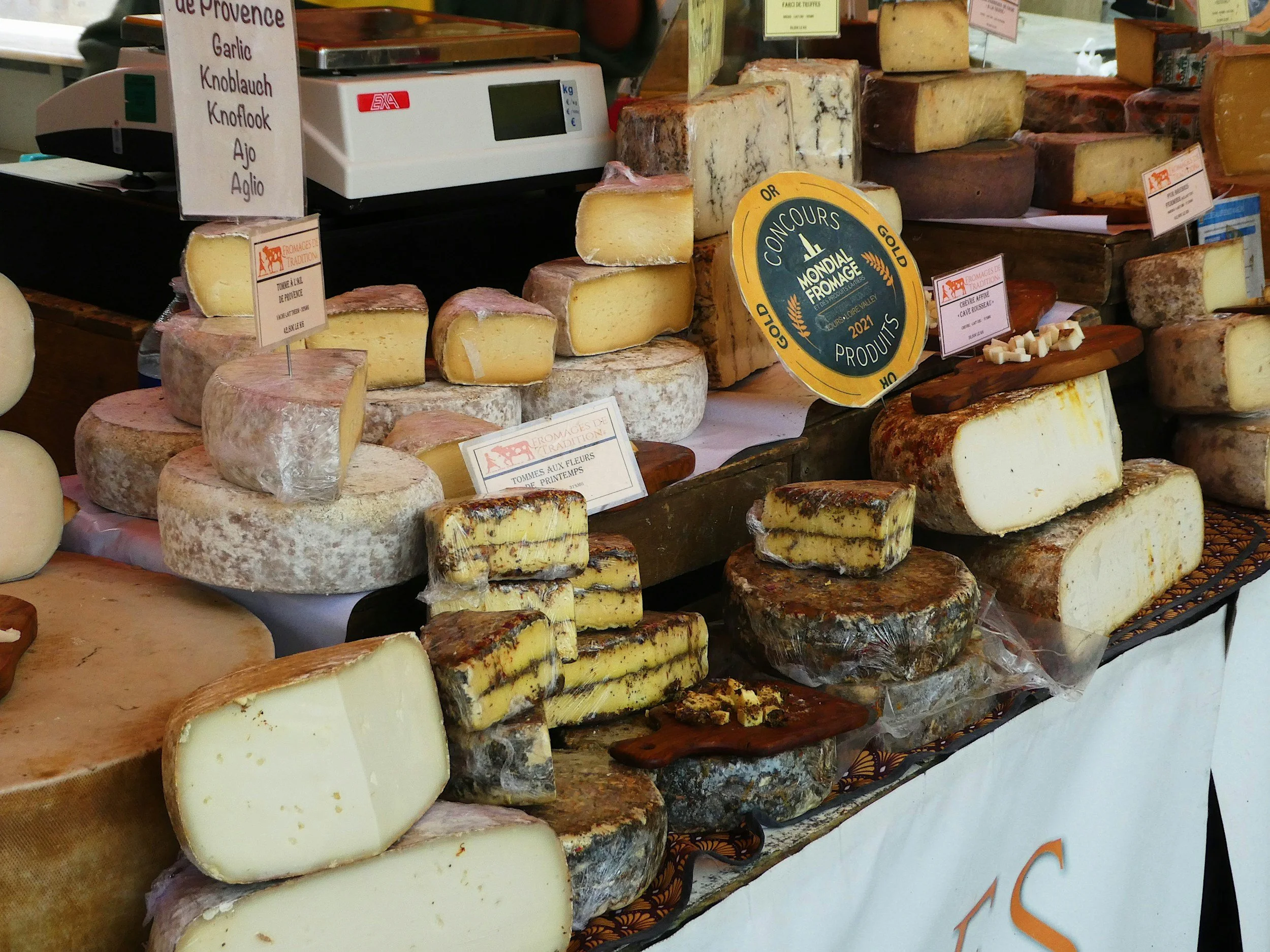
Olive oil producers locals return to every Thursday
The olive oil stalls closest to the busiest entrance near Place de la Libération usually get the most attention from visitors first, especially later in the morning when people start crowding around the tasting tables with little cubes of bread. But the producers that local shoppers seem to return to every Thursday are often further inside the market where the streets narrow slightly toward Rue des Bas Bourgs and the flow of people becomes less chaotic.
By around 8:15am, some of those stalls already have customers standing there with purpose instead of browsing. People carrying insulated shopping bags, older couples buying several litres at once, restaurant owners picking up tins for the weekend. One producer near the middle olive rows regularly stacks silver five-litre cans underneath the table instead of displaying mostly decorative bottles, and local customers start collecting them surprisingly early in the morning before the crowds build.
The difference between oils becomes much easier to understand once you taste several side by side instead of just trying one quick sample near the entrance. Some Nyons oils are very soft at first, almost creamy with fresh bread, while others have a grassy bitterness that hits later. A few producers around the market explain whether their olives came from groves near Mirabel-aux-Baronnies, Aubres, or Venterol because the terrain and colder nights around the Baronnies change the flavour slightly from oils further south in Provence.
One thing that stands out in Nyons compared with larger Provence markets is how unpolished some of the best olive stalls still are. Plastic containers filled with olives. Paper towels instead of branded napkins. Handwritten harvest dates. Producers pouring oil directly from larger metal tins into refill bottles customers brought from home. Around Saint-Rémy or Lourmarin, olive oil often feels packaged for visitors first. In Nyons, especially earlier in the morning, it still feels like something people buy for cooking lunch that day.
You also notice how closely the market connects back to the roads outside town. If you drove in through the D538 that morning, past the olive groves near Vinsobres or the slopes around Condorcet, there’s a good chance the oil you’re tasting came from trees less than twenty minutes away. Some producers talk more about frost damage, rainfall, or harvest timing than branding because local customers already know the area well enough to understand what they mean immediately.
Around 10:30am, the atmosphere changes completely. The narrow streets around the olive stalls become crowded enough that people start squeezing sideways between tables, and tasting oil calmly becomes much harder. Earlier in the morning, producers often spend several minutes explaining differences between oils or offering olives from different cures. Later, most are just trying to keep up with the crowd moving through.
If you’re buying olive oil in Nyons, smaller bottles from several producers usually make more sense than one expensive decorative bottle with Provence printed across the label. The interesting part of the market is comparing oils that taste noticeably different even though they all come from the same small region around Nyons.
Plant stalls selling herbs and tomato seedlings instead of souvenirs
Most visitors barely make it this far into the market.
They stay around Place des Arcades buying olive oil, tapenade, pastries, maybe strawberries if they’re in season, then loop back toward the cafés again. Meanwhile, some of the most local-feeling parts of the Nyons market are happening further out near the quieter streets behind Rue des Bas Bourgs where the plant sellers take over huge sections of pavement every Thursday in May.
The first thing you notice there is the smell. Damp soil, tomato leaves, rosemary crushed under people’s shoes, mint sitting in the sun. It smells more like a garden centre exploded into the street than a polished Provence market. Vans are still half unloaded even after 8:30, plastic trays are stacked everywhere, and vendors are dragging more herbs out onto the pavement while arguing about space with neighbouring stalls.
This is the part of the market where you stop hearing much English at all.
People aren’t wandering slowly here deciding which souvenir to bring home. They’re buying things for actual gardens. A man loading twelve tomato plants into the back of a dusty Renault. Someone comparing basil varieties because the nights near Venterol were still too cold the week before. Two older women discussing whether courgettes are finally safe to plant yet around Mirabel-aux-Baronnies after the last stretch of wind.
The tomato seedlings are usually what takes over the most space in May. Tiny yellow cherry tomatoes, deep purple varieties, old striped tomatoes with names handwritten onto plastic labels fading in the sun. Some stalls look genuinely chaotic by late morning. Plants leaning sideways from the mistral, broken stems scattered across the ground, cardboard boxes collapsing underneath stacks of herb pots.
One older producer near the outer edge of the market keeps most of his plants under faded green tarps stretched between poles because the basil starts collapsing quickly once the heat reaches the street properly. By around 11am, people are already digging through the remaining trays trying to find the least sunburnt herbs left while the healthier plants disappeared hours earlier.
The whole atmosphere feels completely different from the centre of the market near Place de la Libération where people are squeezing around olive tastings and taking photos of lavender products. Out here, shoppers move fast because they’ve probably still got a twenty-minute drive back through the hills toward villages like Aubres or Condorcet with half the trunk already full of market food.
You also start noticing how connected the market still is to daily life around Nyons once you spend time near these stalls. The Baronnies villages surrounding the town are full of terraces, vegetable gardens, olive groves, and old houses where people actually grow herbs and tomatoes all summer. The market reflects that naturally without trying to turn it into part of the visitor experience.
Honestly, it’s one of the least visually perfect parts of the Nyons market. Muddy pavement. Torn cardboard. Wilted mint. Plastic crates everywhere. But it’s also one of the sections that feels hardest to fake!
The first apricots arriving before the bigger southern markets fully shift seasons
The apricots are one of the easiest ways to tell what kind of spring Nyons is having.
Some Thursdays in early May, there are barely any at all. A few small crates tucked between strawberries and cherries near the produce stalls around Rue des Déportés, usually with prices high enough that people stop, stare for a second, then keep walking. Other weeks, especially after several hot days in a row, the market suddenly shifts and the apricots start appearing everywhere almost overnight.
What’s interesting in Nyons is that the season still feels messy and real at this point. The market hasn’t fully switched into polished summer mode yet like some places further south around Saint-Rémy or Aix. One stall has beautiful soft apricots that smell incredible from halfway down the street, while the next is selling hard orange fruit that clearly needed another week on the tree.
A lot of visitors buy the first apricots they see because they associate southern France with perfect stone fruit all spring and summer. Local shoppers seem much more careful. You notice people squeezing them gently, checking underneath the trays, asking where they came from before buying. Around the smaller produce stalls near the middle rows, producers sometimes write nearby village names directly onto cardboard signs instead of using generic “abricots de Provence” labels.
The better apricots in May usually don’t look perfect either. Slight bruises. Different sizes mixed together. Some already soft enough that they need eating the same day. Those are normally the trays people buy first around Nyons.
One thing that changes the market quite a bit around mid-May is the smell. Early in the morning, especially once the sun finally reaches the streets around Place des Arcades, you suddenly start catching that sweet almost jam-like apricot smell drifting from certain stalls before you even see the fruit itself. That’s usually a much better sign than the prettiest displays facing the busiest walkways.
The roads outside Nyons explain a lot too. If you drive toward Vinsobres or Mirabel-aux-Baronnies after the market, you start passing orchards beginning to shift colour while parts of the hills are still bright green from spring. Everything feels slightly between seasons around this time. Tomato plants taking over the market, cherries not fully there yet, asparagus disappearing, apricots slowly replacing strawberries as the thing people stop for first.
By late morning, the good apricot stalls already look chaotic. Empty wooden crates under tables. Split fruit pushed into smaller piles. Customers digging through the remaining trays while vendors keep repeating that next week will be better once the warmer weather settles properly.
The early apricot season is actually part of what makes May more interesting than peak summer in Nyons. The market still changes week by week. You’re not arriving to find the exact same version every Thursday. Some weeks the apricots are incredible. Some weeks they’re disappointing and the cherries are better instead. People around the market seem completely used to that unpredictability.
The olive products that are usually better than the tourist versions
A lot of people buy the wrong olives in Nyons!
You see it happen constantly near the busiest part of Place des Arcades where the prettier stalls stack vacuum-packed olive gift bags into perfect little towers beside lavender sachets and jars of tapenade with Provençal labels all over them. People stop there first because it looks organised and easy. Meanwhile, further inside the market near Rue des Déportés, local shoppers are already queueing at completely different stalls carrying plain white tubs filled with loose black olives sold by weight.
That’s usually where the better olives are.
The producers local people return to every Thursday rarely have the nicest-looking setup. Plastic containers. Oil stains on the tablecloth. Handwritten cardboard signs curling at the corners from the sun. Some barely seem interested in attracting attention at all because half their customers already know exactly where to find them.
Around 8:30 in the morning, before the streets get packed, you start noticing the rhythm around those stalls. Someone arriving with an empty container to refill. Restaurant owners buying larger quantities before lunch service. Older couples discussing which producer cured their olives better this year after the winter frost near Mirabel-aux-Baronnies. The conversations feel much more about harvests and flavour than about branding or souvenirs.
Nyons olives also surprise people if they’ve mostly eaten supermarket olives before. They’re softer, darker, wrinkled, less aggressively salty, and slightly oily once they warm up sitting in the market air for a few hours. Some almost collapse when you squeeze them lightly between your fingers. Others stay firmer depending on how the producer cured them.
One producer near the centre rows usually has olives that taste almost buttery at first, while another seller closer to Rue des Bas Bourgs cures theirs longer so they hit much saltier and sharper. People standing around tasting them compare producers the same way people compare wine from different villages nearby.
The heat changes the olives during the morning too. Early on, they’re cooler and firmer straight from storage tubs hidden underneath the tables. By 11am, especially during warmer weeks in May, the streets around Place de la Libération start heating up properly and some olives become softer and oilier sitting out in the open air. That’s partly why local shoppers tend to buy them early.
You also start noticing how tied the market still is to the surrounding countryside once you stand near the olive stalls long enough. Producers mention groves near Aubres, slopes outside Venterol, roads toward Condorcet where the cold wind hit hardest during winter. Someone complains about last year’s dry summer affecting the harvest while another customer argues the smaller olives taste better anyway.
None of this feels “polished” in the way markets around Saint-Rémy sometimes do. The best olive stalls in Nyons still feel slightly chaotic. Bowls constantly being refilled. Olive pits scattered across the tables. Producers wrapping containers in thin paper while trying to serve six people at once because the queue suddenly doubled when another stall nearby sold out.
If you’re buying olives here, it’s worth ignoring the decorative packaging completely for a minute and watching where local shoppers stop first instead. Usually that tells you more than the labels do.
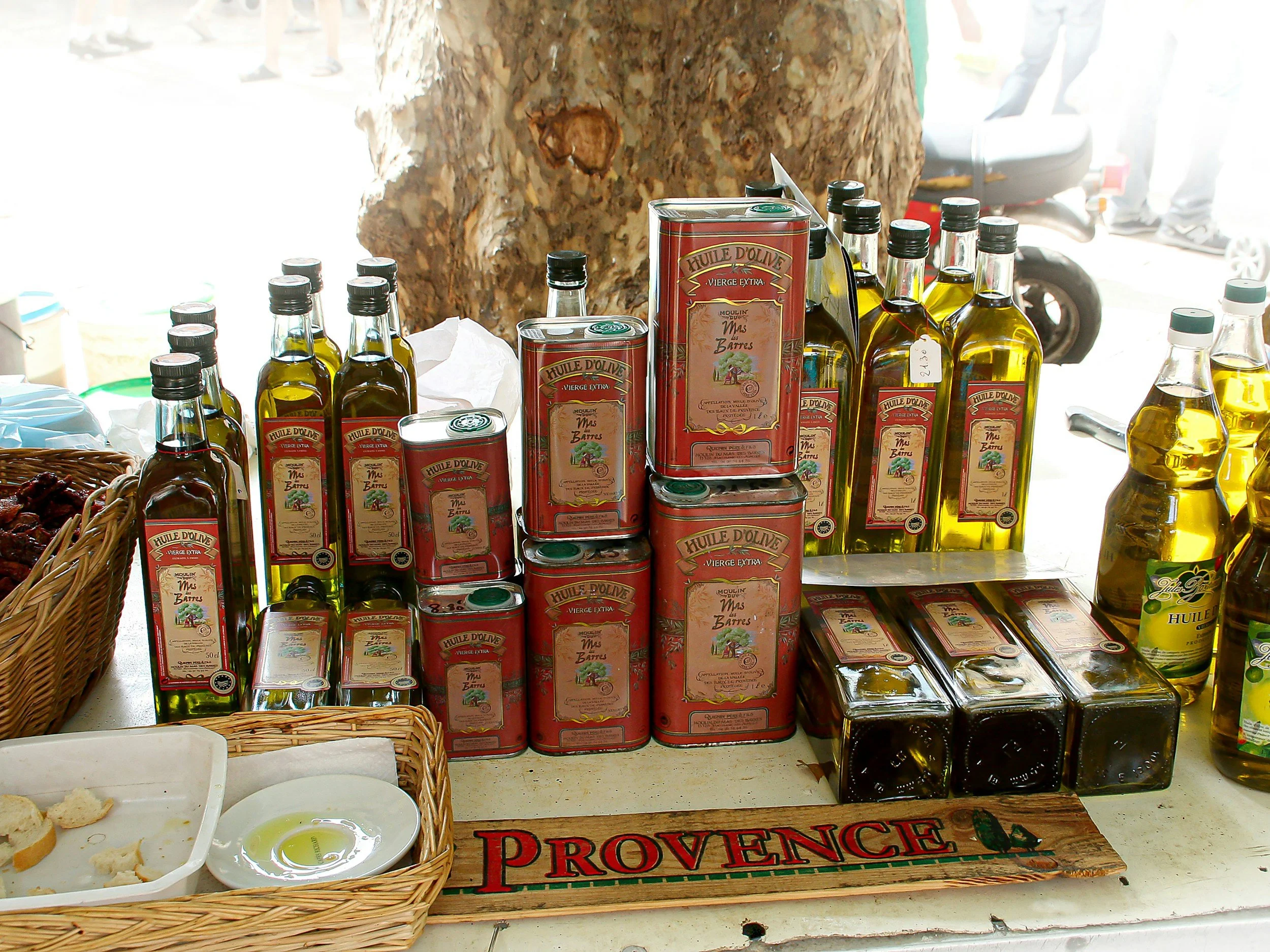
Fresh tapenade from refrigerated coolers near the centre rows
The tapenade most people buy first at the Nyons market is usually the one they should’ve skipped.
Near Place des Arcades, the prettier stalls catch attention immediately because everything looks polished and easy to carry home. Glass jars lined up perfectly. Little tasting spoons. Olive wood boards stacked beside lavender sachets and decorative tins. Meanwhile, the producers local shoppers actually seem loyal to are usually further inside the market near Rue des Déportés where things look much messier…
That’s where the refrigerated coolers start appearing underneath the tables.
By around 9am, some of those stalls already have small crowds standing shoulder to shoulder while producers scoop tapenade directly from large cold tubs into plain white plastic containers. There’s olive oil smeared across the tablecloth, lids scattered everywhere, and people balancing pieces of fougasse in one hand while trying not to drip tapenade onto bags full of strawberries or herbs they bought ten minutes earlier.
The fresher tapenade tastes completely different from the shelf-stable jars sitting in the sun near the market entrances. Rougher texture. Sharper garlic. More anchovy in some versions. Tiny chunks of olive still left instead of everything blended smooth into a paste. One producer near the middle rows makes a black olive version that local shoppers seem obsessed with, while another stall slightly further toward Rue des Bas Bourgs has a greener tapenade that tastes much saltier and almost grassy at first.
You overhear surprisingly specific conversations standing around those stalls long enough. Someone complaining that a producer used more garlic this year. Another customer asking if the olives came from groves near Aubres or further toward Mirabel-aux-Baronnies because last summer’s heat changed the flavour. Restaurant owners arriving early to buy larger tubs before lunch service starts. People bringing insulated bags because they already know the tapenade won’t survive sitting in a hot car all afternoon.
The atmosphere changes fast once the streets heat up later in the morning. Around 11am, some of the tubs sitting closer to the outer edges of the stall start looking oily around the sides while producers keep pulling fresher batches from coolers hidden underneath folding tables. One woman near me had her container labelled directly with black marker because several customers were all buying the same thing at once and the lids kept getting mixed together in the crowd.
The smell around this part of the market gets slightly chaotic too once the heat builds. Garlic, olive paste, anchovies, warm bread from nearby bakery stalls, roast chicken drifting over from the church side of the market. People open containers immediately after buying them instead of waiting to get home, dipping chunks of bread into fresh tapenade while standing in the middle of the walkway trying not to get bumped by shopping trolleys squeezing through the crowd.
What makes Nyons different from larger Provence markets is that the tapenade still feels connected to the villages surrounding the town rather than just part of a generic “Provence food” display. Producers talk about olive harvests near Venterol or frost around Condorcet instead of marketing language. Some stalls barely even have branding beyond handwritten signs and stacks of refrigerated tubs disappearing faster than the decorative jars out front.
Truth is, the easiest way to find the better tapenade in Nyons is just to ignore the nicest-looking displays for a minute and watch where local shoppers stop more than once. The stalls with the freshest refrigerated batches usually reveal themselves pretty quickly.
Why some Nyons olive oils taste completely different from others
A lot of people walk through the Nyons market assuming olive oil is basically one category. Taste a spoonful, pick the nicest-looking bottle, move on. Then you stop at a few different stalls around Rue des Déportés and realise the oils taste completely different depending on who made them, where the olives grew, and how early they harvested that year.
One oil tastes soft and almost buttery straight away with bread. Another hits sharply at the back of your throat a second later and leaves that peppery burn people either love immediately or hand straight back after one taste. Some are greener and slightly bitter, others rounder and heavier. Local shoppers seem very aware of the differences too. You overhear people discussing oils from groves near Aubres tasting stronger this spring or arguing whether producers around Venterol picked too early because of the heat last summer.
The producers themselves usually talk more about weather than branding. Frost near Condorcet. Dry weeks around Mirabel-aux-Baronnies. Olives shrinking too quickly on trees outside Nyons once August heat arrived. One older producer near Rue des Bas Bourgs still writes harvest dates directly onto cardboard signs with thick black marker because regular customers apparently ask about them every Thursday.
The interesting stalls are almost never the polished ones closest to Place des Arcades where the decorative bottles sit lined up beside lavender soap and olive wood serving boards. The better oils usually come from producers working behind folding tables covered in oil stains and torn paper towels darkened from nonstop tastings all morning. Some keep giant silver tins hidden underneath the stall and refill bottles directly while trying to hold conversations with three customers at once.
By around 8:30, the atmosphere near those stalls still feels calm enough that people actually taste things properly. Producers hand out chunks of baguette ripped apart by hand, church bells cut through conversations every half hour, and local shoppers stop for quick discussions before carrying heavy refill containers back toward the car parks near Place de la Libération.
Later in the morning, the whole area changes completely. Around 10:30, the walkway near the olive oil stalls becomes so tight people start stepping sideways between shopping trolleys, bread baskets, and dogs sleeping under café tables. Someone drops a tasting cup. Another customer starts wrapping bottles in newspaper because the stall already ran out of protective sleeves before lunch. Olive pits, plastic spoons, and tiny puddles of oil begin covering the corners of the tables while producers keep wiping everything down with the same cloth tucked into their apron strings.
One thing that makes Nyons feel very different from markets around Saint-Rémy or Lourmarin is that the olive oil still feels tied to ordinary cooking rather than packaged as a Provence lifestyle product. Restaurant owners arrive early before service starts. Local shoppers buy five-litre tins instead of decorative bottles. People ask whether an oil works better with asparagus or goat cheese rather than which label looks nicest.
And some of the oils local people seem most loyal to don’t even taste especially good at first. A few are cloudy. Some are rougher and more bitter than visitors expect. But later in the day, once you’re sitting somewhere outside Nyons with market bread, tomatoes, picodon, and a bottle opened properly instead of tasted quickly from a plastic spoon in the middle of the crowd, the differences suddenly make much more sense.
The stalls locals queue at before lunch starts
There’s a very specific moment at the Nyons market where the atmosphere suddenly shifts from “morning market” to “everyone realises they still need lunch.”
Usually sometime between 10:45 and 11:15.
People start moving faster. The slower browsing around the olive stalls dies down a bit. Café servers near Place des Arcades begin weaving through packed terraces carrying plates of salade niçoise and small glasses of rosé, and certain food stalls suddenly end up with queues so long they block half the street.
One of the busiest spots is usually the pissaladière and savoury tart stand near the centre rows where people begin buying slices wrapped in paper to eat immediately while standing nearby. By late morning, the onions, anchovies, and olive smell from that stall drifts halfway down the street once the heat builds properly between the old stone buildings.
The roast chicken queues near the church get most of the attention from visitors, but some of the longest local queues are actually for much simpler things. Fresh ravioles sold from refrigerated counters. Sausages hanging behind glass cases. Small takeaway containers filled with brandade or gratin dauphinois that people carry home for lunch instead of cooking later.
Near Rue des Bas Bourgs, one prepared-food stall starts attracting local workers around lunchtime who clearly know the timing already. People walk straight there without hesitating, buy containers of hot food, then disappear back toward scooters parked outside the market streets while everyone else is still deciding where to eat.
You also notice that local shoppers rarely seem overloaded with bags at this point. A lot of them appear to shop in stages. Bread first. Then vegetables. Then lunch. Then maybe back for olives or cheese afterward once the crowd shifts again. Visitors usually do the opposite and carry everything around at once until they can barely move through the narrow streets anymore.
The sounds change too once lunchtime gets closer. Metal café chairs scraping against the pavement. Vendors shouting final prices on strawberries they clearly want gone before packing up. Cutlery clattering from restaurant terraces. Someone arguing loudly about whose turn it is in line at the charcuterie counter while a dog tied to a chair leg starts barking because the street suddenly got too crowded.
Around this time, the market becomes much more compressed physically. The walkway near the food rows tightens completely once people stop moving and start eating standing up in the middle of the street. Someone balancing a paper plate of socca beside a crate of vegetables. Another person trying to carry six pastries back to the car without crushing them. Market trolleys getting stuck against café tables because there’s no space left to pass properly.
And honestly, this part of the morning tells you a lot about which stalls people around Nyons genuinely trust. Nobody queues in the sun for twenty minutes in a crowded market unless the food is actually good.
What usually disappoints at the Thursday market
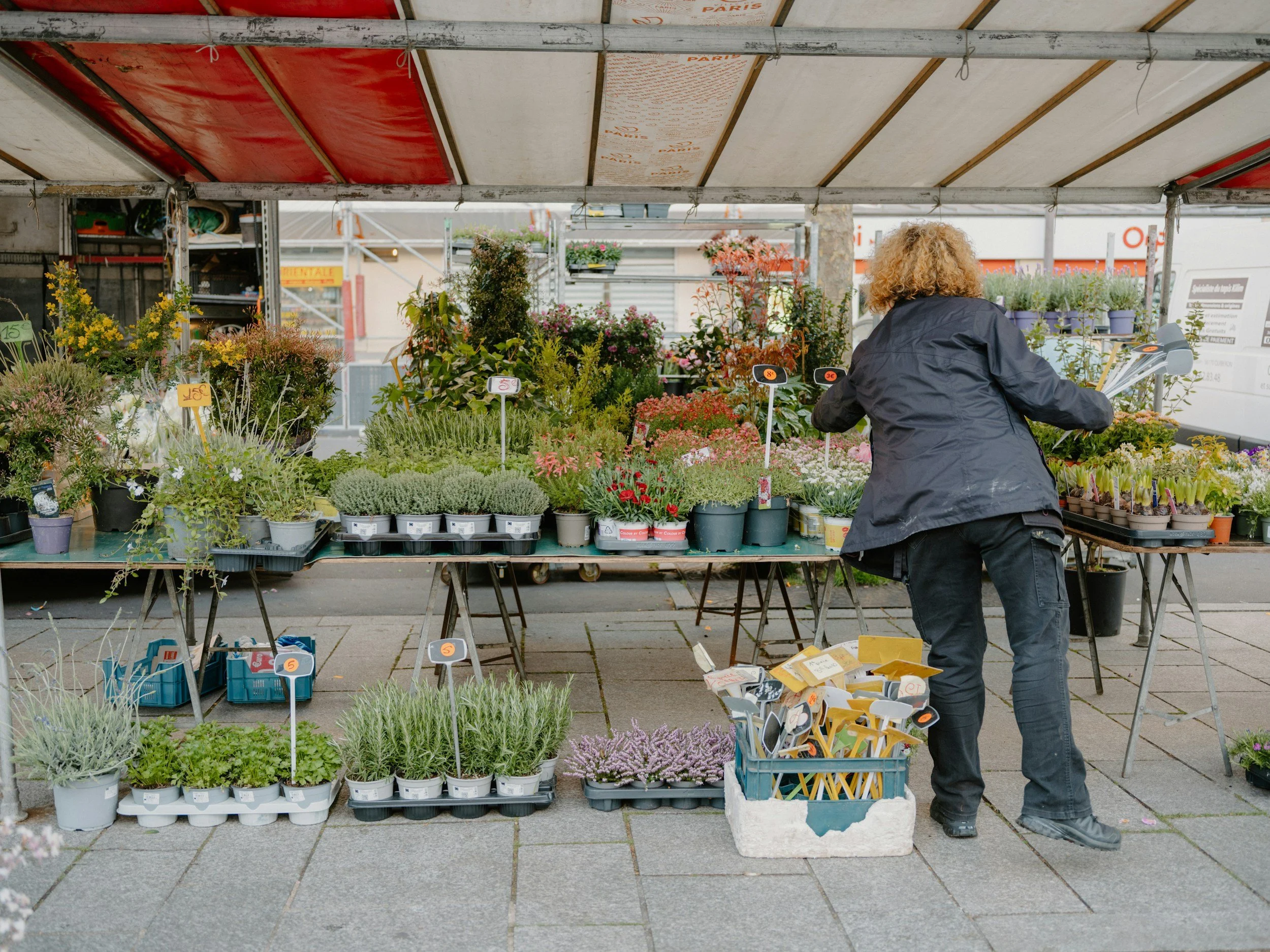
Lavender products arriving too early in the season
The lavender situation at the Nyons market in May feels slightly disconnected from reality.
You walk through the centre rows near Place des Arcades and suddenly everything turns purple. Lavender soaps piled into baskets. Lavender honey. Lavender sachets hanging from wooden stands. Little ceramic cicadas painted lavender colour. Some stalls even pipe out lavender scent so strongly you smell it before you reach the table.
Then twenty minutes later you drive toward Condorcet or Mirabel-aux-Baronnies and realise the actual landscape around Nyons looks nothing like the market displays yet.
In May, the hills around the Baronnies are still mostly green. Olive groves look dense after spring rain, broom flowers explode bright yellow along the roadsides, and the lavender fields themselves are still short grey-green rows sitting low against the ground. No giant purple scenery. No endless bloom. A lot of visitors arrive expecting peak Provence already because the market visually suggests that season has started, even though it really hasn’t.
That’s why some of the lavender stalls feel much more aimed at day-trippers than people living around Nyons. A few tables near the busiest walkways are almost interchangeable once you start paying attention. Same soaps. Same sachets. Same little fabric bundles tied with ribbon. Sometimes even the exact same products with different labels depending on the stall.
Meanwhile, the genuinely seasonal parts of the market in May look completely different. Muddy asparagus. Tomato seedlings. Strawberries bruising in the heat by late morning. Picodon wrapped loosely in paper. Local shoppers carrying basil plants back toward the car instead of lavender gifts.
One thing that makes this especially obvious in Nyons is how quickly you reach the countryside once you leave the market streets. You can stand beside a stall selling “lavande de Provence” tea towels near Rue des Déportés, then be driving through completely green hills toward Aubres fifteen minutes later wondering where all the purple fields went.
That doesn’t mean every lavender product at the market is bad. Some stalls sell proper soaps and oils from producers around the Drôme Provençale. But in May, it’s worth slowing down before buying the first lavender thing you see just because it matches the image people expect from Provence.
But honestly, this slightly awkward in-between season is part of what makes Nyons more interesting in May than peak summer. The market hasn’t fully transformed into postcard Provence yet. Spring still keeps interrupting it. One street smells like lavender soap while another smells like damp soil and tomato plants being unloaded from a van. Someone walks past carrying fresh mint and artichokes while tourists nearby are buying decorative lavender bundles months before the fields are actually blooming.
And local shoppers mostly seem uninterested in the lavender stalls altogether. They walk straight past them on the way to the food sections without even slowing down.
Soap stalls carrying nearly identical stock under different labels
After a while, the soap section of the Nyons market starts feeling a bit like déjà vu.
You walk past one lavender stall near Place des Arcades with giant purple soap blocks stacked in wooden crates, then five minutes later you realise another stall closer to Rue des Déportés is selling almost the exact same bars with different wrapping and a different village name printed on the label. Same olive-shaped soaps. Same metal tins. Same dried lavender bundles tied with string. Sometimes even the same price written on the chalkboards.
A lot of visitors don’t notice because the displays are designed to catch attention quickly. Bright colours, strong lavender smell, baskets overflowing onto the pavement. One stall cuts huge soap blocks with a wire in front of people every few minutes because crowds immediately gather to watch, even though the exact same soaps often appear again further down the market under another brand name.
Around late morning, this whole section becomes one of the slowest-moving parts of the market because people stop constantly in the middle of the walkway smelling soaps and comparing packaging while everyone else tries to squeeze through carrying actual groceries toward the parking areas near Place de la Libération.
The contrast with the food rows nearby is honestly quite funny once you notice it. Fifty metres away, olive producers are standing behind folding tables covered in oil stains while someone shouts over the crowd asking if there’s any picodon left. Then suddenly you hit a wall of perfectly arranged lavender products that feel much more designed for visitors looking for “something from Provence” than for anyone living around Nyons.
That doesn’t mean all the soap stalls are bad. Some smaller producers around the Drôme really do make proper olive oil soaps locally, and a few stalls smell noticeably less artificial than others. One smaller stand tucked into the quieter streets behind Rue des Bas Bourgs had rough-cut olive soaps curing on plain wooden shelves instead of giant decorative displays, and local customers actually stopped there more than once during the morning instead of just browsing and leaving.
You also start spotting repeated products everywhere once you slow down properly. The exact same lavender sachets hanging at three different stalls. Identical soap moulds stamped with cigales. Same wrapped cubes stacked into little pyramids beside postcards and table runners. Some sellers clearly focus more on presentation than the soap itself.
Meanwhile, local shoppers mostly ignore this entire section. They walk straight through carrying artichokes, bread, tomato plants, or bags of onions without even glancing sideways. The people spending twenty minutes debating between lavender-mint and lavender-verbena soap are almost always visitors.
By midday, the smell around these stalls becomes intense too because so many are grouped together near the centre of the market. Lavender, artificial rose, eucalyptus, vanilla, all mixing into the warm air while nearby streets still smell like roast chicken, olives, and fresh herbs from the food side of the market.
This is probably one of the easiest places in Nyons to waste money quickly if you buy from the first pretty stall you see. Once you notice how much stock repeats across the market with slightly different branding attached to it, the better approach is slowing down and paying attention to which stalls actually feel connected to the region instead of just selling a generic version of Provence.
Ceramics priced for visitors near the busiest corners
The ceramic stalls packed around Place des Arcades and the upper end of Place de la Libération are usually where the market slows to a complete standstill by late morning.
Someone stops suddenly to photograph a stack of yellow olive bowls. Another person turns sideways trying not to knock over espresso cups hanging from metal hooks. Meanwhile, people carrying actual groceries are stuck trying to squeeze through with market trolleys full of asparagus, bread, and herbs while café servers push past carrying trays toward the terraces under the arcades.
A lot of the ceramics near the busiest corners start looking strangely similar once you’ve walked the market twice. Same glazed olive dishes. Same lavender-painted mugs. Same chunky Provençal pitchers with little olive branches painted around the sides. Some stalls even have identical cicada platters sitting on different tablecloths a few streets apart.
One thing you notice quickly in Nyons is that the prices jump sharply the closer the stall sits to the heaviest visitor traffic. Near the café terraces around Place des Arcades, tiny hand-painted olive bowls regularly sit tagged at prices that make local shoppers visibly laugh before walking away. Meanwhile, further back near Rue des Bas Bourgs, one older ceramic seller has heavier stoneware stacked directly in cardboard boxes under folding tables with almost no display styling at all.
That quieter stall feels completely different from the polished Provence-style ceramic setups near the centre. No lavender signs. No staged “French kitchen” aesthetic. Just practical bowls, serving dishes, espresso cups, and large ceramic pitchers people around Nyons actually seem to buy for everyday use.
Around 10:45, the ceramic rows become one of the most awkward places in the market physically because the streets narrow exactly where people stop moving. Someone wrapping fragile bowls in old copies of Dauphiné Libéré newspaper while another customer tries to balance fougasse, tomatoes, and a ceramic serving plate at the same time because they refused to make two trips back to the car.
The mistral makes things even more chaotic once it starts pushing through the streets properly. You hear ceramic pieces clinking against each other constantly while stall owners grab tablecloth corners before another gust flips lightweight plates sideways. One seller near Rue des Déportés had already moved half the smaller pieces into crates under the table before lunch because the wind kept knocking price tags loose across the pavement.
You also start noticing who’s actually buying ceramics versus who’s browsing. Visitors spend ages debating colours and whether something “feels Provençal enough.” Local residents usually walk straight toward the simpler stoneware. One woman carrying vegetables and flowers stopped only long enough to replace two plain bowls matching the set she already had at home near Mirabel-aux-Baronnies….
Usually the strongest ceramic stalls in Nyons are the least photogenic ones. The pieces that feel connected to kitchens around the Baronnies tend to sit further away from the slow-moving visitor crowds where people are still shopping practically instead of searching for decorative souvenirs before driving back toward Saint-Rémy or Avignon.
Olive wood boards that are easier to find cheaper elsewhere in the Drôme
The olive wood stalls near the centre of the Nyons market always attract crowds because the displays photograph well. Huge cutting boards leaning against old stone walls, stacks of salad spoons hanging from metal hooks, polished serving boards catching the sunlight near Place des Arcades while people stop automatically to touch everything as they walk past.
But honestly, this is one of the easiest places in the market to overpay.
A lot of the olive wood products closest to the busiest walkways are priced for people buying one “Provence item” before heading back toward Avignon or Gordes that afternoon. Smaller serving boards near Place de la Libération regularly cost more than much larger handmade pieces you find later driving through villages around the Drôme Provençale.
Once you leave Nyons and start passing through places like Dieulefit, Bourdeaux, or even some of the smaller roadside artisan workshops between Venterol and Valréas, the prices usually drop quite a bit and the selection becomes less repetitive too. In Nyons, many stalls carry nearly identical olive boards with the same polished curves, resin-filled cracks, and little leather hanging straps attached to the handles.
By late morning, the olive wood section near the centre rows becomes difficult to move through because people stop constantly to compare grain patterns while balancing market bags and paper-wrapped pastries at the same time. Someone always seems to be trying to fit a giant serving board into an already overloaded tote bag while another customer asks whether the wood survives dishwasher use.
The stronger olive wood stalls are usually the simpler ones further away from the heaviest crowds. Less styling. Fewer polished “gift sets.” More rougher cutting boards and kitchen pieces that feel made for actual use instead of decorative holiday purchases.
One smaller stall closer to Rue des Bas Bourgs had stacks of heavier boards still smelling faintly of fresh wood shavings rather than olive oil soap and perfume drifting over from the tourist-heavy centre rows. Local shoppers actually stopped there to check thickness and weight properly instead of just photographing the displays.
You also start noticing how often the same products repeat around the market once you pay attention. Similar serving spoons. Same carved olive dishes. Identical rounded cutting boards appearing at multiple stalls with slightly different price tags depending on how close they are to the busiest parts of the market.
The irony is that some of the nicest olive wood pieces around this part of the Drôme aren’t even found at markets. Small workshops and roadside artisan shops outside Nyons often have much better prices and less mass-produced stock because they’re selling year-round instead of mainly catching passing market traffic on Thursdays.
That doesn’t mean you shouldn’t buy olive wood in Nyons. Just don’t assume the first pretty display near Place des Arcades is automatically the best quality or best value because it looks the most “Provence.”
What changes at Nyons market during May specifically
Cold morning wind before the square warms up
A lot of people arrive at the Nyons market in May dressed for the temperature they saw on the afternoon forecast instead of the temperature actually sitting in the square at 8am.
Early in the morning, Place des Arcades still stays partly in shadow and the cold air moving down from the Baronnies catches people off guard fast, especially on windier Thursdays. The sun reaches different parts of the market slowly, so one side of the square already has people sitting outside in sunglasses while the streets behind Rue des Bas Bourgs still feel cold enough for scarves and jackets.
You notice local shoppers prepare for it completely differently. They arrive layered properly, carry jackets folded over market trolleys, and move through the colder shaded streets quickly before stopping later once the square warms up. Visitors are usually the people standing still with coffee cups trying to warm their hands beside the café terraces.
The cold changes the market physically too. Bakery stalls keep paper bags pinned under trays so they don’t blow away. Plant sellers leave basil and softer herbs partially covered longer in the morning because the mistral dries them out fast before the temperature rises properly. One vendor near the outer rows had pushed tomato seedlings tightly together behind stacked crates because the wind kept knocking the lighter plants sideways every few minutes.
Around Place de la Libération, gusts cut through the open sections of the market unexpectedly. Handwritten price signs end up on the pavement. Napkins blow across café tables. People instinctively move toward whichever parts of the square finally catch sunlight first. By 8:45, the warmest café tables are usually already taken while the fully shaded side under the arcades still sits half empty.
The ground feels different too early in the day. Some of the older stone streets stay slightly damp and cold from overnight temperatures, especially in the tighter lanes where sunlight barely reaches before mid-morning. Vendors setting up near Rue des Déportés often wear heavier jackets much longer than people expect once they stop moving around unloading vans.
Then around 10am, the market changes very quickly. The stone walls around the square start holding warmth properly, café terraces suddenly fill all at once, and people begin peeling layers off and stuffing jackets into shopping bags beside bread and vegetables they’ve already bought.
That early colder window is honestly one of the best times to see Nyons properly though! The market still feels manageable, parking near the centre is easier, and producers actually have time to answer questions before the streets clog up completely closer to lunch.
A lot of people imagine off-season France as empty cafés and shuttered streets, but that’s not always true. This off-season guide makes it much easier to tell the difference before you book anything.
Which produce stalls look completely different by 11am
By 11am, parts of the Nyons market barely resemble the same place you walked through earlier in the morning.
The smaller produce stalls change fastest. Around 8:30, some tables near Rue des Déportés are still stacked high with asparagus tied in muddy bundles, strawberries packed tightly into cardboard trays, artichokes piled in uneven towers, and herbs sitting in shallow plastic crates still damp from watering. Two hours later, those same stalls can look almost stripped out.
The producers local shoppers seem to trust most are usually the ones that start looking messy first.
Empty wooden crates begin appearing underneath the tables. The best strawberries disappear from the front rows and vendors push softer remaining fruit toward the edges. Half the asparagus is suddenly gone except for thinner stalks nobody wanted earlier. One older producer near the centre rows kept replacing handwritten signs throughout the morning because the prices changed once quantities started running low.
You can tell a lot just by watching which stalls still look untouched at 11am.
Some tables near the busiest entrances around Place des Arcades stay visually perfect all day because they’re stocked heavily for visitors passing through. Huge polished displays. Perfect pyramids of fruit constantly being rearranged. Meanwhile, smaller local producers deeper in the market start looking slightly chaotic once the serious shopping rush passes through earlier in the morning.
One vegetable stall near Rue des Bas Bourgs had customers reaching directly into boxes still sitting on the ground because the seller hadn’t even had time to restack everything properly before half the produce was already gone. Nearby, another producer was down to loose herbs, bruised apricots, and a few bunches of radishes sitting crookedly in empty trays while larger tourist-facing stalls nearby still looked untouched.
The weather changes things too. By late morning in May, softer produce starts looking tired quickly once the heat settles into the market streets. Basil droops. Strawberries darken slightly in the sun. Salad leaves lose freshness around the edges. Vendors spray water over vegetables constantly trying to keep things looking alive through the busiest hours.
One thing that makes Nyons feel different from larger Provence markets is that the seasonal transitions stay visible all morning instead of everything being endlessly replenished. Some stalls simply run low because the producer only brought what was harvested nearby that week. You notice it especially in May when the market still sits between spring and summer produce.
Around 11am, the strongest stalls often look the least photogenic. Crushed herb leaves across the tables. Empty spaces where cherries sold out first. Torn cardboard boxes shoved under folding chairs. Producers moving faster, talking less, trying to finish sales before packing up begins later in the afternoon.
One of the easiest ways to tell which produce stalls local people genuinely buy from in Nyons is watching what they look like by late morning compared with how they looked when the market first opened.
If you’re heading north after this and want somewhere that still feels manageable without a car, this Champagne guide is genuinely useful for figuring out where solo travel in France actually feels easy.
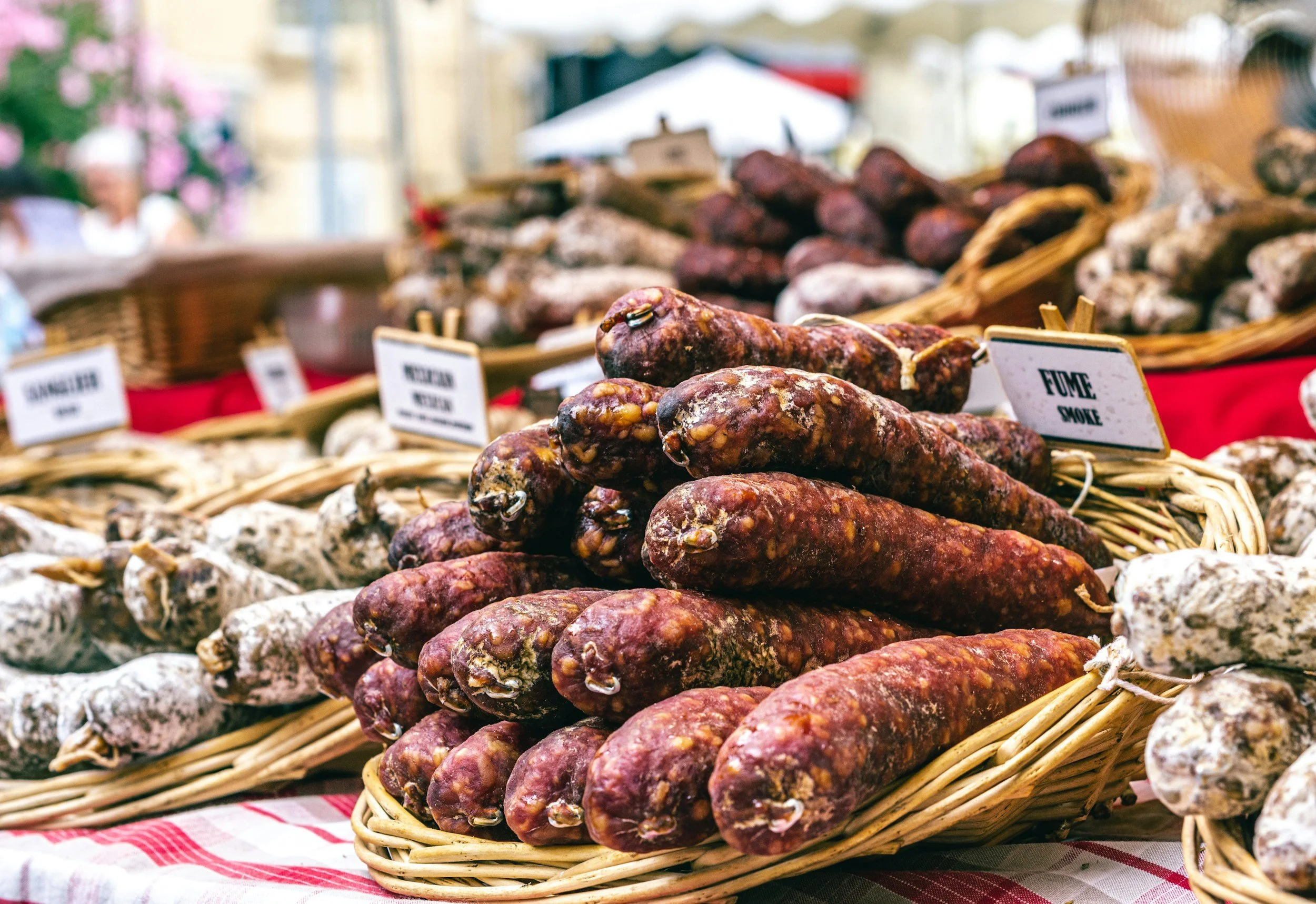
French holiday weekends that change the atmosphere fast
The Nyons market changes completely during French holiday weekends in May, and if you don’t know the calendar beforehand, the difference catches you off guard very quickly.
One Thursday can feel relaxed enough that local shoppers still outnumber visitors before lunch. Then suddenly a long weekend arrives around Ascension or Pentecost and the entire atmosphere shifts before 9am.
The roads into town are usually the first sign. Traffic starts building earlier on the D538 coming down from Valréas and along the roads entering Nyons from Vaison-la-Romaine. By 8:30, cars are already circling for parking near Place de la Libération while scooters squeeze into tiny gaps beside market vans because half the normal spaces disappeared hours earlier.
Inside the market, the crowd changes too. More families. More people clearly staying in holiday rentals around the Drôme Provençale for a few days instead of locals doing weekly shopping. The café terraces under Place des Arcades fill much faster, and suddenly the market develops slow-moving bottlenecks in places that normally stay manageable until later in the morning.
The olive stalls near the centre become especially difficult during holiday weekends because people stop constantly for tastings without really moving on afterward. One person tasting tapenade turns into ten people blocking the entire row while someone else tries to push a shopping trolley through carrying vegetables and bread for lunch.
Restaurant timing changes as well. On ordinary Thursdays, people spread out through the morning. During holiday weekends, tables start filling before noon and several restaurants near the centre already look fully booked by the time late arrivals start wandering around deciding where to eat.
You notice the shift in shopping behaviour too. Local shoppers move even faster than usual because they know what’s coming. People arrive earlier, buy what they need quickly, then leave before the market becomes difficult to navigate. By contrast, holiday visitors tend to stop at every second stall, compare products for ages, and cluster around the most photogenic corners near the centre squares.
Some of the smaller produce stalls struggle to keep up on those weekends. Strawberries disappear earlier, bread queues double in size, and a few olive producers near Rue des Déportés stop doing proper tastings altogether because there are too many people waiting at once. One bakery seller was already down to smaller remaining loaves before 10:30 during a holiday Thursday because visitors kept buying extra bread for lunches and picnics later in the day.
Even the sound changes. More children running between tables. More rolling suitcases from people arriving directly from rentals or hotels. More café noise echoing under the arcades while vendors start shouting prices louder because conversations become harder to hear over the crowd.
Honestly, if someone wants to experience Nyons at its best, avoiding the biggest French holiday weekends in May usually makes a huge difference. The market still feels busy on ordinary Thursdays, but you can actually move through it properly, talk to producers, and notice the smaller details that disappear once the holiday traffic arrives all at once.
If you’re trying to decide between Dordogne and somewhere less saturated in spring, this Périgord Noir weekend gives a much clearer picture of what the atmosphere is actually like outside peak season.
Rainy Thursdays when half the textile vendors disappear
The Nyons market reacts to rain much faster than people expect.
You can usually tell by 7:30am what kind of market morning it’s going to be. If low clouds are sitting over the hills around the Baronnies and the pavement near Place des Arcades still looks dark and wet from overnight rain, some vendors don’t even bother setting up fully.
The textile sellers are normally the first to disappear.
On dry Thursdays, parts of the market near Place de la Libération fill with clothing racks, linen dresses, scarves, cheap cotton shirts, tablecloths, market baskets, and fabric stalls spilling halfway into the walkways. But once rain arrives, huge gaps suddenly appear where those stands usually sit. Some sellers leave entirely. Others stay but keep half their stock covered under blue tarps while standing around drinking coffee waiting to see if the weather improves.
The whole market physically shrinks when it rains.
Food producers still come because local shoppers continue buying vegetables, bread, olives, and cheese regardless of the weather. But the slower browsing sections thin out quickly. Suddenly you can walk through streets that normally become packed by 10am without bumping into anyone carrying oversized shopping bags or ceramic bowls wrapped in newspaper.
The atmosphere changes in very specific ways too. The old stone streets around Rue des Déportés become slippery in places, café terraces under the arcades fill earlier because everyone searches for cover, and vendors start improvising little rain systems using plastic sheets clipped to market poles with clothespins and bits of rope.
One olive seller near the centre rows had stacked empty produce crates under the front corners of the table because rainwater kept running downhill directly into the walkway. Nearby, a herb vendor moved all the softer plants under the edge of a neighbouring canopy because the basil was collapsing under the rain.
The smells around the market become completely different on wet mornings too. Less dust and warm pavement, more damp stone, wet cardboard boxes, roast chicken steam, coffee, and muddy vegetables fresh from the fields around the Drôme.
You also notice local shoppers behave differently in rain. People move with purpose instead of browsing. They know exactly which stalls they need and stop spending time wandering around the decorative sections of the market. The soap stalls and ceramic tables often end up nearly empty while the bakery queues stay full regardless of weather.
By late morning, if the rain clears even briefly, the market expands again almost immediately. Textile vendors start reopening tarps, café terraces refill, and people suddenly reappear from nowhere carrying umbrellas and shopping bags at the same time.
However, rainy Thursdays are sometimes the better market experience if you care more about the food side of Nyons than the “idyllic Provence” atmosphere. The crowds thin out fast, the market feels much more local again, and it becomes easier to notice which stalls are there because people around Nyons genuinely rely on them every week instead of only surviving on visitor traffic during good weather.
The weeks when cherries suddenly become worth buying
By 10:15, the best cherries are usually already disappearing from the smaller fruit stalls near Rue des Déportés.
Not all cherries. Just the good ones.
The darker trays from nearby orchards around Mirabel-aux-Baronnies and Aubres go first while plenty of bigger glossy cherries still sit untouched near the busiest corners of Place des Arcades where visitors stop because the displays look impressive from a distance.
You can actually watch the market realise the season has changed.
One Thursday people are still buying strawberries first. The next week, half the conversations around the produce rows suddenly become about cherries instead. Someone asking if they’re sweeter this week after the warmer nights. Another customer tasting one directly from the crate before immediately asking for two kilos.
The stronger cherry stalls start looking rough very quickly once the good weeks arrive. Crushed stems everywhere. Paper bags stained through at the bottom. Vendors dragging fresh trays out from underneath folding tables because the front rows emptied faster than expected after 9am.
Near one stall in the centre rows, customers were reaching directly into open crates while the producer kept repeating “attention, celles-là sont très mûres” because several cherries had already split from the heat by mid-morning.
That’s usually a good sign in Nyons.
The cherries worth buying here are often the ones that wouldn’t survive sitting perfectly polished in a supermarket for another week. Softer fruit. Uneven sizes. Darker skins. The kind people eat the same afternoon while driving back through the Baronnies with stained fingers and cherry pits wrapped into napkins sitting in the cupholder.
The roads outside Nyons explain a lot too. Drive toward Condorcet or Aubres after the market and you’ll pass orchards changing almost day by day once the weather turns properly warm. One hot week in May completely reshapes the produce side of the market.
And unlike some Provence markets where produce somehow looks identical all season long, Nyons still shows the awkward transition. Some stalls have incredible cherries while others are obviously still early. One producer sells fruit that tastes almost jammy already while another still has hard bright-red cherries nobody seems particularly excited about.
By late morning, the best stalls barely look organised anymore.
That’s usually when you know the season finally arrived properly.
A lot of travelers rush through Drôme on the way to Provence without realizing how good the countryside stays are here. These Drôme cottages are the kind of places people usually wish they’d booked longer.
The food stalls people actually line up for
By around 11:15, the smell near the church side of the Nyons market becomes impossible to ignore.
You can still be halfway down Rue des Déportés near the olive stalls and suddenly catch warm chicken fat, rosemary, garlic, and roasting potatoes drifting through the crowd once the wind changes direction. At that point, people start unconsciously moving toward the rotisserie section even if they weren’t planning to buy lunch yet.
The queue builds fast.
Not a slow browsing queue either. A proper local lunchtime queue where people already know exactly what they want before reaching the front. One chicken. Extra potatoes. Half chicken. More potatoes. Someone holding two baguettes under one arm while digging coins out of a jacket pocket with the other because the line suddenly moved quicker than expected.
The potatoes underneath the chickens are honestly what half the people are there for.
They sit underneath the spits absorbing all the drippings while the trays slowly fill with garlic, rosemary, onion, and hot chicken fat through the morning. By midday, people are specifically asking for “celles du fond” because the potatoes near the back trays usually end up darker and more caramelised once the rush starts.
Around the church side of the market, the streets also become physically tighter near lunchtime because nobody keeps moving properly anymore. Someone stands eating directly beside the rotisserie queue while balancing olives and strawberries in the same paper bag. Another person is trying to carry a hot chicken, flowers, and ceramic bowls at once while weaving through café chairs that have spread too far into the walkway.
One vendor kept shouting numbers over the crowd because several customers wandered off to buy bread while waiting for the next batch to finish rotating. Nearby, a man eating potatoes directly from the paper tray burned his fingers, laughed, then immediately kept eating anyway because they were too hot to hold properly but apparently too good to wait for.
The atmosphere around this part of the market changes completely compared with the slower soap and ceramic sections near Place des Arcades. Nobody is comparing labels or debating colours here. People move quickly because lunch is clearly already planned in their heads.
You also start noticing who came prepared. Local residents arrive carrying insulated bags or empty containers from home. Visitors are usually the ones awkwardly trying to figure out where to sit afterward because every sunny café table near the square already filled forty minutes earlier.
And the sound around the rotisserie stalls gets louder the later it gets. Metal trays scraping. Vendors shouting “attention derrière.” Church bells cutting through conversations and plastic forks snapping. Someone dropping an entire bag of onions while trying to squeeze sideways through the queue.
By midday, the pavement near the rotisserie stalls is usually dotted with rosemary needles, potato skins, napkins stained orange from chicken fat, and little dark spots where the oil dripped from overloaded paper trays onto the stone.
This part of the market actually feels more like ordinary Thursday life around Nyons than almost anywhere else in the square. Nobody is standing there because it looks picturesque. They’re standing there because the smell reached them halfway across the market and now they want lunch immediately…
Bread worth buying before driving further into the Drôme Provençale
People massively underestimate how useful good bread becomes once they leave the Nyons market and start driving deeper into the Drôme Provençale.
At the market itself, it’s easy to think one baguette is enough. Then a few hours later you’re somewhere between Condorcet and Bourdeaux with goat cheese, olives, cherries, strawberries, maybe half a roast chicken from the market, and suddenly the bread matters much more than expected because half the smaller villages shut down completely after lunch.
That’s why the serious bread buyers at the market usually arrive early.
By around 8:30, several bakery stalls near Rue des Déportés already have queues forming before many visitors have even finished coffee under the arcades. People aren’t standing there for pretty pastries either. Most local shoppers seem focused on larger country loaves, olive fougasse, walnut bread, and darker pain de campagne heavy enough to survive sitting in the car all afternoon without turning dry or collapsing completely once wrapped beside vegetables and cheese.
The fougasse disappears first most Thursdays.
One bakery seller near the church side kept pulling fresh olive fougasse from trays stacked behind the van while people waiting in line were already tearing pieces off the warm bread before even reaching the next stall. By late morning, olive oil had soaked through half the paper bags in the queue.
The stronger bread stalls in Nyons are usually not the polished bakery displays closest to Place des Arcades where visitors stop for croissants and photos. The better bread tends to come from slightly rougher-looking setups where flour covers the tables, the paper bags crumple immediately, and the vendor barely has time to answer questions because the queue keeps moving nonstop.
One stand near the middle rows had customers buying four or five large loaves at once while another prettier bakery stall nearby mostly attracted people debating between apricot tarts and lavender biscuits.
You also start noticing how differently local residents shop compared with visitors. Tourists buy bread as part of the market experience. Local shoppers buy it like they already know exactly how the rest of the day will unfold afterward.
Someone loading bread beside crates of tomatoes and herbs into the back of a car parked near Place de la Libération before driving back toward Mirabel-aux-Baronnies. Another customer asking specifically which loaf still tastes good the next morning because they’re heading out toward Dieulefit afterward and won’t stop again.
And honestly, once you start driving through this part of the Drôme after the market, the bread suddenly becomes central to the whole day without anyone planning it that way. People stop beside vineyards, olive groves, riverbanks, tiny village squares, and random roadside viewpoints eating pieces of fougasse straight from torn paper bags because lunch slowly assembled itself through the market during the morning.
By 11am, the bakery section already looks completely different from earlier. Flour smeared across folding tables. Empty wooden trays stacked beside vans. Crushed paper bags blowing down the street when the mistral picks up. Someone arriving too late asking if there’s any olive fougasse left while the vendor points toward the final two pieces sitting behind another customer already reaching for them.
Socca and pissaladière stalls that usually sell out early
The socca and pissaladière stalls at the Nyons market never really look calm for very long.
Even before 10am, people are already standing nearby eating pieces straight from paper trays while trying not to drip onion oil or chickpea crumbs onto whatever else they bought earlier in the morning. Someone balancing hot socca beside a bag of cherries. Another person tearing strips off pissaladière while still waiting in line for olives two stalls further down.
The pissaladière usually disappears first.
Not everywhere, but at the smaller prepared-food stands near Rue des Déportés where the onions are cooked down properly until they almost collapse into the pastry and the anchovies go slightly crisp around the edges from sitting in the heat. Those stalls tend to look slightly chaotic by late morning. Grease marks across the counter. Paper trays stacked everywhere. Vendors cutting slices quickly while trying to keep the line moving.
One stand near the church side already had people asking “il en reste encore?” before 10:30 because half the trays were gone and the next batch hadn’t arrived yet.
The socca stalls feel different. Faster. Hotter. More movement.
The vendors usually keep the large round trays near the front where people can see the crisp edges and steam coming off the chickpea batter once fresh pieces are cut. During cooler mornings in May, you notice people standing close to the stall almost using the heat from the trays to warm their hands while waiting.
And unlike some of the slower souvenir-heavy sections around Place des Arcades, nobody lingers very long around these food stalls once they’ve bought something. People grab slices, fold paper trays in half, and immediately start eating while walking because the food tastes much better hot.
The strongest stalls are rarely the neatest-looking ones either.
One pissaladière stand near the middle rows had caramelised onions sliding sideways off the pastry because the slices were overloaded and still warm from the oven. Another vendor was wiping chickpea batter off the edge of the socca trays with a dish towel tucked into an apron because customers kept reaching over the counter pointing at which pieces they wanted first.
People usually stop because the stalls smell good and the queue looks promising. Local shoppers seem to know exactly which stand they want already. Some arrive carrying almost empty market bags because they clearly planned lunch around grabbing hot socca or pissaladière before heading home.
By late morning, the streets around these stalls become crowded enough that people start eating pressed against walls, sitting on low stone edges near the church, or standing beside scooters parked half onto the pavement because every café table nearby filled earlier.
And once the good pissaladière sells out, it’s gone. The vendors don’t always replace it immediately because many of the stalls only brought a certain amount prepared that morning. That’s why people around Nyons tend to buy it when they first see a tray looking fresh instead of assuming it’ll still be there an hour later.
If you’re not tied to summer dates, this Drôme autumn guide might honestly change your mind about when to visit southern France altogether.
The sausage vendors local shoppers return to week after week
Some stalls at the Nyons market attract crowds because they look good in photos. The sausage vendors people around Nyons actually return to every Thursday usually look much less impressive.
You notice them because the customers already seem familiar with the routine. No browsing. No slow tasting. People walk straight up, greet the vendor by name, order the same things they bought the week before, then disappear back into the market carrying white butcher paper folded tightly under one arm beside bread and vegetables.
Around the charcuterie rows near Rue des Déportés, the stronger sausage stalls tend to feel slightly cramped by late morning because local shoppers keep returning in waves once they’ve finished the rest of their shopping. Someone buying dried saucisson for the weekend. Another customer asking if the garlic sausage is stronger this week. Someone else ordering slices of cured ham while discussing whether they’re heading up toward Condorcet later that afternoon.
The smell around those stalls changes constantly through the morning too. Cured meat, pepper, garlic, warm bread from nearby bakery queues, roast chicken drifting over from the church side once lunchtime gets closer.
One vendor near the middle rows had strings of saucisson hanging so low taller customers kept accidentally brushing them with shopping bags while squeezing sideways through the crowd. Another older producer nearby was cutting slices directly onto paper sheets balanced over a cooler because there wasn’t enough room left behind the counter once the queue built up.
The sausage stalls local residents seem loyal to usually aren’t the ones overloaded with decorative gift boxes or giant “produits artisanaux” signs aimed at visitors. The stronger vendors often have simpler displays and much more practical conversations happening at the counter.
You overhear people asking:
which sausage survives a long drive
which one works best with goat cheese
which cured meats are less salty this week
whether something came from nearby farms toward Vinsobres or further north in the Drôme
Those small conversations feel much more tied to everyday food routines than souvenir shopping.
And unlike the slower soap or ceramic sections, the movement around these stalls stays quick and compressed. People lean forward to order, step sideways immediately afterward, then make space for the next customer because the walkway behind them is already blocked with market trolleys and bread bags.
By 11am, the strongest sausage vendors already start looking slightly dismantled. Empty hooks where certain saucissons sold first. Paper scraps covering the counter. Handwritten labels curling from the heat. One vendor was using the side of a cardboard box as an extra cutting surface because they’d run out of room near the register once the lunch rush started building.
The atmosphere around these stalls feels especially local once the market gets busier because most visitors keep drifting toward olive oil, soap, ceramics, and lavender displays instead. Meanwhile, people from around Nyons continue queueing quietly for the same sausage vendors they apparently buy from every single Thursday.
Heading west afterward? The Lot Valley is one of the easiest extensions if you want stone villages, markets, and slower driving routes without the density of Provence.
The quieter side streets most visitors barely reach
Most visitors turn back long before they reach the outer edges of the Nyons market.
You can almost see where it happens. Somewhere after the olive stalls and café terraces around Place des Arcades, the crowd thins suddenly and the market stops looking like the version of Provence people came expecting. The streets become noisier, messier, and much more practical once you move toward Rue des Bas Bourgs and the roads leading back toward the parking areas near Place de la Libération.
This is where the market starts feeling like people actually live here.
The plant sellers take over huge sections of pavement in May. Tomato seedlings packed so tightly together the leaves tangle into each other. Basil plants hidden behind crates to protect them from the wind. Mint spilling sideways out of black plastic trays onto the ground because nobody has time to tidy things properly once customers start arriving.
One vendor near the outer rows kept watering courgette plants with a cut plastic bottle because the mistral was drying the leaves faster than expected that morning. Nearby, someone loading rosemary bushes into the back of a dusty Peugeot station wagon accidentally snapped half a tomato stem off trying to make everything fit beside bags of onions and potting soil.
The household stalls around this part of the market feel completely different from the decorative Provence displays near the centre too.
No staged olive bowls. No lavender gift sets. Instead:
cheap kitchen knives hanging from hooks,
extension cords tangled together in boxes,
watering cans,
plastic buckets,
rubber boots,
fly swatters,
packets of screws,
laundry clips sold by the kilo,
rolls of thick tablecloth plastic cut directly from giant hanging spools.
One older man near the edge of the market was sharpening kitchen knives beside a folding table covered with batteries, saucepan handles, and electrical tape while two local women argued over which tomato plants survive best near Venterol once summer heat arrives properly.
This side of the market sounds different too. Less café noise and tourist chatter. More metal scraping against pavement, vans reversing slowly between stalls, vendors shouting “attention derrière” when someone drags another crate through the walkway.
And honestly, this is where some of the strongest market details happen because nobody is trying very hard to create atmosphere for visitors. Someone buying basil, onions, and replacement hose connectors in the same transaction. Another customer arriving with empty plant trays from home to refill before driving back toward Aubres.
By late morning, the practical stalls actually get busier while parts of the decorative centre market start slowing down. Local shoppers do one final sweep before heading home. People compare prices on potting soil. Someone tests the weight of a garden shovel while balancing warm bread under one arm.
You also notice how differently people move here compared with the slower souvenir sections near Place des Arcades. Nobody drifts around casually smelling soap or debating ceramics. The pace is quicker, more direct. People know what they came for already.
And weirdly, this outer edge of the market is one of the places that feels most useful for understanding Nyons properly. The prettier centre rows tell you what visitors imagine Provence looks like. The outer practical sections tell you what Thursday mornings around the Baronnies actually look like instead.
If markets are part of the reason you’re coming to France in the first place, these Loire market towns are especially good if you prefer smaller weekly markets over massive tourist-heavy ones.
Older locals shopping for groceries late in the morning
By 11am, the market starts splitting into two completely different versions of Nyons.
Near Place des Arcades, visitors are still moving slowly between soap stalls, ceramics, and olive tastings, stopping every few metres and blocking half the walkway without realising it. Further out near Rue des Déportés and the quieter produce rows, older local residents are doing the opposite. Quick conversations. Direct routes. Same stalls as always.
One woman with a blue shopping trolley moved through the market in less than fifteen minutes and still somehow bought better things than half the people wandering around for two hours. Asparagus first. Then goat cheese. Then straight to the olive stall near the middle rows where the vendor already seemed to know what container size she wanted before she even spoke.
That kind of thing happens constantly late in the morning.
An older man standing beside the cherry crates discussing whether the fruit from Aubres was finally sweeter this week after the warmer nights. Someone returning an empty egg carton to a producer before buying more eggs. A vendor quietly setting aside a loaf under the table because a regular customer hadn’t arrived yet.
The pace feels different too.
Nobody is photographing lavender soap or debating whether a ceramic bowl “looks Provençal enough.” People are shopping for lunch, dinner, and the next few days. Some know exactly how long they can leave tomatoes in the car before driving back toward Mirabel-aux-Baronnies. Others are checking bread crusts with their thumb while talking about wind damage in the olive groves outside Condorcet.
You also notice how local shoppers avoid the market differently once the centre gets crowded. Instead of pushing through Place de la Libération, many cut through the quieter side lanes behind the main rows where there’s still space to stop properly. A few stand briefly in the shade near the church wall reorganising bags before continuing.
By then, the market itself already looks slightly worn in places. Crushed herbs stuck to the pavement. Empty cherry crates under tables. Damp paper bags collapsing at the corners from olive oil or strawberry juice leaking through.
One older customer near the cheese stalls had tied her baguette to the side of the trolley with string so she could carry flowers and vegetables at the same time without dropping everything. Another man was standing beside the olive producer carefully folding handwritten receipts into his wallet while people squeezed past carrying roast chickens toward the parking area.
Honestly, this is one of the hours where the market feels most real and authentic! Just people doing the same Thursday shopping they’ve probably done for years while the rest of the square still tries to turn itself into a Provence postcard.
Second-hand tables mixed between produce vendors
The second-hand sellers in Nyons always seem to end up in slightly awkward places.
Not grouped together neatly. Just scattered through the market wherever there’s room left between vegetables, herbs, flowers, and practical household stalls. You’ll be looking at tomatoes near Rue des Bas Bourgs and suddenly there’s a folding wallpaper table covered in old keys, cracked café saucers, yellowed postcards, and tangled cutlery squeezed beside a man selling onions.
One older seller had old Ricard glasses lined up beside bunches of radishes still covered in dirt. Another table further down was piled with random kitchen things that looked like they’d come straight from someone’s garage that morning. Rusted corkscrews. Heavy enamel pots. Old scissors. Half a box of mismatched silverware.
Nobody really stops carefully and browses these tables the way they do at proper brocantes.
People sort of drift into them accidentally while carrying groceries. Someone buying asparagus notices an old ceramic pitcher. Someone waiting at the cheese stall starts flipping through postcards from Nyons in the 1960s without putting down their bag of cherries first.
The funny thing is how unpolished these stalls still are compared with the prettier parts of the market near Place des Arcades. Nothing is styled. Price tags are scribbled onto scraps of cardboard. Things are piled into banana boxes under the tables because there wasn’t enough space to unpack properly.
And once the wind picks up, the whole area gets even messier.
Old newspaper pages sliding across the pavement. Postcards blowing under neighbouring stalls. One vendor had used potatoes from the vegetable stand beside him to stop a stack of handwritten recipe cards from disappearing down the street after already chasing them twice that morning.
A woman near Place de la Libération spent ten minutes digging through old linen napkins while balancing warm fougasse against her hip because she clearly hadn’t planned on stopping there at all. Nearby, an older man was holding a leaking bag of cherries while discussing old olive harvesting baskets with the seller like they’d had the same conversation every Thursday for years.
That’s what makes these little second-hand sections work so well in Nyons. They still feel mixed into ordinary market life instead of separated into a curated antique experience for visitors.
In the mood for more second hand finds? Not all brocantes are worth stopping for, especially in summer when roadside signs are everywhere. This brocante guide helps you spot the ones locals actually wake up early for.
The calmer café terraces after the lunch rush begins
Around 12:30, Nyons starts calming down properly again.
The market is still there, but the pressure disappears from the streets once the earlier shopping rush breaks apart. People carrying roast chickens and overloaded market bags head back toward the car parks near Place de la Libération, several visitor groups leave town completely after lunch, and suddenly the café terraces around Place des Arcades become much easier to enjoy.
This is usually the best time to sit down if you actually want space instead of fighting for a table at 9:30 in the morning.
Earlier in the day, the terraces feel hectic. Coffee cups everywhere, chairs scraping constantly, people hovering beside occupied tables waiting for someone to leave. After lunch starts, the atmosphere changes completely. Servers stop rushing quite so hard and the square becomes quieter without turning empty.
The cafés closest to the arcades stay busiest longest, especially the terraces catching partial shade once the heat settles properly into the stone square. Most people ordering now already finished shopping. Bags of asparagus leaning against chairs. Bread sticking out of paper sacks. Someone reorganising cherries and goat cheese across the table before driving back toward Aubres.
For coffee, people around Nyons tend to keep things simple. Café de la Bourse near the centre square stays consistently busy because the terrace sits directly in the middle of the market flow, but later in the day it becomes calmer once the shopping crowd clears out. Several local residents stop there after finishing errands rather than during the busiest morning hours.
If you want pastries earlier in the day, the stronger croissants usually disappear long before lunch. Boulangerie Pâtisserie Armand near the old centre often has one of the better butter croissants in town, especially earlier in the morning before the market peaks. By late morning, most people are buying fougasse, country bread, or savoury things instead.
You also notice how different the terraces look once the market begins winding down. Earlier there are shopping trolleys everywhere and people standing awkwardly drinking espresso in ten minutes before moving on. Later, tables fill with half-finished lunches, market receipts, olive oil bottles, and people finally sitting still for the first time all morning.
Near the quieter streets behind Rue des Déportés, some café tables even start filling with vendors after they begin packing down stalls. One olive producer was sitting with a tiny espresso beside stacks of folded market cloths while another vendor nearby counted coins from the morning beside a plate of leftover potatoes from the rotisserie stall.
This part of the day feels much more connected to ordinary life in Nyons than the earlier market rush. The market stops feeling like an event and starts feeling like the town settling back into itself again.
Nyons works better when it’s part of a slower Drôme route
People staying in Venterol or Mirabel-aux-Baronnies usually experience the Nyons market very differently from visitors driving in from Avignon or Saint-Rémy for the day.
The biggest difference is timing.
If you leave Mirabel-aux-Baronnies around 8am, the whole morning still feels calm. The road into Nyons winds past vineyards, olive groves, and cherry orchards that are usually quiet except for delivery vans and local traffic heading toward the market. Parking near Place de la Libération is still manageable at that hour and you can walk into the centre before the market turns chaotic.
An hour later, it’s completely different.
By around 9:30, cars start circling slowly looking for spaces while people unload shopping trolleys near the lower streets into town. The market rows near Rue des Déportés tighten up fast once visitors from further south arrive and suddenly everyone is trying to stop at the same olive stalls and bakery queues at once.
People staying nearby tend to avoid that whole situation naturally because they know they can come early without rushing.
One couple staying outside Venterol arrived with empty crates already in the back of the car, bought vegetables, olives, bread, and flowers before 9am, then disappeared again while half the cafés around Place des Arcades were still setting up extra chairs for the later crowd.
That’s another thing about staying nearby. The market stops becoming a “day trip activity” and starts feeling more tied to the rest of the day around the Baronnies.
Someone buys cherries at the market, then eats them later outside a rental house overlooking olive groves near Mirabel-aux-Baronnies. Bread bought at 8:30 becomes lunch with goat cheese and tomatoes somewhere between Venterol and Nyons after the market finishes. The whole experience stretches out more naturally because nobody needs to cram everything into two stressful hours before driving back to Provence.
You also notice how quickly the roads around Nyons empty again once lunchtime starts. Around 12:30, local residents are already heading back toward villages around the hills while many visitors are still standing in roast chicken queues near the church side wondering where to eat.
The strongest market mornings usually happen earlier anyway. Better bread selection. Easier conversations with producers. Cooler temperatures before the square heats up. Less squeezing sideways between café chairs and shopping trolleys every few metres.
And honestly, Nyons makes much more sense when you stay nearby instead of trying to “do the market” as a quick stop between bigger Provence destinations. The villages around it slow the whole day down naturally without needing to force an itinerary around parking, queues, and midday crowds.
Driving toward Dieulefit after lunch instead of heading south immediately
Around 1pm, a huge part of the market traffic leaving Nyons heads in the same direction.
South.
Cars packed with olive oil tins, lavender soap, cherries, and market bags slowly queue out past Place de la Libération toward Vaison-la-Romaine, Orange, Avignon, and the heavier Provence roads. You can literally watch the traffic building once lunch starts properly.
Taking the road toward Dieulefit instead changes the mood of the day almost immediately.
Within ten minutes of leaving Nyons, the market noise disappears completely. The road starts climbing through quieter parts of the Drôme Provençale where the scenery feels less polished and much less crowded than the typical Provence circuit. More chestnut trees. Pottery signs outside old workshops. Small villages where almost everything closes after lunch except one café with three tables still occupied.
And this is usually when the market food starts getting opened.
Someone parked near Aubres eating warm olive fougasse straight from the paper bag because it’s still slightly oily from the bakery stall. A couple sitting on a low stone wall outside Condorcet with cherries, goat cheese, and tomatoes spread across the hood of the car because lunch accidentally assembled itself through the market during the morning.
The route toward Dieulefit works especially well after market day because it never really asks you to hurry anywhere. You pass tiny roadside vegetable stands, old stone houses with climbing roses already blooming in May, and faded ceramic signs pointing toward workshops hidden further up small side roads.
One thing people often don’t expect is how quickly the landscape changes after Nyons. The olive groves start thinning out in places, the roads feel greener and cooler, and the whole afternoon loses that crowded Provence feeling almost immediately.
Around Bourdeaux, the cafés become noticeably quieter than anything near the market earlier in the day. Cyclists stop for espresso under plane trees, local residents sit outside reading newspapers, and cars loaded with market flowers and bread start peeling off toward smaller villages in the hills.
Then you reach Dieulefit and the atmosphere shifts again.
Ceramic workshops instead of olive stalls. Quieter streets. Less traffic. People sitting outside pottery studios with doors half open to the street while the smell of clay and coffee drifts out into the afternoon heat.
And honestly, this direction makes much more sense after Nyons than immediately fighting your way back into the crowded southbound Provence traffic with everyone else leaving the market at exactly the same time.
The day stretches out better this way!
Smaller markets nearby that feel completely different later in the week
If you stay around Nyons for several days instead of leaving straight after the Thursday market, you start noticing how different the nearby markets feel from each other.
Not “slightly different.” Completely different moods.
Dieulefit on Friday feels almost quiet after Nyons.
You still get produce stalls, bread, cheese, flowers, olives, but the pressure is gone. In Nyons, by late morning, people are squeezing past café chairs near Place des Arcades carrying roast chicken and market bags while trying not to crash into ceramic displays. In Dieulefit, people actually stop in the middle of conversations without causing traffic jams behind them.
The ceramic side of Dieulefit also feels much more connected to the town itself. You see pottery workshops open behind the market streets and people carrying unfinished bowls or glaze samples between studios instead of rows of polished Provence-style souvenir ceramics aimed at visitors.
Then there’s Buis-les-Baronnies during the week, which feels more local and practical than either of them.
Less staged. Less polished. More people buying actual groceries and household things. One man selling old tools from the back of a van beside a plant stall. Someone sharpening kitchen knives under a market umbrella while customers waited holding bags of onions and goat cheese.
And the produce changes too depending on the town.
In Nyons, the market energy pushes everything faster. Cherries sell quickly once the good weeks start. Olive fougasse disappears early. Bread queues build before 9am. In smaller places nearby, people seem less stressed about timing. Someone leaves vegetables beside a café chair while ordering another coffee because nothing feels like it’s about to sell out in five minutes.
Even the café terraces behave differently.
In Nyons, tables around the centre square become packed and noisy by mid-morning. In Dieulefit later in the week, you can still find people sitting quietly with newspapers and espresso long after lunch without the whole town feeling overloaded.
Vaison-la-Romaine feels different again. Bigger. Busier. More polished. More people arriving specifically because they heard about the market somewhere else first. You notice more decorative stalls there, more matching displays, more visitors carrying lavender soap and ceramics instead of muddy asparagus and practical groceries.
That’s partly why the smaller Baronnies markets stay more interesting across several days. They haven’t all flattened into the same Provence market experience yet.
One morning you’re standing in a packed olive queue in Nyons. The next day you’re in Dieulefit watching someone buy pottery glaze while a dog sleeps under the café table beside them and nobody seems in any hurry to go anywhere.
If you’re debating whether to stay directly in Annecy or somewhere quieter by the lake, this Talloires comparison saves a lot of second-guessing before booking accommodation.
Why one overnight stay changes the pace of the market entirely
Most people arriving at the Nyons market around 10:30 already look slightly overwhelmed before they’ve bought anything.
Cars circling near Place de la Libération looking for parking. People unloading strollers and shopping bags beside the pharmacy. Someone standing in the middle of Rue des Déportés trying to decide whether to keep walking or join the bread queue that’s suddenly twenty people deep.
Staying overnight nearby changes the whole timing of the day without really trying.
If you’re sleeping somewhere like Mirabel-aux-Baronnies, Aubres, or Venterol, you can leave around 8am and be parked before the market fully wakes up. At that hour, parts of Nyons still feel quiet. The café terraces under Place des Arcades are only half full, market vendors are still unpacking boxes, and the bakery stalls haven’t sold half the olive fougasse yet.
One bread seller near the church side was still stacking warm loaves onto wooden shelves while locals stopped briefly for coffee before work. Thirty minutes later, the same stall had people standing shoulder-to-shoulder waiting for fougasse and walnut bread.
That early window changes how you move through the market too.
You’re not carrying everything at once because you know the car or guesthouse is nearby. Someone buys strawberries first, drops them back at the rental house in Venterol, then comes back later for cheese and olives. Another couple staying outside Mirabel-aux-Baronnies returned a second time because they regretted only buying one bag of cherries earlier.
And honestly, people staying nearby shop differently.
They buy heavier things. Bigger olive oil tins. Extra vegetables. Bread for tomorrow morning too. One woman loading the back of her car near Place de la Libération had asparagus, flowers, potatoes, herbs, and two huge country loaves sitting beside a crate of wine because she clearly wasn’t trying to drive three hours afterward.
The roads around Nyons feel completely different early in the day as well. Between Venterol and town, you mostly pass local traffic, delivery vans, cyclists, and small produce trucks coming into the market. By late morning, the same roads fill with visitors heading in from Vaison-la-Romaine and further south.
You also notice more of the ordinary market routines before the crowds build.
Restaurant owners collecting herbs and salad greens before lunch service. Older residents pulling shopping trolleys through the quieter side streets behind Rue des Bas Bourgs. Café staff carrying stacks of chairs across the square while someone sprays down yesterday’s dust from the pavement outside the terraces.
By 11am, most of that disappears into the noise and crowds of the full market.
The mistake people make at the Nyons market without realising it
A lot of people arrive at the Nyons market with the wrong strategy completely.
They try to cover every street, stop at every stall, compare every olive oil, photograph everything, then end up tired, carrying too much stuff, and missing half the good food because they spent forty minutes looking at lavender soap near Place des Arcades.
Nyons works much better when you narrow the morning down a bit.
Maybe you care most about bread and produce. Maybe you want cherries, olives, and a good lunch. Maybe you just want to walk the market slowly and sit down for coffee once the square finally gets warm.
The people having the best mornings here usually aren’t trying to “complete” the market.
They buy a few good things early, wander through the quieter side streets near Rue des Bas Bourgs once the centre gets crowded, then stop somewhere with coffee before deciding what to do next. Sometimes they even leave the market halfway through, drop things back at the car or rental house, then come back again later once the atmosphere changes.
And bring another bag. Seriously.
Not for ceramics or soap. For food you didn’t plan on buying.
Because Nyons in May has a habit of changing your plans halfway through the morning. You buy one loaf of bread, then suddenly there’s warm olive fougasse wrapped beside it. Someone lets you taste cherries that are finally good that week. You smell roast potatoes near the church side and now lunch exists whether you planned it or not.
By the time people leave town, half the cars parked near Place de la Libération smell like bread, herbs, strawberries, chicken fat, and olive oil leaking slightly through paper bags.
That’s usually when you know you bought the right things.
And if your route depends heavily on market days, these summer markets are the ones actually worth planning your week around rather than just stumbling into whatever happens to be open.
FAQ about the Nyons Thursday market in May
What time should you arrive at the Nyons market in May?
Before 9am if you want the market before it turns crowded and slow-moving. Around 8am, producers are still unpacking vegetables near Rue des Déportés, bakery stalls are full, and the café terraces under Place des Arcades still have empty tables in the sun. After 10am, the centre rows tighten up quickly, especially near the olive stalls and food sections around lunchtime.
What usually sells out first at the Nyons market?
Olive fougasse, the better cherries later in May, warm rotisserie potatoes near the church side, and some of the smaller produce stalls with limited seasonal stock. During warmer weeks, several bread stalls already look picked through by 10:30, especially before French holiday weekends.
Are the cherries at the Nyons market good in early May?
Usually not yet. Early May cherries often look better than they taste. The stronger cherry weeks normally arrive later in the month once the weather around Aubres, Mirabel-aux-Baronnies, and the lower Baronnies turns consistently warm. Local shoppers start buying cherries much more heavily once the darker softer fruit begins appearing properly.
What is actually worth buying at the Nyons market in May?
The strongest things in May are usually the seasonal food stalls rather than the decorative Provence products. Bread, goat cheese, olives, tapenade, asparagus, strawberries, cherries later in the month, roast chicken, herbs, and produce from smaller local growers tend to stand out much more than the lavender-heavy visitor stalls near the busiest centre rows.
Which part of the Nyons market feels most local?
The outer rows near Rue des Bas Bourgs and the quieter produce sections away from Place des Arcades usually feel much more tied to everyday life around the Baronnies. Plant sellers, household stalls, sausage vendors, produce growers, and practical shopping routines become much more visible there once you move away from the busiest visitor-heavy centre streets.
What changes at the Nyons market later in the morning?
By around 11am, the market becomes physically harder to move through near the centre squares. Bakery queues grow longer, café terraces fill, and some smaller produce stalls already begin looking half empty. The atmosphere shifts from grocery shopping toward lunch, especially around the rotisserie chicken stalls and prepared food rows near the church side.
Is the Nyons market still worth visiting in rainy weather?
Yes, but the market changes a lot in rain. Some textile and decorative stalls disappear completely while the food side of the market stays busy. Rainy Thursdays often feel much more local because the slower browsing sections thin out quickly and local shoppers continue buying produce, bread, cheese, and olives regardless of weather.
Where should you stay for the Nyons market?
Staying nearby in places like Mirabel-aux-Baronnies, Venterol, Aubres, or Condorcet changes the whole experience because you can arrive early before traffic builds. Visitors staying nearby also tend to shop differently since they can return to the market later instead of carrying everything around all morning.
Is parking difficult at the Nyons market?
After 9:30, yes. The parking areas around Place de la Libération fill quickly and traffic slows noticeably around the lower entrances into town. Earlier arrivals usually avoid most of the stress completely.
What should you skip buying at the Nyons market?
Some lavender products, soap stalls, and decorative ceramics near the busiest centre corners repeat almost identical stock between vendors and often feel priced for visitors rather than local shoppers. The more interesting parts of the market in May are usually the seasonal food stalls and the quieter practical sections outside the main square.
What’s the best route after the Nyons market?
Driving north toward Dieulefit after lunch changes the pace completely compared with heading south back into heavier Provence traffic. The roads become quieter almost immediately after Nyons, and the smaller villages, pottery workshops, and greener Baronnies landscape feel very different from the busier southern Provence routes.
Does the Nyons market feel different during French holiday weekends?
Very. During Ascension and Pentecost weekends, the market gets crowded much earlier in the morning. Bread sells faster, parking becomes harder, and the centre streets near Place des Arcades stay packed for much longer compared with ordinary Thursdays in May.