
Is Apt actually a better place to stay than Gordes?
By the third or fourth day in the Luberon, a lot of travelers quietly start changing what they want from Provence.
The postcard villages still look beautiful, but the practical parts of the trip begin taking up more space than expected. Parking in Gordes starts feeling exhausting in the middle of the day. Dinner reservations shape entire evenings. Some villages become surprisingly quiet once the day visitors disappear, especially outside July and August, and suddenly the idea of staying somewhere with an actual bakery, a proper market, a few casual cafés, and enough everyday life to support a longer stay starts sounding much more appealing than another perfectly restored stone alley.
That is usually when Apt enters the conversation properly.
Not as the prettiest town in Provence, because it isn’t, but as one of the more realistic places to base yourself if you want to spend time around the Luberon without constantly dealing with the pressure and logistics of staying inside the most photographed villages every single day.
The first impression of Apt can feel slightly unexpected if you arrive straight from places like Gordes or Roussillon. Certain streets are attractive in the quiet, slightly faded southern France way people hope to find in Provence, then five minutes later you are walking past apartment blocks, busy roads, pharmacies, supermarkets, mechanics, and café terraces filled with people who are clearly not on holiday. The town feels more functional, more uneven, and far less curated than the villages surrounding it.
But after a few days in the region, that difference often starts feeling less like a compromise and more like relief.
The Saturday market is large enough that locals still come here to actually shop. Cafés open early because people use them before work. You can return from a long afternoon in Bonnieux or Lourmarin and still buy groceries without planning your evening around opening hours. Even during shoulder season, the town keeps enough rhythm that it rarely feels abandoned once the tourists leave for the day.
Apt makes the most sense for travelers who care more about using Provence well than simply photographing it.
Apt feels lived-in in a way many Luberon villages no longer do
This tends to surprise people arriving from places like Gordes or Bonnieux.
In Gordes or Ménerbes, mornings often stay strangely quiet until visitors appear around late breakfast. In Apt, people are already outside before most tourists have left their accommodation. Around 8:15 near Place Gabriel Péri, bakery queues spill onto the pavement, scooters cut through the roundabout beside Café du Louvre, delivery vans block half the narrow streets near Rue des Marchands, and almost nobody seems particularly interested in whether the town looks “Provençal enough” that day.
Some travelers arrive from the prettier villages and feel disappointed by the first impression because Apt doesn’t perform visually in the same consistent way. You walk past faded apartment shutters, practical clothing stores, kebab shops, pharmacies with fluorescent lighting, real estate offices, tobacco shops, teenagers smoking outside the lycée, then suddenly turn into a quieter stone lane near the Cathédrale Sainte-Anne where everything softens again for a few minutes before returning to ordinary town life.
The center never fully commits to being picturesque, and that’s partly why staying here starts feeling easier after several days in the Luberon.
Around Rue Saint-Pierre and the smaller lanes climbing slightly uphill behind Place de la Bouquerie, there are pockets that people staying only one afternoon often miss completely because they remain concentrated around the market streets. Early evening is usually when this part of Apt feels best, especially once the harsh afternoon light disappears and people begin sitting outside again before dinner. The small terraces around Le Chant de l’Heure stay busy later than you would expect in a town this size, particularly on Thursdays and Fridays, and there is a noticeable mix of people here that feels different from villages dominated almost entirely by short-stay tourism.
You notice more long lunches stretching into late afternoon. More slightly eccentric independent shops that don’t seem designed for Instagram first. More people carrying practical shopping bags rather than lavender souvenirs.
Librairie Fontaine still feels genuinely local rather than decorative, with handwritten staff recommendations and stacks of regional history books mixed beside contemporary fiction and old postcards of the Luberon. A few streets away, Maison Marrou has one of those old-style Provençal food shop interiors that many villages nearby have gradually lost to more curated concept-store versions of Provence. Locals stop here for tapenade, olive oil, terrines, and wine without turning the entire thing into an aesthetic experience.
That distinction matters more than it sounds, and Apt also has small details that repeat visitors start recognizing quickly. By late afternoon, the light hits the pale facades along Rue des Marchands differently than the rest of the center and suddenly the town photographs far better than it does at midday. The staircase passages near the cathedral stay noticeably cooler during heatwaves in July. Certain streets become almost completely dead during the hottest part of the afternoon, then unexpectedly lively again around 7 pm once people reappear before dinner.
The prettier villages nearby often flatten out a bit socially after sunset because visitors retreat into hotels or private rentals. Apt keeps moving longer into the evening simply because enough people actually live here.
The restaurant situation also changes the rhythm of a stay more than many travelers expect. In smaller villages, especially outside peak summer months, dinner can start feeling repetitive surprisingly quickly because options narrow so much after a few nights. In Apt, places like L’Intramuros, Le Carnot, and Bistro de Lagarde stay part of actual local life rather than existing purely for visitors passing through Provence for 48 hours. Nothing feels overly formal or aggressively reinvented for tourism. Tables are close together, service can feel slightly chaotic when the town gets busy, and people linger for a very long time once they sit down.
Even the surrounding geography works differently from here.
The road toward Saignon begins feeling rural almost immediately after leaving the center, especially around golden hour when the dry stone walls and pale cliffs outside town start catching softer light. Most people drive to Saignon for the viewpoint near Rocher de Bellevue, take photos, then leave fairly quickly, but the small road connecting Apt and Saignon is actually one of the nicer stretches to drive slowly in the early evening once the heat drops and cyclists begin reappearing on the roadside.
Apt also sits in a strange middle ground culturally that many Provence guides barely mention. It has enough everyday infrastructure to feel grounded, but enough artistic and seasonal population movement that there are still independent galleries, ceramics workshops, antique spaces, and temporary exhibitions quietly scattered around the area without everything becoming aggressively “creative quarter” coded. Fondation Blachère just outside town feels particularly unexpected if you have spent several days surrounded mainly by traditional Provençal imagery because the focus on contemporary African art shifts the atmosphere entirely for an afternoon.
Then you return to Apt afterwards and someone is arguing loudly outside a pharmacy while scooters pass the café terraces again. That mix is essentially the whole point of staying here instead of somewhere prettier.
Apt makes more sense if you already know you prefer the quieter side of Provence rather than the perfect version most people rush between in summer, especially if you are looking for market towns that still feel lived-in once the day visitors leave.
The Saturday market changes the entire town
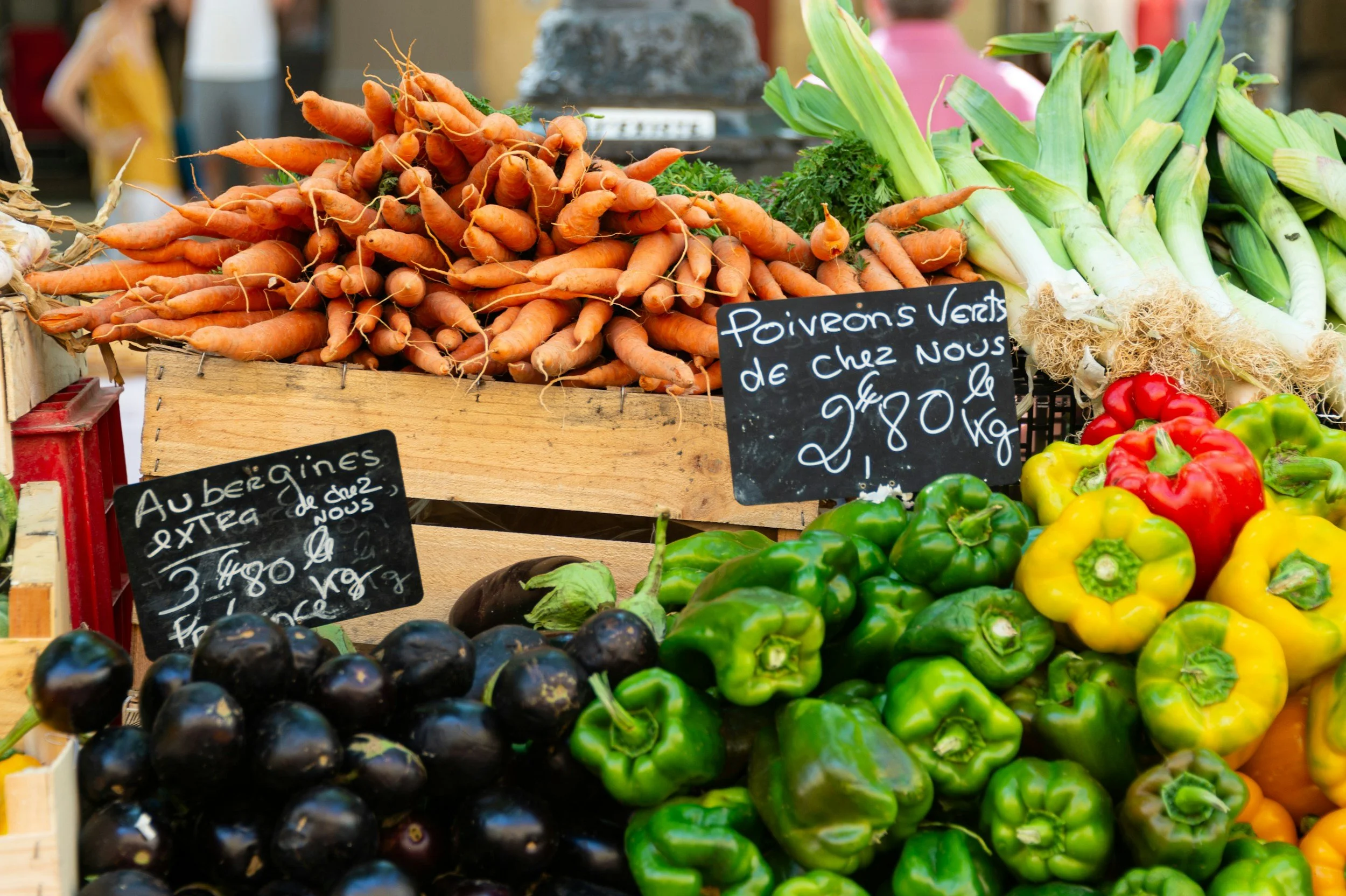
Apt’s market is one of the reasons many travelers first arrive here at all.
You notice it early. Before 8:30, people are already carrying market bags through the streets around Place Gabriel Péri while bakery queues start forming properly outside Boulangerie Pascal and the cafés near the old center suddenly feel twice as busy as they did the evening before. If you walk through town early enough, you still catch the setup phase when vendors are unloading crates of apricots, tomatoes, melons, olives, garlic, flowers, linens, ceramics, and cheeses while delivery vans try to squeeze through streets that are already becoming too crowded for vehicles.
By around 10 am, the center feels completely different from the rest of the week.
The important thing to understand before you go is that this is not one of those tiny Provence markets where you walk through once in twenty minutes, buy lavender soap, then leave for the next village. Apt’s market spreads through a large part of the old center and still feels tied to actual regional life rather than purely tourism. You hear people arguing over produce prices, restaurant owners carrying boxes through the crowd, older residents stopping for long conversations in the middle of already crowded streets, and tourists looking slightly overwhelmed because the market becomes much denser than they expected from photos online.
If you are staying in Apt itself, mornings work much better when you avoid trying to “do the market efficiently.” The nicer version is honestly to stay nearby, go early, buy coffee first, wander slowly without a route, then disappear into lunch once the heat and crowds peak properly around midday.
The streets around Rue des Marchands and Place de la Bouquerie usually feel best before 9:30, especially in summer when the light is softer and the town still feels more local than visitor-heavy. By late morning, the atmosphere shifts noticeably once people start arriving from Gordes, Roussillon, Bonnieux, and nearby countryside rentals. Café terraces fill completely, scooters start weaving impatiently through impossible gaps, and suddenly you are standing shoulder-to-shoulder beside tables stacked with olives and saucisson while somebody nearby is loudly debating peaches in French.
One detail you probably would not know before staying here is how differently Apt behaves once lunch starts.
Around 12:30 to 1 pm, the market begins collapsing surprisingly fast. Vendors start packing down almost all at once, streets reopen gradually to traffic, and the energy disappears quicker than many visitors expect. If you stay too long waiting for a “quiet market afternoon,” you mostly end up with heat, half-empty streets, and difficulty finding shade.
That is usually why people who know Apt well tend to structure Saturdays differently. Early market. Long lunch. Slow afternoon afterwards.
Le Chant de l’Heure becomes especially busy on Saturdays because people drift there after the market instead of leaving town immediately, while places like Le Carnot and Bistro de Lagarde start filling with longer lunches that stretch well into the afternoon. If you want a quieter moment after the market crowds, walking uphill toward the quieter lanes behind Cathédrale Sainte-Anne usually feels calmer than staying near the busiest terraces.
The market also changes how you see Apt compared to the prettier villages nearby.
In Gordes or Ménerbes, you mostly feel tourism shaping the day. In Apt, especially on Saturdays, you feel the surrounding region moving through the town instead. Farmers arrive from smaller villages. People come down from places most visitors never stop in. Restaurant owners buy ingredients. Elderly couples shop with wheeled trolleys rather than tote bags curated for vacation photos.
That is partly why Apt starts making more sense the longer you stay in Provence…
A lot of people trying to choose between Apt and somewhere like Gordes are usually deciding between atmosphere and practicality without fully realising it yet, which is why this Provence comparison tends to answer questions people already have in the back of their mind.
If the Saturday market in Apt ends up being your favourite part of the town, these quiet markets around Provence usually appeal to the same kind of traveler who enjoys lingering in Apt longer than expected.
A lot of people staying in Apt also end up driving north toward Nyons once they realise how different the atmosphere feels outside the main Luberon loop, especially if you prefer produce-heavy markets over decorative souvenir stalls, and this Nyons guide explains that shift really well.
Apt works better as a base than as a “must-see” stop
Apt usually clicks a little later than the villages around it.
The first afternoon can honestly feel underwhelming if you arrive straight from Gordes or Roussillon expecting another postcard town where every corner looks good without trying. You drive in past supermarkets and apartment blocks, circle a slightly chaotic roundabout near Avenue Victor Hugo, park beside somebody doing their weekly shopping, and for a second it feels hard to understand why anyone would choose to stay here instead of somewhere higher up in the hills.
Then you spend a few days moving around the Luberon and slowly the logic of Apt starts becoming obvious in ways that are difficult to explain properly before you have actually stayed here.
You notice it when you come back from Gordes in the late afternoon and realise you are genuinely happy not to be sleeping there. The village is beautiful, but by that point you have probably spent half the day navigating traffic, waiting for people to move out of narrow streets, searching for parking, and sitting on crowded terraces where every table around you seems to be taking the exact same photo.
Back in Apt, people are doing ordinary things again.
Teenagers cut through the center on scooters. Somebody is carrying baguettes home along Rue des Marchands. The tabac near Cours Lauze de Perret is still busy. A few older men are sitting outside Café du Louvre talking loudly enough that you can hear them halfway across the square. Nothing feels arranged for visitors specifically, which becomes surprisingly calming after spending entire days in villages where almost every shop window, terrace, and viewpoint seems designed to be looked at.
That is really the difference with Apt. You stop treating Provence like something you constantly need to “experience correctly.”
Your days loosen up here!
Maybe you drive out early toward Rustrel before the ochre trails become too exposed in the heat, stop at the small Thursday market in Saignon on the way back, buy apricots and goat cheese in Apt, then spend the hottest part of the afternoon doing very little before heading out again around 7 pm when the roads toward Bonnieux and Lacoste finally quiet down properly. The nicest hours in this part of Provence are often early morning and evening anyway, especially in summer when the middle of the day can feel overly hot, crowded, and strangely flat.
Apt works well because it gives you somewhere functional to return to between those hours.
And practical details start mattering more than people expect once they stay in the region for longer than a weekend. Being able to park without your stress levels immediately rising. Having several decent restaurants instead of two expensive options with fully booked terraces. Being able to buy sunscreen, fruit, wine, and toothpaste in the same afternoon without turning it into a scenic excursion through tiny village shops selling €14 olive oil soaps.
Most visitors stay concentrated around the same stretch between Gordes, Roussillon, and Lourmarin, but the roads north and east of Apt become quieter very quickly. You can spend an entire afternoon driving through places like Viens, Auribeau, or Saint-Martin-de-Castillon and barely see another visitor outside lunch hours. Some of the smaller roads around Caseneuve and the edges of the Plateau d’Albion feel noticeably rougher and less manicured than the prettier parts of the Luberon, especially later in summer when everything turns dry and pale and the heat sits low over the stone walls and vineyards.
Those are often the parts people remember most afterwards. Not necessarily the famous viewpoint in Gordes, but the quiet drive back toward Apt at sunset with dust still hanging in the air from the vineyards and somebody playing pétanque outside a village bar you had never even heard of before that afternoon.
Even evenings feel less rigid here.
In smaller villages, dinner often becomes the entire night because there is not much else happening afterwards. In Apt, people drift around more casually. Some terraces stay busy late. Other streets empty completely. One night you end up sitting outside Le Carnot for two hours without planning to. Another evening the center feels almost strangely quiet apart from a few voices echoing near the cathedral steps.
The town changes mood constantly depending on the street, the season, the hour, the market schedule, the heat.
That is also why some people leave Apt after one quick stop and completely miss the point of it, while others end up extending their stay by several days once they realise how much easier the whole region feels from here.
If you are continuing further north after the Luberon, this France route follows a similar rhythm with smaller towns, slower mornings, and places that feel better once you stay a little longer.
The surrounding villages are prettier - but not always easier to stay in
Gordes really is beautiful almost all the time. Even people who normally get annoyed by overly photographed destinations usually end up admitting that the village itself is stunning once they actually stand there looking across the valley. Early in the morning, before the heat properly arrives and before the first tour buses start unloading, the whole place feels quiet enough that you can hear chairs scraping across terraces while cafés open for the day.
Then around mid-morning, cars start piling up outside the village, people circle the parking areas over and over hoping somebody is leaving, and the narrow streets near Place du Château become so crowded that you sometimes end up walking at the exact same pace as everyone around you whether you want to or not. If you are staying there for several nights, you also start noticing practical things that barely show up in photos online - dragging luggage uphill across uneven stones, carrying market bags back from wherever you finally managed to park, trying to find somewhere casual to sit once the lunch terraces fill up.
And honestly, after two or three days, some people get tired of being surrounded by that level of visual perfection constantly. Every shop styled beautifully. Every terrace looking expensive. Every corner photographed twenty times already before lunch.
Roussillon has a slightly different atmosphere but similar problems once summer gets busy. The ochre cliffs are genuinely incredible in person, especially late in the day when the red dust and orange stone start glowing properly again, but the village itself gets crowded surprisingly quickly because the center is small and the streets narrow fast near Place de la Mairie. Around midday in July, the heat bouncing off the ochre walls can feel intense enough that most people start searching for shade or long lunches somewhere cooler.
You also end up doing more uphill walking than expected there. Same in Bonnieux.
Bonnieux looks effortless in photos because you mostly see the upper part of the village and the church above everything else, but staying there for a full week feels very different from stopping for lunch. By day four, carrying groceries uphill in 34-degree heat stops feeling romantic quite quickly, especially if your accommodation sits higher up near the old church where the streets narrow and parking disappears almost completely.
Ménerbes gets very quiet once evening arrives. Beautifully quiet if that is exactly what you want. But there are nights outside peak season where the village feels almost empty after dinner, apart from a few restaurant terraces and somebody walking home through the stone lanes. Some travelers love that stillness immediately. Others end up driving elsewhere every evening because they want a little more movement around them after sunset.
Lourmarin is probably the easiest of the famous villages to actually spend time in because it stays lively longer throughout the day and has more cafés, wine bars, and places to drift between without everything revolving around viewpoints. You can spend hours around Rue Henri de Savornin or near the château without running out of places to sit. But Lourmarin has also become one of the busiest villages in the area on weekends, especially once visitors start arriving from Aix, Marseille, and nearby countryside rentals around lunchtime.
That is where Apt starts becoming useful in a way people do not fully understand before they stay there.
You can spend the day in all these villages without carrying their logistical stress back with you afterwards. You can have lunch in Lourmarin, drive through Bonnieux around golden hour, stop in Gordes early before the roads become chaotic, then return somewhere that still feels easy at the end of the day. Somewhere you can buy groceries at 7 pm without hunting through tiny artisan shops for basics. Somewhere you can park without your mood immediately changing. Somewhere you can sit outside for a casual drink without needing a reservation or a panoramic view to justify the table price.
The café culture in Apt also feels very different from Aix-en-Provence, especially once summer weekends get busy, and this Aix guide helps if you are trying to decide which type of Provence base actually suits your trip better.
Café culture feels more grounded here
You are not going to spend your mornings surrounded by perfectly dressed couples slowly eating pistachio croissants beside a vine-covered square while somebody plays soft jazz in the background. Most mornings in Apt are noisier than that. Somebody is reversing badly near Place Gabriel Péri. A scooter cuts through the square too fast. The woman at the next table orders coffee without even sitting down first because she is clearly on her way somewhere else.
And honestly, that is part of why staying here starts feeling easy after a few days.
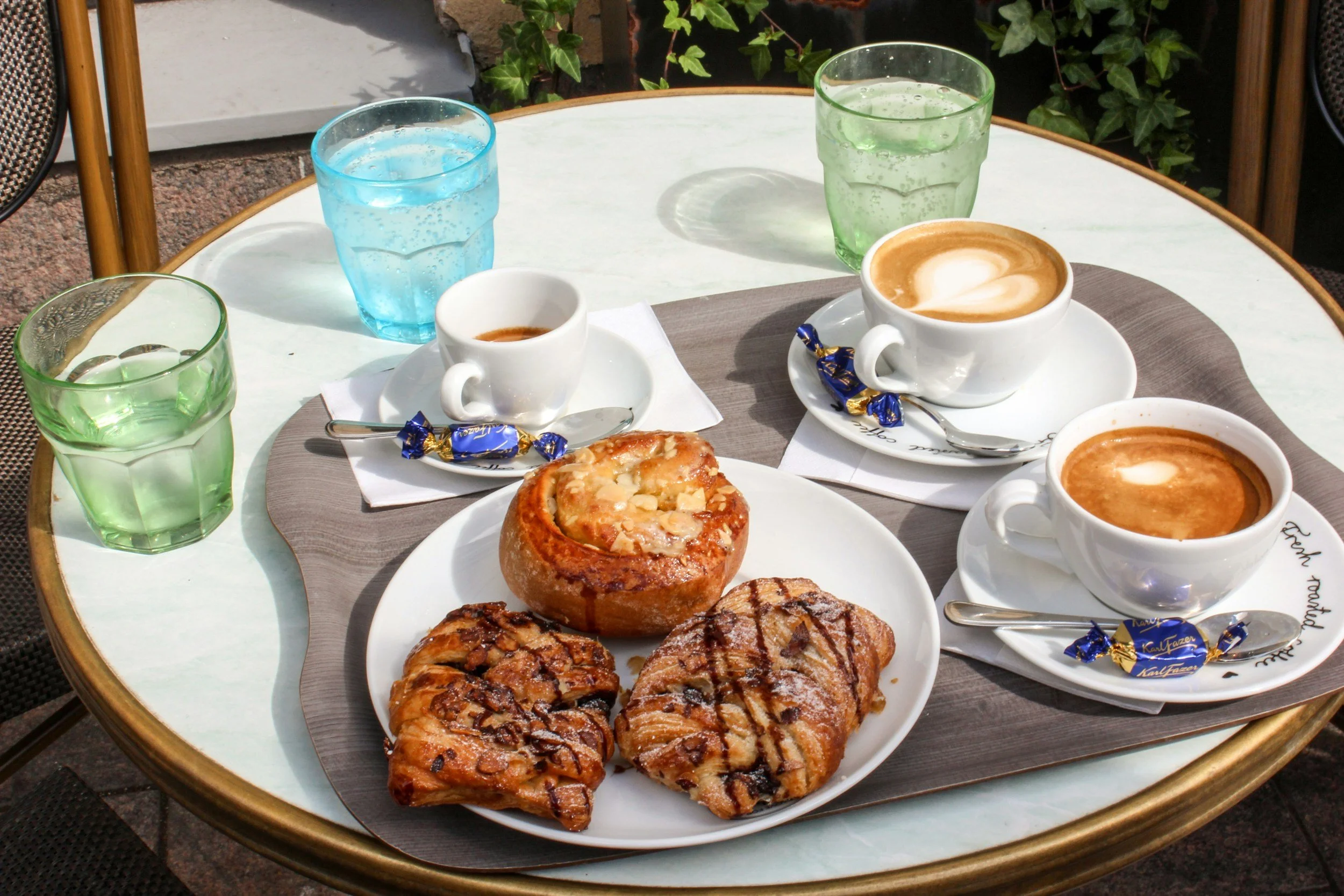
Around 8:30 in the morning, the area between Café du Louvre and Boulangerie Pascal feels properly alive already, especially on weekdays when the town is moving before visitors have fully appeared. If you stand outside Pascal for even five minutes, you notice the difference immediately compared to the prettier villages nearby. People are buying bread for actual lunch later, not assembling a fantasy Provence breakfast. Construction workers come in for sandwiches before 9…
The almond croissant there is probably still the best one in town though. Not in a “best artisanal laminated pastry experience” kind of way. Just genuinely good, slightly messy, buttery, still warm if you get there early enough. The kind of croissant you eat while walking uphill through the back streets near Rue Sainte-Anne because sitting at a perfect terrace suddenly feels less interesting than just wandering through town while people are opening shutters above you.
Apt works better when you drift through it a little instead of treating every café stop like part of an itinerary. You end up at places almost accidentally because the heat becomes too much around mid-afternoon, or because a terrace still has people sitting outside when half the smaller villages nearby already feel shut for the day. Le Chant de l’Heure is good for exactly that kind of pause. Around 3 or 4 pm, when Bonnieux and Gordes can feel strangely empty between lunch and evening service, there are still people lingering there with coffee, reading, working, or waiting out the hottest part of the afternoon before going back out again. The atmosphere changes slowly throughout the day rather than all at once, which feels much more natural when you are staying in the region for longer than a weekend.
By around 6:30, the town starts loosening up again after the hottest part of the day. Shutters reopen slowly above the old streets, people begin appearing outside without really seeming in a rush to be anywhere, and the center feels softer once the harsh white light finally disappears from the walls around Rue Eugène Brunel and the smaller lanes behind the cathedral.
This is usually the nicest time to walk through Apt without any particular plan.
The vegetable sellers have mostly gone home by then, the market crowds are long gone, and the streets around Place Carnot feel calmer in a completely different way than the polished evening atmosphere in villages like Gordes or Lourmarin. Somebody is leaning out from a window talking to a neighbour across the street, and a dog is sleeping under a café table while people enjoying dinner much longer than they intended to. Further uphill near the quieter staircases behind Cathédrale Sainte-Anne, entire corners of the town suddenly go silent for a few minutes before you hear voices again drifting upward from the terraces below.
Apt feels best in those in-between moments when nothing especially important is happening.
And there are smaller details you only really notice if you stay longer! Like how the cafés closest to the market become almost unusable by late morning on Saturdays unless you enjoy standing awkwardly beside occupied tables waiting for somebody to leave. Or how the quieter tables uphill near Cathédrale Sainte-Anne stay cooler much longer in summer because the narrow lanes trap the shade properly. Or how many places in Apt still serve coffee exactly the same way all day instead of shifting into a curated brunch atmosphere once tourists arrive.
The town also has fewer places pretending to be “concept cafés,” which becomes refreshing very quickly after spending time in more polished parts of Provence. Nobody is carefully explaining the origin of the beans to you here. The coffee is sometimes excellent, sometimes average, but the atmosphere feels real enough that you stop caring quite so much.
And for this kind of trip, that matters more than having the most photogenic cappuccino in the Luberon.
Apt works particularly well in late spring and early autumn when the villages nearby still feel active without becoming exhausting by lunchtime, which is also why this May itinerary fits naturally with a longer stay here.
What staying in Apt without a car actually feels like
A lot of people arrive in Provence assuming they will move around the Luberon much more easily without a car than they actually end up doing once they are there for a few days.
Part of the problem is that the map makes everything look deceptively close together. Gordes sits right beside Roussillon. Bonnieux looks twenty minutes away from everything. Villages appear scattered neatly across the hills as if you can casually drift between them all day by public transport without really thinking about it too much.
Then you arrive in the region and realise the whole thing works very differently in practice.
Apt no longer has an active train station, which catches a surprising number of travelers off guard because the old station building still exists on the edge of town and people naturally assume somewhere this central in the Luberon must still be connected by rail. If you are arriving from Paris, Lyon, or elsewhere in France by train, the route almost always involves taking the TGV to Avignon TGV station first, then continuing by regional bus toward Apt. Some people come via Aix-en-Provence TGV instead, especially if they are arriving from Marseille airport, but Avignon tends to be the smoother route overall.
The journey itself is completely manageable, but it is slower and slightly more awkward than people often expect before arriving. Once you leave the TGV network behind, everything immediately becomes less streamlined. The bus from Avignon toward Apt takes you through smaller towns, roundabouts, village roads, and traffic that changes massively depending on season and market days. In peak summer, what looks straightforward on Google Maps can suddenly become a much longer journey once roads near Gordes or Coustellet begin backing up properly around late morning.
And once you are based in Apt itself, you start understanding quite quickly that public transport through the Luberon was never really built around tourists trying to move efficiently between picturesque villages all day.
The buses work, but they work on local time tables…School schedules. Market mornings. Residents commuting into town. Elderly people heading into Apt for shopping or appointments. Not somebody wanting breakfast in Gordes, lunch in Bonnieux, and sunset drinks in Lourmarin before getting back comfortably in the evening.
You can absolutely visit villages without a car from Apt, especially in spring or early autumn when the roads are quieter and the heat less exhausting, but your days become much slower and more fixed around departure times. Missing one afternoon bus can suddenly leave you sitting beside a roadside stop in Bonnieux for over an hour with very little shade, especially outside July and August when schedules thin out a lot.
And the villages themselves are often less walkable than people imagine from photos.
Gordes is probably the best example of this. Even once you finally arrive, there is still a decent amount of uphill walking simply moving through the village itself, and carrying groceries or luggage through the steep stone lanes becomes tiring surprisingly quickly in summer heat. Bonnieux feels even steeper once you are actually staying there rather than passing through for lunch because the lower and upper parts of the village are much more physically separated than they appear in photographs online.
That is partly why Apt works better than many prettier villages as a longer base without a car.
The town still functions like an actual town first, which means your in-between days stay easy. You can walk to Monoprix or the Saturday market for groceries instead of planning your entire day around where to buy basic things. You can pick up pastries from Boulangerie Pascal in the morning, spend a slower afternoon reading at Le Chant de l’Heure once the heat gets too strong outside, wander through the quieter streets near Cathédrale Sainte-Anne in the evening, and still feel like you are properly inside Provence without needing to constantly organize transport logistics around yourself.
And honestly, after four or five days in the Luberon, this is more important than people expect before the trip.
Apt also works particularly well if you do not want the responsibility of driving every single day. Quite a few travelers end up doing a hybrid version instead - arriving by train and bus, staying in Apt, then renting a car from either Cavaillon or Avignon for only two or three days specifically to explore the smaller villages and quieter roads that are genuinely difficult to reach otherwise.
Especially in summer, when villages like Gordes and Roussillon start feeling logistically exhausting by late morning and the simple act of finding somewhere to leave the car can shape the entire mood of the day without you even realising it.
The roads around Apt also suit the kind of slower countryside trip that becomes addictive after a few days in Provence, especially if you are considering splitting your stay between town and somewhere rural, and these cottage stays fit naturally with that kind of route.
If you are trying to do Provence without driving every single day, this walkable hotels guide helps narrow down which towns still feel practical once the novelty of hilltop village parking starts wearing off.
Apt tends to appeal to people who enjoy brocantes and slower regional markets more than major attractions, and this brocante guide helps you spot the difference between a market actually worth stopping for and one built mostly around visitors.
The side of the Luberon most people drive past
One thing Apt does particularly well is that it puts you close to parts of the Luberon that many visitors never really reach because they spend most of their time moving between Gordes, Roussillon, Bonnieux, and Lourmarin in the middle of the day with everyone else.
The roads north and east of Apt start changing character surprisingly quickly once you leave the main tourist loop behind.
Around Viens, the landscape feels drier and more open, with fewer vineyards and more pale stone, scrubland, and quieter stretches where you suddenly realise you have barely seen another car for twenty minutes. The village itself stays much calmer than Gordes even in summer, especially later in the afternoon once people have gone back toward the better-known parts of the Luberon. There is not a huge amount “to do” there in the traditional guidebook sense, which is partly why the atmosphere still feels relatively untouched by the performance side of Provence tourism.
The same thing happens driving toward places like Auribeau or Saint-Martin-de-Castillon.
You pass old roadside produce stalls operating almost on trust, tiny brocantes that seem half open and half abandoned at the same time, faded café terraces where local men sit for hours in the shade drinking small coffees while cyclists pass through in groups heading deeper into the hills. Some afternoons out there feel strangely empty in the best possible way, especially around 3 or 4 pm when the heat becomes too strong and half the region disappears indoors for a while.
And honestly, those are often the hours people remember afterwards.
Not necessarily the famous viewpoint in Gordes, but the drive back toward Apt with dust sitting low over the roadside vineyards, the windows open because the evening air has finally cooled slightly, and some completely unplanned stop in a village you had never heard of before that morning.
Most people visit for the Colorado Provençal and leave fairly quickly afterwards, but the roads around the village are actually part of what makes that side of the Luberon interesting. The ochre becomes harsher and more rugged there than around Roussillon, and the terrain starts feeling less polished overall. If you drive back toward Apt later in the evening rather than leaving immediately after the trails, the whole area feels much quieter once the afternoon visitors disappear.
Even smaller details start standing out more once you stay in Apt long enough to slow down a bit.
The tiny wine caves along the roads outside town where handwritten signs simply say dégustation without trying to become an “experience.” The vegetable stands appearing beside the road during melon and apricot season where people stop for five minutes and somehow end up talking for half an hour. The old men playing pétanque beside village bars in places tourists barely stop long enough to photograph.
Where Apt feels nicest to stay
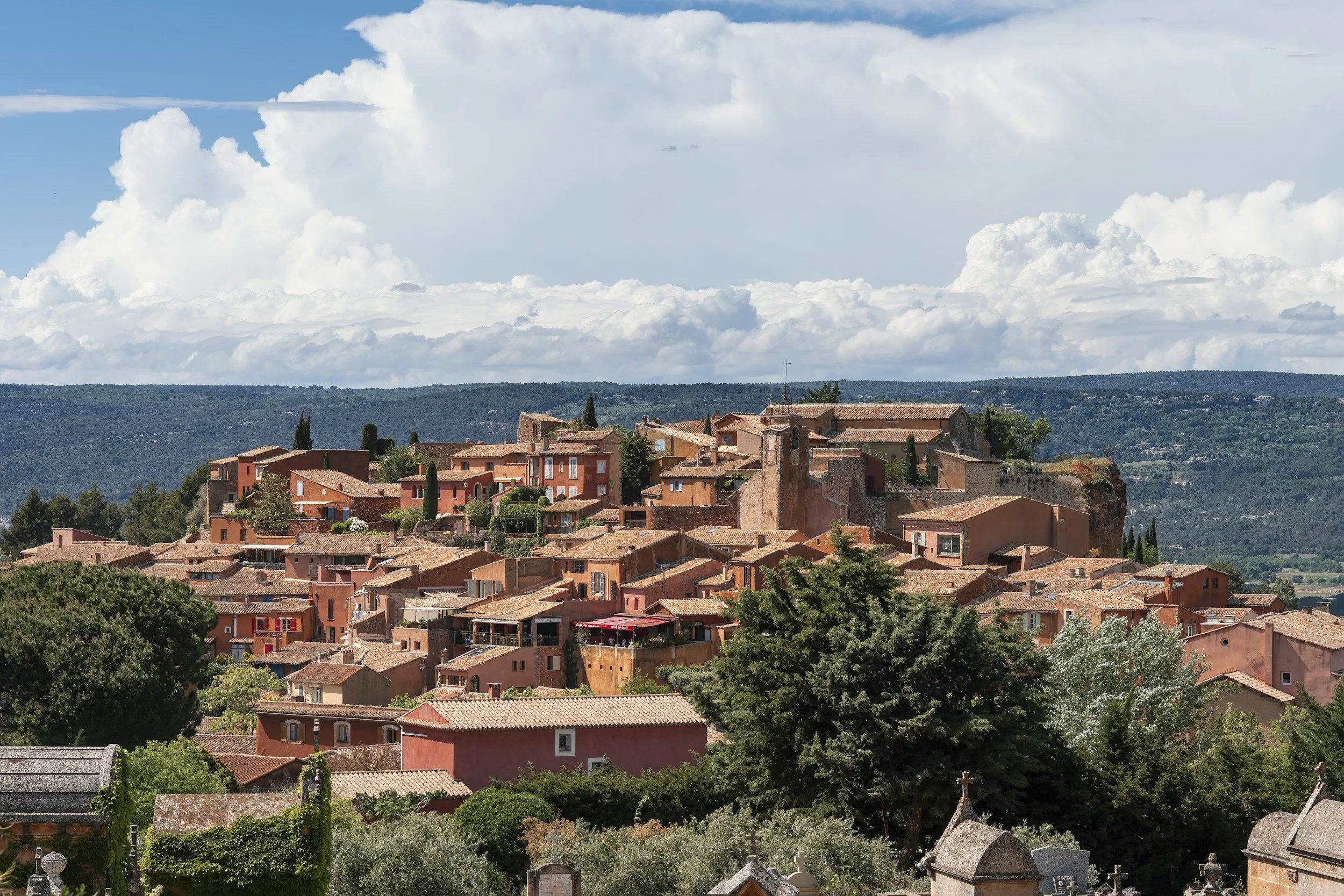
Where you stay in Apt changes the atmosphere of the trip quite a lot, probably more than people expect before arriving.
Some parts of town feel genuinely atmospheric in the evenings once the market crowds disappear and the heat drops from the stone walls a little. Other parts feel mostly practical and work better if you are prioritising parking, road access, or using Apt mainly as a sleeping base between day trips.
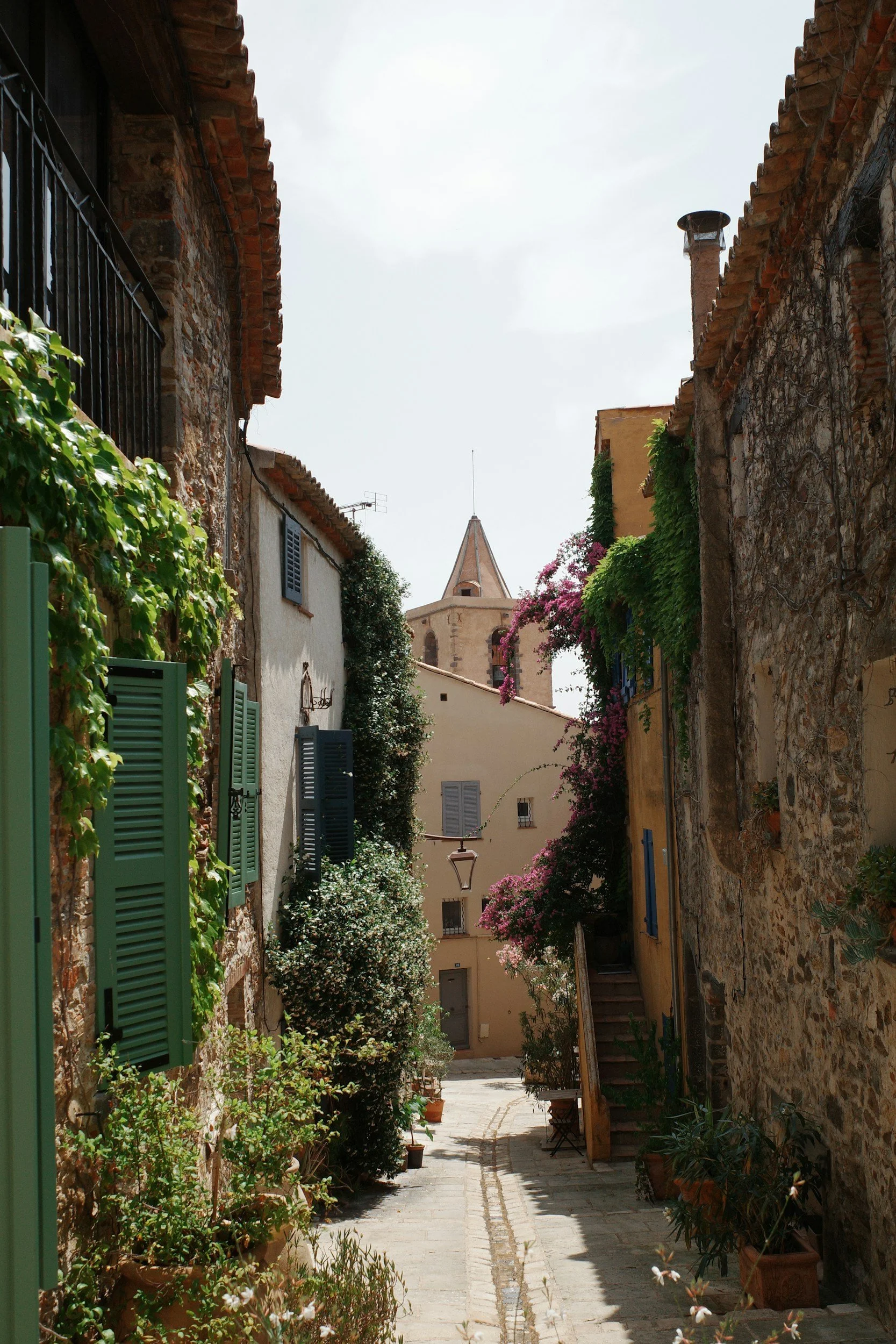
The older streets uphill from Place Gabriel Péri usually feel nicest if you want the version of Apt that people slowly start liking after a few days. Around Rue Eugène Brunel, Place de la Bouquerie, and the smaller lanes leading toward Cathédrale Sainte-Anne, the town becomes quieter without feeling empty, and you are still close enough to cafés, bakeries, wine shops, and restaurants that you rarely need the car once you are back for the evening.
That area also changes nicely throughout the day.
Early mornings feel local rather than tourist-heavy because people are actually living there year-round. You hear shutters opening above the narrow streets, somebody dragging market crates downhill before the Saturday crowds arrive properly, bakery deliveries echoing through the lanes before the cafés fully wake up. Then around late afternoon, once the harsh midday light disappears from the walls, the older part of Apt starts looking much softer and calmer than it does earlier in the day when the lower center can feel bright, busy, and slightly chaotic.
The streets immediately around Place Gabriel Péri are practical but noisier, especially on Saturdays. Staying there works well if you want to walk downstairs directly into the market atmosphere or sit outside cafés like Café du Louvre in the mornings without needing to think too much about where to go, but you need to be realistic about market noise, delivery vans, and people setting up stalls surprisingly early.
And parking becomes much more annoying there than people often expect.
A lot of visitors arriving by car end up happier staying slightly uphill instead of directly beside the busiest market streets because the difference in noise and movement is noticeable once you are there for more than one or two nights. Some of the small apartment rentals near Rue Sainte-Anne or the quieter lanes behind the cathedral feel much calmer in the evenings while still keeping the center walkable.
If you stay too far outside the older center though, Apt can start feeling more functional than enjoyable. Around some of the larger roads and outer apartment areas, you lose the part of town that actually feels connected to the slower café and market rhythm people usually come for in the first place. The atmosphere changes quickly once you move away from the older streets.
For longer stays, a lot of people actually end up preferring smaller apartments inside town over countryside rentals outside Apt, even though the mas-style properties around the Luberon photograph beautifully online. The countryside stays are lovely for two or three nights, but after a while the reality of driving every single time you want coffee, bread, wine, or dinner can start feeling surprisingly repetitive, especially during hot weather when the roads around Gordes and Roussillon stay busy much later into the evening than people expect.
Staying inside Apt changes the pacing completely because you can come back from a day exploring villages, park the car, and simply walk everywhere afterwards without thinking about logistics again until morning.
And honestly, that is usually the point where the town starts making the most sense.
If you are arriving into Provence by train and trying to avoid exhausting driving days immediately afterwards, this car-free Burgundy guide follows a surprisingly similar travel rhythm to staying in Apt without relying on the car constantly.
The kind of traveler who will probably like Apt
Apt tends to make more sense for people who enjoy the feeling of being in a region for a while instead of moving through it as efficiently as possible.
The town works well if your days naturally end up a little unplanned. Maybe you leave for Bonnieux in the morning and end up spending longer than expected at a vineyard outside town because the owner starts talking about the harvest. Maybe you come back to Apt in the afternoon intending to rest for an hour and suddenly it is 7 pm and people are starting to drift back outside again after the heat.
That kind of trip suits Apt much more than tightly packed itineraries.
A lot of the prettier villages nearby are undeniably beautiful, but they also come with a certain rhythm that can start feeling repetitive after several days. You park, walk uphill, circle the same few streets as everybody else, stop for lunch, look at the viewpoint, move on. The villages themselves are not the problem. It is more that the experience around them becomes very similar from place to place once you stay in the Luberon longer than a long weekend.
Apt breaks that pattern because the town never fully revolves around visitors.
People are buying groceries at Monoprix at 6 pm. Somebody is arguing outside the tabac near Cours Lauze de Perret. The cafés around Place Gabriel Péri are busy because locals actually use them, not because they appeared in a guidebook somewhere. Even the market feels different from some smaller Provence villages because people are shopping there for ordinary life, not just browsing for lavender soap and olive oil souvenirs.
And honestly, the people who end up liking Apt most are usually the ones who start noticing those smaller things after a few days.
The way Rue Eugène Brunel changes completely once the evening light softens. The fact that you can still find somewhere for a casual glass of wine without booking half your evening around it. The quieter roads north toward Viens where the landscape suddenly feels harsher and less polished than the version of Provence most people imagine beforehand.
It also works well for people who need a bit more flexibility during a trip without wanting to structure the whole thing around that. Maybe you want slower mornings sometimes. Maybe you do not want every dinner to feel like an event. Maybe after several crowded afternoons in Gordes or Lourmarin, you just want somewhere that feels easier to come back to at the end of the day.
That is usually the point where Apt starts becoming more interesting than expected.
And if you are wondering whether Provence markets actually change much by season, especially around Apt and the Luberon, this seasonal guide explains why spring and early autumn feel completely different from August once you are actually there.

Gordes
So is Apt actually worth visiting?
Usually yes - but not for the reasons many Provence travelers initially assume.
Apt usually becomes the place people appreciate properly a little later, often somewhere around the moment they realise they are tired of spending half their day navigating other people’s Provence itineraries.
You feel it after sitting in slow-moving traffic outside Gordes at 11 in the morning, or after walking through another perfectly restored village where every second shop sells linen tablecloths, olive wood boards, and expensive ceramics arranged almost exactly the same way as the village before. The places are still beautiful, but eventually you start wanting somewhere that feels easier to exist in for a while instead of somewhere you constantly need to admire.
That is where Apt starts getting good.
Not in the obvious way. The town is never going to win against Gordes in photos, and there are definitely streets where you wonder why nobody ever mentions the slightly ugly roundabouts or practical apartment blocks in Provence travel guides. But then you spend a few evenings there and realise you are sleeping better, eating better, driving less, and feeling far less rushed than you did while staying somewhere “prettier.”
You stop building entire days around reservations and parking strategies. You buy peaches from the market and end up eating them later beside the old stone fountain near Place de la Bouquerie because the town suddenly goes quiet around lunchtime apart from church bells and somebody dragging chairs across a terrace nearby. You drive out toward villages like Viens or Caseneuve simply because somebody at the next café table mentioned them the night before, not because they appeared on a “top 10 Provence villages” list online.
And Apt gives you space for that kind of trip.
There are afternoons where nothing particularly impressive happens and those end up becoming the moments you remember most afterwards. Picking up warm pissaladière slices from a bakery when the heat is too strong to think properly. Walking back through the older streets after buying wine and apricots for dinner. Sitting outside late enough that the market workers begin setting up for the next morning while half the tourists staying in Gordes have already disappeared indoors behind closed shutters and infinity pools.
That version of Provence is harder to photograph, which is probably why people talk about it less.
But if you tend to like trips where you settle into a place instead of constantly chasing the next viewpoint, Apt often ends up making much more sense than it first appears to.
FAQs about visiting Apt, France
Is Apt or Gordes better for a week in Provence?
For a longer trip, a lot of people end up happier sleeping in Apt even if Gordes is the place they photograph more.
Gordes is beautiful almost constantly, especially early in the morning and again once the buses leave in the evening, but staying there for a full week feels very different from visiting for a few hours. By day three or four, practical things start shaping the trip more than people expect beforehand. Parking starts becoming annoying surprisingly early in the day during summer, dinner reservations matter more than you want them to, and carrying groceries uphill through the stone streets in 33-degree heat loses its charm quite quickly.
Apt is less visually dramatic but much easier to settle into. You can spend the day in Gordes, then come back somewhere that still feels relaxed and functional afterwards instead of continuing the same pace until bedtime.
Does Apt feel too ordinary compared to the prettier villages?
At first, sometimes yes.
Especially if you arrive directly from places like Roussillon or Ménerbes expecting another perfectly preserved hilltop village. Certain parts of Apt feel practical rather than cinematic. There are supermarkets, apartment buildings, traffic, pharmacies, schools, slightly messy streets, and cafés filled with people who are clearly not on holiday.
But after several days in the Luberon, that often starts feeling like the point rather than the problem.
You stop noticing whether every corner looks beautiful and start appreciating things like being able to buy fruit easily, sit somewhere casually for coffee without a reservation mindset hanging over everything, or walk through a town that still feels alive on a Monday morning outside peak season.
What time should you go to the Apt market?
Earlier than most people do.
Around 8:30 to 9:30 on Saturdays is usually when the market feels best because the produce stalls are fully open but the heavier crowds from nearby villages have not completely arrived yet. By around 10:30 in summer, the streets around Rue des Marchands and Place Gabriel Péri start feeling much more packed and parking becomes frustrating quickly.
The earlier hour also feels more local. Restaurant owners buying vegetables for lunch service, people stopping for quick coffees before shopping properly, bakery queues moving out onto the pavement near Boulangerie Pascal.
By early afternoon, the whole thing winds down surprisingly fast once vendors begin packing up and the heat settles heavily into the center.
Is Apt walkable if you stay in the center?
Much more than people expect.
If you stay somewhere around Place Gabriel Péri, Place de la Bouquerie, or the quieter streets near Cathédrale Sainte-Anne, you can comfortably walk to bakeries, cafés, wine shops, restaurants, and grocery stores without needing the car constantly.
That becomes surprisingly valuable after spending time in villages where every small errand somehow turns into uphill walking, parking stress, or carrying shopping bags through steep stone lanes in the heat.
Apt is not flat exactly, but it feels much easier physically than places like Bonnieux or Gordes once you are there for longer than a weekend.
Is Apt a good base for quieter villages in Provence?
Yes, especially if you get tired of the main tourist circuit quickly.
Most people stay concentrated between Gordes, Roussillon, Lourmarin, and Bonnieux, particularly in summer, but the roads north and east of Apt become quieter surprisingly fast. Villages like Viens, Auribeau, Caseneuve, and Saint-Martin-de-Castillon feel completely different from the busier Luberon loop around Gordes.
You also end up driving through more open landscape out there — pale cliffs, vineyards, dry fields, quieter roads where you can go twenty minutes without seeing another visitor outside market days.
Which villages near Apt become very quiet at night?
Ménerbes and Saignon especially.
They are beautiful in the evenings, but outside peak summer there are nights where entire sections of the villages feel almost empty after dinner service finishes. That silence is exactly what some people are looking for, but others realise after a few days that they want a little more movement around them in the evenings.
Bonnieux stays livelier slightly longer, particularly around restaurant terraces, while Lourmarin tends to keep the most consistent café and evening atmosphere overall.
Apt never feels as polished as those villages at night, but it usually feels more alive.
Can you stay in Apt without a car?
Yes, but the trip becomes slower and you need a bit more patience than people often expect before arriving.
Apt no longer has an active train station, so most people arrive by TGV into Avignon first and then continue by regional bus into the Luberon. Some travelers come through Aix-en-Provence TGV instead, especially from Marseille airport, but Avignon usually works more smoothly overall.
The buses are completely usable, but they follow local rhythms rather than tourist convenience. Missing one afternoon connection can suddenly leave you waiting a long time in a small village with very little shade or nowhere proper to sit.
Apt still works much better without a car than staying directly in Gordes or Bonnieux because at least your slower days stay easy. By day four or five, people are often just relieved they can walk to Monoprix, buy cold water, pick up pastries from Pascal, and sit somewhere for coffee without needing to think about parking again.
Is Apt crowded in summer?
Mostly on Saturdays.
The market changes the entire atmosphere of the town and by late morning the center becomes noisy, busy, and much more crowded than people often expect from photos online. Outside market day though, Apt usually feels far less overwhelming than Gordes, Roussillon, or Lourmarin during peak summer.
Because the town spreads out more naturally and is not built entirely around a few scenic streets, the crowds rarely feel as compressed as they do in the smaller villages nearby.
Evenings are usually calmer than people expect.
Where should you stay in Apt?
The older part of town near Place de la Bouquerie and the streets leading uphill toward Cathédrale Sainte-Anne generally feels nicest if you want atmosphere while still being able to walk everywhere easily.
Around Rue Eugène Brunel and the smaller side streets nearby, evenings feel quieter and softer once the market crowds disappear, but you are still close enough to cafés, bakeries, and restaurants that you do not need the car constantly.
Staying too far outside the center can make Apt feel more practical than enjoyable, especially without a vehicle.
What are the best cafés and bakeries in Apt?
Le Chant de l’Heure is one of the better places to sit later in the afternoon when the heat makes walking around less appealing and half the smaller villages nearby feel strangely empty between lunch and dinner.
Café du Louvre near Place Gabriel Péri feels more local in the mornings, especially before the market gets fully busy, and is one of the better places to watch the town wake up properly.
For pastries, Boulangerie Pascal gets crowded early on Saturdays for good reason. The almond croissants are genuinely good if you get there before the queues start building properly around mid-morning.
Is Apt prettier in the morning or evening?
Evening suits the town much better.
Midday light in Apt can feel harsh, especially in summer when the market streets become bright, busy, and overheated. Around 6:30 or 7 pm, the older parts of town near Rue Eugène Brunel and the cathedral start softening properly once the heat drops and people drift back outside again.
That is usually when Apt feels most comfortable to wander without any real plan.
Is staying in Gordes stressful in summer?
Honestly, it can be.
The village itself is stunning, but by late morning in July the roads around Gordes already start backing up properly and parking becomes part of the day whether you want it to or not. People stop constantly in the middle of streets for photos, terraces stay packed around lunchtime, and even simple things start taking longer than expected because so many visitors are moving through the same small area at once.
A lot of people love staying there for two or three nights.
A full week feels very different.
What is the best time of year to stay in Apt?
Late May, June, and September usually feel best.
The cafés, markets, and restaurants still feel lively, but the roads are less chaotic than peak summer and the heat is generally easier to live with day after day. September is especially nice because evenings stay warm while the villages begin calming down slightly after August.
October can actually work surprisingly well too. Some smaller villages nearby start feeling very quiet by then, but Apt keeps enough everyday rhythm that the town still feels alive outside weekends and market days.