
Winter in France without a car: the best towns to reach by train
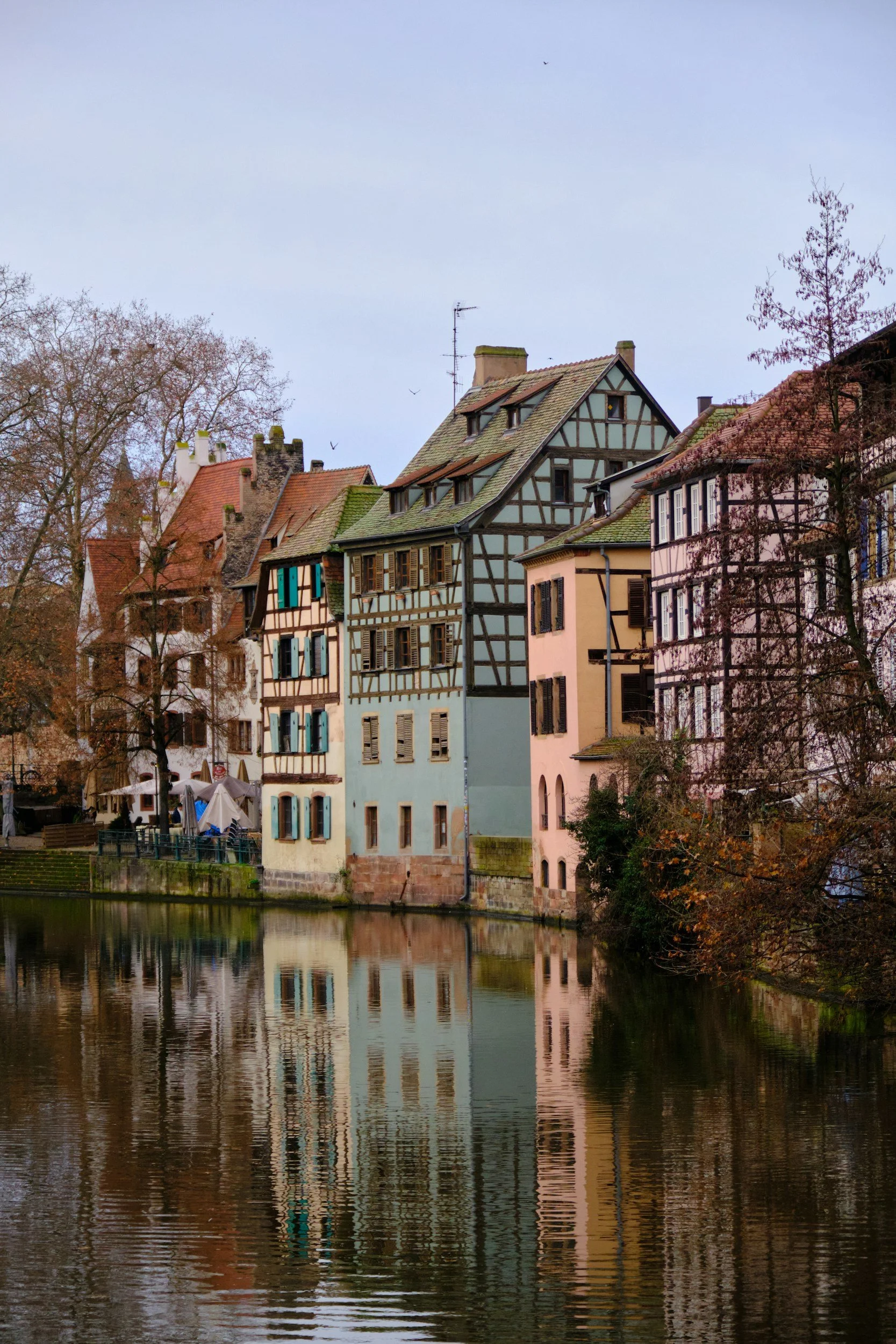
Arriving by train in winter and what actually matters
Planning a winter trip in France without a car is easier than many travelers expect. The French rail network connects hundreds of smaller towns through regional TER trains and mainline routes, making it possible to travel comfortably even in January or February without renting a vehicle.
What matters most in winter is choosing places where daily life is still within walking distance of the train station. In many French towns the historic centre sits only a short walk away, but this is not always obvious when looking at a map. Arriving in the dark with a suitcase becomes much simpler when the café, bakery, and hotel are all within a few minutes of the platform.
Winter also changes how train travel feels. Regional trains often arrive earlier in the afternoon than expected, and by 16:30 or 17:00 the light can already be fading. In smaller towns the station building may be closed in the evening, leaving only the platform and the sound of the train pulling away. None of this makes the journey difficult, but it does mean that a few practical choices make a big difference.
Connections matter more than speed in winter. A direct train that takes slightly longer is often more comfortable than changing trains on cold platforms between TER routes. Luggage also becomes more noticeable. Rolling a suitcase over cobblestones, damp pavements, or grit spread for frost is manageable, but slower than in summer.
Because many bakeries and cafés close earlier during the colder months, it helps to know in advance whether there is somewhere open between the station and where you are staying. In practice, this small detail often shapes the first impression of a place far more than the train journey itself.
France works remarkably well for slow winter travel by train, but some towns make the experience far easier than others. The best ones combine reliable rail connections with compact centres, everyday cafés, and streets that still feel alive even in the quietest months of the year.
How far the walk from the station really is
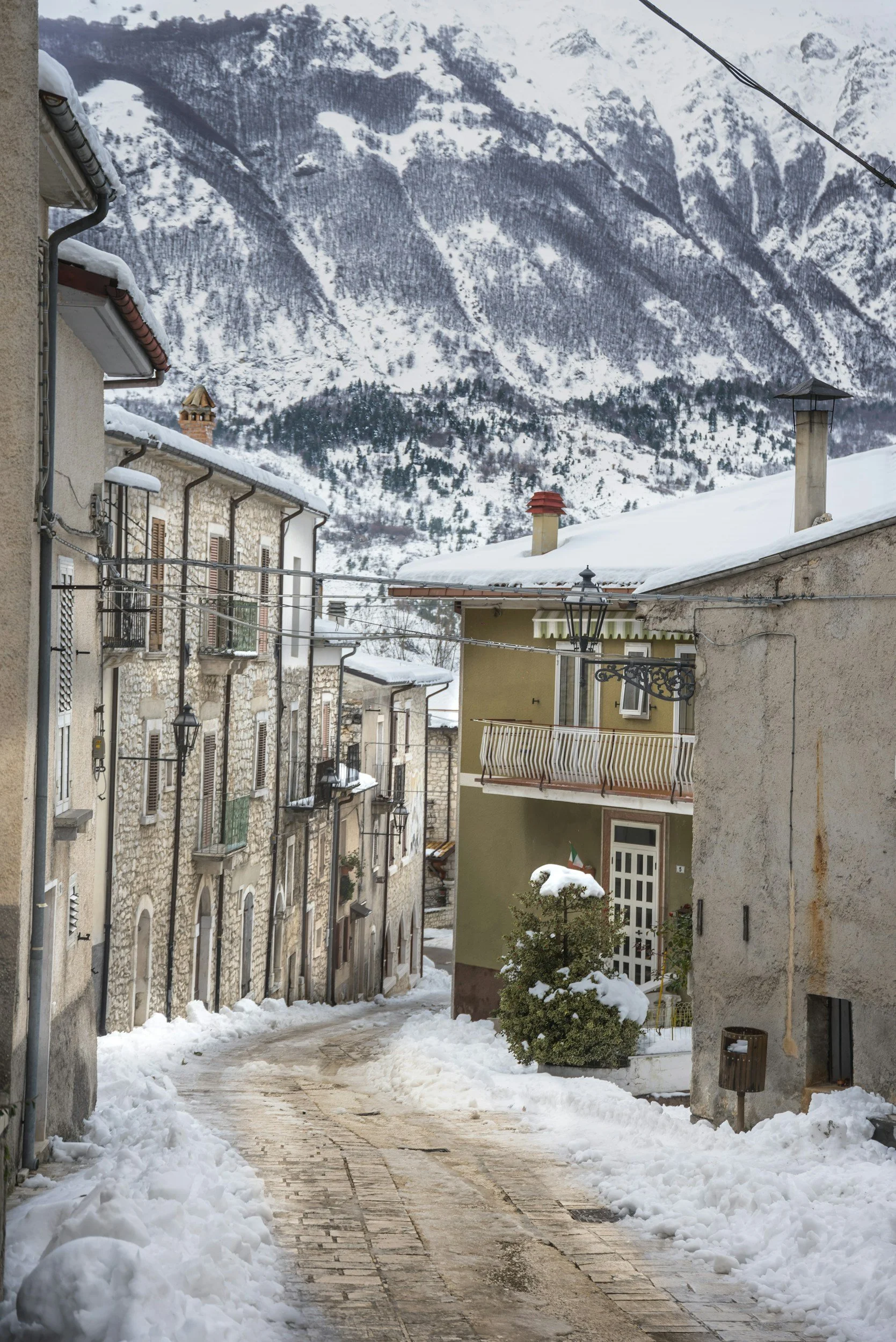
A ten-minute walk means something different in January than it does in July, particularly in French towns where the station is often not in the historic centre. In winter, the same distance involves heavier coats, gloves, and often walking in the dark. If the route includes a slope up toward the old town or crosses wider roads near the station area, you slow down without really thinking about it.
Maps matter more than descriptions. Ten minutes uphill through residential streets feels longer than ten minutes across a flat centre with shops and lighting. Some routes that look direct on a map include stairs, underpasses, or narrow alleys, which are fine during the day but less comfortable when it is cold and poorly lit.
When you walk the same route several times a day, small details become noticeable. The walk from the station is only one part of it. You also walk to the bakery in the morning, back again, out for lunch, and once more in the evening. In winter, that repetition makes distance and gradients more important than they first appear.
Some places just make winter on foot easier than others. This one looks at towns across Europe where evenings are calm, distances stay short, and not having a car doesn’t really change how you move around.
Towns where daily errands are close together
Some French towns work better in winter simply because daily life is concentrated in a compact centre. Bakeries, cafés, pharmacies, tabacs, and small food shops are often grouped around a few streets or a central square rather than spread out. This makes it easier to settle into a routine without planning each outing.
Opening hours become familiar quickly. The bakery opens early and closes around midday. The café near the mairie fills up between 9:30 and 11:00, quiets down after lunch, and often closes by late afternoon. Knowing this means you stop guessing and start timing your days around what is actually open, which matters more in winter when options are fewer. After a day or two, this usually becomes automatic rather than something you actively plan.
Walking the same streets every day is practical in winter. You learn which pavement stays dry after rain, which corner gets windy, and which route avoids a long incline. Towns that support this kind of repetition are easier to manage without a car, especially during colder weeks when you are less inclined to wander aimlessly.
Markets come up a lot once you travel without a car. This guide is about European market towns where you arrive by train, walk everywhere, and still rely on weekly routines rather than planning ahead.
What winter train schedules feel like in practice
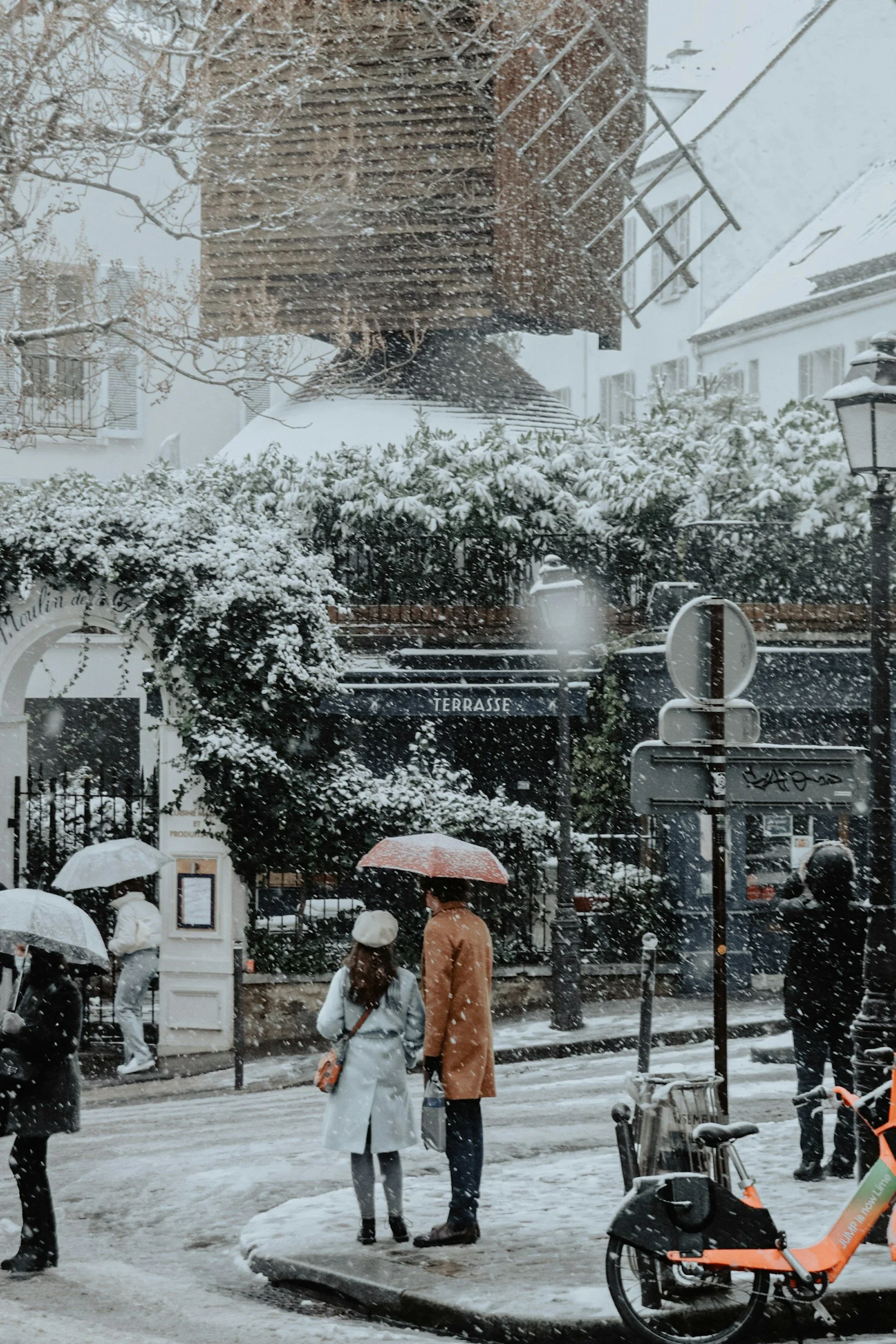
Winter train schedules in France are generally reliable, but they leave less room for mistakes. On regional lines, trains often run once an hour, sometimes less outside peak times. Missing a TER connection can mean standing on a platform for a long time, which is uncomfortable when it is cold and already dark.
Evenings are more limited. After about 18:00 or 19:00, options drop off quickly in smaller towns, particularly outside main corridors. On Sundays, gaps are longer and some routes reduce frequency significantly in the afternoon. This does not prevent travel, but it does shape how much you move around once you have arrived.
In practice, many car-free winter trips in France involve one main arrival and one departure by train, with fewer day trips in between. Staying in the same town for several days usually works better than moving frequently, particularly if you want to avoid long waits between connections.
If trains replacing cars is what you’re thinking about, this Switzerland piece goes deeper into villages where that’s already normal, even in winter, and daily movement stays very manageable.
Choosing a base when buses exist but aren’t frequent
Many towns in France technically have buses, but frequency is what matters. A local bus that runs every two hours affects your day very differently from one that runs every twenty minutes. In winter, this often means deciding in advance whether you are leaving town at all on a given day.
This shapes expectations. If buses run mainly in the morning and early afternoon, evenings will usually be spent close to where you are staying. That is manageable if the town itself has enough daily life within walking distance, but it becomes limiting if you planned to move between villages or outlying areas.
Planning around bus schedules also means thinking about energy. Waiting outside for a bus in cold weather after a full day of walking is tiring, especially when stops are unsheltered. In winter, choosing a base where you do not rely on buses every day usually makes things simpler.
Eating and warming up without needing a car
Winter days in France tend to revolve around meals and places to sit indoors. Lunch is often the main meal, with many restaurants offering a fixed menu and closing by mid-afternoon. Knowing where you can eat without rushing matters more when options are limited and evenings start early.
Cafés are practical stops rather than places you drift in and out of. They are somewhere to sit down, warm up, and wait if the weather turns. In winter, many cafés close earlier than visitors expect, sometimes by 16:00 or 17:00, particularly outside larger cities, which affects how you plan your afternoons. On colder days, this often means choosing one café and staying longer rather than moving between places, especially once mid-afternoon options narrow.
Without a car, proximity becomes noticeable. Being able to walk a few minutes to a café, bakery, or small restaurant makes it easier to break the day up. This matters on colder days when staying outside for long stretches is less appealing.
And if you’re curious about something very specific and very seasonal, this one focuses on winter markets in southern France in January and February, when timing and distance matter more than variety.
When not having a car starts to limit you
There are moments when not having a car becomes obvious. Steady rain, cold wind, or icy patches make walking less comfortable, even for short distances. This is especially noticeable late in the afternoon, when daylight fades and you are already deciding whether it is worth going out again. Routes that felt fine on the first day can feel longer after several days of similar walks, especially when carrying groceries.
Access to surrounding countryside is often limited without a car in winter. Local buses may not reach trailheads, rural stops may run only on school days, and daylight does not support long outings. This is less of an issue if you plan to stay within town, but it becomes noticeable if you expected to explore further afield.
Energy also plays a role. Winter travel without a car assumes a willingness to accept limits. If you are tired or unwell, options narrow quickly, and that is part of the reality rather than something to solve.
Booking accommodation with winter walking in mind
Accommodation choice matters more in winter than in warmer months, particularly in France where historic centres are often slightly elevated or separated from newer residential areas near the station. Distance from the centre is one factor, but slopes and routes matter just as much. A fifteen-minute walk downhill feels very different when you are walking back uphill in the dark. This is usually when people realise that “just outside the centre” feels very different in winter than it does in warmer months.
Arriving after sunset changes how routes work. Streets that are fine during the day can be poorly lit at night, and shortcuts that look efficient on a map may involve stairs, ramps, or uneven paving. Checking the route from the station as well as daily walks to shops and cafés helps avoid surprises.
In winter, staying closer to the centre usually makes daily movement easier. It reduces the number of decisions you need to make and shortens walks when the weather is not cooperating. The aim is not convenience in theory, but fewer small frictions over several days.
Thought winter travel in Europe was all about the Alps? Think again. This blog post steps away from the obvious Alpine routes and looks at winter regions in France and Italy where life continues in a quieter way and moving less makes more sense than moving far.
FAQs: Winter travel in France without a car
Is winter train travel in France reliable without a car?
Yes. Trains in France generally run on schedule in winter, especially mainline and regional TER services, but frequency is lower and missed connections matter more than in summer.
Can you visit small towns in France in winter without driving?
Yes, as long as the town is served by a train line and daily needs are within walking distance from the station or centre.
How far are French train stations from town centres?
It varies. Some stations are a short walk from the centre, while others are 10–20 minutes away, often downhill into town and uphill on the return.
Do regional trains in France run less often in winter?
On many local routes, yes. Trains may run hourly or less frequently, especially in the evenings and on Sundays.
Is it realistic to rely on buses in France during winter?
Only if the bus runs frequently. Many local bus routes operate mainly during the day and are limited in the evenings or on weekends.
What time do cafés and restaurants close in winter in France?
In smaller towns, cafés often close by late afternoon, and many restaurants stop serving after lunch, reopening only for early dinners if at all.
Is winter walking in French towns manageable without a car?
Yes, if distances are short and routes are well-lit, but slopes, weather, and repeated daily walks make location more important than in summer.