These French towns are worth unpacking your suitcase for
Not every beautiful town in France is meant for a long stay.
Some places work best as a stop in motion. You arrive, walk through the centre, sit down for lunch somewhere that looks inviting enough, maybe have a coffee because leaving straight away feels a bit too abrupt. By late afternoon, things already start to quiet down. Shops close, streets empty, and staying overnight feels less like a choice and more like something you’ve drifted into.
Most people recognise that feeling even if they don’t name it. You sense it in towns that are pleasant on arrival but slightly flat once the day visitors leave. Places like Nyons make that contrast easy to notice. Fine for a few hours, but once the rhythm of the day fades, there isn’t much pulling you to stay.
This is something different.
Towns in France where three to five nights don’t feel stretched or ambitious, just normal. Where the pace is slow enough that you stop organising the day around what to see next, and start noticing smaller things instead - the bakery you return to, the same walk without planning it, the way evenings settle without needing anywhere else to go.
You’ll find these places across France, but not usually on the routes that get recommended first.
What really makes a French town worth staying in
Some towns in France are nice for a few hours and then quietly run out of purpose. You walk the centre, have lunch, maybe sit down for a coffee, and by mid-afternoon it feels like you’ve done what there is to do. Staying longer would mostly mean repeating yourself.
Towns that are easier to stay in behave differently, and you usually notice it quite quickly.
Take a place like Barjac, in the Gard. There’s no big obvious highlight that tells you what you’re meant to see first. What you notice instead is that the town is ticking along at its own pace. The bakery opens early because people actually live nearby. The shops stock everyday things, not just what visitors might want to take home. In cafés, people walk in and sit down without scanning the room. They already know where they are.
Once you’ve seen that, it’s hard not to notice when it’s missing. In towns built mostly around visitors, everything tends to follow the same curve. Late starts, a busy middle of the day, then a slow winding down. By evening, the place feels finished. Staying another night can feel slightly awkward, like you’ve stayed past the moment when it all made sense.
Being able to walk everywhere makes more difference than most people expect. In Barjac, you can cross town easily, wander out toward the surrounding countryside, and drift back in without thinking about it. You’re not planning routes or checking distances. After a couple of days, you stop paying attention to where things are and just head out. That ease does a lot of the work.
Markets tend to matter more than sights. Barjac’s market isn’t something you rush through to tick off. It’s just part of the week. One morning feels different from the next. Streets fill up for a few hours, cafés stay busier, then everything settles again. When there’s more than one moment like that in the week, staying longer feels normal rather than forced.
Most towns like this don’t present themselves very well at first. They’re not dramatic. They don’t photograph particularly well on arrival. They make more sense on the second or third day, once you stop expecting them to show you something and start noticing how they work.
That’s usually when you realise they’re worth staying in.
Markets often end up shaping your days more than anything else, and these southern France markets are a good place to start if you want that built into your stay.
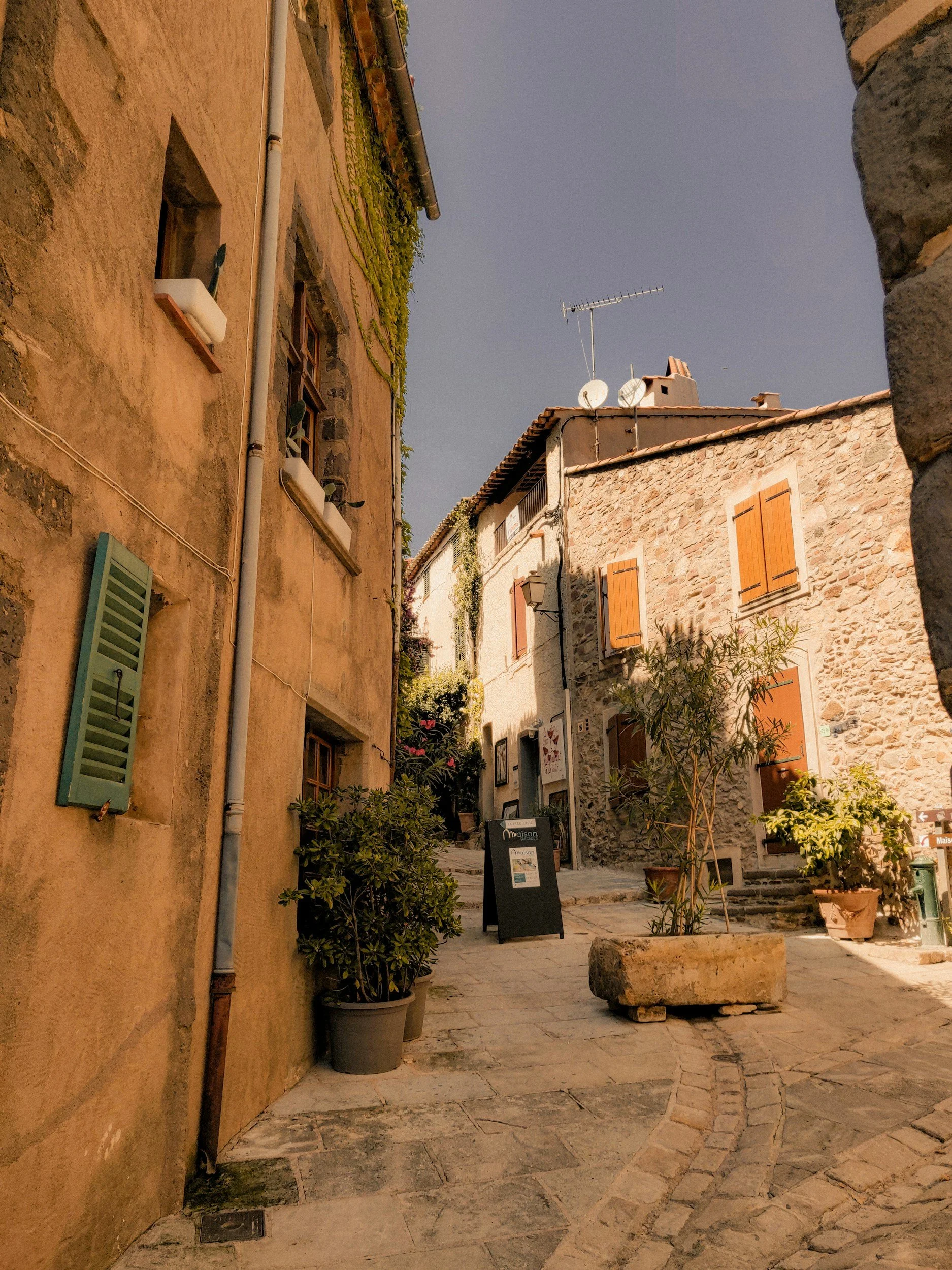
In Uzès, mornings start before the square fully fills. Stalls are still being set up in Place aux Herbes, metal shutters rolling up along Rue Jacques d’Uzès, coffee machines already running inside cafés that have been open for years without changing much. You see the same people pass through at roughly the same time, not because it’s organised, but because that’s when they always come.
Later in the day, the centre is busier, but it never really feels like it tips into anything. People sit under the trees on Boulevard Charles Gide, others drift between the bakery on Rue de la République and the small shops nearby. You move through it without needing to decide where to be next.
In smaller Luberon towns, it gets even simpler. You go out in the morning, pick up coffee, walk a few streets, and end up sitting somewhere without really choosing it. There are only a handful of cafés most people use, and after a while you notice the same tables are always taken by the same people.
You start to recognise small patterns without trying to. The bakery that sells out early. The café where you don’t need to order properly anymore. The square that is always half-empty, no matter what time you pass through.
In the Drôme, towns like Die work in a similar way. Most movement stays around Place de la République and the streets that lead off it. People are just going between places they actually use, not moving around for the sake of it.
Further west, things stretch out even more. Markets set up in the morning, cafés open when they open, bakeries do their thing. You don’t really plan around it. You just end up in it while it’s already happening.
After a few days, you stop trying to structure anything. You just repeat small routines without thinking about them too much.
Four or five nights here doesn’t feel long. It just feels like enough time for things to stop feeling unfamiliar.
Coastal towns that still work once the day-trippers leave
In Collioure, you notice it first in a very ordinary way. You go for a walk late afternoon and realise you’re no longer weaving between people. The parking lots just outside town along Avenue Camille Pelletan are half empty, a few cars leaving at the same time, and suddenly the beach feels like a place people are finishing, not filling.
Down by the harbour on Quai de l’Amirauté, chairs are still out but everything has slowed down. Someone wipes down a table. A couple sits a bit longer than they probably planned. The bakery on Rue Mailly is still open and there’s no queue anymore, just locals dropping in for something simple before heading home. You walk up towards Château Royal de Collioure and don’t really stop anymore, just follow the path because there’s space to move now.
In Cassis, it changes when the boats come back in from the Calanques. People start drifting up from the harbour along Rue du Maréchal Foch, some still in swimwear, some already changed, all moving without hurry. Along Quai des Baux, cafés start stacking chairs and resetting tables for the evening, and the same stretch of waterfront that felt busy earlier suddenly feels easy to walk through without adjusting your pace.
You end up staying longer without deciding to. Sitting down once and not moving again for a while. Watching the harbour settle into evening rather than trying to catch anything happening.
In smaller coastal towns further along the south coast, it’s even more subtle. Supermarkets reopen for the evening rush, bakeries put out whatever is left from the day, and a few restaurants along side streets stay open because people actually live there, not because there are visitors still circulating.
A simple way to tell whether a coastal town will work for more than a night or two is to think about a weekday evening. Not a Friday. A normal Tuesday. If you can imagine yourself stepping out after eight and finding a bit of movement, even if it’s quiet, the town will probably hold up over a few days.
If you’re choosing between regions, this overview of Provence markets by season helps you time it properly.
Why markets matter more after the first day
Markets are easy when you’re just passing through. You walk around, buy something small, maybe grab a coffee, and leave again. It feels nice, but it stays on the surface.
It changes when you stay in the same town.
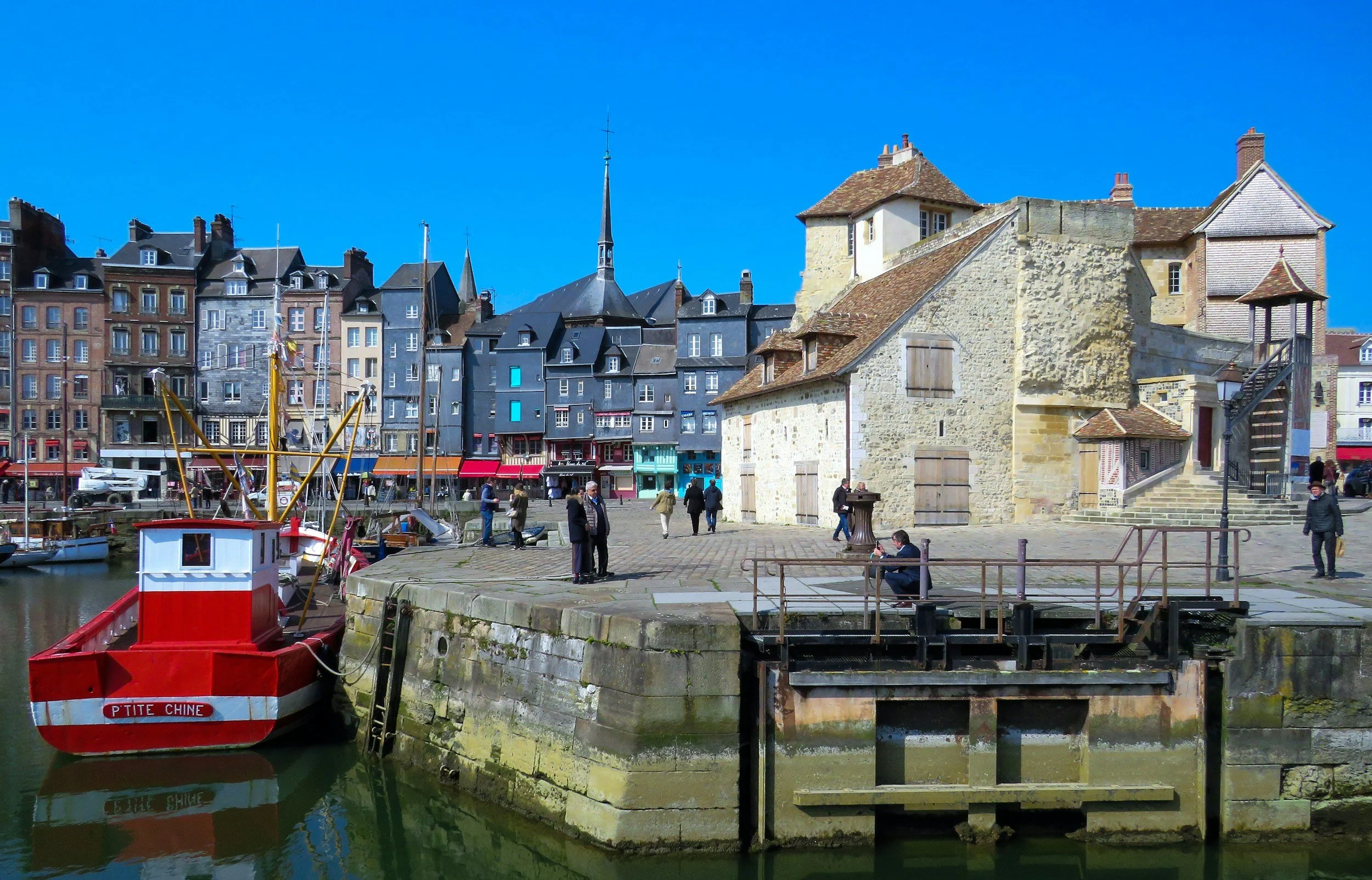
In Uzès, you notice it before anything officially starts. Early on Place aux Herbes, there are just crates on the ground, metal stands going up, café chairs being shifted slightly out of the way on Rue Jacques d’Uzès. Nothing feels ready yet, but people are already moving into place.
Then it fills quickly. Not all at once, just steadily. Locals arrive with baskets, stallholders recognise each other, cafés stay busier than usual without changing what they do. You end up standing in the middle of it without really planning to. One minute it’s just setup, the next it’s full of movement and noise and people stopping in the same spots.
You don’t really “go to the market” when you’re staying nearby. You just walk into it.
Later in the day, it disappears just as quietly. Stalls come down, ropes are untied, crates are stacked back into vans parked at the edge of town. By mid-afternoon, Place aux Herbes is open again, and you can walk across it like nothing happened a few hours earlier.
That shift is what starts to stand out when you’re there for more than a day. One morning feels different because of what’s happening in the square, the next morning feels ordinary again, even if you’re still in the same place.
In smaller towns across the south of France, especially places where markets only happen once or twice a week, you start to recognise the pattern. You might walk past the same square on Rue Jacques d’Uzès the day before without noticing much, then come back and find it completely transformed. Same place, same streets, but a different use of them.
Towns where you don’t need a car to get around
There’s a very specific feeling when you arrive somewhere and realise you can just stop thinking about transport.
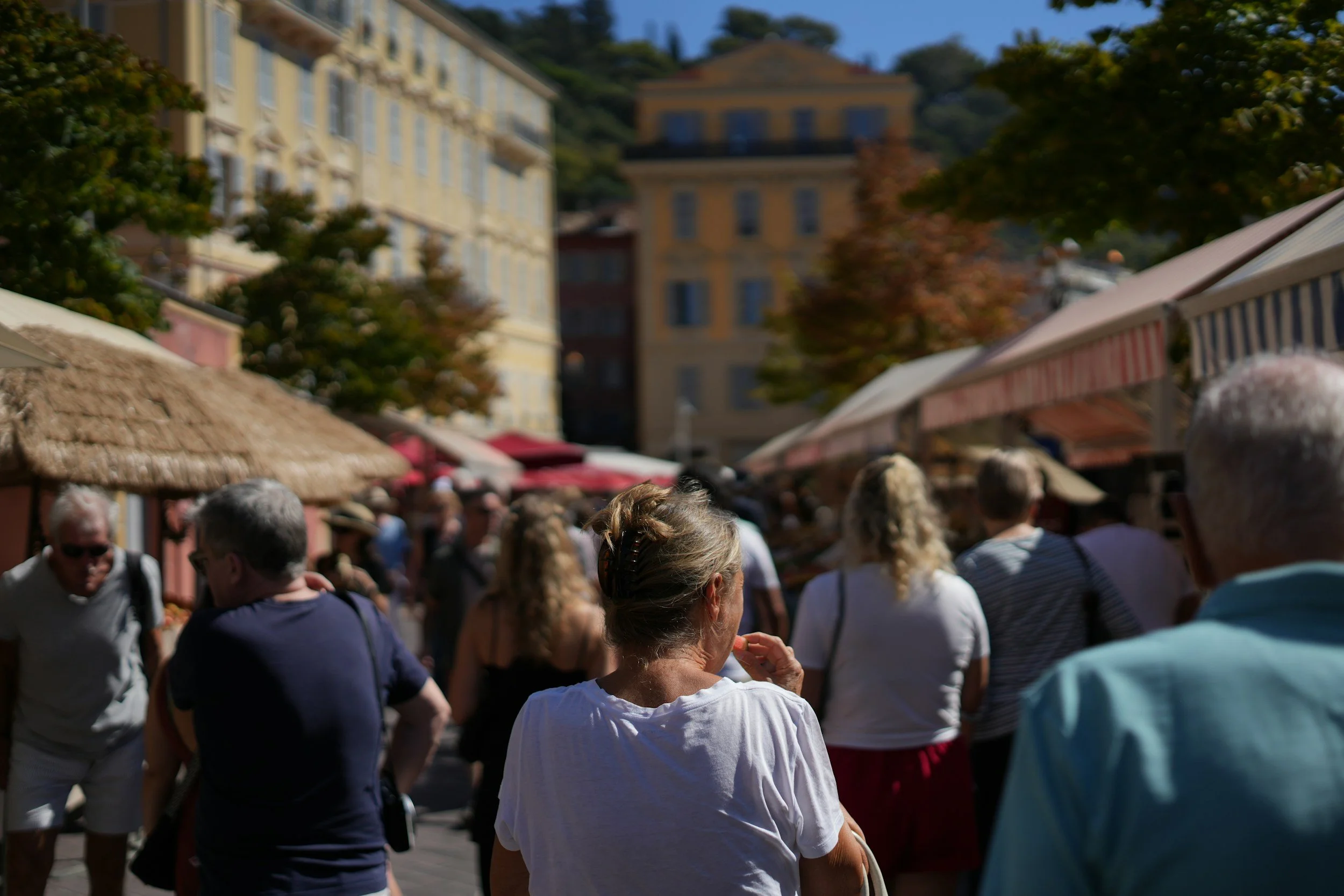
In places like Colmar, you get off the train and you’re already close enough to walk everywhere you actually need. From the station on Place de la Gare, it’s a straight walk into the centre in about 10–15 minutes, past bakeries opening early and people heading to work on bikes, not cars.
Once you’re in the old town around Rue des Marchands or the canals near Petite Venise, you don’t really think in distances anymore. You just walk. Café in the morning, back to the apartment for a break, out again later for dinner. Everything sits within the same loop without needing planning.
It’s similar in smaller towns across France where the structure is just compact enough that a car becomes unnecessary very quickly. In Uzès, for example, you stay close to Place aux Herbes and most days start and end within a few streets. Bakery on Rue Jacques d’Uzès, coffee on Place Dampmartin, a short walk through Boulevard Charles Gide in the afternoon, then back again without checking maps.
Even in places like Die in the Drôme, everything spreads out just enough to feel like a town, but not enough to need transport. You walk from Place de la République to the river, then up through the older streets, and that’s already most of the day covered without trying.
What changes when you don’t need a car is how you move through time, not just space. You don’t batch things into “trips out.” You don’t plan routes between errands or restaurants. You just step outside and let the day happen within walking distance.
How long is long enough before a town starts repeating itself
There’s usually a point in most small towns when things stop feeling new, not because there’s nothing left, but because you’ve already walked the same streets a few times without meaning to.
In Colmar, that can happen quite quickly. On the first day you walk from Place de la Gare into the centre, follow Rue des Marchands, end up along the canals in Petite Venise, maybe loop back through a different street just to see something you missed. Everything feels like it has to be looked at.
By the second morning, you already know where you’re going for coffee without thinking too much about it. The same bakery opens at the same time, the same stretch along the canals feels quieter before the tour groups arrive, and you realise you’re walking the same loop again, just without needing to check directions.
In Uzès, it happens more gradually. You drift in and out of Place aux Herbes, walk up Rue Jacques d’Uzès, cut across Boulevard Charles Gide, then somehow end up back where you started. Not because you’re trying to repeat anything, but because that’s the shape of the town. After a while you stop seeing it as different routes and just start recognising patterns.
That’s usually when something shifts. You’re no longer asking what there is to do next, because you’ve already seen how small the centre really is. It’s not a negative feeling, just a different one. You start noticing timing instead of places. The square before people arrive. The bakery after the morning rush. The same café at different points in the day.
In most small towns, that change happens somewhere between the second and fourth day. One night is still arrival. Two nights is still moving through it. After three or four nights, you’re no longer building a mental map. You already have it. And instead of repeating places, you start repeating habits without thinking about it.
Coffee in the same corner, and the same short walk in the evening. Sitting in the same square just because it’s there.
And that’s usually the point where a town stops feeling like something you’re exploring and starts feeling like somewhere you’re briefly living in.
If you’re trying to figure out which areas actually feel lived-in year-round, this guide to rural France routes helps narrow it down.
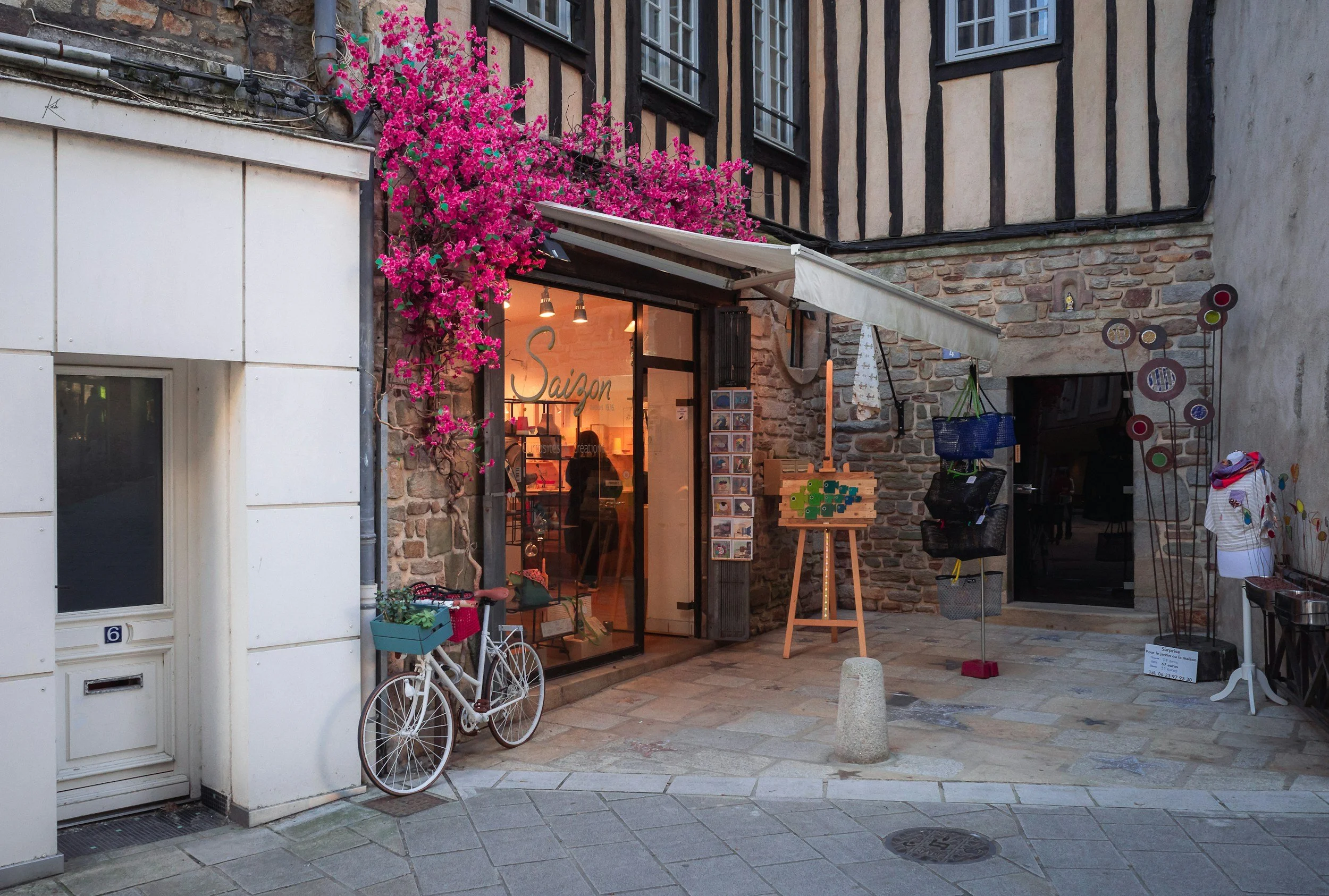
Who these towns actually work best for
These towns tend to suit people who don’t mind a day starting in almost the same way more than once.
In Uzès, it usually looks like arriving at Place aux Herbes a little after the market has started setting up. You hear the metal frames going up before you really see anything, café chairs already being moved into place along Rue Jacques d’Uzès, someone carrying crates of vegetables across the square without rushing. You end up buying coffee from the same place two mornings in a row because it’s on the way, not because you planned it.
Later, you might walk the same stretch again without thinking about it. Up Rue Jacques d’Uzès, across towards Boulevard Charles Gide, then back through the square when it’s busier. It doesn’t feel repetitive in the moment. It just feels like the easiest way through town.
In Die, the days fall into a slightly looser version of the same thing. You walk down towards the river in the morning, pass the same bakery where people are already picking up bread, then drift back through Place de la République later in the afternoon when a few tables outside start filling again. No one is really moving with urgency, so you don’t either.
What becomes noticeable is not what you do, but what you start doing again without planning it. Sitting in the same café because it’s already open when you pass. Taking the same short loop after dinner because it’s still light and nothing feels urgent enough to change direction.
These towns also suit people who are fine with not filling every gap in the day. There are mornings where you go out just for coffee and come back an hour later without anything else attached to it. Or afternoons where you sit down somewhere in the shade and don’t really move until it starts getting quieter again.
If you need constant movement or a reason to keep switching places, it can feel like not much is happening. But if you stay a bit longer, you start to notice that the lack of structure is exactly what makes it work.
Not every quiet town is actually active once you arrive, and this guide to quiet vs closed towns makes that difference much easier to spot.
Where it’s easy to slow down and stay a while
The first day in a town like Uzès usually feels quite active without being busy in a stressful way. You arrive, walk straight through Place aux Herbes because it’s the obvious centre, maybe stop for coffee somewhere along Rue Jacques d’Uzès, and there’s a sense that you’re still orienting yourself without really noticing it.
By the second or third morning, that changes in small ways that are easy to miss at first. You don’t go to the square to “see it” anymore, you pass through it because it sits on the way to somewhere else. The same bakery you tried on day one becomes the one you automatically walk to without checking alternatives. Not because you decided on it, but because you already know the timing works.
What also starts to shift is how you move through the town. On arrival, you tend to walk longer loops, covering more ground without meaning to. A few days later, it’s shorter movements. Coffee, a walk through Boulevard Charles Gide, back again, then out later without much structure in between. The town doesn’t feel smaller — your use of it just becomes more direct.
In Die, you notice a similar change but in a different shape. Early on, you might walk down to the river just to “explore it properly,” following the paths without much purpose. After a couple of days, it becomes more like a habit loop — bakery in the morning, a short walk past Place de la République, then back again without needing to decide what comes next.
Even the way you notice places changes. At first, you register cafés, streets, and squares as separate things. Later, they start linking together into a simple pattern: where coffee happens, where people sit, where you naturally end up when you don’t have a plan.
What makes these towns work for longer stays isn’t that there’s more to do after a few days. It’s that you stop needing to reorganise yourself around them. The movement gets smaller, the decisions get lighter, and the day stops resetting every morning.
Some towns change quite a bit outside summer, so this take on France without a car in winter gives a clearer idea of what still works well off-season.
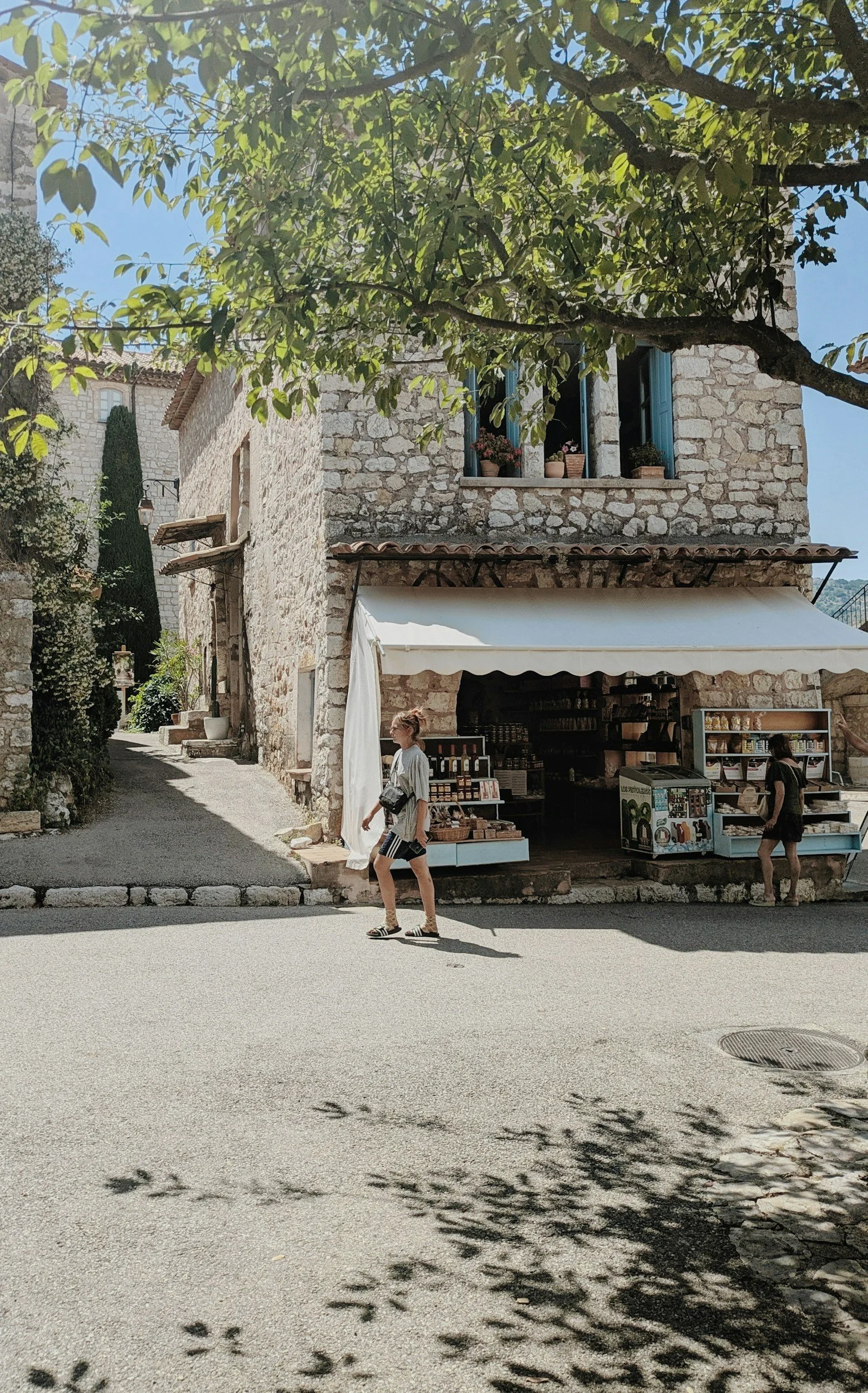
FAQs about French small towns
Which small towns in France are best for staying several nights?
Towns that work well for longer stays tend to have everyday life built into them. Regular markets, walkable centres, cafés that locals actually use, and shops that stay open beyond tourist hours all make a difference. Inland towns and coastal towns that serve a wider local area usually hold up better over three to five nights than places built mainly around short visits.
If a town feels busy only in the middle of the day and noticeably emptier in the evenings, it often works better as a stop than as a base.
Is it better to stay inland or on the coast in France?
It depends on what you want your days to feel like. Inland towns often have a steadier rhythm, especially outside peak summer. Daily routines continue regardless of season, which makes staying put feel easier. Coastal towns can work just as well if they’re connected by regional rail and used by locals year-round, not just holidaymakers.
If you’re staying more than a couple of nights, the question isn’t scenery, but how the town behaves once the day slows down.
How many nights should you stay in a small French town?
For many towns, three nights is a comfortable amount of time. It allows you to settle, notice patterns, and leave without feeling rushed. Some towns stretch naturally to four or five nights because they offer layers rather than highlights: nearby walks, multiple neighbourhoods, midweek markets, or easy access to surrounding villages without changing accommodation.
If you feel like you’re filling time rather than living into it, the stay is probably too long for that particular place.
Are market towns better bases than resort towns?
Often, yes. Market towns tend to have a built-in weekly rhythm that makes staying longer feel intentional. Market days change the atmosphere, bring people together, and give shape to the week. Resort towns are often designed for short stays, which can make longer visits feel repetitive once the initial novelty fades.
Markets don’t just add activity. They add variation without requiring movement.
Can you stay in small towns in France without a car?
Many towns in France still function very well without a car, especially those connected by regional trains and built around compact centres. Being able to arrive by rail, walk everywhere, and take short trips without driving reduces planning and mental load, which matters more the longer you stay.
If needing a car becomes unavoidable for basic errands, staying longer often feels more tiring than expected.
If you’re planning to move between a couple of towns, it’s worth checking Eurail options first so you don’t overcomplicate the route.
How do you know if a town will feel too quiet after a few days?
A simple way to tell is to think about what the town is used for outside tourism. Does it serve surrounding villages? Does it have schools, markets, local cafés, or regional transport? Does anything happen on a weekday evening?
If the answer is “not much, but enough,” the town will likely feel calm rather than empty over several days.
Who should avoid staying too long in small towns?
If you enjoy constant movement, changing scenery, and a sense of momentum, longer stays in small towns can feel restrictive. These places suit travellers who are comfortable with repetition and slower days. That’s not a value judgement, just a difference in travel style.
Knowing this in advance makes planning easier and avoids disappointment.