
These French castle towns are even better when you arrive by train
Southern France has no shortage of castle towns, but surprisingly many of them are still easy to visit by train! If you like the kind of place where you can step off a train, walk a few minutes, and already feel like the day is going in the right direction, Southern France is very good at that. The towns people tend to remember are usually not the most famous places. They are the ones where the old centre is still part of real life, where the castle is not stuck out on its own somewhere, and where the day comes together naturally around a market square, a bakery stop, lunch, and a walk by the walls. That matters more than you might think in this part of France, because train travel is often very doable once you keep the plan simple and stop trying to squeeze in too much. Uzès, Aigues-Mortes, Villefranche-de-Conflent, Foix, Tarascon, and Sisteron all work well for that kind of trip. Uzès is the only one that asks a bit more from you, since you need to take a bus from Nîmes or Avignon, but once you get there it is easy to settle into! Place aux Herbes is right at the heart of things, with its arcades, café tables, and fountain, and the Duchy is close enough that it feels like part of the town rather than a separate sight. The others are even easier from a rail point of view. Aigues-Mortes, Foix, Tarascon, Sisteron, and Villefranche-de-Conflent can all be reached by regional train, either directly or with one simple change, which makes a real difference when you want the journey to feel easy from the start.
What makes these towns so useful is that they do not need much effort to make sense. In Foix, the castle is right there above the old centre, so you keep seeing it as you move through town and it helps you get your bearings straight away. In Aigues-Mortes, the walls do that job. You arrive, see the line of ramparts, and instantly understand how the town is laid out. Villefranche-de-Conflent feels smaller and more tucked in, with its gates, stone streets, and mountain setting doing most of the work before you have even found somewhere for coffee. Tarascon feels heavier and more solid, with a proper fortress by the Rhône that is hard to forget once you have seen it up close. Sisteron has a different mood again. With the citadel above the Durance and the big rock face across the river, it feels more like a place between Provence and the Alps. Uzès is the gentlest of the group, but in a very real way. It is the kind of town where daily life still sits right in the middle of the historic centre, with market stalls on Place aux Herbes, people sitting out under the arcades, and streets like Rue Jacques d’Uzès and Rue du Docteur Blanchard that are simply nice to wander without needing a reason.
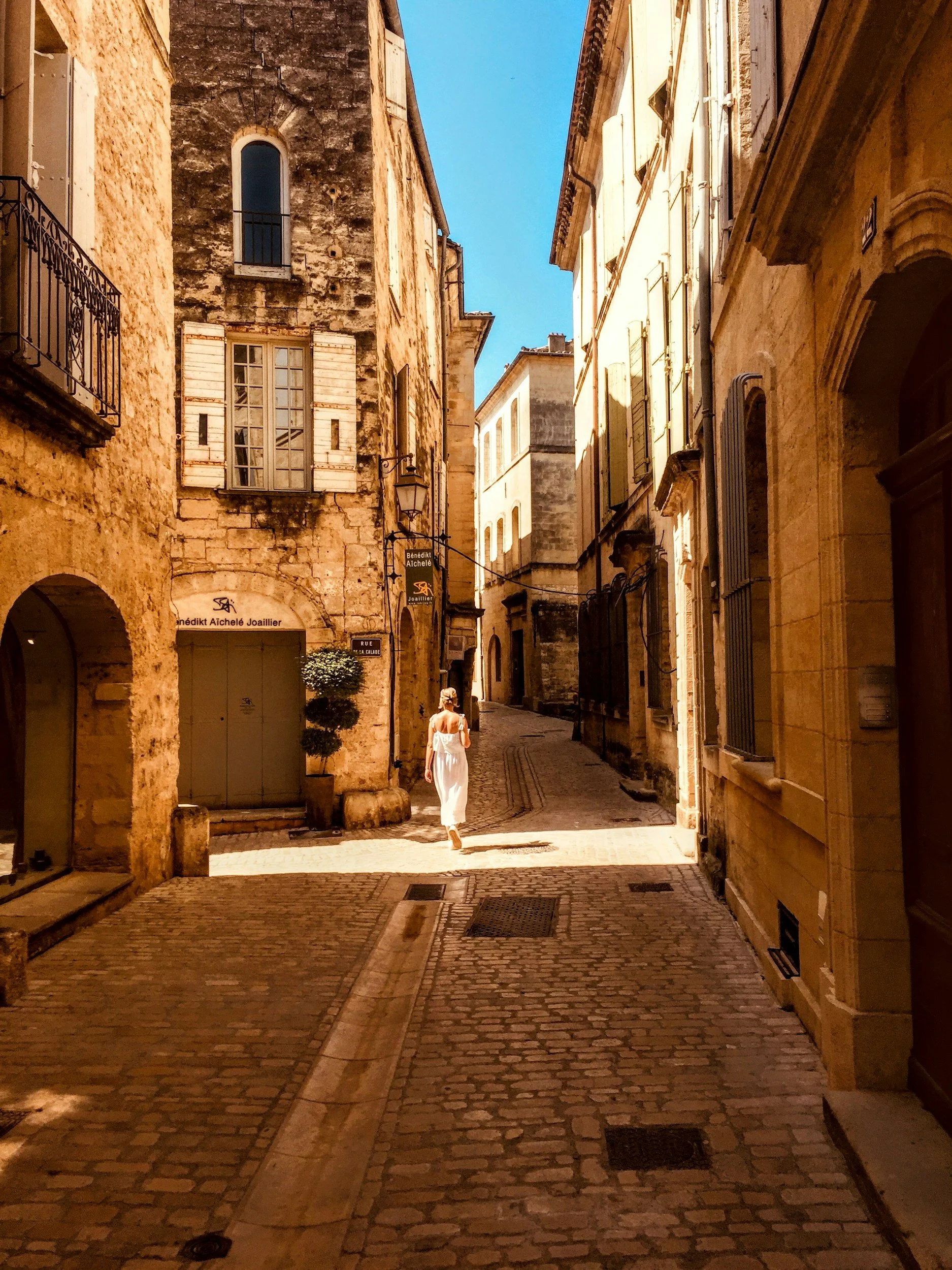
Uzès - stone arcades, market mornings, and the Duchy tower above the rooftops
Uzès works very well by train even though there is no station in the town itself. The simple version is taking the train to Nîmes or Avignon and then continuing the last stretch by bus. The regional liO buses run regularly and stop right near the centre, which means the final part of the journey is straightforward once you know what to expect. Line 115 runs from Avignon and line 152 from Nîmes, and both drop you close enough that you can walk straight into the old streets without any confusion. From the bus stop near Esplanade Charles-de-Gaulle it only takes a few minutes to reach the historic centre, and suddenly you are in a completely different setting from the larger cities you just came from.
Uzès is small in the best possible way. You never feel like you need to plan routes or check a map every few minutes. The main places you will want to see are all within a short walk of each other. Place aux Herbes sits in the middle, the cathedral is just a few minutes away, and the Duchy is tucked right behind the square along Rue Jacques d’Uzès. Most people end up walking the same few streets naturally because everything flows back toward the centre.
The first place most people settle into is Place aux Herbes. The square is lined with pale stone arcades, and by mid-morning the café tables are usually full. Café de l’Horloge and La Fabrique Givrée both sit right on the square and are good places to pause for coffee or a light breakfast if you arrive early. It is the kind of square where people actually hang around for a while rather than just passing through. You see locals stopping at the bakeries on nearby Rue Dr Blanchard, market vendors unloading crates of vegetables, and visitors slowly figuring out where they want to go next.
Market days change the entire atmosphere. On Wednesdays the market begins early, usually around 7:30 in the morning, and by nine o’clock the square is already busy with stalls selling fruit, olives, goat cheese, lavender honey, and baskets of herbs from nearby farms. The stalls fill the entire square and spread slightly into the surrounding lanes. Saturdays are even bigger, but they are also more crowded, especially in summer when visitors from Nîmes and Avignon arrive for the day. If you prefer a calmer experience where you can actually browse the stalls without squeezing past crowds, Wednesday is usually the better day to come.
Even outside market days, Place aux Herbes remains the centre of daily life. In the late morning people drift between cafés, bakeries, and small shops selling ceramics and linens. Around lunchtime the terraces fill again, especially the shaded tables along the arcades. A simple lunch here works well before heading uphill toward the Duchy. Restaurants like Le Bec à Vin or Ten offer relaxed meals that fit naturally into the pace of the town without turning the day into a long formal lunch.
The Duchy of Uzès is the most visible landmark once you start walking beyond the square. The tall medieval tower rises above the rooftops and is visible from several streets, especially when you approach from Rue Jacques d’Uzès. Visiting the Duchy usually takes around an hour depending on whether you climb the tower. The staircase is narrow but manageable, and from the top you get a clear view across the tiled roofs, church towers, and surrounding countryside. The view helps you understand the scale of the town because everything you have just walked through is laid out below you.
Before or after visiting the Duchy, it is worth wandering a little around the nearby streets. Rue du Dr Blanchard has several small food shops and bakeries where locals stop during the day. Maison Pichon is well known for pastries and makes an easy stop if you want something to bring to the square later. A few minutes away, the cathedral area feels quieter and slightly cooler because of the narrow stone lanes.
One of the reasons Uzès is great for a relaxed visit is that nothing is far apart. From the cathedral steps it takes less than five minutes to return to Place aux Herbes, and from there you can easily drift toward smaller streets like Rue Saint-Théodorit or Rue du Général Vincent. These streets are where the town feels most lived-in, with small apartments above shops, flower boxes on windowsills, and laundry lines stretched across inner courtyards.
The order of the day matters here more than rushing through sights. Starting with coffee in the square, wandering the market if it is a market day, and then heading toward the Duchy usually makes more sense than climbing the tower immediately after arriving. By the time you reach the Duchy, you already know the streets and the square below, which makes the view from the top far more interesting.
If small towns like these are the kind of places you like discovering, this guide to lesser-known European villages might give you a few more ideas for future trips.
Late afternoon is often the nicest moment in Uzès… The market stalls are gone, the lunch crowds have thinned out, and the square becomes calmer. People sit with a glass of wine under the arcades, and the light starts to soften against the pale stone buildings. Walking once more through the square before leaving gives you a final look at the town when it feels relaxed and settled again.
If you are already planning a broader solo travel in Southern France trip, Uzès fits neatly into that kind of week because it is cozy, authentic and easy to combine with Nîmes or Avignon.
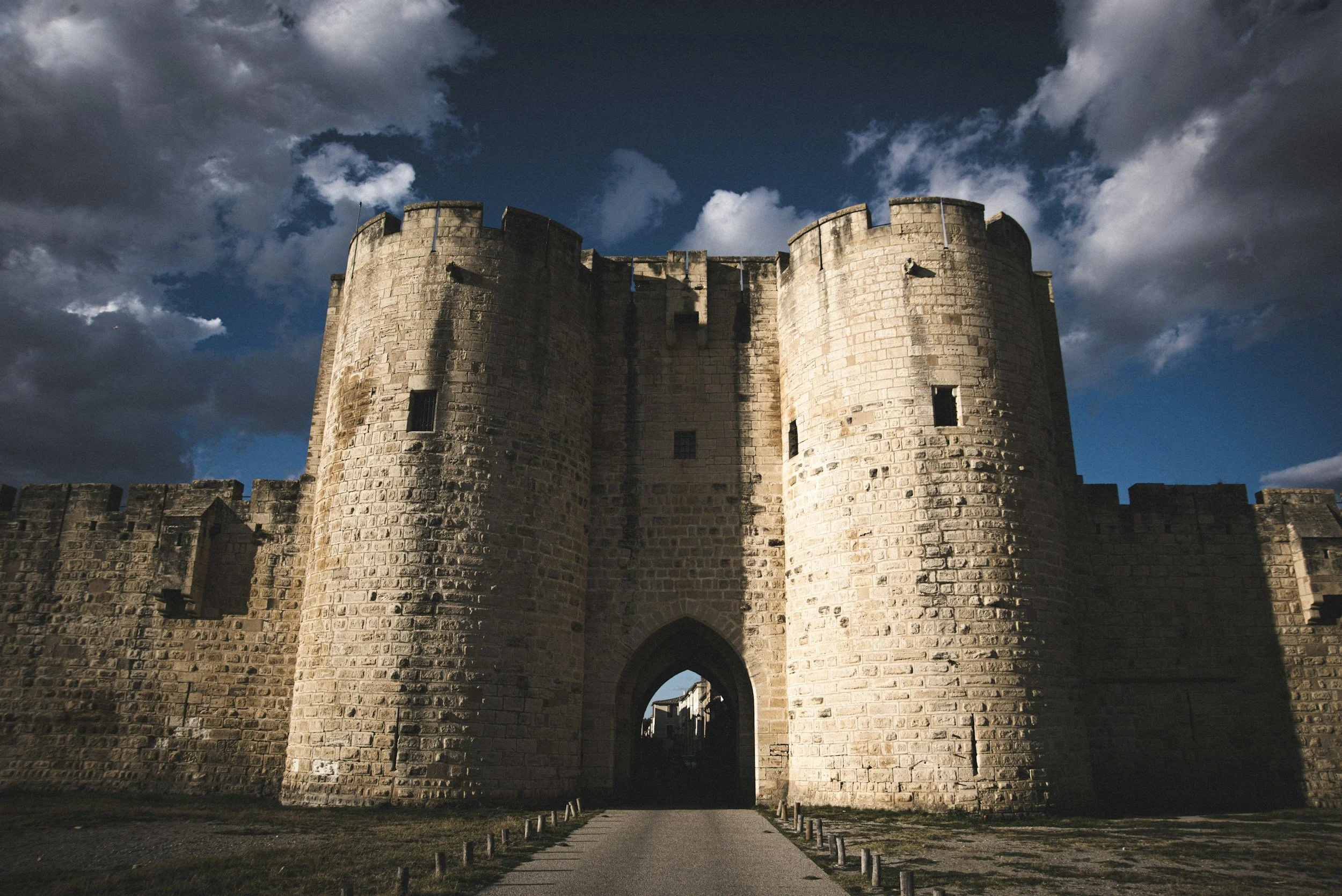
Aigues-Mortes - medieval walls rising out of the Camargue marshlands
Aigues-Mortes is one of the easiest castle towns in southern France to reach by train, especially if you are staying in Nîmes and want a simple day trip that doesn’t involve changing buses or figuring out complicated routes. The regional TER train runs directly between the two towns and usually takes about forty-five minutes, which means you can leave after breakfast and still arrive with plenty of the day ahead of you. As the train leaves Nîmes the landscape slowly starts to open up. Vineyards and small farm fields fade away and the scenery becomes flatter and wider, with canals, marshes, and long stretches of Camargue land where reeds move in the wind and flamingos sometimes stand in the shallow water.
By the time the train approaches Aigues-Mortes the view outside the window already feels different from the villages further inland. The land is almost completely flat, and then the town appears in the middle of it like a stone rectangle rising out of the marshland. Aigues-Mortes still has its full medieval walls intact, which is why it looks so striking from a distance. Pale stone ramparts run in a perfect square around the town, with square towers spaced along the edges and the Tour de Constance rising slightly higher than the rest.
The station itself is small and quiet, which makes arriving here very straightforward. When you step outside the direction is obvious because the walls are right in front of you. The walk into town takes about ten minutes and follows a canal where a few cafés and small boats sit along the water. As you get closer the scale of the walls becomes clearer, and the entrance gate grows larger with every step.
Walking through the gate feels like entering another space entirely! One moment you are outside beside the canal looking at the fortifications, and the next you are inside thick stone walls surrounded by narrow streets, shuttered houses, and small squares filled with café tables. The town is compact and easy to understand, which means you don’t need a strict plan for the day.
Most people start with the ramparts, and that’s usually a good idea. The entrance is easy to find once you’re inside the town, and within a minute or two of climbing the steps you are standing on top of the walls looking out across the Camargue.
From the ramparts you see the entire layout of the town. Inside the walls the streets form a neat grid of narrow lanes and terracotta rooftops, while outside the land stretches wide and open in every direction. Canals cut across the marshland, salt flats sit pale against the horizon, and straight roads run through the landscape toward the coast.
Walking the full length of the ramparts usually takes about an hour if you move slowly and stop often to look around. Every few minutes you pass another tower, and the view shifts slightly each time. One side shows the rooftops of the town, the other side opens toward the wide Camargue landscape.
Morning tends to be the nicest time for this walk because the stone hasn’t heated up yet and the light across the marshland is softer. Later in the afternoon the walls can feel warmer and busier, especially in summer.
When you come down from the ramparts the town suddenly feels more familiar because you’ve already seen it from above. Streets that looked like simple lines from the walls now feel easier to navigate.
Most people drift toward Rue de la République at this point. It’s the main street running through the centre and where many cafés and restaurants sit. Around lunchtime the terraces fill quickly, especially places like Le Patio Né or Boem where tables stretch out into the street and people settle in for long, relaxed meals.
Lunch is a good time to slow down rather than rushing into the “next thing”. Aigues-Mortes has that typical southern French vibe where the middle of the day softens. Restaurants stay full for a while, shops close briefly, and the streets become a little quieter.
After lunch it’s worth wandering away from the main street for a while. Streets like Rue Émile Jamais or the smaller lanes behind the church reveal quieter corners of the town where small shops sell Camargue sea salt, olive oils, jars of honey, and bottles of wine from nearby vineyards.
Later in the afternoon many people walk outside the walls for a short look at the surrounding landscape. The salt marshes around Aigues-Mortes are one of the reasons the town feels so unusual. The salt flats stretch across the horizon and sometimes appear slightly pink depending on the light and minerals in the water.
Timing matters here more than you might expect. Because Aigues-Mortes sits fairly close to the Mediterranean coast, many visitors arrive in the afternoon after spending the morning at the beach or exploring the Camargue by car. By early afternoon the streets inside the walls can feel a lot busier.
Taking an earlier train from Nîmes usually avoids that. Arriving before midday means you can walk the ramparts while the town still feels calm and enjoy the streets before more people arrive.
Later in the afternoon the pace slows again. Some visitors leave for the coast or head back toward Nîmes, and the town becomes quieter once more. The light softens against the stone walls, café tables begin filling again with people ordering drinks, and the atmosphere shifts into that relaxed end-of-day mood.
For market-lovers.. just a suggestion: a train trip also pairs well with authentic weekly markets in Southern France
The south of France also has several quieter coastal villages if you enjoy places like this.
Villefranche-de-Conflent - a fortified Pyrenees town enclosed by Vauban ramparts
Villefranche-de-Conflent is the smallest town on this list, and that is really the whole point of going there. It sits deep in the eastern Pyrenees about fifty minutes inland from Perpignan, tucked into a narrow valley where the mountains rise steeply on both sides. When you arrive, the town doesn’t feel spread out or busy. It feels contained. Thick stone walls wrap tightly around the centre, and the mountains behind them make the place look almost sealed into the landscape.
Most people arrive by train from Perpignan. The ride inland follows the Têt Valley, and the scenery slowly shifts from vineyards and open countryside to rockier hills and forested slopes. By the time the train reaches Villefranche-de-Conflent, the valley has narrowed and the fortified town suddenly appears beside the tracks. The station sits just outside the walls, so you step off the train, cross the road, and within a minute or two you are standing at the old gate that leads into town.
Passing through that gate changes the atmosphere immediately. Inside the walls the streets are narrow and lined with tall stone houses that keep the sun out for much of the day. You are not dealing with a large historic centre here. There are only a handful of streets, and they run in a tight pattern between the walls. The whole place feels compact and easy to understand the moment you walk in.
Rue Saint-Jean is the main street most people follow first. It runs through the centre of the town and is where you find small shops, bakeries, and restaurants tucked into the ground floors of old houses. In the morning shopkeepers are just opening their doors, people are setting out tables, and visitors wander slowly along the street looking into windows filled with pottery, local honey, and jars of mountain herbs.
Because the town is so small, it helps to slow down instead of trying to see everything quickly. You can walk from one end of the fortified centre to the other in about ten minutes, which means the visit works better when you stop for coffee, sit for a while, or wander through the side lanes rather than rushing through.
Another reason people come here is the Yellow Train. The small mountain railway starts just outside town and is one of the most famous train rides in this part of France. The bright yellow carriages sit at the nearby station waiting to head deeper into the Pyrenees, climbing slowly toward Latour-de-Carol high in the mountains.
Even if you only ride a short section of the route, the scenery changes quickly. The train begins climbing through forested slopes, crossing high bridges and passing through small mountain villages that would be difficult to reach any other way. It’s one of those journeys where the train itself becomes the reason for the trip rather than just the transport.
The easiest way to plan a day in Villefranche-de-Conflent is to divide it into two simple parts. Spend the morning in the town while it’s still quiet, walking through the gates, following the narrow streets, and climbing parts of the old ramparts if you feel like exploring further.
Around lunchtime it’s easy to stop along Rue Saint-Jean where small restaurants serve simple meals. Places like Le Canigou or other small cafés along the street offer relaxed lunches where people sit outside and watch the slow movement of the town.
After lunch you can walk back to the station and take the Yellow Train for a section of the route into the mountains. The full journey takes most of the day, so many visitors choose a shorter stretch instead. Even a short ride gives you a sense of the steep valleys and the high Pyrenean landscape the train climbs through.
Trying to ride the entire line and see the town in the same day often feels rushed, so most people enjoy it more by choosing a short journey on the railway and leaving enough time to return to Villefranche-de-Conflent afterwards.
When you come back later in the afternoon the town usually feels quieter again. The small streets calm down, the shops begin closing for the day, and the mountains surrounding the valley start catching the softer evening light.
Foix - castle towers above the Ariège valley and a quiet historic center
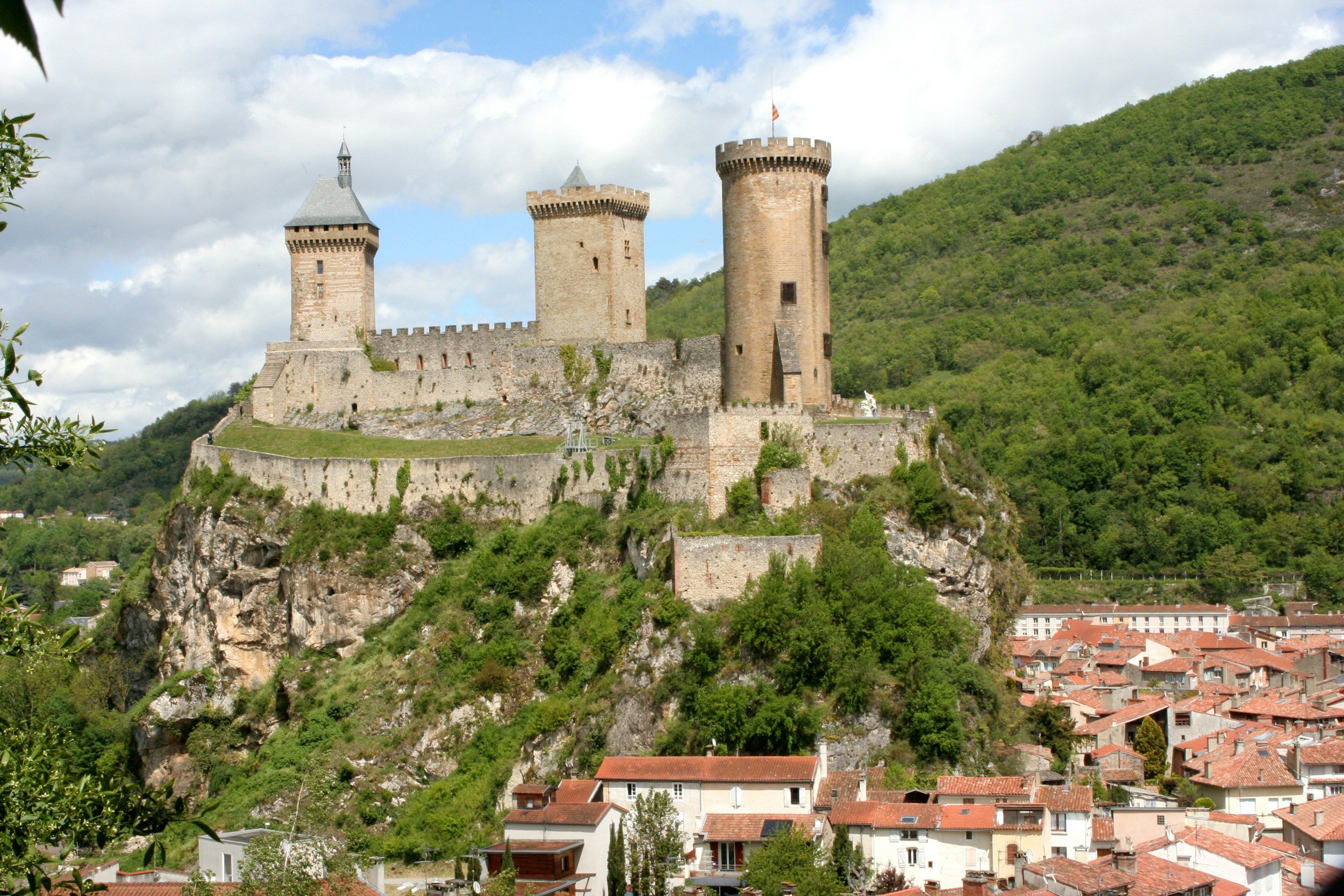
Foix is one of the strongest rail-accessible castle towns in southern France because the train part is uncomplicated and the castle is not a side attraction outside town. Direct TER services from Toulouse Matabiau run in just over an hour, with current timetable pages showing journeys around 1 hour 11 to 1 hour 14. That makes Foix easy to treat as either a day trip or a one-night stop if you are already moving through Occitanie by rail. The town itself is small enough to understand on arrival. The station is not far from the centre, and once you see the three towers above the roofs, orientation is mostly done for you.
Foix also gives more substance to the actual castle visit than some towns where the building is mostly exterior. The tourism office describes the château as one of the most remarkable and best-preserved sites in Occitanie, and the Ariège tourism material notes that the museum area at the foot of the castle makes this a longer visit than people sometimes expect, often taking three to four hours if you do the site properly. That matters for planning. Foix is not a place where you rush in at 3 p.m., run up the hill, and think you have seen it. It works better if you arrive mid-morning, have coffee first, visit the castle before lunch if you like museums when they are quieter, then return to the lower streets afterward for bread, a simple menu du jour, or a longer pause by the river.
If this kind of place feels like your dream place to visit - you might also enjoy this piece where we explore small villages in Southern France that are wondeful, cozy and local. Full of French charm!
Tarascon - a Rhône river town with one of the most imposing castles in Provence
Tarascon is one of those towns many people pass without noticing. Trains run constantly between Avignon and Arles, and most travellers stay on board heading somewhere bigger. Getting off in Tarascon feels almost surprising the first time because the journey is so short. From Avignon the train ride is barely ten minutes, which makes it one of the easiest castle stops you can add if you’re travelling through this part of Provence by rail.
The station is small and quiet, and you don’t need to think much about directions once you arrive. The walk into town takes around ten minutes. You pass a few residential streets, a boulangerie or two, and then the Rhône suddenly appears ahead of you. A few more steps and the castle comes into view. It sits directly beside the river and looks enormous up close, with thick pale stone walls and square towers rising straight above the water.
The Château de Tarascon is the reason people stop here. It doesn’t look like a romantic ruin or a decorative castle perched on a hill somewhere. It feels solid and serious, like a fortress that was actually built to last. When you stand near the walls the scale becomes obvious. The towers are high, the walls are thick, and the whole structure stretches along the Rhône in a way that feels quite imposing.
Walking toward the castle along the river is worth doing slowly rather than rushing straight inside. The Rhône moves gently here and there is usually a quiet path along the water where locals stroll or sit for a moment. From this angle you can see the full length of the fortress, and depending on the light the stone walls reflect softly on the river’s surface.
Inside, the castle feels much more complete than many historic sites in the south of France. Instead of fragments and ruins you walk through real rooms, staircases, courtyards, and large halls that still hold their shape. Thick stone corridors lead from one chamber to another, and some of the upper levels give wide views over the river and the rooftops of Tarascon.
Because the castle is the main sight in town, it’s best to start there. Outside the summer season it sometimes closes for a break around lunchtime, which catches people out if they arrive later in the day. Visiting in the morning keeps things simple and lets the rest of the afternoon unfold more slowly.
Once you leave the castle gates, the town itself begins just behind it. The streets of the centre feel noticeably calmer than nearby Arles, and they have a lived-in atmosphere rather than a polished tourist feel. Walking up toward Place du Marché you’ll start seeing cafés and small shops opening their doors.
A good first stop is often Le Bistrot des Anges, a relaxed little restaurant where locals gather for lunch and the menu leans heavily on Provençal ingredients. A few streets away, La Treille is another favourite for simple seasonal dishes and a glass of wine if you feel like lingering over lunch.
For something lighter, Boulangerie La Tarasconnaise on Rue des Halles is a good place to pick up a pastry or sandwich before wandering further through town. People often step in here mid-morning for a coffee and a slice of tarte before continuing their walk.
The streets around Rue des Halles and Rue du Château are also where you find small independent shops that give the town a bit of character. La Boutique du Terroir sells regional products from the Alpilles and Camargue - olive oils, tapenades, honey, and jars of herbs that come from nearby farms. Just around the corner, La Librairie de la Place is a small independent bookshop where locals browse quietly in the afternoon.
Walking back toward the Rhône later in the day gives you a different perspective of the castle. The riverbank path is usually calm, and from there you see the fortress rising behind the town in a way that feels quite dramatic without being crowded.
By the time you head back toward the station, Tarascon often feels like a very satisfying stop for such a short train ride. You’ve explored a real medieval fortress, eaten well, wandered through a handful of genuine streets, and spent some time beside the Rhône without needing a complicated plan to make the day work.
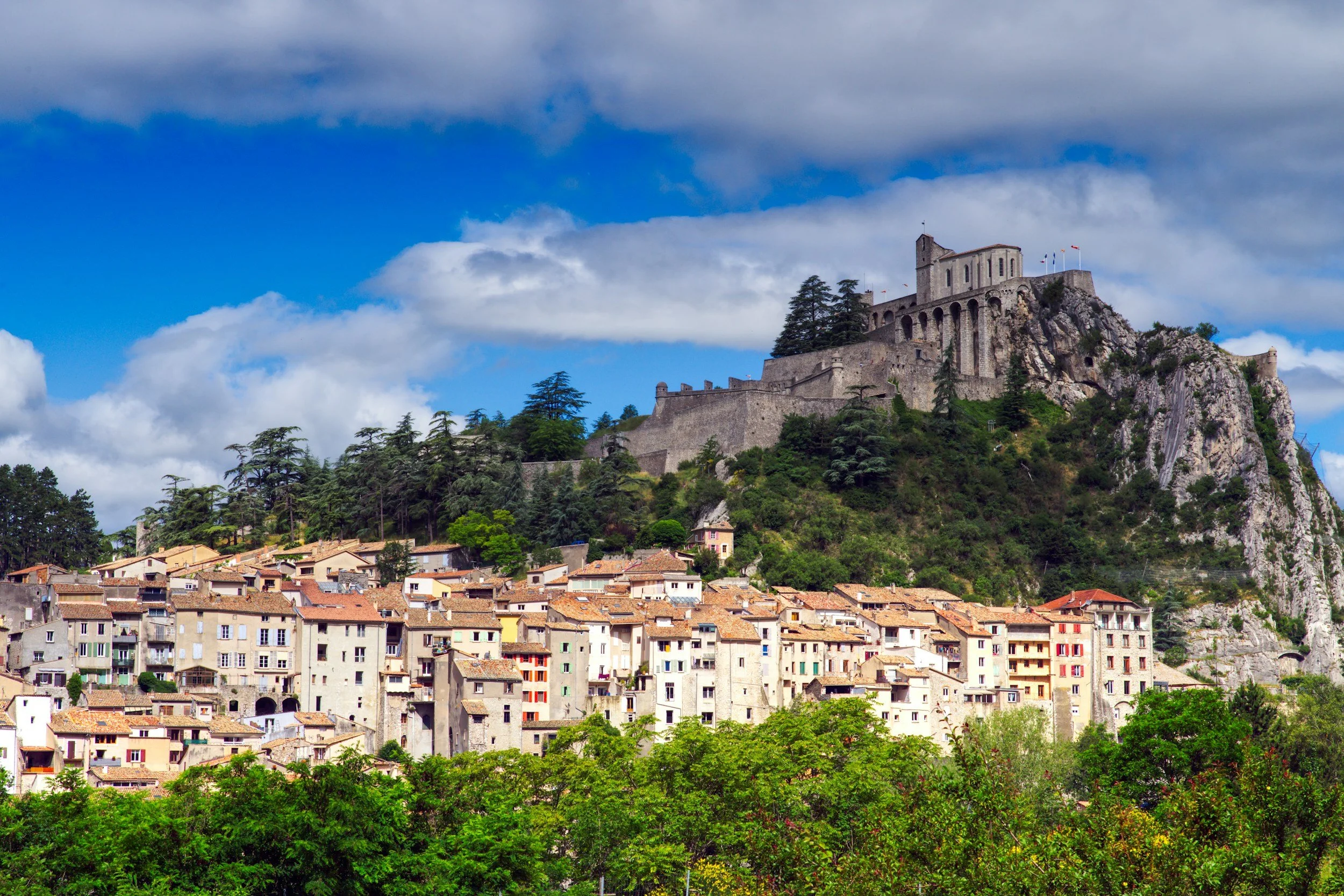
Sisteron - citadel cliffs and a gateway town between Provence and the Alps
Sisteron takes longer to reach than the other towns in this guide, but the train ride is very straightforward and the scenery makes the extra time feel worthwhile. The TER trains leave from Marseille Saint-Charles and follow the Durance valley north. The journey usually takes a little over two hours, and the landscape gradually changes as the train moves inland. The vineyards and soft hills around Aix start disappearing, and the terrain becomes rockier, with wider valleys, pale cliffs, and mountains rising on both sides of the tracks.
By the time the train gets close to Sisteron, the town already feels different from the places further south in Provence. The citadel appears high above the rooftops on a rocky ridge, and across the river stands the Rocher de la Baume, a huge folded cliff that looks almost sculpted. The Durance runs right through the valley between them, and the whole setting feels bigger and wilder than the typical Provençal towns people usually visit.
The station sits just outside the centre, and the walk into town takes about ten minutes. You cross the river and follow the streets toward the old town while the citadel slowly grows larger above you. It’s an easy walk and a good way to arrive because the views open up gradually as you get closer.
Once you step into the historic centre the atmosphere shifts again. The streets become narrower and quieter, with pastel-coloured houses, small fountains, and shaded passageways linking different parts of the town. It’s the kind of place where you naturally slow down and wander for a while before heading up to the fortress.
Most people end up passing through Place de la République, which sits in the middle of the old town and works as a natural pause point. A few cafés and restaurants line the square, and the terraces under the plane trees fill around lunchtime. Le Segustero is one of the best-known places here for a long Provençal lunch, while Chez Enzo nearby is a good stop if you want something simple like pizza or pasta before continuing your walk.
From the square it’s easy to drift through the surrounding streets. Rue Saunerie is one of the nicest to wander along, with old houses, small boutiques, and a few food shops. Just around the corner you’ll find La Maison de Pays de Sisteron, which sells local honey, cheeses, olive oil, and other products from farms in the valley. Locals stop here during the day, and it’s a good place to pick up something small before heading uphill.
The path to the citadel begins just beyond the old town and takes around fifteen minutes to climb. Stone steps lead gradually upward, and every few minutes you get a new view over the rooftops and the river below.
At the top, the Citadelle de Sisteron feels much bigger than it first appeared from the town. Thick walls run along the ridge, and once you reach the upper terraces the view opens across the entire valley. The Durance curves through the landscape, the old town sits clustered below, and the Rocher de la Baume rises dramatically on the other side of the river.
Exploring the citadel takes a bit of time because there are several levels and walkways to follow. Some paths lead through old defensive towers, others open onto wide viewpoints where people stop for photos or simply sit for a moment.
After coming back down, the old town is worth another slow walk. Bakeries reopen in the afternoon and cafés start filling again with people stopping for coffee or a drink. Boulangerie Ebrard often has a small line outside, especially later in the day when locals come in for bread or pastries.
Before heading back to the station it’s worth walking toward the river again. From the bridge you can see the full scale of the citadel rising above the houses and the cliffs beyond it.
Sisteron isn’t a place where you rush from sight to sight. The fortress is impressive, but the town itself is just as enjoyable when you wander through the streets, stop for lunch, and take time to look around the valley. By the time you catch the train back toward Marseille, the longer journey there usually feels like a small effort for a place that feels very different from the usual Provençal stops.
Sisteron is also a good example of the kind of quieter European towns that work well for slower travel.
Train routes that make these castle towns surprisingly simple to reach
One thing that becomes obvious once you start looking at a rail map of southern France is that these towns aren’t random at all. They sit along a handful of rail corridors that people are already travelling through. Most visitors arrive in cities like Avignon, Nîmes, Toulouse, Marseille, or Perpignan anyway, so the towns naturally fall into place as easy day trips rather than complicated detours.
Uzès is the only place in this group without its own train station, which is why it sometimes confuses people when they first look it up. The easiest way in is to take the train to Nîmes Centre or Avignon Centre, then continue by regional liO bus. From Avignon, bus line 115 runs to Uzès several times a day and takes just under an hour. From Nîmes, line 152 usually takes around forty minutes. Both routes drop you close to the centre, within a short walk of Place aux Herbes, so once you arrive you’re already standing near the arcades and the cafés that anchor the town.
Aigues-Mortes is much more straightforward because the train goes directly there. From Nîmes, TER trains run to Aigues-Mortes station in about forty-five minutes. When the train pulls in, the fortified town is already visible ahead of you. The walk from the station to the medieval walls takes around five minutes, and you enter the town through one of the old gates almost immediately.
Tarascon sits on one of the most useful train lines in Provence. The TER route between Avignon and Arles runs throughout the day, and the ride between Avignon Centre and Tarascon takes barely ten minutes. Even from Arles it’s only a short hop. The station sits just outside the centre, and a simple walk brings you straight toward the Rhône where the Château de Tarascon rises above the riverbank.
Foix belongs to a different rail corridor altogether. From Toulouse Matabiau, TER trains run south toward the Pyrenees and reach Foix station in about one hour and twenty minutes. When you step off the train, the castle is already visible above the town. The historic centre sits just below it, so the walk from the platform into the old streets takes only a few minutes.
Villefranche-de-Conflent works best from Perpignan. The regional train follows the Têt Valley inland for about fifty minutes, passing vineyards before the hills begin to tighten into a mountain valley. The stop is Villefranche-Vernet-les-Bains, and the fortified town sits just across the road. This is also where the Yellow Train begins its climb into the Pyrenees, which is why many people combine the town with a short ride on the mountain railway.
Sisteron sits further east along the line that runs north from Marseille Saint-Charles. The TER trains follow the Durance valley, and the ride takes a little over two hours. It’s longer than the others, but the scenery changes quite a bit along the way. By the time the train approaches Sisteron, you can already see the citadel above the town and the huge cliffs of the Rocher de la Baume on the opposite side of the river.
Looking at the towns this way makes planning much easier. Instead of trying to cross southern France in one long loop, it works better to start from a base city and choose the places that naturally sit along the same rail line.
If you’re staying in Avignon, Tarascon is the quickest stop and Uzès is still very easy with the bus connection.
From Nîmes, Aigues-Mortes becomes the obvious coastal trip, and Uzès is still simple if you want another day out.
Travellers based in Toulouse often add Foix because the train ride is direct and frequent enough that you barely have to plan it. If you enjoy historic towns like Foix, there are many other small European townsworth planning aslow weekendaround.
From Perpignan, Villefranche-de-Conflent turns into a mountain outing rather than a detour, especially if you plan to ride part of the Yellow Train.
And if you’re starting from Marseille, the longer ride north opens the door to Sisteron, where the scenery already feels closer to the Alps than the Mediterranean coast.
Regional trains from Toulouse toward the Pyrenees (Foix and Villefranche-de-Conflent)
Toulouse is a very easy base if you want to visit Foix by train. The TER trains leave from Toulouse Matabiau several times a day and head straight toward the Pyrenees. The journey takes a little over an hour, which makes the whole outing feel simple. You can leave Toulouse after breakfast, arrive in Foix before lunch, and still have most of the day in town before heading back in the late afternoon.
One of the nicest things about Foix is how close the station is to the centre. When the train pulls in, the castle is already visible above the rooftops. You step outside the station, walk a few minutes toward town, and you’re immediately in the middle of it. There’s no bus to figure out and no long uphill walk just to get started.
The streets leading into the centre feel relaxed and very normal, with bakeries opening, people walking their dogs, and cafés setting out tables. Rue Delcassé is usually where most visitors begin their walk into town. It leads toward Place Saint-Volusien, the main square beside the abbey church. This is where people stop for a coffee before exploring further. Café le Central on the square is a typical morning stop, with locals reading the paper and watching the town slowly wake up.
From the square, the castle path becomes obvious. The Château de Foix rises directly above the town, and the walk up takes about ten minutes through small lanes and stone steps. As you climb higher the view opens over the rooftops and the hills around the valley.
After visiting the castle, the rest of the day usually becomes quite relaxed. Foix isn’t a large town, but the centre has enough small streets and shops to make wandering pleasant for a while. Independent places like Fromagerie Le Bethmale sell regional cheeses from the surrounding mountains, and nearby bakeries like Boulangerie Lou Panetier are good for a pastry or something simple to take away.
Lunch tends to happen somewhere near the square. Le Passe Temps is a reliable stop for a casual meal, and there are several small terraces around Place Saint-Volusien where people sit outside when the weather is good.
Villefranche-de-Conflent belongs to a different part of the Pyrenees rail network. Instead of Toulouse, the easiest base for this town is Perpignan. The train follows the Têt Valley inland for about fifty minutes, gradually moving away from vineyards and into steeper terrain as the mountains get closer.
The train stops at Villefranche-Vernet-les-Bains, and the fortified town sits just across the road from the station. Within a few minutes you’re already walking toward the stone gates that lead inside the walls.
Villefranche feels much smaller than Foix. Instead of an open town with a castle above it, everything here sits tightly enclosed within the old fortifications. The streets are narrow, the houses are tall and stone-built, and the mountains rise steeply behind the walls.
What makes the town especially interesting on a train trip is the Yellow Train. The bright yellow carriages start their journey from the same station and climb slowly into the Pyrenees toward Latour-de-Carol. Many visitors ride just part of the route rather than the full journey, which still gives a good sense of the mountain scenery.
Because of that, the day often splits naturally into two parts. First you explore the small streets inside the fortified town, and later you take the Yellow Train for a short ride through the valley.
Seen together, Foix and Villefranche-de-Conflent show two very different sides of the Pyrenees by rail. Foix feels like a lively castle town that’s easy to reach from Toulouse, while Villefranche-de-Conflent feels smaller and more enclosed, with the mountain railway adding something extra to the visit.
The Avignon and Nîmes corridor for castle towns in Provence and the Camargue
If you’re travelling around southern France by train, Avignon and Nîmes are two of the easiest places to base yourself. Both cities sit on busy rail lines, and several smaller towns branch out from them in ways that are actually very manageable without a car.
From Avignon, the simplest outing is Tarascon. TER trains between Avignon Centre and Tarascon run throughout the day and take only about ten minutes. It’s one of those train rides where you barely settle into your seat before the train is already slowing down again. Once you arrive, the walk into town takes around ten minutes and leads straight toward the Rhône where the Château de Tarascon stands beside the river.
Uzès also works well from Avignon even though it doesn’t have its own station. From Avignon Centre, the regional liO bus 115 runs to Uzès several times a day. The ride usually takes just under an hour and drops you close to the centre of town, a short walk from Place aux Herbes, where the arcades, cafés, and market square sit.
From Nîmes, the picture shifts slightly but the trips stay just as simple. Aigues-Mortes becomes the most obvious day trip. TER trains run directly from Nîmes Centre to Aigues-Mortes station, and the journey takes about forty-five minutes. When you arrive, the medieval walls are already visible ahead of you. The station sits only a few minutes from the gates of the old town.
Uzès is also easy from Nîmes using the same regional bus network. liO bus line 152 runs between Nîmes and Uzès and usually takes about forty minutes. The bus arrives close to the centre, so when you step off you’re already within walking distance of the Duchy tower and the main square.
When you first look at the map it can be tempting to try to combine several of these towns in one day because the distances seem short. In reality the visits work better when you keep things simple and give each place its own day.
This stretch between Avignon, Nîmes, the Camargue, and the Rhône valley is actually one of the easiest parts of southern France to explore by train. Distances are short, the connections are frequent, and the towns themselves are small once you arrive.
If you’re staying a few nights in Avignon or Nîmes, you can explore a couple of castle towns without moving hotels all the time. One day might be a very quick outing like Tarascon, where the train ride barely takes any time at all. Another day could be Uzès, where the short bus connection adds a small extra step but still feels straightforward. If you enjoy towns like Uzès, you might also enjoy exploring some of the quieter villages in central France.
It’s the kind of area where travelling by train ends up being much easier than most people expect.
Changing from high-speed TGV lines to small regional TER trains
Most people arrive in southern France on a TGV, and then the pace of the trip changes once you switch to the regional network. You might come down from Paris to Avignon TGV in under three hours, but the smaller towns that make the region interesting usually sit on the slower TER lines or the local bus network.
Avignon is a good example of how this works. The high-speed train gets you into the region quickly, but the actual exploring starts after you move onto the regional connections. From Avignon Centre, small TER trains run toward places like Tarascon and Arles, while regional liO buses head out to towns like Uzès. The distances are short, but the pace is different from the fast intercity lines.
It’s easy to underestimate that shift if you’re used to travelling between big cities on high-speed rail. On a national rail map everything looks close together, but once you’re dealing with regional timetables, the last part of the journey is what shapes the day.
For Uzès, that mostly means checking the bus times from Avignon or Nîmes so you’re not arriving late in the afternoon when the buses thin out.
For Aigues-Mortes, it just means looking at the TER schedule from Nîmes before you leave, rather than assuming trains run constantly.
Sisteron is slightly different again. The TER from Marseille is not just a short final hop. It’s the main journey of the day, running north through the Durance valley, and the scenery along the way is part of the experience.
When trains run less frequently and it helps to check the schedule in advance
This becomes more noticeable on some of the smaller regional lines. Aigues-Mortes is a good example. The train from Nîmes doesn’t run every hour like a commuter service. On some days there may only be a couple of direct trains spaced across the day, which means missing one can change the whole visit.
The same thing happens in other parts of southern France. The trains themselves are comfortable and reliable, but they’re not designed for constant departures.
Checking the timetable the evening before usually solves the problem. Once you know when the trains run, the day becomes easy to organise. You arrive in town, walk through the centre, stop somewhere for lunch, wander for another hour or two, and then head back to the station for the return train.
The train network isn’t difficult to use here. Most of the time it’s just a question of knowing the schedule before you set out, rather than expecting trains to appear every few minutes.
What the First 10 Minutes Look Like When You Arrive in These Castle Towns
A lot of travel guides about castle towns focuses almost entirely on the monument itself. The castle, the walls, the citadel. But the first few minutes after you arrive usually shape the visit much more than people expect. If the arrival is easy to read, the day starts calmly. If it’s confusing, you end up wandering around with your phone trying to work out where the centre actually is.
Aigues-Mortes is one of the easiest places in this list in that sense. The train from Nîmes pulls into a small station just outside town. When you step off the platform, the medieval walls are already visible straight ahead. You walk a few minutes down a simple road, pass a small canal, and then the ramparts suddenly fill the view. The towers, the gates, the square shape of the town - everything is very clear straight away.
Foix has a similar feeling. The train station sits right beside the town and the Château de Foix rises above the rooftops the moment you step outside. You don’t really have to think about directions. The castle tells you where the centre is. Within a few minutes you’re walking through the streets below it without needing to check a map.
Tarascon works in a quieter way but still has that moment of recognition. You leave the station, walk toward the Rhône, and the Château de Tarascon slowly appears beside the river. At first you just notice the towers, then the full fortress comes into view as you get closer to the water.
Sisteron is similar but the landscape makes the arrival bigger. When the train approaches the town, the citadel already stands high above the valley. On the other side of the river the huge rock wall called the Rocher de la Baume rises almost vertically. Even before you step off the train you can see how the town sits between those two shapes.
Uzès feels completely different because you don’t arrive by train at all. The bus from Nîmes or Avignon drops you on an ordinary street on the edge of town. At first it just feels like any small southern French town with shops, cafés, and people going about their day. Then you walk a few minutes further and suddenly the stone arcades of Place aux Herbes appear, and the older part of Uzès starts to gather around you.
Villefranche-de-Conflent is almost the opposite experience. The fortified town sits tightly enclosed by thick stone walls at the base of the Pyrenees. When you arrive at Villefranche-Vernet-les-Bains station, the mountains are already rising behind the town and the walls are directly ahead of you. It’s one of those places where the setting makes its point straight away.
Those first few minutes after arriving often decide how the visit will turn out. In towns like Aigues-Mortes or Foix, the castle or walls pull you forward immediately. In places like Uzès, it feels better to slow down first, grab a coffee somewhere near the square, and then wander deeper into the centre once you’ve settled in.
Walking from small train stations into centuries-old town gates
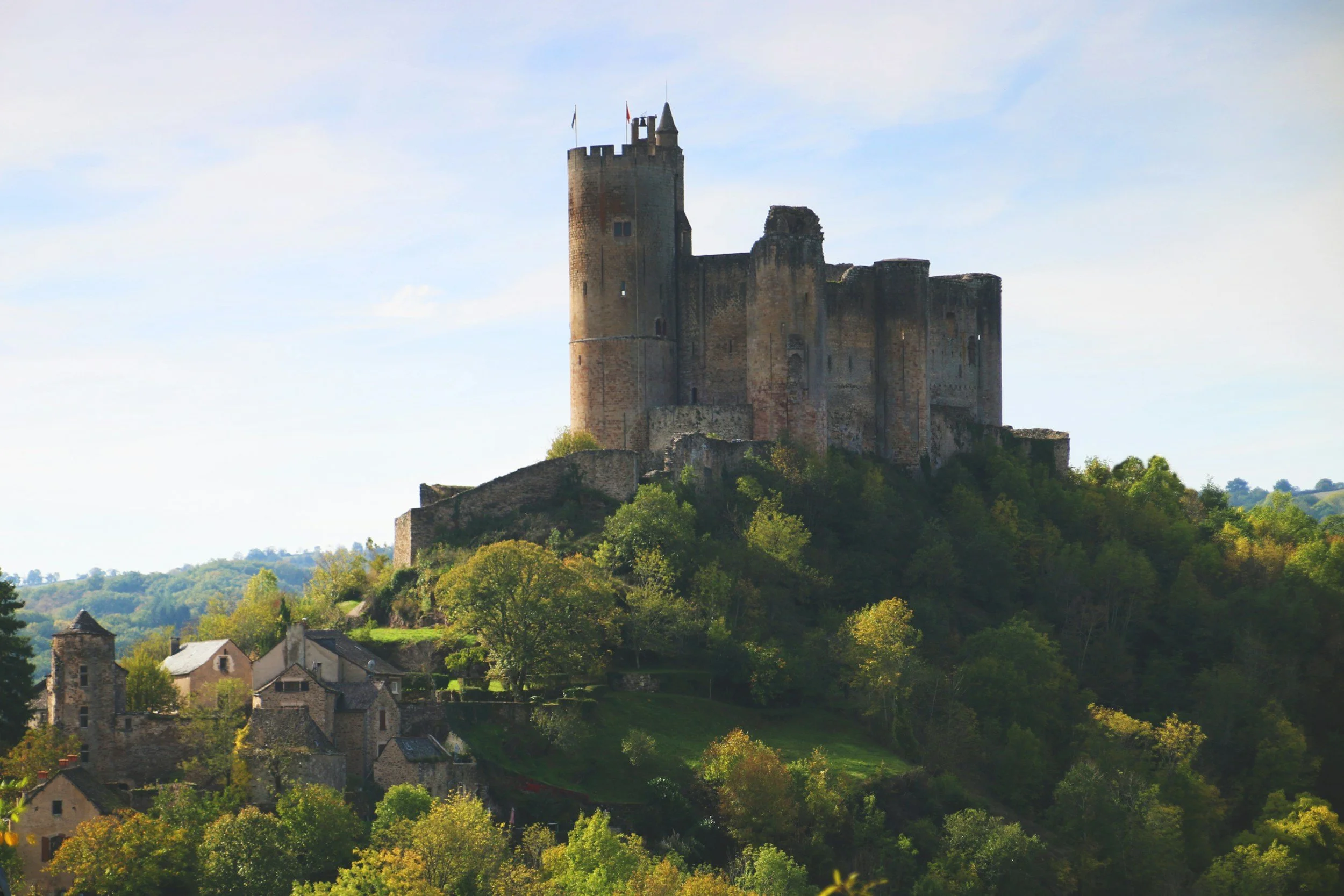
One thing that makes these towns work so well by train is how close the stations are to the centre. You don’t step off the train and start figuring out buses or taxis. In most cases you simply walk into town and the visit begins almost immediately.
In Aigues-Mortes, the walk from the station is about five minutes. You leave the platform, follow a quiet road past a small canal, and the medieval walls start rising in front of you. The towers become clearer as you get closer, and soon you’re walking through one of the old gates into the narrow streets inside the ramparts.
Foix feels just as easy. The station sits right beside the town and the Château de Foix is already visible above the rooftops when you step outside. You cross the small forecourt, walk toward the centre along Rue Delcassé, and within a few minutes you reach Place Saint-Volusien, where cafés like Café le Central open their terraces in the morning.
In Tarascon, the walk from the station takes around ten minutes. The first streets feel quiet and residential, but as you move closer to the Rhône the towers of the Château de Tarascon begin appearing above the buildings. The river suddenly opens in front of you and the fortress stands right beside it.
Arriving this way changes the rhythm of the day. Instead of rushing straight into a monument, you usually drift into the town first. Maybe you stop for coffee, walk a couple of streets, or pass a bakery before deciding where to start exploring properly.
Castle views appearing suddenly above narrow streets and stone bridges
In several of these towns the castle keeps appearing as you move around, which quietly shapes the way you explore.
Foix is probably the clearest example. The castle towers sit directly above the centre, so every time you turn a corner or step into a small square you see them again above the rooftops. You’ll notice them while walking along Rue Labistour or when crossing the bridge over the Ariège river.
Sisteron has the same effect but on a much bigger scale. The citadel rises high above the town, and on the opposite side of the river the massive rock wall of the Rocher de la Baume dominates the view. When you cross the Pont de la Baume, both of them fill the skyline at once.
In Tarascon, the reveal comes a little later. The town streets themselves feel fairly flat and quiet, and then once you reach the Rhône the Château de Tarascon suddenly appears beside the river with its huge stone walls and towers.
The quiet shift from busy rail stations to slow town squares
Another small moment people often notice is the shift between the station area and the centre of town.
In Uzès, that transition is especially clear. The bus from Nîmes or Avignon drops you on a fairly ordinary street near Avenue Général Vincent. For a few minutes it feels like a normal small town with shops, cars passing, and people running errands. Then you walk a few minutes further and suddenly Place aux Herbes opens up in front of you.
The square is surrounded by stone arcades, cafés like Café de l’Esplanade set tables outside, and on market days the stalls fill the entire space with vegetables, olives, and cheeses from nearby villages.
Tarascon and Foix feel similar in a quieter way. The station areas are simple and practical, but after a short walk the older streets begin to take over. In Foix the cafés around Place Saint-Volusien fill with people having lunch or coffee, while in Tarascon the small squares near Rue des Halles start to feel calmer and slower than the streets closer to the station. You arrive in a very ordinary way, but within a few minutes you’re already walking through streets that feel centuries older.
Market days, café terraces, and everyday life inside these historic towns
It’s easy to treat castle towns as places where you arrive, see the monument, take a few photos, and move on. In reality, most of the interesting moments happen in the everyday parts of the town, like the bakery line in the morning, the café terraces filling slowly, the market stalls setting up while people stop to chat.
In Uzès, mornings are usually the nicest time to see how the town actually works. By eight or nine, the cafés around Place aux Herbes already have people sitting outside with coffee while the bakeries nearby start getting busy. Even on days without the big market, the square feels lively in a quiet way. Locals stop by the small shops, pick up vegetables or bread, and pause for a quick espresso before continuing their day.
Inside Aigues-Mortes, the pace changes once you move away from the main gate. The streets right around Place Saint-Louis can feel busy when visitors first arrive, but if you wander one or two streets further (along places like Rue de la République or the smaller lanes behind the square) things calm down quickly. Small wine bars and cafés open their doors late in the morning, and people settle in for a slow lunch rather than rushing anywhere.
In Foix, daily life tends to revolve around food shops and small local businesses. Walking through the centre late in the morning you’ll see people moving between the bakery, the cheese shop, and the butcher before lunch. Shops like Fromagerie Le Bethmale or the small bakeries near Place Saint-Volusien give the town a very normal, lived-in feel.
Sisteron has its own rhythm as well. During the early afternoon the streets often quiet down for a while. The sun sits high in the valley and many people take a break from the day. Then later in the afternoon the town slowly wakes up again. Bakeries reopen, people stop for a drink, and the terraces around Place de la République start filling again.
One small trick when visiting places like these is to pay attention to the everyday spots rather than only the historic ones. A bakery with people queuing outside, a small produce shop with vegetables displayed on the pavement, or a café where the same locals sit every afternoon usually tells you more about the town than another historical plaque.
It also helps to leave a little space in the day without a strict plan. These towns are small, and the nicest moments often appear while you’re just wandering between streets rather than heading toward a specific sight.
Uzès market mornings and the shaded Place aux Herbes
In Uzès, the market isn’t just something happening in the background. On Wednesday mornings, the whole town seems to gather around Place aux Herbes. By about eight o’clock the stalls are already set up and locals are walking the square with baskets or canvas bags, choosing vegetables, olives, cheeses, and bread for the day.
If you arrive early, the atmosphere feels much calmer. You can actually stop and look at what people are selling instead of weaving through crowds. Stalls piled with tomatoes, herbs, goat cheese from nearby farms, jars of honey, and bunches of flowers fill the square. It’s the kind of place where people greet the same vendors every week.
One useful trick is to walk the entire square first before buying anything. Several stands sell similar things, and the differences only become obvious after you’ve seen them all. Some olive producers specialise in tapenade, others bring marinated olives, and there are usually a few cheese stalls with regional varieties from the Cévennes.
After one slow lap of the square, it usually feels right to sit down for coffee under the arcades. Cafés like Café de l’Esplanade or La Fille des Vignes open early on market mornings, and sitting for ten minutes lets you watch how the square changes as the morning goes on.
By late morning the crowds start building and the square becomes busier. That’s often the moment to drift away from the market and wander through the quieter streets nearby before continuing the rest of the visit.
Aigues-Mortes salt marshes and afternoon cafés near the city walls
Aigues-Mortes sits in the middle of the Camargue salt marshes, and that landscape is part of the town whether you notice it at first or not. From the ramparts you can already see the flat white salt flats stretching into the distance beyond the walls.
If you have a bit of extra time, walking out toward the marshes changes the feeling of the visit completely. A few small roads and paths lead away from the town toward the salins, where shallow basins of water sit in long rectangular pools. In certain light, the water takes on pale pink or rose tones, something the area is known for.
It doesn’t need to be a long excursion. Even a short walk outside the walls helps you understand why the town was built here in the first place. The salt industry shaped the economy of Aigues-Mortes for centuries, and the landscape around the town still reflects that.
Later in the afternoon, when the sun begins to soften, the cafés near the outer edges of the town start filling with people sitting outside. Instead of staying only around the main square, it’s worth choosing a terrace closer to the walls where things feel a little quieter.
Foix bakeries and quiet streets below the three castle towers
In Foix, the castle towers dominate everything visually, but the life of the town happens down in the streets below them. Mornings usually start around the bakeries, where people stop in for bread, pastries, or coffee before heading to work.
If you walk through the centre earlier in the day, you’ll often see small lines forming outside places like Boulangerie Lou Panetier, where locals pick up baguettes or croissants. The smell of fresh bread drifts out onto the street, and people pause briefly before continuing across town.
Grabbing something small from a bakery before heading toward the castle is actually quite practical. The castle visit can take longer than many people expect, and having a quick breakfast beforehand makes the climb much more comfortable.
Once you come back down, the town feels different again. The streets become busier around lunchtime, and cafés near Place Saint-Volusien begin filling with people settling in for a long break in the middle of the day.
Sisteron terraces overlooking the Durance river
Sisteron opens up once you reach the river. After walking through the old streets or coming down from the citadel, the Durance gives the town a bit of breathing space.
From the bridge you can see the full setting at once: the citadel sitting high above the rooftops, the river flowing through the valley, and the huge rock wall of the Rocher de la Baume on the opposite side.
The paths along the river are where people slow down in the afternoon. Locals walk their dogs, cyclists pass through town, and a few cafés set up terraces where people sit with a drink and watch the light change over the valley.
It’s a good place to pause before heading back toward the station. The citadel is impressive, but seeing the town from the river level helps everything fall into place.
Castles that are still the centre of town life
Not every castle town feels the same once you’re actually walking around it. In some places the castle sits a little outside the town and feels more like a historic site you visit for an hour. In these towns, the castle or the walls are still part of how the place works. They shape the streets, the views, and the way you move through the town without really thinking about it.
Foix is probably the clearest example. The three towers of the Château de Foix sit directly above the centre, and they keep appearing as you walk through town. You see them from Place Saint-Volusien, from the bridge over the Ariège, and even from the small streets behind the square. The castle isn’t something separate from the town. It’s just always there above you.
In Aigues-Mortes, the walls are what hold everything together. The town sits completely inside the ramparts, so the gates are the natural entry points and the streets follow the same pattern they’ve had for centuries. Once you’re inside, you quickly realise how small the centre actually is. You can walk from one side of the town to the other in about ten minutes, and the towers of the walls are always somewhere in your line of sight.
Uzès feels a bit different. The Duchy of Uzès is still an important building, but the life of the town gathers more around Place aux Herbes and the streets around it. The Duchy sits quietly in the background while the square handles the everyday life markets, coffee, people meeting friends under the arcades.
In Tarascon, the castle feels heavier and more imposing. The Château de Tarascon sits beside the Rhône and looks almost oversized compared with the streets around it. When you walk down toward the river and see it properly for the first time, it becomes clear why the town developed where it did.
Sisteron works on a larger scale again. The citadel sits high above the town, and the cliffs of the Rocher de la Baume rise on the other side of the valley. When you walk through the streets below, the fortress is always somewhere above the rooftops. The town spreads out beneath it along the river.
Villefranche-de-Conflent brings things back inside the walls again. The whole town sits inside a tight ring of stone fortifications at the base of the Pyrenees. You walk through the gate and suddenly the streets narrow, the houses sit closer together, and the walls form the edge of the entire place.
That’s part of what makes visiting several of these towns interesting. They all follow the same basic idea (a town shaped by a castle or fortifications) but they each handle it slightly differently once you’re actually there.
The Duchy of Uzès and the tower you can climb above the rooftops
The Duchy of Uzès sits right in the middle of the old town, but it usually makes more sense to visit it after you’ve already walked around for a while. Once you’ve crossed Place aux Herbes, wandered past the cathedral, and gotten a feel for the streets, the climb up the tower suddenly feels more interesting because you recognise what you’re looking at.
The tower you can climb is called the Tour Bermonde, and the stairs inside are narrow and spiral the whole way up. It’s the kind of staircase where you meet people coming down and everyone has to turn sideways for a moment to pass. Nothing polished about it, just old stone and worn steps.
When you reach the top, Uzès looks exactly like it does on the ground, just compressed into a tight cluster of roofs and lanes. You can clearly see the round shape of Place aux Herbes, the bell tower of Cathédrale Saint-Théodorit, and the maze of streets around them. It’s surprisingly easy to spot places you walked through earlier, which makes the view feel a lot less abstract than many tower viewpoints.
If the weather is clear, the view stretches far beyond the town. The countryside around Uzès is mostly vineyards, olive groves, and pale stone farmhouses scattered between small roads. It’s the sort of landscape that reminds you how small the historic centre actually is compared with the region around it.
Foix Castle and the steep stone streets leading up to it
Getting up to Foix Castle is a proper uphill walk, but the climb starts gently enough through the centre of town. You leave the cafés around Place Saint-Volusien, cross the small streets that circle the square, and then the slope begins to rise more noticeably as you get closer to the castle hill.
The streets up here are narrow and paved with old stone, and the houses sit very close together. At a few corners you suddenly get clear views of the towers above you, which makes the climb feel shorter because you can see exactly where you’re going.
Inside the castle there’s quite a bit more to see than people expect. The rooms explain the history of the Counts of Foix, who controlled a large part of this region during the Middle Ages, and the towers themselves can be climbed. From the top you look straight down over the town and the valley of the Ariège River, which gives a good sense of why the fortress was built here in the first place.
If you’ve arrived by train from Toulouse, it’s worth remembering that the station is only about ten minutes from the centre. That means you can take your time inside the castle and still have plenty of the day left for the town below.
The fortress walls of Aigues-Mortes and evening walks along the ramparts
The walls of Aigues-Mortes are one of the main reasons people come here. Unlike many castle towns where only fragments remain, the ramparts still surround the entire town in one complete rectangle.
You can walk along the top of the walls for more than a kilometre, moving from tower to tower while looking down over both sides of the town. Inside the walls you see the grid of narrow streets, the church of Notre-Dame-des-Sablons, and the small squares where cafés and restaurants gather.
Outside the walls the landscape changes completely. The Camargue begins almost immediately, with salt marshes and wide flat wetlands stretching out beyond the town. Depending on the time of year you might see flamingos standing in the shallow water or white horses grazing further out in the marsh.
Walking the ramparts later in the afternoon often feels calmer than the middle of the day. The light softens on the stone, and the view over the marshland becomes clearer once the sun isn’t directly overhead.
Tarascon Castle overlooking the Rhône riverbanks
The Château de Tarascon looks huge when you first see it from the river. The walls rise directly from the edge of the Rhône, and the square towers give it a much heavier appearance than many castles in Provence.
One of the best ways to approach it is simply by walking along the riverbank first. The path beside the Rhône gives you a clear view of the whole structure before you even reach the entrance, and you start to notice just how thick the walls are.
Inside, the castle is surprisingly empty compared with how imposing it looks from outside. Large stone halls, staircases inside the towers, and long corridors give you space to move around and explore without feeling crowded.
After the visit, it’s worth stepping back toward the river again. From the opposite angle, with the Rhône flowing past and the bridge of Beaucaire visible further down the water, the castle suddenly feels even more tied to the landscape that shaped the town around it.
When to visit these southern France castle towns if you want quieter streets
These towns are small, which means the time you arrive actually makes a big difference. The streets themselves don’t change, but the number of people walking through them can double within an hour or two, especially in places like Uzès and Aigues-Mortes where visitors arrive from nearby cities.
Uzès is the easiest place to see this happen. By late morning on market days, Place aux Herbes is full. People arrive from Nîmes, Avignon, and the villages around the Gard region, and the arcades around the square fill with café tables. If you walk into the square earlier in the morning, around nine, it feels completely different. Stallholders are still arranging baskets of vegetables and olives, and there’s space to move around without squeezing past people.
Aigues-Mortes follows a similar pattern. The town sits close to the coast and a lot of visitors arrive from Montpellier, La Grande-Motte, or the beaches in the Camargue once the day gets going. Around midday the gate near the Tour de Constance gets busy because most people enter the town from that side. Earlier in the day you can walk through the gate and across Place Saint-Louis without much crowd at all.
Foix and Tarascon usually feel calmer throughout the day simply because they sit slightly outside the main tourist routes. Foix still has visitors going up to the castle, but the town itself stays fairly relaxed. Tarascon often feels even quieter, especially along the streets near the Rhône where locals walk their dogs or stop at bakeries in the morning.
The easiest way to keep the day relaxed is simply arriving earlier than most people do. Start with the thing you most want to see (the castle, the market, or the ramparts) and then let the afternoon slow down naturally. That leaves time for a second walk through town or a café stop before catching the train back.
Arriving early before visitors come in from nearby cities
An earlier train can completely change the mood of the day. When you arrive before the main flow of visitors, the towns still feel like everyday places rather than destinations people have come to “see.”
In Uzès, early mornings mean the market is still setting up. You’ll see vendors carrying crates across Place aux Herbes, café owners wiping down tables, and bakers bringing trays of bread through the square. It’s a nice moment to walk around before the place fills up.
In Aigues-Mortes, the difference is most noticeable at the entrance gates. If you reach the town early, the small bridge leading to Porte de la Gardette is quiet, and the streets inside the walls feel almost empty. Shops slowly open their shutters, and you hear deliveries arriving before the cafés fill.
Foix also feels especially calm early in the day. The castle towers catch the morning light above the town, and the streets around Place Saint-Volusien are still fairly quiet. It’s a good time to grab a pastry from a bakery like Maison Dujardin and sit for a moment before heading up toward the castle.
Late afternoon when the stone walls look warmer
Late afternoon is often the nicest time to walk around these towns again. The busiest part of the day has passed, and the light changes the way the stone buildings look.
In Aigues-Mortes, the ramparts pick up a warmer colour as the sun drops over the Camargue. From the top of the walls you can see the flat wetlands stretching toward the horizon, and the light reflecting off the salt pans.
Tarascon also looks different later in the day. The Château de Tarascon sits right beside the Rhône, and when the sun starts to lower the stone walls take on a soft golden tone. If you walk along the river path near the Pont de Beaucaire, the castle stands out clearly against the water.
In Sisteron, the citadel and the cliffs above the Durance river catch the last sunlight above the town. The terraces along the river start filling with people having a drink or an early dinner while the light fades over the valley.
Market days compared with quieter weekdays
Markets bring a lot of life into these towns, but they also change the atmosphere quickly.
In Uzès, the Wednesday and Saturday markets take over the whole centre. Place aux Herbes fills with stalls selling cheeses, fruit, olives, herbs, and bread, and the surrounding streets like Rue de la Grande Bourgade become part of the same flow of people moving between stands.
Foix has a smaller market on Place Saint-Volusien, which feels more local. People stop by to buy vegetables or flowers before heading back home or to work.
If you’re mainly interested in wandering through quiet streets and noticing the architecture, an ordinary weekday often works better. Without the market crowds, it’s easier to explore the smaller lanes and corners that sit just outside the main squares.
Train details worth checking beforehand
Getting to these towns by train is usually pretty straightforward. The only place that needs an extra step is Uzès, because there isn’t a railway station in town. The usual route is a train to Nîmes or Avignon, then a liO regional bus for the last stretch. The buses run regularly enough that it’s not complicated, but it’s something to plan before you arrive rather than figuring it out on the spot.
The others are simpler because the train gets you close to the centre. In Foix, the station sits just across the Ariège river, and you walk into town over the bridge with the castle towers already visible above the rooftops. It’s about a ten-minute walk and easy to find your way.
Aigues-Mortes works in a similar way. The train stops just outside the walls, and from the platform you follow the road toward the canal and straight through one of the gates. Within a few minutes you’re inside the old town.
Tarascon is also easy because it sits directly on the regional line between Avignon and Arles. Trains pass through regularly, and the walk into town is short. Sisteron takes longer to reach because it’s further east in the hills, but the train from Marseille Saint-Charles runs directly up the valley so you don’t have to deal with transfers once you’re on board.
The main thing to remember is that these are regional TER trains, which means they don’t run every few minutes. Most routes have several departures a day, but they’re spaced out enough that it’s worth checking the timetable before you go.
Many travelers are starting to build slower train-based trips across Europe rather than relying on cars - and it’s easy to understand why…
Booking the long train first, then the regional connection
If you’re travelling from further away (somewhere like Paris, Lyon, or Nice) the easiest way to think about the journey is in two parts.
First you take a TGV to one of the bigger cities in the region. Avignon, Nîmes, Toulouse, and Marseille all work well as entry points depending on which town you’re aiming for.
Once you’re there, the second part of the trip is usually a local TER train. Those are the smaller regional trains that connect the countryside towns with the bigger cities. They’re normally very easy to use and often don’t require advance booking. Many travellers simply buy the ticket at the station or through the SNCF Connect app on the day.
For example, the ride from Toulouse to Foix is a simple regional train that runs several times a day. The same goes for Nîmes to Aigues-Mortes or Avignon to Tarascon. These journeys feel more like normal public transport than long-distance travel.
What the smaller train stations are actually like
Most of the stations serving these towns are small and fairly quiet. They’re practical places rather than big transport hubs.
In Foix, the station sits beside the river and feels almost like a village stop. When you leave the platform you cross the bridge and the castle is already visible above the town, which makes it easy to orient yourself.
Aigues-Mortes is even simpler. The station is just outside the walls, and the direction of the town is obvious because the ramparts rise straight ahead. You walk past the canal and within a few minutes you’re at the gate.
Tarascon has a slightly larger station because it sits on a busier regional line, but it still feels very local. From the station you head toward the Rhône and the castle area.
In Sisteron, the station sits slightly above the town. When you walk down toward the centre, the citadel and the cliffs above the river gradually come into view, which makes the arrival quite memorable.
Always check the last train back
One small habit makes visiting these towns much easier: check the last train back before you start the day.
Because these are regional routes, departures are spread out. There might be several trains during the day, but the evening options can be more limited than people expect.
For example, when travelling from Foix back to Toulouse, there are multiple trains during the day but fewer late in the evening. The same applies to the Aigues-Mortes to Nîmes route.
Tarascon tends to be a bit more flexible because trains between Avignon and Arles run fairly regularly, but it’s still useful to know roughly which return train you want.
For longer trips like Sisteron to Marseille, it helps even more to plan ahead because the journey itself takes a couple of hours.
Once you know which train you’re catching back, the rest of the day becomes much easier. You can walk around town, stop for lunch or a drink, and explore at a relaxed pace without constantly checking the time.
Staying overnight instead of squeezing them into a day trip
All of these towns is actually really good for day trips. The trains make that possible. But they start to feel very different once the day visitors leave and things slow down again.
Take Uzès for example. Around midday the streets around Place aux Herbes are lively, especially on market days. By evening the whole square shifts. The stalls are gone, the cafés spread their tables out again, and people settle in for dinner or a glass of wine under the arcades. Walking through the square around sunset feels much calmer than the late morning rush.
Inside the walls of Aigues-Mortes, the same thing happens. During the day the gates see a steady flow of people coming in from the train or the coast. Later in the evening, once most of the excursion traffic has left, the town becomes quieter. Restaurants around Place Saint-Louis fill with people staying the night rather than those just passing through.
Sisteron is probably the place where an overnight stay helps the most. The train from Marseille already takes a couple of hours, and the town itself has more to explore than it first appears. If you stay a night you can visit the citadel without rushing, wander the old streets later in the day, and sit by the Durance river in the evening without watching the clock for the last train.
Foix and Tarascon are both easy day trips, but even there staying a night changes the rhythm of the visit. Early mornings are quiet, bakeries open before the cafés get busy, and the town feels more like a normal place rather than a quick stop between trains.
Spending the night in a small historic town often changes the whole experience. The place becomes clearer once the day visitors leave - ideal for introverts!
Small guesthouses inside the old town walls
A few of these towns are especially nice if you stay right inside the old centre.
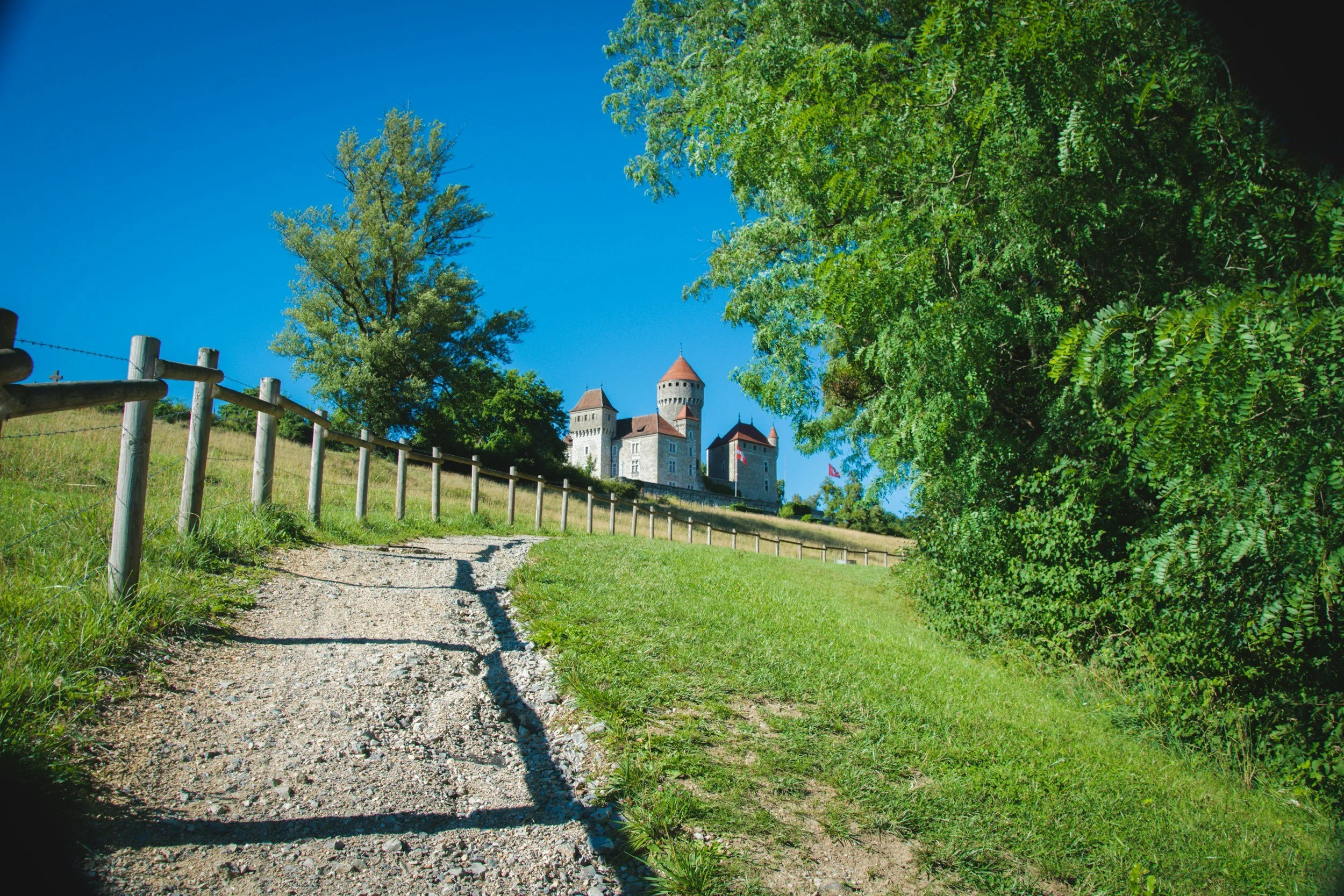
In Aigues-Mortes, many guesthouses sit within the ramparts themselves. Staying inside the walls means you can step outside early in the morning and walk through the streets before the first visitors arrive. Places like Hôtel Saint-Louis or small chambres d’hôtes along Rue Emile Jamais put you right in the middle of the historic town.
Villefranche-de-Conflent is even more compact. The whole town sits inside its fortified walls, and many of the buildings along Rue Saint-Jean have small rooms or guesthouses above the shops. At night the streets become extremely quiet once the last visitors leave.
Small hotels near the town squares and markets
Uzès is probably the easiest place here for finding a hotel right in the middle of town life. If you stay near Place aux Herbes, the market is practically outside your door on Wednesday or Saturday mornings.
Places like Boutique Hôtel Entraigues or La Maison d’Uzès sit only a few minutes from the square, which means you can wander through the market early before it fills up. In the evening you’re also close to the wine bars and restaurants that gather around the same streets.
In Foix, staying near Place Saint-Volusien works well for the same reason. You’re within a short walk of the castle path, bakeries, and cafés, so you can start the day slowly without needing to plan anything complicated.
The quiet hours once the day visitors head home
The nicest moments in these towns often come after the busiest part of the day.
In Uzès, the square settles down again after the market crowds disappear. Restaurant tables fill the arcades and the pace slows noticeably.
In Aigues-Mortes, the streets inside the walls become much easier to wander once the afternoon visitors leave. You can walk through the gates or along the small lanes without the constant flow of people.
In Sisteron, evening usually means the light fading over the cliffs and the river while people sit on terraces near the Pont de la Baume or along the Durance.
Spending the night lets you see these quieter hours rather than only the busiest part of the day when everyone else has arrived on the same train.
How much time to plan for each castle town
These towns are compact, but they are not identical in how much time they need. Some work very comfortably as short outings, while others benefit from a slower visit.
Tarascon is the easiest short stop. The castle sits close to the station and the old centre is small enough to walk in an hour or two. Many travellers combine it with Avignon or Arles without feeling stressed.
Aigues-Mortes usually takes half a day if you want to walk the ramparts and have lunch inside the walls. The streets form a simple grid, so exploring the town itself does not take long, but the views from the walls and the cafés around Place Saint-Louis tend to stretch the visit naturally.
Uzès works better with a longer morning or an overnight stay. The town revolves around Place aux Herbes, and market days especially reward slow wandering rather than a quick visit between buses.
Foix often takes longer than people expect because the castle visit itself can easily fill two hours. Once you add the walk through the centre and lunch around Place Saint-Volusien, most visitors end up spending the better part of a day here.
Sisteron is the only town on this list where the train journey itself is part of the experience. Because the trip from Marseille already takes a couple of hours, staying overnight or giving the town a full day makes the visit feel far less rushed.
Villefranche-de-Conflent sits somewhere in between. The fortified town is very small, but many visitors combine it with a ride on the Yellow Train, which naturally turns the visit into a longer outing.
Thinking about the towns this way often makes planning easier. Instead of trying to see too many places in one day, it helps to choose one town that fits comfortably within the time you actually have!
If you enjoy discovering quieter regions before they become widely known, this lesser-visited Spanish province is another interesting place to explore.
A few small practical things that make these visits easier
These towns are easy to explore once you arrive, but a few small details can make the day smoother if you know them in advance.
Expect some hills and stone streets
Most of the historic centres were built long before smooth pavements were a concern. In Foix, the streets leading up toward the castle climb quite steeply once you leave the main square. Sisteron also involves a bit of uphill walking if you go up toward the citadel. Even in flatter towns like Aigues-Mortes, the streets are paved with uneven stone that can get slippery after rain. Comfortable shoes make the whole day easier.
Small stations are very simple
Stations in places like Foix or Aigues-Mortes are quiet regional stops. They usually have a ticket machine and a platform, but not much else. If you need a coffee, water, or a bakery, it’s often easier to walk into town first. In Foix, for example, the bakeries around Place Saint-Volusien are only a short walk from the station and far more pleasant than waiting on the platform.
Midday heat can slow things down in summer
Southern France can get very warm by the middle of the day, especially in places built from pale stone like Uzès or Tarascon. By early afternoon the streets can feel quite hot, particularly inside enclosed towns such as Aigues-Mortes where the walls hold the heat. Starting the day earlier and leaving time for a longer lunch or café break usually works better than trying to see everything between noon and three.
Castle hours are sometimes different from what you expect
A few of the castles and citadels still follow fairly traditional opening hours, especially outside peak season. It’s not unusual for smaller sites to close for a break around lunchtime. Checking the opening time the evening before saves you from arriving at the gate just as it closes.
Travel light if you’re coming by train
Because the towns are compact, you’ll be walking most of the time once you arrive. A small day bag is usually enough. It also makes climbs like the tower in Uzès or the path up to Foix Castle much easier than carrying anything bulky.
These are small details, but knowing them beforehand makes the whole visit feel more relaxed.
FAQ: Visiting Castle Towns in Southern France by Train
Can you visit Uzès by train?
Uzès does not have a train station in town, but it is still easy to reach using public transport. The usual route is taking a train to Nîmes or Avignon, then continuing the last stretch by regional liO bus. Buses from Nîmes usually take around 40 minutes and arrive near the edge of the historic centre, which means you can walk into the old town within a few minutes. Many visitors simply treat the bus as the final part of the train journey.
Which castle town in southern France is easiest to reach by train?
Tarascon and Foix are among the easiest castle towns to visit by train. Both have stations within walking distance of the historic centre. From Avignon, the train to Tarascon takes around 10–15 minutes, and the walk from the station to the castle area is straightforward. In Foix, the station sits just across the Ariège river, and the castle towers are already visible as you walk into town.
Is Aigues-Mortes worth visiting by train?
Yes. Aigues-Mortes is actually one of the simplest medieval towns to visit by train in southern France. The regional train from Nîmes stops just outside the town walls, and the walk to the gate takes only a few minutes. Once inside, the historic centre is compact and easy to explore on foot, with the ramparts and main squares all within a short walking distance.
Can you visit Sisteron as a day trip from Marseille?
Yes, Sisteron works as a day trip from Marseille, although the train journey takes just over two hours. Regional TER trains run directly from Marseille Saint-Charles station through the Durance valley. Because the journey is longer than the others in this article, some travellers prefer to stay overnight so they can explore the citadel and old town without watching the clock.
Which castle towns in southern France are best to visit without a car?
Several historic towns in southern France are easy to visit without a car because their centres are small and walkable. Uzès, Aigues-Mortes, Foix, Tarascon, Sisteron, and Villefranche-de-Conflent all work well by train or train plus a short bus connection. Once you arrive, the main sights, cafés, and streets are close enough together to explore on foot.
Are these castle towns busy in summer?
They can be lively in the middle of the day, especially during summer weekends and market mornings. Towns like Uzès and Aigues-Mortes attract regional visitors from nearby cities, which means the squares and cafés become busier late morning. Arriving earlier in the day or staying overnight usually makes the experience feel much calmer.
Which castle town is best for a relaxed day trip?
If you want something simple and easy, Tarascon and Foix are two of the most relaxed options. Both towns are small enough to explore comfortably in a day and have train stations within walking distance of the centre. You can arrive in the morning, visit the castle, have lunch in town, and still have time for a second walk before returning in the afternoon.
Can you combine several castle towns in one trip?
Yes, but it works best if you group towns by region rather than trying to cross southern France in one itinerary. For example, Avignon and Nîmes work well as bases for Tarascon, Uzès, and Aigues-Mortes, while Toulouse is the easiest starting point for Foix. Perpignan is the most convenient base for Villefranche-de-Conflent, and Marseille connects easily to Sisteron.