
Which Eurail pass is best for train travel in Europe?
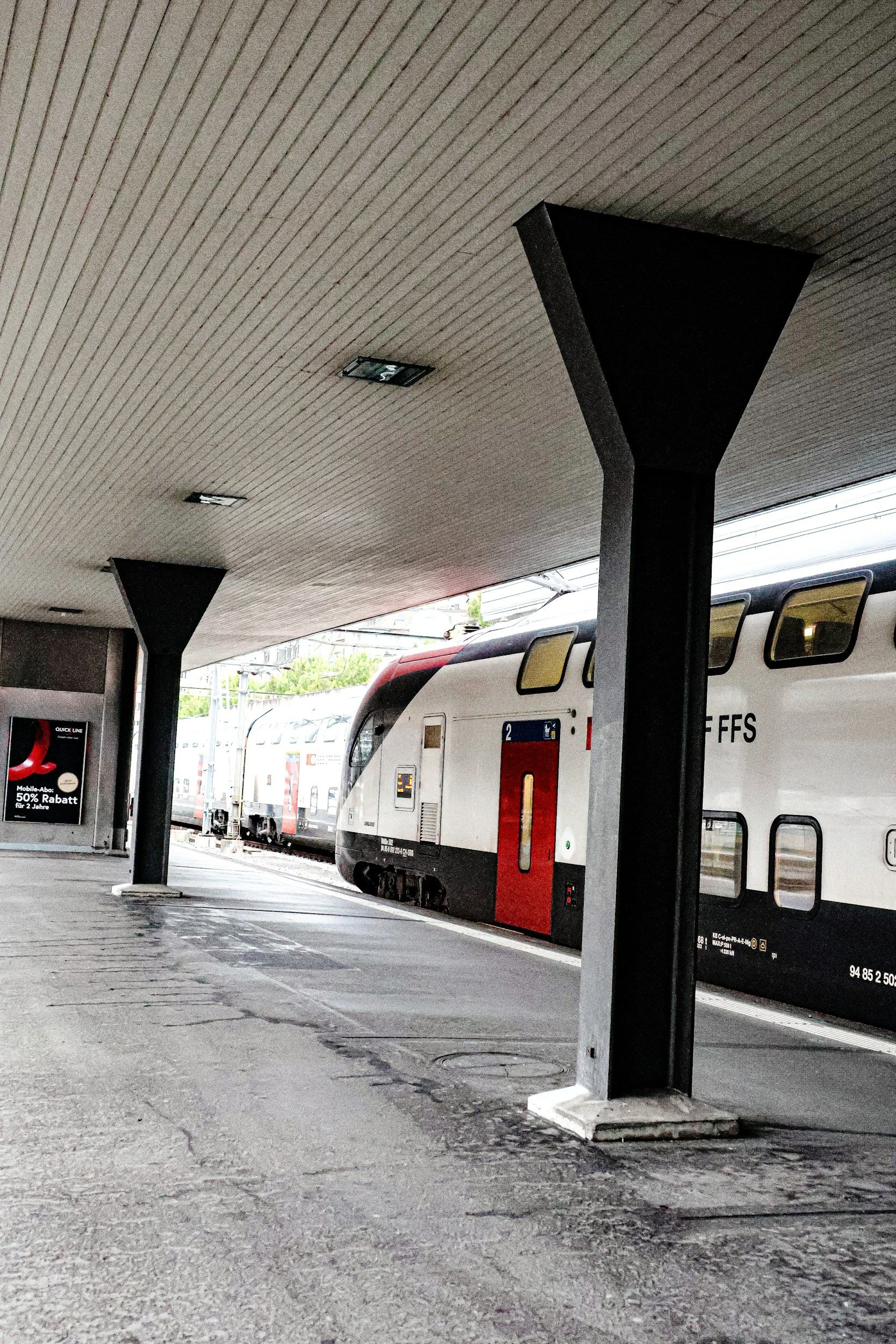
If your idea of a good Europe trip is staying several nights in the same small town, repeating the same morning walk, timing your day around when the bakery opens, and leaving only when the place starts to feel familiar, train travel usually becomes the easiest way to move between destinations.
At that point the Eurail question becomes practical very quickly.
Not romantic. Practical in the way you feel when you’re standing on a platform checking the departure board and wondering whether a pass actually helps or just adds another thing to keep track of.
For slow regional travel across Europe, the real question isn’t whether you’ll “get your money’s worth.” What matters is whether a Eurail pass fits how regional rail actually works on the ground.
Distances between towns can look short on a map but still take an hour by train. Sunday timetables sometimes mean long gaps between departures. Connections can be easy in one country and awkward in the next. And occasionally strikes or timetable changes shuffle plans in ways you can’t predict.
Then there are the small practical details that don’t show up in rail planners. Arriving in a town where the station sits outside the centre. Walking twenty minutes uphill with a suitcase because there’s no taxi rank. Reaching your accommodation just as the last café is closing for the evening.
A Eurail pass can work well for this type of travel, but it depends heavily on how often you move, which countries you visit, and whether you mostly use regional trains or faster intercity routes. Some passes fit slow travel surprisingly well. Others end up being unnecessary.
The key is understanding which Eurail options actually match a slower style of traveling through Europe.
A Eurail pass starts to make sense when your trip naturally looks like that. You cross a border here and there, but you’re not bouncing between capitals. You’re fine with TER, RE, or Regionale trains that stop often and sometimes pause at small junctions. You accept that the smoother connection is not always the fastest one. You like being able to look at the weather in the morning and decide whether to stay or go. And you don’t want to lock yourself into a stack of tickets you then feel obligated to protect and follow.
It makes much less sense when you’re staying in one region and moving only occasionally. If your train days are few, short, and obvious, buying normal regional tickets is often simpler and cheaper, especially outside rush hour. And if your version of slow travel involves settling into one place for several days at a time, the idea of “unlimited” travel doesn’t really add anything.
One detail that catches people off guard is how a travel day actually works. With a flexible pass, a travel day runs from midnight to midnight. If you activate it for one short ride, even a 30 or 40 minute trip, that day is gone. That matters if you’re doing two small hops in one day, and it matters even more if you arrive late and assume you’ll just start fresh the next morning.
So the first question to ask yourself is not exciting, but it decides everything. How many days will you actually be on trains, and what do those days look like in real life?
If most of your travel days involve a morning departure, arriving before lunch, checking in, and then not leaving town again for three or four days, you may only need a few travel days across an entire month. If you tend to change plans when it rains, linger longer when a place feels good, or leave early when it doesn’t, a pass can feel reassuring. If you like everything decided in advance, you may end up paying for flexibility that never really gets used.
The difference between Eurail and Interrail, and when it actually matters
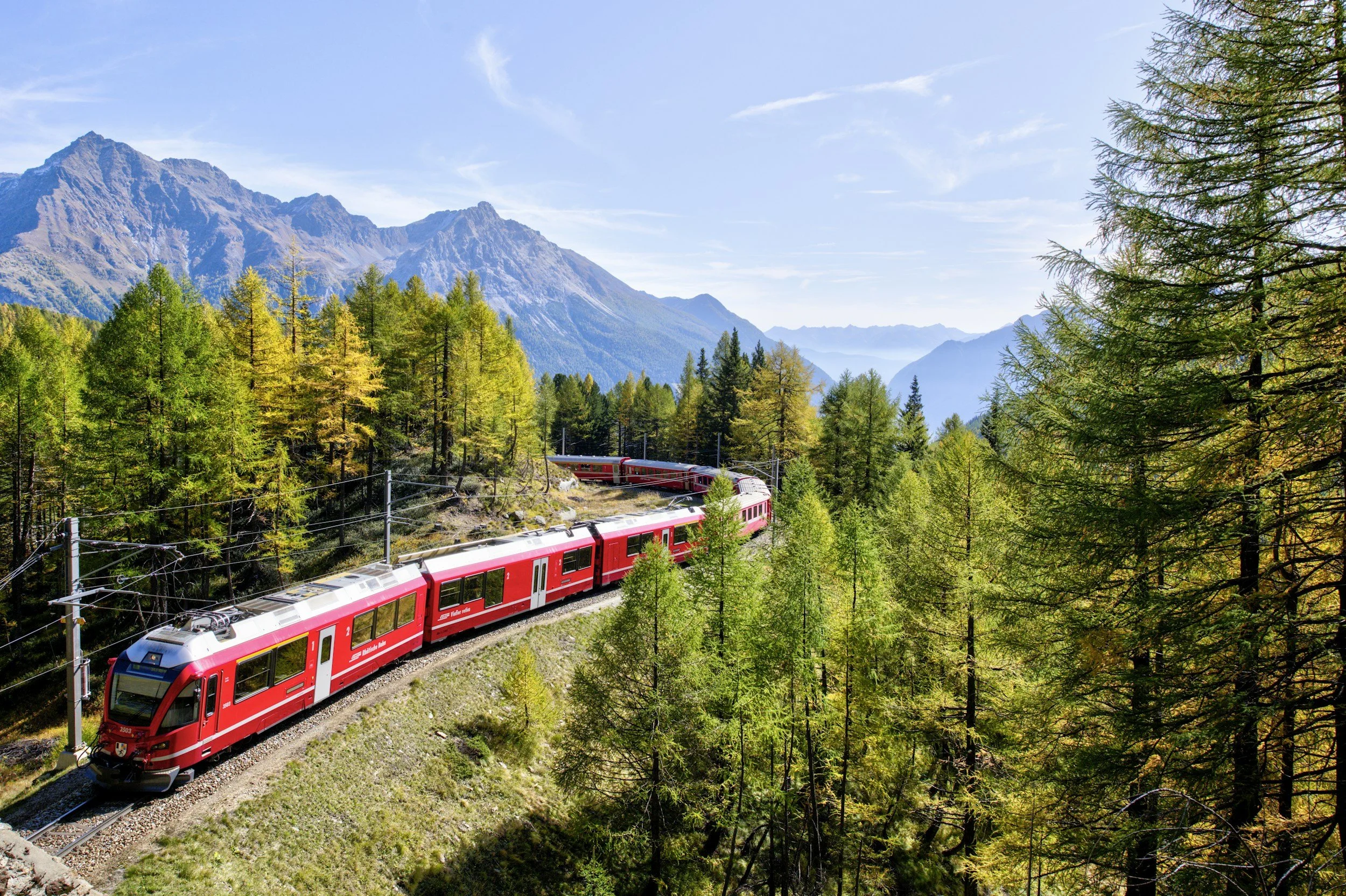
This part is straightforward, but it’s still where people pause and second-guess themselves. Eurail is for people who live outside Europe. Interrail is for people who live in Europe. It’s about where you live day to day, not the passport you’re travelling with.
If you’re based in the United States, this is simple. You’ll be looking at Eurail. The same applies if you’re living in the UK, Canada, Australia, or anywhere else outside Europe. An American flying over for two weeks and moving between regions slowly will use Eurail. Someone from New York spending a month drifting between small towns in France and Germany will still use Eurail. Same pass mechanics, same rules once you’re on the ground.
If you live in the UK or anywhere else in Europe, you’ll be using Interrail. That’s true even if you’re travelling with a non-European passport. A London-based traveller heading into France for a slow regional trip is on Interrail. A Sweden-based traveller doing the same is also on Interrail. The difference shows up mainly around home-country travel limits, not in the daily experience of using trains.
From a slow regional travel point of view, Eurail and Interrail feel almost identical once you start moving. You’re still dealing with travel days or a fixed validity period. You’re still checking connections in the morning. You’re still noticing that regional trains are usually easy, while faster services come with extra steps.
So it’s not worth getting stuck on the name. Living in the US or the UK means Eurail. Living in Sweden, France, or anywhere else in Europe means Interrail. After that, the real question is the same for everyone: how often you’ll actually be on trains, how long those days are, and whether a pass fits the way you plan to move.
Pass days versus calendar days, and how that changes slow travel pacing
This is the detail that usually decides whether a pass quietly works in the background or becomes something you keep noticing.
With a Flexi Pass, you’re given a set number of travel days within a longer validity period. You choose which dates count as travel days. Once a day is activated, it runs from midnight to midnight, local time. It doesn’t matter whether you travel for 30 minutes or six hours. That calendar day is used.
That’s important because a slow travel day isn’t really “a travel day” in the way people imagine it. It’s not about distance or effort. It’s simply a date on the calendar where you’re allowed to board multiple trains, as long as they don’t require extra steps, and have them all count as one day.
On paper, this sounds ideal for slow regional travel. You can link short trips together and not think about tickets.
In real life, it plays out in two very different ways.
Some days work beautifully. You check out a bit late because breakfast runs long. You walk to the station instead of rushing. You take a regional train to the next town. When you arrive, the weather is worse than expected and the place feels quieter than you imagined, so you stay on the platform and take the next train one stop further. Later that afternoon, you move again because the light is better somewhere else. Three short rides, one travel day, no extra decisions.
Other days are much simpler. You take one train. It’s a short ride. You arrive before noon, check in, unpack, and don’t go anywhere else. That travel day is still gone, even though the movement itself barely registered.
Neither situation is wrong, but they feel very different when you’re looking back at how many travel days you’ve used.
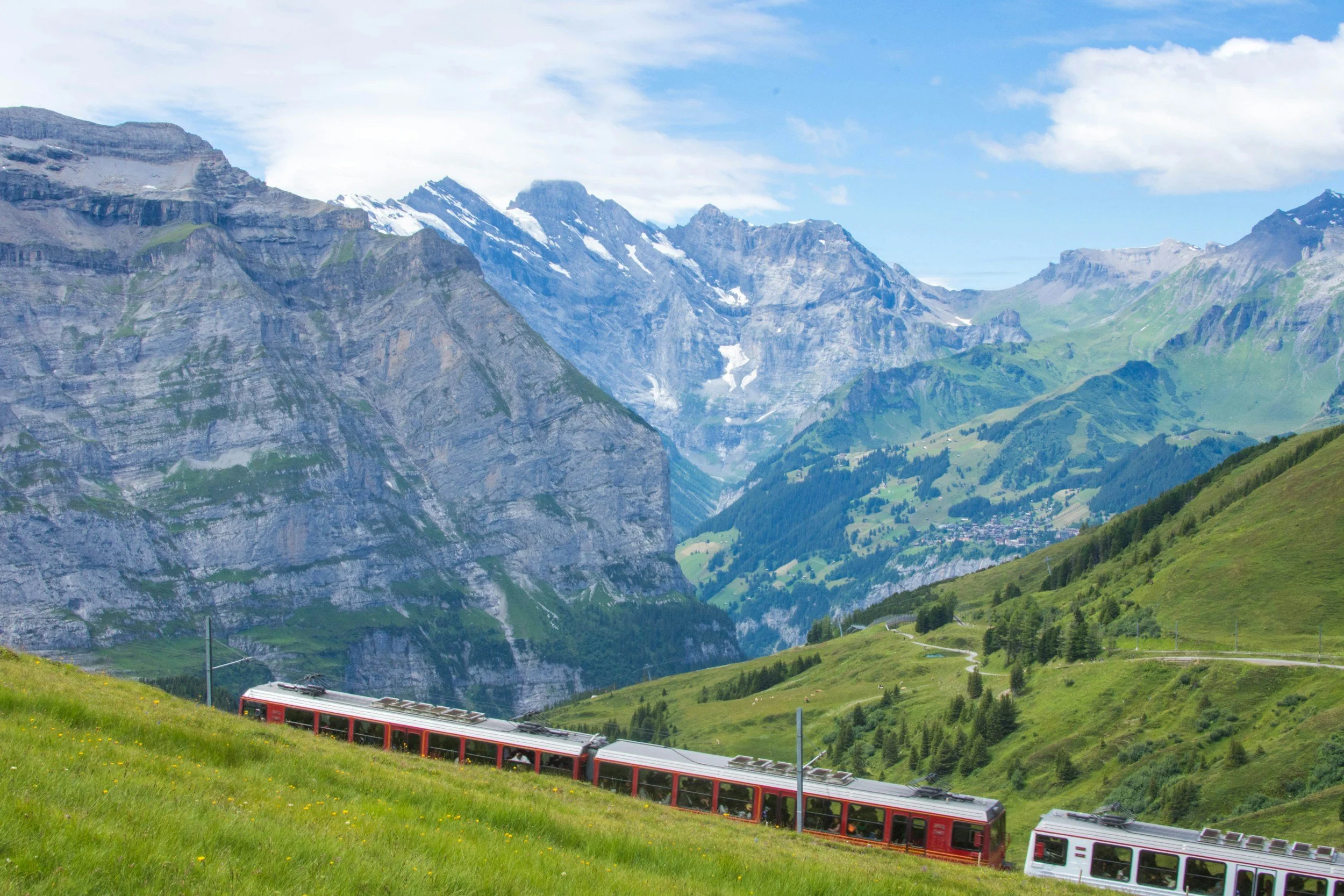
A pass day fits slow travel best when you want to keep mornings open and let small things decide for you. Weather, mood, how crowded the station feels, whether the town you arrive in looks like somewhere you want to spend the night. It works well in shoulder season, when plans shift easily and you don’t want to feel locked into one decision.
It starts to work against you when your movements are fixed and infrequent. If you already know you’ll travel on four specific days, the routes are short, and the regional tickets are inexpensive, using a full travel day for each of those moves can feel unnecessary.
One practical way to think about it is this. If most of your travel days include more than one train, even if each ride is short, a pass usually feels reasonable. If most of your travel days involve a single ride and then nothing else, buying individual tickets often feels calmer.
Regional trains that don’t require seat reservations
For slow regional travel, the pass has one clear advantage. On most local and regional trains, you can just get on. No seat reservation, no extra step, no decision beyond checking the platform number. Eurail is quite open about this. Slower national and regional trains usually don’t need reservations. High-speed, international, and night trains usually do.
That difference ends up shaping the whole trip. If most of your days rely on trains where you can turn up and board, the pass feels simple and unobtrusive. If your routes keep pulling you onto trains that require reservations, the pass turns into a base layer. You still plan, you still pay extra, and you still need to think ahead.
How this plays out depends a lot on the country.
In France, TER trains are where slow travel works best. You can move between smaller towns without dealing with reservations, and that makes day-to-day planning lighter. As soon as you start using TGVs, you’re back to booking seats and checking availability.
Germany is one of the easiest places to travel this way. Regional trains like RE, RB, and S-Bahn are generally open and flexible. You can move around quite freely without constantly checking rules or fees, which makes the pass feel almost invisible.
In Italy, Regionale trains are usually straightforward and reservation-free. They’re slower, but predictable. The complication starts when faster Frecce trains creep into your plans. Those require reservations, and the extra cost adds up if you use them often.
Spain works differently. Longer distances and the structure of the network mean reservations are more common, even on routes that don’t feel especially long. Slow travel is still possible, but you need to accept that spontaneity is more limited and planning matters more.
Switzerland has an extremely well-integrated network. Trains run often and connect smoothly, but you’ll quickly notice that Eurail overlaps with local Swiss passes and fare systems. The experience is smooth, but it’s easy to end up paying for more than one product that does similar things.
In Scandinavia, distances are simply bigger. Even regional routes can take a long time, and some services involve reservations or supplements. Slow travel works, but travel days disappear faster than you expect.
The important part isn’t memorising country rules. It’s paying attention to the kind of trains your route actually uses. If your itinerary naturally sticks to local and regional lines, you’ll avoid most reservation issues. As soon as your plan depends on reservation-heavy trains, the pass stops being simple…
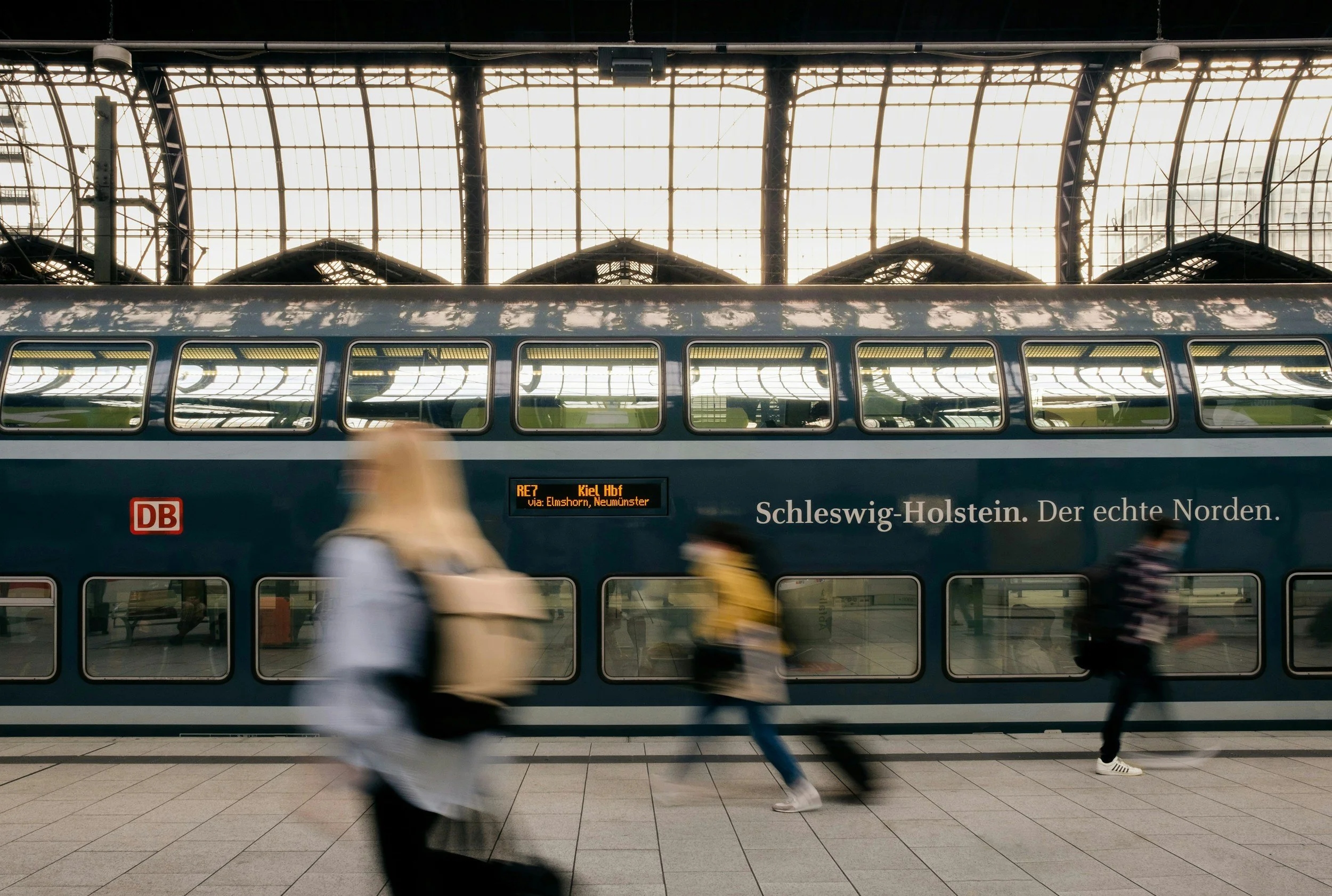
Countries where a Global Pass feels unnecessary for regional travel
A Global Pass is tempting because it sounds like maximum flexibility. In practice, for slow regional travel, it’s often wider than what you’ll actually use.
If most of your time is spent inside one country, or even one corner of it, a Global Pass can feel like overkill. You’ve paid for access to dozens of countries, but your daily reality is the same bakery, the same train line, and the same two or three routes you actually use. Eurail frames the Global Pass as freedom across borders, and the One Country Pass as a more focused option, and that distinction matters more than the marketing language suggests.
There are a few slow-travel patterns where a Global Pass usually adds very little.
If you’re settling into a region, say two weeks in southern France, and moving by TER every few days, the pass rarely earns its space. TER tickets bought locally are often reasonably priced, especially midday or midweek, and they don’t require any extra planning. Many travellers don’t realise that in regions like Occitanie or Nouvelle-Aquitaine, buying a regional ticket on the day is often no more complicated than using a pass, and sometimes quicker if the app is slow or offline. If you add one border crossing, for example into Spain or Italy, it’s often easier to buy that one international ticket separately than to carry a Global Pass the entire time.
Germany is another case where a Global Pass can feel unnecessary. If you’re staying within one federal state, or moving slowly between neighbouring states, local and regional ticketing is often very good value. What doesn’t get mentioned much is how often Germany’s regional day tickets cover multiple people or wide areas for a fixed price. If you’re staying put and doing day trips, those tickets can quietly outperform a Global Pass without any sense of limitation.
In Italy, the pass question depends almost entirely on how often you move. If you’re hopping between small towns within one region, buying Regionale tickets as you go is usually simple and predictable. Many of these tickets can be bought minutes before departure without penalty. A Global Pass starts to feel unnecessary if you only move every five or six days and the distances are short.
Where the Global Pass does start to make sense is when borders are part of the rhythm of the trip, not an exception. France to Germany, then into Switzerland, then down into Italy over several weeks, with pauses in between. Not rushing, but genuinely crossing into new rail systems multiple times. That’s when the pass reduces friction, especially around ticketing interfaces, language changes, and unfamiliar rules.
One detail that often gets overlooked is actually your mental load. With a Global Pass, people sometimes feel pressure to keep moving because the access is there. With individual tickets or a One Country Pass, staying put feels more natural. Freedom isn’t always about having every option open. Sometimes it’s about not carrying something that nudges you to move when you’re actually happy where you are.
France TER routes where a One Country Pass quietly works well
France is one of the easiest countries to travel slowly by train without constantly thinking about reservations, as long as you genuinely stick to TER routes and accept that they run on their own logic.
The pass question in France usually comes down to one thing: how often are you actually going to move? TER trains are slow but steady, and they work best when you’re not trying to squeeze too much into one day. If you’re changing towns every few days rather than every morning, a One Country Pass can fit very naturally.
A France itinerary that suits this style usually has a clear base. A town where you can walk everywhere, where dinner doesn’t require a car, and where the station isn’t stranded on the edge of an industrial zone. You move on TER when you feel like a change, not because a ticket forces you to. You travel earlier rather than later, partly because TER timetables thin out in the evening, and partly because arriving in a small town after 19:00 can feel oddly complicated. You start noticing market days because they affect accommodation availability and restaurant hours more than museums ever will.
One thing that doesn’t get mentioned often is how TER trains actually operate day to day. Platforms are sometimes announced late. Screens update slowly. On Sundays, connections that look reasonable on paper can involve long waits in quiet stations. None of this is dramatic, but it rewards leaving margin in your day. A One Country Pass helps here because you don’t feel pressured to take the “perfect” connection. You take the one that fits the day.
Accommodation choice matters more in France than people expect when travelling this way. Staying close to the station isn’t about convenience in a generic sense. It’s about arriving with a bag in light rain and being inside within ten minutes. In many French towns, the difference between a pleasant arrival and a tiring one is whether you’re walking uphill for twenty minutes past closed shops.
In places like Angers, Tours, or smaller Loire towns, staying centrally keeps it simple. You arrive mid-afternoon, check in, and the rest of the day takes care of itself. The hotels that work best for this kind of trip are usually small, quiet, and slightly understated. A few rooms, decent breakfast, lighting that isn’t harsh, and someone at reception who’s used to guests arriving by train. In the Loire, that often means old stone buildings that have been updated just enough, sometimes with a small courtyard where you can sit before dinner.
This way of travelling works best in French towns that actually function day to day without a car, especially in regions like the Loire where train connections support staying put rather than moving fast. If you’re curious what that looks like in practice, this guide to quieter Loire Valley towns shows how slow rail travel and lived-in towns fit together naturally.
It’s also worth being realistic about TGVs. In France, the moment you start choosing high-speed trains for convenience, reservations enter the picture and costs rise. TER trains are slower and occasionally awkward, but they’re the reason a One Country Pass works here at all. The pass only really makes sense if you’re comfortable letting TER set the pace, even when that pace feels uneven.
Germany’s regional network and where Eurail starts to feel redundant
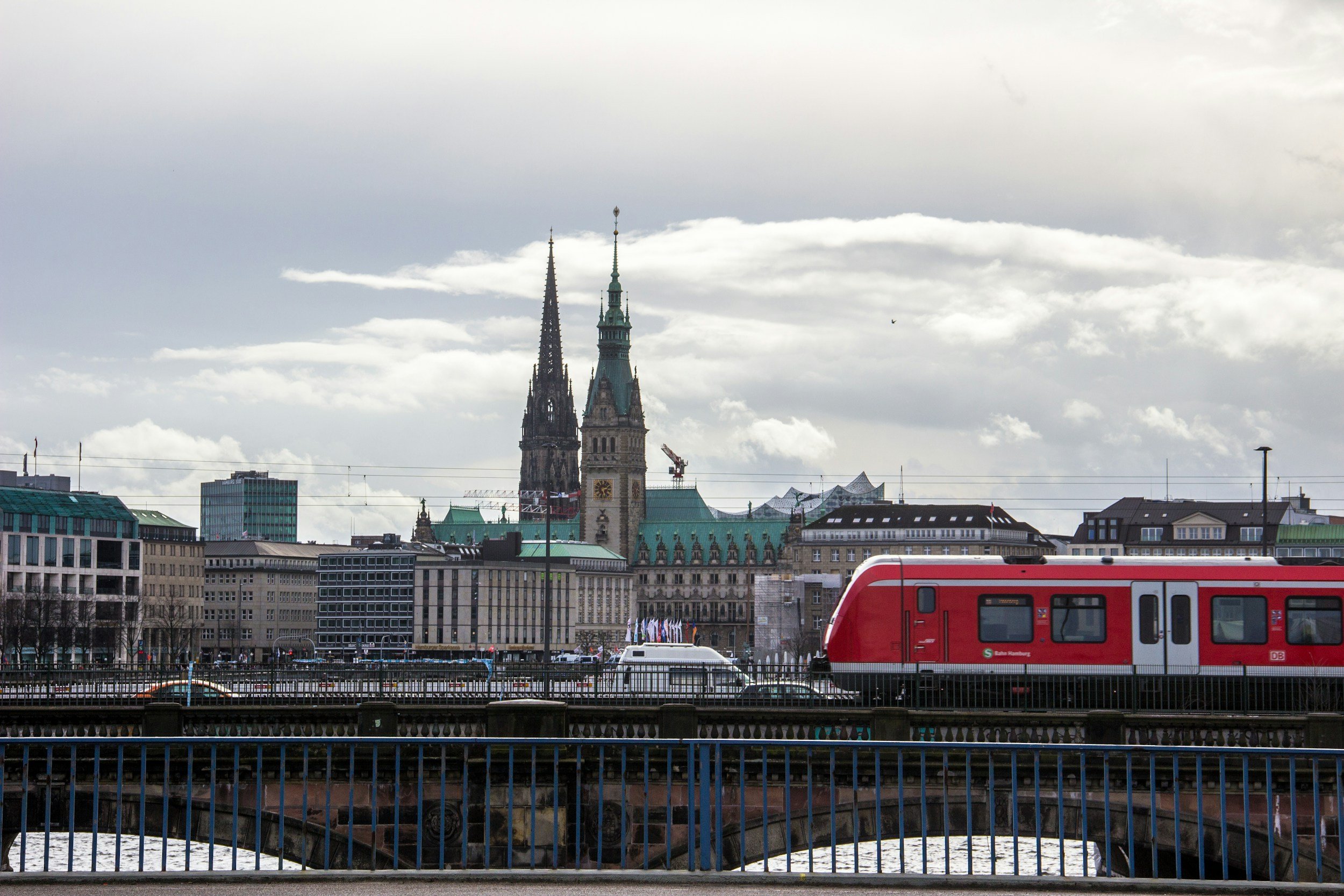
Germany is often where pass logic starts to fall apart, simply because the regional network is so dense and local ticketing is already designed for everyday use.
If what you actually want is small towns, café mornings that stretch a bit too long, second-hand shops that don’t open before ten, and short walks that start five minutes from the station, one German state can easily fill a couple of weeks. You settle in, learn the rhythm of the local trains, and move when you feel like it. In that situation, a pass doesn’t add much. You’re not fighting reservations, and you’re not dealing with complicated pricing.
The pass starts to feel unnecessary when your movements are short, regular, and contained within one region. Germany’s regional and state tickets are built for exactly that. What many visitors don’t realise until they’re there is how wide these tickets often reach. A single day ticket can cover multiple towns, local buses, and even trams, and it doesn’t care how many times you hop on and off. If you’re only using regional trains and staying within one state, a pass can feel like a solution to a problem you don’t actually have.
Where a pass still makes sense in Germany is when your route stretches across several regions and you don’t want to think too hard about boundaries. A slow diagonal works well here. Starting somewhere near Hamburg, drifting south toward Franconia, then across to Saxony, and maybe continuing into Austria. You’re still travelling slowly, but you’re crossing enough regional systems that a pass removes a layer of decision-making. You’re not standing at a machine wondering which ticket applies today.
Smaller cities often have well-connected stations right on the edge of the old town, and staying nearby changes the whole feel of arrival days. You step off the train, walk ten minutes, drop your bag, and you’re already where you want to be. The hotels that suit this style tend to be modest but intentional. Not grand, not corporate. Clean rooms, good mattresses, proper coffee in the morning, and common spaces that don’t feel like an office lobby. After a few days, that kind of consistency matters more than design statements.
Winter train travel can be particularly wonderful in forest and mountain regions where driving becomes less appealing. One of the best examples is the Bavarian and Bohemian forest region along the German-Czech border. Trains connect small towns across the forests, making it possible to explore the area without a car even in winter. This guide to spending a winter week in the Bavarian-Bohemian Forest by train shows how peaceful those routes can be.
One practical detail that rarely gets mentioned is how tight some regional connections can be, especially outside major hubs. Five-minute changes look fine on paper, but they leave no room for delays, and delays are common. Trains wait for each other less than people expect. This is where slow travel habits matter more than any pass. Planning to arrive earlier in the day gives you buffer. Choosing towns where a missed connection means a longer wait, not an overnight problem, keeps things calm.
In Germany especially, slow regional travel often blends into everyday local life rather than sightseeing, with cafés, walking routes, and second-hand shops shaping the days more than attractions. That same pace shows up clearly in how local shopping works too, which this piece on Germany’s second-hand scene touches on.
Italy’s regional trains versus Frecce routes, and where the pass stops helping
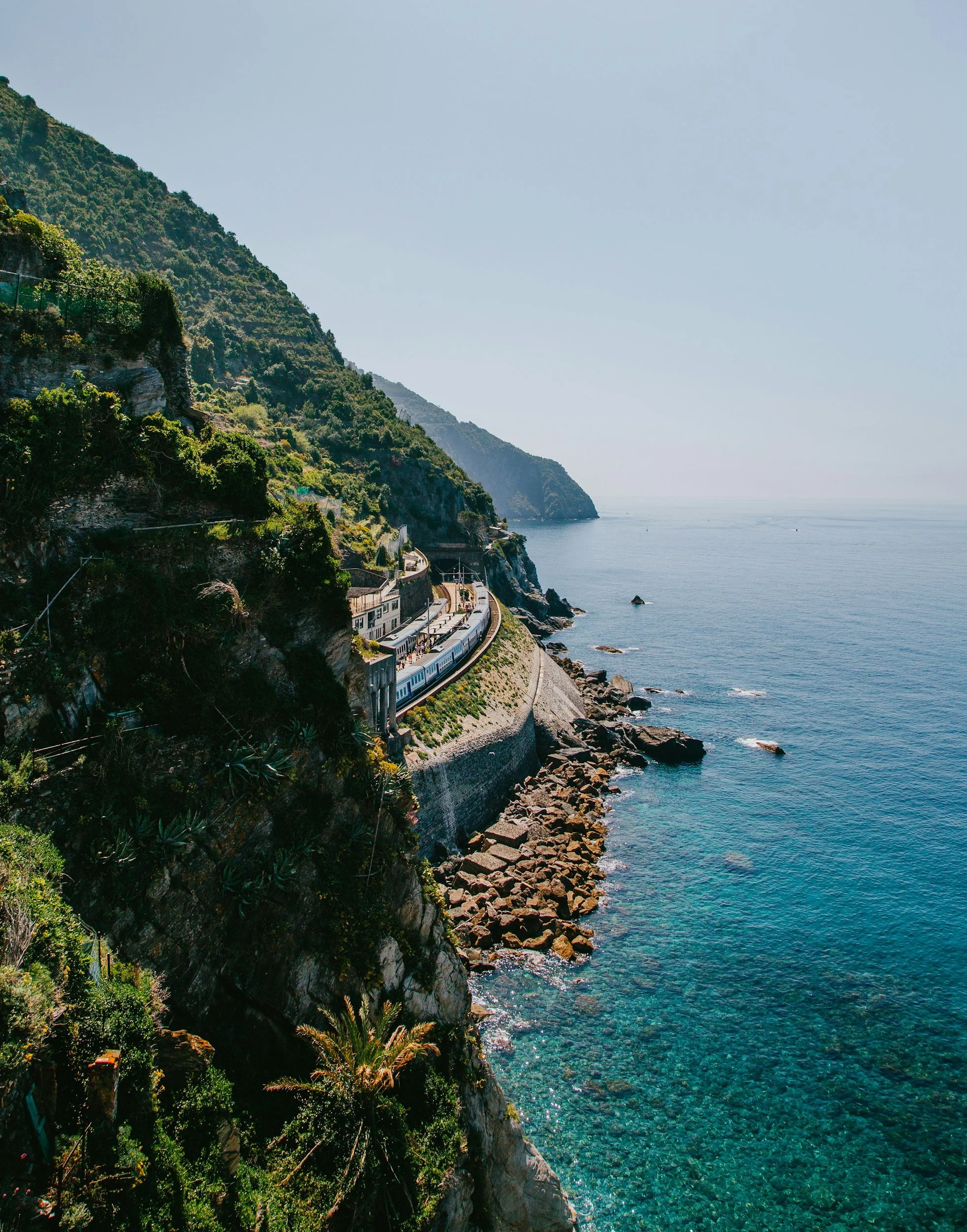
Italy is where slow regional travel can work extremely well, and also where a pass can quietly stop pulling its weight if you’re not paying attention to how you’re actually moving.
If you stay on Regionale trains, Italy often feels straightforward. You can move between smaller towns without much planning, buy tickets close to departure, and not worry about reservations. This works especially well in places like Piemonte or Emilia-Romagna, where towns sit close together and stations are usually near the centre. In parts of Tuscany that aren’t built around day-trippers, the same applies. You arrive, walk into town, and don’t need to think about transport again for a few days.
The complication is temptation. Italy makes fast trains very visible. You look at a route on the map, see a Frecciarossa that cuts the journey in half, and suddenly the slower option feels unnecessary. It’s an understandable choice, but it changes everything. High-speed trains require reservations, cost extra, and often sell out on popular days. Once you start defaulting to them, the pass stops simplifying things and becomes something you have to manage.
The pass really stops helping when it turns into a reason to move faster. Using it to bounce between larger cities every couple of days shifts the trip away from regional travel entirely. You’re still travelling, but you’re no longer using the part of the network where the pass is most useful.
Where a pass still fits Italy is when you use it to get into a region, then slow down. Arrive at a larger hub, then rely on Regionale trains to reach smaller towns nearby. This is also where being realistic about bases matters. Many smaller Italian towns have limited accommodation near the station, and changing hotels too often can make travel days feel heavier than they need to be.
Choosing one solid base in a smaller city with good regional connections often works better than chasing the “perfect” hotel in every village. In northern Italy, that might mean a modest hotel in a historic building that’s been updated just enough. Somewhere quiet, with thick walls, decent soundproofing, and a courtyard or internal space where the day naturally winds down.
Europe also has dozens of quieter rail lines that rarely show up in major travel itineraries but are surprisingly beautiful. These slower regional routes often pass through landscapes you would completely miss on high-speed trains. This guide to lesser-known train routes across Europe highlights several that are especially enjoyable for slower trips.
One practical detail that makes a real difference in Italy is arrival time. Regional trains often get you in mid to late afternoon, and smaller towns can feel very different after shops close. Having accommodation where check-in is easy and dinner options are within walking distance removes a lot of friction. After a long but not exhausting train ride, being able to drop your bag and walk five minutes for food matters more than design details.
This kind of pacing tends to suit parts of northern Italy where regional trains connect smaller places without pushing you toward fast routes. In areas like the Valle Maira, staying put and moving only when it makes sense is part of the experience, not a limitation.
Spain’s Media Distancia gaps that complicate Eurail planning
Spain is where slow regional travel asks a bit more from you upfront.
Not because Spain is difficult, but because the rail system is built around longer distances and trains that expect commitment. Flexibility exists, but it sits in different places than it does in France or Germany. A pass can still work here, but it doesn’t disappear into the background in the same way. You’re more aware of it.
If you try to travel in Spain the same way you would elsewhere, casually deciding at breakfast where to go next, you’ll notice the limits quickly. Many routes funnel you toward trains where reservations are standard, even when the journey doesn’t feel especially long. High-speed and long-distance services dominate the map, and they don’t reward last-minute decisions in the same way regional networks do elsewhere.
This matters because slow travel often relies on changing your mind. Staying an extra night because the town feels right. Leaving earlier because the heat is heavier than expected. In Spain, spontaneity can become expensive or simply unavailable, not because anyone is trying to make it hard, but because the system is built around planned journeys rather than incremental movement.
A more realistic way to travel slowly in Spain is to choose one or two regions and stay inside them. Base yourself in a smaller city with solid rail connections and let your movement stay local. You can still travel by train, but the trips are shorter, the stakes are lower, and you’re not constantly negotiating reservations. This also aligns better with how Spanish towns actually function, with long afternoons, late dinners, and quieter mornings.
One detail that doesn’t get talked about much is timing. Trains that look reasonable on paper can arrive in the early afternoon heat, when walking even ten minutes with a bag feels like a chore. Smaller stations often have limited shade and few places to sit. Choosing accommodation that’s genuinely close to the station, or at least on flat ground, makes a noticeable difference after a long travel day.
Where you stay matters more than usual in Spain. In warmer months, older buildings with thick walls stay cooler and quieter. Modern boutique hotels can work too, but only if they’re well insulated and not built around open courtyards that amplify noise. Sleeping well becomes part of the travel strategy when train days are longer and recovery takes more time.
A pass can still fit Spain, but it works best when you accept that movement will be less casual. Planning a bit more, staying put a bit longer, and choosing bases carefully turns the rail system from something you work around into something you can actually live with for a while.
In Spain, slow rail travel tends to work best when towns are chosen for how they feel to stay in, not how many places you can reach from them. That’s the same idea behind these Spanish small towns that suit slower, more local trips.
Switzerland’s dense regional coverage and when a pass overlaps with local tickets
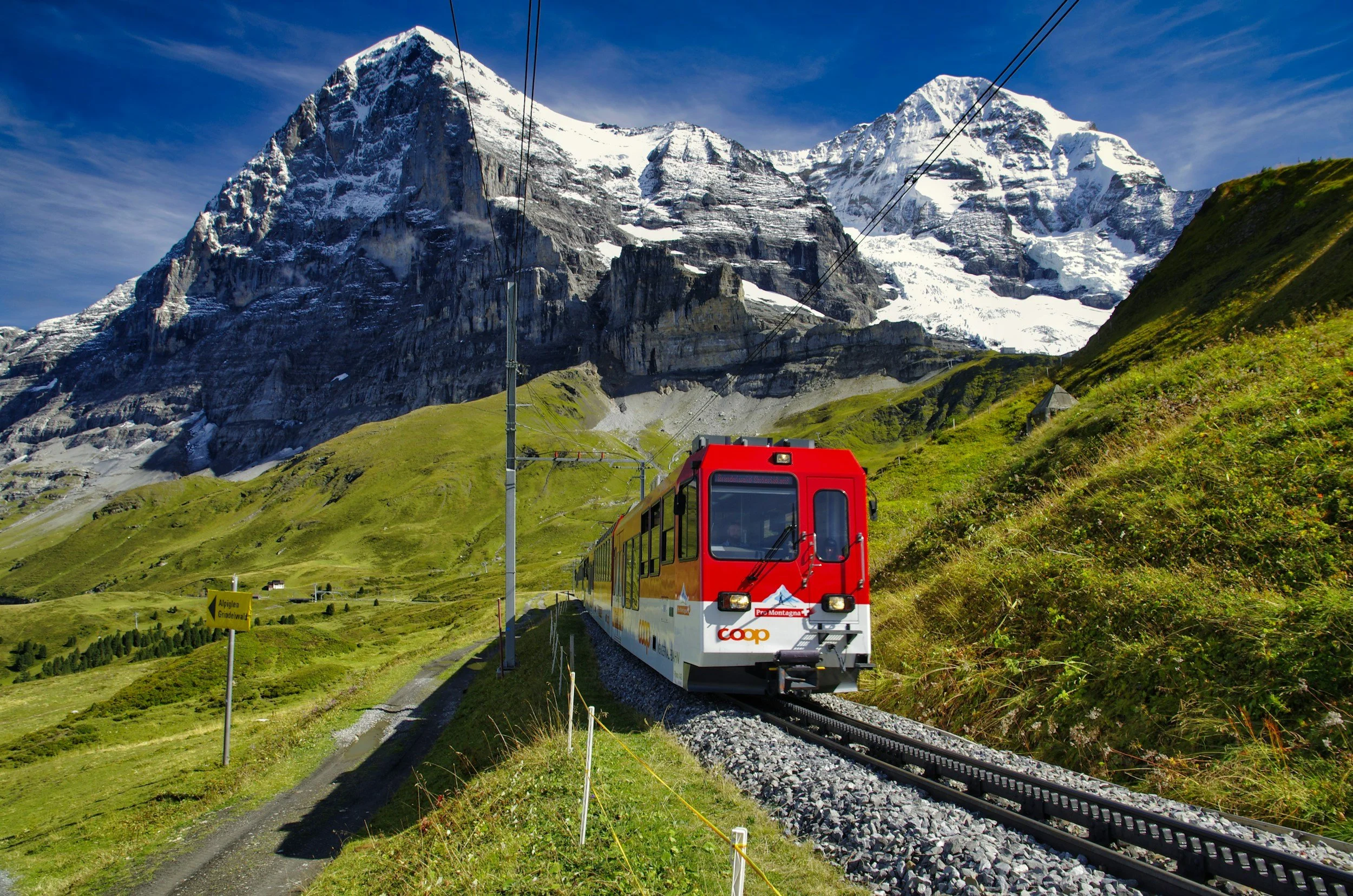
Switzerland is almost too efficient when it comes to trains. The network is dense, tightly timed, and designed so connections actually line up. You notice it immediately. Trains arrive when the board says they will. Platforms are where they’re supposed to be. You can step off one train and onto the next without running.
A Eurail or Interrail pass works well here when Switzerland is just one section of a longer trip. You arrive from elsewhere, use the pass for a few days, enjoy how smoothly everything runs, and then move on. In that context, it’s easy. You’re not overthinking tickets because Switzerland isn’t the whole story.
The complication starts when Switzerland is the destination rather than the stop. Switzerland has its own fare systems, passes, and discounts, and they’re designed for people who stay. If you’re spending most of your time here, it’s worth slowing down and comparing instead of assuming the Eurail pass is automatically the right choice.
For slow regional travel, you’ll naturally end up on regional trains anyway. They’re frequent, clean, and well connected, and they’re the part of the network where passes generally work best. The issue isn’t access. It’s how easy it is to move without really noticing you’re moving.
Switzerland encourages small, frequent trips. One stop along a lake. A short ride into the foothills. A quick hop between neighbouring towns that all look close on the map. These trips feel light, almost casual, but on a flexi pass they add up quickly. If you move once a day, even briefly, you’re using a full travel day each time.
Switzerland is perfect for staying put. The trains make moving easy, but the pass only makes sense if you’re honest about how often you actually want to get on one.
In some places the train journey itself becomes part of the experience. Switzerland really has taken this idea further than almost anywhere else in Europe, with panoramic routes that pass lakes, alpine villages, and mountain valleys along the way. If scenic train travel is part of the appeal, this guide to Switzerland’s newer panoramic train routes is worth looking at.
Scandinavia distances where pass days disappear faster than expected
Scandinavia works well by train, but it asks you to slow down in a very literal way.
Distances are bigger than they look. A “regional” journey can easily mean sitting on the same train for three or four hours, watching forests, lakes, and the occasional small station pass by. If you’re using a flexi pass, this is where travel days disappear fast. You move once, arrive mid or late afternoon, and that’s it. The day feels full, even though you’ve only taken one train.
Winter changes the maths again. Trains still run, but less often, and the margins shrink. A connection that looks fine on paper suddenly feels risky when it’s the last one of the day. You start checking arrival times more carefully, because getting in at 16:30 feels very different from arriving at 18:10 when it’s already dark. You also notice details you might ignore elsewhere, like whether the walk from the station is flat or uphill, and how icy the pavement is when you’re pulling a small suitcase behind you.
A pass can still make sense here if Scandinavia is part of a longer trip across several countries and you want fewer systems to think about. It simplifies that side of things. But if you’re travelling slowly within one country, staying a few nights in each place and moving only when you need to, it’s worth comparing options. In Scandinavia, a pass doesn’t automatically feel like the easiest choice.
Southern France also works beautifully for train travel, especially if you enjoy historic towns. Several castle towns across Occitanie and Provence are connected by regional TER trains, and once you step off the platform the old town is often just a short walk away. If you want to see how that looks in practice, this guide to castle towns in southern France you can visit by train shows a few of the most enjoyable routes.
Where you stay matters more than usual. Stations are not always central, and late arrivals are common. Being able to walk five minutes instead of twenty, or knowing there’s a taxi waiting outside even in the evening, changes how a travel day ends. Inside, comfort is practical, not indulgent. Warm lighting, quiet rooms, and proper insulation make a real difference when you arrive tired and don’t want to go back out again.
Border crossings on regional lines that look easy on maps but take time
This is one of those things you usually learn once, usually on a day you didn’t plan to be long.
On the map it looks simple. One line crosses the border, one change, done. In reality it’s often slower and messier. The connecting train might only run every two hours. The station in between might be two platforms, no staff, and a locked café with chairs stacked upside down. The platform change means stairs, no lift, and your bag suddenly feels heavier than it did an hour ago. On weekdays it works fine, on Sundays the same route suddenly needs an extra change or a longer wait.
What often catches people out is how small delays stack up. One train arrives five minutes late, the next one leaves on time, and now you’re sitting on a metal bench checking the departure board and wondering whether anything else runs today. Nothing dramatic is happening, but time keeps slipping away.
This matters because slow travel only works when you’re not trying to make up lost minutes. Border days are where people accidentally start rushing. You leave a place later than planned because it felt nice, and then spend the rest of the day watching the clock.
A pass helps in one very specific way. You don’t have to think about whether your ticket is valid when you cross the border. You just get on the train that’s running. But it doesn’t change how often trains run, or how long you might be waiting if you miss one.
What actually makes border days easier is leaving earlier than feels necessary and choosing crossings where waiting isn’t a problem. Places where there’s at least a bakery, a supermarket, or somewhere indoors to sit. If you’re travelling in winter, this matters even more. Getting stuck at a small station at 16:30, when it’s already dark and cold, feels very different from waiting at lunchtime.
Border days go better when you stop trying to compress them. One long day with two coffees, a simple lunch near the station, and time to sit without checking the app every five minutes is still a good travel day. The trouble usually starts when you try to squeeze in one more connection.
Seasonal schedules that affect regional frequency in winter and shoulder months
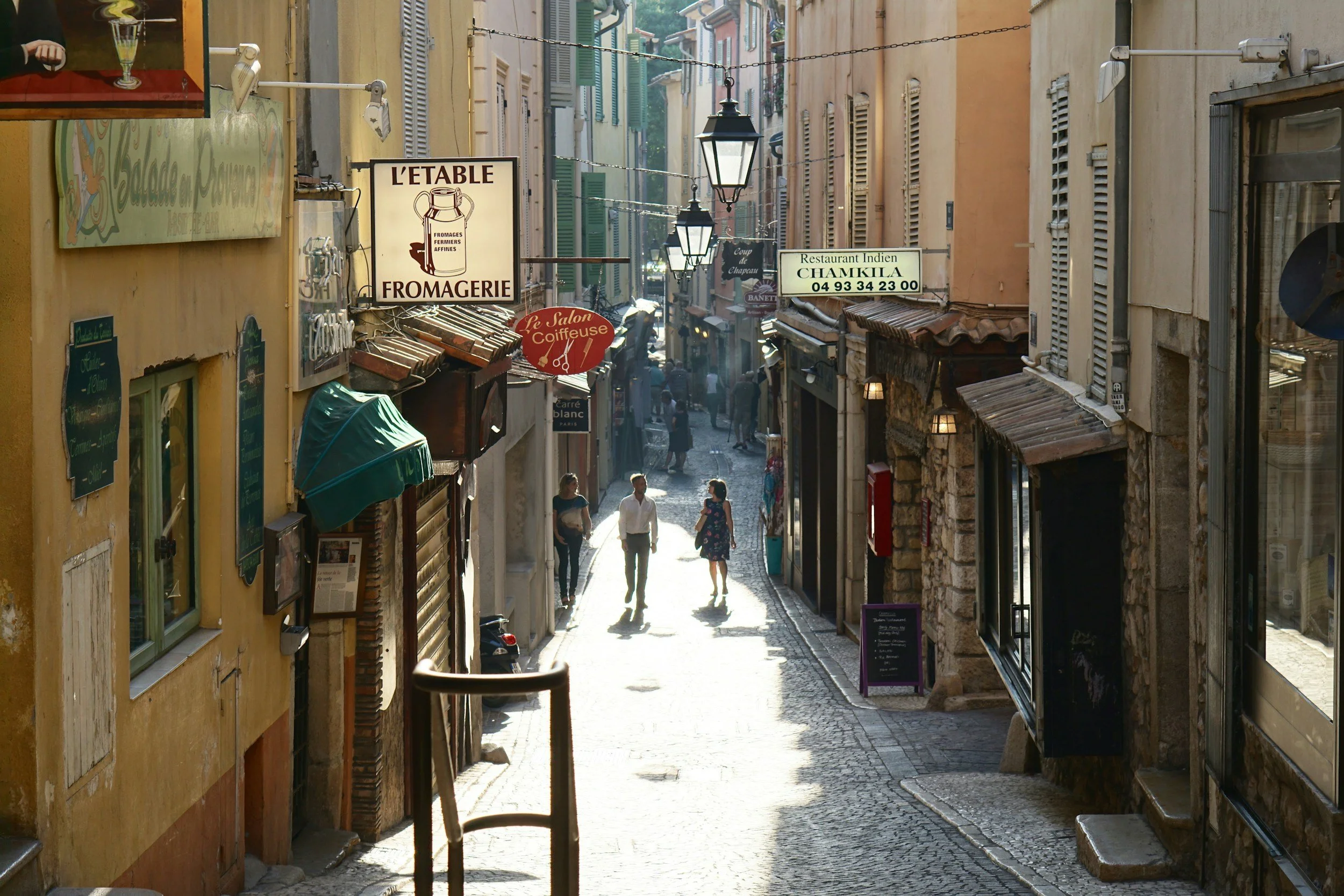
Regional travel doesn’t run the same way all year, even if the map looks identical.
In summer, trains feel frequent enough that you barely think about them. Miss one and there’s usually another soon after. In winter or shoulder season, especially outside bigger cities, gaps start to show. A line that runs every hour in July might drop to every two hours in February. Sundays are their own thing altogether. In some regions, a Sunday timetable feels like a quiet hint that today is meant for staying put.
You notice this quickly when plans change. On a sunny day, you might wake up and think about moving on after breakfast. In bad weather, you might decide to stay an extra night without much thought. A pass gives you the option to decide late, but seasonal schedules can take that option away without warning.
This is where winter planning needs to be more grounded. It helps to choose regions where trains still run often enough to give you real choice, not just theoretical access. It also helps to base yourself in towns that work on foot, with at least a few cafés, shops, or walks close by, so staying put doesn’t feel like a compromise.
Arrival time matters more than people expect in winter. Getting in at 15:30, while there’s still some light, feels manageable. Arriving after dark, especially to a quiet station with no open café and a long walk ahead, can drain a day quickly. Seasonal travel rewards earlier moves and fewer assumptions about what will still be running later on.
Arrival timing in small towns and how late trains shape overnight planning
This is where slow travel either works smoothly or starts to feel tiring.
Arriving in a small town at 14:30 and arriving at 19:45 are two completely different experiences. In the afternoon, you still have daylight. You can check in, walk around once, see what’s open, and decide where to eat without pressure. In the evening, especially outside summer, you’re often scanning Google Maps for the one restaurant that’s still open, only to find it fully booked or closing in ten minutes. That’s how you end up eating something forgettable from a bakery or a supermarket, sitting on the edge of the bed.
A pass can quietly push you into travelling later than makes sense, simply because there’s no extra cost attached. You think, “I can still take one more train.” Sometimes that works. Often it just means arriving when the town has already shut down for the day.
If your trip is built around small towns and regional trains, arrival time needs to be treated as part of the plan, not something you deal with once you’re there. It directly affects where you stay and how that first evening goes.
The places that work best for this kind of travel tend to have a few very practical qualities. They’re close enough to the station that you don’t have to think about transport. Reception is either flexible or clearly organised for late arrivals, so you’re not stressing about keys. Breakfast is included and worth getting up for. And the building is quiet enough that once you’re inside, you can properly switch off.
This is also where it’s usually better to choose something straightforward over something complicated. A simple, well-run hotel beats a beautiful historic place with narrow streets and a long uphill walk when it’s raining and you’ve already had a full travel day. The charm wears thin very quickly once you’re dragging a suitcase over wet cobblestones.
Using pass days for short hops rather than long-haul travel days
Most people think of a pass as something you use on the long days, the ones where you sit on a train for hours and arrive tired. With slow regional travel, it often works the other way around.
A pass day makes the most sense on days that are made up of small moves. You leave your base after breakfast, take a short train a couple of stops to a market town, walk around, have lunch, then decide to keep going because the next place is only ten minutes further down the line. By the end of the afternoon, you’re somewhere new, even though none of the train rides felt like a “travel day” in the usual sense.
The same idea applies around London. Many smaller towns nearby are surprisingly easy to reach by train, and once you arrive you rarely need anything else to get around. Places like these are perfect for a slower style of travel where you can simply arrive, walk through town, and settle into the local life. This guide to quiet towns near London you can reach by train is a good place to start exploring those options.
This is where the pass quietly helps. You’re not stopping to think about whether a short ride is worth buying a separate ticket for. You’re not queuing at a machine for a journey that barely lasts longer than the wait. You just get on the train that makes sense in that moment.
It only really works in places where the regional network supports it. In Germany, short hops like this are normal and easy to string together. Parts of France work well too, especially on TER lines where trains run often enough that missing one isn’t a problem. In Italy, it depends more on the region. Where towns sit close together, it works. Where everything funnels you toward faster trains, it doesn’t.
What makes this approach possible is the calendar-day rule. Once you’ve started a travel day, you can take several trains and they all count as that same day. That’s what allows you to move a bit in the morning, change your mind at lunch, and move again later without it turning into a calculation.
If you like days that stay flexible, where you don’t decide everything at breakfast and you’re happy to let the day stretch a little, this is where a flexi pass usually fits best.
One of the easiest ways to understand how relaxed train travel can be in Europe is simply to try it on a short trip first. Italy works particularly well for this. Many smaller towns are directly connected by regional trains, and once you arrive you can walk almost everywhere. This guide to spending a slow weekend traveling through Italy by train gives a good sense of how simple these trips can actually be.
Staying put for several nights and the mental cost of “using up” a travel day
This is the part people rarely mention, but you notice it once you’re on the trip.
Slow travel usually means staying put. Three nights, four nights, sometimes longer. You learn the walk to the bakery. You go back to the same café without thinking about it. Nothing is urgent. That’s the whole point.
But when you’re carrying a pass with a fixed number of travel days, a quiet pressure can creep in. Not from the schedule, but from your own head. The feeling that a day is sitting there unused. The thought that you should probably go somewhere, just because you can.
You’ll notice it when you catch yourself opening the rail app in the morning and thinking, “I could do a quick day trip.” Not because you want to leave, but because staying feels like you’re wasting something you paid for. That’s when the pass starts setting the pace instead of you.
If you know this is something you fall into, it’s worth planning around it. Some people do better with fewer flexi days, so there’s no expectation to keep moving. Others realise they’re calmer without a pass at all, buying tickets only on the days they genuinely want to change places. Another approach is deciding in advance which days are travel days and treating everything else as settled time, even if the pass technically allows more.
This is also why a One Country Pass often feels easier than a Global Pass for slow trips. It narrows the focus. You’re not carrying the idea of dozens of possible moves in your pocket. You’re moving within one place, at your own pace, and staying put doesn’t feel like you’re leaving something unused behind.
The Netherlands is another place where trains quietly make everything easier. Haarlem, for example, is just a short ride from Amsterdam, but the atmosphere feels completely different once you arrive. The station sits right near the historic centre, so cafés, canals, and small streets are all within walking distance. If you're curious what that kind of train-based trip looks like in practice, this slow travel guide to Haarlem shows exactly how it works.
Seat reservations that quietly add cost even on slow routes
Reservations are where friction sneaks in, usually without much warning.
Eurail is clear about the basics. High-speed, international, and night trains often need reservations, and those cost extra. Slower national and regional trains usually don’t. On paper, that sounds easy enough.
In real travel, it’s less clean. You can avoid reservations if you stick to the right trains, but that choice isn’t always obvious in the moment. You’re standing on a platform, it’s late afternoon, you’re tired, and the app shows a faster connection leaving in ten minutes. The slower train runs later, with one more change. That’s often when people choose the faster option without thinking too much about what it adds on top of the pass.
This is where the pass can start to feel uncomfortable if you didn’t decide your travel style upfront. Paying for reservations here and there doesn’t feel dramatic, but after a few days it adds up. At that point, it’s hard not to wonder whether buying individual tickets would have been simpler.
What helps is being honest early on. If you’re fine with slower trains, longer journeys, and the occasional wait, the pass stays simple. If you know you’ll keep choosing faster trains because you don’t want to arrive late or deal with extra changes, then the pass is only covering part of the cost, and that needs to be factored in from the start.
Availability adds another layer. On popular routes, especially in summer, passholder reservation quotas can sell out. The train is still running, but the pass seats are gone. That’s not a failure of the pass. It’s just how reservation-controlled trains work. If your slow travel happens in peak season and relies on those services, you’ll need to plan those legs more carefully instead of assuming flexibility will always be there.
When buying individual regional tickets ends up calmer than holding a pass
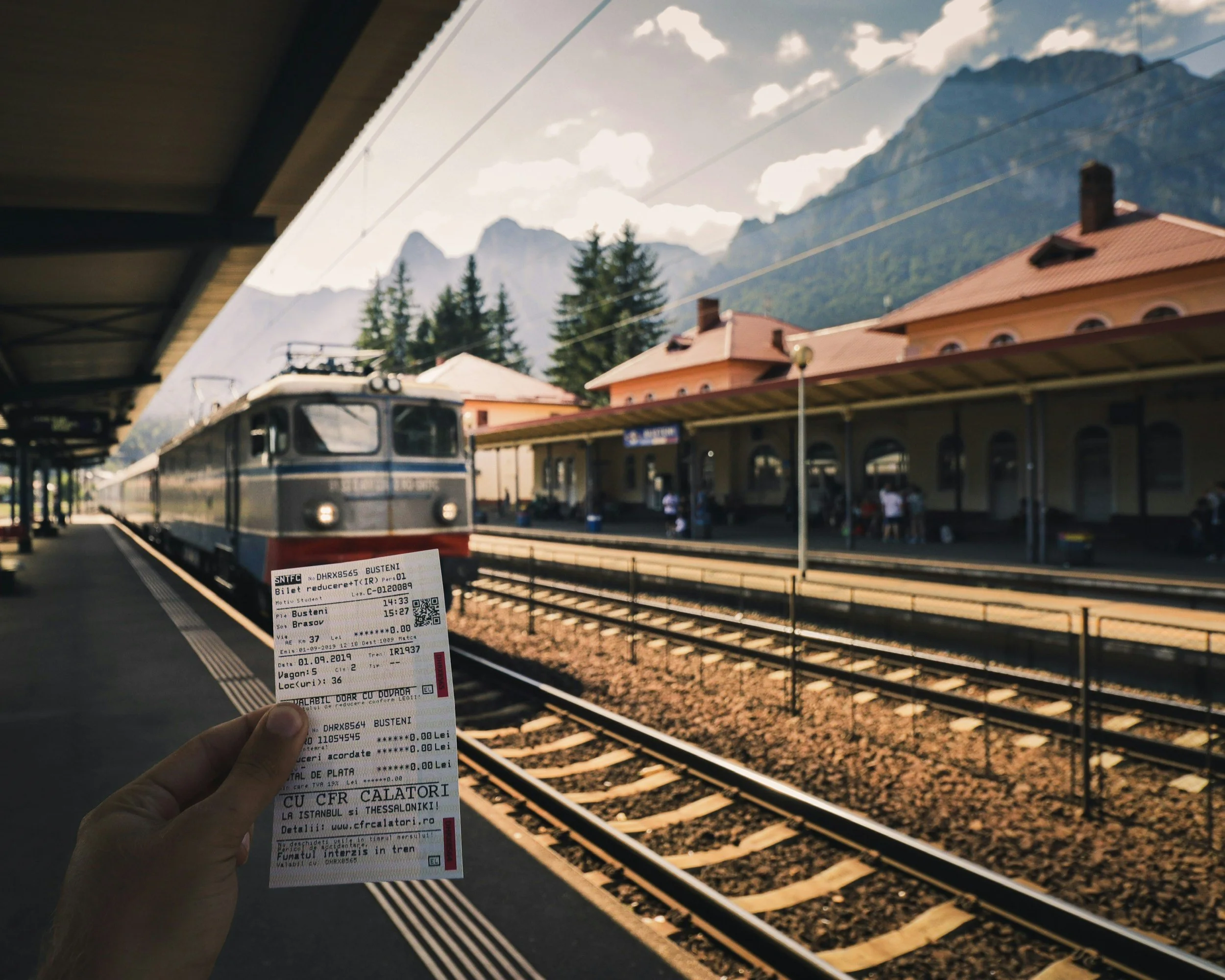
This is the part that often gets skipped, even though it’s the reality for a lot of slow trips.
Sometimes the easiest option is not carrying a pass at all. You buy the ticket you need, when you actually need it, and that’s it. No tracking days. No checking how many you have left. No deciding over breakfast whether today should count as a travel day.
This tends to be the case when you’re staying in one region and moving only a few times. The distances are short. Regional tickets aren’t expensive. You’re not crossing borders every few days. You already know roughly when you’ll move, and you’re fine sticking to that. In that situation, a pass can add a layer of thinking that doesn’t really help.
Buying individual tickets fits slow travel because it follows what you’re already doing. You stay until you’re ready to leave. You leave when you feel like it. The ticket doesn’t sit in the background asking to be used. You don’t find yourself calculating whether a 25-minute ride is worth “spending” a whole day on.
One of the easiest ways to understand how relaxed train travel can be in Europe is simply to try it on a short trip first. Italy works particularly well for this. Many smaller towns are directly connected by regional trains, and once you arrive you can walk almost everywhere. This guide to spending a slow weekend traveling through Italy by train gives a good sense of how simple these trips can actually be.
A pass still makes sense when plans are genuinely fluid. If you’re changing countries often, or you want the option to move on a whim without checking prices every time, the pass removes friction. In those cases, it earns its place.
But it helps to remember that a pass is just a tool. It doesn’t define the trip. The trip works because the places do. Towns where you can walk to dinner without thinking. Cafés you go back to more than once. Markets that give shape to the week. Somewhere to sit when it rains, and somewhere you’re happy to return to at the end of the day. If those pieces are right, the ticketing fades into the background, which is exactly where it belongs.