
The stone cottages I'd book in Drôme Provençale
Drôme Provençale sits in the southern part of the Drôme department, just north of classic Provence. It’s close enough to places like the Luberon and Mont Ventoux to share the same light, stone villages, and market culture, but far enough away that it feels noticeably less shaped by tourism.
The landscape shifts quickly here. Lavender fields fade into oak forests, vineyards stretch between low hills, and villages like Mirmande, Grignan, and Le Poët-Laval sit quietly above it all, built from the same pale stone as the land around them. You won’t find rows of curated boutiques or restaurants designed for day-trippers. Instead, it’s bakeries that close by early afternoon, weekly markets that still follow local life, and cafés that open when they feel like it.
This is also why stone cottage stays make sense here in a way they don’t always do in more visited parts of Provence.
Most of these homes weren’t built as rentals. They were farmhouses, village houses, or family homes, which means they come with thick walls, smaller windows, and layouts that prioritise shade and cool air over design trends. In summer, that matters more than you think. In the evenings, it means you can sit outside without noise, without traffic, and without feeling like you’re part of a crowd.
If the idea is to spend a week somewhere that feels easy to settle into (rather than somewhere you need to “do”), Drôme Provençale is one of the few places in southern France where that still feels natural.
Below are a few villages and stays that actually reflect that, along with practical details on where to stay and how to get there.
If you’re planning your trip around a specific season, it’s also worth seeing how the region changes throughout the year. This guide to Drôme Provençale in autumn gives a good sense of what it’s like once the summer crowds fade and the pace slows even further.
Mirmande: A Hilltop Village in Drôme Provençale Worth Staying In
Mirmande sits just above the Rhône Valley, about 20 minutes from Loriol-sur-Drôme, and it’s one of those places you almost miss if you’re not looking for it. From the road below, you just see a cluster of pale stone houses on the hill. Once you’re up there, it feels much more tucked away than you’d expect.
The village is small, built in a loose spiral up towards the church at the top. You’ll walk on uneven stone paths, past doors that open straight onto the street, and little corners where someone’s put out a chair in the shade. There are fig trees growing into walls, faded shutters, and the occasional cat stretched out across the steps. It doesn’t feel curated. It just feels lived in.
You can walk through the whole village in ten minutes, but it’s the kind of place where you end up doing the same walk again later in the day, just because the light has changed or you noticed something you missed the first time.
Staying just outside the village makes things easier. La Maison Jalon is a short walk down the hill and gives you a bit more space - a garden with lavender, a table outside, and views across the valley. Inside, it’s simple in the right way: thick stone walls that keep it cool, wooden beams, and a small kitchen that actually makes you want to cook. If you stop by a market on the way, you’ll probably end up having dinner outside without thinking too much about it.
There aren’t many places to eat in Mirmande, so it’s worth knowing the few that are there. L’Atelier du 6 is the one to plan around. It’s not open all day, and it’s not somewhere you pop into quickly. You sit down, order something seasonal, maybe a glass of wine, and stay longer than you planned. The pace matches the village!
Up near the church, there’s a small pottery studio with pieces laid out on a table outside. No shop front, no one trying to sell you anything. Just handwritten price tags and a small box for payment. It’s the kind of place you almost walk past if you’re not paying attention.
If you’re staying a few nights, it’s worth driving out to a nearby market. Crest (about 25 minutes away) has a good one with fruit, cheese, olives, and bread that’s still warm if you get there early. Bring it back, open a bottle of wine, and that’s your evening sorted.
How to get there: Take the train to Loriol-sur-Drôme, then a taxi up to the village (around 20 minutes). The road up is narrow and a bit steep in places, so arriving by car or taxi is the easiest option.
If you’re travelling earlier in the year, this guide to the quieter side of Provence in April gives a really good feel for the region before summer, when everything is greener and even more low-key.
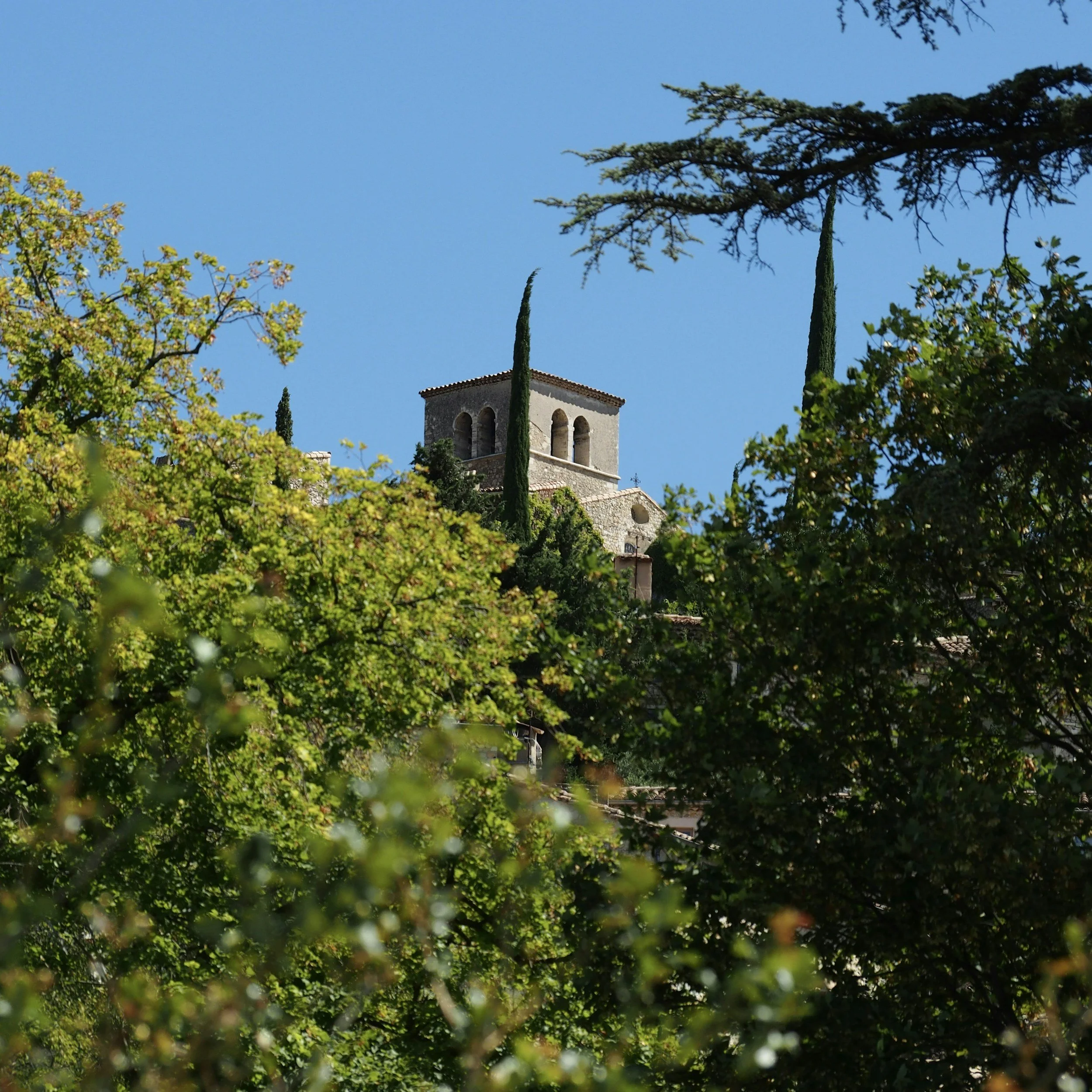
Looking for more slow, soul-soothing places to travel on your own?
These 7 underrated European destinations are perfect for solo travelers craving calm, connection, and a break from the usual crowds. Think morning coffee by the sea, quiet market strolls, and towns that feel like a reset.
La Garde-Adhémar: A Slower Corner of Drôme Provençale with Garden Views and Quiet Squares
La Garde-Adhémar sits just above the Rhône Valley, a few minutes from Pierrelatte, but once you’re up in the village it feels completely removed from the main road below. It’s small and easy to walk, built in pale stone with narrow lanes that open into quiet squares where not much changes throughout the day.
The village has a slightly more cared-for feel than some others in the area, but without tipping into anything overly polished. You’ll notice it in the details - trimmed hedges, wooden shutters in soft colours, and benches placed in the shade rather than cafés filling every corner. Most people come for a slow half-day, but it’s worth staying longer if you want somewhere that feels settled and easy.
A stay at Les Esplanes works well because it gives you that bit of distance from the centre while still being close enough to walk in. The rooms are set in stone cottages with simple interiors and air-conditioning (which you’ll appreciate in summer). The pool looks out over the valley, and the garden is the kind of place you end up spending more time in than planned - especially in the late afternoon when the light softens.
From the village, it’s worth walking up to the Prieuré du Val des Nymphes, about ten minutes away along a quiet path. It’s easy to miss if you don’t know it’s there. The site dates back to the early Middle Ages, and today it’s mostly stone remains, low arches, and a small open space surrounded by greenery. It’s one of the quieter spots in the area, especially early in the morning.
Back in the village, the Jardin des Herbes sits right on the edge, overlooking the Rhône Valley. It’s laid out as a medicinal and aromatic garden, with rosemary, thyme, lavender, and other plants used in traditional remedies. Even if you’re not especially interested in herbs, it’s worth going for the views alone.
Around the main square, you’ll find a few small details that make the place feel more local than staged. A simple bookshop with a mix of second-hand and regional titles. A couple of shaded benches where people sit without needing to order anything. It’s not busy, even in summer, but it’s not empty either - just quietly in use.
If you’re staying nearby, plan one lunch at Le Jardin de la Garde. Tables are set under large trees, and the menu changes depending on what’s available locally - often simple dishes built around vegetables, olive oil, and herbs from the region. It’s the kind of place where lunch naturally stretches into the afternoon.
If you like villages with this kind of setting, Moustiers-Sainte-Marie in spring has a similar feel, with narrow streets, soft light, and a slower pace before peak season.
How to get there: Take the train to Pierrelatte (on the main Lyon–Avignon line), then a taxi up to the village takes around 15 minutes. The climb is steep, so walking up with luggage isn’t ideal. If you want to explore surrounding villages or vineyards, having a car will give you more flexibility.
Grignan: A Lived-In Village with Cafés, Markets, and Space to Stay a While
Grignan sits on a gentle hill in the southern Drôme, surrounded by vineyards, lavender fields, and olive groves, but what makes it stand out is how functional it still feels. Compared to smaller villages like Le Poët-Laval, this is somewhere you can actually base yourself for a few days without feeling cut off. There are enough cafés, small shops, and places to sit down that you don’t have to plan your day around opening hours.
The village is centred around the Château de Grignan, which you’ll see long before you arrive. From there, narrow streets spread out into small squares and shaded corners. If you walk down towards Place du Mail, you’ll find a few cafés with outdoor seating where people linger longer than they probably intended. It’s a good place to start the day slowly and get a feel for the rhythm of the town.
Staying just outside the centre works best here. Le Clos de la Tuilière is a few minutes’ walk from the village and gives you a bit more space (garden, pool, and quieter evenings) while still being close enough to head in for coffee or dinner without thinking about transport. The rooms are simple and comfortable, and the setting feels relaxed rather than designed.
For mornings, Le Clair de la Plume is worth knowing about. You can sit in the garden with coffee and something small, or come back later for lunch if you want something more structured. It’s refined, but not in a way that feels out of place here.
Fridays are market days, and this is when Grignan feels most alive. Stalls spread through the centre with local goat cheese, apricots, olives, honey, and linen goods. It’s not overwhelming, but it’s worth getting there earlier in the morning before it gets busier and the best produce goes.
If you stay a little longer, there are small details that make the place feel easy to return to. A local bookshop tucked into one of the side streets. A few galleries that open when they feel like it. Benches in the shade where you can sit without needing to order anything. It’s the kind of place where time fills itself without much effort.
If you’re planning to explore more of the region through food and wine, this guide to vineyards in Provence for a relaxed picnic-style experience fits well with the same kind of slower travel.
How to get there: Take the train to Montélimar (on the main Lyon–Avignon line), then continue by taxi or local bus for around 30 minutes. If you’re planning to explore nearby villages or vineyards, having a car makes the stay much more flexible.
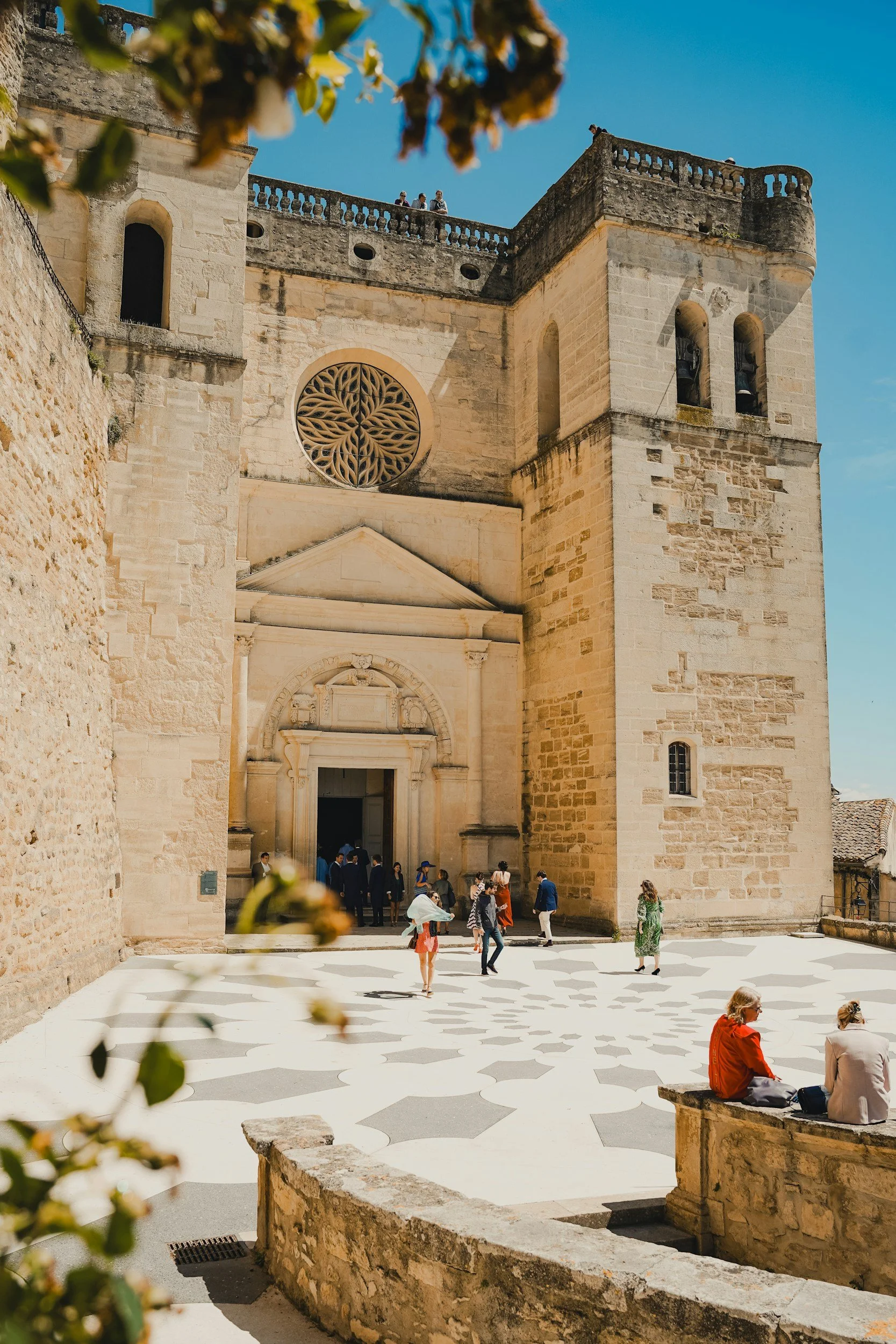
Le Poët-Laval: One of the Quietest Villages in Drôme Provençale
Le Poët-Laval sits just above Dieulefit, on the edge of the Jabron Valley, and it’s one of those villages you don’t just pass through… you arrive and stay a while. It’s officially listed as one of Les Plus Beaux Villages de France, but it doesn’t feel staged or overly restored. It still feels like a place people live.
The old village is built in layers. You enter from below and slowly work your way up through narrow stone lanes, past worn wooden doors, climbing roses, and uneven steps that lead you higher towards the château. Near the top, the Château des Hospitaliers and the old Protestant temple mark the highest point, with wide views across the valley. It’s especially quiet here in the morning, before anyone else arrives.
There aren’t many shops, which is part of the appeal, but there are a few places worth knowing. Just below the village, Le Café des Vignerons in Dieulefit is where locals go - simple terrace, good coffee, and a relaxed pace that doesn’t change much throughout the day. If you want something more like a long lunch, Le Poët-Laval restaurant at La Ferme Chapouton serves seasonal dishes using local produce, often under the trees on their shaded terrace.
Staying at La Ferme Chapouton works well if you want that balance between access and space. It’s just a short walk up into the old village, but far enough away that evenings feel quiet. The rooms are simple and comfortable rather than styled, with thick walls that keep things cool. Breakfast is served outside when the weather allows, and here you have fresh bread, local jams, and coffee you’ll want to sit with for a while.
From the hotel, you can step straight onto walking paths that lead out into the hills around Dieulefit. One of the easiest routes is towards Souspierre, passing through woodland and open clearings with views back towards the village. You don’t need a map for shorter walks, but it’s worth downloading an offline route if you plan to go further.
If you’re here in summer, check if the open-air cinema (cinéma en plein air) is running in the village square. It’s very low-key - folding chairs, a simple screen, and people arriving just before sunset with drinks and snacks. It’s one of those small local things that makes the stay feel different from anywhere else.
Before heading back for the evening, stop by one of the small artisan shops near the chapel. You’ll find handmade soaps from the region, linen textiles, and ceramics that reflect the area around Dieulefit, which has a long tradition of pottery.
If you’re visiting in summer, you might also want to look into lavender fields in Provence without the crowds, which focuses on areas that still feel calm even during peak season.
How to get there: Take the train to Montélimar (on the main line between Lyon and Avignon), then continue by taxi or rental car for about 25 minutes. If you want to explore nearby villages like Dieulefit or Grignan during your stay, having a car makes things much easier.
If you’re looking for more places like this, there are more guides on the site with similar villages and stays across France and Europe.
If you want more places with a similar feel, these quiet market towns in Provence are a good place to start.
Or, if you’re planning a slightly longer trip, this guide to French towns worth staying in for 3–5 days focuses on places that are easy to settle into rather than rush through.
You can also combine this region with nearby destinations - these small towns near Marseille by train are an easy addition if you’re travelling further south.
Airbnb-Style Stays with Stone Cottage Soul
If you’re looking for that lived-in, stone cottage feel (thick walls, wooden shutters, a table outside for slow mornings), you’ll find it easily in Drôme Provençale. A lot of the best places aren’t traditional hotels. They’re small rentals, converted farmhouses, or guesthouses run by people who live nearby.
Many of these homes were never designed as rentals to begin with, which is why they feel different. You’ll notice it straight away. Low ceilings, uneven floors, heavy wooden doors, and kitchens that are simple but actually usable. In summer, the thick stone walls keep the heat out surprisingly well, so you don’t always need air conditioning.
If you’re browsing Airbnb (or similar sites), it’s worth searching by village name rather than region. Try “Mirmande,” “Grignan,” or “Le Poët-Laval,” then zoom in on the map instead of scrolling the main results. The best places are often slightly outside the centre, tucked into the hillside or set among vineyards, and they don’t always show up at the top.
A few things to look for when booking:
outdoor space (even a small terrace makes a big difference here)
thick stone construction (keeps it cool in summer)
proximity to a village you can walk into
reviews that mention quiet, not just “beautiful”
In places like La Garde-Adhémar or Mirmande, hosts are often nearby, and the experience feels more personal than transactional. It’s not unusual to arrive and find a loaf of bread on the table, or a handwritten note pointing you towards the nearest market or bakery.
If you’re planning to move around a bit more, these castle towns in southern France you can reach by train are a good option if you don’t want to rely entirely on a car.
If you want a bit more comfort, there are also small guesthouses that sit somewhere between a rental and a hotel. Places like Les Esplanes or La Ferme Chapouton offer that same stone cottage setting, but with extras like a pool, breakfast, or someone on hand if you need recommendations.
These are the kinds of places you remember for small reasons. Opening the shutters in the morning and hearing nothing but birds. Walking down to the village before it fully wakes up. Cooking something simple in the evening because it just feels easier than going out.
FAQ: Planning a Stay in Drôme Provençale
Where is Drôme Provençale in France?
Drôme Provençale is in the southeast of France, just north of Provence. It includes areas around Montélimar, Grignan, Nyons, and Dieulefit. You get the same landscapes as Provence (lavender, vineyards, stone villages) but with fewer visitors.
Is Drôme Provençale worth visiting instead of Provence?
Yes, especially if you want something quieter. It has the same style of villages and markets as Provence, but without the same level of tourism. It’s easier to find accommodation, restaurants are less busy, and the overall pace is slower.
What are the best villages to stay in Drôme Provençale?
Mirmande, Grignan, La Garde-Adhémar, and Le Poët-Laval are some of the best places to stay.
Mirmande: small and very quiet
Grignan: more cafés, shops, and a weekly market
La Garde-Adhémar: calm, structured, with garden views
Le Poët-Laval: more remote, good for walking and staying off-grid
If you’re unsure, Grignan is usually the easiest base.
Do you need a car in Drôme Provençale?
In most cases, yes. You can reach towns like Montélimar, Pierrelatte, and Loriol-sur-Drôme by train, but villages are spread out. If you want to visit markets, wineries, or nearby villages, a car makes the trip much easier.
When is the best time to visit Drôme Provençale?
Late May to early July and September are ideal. You’ll get warm weather, active markets, and fewer people around. July and August are hotter and slightly busier, but still quieter than most of Provence.
What are the best markets in Drôme Provençale?
The Thursday market in Nyons is one of the best-known, especially for olives and olive oil (AOP Nyons). Grignan has a good Friday market, and most villages have smaller weekly markets with local produce, cheese, and bread.
What kind of accommodation should you book in Drôme Provençale?
Stone cottages, small guesthouses, and Airbnb-style rentals work best. Many are converted farmhouses or village homes with thick walls that stay cool in summer. Staying just outside a village often gives you more space and quieter evenings.
Is Drôme Provençale crowded in summer?
Not in the same way as Provence. July and August are busier around markets and weekends, but most villages stay relatively calm, especially in the afternoons and evenings.
How many days do you need in Drôme Provençale?
At least 3–4 days, but a full week works better. The area isn’t about seeing a lot — it’s about staying in one place and settling into the rhythm.
Can you visit Drôme Provençale without speaking French?
Yes, but it helps to know a few basic phrases. In smaller villages, English isn’t always common, especially in bakeries and markets.
What is Drôme Provençale known for?
It’s known for olive oil (especially from Nyons), lavender fields, vineyards, and small stone villages. It’s also a good area for walking, cycling, and visiting local markets.