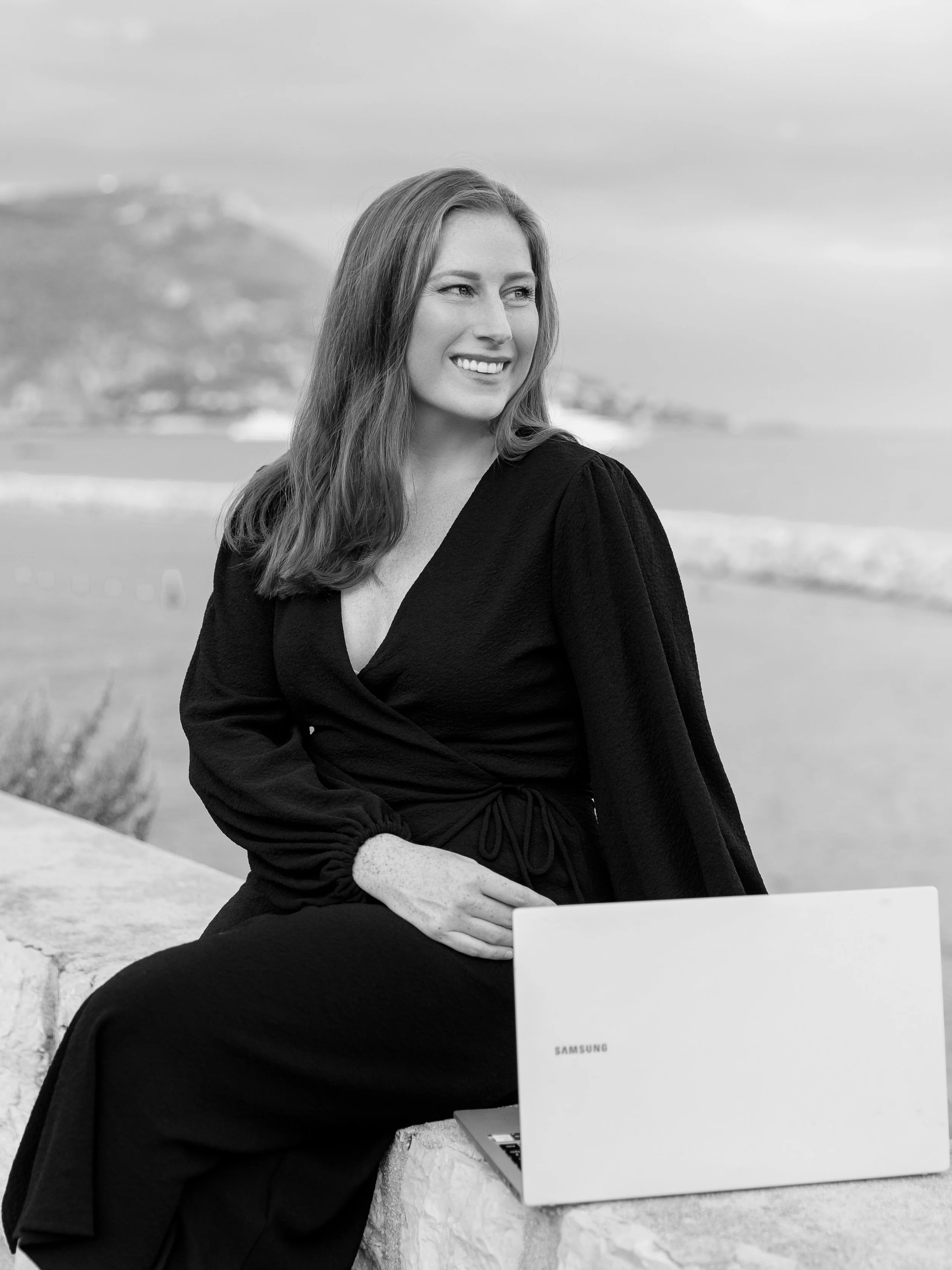
These parts of rural France never feel like they're waiting for tourists
The easiest way to spot it is through the things no one bothers to dress up. Everyday life shows itself without trying, and once you know what to look for, it’s hard to miss.
In towns like Saint-Antonin-Noble-Val, Lalinde, or Bourbon-l’Archambault, things don’t change much with the seasons. The pharmacy keeps its weekday hours because people rely on it. The bakery opens early every morning and closes when it always has, not when it suits visitors. There’s usually one supermarket everyone gravitates toward, often on the edge of town, functional rather than attractive, busy at predictable times because it’s where people actually shop.
What stands out most is the way people move through these places. Basically, no one is browsing without purpose. Someone parks half on the pavement to grab a few things and is back in the car in minutes. A parent rushes in for snacks after school. Someone else picks up screws, batteries, and dog food in the same stop because that’s how errands work here. It feels practical, slightly rushed, and completely unremarkable in the best possible way.
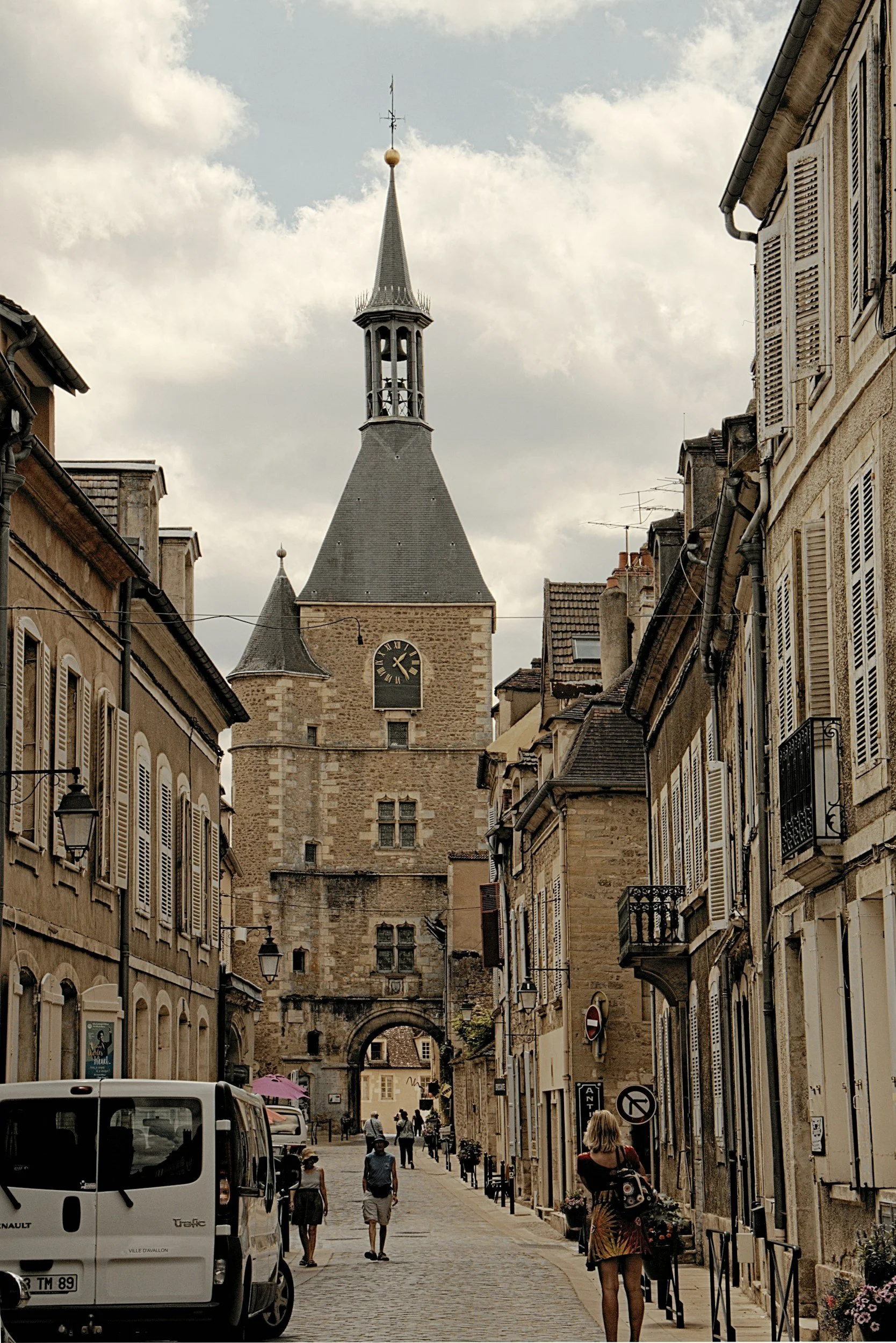
That ordinariness is what makes these places so easy to stay in. A few days in Beaulieu-sur-Dordogne or Avallon outside summer doesn’t require planning or constant checking. Mornings can be slow, afternoons fall into familiar patterns, and the days start to repeat in a way that feels calming rather than empty. You can write, cook properly, take the same walk each day, and let time pass without having to organise your life around limited opening hours.
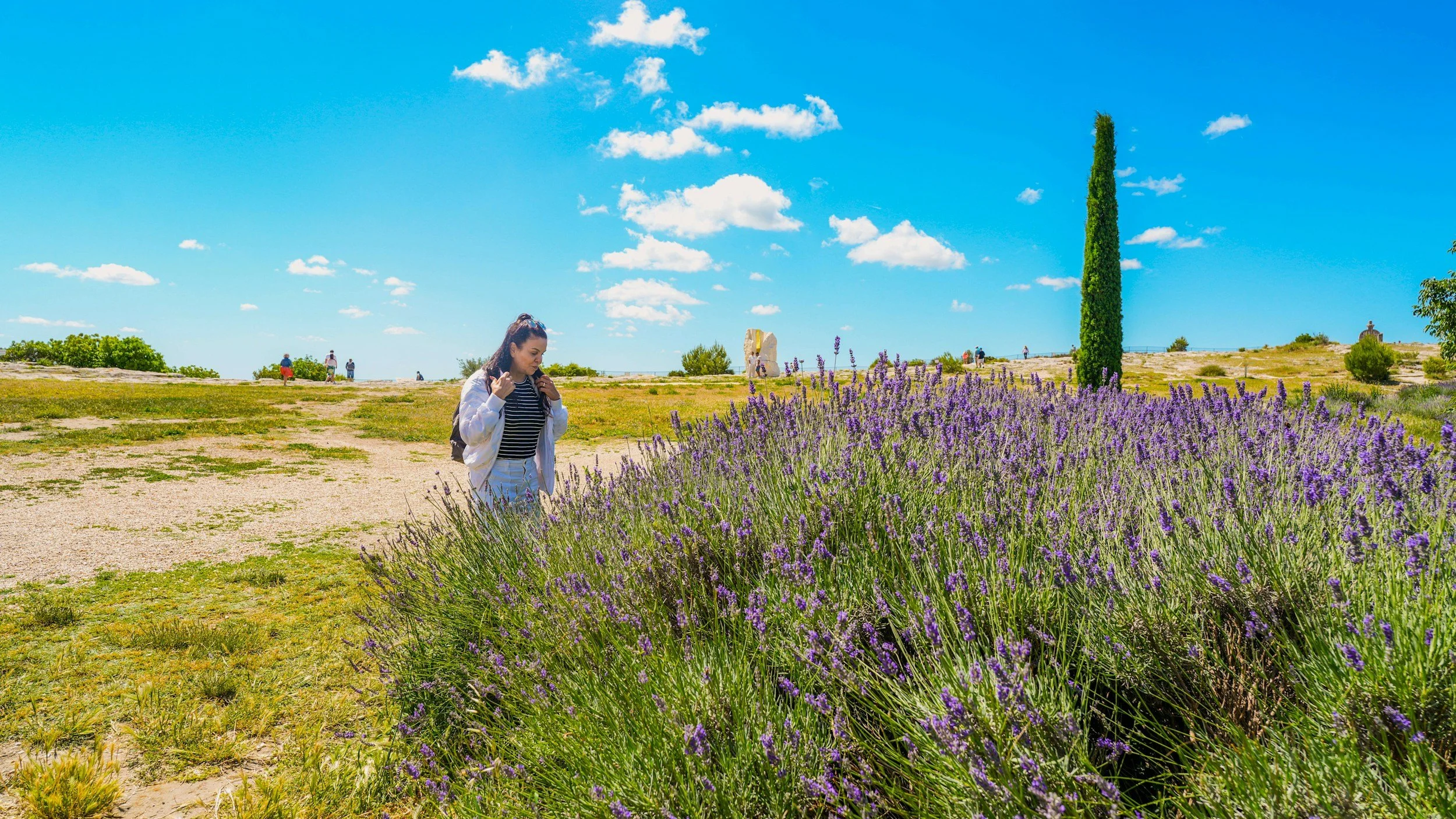
Open shutters, school drop-offs, market mornings in February
France does charm very well, but charm isn’t the same thing as daily life. February is when the difference becomes obvious.
In towns such as Espalion or Le Vigan, winter mornings are quiet but still purposeful. Shutters open early, one after another. Cars come and go around school drop-off times. The bakery is busiest before nine, filled with people buying the same bread they buy every day, already thinking about the rest of their morning. No one hangs around. No one treats it as an outing.
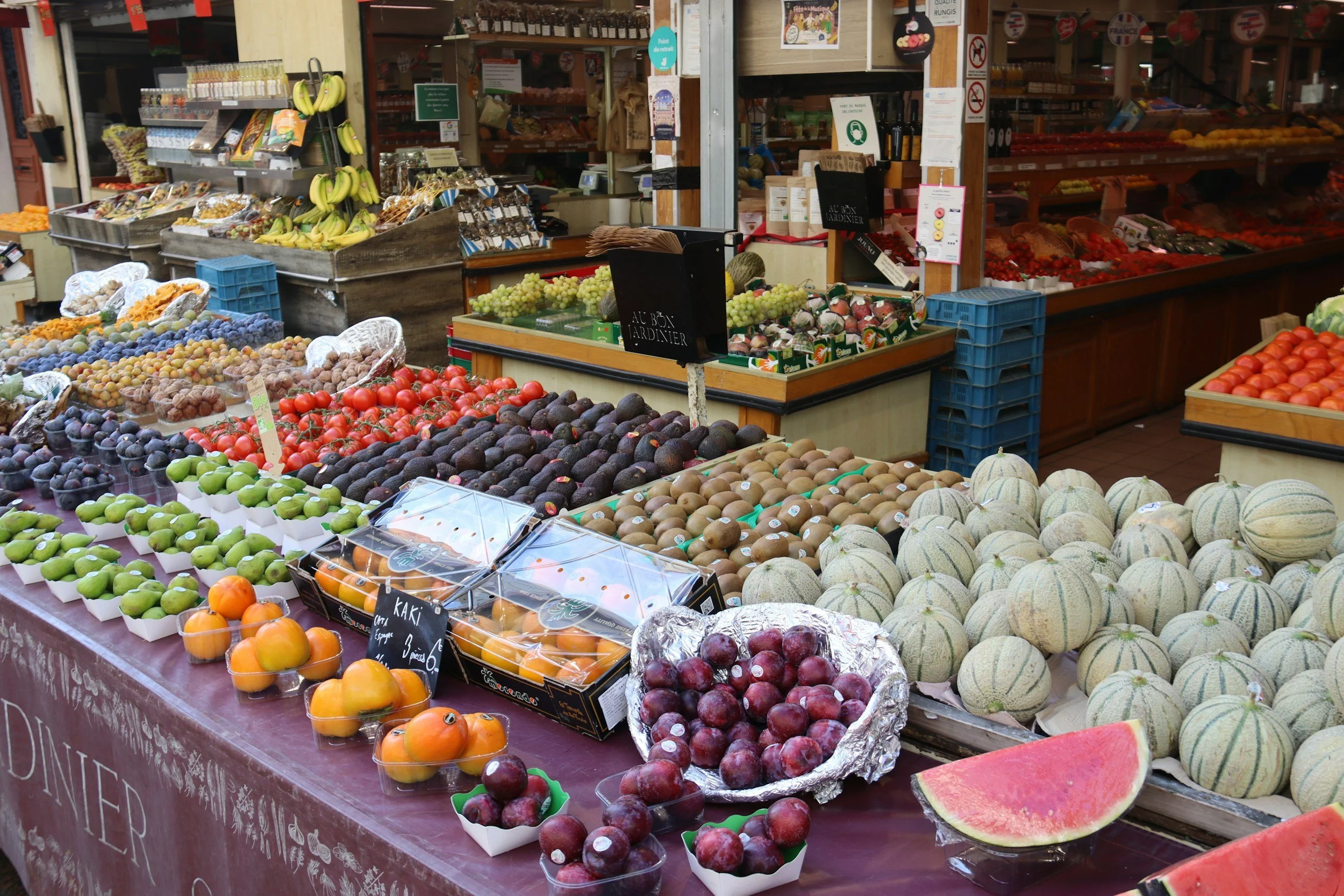
Markets tell the same story. In Lectoure, the winter market is smaller than in summer, but it doesn’t disappear. The focus shifts. Fewer decorative stalls, more food meant for cooking at home. Crates of apples and pears. Mushrooms when the season allows. Cheeses wrapped properly, ready to be carried home rather than tasted on the spot. In places like Cajarc, winter brings more poultry and charcuterie, simply because that’s what people cook when evenings are long and dark and meals stretch out.
If rural France appeals to you in theory but you’ve found yourself uncomfortable in villages that feel preserved rather than lived in, this is usually the atmosphere that works. It’s quieter, yes, but it feels used, and that makes all the difference.
Cafés with regulars, not seasonal menus
Cafés usually confirm it, as long as you’re not drawn to the most photogenic one on the square.
In towns like Montbard, Langogne, or Auzances, there’s often one café that never really changes. The same people sit at the bar most mornings, sometimes talking, sometimes not. A small group stays longer than intended because no one is watching the clock. Coffee is straightforward. Lunch exists because people nearby need to eat, not because anyone is trying to create a moment.
The menu is simple and predictable. The plat du jour is filling and familiar. It stays open in November because closing wouldn’t make sense for the people who rely on it. Walking in feels natural, like joining something that’s already in progress rather than stepping into a place that’s waiting for you.
This matters more than most people realise. It’s the difference between “a beautiful village” and “a place you can actually be in.”
Why staying closer matters more than picking the prettiest place
Distance is usually the detail that decides whether a countryside stay feels relaxed or quietly exhausting, especially outside summer.
Rural France can look endless on a map, but the places that keep functioning year round are rarely far removed from everyday infrastructure. They tend to sit within reach of a regional city, not because anyone wants city life nearby, but because that’s where hospitals, secondary schools, administrative offices, and steady work are based. That proximity keeps the surrounding countryside alive when nothing is being put on display.
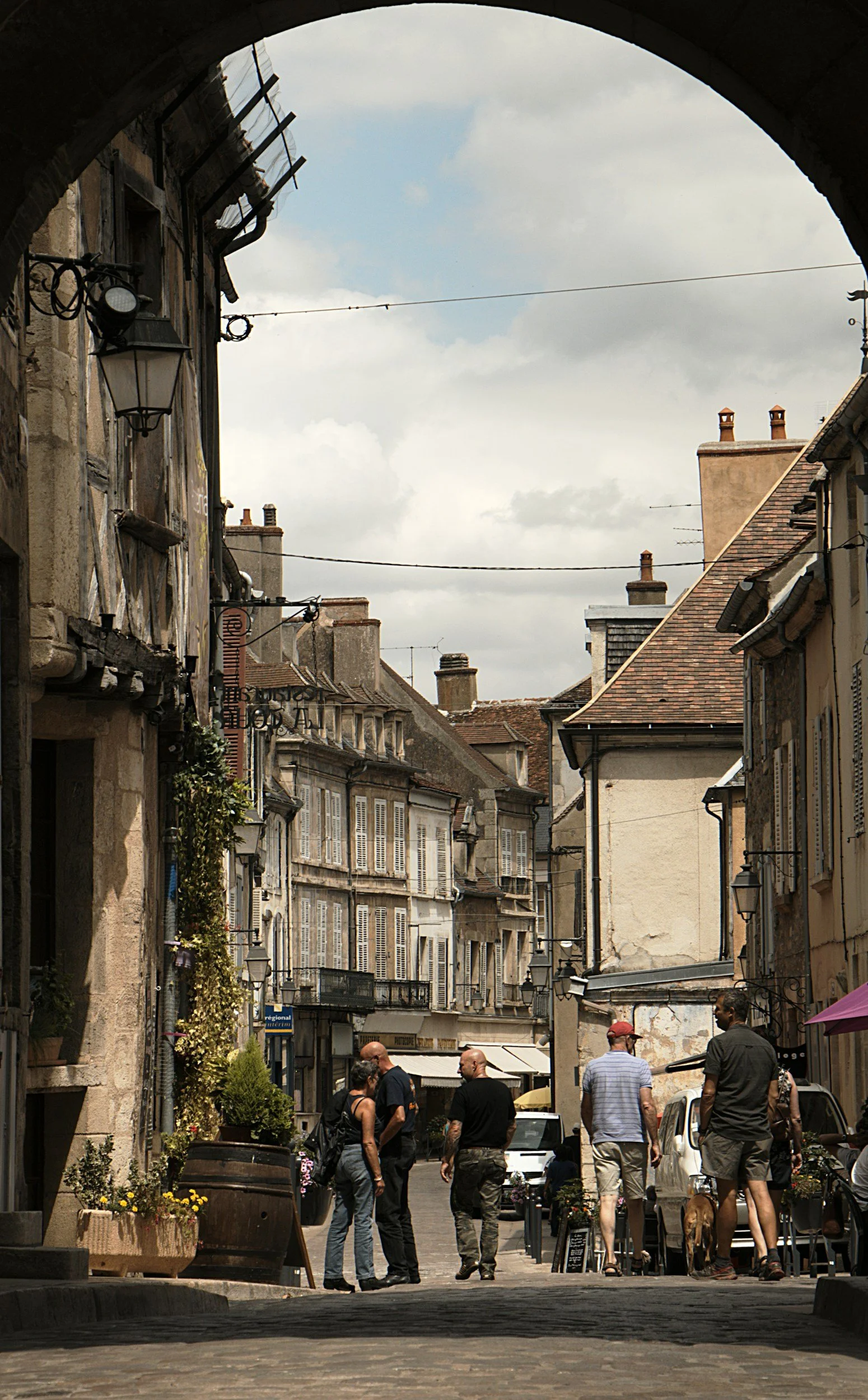
From Paris, this often means looking beyond the obvious weekend zones and focusing instead on places that are still comfortably reachable without feeling close. Areas around Auxerre or Avallon sit roughly two hours by train from Paris and feel very different from the capital once you arrive, yet they remain practical enough to function through winter. The same logic applies further south. From Toulouse, towns within an hour or two in Aveyron or Tarn often feel settled rather than seasonal. From Lyon, parts of northern Burgundy or the quieter edges of the Massif Central follow the same pattern.
Being within this kind of distance doesn’t make the countryside busy or suburban. It simply removes friction. You can arrive without it feeling like a small expedition. Buying groceries doesn’t require planning the day around it. There’s usually at least one café open midweek. If you miss a bus or train connection, it’s inconvenient rather than trip-derailing. The place continues to work, even when nothing special is happening.
If this way of travelling feels familiar, you might also recognise it in Moustiers-Sainte-Marie in spring. It’s a place many people only see in high season, but outside summer the village settles back into itself. Shops open for locals, mornings are slower, and the landscape feels something you live alongside rather than move through.
Places that locals commute from, not escape to
Commuting is one of the most reliable signs that a countryside area hasn’t slipped into being seasonal.
In regions where people live in villages and travel into nearby towns for work, daily life holds together in quiet ways. Schools stay open because families are there all year. Grocery shops survive because they’re used regularly, not just on weekends. Municipal services keep running because there’s a steady population relying on them.
You can often feel it early in the morning. A low, predictable wave of cars heading in the same direction. The bakery busiest before nine. The sense that the day has already started before you’ve finished your coffee. It doesn’t feel leisurely or staged. It feels weekday-normal.
When choosing a base, this is where it often pays to be slightly unsentimental. A village within twenty or thirty minutes of a practical town may not look perfect in photos, but it’s far easier to live in. You trade a bit of visual drama for a place that doesn’t empty out once the weather turns or the season ends, which, if you’re staying longer or travelling outside summer, usually makes the difference between feeling settled and feeling slightly stranded.
Regions close enough to keep services running
Services aren’t the part anyone gets excited about, but they’re what decide how your days actually feel once you’re there.
You notice it quickly when they’re missing. A place can look incredible and still feel oddly tiring if every grocery run turns into a 40-minute drive and a bit of guesswork. You start planning meals around logistics instead of appetite. You hesitate before heading out because you’re not sure what will be open when you get back. The beauty stays, but it stops carrying the weight of daily life.
Other regions don’t look very special at first glance, but they’re far easier to settle into. There’s a market town close enough that you can pop in without thinking about it. A pharmacy that’s part of your normal route. One or two cafés that are open often enough that you don’t check before going. A small supermarket that quietly does its job and saves you from overplanning. Nothing flashy, just enough to keep things moving.
Southwest France beyond postcard villages
Gers without the wine tourism focus
The Gers usually gets wrapped up in wine routes and summer markets, which makes it sound busier and more polished than it actually is most of the year. Once you strip that away, what’s left is much quieter and, honestly, easier to spend time in.
This is a part of southwest France made up of farmland, low hills, and small towns that aren’t trying to impress anyone. Walking here isn’t about viewpoints or photo stops. It’s about heading out after breakfast, following a quiet road, cutting through fields, and ending up back in town without really thinking about where you’re going. Winter mornings can feel cold and a bit damp, but not in a way that shuts the day down. By late morning, it’s usually fine to be outside, and the days unfold without much resistance.
The places that feel most alive aren’t the villages people stop to photograph. They’re the towns where people still do their weekly shop, where the market is there because it always has been, and where nobody treats errands as an experience. Staying near one of those towns makes everything simpler. You shop once or twice a week, cook most evenings, drive short distances without planning them, and let the days repeat. That repetition is the appeal.
Where you stay matters here, but not in an aesthetic sense. Small town hotels that locals also use for family lunches or gatherings tend to work well. So do guesthouses just outside town that feel properly lived in, with warm rooms and breakfasts that aren’t trying to be anything special. Heating is worth paying attention to outside summer. Stone houses look romantic until you realise you’re cold all the time.
Tarn-et-Garonne market towns with weekly routines
Tarn-et-Garonne doesn’t come with much hype, which makes it easier to understand once you arrive.
Life here still runs on the week, not the season. Market day is market day because people need food. Bakeries are busiest early and slow down by lunchtime. Cafés have the same faces coming through the door, often at the same times. Nothing feels staged, and nothing suddenly disappears when summer ends.
Days tend to organise themselves without much effort. You go to the market in the morning, stop for bread on the way back, sit down somewhere familiar for coffee, and let the afternoon stretch out. Maybe a walk, maybe a short drive, maybe just time at home. Dinner comes from whatever you bought earlier. There’s no sense of needing to fill the day or make it feel productive.
Being close enough to Toulouse helps in quiet ways. Transport still runs. A few restaurants stay open through winter. Accommodation doesn’t dry up the moment the season changes. It stays calm, but it doesn’t feel precarious.
A similar sense of everyday calm shows up in Montolieu. It’s small, bookish, and quietly functional, the kind of town where cafés keep their regulars and days don’t need much structure to feel full. It works especially well if you’re staying longer than a weekend and want somewhere that doesn’t switch personalities.
Farming cycles that shape daily life, not visitors
In this part of the southwest, farming isn’t something that’s put on display. It’s just there, woven into how the place works.
You notice it without trying. Tractors moving slowly along the road in the middle of the day. Farm supply shops doing steady business. Conversations in cafés drifting toward the weather, the state of the fields, whether it’s been too wet or too dry, rather than what’s happening this weekend. The market changes with the season because it has to. What shows up on the tables depends on what’s being grown and what’s ready, not on what looks good to passersby. Restaurant menus shift quietly too, because ingredients change and everyone seems to accept that without comment.
If you’re there in autumn or winter, the days tend to fall into step with that rhythm. Mornings start slowly because there’s no reason to rush. Lunch stretches out because people have time. You shop with the season in mind, cooking food that makes sense for colder evenings. Nothing feels planned around entertainment, and that’s often why the days feel better than expected. You sleep longer, eat more regularly, and head home with the feeling that your body finally caught up with itself.
Burgundy without the vineyard hype
Northern Burgundy villages between Auxerre and Avallon
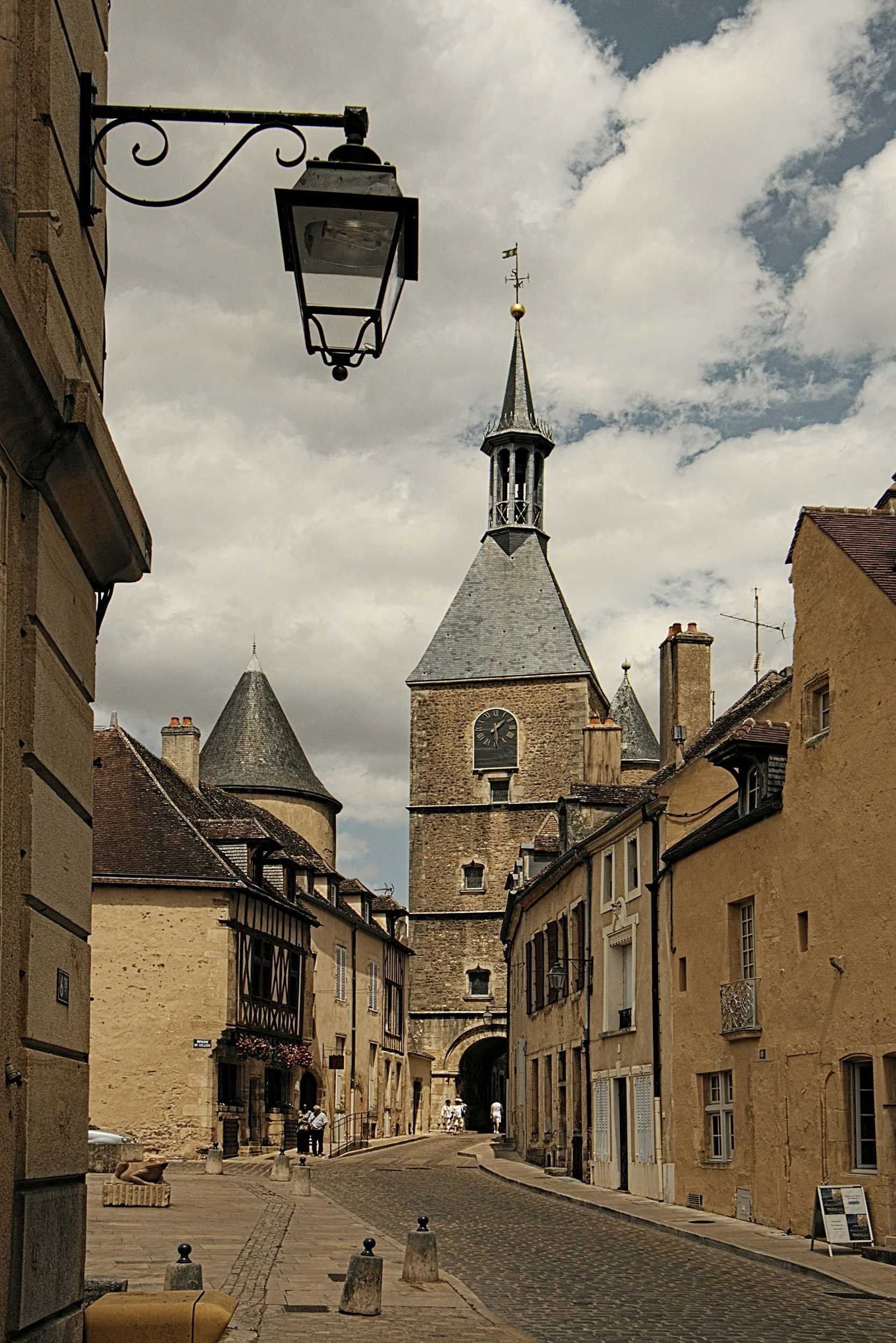
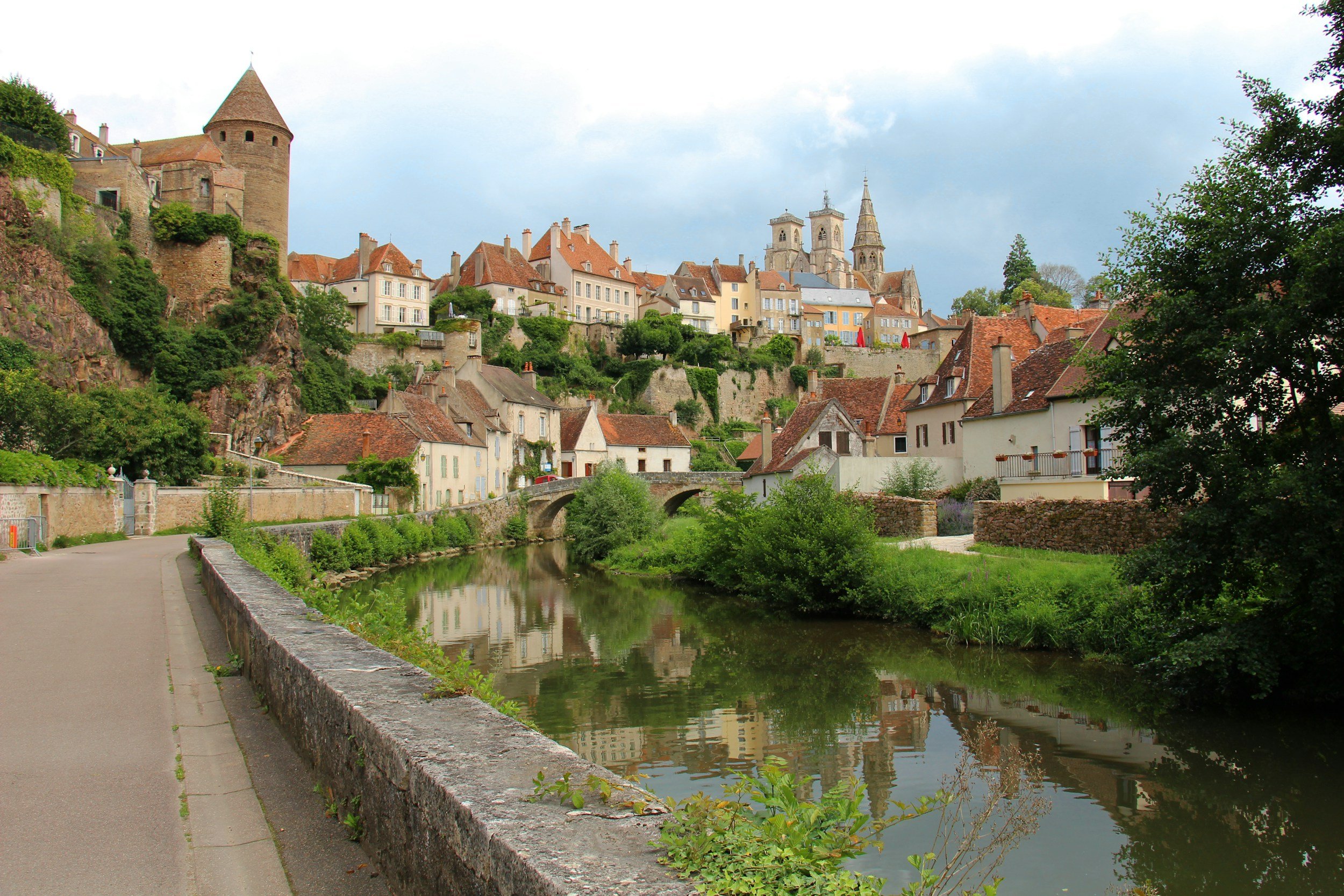
Most people think of Burgundy as vineyards, tastings, and places that feel slightly dressed up even on a quiet weekday. The stretch between Auxerre and Avallon feels different once you spend real time there. It’s less about presentation and more about getting on with the day.
This part of Burgundy is made up of small roads, patches of forest, and towns that feel lived in rather than restored. In winter, mornings are often grey and slow to start, with a bit of mist hanging around until mid-morning. By then, things loosen up. Cafés open as usual. People head out for errands. You can walk without needing a destination, loop back into town, and still feel like you’ve been out long enough. It suits days with a gentle structure: coffee somewhere familiar, a short drive to a market town like Noyers-sur-Serein or Vézelay, an afternoon walk, dinner at home, and maybe one evening out somewhere simple and well run.
What makes this area easy to stay in all year is how many small towns still function normally. Between Auxerre and Avallon, you’re rarely far from a place with a proper grocery shop, a pharmacy that keeps weekday hours, and more than one café that stays open even when it’s cold. You’re not depending on a single restaurant or a village that only wakes up in summer. There’s enough choice that a closed door doesn’t derail the day.
Where you stay shapes the experience more than the exact village name. Outside summer, small hotels in town tend to work better than isolated rentals. You can step out in the morning for bread, sit down for coffee without planning a drive, and keep your days compact. These are often places locals use too, for family meals or overnight guests, which shows in how they’re run. Comfortable rooms, decent heating, quiet nights, and a feeling that you’re staying somewhere meant to be used, not admired from the outside.
Small towns along the Canal de Bourgogne
Canal towns work well outside peak season for a very simple reason: they weren’t created to entertain anyone. They exist because things needed to move through them, and that history still shapes how they feel day to day.
In places like Montbard, Pouilly-en-Auxois, or Venarey-les-Laumes, life doesn’t stop when the boats leave. The towpaths stay open and make for easy, flat walks, especially nice on cold days when you want to move without committing to a hike. The water is still there, quiet and steady, and the towns keep running because they’re connected to something larger than tourism.
Some of these places can feel sleepy, especially midweek in winter, but not empty. There’s usually a bakery that opens early, a small supermarket everyone relies on, and a bar-tabac where you’ll see the same people come and go throughout the day. You don’t have to search for life. It’s just happening at a low volume.
If you want somewhere that feels calm without feeling cut off, this stretch of Burgundy tends to get the balance right. You can walk straight out of town, come back for lunch, and still feel like you’ve been outside long enough. You’re not isolated, but you’re also not surrounded by noise.
Where to stay is usually straightforward here. Small hôtel-restaurants that stay open because locals use them as much as visitors tend to work best. They host business travellers during the week, family meals on weekends, and the occasional guest passing through. Rooms aren’t styled for photos, but they’re warm, quiet, and practical. Dinner is available if you don’t feel like going out again, and breakfast happens without fuss. It feels like staying somewhere that has a reason to exist.
How winter life in small French towns follows local routines
Burgundy is also a place where daily schedules are easy to notice once you slow down.
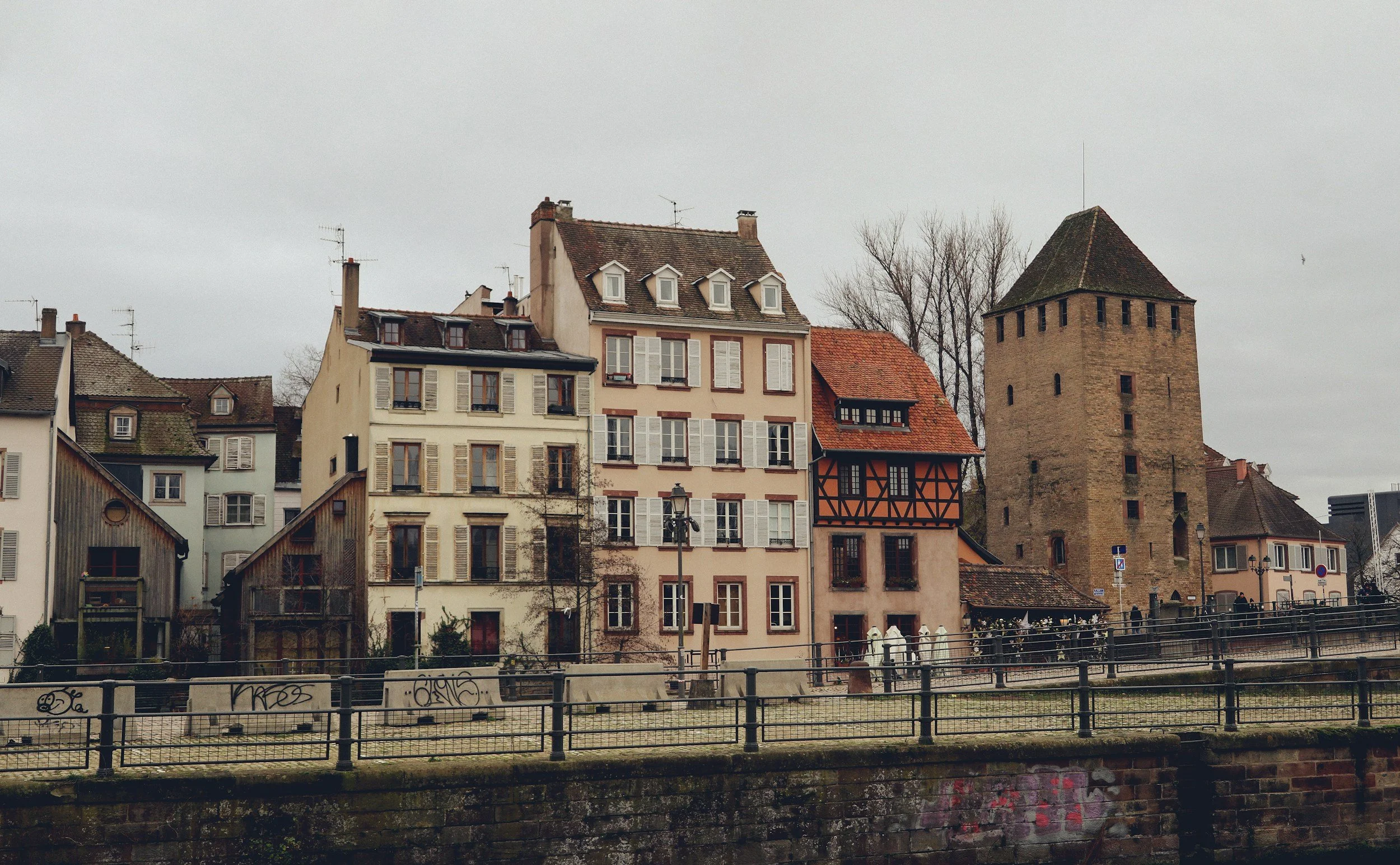
Outside the cities, school hours, town hall days, and shop routines shape everything. If you stay longer than a weekend, you start to feel it without trying. Mondays are subdued. Midweek feels focused and efficient. Weekends are when locals have time to sit longer over coffee or do a proper shop. Markets land on the same day they always have, because that’s what works for the area, not because it suits visitors.
Shops close when they close, and they mean it. Lunch breaks are taken seriously. Nothing bends itself around convenience. Once you stop resisting that, the days become easier. You stop rushing. You plan loosely. You settle into a rhythm that feels closer to everyday life than to travel.
If you like the idea of being somewhere without constantly doing something, this part of Burgundy makes sense. It’s not eventful, but it’s steady, and that steadiness is what allows you to relax into it.
If you’re more drawn to having a base in the countryside itself, Drôme Provençale cottage stays look at places where accommodation is set up for real life rather than short visits. Warm interiors, usable kitchens, and villages nearby that still function outside peak season make all the difference here.
The quiet interior of Occitanie
Aveyron valleys with year-round grocery stores
Aveyron works well when you want countryside that doesn’t feel fragile the moment summer ends.
What helps is that it’s not made up of postcard villages alone. There are proper towns, spread out through the valleys, where people live, work, shop, and send their kids to school all year. Places like Espalion, Saint-Affrique, or Decazeville don’t rely on visitors to stay open. Life continues because it has to.
The landscape plays a role too. Valleys that feel wide and open without being dramatic. Roads that are easy to drive without turning every outing into a plan. Walking feels natural here, especially outside summer, because you don’t need to chase views or tackle anything ambitious for it to feel worthwhile. You step out, move for a while, and come back.
If you’re visiting outside peak season, staying close to one of these towns changes everything. You notice it immediately. Grocery stores with normal hours. Markets that still run weekly. At least one café where you can sit down without feeling like you’re disturbing a scene. The days start to feel straightforward rather than tentative.
Places to stay here tend to favour comfort over design. Converted farmhouses that are properly heated. Small town hotels where you can walk to dinner and not think about driving again that evening. It suits travellers who like quiet mornings, long breakfasts, time to read or write, and afternoons that don’t need filling. Aveyron doesn’t ask for much, and that’s exactly why it works.
Stone villages where cafés stay open all winter
Occitanie is full of stone villages that look beautiful in summer. Fewer of them stay active once the season changes.
The ones that matter for this kind of trip are easy to spot once you arrive. The café is open on a random weekday in November. The bakery keeps normal hours. People walk in and out without checking a sign on the door first. That alone tells you more than any description ever could.
Villages like Cajarc or Najac stay alive because they’re connected to nearby towns where people work and shop. That link is what keeps them from turning into holiday shells. It’s not a compromise. It’s the reason they function.
Weather that allows walking most of the year
Occitanie is a big region, so the weather isn’t the same everywhere, but once you’re away from the coast and higher mountains, the interior tends to settle into something very workable for most of the year.
You’ll still get cold snaps and rainy days, especially in winter, but they usually come and go rather than taking over completely. It’s rarely the kind of winter where weeks disappear into darkness and drizzle. More often, there’s a stretch of grey, then a clear day, then something mild enough that you can head out without gearing up. That makes a difference when you’re staying somewhere rural, because walking doesn’t turn into something you have to plan or postpone.
In places like the Aveyron or the quieter parts of the Lot, it’s normal to head out after lunch, walk for an hour or so, and be back before it gets cold again. Not a hike, not a “route,” just moving through fields, along a river, or on a road you’ve already walked once before. It’s the kind of movement that fits into the day instead of taking it over.
If part of the reason you travel is to feel better physically, not to tick off activities, this kind of weather matters more than scenery. Walking stays realistic. You’re not constantly checking forecasts or bracing yourself. You just look outside, decide it’s fine enough, and go. Over a few days, it starts to feel like normal life rather than something you’re trying to make happen.
Central France where everyday life still sets the pace
Villages here feel like they exist because people live in them, not because anyone decided they’d photograph well. Around places like Guéret or Aubusson, daily life moves at a low volume. Shops open when they always have. Streets can feel quiet, sometimes very quiet, but not abandoned. There’s usually a sense that people are home, just indoors getting on with things.
That sparseness isn’t for everyone, and it’s better to be honest about that before you go. If you like choosing between several restaurants each evening, Creuse will feel limiting. If you’re comfortable cooking most nights, eating earlier, and filling evenings with reading or long conversations, it can feel unexpectedly settling. The lack of stimulation starts to work in your favour after a day or two.
Staying well matters here. Creuse has a lot of year-round chambres d’hôtes and gîtes run by people who actually live nearby, which makes a difference in winter. Heating works properly. Rooms are set up for cold evenings. Breakfast feels like part of someone’s normal routine, nothing special. When you get it right, the stay feels calm and warm in a very literal sense, not styled or themed, just quietly comfortable.
Allier towns with slow but steady local life
Allier is another part of central France that’s often skipped over, which makes it easier to spend time in without feeling like you’ve arrived late to something.
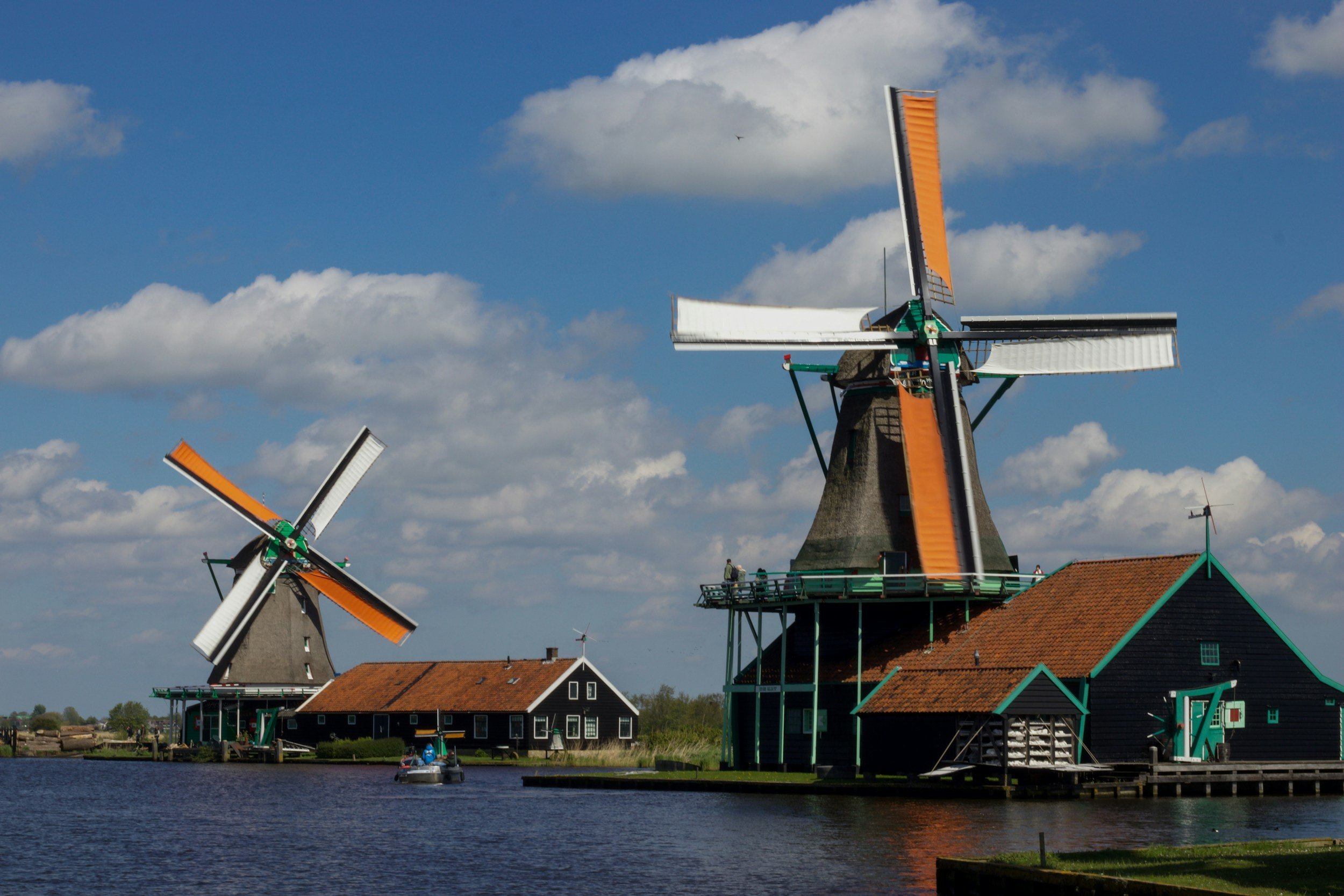
The sense of daily life here sits more in the towns than in the smallest villages, and that’s not a drawback. Towns like Moulins or Montluçon give you just enough structure to keep days simple. You can walk out for coffee in the morning, plan around market day, drive short distances without thinking about it, and come back in time for a long dinner.
Nothing here pushes for your attention. There’s no sense of needing to “make the most” of the day. You fall into a rhythm instead. A café you go back to. A familiar walk. A slow loop through the countryside that you repeat because it’s easy.
Accommodation that works well in Allier tends to be modest and well run rather than impressive. Small town hotels with quiet rooms, decent bedding, and breakfasts that happen without fuss. Places locals also use when family comes to stay. They don’t stand out online, but they’re comfortable in the way that actually matters when you’re there for more than a night or two.
French regions that feel quiet but are still easy to reach
What works about central France is that it sits in a very practical in-between. You’re far enough from the main routes that people don’t end up there by accident, but not so far out that getting in or out turns into a whole operation.
That’s where distance starts to matter in a very ordinary way. Being roughly a couple of hours from a regional city means you can arrive in one go, without juggling connections or planning your day around transport. At the same time, you’re removed enough that daily life isn’t shaped around visitors. Shops open because locals need them. Cafés fill and empty on their own schedule. Nothing is waiting for an audience.
If you’re drawn to places that feel settled rather than put on, this is usually where they are. Not hidden, not remote, just slightly out of the way. Close enough to function, far enough to stay itself.
The Lot Valley has much of the same feeling. Market towns anchor the week, the river shapes the landscape, and daily life continues without much fuss. It’s a region that doesn’t need perfect weather or full calendars to feel complete.
Weather that doesn’t shut life down
What works about central France is that it sits in a very practical in-between. You’re far enough from the main routes that people don’t end up there by accident, but not so far out that getting in or out turns into a whole operation.
That’s where distance starts to matter in a very ordinary way. Being roughly a couple of hours from a regional city means you can arrive in one go, without juggling connections or planning your day around transport. At the same time, you’re removed enough that daily life isn’t shaped around visitors. Shops open because locals need them. Cafés fill and empty on their own schedule. Nothing is waiting for an audience.
If you’re drawn to places that feel settled rather than put on, this is usually where they are. Not hidden, not remote, just slightly out of the way. Close enough to function, far enough to stay itself.
Regions where rain changes routines, not plans
Rain is usually the moment when you understand whether a place actually works.
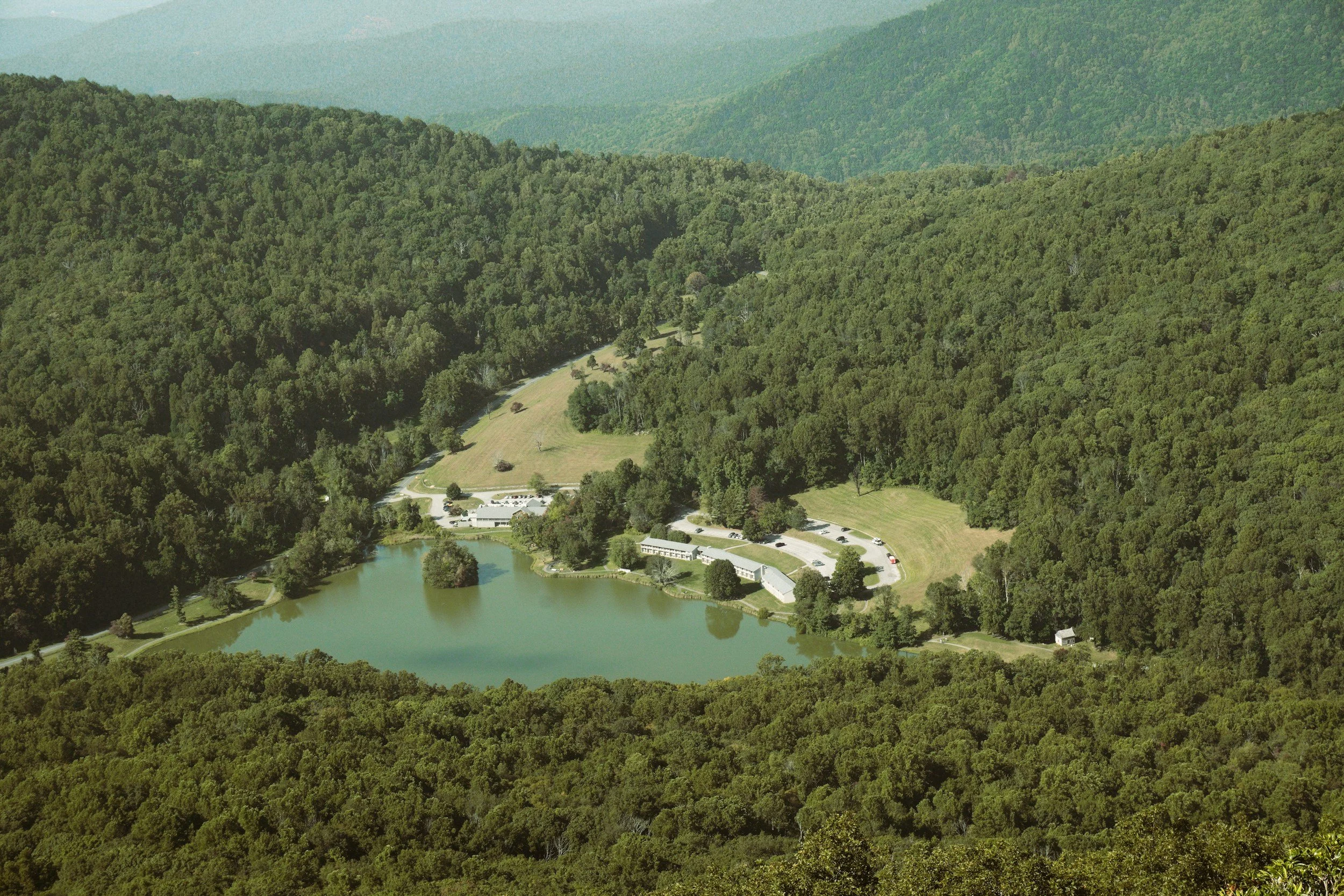
In towns that only come alive for visitors, rain empties everything out. Streets go quiet, shutters stay down, and you get the feeling that the place is on pause until the weather improves. You don’t change your plans so much as abandon them, because there isn’t much to fall back on.
In regions where people live year round, rain barely registers as a problem. People still head out to do their shopping, just a bit quicker. The café fills up inside instead of outside. Market stalls pull closer together and business carries on. The day doesn’t stop, it just shifts slightly, and you move with it without thinking too hard about it.
Most trips to rural France include plenty of mixed weather, especially outside summer. Perfect conditions are the exception, not the rule. The places that hold up are the ones where you don’t feel like you’re waiting for better weather to start enjoying yourself. You wake up, look outside, decide it’s fine enough, and get on with the day.
Seasonal food shifts that affect markets and shops
Markets are often where you see this most clearly.
In winter, they stop being about wandering around and start being about getting things done. People arrive knowing what they need. The selection narrows, but it makes more sense. Apples and pears stacked high, crates of root vegetables, jars of preserved foods, poultry, cheeses that people rely on all winter, bread that’s meant to last more than a few hours. The market might be smaller, but it feels more necessary.
This is also where regions quietly show their character. Not through stories or signage, but through habit. The cheeses everyone reaches for without hesitation. The type of charcuterie that appears week after week. The pastries that seem ordinary to locals but unfamiliar to anyone passing through. These are small details, but they stick.
If markets are something you naturally gravitate toward when you travel, it helps to stay close enough to a market town that it becomes part of the week. One regular market day is often enough to anchor everything else. The rest of the time can stay loose, even when the weather aren’t on your side.
Arriving without a car still being realistic
Train lines that locals actually use
Doing rural France without a car can work surprisingly well, but only if the place you choose isn’t built around the assumption that everyone is driving.
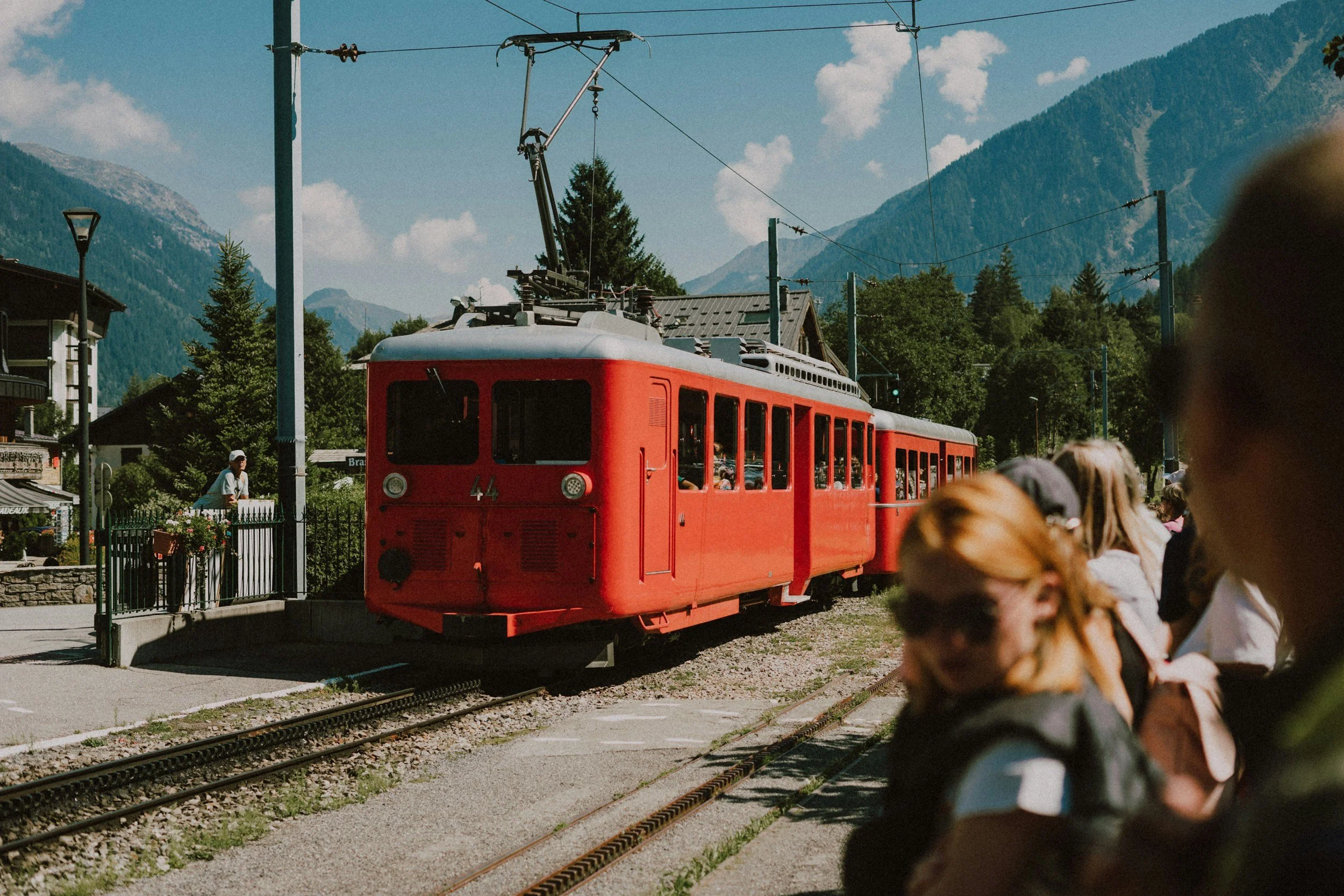
The difference usually comes down to the train line. Lines that connect regional towns tend to function very differently from routes designed mainly for visitors. If people use the train to get to work, to hospital appointments, or to reach a bigger town for errands, it keeps running all year. It might not be fast or frequent, but it’s predictable, and that’s what matters once you’re there.
Once you arrive in a regional town, things often fall into place more easily than expected. Walking covers more than you think. Local buses fill in some gaps. Taxis are used for the odd longer stretch rather than every movement. As long as you’re not trying to move between several villages every day, the lack of a car stops being something you notice.
If you’ve been thinking about car-free travel more broadly, there’s a Trippers Terminal piece that looks at this from a different angle: Which Eurail pass actually makes sense for slow regional travel in Europe. It’s not about rural France specifically, but the thinking behind it is very similar.
Regional bus routes tied to school schedules
Buses in rural France are either very useful or almost invisible, and school schedules are usually the giveaway.
If a bus exists because students rely on it, it tends to run consistently. Not often, and not late, but reliably. You learn quickly which times matter, and you plan around them without much drama. That kind of bus network exists for everyday life, which makes it far more dependable than anything labelled as a seasonal service.
It sounds like a small detail, but it changes the feel of a trip. Being able to arrive, settle into a town, and take a bus to a nearby village on market day creates a rhythm that feels natural. You’re moving because it makes sense, not because you’re trying to cover ground.
French regions that stay quiet but are still easy to reach
Walkability is often the simplest test of whether a countryside base will feel relaxed or slightly stressful, especially without a car.
If you can step out and reach a bakery, a grocery shop, a café, and maybe a pharmacy on foot, the days stay light. You’re not constantly thinking about transport or timing. You don’t need the village to be beautiful. You just need it to function.
This is where small town hotels quietly make life easier. Even in very rural areas, staying in a town rather than an isolated rental usually means fewer decisions and less friction. You walk out for bread in the morning, sit down for coffee without planning it, and keep your energy for the parts of the day that matter to you.
What a week actually looks like in small French towns
Markets only work as an anchor when they’re part of normal life.
The ones that feel right aren’t set up for browsing or atmosphere. They’re busy because people are shopping for the week. You notice baskets and trolley bags instead of phones. People move with purpose. Stallholders work quickly, barely looking up, because this is their regular day, not an event.
Once you know which day the market happens, the week starts to organise itself around it without any effort. You don’t plan much beyond that. You just know that one morning is for shopping, and everything else falls into place around it. It’s a simple way to feel settled without trying to create routines from scratch.
Post office hours, bin days, and town hall mornings
These are the details most people ignore, but they’re the ones that tell you how a place actually runs.
In towns that are properly lived in, everyone knows the schedule. When the post office closes. Which mornings the mairie is open. What day the bins are collected. You pick it up after a few days, almost without noticing, and suddenly the place feels legible.
If you’re spending time writing, resting, or just slowing down, these small routines do a lot of quiet work. They give the days a shape without filling them. You stop guessing and start moving with the place instead of around it.
When quiet feels normal, not empty
Quiet can mean very different things depending on where you are.
In some places, silence feels like something has gone missing. Streets empty out, lights stay off, and evenings feel long in the wrong way. That usually happens in places built around second homes or short stays, where life disappears once people leave.
In towns with a year-round population, quiet feels ordinary. Shops close, people go home, lights come on behind windows. Nothing dramatic happens, but nothing feels abandoned either.
If you’re unsure which version suits you, staying in a small town rather than a tiny village usually helps. You can spend the day out in the quieter spots and come back in the evening to somewhere that still feels inhabited. It’s a small choice that makes a big difference once the novelty wears off.
How you can tell a place is meant to be lived in
You can usually tell a lot just by looking around when you arrive.
In places that are mostly holiday homes, the signs are pretty obvious once you notice them. Shutters closed on most houses. Streets that feel empty outside weekends. Cars that appear on Friday night and disappear again by Sunday afternoon. It can look peaceful at first, but after a few days it starts to feel oddly flat.
In places where people actually live year round, the small details add up. Cars parked in the same spots every day. Gardens that aren’t perfect but clearly looked after. Lights switching on in the early evening. Laundry hanging from balconies. A child’s bike leaning against a wall. None of it is dramatic, but together it gives the place a pulse.
That difference matters more than you think if you’re staying longer than a short break. A village that feels charming for two nights can start to feel uncomfortable after a week if there’s no real life underneath it.
And if timing is part of what you’re thinking about, autumn in Uzès shows how a town changes once summer ends. The crowds thin out, routines return, and the place starts to feel like somewhere people actually live again.
Farmhouses that are set up for real life, not weekends
Some of the best places to stay in rural France are renovated farmhouses where the owners live nearby and use the house properly all year.
They’re not always super pretty, and that’s part of the appeal. Rooms are warm. Beds are comfortable. Heating works without you having to ask twice. Kitchens are set up for cooking real meals, not just reheating something. The hosts know which bakery closes on Mondays because they go there themselves.
If you’re after something a bit more refined without tipping into showy, small domaine-style guesthouses can work too, especially outside peak season. The ones that keep things quiet, have only a handful of rooms, and feel geared toward adults who value sleep and space over atmosphere.
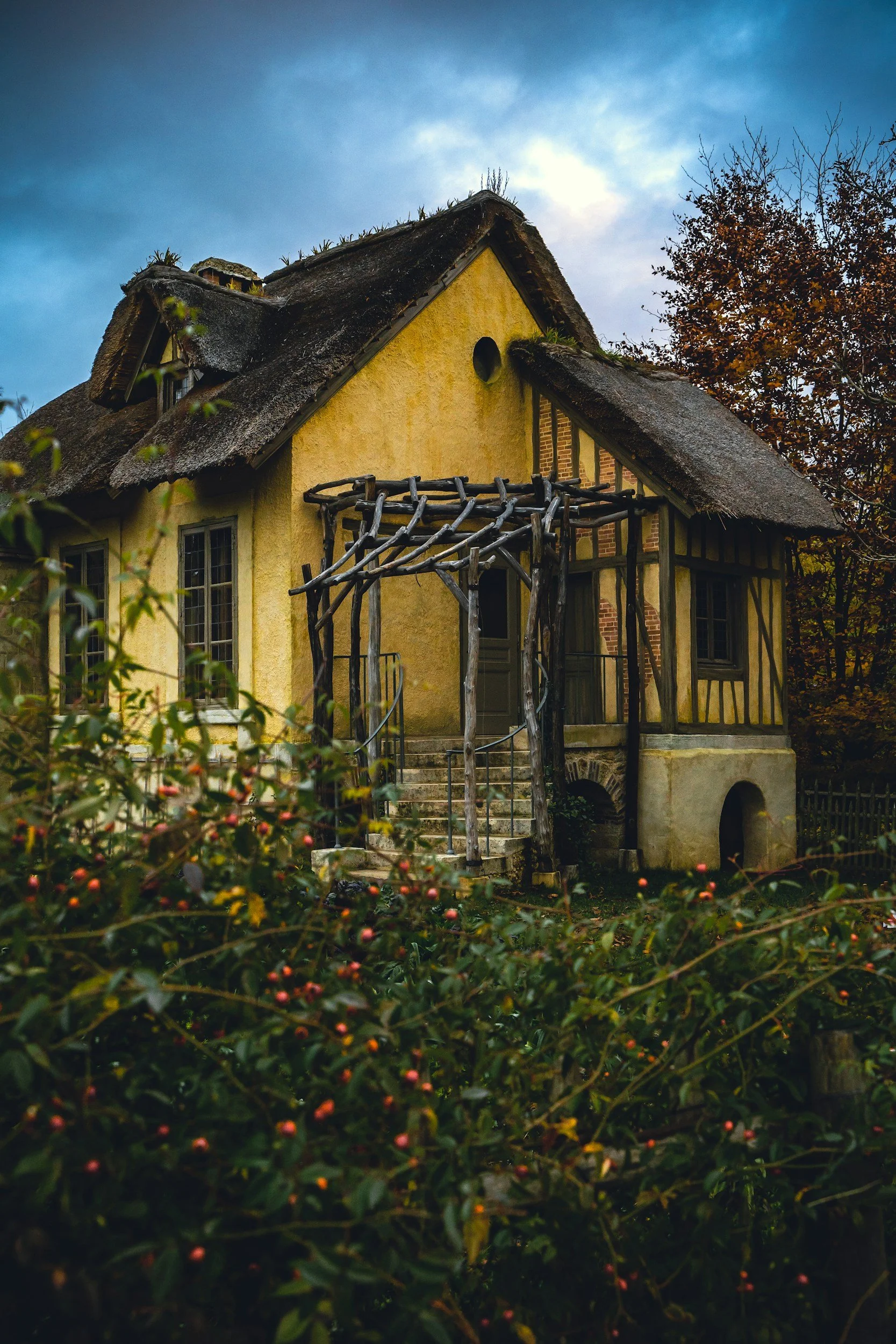
What full mailboxes and daily routines tell you about a place
In market towns and small regional centres, apartment buildings can tell you a lot.
When mailboxes are full and names don’t change every week, it’s a good sign. People come and go at regular times. Someone is always taking out the bins. Someone else is coming back with groceries. It feels ordinary in a way that’s reassuring.
Choosing a town with that kind of permanence gives your countryside stay a very particular kind of comfort. You stop planning every errand. You don’t worry about what will be open tomorrow. You can relax into the day because the place isn’t fragile. It’s built to keep going, with or without visitors.
How timing changes the entire experience of a place
If you really want to know whether a place has a life of its own, late October through March tells you more than any guidebook ever will.
That’s when nothing is being put on for show. Markets still happen because people need to shop. Cafés open because the same faces come in every week. Towns fall into a steady rhythm that doesn’t change much from one day to the next. You’re seeing how the place actually works.
It’s also the time of year when where you stay starts to matter in very practical ways. Comfort isn’t a nice extra, it’s the difference between enjoying the quiet and feeling a bit stranded. Good heating, a room that feels warm when you come back in, a place where spending a rainy afternoon doesn’t feel like a compromise. Those details carry the whole stay.
Spring before it turns busy
Spring can be lovely, but it isn’t one single season.
Early spring often still feels close to winter life. Days get longer, things open up slowly, and the countryside feels awake without being loud. You get movement without crowds, and places still run on their usual routines.
Later on, especially in popular regions, spring starts to slide into event mode. Festivals appear, weekends get louder, and towns adjust their pace to visitors rather than locals. If that’s not what you’re after, the weeks before school holidays and major events tend to be the sweet spot. You get decent weather and open places without the sense that everything is shifting to accommodate an audience.
Why August isn’t the best reference point
August can be beautiful in rural France, but it’s also misleading.
Even places that feel very settled the rest of the year change in August. Second homes fill up. Families are on holiday. Traffic patterns shift. Cafés and markets take on a different tone. It’s enjoyable in its own way, but it’s not how those places usually feel.
If you’re trying to work out whether a region suits you, August isn’t the month to judge by. And if you do travel in summer, it helps to choose somewhere that still has a solid year-round backbone underneath the seasonal layer. When that’s in place, summer feels like an extra, not the whole story.
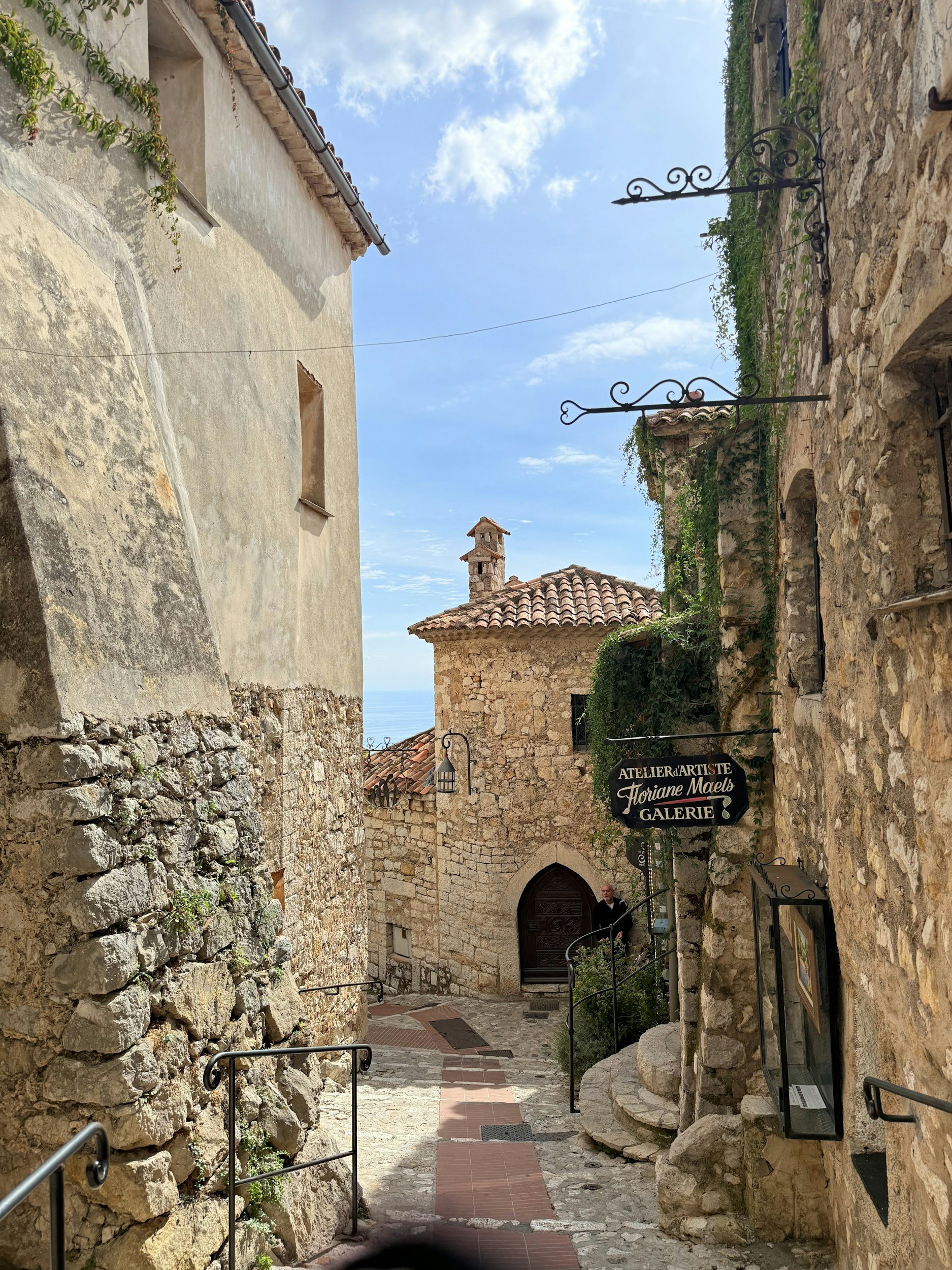
How you can tell a place isn’t slowly emptying out
One of the clearest signals is also one of the easiest to overlook. There’s a school, and it’s open.
Not as an idea or a symbol, just as part of the day. You notice it in the morning traffic, in backpacks hanging by doors, in the way the town briefly speeds up and then settles again. It means families live here. It means routines exist beyond weekends and holidays. It means the place isn’t slowly emptying out.
You don’t need to plan around it or even think about it much. It’s enough to know that the infrastructure is there, quietly doing its job, because that tends to support everything else.
Clinics, pharmacies, and places that fix things
A countryside region that works long-term isn’t just pleasant. It’s practical.
There’s a pharmacy with proper opening hours, not one that closes three afternoons a week. A clinic within reasonable distance. A garage that’s clearly busy. A hardware shop where people pop in without it being a special trip. These aren’t details you notice straight away, but once you’re there for more than a few days, they start to matter.
In winter or on a longer stay, they’re often what keeps the experience calm. You don’t worry about small problems turning into big ones. You don’t feel like you’re camping in a place that only really exists in good weather. Things still work, and that changes how relaxed you feel.
Where the town puts its energy
You can usually sense what a place is prioritising by what gets maintained.
Some towns pour energy into visitor-facing touches while letting everyday services quietly shrink. Others do the opposite. Markets stay supported. Public spaces are kept usable rather than decorative. Events happen throughout the year, and they’re clearly aimed at people who live nearby, not at filling accommodation for a weekend.
That’s often what people mean when they say a place feels “real,” even if they don’t put it into words. It’s the sense that life would continue much the same whether you were there or not.
And if you’re building a longer visit it’s often worth sketching out a few options across the year rather than searching for one “perfect” region. Rural France is at its best when you choose it with timing in mind, not just a map pin.
FAQ: countryside regions in France - visiting year round
Where in France can you experience the countryside without crowds year round?
Regions like the Drôme, parts of the Dordogne away from Sarlat, and inland areas of Occitanie tend to stay active without feeling crowded. Towns like Nyons, Uzès, or areas around Lectoure keep a steady rhythm outside peak summer, with markets, cafés, and daily life continuing as normal.
Which French countryside regions are best outside summer?
Central France (like the Auvergne), the Drôme Provençale, and parts of southwest France work particularly well outside summer. These areas don’t rely heavily on tourism, so towns stay open and lived-in even in autumn and winter.
How do you know if a French town is lived-in year round?
Small details usually give it away. Full mailboxes, regular market days, bakeries open early in the morning, and cafés with locals stopping briefly rather than long visitor-style lunches. If shops stay open midweek and outside holiday periods, it’s a good sign the town isn’t seasonal.
Is the French countryside worth visiting in winter?
Yes, but it feels very different. Towns are quieter, days are shorter, and opening hours are more limited. However, places that are genuinely lived-in still have markets, cafés, and local routines, especially in regions that don’t depend on summer tourism.
Do you need a car to explore the French countryside?
In most cases, yes. Smaller towns and villages aren’t always well connected by public transport, especially in rural regions. Trains can get you to larger towns, but a car makes it much easier to explore nearby villages, markets, and countryside routes.
How long should you stay in a French countryside town?
Three to five nights usually works best. Shorter stays can feel limited once you’ve walked the centre, while longer stays give you time to settle into the rhythm of the place, notice patterns, and explore nearby areas without rushing.
What is the best time of year to visit the French countryside?
Late spring (May–June) and early autumn (September–October) are often the best times, with good weather and fewer visitors. However, many regions are just as rewarding in winter if you choose towns that stay active year round.
Are markets in the French countryside open year round?
In most lived-in towns, yes. Weekly markets continue throughout the year, although they may be smaller in winter. Places like Uzès and Nyons still host regular markets outside peak season.
What are the biggest mistakes when planning a countryside trip in France?
Trying to visit too many places, choosing towns that rely heavily on summer tourism, and not checking local rhythms like market days or closing times. It’s also common to underestimate distances and travel times between smaller villages.
Can you visit the French countryside without speaking French?
Yes, but knowing a few basic phrases helps, especially in smaller towns where English isn’t always widely spoken. Even simple greetings or ordering in French can make interactions smoother and more natural.