
Quiet or simply closed? How to choose the right European town in the off-season
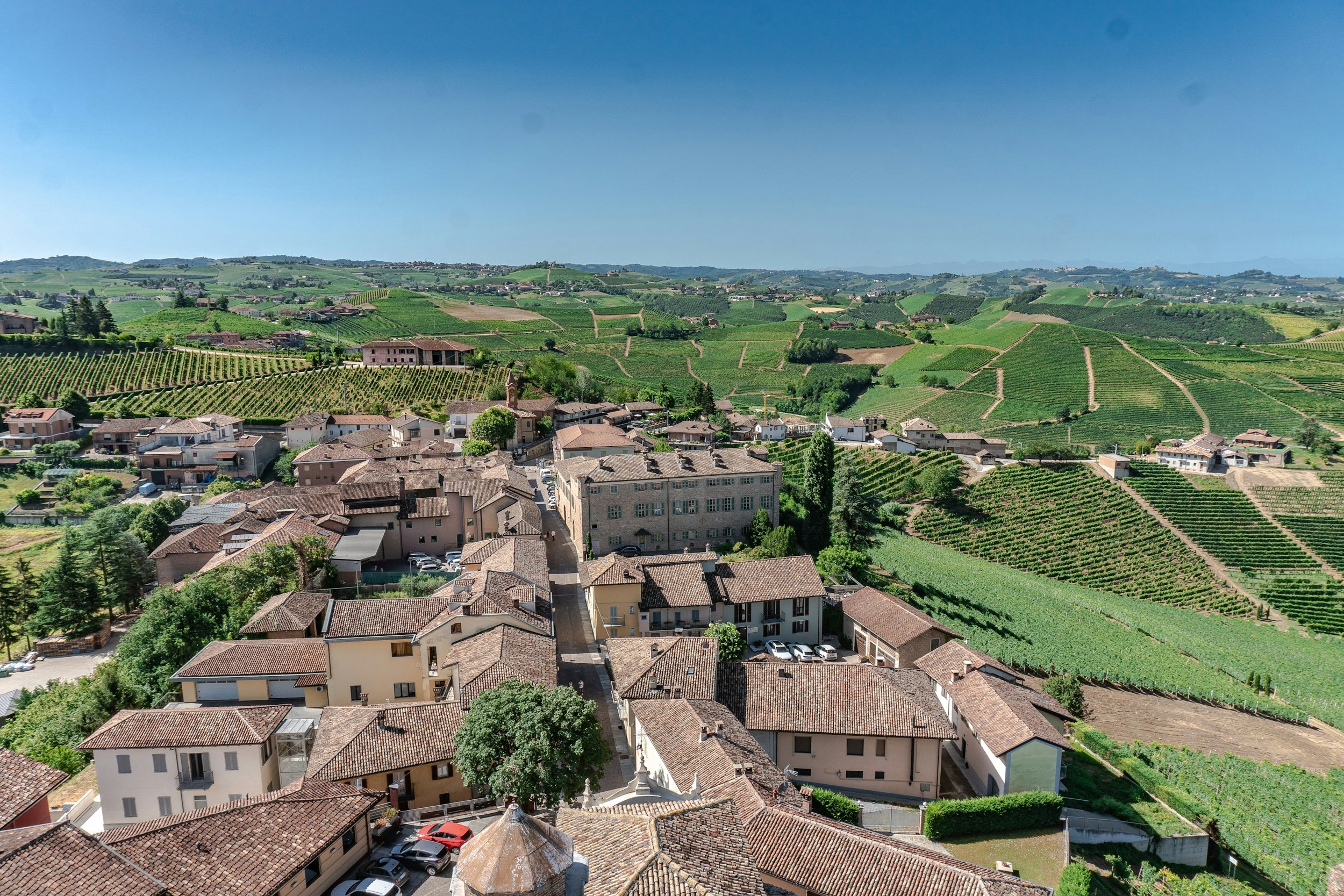
February is usually when I stop giving places the benefit of the doubt. By now, winter is what it is. Timetables have been reduced, daylight is short, and anything that was only half-committed to staying open has already closed. If a town still feels easy to be in now, it’s not luck. It’s because people actually live there and use it every day.
I’ve arrived in plenty of places in February where nothing quite works. The train gets in, but the café near the station is closed. The walk into town feels long because there’s nowhere to stop. Restaurants are technically open, but only on certain days, and menus are cut down to one or two dishes. You end up planning every small thing, which defeats the point of travelling quietly in the first place.
This post is about the opposite experience. Places where you arrive midweek and nothing feels conditional. You can walk everywhere you need to go. The bakery opens in the morning because locals expect fresh bread. Lunch is served without asking if it’s “still possible,” and dinner doesn’t require checking opening hours three times. Streets are quieter, yes, but they’re clearly being used.
I keep coming back to the same conclusion: off-season travel only feels good when you’re stepping into an existing routine, not trying to work around what’s missing. February makes that very clear. The places that still function now are the ones that also work in late autumn, when things are calmer but not yet stripped back. Those are the places worth paying attention to if you care about comfort, walkability, and not having to plan every small detail.
Late October to early December when travel still feels normal, not winterised
Late October to early December is when travel is still easy in very practical ways. Regional train schedules haven’t been cut back yet. Buses are still running on weekday patterns that make sense. Places to stay are open as normal rather than operating on reduced services or limited arrival days.
In southern France, northern Spain, and central Italy, this is the point in the year where moving between places feels uncomplicated. You can fly into a regional airport, continue by train the same day, and arrive without needing to plan around long gaps or last connections. Midweek arrivals are routine. There’s no sense that you’ve arrived at the wrong time.
Daylight is shorter, but it doesn’t control the day yet. Arriving mid-afternoon still gives you enough time to walk into town, get settled, and go back out for dinner. Shops keep their usual hours. Cafés are open through late morning and lunch. Weather tends to stay within a range that doesn’t interrupt walking or errands. It’s cool, sometimes wet, but generally stable enough that you don’t need to plan each day around conditions.
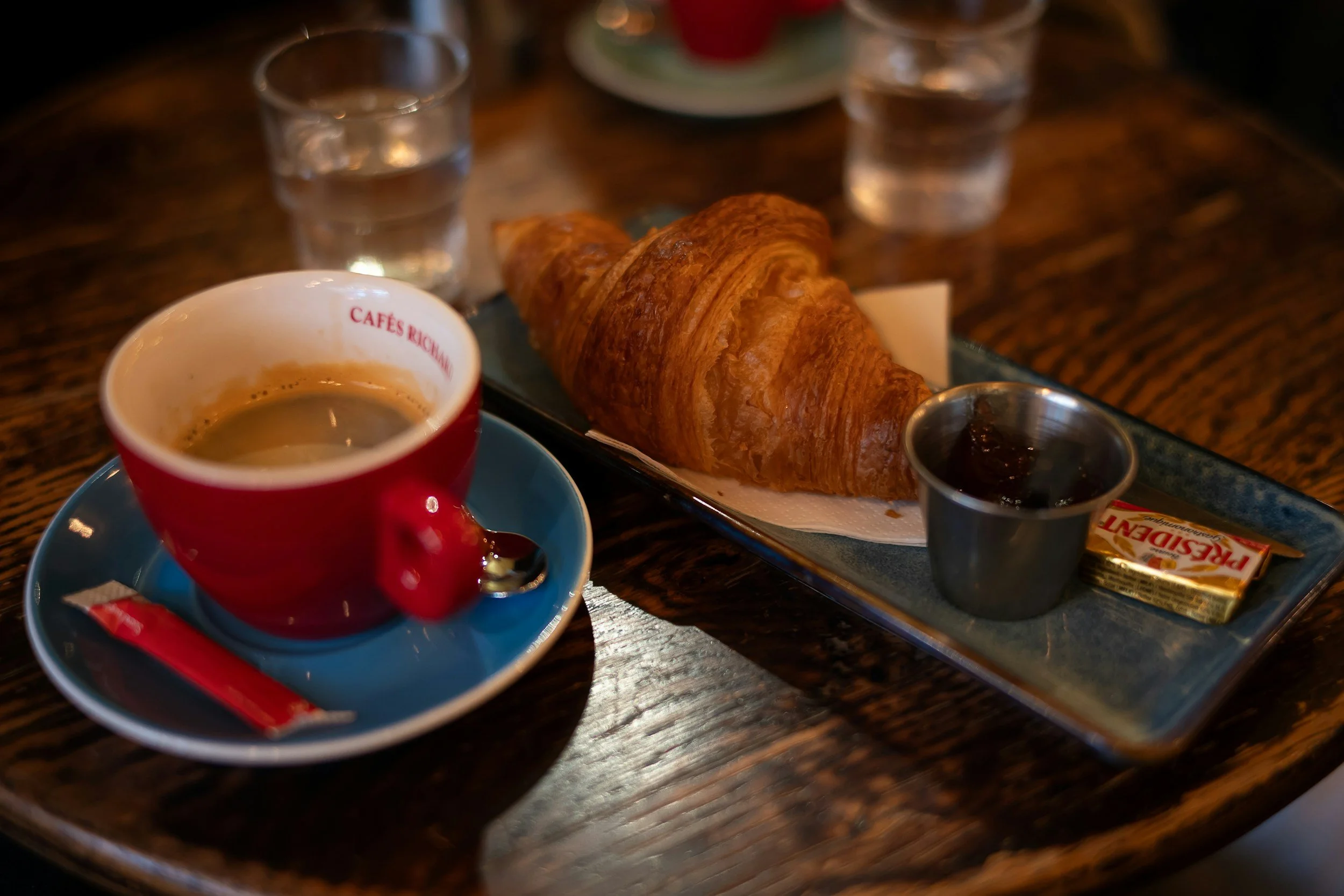
Towns under 10,000 residents where grocery shops and bakeries stay open midweek
Towns of this size can be either very comfortable or surprisingly inconvenient outside the season. The difference usually has nothing to do with charm and everything to do with how people actually live there. The quickest way to tell is what happens on an ordinary weekday morning.
If the bakery opens early, not just on market days but on a random Tuesday, the town is supporting daily routines. If the only food option before ten is a café, or if the bakery opens late and closes early, it’s often a sign the town shifts into a weekend pattern once visitors leave. That’s when days start to feel awkward rather than calm.
In places like Uzès or Lodève, weekday life doesn’t collapse once summer ends. People shop before work, run errands at lunch, and pick things up on foot in the afternoon. Supermarkets keep full opening hours, pharmacies don’t compress their schedules, and markets remain part of weekly shopping rather than seasonal events.
Another practical advantage of towns at this scale is that they don’t require planning your day around distance. You’re rarely more than fifteen minutes from anything essential. That matters more off-season, when you’re less likely to fill days with activities and more likely to move between small, ordinary tasks. When those tasks are close together and reliable, the town feels easy to stay in for several days rather than just pass through.
The Lot Valley is one of those regions where winter days still organise themselves around walking, lunch, and being outside for a few hours at a time. If you want a clearer picture of how that actually works day to day, this guide to the Lot Valley shows what makes it so easy to travel here outside the season.
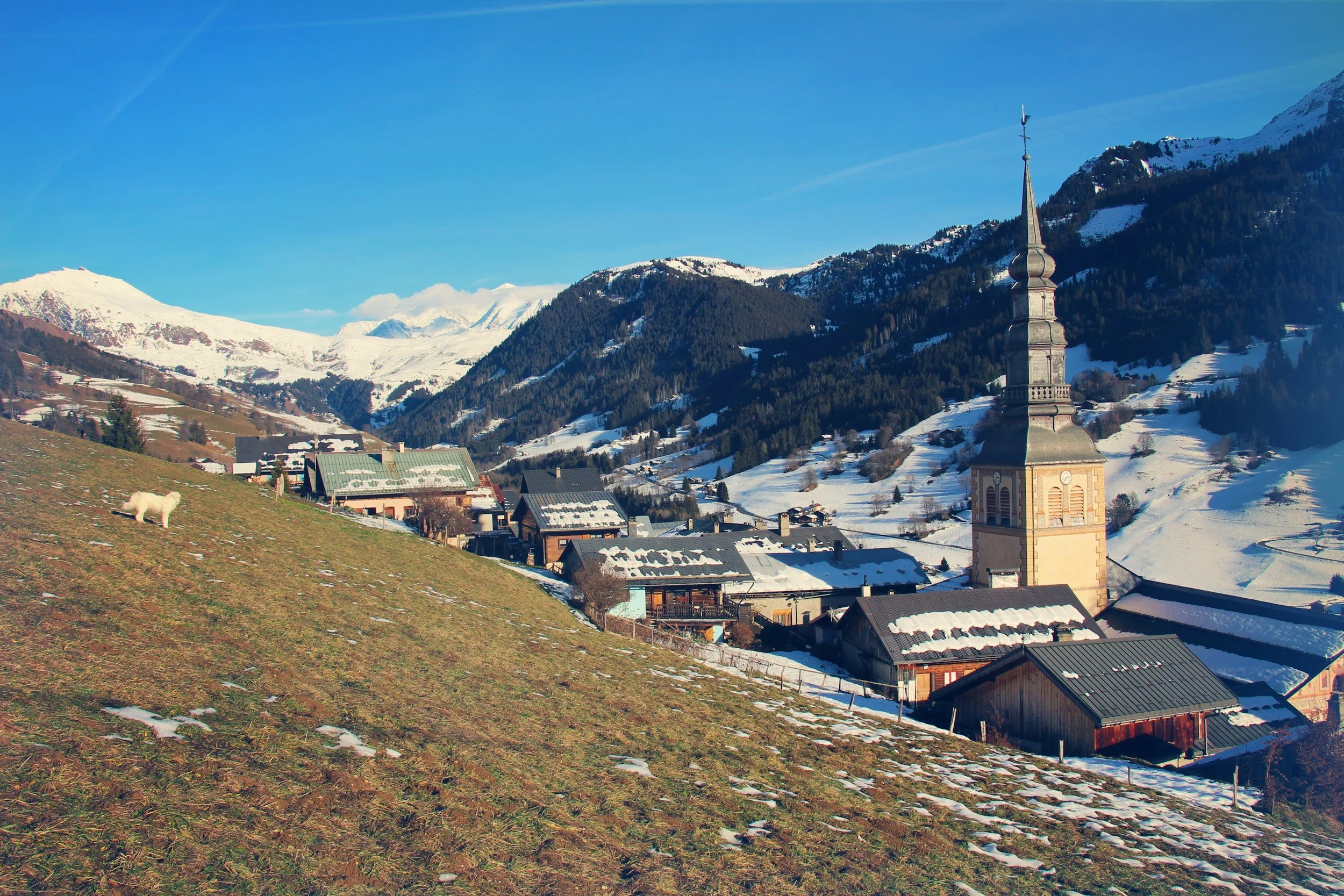
Regions within two hours of a regional rail hub that still runs hourly in winter
This is usually where trips start to feel either easy or strangely tiring, and it almost always comes down to trains. Not distance, not scenery, just whether you’re constantly checking the clock. In winter, a place can look perfectly connected and still be a pain if trains only run a few times a day. Miss one connection and you’re stuck waiting, sometimes in a quiet station with nothing around it.
Regions within roughly two hours of a solid regional rail hub avoid most of that. The reason is simple: trains still come often enough that you don’t have to organise your whole day around them. If you’re running late, it doesn’t matter. If you decide to stop for lunch on the way, it doesn’t throw everything off. You’re not travelling with a backup plan in your head.
That’s why areas connected through hubs like Brive-la-Gaillarde, Valence, or Girona work so well outside the season. These are places where you can land in the late morning, grab a coffee near the station, catch a regional train without rushing, and arrive mid-afternoon without feeling like you’ve timed it perfectly. On weekdays, trains still run because people actually use them.
Once you’re there, things tend to fall into place in the same way. Buses run on school and work schedules, so they’re predictable even if they’re not frequent. If you stay somewhere close to the station or the centre, most days are spent on foot anyway. You walk out for bread, wander a bit, sit down for lunch, head back, and only think about transport if you’re going further out. That kind of setup makes a big difference in winter, when flexibility matters more than speed and no one wants their day dictated by a timetable.
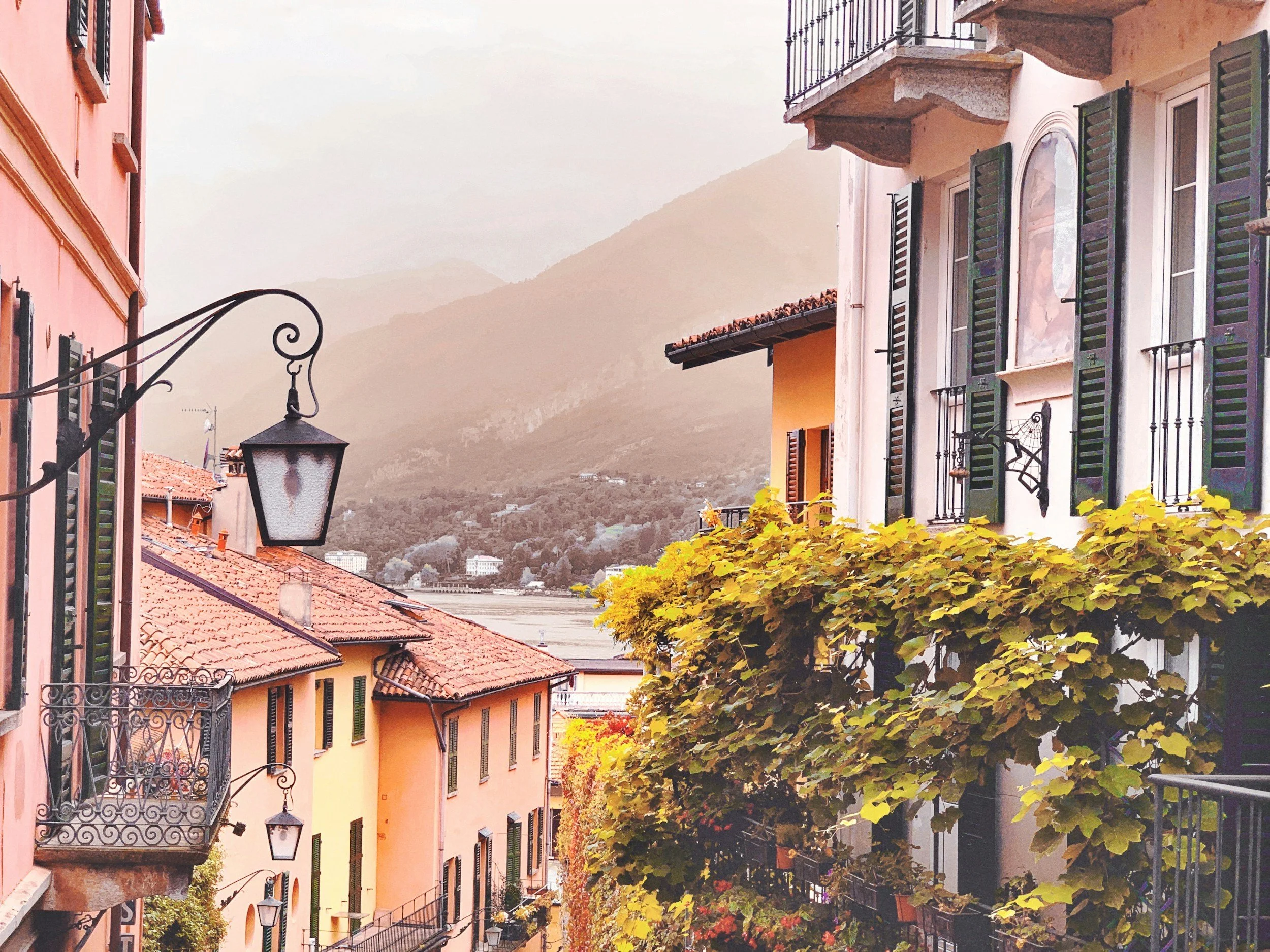
Southern France and northern Spain areas where daytime temperatures stay between 12–18°C in November
By February, you can see very clearly which places were never going to get properly cold. Parts of southern France and northern Spain stay in that middle zone where winter doesn’t really take over the day. Most afternoons are mild enough that you’re comfortable outside without thinking too much about it. You’re not constantly adding layers, and you’re not cutting walks short because it’s unpleasant.
In places like the Lot Valley, the Languedoc hinterland, or parts of Navarra, days tend to organise themselves in a fairly simple way. Mornings are cool, so walking into town or running errands feels fine but not rushed. Late morning and early afternoon are usually the easiest hours to be out, which is when cafés and lunch places feel most alive. In February, you’ll often see people sitting outside again if there’s sun, especially on sheltered streets, but it’s never something you plan around. It’s just there when the weather allows it.
One place that works particularly well in February is Collioure. It’s small enough to walk everywhere, but active enough that nothing important shuts down. You can walk the coastal path in a jumper, stop for lunch without checking if kitchens are open, and sit outside with a coffee on clear days without it feeling unusual. It’s not beach season, and it doesn’t try to be. It just carries on at a quieter pace, which makes it comfortable to stay for a few days.
This kind of climate suits trips built around walking, food, and being outside for a few hours at a time, rather than full days outdoors with no breaks. Rain does come through, but usually in short spells. People wait it out and then carry on. Because of that, shops don’t close early, bakeries keep normal hours, and lunch doesn’t suddenly end at noon. You don’t need to plan your day around the weather, which is exactly why these regions work so well in February and even better earlier in the off-season.
Uzès is a good example of a town that doesn’t really change its habits once summer ends. Bakeries open early, restaurants stay open during the week, and nothing feels reduced just because it’s quieter. I’ve written more about how Uzès feels outside the main season here.
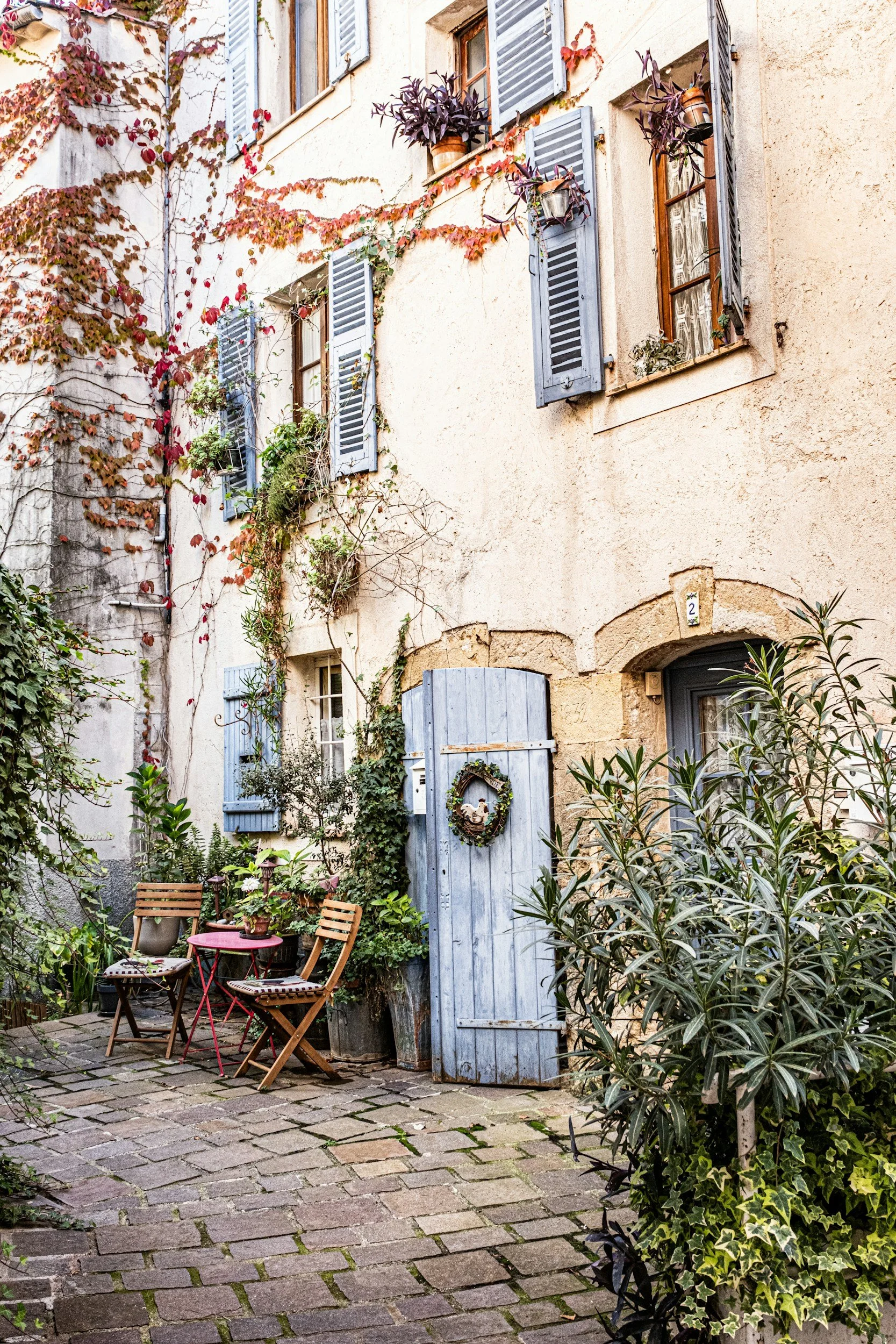
Coastal towns where walking paths and cafés remain active after beach season ends
Coastal towns only work outside the season if the sea is part of everyday life. The promenade isn’t empty, it’s being used. People are walking to work, meeting for coffee, heading out for a short walk before lunch. When that’s the case, cafés and shops don’t disappear just because no one is swimming.
Along the Atlantic coast of France, towns around Bayonne or near La Rochelle tend to hold together well once summer ends. Cafés open early because locals stop by before work. Markets continue on their usual days. The coastal paths are used steadily throughout the day, not just at weekends. You can walk along the water for half an hour, turn back into town, and everything you need is still open.
Northern Spain works in a similar way, especially in parts of Asturias and Cantabria. Here, walking paths along the sea are part of daily routines, not something reserved for visitors. You’ll see people out early in the morning, then again late morning before lunch. Cafés serve breakfast and mid-morning coffee to regulars, not just to people passing through. Distances stay manageable, and regional buses or trains still connect neighbouring towns, which makes it easy to move around without a car.
A place that works especially well in February is Saint-Jean-de-Luz. The promenade is used year-round, the centre stays active, and cafés don’t switch into reduced hours once winter settles in. You can walk along the bay in a light jacket, stop for coffee without checking opening times, and sit down for lunch without feeling like you’ve arrived at the wrong moment. It’s clearly not beach season, but daily life continues in a way that makes staying for a few days feel comfortable rather than seasonal.
Coastal towns like these suit trips where walking, eating well, and being outside for short stretches are the focus. You’re not planning days around swimming or weather windows. You’re just moving through a place that still functions normally once summer is done, which is exactly what makes them work so well outside the season.
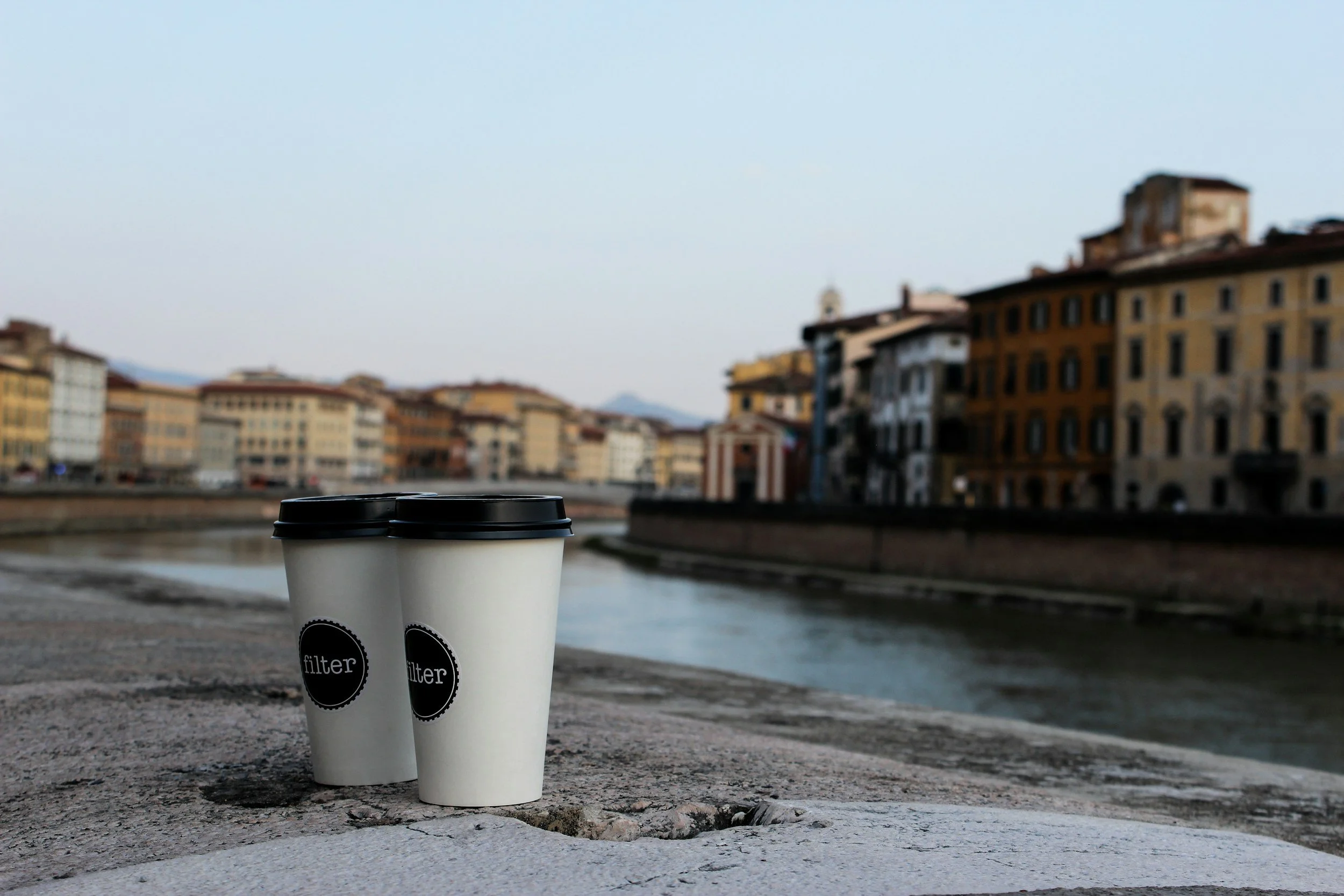
Mountain villages below 800 metres where snow hasn’t arrived by early December
Mountain villages only make sense outside the season if you don’t push too high. That’s usually the point where things start to change in ways you notice every day. Roads become something you check, not something you use without thinking. Buses still exist, but they stop fitting naturally into the day. Below about 800 metres, that shift often hasn’t happened yet, and it shows in small, ordinary ways.
In the foothills of the Pyrenees or in the lower Alpine areas, villages at this height tend to carry on through November and into early December without adjusting much. You wake up, step outside, and the day is usable straight away. Walking paths start from the edge of the village rather than requiring a drive. You might head out mid-morning, walk for an hour or so, and be back in time for lunch while places are still open. Shorter days mean you don’t leave things until late afternoon, but they don’t force you indoors either.
What really helps is that these villages are rarely isolated. There’s usually a larger town close enough that it’s part of how people live there. A bus that runs several times a day, or a short drive that takes you somewhere with a proper supermarket, a café that serves lunch at a normal pace, and a restaurant that’s open on a weekday evening. You’re staying somewhere quiet, but you’re not cut off, and that balance matters once you’re no longer filling days with activities.
Areas like the lower parts of the Drôme or around Alpes-de-Haute-Provence tend to work well for this. Accommodation is usually small hotels or guesthouses that stay open all year, not because winter is busy, but because it’s expected. You arrive midweek, check in without fuss, have breakfast the next morning because that’s just how the place runs, and settle into a few days of walking, eating well, and moving between village and town as it suits you.
This kind of setting works best if you want cooler air and space without turning the stay into something that needs constant checking. You’re outside enough to feel like you’ve gone somewhere, but everyday life is still close at hand. That’s what keeps these villages comfortable once the main season is already over.
Weekly markets that continue year-round, even when visitor numbers drop
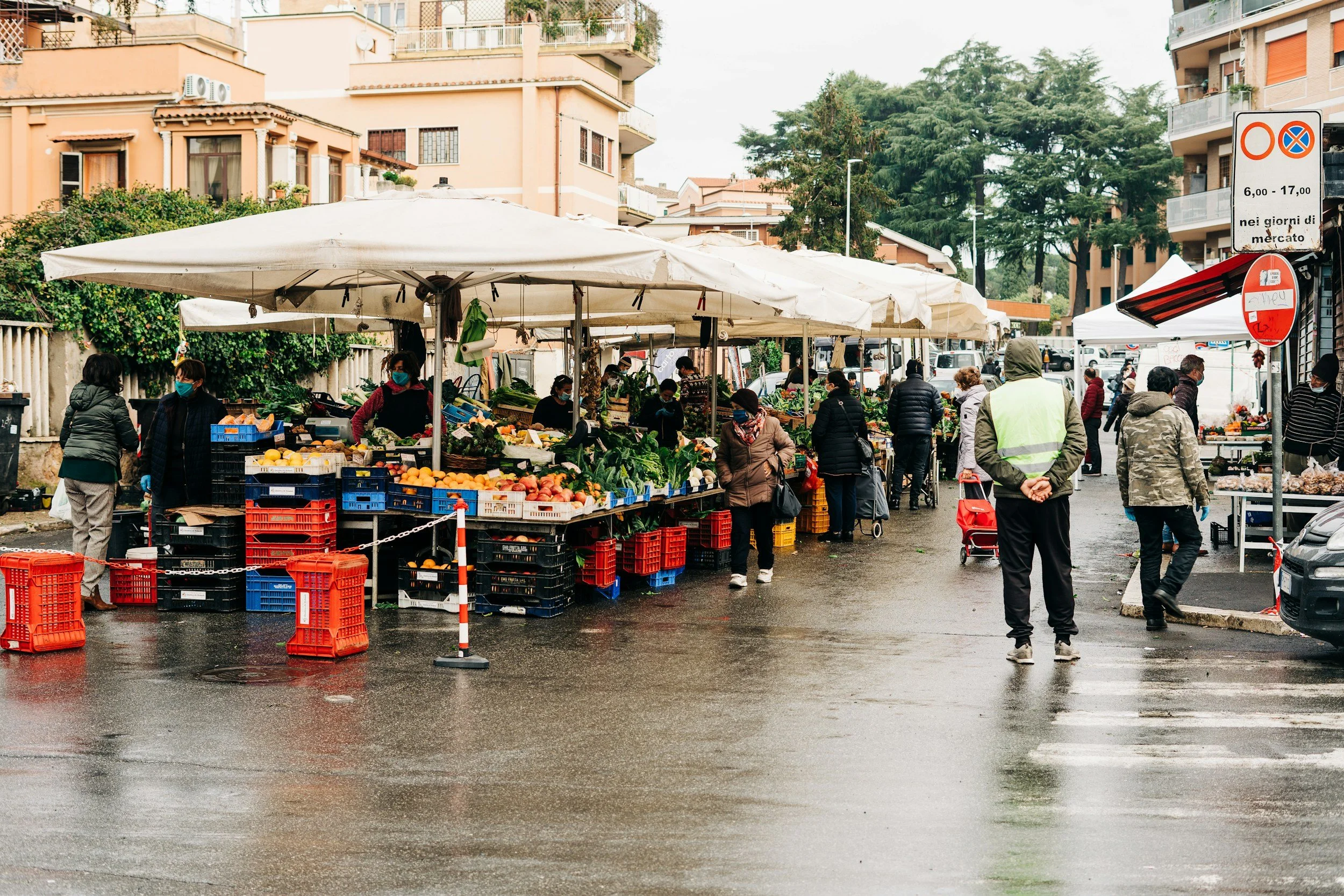
Weekly markets are where you really see whether a town is still being used properly. By February, there’s no pretending left. If the market is still on, it’s because people depend on it, not because it looks nice on a calendar.
What changes outside the season isn’t just the number of stalls, but the way the market is used. In winter, people don’t browse. They arrive with shopping bags, walk straight to the stalls they know, exchange a few words, and move on. Produce sellers are busy early. Cheese stalls get a steady line. Bread goes quickly. You don’t see anyone wandering around slowly deciding what to buy. It’s efficient, slightly rushed, and very normal.
In towns like Pézenas or Forcalquier, winter markets usually take up less space than in summer. The stalls are pulled closer together, often just around one square or along a single street. By mid-morning, it’s already thinning out. Vendors start packing up earlier, not because business is slow, but because most people have already done their shopping.
You feel the knock-on effect straight away. Cafés near the market open earlier than they would on a normal weekday. Tables fill up briefly, mostly with people stopping for one coffee before heading home. Bakeries are busy until late morning, then suddenly quiet again. By lunchtime, the town settles back into its usual pace, and if you weren’t there earlier, you’d never guess anything had happened.
If you’re staying within walking distance, markets quietly structure the week for you. You just know that one morning will be busier, that it’s a good day to stock up on food, and that the town will feel slightly more alive for a couple of hours. That kind of life makes a big difference outside the season.
Towns with at least two cafés opening before 8am outside peak season
Early-opening cafés tell you a lot about how a town actually works, especially outside the season. One café opening early can be a coincidence. Two is usually a pattern. It means people are starting their day there, not just passing through later on. By February for example, that distinction matters. Places that rely on visitors tend to drift into late mornings. Places with regular routines don’t.
In towns like Spoleto or Foligno, you’ll see this straight away. By half past seven, cafés are already open, lights on, a few people standing at the counter with coffee and a pastry. Breakfast is quick! People come in, order, drink, and leave. It’s over in minutes, and the next person steps in. That’s one thing summer and winter have in common…
For travelling, this makes mornings much easier. You don’t have to time your day around when somewhere might open. You can head out early, grab a coffee without thinking about it, pick up bread on the way back, and get on with your day. It also usually means bakeries and small food shops are keeping normal hours, which is helpful if you’re staying somewhere with a kitchen or just prefer to eat simply.
It’s a small thing, but it changes how the day starts. Mornings feel straightforward rather than slow or uncertain. Outside the season, that kind of reliability matters more than charm, and it’s often what makes a town feel comfortable to stay in for more than a night or two.
Places where rain shapes daily routines but doesn’t stop walking or errands
Rain only becomes a problem when a place isn’t used to it. In towns where wet weather is normal, life doesn’t stop just because it’s raining. People still walk. Errands still get done. You just move a bit differently. Shorter stretches, more pauses, more stopping in and out of places.
This is very obvious in northern Portugal and in parts of western France. Streets are close together, and nothing is far away. You walk a few minutes, duck into a café, stand by the counter until the worst of it passes, then head back out. No one makes a big deal of it. Cafés are set up for this kind of use, not as somewhere you need to sit for an hour, but somewhere you can step into briefly and keep going.
You notice that transport doesn’t really change either. Buses still run and trains still turn up. Rain is treated as normal, not as something that disrupts the day. That makes a big difference when you’re travelling outside the season, because you’re not constantly checking forecasts or rearranging plans.
After a day or two, you start copying what everyone else does. Longer walks happen earlier, when it’s usually drier. Afternoons are better for slower things, maybe a museum, a long lunch, or staying closer to where you’re staying. You’re not avoiding the rain, you’re just working around it in small ways. In places like this, that adjustment feels easy, which is why they stay comfortable even when the weather isn’t perfect.
Places where arriving midweek doesn’t complicate anything
A quick test for whether a place really works outside the season is what happens if you arrive on a Tuesday. Not a holiday week. Just a normal Tuesday in November or February. In some towns, that’s when things quietly fall apart. Reception closes early. Restaurants shut for two days. You’re told to come back at the weekend. Even if nothing is officially closed, the place feels half-switched-off.
In towns that function year-round, Tuesday looks exactly like the rest of the week. You check in without it being a special case. When you ask about dinner, there are actual options, not apologies. Restaurants are open because locals eat out on ordinary evenings, not just at weekends. Menus aren’t shortened. Kitchens don’t rush you because it’s a “quiet night.”
Transport usually makes this obvious too. Weekday train and bus schedules are often better than weekend ones, so arriving midweek is easier, not harder. You can get in, drop your bag, and head back out without building the whole day around a timetable. Leaving midweek works the same way. You’re not trapped by gaps or limited connections.
This matters more than it sounds. If a town only really works from Friday to Sunday, it’s not a good off-season choice unless you’re staying longer. Places that handle Tuesday arrivals well let you travel more freely. Three nights is enough. Four nights doesn’t need padding. You’re not planning your trip around opening days, you’re just fitting into how the place already runs. Outside the season, that kind of reliability is what keeps a stay simple instead of slightly awkward the whole time.
Places where hotels lower prices but still feel fully open
You can tell very quickly whether a hotel is genuinely operating in winter or just technically open. You arrive mid-afternoon and the lights are on. Someone is at the desk without you having to ring a bell or wait. You’re handed a key, not told which parts of the building are closed or which hours you need to keep in mind. Nothing is explained away as “because it’s low season.”
This tends to happen in towns that need hotels all year, not just for visitors. Places with local administration, hospitals, universities, or regional offices usually have a steady trickle of weekday guests. Because of that, small hotels don’t shut floors or reduce services in winter. Prices drop, but the setup stays the same.
You notice it the next morning. Breakfast is laid out properly, not scaled back to one table in a corner. Coffee is hot, refilled, and served without being rushed. The dining room isn’t half-closed. People come and go at different times, not all at once. Even if there are fewer guests, the hotel is running the way it always does.
For a winter stay, this makes a real difference. You’re not adjusting to the hotel’s quiet mode. You might be given a better room, or have more space around you, but everything still works as expected. That’s when lower prices actually feel like a benefit, not a trade-off, and it’s usually a sign that the town itself isn’t seasonal either.
Towns where restaurants still serve full menus on weekday evenings in low season
Evenings are usually where off-season travel either works or starts to feel awkward. You can get through the day easily enough, but if dinner becomes a question mark, the whole stay feels thinner. The clearest sign of a town that still functions is whether restaurants serve their normal menus on a Tuesday or Wednesday night, without apology or adjustment.
In many French market towns, this is still the case well into winter. Places like Uzès, Pézenas, or Cahors don’t switch into weekend-only dining once summer ends. Restaurants stay open midweek because locals eat out after work, not because visitors are expected. Menus stay the same. There’s no shortened list “for winter” and no sense that you’re inconveniencing anyone by walking in on a quiet night.
Dinner times stay early by most standards. Kitchens often open around 7pm and start winding down by 8:30 or 9pm, which actually suits off-season travel well. You can go out without stress, eat properly, and still be back where you’re staying early enough that the evening doesn’t drag on. You’ll often notice the same pattern across town: a brief busy window, then everything settles again.
This changes how evenings feel when you’re staying for a few days. You don’t need to plan around specific opening nights or book far ahead. You can head out on foot, see what looks open, and sit down without checking reviews or calendars. Outside weekends, reservations are rarely needed. That kind of reliability makes evenings calm rather than tentative, and it’s usually a good sign that the town isn’t built around seasonal trade to begin with.
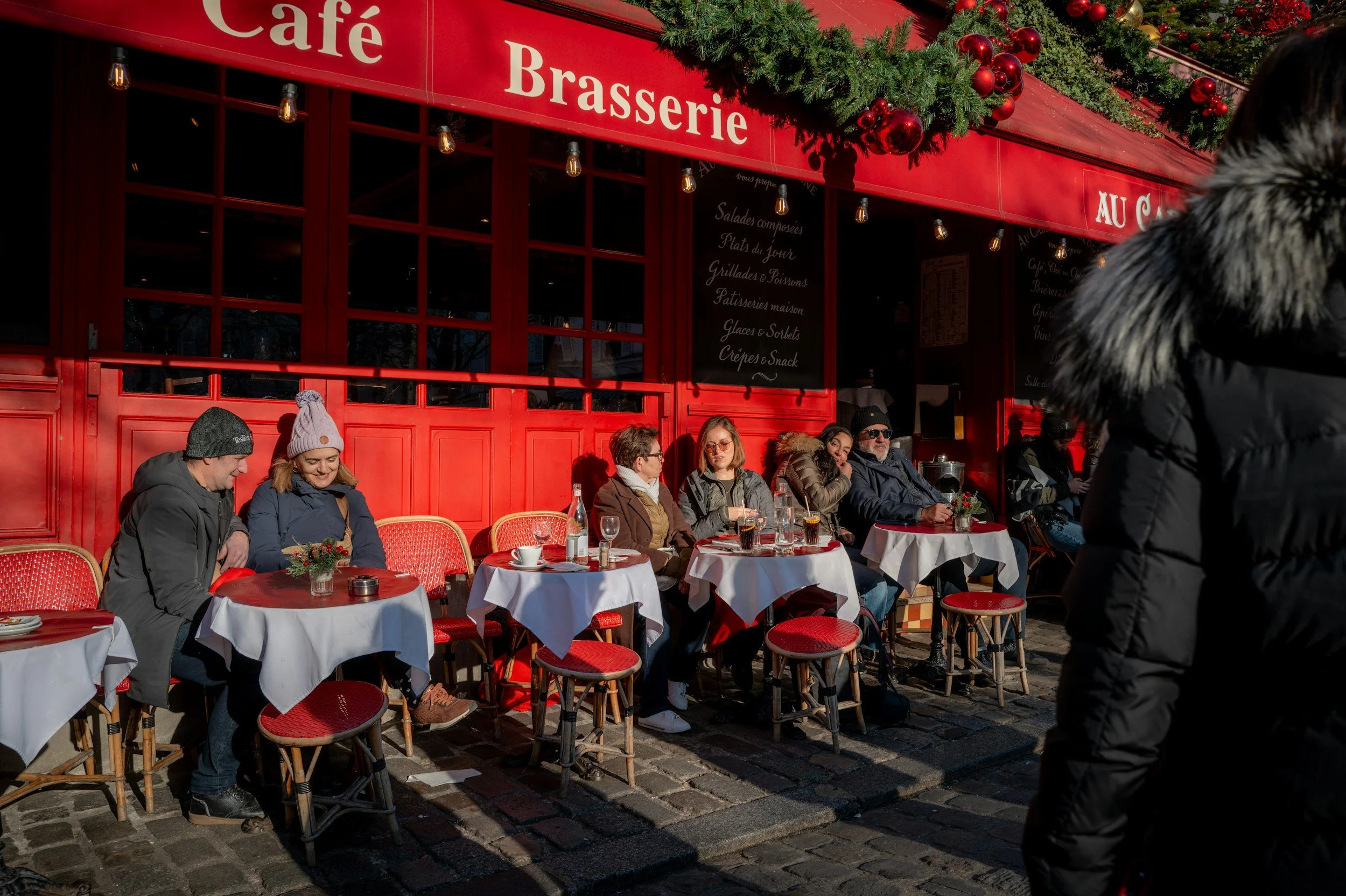
Regions where trains still run in winter, just at a calmer pace
Winter rail travel doesn’t usually fail all at once. What changes first is the rhythm. Fewer departures, longer gaps between trains, slightly slower journeys. In some regions, that turns travel into something you have to manage carefully. In others, it simply slows everything down without cutting you off.
The places that work best are those served by secondary rail lines that run all year because locals rely on them. The Massif Central is a good example. Towns connected through stations like Clermont-Ferrand or Aurillac don’t have fast trains every hour, but the trains they do have turn up reliably. You might only have a few options a day, but they’re predictable. You can plan around them without stress.
The same is true in inland Catalonia, where regional lines linking towns via Lleida or Vic keep running through winter. Travel takes a bit longer, and you don’t hop between places on a whim, but you’re not cut off. You arrive, settle in, and move within the region at a steady pace.
This kind of setup suits off-season travel well. Day trips become something you decide the night before, not five minutes in advance. You stay closer to where you’re based and explore in layers rather than covering distance. That shift makes winter travel feel calmer instead of limiting. You’re still going places, just not rushing through them, and that’s often when a region starts to make more sense than it ever does in summer.
If you’re moving around by train in winter, flexibility matters more than speed. I’ve broken down which Eurail passes actually make sense for slower, regional travel here, because not all of them do.
Places that make sense for a few days without a car
This is the kind of stay I keep coming back to, especially outside the season. Three to five nights, no car, no list of things to “do.” If a place can’t support that, I usually feel it on the second day… Too much time spent figuring out buses, too much distance between things, or the sense that you’ve seen everything already.
The places that work best have a very clear centre. You arrive by train, walk ten minutes, and you’re there. A square, a main street, a cluster of cafés and bakeries that you pass several times a day. From that point on, the days organise themselves. You head out in the morning without thinking about it, stop for coffee somewhere familiar, wander a bit, maybe pick up food, and still have energy to go back out later.
Towns like Uzès, Cahors, or Spoleto are exactly this size. You can walk across town in fifteen minutes, but if you keep going in one direction, you’re suddenly out along a river, on a quiet road through vineyards, or heading uphill on a path. You don’t need to plan a “walk.” You just follow what’s there.
What makes these places ideal for a few days is that they give you options without forcing decisions. One day you stay close, another you take a short bus or local train somewhere nearby for a change of scene. Nothing turns into a full travel day. By the time you leave, you feel like you’ve actually been somewhere, not just passed through. And you never once had to think about renting a car or packing the days full to make the trip feel worth it.
Northern Italy has a lot of towns that behave this way as well, especially in winter. Midweek arrivals aren’t an issue, restaurants still cook properly, and daily life carries on without much adjustment. I’ve collected some of those towns here.
Places where off-season is the most charming season
If there’s one thing February is good for, it’s clarity. By now, you can tell which places actually hold together and which ones only work when they’re busy. Cafés that are still open, trains that still run, restaurants that still cook proper dinners on a Tuesday night. None of that is accidental.
When you plan trips with those things in mind, travel gets easier. You stop worrying so much about picking the “right” week or the perfect month. Instead, you choose places that don’t need ideal conditions to function. Places where you can arrive midweek, walk everywhere you need to go, eat well without planning ahead, and let the days fall into place on their own.
That’s also when shorter trips start to feel more satisfying. You don’t need a crazy itinerary or a car to make the stay work. You just need a town or region that keeps its routines once the season has passed. If it works in February, it will almost always work in November, too.
A good example of this kind of winter travel is the Bavarian and Bohemian Forest region, where trains still connect small towns and countryside without needing a car. I mapped out a winter route through that area here.