

Looking for a wine weekend near Lyon? Start in Bugey.
If you’ve ever tried to plan a wine weekend near Lyon or Geneva, you’ve probably ended up looking at the same areas. Beaujolais, Burgundy, parts of Savoie. Easy to reach, well set up, but rarely as quiet as they sound once you arrive.
Vongnes sits just far enough outside of that. It’s a small village in the Bugey region in Ain, about an hour from Lyon by car, slightly more from Geneva, and not on a route you pass through by accident. You leave the main road, follow smaller roads through vineyards and open countryside, and only then reach it.
The village itself is compact. A handful of streets, stone houses, and vineyards starting almost immediately above the last row of buildings. There isn’t a centre in the way you might expect, and there aren’t clusters of restaurants or tasting rooms grouped together. Most of what you come for is spread out, or attached to individual producers rather than set up as a single experience.
That’s what changes how you spend a weekend here.
Instead of moving between stops, you stay local. Walk between vineyards, visit one or two producers properly, and plan the rest of the day around that rather than trying to see everything. This guide is built around how to do that over a couple of days, where to stay, how to get there, and how to structure your time so it doesn’t turn into another rushed wine trip.
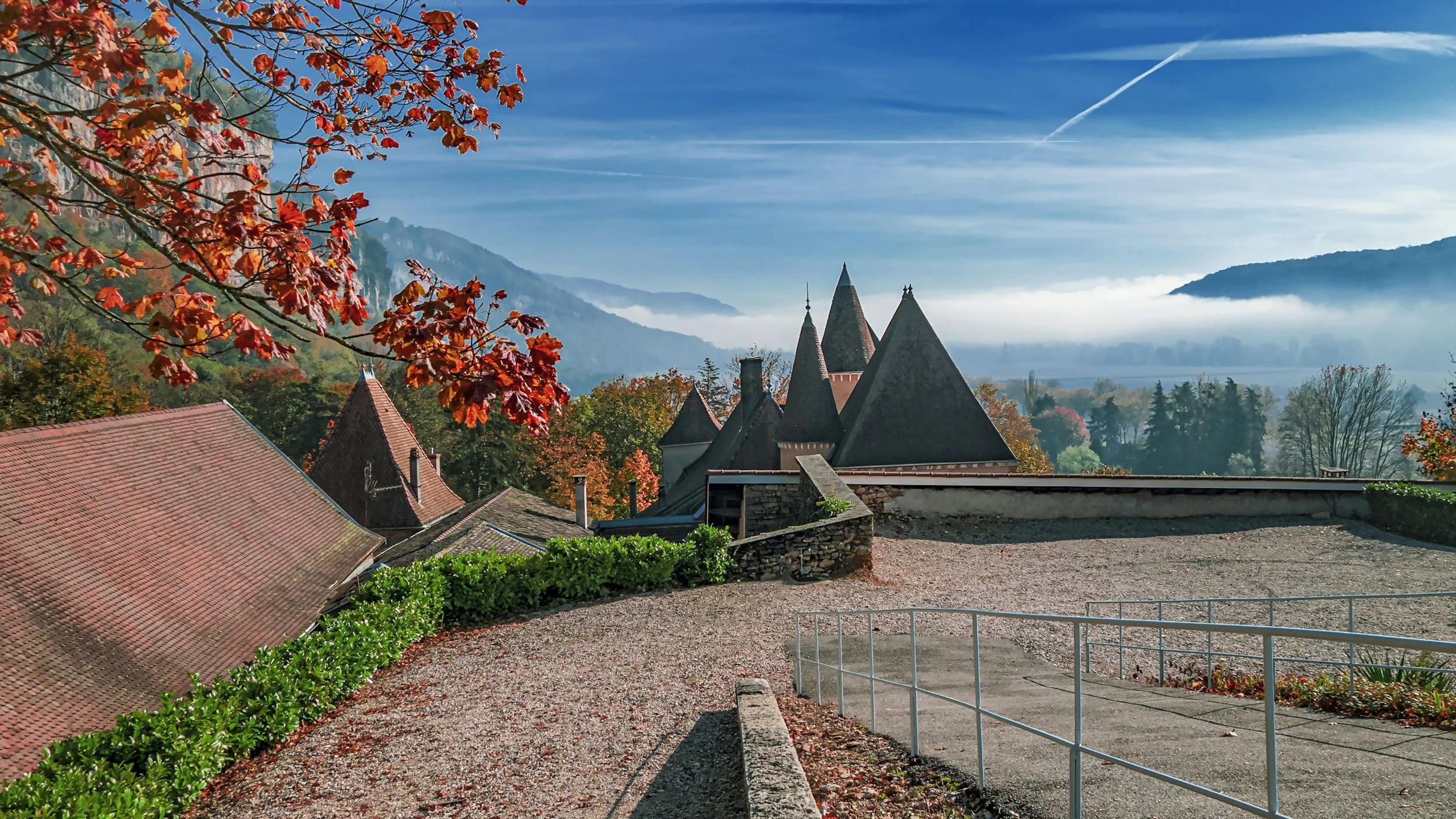
Where Vongnes is and how the Bugey region fits between Lyon and Geneva
Most people don’t come across Vongnes straight away when they’re planning a wine weekend near Lyon or Geneva, because you usually start with the same well-known areas, look into a few options, and only after that begin to search a bit further out for somewhere that isn’t as structured or busy.
The shift becomes clear on the drive itself, since you leave the main road without much notice, pass through stretches of farmland that feel quite open, and then gradually move onto smaller roads where vineyards begin appearing in between houses rather than in clearly defined areas, and by the time you slow down to check whether you’ve missed a turn, you’re already in Vongnes without any kind of obvious entrance or sign that you’ve arrived somewhere specific.
There isn’t a centre that gathers everything together or gives you a starting point, which can feel slightly unclear at first, because instead of a square or a row of wine bars you get a small cluster of stone houses, a few quiet streets, and vineyards that start almost immediately above the rooftops, with no real separation between where the village ends and the landscape continues.
The wider Bugey region is similar in the sense that everything is spread out across hillsides rather than grouped together, and visits tend to happen directly with producers instead of along a marked route, so you’re not moving between places in a fixed order or trying to see a list of stops, but instead staying local and letting the day take shape around one or two places that are actually worth spending time at.
That’s usually when it starts to make sense, because once you stop expecting it to work like the more familiar wine regions nearby, the whole experience becomes simpler, and you end up doing less without feeling like you’re missing anything.
A lot of people base themselves in Lyon and rush out for tastings, but once you’ve seen options in these towns near Lyon, it’s easier to picture staying closer to the vineyards.
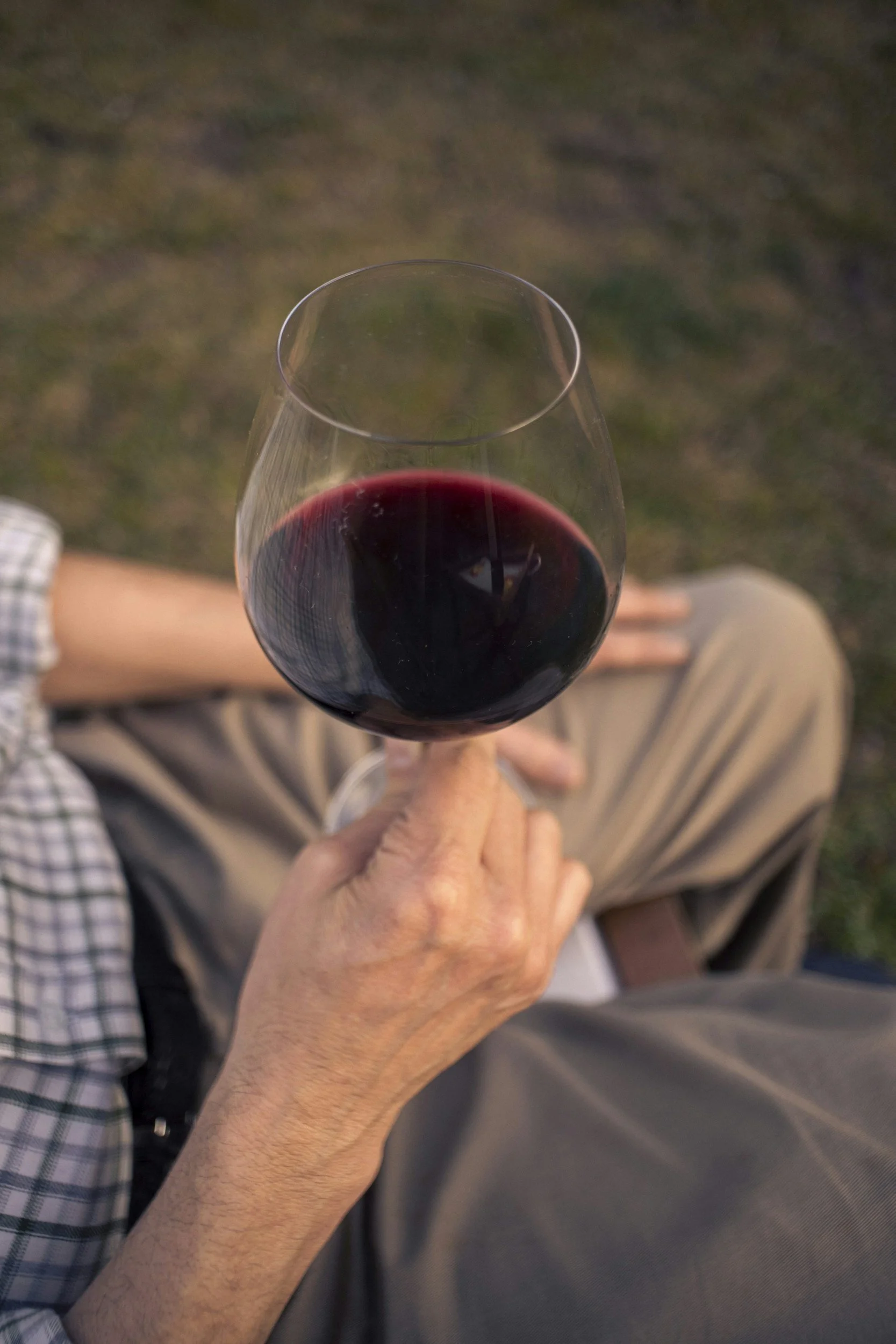
What makes Bugey and Vongnes different from other wine regions nearby
What stands out quite quickly in the Bugey area is how little distance there is between everything. You’re not driving from one estate to the next or following signs from tasting room to tasting room. Most of the time you turn off onto a smaller road, slow down because it narrows, and then realise the place you’re looking for is just a low stone building with a small sign outside, often attached to someone’s house rather than set apart from it.
Visits don’t feel arranged in the same way either. You arrive, maybe wait a moment, ring a bell, or check if someone is around, and then you’re usually brought into a small cellar or a simple tasting space that’s part of the same building. Places like Domaine Monin or Domaine Yves Duport work like that, and once you’ve done it once, you stop expecting anything more structured.
Pricing follows the same logic. Bottles are stacked in the same room where you taste them, and you buy directly from there. There isn’t a shop area or different levels to choose from, and the wines you see are the same ones people in the area actually drink, not a separate range made for visitors.
In Vongnes, this all becomes more obvious as soon as you walk around. The village is small enough that you cover most of it in a short time, but it doesn’t feel like somewhere you’re meant to “see” in a set order. You walk through a couple of narrow lanes, pass houses that sit close together, and then almost without noticing, the vineyards start just above you.
If you keep going, you don’t arrive at a viewpoint or a marked trail. You just step onto paths that run between the vines, sometimes with equipment left nearby or rows that are clearly being worked on. It’s not set up for visitors, so you’re not guided anywhere, but that’s also what makes it easy to move around without thinking about it too much.
Around the edges of the village, there are small details you only notice if you slow down a bit. Crates stacked outside a door, a chalkboard with a name and opening hours written by hand, a bench at the end of a row where someone has clearly stopped for a break. None of it is presented as something to look at, but it gives you a better sense of how the place actually runs.
Bugey feels very different from the bigger wine regions, which becomes obvious if you’ve looked at something like this Bordeaux solo guide.
If you’re comparing regions before deciding, this Alsace in autumn guide gives a completely different version of a wine weekend.
How to get to Vongnes (and why it works for a short weekend)
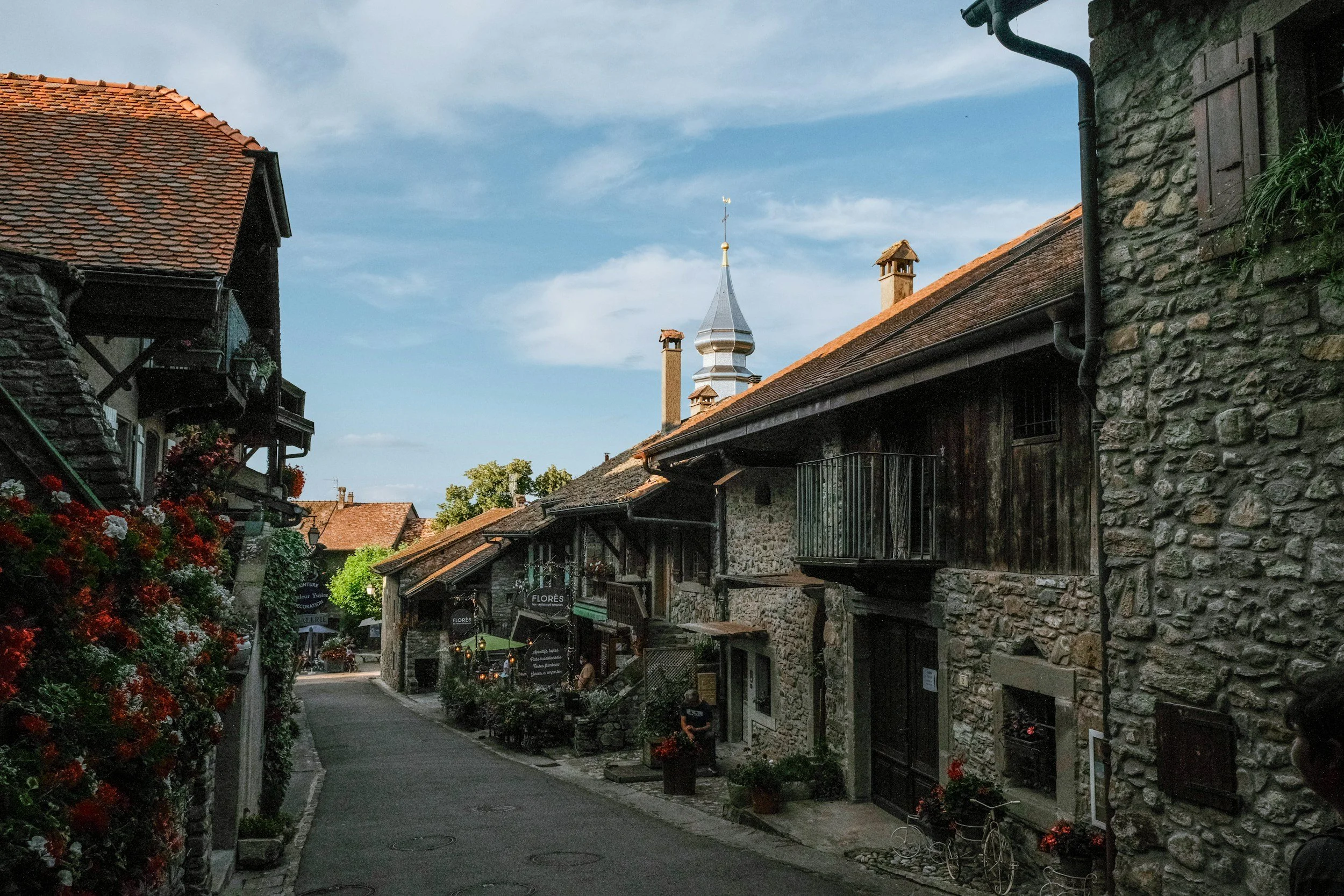
Getting to Vongnes is straightforward once you know the last part of the route, but it’s not somewhere you reach without paying a bit of attention on the way in.
From Lyon, the drive takes around an hour if traffic is light. You head east out of the city, usually on the A42 or smaller parallel roads, pass through flat stretches of farmland, and then turn off toward the Bugey area. The change is gradual rather than dramatic. Roads get narrower, traffic drops off, and you start seeing vineyards in between houses rather than grouped together in large areas. The final 10–15 minutes are on smaller local roads where you’re already in the landscape, not just driving toward it.
Coming from Geneva, it’s roughly 1 hour to 1 hour 15 minutes depending on traffic and the route you take. You cross into France fairly quickly, then follow a similar pattern, open stretches first, then smaller roads as you approach the village. It’s not a complicated drive, but it’s not something you do on autopilot either, especially toward the end.
Public transport is possible, but it takes a bit more coordination. The closest practical train station is in Culoz, which sits on the main line between Lyon and Geneva. From Lyon, the train takes around 45–60 minutes depending on the connection. From there, you’ll need a taxi or pre-arranged transfer for the final 10–15 minutes to Vongnes, since local buses don’t run frequently enough to rely on for a short trip.
That last part is what shapes the weekend. Because it takes a bit more effort to get there, even if it’s still relatively close, you don’t get the same volume of day visitors as in more direct wine regions. Most people who come stay at least one night, often two, which changes the pace quite quickly once you arrive.
Where you stay shapes the whole experience, and it’s interesting to contrast it with places from this Champagne stays guide.
How wine tasting actually works in Vongnes
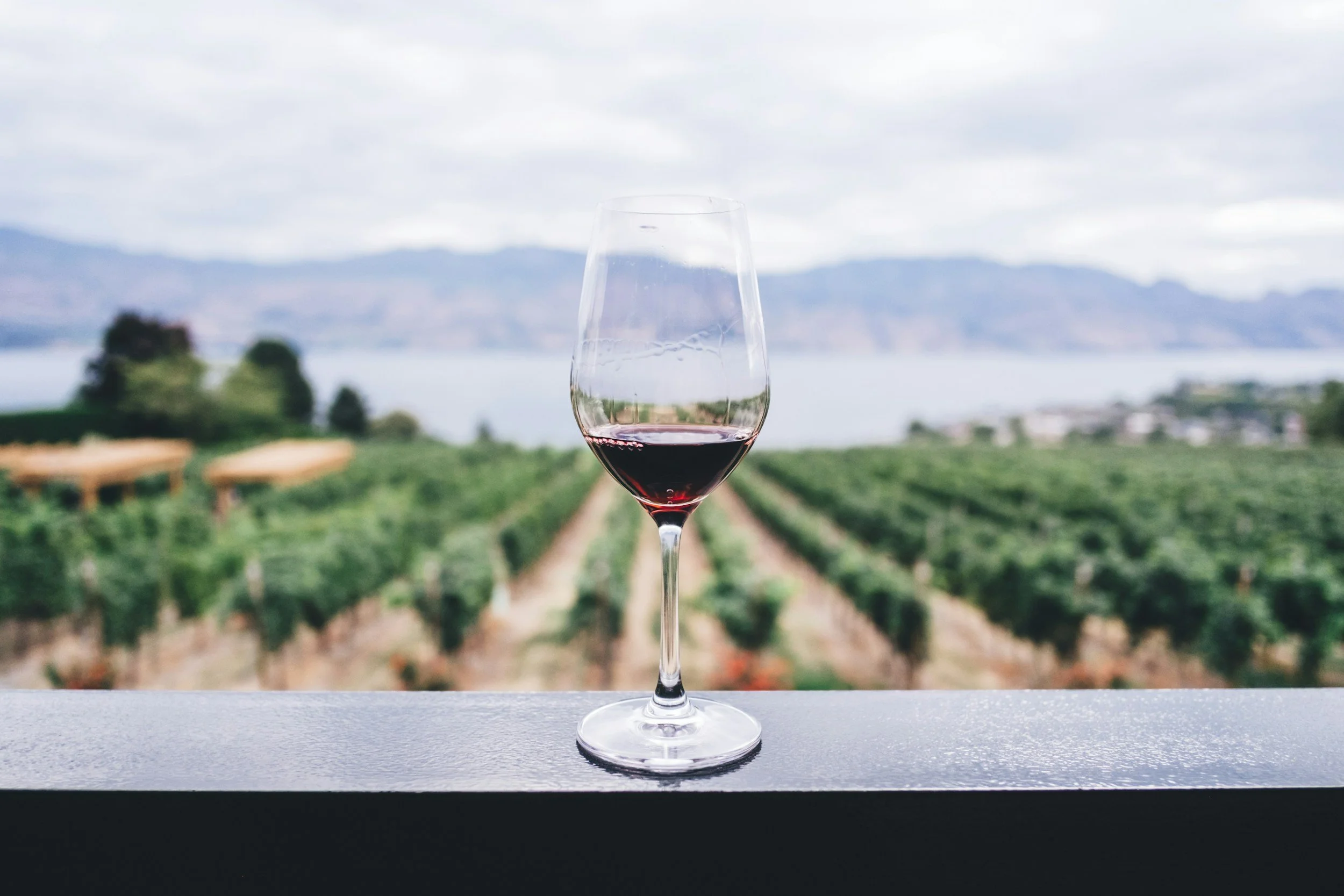
You don’t really plan a full tasting route in Vongnes. Most of the time, you start the day without a fixed schedule, walk a few minutes from where you’re staying, and decide where to stop once you’re already there. That works because the village is small and the producers are close to each other, but also because visits don’t run on strict time slots the way they do in larger regions.
In the Bugey area, a lot of the cellars are part of the same buildings people live in, so you’ll often find a small sign near a door, a bell, or a note with opening hours that aren’t always exact. It’s normal to arrive, wait a minute, or come back later in the day if someone isn’t available right away. Once you’re inside, the space is usually simple, sometimes a cool cellar with stone walls, sometimes a small room with a counter and shelves of bottles stacked behind it.
At places like Domaine Monin, you might stand at a wooden counter with a few bottles open already, while at Domaine Yves Duport the tasting can happen right next to where the wine is stored or prepared. It’s not staged, and there’s no set order you have to follow. You taste what’s available, sometimes starting with a white, moving to a red, then finishing with something sparkling, but it depends on the producer and the moment.
The wines themselves are quite varied for such a small area. You’ll come across crisp whites made from Altesse or Jacquère, lighter reds from Gamay or Mondeuse, and the local sparkling Bugey-Cerdon, which is slightly sweet and often served chilled, especially in the afternoon. It’s common to see people buying a bottle to take with them rather than treating the tasting as a standalone experience.
Walking between these places is part of how the day fits together. From the centre of the village, you can follow small lanes that lead directly into the vineyards, often without any signs marking them as routes. You pass rows of vines, sometimes with tractors parked at the edge, crates stacked near a plot, or workers moving between rows depending on the season. It feels more like moving through a working landscape than following a planned path.
Timing also changes how things feel. Late morning tends to be the easiest time to visit, when people are available and things are open without being busy. Early afternoon can be quieter or slower, depending on the day, and by late afternoon, you’ll notice things winding down again. There isn’t a fixed rhythm, but after a few hours, you start to see how it moves.
What usually ends up working best is keeping the number of visits low. One in the morning, one later if it fits, and leaving space in between. Trying to fit in more doesn’t add much, because each place works better when you stay a bit longer instead of moving on quickly.
Just beyond the vineyards, there are quieter areas that shift the pace entirely, which you’ll notice in these Auvergne villages.
Another winery to visit in Vongnes: Domaine Monin
Domaine Monin sits within the village itself, not set apart or signposted in a way that makes it feel like a destination on its own, which means you’ll usually come across it naturally while walking through Vongnes rather than planning a visit around it in advance.
The approach is simple but not always obvious at first. You follow one of the narrow lanes, pass a few houses, and then notice a small sign or a door that looks more like an entrance to a home than a business. There isn’t a reception area or a clear starting point, so you might pause for a moment, check if you’re in the right place, and then either ring a bell or step inside if it’s open.
Once you’re there, the setting stays very close to how the place actually operates day to day. You’re not moved into a separate tasting space, and nothing is staged for visitors. Bottles are stored nearby, sometimes stacked in boxes or lined along shelves, and the tasting happens in the same area where the wine is handled and prepared. It’s quiet, practical, and you don’t feel like you’re being guided through a fixed experience.
Timing makes a difference here in a way that’s easy to overlook. Late morning tends to work best, when things are open and there’s a bit of movement without it feeling busy. Early afternoon can be slower, depending on the day, and by late afternoon you’ll notice things winding down. There isn’t a strict schedule, but after spending a bit of time in the village, you start to get a sense of when it makes sense to stop by.
The wines you’ll try reflect the wider Bugey area rather than a single style or focus. You might start with a white made from local grapes like Altesse or Jacquère, move on to a lighter red such as Gamay, and then finish with something sparkling if it’s available, often Bugey-Cerdon, which is slightly sweet and served chilled. It’s not presented as a structured tasting with set options, so you move through what’s open in a way that feels natural rather than planned.
Because Domaine Monin is so closely integrated into the village, it fits easily into the rest of your day without needing to organise around it. You can stop in, spend some time there, and then walk straight back out into the lanes or up toward the vineyards without any clear break between one part of the day and the next.
Day 1: arrival, wine Introduction, and a quiet evening
Aim to arrive around midday. Once you’ve parked at the edge of the village, take a slow walk through Vongnes to get a feel for the surroundings. It’s a very small hamlet (just a few lanes, stone houses and tidy courtyards) but walking it sets the pace for the weekend. Everything here happens calmly.
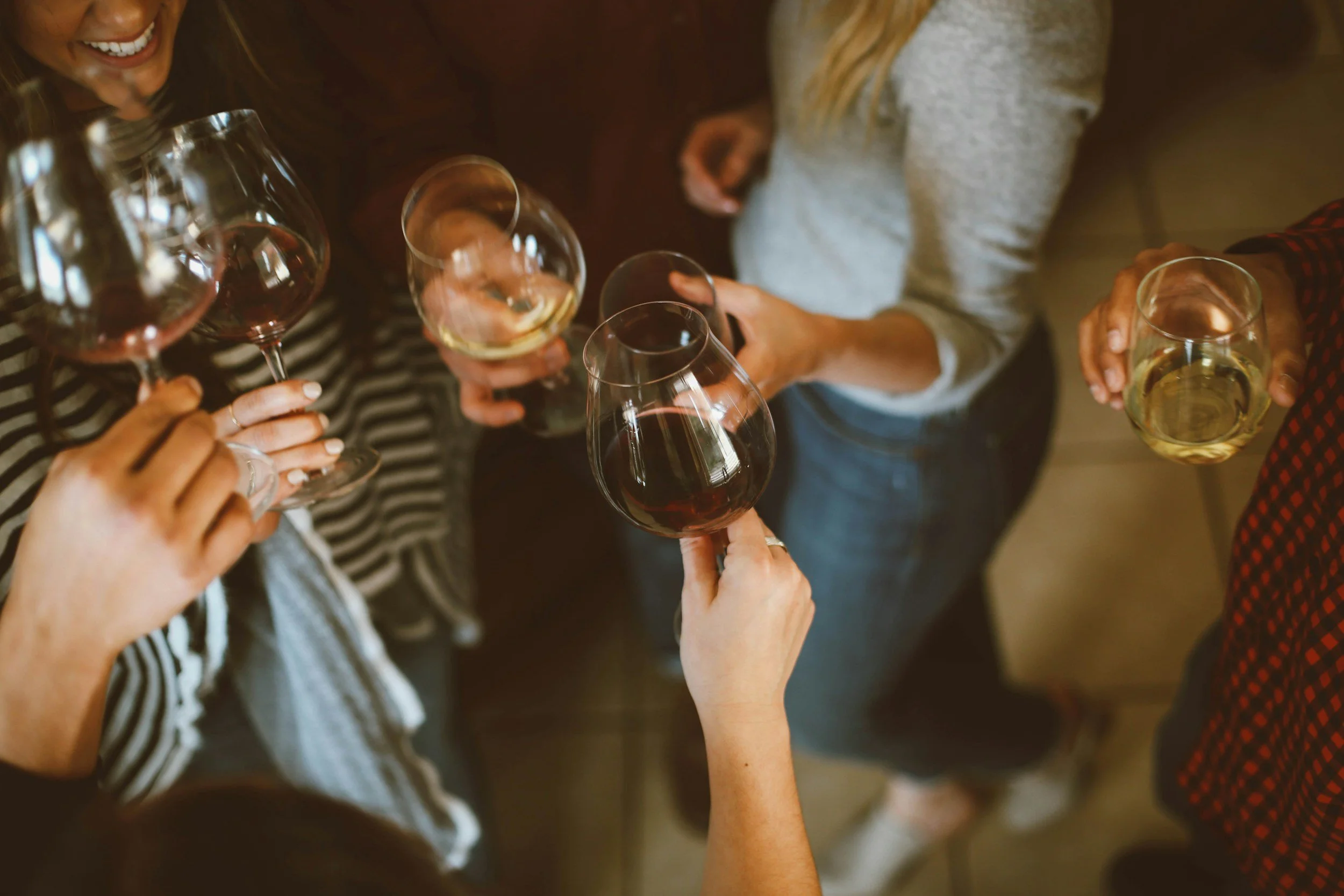
If you didn’t bring something for lunch, stop in Belley on the way for supplies. Picnics work well in Vongnes because there are quiet spots to sit with a view of vines instead of searching for restaurant tables.
Spend the early afternoon at Caveau Bugiste, the main cellar in the village. It’s the best first step into Bugey wines because you can try different styles without driving around. Take your time here: learn what you enjoy, ask questions if you want, or simply taste and observe.
Once you’ve finished, it’s worth stretching your legs before sitting down again. Walk up any of the lanes that lead into the vineyards behind the village. Even ten minutes uphill gives you wide views of the valley and a better understanding of how the vines shape the landscape.
If you prefer something other than more wine, there are a couple of good alternatives before dinner. A short drive takes you to Lac de Barterand, a small natural lake where you can stroll around the shore, take photos and enjoy fresh air. Even in colder months, sitting by water gives a nice change of scenery. If you’re more interested in local culture, small towns like Belley or Culoz offer simple cafés, bakeries and a chance to see everyday life in this part of France.
For dinner, you’ll need to think ahead slightly. In or near Vongnes, options are limited, so it often comes down to where you’re staying or a short drive out. Auberge de Contrevoz is one option nearby if you’re willing to drive 15–20 minutes, while Restaurant Rolland is another easy choice if you’re already heading into Belley. Both are simple, local, and fit the pace of the area without feeling overdone.
Day 2: vineyard walk, second winery, and a nature break
Start the morning with a walk through the vineyards. There are clearly marked loops around Vongnes that take you past small chapels, vineyard terraces and viewpoints over the Rhône valley. It’s a relaxed start to the day and pairs well with cooler morning air.
Late morning is a good time for a second tasting, and Domaine Monin offers a more personal look at winemaking in the village. It’s a family-run estate with a mix of whites, reds, and sparkling bottles. Visiting a second cellar helps you understand how different winemakers interpret the same terroir.
If you’d like something active between tastings, consider driving 20–30 minutes to one of Bugey’s scenic viewpoints. The area around Grand Colombier has park-up spots where you can enjoy panoramic scenery without committing to a long hike. On clear days, you can see deep into the Alps.
Prefer to stay low-key? Picnic lunch outdoors is usually the best choice here. There are grassy areas near the lakes and quiet roadside viewpoints where you can set out a small spread and take your time. Simple local food + a bottle purchased earlier = the ideal wine-country lunch.
If you want to add a touch of history, a short drive from Vongnes takes you to medieval landmarks and small heritage sites throughout the Ain countryside - the sort of places you walk into without crowds or queues.
Use the final hours of the afternoon however you like: reading outside, sitting by the lake, or simply relaxing at your accommodation. Vongnes is not a place filled with “must-see” attractions - you make the weekend by enjoying how slow everything feels.
If you can stay a second night, do it! Sunday mornings here are quiet in the best way: soft light over the vines, a simple breakfast, and no urgency to leave. If you need to head home after one night, leave with enough time for one last look at the hills before driving back toward the city.
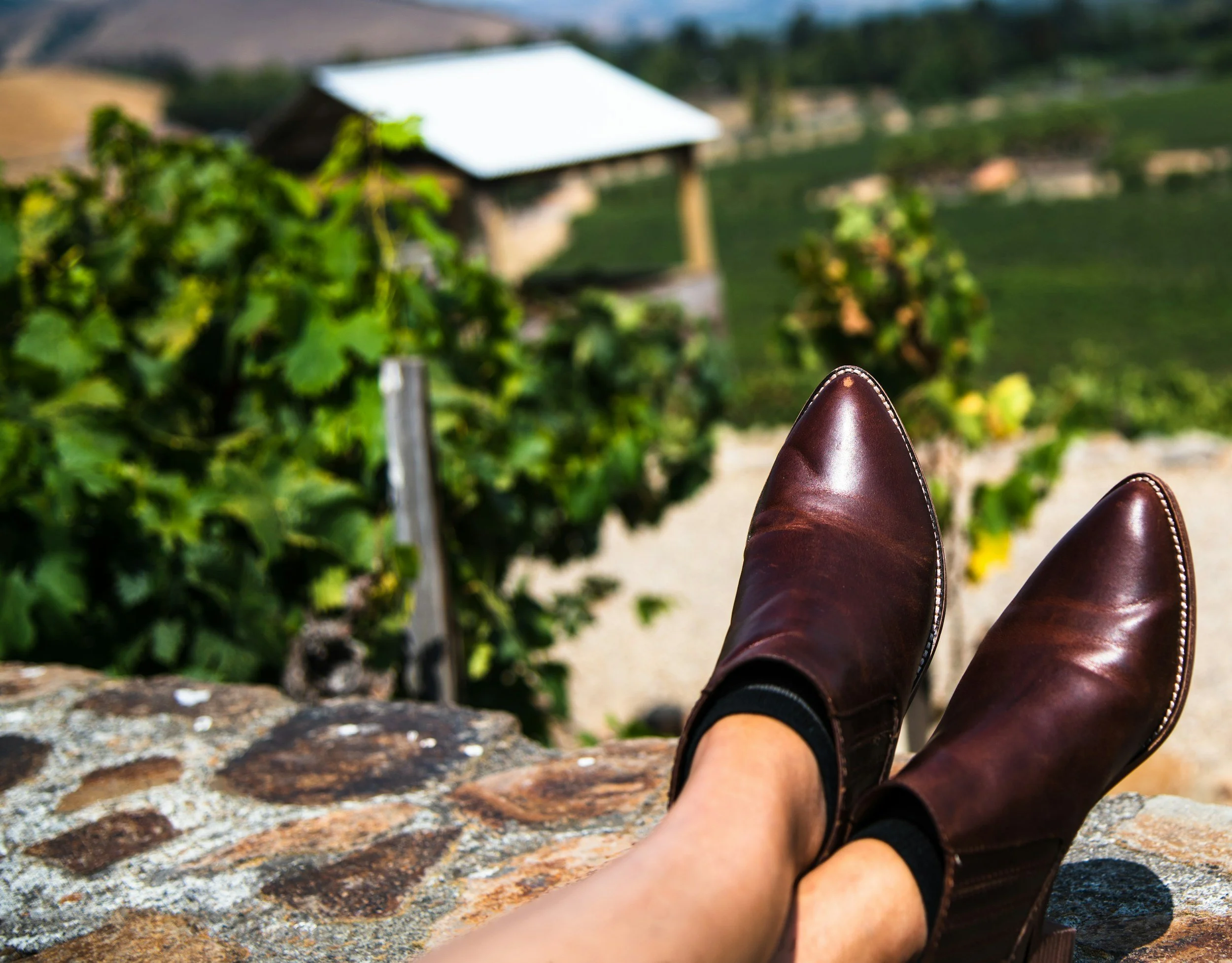
When to go to Vongnes and the Bugey region (and what changes through the year)
Timing matters here more than you might expect, not because the region is difficult to visit, but because it changes quite a lot depending on the season, both in how it looks and how easy it is to plan your days.
Late spring into early summer (May–June) is one of the easiest times to come. The vineyards are green but not fully dense yet, the days are long, and most producers are around without the pressure of harvest season. You can walk through the vines comfortably, and the weather is usually stable enough to spend most of the day outside without needing a backup plan.
Summer (July–August) works if you’re looking for warmth and longer evenings, but it’s slightly less predictable in terms of availability. Some producers take time off, especially in August, and opening hours can shift without much notice. The upside is that the region still doesn’t feel crowded in the same way as larger wine areas, but you do need to be a bit more flexible.
Early autumn (September–early October) is probably the most interesting time if you want to see the vineyards in use. Harvest can start around this period, depending on the year, which means you’ll notice more activity in and around the vines. It also changes how visits work, since producers are busier, so tastings might be shorter or require a bit more planning. At the same time, the landscape starts to shift in colour, and the overall pace of the area still feels manageable.
Late autumn (mid-October–November) is quieter again. Leaves start to fall, visibility through the vineyards improves, and the whole area feels more open. Some places begin to reduce their hours, so it’s worth checking ahead if there’s somewhere specific you want to visit, but for walking and a slower weekend, it works well.
Winter (December–February) is when the village stays quiet, and many producers reduce their availability or close for periods, which means you can still come, but you need to organise visits in advance. On clear days, the views across the Rhône valley are sharper, but the experience is more limited compared to other seasons.
What usually works best is aiming for May–June or September, depending on whether you prefer a more relaxed visit or a bit more activity in the vineyards. Outside of those periods, it’s still possible to plan a good weekend, but it helps to be more flexible with timing and expectations.
What kind of wine you’ll be drinking in Bugey
If you come into the Bugey expecting one clear style, it takes a moment to adjust, because most producers don’t focus on just one thing, and tastings usually move across a mix of wines rather than following a fixed structure.
Whites tend to come first, often poured straight from bottles that are already open on the counter. You’ll usually see grapes like Altesse (often labelled Roussette du Bugey) or Jacquère, and they’re typically served cool, sometimes slightly colder than you might expect, especially if you’re visiting in warmer months. The style is clean and quite direct, not heavy, not overly aromatic, and easy to drink without needing much explanation. It’s the kind of wine you’ll see people opening at home or bringing to a simple lunch rather than something reserved for a specific occasion.
Reds are present but feel secondary. Gamay is the most common, which means lighter wines with soft structure, sometimes poured a bit cooler than room temperature. Mondeuse shows up as well, usually with a bit more structure and spice, but still in a lighter style compared to what you might expect from other regions. You won’t often be sitting down to a long, focused red wine tasting here, it’s more likely to be one or two glasses within a broader mix.
The one style that stands out more clearly is the local sparkling wine, Bugey-Cerdon. It’s lightly sparkling, slightly sweet, and often a soft pink colour. You’ll usually find it chilled and ready to pour, sometimes opened early in the day and revisited later, which already tells you how it’s meant to be drunk. It’s not treated as something formal. More as something you open in the afternoon, or share at the end of a tasting without much structure around it.
Where you taste these wines also shapes how they feel. In places like Vongnes, you’re often standing at a counter in a small cellar or a room attached to the house, with bottles stacked behind you or along the walls, and sometimes equipment visible in the same space. At Domaine Monin or nearby producers, it’s common to move only a few steps between where the wine is stored and where you’re tasting it.
You’ll also notice small practical details that tell you how local the setup is. Prices written by hand on a board or a piece of paper, bottles grouped in simple cases rather than displayed individually, and people buying a few bottles to take with them rather than treating it as a one-off tasting. In nearby towns like Belley, you’ll often see the same wines on tables in local restaurants, which reinforces the sense that what you’re tasting isn’t a separate “visitor experience”.
Another thing that becomes clear after a couple of visits is that there isn’t a standard order or script. You don’t sit down to a guided tasting with a set progression. You taste what’s open, maybe ask a question or two, and move through it at a pace that matches the rest of the day. Sometimes you stay longer than expected, sometimes you move on more quickly, but it doesn’t feel like you’re working through something that’s been planned in advance.
Why Bugey feels different from the better-known wine regions
If you’ve spent time in places like Beaujolais or Burgundy, the difference in Bugey shows up quite quickly, and not in one big way, but in a series of smaller things that change how your day actually works once you’re there.
The first is how little is signposted. You’re not following a clearly marked wine route, and you won’t see clusters of tasting rooms grouped together or signs pointing you from one producer to the next. Instead, you turn onto smaller roads, pass through villages, and most of the time you only realise you’ve reached a winery when you’re already in front of it.
In places like Vongnes, that becomes even more noticeable. There isn’t a central area where everything is concentrated. Producers are part of the village itself, often in the same buildings people live in, which means visits feel more like stepping into someone’s workspace than arriving somewhere designed for visitors.
The pace is different as well, but not in a way that feels forced. In larger regions, even when things are quiet, there’s still an underlying structure, appointments, routes, expectations around how many places you’ll visit in a day. In Bugey, that drops away quite quickly. You visit one place, stay longer than you expected, and then decide what to do next once you’re already outside again.
Pricing and presentation follow the same pattern. You won’t find large tasting rooms, curated shop spaces, or tiered experiences. Bottles are often stacked in the same room where you taste them, with simple price lists, and what’s being poured is usually what’s already open rather than something selected from a menu.
Even the way you move between places changes. Distances are short, especially around Vongnes, but you’re not trying to cover them all. You walk between a few points, then stop. The day isn’t built around getting through a list.
If you’re leaning toward something even more under the radar, this Périgord Noir spring weekend gives a good sense of that shift.
Where to stay: simple, local, and close to the vines
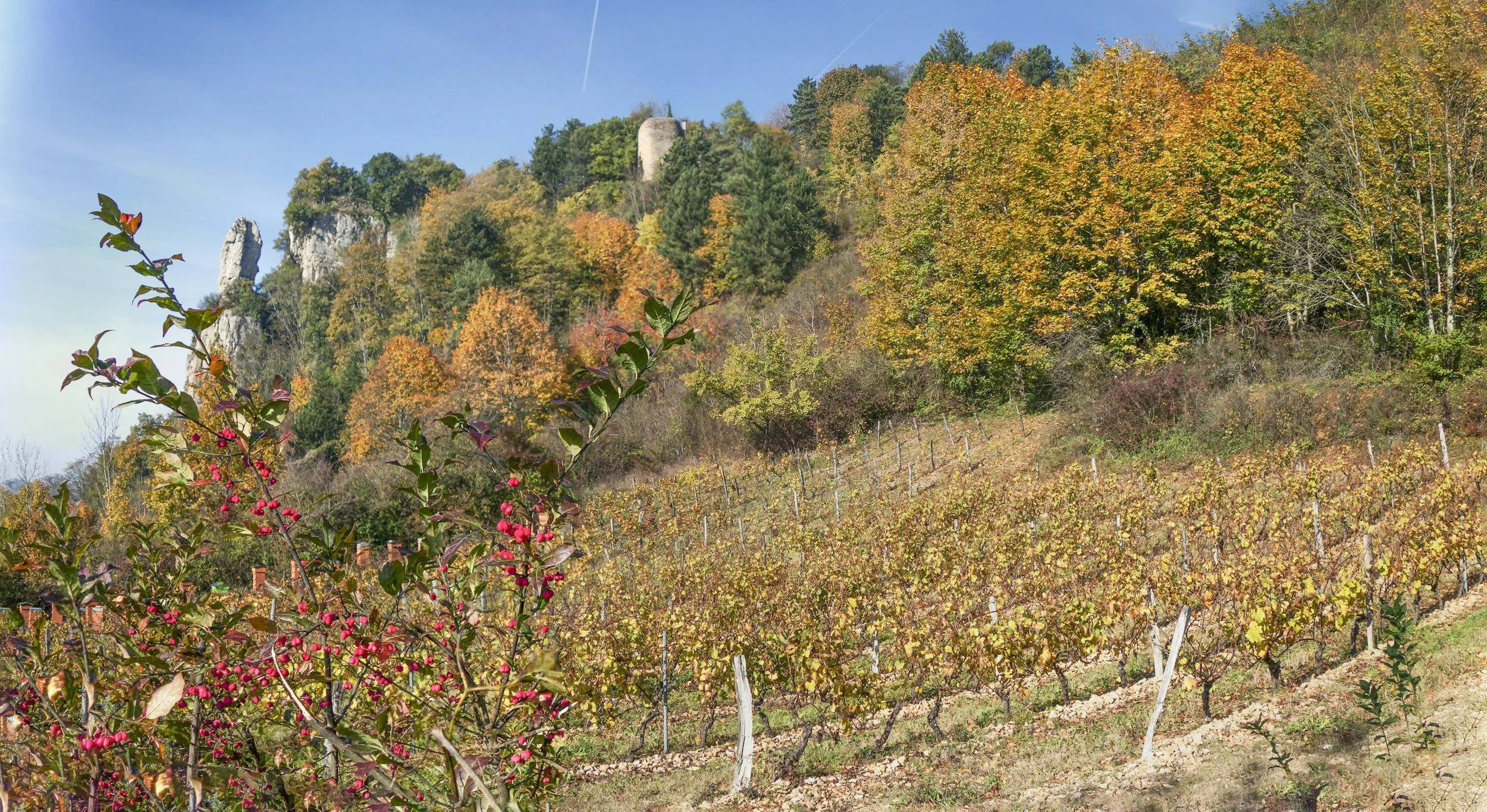
Where you stay around Vongnes shapes the whole weekend more than you might expect, mainly because everything slows down quite early in the evening and you won’t want to be driving around looking for somewhere to eat or come back to after dark. It’s less about finding the “best” place and more about choosing something that fits how the area actually works.
In Vongnes itself, accommodation is limited and fairly low-key. You’re looking at small guesthouses, chambres d’hôtes, or rooms in converted houses rather than hotels with full services. There’s no central reception area or anything that feels like a typical stay. You arrive, meet the host, get shown your room, and that’s about it. After that, you’re left to settle in, which suits the pace of the village.
Places like La Maison des Isles follow that pattern. Rooms tend to be simple, often with older features left as they are rather than redesigned, and mornings are quiet, usually with a small breakfast set up with local products. It’s not elaborate, but it fits the setting, and you’re not trying to organise your day around it.
What makes staying in Vongnes itself work well is how little you need to move once you’re there. You can walk out of your door and be in the vineyards within a few minutes, or reach a producer like Domaine Monin without getting in the car. That changes the feel of the weekend quite a lot, especially if you’re opening a bottle in the evening or planning to visit somewhere the next morning.
If you’d prefer a bit more flexibility, especially around food or cafés, then staying in Belley is often easier. It’s about 10–15 minutes away by car, and while it’s still small, it has a few bakeries, restaurants, and shops around the centre that stay open later. A place like Sweet Home Hotel Belley gives you a simple base with slightly more structure, without losing the proximity to Vongnes.
There are also a few options just outside the village in smaller places like Virignin or Contrevoz, where you’ll find farm stays or houses set a bit further out, sometimes with open views over fields or vineyards. These are quieter again, and you’ll likely need the car for most things, but they work if you’re looking for a more rural setup without distractions.
One thing that’s worth checking in advance is dinner. Not every place offers it, and when they do, it’s often only on certain nights or needs to be arranged ahead of time. If your accommodation doesn’t provide food, you’ll need to decide where you’re eating before everything closes for the evening, because there aren’t many last-minute options once you’re back in the village.
It’s also worth looking at how your room is positioned. Some places face directly onto the small lanes in the village, while others sit slightly above it with views into the vineyards. Neither is better, but it changes how the mornings and evenings feel, whether you’re stepping straight into the village or looking out over the hills.
What tends to work best over a short weekend is staying somewhere that reduces the need to think about logistics. Being able to walk out, reach a producer, come back without planning the route, and not needing to drive again in the evening makes everything feel more relaxed without you having to organise it.
What you only really notice once you’ve spent a weekend here
One thing that doesn’t show up when you’re planning is how quickly you stop checking your phone. Not in a dramatic way, just in small moments. You walk out for “a quick look,” take one turn too many, end up between the vines, and by the time you come back you’ve lost track of how long you were gone.
In Vongnes, there isn’t anything pulling you from one place to the next, so the day doesn’t break up into clear segments. A tasting runs into a walk, a walk turns into sitting somewhere for a while, and you don’t really decide when one thing ends and the next begins. That’s easy to overlook when you’re planning, because most wine regions work the opposite way.
You also start noticing how little you actually needed to organise. No reservations stacked back-to-back, no driving across the region to “fit things in,” no pressure to try a certain number of producers. Just one or two places, and enough time around them.
And then there are the small things that don’t get mentioned anywhere. Which lane gets the last light in the evening. Where people stop to talk outside a cellar door. The fact that you’ll probably pass the same few places more than once without meaning to, and each time it looks slightly different depending on the time of day.
None of that is something you plan for, and it’s not something you’d come here for on its own. But over a couple of days, it’s what stays with you more than the list of wines you tried.
That’s usually when you realise you didn’t just come here for a wine weekend, even if that’s how it started.
Some wine regions naturally lend themselves to solo trips, and this Champagne guide shows how that can look in practice.
FAQ: planning a wine weekend in Vongnes and the Bugey region
Where is Vongnes and why don’t more people go there?
Vongnes sits in the Bugey area between Lyon and Geneva. It’s not on a main route and doesn’t have a structured wine circuit, which is why it stays quiet compared to Beaujolais or Burgundy.
What is a good alternative to Beaujolais for a quieter wine weekend?
Bugey is one of the closest alternatives to Beaujolais if you want fewer visitors and a more local setup, with smaller producers and less structured tastings.
How far is Vongnes from Lyon and Geneva?
Around 1 hour from Lyon and 1 hour to 1 hour 15 minutes from Geneva by car.
Do you need a car to visit Vongnes?
Yes, for a short weekend it’s the easiest option. The closest train stop is Culoz, but you’ll still need a taxi for the final stretch.
How many wineries can you realistically visit in one day in Vongnes?
One or two. Visits aren’t timed or structured, and you’ll usually stay longer than expected at each place.
Do you need to book wine tastings in Bugey?
Not always. Many producers accept walk-ins, but it depends on the time of day. Late morning is the most reliable.
What time of day is best for wine tasting in Vongnes?
Late morning. Early afternoon can be quiet or closed, and evenings are not suited for visits.
What kind of wine is Bugey known for?
Fresh whites (Altesse, Jacquère), light reds (Gamay, Mondeuse), and sparkling Bugey-Cerdon, which is slightly sweet and served chilled.
Is Bugey cheaper than other French wine regions?
Generally yes. Wine is often sold directly by producers, without the pricing linked to larger wine region reputations.
Where should you stay for a wine weekend in Bugey?
Stay in or near Vongnes if you want to walk between vineyards. Belley is a practical alternative with more restaurants.
Are there restaurants in Vongnes?
Very few. Most evenings require planning ahead or driving to nearby villages like Belley or Contrevoz.
What is the biggest mistake when visiting Vongnes?
Trying to follow a wine route or fit in multiple tastings. The area works better with fewer visits and more time in between.
When is the best time to visit Vongnes?
May–June and September are the most reliable months. Summer can be less predictable, and winter requires advance planning.