
Where I'd stay to get the most out of Périgord Noir
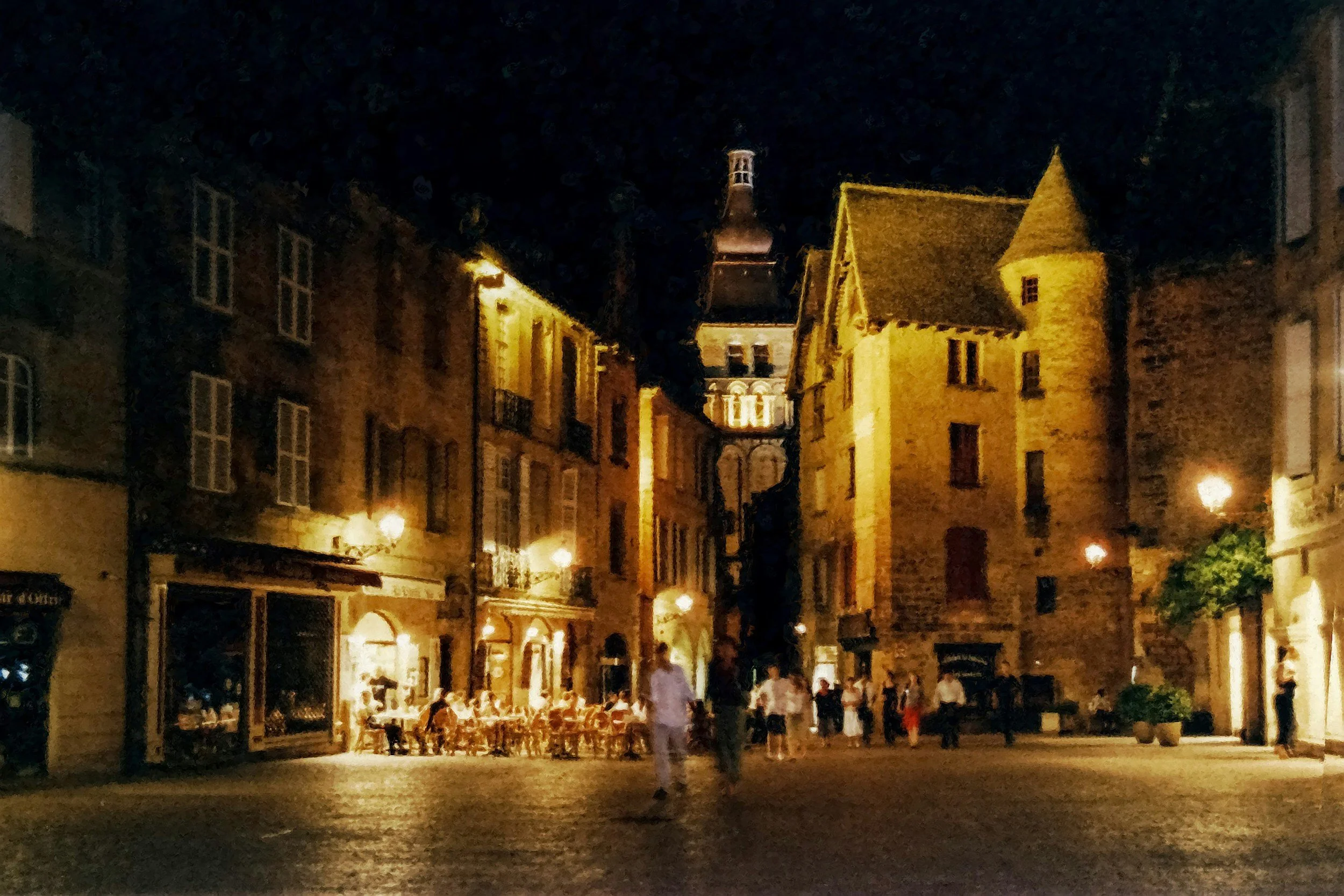
By the second or third day in Périgord Noir, most people realize they planned the trip slightly wrong.
Not because the region disappoints them. Usually the opposite.
They just didn’t expect how long lunches would become, how tiring the roads feel after dark, or how different the atmosphere is between somewhere like Sarlat and a tiny village near the Vézère Valley once evening arrives. A hotel that looked peaceful online suddenly feels isolated after restaurants close at 8:30pm. A “central” countryside rental turns out to be forty minutes from everything on narrow roads. A village that looked magical at noon feels oddly empty by Tuesday morning.
Where you stay changes the entire experience here more than people expect.
Périgord Noir isn’t a region where it makes sense to move constantly. The better trips usually revolve around one or two good bases, market timing, long afternoons, and accepting that you probably won’t see every famous village in one trip anyway.
This guide breaks down where it actually feels good to stay for 3–5 days depending on the kind of trip you want to have, whether that’s café mornings in Sarlat, quieter evenings near Les Eyzies, countryside rentals near Saint-Cyprien, or a short overnight stay in Domme once the day visitors leave.
How to get to Périgord Noir
Most people arrive through Bordeaux, Bergerac or Toulouse depending on where they’re coming from and whether they want to rent a car straight away.
Bordeaux is usually the easiest option overall. From there, it’s about 2.5 to 3 hours to Sarlat by car once you get out of the city traffic. Bergerac is closer and much smaller, around 1.5 hours away, and can work really well for shorter trips if the flight times line up properly. Toulouse makes more sense if you’re combining Dordogne with Lot, Aveyron or somewhere further south.
The train journey takes longer than people expect.
Sarlat sits at the end of the line, so there are no fast direct trains from Paris or Bordeaux. Most routes involve changing at Bordeaux, Libourne or Brive-la-Gaillarde. From Paris, the trip can easily take most of the day depending on connections.
Les Eyzies and Saint-Cyprien are both on the same regional train line as Sarlat, which surprises a lot of people. They’re actually easier without a car than some better-known villages in the region. Train schedules thin out quite a bit on Sundays though, especially outside summer.
A lot of visitors arrive thinking they’ll rely on taxis between villages once they’re there. That usually becomes frustrating pretty quickly. Evening taxis are limited, Uber barely exists, and some smaller villages feel very disconnected once restaurants close for the night.
Driving definitely makes the region easier, but distances feel longer once you’re actually on the roads. You’re constantly slowing down through villages, winding through forested roads or getting stuck behind tractors during market mornings.
If you’re renting a car, Bordeaux usually gives the smoothest experience overall. Parking in Sarlat itself is the annoying part, especially if your hotel is deep inside the old town. Some places advertise “parking nearby” and technically mean a ten-minute uphill walk with luggage over cobblestones.
In case you’re flying into Bordeaux before heading toward Dordogne, this quiet Bordeaux guide helps you avoid the mistake a lot of people make the first night: booking somewhere loud, touristy and exhausting before a countryside trip even starts.
Sarlat works best if you want evenings that still feel alive
Sarlat-la-Canéda is usually the safest base in Périgord Noir if you don’t want the trip to feel overly complicated after the first day or two.
You can wake up and decide things as you go a bit more here. Coffee early in the morning isn’t a problem. Neither is finding somewhere open for dinner on a Tuesday in October. You don’t have to drive somewhere else every evening just because your village shut down after lunch.
A lot of Dordogne villages look lively in photos because they were photographed between 11am and 2pm in July.
Sarlat actually functions as a town.
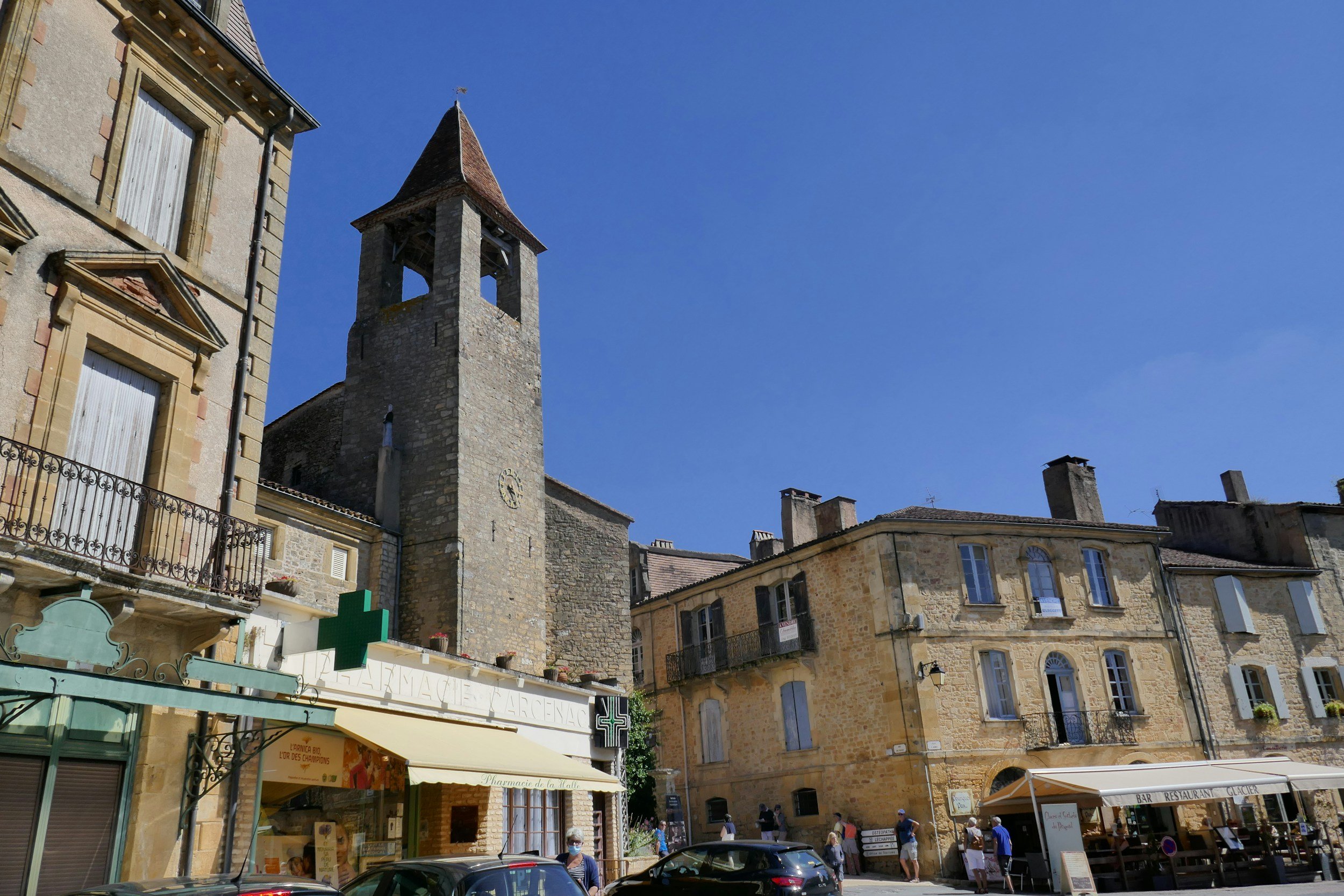
Around Place de la Liberté, mornings begin earlier than people expect. By 8am, bakery queues have already formed and delivery vans are trying to squeeze through the narrow medieval lanes while café staff drag tables across the stone squares. On Wednesdays and Saturdays, the market spreads through the old town quickly. Rue des Consuls, Rue de la République and the area around the cathedral get crowded before lunch even starts properly.
If you want to walk through Sarlat before it fills up, early morning is completely different. The stone streets are quieter, shop shutters are still closed, and locals are picking up bread before work rather than photographing walnut cakes.
The covered market inside the old Sainte-Marie church is useful for more than just browsing around. Good cheeses, duck confit, pâté, strawberries in season, walnut products everywhere. If you’re staying in an apartment or countryside rental nearby, it’s the kind of place where you end up buying dinner ingredients without really planning to.
People often underestimate how useful it is to stay somewhere with proper grocery shops nearby too. Carrefour City near Avenue Gambetta stays open later than many smaller village shops in the region, and there’s a decent organic shop nearby if you’re cooking some evenings yourself. After a full day driving around the Dordogne Valley, not having to think too much about food becomes part of why Sarlat works.
The mistake a lot of visitors make is booking accommodation too deep inside the medieval center because the photos look romantic online. Then they arrive during a heatwave with heavy luggage and realize the parking is uphill, the apartment is on the third floor with no lift, and the windows need to stay open all night because there’s no air conditioning.
The streets around Avenue Gambetta or slightly toward the train station side usually make longer stays easier. You can still walk into the old town in under ten minutes, but evenings are quieter and parking is less stressful. Hotel Plaza Madeleine works well if you want somewhere central with a pool after hot afternoons. La Villa des Consuls is a good option if you prefer apartment-style stays and want a kitchen. Around Carsac-Aillac and Proissans, there are also plenty of converted stone farmhouses and small guesthouses where you get more space while staying close enough to drive into Sarlat for dinner.
People also imagine Sarlat as much flatter than it is. Not dramatically steep, but enough that you notice it after dinner. Especially in summer heat.
July and August feel busy here well into the evening. Tables spill across the squares around Place de la Liberté, street musicians appear near the cathedral, and families wander around with ice cream surprisingly late at night. Then you come back in January and half the streets are almost silent after 8pm apart from a few restaurants glowing near the center.
For day trips, Sarlat makes things simple. Domme is around 20 minutes away. Beynac-et-Cazenac and La Roque-Gageac are close enough that you can leave after breakfast without turning it into a whole driving day. Les Eyzies works well as a half-day trip combined with lunch somewhere nearby in the Vézère Valley. The gardens at Marqueyssac are especially good later in the afternoon once the midday heat starts fading.
Most people enjoy the region more once they stop trying to fit five villages into every day. A market morning in Sarlat, lunch near the river around Vézac or Carsac, maybe stopping at a walnut farm shop on the way back, then returning before the slow evening traffic builds around Beynac usually ends up being a much better day than rushing through a checklist of villages.
A lot of people who love the stone villages around Périgord Noir end up wanting somewhere similar afterward but without the summer crowds, and this Semur-en-Auxois guide is one of the easiest ways to decide if Burgundy might actually suit you better than Provence.
The Vézère Valley is better for longer stays than most people expect
A lot of people plan their first Dordogne trip around Domme, Beynac and La Roque-Gageac because those are the villages they’ve already seen online a hundred times before arriving, but after a couple of days of crowded parking lots, overheated stone streets and riverside traffic jams, the Vézère Valley usually starts feeling much easier to actually spend time in.
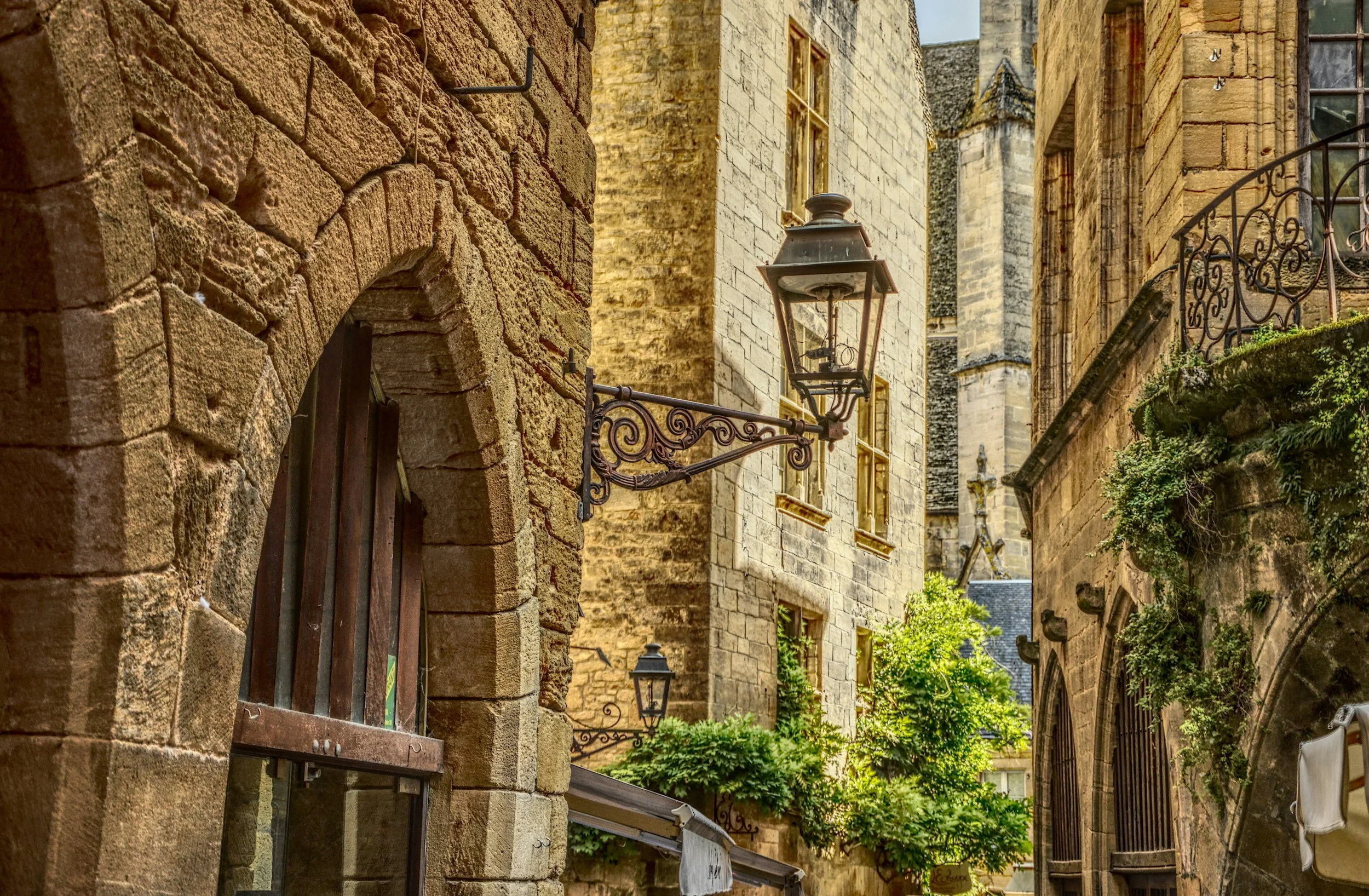
The whole atmosphere changes once you leave the Dordogne River corridor and drive east toward Les Eyzies and Montignac. Roads cut through woodland instead of lining up beside packed riverbanks, small villages appear quietly between limestone cliffs, and the days stop revolving around trying to beat crowds somewhere before lunch.
Les Eyzies-sur-Tayac ends up being one of the strongest bases in the region for people who care more about how a trip feels day to day than collecting the maximum number of villages. At first glance, some visitors almost find it too practical looking. Then after two nights they start understanding why staying there works so well.
The train station sits directly in the village on the Bordeaux-Sarlat line, so arrivals are uncomplicated compared to many villages nearby where parking immediately becomes stressful. You can step off the train and walk to hotels, cafés and restaurants within minutes without dragging luggage uphill through medieval lanes in the heat.
Most of daily life in Les Eyzies stretches along Avenue de la Préhistoire rather than hiding inside a tiny historic center. In the mornings, people drift between boulangeries and cafés before heading toward the prehistoric sites nearby. Le Café du Centre usually fills up early with cyclists and locals stopping for espresso and tartines before work, while the bakery at Boulangerie L’Atelier near the main road is one of the better spots for walnut bread and pastries before cave visits.
The cliffs surrounding the village shape the atmosphere more than the buildings themselves. Late afternoon changes everything there. Once the sun drops lower behind the limestone walls above the Vézère River and the parking areas around the National Museum of Prehistory start emptying, the village becomes much calmer than the Dordogne River villages further west.
That’s usually the nicest time to walk through Les Eyzies.
People staying there often settle into routines quickly. Coffee in the morning, market shopping in nearby Saint-Cyprien or Le Bugue, lunch somewhere beside the river, maybe a canoe afternoon without turning the whole day into a complicated driving itinerary. Canoe routes around Les Eyzies also feel noticeably less chaotic than the Dordogne River around Beynac in July and August, where hundreds of kayaks can end up packed together by midday.
Le Centenaire is probably the best-known boutique hotel in the village and works well if you want a pool, air conditioning and somewhere comfortable after long afternoons exploring cave sites. Hôtel des Roches sits directly beneath the cliffs and feels much quieter than staying in central Sarlat during summer. Around Manaurie, Fleurac and Peyzac-le-Moustier, smaller guesthouses and converted farmhouses usually give you more outdoor space, easier parking and quieter evenings.
The nearby village of Saint-Cirq is also worth mentioning because people staying around Les Eyzies often end up driving there for dinner at least once during the trip. The terrace at Auberge de la Petite Reine overlooks the valley and feels especially good around sunset when the heat finally starts dropping.
Montignac-Lascaux feels more local and practical than many villages around the Dordogne River, especially in the lower part of town near the Vézère where locals are shopping, picking up bread or sitting outside cafés in the evening rather than moving through quickly with cameras.
Architecturally, parts of Montignac are fairly ordinary, but after three or four days in Dordogne that practicality starts becoming useful. There are also proper supermarkets, pharmacies, wine shops, tabacs and bakeries that stay open later than the tiny villages nearby, which sounds boring until you’ve spent the whole day driving around Dordogne and realize your village bakery closed three hours ago. A lot of people staying around Montignac end up doing grocery runs at the Intermarché Super on Avenue Professeur Faurel before heading back to their hotel or countryside rental for the evening, especially if they’re staying somewhere with a terrace or outdoor kitchen. Cave Péchalou is good for picking up local Bergerac and Pécharmant wines without feeling like a tourist shop, and Maison Lemoine is one of the better bakery stops in town for walnut bread, pastries and sandwiches before heading out toward Lascaux or Saint-Léon-sur-Vézère for the day. Near Place Tourny, the Maison de la Presse tabac stays useful later in the evening for all the practical things people forget about until they actually arrive in Dordogne.
The older streets uphill toward Église Saint-Pierre-ès-Liens become much quieter once the Lascaux visitors leave in the late afternoon. Around Rue de la Liberté and Place Carnot, restaurant terraces slowly begin filling toward evening rather than all at once. Les Pilotis beside the river is good for relaxed dinners outside in warmer weather, while Café de la Terrasse works well earlier in the day if you just want coffee and something small without committing to a full lunch.
People also underestimate how useful Montignac’s location is for slower day trips. Saint-Léon-sur-Vézère is less than fifteen minutes away, Sergeac and Thonac are nearby, and you can reach smaller roads through the valley without constantly passing through the busiest Dordogne River traffic.
Le Moulin de Mitou just outside town works well if you want countryside surroundings without feeling isolated from restaurants and shops, while smaller guesthouses around Valojoulx usually give you more space and easier parking than staying directly in the older streets.
Saint-Léon-sur-Vézère gets recommended constantly because it photographs beautifully, especially around the Romanesque church and pale stone houses beside the river, but staying there for five nights can feel surprisingly limiting unless your plan is mostly reading, walking and staying close to your accommodation.
By evening, the village becomes genuinely quiet. A couple of occupied tables outside the restaurants near the bridge, soft light against the stone walls, very little movement once dinner service slows down.
The Vézère Valley also keeps more life outside peak season than the Dordogne river villages further west. In late September and October, Montignac and Les Eyzies still feel active enough for longer stays, while some villages around the Dordogne River begin shutting down midweek once summer visitors disappear.
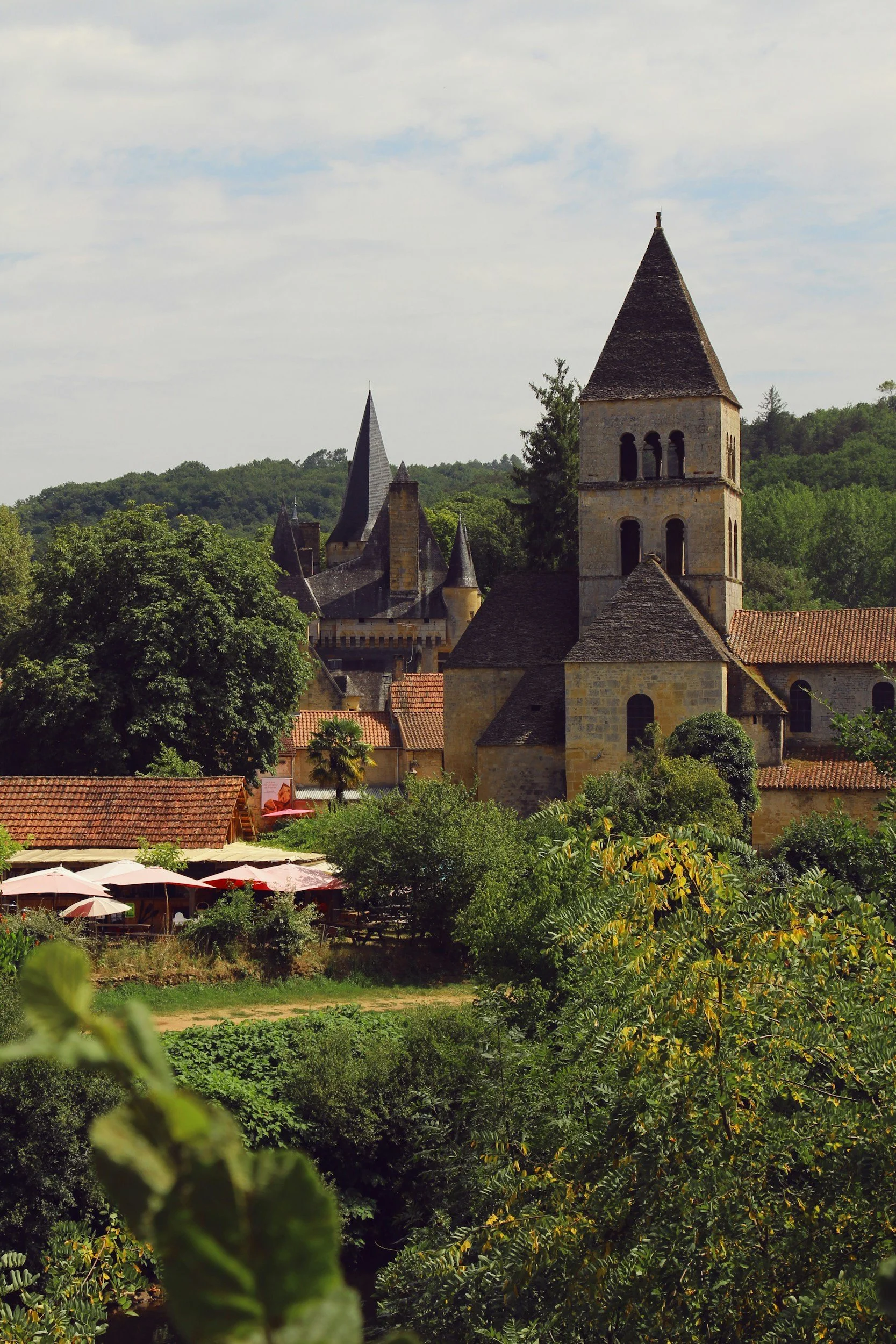
Staying in Domme feels very different after 5pm
A lot of people book Domme thinking they’ll want to stay there for most of the trip because the photos look unreal online, especially the views across the Dordogne Valley and the pale stone streets inside the bastide. Then they arrive and realize the village itself is actually pretty small once you’ve walked through it a couple of times.
Usually, the nicest version of Domme is one overnight stay.
Late afternoon changes the whole atmosphere there. Around lunchtime, the streets near Porte des Tours and Place de la Halle can feel packed in summer, especially when tour buses arrive from Sarlat and the river villages below. Then somewhere around 5pm everything starts slowing down. Shops begin closing shutters, people drift back toward the parking lots outside the walls, and the light across the valley turns softer around the viewpoint near the belvedere.
That’s when Domme starts feeling good again.
People staying overnight get the quieter version most visitors never see. Early mornings are especially nice there, before café tables appear in the square and before the first cars start climbing the hill from Cénac-et-Saint-Julien. You mostly hear footsteps across the stone streets, delivery vans squeezing through the gates and church bells echoing across the valley.
The practical side of staying there catches up pretty quickly though if you stay too long.
Restaurant choices narrow after a couple of evenings, grocery shopping becomes annoying, and moving the car during summer weekends can feel like volunteering for a problem you already solved once. A lot of visitors end up parking outside the walls near Porte del Bos and then refusing to touch the car again until checkout.
Cabanoix et Châtaigne near Rue Eugène Leroy is one of the places people staying overnight usually end up liking because it feels relaxed enough for a long dinner without becoming overly formal. Comptoir d’Annam surprises a lot of people too because after several days of heavy Dordogne menus, suddenly eating something that isn’t duck or foie gras starts sounding very appealing. Around Place de la Halle, the café terraces are nicest early in the morning before the heat and crowds arrive.
If you’re staying inside the bastide itself, it’s worth checking how close the accommodation actually is to parking because some of the prettier-looking apartments involve dragging luggage uphill across uneven stone lanes in summer heat. Les Ventoulines just outside the village works much better for longer stays if you want parking, countryside views and a pool without constantly dealing with the narrow streets inside the walls. Around Vitrac and Cénac, there are also plenty of smaller stone guesthouses where you can drive into Domme for dinner or sunset but avoid the daytime crowds completely.
La Roque-Gageac has a similar problem as a longer base. Beautiful for an afternoon, beautiful from the river, beautiful at sunset. But by late evening, there’s very little happening once the restaurant terraces empty out. The road through the village gets heavily congested during summer afternoons too, especially once the kayaks and gabares boat tours are all moving through at the same time.
For lunch though, it’s hard to beat. People staying nearby often stop at La Belle Étoile for riverside tables or grab coffee and walnut cake before walking along the riverfront below the cliffs.
A lot of Dordogne trips become repetitive because people keep changing hotels between villages that all end up giving them roughly the same day: crowded by lunch, quiet after dinner, one market, one viewpoint, then back in the car again. Usually the trip feels much better when Domme becomes somewhere you slow down for one evening instead of trying to build the whole holiday around it.
If you’re thinking about doing another France trip later in the year, this Alsace autumn guide feels completely different from Dordogne but attracts a surprisingly similar type of traveler: people who care more about atmosphere, food and smaller towns than rushing between landmarks.
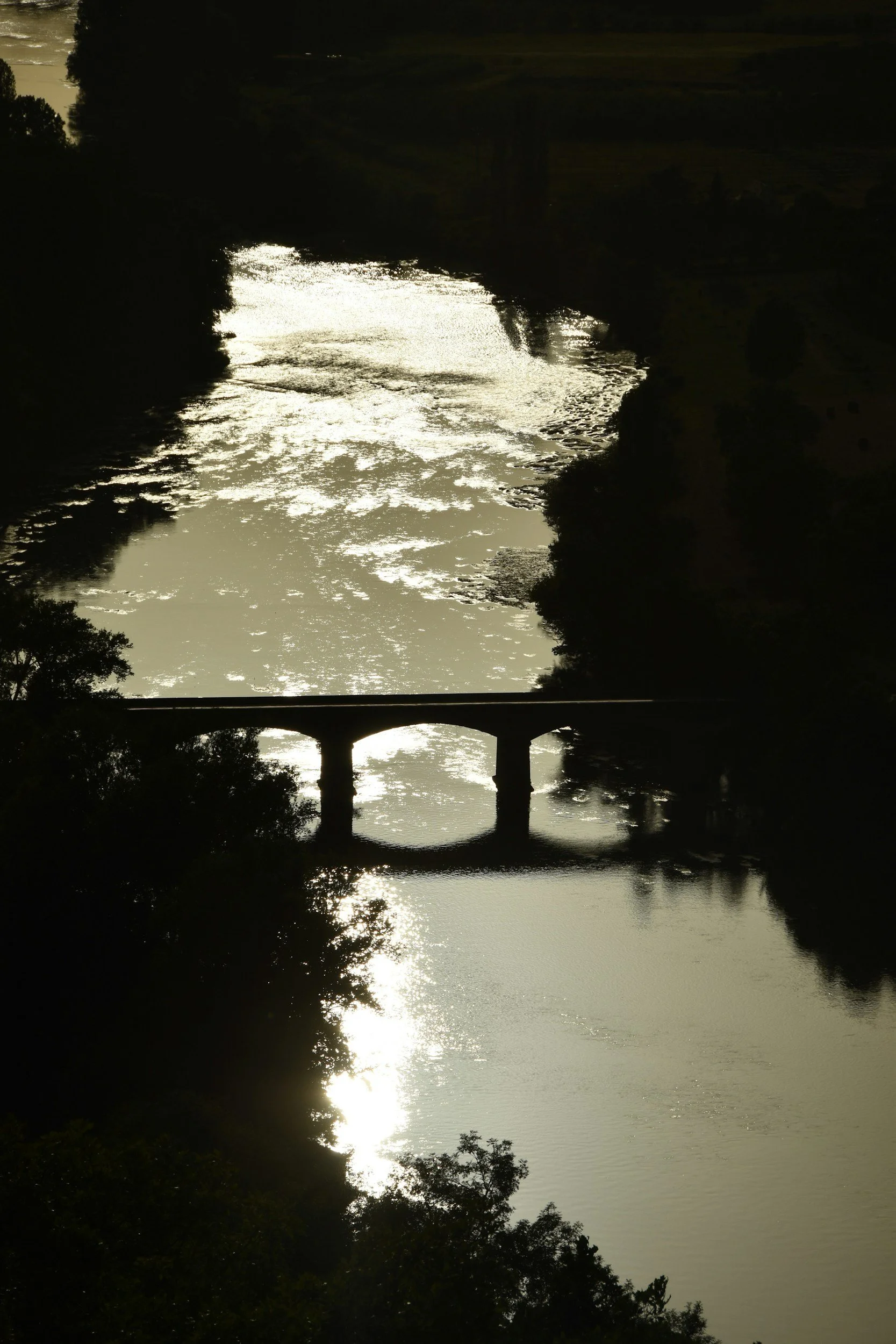
Countryside rentals can become tiring faster than expected
A stone farmhouse with shutters, walnut trees and a pool overlooking the Dordogne countryside sounds exactly like the trip most people imagine before arriving in Périgord Noir. Sometimes it really is that good. Long dinners outside, complete silence at night, breakfast under the trees while the valley is still covered in morning fog.
The difficult part is usually not the house itself. It’s where the house actually is.
A lot of countryside rentals advertise themselves as “near Sarlat” or “close to the Dordogne Valley,” but once you arrive you realize that “near” means forty-five minutes on winding roads through woodland where you barely pass another car after dark. That feels very different by the fourth evening when you just want dinner somewhere simple without turning it into another drive.
The roads around Périgord Noir are slower and narrower than people expect from looking at a map. You’re constantly reducing speed through tiny villages, waiting behind tractors carrying walnuts or hay, or pulling slightly onto the roadside to let another car pass between stone walls. After sunset, some stretches around Saint-Amand-de-Coly, Marquay or the roads beyond Tamniès become extremely dark very quickly.
People often plan countryside stays imagining they’ll spend every day exploring different villages from morning until evening. What usually happens is that after two or three days, they stop wanting to drive quite so much.
The countryside stays that work best are usually the ones sitting just outside active towns rather than completely isolated in the hills. Around Carsac-Aillac, for example, you still get the rural atmosphere with walnut groves and stone farmhouses, but you’re close enough to Sarlat that going out for dinner doesn’t become a project. The Friday market in Carsac is smaller and calmer than Sarlat’s, and places like O’Plaisir des Sens or the riverside guinguettes nearby make evenings easier when you don’t want another formal Dordogne dinner.
Saint-Geniès works well too because you can move between the Vézère Valley and the Dordogne River villages without spending half the holiday backtracking. The village itself stays fairly quiet, but there’s still a bakery, a few restaurants and enough movement that the area doesn’t feel abandoned outside summer. Around the central square near Église Saint-Geniès, evenings stay active slightly longer than people expect for a village that size.
Tamniès is another area where a lot of the countryside rentals actually make sense geographically. You’re close enough to both Sarlat and Montignac that day trips stay manageable, and Étang de Tamniès becomes surprisingly useful during hot summer afternoons when people get tired of constantly moving between villages.
Saint-Cyprien gets overlooked constantly even though it’s one of the most practical places to stay near the countryside without feeling disconnected from everything. The Sunday market spreads through the town center and actually feels local rather than built entirely around visitors. There are proper butcher shops, bakeries, pharmacies, small wine shops and cafés where people are stopping on their way to work instead of photographing pastries for Instagram.
Boulangerie Delmas near the center is one of the bakery stops people staying nearby end up returning to repeatedly, and the small streets around Place de la Liberté stay active enough year-round that evenings don’t feel deserted once summer finishes.
The train station there also makes a difference if part of the trip is car-light. You can stay in a countryside guesthouse nearby without being completely dependent on driving every single day.
Outside July and August, isolation starts feeling much more noticeable in some of the rural rentals people book online. Arriving on a Wednesday evening in October to a beautiful farmhouse near Saint-Crépin-et-Carlucet sounds idyllic until you realize the nearest restaurant stopped serving at 8pm, the small grocery shop closed hours ago and the roads are pitch black once you leave the village.
A lot of visitors also underestimate how much Dordogne shuts down midweek outside peak season. Some restaurants only open Thursday to Sunday. Others stop lunch service entirely after summer. If you’re staying somewhere very rural, it helps to already know where you’re planning to eat before the evening starts.
For longer stays, countryside rentals usually work best when the trip itself is built around staying put a bit more. Market in the morning, lunch somewhere nearby, pool during the hottest part of the afternoon, dinner outside instead of driving again. The trips that become exhausting are usually the ones where people book a beautiful isolated farmhouse and then spend five days crisscrossing Dordogne trying to see every famous village anyway.
People usually imagine Provence markets as huge and chaotic, but this Nyons market breakdown gives a much better picture of what smaller southern French market towns actually feel like when you stay long enough to experience them properly.
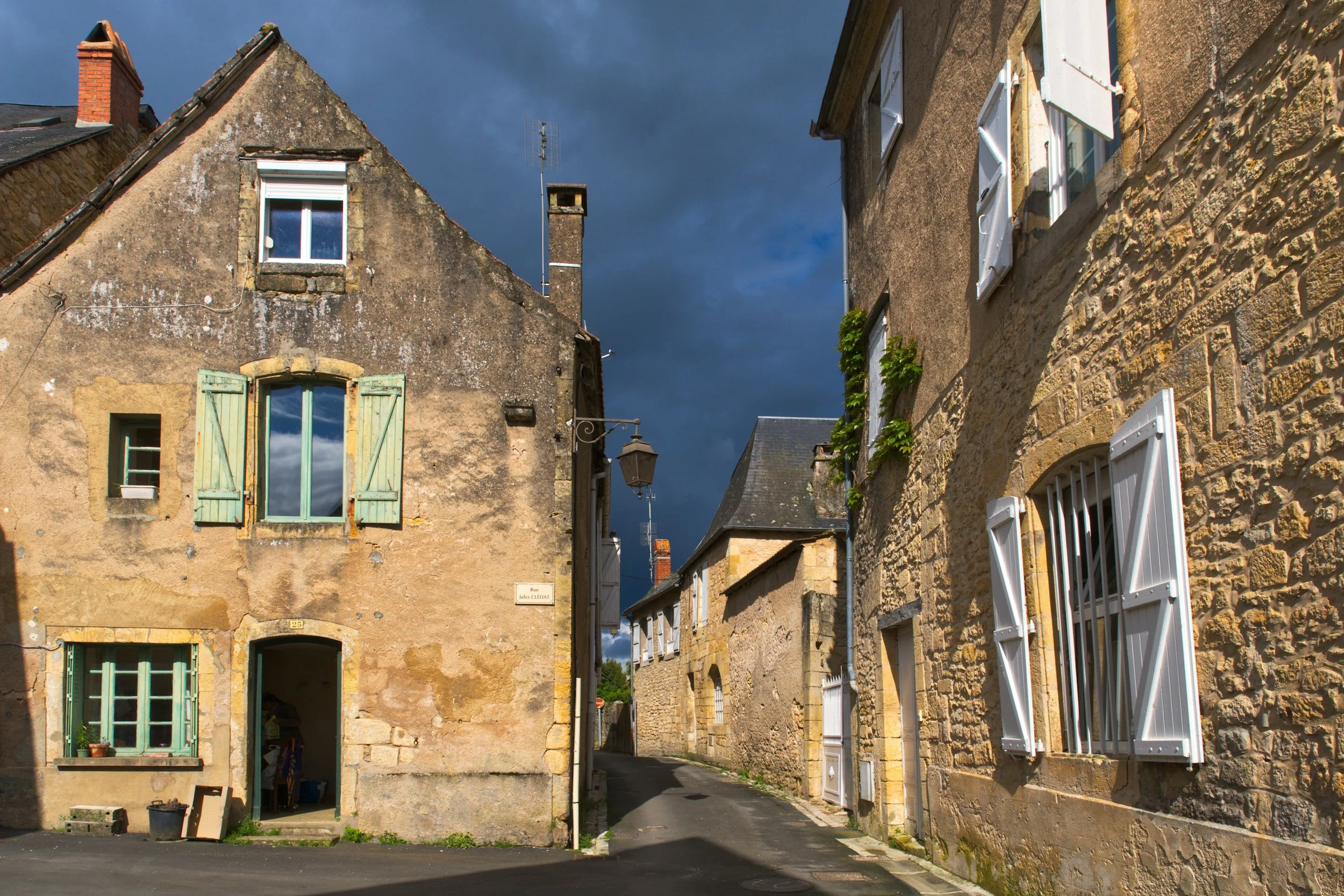
If you’re not renting a car, choose your base carefully
A lot of people arrive in Périgord Noir thinking they’ll just use trains, taxis and the occasional bus between villages and then quickly realize the region doesn’t really work like that.
You can absolutely do Dordogne without a car, but the trip usually becomes much better once you stop trying to move around constantly and choose one area properly instead.
Sarlat is still the easiest base overall if you’re arriving by train because once you’re there, you don’t really need to think too much day to day. The station sits below the old town near Avenue du Général Leclerc, and depending on where you booked, the walk uphill into the center takes somewhere around 15–20 minutes. People staying near Avenue Gambetta or Boulevard Eugène Le Roy usually have a much easier arrival than the ones who booked tiny apartments deep inside the medieval lanes because they looked romantic online.
Dragging luggage uphill through Sarlat at 2pm in July loses its charm pretty quickly.
Once you’re settled though, the town works really well without a car. You can spend whole days walking between cafés, the market, wine shops and restaurants without feeling stuck somewhere too small. The covered market inside the old Sainte-Marie church becomes useful fast if you’re staying in an apartment and want picnic food or easy dinners without sitting at another restaurant terrace every night.
The train ride from Bordeaux into Dordogne is beautiful but slow. Vineyards around Libourne, woodland, tiny stations where almost nobody gets off. The last stretch toward Sarlat feels especially slow because the train stops constantly. Sundays are the awkward days. Miss a connection and suddenly you’re sitting for an hour at a small station café wondering why you didn’t just rent a car after all.
Les Eyzies-sur-Tayac works much better without a car than most people expect because the station is directly in the village rather than outside it somewhere. You can walk from the platform to Hôtel des Roches or Le Centenaire in just a few minutes, grab coffee along Avenue de la Préhistoire, and get down to the river or canoe rental places without organizing your whole day around transport.
That’s pretty rare in this part of Dordogne.
The nice thing about staying in Les Eyzies without a car is that the days naturally become smaller and less rushed. Maybe coffee near the museum in the morning, a cave visit, lunch by the river, then back through town before dinner. You stop trying to cover half the region every day because it’s simply too annoying without a car.
Uber basically doesn’t exist here in the way people expect from bigger French cities, especially once summer ends. Taxis need to be booked ahead more often than visitors think, and evenings become the difficult part because smaller villages nearby can suddenly feel very far away once buses stop running.
Montignac is where things become trickier without a car. There’s no train station directly in town, and while regional buses exist, they’re not the kind of schedules you want to build a relaxed trip around. Outside July and August especially, everything starts requiring more planning than most people want on holiday.
A lot of people try to squeeze Sarlat, Domme, Beynac, Montignac and Les Eyzies into a few car-free days and end up spending more time checking timetables than actually enjoying Dordogne.
Usually the trips that work best without a car are the ones where you slow the whole plan down a bit. A few days based in Sarlat with one train outing. Or staying around Les Eyzies and actually enjoying the valley instead of trying to “complete” the region.
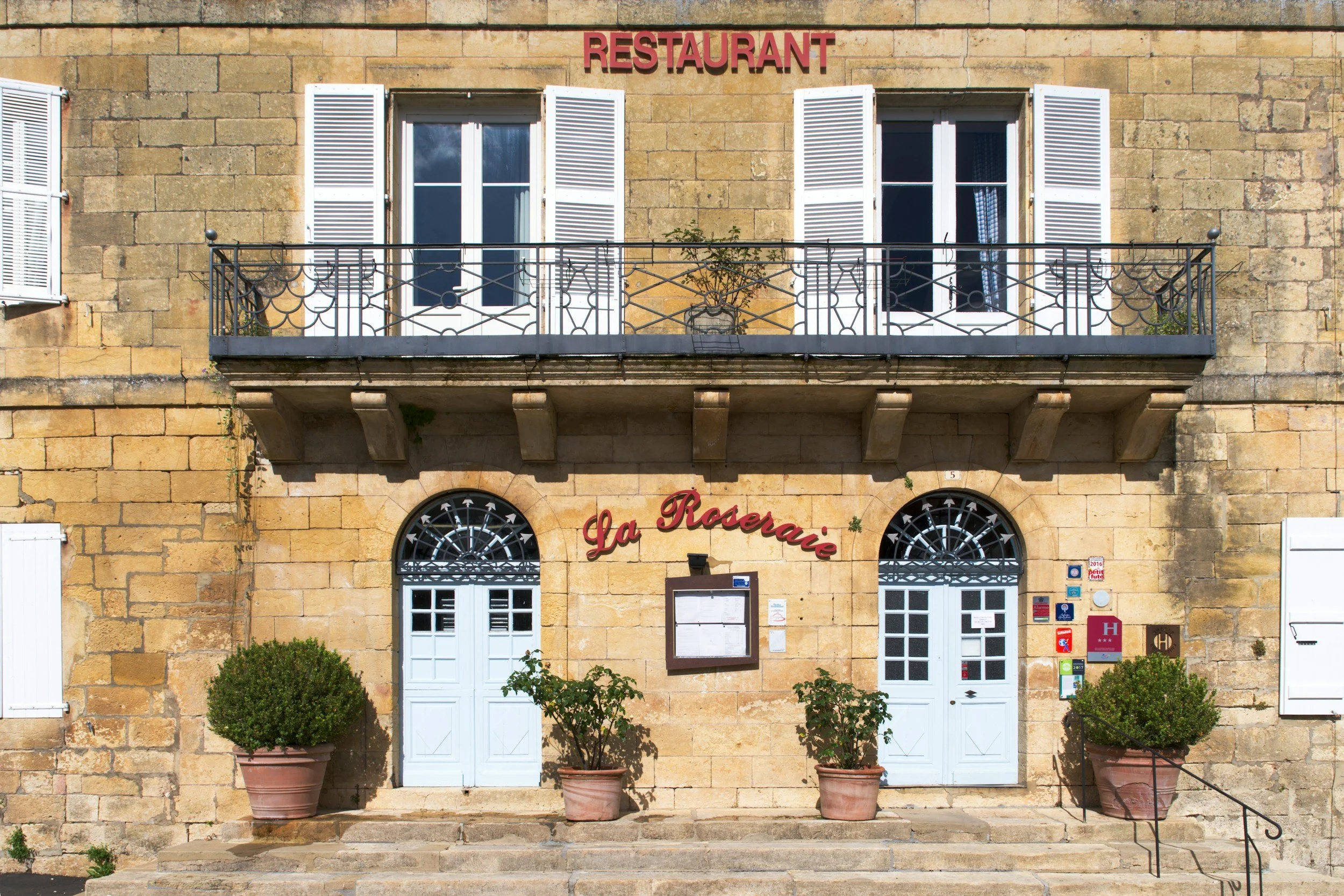
Market days in Dordogne are a worth a visit
You notice pretty quickly in Dordogne that the mood of a town depends heavily on what day you arrive there…!
Sarlat on a Saturday morning barely feels like the same place as Sarlat on a quiet Tuesday in October.
On market days, people start setting up early around Place de la Liberté and the streets near the cathedral. By 9am, the old town is already crowded with shoppers carrying striped baskets between the stalls while restaurant staff drag tables outside and delivery vans try to squeeze through streets that clearly were not designed for modern traffic.
The covered market inside the old Sainte-Marie church becomes packed around lunchtime, especially the roast chicken and potato stands where people queue surprisingly patiently considering how chaotic everything else feels outside. If you’re staying nearby for several days, you stop treating the market like sightseeing pretty fast. It becomes where you pick up dinner, bread for the next morning, strawberries, cheese, walnuts, pâté, wine.
A lot of afternoons in Dordogne end that way without much planning behind them.
People leave the market carrying far too much food, stop for a glass of wine somewhere around Rue de la République, then never really continue with the original plan for the day.
Saint-Cyprien feels completely different on Sundays. Less crowded, more local, less of a spectacle. Around Place de l’Église and Rue Gambetta, people are actually shopping properly rather than wandering slowly from stall to stall photographing things. You see locals greeting each other at the bakery, people buying vegetables for lunch, older men standing outside cafés reading newspapers while the church bells keep ringing through the center.
If you’re staying in the countryside nearby around Meyrals, Castels or Saint-Vincent-de-Cosse, this is usually where you end up doing your proper food shopping for the week because the produce is better than most of the tiny village stores nearby.
Montignac’s Wednesday market is smaller again and much less intense than Sarlat. The stalls spread through the lower part of town near Place Tourny and the river, and the whole thing feels more woven into normal daily life. People stop for coffee at Café de la Terrasse, pick up bread at Maison Lemoine, buy flowers or vegetables, then disappear again within twenty minutes.
Nobody seems in a hurry there.
One thing that catches people off guard in Dordogne is how quickly villages can empty once market mornings finish, especially outside high summer. A place can feel busy and lively before lunch and then suddenly almost shut down by late afternoon once the stalls disappear and people head home.
That’s partly why places like Sarlat, Saint-Cyprien, Montignac and Les Eyzies is better for longer stays than some of the smaller pretty villages nearby. There’s still enough going on once the middle of the day passes.
If the market mornings in Dordogne end up becoming your favourite part of the trip, this brocante guide makes French flea markets far less intimidating once you start spotting handwritten signs for vide-greniers and brocantes along the road.
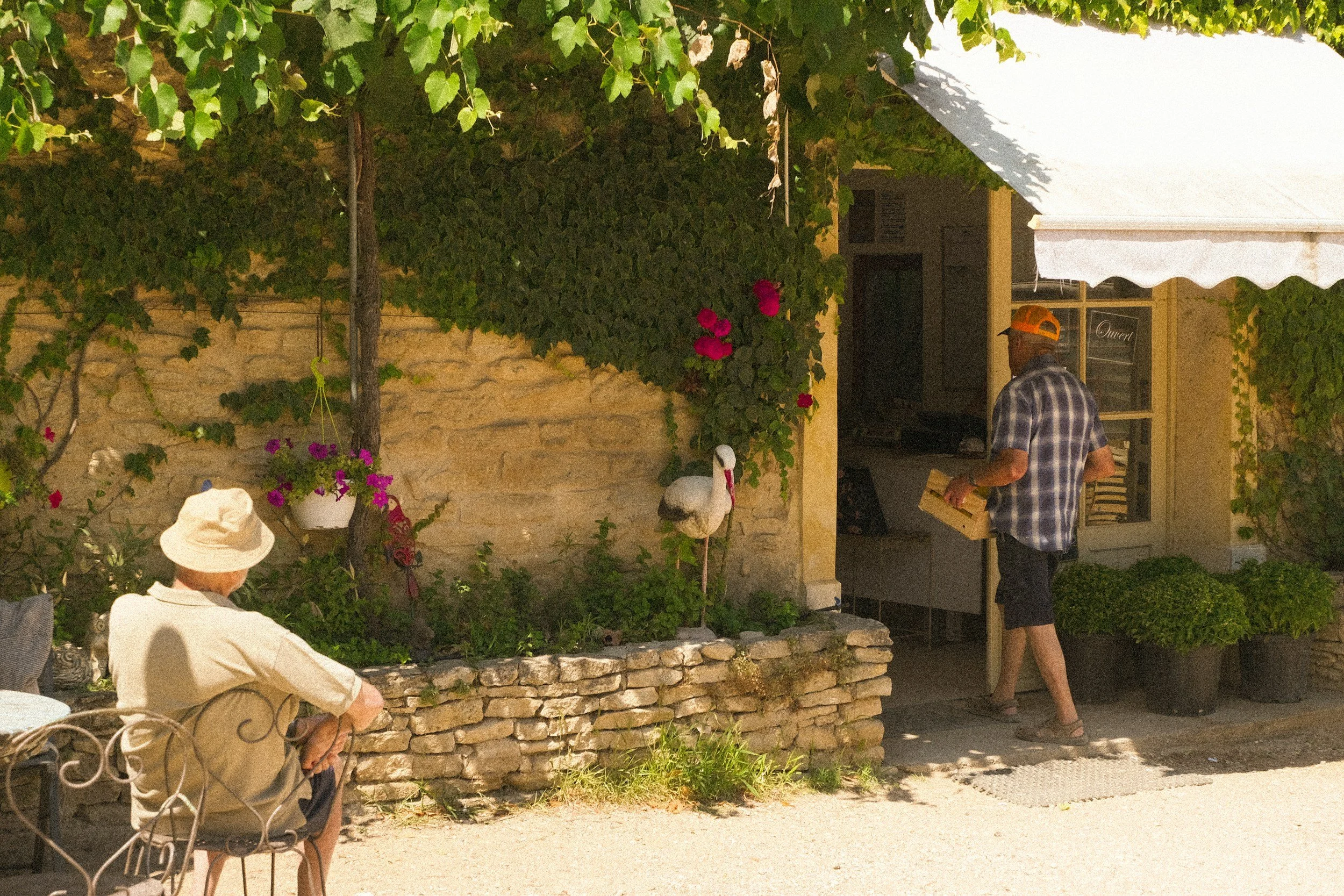
The best trips here usually involve doing less
Most people leave Périgord Noir remembering very different things from what they expected before the trip.
Not necessarily the château they bookmarked six months earlier or the village they saw on Instagram twenty times before arriving, but smaller moments that only really happen once you stay somewhere long enough to stop rushing through the region.
The bakery in Saint-Cyprien where there’s suddenly a queue out the door at 8am on Sunday morning. Realizing too late that you should’ve bought more strawberries at the Sarlat market because they taste completely different from the ones back home. Driving back through the valley after dinner with the windows open because the air finally cooled down after another hot afternoon.
And usually somewhere around day three, people stop trying to fit everything in.
They cancel a village they had planned to see. Stay longer at lunch. Go back to the same café twice. Spend an evening sitting outside the rental instead of driving somewhere for sunset because they’re finally starting to understand the pace of the region a bit better.
That’s also why where you stay is epecially important in Dordogne.
The right base makes the whole trip feel easy. The wrong one can quietly turn every dinner, market or day trip into another drive on dark country roads wondering whether anything will still be open when you arrive.
And if this trip leaves you wanting more countryside hotels with long breakfasts, quiet evenings and villages nearby rather than giant resorts, these Champagne stays are the kind of places people usually wish they’d found before booking somewhere bigger and more generic.
FAQ - stay in Périgord Noir
Is Sarlat or Montignac better for a 5-day Dordogne trip?
Sarlat usually works better if you want restaurants, cafés and easier evenings without needing to plan much ahead. You can walk between dinner, markets and bakeries without touching the car once you’re parked. Montignac feels calmer and less crowded in summer, especially if you’re more interested in the Vézère Valley, Lascaux and smaller villages nearby rather than the busiest Dordogne River stops.
Where should you stay in Périgord Noir if you don’t want to drive constantly?
Sarlat, Saint-Cyprien and Les Eyzies are usually the easiest bases if you want shorter driving days. Staying too deep in the countryside often looks appealing online but can turn tiring quickly once every dinner, market or grocery run involves 35–45 minutes on narrow roads.
Is it better to stay in the Dordogne Valley or the Vézère Valley?
The Dordogne River villages around Domme, Beynac and La Roque-Gageac feel busier, especially between June and September. The Vézère Valley around Les Eyzies and Montignac usually feels calmer, with less traffic and fewer organized tour groups. Many longer stays end up feeling easier there.
Can you visit Périgord Noir without renting a car?
Yes, but it works best when the trip stays geographically small. Sarlat and Les Eyzies are the easiest bases because both have train stations and enough cafés, shops and restaurants within walking distance. Smaller villages become much harder without a car, especially outside summer when buses and taxis are limited.
What is the best small town to stay in near Sarlat?
Saint-Cyprien is one of the strongest alternatives near Sarlat because it still feels lived-in year-round while staying close to the Dordogne River villages. The Sunday market is excellent, there are proper bakeries and grocery shops nearby, and evenings feel calmer than central Sarlat during summer.
How many nights should you stay in Dordogne?
Five nights usually works far better than two or three because Dordogne becomes tiring when treated like a fast-moving sightseeing route. Most people enjoy the region more once they stop changing hotels constantly and settle into one or two good bases instead.
Is Domme worth staying in overnight?
Yes, especially for one night. Domme feels completely different after the day visitors leave and again early in the morning before cafés open around Place de la Halle. Longer stays can feel restrictive because restaurant and grocery options are limited inside the bastide.
What are the best countryside areas to stay in near Périgord Noir?
Areas around Carsac-Aillac, Tamniès, Saint-Geniès and Saint-Cyprien usually work well because you still get countryside surroundings without becoming isolated from restaurants, bakeries and markets. Some rentals advertised as “near Sarlat” are much further away than visitors expect once they’re driving the roads at night.
What days are the markets in Sarlat?
The main Sarlat market takes place on Wednesdays and Saturdays around Place de la Liberté and the covered Sainte-Marie market. Saturday is significantly busier, especially in summer. Arriving before 9am makes a huge difference for both parking and crowds.
What part of Dordogne feels least touristy in summer?
The Vézère Valley generally feels less crowded than the Dordogne River villages during peak summer. Places like Les Eyzies, Montignac and Saint-Léon-sur-Vézère still get visitors, but the roads and restaurants usually feel less overwhelmed than around Beynac or La Roque-Gageac.