Don't rush between Paris and Lyon. Stop in one of these towns instead.
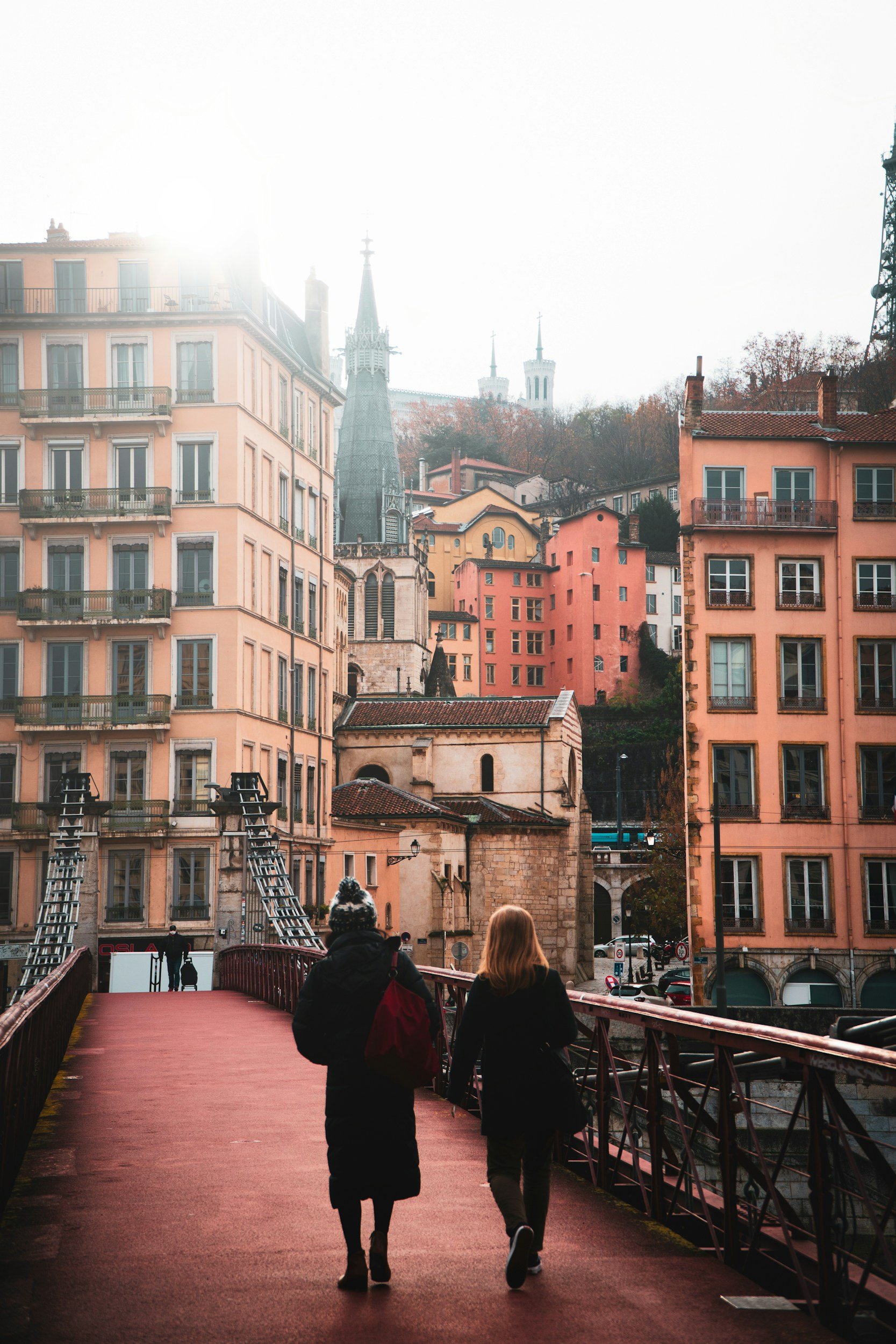
The mistake most people make on this route is stopping in the towns they’ve already heard of.
So they end up doing Paris, Beaune, Lyon almost automatically, usually too quickly, and then leave feeling like Burgundy was beautiful but strangely exhausting. Too much driving. Too many reservations. Too many places that looked good for an hour but didn’t actually feel that nice to stay in once the afternoon crowds disappeared.
And the strange thing is that some of the best stops between Paris and Lyon are not necessarily the places dominating France itineraries online.
Auxerre, for example, feels completely different from Beaune once you spend an evening there. People are still out buying bread at 6pm. The riverside stays active later. You can actually stay a few days without constantly planning vineyard appointments or figuring out parking. Tournus feels different again. Closer to southern Burgundy. Softer somehow. Longer lunches, quieter streets, fewer people moving quickly anywhere.
Even the practical side changes town to town more than people expect. In some places, the station is right near the center. In others, you arrive dragging luggage uphill through uneven stone streets wondering why nobody mentioned this in all those “perfect Burgundy itinerary” guides. Some towns become almost too quiet on Sundays. Some still feel alive in November. Some work beautifully without a car. Others absolutely do not, no matter how easy bloggers make it sound.
That’s really what this guide is about.
Not the “must-see” version of Burgundy between Paris and Lyon, but the towns that actually feel good to spend time in once you’re there properly. The places where you slow down naturally because the day starts later, lunch lasts longer, the market takes over the center until early afternoon, and nobody seems particularly interested in rushing you onto the next stop.
If you want somewhere smaller before Burgundy fully begins, these cozy towns near Paris work much better than trying to rush straight into the vineyard villages on the first day.
Where these towns are located and how to travel between Paris and Lyon
What catches a lot of people off guard on this route is that Burgundy looks much easier on a map than it feels once you are actually moving around.
The main train line between Paris and Lyon is simple. Fast TGV trains run constantly between the two cities, and towns like Beaune or Mâcon sit directly along that corridor. But the moment you start going slightly west into smaller towns and villages, the pace changes completely. Regional TER trains are slower, buses are limited, and some places more or less expect you to arrive by car even if travel blogs insist otherwise.
That’s why this route usually works better when you choose two or three bases instead of trying to move every night.
Sens is probably the easiest first stop from Paris. Direct TER trains leave regularly from Gare de Lyon and take around 55 minutes. You can leave Paris after breakfast and be sitting at a café near the cathedral before lunchtime without needing to think much about logistics at all. The station is an easy walk from the center unless you book somewhere uphill behind the cathedral streets.
Auxerre takes more planning but still works well without a car. Most trains leave from Paris Bercy rather than Gare de Lyon, which surprises a lot of travelers the first time. Journey time is usually around 1 hour 45 minutes to 2 hours depending on the connection. When you arrive, the station sits across the Yonne River from the old town, so you end up walking gradually uphill toward the cathedral area through newer streets first. It feels more like arriving in a functioning regional town than stepping directly into a postcard version of Burgundy.
Then things start becoming slower.
Vézelay is the best example of this. There is no train station in the village itself, so most people take the train to Avallon first. From there, it’s usually a taxi uphill to Vézelay, around 15 minutes depending on traffic and season. There are occasional local buses in summer, but they are limited and not timed especially well if you are carrying luggage. A lot of travelers underestimate this part and assume Vézelay works as a quick stop between trains. It really doesn’t. It works much better once you stay overnight and stop trying to squeeze it into a rushed itinerary.
Beaune is much easier again because it sits directly on the main Paris–Lyon rail line. High-speed trains from Paris usually take just over 2 hours, and the station is only a short walk from the old center. You can realistically arrive there with luggage and not need transport again for several days.
What becomes complicated is trying to use Beaune as a base for every vineyard village nearby without a car.
The distances are short geographically, but public transport around the Côte de Beaune is patchy. There are regional buses to places like Meursault or Pommard, but not frequently enough to move around spontaneously all day. Some buses only run a handful of times daily, especially outside summer. Wine tastings also rarely line up neatly with bus schedules, so people often end up relying on taxis more than expected.
Cluny slows things down even further. The railway line into town closed years ago, so most travelers arrive via Mâcon Ville or Mâcon-Loché TGV. From there, local buses run into Cluny several times per day, but the timing matters because missing one can mean waiting quite a while. Taxis from Mâcon are straightforward but not particularly cheap for short regional distances.
Tournus ends up feeling surprisingly convenient after all this. The station is directly in town on the TER line between Dijon and Lyon, and you can walk into the center within minutes. After several days of smaller villages and awkward transfers, arriving somewhere that simply works becomes very appealing.
And honestly, that’s usually the difference between a trip here feeling relaxing or tiring.
Those who enjoy this route most are usually the ones who stop trying to “see all of Burgundy” and instead build the trip around places that are realistic to reach without constantly checking train times, bus schedules, and taxi availability every few hours.
A lot of people doing this route are also trying to avoid the busiest French destinations altogether, which is partly why these quieter alternatives work so well before Lyon.
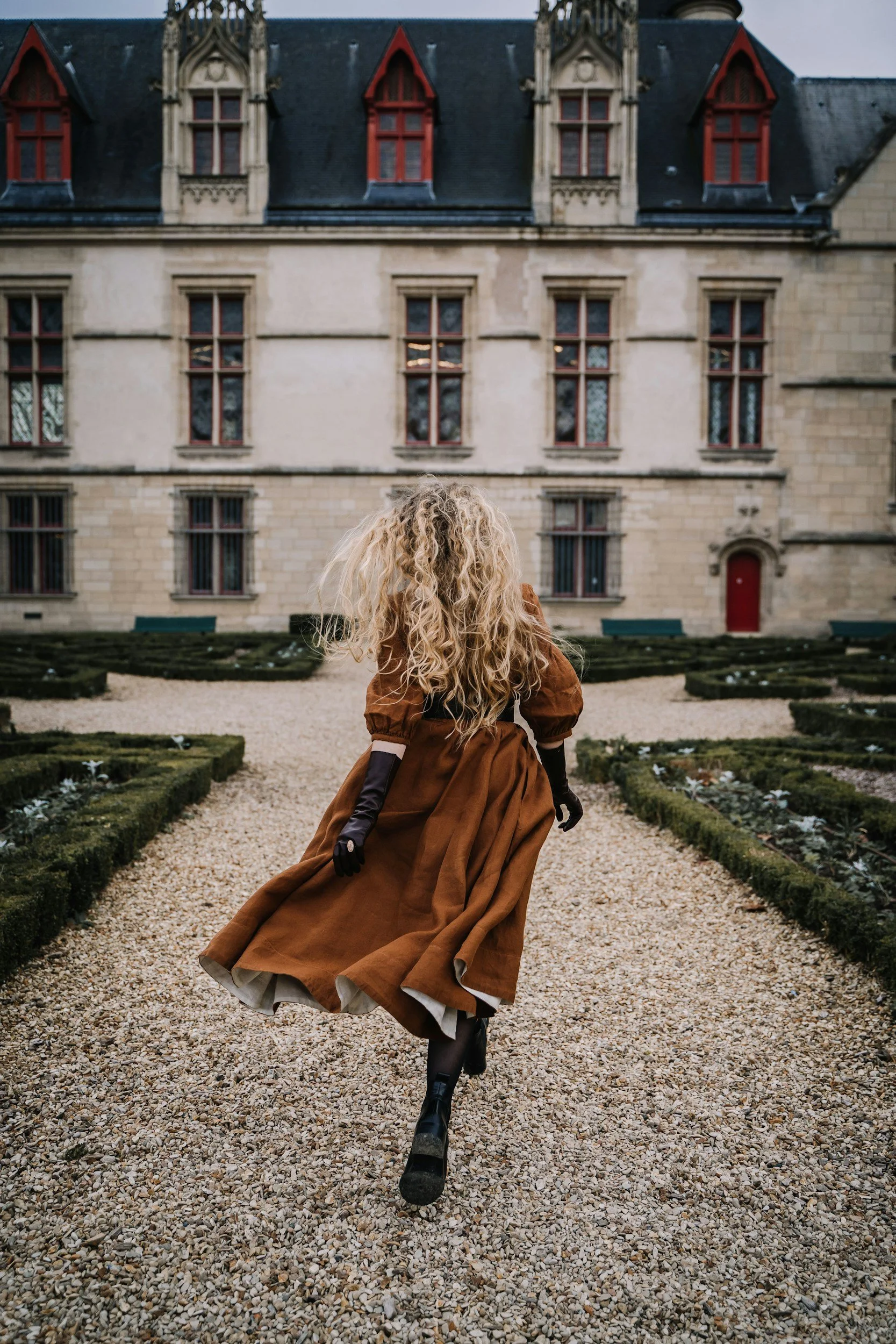
Why Sens is one of the smartest first stops between Paris and Burgundy
If you leave Paris in the morning and go directly into the smaller Burgundy villages, the first day often turns into more transport than travel. You land at Charles de Gaulle, take the RER into the city, switch stations, start checking TER platforms, then suddenly you’re standing in a tiny station café somewhere south of Dijon eating a stale sandwich because everything else closed after lunch.
Sens avoids that entire feeling.
You can leave Gare de Lyon and be there in under an hour on a direct TER train, which means the trip starts slowing down almost immediately without needing to force it. No car pickup. No complicated transfers. You arrive, walk a few streets toward the center, and the whole atmosphere changes surprisingly fast once you pass Boulevard Garibaldi and continue toward Rue de la République.
Once you pass Boulevard Garibaldi and continue toward Rue de la République, the town starts feeling much smaller very quickly. The pharmacy signs look unchanged since the early 2000s, people stop in the middle of the pavement to talk outside the bakeries, and by late morning there’s usually a line outside Maison Joffre stretching halfway toward the corner.
Sens feels like a town people actually use every day.
Most of the older center folds naturally around Cathédrale Saint-Étienne, so you end up circling back there constantly without planning to. Early mornings around the cathedral are probably the nicest time to walk through the center because deliveries are still arriving, shutters are opening slowly above the narrow streets, and the square stays relatively quiet apart from people stopping for coffee before work.
Inside, the cathedral feels darker and heavier than many churches further south in Burgundy. More stone. Less light. If you go before late morning, sunlight starts filtering through the stained glass while the side chapels are still mostly empty apart from footsteps echoing across the floor.
Then the town gradually becomes busier toward lunch.
Mondays and Fridays are the best mornings to be around Les Halles because the center becomes noticeably busier than the rest of the week. The market spreads beyond the covered hall toward Place de la République, and by late morning the streets nearby are partly blocked by delivery vans, people stopping to chat, and shoppers moving slowly between stalls. Around lunchtime, the line for the rotisserie chicken stand usually stretches out toward the square.
And once lunch starts, Sens changes again.
Parts of the center become unexpectedly quiet by early afternoon, especially outside summer. Smaller shops close for a few hours, café terraces empty slightly, and the streets behind the cathedral near Rue de l’Épée and Rue des Clercs suddenly feel almost residential. You mostly hear church bells, cutlery from apartment kitchens above the street, people talking through open windows.
Those smaller streets are where Sens becomes more interesting anyway.
Tiny wine stores. Old painted storefront signs. Linen boutiques selling tablecloths and kitchen fabrics that look like they’ve been there forever. Librairie Calligrammes near the center is easy to lose time in if you like French bookstores — shelves full of regional history, Burgundy wine books, travel photography, cooking sections with handwritten staff notes tucked between the titles.
And the bakeries here are genuinely worth paying attention to.
Maison Pâtissière Joffre near Boulevard du Mail usually has people queueing outside by late morning on weekends for fruit tarts and almond pastries. Boulangerie Lemoine closer to Rue de la République is better for sandwiches if you want to pick something up before continuing through town or sitting near the river for lunch.
Toward the end of the afternoon, the light changes completely around the cathedral square and Place Drapès. People drift back onto terraces after the long lunch break, wine glasses start appearing outside cafés, and the center slowly becomes lively again without ever feeling busy in the Paris sense.
L’Instant Café is a good option earlier in the day, especially in the morning near the market. Later on, Les Z’Heures Bleues near the cathedral feels nicer once the streets quiet down again in the evening.
And wine bars here feel very different from Beaune.
You’re not walking into big tasting rooms or vineyard-tour energy. At La Cave de l’Abbaye, people stop for a drink after work or pick up bottles on the way home before dinner. The wines from nearby Yonne villages usually appear first on the menu before the bigger Burgundy names further south.
By around 9:30pm during the week, Sens starts settling down properly. Chairs stacking outside cafés. Small groups lingering around Place Drapès. Streets becoming almost silent once you move a few blocks away from the restaurants.
After Paris, the quiet feels surprisingly noticeable the first evening.
And as a first stop between Paris and Lyon, that calmer rhythm makes the rest of the route feel much easier afterward. Once you continue deeper south toward places like Vézelay or Cluny, everything becomes slower and slightly more fragmented with fewer trains, smaller stations, more dependence on taxis, villages where dinner service is finished by the time late trains arrive.
Starting somewhere like Sens first gives the whole trip room to breathe before Burgundy becomes more rural.
If you’re continuing south afterward, these quiet towns near Lyon make much better final stops than staying directly inside the busiest parts of the city.
Auxerre feels much more real than the smaller Burgundy villages nearby
Auxerre sits in northern Burgundy around two hours from Paris by train, depending on the connection, and it’s one of the easier towns on this route to reach without needing to think too much ahead. Most trains leave from Paris Bercy rather than Gare de Lyon, which catches people out all the time because the rest of this route usually revolves around Gare de Lyon departures. Once you arrive at Gare Saint-Gervais, the old town is technically walkable, but if you booked somewhere high up near the cathedral with heavy luggage, the uphill streets start feeling much longer than they looked on Google Maps.
The first impression throws people off a little anyway.
You leave the station expecting immediate medieval Burgundy and instead walk past pharmacies, apartment blocks, kebab shops, parked scooters, regular city traffic. Then you cross Pont Paul Bert over the Yonne and the town starts changing almost block by block.
The lower riverfront near Quai de la République feels open and busy, especially in warmer months when people sit along the water with beers or ice cream late into the evening. On the opposite side of the river, the cathedral towers sit above the rooftops watching over everything, but Auxerre never reveals itself all at once the way some smaller villages do. You have to keep walking uphill for that.
Rue Fécauderie gets noticeably narrower once the restaurant terraces start filling in the evening, especially near the little wine bars around the lower part of the street where waiters squeeze between tables carrying plates of escargots and glasses of Chablis. A few minutes uphill, Rue de l’Horloge bends toward the clock tower through older timber-framed buildings with faded paint and tiny shopfronts that feel unchanged since the 90s. Around Rue Joubert, you keep running into steep staircases and quiet side alleys that suddenly open toward cathedral views.
Around Rue du Temple and Place Charles Surugue in the mornings, the center feels busiest before most visitors have even finished breakfast. The queue outside Maison Eric Roy usually stretches halfway toward Monoprix on Saturdays, especially once the first trays of gougères and chaussons aux pommes start disappearing from the counter. Delivery vans block parts of Rue de l’Horloge unloading wine crates and produce for the restaurants uphill while people stop in the middle of the pavement talking outside the tabac beside the square.
Closer to Place de l’Arquebuse, market shoppers cut through the side streets carrying flowers, roast chickens, wedges of Époisses wrapped in paper, then disappear uphill again toward the cathedral quarter. By around 10am, most of the terrace tables near Café de Paris are already occupied, and traffic near Rue Fécauderie slows down enough that scooters start mounting the pavement to get around people lingering outside the bakeries.
And if you’re there on a Saturday, the market around Place de l’Arquebuse changes the atmosphere of the entire center before noon.
Flower stalls spread across Place de l’Arquebuse while the rotisserie stand near the edge of the market square slowly turns rows of chickens beside cheese counters stacked with Époisses and Soumaintrain. In spring, oyster sellers usually set up beside piles of white asparagus and strawberries from nearby farms around the Yonne. By late morning, terraces at Café de Paris and Le Schaeffer near Rue du Temple are normally completely full, with people enjoying coffee and glasses of Chablis long after finishing their market shopping.
The upper part of Auxerre near Cathédrale Saint-Étienne feels completely different once lunchtime arrives.
By around 2pm, the streets near Rue de la Marine and Rue Milliaux become almost strangely quiet for a while, especially outside summer. You mostly hear footsteps on stone pavement, church bells somewhere uphill, cutlery from apartment kitchens through open windows. The steep lanes around the cathedral hold onto the afternoon shade much longer than the riverfront below, which makes them feel cooler even during hotter months.
Cathédrale Saint-Étienne feels much heavier inside than people usually expect after walking through the brighter streets outside. The stone darkens a lot of the interior, especially later in the day once the sun drops lower behind the upper town. If you go in the late afternoon after the market crowds disappear, the stained glass near the choir starts catching softer light while the rest of the cathedral becomes almost quiet apart from footsteps and chairs moving somewhere in the distance.
A few minutes downhill, Tour de l’Horloge still sits right in the middle of the old center where Rue de l’Horloge bends toward the busier shopping streets again. Around there, Auxerre becomes very easy to lose an hour or two in without planning to. Small wine bars around Rue Fécauderie filling before dinner, old passageways leading into hidden courtyards, bookstores like Librairie Obliques mixed between tiny shops selling Burgundy mustards, regional wines, and kitchen linens that locals actually buy instead of polished souvenir-store versions of them.
Librairie Obliques near Rue de Paris is one of those bookstores where half the town seems to drift through eventually. Burgundy wine books stacked beside old maps, regional cookbooks, photography sections, handwritten staff recommendations tucked between shelves.
And Auxerre is one of the few towns on this route where rainy weather barely ruins the day.
You can spend hours moving between cafés, bakeries, bookstores, wine bars, covered passageways, then realise you never really had a plan in the first place. Café Chez Max still feels very local in the mornings before tourists fully appear, while places around Rue Fécauderie become busier later in the evening once dinner starts.
Around Auxerre, wine feels much less separated from everyday life than it does in some of the bigger Burgundy wine towns further south. At places like Le Sarment near Rue Fécauderie or La Cave du Maréchal closer to the river, people stop in for one glass before heading home, meet friends after work, or pick up bottles on the way to dinner rather than booking formal tastings weeks ahead. A lot of menus naturally lean toward nearby Chablis producers because the vineyards are close enough that the wines still feel tied to the region itself instead of something staged mainly for visitors passing through Burgundy.
And evenings last longer here than in many smaller Burgundy towns nearby.
Down near Quai de la République in the evenings, the riverfront stays busy much longer than people usually expect from a town this size. Students sit along the Yonne with bottles from Monoprix or Biocoop while the terraces around Rue Fécauderie and Place Saint-Nicolas stay full well past dinner, especially once the weather gets warm. Around La Péniche or the bars closer to Pont Paul Bert, people drift slowly between drinks instead of treating the evening like a fixed dinner reservation and nothing else.
Then you walk uphill again toward the cathedral and within a few streets the noise almost disappears. Restaurant kitchens still clatter somewhere downhill, but around Rue de la Marine and the upper lanes near Cathédrale Saint-Étienne, the streets empty surprisingly early apart from the occasional footsteps echoing across the stone pavement.
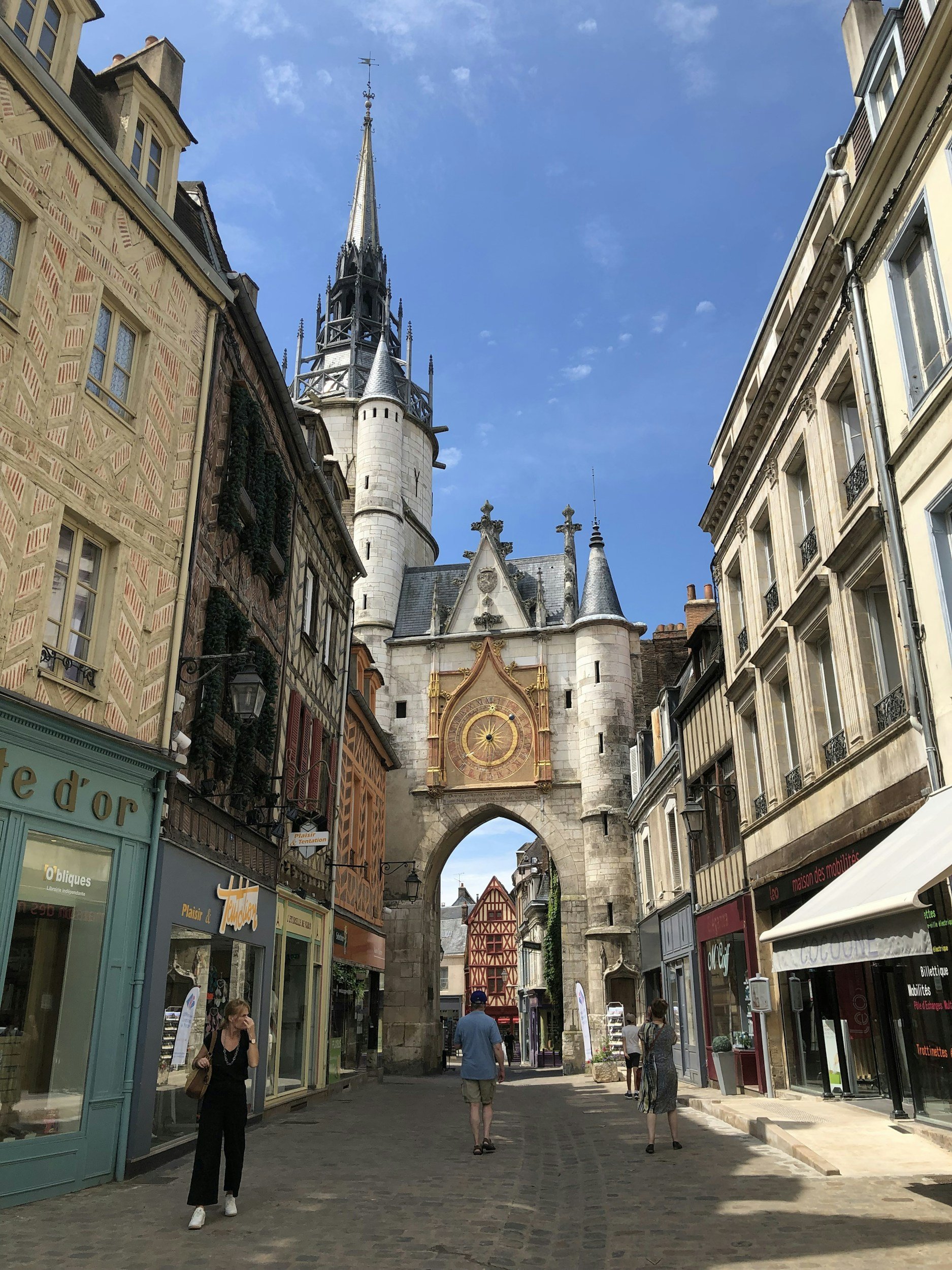
Why Vézelay is better as an overnight stop than a day trip
Vézelay sits on a hilltop in western Burgundy, around 2.5–3 hours from Paris depending on connections. Most people reach it by taking a TER train from Paris Bercy to Avallon first, then continuing the final 15 kilometres by taxi or seasonal shuttle bus. That last stretch matters more than people expect because it immediately changes the atmosphere of the trip. You leave behind train stations and larger roads, pass fields, forests, tiny hamlets with shuttered farmhouses, then suddenly Vézelay appears above the landscape on its ridge.
From the lower parking area near Place du Champ de Foire, the climb up Rue Saint-Étienne starts almost immediately. The street narrows quickly once restaurant terraces and souvenir stands open for the day, and by late morning delivery vans are sometimes forced to stop halfway uphill waiting for pedestrians to move aside. Pulling luggage over the uneven stone pavement toward the basilica feels much steeper than the photos suggest, especially during summer afternoons when there’s barely any shade along the upper stretch of the street.
By early evening, the whole area between Place Borot and the basilica quiets down fast once the day visitors start heading back toward the parking area below the hill. The little galleries close up, chairs get pulled closer together outside the restaurants, and suddenly Rue Saint-Pierre feels wide enough to walk through again without constantly moving around groups stopping in the middle of the street.
Inside the basilica, the atmosphere changes completely later in the day too. Earlier in the afternoon, people move constantly through the nave with guides and cameras. Closer to sunset, most of that disappears. The stone inside darkens, voices drop naturally, and you mostly hear footsteps echoing across the floor.
Outside the church, the terrace overlooking the Morvan countryside stays busy a little longer. People stand along the edge looking out across the fields and forests below while the evening light softens over the valley. Then little by little the upper part of the village empties out again apart from restaurant tables filling for dinner somewhere downhill.
And Vézelay becomes much more interesting once you leave the main uphill street for a while.
Around Rue des Écoles, Rue de la Chatelaine, and the smaller lanes behind Rue Saint-Pierre, the village feels far quieter and more residential. Old stone houses with climbing vines, hidden gardens behind wooden gates, cats sleeping in windows, tiny staircases disappearing between walls that probably haven’t changed much in decades.
The architecture here feels heavier and more monastic than many villages elsewhere in Burgundy. Less decorative, more stone everywhere. You notice it especially in the older houses near the basilica where some doorways look almost fortress-like.
For coffee, Le Vézelien near the lower part of the village is usually busiest in the mornings before the day visitors arrive from Avallon. People queue outside for pastries while café tables near Place du Champ de Foire slowly fill with overnight visitors reading newspapers or planning hiking routes around the Morvan.
Later in the day, places around Place Borot become busier once the village fills up. Les Macarons de Charlou works well for coffee and pastries if you want somewhere slightly quieter away from the heaviest lunch crowds.
The wine shops around Vézelay feel much smaller and more regional than the bigger Burgundy tasting rooms further south around Beaune. At Cave Henry near the upper part of Rue Saint-Pierre, the shelves are filled with bottles from nearby producers around Vézelay, Irancy, and Chablis instead of expensive collector wines lined up behind glass cabinets. You can still find very good bottles here for around €12–25 without feeling pushed toward prestige labels the whole time.
And most of the little food shops around the village sell the kind of things people actually buy for dinner later rather than souvenir versions of Burgundy. Jars of mustard from Fallot, local honey, goat cheese from farms around the Morvan, pain d’épices, terrines, biscuits wrapped in paper bags. Toward the evening, you’ll see people leaving with baguettes under one arm and a couple of wine bottles for dinner back at their hotel or guesthouse uphill near the basilica.
There’s also a surprisingly good independent bookstore culture here for such a tiny village.
Librairie du Chemin sits near the basilica and feels exactly like the kind of place that belongs in Vézelay, with shelves filled with philosophy, religion, regional history, hiking guides, old French paperbacks stacked unevenly on wooden tables. People drift through slowly rather than rushing in and out.
Evenings in Vézelay feel much quieter than places like Beaune or even Auxerre. Once dinner starts, most people staying overnight disappear into a handful of restaurants around Rue Saint-Pierre and Place Borot while the rest of the village slowly empties out again.
At Le Cheval Blanc or L’Hôtel de la Poste et du Lion d’Or, dinners tend to stretch for hours once the terraces settle down for the evening. Burgundy wine, escargots, Charolais beef, œufs en meurette, goat cheese from nearby farms around the Morvan. Nothing trying too hard. Just heavy stone dining rooms, candlelight, people lingering over another glass long after the plates are gone.
By around 10pm, most of the upper streets near the basilica are almost completely quiet. You hear restaurant staff clearing dishes somewhere downhill, footsteps crossing the stone pavement, wind moving through the hilltop lanes behind the church.
Then by early morning, delivery vans start crawling uphill again before the first buses arrive from Avallon and the whole cycle starts over.
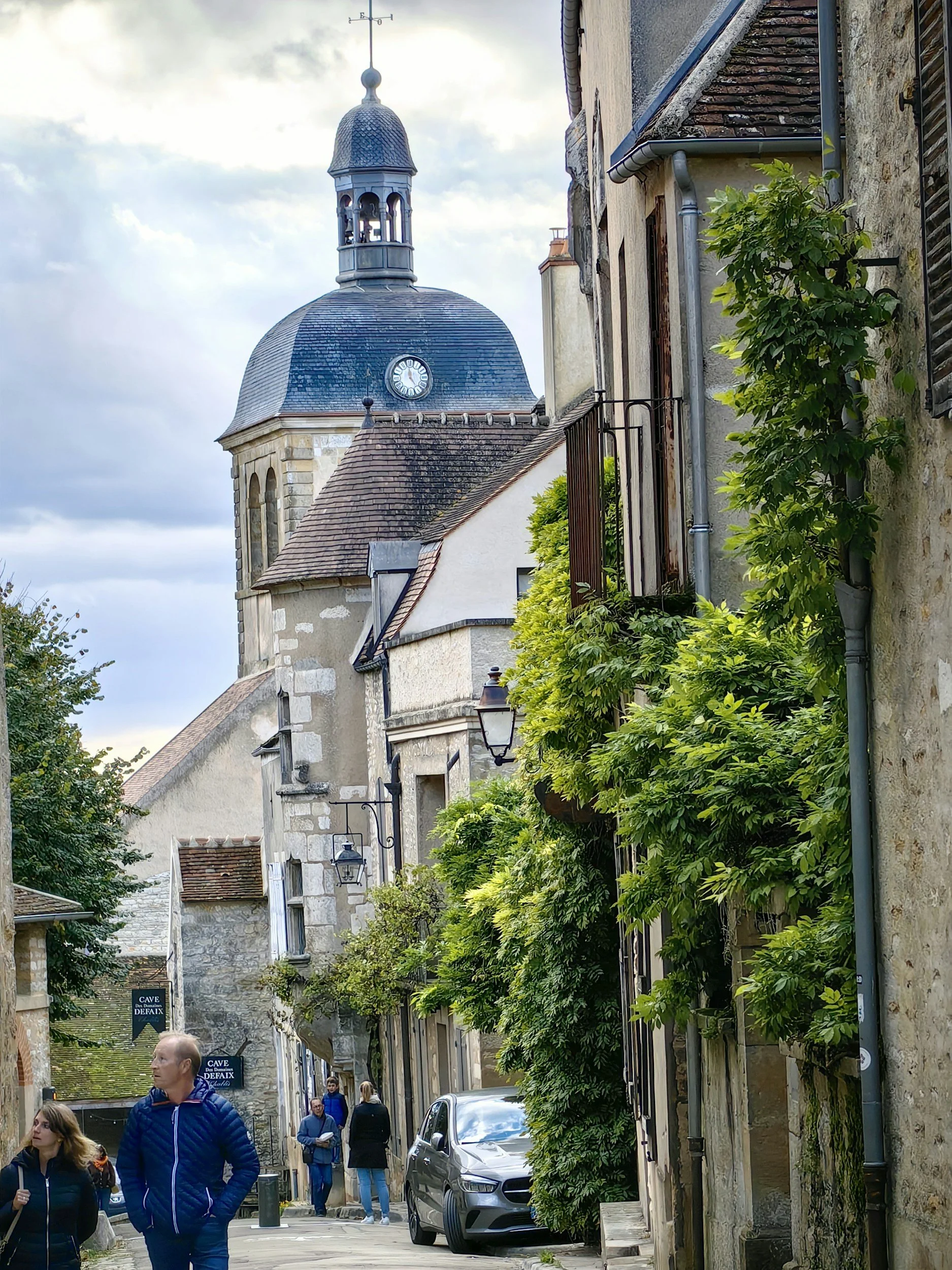
Beaune is much easier to stay in than the smaller wine villages nearby
A lot of people plan Burgundy around the idea of sleeping inside a tiny vineyard village for several days. Meursault, Puligny-Montrachet, Volnay. It sounds idyllic while booking the trip. Then the reality hits somewhere around the second evening when the bakery closed hours ago, the wine bars shut after dinner, taxis need calling in advance, and the streets are almost completely empty by 9pm apart from a few people walking back to their hotel through the vines.
That’s usually when Beaune starts making much more sense.
Getting there is easy compared to most places in Burgundy. Direct TGV trains leave from Paris Gare de Lyon and reach Beaune in a little over two hours, sometimes faster depending on the connection. From Lyon, the journey is usually around 1 hour 40 minutes. The station sits just outside the old center near Avenue du 8 Septembre, within a few minutes you’re already walking past wine shops and cafés toward the old center. The walk into town is easy enough that most people never bother with a taxi unless they packed far too much.
The area around the station doesn’t immediately feel like the Beaune people picture before arriving. You walk past apartment buildings, chain pharmacies, parked scooters, people carrying groceries along Avenue du 8 Septembre, then somewhere around Porte Saint-Nicolas the streets start narrowing and the older part of town slowly takes over. Wine shops replacing convenience stores, stone buildings instead of traffic lights, cellar doors opening directly onto the pavement around Rue Monge and Rue Maufoux.
Around Rue Monge in the mornings, delivery vans block half the street unloading wine crates while people queue outside the bakeries before work. The smell outside Maison Bouchard early in the day is ridiculous once the first pastries come out, especially weekends when half the queue seems to be buying gougères and chaussons aux pommes before the market.
And the market really does take over huge parts of the center on Saturdays.
By around 9:30am, Place de la Halle is already crowded enough that people start spilling into the surrounding streets carrying flowers, oysters packed in ice, wedges of Époisses wrapped in paper, rotisserie chickens swinging from bags while they stop for wine before lunch. The terraces around Café de France and Le Conty fill early and stay full most of the day once the weather gets warm enough.
Coffee somehow turns into wine very quickly in Beaune on market days.
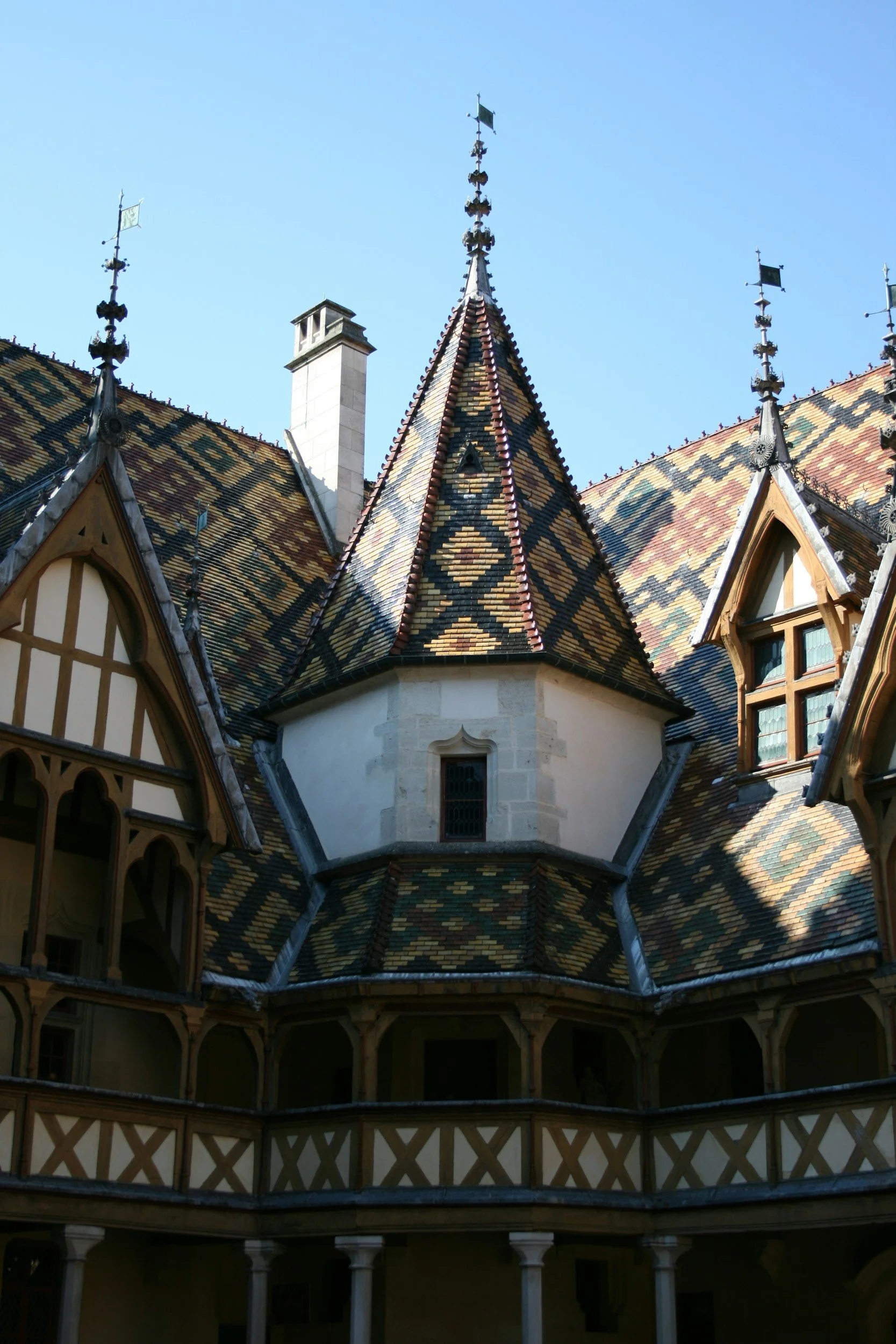
The busiest part of town sits around Hôtel-Dieu and Place Carnot, and during summer afternoons it can feel properly busy there now. Tour groups, cyclists in vineyard gear, people carrying bottles from Patriarche or mustard jars from Edmond Fallot.
Once you get a little further away from Place Carnot and the Hôtel-Dieu crowds, Beaune starts feeling different again quite quickly.
Rue Maufoux stays busy into the evening because of the wine bars and restaurants, but the smaller streets branching off from it near the ramparts feel much quieter. Around Rempart des Dames and Rue du Tribunal, you walk past old cellar entrances cut directly into the stone buildings, tiny courtyards hidden behind wooden gates, and wine shops with faded lettering above the windows that probably hasn’t changed in decades.
By later in the evening, that whole area near the ramparts becomes almost strangely calm compared to the center a few streets away. You still hear restaurant kitchens somewhere nearby and glasses clinking from terraces around Rue Maufoux, but most of the streets themselves empty out pretty early once people settle into dinner.
Wine is everywhere in Beaune, but not always in the formal tasting-room way people expect beforehand. You notice it more in the everyday routines of the town. Restaurant staff rolling barrels across the pavement near Rue Paradis before dinner service, people carrying cardboard six-packs back to their apartments, waiters outside Ma Cuisine opening bottles of Volnay while arguing about football before the first tables arrive.
Places like La Dilettante near Place Carnot stay busy because people actually spend hours instead of rushing through scheduled tastings. One glass turns into another bottle pretty easily once the terraces fill up for the evening. Around Rue Maufoux, you’ll also pass tiny caveaux built directly into the stone buildings where the menus outside list Meursault, Pommard, Aloxe-Corton, and Chassagne-Montrachet by the glass instead of turning everything into a structured wine experience for visitors.
That’s also why Beaune works so well without a car.
You can rent a bike near Avenue de la République in the morning and be cycling through the vineyards toward Pommard or Meursault within half an hour. The routes south of town are easy to follow once you leave the traffic behind, especially near the old railway path through the vines where stone walls and grand cru signs start appearing beside the road.
Then by evening you’re back in Beaune again instead of trying to figure out how to get home from a vineyard village after the restaurants close.
That difference becomes pretty obvious once you spend time somewhere like Puligny-Montrachet or Volnay after dark outside harvest season. A few restaurant tables still occupied, maybe one bar open, then suddenly almost nothing. In Beaune, people are still outside around Place Carnot, Rue Maufoux, and Place Madeleine much later into the evening. Bottles sitting directly on terrace tables, groups drifting between wine bars after dinner, waiters weaving through crowded outdoor seating while the center stays lively long after the smaller villages have already gone quiet.
And the town stays alive surprisingly late compared to the rest of this route between Paris and Lyon.
Around 10pm in summer, the area around Place Carnot and Rue Monge is usually still busy with people lingering outside wine bars and restaurants while the smaller streets near the ramparts have already gone quiet. Walk a few minutes toward Rempart des Dames or the lanes behind Jardin de l’Hôtel-Dieu and the atmosphere changes quickly with hutters closed, empty stone streets, restaurant staff stacking chairs inside while the last diners drift slowly back toward their hotels.
If this kind of slower countryside pacing appeals to you, the atmosphere in Montolieu feels surprisingly similar in some ways once the day visitors disappear.
And if the idea of staying somewhere walkable without constantly needing taxis sounds appealing after Burgundy, these walkable Provence hotels solve that problem surprisingly well.
Cluny feels more connected to the countryside than the wine towns further north
Cluny sits in southern Burgundy between Beaune and Lyon, surrounded by soft hills, little farming villages, horse pastures, and vineyards from the Mâconnais further south. Getting there takes a little more effort than Beaune because there’s no major train station directly in the center anymore. Most people arrive through Mâcon-Loché TGV first, then continue the final 25–30 minutes by taxi, regional bus, or rental car through the countryside north of Cluny.
The drive north from Mâcon changes quickly once you leave the autoroute behind. Vineyards disappear for stretches. Forests and farmland take over. Tiny villages with shuttered stone houses pass by every few minutes. Around Berzé-le-Châtel, the landscape starts becoming hillier and greener than the flatter vineyard scenery around Beaune.
And Cluny itself feels much bigger once you actually arrive.
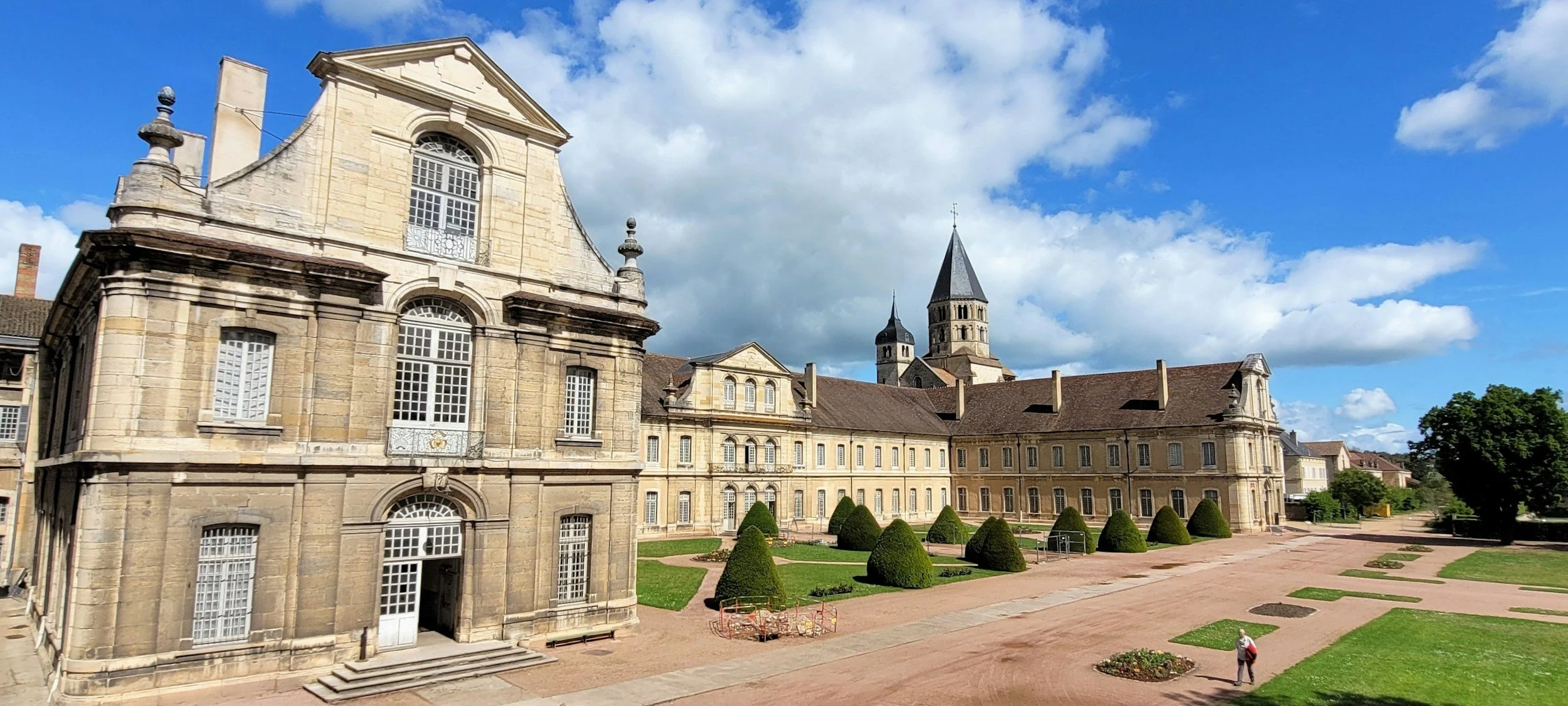
A lot of people expect a tiny medieval village. Instead, the town spreads outward around the old abbey grounds with wider streets, residential neighborhoods, schools, cafés, little squares, and long walking paths following the river. The abbey still dominates everything visually, even though huge parts disappeared centuries ago. You keep running into fragments of it all over town without always realising what you’re looking at - massive stone walls tucked behind cafés, monastery arches built into ordinary streets, old towers suddenly appearing between apartment buildings.
Near Place du 11 Août, the abbey ruins are folded directly into the middle of Cluny instead of separated away behind ticket gates and museum walls. You leave a café terrace and walk straight past enormous stone sections that once belonged to the largest church in Europe. Parts of the old monastery now sit beside TABAC signs, student apartments, little wine bars, and bakery deliveries arriving in the mornings.
Around the Farinier building and Tour de Fromage, the scale becomes much easier to understand because the remaining stone walls still tower over the square. Some passageways feel oversized compared to the small streets surrounding them now. Then you turn a corner near Rue du Merle and suddenly the abbey disappears again behind ordinary houses, parked scooters, and restaurant terraces.
In the late afternoon, the abbey area changes a lot once the center quiets down after lunch. Cyclists from the Voie Verte sit drinking beer near the square, engineering students cut through the old monastery grounds on their way home, and restaurant staff begin setting tables beneath stone arches that have been standing there for centuries.
And because Cluny spreads outward instead of sitting tightly on one hill like Vézelay, you end up covering much more ground without really planning to. One minute you’re near the abbey around Place du 11 Août, then suddenly you’ve wandered past the river near Avenue Charles de Gaulle or halfway down Rue Mercière looking for coffee.
The center feels busiest around lunchtime once the terraces start filling near Place Notre-Dame and Rue Lamartine. Cyclists roll in dusty from the Voie Verte and lean their bikes against the abbey walls while students from Arts et Métiers crowd the bakeries and kebab places between classes. Around Le Pain sur la Table and the cafés near the square, people sit outside for ages once the weather gets warm enough, especially market days when half the town seems to still be carrying flowers and vegetables home hours later.
And Cluny feels younger than most places on this route in a way that changes the atmosphere completely.
You notice laundry hanging from apartment windows above wine bars, students sitting on the abbey walls drinking cheap beer from Carrefour City, scooters buzzing through the side streets near Rue Filaterie late in the evening. Parts of the center feel slightly messy around the edges in a good way. Less carefully arranged around visitors, more like a town people actually continue living in year-round.
Around Rue Lamartine in the mornings, the pavement outside Boulangerie Saint-Odilon fills up early with people queuing for croissants, pain aux raisins, and sandwiches before work while delivery vans block parts of the street unloading wine cases and produce for the restaurants around Place du 11 Août. Students from Arts et Métiers cross the square carrying coffee from La Nation or paper bags from the bakery while cyclists coming off the Voie Verte stop near the fountain refilling water bottles before continuing toward Taizé or Mâcon.
Near Place Notre-Dame, lunch stretches for hours once the weather gets warm enough. Terrace tables at Café du Centre and the little cafés around Rue Mercière stay occupied well into the afternoon while locals drift slowly between the tabac, bakery, and market stalls carrying flowers and goat cheese back through the side streets. Around the abbey square, scooters weave between pedestrians, church bells ring across the rooftops every half hour, and people sit directly on the old stone walls eating ice cream from the little shops near Rue Filaterie.
And the Saturday market takes over huge parts of the center before noon, especially around Place du Marché, Rue Prud’hon, and the streets leading back toward the abbey.
By around 9am, the whole area is already crowded with flower stalls, crates of apricots and flat peaches in summer, goat cheeses from farms around Taizé and Berzé-la-Ville, saucisson hanging beside rotisserie chickens slowly turning near the edge of the square. Local producers from the Mâconnais pour small wine tastings before lunch while people stop to argue over which chèvre to buy for dinner later.
Around the cafés near Place Notre-Dame and Rue Mercière, terrace tables stay full most of the morning with cyclists coming off the Voie Verte route, older residents reading newspapers over coffee, students grabbing pastries before disappearing back toward the abbey side of town. Bikes lean against almost every stone wall once the weather gets warm enough, and by late morning the whole center smells like roast chicken, coffee, warm bread, and strawberries sitting in wooden crates under the market awnings.
Le Pain sur la Table near the abbey usually has people queuing outside fairly early on weekends, especially once the first pastries and sandwiches start coming out before the market gets fully busy. The terrace stays occupied for most of the day once spring arrives, with cyclists stopping for coffee beside locals reading the newspaper or students stretching lunch far longer than planned between classes.
Later in the afternoon, the atmosphere around Rue Filaterie changes again once the market starts winding down. Wine bars begin opening their doors, tables slowly appear back outside on the pavement, and people drift toward places like Le Bistrot Chez Les Garçons for a glass of Mâcon-Villages or Saint-Véran before dinner. Around the smaller lanes near the abbey, the noise drops quickly once the day visitors leave and the center settles back into itself again.
Once you move a little further away from the abbey streets, Cluny changes pretty quickly.
Walk down toward the Grosne River near Avenue Charles de Gaulle in the early evening and the center starts feeling much more residential than touristy. Little gardens behind low stone walls, laundry hanging above narrow side streets near Rue des Griottons, people sitting outside apartment doors talking while scooters cut across the small bridges near the river paths.
And the countryside never really disappears here.
From all over town you still see the hills around Cluny rising behind the rooftops, especially toward Berzé-la-Ville and the roads leading out toward Taizé. Cyclists constantly drift in and out of the center during warmer months, stopping at Carrefour City for snacks before heading back onto the Voie Verte, while tractors and farm vehicles occasionally rumble through the outer streets early in the morning.
Evenings quiet down much faster than people expect for a town this size.
Around 9:30pm, the terraces near Place du 11 Août are usually still half full, but a few streets away near Rue du Merle and the abbey walls, the center already feels almost empty. Restaurant staff drag chairs back inside, glasses clink somewhere behind the stone façades, and the last scooters disappear downhill toward the residential neighborhoods outside the center.
Then by early morning, bakery deliveries start again around Rue Lamartine while cyclists roll back through town toward the Voie Verte before the heat builds later in the day.
A lot of travelers underestimate how useful regional market towns become on slower France routes, especially if you’re relying on trains, and these markets near Paris are much easier to combine into an itinerary than people expect.
If you’re building a longer France itinerary around smaller rail-accessible towns, these train-friendly towns fit naturally into slower routes like this one.
Tournus feels calmer than Beaune but easier than the tiny Burgundy villages
Tournus sits along the Saône River between Beaune and Lyon, and a lot of people only know it as somewhere they passed on the autoroute heading south. Then you actually stop here and realise how well the town fits this route.
You can arrive by TER directly from Lyon in a little over an hour or from Beaune in under fifty minutes, and the station is close enough that you’re walking into the center almost immediately after stepping off the train. No taxi planning, no transfers into vineyard villages, no hauling luggage uphill through tiny medieval streets.
The walk from Gare de Tournus into the center does not immediately feel particularly historic. You leave the station beside Avenue Gambetta and pass parked scooters, little pharmacies, bakery windows filled with tarte aux pralines and sandwiches for lunch, people carrying shopping bags back from Carrefour City or the Saturday market.
Then little by little the older part of town starts appearing.
The abbey towers rise above the rooftops first, then the streets narrow once you reach Rue de la République and the area around Place Carnot. Cafés spill onto the pavement, shutters hang above old stone buildings, delivery vans squeeze through streets that clearly were never designed for modern traffic.
And Abbaye Saint-Philibert feels enormous once you stand beside it properly.
The church looks much heavier than the Gothic cathedrals further north in Burgundy. Thick stone walls, low Romanesque arches, massive columns that make the interior feel darker and cooler even during summer heat. Around late afternoon, when the square outside quiets down a bit, you mostly hear footsteps echoing through the nave and chairs scraping from the cafés outside near Place de l’Abbaye.
What makes Tournus feel different from somewhere like Vézelay is that the abbey is completely woven into the middle of the town instead of sitting separately above it.
People cut across the abbey square carrying groceries home. Students sit on the stone edges outside eating sandwiches from the bakery on Rue de la République. Waiters carry wine glasses across the square while cyclists lean their bikes against walls that have been standing there for nearly a thousand years.
Students from the lycée near the abbey cut across Place de l’Abbaye on scooters while people sit outside Café de la Paix with market bags full of goat cheese, flowers, and roast chicken resting beside the tables after shopping. Along Rue de la République, delivery vans stop half across the pavement unloading bread and wine for the restaurants around Place Carnot while people queue outside Boulangerie Pâtisserie Chevallier before lunch.
After around 2pm, the older streets near Rue Greuze and Rue des Casernes quiet down quickly once the market stalls disappear and the lunch service finishes. Some of the little food shops close completely for the afternoon, shutters come down over the windows near the abbey square, and parts of the center feel almost empty apart from restaurant staff resetting tables outside Aux Terrasses or dragging crates through the side streets before dinner starts later on.
Toward early evening, people slowly begin drifting back outside near Place Carnot and Quai de Verdun once the heat drops over the river. The terraces around Le Rempart start filling again, cyclists stop beside the Saône after riding the Voie Bleue route, and people walk along the riverfront eating ice cream while the abbey towers stay visible above the rooftops behind them.
You notice pretty quickly in Tournus that food is a much bigger part of the town than people expect beforehand.
On Saturday mornings, the whole area around Place Carnot and Rue de la République fills with market stalls selling goat cheese from farms near Lugny, roast chickens turning beside trays of gratin dauphinois, crates of apricots and flat peaches in summer, jars of honey, saucisson, fresh bread, bottles from little Mâconnais producers further south.
The terraces outside Café de la Paix stay packed most of the morning while people move slowly between the market stalls carrying flowers, baguettes, and paper bags full of cheese. Half the town seems to stop for coffee or wine before eventually heading home.
Then later in the afternoon, once the market stalls disappear again, the atmosphere shifts around Rue du Bac and Rue Greuze. Restaurant staff start dragging tables back outside, chalkboards appear beside the doors, and people slowly settle into dinner instead of rushing through wine tastings before moving on somewhere else.
Restaurant Greuze still gives the town a lot of its reputation, but the smaller places around the abbey streets feel much more relaxed. Bottles of Saint-Véran and Mâcon-Villages appear on tables before people have properly decided what to order, bread baskets get dropped down without ceremony, and dinners tend to stretch much longer than planned once the center quiets down for the evening.
The river changes the feeling of Tournus completely once you leave the tighter abbey streets behind for a while.
Down near Quai de Verdun and the walks beside the Saône, the town suddenly feels wider and slower. Riverboats move quietly north toward Chalon-sur-Saône, cyclists on the Voie Bleue stop beside the water with helmets hanging from the handlebars, and people sit along the quay eating ice cream from the little shops near the bridge while the abbey towers stay visible above the rooftops further uphill.
Around sunset, the light across the river gets especially good near Pont de Tournus when the stone buildings start reflecting onto the water and the restaurant terraces begin filling again after the afternoon lull.
Then a few streets back toward Rue Greuze and Place Carnot, things quiet down surprisingly early compared to Beaune or Lyon. By around 9:30pm outside peak summer weekends, much of the older center near the abbey has already emptied apart from a few tables still occupied outside the restaurants. You mostly hear glasses being cleared from terraces, scooters crossing the bridge over the Saône, cutlery clattering somewhere behind the kitchens.
Early mornings start properly early again though.
Bakery vans unload along Rue de la République before most cafés open, market sellers begin setting up near Place Carnot, and cyclists stop for coffee and pastries before continuing south toward Mâcon along the river route.
Tournus makes far more sense once you understand how the station, riverfront, and abbey area actually connect together, which this Tournus guide breaks down properly.
And those who enjoy Cluny and Tournus also tend to like the atmosphere around smaller southwest France bases like Périgord Noir once they start looking beyond the obvious Provence and Burgundy routes.
Why Lyon makes more sense after smaller Burgundy towns
If you go straight from Paris to Lyon, the city can feel like a lot almost immediately after stepping off the train. You arrive into Part-Dieu surrounded by shopping centers, tram platforms, office towers, airport connections, people rushing in every direction with suitcases and coffee cups, and within half an hour you’re already trying to work out whether staying near Bellecour, Perrache, Croix-Rousse, or Vieux Lyon was actually the right decision.
Coming into Lyon after several days moving slowly through Burgundy changes the feeling of the city completely, because somewhere between places like Sens, Vézelay, Cluny, Beaune, and Tournus your pace has already adjusted without you really noticing it happening.
You stop trying to see five places in one afternoon. Lunch becomes longer. You get used to checking TER schedules on slightly delayed platforms in towns like Auxerre or Mâcon, buying pastries early before bakeries sell out, and walking back through quiet streets after dinner where the only sound is chairs being stacked outside cafés.
So when Lyon finally arrives, the city feels exciting instead of exhausting.
You notice smaller things much faster too. The difference between the Rhône side and the older Saône streets. How Rue Mercière stays loud and crowded late into the evening while Place Sathonay feels calmer only a short walk away with locals sitting outside smaller wine bars under the trees. The way Croix-Rousse changes once you leave Boulevard de la Croix-Rousse and keep climbing uphill past tabacs, little épiceries, faded apartment shutters, and cafés where people are reading the newspaper instead of taking photos of their dinner.
And after several towns where restaurant chairs are already getting stacked by around 9pm, Lyon suddenly feels huge again once the evening starts properly.
Around Place des Terreaux and the riverbanks near Saint-Jean, people are still outside late with wine glasses covering the terrace tables, scooters weaving through the old streets, groups sitting beside the Saône with beers from Franprix while the restaurants around Rue Mercière continue serving long after somewhere like Tournus or Vézelay has already gone almost completely quiet for the night.
The route between Paris and Lyon looks extremely manageable on maps because the towns sit fairly close together, but Burgundy slows travel down constantly in small ways that are difficult to understand beforehand unless you’ve actually done the route yourself.
Miss one TER connection in Auxerre or Mâcon and suddenly you lose an hour standing beside a platform with nothing open except a vending machine and one closed station café. Vézelay sounds straightforward until you realise the village itself has no station and arriving means coordinating Avallon taxis or regional buses afterward. Cluny requires the extra transfer through Mâcon-Loché TGV first before another journey north through the hills past Berzé-le-Châtel, little Charolais cattle farms, and villages where half the shutters are already closed by mid-afternoon.
And the towns change completely depending on when you arrive.
Saturday morning in Beaune feels busy and noisy around Place de la Halle with market stalls selling oysters, Époisses, white asparagus, mustard jars, and roast chickens while café terraces around Place Carnot stay packed before lunch. The exact same streets can feel almost empty on a rainy Tuesday afternoon in November.
In Tournus, the terraces around Place Carnot stay full for hours during market mornings while people drift slowly between the stalls carrying flowers, goat cheese from farms near Lugny, and paper bags from the bakeries along Rue de la République. In Cluny, cyclists from the Voie Verte lean bikes against the abbey walls while students from Arts et Métiers crowd Le Pain sur la Table between classes once spring arrives and everyone starts sitting outside again.
Even the weather changes this route more than people expect beforehand.
Rain in Vézelay makes dragging luggage uphill along Rue Saint-Étienne genuinely unpleasant because the old stone pavement becomes slippery very quickly. Cluny feels far quieter once cycling season ends and the terraces around Place du 11 Août empty out. Some of the smaller wine villages south of Beaune feel almost abandoned after dinner outside harvest season once the tasting rooms close and the visitors disappear for the evening.
Usually the trips people remember most are the ones where there was enough room to stay put somewhere along the way instead of constantly moving.
An extra evening in Cluny because dinner near Rue Filaterie stretched longer than expected. Sitting beside the Saône in Tournus after dark while riverboats moved slowly north and the abbey bells echoed behind the rooftops. Walking through Vézelay late in the evening once the buses had already gone back toward Avallon and the streets near the basilica became almost completely silent apart from footsteps on the stone pavement.
A lot of the same logistical issues appear further south too, especially around smaller villages and countryside stays, which is why this guide to car-free Provence saves people from some very frustrating planning mistakes.
Burgundy changes completely depending on how you travel through it
One thing that becomes very obvious once you actually travel this route is how much the timing changes the experience of each town.
Beaune at 8:30 in the morning feels completely different from Beaune after lunch once the wine tours arrive and Place Carnot fills up. Vézelay becomes much calmer after the buses leave for Avallon in the late afternoon. Cluny changes during university holidays when the students disappear and the cafés around the abbey suddenly feel quieter. Even Tournus feels different depending on whether you arrive during a Saturday market morning or a quiet Sunday evening when most of the center has already slowed down for the night.
And after a while, the practical side of the trip starts shaping things more than the “must-see” lists do.
Which towns are easy without a car. Which stations are actually close to the center. Which places become too quiet if you stay too long. How much easier the whole route feels when you stop changing hotels every night.
A pretty common mistake is trying to treat this route like northern Italy or the Netherlands where trains run constantly and everything stays open late. Burgundy does not really work like that outside the bigger cities.
People often underestimate how early smaller towns quiet down, especially Sunday evenings. Or they book one night in four different places and end up spending more time checking TER schedules, dragging luggage across stone streets, and waiting for hotel check-ins than actually enjoying the towns themselves.
Another mistake is only planning around the famous wine villages.
Places like Meursault or Puligny-Montrachet are beautiful during the day, but they can feel extremely quiet once dinner finishes, especially outside harvest season. A lot of travelers end up wishing they had based themselves somewhere easier like Beaune or Tournus and visited the villages during the daytime instead.
Usually the trips that end up feeling the best are the ones with enough room to stay flexible once you arrive somewhere.
Maybe you planned one night in Beaune and end up staying longer because the Saturday market takes half the day and dinner stretches late around Rue Maufoux. Maybe you intended to leave Cluny early but the weather turns good and suddenly everyone is outside around Place du 11 Août with bikes leaning against the abbey walls. Or you get to Vézelay later than expected and realise the village is actually far nicer once most people have already gone home.
That slower approach changes the whole feeling of this route more than adding another destination ever will.
And if you’re trying to figure out whether train travel actually makes sense for this kind of regional France trip, this Eurail breakdown explains where passes help and where they honestly become unnecessary.
FAQ: Visiting small towns between Paris and Lyon
What is the best small town to stop in between Paris and Lyon without a car?
Beaune is usually the easiest overall because the station sits within walking distance of the old center and the town still feels active in the evenings after day visitors leave. Tournus also works very well without a car since the station is close to both the abbey area and the riverfront.
Vézelay is much harder logistically because the village itself has no station, which catches people off guard when planning the route quickly.
Is Beaune too touristy to stay in?
During the middle of the day around Place Carnot and Hôtel-Dieu, Beaune can feel busy, especially Friday through Sunday between late spring and harvest season.
But the atmosphere changes quickly outside the busiest streets. Early mornings around Rue Monge, evenings near the ramparts, and the smaller lanes around Rue Maufoux feel much calmer once the wine tour groups disappear.
For most people, Beaune works better as a base than staying directly inside smaller vineyard villages that become extremely quiet after dinner.
Is Vézelay worth staying overnight or just visiting for the day?
Overnight is much better.
Most people only experience Vézelay between roughly 11am and 4pm when buses arrive from Avallon and the upper streets near the basilica are busiest. Early mornings and evenings feel completely different once the terraces empty and the village quiets down again.
If you stay overnight, late afternoon through breakfast the next morning is usually the nicest part of being there.
How many stops should you realistically make between Paris and Lyon?
Usually two or three bases works best unless you are traveling very slowly.
A common mistake is trying to sleep somewhere different every night because the towns look geographically close together. Burgundy travel becomes slower once you rely on TER trains, market schedules, restaurant opening days, and taxi availability in smaller towns.
Too many stops usually turns the route into constant luggage movement instead of actually spending time in the towns.
Which Burgundy town feels most local between Paris and Lyon?
Auxerre and Tournus usually feel the least shaped around tourism.
In Auxerre, daily life still dominates the center around Rue du Temple, Place Charles Surugue, and the market areas even during summer. Tournus feels similar around Place Carnot and Rue de la République where people are shopping, eating lunch, and running errands rather than mainly moving between wine tastings.
What is the easiest way to travel from Paris to Vézelay?
The simplest route is usually taking the train from Paris Bercy to Avallon, then continuing by taxi or regional bus into Vézelay.
The village itself does not have a station, and many itinerary articles make it sound easier than it actually is operationally, especially outside summer.
Arriving late afternoon also works much better than midday because most buses and day visitors leave by early evening.
Is Cluny worth visiting if you are not interested in wine?
Yes. Cluny feels more connected to countryside life, cycling culture, markets, and the abbey history than vineyard tourism itself.
The atmosphere around Place du 11 Août, the Voie Verte route, the Saturday market, and the surrounding hills gives the town a very different feel from Beaune or the Côte d’Or wine villages further north.
What is the best time of year for this Paris to Lyon route?
May, June, September, and early October usually work best.
Market towns feel more active, café terraces stay open consistently, and smaller places like Cluny and Tournus have much more atmosphere once people start spending time outside again.
Winter changes the route significantly. Some villages become extremely quiet outside weekends and restaurant opening hours reduce heavily in smaller towns.
Which Burgundy towns between Paris and Lyon are easiest by train?
Sens, Auxerre, Beaune, Tournus, and Lyon are all straightforward by train.
Cluny requires an extra transfer through Mâcon-Loché TGV, while Vézelay requires continuing from Avallon afterward because the village has no station.
That difference matters more than people expect when planning shorter trips.
Is it better to stay in the Burgundy wine villages or in a larger town?
For most people, staying in a larger base like Beaune works better.
Villages like Puligny-Montrachet or Volnay are beautiful during the day but become extremely quiet at night outside harvest season. Staying in Beaune gives you easier restaurant access, more evening atmosphere, and simpler transport while still allowing day trips into the vineyards.