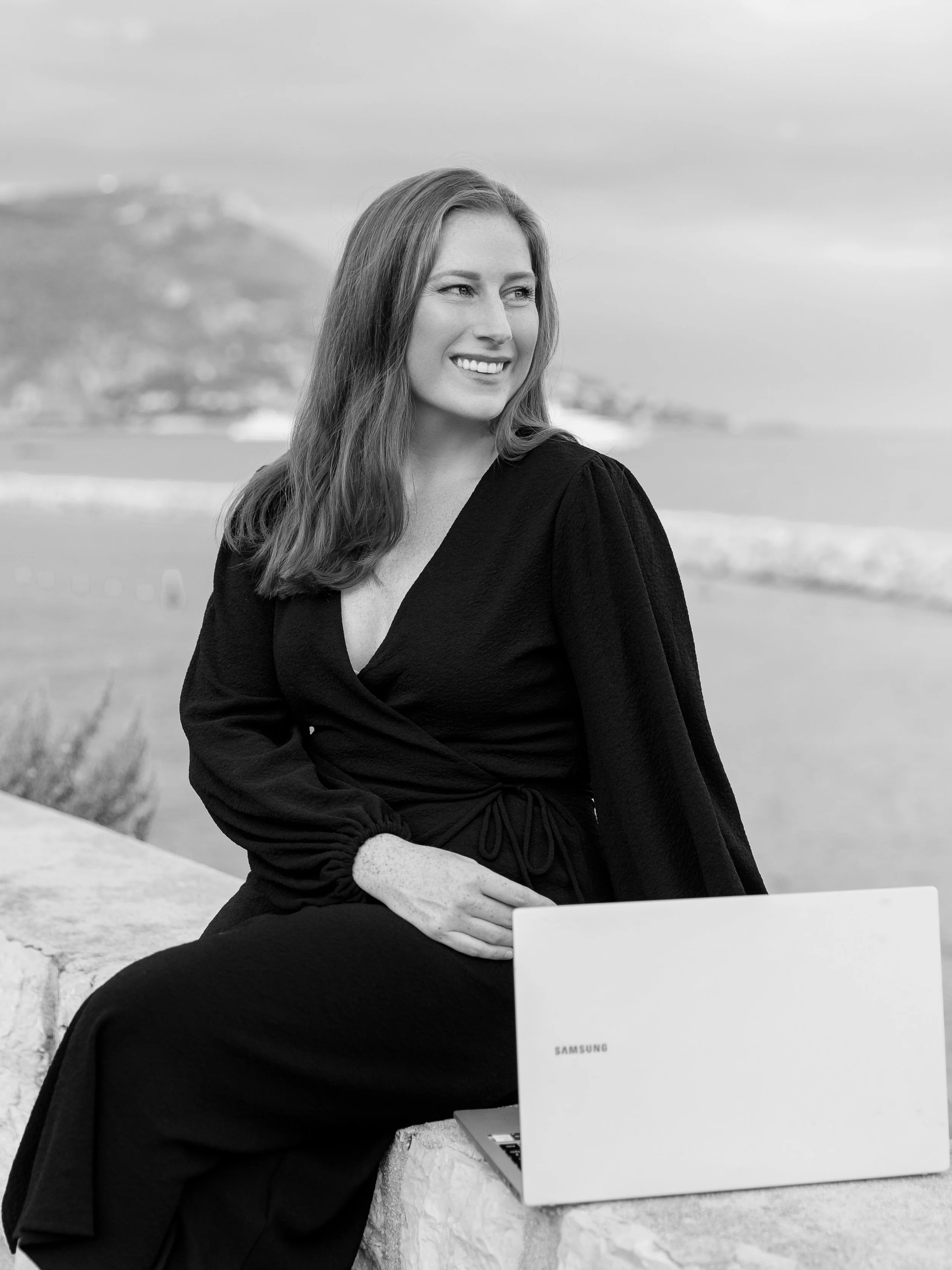
If Provence feels too busy, go here instead
Provence has turned into a kind of shorthand. Most people already know the drill without needing it explained. You wake up early because the heat settles in fast, you aim for the market in places like Apt or Saint-Rémy and realise you’re already behind everyone else, and every place with a terrace and decent shade has been booked for weeks. Meals are built around quick turnover, accommodation is priced for short stays, and a lot of the day ends up shaped by managing crowds rather than settling into anything.
The places below aren’t meant as “alternatives” in a dramatic sense. They’re just nearby regions where everyday life still runs normally. Bakeries open because locals are stopping by on their way to work. Cafés fill slowly, not all at once, and you can usually sit where you want. Lunch still happens at proper lunch hours, not whenever a table frees up. These areas sit close enough to Provence that the food, the heat, and the habits feel familiar, but far enough away that you’re not constantly working around other people’s plans. You end up planning your day around closing times, shade, and how long it takes to walk into town, which is usually the part people miss most when they talk about wanting a slower, cozier version of the south.
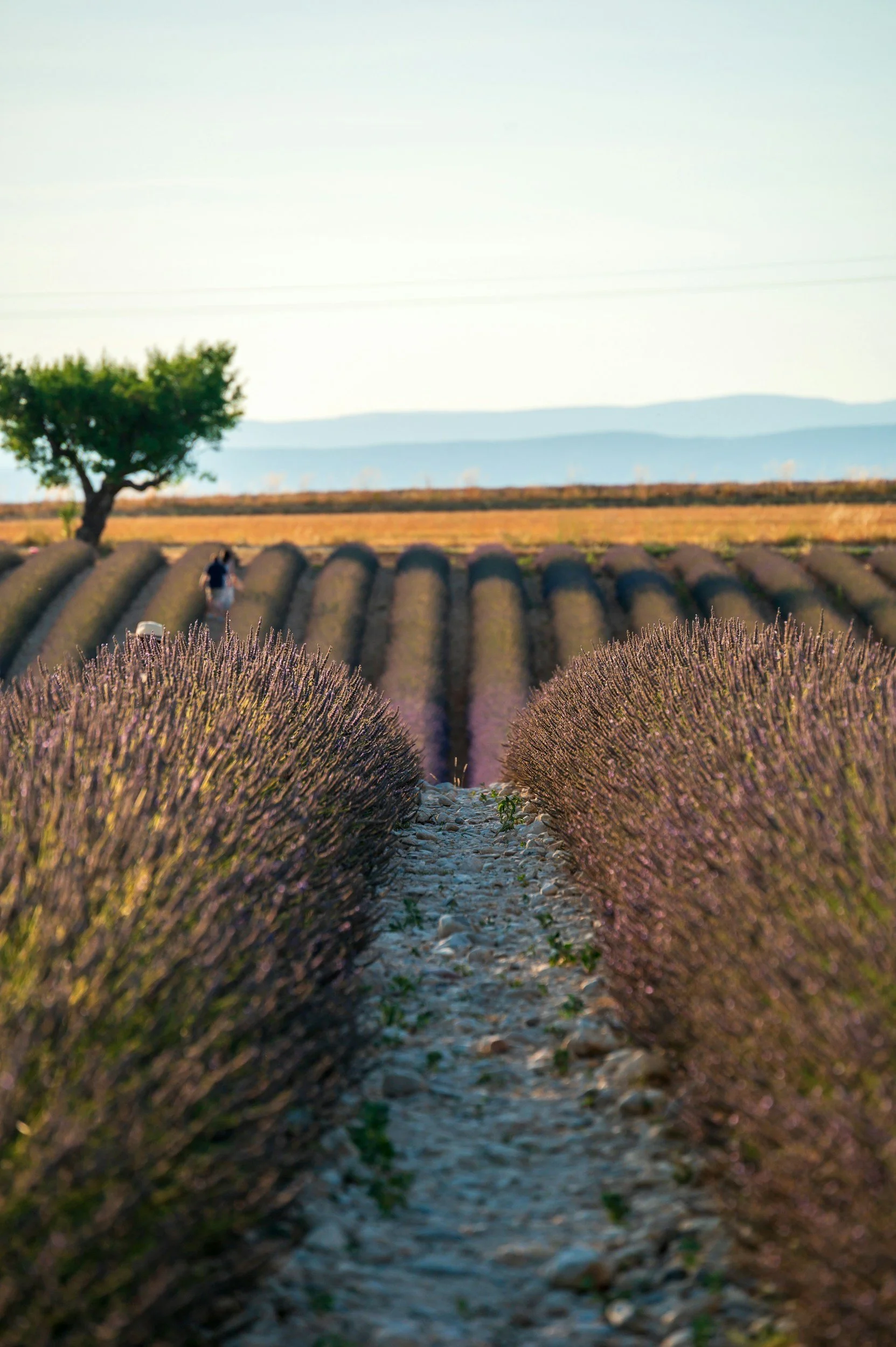
What “southern” needs to mean here
When people say “southern France”, they’re usually talking about a very specific band of the map, even if they don’t realise it. It’s the stretch where the day starts revolving around heat rather than rain, roughly once you’re south of Valence and no longer dealing with Alpine weather or northern schedules. From there, whether you’re in the Drôme, inland parts of the Gard, the Aude away from the coast, or the lower southern Alps, daily life starts behaving in familiar ways.
You notice it without looking for it. Bakeries open early and close when they’re done, not when a clock says they should. Shops on the main street pull their shutters down around lunchtime and nobody thinks that’s strange. Lunch is still a real pause in the day, not something squeezed in between errands. If you miss it, you wait until dinner. Outdoor tables aren’t a summer extra, they’re just where people sit, usually in the same shaded corner, day after day.
Food follows what’s easy to grow and cook in the heat. Tomatoes, peppers, courgettes, aubergines show up everywhere, sometimes dressed differently, sometimes not at all. Menus don’t change dramatically, they just shift slightly as the weeks go by. Markets feel practical. People come with shopping bags, buy what they need for the next few days, exchange a few words, and move on. It doesn’t feel like something you’re meant to “do”, it’s just part of the week.
The days becomes predictable in a good way. Mornings are for walking into town, grabbing bread, sitting with a coffee before it gets too warm. Afternoons go quiet almost by default. Evenings only really start once the air cools and people come back outside again. You end up planning around shade, heat, and opening hours without thinking too hard about it!
The part that really matters is that this doesn’t disappear once summer is over. In places that genuinely count as southern, the café is still open on a dull Tuesday in November, the pharmacy keeps normal hours, and the weekly market still happens even if there’s no one around to photograph it. That’s the line that actually helps with planning. If everyday life still runs when high season is gone, you’re somewhere that works as a place to stay, not just a place to pass through.
The line where Provence pressure starts to drop
The line where Provence starts to feel less intense comes earlier than most people think, and you don’t need to drive very far to notice it. Once you’re north of the Luberon, past towns like Gordes and Bonnieux, or west of the busiest parts of the Gard and Vaucluse around Uzès and Avignon, things begin to loosen almost immediately. The landscape still looks familiar, but the way places function shifts.
The first thing you notice is how easy it is to stop. Parking appears where you expect it to be, not ten minutes away, and you’re not circling the same streets watching other cars do the same. Accommodation stops feeling like a race. Instead of everything being booked months ahead, you start seeing actual availability for full weeks, even in summer. Hosts answer messages without a script, and minimum stays are more flexible.
Restaurants change too. In central Provence, a lot of places run on fast turnover in July and August. Just outside that zone, lunch goes back to being one sitting. You arrive, you eat, you stay as long as you like, and nobody is hovering with a bill. Markets follow the same pattern. They’re still busy, but they’re calmer, with fewer stalls aimed at visitors and more people actually shopping for the week.
It’s not a dramatic border on a map, and nothing suddenly looks different. The hills, the stone houses, the trees all carry on as before. The day opens up a little, and that’s usually the moment people realise they didn’t need to be in the centre of Provence to get what they were looking for.
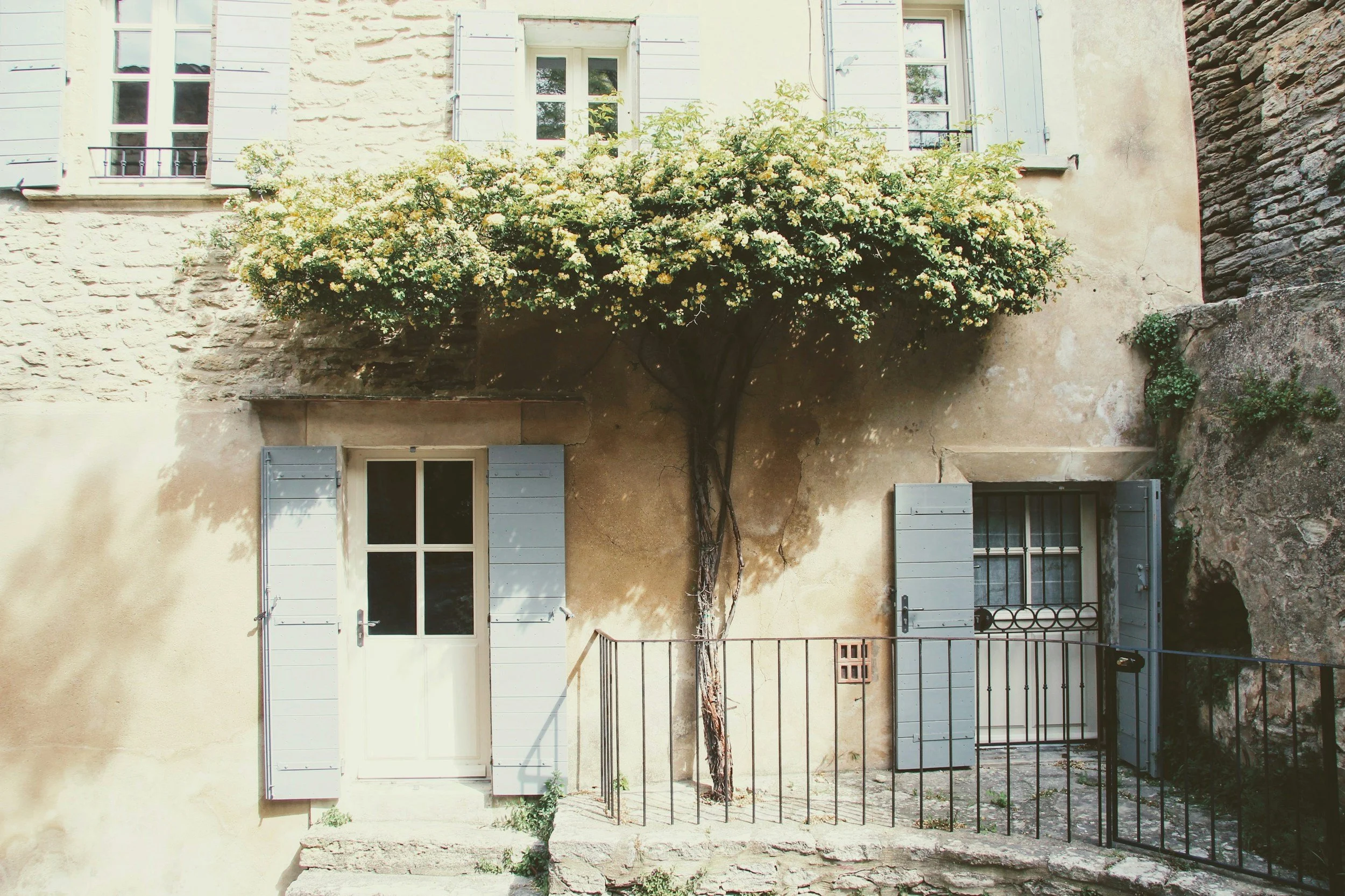
When summer actually starts and ends
In Provence itself, July and August tend to behave like one long, solid block. Once school holidays begin, the rhythm barely changes until late in the summer. Places stay full, opening hours stretch, and everything runs at high capacity week after week. It doesn’t matter much whether you arrive in early July or mid-August, you’re dealing with the same level of planning and the same crowds.
Step just outside that core area and summer loosens up. Early July can still feel fairly normal. Markets run the way they usually do, restaurants haven’t switched to turning tables quickly, and finding somewhere to stay doesn’t feel impossible. Late August changes even faster. As soon as French school holidays end, things calm down almost immediately. Extra café tables disappear, parking becomes easier, and you stop having to plan meals days in advance.
These changes show up in everyday details. Bus and train schedules ease back but still work. Shops return to their usual hours instead of staying open for visitors. The amount of forward planning you need drops noticeably, especially around eating out and accommodation. That’s why timing matters so much here. Being just outside Provence means summer isn’t one long peak, and you get a lot more flexibility in when and how you travel.
Drôme Provençale without the Provençal centre of gravity
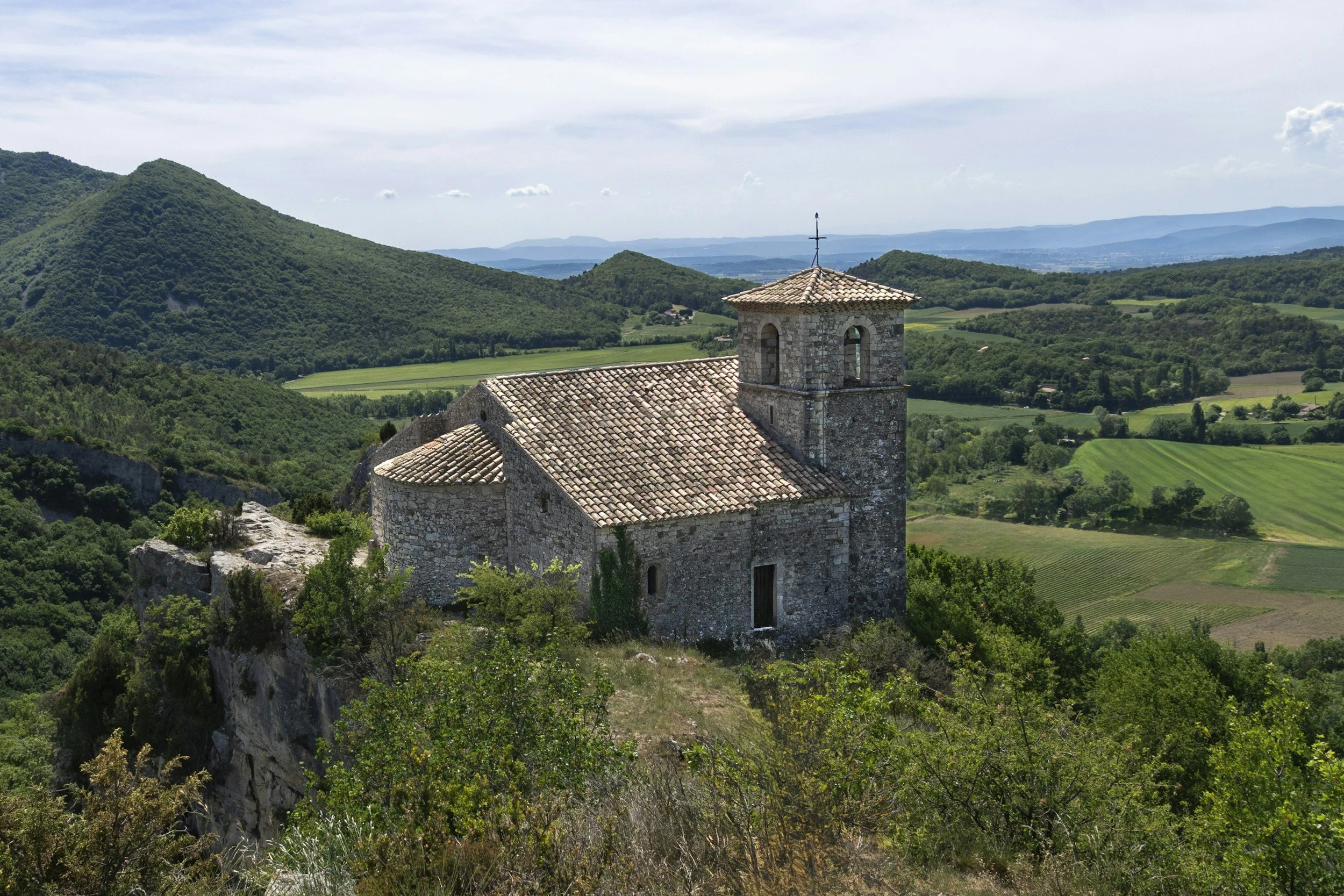
Landscape, light, and daily pace compared to Vaucluse
On the surface, the Drôme Provençale looks very close to Vaucluse. You’re still driving past olive trees, dry hills that turn dusty by July, and villages built tight together because shade matters. Stone houses, shutters closed most of the day, streets that stay narrow on purpose. Nothing about the landscape feels unfamiliar if you’ve spent time around places like Bonnieux or Ménerbes.
The difference shows up once you start moving around. There isn’t a single town pulling everyone toward it. You’re not circling the same few places the way you do around Gordes or L’Isle-sur-la-Sorgue. Instead, days naturally spread out between towns like Nyons, Dieulefit, Grignan, or Buis-les-Baronnies. You drive in, park without thinking too much about it, do what you came to do, and leave again without feeling like you’re part of a flow.
That changes how the days feel. Shops open because people locally need them, not because it’s peak season. A café might be busy for an hour in the morning with the same regulars, then go quiet again. Lunch is unhurried, and nobody is trying to turn your table. In the evening, there are people out, but not crowds. A few tables filled, voices carrying across the square, lights on behind open windows.
You still plan around heat, just like in Vaucluse. Mornings are useful, afternoons slow right down, and anything involving hills is better left for later. What’s missing is the underlying rush. You’re not trying to beat anyone to a parking space or worrying about whether a restaurant will still have room.
Market days that stay practical and local
Markets in the Drôme Provençale still work the way markets are meant to. They’re where people do their shopping for the week, not somewhere you wander through once and move on. You see it straight away in places like Nyons on Thursday mornings or Dieulefit on Fridays. People arrive with proper shopping bags, some with small carts, and they already know which stall they’re heading to first.
Early morning is busy, but not frantic. By ten, things have thinned out a bit, and you can still take your time. Late morning doesn’t feel like you’ve missed it. Prices don’t suddenly jump, and nobody is trying to push bundles at you before packing up. Stalls are mostly food and everyday things: fruit and vegetables stacked without much decoration, wheels of goat’s cheese cut to order, olives scooped into paper bags, bread that’s clearly meant to be eaten the same day. You’ll also see practical stalls selling kitchen cloths, baskets, or basic clothing, things locals actually need.
What’s mostly missing are the souvenir-style stands. Fewer lavender sachets, fewer jars lined up just to look good, less emphasis on gifting. The focus stays on what people will take home and use. That’s what makes these markets easy to return to. You can go once to get your bearings, then come back the following week knowing exactly where to stop and what time works best. It doesn’t feel like something you have to “do” properly. It just becomes part of the week, which is usually the best sign you’re in the right place.
If food is part of why the south feels right to you, this is where everyday cheese culture still happens quietly, away from tastings and tours.
Getting there via Valence or Montélimar without a car spiral
Getting into the Drôme Provençale is easy enough. Valence TGV and Montélimar both work well as entry points, and trains run often enough that you’re not stuck planning around one connection a day. The part that needs a bit more thought is what happens after that. Once you leave the main line, everything slows down, and that’s where people sometimes underestimate the logistics.
Buses do exist, but they’re built around school and work schedules, not visitors moving around midday. Miss one and you can easily be waiting a long time for the next. If you’re planning to stay in one town and don’t mind structuring your day around timetables, it can work. As soon as you want to move between villages, though, a car makes life much easier, especially in summer when walking longer distances in the heat just isn’t realistic.
Distances on the map look small, but the roads don’t run straight. They follow the terrain, wind through hills, and pass directly through villages. A fifteen-kilometre drive can take half an hour, sometimes more, and that’s normal here. It’s one of the reasons it helps to choose accommodation close to what you’ll use most days, a bakery you can walk to, a café on the main square, the weekly market. When those things are nearby, you’re not constantly getting in the car just to handle everyday errands, and the region starts to feel a lot more relaxed to move around in.
When summer heat is manageable here and when it is not
It still gets hot in the Drôme Provençale, there’s no way around that, but the heat tends to behave in a more predictable way than it does further south. Nights usually cool off enough to make sleeping with the windows open possible, especially if you’re staying just outside town. Mornings also last a bit longer. You can walk into town, go to the market, sit somewhere for coffee, and still feel fine well into late morning.
Late July and early August are the tough part. By early afternoon, being out in the open just isn’t pleasant, and most people stop trying. Streets empty out, shutters close, and the day goes quiet. Everything shifts earlier or later. You do what you need to do before lunch, then stay put until the heat eases. Evenings start properly once the air cools, and that’s when people come back out again.
What helps here isn’t that it’s suddenly cooler, because it isn’t, but that the heat follows the same pattern day after day. Once you get used to that, planning becomes simpler. You stop fighting the middle of the day and work around it instead. If you’re staying more than a few days, that regular rhythm makes the heat much easier to live with.
Autumn is when the Drôme Provençale really settles, and this guide shows what actually changes once summer pressure drops.
Haut-Languedoc as a cooler southern option
Altitude changes and what that does to evenings in July
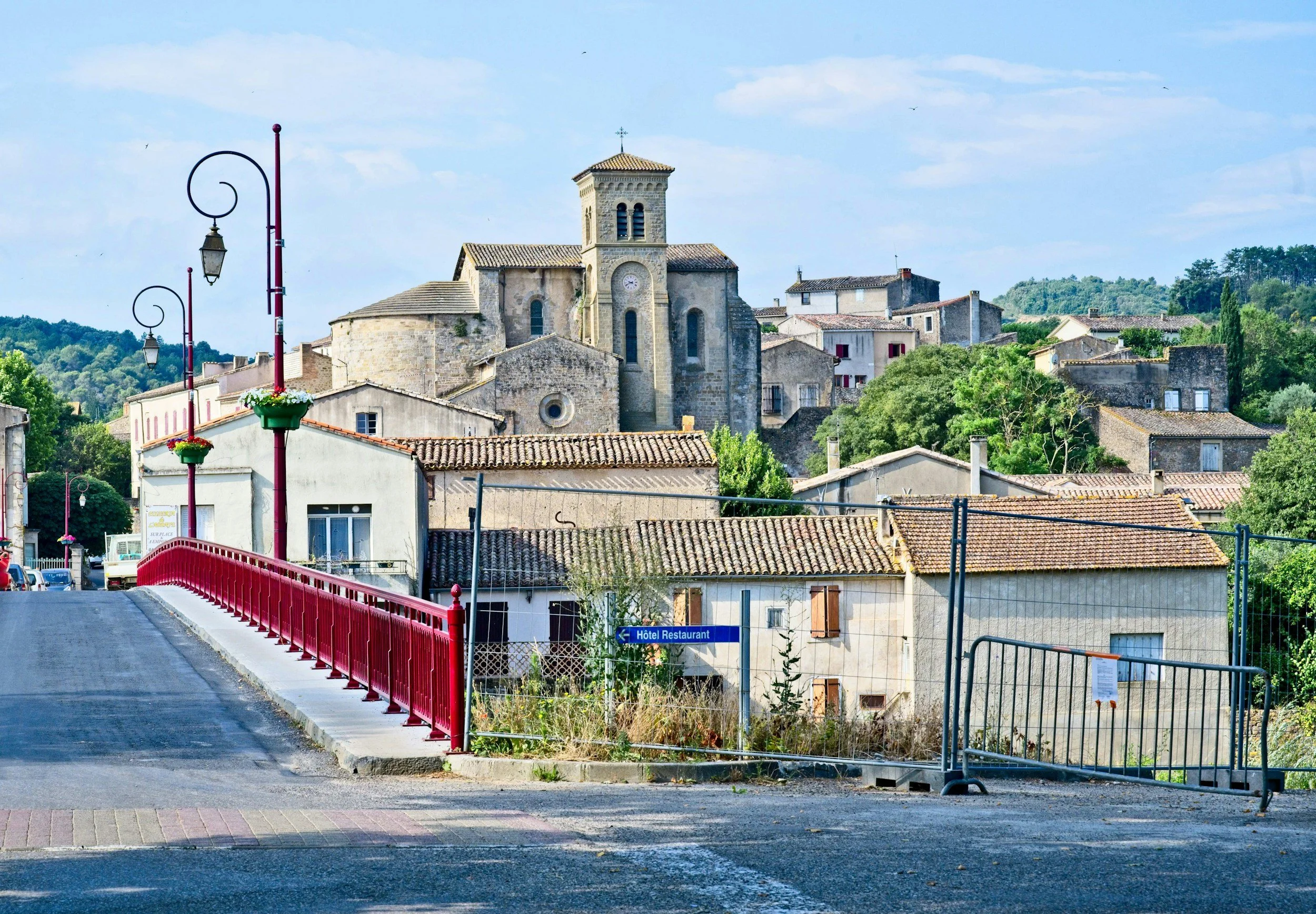
The Haut-Languedoc sits higher than most people realise, and you feel it almost straight away once the sun starts dropping. The day can be properly warm, but by early evening the air shifts and it becomes comfortable to sit outside without waiting for the heat to drain out of the ground. Dinner doesn’t come with that sticky feeling that makes you cut the evening short. By the time you head back inside, the windows can stay open and sleep usually comes easily without fans humming all night.
Days are still hot, especially in July, but they don’t feel squeezed. Mornings last longer. You can walk into town, run errands, sit somewhere for coffee, and not feel like you’re racing the temperature. Evenings start earlier, too. You don’t have that long, restless stretch where you’re just waiting for it to cool down enough to do anything. Over a few days, that changes how much you get out of the place. You’re not constantly rearranging plans around the heat, and the day feels easier to live with rather than something you have to manage carefully.
Town routines that still revolve around local trade
In the Haut-Languedoc, the day is still built around people who actually live there. You notice it in very ordinary ways. The bakery opens early, sells the same few things every morning, and if you turn up late, you take what’s left. Small grocery shops are practical rather than generous. A short shelf of vegetables, a fridge with cheese and yoghurt, a few basics you end up buying on repeat. The weekly market isn’t treated like something special. It’s just when people show up to get what they need, have a quick chat, and go home.
Visitors are around in summer, but they don’t reset how things run. Lunch closures are real. Shops shut fully, not half-heartedly. Doors closed, shutters down, lights off. Restaurants open in the evening if it makes sense that week, and if they don’t, nobody makes a fuss about it.
Arrival via Béziers or Castres and last-mile realities
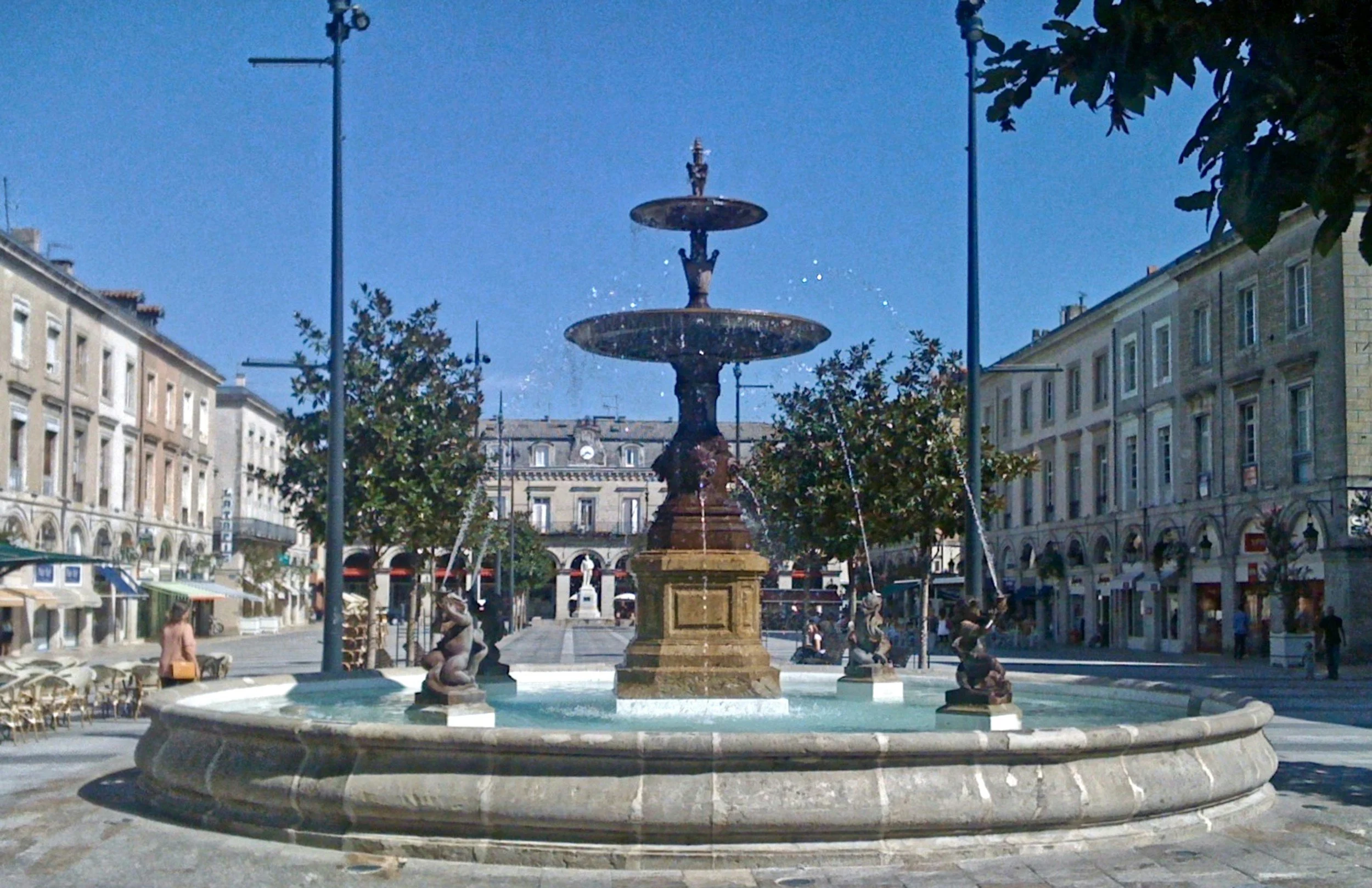
Getting into the Haut-Languedoc through Béziers or Castres is easy enough. Trains run regularly, stations are straightforward, and nothing feels complicated at that stage. It’s once you leave those towns that things slow down. Public transport reaches some places, but it’s clearly set up for school runs and work commutes. If you’re hoping to move around freely during the day, it can feel limiting fast.
Having a car changes everything. Roads are quiet, but they twist and climb, and even short drives take longer than you expect. You’re passing straight through villages rather than skirting around them, slowing down for tractors, waiting at crossroads with no signs. Fuel stations exist, just not often, so you learn to fill up when you see one instead of assuming another will appear later. The same goes for shops and cafés. Once you adjust to that, moving around feels calm rather than inconvenient. The key is knowing in advance that this is how the area works, so you don’t spend the first few days wondering why everything takes longer than planned.
In case you wish to still experience Provence for one or two days, this guide on Aix-en-Provence is worth a read. It’s all about spring and focus on why may is the best month to visit.
When things ease up after August
Once mid-August passes and school holidays end, the shift is obvious without needing to look for it. You arrive in town and park on the street you aimed for. The square sounds normal again. Fewer rolling suitcases in the morning, more people stopping to talk because they’re not in a hurry to get somewhere else.
Markets keep running on the same days, but they feel different. You can stand at a stall without being pushed along, ask for half a kilo instead of a full one, change your mind. The people selling know they’ll see the same faces next week. Bakeries stop overproducing. Shelves empty more slowly, and what’s left at late morning looks like a regular weekday, not a rush that happened all at once.
Restaurants fall back into their usual habits. Fewer tables dragged out onto the pavement. Shorter menus. Evenings where you walk past, see the lights on, and decide on the spot. Some places close an extra night again, which usually means they’re back to cooking for people who live nearby rather than trying to cover everyone passing through.
Walking around town gets easier too. You don’t have to plan everything for early morning or wait until after dark. Mid-morning errands work. Late afternoon walks work. Evenings cool down sooner, and sitting outside feels comfortable without timing it carefully.
September is when the place feels like itself again. The weather still holds, buses and trains still run, shops are open, and nothing feels strained. You’re no longer adjusting your days around holiday patterns…
This is the same reason some countryside regions in France still feel easy to live in all year, not just visit in summer.
Aude away from the Corbières headlines
Inland villages versus wine coast hype
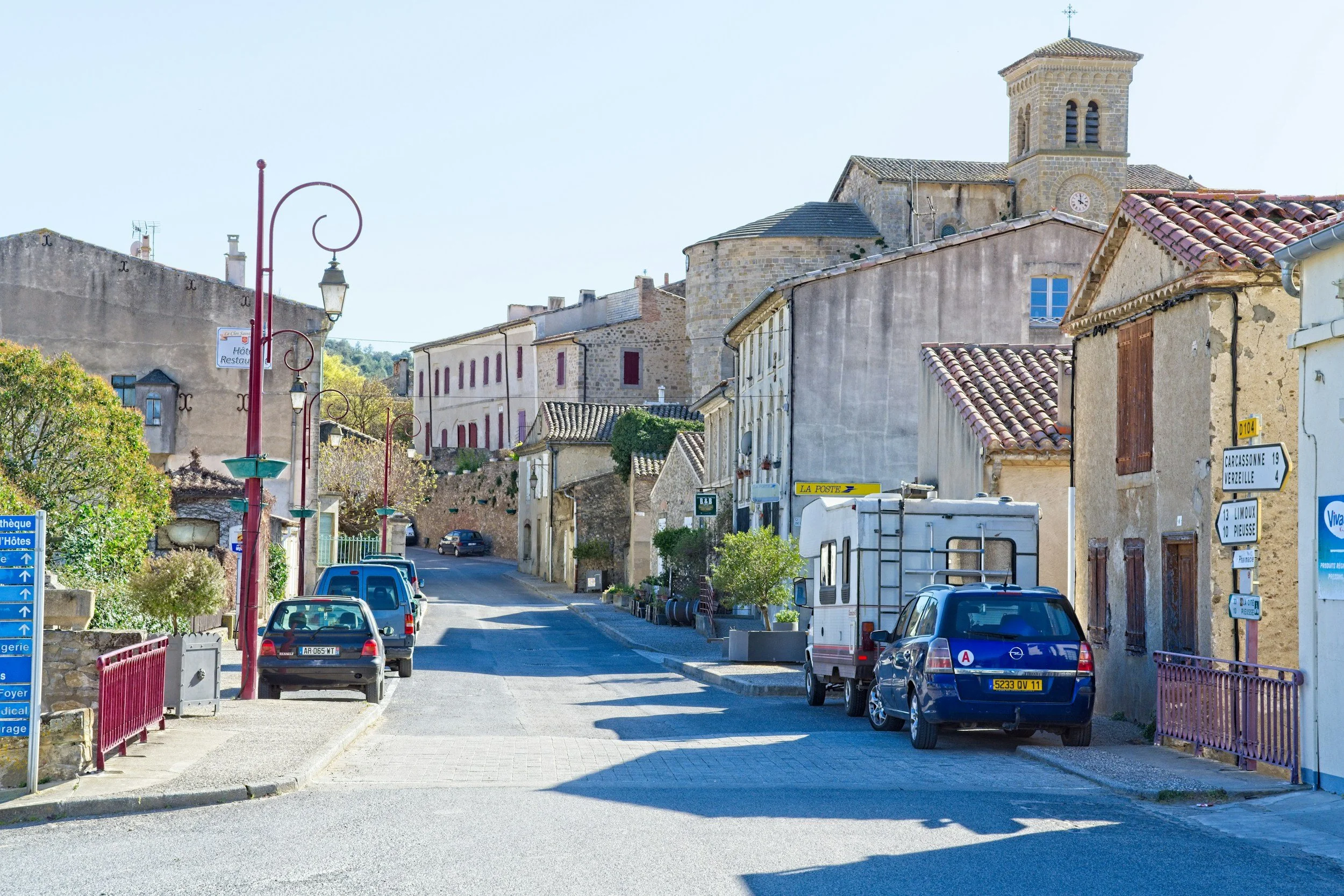
The Aude usually gets talked about through its coastal wine areas, the stretch closer to Narbonne and the sea where summer brings traffic, booked-out tasting rooms, and the same busy weeks every year. Head inland and it’s a different place altogether. Villages sit back from the main roads, surrounded by vines, wheat fields, and low hills, and the days are shaped around work rather than movement.
You feel it almost straight away. On the road, you end up behind a tractor more than once and nobody seems in a hurry to overtake. In town, people stop in the middle of the street to talk. Cafés open in the morning for locals grabbing coffee before heading out, then go quiet again. Small shops stock what people nearby actually buy, bread, milk, a short list of vegetables, and if something’s gone, it’s gone until the next delivery.
Distances between villages look easy on a map, but the roads tell a different story. They bend, rise, drop into valleys, and run straight through towns instead of around them. A short drive takes longer than you expect, and after a day or two you stop trying to fit in too much. Most days end up centred on one place. You walk into town, go to the same bakery, maybe drive out to a nearby market or another village ten minutes away, then come back again.
That’s what keeps things grounded here. You’re not bouncing between places or trying to see everything. You settle into one village, figure out where to park, which café opens early, which road to take to avoid the slowest stretch, and the days start to repeat in a good way. Inland Aude feels alive because it’s being used for living, not passed through, and once you fall into that rhythm, it’s hard to imagine doing it any other way.
Some towns just work better when you stay put for a few days, not just overnight. These are the ones that actually hold up for three to five nights.
Wind patterns and how often they affect daily plans
Wind is just something you live with in the Aude, especially the tramontane, and it shows up often enough that it becomes part of the day rather than a disruption. You feel it most in open spots and higher villages. Around places like Limoux or up above the Corbières, the sky can be completely blue and the air still sharp enough to make you zip your jacket.
You start noticing very quickly where it hits and where it doesn’t. One street can be almost uncomfortable while the next one over feels fine. In village squares, the café tables against a wall fill up first, the ones out in the open stay empty even in sunshine. Locals don’t test it, they already know. Walks shift to narrower streets, lower paths, or anywhere with trees. You stop taking the long way around if it means being exposed the whole time.
Markets still happen, but nobody hangs around for fun. People move through quickly, bags held close, hats pulled down, conversations kept short. Outdoor lunches often move indoors without much discussion. Then, sometimes later the same day, the wind drops and everything loosens up again. Tables fill, people sit longer, the mood changes.
Once you get used to it, the wind stops being annoying. You check how strong it is in the morning, plan walks and sitting outside for the calmer parts of the day, and accept that some days are better for staying close to town. It’s just another layer of local knowledge, like knowing which bakery sells out first or which road is slower, and it makes the place feel more lived-in the longer you’re there.
Getting inland from Narbonne without pretending it’s effortless
Narbonne works well as a way in. Trains are frequent, the station is central, and you can arrive without much planning. That part feels easy. What comes next is where expectations need a small reset. Once you leave Narbonne, inland movement slows down quickly, and that’s just how this part of the Aude works.
There are buses heading inland, but they run on local logic. Early morning, late afternoon, gaps in the middle of the day. Miss one and you wait. They’re fine if you’re staying put in one town and timing things carefully, less fine if you want to move around on a whim. A car changes that completely. Roads are quiet but winding, and even short drives take longer than you expect. You’re not hopping between places every hour, you’re choosing where you’re going and sticking with it.
Once you’re settled, distances are small in a practical sense. A market might be ten minutes away, the bakery five, another village fifteen. But timing matters. Markets start early and thin out by late morning. Shops close properly at lunch. Services are there, just not constantly available…
When summer still feels like a normal week
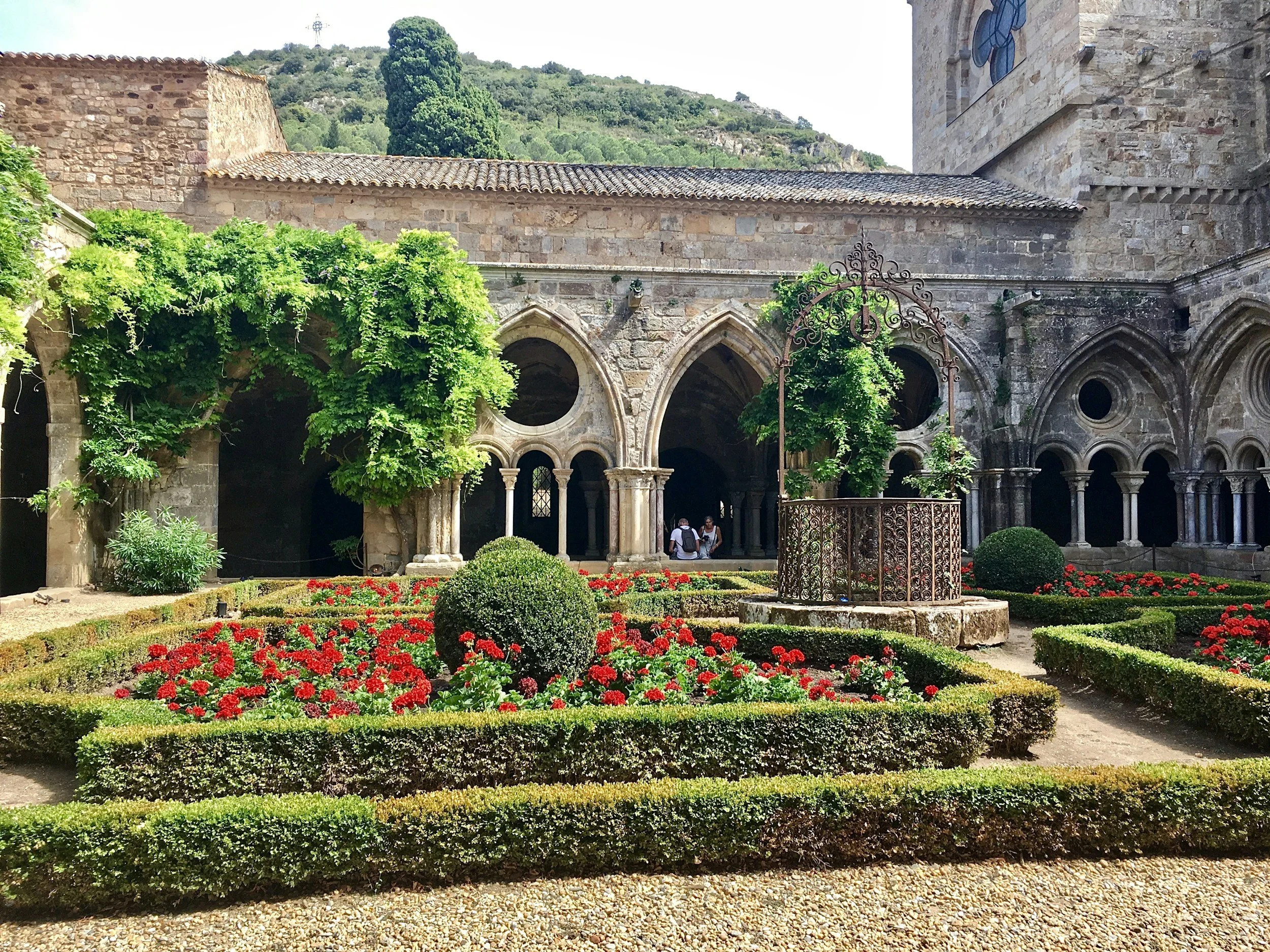
Inland Aude stays surprisingly normal well into summer, especially from mid-June through the first half of July. Around places like Limoux, Alaigne, Fanjeaux or the smaller villages between Limoux and Montréal-d’Aude, days still look like regular weeks. Schools are still running, people are working, and nothing has shifted into holiday mode yet. Markets are busy in the morning but not hectic. Cafés fill up, empty out, then fill again with the same faces. You’re not adjusting your timing to avoid anyone.
Late July is when things start to change, but even then it’s uneven. You’ll notice more cars on the bigger roads, more unfamiliar faces in town, maybe a bit more noise in the evenings. What you won’t see everywhere is pressure and the crowds. Villages near through-routes or close to well-known sites feel it first. Places tucked a few kilometres off those roads barely shift at all. You can still park near the centre, still buy bread without queueing, still sit down for lunch without checking ahead.
Where you stay matters more than the date on the calendar. Being near a road people use to get somewhere else changes the feel quickly. Being just outside that line keeps things steady. In quieter villages, you start recognising people after a few days.
That’s what makes inland Aude great in summer. You’re not trying to avoid the season, you’re just choosing a place where the season doesn’t “take over”.
If you prefer places that are set up for real stays rather than quick turnover, family-run guesthouses often make much more sense here.
Gard Cévenol beyond the Uzès orbit
Once you get past Uzès and keep heading north, things change in a very practical way. The road stops feeling like a route people are using to get somewhere else. Traffic drops, signs stop pointing you toward things to see, and most cars you pass look like they belong there. By the time you reach towns like Anduze or Saint-Jean-du-Gard, it’s clear you’re not in a place built around short stays.
These towns are set up for everyday use. The bakery, tabac, small supermarket, pharmacy are usually within a few minutes of each other because people walk between them all the time. Parking is close to the centre because that’s where people actually need to go. Streets aren’t arranged to be charming or scenic, they’re arranged so you can get through the day without thinking about it too much.
The rhythm is easy to read. Early mornings are active. People pick up bread, grab coffee, do a quick errand before work. By lunchtime, things shut properly. Doors close, shutters come down, and the town goes quiet in a way that feels intentional, not empty. The afternoon stays slow. You might see a delivery van, someone heading home, a café opening again late in the day. In the evening, a few places switch their lights on, usually the same ones every night, and you learn pretty fast where people tend to sit once it cools down.
What’s different here is how little turnover there is. You don’t feel surrounded by people arriving and leaving all the time. After a couple of days, you recognise who works where and who sits where. Nothing is adjusted to fit visitors. Things just run as they normally do, and you either work with that or you don’t. If you’re staying more than a few nights, that steadiness is what makes the foothills feel practical rather than dull.
River access, shade, and afternoon temperature drops
In the Cévennes foothills, water and trees make a real difference once the day gets warm. Rivers like the Gardon run close to towns such as Anduze and Saint-Jean-du-Gard, and even being a little lower near the water changes how the heat feels. By mid-afternoon, it’s often noticeably cooler there than up on the road, and once the sun drops behind the hills, the temperature eases faster than it does further south.
Walking routes naturally follow the shade. Paths along the river, narrow tracks through trees, small roads with overhanging branches. You’ll see people heading out later in the day because it actually feels doable. Swimming spots are scattered along the river, but they’re not marked or advertised. You usually spot them by a couple of bikes leaned against a tree, shoes left on a rock, or someone climbing back up the bank with wet hair.
Getting to the water almost always means a short walk. You park where you can without blocking anyone, then follow a dirt path or a worn track down to the river. There’s no proper access, no signs, no facilities. People use the same spots because they know them, not because they’re listed anywhere. It’s quiet, shared, and practical. Once you find a place that works, you tend to go back to it rather than looking for something else.
Local services that stay open year-round
One of the big differences in the Cévennes foothills is that things don’t quietly disappear once summer ends. Unlike some central Gard towns that ramp everything up for a few months and then pull back, foothill villages tend to keep the basics running all year. The small grocery stays open on its usual days. The café opens in the morning whether it’s August or February. You’re not constantly checking whether something has switched to “seasonal hours.”
Places like Anduze or Saint-Jean-du-Gard work because you can actually live out of them for a while. There’s usually at least one supermarket, a bakery that doesn’t shut for half the year, a pharmacy, and a doctor’s office that locals actually use. For anything bigger, Alès is close enough to handle hospital visits, larger shops, or train connections, but you’re not driving there every other day just to get through normal life.
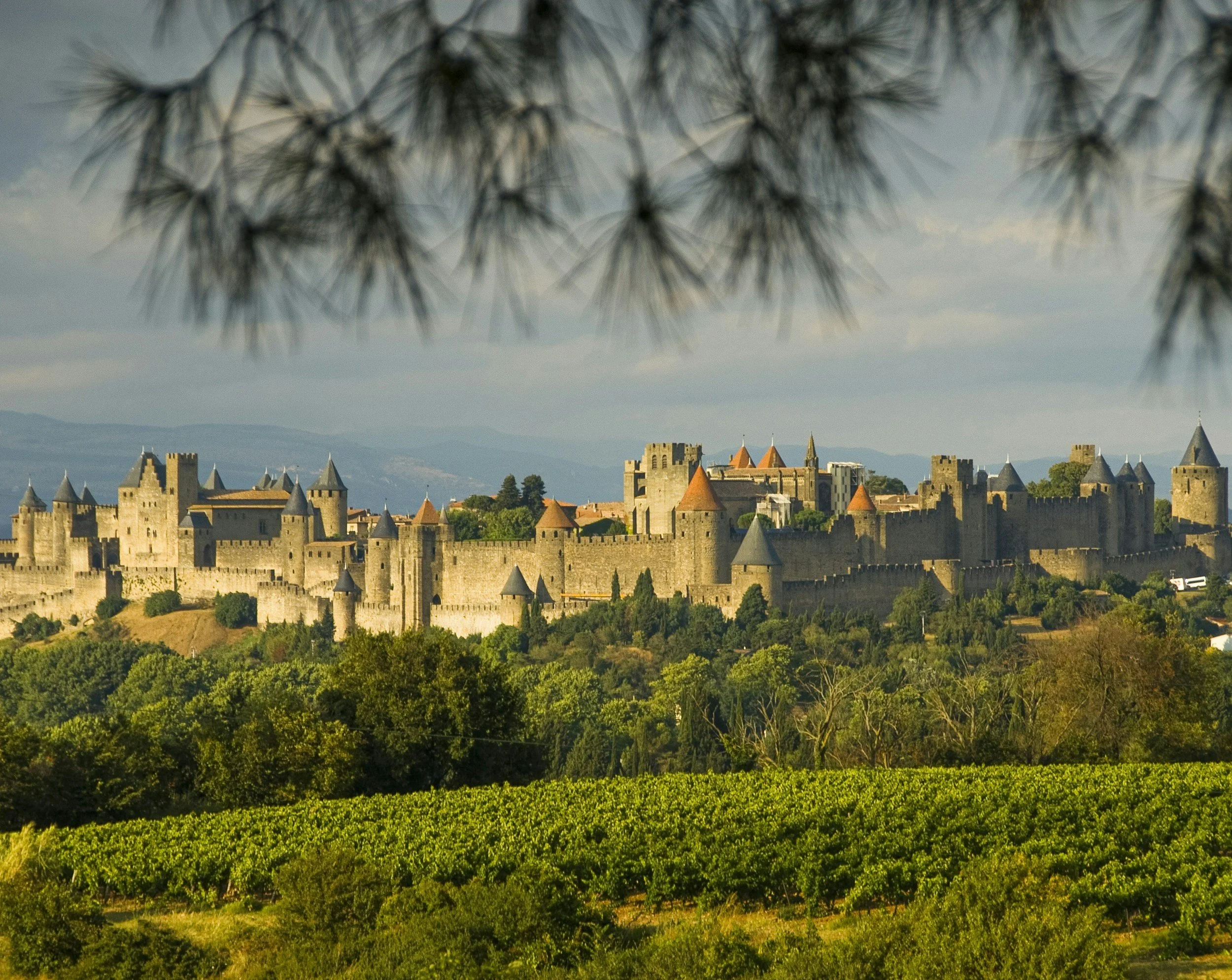
When the Cévennes foothills feel easiest to live in
Early autumn is when this part of the Gard settles into something that feels very workable. September and the first part of October still bring warm days, but the edge is gone. You can walk into town late morning without thinking about it, take a longer route home in the afternoon, and sit outside in the evening without waiting for the heat to drop first.
Markets carry on as usual. Stallholders are back into their normal rhythm, not rushing, not stretching supply. You can shop properly again instead of timing everything early. Cafés feel steady rather than busy, and restaurants return to their regular opening days. Nothing feels like it’s about to shut down, and nothing feels like it’s being kept open just for visitors.
Accommodation becomes easier too. More places are available, stays are more flexible, and you’re not competing with fixed holiday weeks. Towns like Anduze and Saint-Jean-du-Gard feel properly occupied again, with people back into routines rather than passing through.
Alpes-de-Haute-Provence below the lavender circuit
South of the higher alpine areas, in the Alpes-de-Haute-Provence, things still feel very much like the south, just without the Luberon price logic attached to everything. You notice it as soon as you start looking for somewhere to stay. A lot of rentals are clearly meant for people who plan to stick around. Weekly or monthly rates, kitchens that are actually usable, tables outside that aren’t staged. Prices make sense if you’re staying put and doing normal days, not hopping in for two nights.
Eating out works the same way. In towns like Forcalquier or Banon, restaurants don’t feel set up for one big occasion. Lunch menus are affordable, portions are generous, and you don’t get the sense you need to book far ahead. You go once, it’s good, you go back a few days later. You start recognising the staff, and you notice the same locals eating there again and again, which usually tells you everything you need to know.
There’s also no single place everyone is aiming for. People aren’t all driving toward one famous village at the same time. Instead, they’re spread out. One town for the market, another for errands, another for a café stop. Smaller villages in between stay quiet. Parking is usually where you expect it to be. Cafés fill gradually instead of all at once. Nothing spikes all at the same hour.
Elevation, night air, and sleep quality in high summer
Here, altitude isn’t an abstract idea, it shows up at night when you’re trying to sleep. Towns like Forcalquier sit around 550 metres, Banon closer to 750, and that difference matters once the sun goes down. Even after a hot day, the air starts to move in the evening. By ten or eleven, it’s usually cool enough to open the windows and let it through the house instead of trapping heat inside.
Most places are built for this. Thick stone walls, smaller windows, wooden shutters that actually get used. You close everything during the day, open up again once the light drops, and the temperature inside comes down naturally. You don’t hear air conditioning units running all night because many places don’t have them. You sleep with windows open, maybe a light blanket, and you wake up without that heavy, drained feeling that builds up in lower, flatter parts of Provence.
Days still need to be paced. You do errands and walking in the morning, slow down after lunch, and avoid being out in the open mid-afternoon.
If you’re staying longer than a few nights in summer, this is one of the biggest practical advantages of the area. It doesn’t make August cool, but it makes it livable in a way that lets you keep a normal routine instead of just counting down the days until the heat breaks.
Reaching the area from Manosque or Digne
Manosque and Digne are the two places most people end up coming through, and both work fine as long as expectations are realistic. Trains get you there without much trouble, but once you step out of the station, you’re very clearly no longer on a fast network. From that point on, things spread out.
If you’re heading beyond the town itself, having a car makes a big difference. Roads are not difficult, but they’re slow. They wind, they climb, and they pass straight through villages instead of around them. A drive that looks short on the map can easily take twice as long as you expect, especially in summer when tractors and delivery vans are part of the flow. It’s not frustrating once you accept it, but it does change how you plan your days.
Services are there, just not constantly. Fuel stations exist, but you don’t pass one every ten minutes. Same with supermarkets. It’s worth doing a proper shop in Manosque or Digne before heading out, especially if you’re staying in a smaller village. Once you’re settled, you tend to drive less anyway. You pick one market day, one café you like, one bakery that works, and build the rest of the week around that. Getting in is straightforward. Living there works best if you slow your expectations down a notch and plan a little ahead.
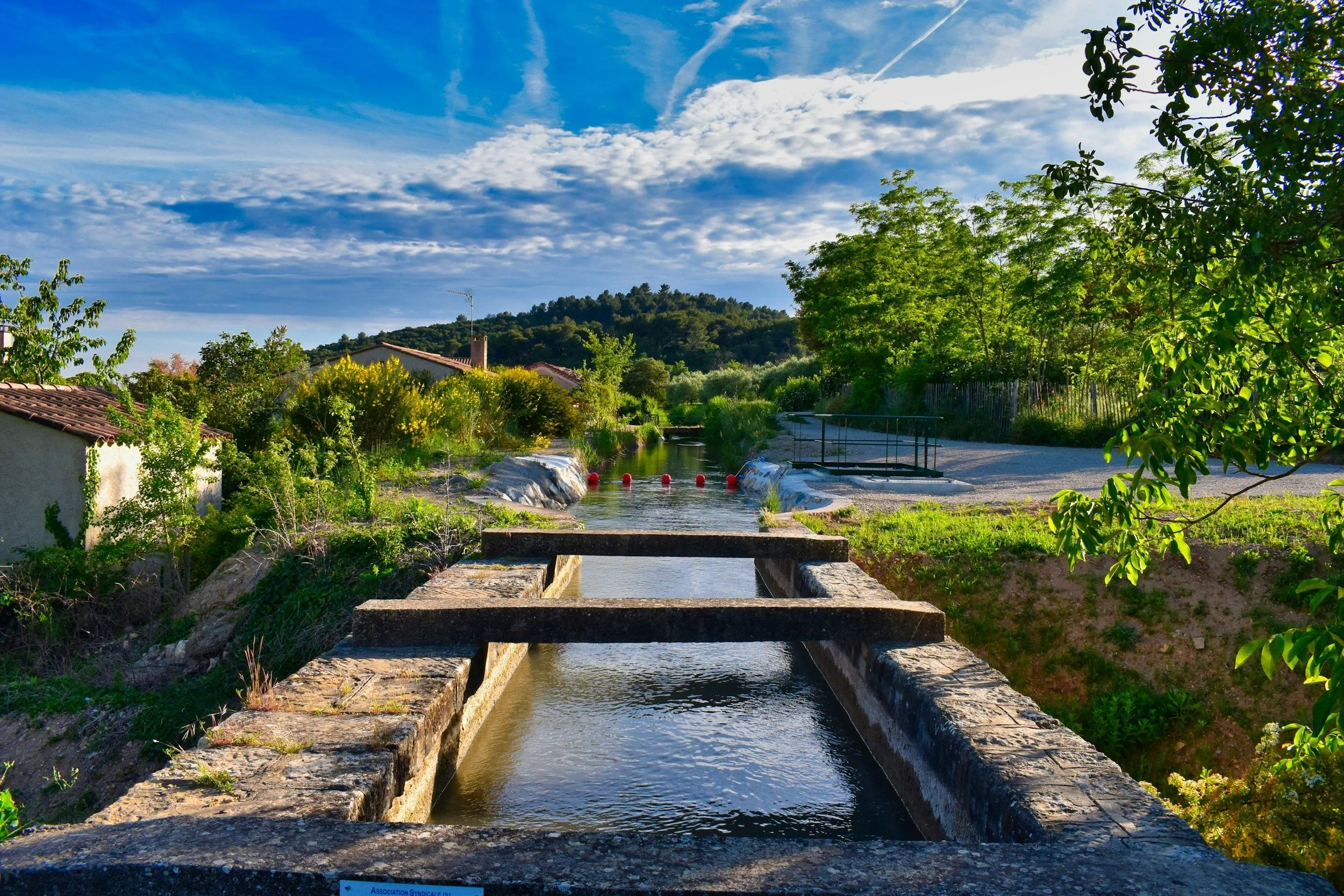
When markets shrink back to normal after July
Once July is over, markets in the Alpes-de-Haute-Provence start looking the way they’re meant to look. They don’t disappear, but they do tighten up. Fewer stalls, shorter lines, and a clear shift back to basics. In towns like Forcalquier or Banon, the wide summer sprawl pulls back toward the centre of the square, and what’s left is mostly food and everyday things.
You’ll still find fruit and vegetables, cheese, olives, bread, eggs, sometimes honey or dried herbs, but far fewer stalls selling things that are meant to catch your eye rather than fill a bag. The pace changes too! People basically arrive, buy what they need, and head off. There’s less browsing, less standing around, and a lot more familiarity between stallholders and customers.
Shopping becomes quicker and easier. You’re not weaving through crowds or waiting while someone decides between three souvenir jars. Prices stay steady, and conversations are short and practical. It starts to feel like part of the week again rather than something you plan your whole morning around.
The small, practical differences that change the whole trip
In central Provence, mid-June is often the cut-off point. After that, most good places are already taken, and what’s left tends to come with fixed weeks, strict arrival days, and prices that assume short stays. In the regions just outside that core, things don’t lock up in the same way. You can still find decent places into July, sometimes even early August, especially if you’re happy to stay a full week or longer.
A lot of rentals are clearly meant for people who plan to unpack. Kitchens are usable, not symbolic. Tables outside are there for daily meals, not for show. Owners are used to people staying longer and don’t insist on rigid Saturday-to-Saturday rules. That gives you room to plan more slowly. You don’t have to commit months in advance just to get something comfortable.
Eating out when restaurants aren’t built around visitors
Meals follow local habits here, and that takes a small mental reset. Kitchens don’t open early just because someone might want dinner at six. Most places start later, often around eight, and some nights they simply don’t open. Closing days are part of the week and don’t get dropped because it’s summer.
Once you stop expecting everything to be available all the time, it actually gets easier. You notice patterns. This place opens on market day. That one does lunch but not dinner. Another is reliable three nights a week. You end up going back to the same spots instead of searching every evening. Staff recognise you, food stays consistent, and eating out becomes part of the routine rather than something you have to plan around constantly.
When ten kilometres isn’t a quick drive
Distances are deceptive here. On the map, everything looks close. On the road, it rarely is. Routes wind through hills, dip into valleys, and run straight through villages. You slow down for tractors, delivery vans, and narrow sections where there’s no passing. Ten kilometres can easily turn into twenty minutes or more.
That changes how days work. Trying to stack too much into one day gets tiring fast. What works better is choosing one main plan and letting the rest of the day follow from that. Staying close to what you’ll use most often makes a big difference. A bakery you can walk to, a café nearby, a market that doesn’t require a long drive. Once you plan with time rather than distance in mind, the days feel lighter.
The summer weeks that don’t feel heavy
Even in high season, there are weeks when things still feel manageable. Mid-June is one of them. The weather has settled, cafés and markets are running, but school holidays haven’t started yet. Late August is another. As soon as French holidays end, things ease up quickly. Roads clear, parking gets easier, and places stop stretching themselves.
These windows give you summer without the constant pressure that defines Provence itself. You still get warm evenings, open terraces, and active towns, but without having to book every detail in advance. In these regions, timing often matters more than being in the centre of the season. It’s usually the difference between moving through a place and actually settling into it, even if only for a week or two.
FAQ: calm summer destinations in southern France instead of Provence
Where can I go instead of Provence in southern France for a quieter summer?
If Provence feels too busy in peak summer, towns like Uzès in the Gard department are one of the easiest alternatives. You still get a central square, weekly markets, cafés, and warm evenings, but without the same density of summer crowds you’ll find in places like Aix-en-Provence or the Luberon.
What are less crowded places in southern France than Provence?
Look slightly inland rather than focusing on the well-known Provence loop. Areas around Cévennes and smaller towns in Gard tend to stay calmer in July and August, especially outside of the main tourist villages.
Is Uzès a good alternative to Provence in summer?
Yes, Uzès works well if you want a similar atmosphere to Provence but with fewer visitors. The centre around Place aux Herbes stays active with markets and cafés, but it doesn’t feel as saturated as the most popular Provençal towns during peak season.
Where in southern France can you avoid crowds in summer?
For fewer crowds, focus on smaller towns in Gard and inland Languedoc rather than coastal Provence. Places outside main routes tend to stay more local, with everyday café life and markets rather than heavy seasonal tourism.
What is the quietest region in southern France in summer?
The Cévennes and surrounding villages in northern Languedoc are among the quietest options. You still get landscape, small towns, and local markets, but without the constant visitor flow of Provence’s main destinations.
Is Provence too busy in summer?
In July and August, many parts of Provence are very busy, especially well-known towns and villages. If you prefer slower movement, easier parking, and less crowded cafés, nearby regions like Gard or the Cévennes are often a better fit.
When is the best time to visit southern France to avoid crowds?
Late May, early June, and September are the most balanced months. July and August are peak season, especially in Provence and along the Mediterranean coast.
What is the difference between Provence and Gard in summer?
Provence is more established as a summer destination with higher visitor numbers in well-known towns. Gard, especially around Uzès and smaller inland villages, feels more local and less shaped by seasonal tourism.
Can you still experience markets and cafés outside Provence?
Yes, towns like Uzès have strong weekly markets and everyday cafés that stay active year-round, even in smaller surrounding villages.
Where should I stay instead of Provence for a calm summer in southern France?
Uzès is one of the most practical bases because it combines accessibility with a slower pace. Smaller villages across Gard or inland Languedoc also work well if you want something even quieter.