
You can build an entire Provence weekend around these market towns
Paris is well connected to Provence, and reaching these towns is more straightforward than it first appears. The high-speed TGV runs from Gare de Lyon to stations like Avignon (Avignon TGV) and Aix-en-Provence in just under three hours. Aix is often the easiest base in Provence if you’re arriving by train, and this Aix-en-Provence slow travel guide helps you get a feel for how the city works as a home base for day trips. From there, most of the smaller market towns sit within a short drive or a local bus connection. The last stretch is usually the part that takes longer than expected, especially if you’re relying on regional transport rather than a car.
Once you leave the main stations, the pace changes quickly. Larger hubs like Avignon handle most of the arrivals, but towns such as Uzès or L'Isle-sur-la-Sorgue are smaller and built around a central square or a few connected streets. Weekly markets take place in these centres, usually in the morning, and the layout of each town affects how you move through them. Some gather everything into one place, while others stretch across several streets, which changes how long you stay and how the morning unfolds.
Choosing smaller towns instead of the larger destinations also changes how the weekend works. You’re not moving between major sights or trying to cover distance. Most of the time is spent in the same few streets, stepping in and out of the centre depending on when the market slows and how crowded the main square becomes.
The towns in this guide are all reachable from Paris within a few hours, but they don’t work in the same way once you arrive. Some are worth planning your morning around, while others are easier to treat as part of a slower day. Knowing which is which before you travel makes the difference between fitting the place into your schedule and letting the place set the pace.
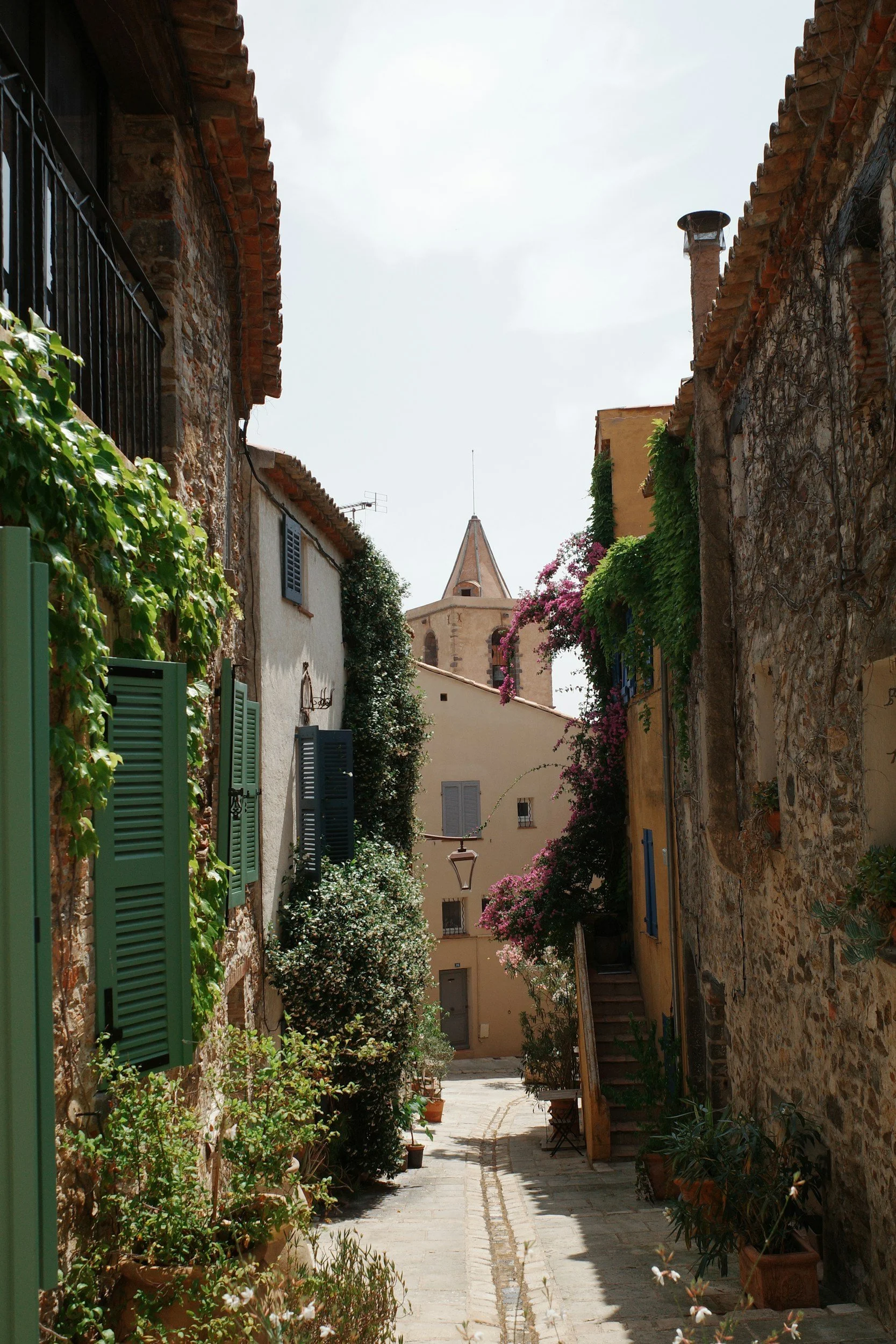
The train from Paris to Provence in practice
Most trips from Paris to Provence start at Gare de Lyon, with direct TGV departures throughout the day. Boarding is straightforward, but arriving around 20–30 minutes before departure makes it easier to find your platform and settle in without rushing. Trains to Avignon TGV and Aix-en-Provence TGV take just under three hours, with reserved seating and luggage kept with you.
Not everyone wants to base themselves in Paris for the whole trip. This guide to places to visit in France instead of Paris offers ideas for quieter bases that still feel connected and interesting.
The part that matters most isn’t the train itself, but what happens after you arrive. Stations like Avignon TGV sit outside the historic centre, so continuing into town or onward to smaller places takes an extra step. The shuttle train into Avignon Centre runs regularly and takes around 5 minutes, while taxis are available just outside the station. The transfer is usually quick, but waiting times between connections can add up if you arrive between departures.
From Avignon Centre, places like L'Isle-sur-la-Sorgue are reachable by regional train in around 20–25 minutes. Other towns require a bus or short drive, and these connections don’t run as frequently as the main TGV routes. This is where most people lose time, especially if they plan the journey too tightly.
For a weekend, the overall route works because the main leg is fast and predictable. You can leave Paris in the morning and arrive in Provence before midday, but it’s worth allowing extra time for the final stretch rather than relying on immediate connections. Once you’ve reached the town itself, the pace changes, and the need for precise timing drops away.
If you like the idea of a small town but want to stay near the capital, this list of cozy towns near Paris is useful for short stays that don’t require long travel days.
Cavaillon: the melon capital with a quiet market
Cavaillon sits at the edge of the Luberon, about 30 minutes south-east of Avignon, and is one of the more straightforward towns to reach by train in this part of Provence. The station, Gare de Cavaillon, is within walking distance of the centre, which makes arrival more direct than in many surrounding villages. From the station, most people follow Avenue de Verdun toward the old town, crossing into the centre near Place François Tourel. The walk takes around 10–15 minutes, with traffic along the road and a gradual shift from residential edges into the busier streets where the market begins.
The market takes place on Monday mornings and spreads through the centre rather than gathering in a single square. Stalls run along Cours Bournissac, Place Cabassole, and the connecting streets between them. Most people enter from the lower end near Cours Bournissac and move inward, with the first slowdown usually happening closer to Place Cabassole where several streets meet.
Between 8:30 and 9:30, the pace is still direct. Residents move quickly between stalls, often stopping only at the same vendors each week before leaving again. You’ll see people buying in small quantities, especially fruit, vegetables, and bread, rather than carrying full bags. Cavaillon is known for its melons, and they appear across multiple stalls rather than in one place. People tend to walk past several stands, compare sizes and ripeness, and then return to buy rather than stopping immediately.
From around 10:30, the centre begins to slow, particularly around Place Cabassole and the streets feeding into it. The market doesn’t compress into one point, but movement becomes more fragmented. If one section feels slower, most people shift onto a parallel street and continue rather than waiting to move forward.
Food is distributed across the full layout rather than grouped together. Early in the morning, most people focus on produce and bread, while prepared food becomes more visible closer to midday. By that point, the heat also starts to build, especially in the more open sections, and many people begin to leave the centre rather than staying to eat.
What makes Cavaillon work well in this guide is how accessible it is. You can step off the train and be in the market within minutes, without needing a car or a second transfer. At the same time, it still functions as a working town rather than a destination built around visitors, and the market reflects that.
Outside market hours, the same streets are noticeably quieter. Cours Bournissac becomes easier to walk, and the centre opens up once the stalls are gone. Most people don’t stay long after the market has slowed. They leave the centre, either heading back toward the station or continuing on to another town, which is why Cavaillon works better as part of a route rather than a place to base yourself for several days.
For those who prefer somewhere more rural and quiet, this piece on small French villages in Auvergne and Limousin is a good follow-up, especially if you like the idea of slow mornings and market days without crowds.
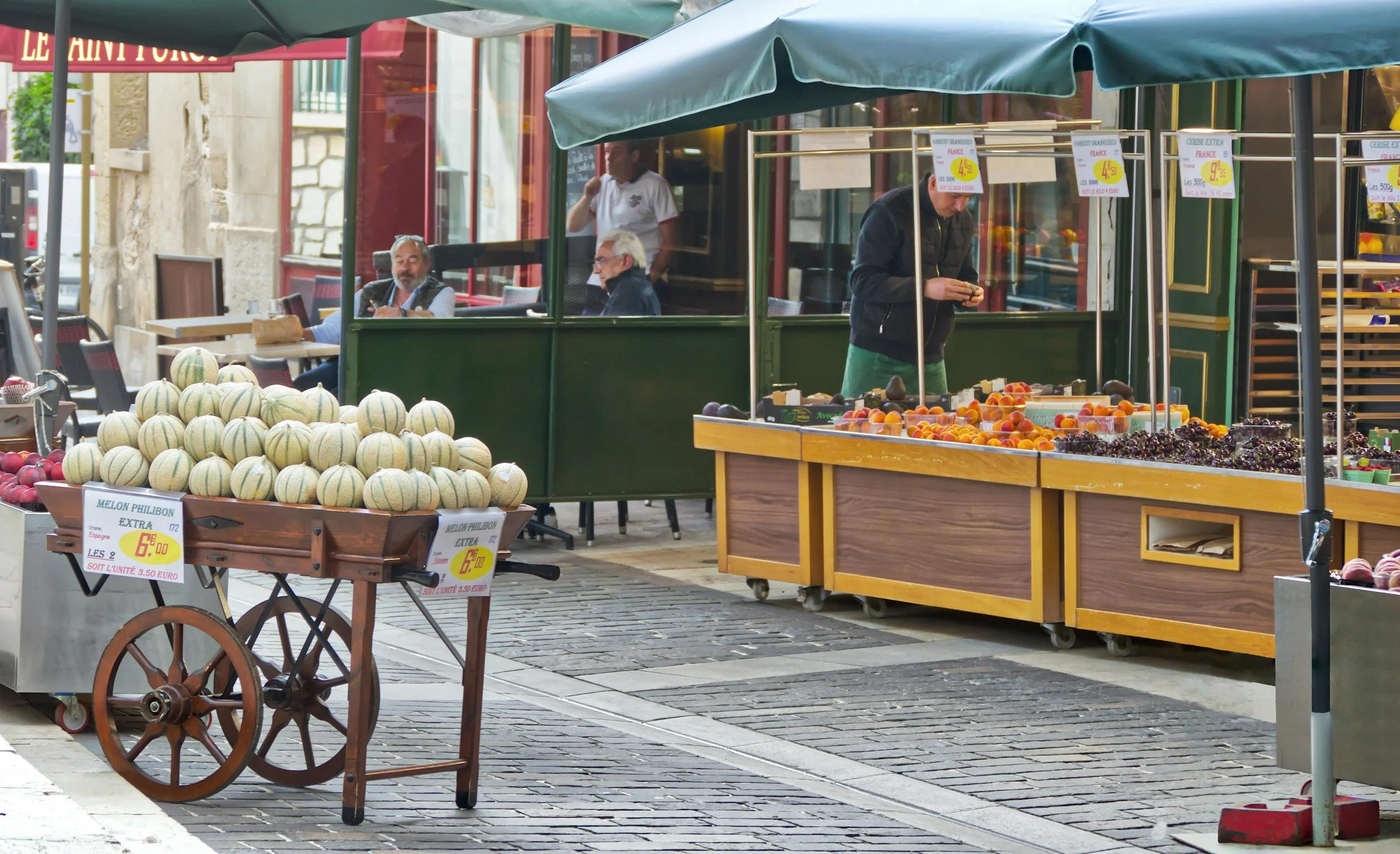
Expand Your Cavaillon Experience: If you’re looking for a quiet place to continue your journey, consider a detour to Cheval-Blanc, just a short bus ride from Cavaillon. This village offers peaceful walking trails, olive groves, and vineyards. Spend a few hours here and you’ll quickly fall under the spell of the Luberon region’s understated beauty.
Menerbes: A Serene Escape in the Luberon
Ménerbes sits along a ridge in the Luberon, about 15 minutes from Cavaillon and just under an hour from Avignon. There’s no train station in the village, so the final stretch is always by car or taxi. Most people arrive via the D3 road, which climbs steadily before levelling out near the entrance. Parking is set just outside the centre along Route de Bonnieux, and from there you walk in on foot, entering the village along the ridge rather than into a central square.
The village is structured around a single main route that runs along the ridge, connecting smaller spaces rather than focusing on one point. Streets like Rue Kléber Guendon and the area around Place de l’Horloge act as natural pauses, but you don’t arrive into a centre in the same way as in other towns. Most people walk a short stretch, stop, and then turn back rather than continuing all the way through.
The market takes place on Thursday mornings and follows the same linear layout. Stalls are set up along sections of the main street, with small clusters forming near the wider spaces rather than running continuously. Most people enter from the lower parking area and move inward along the ridge, passing through the market in stages.

Between 8:30 and 9:30, movement is still steady. Residents walk through with a clear purpose, stopping briefly before continuing along the street. Because the market is spread out, it’s possible to move through several sections without needing to stop.
From around 10:30, the narrower parts of the street slow first, especially near viewpoints and café terraces where people pause longer. The market itself doesn’t grow, but the space becomes more fragmented. Instead of one slow point, you get short sections where movement stops and starts again.
Food is limited and spread out. Early in the morning, most people focus on produce and bread, and there isn’t a strong shift toward eating within the market itself. Most people leave the main street once they’ve finished rather than staying.
What defines Ménerbes is how the layout affects how long you stay. Most people don’t walk the full length of the ridge. They move partway through, stop near one of the wider spaces or viewpoints, and then turn back. The market follows that same pattern, which is why it feels shorter than it actually is.
Outside market hours, the village becomes noticeably quieter. The same route is easier to walk, and the pauses between sections feel more distinct. Walking a little further along the ridge or just beyond the village edges changes the pace immediately, even though the distance is short.
Staying overnight makes more difference than the market itself. Early morning and evening are when the village feels most accessible, and the main street is easier to move through without interruption. Ménerbes works better as part of a slower route through the Luberon rather than as a place to centre a full weekend.
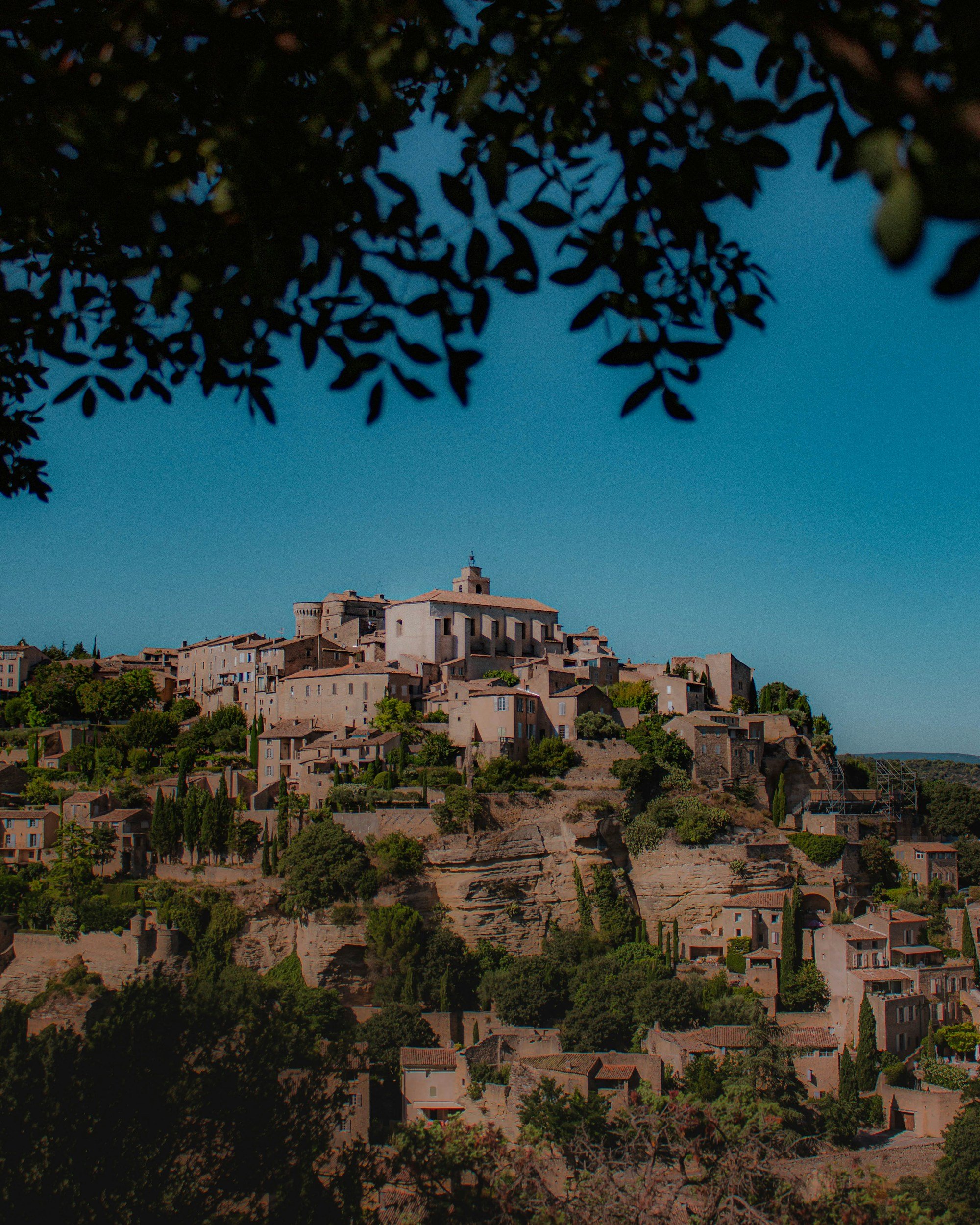
The views from Menerbes are some of the most spectacular in Provence.
From the Place du 4 septembre, you’ll be treated to sweeping panoramas of the Luberon mountains and the surrounding vineyards, making it the perfect spot for a peaceful moment of reflection.
Lacoste: a quieter Luberon village built around its hillside market
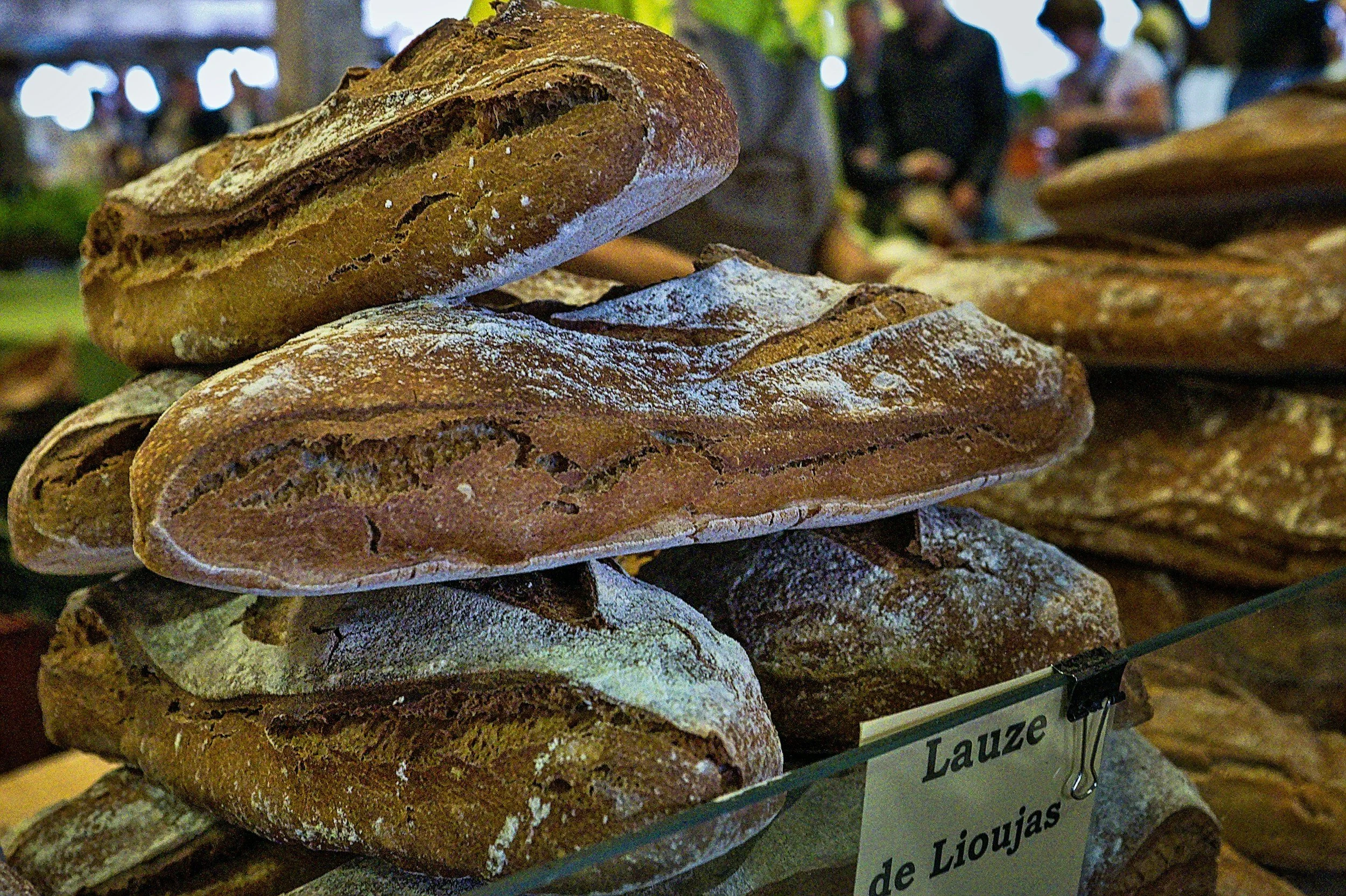
Lacoste sits on the southern side of the Luberon, about 20 minutes from Apt and just under an hour from Avignon. There’s no train access into the village, so the final stretch is always by car or taxi. Most people arrive via the D106 road and park just below the village along Route de Bonnieux. From there, you walk in on foot, entering through the lower streets where the incline begins immediately.
The layout is vertical rather than centred. Streets climb in short sections toward Château de Lacoste at the top, and movement naturally slows because of the gradient. There isn’t a single square where everything gathers. Instead, the village is made up of smaller pockets connected by narrow streets, steps, and terraces.
The market takes place on Tuesday mornings and follows that same structure. Stalls are set up along the lower and mid-level streets, with the first cluster appearing close to the entrance where the street widens slightly. From there, a smaller number of stalls continue further up, but the density drops as you climb.
Between 8:30 and 9:30, the pace is steady. Residents move through the lower section first, often buying just a few items before continuing uphill or turning back. Because the market is spread across levels, it never gathers into one busy point, even later in the morning.
From around 10:30, the narrow sections and steps begin to slow movement more noticeably. The lower part of the village stays the most active, while the upper streets remain quieter, with fewer stalls and more open space. Most people don’t continue all the way to the top during the market. They move partway up, stop, and then turn back rather than completing the full climb.
Food is limited and scattered. Early in the morning, most people focus on produce and bread, and there isn’t a strong shift toward eating within the market itself. Once they’ve finished, people either head back down toward the entrance or continue upward without stopping for long.
What defines Lacoste is how the elevation shapes how long you stay. The incline breaks the visit into sections, and most people underestimate how quickly the climb slows them down. You don’t move through it in one pass. You move up, pause, and then retrace your steps.
Outside market hours, the same streets feel more defined. The village becomes quieter, and the separation between levels is clearer. Walking further uphill toward the château opens up wider views across the Luberon, while the lower streets return to a more functional pace.
Lacoste works best as a shorter stop within a wider route through the Luberon rather than a place to base yourself for several days. The size of the village and the structure of the market naturally limit how long you stay, but that’s also what gives it a more contained, local feel compared to larger towns nearby.
If you’re drawn to the quiet beauty of Lacoste, take the opportunity to explore some of the nearby villages that are just as charming and off-the-beaten-path. Gordes, a short drive away, is another Luberon village that offers stunning views and a quiet atmosphere, with its own market and historical sites to explore. Alternatively, venture to the nearby Vaucluse region, where you’ll find scenic hiking trails, olive groves, and vineyards perfect for a day of outdoor exploration.
For a truly unique experience, consider timing your visit with one of Lacoste’s art exhibitions, often held in the castle or in local galleries. These events showcase the work of local artists and often provide a glimpse into the village’s creative side, which is deeply inspired by the surrounding landscapes.
Saignon: a small hilltop village near Apt with a quieter market
Saignon sits just a few minutes east of Apt, but once you arrive, it feels separate from it. The road climbs quickly from the valley, and parking is set below the village near the lower entrance. From there, you walk in on foot, following a short uphill path that leads into the first cluster of streets.
The village is built across two levels rather than along a single ridge. The lower part gathers around a small square near Place de la Fontaine and the surrounding streets like Rue Saint-Louis, while the upper section rises toward the rock formation above the village. Movement naturally splits between these two areas, and most people move between them rather than staying in one place.
The market here is smaller and more local, typically held on Saturday mornings in the lower part of the village. Stalls gather loosely around the square and along the connecting streets rather than extending far beyond. Most people enter from the lower parking area, pass through the market once, and then decide whether to leave or continue upward.
Between 8:30 and 9:30, the pace is steady. Residents move directly between stalls, often buying a few items before leaving again. The market doesn’t grow in size, but the space around it becomes more active, especially where the streets narrow slightly near the centre.
From around 10:30, movement slows in short sections rather than across the whole market. The lower square remains the busiest point, while the streets leading upward become quieter. Most people don’t stay long once they’ve finished at the stalls. Within minutes, they begin moving toward the upper part of the village.
The upper section is what extends the visit. The path leading up toward Rocher de Bellevue is short but steeper, and the view opens across the valley toward the Luberon. People tend to stop here longer than anywhere else in the village, often sitting along the edge or taking photos before moving on.
Food is minimal within the market itself. Early in the morning, most people focus on produce and bread, and there isn’t a strong shift toward eating in the square. Most people move on once they’ve finished rather than staying in the centre.
What makes Saignon work in this guide is the contrast between the lower and upper sections. The market is contained and short, while the upper village extends the visit without needing additional stops. Most people move through both in sequence, which naturally sets the pace of the morning.
Outside market hours, the village becomes very quiet. The lower square clears quickly, and the upper paths remain accessible without interruption. Saignon works best as a short stop or a slower morning alongside nearby towns rather than as a place to structure a full weekend around.
Saignon may be small, but it’s packed with hidden corners to discover. As you wander through the village, keep an eye out for the ancient Calades, the narrow cobbled paths that run between the buildings. These picturesque lanes are often lined with bougainvillea and ivy, making them perfect for an impromptu photo op.
For those looking to explore the surrounding area, a short trip to the nearby village of Apt offers a chance to discover even more local markets and stunning views. Apt is famous for its Provence-style markets, where you can pick up everything from handmade ceramics to local truffles. The town also has a beautiful medieval center with narrow streets and historic buildings.
Alternatively, for a truly unique experience, head to the nearby Forêt des Cèdres, a forest of ancient cedar trees located just outside of Saignon. This peaceful forest is a great place to enjoy a quiet walk, where you can enjoy the fresh mountain air and the gentle rustling of the trees.
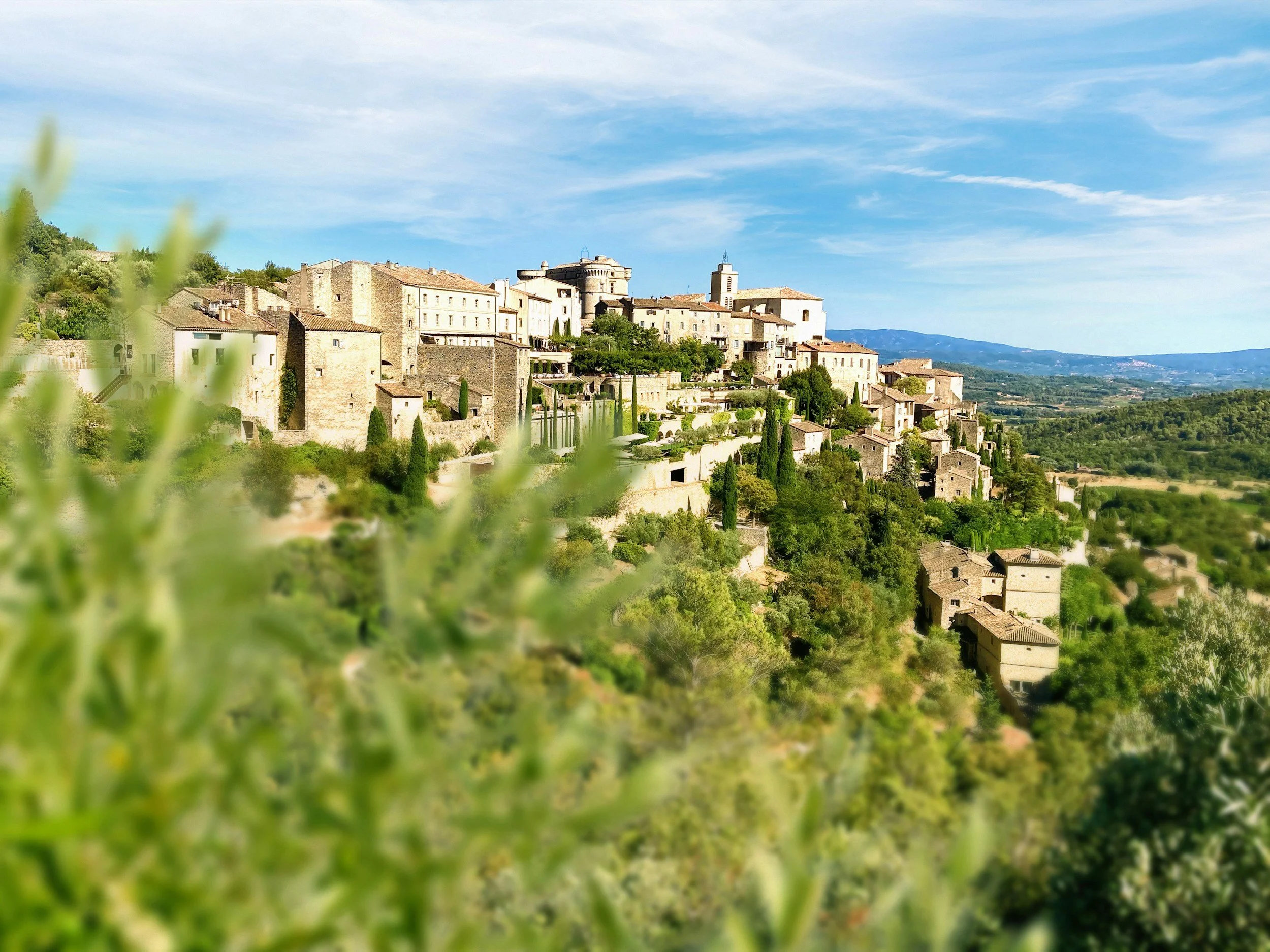
Saint-Saturnin-lès-Apt: a smaller market village in the Luberon
Saint-Saturnin-lès-Apt sits a few kilometres north-east of Apt, and like Saignon, it’s reached by car rather than train. The road into the village curves gradually upward, with parking set just below the centre near the lower entrance. From there, you walk in on foot, arriving directly into the main square.
The village is structured around Place de la Mairie, which acts as the central point for both the market and daily activity. From here, streets like Rue des Bories lead outward in short sections, but everything still connects back to the square. Unlike ridge villages such as Ménerbes, you don’t move along a long axis. You move out from one point and return to it.
The market takes place on Tuesday mornings and remains relatively contained. Stalls gather around the square and extend a short distance into the surrounding streets rather than spreading widely across the village. Most people enter directly into the centre and begin there rather than approaching from different directions.
Between 8:30 and 9:30, the pace is steady and local. Residents move with purpose, often stopping at the same stalls each week before leaving again. Purchases are small and practical, with people carrying a few items rather than staying for long.
From around 10:30, the centre begins to slow quickly. Because the market is compact, it doesn’t take long for the square to fill. The densest point forms near the middle of Place de la Mairie, while the edges and the first streets leading away remain easier to move through. Most people adjust by stepping out of the square rather than waiting.
Food remains secondary to the market itself. Early in the morning, people focus on buying rather than eating, and there isn’t a strong shift toward sitting down in the square. Once they’ve finished, most people leave the centre within a short time rather than staying.
The shift after the market is immediate. Within minutes, people begin moving away from the square, often toward the path leading up to the ruins and reservoir above the village. The climb starts just beyond the centre and takes only a short time, but it changes the pace completely. At the top, the view opens across the Luberon, and people tend to stay here longer than anywhere in the village below.
What defines Saint-Saturnin-lès-Apt is how quickly the experience moves from contained to open. The market is short and concentrated, and the rest of the visit happens just outside it. You don’t need to plan anything beyond that, and most people don’t.
Outside market hours, the square clears quickly, and the village returns to a slower, more functional pace. Saint-Saturnin-lès-Apt works best as a shorter stop within a wider route through the Luberon, where the market is part of the morning rather than the reason to stay the whole day.
If you want to extend the morning beyond the village, the drive toward Abbaye de Sénanque takes around 15–20 minutes. It’s one of the more visited spots in the area, especially in summer when the lavender is in bloom, so timing matters more than distance. Arriving earlier in the day or later in the afternoon makes a noticeable difference compared to the middle of the day, when the area fills quickly.
Most people don’t stay long. They walk down toward the abbey, stop briefly, and then leave again rather than treating it as a longer visit. It works best as a short stop between villages rather than something to build the day around.
If you’re trying to decide when to come, this Provence in May itinerary shows what the towns and markets feel like before the busiest part of summer arrives.
How to plan this as a realistic weekend from Paris
What usually makes or breaks this trip isn’t which towns you choose, but how you structure the order and timing between them.
If you’re arriving from Paris in the morning, you’ll likely reach Avignon or Aix-en-Provence before midday. That first afternoon is rarely suited for a full market visit. In places like L'Isle-sur-la-Sorgue or Cavaillon, markets are already slowing or packing down by then. It’s better used for walking through the town once without stalls and understanding how the layout works before the next morning.
The second day is where the trip actually happens. Markets start early, and the difference between arriving at 8:45 and 10:30 is noticeable in every town in this guide. In Cavaillon, you can still move freely along Cours Bournissac early on, while in Saint-Saturnin-lès-Apt the centre around Place de la Mairie fills quickly once the morning builds. Earlier arrival means you see how the space works. Later arrival means adjusting constantly.
It also helps to pair towns based on how they’re structured rather than just how close they are. A more spread-out market like Cavaillon works well before a smaller, contained place like Saignon or Ménerbes, where the visit is shorter and shaped more by the setting than the number of stalls. Visiting two similar layouts back-to-back tends to blur the experience.
Another detail that’s easy to overlook is how quickly the centre clears once the market slows. In Saint-Saturnin-lès-Apt and Saignon, the main square empties within a short time, and most people move away rather than staying for lunch. Cafés don’t always free up immediately either, especially if tables have already been taken earlier in the morning, which makes the transition between market and afternoon less straightforward than expected.
If you’re relying on trains and local connections, the last leg between towns is where time disappears. Short distances between places like Apt, Ménerbes, and Lacoste can take longer than expected without a car, especially around midday when services are less frequent. Leaving a buffer between connections makes the whole weekend feel easier, particularly on the return toward the TGV stations.
If you want to stay closer to the capital, this guide to markets near Paris you can reach by train is a good starting point, especially if you’re testing the idea of market trips before committing to a longer journey south.
Common questions about Provence market towns
Which Provence market towns can you visit by train from Paris?
You can take a TGV from Gare de Lyon to hubs like Avignon (Avignon TGV) or Aix-en-Provence in under three hours. From there, towns like Cavaillon and L'Isle-sur-la-Sorgue are accessible by regional train, while Ménerbes, Lacoste, and Saignon require a short drive or taxi for the final stretch.
This round-up of weekly markets in southern France gives you a clearer sense of which market days are actually worth planning a trip around.
How long is the train from Paris to Provence?
The fastest routes take around 2h40–3h from Paris Gare de Lyon to Avignon TGV or Aix-en-Provence TGV. The total journey time depends on the connection to smaller towns, which usually adds 20–60 minutes.
Do you need a car to visit market towns in the Luberon?
In most cases, yes. Towns like Ménerbes, Lacoste, and Saignon don’t have train stations, and local buses run less frequently, especially around midday. Places like Cavaillon and L’Isle-sur-la-Sorgue are easier without a car, but moving between villages is much simpler if you have one.
What is the difference between Avignon TGV and Avignon Centre?
Avignon TGV is the high-speed station located outside the city. To reach the historic centre or connect to regional trains, you’ll need a short transfer (around 5 minutes by shuttle train) to Avignon Centre. This step is quick but often where people lose time if connections don’t line up.
What day are markets held in Provence towns?
Each town has a fixed market day. Cavaillon runs on Mondays along Cours Bournissac, Saint-Saturnin-lès-Apt on Tuesdays around Place de la Mairie, Lacoste on Tuesdays along its hillside streets, and Ménerbes on Thursdays along the ridge. Planning around these days matters more than distance.
If you want smaller markets where you can browse without the pressure of crowds, this guide to quiet market towns in Provence is worth a read.
What time should you arrive at Provence markets?
Between 8:30 and 9:30 gives the best experience. In Cavaillon, you can still move freely along Cours Bournissac early on, while in Saint-Saturnin-lès-Apt the square fills quickly once the morning builds. After 10:30, movement slows noticeably.
Are Provence markets crowded?
It depends on the layout. Compact villages like Saint-Saturnin-lès-Apt slow quickly because everything gathers in one square. In towns like Cavaillon, the market spreads across multiple streets, making it easier to keep moving even later in the morning.
Timing can completely change the experience. This breakdown of Provence markets by season helps you match the trip to the mood you’re after.
What should you buy at Provence markets?
Most people focus on produce, bread, and cheese. In Cavaillon, melons are a key local product, and people often compare several stalls before buying rather than stopping at the first one.
Can you visit multiple Provence market towns in one weekend?
Yes, but pairing matters. A larger market like Cavaillon works well before a smaller village like Saignon or Ménerbes. Visiting two similar layouts back-to-back can make the experience feel repetitive.
Where should you stay when visiting Provence market towns?
Staying near a transport hub like Avignon or within the Luberon works best. Smaller villages are easier to visit in the morning, while afternoons are better spent moving between towns or stepping away from the centre.
Is a weekend enough to explore Provence market towns?
Yes, if you plan around market days and travel times. Arriving Friday or Saturday and focusing on one or two markets allows enough time to experience how each town works without rushing.
If you’re tempted to continue further south, this guide to quiet spots on the French Riviera helps you avoid the obvious places without missing the coast entirely.
And if you’re thinking of an off-season escape, this piece on French towns for an autumn weekend is helpful for planning trips when the pace slows and the markets feel more local.