
These European towns are worth staying for the weekend
Sometimes the best weekends are the simplest ones. A train ride, a small town, a café where no one rushes you, and streets that are easy to wander without a plan.
Across Europe there are still towns where travel feels like this. Places where the center is small enough to explore on foot, the cafés are run by locals, and the day naturally slows down. You might spend the morning walking along a river in a Loire Valley village, browsing a tiny mustard mill in Germany, or sitting by a quiet harbor in the Netherlands watching boats drift in and out.
This guide brings together several small towns across Europe that are especially good for a calm weekend away. They’re all compact, beautiful, and easy to enjoy without a packed itinerary.
If your idea of a perfect trip involves slow mornings, good coffee, and streets that feel relaxed rather than busy, these towns are wonderful places to start.
If you’re planning a seasonal trip, you might also enjoy our guide to Europe’s most beautiful gardens to visit in spring, filled with peaceful parks and historic estates that are especially lovely at this time of year.
Montrésor, France: A Quiet Loire Valley Village
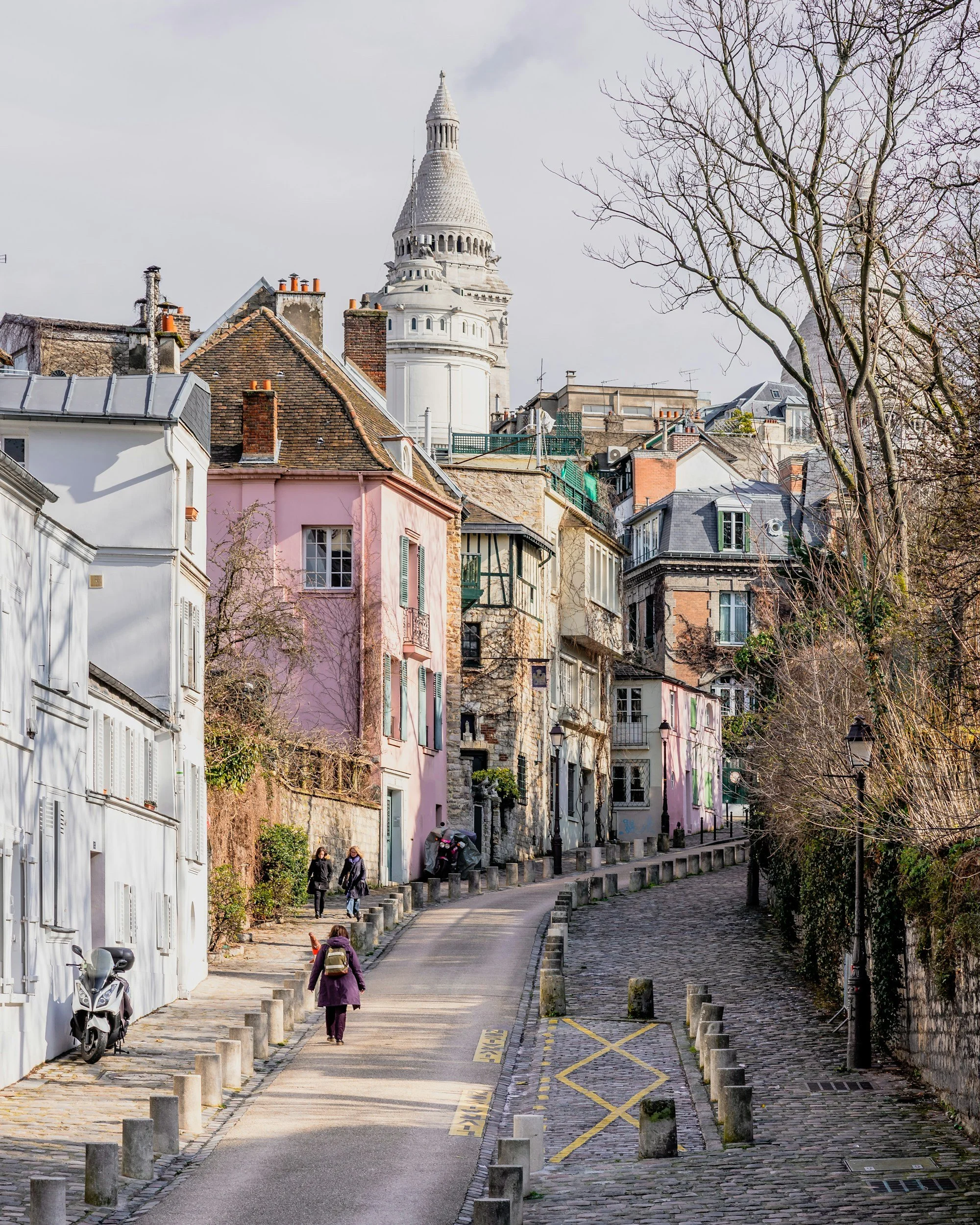
Montrésor is one of those villages that feels almost too peaceful to be real. It’s tiny, tucked into the Loire Valley, and easy to explore at a slow pace. The stone houses here have that weathered, timeless look, with flowers in nearly every window. The little river running through town adds to the calm, and you really don’t need an agenda.
Start your day at Café de la Ville near the château. It’s small and relaxed, and sitting outside with a coffee while watching the quiet street is probably the best way to settle in. After that, wander along the "Balcons de l’Indrois" path by the river. It’s flat, easy, and peaceful, with occasional benches if you want to stop and just enjoy the view.
The old market hall is worth a look too. It’s simple but has its own charm, and just nearby is the church, which is usually empty and always quiet. Montrésor is a town where you can spend the day doing very little, but it feels completely satisfying.
Just across from the château, the small Renaissance gardens of Château de Montrésor are open to visitors and has beautiful views over the Indrois River and the rooftops of the village.
How to get there: The easiest way is by car from Paris (about 3 hours). If you prefer public transport, you can take a train to Tours (1.5 hours from Paris) and rent a car there: Montrésor is about a 45-minute drive from Tours.
Monschau, Germany: Timber-Framed Streets in the Eifel Hills
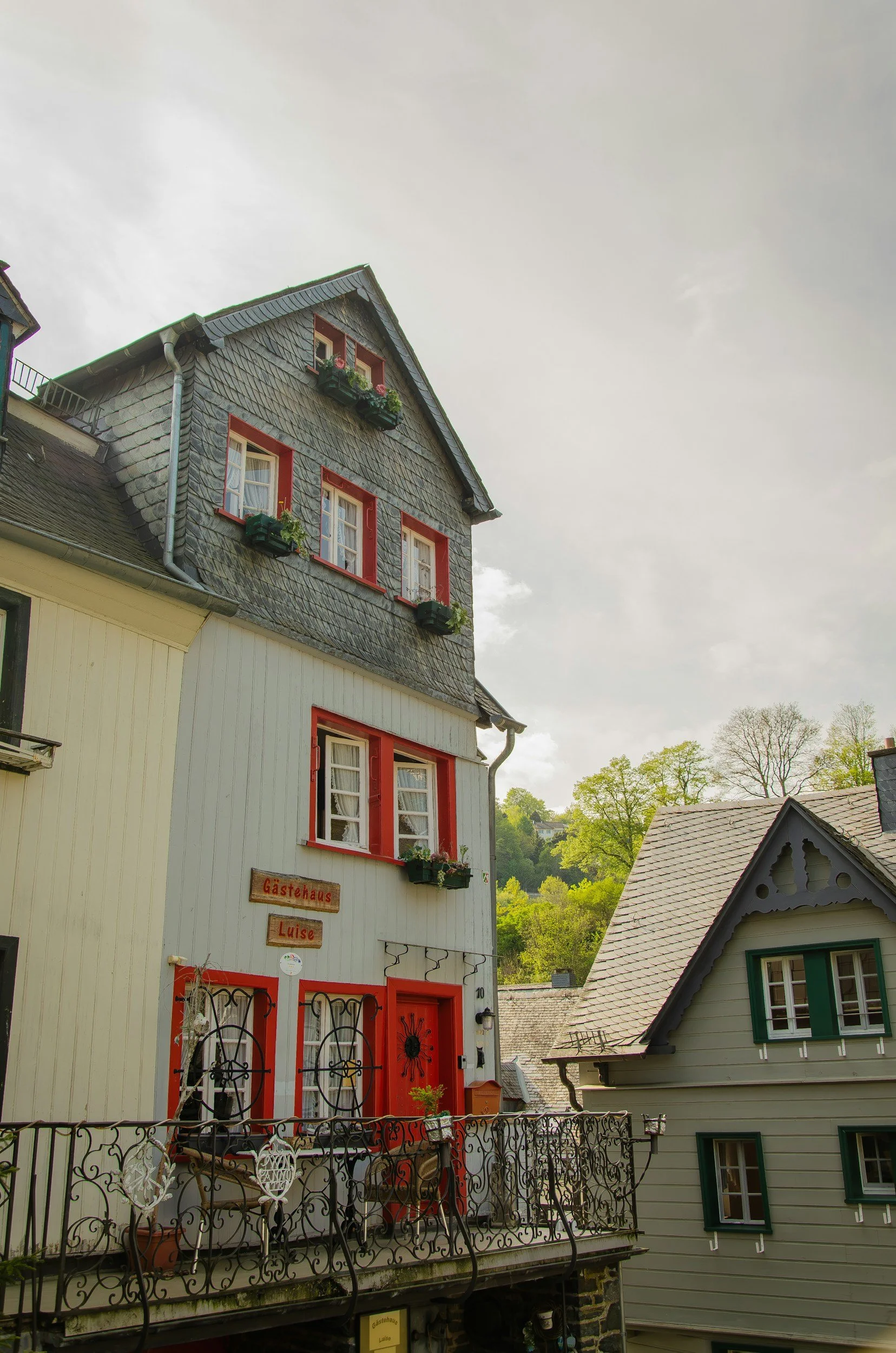
Monschau is a lovely small town tucked into a valley near the Belgian border, and it feels peaceful even on weekends. The half-timbered houses line narrow streets that wind along the river, and it’s the kind of place where you can wander without a plan and find quiet corners to sit and relax.
A great place to settle in is Café Kaulard, a cozy café known for excellent cakes and a relaxed atmosphere - perfect if you’re visiting on a cool day. Just around the corner, Galerie Eifel Kunst showcases works by local artists and is never crowded, offering a peaceful spot to browse quietly. If you enjoy browsing small shops, Monschau has several artisan boutiques selling handcrafted wooden toys, ceramics, and its famous local mustard. Monschauer Senfmühle is worth a stop - a tiny mustard mill where you can sample and pick up a jar to take home.
If you feel like stretching your legs, take the short path up to the castle ruins above town. The views over the rooftops and river are beautiful, and it’s a gentle, quiet walk that’s rarely busy. The atmosphere here invites you to slow down, whether you’re wandering lanes, enjoying a slice of cake, or pausing to watch the river pass through town.
A short walk across the historic Rurbrücke bridge gives one of the best views of Monschau, with rows of timber-framed houses reflected in the river below.
How to get there:
Monschau is about a 1 hour 45-minute drive from Cologne. If you prefer public transport, you can take a train to Aachen and then a local bus to Monschau, though weekend service is limited.
If Monschau appeals to you, you might also enjoy our slow travel guide to Monschau in spring, which shares more quiet walking routes, cafés, and local spots to explore in this charming German town.
Brisighella, Italy: A Hill Town of Olive Oil and Medieval Walkways
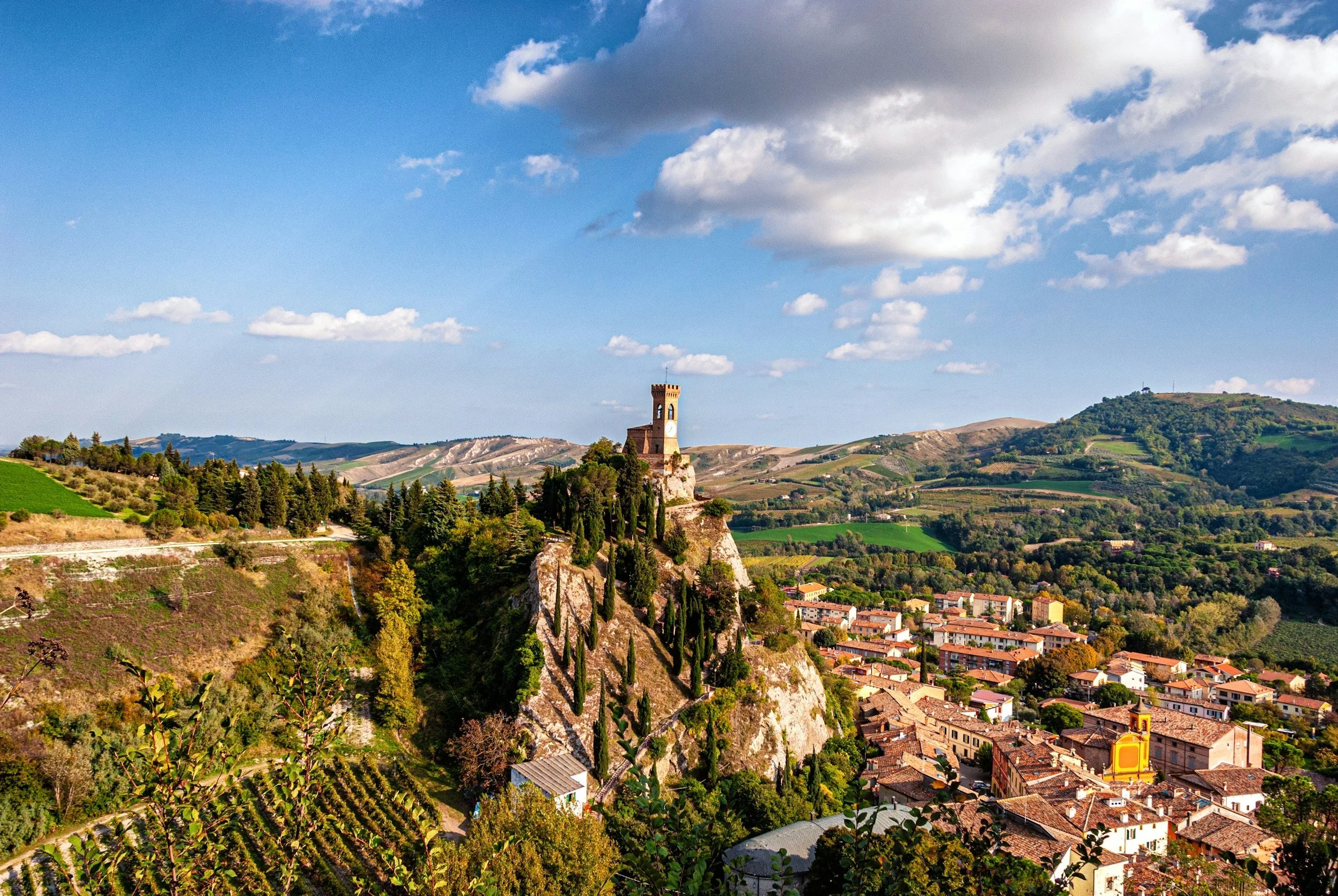
Brisighella feels like a perfect Italian village for people who want to take things slowly. Nestled among the green hills of Emilia-Romagna, its pastel buildings, quiet lanes, and welcoming piazza set the tone for a peaceful weekend.
Start with a cappuccino at Caffè delle Terme, a small café where locals gather late in the morning - ideal for people-watching without crowds. From there, stroll along Via degli Asini, a medieval covered walkway that’s beautiful and quiet, then browse artisan shops that line the streets nearby. Brisighella is known for its olive oil, and you can stop into the Cooperativa Agricola Brisighella for tastings and to learn about the region’s olive-growing tradition. There are also small boutiques selling hand-painted ceramics and textiles made by local artisans: perfect for finding a thoughtful souvenir.
If you want a bit of a view, the walk up to La Rocca, the old fortress, is short and worth the walk! It’s often empty at midday, and from the top you can see the whole town and surrounding countryside. For an authentic lunch, Trattoria La Casetta serves simple comfort food (their homemade pasta is a highlight), in a cozy atmosphere that’s never rushed.
From the fortress, you can also see the striking Torre dell’Orologio rising above the town, one of Brisighella’s most recognizable landmarks.
How to get there:
Brisighella is about a 1 hour 30-minute drive from Bologna. Alternatively, the direct regional train from Bologna takes about 1 hour 20 minutes, and the station is a short walk into town.
Veere, Netherlands: A Peaceful Harbor Town in Zeeland
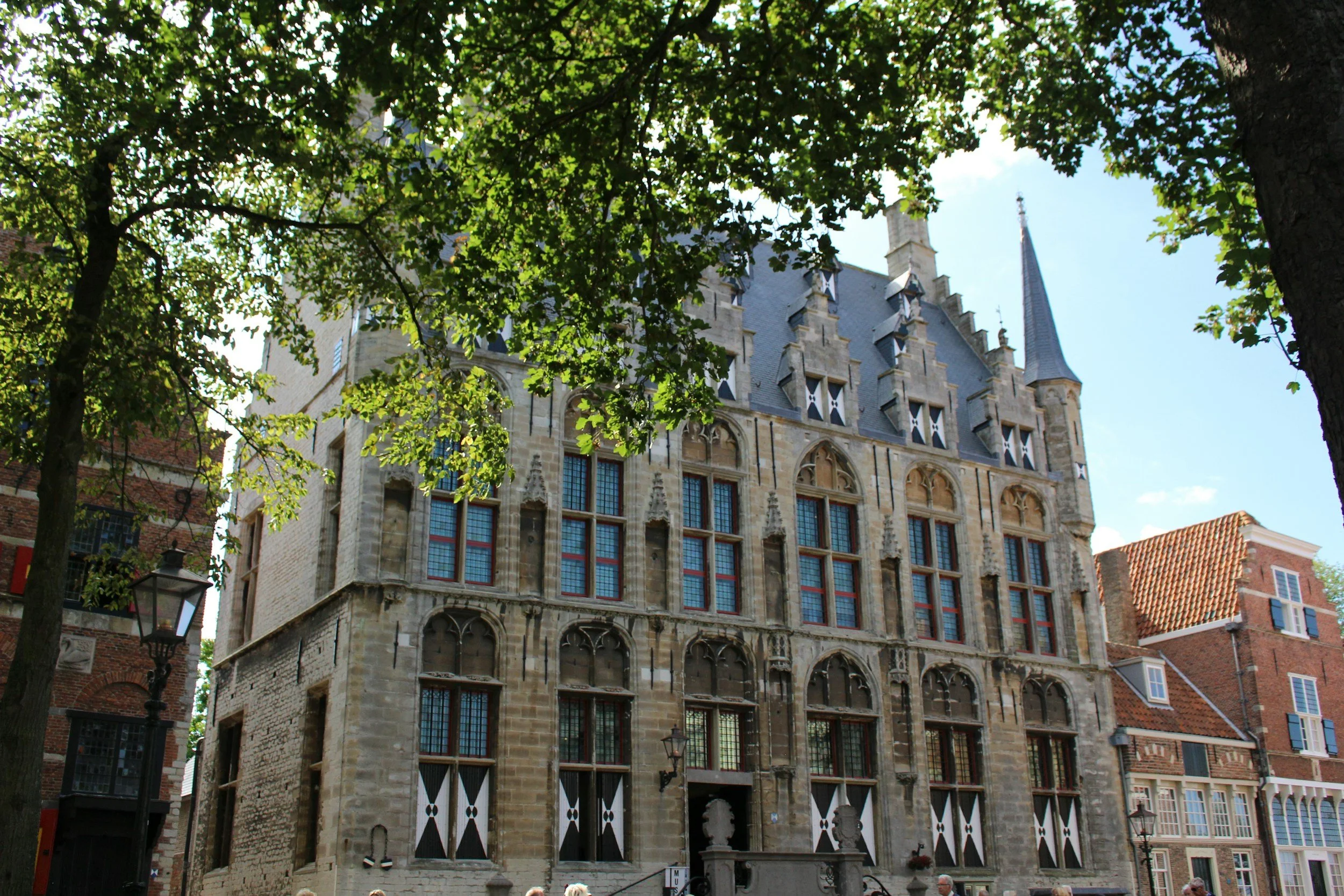
Veere is a tiny harbor town that feels like a well-kept secret. It’s peaceful even on weekends, with pastel-painted buildings reflecting in the water and a soft breeze coming in from the harbor.
A nice way to begin your visit is at Café Suster Anna, tucked near the harbor with a peaceful terrace - perfect for a relaxed coffee or tea. Afterward, wander along Veere’s cobbled streets, where small independent boutiques sell everything from artisan pottery and handmade soaps to Dutch wool and linen goods. Atelier Veere is a lovely little workshop-gallery that displays locally made crafts and contemporary art in an intimate setting.
You can also take a gentle walk along the harbor path, with benches positioned for quiet breaks while watching boats drift by. If you feel like a longer pause, step inside Galerie Peter Leen, where the modern art exhibits are housed in a converted historic building: a perfect mix of old and new, and rarely busy.
Just a few steps from the harbor stands the impressive Grote Kerk Veere, a huge Gothic church that once symbolized the town’s importance as a medieval trading port.
How to get there:
Veere is about 2 hours by car from Amsterdam. If using public transport, take a train to Middelburg and then a local bus (about 30 minutes) to Veere.
If you enjoy small Dutch towns with canals, cafés, and relaxed streets, our slow travel guide to Haarlem in spring is another lovely place to explore.
Castro Laboreiro, Portugal: Mountain quiet and village traditions
Castro Laboreiro is tucked deep into Portugal’s Peneda-Gerês mountains and feels completely unhurried - a perfect escape if you want somewhere that still feels authentic and quiet.
Begin your visit with a coffee at the small café near the village church, where locals tend to gather in the morning. Then wander through the granite streets, passing stone cottages and simple gardens. The walk up to the fortress ruins is peaceful, and from the top, you get beautiful views across the hills and valleys (usually with no one else around).
In the heart of the village, you’ll find small shops selling local honey, mountain cheese, and artisan wool blankets. There’s also a tiny workshop where women weave traditional wool textiles - if the door’s open, they’re happy for visitors to step inside and quietly browse.
A little outside the village, the historic Pontes de Castro Laboreiro stone bridges cross the river and make a quiet walk through the surrounding valley.
For dinner, Casa de Castro is a family-run taverna where hearty mountain dishes like goat stew are served in a cozy dining room, with friendly and laid back service.
How to get there:
Castro Laboreiro is about 2.5 hours by car from Porto. Public transport options are very limited, so driving is the best way to reach this remote spot.
Biograd na Moru, Croatia: A Relaxed Dalmatian Coastal Town
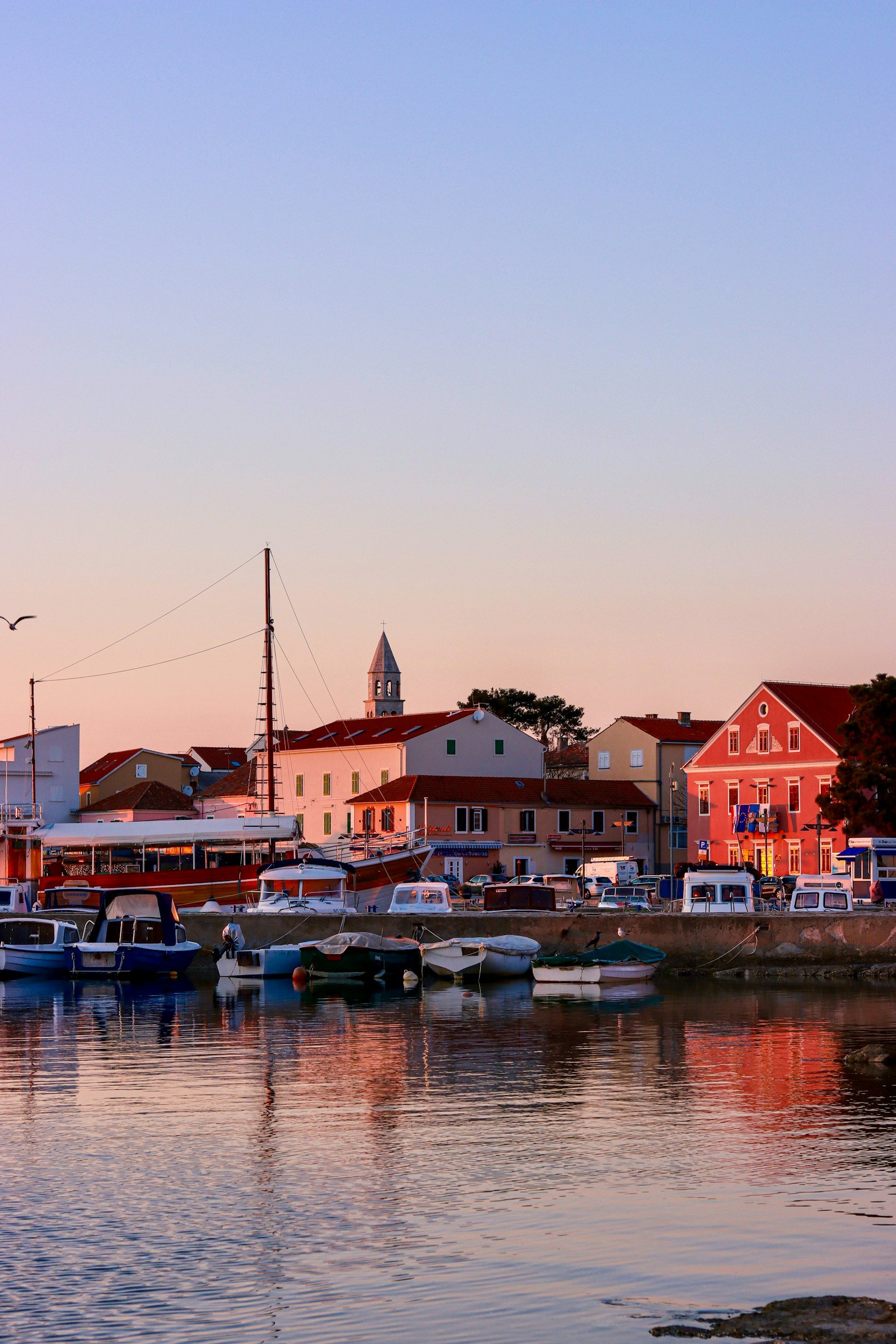
Biograd na Moru is a relaxed seaside town on Croatia’s Dalmatian coast, smaller and quieter than some of its neighbors but full of simple charm.
The mornings here feel especially peaceful - sitting at Kavana Ilirija, a small waterfront café, you can watch fishing boats head out while enjoying your coffee before the day begins. The stone streets nearby are easy to wander, and there’s no pressure to hurry.
There are a few independent boutiques worth browsing: a tiny ceramic studio near the harbor selling locally made pottery, and a small shop offering Dalmatian olive oil and lavender products: both perfect places to pick up something special and authentic.
Evenings are best spent strolling along the waterfront promenade, where the air is salty and the light softens beautifully. For dinner, Konoba Bazilika is a cozy choice where locals gather for fresh fish and simple wines in a relaxed setting.
Just outside town, the Kornati archipelago begins, and boat trips from the marina head out toward dozens of small rocky islands scattered across the Adriatic.
How to get there:
Biograd na Moru is about 30 minutes by car or bus from Zadar, which has an airport with good flight connections.
Why small towns make the perfect weekend escape
If you’re someone who appreciates a quiet, slow-paced weekend (just wandering streets that feel calm, sitting in small cafés without crowds, and spending time in places where you can really relax) these towns are perfect. There’s no checklist to work through, no rush to see everything, just the simple pleasure of being somewhere peaceful and beautiful.
What makes these places special is how easy they are to enjoy. You can take your time over a coffee at a cozy local café, browse a shop where everything feels thoughtfully made, or find a quiet spot to sit and watch life go by without feeling hurried. Whether you’re traveling alone or with someone who appreciates a peaceful vibe, these towns offer that perfect balance of charm and calm.
If this kind of weekend away sounds like exactly what you need, have a look at our curated Uzès guide too. It’s full of ideas for quiet cafés, artisan shops, and relaxed corners that fit perfectly with this kind of travel - ideal if you’re already thinking about your next peaceful escape.
For travelers who love slower coastal destinations, you may also enjoy our guide to quiet European islands perfect for a spring getaway, featuring peaceful harbors and relaxed island towns.
Spain’s Quietest Summer Markets
Most people imagine Spanish markets as lively, crowded places packed with visitors. But there are still markets in smaller towns where the atmosphere feels completely different. Think slower mornings, stalls run by local farmers and artisans, and space to browse and stroll without stress.
If you enjoy wandering through markets at your own pace, chatting with stallholders, and discovering regional food and handmade goods, this guide shares several Spanish markets that still feel relaxed and local.
FAQs About Quiet Small Towns in Europe
What are the best small towns in France for a peaceful weekend?
Many people search specifically for quiet French villages, and Montrésor is a perfect example - small, beautiful, and uncrowded.
Where can I find artisan cafés and boutiques in small European towns?
Travelers often ask about towns with cozy cafés and independent shops; Monschau and Brisighella are great choices with plenty of options.
How do I reach Veere from Amsterdam without a car?
A common question is about public transport: you can take a train to Middelburg and then a local bus to Veere, which makes it an easy car-free trip.
Is Monschau worth visiting for a quiet day trip from Cologne?
Yes, many people ask if Monschau is worth visiting, and it absolutely is, especially for travelers looking for peaceful streets and charming cafés.
What are the quietest small towns in Italy near Bologna?
People often search for quiet Italian villages near Bologna — Brisighella is a great option with artisan shops and a peaceful atmosphere.
Are these towns good for solo travelers who want a relaxing trip?
Absolutely. Many travelers ask about solo-friendly destinations that feel safe, relaxed, and welcoming - all these towns fit that description.
When is the best time of year to visit small towns in Europe?
Spring and autumn are the best times to visit if you want mild weather and fewer visitors - perfect for enjoying quiet streets and cafés.