
Come hungry. The Lot Valley does the rest.
The Lot Valley sits between some of the most food-focused parts of southwest France, but the food culture here feels quieter and more tied to everyday routines than places further south. Around Cahors, Rocamadour, Martel, Saint-Cirq-Lapopie, and Lalbenque, regional dishes still show up in local cafés, village markets, roadside auberges, and family-run restaurants without being turned into curated tasting experiences.
A lot of visitors arrive here for the villages or the countryside and only realise later how much of the trip ends up revolving around long lunches, market mornings, bakery stops, and local produce shops. In smaller towns across the Lot, lunch still matters. Restaurants often fill between 12:15 and 13:30, kitchens close early, and many village cafés stop serving entirely by late afternoon.
If you are driving through the region, it helps to plan food stops before arriving. Some villages have excellent restaurants but only two or three options open outside summer. Others look busy but mainly cater to day visitors. Distances between villages are also longer than they first appear on a map, especially once roads narrow around the valleys and limestone plateaus.
Most people base themselves around Cahors, Saint-Cirq-Lapopie, Rocamadour, or Figeac, but food experiences vary quite a lot between them! Cahors feels more connected to wine culture and market lunches. Rocamadour focuses heavily on goat cheese and regional dishes built around duck and walnuts. Lalbenque changes entirely during truffle season. Smaller villages near Martel and the Dordogne border still have bakeries and restaurants where walnut cakes and local cheeses appear naturally on the menu rather than as regional specialities designed for visitors.
The best meals in the Lot Valley are usually not the expensive ones. Quite a few happen in slightly old-fashioned dining rooms with paper menus, half-filled wine glasses on nearby tables, and one person running most of the service. Often, it is a fixed lunch menu in a stone village, a market-day plate that only exists for three hours, or a roadside auberge where the owner shrugs slightly when you ask if there is another main course available.
The Lot Valley is best for duck confit around Cahors, Rocamadour goat cheese near Rocamadour, black truffles in Lalbenque, walnut cakes and walnut oil around Martel, Quercy lamb on the plateau, Cahors Malbec, and market lunches in Cajarc, Saint-Céré, and Martel.
The atmosphere around Cajarc and Martel actually has more in common with some Loire Valley towns than people expect, especially if you prefer slower markets over famous destinations, which is why this Loire markets piece pairs well with a Lot Valley route.
Duck confit in the Lot Valley still feels tied to the villages around Cahors
Duck appears almost immediately once you start eating around Cahors and the surrounding villages. Menus across the Lot regularly include confit de canard, magret de canard, duck rillettes, duck pâté, and potatoes cooked in duck fat. In some villages, nearly every restaurant has at least one duck dish, especially during cooler months.
Cahors is one of the easiest places to start because many restaurants around the old centre still serve regional dishes at lunch without turning them into formal dining experiences. Around Place Galdemar and the streets near the covered market, lunch menus often include duck confit with potatoes and salad as part of a fixed menu rather than a speciality section. Places like Le Marché and La Garenne still lean heavily into southwest French cooking without making it feel staged for visitors, especially at lunch when locals fill the terrace tables fairly quickly after noon.
The covered market in Cahors is worth visiting in the morning even if you are not shopping heavily. Some stalls sell vacuum-packed duck products for visitors, but others still operate more like regular regional food counters. Maison Sudreau near the market has been known locally for foie gras and duck products for years, and you will usually see people stopping in for small purchases rather than large souvenir bags. Arriving before noon gives a better sense of local routines because restaurants begin preparing for lunch service and market stalls are still active.
If you want smaller villages instead of Cahors itself, areas around Luzech and Montcuq usually feel more grounded and noticeably less polished for visitors. You are more likely to end up eating beside local workers having a full lunch on a Tuesday than groups moving through quickly between sightseeing stops. In Luzech, Au Bistrot de l’Isa sometimes serves exactly the kind of long countryside lunch people hope to accidentally find in southwest France but rarely do. Nothing overly curated, just regional food done properly and served slowly. Many village restaurants close after lunch service, particularly outside July and August, so arriving at 14:30 expecting a full menu usually does not go well.
Duck dishes also shift depending on season. In October and November, heavier menus start appearing again after summer. Confit served with potatoes and local mushrooms becomes more common, while summer menus lean more toward duck salads and lighter plates during warmer afternoons. Around Saint-Cirq-Lapopie, several restaurants quietly move back toward richer regional cooking once the summer crowds thin out, especially during rainy autumn weekends.
Some of the better lunches happen in roadside auberges where the menu is handwritten that morning. These places are not always easy to find online and often sit between villages rather than directly inside them. Around the smaller roads south of Cahors, places like Auberge du Vieux Douelle still attract people driving in specifically for lunch service rather than simply passing through. A lot of these restaurants open for long midday meals and then become almost completely quiet by evening, especially midweek.
If you are travelling alone, these slower countryside lunches can actually feel easier than the busier tourist restaurants. Nobody rushes you out, tables turn over slowly, and sitting with a glass of Cahors wine while people nearby order the menu du jour does not feel unusual at all. In several smaller auberges, solo diners are common enough that nobody pays attention.
If you are continuing further through southwest France afterwards, the regional food culture changes noticeably once you leave the Lot Valley. The duck-heavy lunches around Cahors feel different from the market towns further west toward Gascony. If you’re planning a longer route through quieter southwest France may also want to read Quiet market towns in southwest France for smaller village stops beyond the Lot.
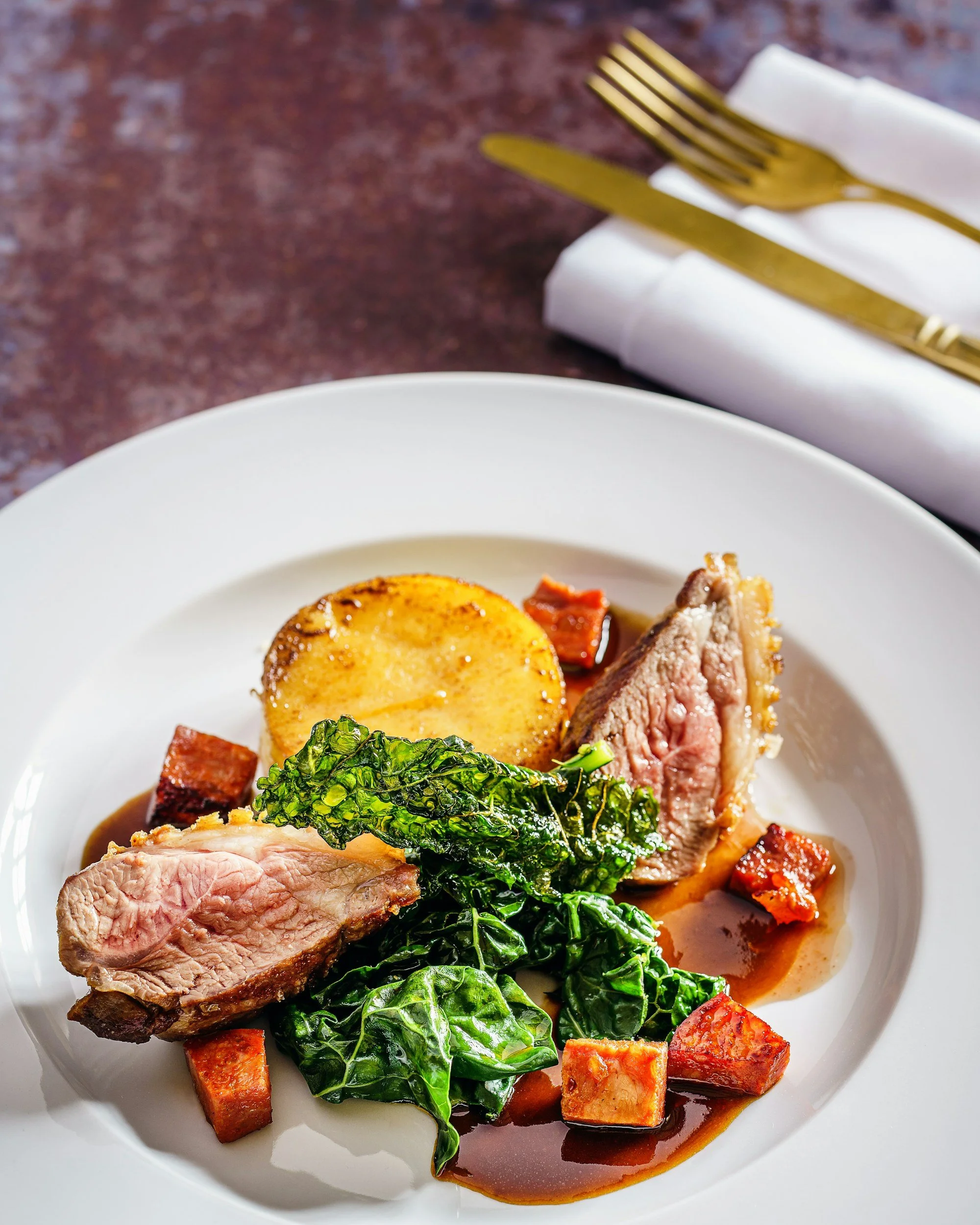
Where to try cabécou cheese near Rocamadour
Cabécou appears throughout the Lot Valley, but the villages around Rocamadour remain one of the easiest places to try it properly without searching too hard. The cheese itself is small, soft goat cheese usually served warm on salads, baked with honey, or sold directly from local farms and village markets. Around Rocamadour, it rarely feels separated from the rest of the food culture. It simply shows up everywhere naturally, from market stalls to fixed lunch menus.
Rocamadour’s historic centre can feel crowded during peak summer afternoons, especially between late morning and 16:00, but food shopping improves noticeably earlier in the day. Several small shops open before the tourist crowds fully arrive, and market mornings nearby still attract local shoppers buying cheese and produce for the week. Walking through the village before 10:00 also changes the atmosphere quite a lot. Restaurant terraces are still being prepared, delivery vans move slowly through the streets, and some cafés are only just setting out chairs.
The best cabécou often comes from small producers outside the main streets entirely. Around the Causses du Quercy area, farms sell goat cheese directly from roadside properties with handwritten signs near the entrance. Ferme La Borie d’Imbert just outside Rocamadour is one of the easier stops if you want to see local cheese production without driving deep into tiny countryside roads. They sell Rocamadour AOP cheeses directly onsite, and mornings are usually quieter than afternoons when tour buses arrive.
Restaurants around Rocamadour almost always include warm goat cheese salads somewhere on the menu, but quality varies quite a lot. The better versions usually use proper local bread, walnuts from nearby producers, and smaller rounds of cheese that still taste fresh instead of overly processed. At places like Jehan de Valon or Restaurant du Château, cabécou appears in fairly straightforward regional dishes rather than overly decorative plates aimed at visitors photographing lunch before eating it.
Many visitors combine Rocamadour with Padirac or nearby Dordogne villages, but lunch timing matters more than people expect. By 12:15, terrace tables already start disappearing, especially on warm weekends. Turning up at 14:10 after a long scenic drive sounds reasonable in theory, but in practice you often end up with whatever is left open near the main tourist streets, and those are rarely the best meals in town.
Smaller villages nearby often feel calmer for overnight stays. Places around Autoire, Loubressac, and Carennac still give easy access to Rocamadour while offering quieter evening restaurants where regional cheese dishes feel less commercial. In Carennac especially, dinner service tends to feel slower and less crowded once day visitors leave the Dordogne Valley routes behind for the evening.
Cabécou also appears regularly at local markets around Saint-Céré and Gramat. Morning arrivals matter because goat cheese producers often sell out of certain varieties before lunch, especially during summer weekends. Some stalls only bring a limited number of fresh cheeses and switch mostly to cured varieties later in the morning.
If you are travelling solo, markets around this part of the Lot Valley are generally easy places to eat casually without feeling awkward taking up a full restaurant table. Quite a few people piece together lunch from market bread, cheese, strawberries, walnuts, and pastries instead of sitting down formally every afternoon. Around Rocamadour and the Dordogne border villages, that honestly feels fairly normal rather than something only visitors are doing.
If you are comparing different countryside bases in southern France, there is a noticeable difference between villages built around wine tourism and those tied more closely to farming and local produce. The Lot Valley leans heavily toward the latter.
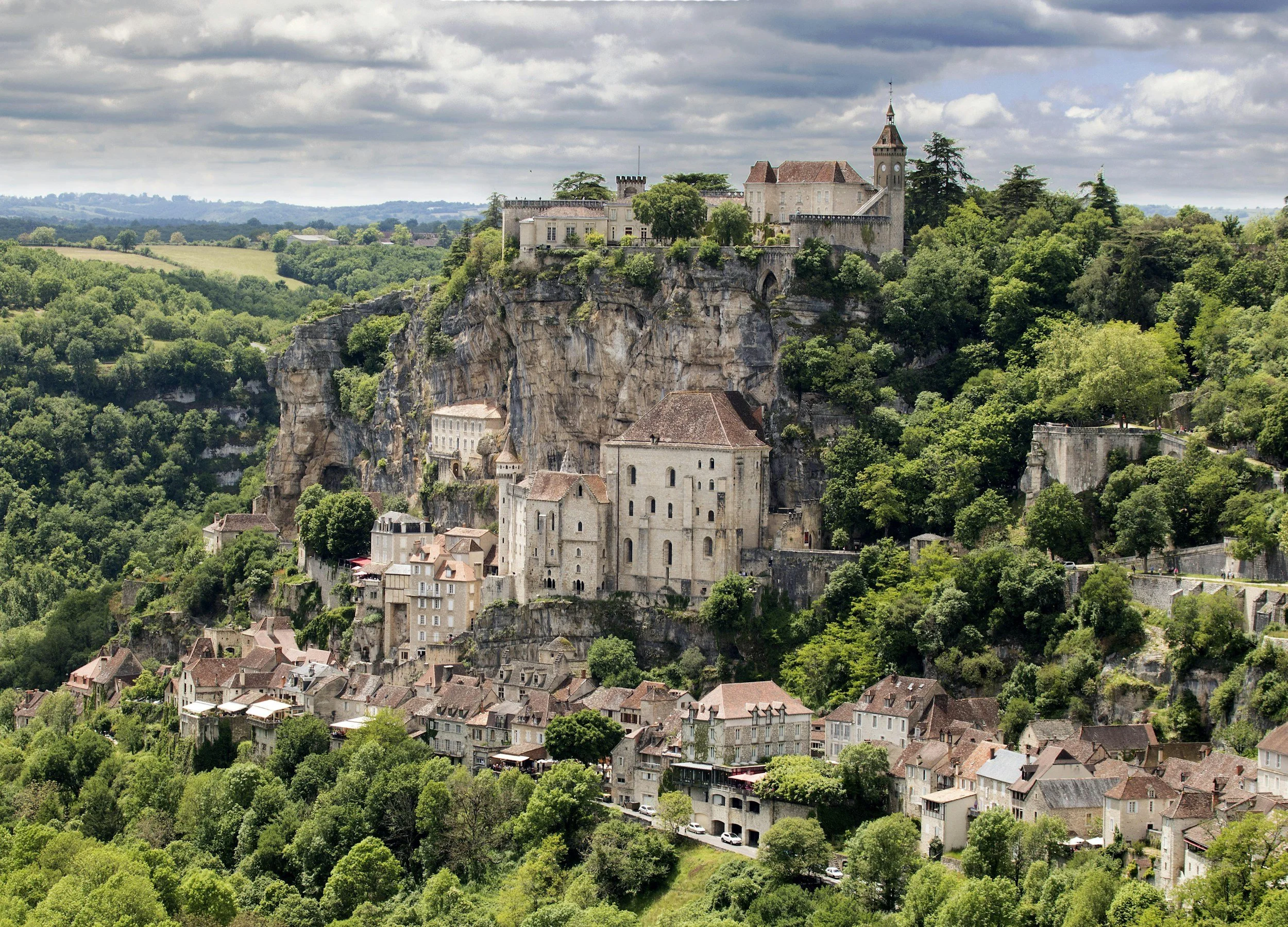
Black truffle season around Lalbenque is worth planning a winter trip around
Lalbenque changes considerably during truffle season. Outside winter, it feels like a quiet village south of Cahors with a few cafés, local shops, and small restaurants. Between December and February, especially in January, the village becomes one of the main black truffle centres in the region. Tuesday mornings suddenly feel busy long before sunrise, and by mid-morning the cafés around the square are already full of people warming their hands around coffee cups after standing outside in the cold.
The truffle market usually takes place on Tuesday mornings during the season and starts early. Serious buyers arrive well before most visitors, and by late morning many transactions are already finished. Arriving around 8:00 gives a much better sense of the atmosphere than showing up closer to lunch. In January especially, temperatures often sit just above freezing early in the morning, and the entire village smells faintly of wood smoke from nearby houses and restaurant kitchens starting lunch prep.
The market itself feels functional rather than curated for visitors. Buyers inspect truffles quickly, conversations stay short, and there is usually at least one person standing quietly with a coffee just watching everything happen without saying much. It feels more like a working morning than an event. Some sellers display truffles in small baskets lined with cloth while restaurant buyers move between tables checking quality and scent before making decisions surprisingly fast.
Restaurants around Lalbenque often adjust their menus during truffle season without advertising heavily online. Simple dishes become more interesting during this period. Omelettes with fresh truffle, potato dishes with shaved truffle, and warm pasta dishes appear in small cafés and auberges near the market. Le Lion d’Or in Lalbenque is one of the places people regularly book during winter for regional menus built around truffle season rather than elaborate fine dining. Around nearby villages south of Cahors, some auberges quietly add truffle supplements to otherwise simple countryside menus for only a few weeks each winter.
Winter is also when the Lot Valley feels most local again after summer tourism slows down. Some villages become extremely quiet, but Cahors and Lalbenque still stay active enough for short trips focused around markets and regional food. Staying in Cahors and driving down for the market usually works better than trying to stay directly in Lalbenque unless you specifically want a very quiet countryside base.
Driving conditions can change quickly in January mornings because fog settles heavily across some valley roads. If you are staying outside Lalbenque itself, it helps to avoid planning an early-morning drive from further north around Rocamadour or Saint-Cirq-Lapopie. Smaller roads near Limogne-en-Quercy and the Causses often stay damp and cold until late morning during winter.
Many truffle-focused visitors stay in Cahors and drive south for the market morning instead of booking directly in Lalbenque. The drive takes roughly 20 to 25 minutes depending on where you stay in Cahors. Leaving after 07:15 already changes parking options noticeably on busier January market days.
Lunch afterwards becomes part of the experience. Several people drift toward cafés for foie gras, duck dishes, red wine, and truffle omelettes after the market slows down. Restaurants around Place de l’Église usually begin filling steadily from around noon onward, especially if the weather is cold and rainy outside.
January is usually the strongest month for combining truffle markets with regional food restaurants. By February, some restaurants begin reducing truffle dishes depending on supply. December can feel quieter and more local, especially during weekday visits before Christmas tourism picks up elsewhere in southwest France.
If you are travelling solo, Lalbenque is actually a fairly comfortable place to visit during truffle season because so much of the morning revolves around standing, watching, moving between stalls, and slowly stopping for coffee rather than “formal” activities.
In case you’re planning a quieter France trip during colder months may also enjoy Winter market towns in France if travelling beyond the Lot Valley after truffle season.
Walnut cakes, walnut oil, and walnut liqueur around Martel
Walnuts show up constantly around Martel and the northern part of the Lot Valley, especially once summer starts fading into autumn. Walnut cakes sit beside the till in bakeries, dark bottles of walnut oil appear in small épiceries, and restaurant chalkboards start adding walnuts back into salads and desserts around late September.
Most people stay around Place de la Halle when they first arrive in Martel. The market spreads through the square and into the nearby lanes around Rue Droite and Rue Mercière, where produce stalls squeeze between stone arcades and café terraces. On Wednesday mornings especially, locals are still arriving with shopping trolleys rather than cameras. You see people buying cheese, roast chicken, walnuts, and bread for lunch rather than treating the market like an attraction.
At Boulangerie Maison Lachièze near Place de la Halle, walnut cake often sits beside the croissants and apple tarts in thick uneven slices dusted lightly with sugar. By around 11:30, there is usually far less left than earlier in the morning. A lot of people grab a slice with coffee at Le Petit Café de Martel a few doors away before continuing through the market streets.
The walnut cakes around here are generally much less sweet than visitors expect. Some are almost slightly bitter from the walnuts themselves, especially the darker cakes sold in smaller bakeries outside Martel toward Creysse and Meyronne. They feel homemade in the best way possible. Not perfectly shaped. Sometimes slightly crumbly.
Walnut oil becomes more noticeable once you start driving the small roads north of Martel toward the Dordogne Valley. Around Moulin à Huile de Noix de Martel, especially during autumn pressing season, the smell of toasted walnuts sometimes reaches the parking area before you even walk inside. Shelves are stacked with walnut oils, walnut flour, walnut aperitifs, preserves, and heavy glass bottles of homemade liqueur with simple handwritten labels.
Some roadside farm shops around Montvalent and Floirac barely look open at all from the road. You drive past stone buildings with faded shutters and then suddenly notice a small panneau dégustation sign tied to a fencepost. Quite a few of these places still sell directly from the farm kitchen or an old storage room rather than a proper storefront.
Autumn is honestly when this part of the Lot Valley feels strongest food-wise. By October, restaurants around Martel begin shifting back toward richer lunches again. Warm goat cheese salads with walnuts start replacing lighter summer plates, and duck confit with walnut potatoes appears on handwritten menus again once evenings cool down.
At Le Sans Lys near the centre of Martel, walnuts regularly show up in salads with Rocamadour cheese and cured duck. Over at Le Petit Moulin, desserts tend to lean heavily into regional ingredients once autumn arrives, especially walnut tart and prune-based desserts served with strong coffee after lunch.
Several nearby villages slow down considerably after lunch service outside summer. In Gluges, cafés near the river sometimes close entirely by mid-afternoon during colder months, and in Creysse you can easily end up wandering quiet streets at 16:00 trying to find somewhere still serving coffee.
Wednesday market mornings are still the best time to see Martel properly. Parking around Place Gambetta becomes frustrating surprisingly early, especially in October when both visitors and locals arrive for produce shopping. Before 10:00 usually feels calmer. Bakers are still bringing out fresh bread, café terraces are only half full, and walnut sellers still have full baskets stacked on market tables.
Outside town, walnut liqueur often appears in reused glass bottles with handwritten labels or no labels at all. Some producers keep bottles lined up beside jars of honey and duck pâté on folding tables near the entrance. A few places honestly feel more like stopping at somebody’s house than visiting a shop.
If you are travelling alone, Martel is one of the easier market towns in southwest France to settle into quietly for a morning. Nobody looks twice if you sit alone outside Café de la Halle with coffee and walnut cake while the market starts building around you…
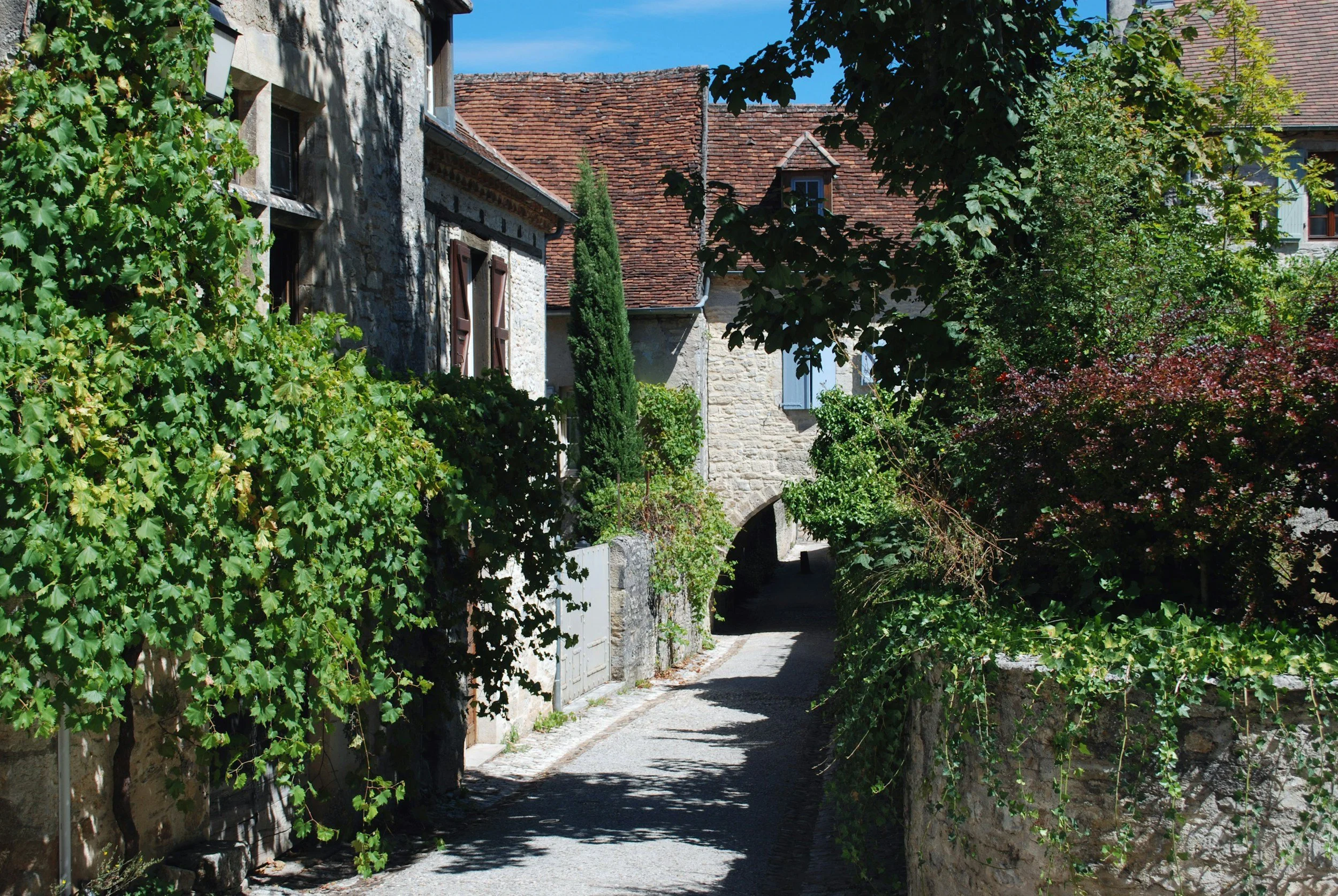
If autumn food trips are part of the reason for travelling through southern France, this autumn Uzès guide works well alongside the Lot Valley once mushroom and duck season starts returning to menus.
A few restaurants around Cahors still cooking lamb from the Quercy plateau
Quercy lamb still appears fairly regularly once you start eating around Cahors beyond the tourist-heavy terraces near the cathedral. Not everywhere, and usually not pushed as a speciality either. Sometimes it is simply written onto the lunchtime chalkboard beside duck confit and cassoulet-style beans.
The roads north and east of Cahors are generally where these heavier plateau dishes still feel most connected to local routines. Around Limogne-en-Quercy, Lalbenque, Saint-Paul-Flaugnac, and the smaller villages scattered across the Causses du Quercy, menus lean much more toward slow-cooked meat, potatoes roasted in duck fat, white beans, mushrooms, and dark Cahors wine once summer fades.
At Le Balandre near Boulevard Gambetta in Cahors, lamb occasionally appears during cooler months as part of the lunch formule, often with gratin dauphinois or haricots lingots rather than lighter vegetables. The dining room still feels more like somewhere locals book for family lunches than a polished destination restaurant. A few streets away, La Garenne keeps things fairly traditional too. Long tables, southwest French cooking, older couples lingering over coffee well into the afternoon.
Lunch timing matters much more around here than visitors expect. In places like Lalbenque or Limogne-en-Quercy, restaurants are often genuinely busy by 12:15. Not busy with tourists necessarily. Builders, retired couples, local workers, farmers stopping for lunch. By 14:00, several kitchens are already shutting down completely.
That catches people out constantly in this part of France.
Around Saint-Cirq-Lapopie, some of the better lamb dishes are actually found outside the village itself. The restaurants directly inside the medieval centre vary quite a lot once crowds arrive. Around Bouziès and Tour-de-Faure though, smaller auberges still cook more seasonally and feel noticeably less rushed. At Auberge du Sombral near Saint-Cirq, lamb and mushroom dishes regularly reappear during autumn, especially after the summer crowds thin out.
The plateau landscape around the Lot Valley changes the food too. This is dry limestone countryside with sheep farms, walnut trees, rocky fields, caves, and long stretches where you barely pass another village for twenty minutes. Meals here still reflect that. Heavier dishes make sense once temperatures drop and fog settles across the valleys in October and November mornings.
Some restaurants around the Quercy plateau honestly feel almost unchanged since the 1990s, which is usually part of the appeal. Paper menus under glass. Bread arriving in baskets (before anyone asks). Somebody reading dessert options aloud because there is no printed dessert menu anymore. Things like that.
At Auberge de la Place in Saint-Paul-Flaugnac, lunch can easily drift toward mid-afternoon if the room fills up slowly and the weather outside is bad. Lamb often returns to the menu once autumn starts properly, usually alongside potatoes, mushrooms, or beans rather than anything overly refined.
Near Limogne-en-Quercy, Le Vieux Quercy still leans heavily into regional cooking during colder months. You are more likely to see lamb shoulder with roasted potatoes or cep sauce there than modern small plates designed for wine tourism.
And honestly, this part of the Lot Valley handles regional meat dishes better than a lot of more polished destinations in southern France now. In some areas further south, menus have become so tourism-focused that every restaurant starts looking identical by the third day. Around Cahors and the plateau villages, lunches still feel tied to local habits first.
If you are travelling alone, these countryside restaurants can actually feel easier than busier cafés in larger towns. Nobody rushes solo diners through lunch. Sitting quietly with a carafe of Cahors wine while rain hits the windows outside does not feel unusual at all here, especially during autumn weekdays when half the dining room already seems to know each other anyway.
People travelling through Cahors toward smaller rail-access towns further south usually find this castle towns route genuinely useful for planning the next stop.
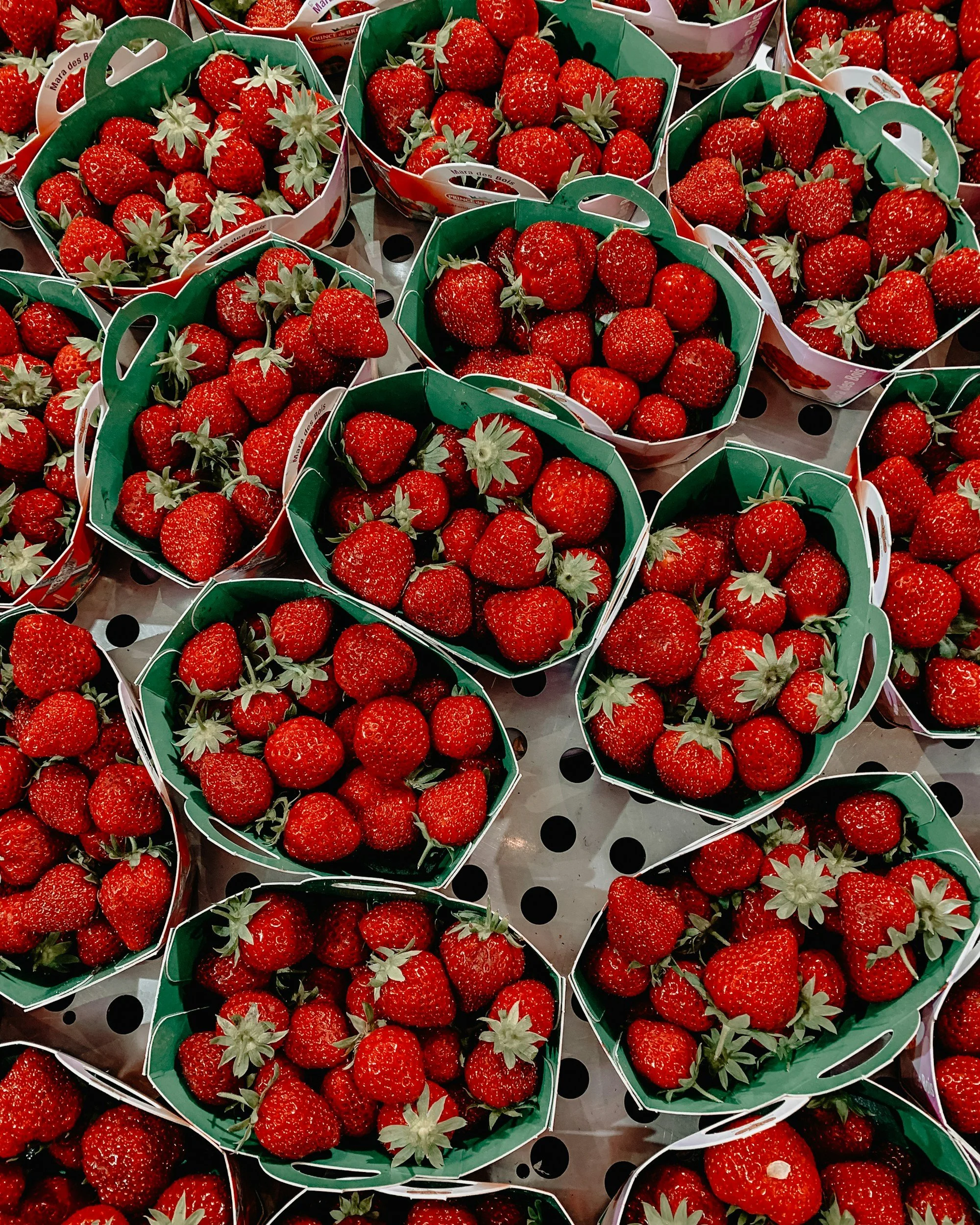
Strawberry season around the Lot Valley in late spring
Around the Lot Valley, strawberry season usually starts properly sometime in May, although people in Cahors start talking about it earlier than that. You notice it first at the markets. One week there are a few trays near the asparagus stalls, then suddenly half the produce tables are covered in strawberries and everybody seems to be carrying them home in paper baskets.
The best market for strawberries around Cahors is usually the Saturday market near Halle de Cahors and Place Chapou. If you arrive before 10:00, producers from the surrounding countryside are still unloading crates and setting up handwritten price signs. Some regulars head straight for the same stalls every week before doing anything else. By lunchtime, several of the smaller producers are already running low.
The strawberries here are softer and smaller than what most visitors expect. Some are almost too ripe by afternoon. You buy them knowing you will eat them the same day.
A few producers around Pradines and Arcambal also sell directly from roadside stands once the season starts. Driving out toward the Lot River near Vers, you sometimes see tiny handwritten signs for fraises beside the road and a folding table set up under a tree with a cash tin beside the baskets. No branding. No polished setup. Just strawberries picked that morning.
Cajarc is probably my favourite place for this time of year though. Saturday mornings there feel busy in a very normal way. Around Place du Foirail, older men stand drinking coffee while people move between the cheese stalls and fruit tables carrying baskets under one arm. At the far end of the market, near the bakery side, strawberry producers usually line up beside the vegetable growers.
And honestly, that part of the market smells incredible in late May.
Maison Caselle in Cajarc usually starts selling strawberry tarts around this time too, often sitting slightly unevenly in the display cabinet beside apricot pastries and walnut cakes. Some days they look almost homemade rather than carefully styled pâtisserie desserts. Which usually means they taste better!
The roads between Cajarc, Saint-Cirq-Lapopie, and Cabrerets are especially good during strawberry season because of the small produce stalls that appear outside farms without much warning. Near Sauliac-sur-Célé, there are still a few family-run places where strawberries are sold directly from old stone houses or converted garages. You basically stop because you see two cars parked outside and realise somebody is selling fruit from a folding table inside the shade.
Saint-Cirq-Lapopie itself feels much easier before summer crowds fully arrive. Around Rue de la Pelissaria in late May, café owners are still setting up chairs in the morning while bakery deliveries squeeze through the narrow streets. By July it becomes much more crowded and honestly less enjoyable around midday.
Le Cantou usually changes desserts once strawberry season begins properly. Walnut tart and heavier cakes start disappearing for a while, replaced with strawberries, cream desserts, and lighter pastries. Smaller bakeries around Cahors do the same thing. Near Rue Nationale, a few boulangeries start displaying strawberry tarts directly in the front windows from early morning because they know they will sell quickly on market days.
And weather changes everything around here during spring. After rain, market mornings feel completely different. People stand longer under awnings drinking coffee. The stone streets around Cahors stay damp until almost midday. Strawberry sellers start wiping water off the baskets while unpacking their stalls.
Late spring around the Lot Valley feels especially easy somehow. You can spend hours moving slowly between markets, bakeries, riverside roads, and cafés without needing a fixed plan. Sit outside Café de la Halle in Martel with coffee and strawberries for forty-five minutes and nobody notices or cares. Around here, people are generally doing the same thing anyway.
Compared with more polished food destinations further south, the Lot Valley still feels less curated during spring. The markets are busy because locals are shopping for the week. The strawberries are there because they are actually in season. Nobody is trying to turn it into a lifestyle experience.
The quieter wine bars around Cahors pouring local Malbec properly
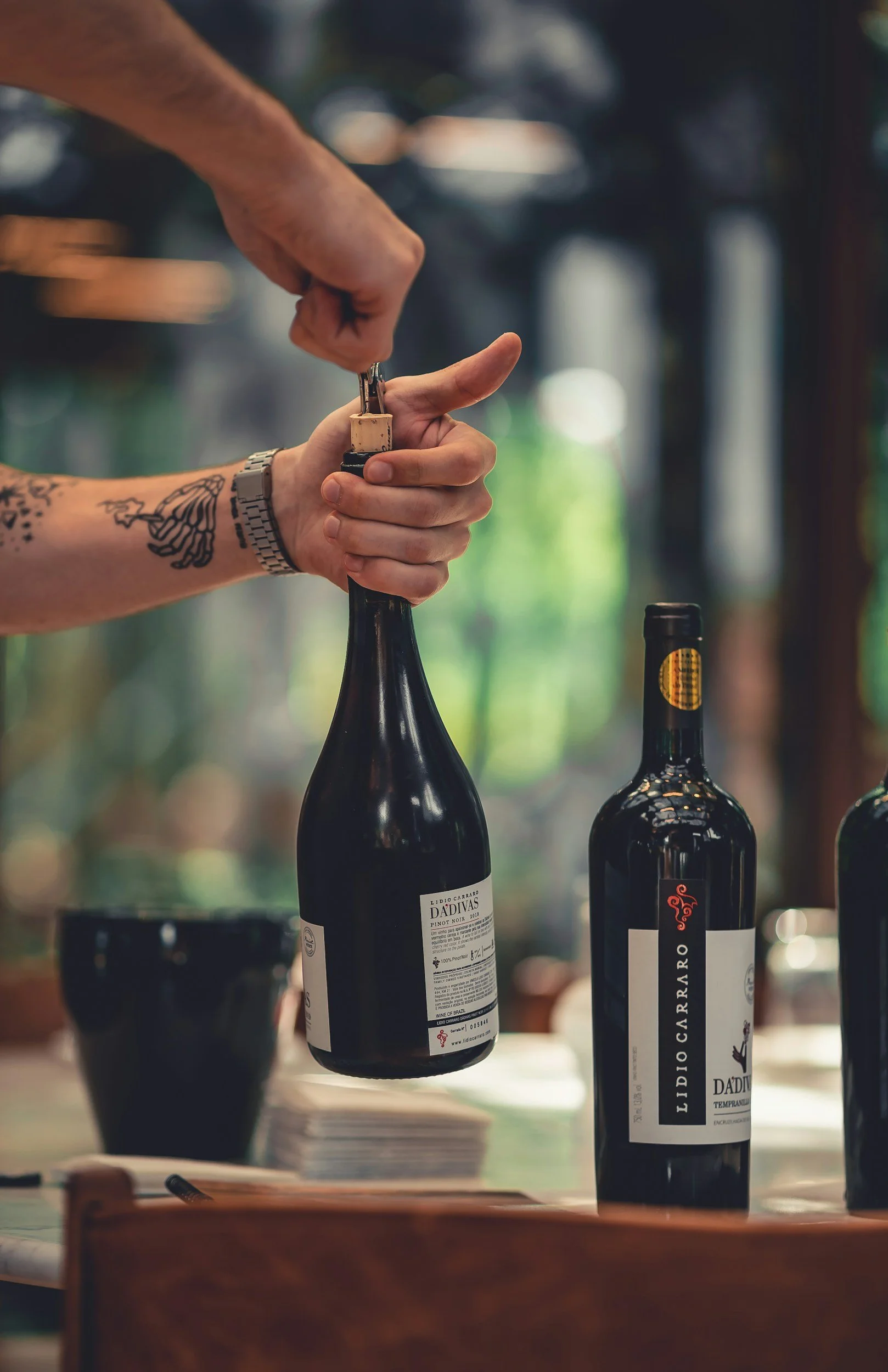
Most people arrive in Cahors thinking they already know Malbec. Then the wine arrives and it catches them slightly off guard because Cahors Malbec is nothing like the softer versions most people have tried before. Darker colour. More structure. Sometimes almost smoky or peppery depending on the vineyard.
It makes much more sense once there is food on the table.
Around the old centre of Cahors, the busiest terraces cluster near Place François-Mitterrand and the cathedral, especially in summer. But the evenings get better once you drift a few streets away from the main flow of visitors. Around Rue Nationale, Rue Clémenceau, and the smaller lanes behind Halle de Cahors, wine bars feel more relaxed and much less performative.
At Le Bordeaux near the market, tables outside fill steadily from around 18:30 once people finish work. Somebody usually has a dog asleep under the chair. Local charcuterie boards start appearing beside glasses of Cahors red and baskets of walnuts. The place feels crowded in a normal way, not in a polished “wine destination” way.
A few minutes away, Les Petits Producteurs stays one of the better spots if you want regional wine without the formal tasting-room atmosphere. Shelves packed with local preserves, bottles stacked against stone walls, handwritten menus changing constantly. You order wine, then somebody recommends duck rillettes or Rocamadour cheese without turning it into a whole presentation.
The area around Halle de Cahors changes completely once the market closes for the evening. Around 17:00, stallholders start wheeling crates away across Place Saint-Maurice while cafés reset terraces for apéro service. By 19:00, most tables are already occupied with people drinking wine before dinner rather than tourists rushing through a checklist of places.
And honestly, this is where Cahors feels strongest.
September is probably the best month to spend evenings here. The vineyards around Parnac, Luzech, and Vire-sur-Lot are active with harvest, temperatures cool slightly after sunset, and the whole town feels calmer after August. You can walk through the old centre without constantly squeezing past people taking photos of every doorway.
If you have a car, driving west from Cahors toward Luzech around late afternoon is worth doing slowly rather than treating it as a quick vineyard stop. The road follows bends in the Lot River past terraces of vines, old stone houses, and tiny wine villages where tasting rooms still sit directly beside working cellars.
Some wineries around Vire-sur-Lot and Albas barely look open when you first arrive. No polished entrance. No reception desk. Sometimes you park beside tractors and wonder briefly if you are in the wrong place until somebody appears from the cellar carrying wine glasses.
Those are usually the best tastings.
At Château de Haute-Serre, things feel more structured and established, while smaller producers around Douelle or Caillac often feel much more personal. One tasting might happen properly seated with explanations about the harvest. Another happens standing beside barrels while somebody pours wine directly from an open bottle already sitting on the counter.
And timing matters around Cahors more than people expect. Before 18:00, some bars still feel half asleep. Arrive after 21:00 and several kitchens have already stopped serving food entirely, even if people are still drinking outside.
Around Boulevard Gambetta and Rue du Château du Roi, evenings stretch out slowly once temperatures drop. Somebody orders another bottle for the table. People move from wine to coffee without leaving their seats. Chairs scrape across the pavement long after dinner service technically finished.
If you are travelling alone, Cahors is actually one of the easier wine towns in southwest France to settle into quietly for the evening. Nobody pays attention if you stay at a small terrace table for an hour with one glass of wine and a plate of cheese. Quite a few people seem to be doing roughly the same thing.
If the quieter pace around Martel or Cajarc is what appeals most, these quiet Loire towns have a very similar feel once market mornings turn into long lunches.
Markets where lunch still happens slowly instead of continuously
One thing that catches people off guard around the Lot Valley is how firmly the day still revolves around lunch. Markets are not separate from lunch here. They slide directly into it.
By around 11:30 in Cahors, people start leaving Halle de Cahors carrying roast chicken, strawberries, Rocamadour cheese, asparagus, bread tucked under one arm, bottles of Cahors wine knocking against market bags. The shopping part of the morning slowly dissolves into apéro without anybody really announcing it.
Saturday mornings around Place Chapou and Place Saint-Maurice are probably the best example of this. Produce stalls stay busy late into the morning, but café terraces around Rue Nationale and Boulevard Gambetta begin filling surprisingly early. At Le Bordeaux, people are already ordering glasses of red wine while market sellers are still dragging crates across the square nearby.
Nobody seems especially concerned about efficiency.
Martel feels different. Smaller, slower, quieter around the edges. The Wednesday market spreads through Place de la Halle under the old stone arcades while regulars move between coffee, market shopping, and lunch in no particular hurry. Near the covered market hall, the roast chicken stall usually develops a queue around midday, mostly because of the potatoes cooking underneath the chickens rather than the chickens themselves.
Honestly, those potatoes are half the reason people line up.
A lot of lunches around the Lot Valley are assembled gradually from the market instead of planned formally. Bread from Boulangerie Maison Lachièze in Martel, strawberries from whichever producer still has the longest queue, goat cheese wrapped in paper, walnuts in autumn, maybe duck rillettes from the charcuterie stall near the centre of the market.
Then people disappear toward the riverbanks near Gluges or back to rented stone houses for lunches that stretch half the afternoon.
Cajarc on Saturday mornings feels slower still. Around Place du Foirail, people stop to talk properly instead of just buying things quickly and moving on. Café tables along Boulevard du Tour de Ville stay occupied for hours once wine appears around lunchtime. Some people barely seem to leave the table between coffee and dessert.
And honestly, this is where the Lot Valley feels very different from some of the more polished Provence markets now. The markets here still feel built around weekly shopping first. Visitors are there too obviously, but the atmosphere has not been flattened into the same version of “local France” repeated for tourists all summer long.
Several villages also run evening summer markets during July and August. Some are great. Others feel slightly exhausting after twenty minutes because every stall is selling the same grilled sausage plates while live music competes with people trying to order wine.
The smaller evening markets are usually better.
Saint-Céré still holds onto a more local atmosphere than a lot of summer markets further south. Families turn up early carrying folding chairs, producers open bottles of Cahors wine directly beside the food stalls, and children run between long shared tables while people eat duck, potatoes, and local cheeses well past sunset.
At 08:30, sellers are still unpacking vegetables and arguing mildly over parking spaces beside the square. By 10:30, coffee glasses start replacing shopping baskets on café tables. Then somewhere around 12:15, almost all the restaurant terraces fill within about fifteen minutes.
If you arrive in a smaller village at 14:00 expecting a slow lunch afterwards, there is a good chance half the kitchens already stopped serving.
Market mornings around the Lot Valley are actually very easy to settle into without feeling conspicuous. You can stand at the Cahors market eating strawberries from the punnet while watching somebody debate goat cheese prices for ten minutes straight and nobody pays attention. Same thing in Martel or Cajarc. People hanging enough that sitting alone with coffee and market bags beside you just feels normal.
People who enjoy slower market mornings in Cahors and Martel usually end up liking these train-access markets too, especially if the trip continues north afterward.
Restaurants around Rocamadour still cooking proper Lot Valley dishes
By lunchtime in summer, parts of Rocamadour can honestly feel a bit overwhelming. Around Rue de la Couronnerie and the lower part of the village near the sanctuary entrance, tables fill quickly, people stop in the middle of the street taking photos upward toward the cliffs, and restaurant staff spend half the service weaving around crowds carrying plates of duck confit.
The better meals usually happen once you move slightly away from that main stretch.
Around L’Hospitalet above Rocamadour, things slow down noticeably. Parking becomes easier near Avenue de l’Hospitalet, terraces spread out more, and restaurants feel more connected to the surrounding countryside instead of the constant midday tourism flow through the old village below.
At Hostellerie Bellevue, the menu still leans heavily into local produce without trying too hard to modernise it. Rocamadour cheese salads with walnuts, duck confit with potatoes roasted in duck fat, lamb during cooler months, Cahors wine poured fairly generously by the glass. People settle in there for long lunches, especially once the weather cools slightly in September.
Jehan de Valon still keeps one of the better terrace views around Rocamadour without the packed feeling lower down near Porte Salmon. In autumn, cep mushrooms start appearing beside duck breast and Quercy lamb once temperatures drop. The atmosphere changes a lot around 18:30 too. Tour buses disappear, shutters begin closing along Rue Roland le Preux, and suddenly you can actually hear birds and church bells across the valley again.
Restaurant du Château near the upper entrance to the village also feels calmer than the terraces directly beside the pilgrimage route. The menu stays fairly regional. Warm goat cheese salads, walnut desserts, duck cooked properly instead of reduced to tourist-menu versions with generic fries beside it.
And honestly, some restaurants directly along the busiest section of Rue de la Couronnerie feel exhausting by mid-afternoon in July. Laminated multilingual menus. People queuing for ice cream beside your table. Staff trying to turn over tables quickly because another wave of visitors just arrived from Padirac.
A much better approach is often staying near Rocamadour rather than directly inside it.
Loubressac works especially well for that. Dinner there feels completely different once evening arrives and the Rocamadour crowds thin out. At Restaurant Lou Cantou, meals move much more slowly, and terrace tables overlook the Dordogne Valley instead of packed pedestrian streets. Carennac also works well, especially around Place des Consuls where smaller restaurants stay busy with locals well after day visitors leave.
Even Gramat feels more grounded food-wise than people expect. Around Place de la République, cafés and restaurants still function for residents first. You notice it in the lunch routines. Workers stopping for fixed menus. People staying for coffee afterward instead of rushing back to sightseeing.
Le Troubadour just outside Rocamadour still keeps some of the older countryside hotel atmosphere that has disappeared from parts of southwest France now. Thick stone walls, darker dining rooms, slightly old-fashioned service that nobody seems interested in speeding up for modern tourism expectations. Bread arrives first, then wine, then maybe the menu explanation once somebody has time.
And around this part of the Lot Valley, that slower pace usually means the food is better too.
Lunch around Rocamadour needs to be planned! By 12:15, terraces near the centre are already mostly full on weekends. Showing up after visiting Gouffre de Padirac around 14:00 often leaves far fewer good options than people expect. Some kitchens stop serving completely by then, especially outside peak summer.
Early mornings are underrated here too. Staying overnight nearby changes the whole experience of Rocamadour. Around 08:00, bakery vans still unload along Rue Roland le Preux, café owners wipe down terraces near Place de la Carretta, and the village feels almost strangely quiet before the first visitors arrive from Sarlat or Toulouse.
The roadside auberges worth stopping for between villages
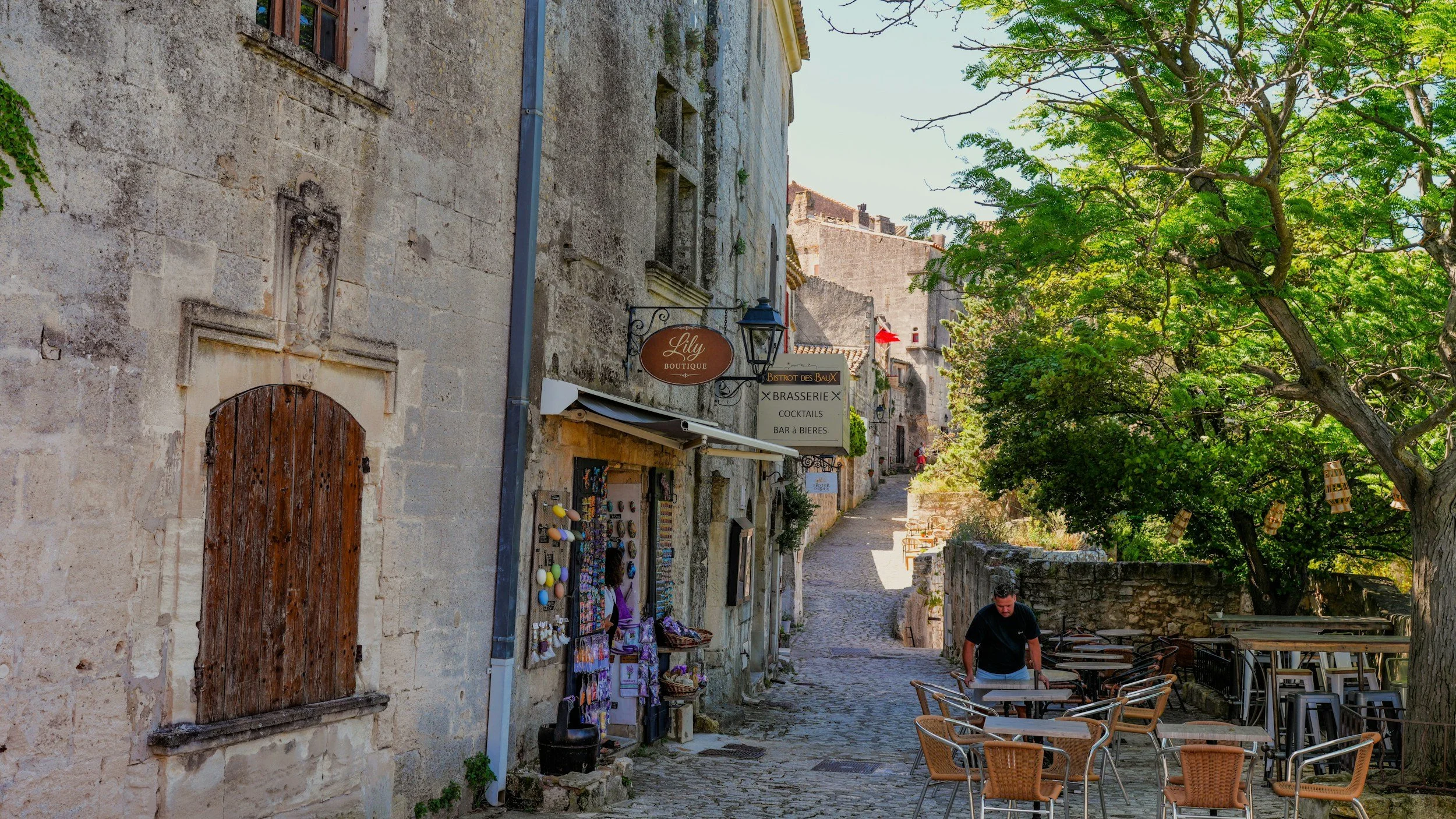
Some of the best meals around the Lot Valley happen completely by accident. You leave Cahors late, miss the lunch timing somewhere else, see four cars parked outside a stone building along the D662, and realise half an hour later you are eating duck confit beside a table of local workers drinking red wine on a Tuesday.
That happens a lot around here.
Especially once you leave the main village centres and start driving through the quieter roads between Cajarc, Limogne-en-Quercy, Saint-Cirq-Lapopie, and the Célé Valley. The roadside auberges around this part of southwest France still feel tied to ordinary lunch routines instead of tourism schedules.
Near Tour-de-Faure, Auberge du Sombral is one of those places people often end up returning to after trying somewhere more polished first. The terrace sits under heavy trees just outside the busiest part of Saint-Cirq-Lapopie, and lunch there tends to move slowly without anyone really acknowledging time much. Duck with cep mushrooms in autumn. Rocamadour cheese salads once spring arrives. Walnut tart that nearly everybody seems to order even after saying they are too full.
And the parking area is usually packed before the dining room even looks busy.
Driving between Cahors and Cajarc, especially along the smaller roads cutting across the Causses du Quercy, there are still auberges where lunch starts properly around noon and fades out completely by 14:00. No all-day menu. No “light bites available until 17:00.” You either arrive during lunch or you do not.
Auberge de la Place in Saint-Paul-Flaugnac still feels very rooted in that countryside lunch culture. Fixed menus written on chalkboards, heavier Cahors reds already open on nearby tables, desserts listed from memory because nobody printed them separately. Some afternoons feel almost strangely quiet when you first walk in, then suddenly every table fills within twenty minutes.
Near Varaire and Concots, several auberges barely look open from outside. You see one faded sign near the road, maybe a van parked beside a plane tree, and then walk into a dining room full of people halfway through lunch already. Around this part of the Lot Valley, the places that look least impressive from the road are often where the food gets noticeably better.
Especially during autumn.
By October, menus around the plateau villages start leaning heavily into mushrooms, lamb, duck, gratins, potatoes cooked in duck fat, stronger Cahors wines. Rainy weather honestly suits these roads well too. Long lunches make more sense here once the countryside turns grey-green and damp instead of dry and crowded from summer heat.
Around Gourdon and the roads toward Carennac, some auberges attached to small hotels still keep a very old-fashioned style of service that has disappeared from more tourism-heavy regions. At Hostellerie de la Bouriane, meals unfold slowly enough that lunch can quietly stretch halfway through the afternoon if nobody needs the table afterwards.
And honestly, some of these roadside auberges are far better than the restaurants people queue for inside the famous villages.
Not prettier maybe, but better food.
Timing matters constantly around the Lot Valley though, especially once you start relying on countryside restaurants instead of larger towns. Around 12:15, places are busy. By 13:45, somebody is already clearing half the terrace. Showing up at 14:30 because Google says the restaurant closes at 15:00 usually does not work particularly well around here.
One thing people often underestimate is how quickly phone signal disappears around the plateau roads and smaller valleys too. Around Cabrerets or the roads between Sauliac-sur-Célé and Marcilhac-sur-Célé, maps cut out surprisingly often. Some excellent auberges barely exist online anyway besides a few old reviews and a faded roadside sign.
That is part of why food around the Lot Valley still feels different from some of the bigger food regions now. A lot of meals here still happen because people are hungry and have time, not because the restaurant became famous online first.
Regional desserts that appear quietly at the end of long lunches
Dessert around the Lot Valley rarely feels planned in advance. Usually lunch just keeps going a bit longer than expected, somebody orders another coffee, and then the server starts listing desserts from memory while still holding the empty wine bottle from the previous table.
“Walnut tart, prune cake, strawberry tart… maybe croustade.”
And half the room suddenly decides they still have space after all.
Around Martel, walnuts end up in almost everything once autumn arrives properly. At Boulangerie Maison Lachièze near Place de la Halle, walnut cake sits beside ordinary pastries in thick uneven slices wrapped loosely in paper. By around 11:00 on market mornings, there are usually only a few pieces left near the counter while people queue for bread behind you.
Some of the best versions honestly look slightly collapsed in the middle.
At Le Petit Moulin in Martel, walnut tart often appears after lunch beside tiny glasses of strong coffee and half-finished bottles of Cahors wine still sitting on the tables. Nobody rushes dessert there. Chairs scrape slowly across the floor, people keep talking, somebody orders prune tart at the last second after saying they were too full ten minutes earlier.
Prunes start showing up more once you move south of Cahors toward Montcuq and the smaller plateau villages. At Auberge de la Place in Saint-Paul-Flaugnac, desserts are usually explained verbally because they change constantly depending on what was baked that morning. Some days there is prune cake with armagnac. Other days somebody in the kitchen made apple croustade because a box of apples needed using before the weekend market.
And honestly, that inconsistency is part of why dessert still feels genuine around here.
Not every tart arrives perfectly sliced. Not every pastry looks polished. Sometimes the strawberries have slipped sideways into the cream because the tart sat in the bakery window since early morning while the village market was happening outside.
Near Rue Nationale in Cahors, bakery windows start filling with strawberry tarts around late May once the market producers arrive properly for the season. Around Place Galdemar on Saturdays, people leave the market carrying strawberries, asparagus, cheese, then stop for pastries before lunch almost automatically.
Maison Caselle in Cajarc does fruit tarts that still feel more homemade than carefully styled pâtisserie desserts. Some afternoons there are barely any slices left by midday, especially once terrace tables fill along Boulevard du Tour de Ville and people start lingering over coffee longer than intended.
Croustade turns up constantly once temperatures cool down. Thin flaky pastry layered around apples or prunes, usually still warm. Around Gourdon and the roads toward Rocamadour, some auberges serve it straight from large metal trays that have clearly been sitting near the kitchen all afternoon. The good versions shatter slightly when cut. The disappointing ones go soft underneath.
That is just part of eating around the Lot Valley too. Not every meal is curated into perfection for visitors.
Coffee service still follows older habits in a lot of countryside restaurants. Espresso arrives after dessert, not during. Around Limogne-en-Quercy or Varaire, lunch tables stay occupied long after plates are cleared. Somebody orders prune eau-de-vie. Somebody else lights a cigarette outside before coming back for another coffee.
And solo travellers fit into that atmosphere surprisingly easily. Sitting alone with walnut tart and espresso at Café de la Halle in Martel or outside a small auberge near Tour-de-Faure does not feel unusual at all. Quite a few people seem perfectly happy stretching lunch across an entire afternoon by themselves.
Compared with some of the more famous food regions further south, desserts around the Lot Valley still feel tied to ordinary village life first. Bakers make strawberry tart because strawberries arrived that morning from nearby farms. Walnut cakes return because the weather cooled down and walnut season started again. Nobody is trying to reinvent regional desserts into tiny decorative restaurant versions that lose the point entirely.
A lot of the villages around the Lot Valley still feel lived-in year-round rather than seasonal, which is also why this year-round France route feels surprisingly similar once you leave the bigger tourism circuits.
Markets worth planning the entire trip around
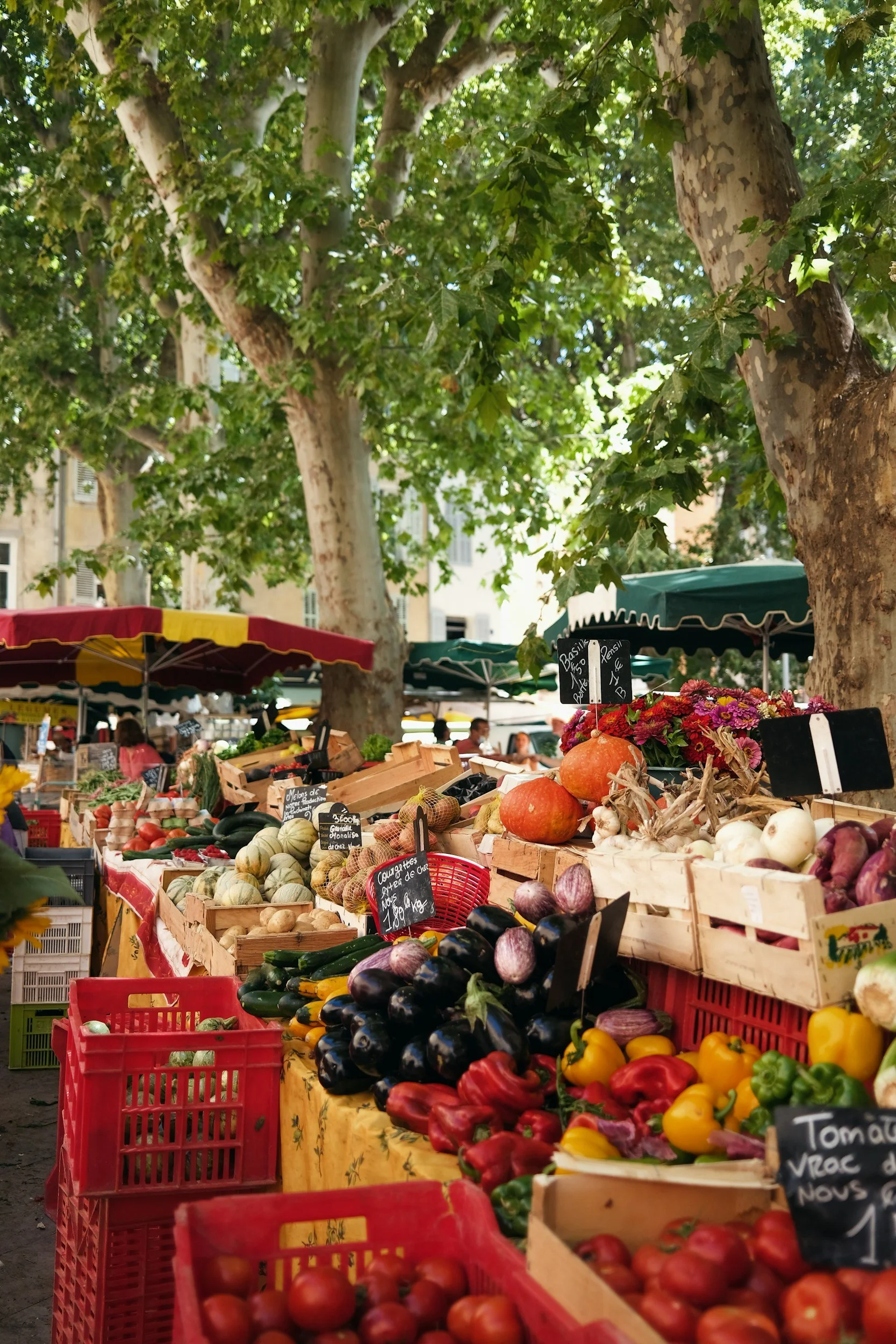
Saturday mornings in Cahors have a way of taking over the whole day without you really planning for it. You go out for coffee near Rue Nationale while the market is still setting up, then suddenly it is nearly lunchtime and you are carrying strawberries, goat cheese, walnuts, bread, maybe a bottle of Cahors wine you absolutely did not need but bought anyway.
If possible, stay in Cahors the night before instead of driving in Saturday morning. The town is much nicer before everything gets busy around Place Bessières and Boulevard Gambetta. Around 08:30, stallholders are still unloading vegetables near Halle de Cahors while cafés are dragging chairs outside one stack at a time.
By 10:30 the whole centre feels packed in the best way.
Near Place Saint-Maurice, people queue early for the rotisserie chickens, but honestly it is mostly about the potatoes underneath catching all the chicken fat while they cook. You see people carrying giant paper trays of them back through the market looking extremely pleased with themselves.
Inside the covered market, the Rocamadour cheese stalls are usually crowded by late morning. Nearby, people squeeze into Boulangerie Malaterre buying walnut bread and fruit tarts before they sell out for the day.
And the market still feels local. That is the thing that makes Cahors different from some of the more famous markets further south now. People are properly shopping. Somebody arguing over melon prices. Somebody buying herbs and exactly two tomatoes. It does not feel staged.
Martel on Wednesdays feels slower from the beginning. The market spreads through Place de la Halle under the old stone arcades, and nobody seems in much of a hurry to finish anything. People stop in the middle of shopping to sit outside Café de la Halle for coffee, then wine, then eventually lunch.
At Boulangerie Maison Lachièze, walnut cake disappears steadily through the morning. Near the covered market hall, the chicken stall starts attracting queues before noon because everybody wants the potatoes there too.
Parking near Place Gambetta becomes annoying surprisingly early though. By around 10:00, cars are already looping slowly around the edges of town while somebody unloads flowers directly into the street without caring at all about the traffic building behind them.
Cajarc might honestly be my favourite market town in the Lot Valley. Saturday mornings around Place du Foirail feel busy without becoming exhausting, and the terraces along Boulevard du Tour de Ville fill gradually enough that people end up staying half the afternoon by accident.
At Maison Caselle, fruit tarts start disappearing from the counter early, especially during strawberry season. By lunchtime, café tables are covered with market bags, half-finished coffees, wine glasses, bread sticking out of paper sacks.
Nobody seems especially worried about where the day is going.
The roads around Cajarc are part of it too. Driving toward Saint-Cirq-Lapopie afterwards, you pass small roadside stalls near Cabrerets and Sauliac-sur-Célé selling cherries, tomatoes, strawberries, walnuts. Sometimes it is just a folding table beside the road with a handwritten sign and a cash tin sitting in the shade.
Then winter in Lalbenque feels like another world entirely. During truffle season, Tuesday mornings start cold and dark around Place de l’Église while producers unwrap black truffles under yellow market lights and restaurant buyers move quickly between the tables trying not to look too interested in what everybody else is buying.
If winter truffle season around Lalbenque sounds appealing, this southern France winter guide helps narrow down which towns still feel active once colder weather arrives.
Inside Café de la Mairie, people warm up with tiny coffees and glasses of red wine while the windows steam up from the cold outside. Nobody is trying to create atmosphere for visitors there. Which is probably why the atmosphere feels so good.
The summer evening markets around the Lot Valley are more mixed. Some are great. For example, Saint-Céré still does them well! Around Place de la République, families drag tables together as more people keep arriving through the evening. Producers pour Cahors wine beside food stalls selling duck breast, potatoes, sausages, goat cheese. Kids run between the tables while somebody carries over more chairs because there suddenly are not enough.
Marcilhac-sur-Célé is quieter. The market spreads around the abbey after sunset while conversations drift across the square louder than the music does…
Where to base yourself for food around the Lot Valley
Without a car, Cahors is by far the easiest base. The train station sits within walking distance of the old centre, and once you are staying near Boulevard Gambetta, Rue Nationale, or Place Chapou, you can reach markets, wine bars, cafés, and restaurants on foot very easily. Saturday mornings around Halle de Cahors work especially well if food is the priority because you can move between the market, bakeries, lunch terraces, and wine bars without thinking about parking at all.
If you are debating whether you actually need a car for countryside France or not, this without a car breakdown gives a much more realistic picture of what train-based travel looks like once villages get smaller.
Cahors also has the strongest evening food scene overall. If you want wine after dinner, multiple restaurant options midweek, or somewhere that still feels active outside summer, it is usually the safest choice. The trade-off is that it feels more like a functioning small city than a countryside village.
People who enjoy the food culture around Cahors usually end up preferring places from this quieter south guide over the more crowded Provence routes once summer starts getting busy.
Rocamadour works better if the trip revolves more around goat cheese, countryside restaurants, and the Dordogne border villages than wine bars or evening variety. Staying up around L’Hospitalet usually makes much more sense than staying directly inside the lower medieval streets, especially between June and September when the centre becomes crowded by late morning.
And honestly, many of the better dinners happen outside Rocamadour anyway.
Loubressac, Carennac, and even Gramat often feel calmer once the day visitors disappear. Around Place des Consuls in Carennac, dinners stretch much later and quieter than the packed terraces near Rue de la Couronnerie.
Martel is the better base if market mornings and regional produce matter more than sightseeing lists. Wednesday mornings around Place de la Halle still revolve around ordinary shopping routines rather than tourism, and the town places you close to walnut farms, roadside produce stalls, and quieter villages near the Dordogne Valley.
Outside summer though, evenings become quiet fairly quickly. Several cafés close earlier than people expect midweek, and dinner options narrow down noticeably by late autumn.
Cajarc works especially well if you want to build slow day trips around Saint-Cirq-Lapopie, Cabrerets, the Célé Valley, and smaller roadside food stops without changing hotels constantly. The Saturday market around Place du Foirail feels busy without becoming exhausting, and the roads nearby are full of small seasonal produce stalls once late spring arrives.
It is also one of the easiest places to settle into if you like slower mornings that gradually become lunch.
Lalbenque only really makes sense as a base during black truffle season. In January, staying nearby lets you reach the Tuesday truffle market before 08:00 when the village still feels half asleep and producers are only just unpacking. Outside winter, most people are usually better off staying in Cahors and driving down instead because evenings in Lalbenque become extremely quiet once the cafés close.
And distances around the Lot Valley are slightly deceptive in general. On the map, villages can look very close together. In practice, small roads, foggy winter mornings, market traffic, and narrow valley routes make moving around slower than people often expect. Staying somewhere central to the part of the region you actually want to eat through usually works much better than trying to cover everything in one trip.
The best season for each food in the Lot Valley
Late May into June is when the Lot Valley starts shifting into strawberry season properly. Around Cahors market near Place Chapou, Cajarc’s Saturday market, and roadside stalls outside Cabrerets or Sauliac-sur-Célé, strawberries suddenly appear everywhere at once beside asparagus and fresh goat cheese.
This is also when bakery windows start changing. Walnut cakes move slightly into the background while strawberry tarts and lighter pastries take over around Rue Nationale in Cahors and the bakeries near Place de la Halle in Martel.
June is probably the easiest month overall if you want markets, produce, and long lunches without the heavier traffic and parking problems that arrive in July.
September and October are stronger if the trip revolves around restaurants rather than fruit markets. Around Cahors, Martel, Saint-Paul-Flaugnac, and the plateau villages, menus start leaning back into duck confit, mushrooms, walnut dishes, Quercy lamb, and darker Cahors reds once evenings cool down.
This is also when roadside auberges around the Causses du Quercy feel their best. Rainy afternoons, long lunches, mushroom omelettes, walnut tart, stronger wine. The whole region settles into slower routines again once the summer crowds disappear.
For black truffles, Lalbenque in January matters far more than Rocamadour or Saint-Cirq-Lapopie. Tuesday mornings during peak truffle season feel completely tied to winter food culture around the Lot Valley. Truffle omelettes, duck dishes, red wine before lunch, cold market mornings around Place de l’Église.
If truffles are the reason for the trip, January is usually much better than December or February.
Winter also changes the restaurant atmosphere completely. Around Cahors and the plateau villages, dining rooms fill with local workers, retired couples, and regulars instead of day visitors. Some restaurants shorten their opening days, but the ones staying open usually feel much more grounded.
And some dishes genuinely make more sense in cold weather here. Duck confit with potatoes cooked in duck fat after walking through a wet January market in Cahors feels completely different from eating the same plate during a thirty-degree August afternoon.
A few things stay constant year-round. Rocamadour cheese appears in every season. Cahors wine never disappears. Duck remains everywhere. But the way people eat them changes depending on the weather. Summer pushes everything toward market lunches, terraces, strawberries, and lighter plates. Autumn and winter pull the region back indoors toward longer meals, heavier menus, and slower afternoons around the table.
If you are trying to decide whether the Lot Valley feels too quiet for a full trip or exactly the kind of slower southwest France base you want, this Lot Valley guide makes the differences between the villages much clearer before you start booking hotels.
What people actually eat around the Lot Valley in winter
By November, the food around the Lot Valley starts leaning hard into things that would feel far too heavy in August. Around Cahors, café tables that spent all summer covered in rosé and salads suddenly fill with duck confit, lentils, potatoes cooked in duck fat, thick slices of walnut tart, and dark Cahors wine poured into heavy glasses instead of delicate stemware.
At Le Balandre near Boulevard Gambetta, winter lunches feel very different once the weather turns. People arrive wearing damp coats after walking through the Saturday market near Halle de Cahors, then stay for two hours over lamb shoulder, gratin dauphinois, mushrooms, coffee. Nobody orders quickly. Nobody leaves quickly either.
And honestly, the region suits this weather better than thirty-five-degree summer afternoons.
Tuesday mornings in Lalbenque during black truffle season feel properly cold. Around Place de l’Église in January, producers stand outside under yellow market lights with their hands shoved into jacket pockets while restaurant buyers inspect truffles laid out on checked cloths and folded newspaper.
Inside Café de la Mairie, windows steam up before 09:00 from people crowding inside for coffee, red wine, truffle omelettes, and bread still warm from the bakery down the road. Some tables order another bottle before midday and never really move afterward.
The roads between Lalbenque, Varaire, and Limogne-en-Quercy also feel completely different in winter. Fog hangs low across the Causses in the mornings, the limestone walls stay damp all day, and roadside auberges start looking much more inviting than scenic viewpoints.
At Auberge de la Place in Saint-Paul-Flaugnac, winter menus usually bring back Quercy lamb with white beans, duck confit with mushrooms, potato gratins bubbling hot enough that everybody burns their mouth slightly on the first bite anyway. Bread baskets stay on tables the entire meal because somebody always ends up wiping sauce around the plate long after lunch technically finished.
Near Tour-de-Faure and Bouziès, several auberges start serving cep mushroom dishes again once autumn settles in properly. Around this part of the valley, rainy weather and heavy food seem to belong together naturally. You spend the morning driving through wet roads beside the Lot River, then end up somewhere warm eating croustade and drinking Cahors wine while jackets dry over chairs near the radiator.
Saint-Cirq-Lapopie is much easier during winter too. Around Rue de la Pelissaria in January, half the shutters stay closed until late morning and several tourist-focused restaurants disappear completely until spring. The places that remain open usually feel more grounded. Smaller menus. More local customers. Less pressure to turn tables over every hour.
The markets shift heavily once colder weather arrives too. Around Halle de Cahors after rainy weeks in November, mushroom stalls suddenly take over entire corners of the market. Ceps, girolles, walnuts, black truffles later in winter. At Boulangerie Malaterre near Rue Nationale, walnut cakes and prune tarts replace most of the lighter fruit pastries that filled the windows during spring.
Martel on winter market mornings feels quieter but still active. Around Place de la Halle, people stand outside Café de la Halle warming their hands around coffee while roast chicken stalls send steam into the cold air beside the arcades. By noon, several tables inside Le Petit Moulin already have Cahors wine open beside duck dishes and walnut desserts.
And some dishes only really work during this time of year. Prune cake with armagnac after a long lunch in July can feel slightly too much. In February, after walking through a freezing truffle market in Lalbenque or a wet market morning in Cahors, it suddenly feels exactly right.
FAQ: regional food in the Lot Valley
What is the best market in the Lot Valley for local food?
Cahors usually has the strongest overall market if food is the main focus, especially on Saturday mornings around Halle de Cahors, Place Chapou, and Rue Wilson. The market is large enough to spend several hours in properly, and the produce still feels tied to local shopping routines instead of tourism. For smaller market towns, Cajarc on Saturdays and Martel on Wednesdays feel more relaxed and less crowded.
If you are comparing market regions and wondering how the Lot Valley differs from Provence during peak season, this market seasons guide makes the contrast pretty obvious once summer crowds arrive.
What time should you arrive at the Cahors market?
Before 09:30 works best. By 10:30, parking around Place Bessières and Boulevard Gambetta usually becomes frustrating, especially during spring and autumn weekends. Earlier in the morning, stallholders are still setting up around Halle de Cahors, bakery queues are shorter, and café terraces near Place Saint-Maurice have not filled yet.
What should you buy at the Cahors Saturday market?
Rocamadour goat cheese, strawberries in late spring, walnuts in autumn, duck pâté, asparagus, walnut bread from Boulangerie Malaterre, and the roast chicken potatoes near Place Saint-Maurice are all worth looking for. Around winter, mushroom stalls also become much larger after rainy weeks.
Which villages near Cahors still have good weekly markets?
Martel, Cajarc, Saint-Céré, Lalbenque, and Limogne-en-Quercy all still hold strong local markets. Martel is especially good for walnuts and regional produce, while Cajarc tends to have the nicest atmosphere for long market mornings and lunch afterwards.
Where can you try black truffles near Cahors?
Lalbenque is the main black truffle village near Cahors. The truffle market takes place on Tuesday mornings between December and February around Place de l’Église. January is usually the busiest period. Arriving around 08:00 gives a much better experience than arriving close to lunch once most of the strongest truffles have already sold.
Is Lalbenque worth visiting outside truffle season?
Outside winter, Lalbenque becomes much quieter and far less event-focused. The village still works well as part of a countryside route through the Causses du Quercy, but the atmosphere changes completely once truffle season ends. Most people visit specifically between December and February.
Where can you still eat traditional duck confit around Cahors?
Le Balandre and La Garenne in Cahors still serve fairly traditional southwest French dishes during colder months, especially duck confit, lamb, gratins, and mushroom dishes. Smaller roadside auberges around Saint-Paul-Flaugnac, Tour-de-Faure, and Limogne-en-Quercy often feel even more connected to regional cooking.
Are restaurants in Rocamadour touristy?
Some restaurants along Rue de la Couronnerie become heavily tourist-focused during summer afternoons, especially near the sanctuary entrance. Restaurants around L’Hospitalet above Rocamadour usually feel calmer and more tied to the surrounding countryside. Places like Hostellerie Bellevue, Jehan de Valon, and Restaurant du Château generally feel less rushed once day visitors leave.
What food is the Lot Valley known for in winter?
Winter around the Lot Valley leans heavily toward duck confit, Quercy lamb, black truffles, cep mushrooms, walnut tart, prune cake with armagnac, gratins, and stronger Cahors wines. January and February especially suit longer countryside lunches around Cahors, Lalbenque, Martel, and the plateau villages.
Where can you buy Rocamadour cheese directly from producers?
The Cahors market, Martel market, and smaller village markets around Rocamadour usually have several local producers selling directly from stalls. Ferme La Borie d’Imbert outside Rocamadour also sells Rocamadour AOP cheese onsite and is easier to visit by car than trying to buy directly inside the busiest parts of the village.
Which roads around the Lot Valley are best for food stops?
The roads between Cahors, Cajarc, Saint-Cirq-Lapopie, Tour-de-Faure, and Cabrerets are some of the strongest for roadside auberges, produce stalls, goat cheese stops, and small wineries. Around the Célé Valley especially, small seasonal fruit stands appear beside the roads during late spring and summer.
Do restaurants in the Lot Valley close between lunch and dinner?
Yes, many do. In smaller villages around the Lot Valley, lunch service often finishes by 14:00 or 14:30, especially outside peak summer. Arriving late for lunch in villages like Martel, Cajarc, or Saint-Cirq-Lapopie can leave very limited options once kitchens begin closing.
Is the Lot Valley good for solo travel if you enjoy food markets and cafés?
The region works very well for slower solo trips because market mornings, long lunches, and café culture already revolve around spending time slowly rather than constantly moving between attractions. Cahors, Martel, and Cajarc are especially comfortable for solo travellers who enjoy wandering markets, stopping for coffee, and building lunches gradually from local produce stalls.