
The Loire Valley market towns I'd build a spring weekend around
If you base yourself in Tours and don’t check the market days first, it’s easy to get the Loire Valley slightly wrong. You might take the train to Amboise on a Tuesday, walk past the château, have a coffee, and leave again without really understanding why people recommend it. Then you come back on a Sunday morning, step out near the river, and the whole stretch along Quai du Général de Gaulle is lined with stalls, locals are already halfway through their shopping, and suddenly it clicks.
That’s the difference this guide is built around.
Not every town here is worth planning a morning around, even if it looks good on a map. Loches works because the market spreads through the centre and gives you a reason to stay longer. Chinon works on Thursdays when the old streets actually fill up. Saumur works on Saturdays when the town feels active beyond just the château. And places like Montsoreau only make sense if you’re already nearby and know what kind of stop you’re expecting.
This guide focuses on the towns where the market actually changes the experience, not just places that happen to have one. You’ll find specific days, realistic timing, how to reach each place from Tours or Saumur, and which towns are worth staying in versus visiting for the morning. It’s written so you can build a route that works in real life, not just on a map.
If you are planning a wider trip through this part of France, it is worth pairing this with quiet Loire Valley towns so the market days do not become the only reason you choose a stop. Some towns are lovely on market mornings but very quiet afterwards, while others are strong enough for a full night or two.
Where markets are actually worth planning around near Tours and Saumur
Most people start in Tours without thinking too much about where they actually are in France. This part of the Loire Valley sits in central France, in the region called Touraine, with the river running west toward places like Saumur and Angers. It all looks close on a map, which is why it’s easy to assume you can just pick a town and go. In reality, the day you go matters more than the distance.
Amboise is the easiest example. It’s about 20 minutes from Tours by train, so it’s often the first place people go. If you arrive midweek, you’ll walk from the station across the bridge, pass through Place Michel Debré, maybe stop at a café like Art Is An Ale Brewing Co or grab something simple near the square, then head toward the château. It’s pleasant, but nothing really pulls you in. Go back on a Sunday and walk straight down to Quai du Général de Gaulle instead, and the whole stretch along the Loire is lined with stalls. There are bakers, cheese producers, flower stands, rotisserie chickens turning slowly near the far end, and people moving steadily from one side to the other. If you want coffee, it’s usually easier to step just behind the riverfront onto streets like Rue Nationale or toward Place Richelieu where it’s slightly less crowded. That small shift makes the morning feel more manageable.
Loches sits further south of Tours, about an hour by train, and feels more tucked away from the main Loire route. That distance is exactly why it still feels local on market days. On Wednesday and Saturday mornings around Place des Cordeliers, the market spreads out into the surrounding streets, and you’re not just walking a single row of stalls. You move between produce stands, cheese counters, and small vendors selling things like rillettes or jars of local honey. If you walk a few minutes further, you’ll reach the streets leading up toward the medieval upper town, and it’s very easy to drift in that direction without planning to. A stop at somewhere like Pâtisserie Brémaud makes sense here, not because it’s a destination in itself, but because it fits naturally into the morning. Loches works best when you let it take a bit of time.
If this is the kind of trip you’re trying to plan, a spring weekend in Périgord Noir shows how a few well-timed market mornings and small towns can carry the whole weekend without needing much else.
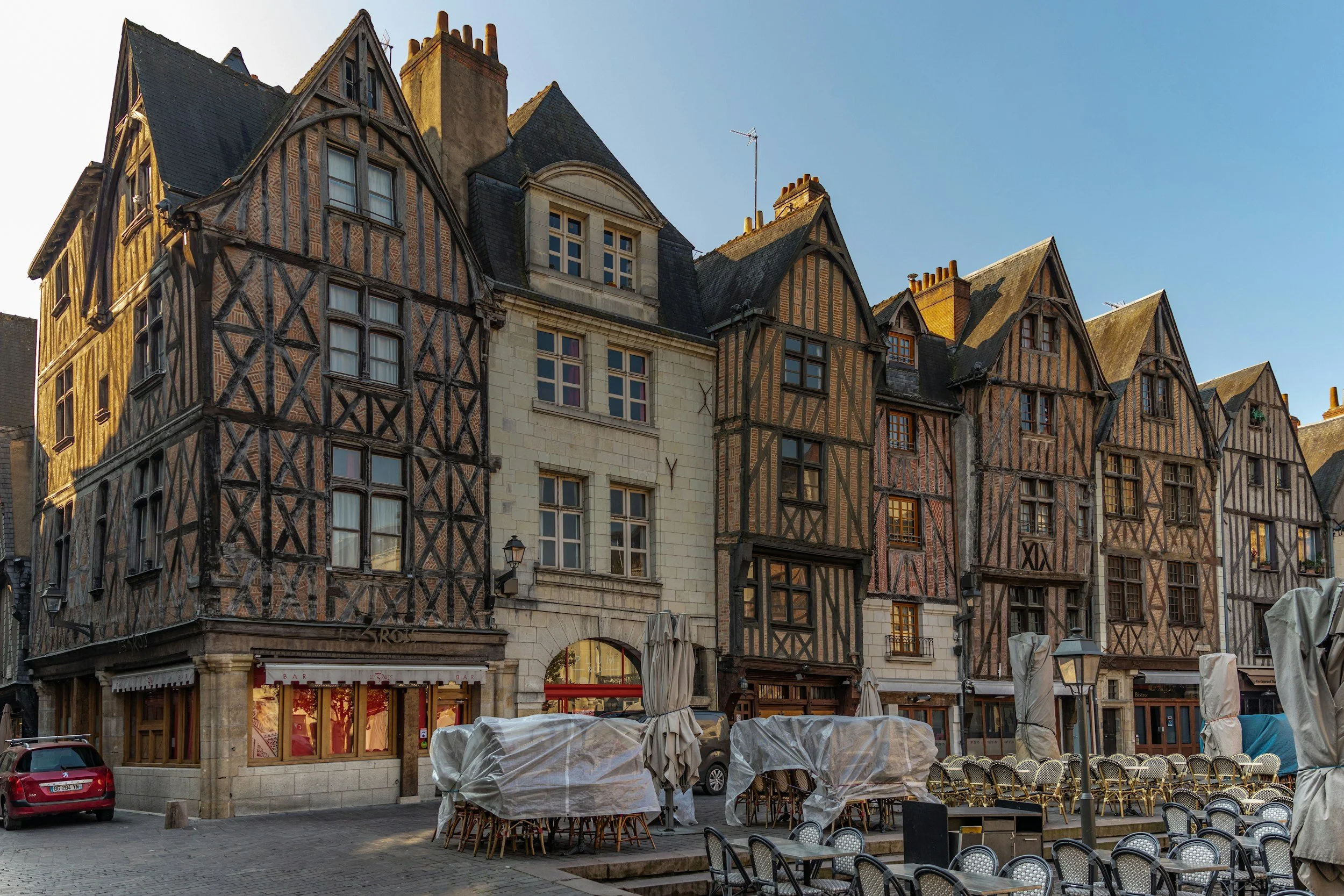
Chinon is further west, closer to the vineyards along the Vienne river, and this is where timing matters the most. Thursday is the day to aim for. The market fills Rue Voltaire and stretches toward Place Jeanne d’Arc, with stalls set up between old stone buildings and narrow streets that naturally slow you down. You’ll notice more local wine producers here compared to some other towns, which makes sense given how close you are to the vineyards. After walking through, most people end up sitting somewhere near the square. Café de la Ville is one of those places where you can just sit without feeling rushed, and by the time you’re there, the morning has already settled into something slower. If you go on a quieter day, you can still visit the fortress or walk along the river, but you miss that part where the town feels connected.
Saumur sits further west again, closer to Angers, and has a slightly broader feel. The Saturday market around Place Saint-Pierre and the nearby streets is still the best time to see it, but the town doesn’t depend on that one moment. You can leave the market, walk a few streets over toward Rue Saint-Nicolas, stop at a wine bar like La Maison du Vin, or just head down toward the Loire for a walk along the quay. There’s enough going on that the day doesn’t fall apart if you take your time or change plans. The mix of market stalls, small shops, and places to sit down makes it easier to stay longer without needing to structure everything in advance.
Langeais sits between Tours and Saumur, right along the Loire, and works best as a Sunday morning stop. The market takes place near Place de l’Europe and around the covered market hall close to the château. It’s lively enough to feel worth it, with a mix of food stalls and everyday items, but it doesn’t take long to walk through. You might pick up something to eat, walk a little around the château grounds, and then move on. It’s a good pause if you’re already in the area, especially if you’re driving between towns like Azay-le-Rideau and Saumur.
Montsoreau is smaller still, right where the Loire meets the Vienne, not far from Saumur. The Sunday market runs close to the river, and the setting is what makes it stand out. You’re right by the water, with the château facing the river, and it feels quiet in a way the bigger towns don’t. There are fewer stalls, so it’s not a place to browse for hours, but that’s not really the point. It works if you treat it as a short morning stop, maybe followed by a walk toward Candes-Saint-Martin or a simple lunch nearby. If you expect something on the scale of Amboise or Saumur, you’ll probably leave too quickly. If you arrive knowing it’s small, it fits naturally into a slower day.
Once you’ve seen a couple of these towns on the right day, it becomes much easier to plan the rest of the trip. You stop choosing places just because they’re nearby and start thinking about which morning actually makes sense.
If you’re not into driving, this European market towns without a car guide could be worth a read. We have crated a guide for market towns that all work great for train travel.
Best months for Loire Valley markets in spring
Spring in the Loire Valley isn’t one clear season. April, May and early June all feel different once you’re actually standing in a market square at 9:00 in the morning.
April can go either way. One morning in Amboise, the market along Quai du Général de Gaulle feels calm, easy to walk, no queues at the bread stalls, plenty of space to stop and look. The next day in Loches, you’re standing in Place des Cordeliers with a jacket on, debating whether to sit inside instead of outside. The stalls are there, but it’s still early in the season. You’ll see chèvre, bread, early asparagus, flowers, but not the same variety yet. It works if you like quieter mornings and don’t mind that the weather decides part of your day.
May is when it starts feeling reliable. Not in a perfect way, but enough that you can plan around it without overthinking. Loches on a Wednesday or Saturday feels fuller, more producers, more choice, more reason to stay. Chinon on a Thursday morning actually has movement through Rue Voltaire instead of just a few scattered stalls. You can walk the market, then sit outside somewhere near Place Jeanne d’Arc without checking the forecast every ten minutes. Strawberries show up properly around this time, and you start noticing people buying more, not just browsing.
The only thing with May is the public holidays. Long weekends can make places like Amboise and Saumur busier than you expect, especially if the weather is good. Trains from Tours fill up faster, and by late morning the markets feel more crowded. It’s not a problem, you just want to arrive earlier or choose a midweek market like Loches instead of putting everything on a Sunday.
Early June feels different again. The produce is at its best, and mornings are warmer, so everything looks and feels more inviting. But you’re not the only one thinking that. Amboise on a Sunday gets busy faster, especially along the narrower parts near the river. If you arrive late, you’ll spend more time navigating people than actually enjoying the market. Saumur on a Saturday still works well, but you’ll notice more people moving between the market and places around Place Saint-Pierre, and it becomes more of a full-day town rather than just a slow morning.
What really changes across these months is how you plan your mornings. In April, you can show up and see how it goes. In May, you start picking your days more carefully. By June, you’re thinking about timing without even realising it, arriving earlier, choosing a café slightly away from the busiest street, maybe staying a bit longer in one place instead of trying to see too much.
If you want it simple, May is the easiest month to get right. If you like things quieter and don’t mind cooler mornings, April works, especially in places like Loches or Chinon. June is still a good time to go, just with slightly earlier starts and a bit more awareness of when things fill up.
Using Tours as a base if you want to visit markets without a car
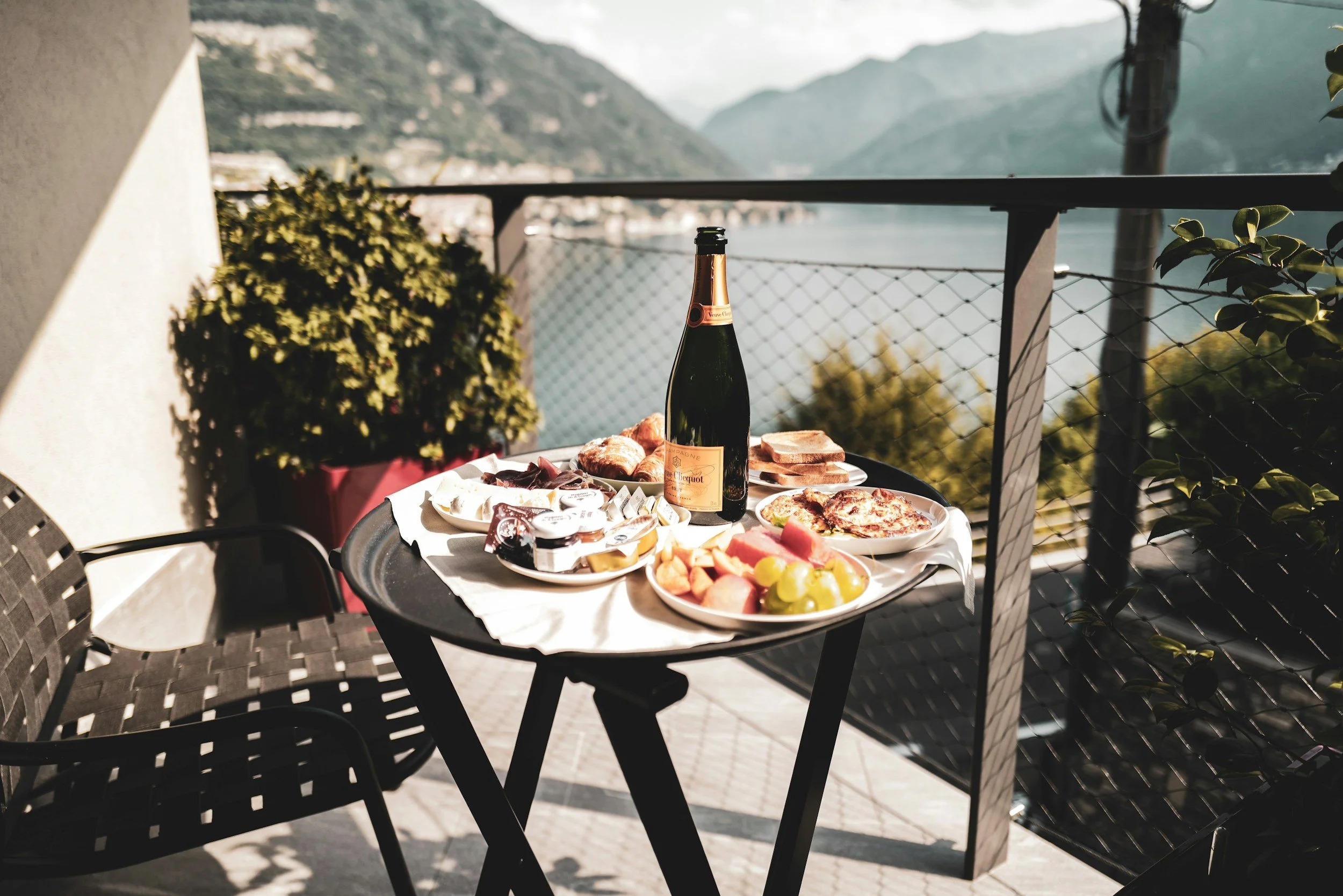
Tours is not the most romantic base in the Loire Valley, but it is one of the most useful. If you’re planning to do the Loire Valley without a car, Tours is the place that makes everything easier. It sits in central France, right along the Loire, and most of the towns you actually want for market mornings are connected by TER regional trains. You don’t need to overcomplicate it, but you do need to pay attention to timing, because the difference between arriving at 8:45 and 11:10 completely changes the experience.
Gare de Tours is the main station you’ll use. If you stay somewhere within 5–10 minutes walking distance, around Boulevard Heurteloup, Rue Bernard Palissy or closer to Rue Nationale, your mornings become much simpler. You can leave your hotel, walk straight to the station, grab a coffee if you want, and be on a train without rushing. If you stay deeper into Vieux Tours near Place Plumereau, it’s still a nice area, but you’ll want to leave a bit earlier, especially if you’re catching one of the first departures.
For Amboise, which is the easiest trip, trains run frequently throughout the morning. A typical early departure is around 08:20–08:30 from Tours, arriving in Amboise just before 09:00. That’s the one you want on a Sunday. It gives you time to walk from the station, cross the bridge, and reach Quai du Général de Gaulle while the market is fully set up but not yet crowded. The walk itself takes about 15 minutes, and you’ll see the château ahead of you as you approach the centre. If you take a later train, say around 10:30, you’ll still catch the market, but it will already feel busier, especially along the narrower parts of the riverfront.
Loches is less frequent, which is why people sometimes skip it, but it’s still very doable. There’s usually a morning train around 08:50–09:00 from Tours, arriving just before 10:00. That timing works well for a Wednesday or Saturday market. From Loches station, it’s about a 10–12 minute walk into the centre. You’ll pass through the lower town first, then naturally move toward Place des Cordeliers where the market spreads out. This is one of the days where you want to check the return train before you go, because the departures back to Tours are more spaced out than on the Amboise line.
Chinon sits west of Tours and takes around 45 minutes to an hour by train. A good departure is usually just after 08:30, arriving around 09:30–09:45. From the station, you cross the bridge over the Vienne and walk straight into the old town. Rue Voltaire leads you directly into the market area on Thursdays, so there’s no need to navigate. If you arrive before 10:00, the stalls are fully open and you can move through at a comfortable pace. Arriving later is still fine, but you lose that slower part of the morning where people are just settling in.
Saumur is further again, usually about an hour from Tours, but still very manageable. Early trains tend to leave around 08:15–08:30, arriving just after 09:15. From Saumur station, you’ll walk about 15–20 minutes into the centre, either along the Loire or through the streets toward Place Saint-Pierre. On a Saturday, the market is already in full swing by the time you arrive. Saumur is more forgiving than the other towns, though. Even if you arrive slightly later, you can still walk through the market and then spend time in the surrounding streets without feeling like you missed your window.
The key thing with all of these is not just the route, but how the train times match the markets. It’s always worth checking schedules the evening before on SNCF Connect, because times do shift slightly depending on the day. You don’t need a perfect plan, but you do want to avoid turning up just as people are packing up or when the busiest part has already passed.
One small detail that makes a difference is booking your ticket the night before instead of in the morning. It saves you standing in line at Tours station, especially on weekends when more people are travelling. TER tickets are flexible enough that you don’t need to stress about exact seats, but having it sorted means you can focus on getting out early.
The key with Tours as a base is not trying to do too much. It’s easy to look at a map and think you can combine two or three towns in one day because the distances are short. In reality, it works better to choose one place each morning, arrive early enough to see it properly, and then either stay for the afternoon or head back to Tours without squeezing in something else.
Evenings in Tours are part of why this place is a great place to visit. After a day out, you come back and have options without needing to think about logistics. Around Rue Colbert or Place Plumereau, you’ll find plenty of places for a relaxed dinner, and it’s easy to walk home afterwards. Easy and smooth!
Sunday markets near Tours that are easy to reach without a car
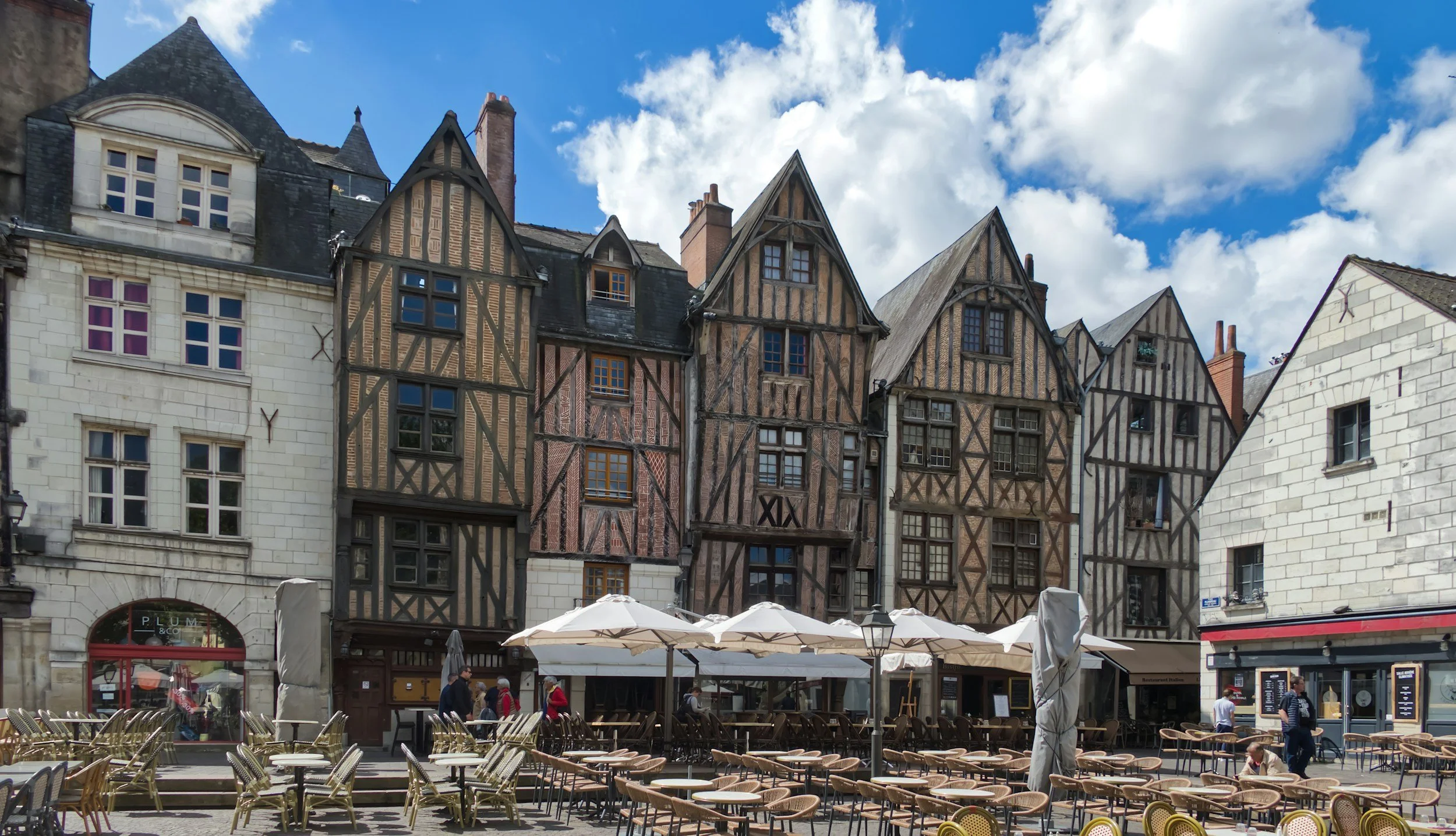
Sunday is the one day where it actually helps to be a bit specific. Most things are closed, trains run a little less often, and if you don’t pick the right town, you can end up wandering around with not much going on.
Amboise is the one that saves the day if you get it right. From Tours, you’ll usually find a train just after 08:20 that gets you there before 09:00. That timing makes a big difference. You walk out of the station, cross the bridge over the Loire, and by the time you reach Quai du Général de Gaulle, the market is already in full swing but not packed yet. People are buying bread, carrying flowers, stopping briefly at stalls and moving on. It feels like a proper morning, not something you’ve arrived late to.
If you stay too long in the middle section by the river, it starts to feel crowded quite quickly, especially closer to 11:00. It’s better to walk the full length first, then double back and slip into the streets just behind it. Around Place Richelieu or along Rue Nationale, it’s easier to find somewhere to sit without waiting. Bigot is the obvious stop, and it’s good, but if there’s a queue, just keep walking. There are smaller places nearby where you can sit down without thinking about it too much.
What makes Amboise work on a Sunday isn’t just the size of the market. It’s that everything sits close together. You don’t have to figure anything out… You basically move from the stalls to a café, then maybe down toward the river again or up into the old streets without really deciding to.
Langeais is quieter, and it feels that way as soon as you arrive. The train from Tours takes around 25 minutes, but there are fewer departures, so it’s one of those places where you check the timetable the night before instead of assuming it will work. From the station, it’s a short walk into town, and you’ll find the market around Place de l’Europe, right next to the château.
It’s not a place where you stay all day though. You walk through, maybe pick up something small, take a look at the château area, and then decide what you feel like doing next. That’s why it works best if it’s already on your way somewhere, not as the main plan.
If you feel like going further out, Saumur is still reachable from Tours in about an hour. Sunday isn’t its main market day, so you won’t get the same setup as Saturday around Place Saint-Pierre, but the town still has enough going on to make it worth the trip. You arrive, walk into the centre, maybe pass through the quieter streets near Rue Saint-Nicolas, stop for a glass of wine, and the day feels easy without needing a schedule.
That’s really the key with Sundays here. Pick one place that actually has something happening, get there early enough to catch it properly, and don’t try to squeeze in anything else.
Amboise on Sunday when the market stretches along the river
Amboise is the market town to choose if you want the easiest introduction to the Loire Valley in spring. If you’re only picking one market morning near Tours, this is the one that’s easiest to get right. Sunday in Amboise works because everything lines up in a very simple way. You just arrive, walk across the bridge, and the market is already there along Quai du Général de Gaulle, running parallel to the Loire with the château visible just behind the rooftops.
The best version of it is early. If you’re coming from Tours, taking a train just after 08:20 means you’ll reach the market before 09:00, when everything is open but still easy to move through. You’ll notice straight away that the stalls aren’t just grouped in one square. They stretch along the river, which means you can walk the full length without doubling back. At one end, you’ll usually find more produce and food stalls, piles of strawberries in season, white asparagus, fresh herbs, chèvre from nearby farms. Further along, there are bread stands, rotisserie chickens, local honey, flowers, and a mix of everyday items that make it feel like a proper weekly market rather than something set up for visitors.
It’s worth walking the whole market once before stopping anywhere. The middle section near the bridge gets busy fastest, especially later in the morning, and if you stop too early you end up in the most crowded part without seeing the rest. Once you’ve reached the far end, you can slowly make your way back and pick up what you actually want.
For bread, look for the stalls where people are already queuing slightly. That’s usually a good sign. For cheese, you’ll see several producers, but the smaller stands often have more interesting local varieties, especially goat cheeses from the surrounding Touraine area. If you’re planning to sit somewhere later, picking up something simple here, bread, cheese, fruit, works better than trying to find a full lunch straight away.
When it starts to feel crowded, step away from the river. That’s where Amboise becomes easier again. Streets just behind the market, like Rue Nationale or around Place Richelieu, are a lotcalmer. Bigot on Rue Nationale is the obvious bakery stop and always good, but it’s rarely quiet. If there’s a line out the door, keep walking a little further and you’ll find smaller cafés where you can sit without waiting. Even a few streets back, the pace changes completely.
After the market, you have a couple of easy options without needing to plan much. You can walk along the Loire in either direction, where the path opens up and you’re away from the crowds within minutes. Or you can head back through the centre and up toward the château area, where the streets feel a bit quieter once you move away from the main square. Everything is close, and the only real mistake is arriving too late or trying to overfill the day afterwards. If you get there early, take your time, and step away when it gets busy, it’s one of the easiest market mornings in the Loire Valley to enjoy properly.
A stay at Le Manoir Saint Thomas suits this kind of trip because it is central without being right in the busiest market flow. The hotel is a three-minute walk from the Château Royal and five minutes from Le Clos Lucé, with private parking on the property, so it works for both train-and-taxi travellers and people arriving by car. If you want something with more of a small-town base feeling, Amboise is better for one or two nights than as a whole-week stay.
Loches midweek markets if you want something quieter than Amboise
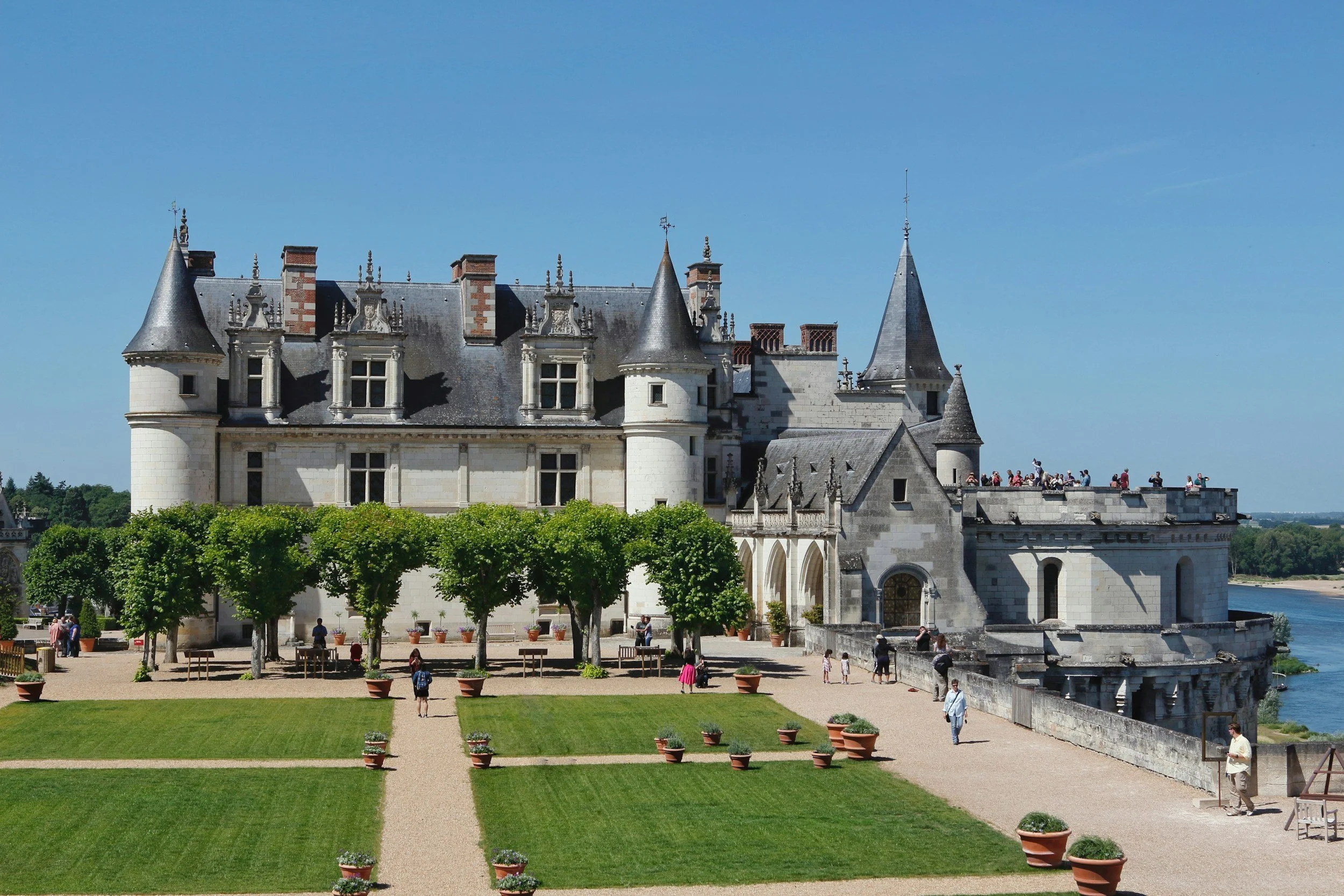
Loches is one of those places that doesn’t look like much on the map when you’re planning, and then once you’re there, you realise it’s exactly what you wanted instead of the more obvious stops. It sits about an hour south of Tours, still in the Loire Valley but slightly away from the river, and that small distance is enough to change the feel completely.
If you’re staying in Tours, you’ll usually take a morning train from Gare de Tours, often just before 09:00, and arrive in Loches around 10:00. It’s not a line with constant departures, so it’s worth checking the return time the evening before so you’re not thinking about it while you’re there. The station itself is quiet, and from there you walk into town in about ten minutes. You’ll pass through a few residential streets first, then the buildings start to feel older, and without needing to check a map, you’ll end up right where the market is, around Place des Cordeliers.
This is also a good example of why French towns worth staying 3–5 nights can be useful when deciding whether a town is just a day trip or a proper base.
Loches doesn’t hit you all at once like Amboise does. There’s no single big stretch where everything is lined up. Instead, it spreads out a bit. You start in the square with vegetables and flowers, then turn into a smaller street where there are cheese stalls, bread, maybe a stand selling roast chicken, and then it continues again somewhere else. It feels more like something you move through slowly rather than something you walk from one end to the other.
You’ll notice pretty quickly that people aren’t rushing. There’s more stopping, more chatting, more people who clearly do this every week. The produce reflects that as well. You’ll see chèvre from nearby farms in different shapes and sizes, asparagus stacked up in bunches, strawberries once they’re in season, jars of honey, fresh bread, and then mixed in between, everyday things that locals actually come to buy. It’s not styled or curated, which makes it easier to relax into.
It’s worth doing a full walk first without buying anything. Just see what’s there. Then go back and pick up what you want. The smaller cheese stalls, especially the ones slightly away from the busiest part of the square, are usually the most interesting. Bread is easy to find, and once you have a few things, you don’t really need to think about lunch yet.
After a while, you’ll start drifting out of the market without deciding to. Streets like Rue Picois pull you away from the centre, and if you keep walking, you’ll notice the town slowly rising toward the upper medieval part. You don’t have to go all the way up to the château, but even a short walk in that direction changes the pace completely. It’s quieter, less crowded, and gives you a bit of space after the market.
If you want to sit down, it’s better not to stay right on Place des Cordeliers. It gets busy there, especially around late morning. Walk a few minutes away instead and you’ll find cafés where you can actually sit without waiting. Pâtisserie Brémaud is a good stop if you feel like something sweet, and there are a couple of smaller places nearby where you can have a coffee without feeling like you need to leave straight away.
Loches isn’t the kind of place you squeeze in between two other stops. It works better when it’s the only plan for the morning. Take the early train, stay a bit longer than you think you need to, and head back when you’re ready instead of watching the clock.
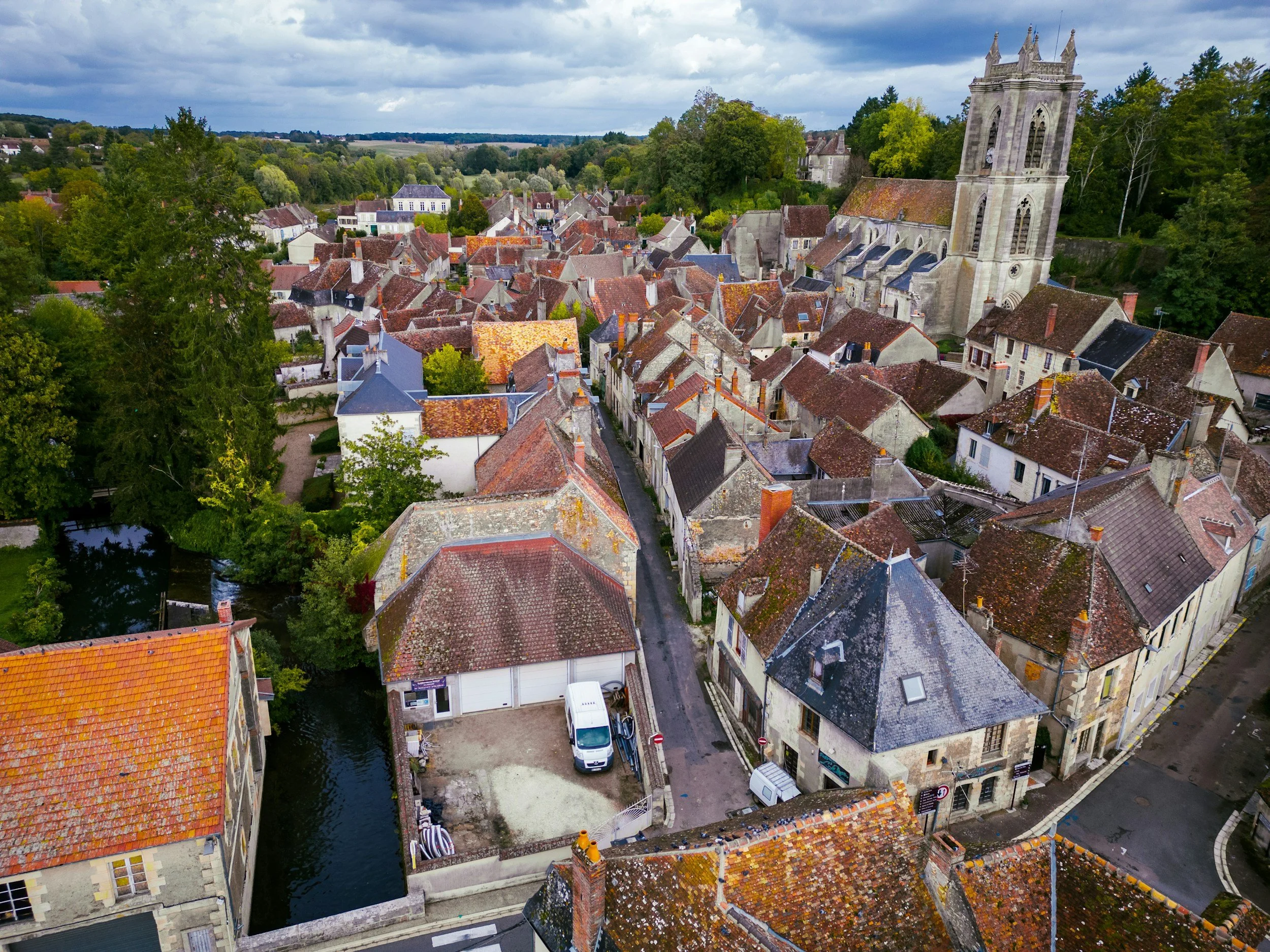
Chinon on Thursday when the market fills the old town
Chinon only really makes sense once you see it on a Thursday morning. On any other day, you might walk through the old streets, head toward the fortress, maybe stop briefly by the river, and then move on. Nothing is wrong with it, but it doesn’t quite hold you. Come back on a Thursday and walk in from the station just after 9, and the town feels completely different.
From Tours, you’ll usually catch a train around 08:30 or a little after, and by the time you arrive and cross the bridge over the Vienne, the market is already set up. The walk into town is simple. You follow the road ahead, and it naturally brings you onto Rue Voltaire, which is where everything starts to unfold. There’s no big entrance or main square that announces it. You just notice that the street is full, stalls on both sides, people moving slowly, stopping, talking.
Rue Voltaire pulls you along without needing to think about direction. You pass vegetables first, then fruit, then bread, cheese, flowers, and somewhere along the way it opens out slightly toward Place Jeanne d’Arc. It’s not a straight, tidy layout, which is part of why it works. You’re not just walking a line from one end to the other. You stop, step aside, turn back, notice something you missed.
What stands out here is how connected it feels to the area around it. You’ll also see more wine connected to the area, small producers, bottles from nearby vineyards, which makes sense given how close you are to the Chinon wine region. It’s not a place where you taste everything, but it adds another layer to the market.
The best way to do it is to walk the full stretch once, without stopping too much, just to see how it’s laid out. Then you can turn back and pick up what you actually want. The middle section near Place Jeanne d’Arc tends to be the busiest, so if you want something more relaxed, step slightly back along Rue Voltaire or into one of the side streets.
You don’t need to look far. Café de la Ville sits right there, and it’s one of those places where you can take a table without planning ahead. You’ll notice most people aren’t in a hurry. Coffee turns into a longer stop, and the morning stretches without you doing anything to make it happen.
If you feel like walking afterwards, you don’t need to go far. A short walk along the Vienne gives you space after the market, or you can head up toward the fortress if you want a bit more of a view over the town. The streets between the river and the upper town are quieter once you leave the main market area, which makes it easy to slow things down again.
Chinon works best when you build the morning around Thursday and don’t try to squeeze it in between other places. It’s not the easiest town to reach compared to Amboise, but once you arrive at the right time, it’s one of the places where the market actually changes how you experience it.
Hôtel Diderot is a good option if you want to stay overnight, because it feels more personal than a standard chain stay and is very connected to the town. The hotel serves breakfast with local Touraine products and makes more than 50 varieties of jam (!) with breakfast served in the breakfast room or on the terraces when the weather is fine. For a market-focused stay, that kind of breakfast detail is what we really love.
If the wine side of the Loire stood out, this weekend in Vongnes and the Bugey vineyards leans into that a bit more, smaller producers, quiet tasting rooms, and places you don’t need to book weeks in advance.
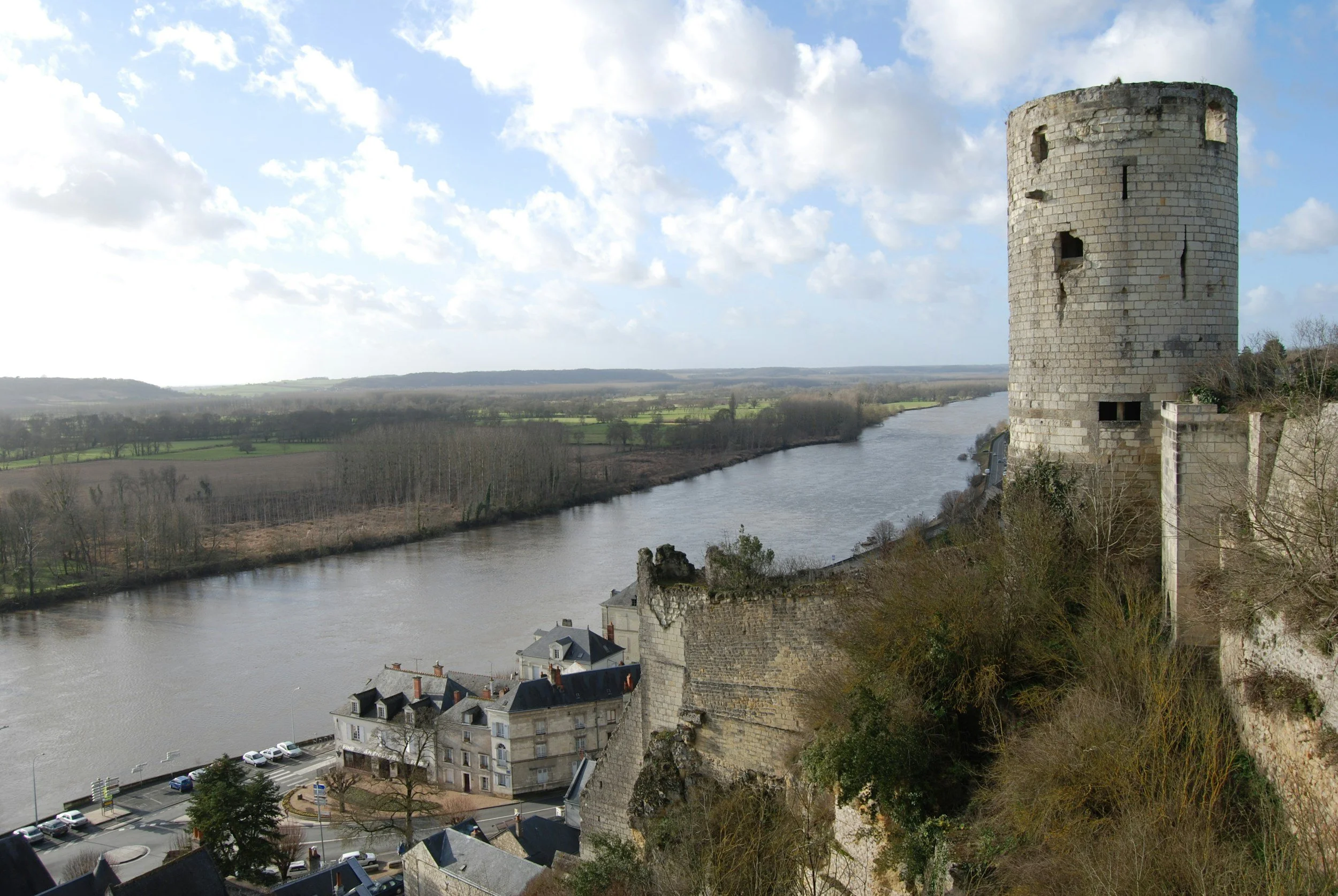
Saumur on Saturday for markets with antiques and brocante
Saumur is one of those places that feels easier the second you arrive. You step off at Gare de Saumur, walk toward the centre, and instead of everything being packed tightly together, it opens up a bit. The Loire is right there, the streets feel wider, and on a Saturday morning you can tell something is happening before you even reach the market.
If you’re coming from Tours, take one of the early trains, usually just after 08:00, so you’re in Saumur around 09:15. The walk into town takes about 15–20 minutes, and it’s worth not rushing it. You can follow the river for part of the way, then cut in toward Place Saint-Pierre where the market starts to build. You’ll see the first stalls appear along the streets before you even reach the square, people carrying bags, stopping, turning back, moving between stands without any real direction.
The market itself isn’t one neat block. It spreads out through Place Saint-Pierre and into the surrounding streets, which makes it easier to move through without feeling stuck. You’ll pass vegetables, fruit, bread, cheese, flowers, but then you start noticing something else mixed in. A table with old kitchen tools, another with books, small decorative pieces, bits of furniture. It’s not a full brocante, but there’s enough of it to change how you move. You stop more and look longer. You don’t just walk through and leave.
If you’re interested in that side of it, don’t stay only in the busiest part of the square. Walk a little further out, into streets just off Place Saint-Pierre, and you’ll find more of those second-hand and antique-style stalls tucked between everything else. Some of the better ones aren’t in the middle where everyone passes through, they’re just slightly to the side where you have space to actually look.
Food is easy to sort out here without thinking too much about it. You’ll pass plenty of bread stalls, several good cheese stands, and usually a few places selling things you can eat straight away, like roast chicken or simple prepared dishes. It makes more sense to pick up a few things as you walk, then find somewhere quieter to sit, rather than heading straight for a busy café in the middle of the market.
Once you step away from the market, the town keeps going in a way that not all Loire towns do. That’s what makes Saumur different. You can walk into Rue Saint-Nicolas and suddenly it feels quieter, smaller shops, fewer people, easier to slow down. Or head back toward the Loire, where the space opens up again and you can just sit for a while without feeling like you need to order anything.
If you want somewhere to stop, La Maison du Vin is an easy one. That’s a good place to go in, try something local, and move on when you feel like it. There are also smaller cafés scattered around the centre where you won’t have to wait for a table if you step slightly away from the main square.
The main thing with Saumur is not treating it like a quick stop. It’s tempting to think you’ll do the market, then head somewhere else, maybe Montsoreau or Fontevraud. You can, but it usually works better if you don’t rush it. The market leads into the rest of the town quite naturally, and before you realise it, most of the day has gone without you needing to plan anything else.
Accommodation-wise, Saumur has several classic town hotels, but the more interesting option for a slightly different stay is Fontevraud L’Ermitage, especially if you have a car or are building the trip around the western Loire. It is a four-star hotel located within the Royal Abbey of Fontevraud, between Touraine and Anjou, and it works well if you want a quieter stay after market mornings in Saumur or Montsoreau. It is not the most practical choice if you want to walk straight to Saumur market, but it is strong for a two-night stay with more space around the evenings.
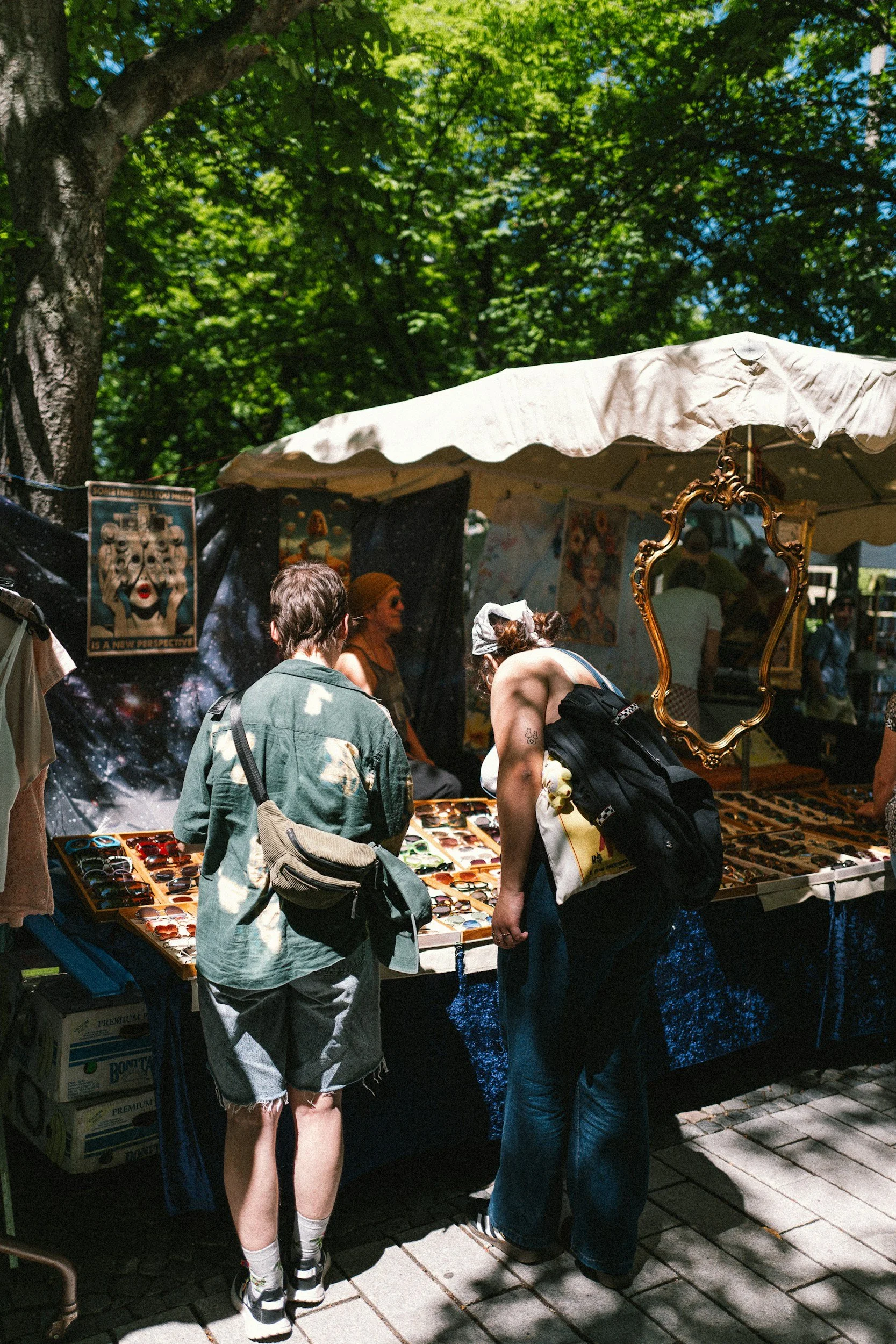
If brocante and vintage browsing are part of the reason you travel, you could also enjoy the travel guides with European towns with antique markets or flea markets to visit this spring for more market-led trip ideas across Europe.
Langeais if you want a smaller market stop between bigger towns
Langeais usually ends up as a “maybe” when you’re planning. It sits between Tours and Saumur, it has a château, there’s a Sunday market… but it doesn’t immediately stand out next to places like Amboise. Then you get there on a Sunday morning and realise it’s actually one of the easiest stops to enjoy.
The train from Tours takes about 25 minutes, and once you step off, there’s not much to figure out. You walk straight ahead, pass a few quiet streets, and within few minutes, the château is right in front of you, and the market is already set up around Place de l’Europe and the covered hall next to it.
A few produce stalls first, then bread laid out in rows, a couple of cheese stands, flowers, and then bits of everything else mixed in. It doesn’t stretch far, which means you don’t feel like you have to keep moving. You can stop, look properly, move on, then come back again without losing track of anything.
And that’s really the difference here. No pressure to “cover” the market. No sense that you’re missing something if you don’t walk every corner. You’ll probably pick up a few things without thinking too much about it. Bread, cheese, maybe fruit if it’s in season. That’s usually enough. There’s no real reason to look for a full meal straight away.
At some point, you just drift out of the square. It happens without deciding to leave. One street over, and it’s already quieter. Walk a bit toward Rue Gambetta and you’ll notice how quickly the pace drops, especially on a Sunday when parts of it are pedestrian. It’s a nice contrast after the market, without needing to plan anything.
That’s usually when sitting down makes sense. Not right in the middle of everything, but a little further out where you can take a break without waiting for a table. There are a few small cafés where you can sit with a coffee and not feel like you need to leave after ten minutes.
Between the busier towns in the Loire Valley, it’s the kind of place that gives you a bit of breathing room without feeling like you’ve gone somewhere too quiet.
For accommodation, Langeais itself is more limited than Amboise, Tours or Saumur, so it often makes more sense to stay nearby rather than forcing the overnight. A small chambre d’hôtes in the area can work well if you have a car, but for most visitors, Tours or Azay-le-Rideau will be more practical.
Montsoreau for a slower market stop right by the Loire
Montsoreau only really makes sense once you stop expecting it to behave like the other market towns in the Loire Valley. It’s smaller, quieter, and if you arrive thinking it’s going to feel like Amboise or even Saumur, you’ll walk through it in twenty minutes and wonder if you missed something.
You didn’t. It just works differently.
Getting there already changes the pace a bit. From Saumur, it’s only about a 15-minute drive, and if you’re cycling along the Loire à Vélo route, it’s one of the nicer stretches with the river always close by. If you’re coming from Tours without a car, you’ll usually take the train to Saumur first and then continue by taxi or bike, which adds an extra step most people won’t bother with. You come along Quai Philippe de Commynes, the château right there in front of you, and the stalls are already set up along the edge of the river. That’s part of why Montsoreau stays as calm as it does, even in late spring.
When you reach the village, there isn’t a clear “arrival point” for the market. You walk along Quai Philippe de Commynes, with the château right there facing the Loire, and the stalls appear gradually rather than all at once.
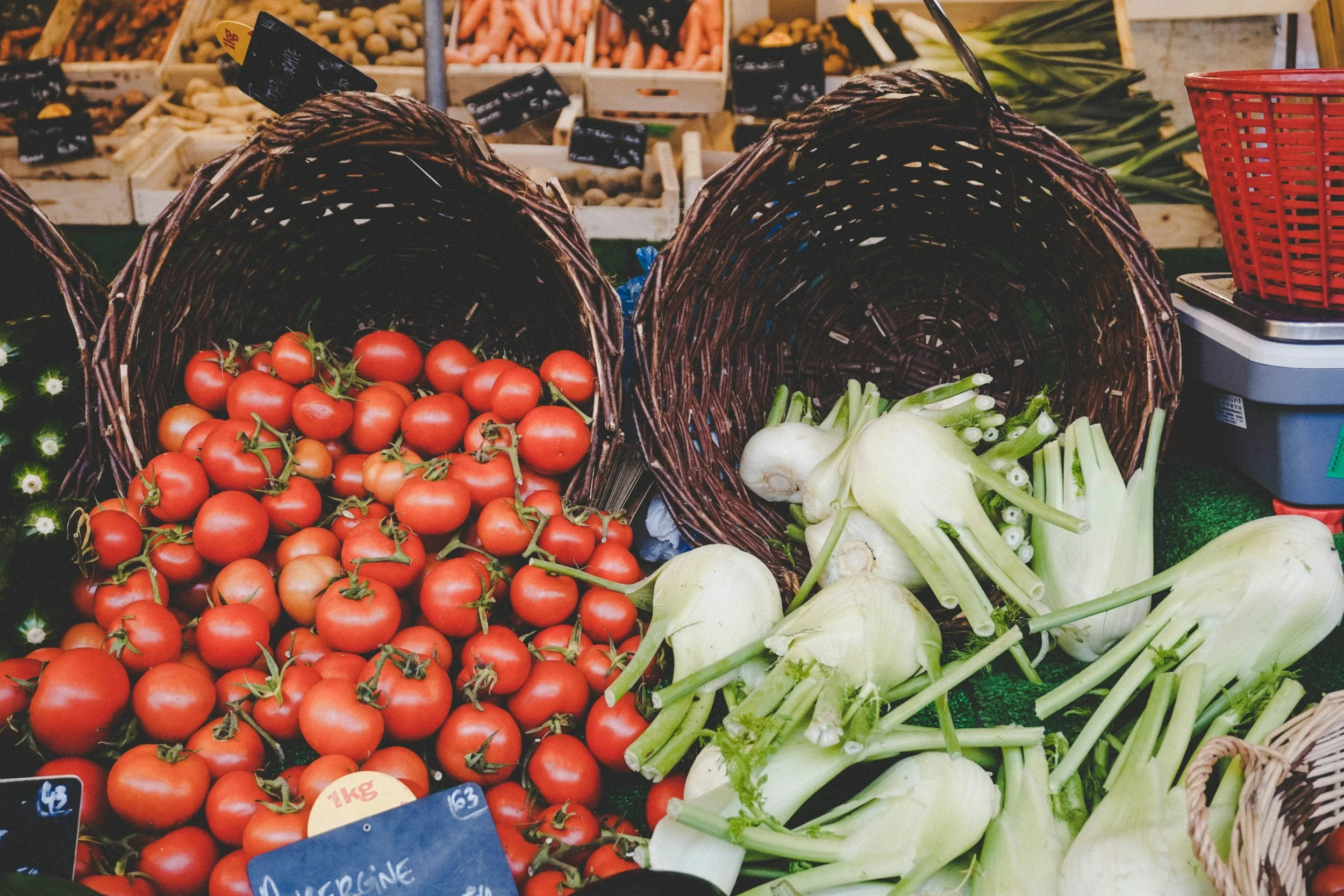
A vegetable stall, then a gap, then chèvre from a local producer, then bread, then a small table with honey or preserves. You’re never surrounded by it, which is what changes the experience. You can step in and out of it at any point. Walk down to the water, stand there for a bit, then come back without feeling like you’ve “left” the market.
If you arrive early, before 9:30, it can feel almost too quiet. A few stalls open, a handful of people walking through, not much movement yet. It starts to feel right a bit later, around 10:00, when more locals arrive and the space fills in slightly without ever becoming crowded.
The selection is smaller, but it’s not random. You’ll usually find a few strong produce stalls, chèvre from nearby farms, bread that people are actually queueing for, and a couple of simple ready-made options. It’s enough to put something together without needing a plan, but not the kind of place where you compare ten different vendors.
That’s why it works better if you don’t treat it like a “shopping” market.
Most people here aren’t moving quickly. They stop, talk, stand by the river with something they’ve just bought. You’ll notice people sitting on the low stone edges along the Loire, or just leaning against the railing looking out over the water. The market blends into that, instead of being the main event.
If you happen to be there on the second Sunday of the month, the brocante adds more depth. You’ll see tables with books, small antiques, old kitchen items, things laid out along the same stretch. It still doesn’t feel busy, but it gives you more reason to slow down and look properly. Thers is real opportunity to find unique design pieces here, and local handicraft.
And that’s exactly why it stays the way it is.
Montsoreau isn’t where you plan a full market day. It’s where you go when you already have time, when you’re staying nearby, or when you want a slower morning without needing much structure. Stay for an hour or two, let it stretch a bit, then move on when it feels right.
Fontevraud L’Ermitage is again useful here because it gives you a quiet base near Montsoreau without needing to stay directly in the village. For something more local, look at small guesthouses between Saumur, Montsoreau and Candes-Saint-Martin, but confirm parking and restaurant access before booking. Some beautiful stays in this area are not practical if you dislike driving at night or want to walk to dinner.
Villandry area if you want to combine markets and gardens in one day
Villandry usually ends up on the list because of the gardens. You see photos of the patterned vegetable beds, the neat lines, everything perfectly arranged, and it feels like something you shouldn’t miss. But if you go there first thing in the morning, especially on a weekend, it can feel busy quite quickly. That’s why it works better when it’s not the starting point of your day.
If you’re based in Tours, this part of the Loire Valley is easy to reach, especially if you have a car or a bike. Villandry sits about 20–25 minutes west of Tours, just off the Loire, and the drive itself is straightforward. If you don’t have a car, you can still get there, but it takes a bit more effort. Most people take the train from Tours to Savonnières, which is only about 15 minutes, and then either walk or cycle the last stretch. It’s not complicated, just something to think about in advance so you’re not figuring it out on the day.
The easier way to approach this area is to start somewhere else first. Azay-le-Rideau is the one that makes the most sense. It’s about 15 minutes from Villandry by car, and the market there runs on Wednesday and Saturday mornings around Place de la République, with stalls spilling into the nearby streets close to the château.
Arrive there around 09:00 and the market is already going, but it still feels manageable. You can walk through without stopping every few seconds, and you’ll notice the mix straight away. Fresh vegetables, bunches of asparagus in spring, chèvre from nearby farms, bread, flowers, and then a few stalls selling things you can eat straight away. It’s not overwhelming, but it’s enough to keep you there for a while.
The nice thing about Azay-le-Rideau is how easy it is to extend the morning without planning anything. You walk through the market, then naturally drift toward the château, which sits right by the water. The streets around Rue Nationale and Place de l’Église are small, easy to walk, and you don’t need to think about where you’re going. If you feel like sitting down, just step slightly away from the main square and you’ll find somewhere quieter.
By the time you leave Azay-le-Rideau, you’ve already had a full morning without rushing, which makes Villandry feel like a different part of the day…. When you arrive at Villandry, the change is big. It’s more structured, more organised, and usually busier, especially around the entrance and the lower garden terraces. That’s why going later works better. You’re not stepping straight into the busiest moment of the day.
Once you’re inside, it’s worth moving past the first viewpoints fairly quickly. Most people stop there, so it gets crowded. If you keep walking, the gardens open up more than you expect. The ornamental kitchen garden is the part everyone knows, but further out, especially near the water garden or the shaded sections, it becomes much easier to slow down and walk at your own pace.
If you’re cycling, this whole area connects nicely. The Loire à Vélo route runs close by, and you can move between Azay-le-Rideau, Villandry, and even Langeais without needing to drive. It’s one of the few places in the Loire where combining stops in one day actually feels manageable without becoming stressful.
Langeais can also fit into this plan, especially on a Sunday. It’s not right next to Villandry, but it’s close enough if you’re driving. You could start with the Sunday market around Place de l’Europe, spend a relaxed morning there, and then head toward Villandry later. It’s a slightly different version of the same idea, starting with something calm before moving into something more visited.
The main thing here is not trying to do too much. It’s very easy to look at the map and think you can add another château or another village because everything is close. In reality, one market and one main visit is enough. Anything more and the day starts to feel rushed.
If you want a fuller countryside route, mindful travel in the French countryside can be worth a read.
Loire Valley market towns you can visit without a car
Doing the Loire Valley without a car works, but only if you plan around how the mornings actually play out, not just which towns are connected by train.
The easiest mistake is assuming that “train access” automatically means a smooth day. It doesn’t. What matters is when that train arrives and how far you are from the market once you get off.
Take Amboise. The station is on the opposite side of the Loire, so even though the journey from Tours is short, you still need to walk about 15 minutes across the bridge to reach Quai du Général de Gaulle. If you arrive just before 09:00, it feels easy and calm. If you arrive closer to 11:00, you’re stepping straight into the busiest part of the market and missing the quieter stretch that makes it enjoyable.
Loches is another good example. It’s fully reachable by train from Tours, but the timetable is less forgiving. You don’t have trains every hour, and the return options are more limited. That means you can’t treat it like a flexible day. You go, you stay for a few hours, and you work around the train rather than the other way around. The walk from the station into town is simple, around 10 minutes, but once you’re there, it’s one of the easier places to spend a full morning without needing to move around much.
Chinon works well without a car, but only on the right day. On Thursdays, you arrive, cross the bridge over the Vienne, and walk straight into the market along Rue Voltaire. Everything is close together, and you don’t need transport once you’re in town. On other days, the same setup can feel too quiet if you’ve made the effort to get there.
Saumur is where people often underestimate the distance. It’s about an hour from Tours, and while the train is straightforward, it’s not the kind of place that works best as a rushed return trip. From the station, you still have a 15–20 minute walk into the centre, passing along the Loire or through streets leading toward Place Saint-Pierre. Once you’re there, it’s easy to stay, but the timing back to Tours matters more than people expect.
The bigger shift, though, is understanding what doesn’t work well without a car.
Places like Montsoreau or Villandry look close to Saumur or Tours, but they don’t sit on the same direct train lines. Getting there usually means combining train with taxi, bike, or a longer walk, and that changes the day completely. It’s doable, but it’s not something you want to figure out on the spot, especially if your day already depends on a market that only runs for a few hours.
That’s why the simplest approach works best.
Stay in Tours. Pick one town per day. Choose the day based on the market, not the destination. Take an early train so you arrive before things get busy. And once you’re there, don’t try to add another stop just because it looks close on the map.
That’s what makes the difference between a day that feels easy and one that feels slightly off without you quite knowing why.
Where to stay if market mornings are the priority
If market mornings are the priority, location matters more than hotel facilities. A beautiful stay outside town can become annoying if you have to drive, park and navigate before breakfast every market day. For Amboise, staying in the centre is worth it. For Chinon, choose somewhere close enough to walk to Place Jeanne d’Arc. For Saumur, staying in or near the centre makes the Saturday market easier, unless you are deliberately choosing a quieter countryside or abbey stay nearby.
Tours is the practical base, especially if this is your first Loire Valley trip without a car. It gives you better rail options and more evening choices. It is not the most intimate base, but it keeps the trip flexible. Amboise is better if you want a smaller town and a strong Sunday market. Chinon is better for wine, old streets and a slower two-night stay. Saumur is better for brocante, the western Loire and a more rounded weekend.
For those who like boutique-style stays but do not need luxury in the obvious sense, Le Manoir Saint Thomas in Amboise, Hôtel Diderot in Chinon and Fontevraud L’Ermitage near Saumur are the three that fit this route best. They are not interchangeable. Amboise is for convenience and château access. Chinon is for character and a more personal town stay. Fontevraud is for a quieter base near the western Loire, especially if you have a car.
And if what you’re really after is that feeling of slower days built around simple routines, this countryside weekend with markets and walks is a good one to read next, especially if you’re trying to figure out how to structure a trip like this without overfilling it.
What you’ll actually find at Loire Valley markets in spring
If you’ve been to markets in the south of France, the Loire Valley feels a bit different. It’s less about big displays and more about what’s actually in season right now. In spring, that becomes very clear, because you start seeing the same products appear across different towns, just in slightly different forms depending on where you are.
Start with the produce stalls, because they’re usually the first ones you walk into. In April, it’s still quite simple. You’ll see white asparagus stacked in tight bundles, often slightly muddy at the base, which is a good sign it hasn’t travelled far. In places like Loches, especially around Place des Cordeliers, you’ll often find smaller growers selling directly, and the quantities are limited. If something looks good, it’s worth buying it then rather than assuming you’ll find a better version further along.
By May, strawberries start appearing more regularly, but not in large displays. In Amboise, along Quai du Général de Gaulle, you’ll notice they’re usually sold in small trays, often kept slightly behind the main produce rather than piled high. People tend to buy one tray, maybe two, and carry them with them rather than saving them for later. The quality is good, but it’s not uniform across stalls, so it’s worth taking a second to look before choosing.
Cheese is one of the easier things to navigate once you understand the region. This part of the Loire Valley is known for goat cheese, and you’ll see it in different stages, fresh, soft rounds, slightly firmer logs, and more aged versions with a stronger smell. In Chinon, especially along Rue Voltaire on a Thursday, you’ll often find stalls that specialise in just a few types rather than offering everything. Those are usually the ones worth stopping at. If a stall has too much variety, it’s often reselling rather than producing.
Bread is everywhere, but it’s not all equal. The better stands are easy to spot because people are already waiting, even early in the morning. In Saumur, around Place Saint-Pierre, you’ll often see one or two stalls with a small line forming while others are quiet. That’s usually enough of a signal. By late morning, especially on Saturdays, some breads will already be sold out, so if you want something specific, it’s better not to leave it until the end.
Flowers are part of almost every market here, but they’re not presented as a feature. You’ll find them placed at the edges of stalls or in between produce, usually simple seasonal bunches. In Langeais, near Place de l’Europe, you’ll often see people picking them up alongside food rather than as a separate stop. It’s a small detail, but it changes the feel of the market.
Then there are the stalls that aren’t food at all. Clothes, kitchen items, small household things. In Saumur, these tend to appear more frequently, especially in the streets just off the main square, and they break up the flow of the market in a useful way. You’re not just moving from one food stall to another, which makes it easier to slow down.
Prepared food is there, but it’s usually limited to a few reliable options. A rotisserie stand with chicken and potatoes is common, and you’ll sometimes find simple dishes like quiche or paella-style trays. In Amboise, these are often placed toward one end of the market rather than in the centre, so if you don’t see them straight away, it’s worth walking a bit further.
One thing that becomes clear quite quickly is that these markets aren’t designed to be visually impressive. Some days they feel full, other days more limited, especially earlier in the season or in smaller towns like Montsoreau. That’s normal. The selection reflects what’s available that week, not what looks best.
If you go to more than one market during your trip, you’ll start recognising that similar products show up - but the way they’re presented, and the way people move through the market, changes from place to place. That’s what makes it worth visiting more than one instead of treating them all the same.
If you’re planning market-led travel beyond the Loire, authentic weekly markets in southern France is a good next step because it keeps the focus on markets worth arranging a trip around. France is full of wonderful market towns to visit…
What to look for at Loire Valley markets in spring (and what’s actually worth stopping for)
Once you’ve been to a couple of markets in this part of the Loire Valley, you start recognising what belongs here and what doesn’t. The region around Tours, Chinon and Saumur has its own rhythm to it, and in spring especially, the stalls reflect what’s coming out of the surrounding countryside right then, not what looks good on display.
One of the clearest signs you’re in the Loire is the goat cheese. You’ll see it everywhere, but the names start repeating once you pay attention. Sainte-Maure-de-Touraine is the one that shows up most often, usually in a long log shape with a straw running through the middle. You’ll find it at markets in Amboise, Loches and Chinon, sometimes cut into smaller pieces, sometimes sold whole. In smaller markets like Loches, the person selling it is often the one who made it, and they’ll usually tell you how fresh it is if you ask. Valençay appears as well, in that slightly pyramid shape with a darker rind, and it’s another good indicator you’re looking at something local rather than brought in.
White asparagus is another thing that really belongs to spring here. Around the Loire, especially near Saumur and further west toward Anjou, it’s grown in sandy soil, which is why you’ll often see it slightly dusty at the base. It’s usually sold in tight bundles, and you won’t find endless variations. One or two stalls will have it, and that’s it. In markets like Chinon or Saumur, it’s often placed toward the front of the stall because it’s one of the main seasonal products.
Strawberries come a bit later, and when they do, they’re usually from the Loire Valley itself rather than transported from further south. In Amboise or Tours markets, you might see small signs mentioning places like Sologne or areas just outside the valley. They’re not stacked high, just a few trays, often handled carefully because they don’t last long in the heat. People buy them to eat that day, not to take away.
If you look at the wine stalls, you’ll start seeing how each town connects to what’s grown nearby. In Chinon, you’ll find bottles of Cabernet Franc from vineyards just outside the town. In Saumur, it shifts more toward Saumur-Champigny and sparkling wines from the surrounding area. You won’t always see formal tastings set up, but the bottles are there, and the labels are usually from producers within a short distance rather than big names.
Bread is tied to local bakeries rather than travelling stalls, and you’ll often see the same names repeated if you visit more than one market. In Amboise, Maison Bigot appears not just in the shop but sometimes through market presence, and in smaller towns, you’ll see bakeries bringing a limited selection rather than a full range. By mid-morning, the better loaves are often gone, especially on weekends.
There are also smaller details that are easy to miss but very specific to the region. Rillettes from Tours show up at certain stalls, usually in simple containers rather than anything dressed up. Mushrooms can appear in spring depending on the weather, often from nearby forested areas. Honey tends to be local, with sellers mentioning nearby villages rather than wider regions.
Even the non-food stalls feel tied to the area. In Saumur, you might come across second-hand items linked to local households, old kitchenware, books, small decorative objects, mixed in with the market rather than separated out. In Langeais or smaller towns, these stalls sit quietly at the edges rather than being part of a larger brocante setup.
What makes these markets feel specific to the Loire Valley is that nothing is “overextended”. You won’t find endless choice, and not every stall will have something you want. But what is there usually comes from close by, and once you recognise a few names, Sainte-Maure, Valençay, Chinon wines, it becomes much easier to understand what you’re looking at.
FAQ: Loire Valley markets in spring
Which market towns in the Loire Valley are actually worth planning around?
Amboise (Sunday), Loches (Wednesday or Saturday), Chinon (Thursday) and Saumur (Saturday) are the only ones where the market shapes the morning. Other towns may have markets, but they don’t change the experience in the same way.
What is the best Sunday market near Tours, France?
Amboise is the strongest option. The market runs along Quai du Général de Gaulle by the Loire and is easy to reach by train in about 20 minutes from Tours. Langeais is a quieter alternative, about 25 minutes away, with a smaller market near Place de l’Europe.
Is Amboise market worth visiting if you’re already in Tours?
Yes, but only on Sunday morning. On other days, the town can feel quiet. On Sundays, the market along the river gives the town structure and makes it worth the trip.
Which Loire Valley markets can you visit without a car?
Amboise, Chinon, Loches and Saumur are all reachable by train from Tours. The key is choosing the right day and arriving early. Markets in places like Montsoreau or Villandry are much harder to reach without a car and usually not worth the effort for a short visit.
What time should you arrive at a Loire Valley market?
Between 09:00 and 10:00 works best. Before 09:00, smaller markets can feel quiet. After 11:00, places like Amboise become crowded and some of the best produce is already gone.
Is Loches market worth the trip from Tours?
Yes, especially on Wednesday or Saturday mornings. It takes about an hour by train, but the market around Place des Cordeliers is one of the most local-feeling in the Loire Valley and easier to spend time in than Amboise.
Which Loire Valley market is best for a quieter experience?
Loches midweek and Montsoreau on Sundays are the calmest options. Langeais is also quieter than Amboise and easier to manage without crowds.
What food is typical at Loire Valley markets in spring?
You’ll mainly find goat cheese like Sainte-Maure-de-Touraine, white asparagus, strawberries from May, fresh bread, local honey, and simple prepared food like rotisserie chicken. In Saumur, you’ll also find antiques and brocante-style stalls mixed into the market.
Is Saumur market worth visiting or better for an overnight stay?
Saumur works best as an overnight stay. The Saturday market around Place Saint-Pierre is strong, but the town also has enough cafés, wine bars and shops to fill the rest of the day without needing to leave.
Can you visit multiple Loire Valley markets in one day?
It’s not recommended. Markets run mainly in the morning, and trying to combine towns usually means arriving too late to enjoy them properly. One market per day works much better.
Are Loire Valley markets open year-round or only in spring?
Most markets run year-round, but spring (April to early June) is when they start to feel more active, with better produce and more consistent stallholders.
What’s the biggest mistake when planning Loire Valley markets?
Choosing towns based on distance instead of market days. A nearby town on the wrong day can feel empty, while a slightly further town on the right day feels worth the trip.
Which Loire Valley market is best for goat cheese like Sainte-Maure-de-Touraine?
Loches and Chinon are the strongest for goat cheese from local producers. In Loches, around Place des Cordeliers, you’ll often find smaller stands selling directly from nearby farms. In Chinon, especially along Rue Voltaire on Thursdays, some stalls focus on just a few types of chèvre rather than offering a wide mix, which is usually a better sign of quality.
Is Villandry worth visiting on a market day?
Villandry itself doesn’t have a strong market, so it works better paired with a nearby town like Azay-le-Rideau (Wednesday or Saturday market). Starting the morning in Azay-le-Rideau and then heading to Villandry later in the day makes the visit feel more balanced.
Which Loire Valley market has antiques or brocante stalls?
Saumur on Saturdays is the most reliable for a mix of food and brocante-style stalls, especially in the streets around Place Saint-Pierre. Montsoreau also has a brocante on the second Sunday of each month, set along the Loire, but it’s smaller and more spread out.
What is the easiest Loire Valley market to visit by train from Tours?
Amboise is the easiest. The train takes about 20 minutes, and once you arrive, it’s a 15-minute walk across the bridge to the market along Quai du Général de Gaulle. Everything is close together, which makes it simple for a half-day trip.
Which Loire Valley market feels the most local and least touristy?
Loches midweek (Wednesday) is one of the most local-feeling markets. It’s slightly further from the main Loire route, and the market spreads through several streets rather than one main square, which makes it feel less crowded and more connected to daily life.
Can you cycle between Loire Valley market towns?
Yes, especially between Tours, Villandry, Langeais and Saumur using the Loire à Vélo route. The terrain is flat and well signposted, and in spring it’s one of the easiest ways to move between towns without needing a car.
Which Loire Valley market is best if you only have one morning?
Amboise on a Sunday is the safest choice. It’s easy to reach from Tours, the market is large enough to feel complete, and everything sits close together along the river.