
Skip another day in Paris. Take one of these trains instead
Paris is great, but it can wear you out faster than you expect.
By late morning, the pavements are already full, cafés along the main streets have people waiting for tables, and even short distances start taking longer than they should. You spend more time navigating than actually enjoying where you are.
That’s usually when it makes sense to leave for a day.
From Gare de Lyon, Gare Saint-Lazare or Gare du Nord, you can be in a completely different setting in under an hour. Towns where you step out of the station and everything slows down straight away. Fewer people, no noise following you around, and no need to plan what to do next.
In places like Provins or Senlis, you walk a few streets and already know where you are. A main square, a couple of cafés, maybe a small market, and streets that stay quiet even in the afternoon. You can sit down without waiting, walk without adjusting your pace, and spend a few hours without feeling like you should be somewhere else.
Some of these towns are built around old centres with narrow streets and stone houses. Others open out towards rivers or forest edges where you can walk for a while without seeing many people. The common thread is that they’re easy. You arrive, walk, sit down somewhere, and the day sorts itself out.
Everything in this guide is within easy reach of Paris by train, so you don’t need to overthink it. Pick one, go for the day, and come back in the evening feeling like you’ve had a break from the city, not just moved around inside it.
For something even quieter than these towns, Montolieu is the kind of place where you don’t plan much at all once you arrive.
And if you’re at the stage where you’re actively trying to avoid the obvious choices, this guide to alternatives to Paris is a good next step. But keep reading for these towns that are ideal for day trips from Paris - they are all worth a visit.
Chartres: An Easy Day Trip from Paris That Slows Everything Down
Chartres is an ideal destination for a quiet day trip or an overnight escape from Paris, and it’s one of the easiest to reach.
Trains leave regularly from Gare Montparnasse, and the journey takes just under an hour. When you arrive, the station sits right on the edge of town, so you can walk straight into the centre without thinking about transport. Within ten minutes, you’ll see the towers of Chartres Cathedral rising above the rooftops, and from there, everything starts to make sense.
It’s known for its cathedral, of course, but the beauty of being here is how quickly the town itself takes over. Streets loop around the cathedral and slope down towards the lower town, and once you leave the main square, it starts to feel lived-in rather than visited.
The medieval streets that wrap around the cathedral are a pleasure to wander, especially once you move slightly downhill towards Rue des Écuyers and Rue du Soleil d’Or. Cobbled lanes lead past half-timbered houses that lean slightly with age, their wooden beams worn and uneven. Some doors are open, and you can see straight into courtyards or small shop interiors. Independent shops are scattered throughout - bakeries where people are picking up bread for lunch, small boutiques with ceramics or linen displayed in the window. Nothing feels staged, and that’s what makes it work.
The cafés here are easy to settle into. Around Place Billard, you’ll find a few that people return to throughout the day, not just pass through. You can sit outside with a coffee, order something small, and stay longer than you planned without anyone rushing you. On market days (Tuesday, Thursday and Saturday mornings), the square fills with stalls (vegetables, flowers, cheese) and it feels like something that happens whether you’re there or not.
Chartres also gives you space without needing to look for it. Just behind the cathedral, the Jardins de l’Évêché open out with paths, benches, and views down towards the river. If you keep walking, you’ll reach the Eure, where quieter paths run along the water below the old town. It’s an easy shift, as one minute you’re in the centre, the next you’re walking along the river with hardly anyone around.
And then there’s the light in the evening.
Between April and October, Chartres en Lumières runs across the town, with soft projections on the cathedral and surrounding buildings. It’s not something you queue for or plan your evening around. You just walk, turn a corner, and notice it. The streets stay quiet, and the light adds to that rather than changing it.
This is also when it makes sense to stay overnight.
By late afternoon, most people head back to Paris, and the centre becomes noticeably calmer. Walking back through the same streets you saw earlier in the day, but with fewer people and softer light, feels completely different. In the morning, before cafés fully open, it’s quieter again. A few locals out, someone heading into a boulangerie on Rue du Bois Merrain, not much else.
It’s not a place where you need a long list of things to do. One day is enough to see it, but staying overnight is what makes it feel like more than just a stop.
If Chartres already feels like a good idea, it’s even more interesting outside peak season - Chartres in winter shows what the town is like when it’s quieter and the cathedral area feels completely different.
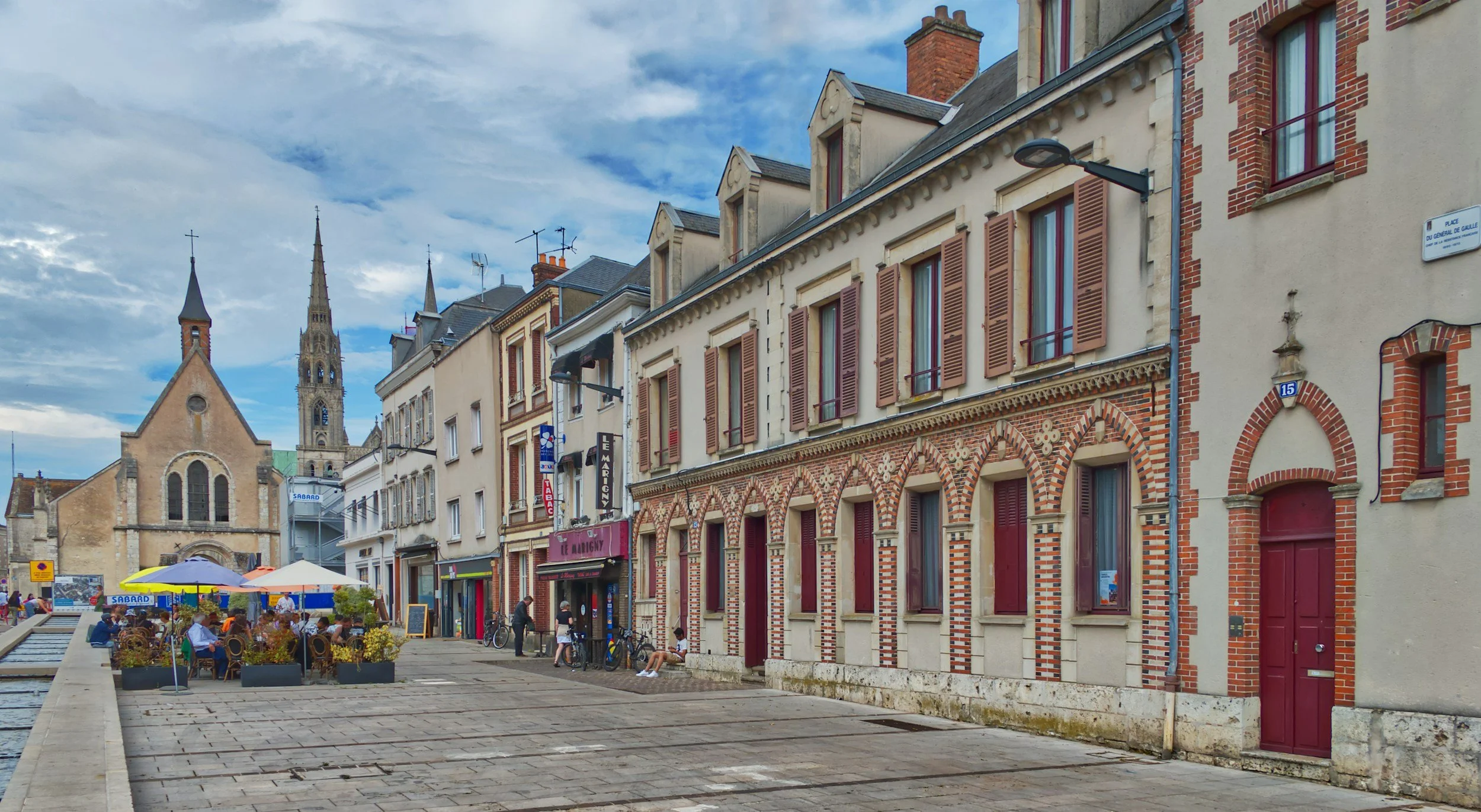
Moret-sur-Loing: Walk the Stone Bridge and Follow the River Just Outside Paris
Moret-sur-Loing is about 45–50 minutes from Paris by train. You leave from Gare de Lyon and get off at Moret–Veneux-les-Sablons. From the station, it’s a straight walk into town. You cross the bridge over the Loing and the old town is right there.
The bridge is the reference point. You’ll cross it more than once without planning to. Halfway across, if you stop and look back, you see the towers, the row of houses along the water, and the low stone buildings right at the edge of the river.
From the bridge, you go through the Porte de Bourgogne. After that, the streets narrow and stay that way. Most of them are short and connect back to each other, so you don’t need directions. You walk a few minutes, turn, and end up somewhere familiar again.
The main street, Rue Grande, runs through the centre. That’s where the bakery, a few small shops, and most of the cafés are. It’s not busy, but it’s where people actually go during the day. If you’re getting something to eat, it’s usually from here.
Everything else sits just off that street. You don’t walk far before you’re back at the river. On one side of the Loing, there are grassy edges where people sit close to the water. On the other side, there’s a path that follows the river out of town. If you keep going for a few minutes, the houses thin out and it gets quieter quickly.
Alfred Sisley painted this exact area - the bridge, the river, the houses along the bank. If you stand near the bridge and look along the water, it’s the same view.
Food is simple here. Most people pick something up from a bakery on Rue Grande and take it down to the river. You sit on the stone edge or on the grass and stay there for a while. There’s no set place you need to go.
There are cafés around the centre, but you don’t need to plan around them. You’ll pass them anyway. If one looks good, you sit down. If not, you keep walking.
A few hours is enough to see the town, but you’ll probably end up walking the same route twice. Bridge, gate, Rue Grande, back to the river. That’s how it naturally loops.
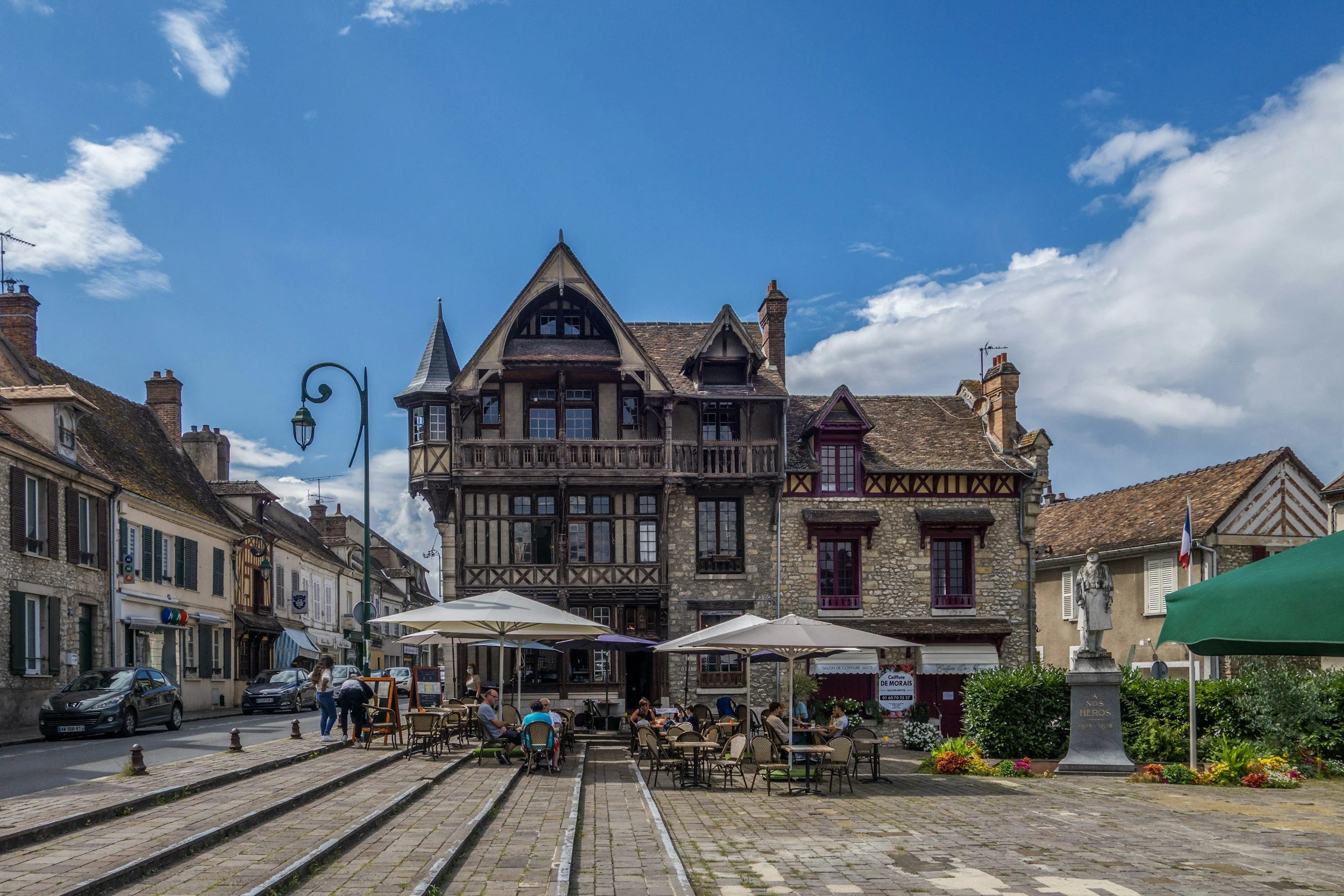
Senlis: Ivy-Covered Alleys & Forest Walks Outside Paris
Getting to Senlis is simple enough, but it doesn’t feel like somewhere people drift into by accident. You take the train from Gare du Nord to Chantilly–Gouvieux, then a short taxi into town. The driver usually drops you near Place Henri IV or along Rue de la République, and from there you’re already inside the old centre.
You don’t need to look for an entrance, but if you come in along Boulevard des Otages, you’ll pass stretches of the old stone walls first. They run right alongside the road, and once you move past them the streets narrow straight away.
Most people end up near Senlis Cathedral without planning to. It sits just off Place Notre-Dame, but the space around it is smaller than you expect. A few people pass through, maybe someone sitting on the low stone edge, but it’s not somewhere you stay long. You look up once, then keep moving.
The streets around it are where everything happens.
If you take Rue du Châtel, it pulls you slightly uphill. The surface is uneven, the buildings are close, and a lot of doors open straight onto the street. Some are half open, and you catch quick glimpses inside — gravel courtyards, stacked chairs, plants against the wall.
From there, you drift without deciding where to go next. You might turn onto Rue de Beauvais, which feels quieter, or back towards Rue de la République, where there’s a bit more movement. That’s where you’ll pass places like Boulangerie du Parvis, usually with a short line of locals, and Le Commerce, a small café where people sit outside facing the street rather than rushing through.
If you feel like sitting down properly, La Table de Senlis is close by and works well for a longer lunch, but most of the time you’ll just pick something up and keep moving.
After a while, you realise you’re circling back on yourself. You pass the same doorway again, recognise a window, end up near the cathedral from a different direction. The whole centre connects in short loops, so you don’t really get lost.
If you keep walking out past the tighter streets, you’ll come to Place des Arènes. The Roman arena sits just below street level, partially hidden. You’re walking along and suddenly there’s a drop beside you. It’s easy to miss if you’re not paying attention.
At some point, you’ll probably leave the centre without planning it.
If you head towards Avenue de Chantilly or follow smaller streets outwards, you reach the edge of the Chantilly Forest in about ten minutes. The streets stop, the ground flattens, and you’re on wide paths under tall trees. Once you’re a bit further in, it’s quiet enough that you forget how close you are to town.
You walk there for a while, then head back the same way and end up in the centre again without thinking about it.
Food is easy to figure out as you go. A sandwich from the bakery, maybe something sweet, and you’ll probably end up by the edge of a square or along a quieter street rather than staying in one place.
A few hours is enough to cover Senlis, but it doesn’t feel like you’re done when you’ve seen it. You walk the same streets again, pass the same cafés, maybe sit somewhere you noticed earlier.
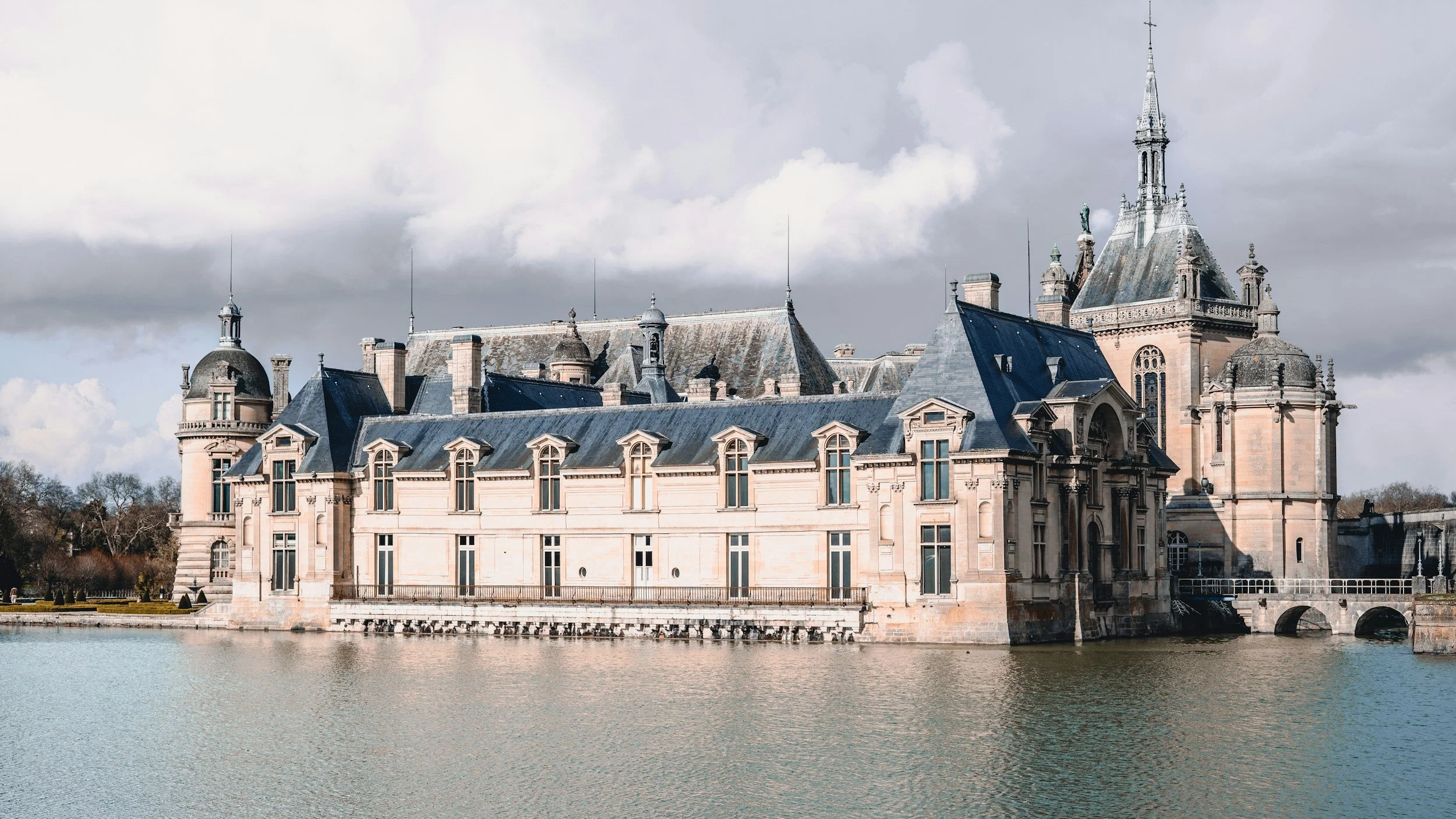
Provins: A UNESCO Medieval Town without the Crowds
Provins takes a bit longer to get to, and you notice that straight away. You leave from Gare de l’Est, sit on the train for about an hour and twenty minutes, and when you arrive, you’re not dropped into anything particularly interesting. The station sits in the lower town along Avenue Jean Jaurès, and at first it just feels like a regular small French town.
Then you start walking uphill.
You follow the slope towards Ville Haute, passing quieter streets until you reach Porte Saint-Jean. It’s a proper stone gate, not something you have to imagine, and once you go through it, the whole place shifts. The streets widen slightly, the buildings get older, and everything starts to feel more structured.
You end up on Rue Saint-Jean without thinking about it, and from there it leads you towards Place du Châtel. That’s where most people gather during the day. A few cafés, some outdoor tables, people sitting, others just passing through. It’s the only part of Provins that feels even slightly busy, and even that doesn’t last long.
From the square, you’ll notice the Tour César above the rooftops. You don’t need to go up it, but it gives you a sense of where you are. Most streets either lead back to the square or outwards towards the walls.
If you drift away from the centre, the town changes again.
You walk along Rue de Jouy or out towards the ramparts, and it opens up. Along Rempart du Cours aux Bêtes and further towards Rempart de la Brèche, there are paths that run beside the old walls. You can follow them for a while without seeing many people, especially once you’re a bit away from the square.
At some point, you head back towards Place du Châtel, usually because you’ve looped back there without meaning to. That’s where you end up eating, whether you planned to or not. La Table Saint-Jean is right there if you want to sit down, but it’s just as easy to grab something from a bakery along Rue Saint-Jean and keep moving.
Provins doesn’t really let you wander aimlessly in the same way as smaller towns. You move between a few key places without thinking about it. Gate, square, tower, walls, then back again from another direction.
It takes a few hours to go through it properly, but you don’t rush.
By mid-afternoon, people start heading back down towards the station. The square clears out, the cafés quiet down, and the whole upper town feels more open again.
Walking back down along Rue Saint-Jean at the end of the day feels different from when you arrived. Same street, same buildings, but less movement, more space, and nothing pulling you anywhere in particular.
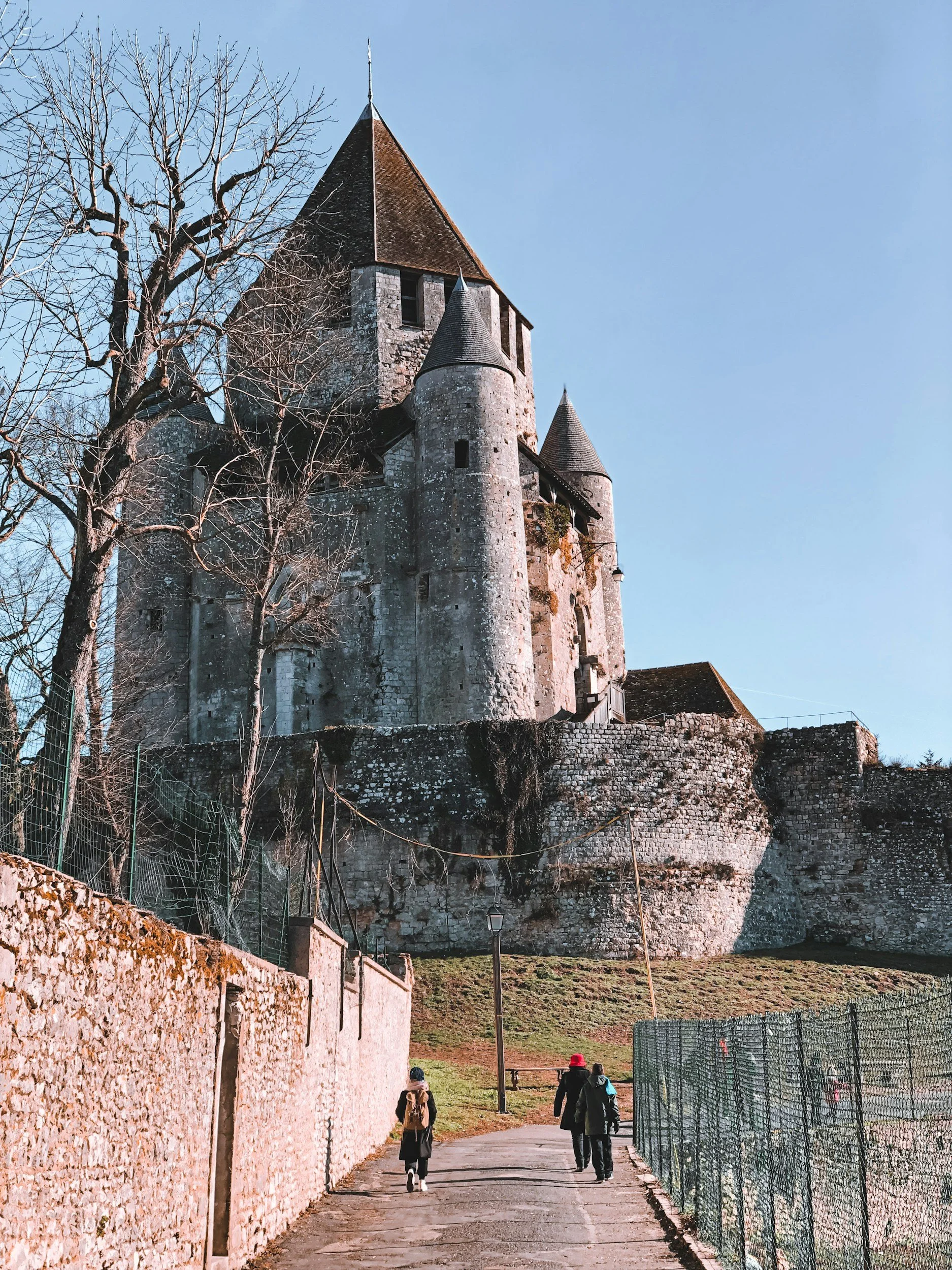
Chantilly: Walk the Château, the Canal and the Forest in One Day
Chantilly is one of those places where the day sorts itself out without much effort.
You take the train from Gare du Nord to Chantilly–Gouvieux, about 25 minutes, and from the station you can either walk or take a short taxi. If you walk, it’s a straight line along Avenue du Maréchal Joffre, then past the racecourse, and you’ll see the grounds open up ahead of you.
You step into the park around Château de Chantilly and everything spreads out. There’s a lot of space here, more than you expect this close to Paris. The Grand Canal runs straight out in front of you, long enough that you don’t really see the end of it, and people are just walking along either side without any rush.
Most people head towards the château first, but there’s no reason to go straight in. You end up slowing down before you get there anyway. The water, the open lawns, the way the building sits on the moat - it’s something you take in while walking, not something you queue for.
If you keep going past the château, the paths lead you into the formal gardens. Gravel under your feet, trimmed hedges, long straight lines. It’s structured, but not in a way that feels controlled. You walk for a bit, stop, look out, then move on again.
Then, without really noticing when it happens, it changes.
The paths curve, the space becomes less formal, and you’re in the area around the Hameau de Chantilly, where the buildings look more like small cottages set along the water. People sit here longer. It’s quieter, and you’re not really moving from one point to another anymore.
If you keep walking, you reach the edge of the Chantilly Forest. The transition is quick. One minute you’re in the grounds, the next you’re on wide dirt paths under tall trees. The forest stretches out in long straight lines, and once you’re a bit further in, you stop hearing anything from the château.
At some point, you head back without deciding to.
You come out near the same open space, cross back towards town, and end up along Rue du Connétable, where the cafés and bakeries are. This is where you stop. Maybe at Maison Verot for something simple, or somewhere similar where people are just sitting, not moving on too quickly.
If you feel like trying it, this is also where you’ll find proper crème Chantilly - not the version you get elsewhere, but the one it’s named after. It’s heavier, less sweet, and usually served without much fuss.
You don’t really plan the timing here, you basically walk, sit down, walk again, maybe loop back along the canal once more before heading to the station. A few hours is enough, but it’s easy to stay longer because nothing feels like a stop you have to get through.
It’s all connected, and once you’re there, you don’t need to think about what to do next.

Are you also dreaming of markets, peaches and vintage finds?
Our France, Italy & Spain Market Guide is your shortcut to the best local markets - places that are still authentic, full of feeling, and actually worth visiting in 2025. No fluff, just real spots we love.
La Roche-Guyon: Walk from the Seine to the Cliffside Tower
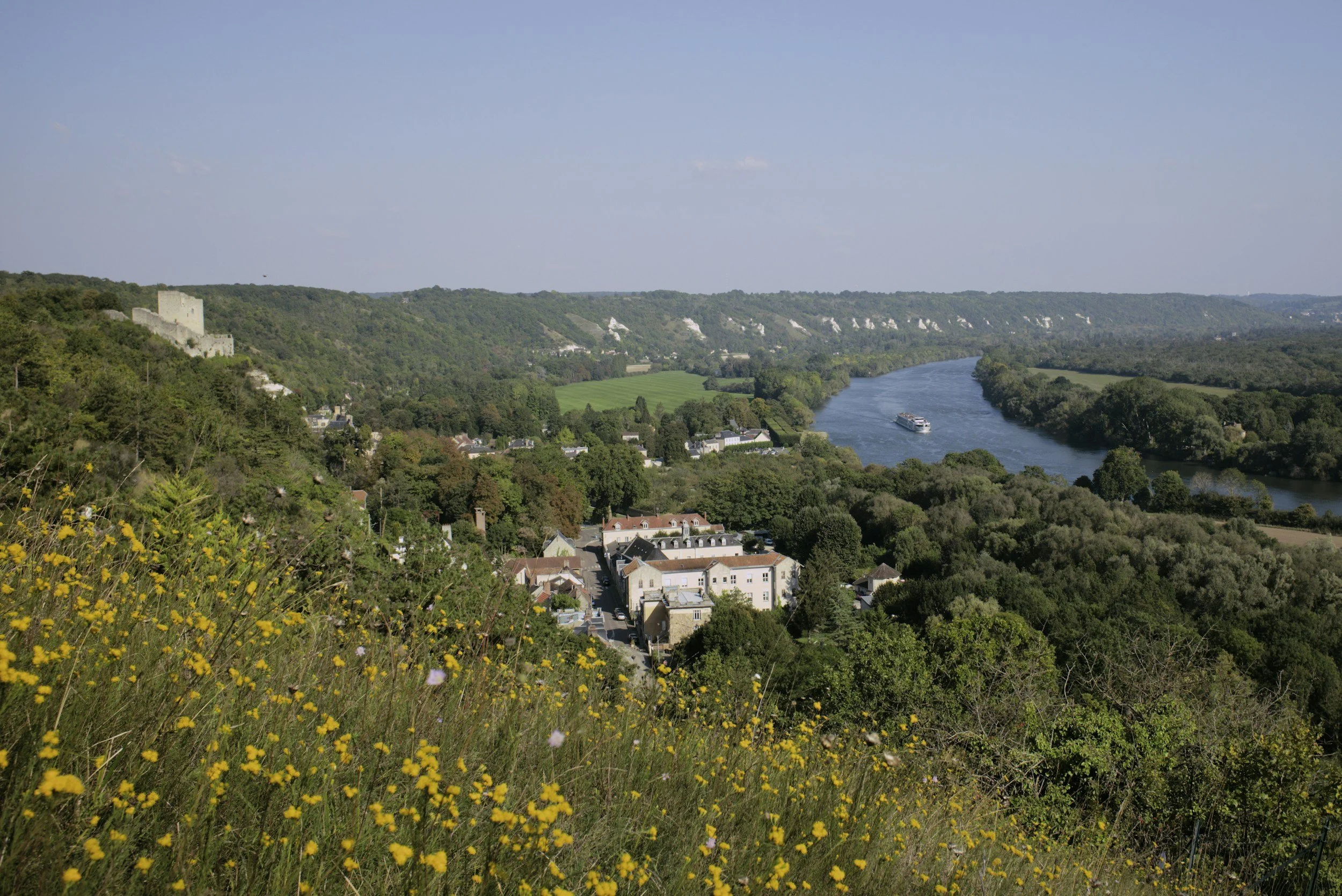
La Roche-Guyon sits directly along the Seine, about an hour from Paris, and you notice the setting before anything else. The village runs in a single line between the river and the chalk cliff, with the château built straight into the rock above it.
You arrive, step onto Rue de l’Audience, and everything is already in front of you. The river on one side, the cliff rising almost vertically on the other, and the château connecting the two.
Most of the time is spent moving between those three elements.
The street through the village is short, and it doesn’t take long before you reach the entrance to Château de La Roche-Guyon. From the outside, you can see how it’s partly built into the cliff. Inside, some rooms are cut directly into the rock, which keeps them noticeably cooler, especially in summer.
From the château courtyard, there’s a tunnel carved into the cliff that leads up to the tower above the village. It’s a steady climb, and when you come out at the top, you can see the full layout at once: the Seine looping below, the line of houses, and the gardens stretching along the riverbank.
Back down in the village, the riverside paths run just behind the main row of houses. If you follow them for a few minutes, you move away from the centre almost immediately. There are benches along the water and long, open views across the Seine, with very little passing traffic.
Just behind the château, the Potager-Frutier (kitchen garden) sits enclosed by walls, laid out in straight lines with vegetables, herbs, and fruit trees. It’s one of the quieter parts of the village, and it’s easy to miss if you don’t walk past the château itself.
The centre of La Roche-Guyon sits along Rue de l’Audience, which runs parallel to the river. This is where you’ll find most of what’s open during the day. Near the small square by the mairie, Les Bords de Seine has a few outdoor tables facing the water, and just a short walk away, La Cancalaise serves simple food without much formality.
If you keep walking along the same street, you’ll pass a small bakery where people stop in for a sandwich or something sweet, then head back towards the river rather than staying inside.
Most people don’t stay inside cafés for long here because everything is so close to the river. If you pick something up from the bakery along Rue de l’Audience, you’ll likely walk it down towards the Seine within a couple of minutes. There’s a stretch just past the château, near the small riverside path behind the houses, where people sit directly on the low stone edges or on the grass facing the water. From there, you can see the boats passing slowly and the cliff rising straight up behind the village.
If you walk in the other direction, past Les Bords de Seine, the path continues along the river with fewer people. It opens up slightly, and you get a clearer view across to the opposite bank. That’s usually where it gets quieter, especially once you’re a few minutes away from the main street.
What makes La Roche-Guyon easy to move through is how little space there is between everything. You’re either on Rue de l’Audience, along the river, or heading up into the cliff. There aren’t many side streets to get lost in, so you keep returning to the same points: the château entrance, the small square near the mairie, and the stretch of river just below the cliff.
If you go up through the tunnel from the château courtyard, you come out on the path that leads to the tower above the village. From there, you can see the exact layout - how the houses line the road, how the river curves, and how narrow the village actually is. When you come back down, you recognise everything more clearly because you’ve just seen it from above.
Later in the day, the light changes the cliff quite noticeably. In the late afternoon, the chalk face above the château catches the sun directly, and the colour shifts from pale grey to a warmer tone for a short period before it fades again. By that time, most day visitors have already left, and the stretch along Rue de l’Audience becomes quieter, with only a few people still moving between the cafés and the river.
You don’t need to plan anything here. A typical visit ends up following the same pattern: you arrive, walk the length of the village once, go up to the tower, come back down, follow the river in one direction, then back the other, and sit somewhere near the water before heading back.
Join our newsletter for seasonal guides, cozy travel finds, and the best market towns in Europe
How to Reach These Towns from Paris
All of these places can be reached without a car, but they don’t work in the same way. Some are direct trains where you step off and walk straight in. Others need one extra connection, which is usually why they stay quieter.
Chartres
Take a TER train from Gare Montparnasse to Chartres. The journey takes about 1 hour, with departures roughly every 30–60 minutes.
When you arrive, the station (Gare de Chartres) sits just outside the centre. You walk straight down Avenue Jehan de Beauce, and within 10 minutes the cathedral appears ahead of you. From there, the old town begins immediately around Chartres Cathedral.
No bus, no transfers.
Moret-sur-Loing
Take a Transilien line R train from Gare de Lyon towards Montargis or Montereau, getting off at Moret–Veneux-les-Sablons (around 50–60 minutes).
From the station, it’s a flat walk into town. You follow Avenue de Sens, cross the bridge over the Loing, and you’re already at the edge of the old town near Porte de Samois. The whole walk takes about 12–15 minutes.
Senlis
There’s no train station in Senlis itself, which is why it stays quieter.
Take a TER train from Gare du Nord to Chantilly–Gouvieux (about 25 minutes). From there:
Taxi: 10–15 minutes, easiest option
Bus (Keolis Oise): around 20–25 minutes, less frequent
Most taxis wait outside the station, so you don’t need to pre-book. You’re usually dropped near Place Henri IV, right at the edge of the old centre.
Provins
Take a Transilien line P train from Gare de l’Est directly to Provins (about 1 hour 20 minutes).
When you arrive, you’re in the lower town near Avenue Jean Jaurès. From there, it’s a steady uphill walk to the medieval centre (Ville Haute). The walk takes around 15–20 minutes and leads you towards Porte Saint-Jean, one of the main entrances to the upper town.
If you prefer, there are local buses or taxis, but most people walk.
Chantilly
Take a TER or Intercités train from Gare du Nord to Chantilly–Gouvieux (22–25 minutes).
From the station, you can walk into town in about 20 minutes. The route follows Avenue du Maréchal Joffre, then past the racecourse towards the entrance of Château de Chantilly.
There are also buses and taxis outside the station if you want to skip the walk.
La Roche-Guyon
This is the only place here without a direct train connection.
Take a train from Gare Saint-Lazare to Vernon–Giverny (around 45–50 minutes). From Vernon:
Taxi: about 20 minutes
Bus (Line 72): around 30 minutes, limited schedule
The bus drops you near the entrance of the village along Rue de l’Audience, right by the Seine and below Château de La Roche-Guyon.
What actually matters for these trips
Midweek trains (late morning or early afternoon) are usually quieter than early commuter hours
Most tickets for Transilien lines (R, P) don’t need advance booking
TER trains (Chartres, Chantilly, Vernon) are also flexible, but reserving ahead can help on weekends
Stations outside Paris are small and easy to navigate - you don’t need extra buffer time
Further south, places like Arles in autumn show how a town can shift once the summer crowds disappear, even if it’s usually more visited.
If you’re already considering southern France, it’s worth looking at small towns near Marseille by train - short distances and charming towns ideal for day trips.
If you’re anything like us, we think you’ll like these guides as well:
5 Charming Villages in Southern France you’ve (probably) never heard of
If you like the idea of quiet villages but want something more rural, Drôme Provençale in autumn leans more towards countryside than structured town centres.
Around Lyon, you’ll find a similar balance between easy access and calm surroundings - these quiet towns near Lyon work in much the same way, just in a different region.
How These Day Trips Actually Play Out
Most of the time, nothing complicated happens. You take a train out of Paris a bit later in the morning, and the whole day starts from there.
If you leave too early, you notice it straight away. The train’s full, people are rushing, and it already feels like you’re part of something busy. The later morning trains are different. Around 10-ish, maybe a bit after, things settle. You get a seat without thinking about it, and the whole thing feels slower before you’ve even arrived.
Then you get off, and for a few minutes it still feels like a normal town.
In Chartres, you walk down from the station and suddenly the cathedral is right in front of you. In Provins, you’re still in the lower town, and you start heading uphill without really deciding to. In Moret-sur-Loing, you cross the bridge and the river is already there, and that’s where you end up staying.
What usually happens next is that you don’t go very far.
You think you’ll walk around the whole place, but you don’t. You find one stretch that works and stay there longer than you planned. In Chartres, that’s often just around the cathedral and the streets that slope down towards the river. In Moret, it’s the bridge and the path along the water. In La Roche-Guyon, it’s basically the same line between the cliff, the road, and the river, back and forth.
You walk a bit, stop, sit somewhere, then realise you haven’t really left that area for a while.
Food just happens in the middle of that.
You pass a bakery, go in, come back out with something simple, and then look for somewhere to sit. In Senlis, that might be just outside the centre after walking along Rue de la République. In Moret-sur-Loing, it’s usually by the river within a few minutes. In Chantilly, people either eat before going into the château grounds or wait until they’re back in town.
No one seems to be following a plan. You just do what fits into where you already are.
Then, without really thinking about it, the day starts to shift.
Sometime in the late afternoon, people begin leaving. You notice it more in smaller places like Provins or La Roche-Guyon. The centre doesn’t empty all at once, but the movement drops off. Fewer people walking through, fewer voices, more space between everything.
If you stay a bit longer than you first planned, that’s usually the best part of the day.
You walk the same streets again, but they feel different. Quieter, slower, like everything has settled. In La Roche-Guyon, it’s along the river below the cliff. In Chartres, it’s around the cathedral once the groups have gone. In Provins, it’s up in the upper town when people have started heading back downhill.
By the time you leave, you’ve usually done less than you expected. You didn’t go everywhere. You didn’t “see everything”. But you remember where you sat, where you walked twice without noticing, and how easy it felt to stay.
That’s what these trips are good at.
If you’re thinking beyond Paris entirely, the atmosphere you get here is similar to places like Alsace in autumn, where smaller towns feel more lived-in once the main tourist months are over.
That slower pace also shows up further south - Uzès in autumn has that same feeling of staying longer than planned without needing to fill the day.
FAQs about Paris daytrips
Quiet day trips from Paris by train – where should you go?
Chartres, Provins, Moret-sur-Loing, and Chantilly are all easy to reach by train and stay relatively calm compared to more popular destinations. They have compact centres and are easy to explore on foot.
Day trips from Paris without crowds
If you want to avoid busy places like Versailles, Provins, Senlis, and La Roche-Guyon tend to stay quieter, especially outside weekends and midday hours.
Small towns near Paris by train
Some of the easiest small towns to reach by train include Chartres (from Gare Montparnasse), Provins (from Gare de l’Est), Moret-sur-Loing (from Gare de Lyon), and Chantilly (from Gare du Nord).
Day trips from Paris under 1 hour
Chantilly (about 25 minutes), Chartres (around 1 hour), and Moret-sur-Loing (50–60 minutes) are all possible to visit in under an hour by train from Paris.
Alternatives to Versailles day trip
Instead of Versailles, consider Provins for a medieval town, Chantilly for château and gardens with more space, or La Roche-Guyon for a quieter riverside setting.
How to get to La Roche-Guyon from Paris
Take a train from Gare Saint-Lazare to Vernon–Giverny (45–50 minutes), then continue by taxi (around 20 minutes) or bus. There is no direct train.
Is Provins worth visiting from Paris?
Yes. Provins has a clearly defined medieval upper town with walls, gates, and open views, and is one of the most structured historic towns near Paris.
Best time for day trips from Paris
Late morning departures (around 10:00–11:30) and late afternoon (after 16:30) are usually the quietest times.
Do you need to book train tickets in advance in Paris?
For most suburban routes (Transilien), tickets can be bought on the day. TER trains can also be flexible, but booking ahead helps on weekends.
Is it worth staying overnight on a Paris day trip?
Yes, especially in Chartres, Provins, and La Roche-Guyon, where the atmosphere changes noticeably after day visitors leave.