
Menton might be my favourite base on the French Riviera
Menton sits right at the edge of the French Riviera, just before the Italian border, but it doesn’t feel like the rest of the coast.
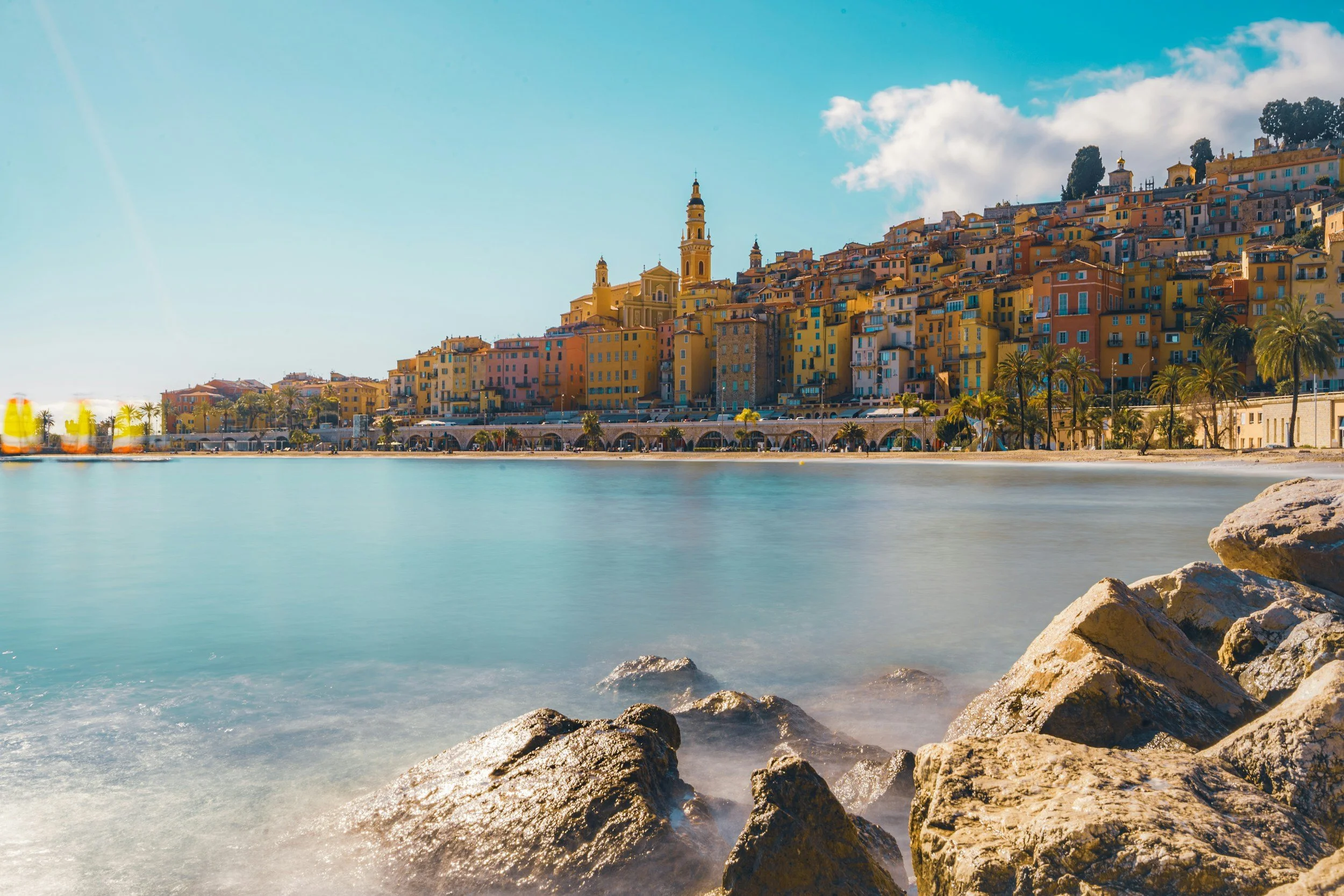
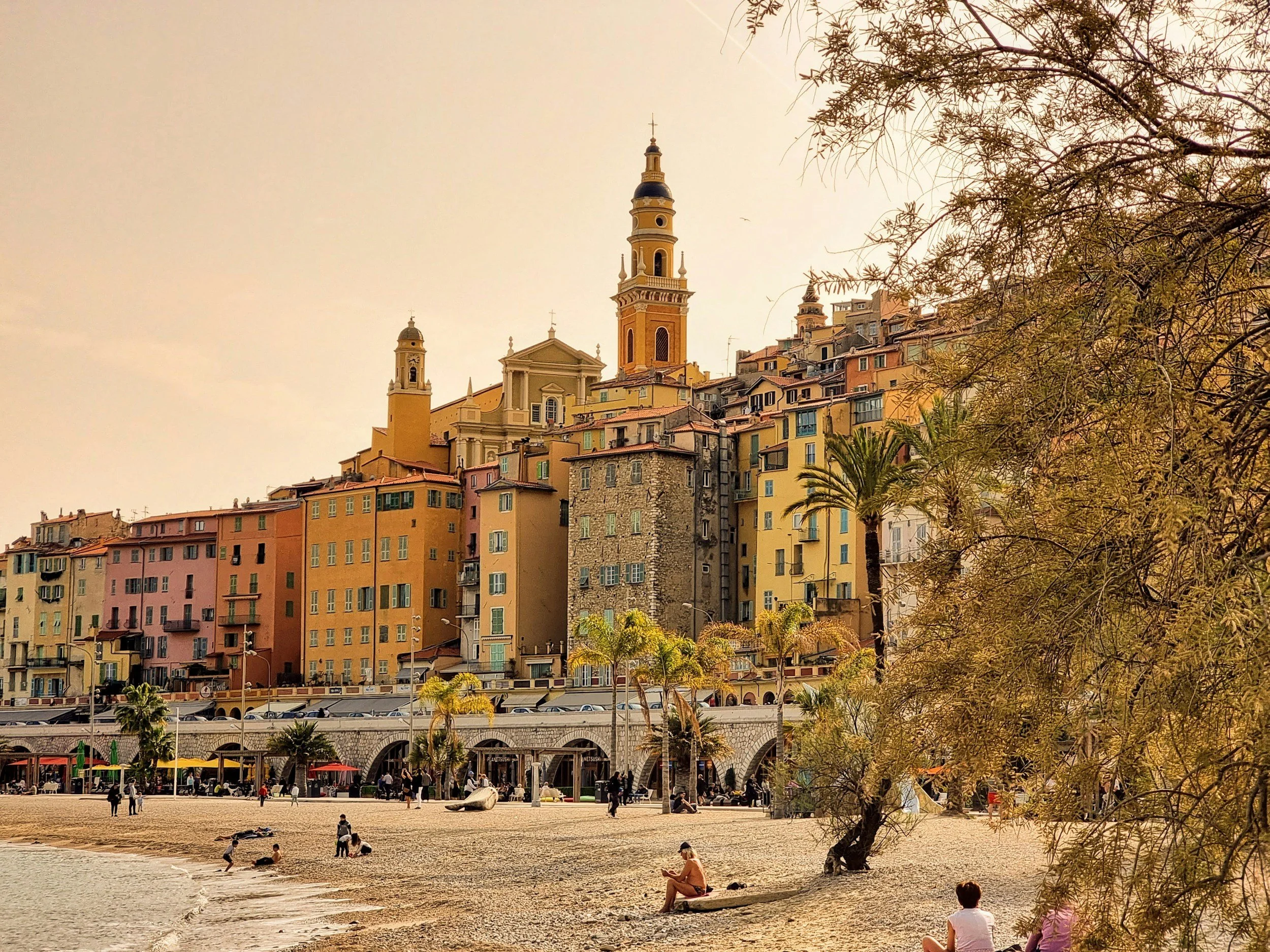
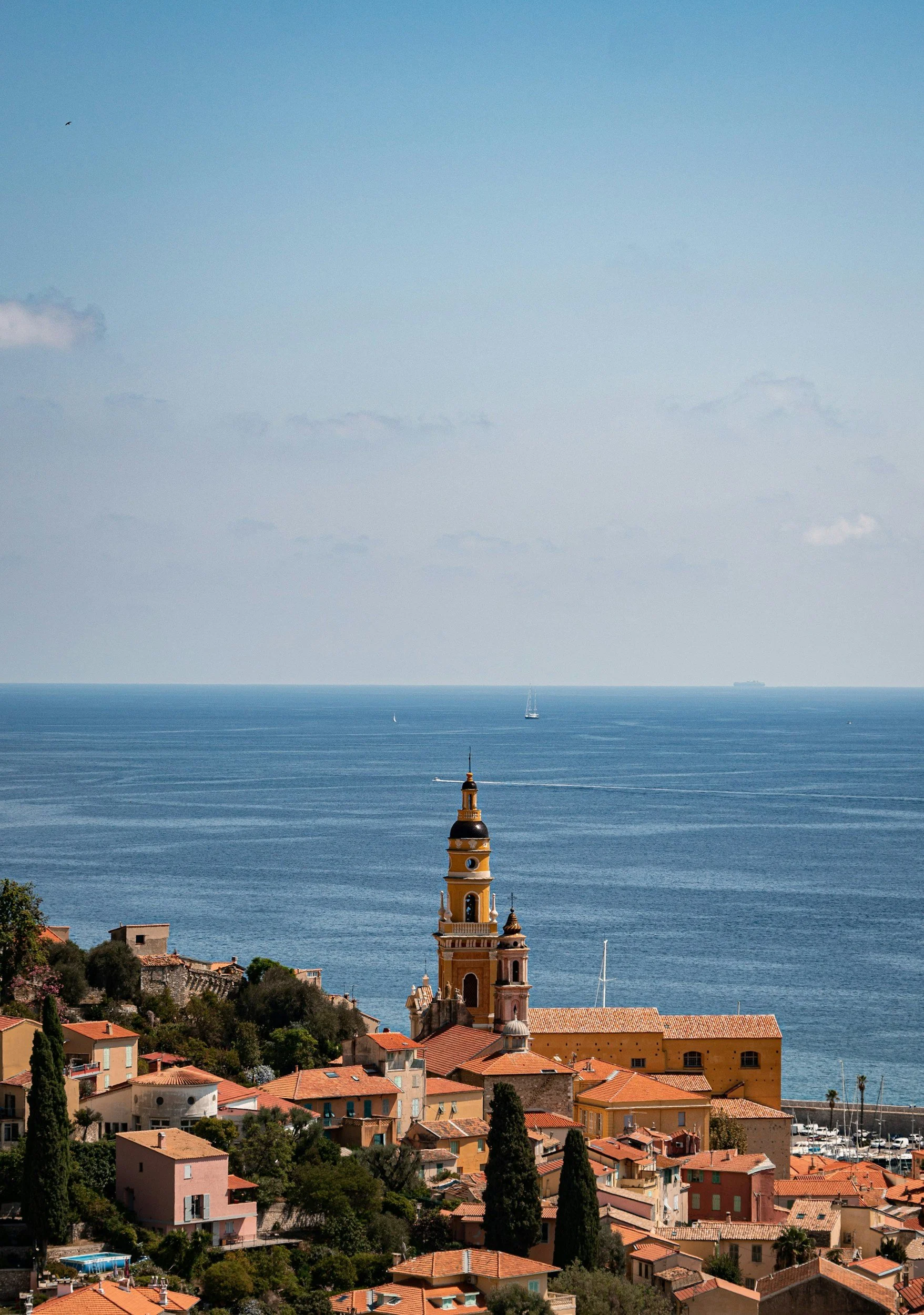
If you come in by train, you’ll see it before you really arrive. The tracks run along the sea, then suddenly the town appears below you. Soft colours, a bit faded in places, stacked up toward the hills. It’s not dramatic, just… easy on the eyes.
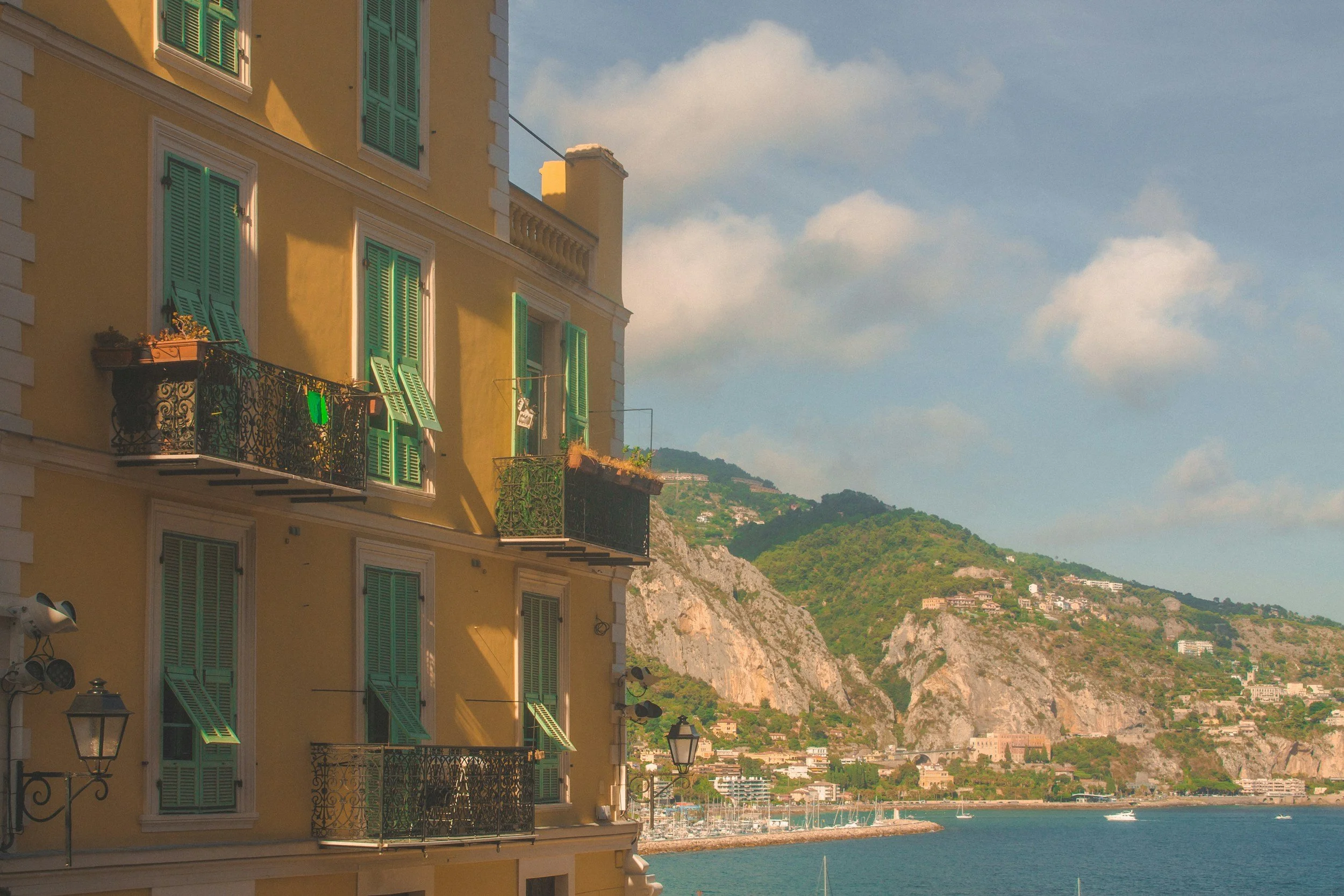
Walk down from the station and you’re in it within minutes. No big entrance, no shift into “tourist mode.” Just a normal town that happens to sit right on the water.
It’s quieter here than Nice or Monaco, but not in a forced way. People are out, cafés are open, things are happening… just at a lower volume. You don’t have to think about where to sit or when to go. You just stop when something looks right.
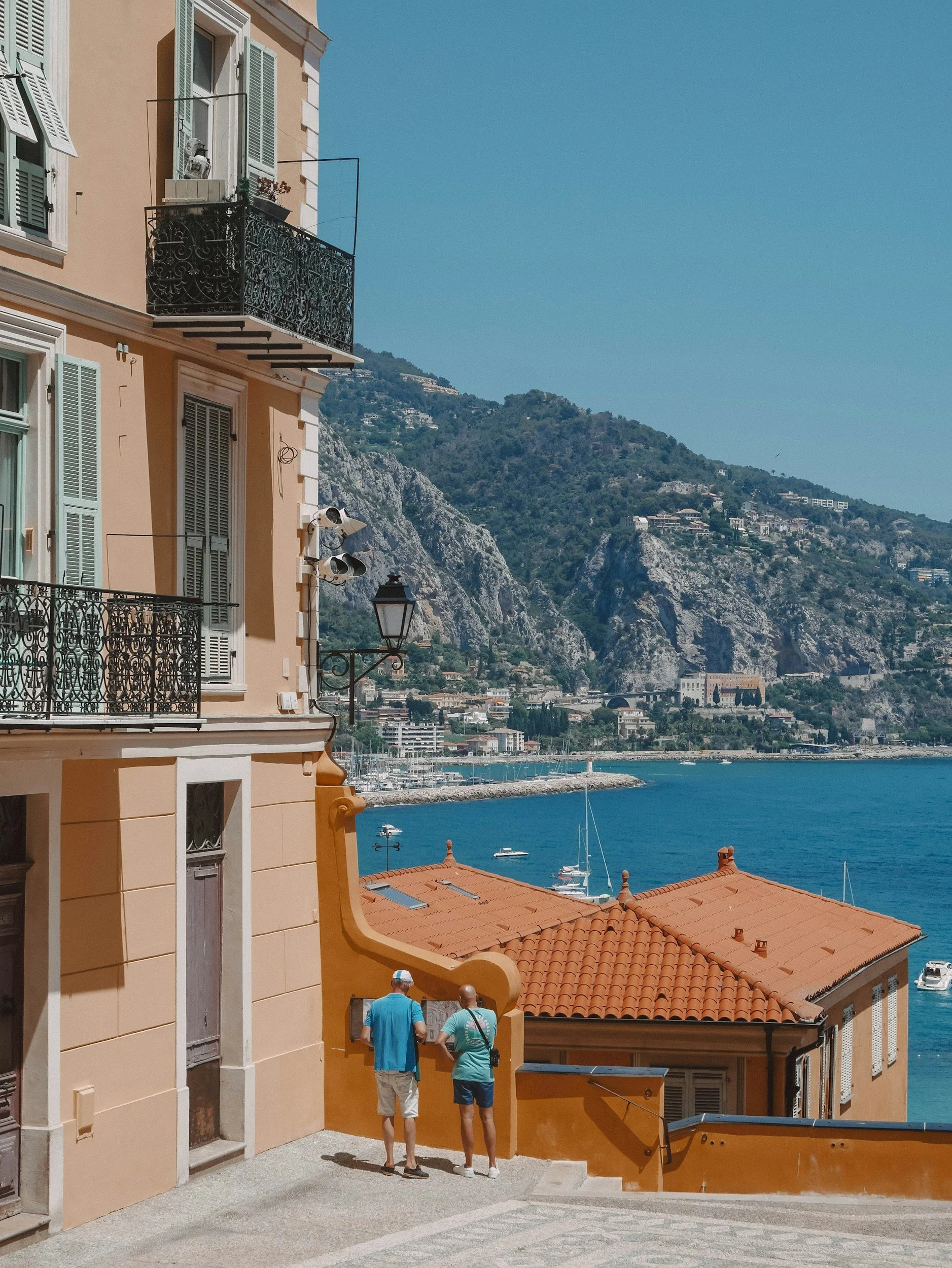
Head toward the seafront along Promenade du Soleil, or drift into the old town around Rue Longue without really deciding to. One leads you along the water, the other pulls you uphill through narrow streets that don’t follow any clear pattern. You’ll probably get slightly lost, then find your way back down again.
You’ll start noticing the lemons after a while. Not in a curated way, just part of everyday life here. Trees in courtyards, small shops with jars and bottles in the window, menus that quietly work them into things without making a point of it.
Most people don’t stay long. They pass through, take a few photos, then move on. But if you stay even a night or two, the town shifts a bit. Mornings are slow, the seafront fills gradually, and you realise how little you actually need to plan.
You can move between the beach, the old town, and the quieter streets without thinking too much about distance or timing. It all sits close together.
Why Menton Feels Different
Menton doesn’t really feel like the rest of the Riviera! You notice it pretty quickly… It’s quieter, but not empty. People are out, cafés are open, but nothing feels rushed or overly busy.
If you walk down toward the water and then head up into the old town, it changes again. The streets get narrower, a bit uneven, and you stop thinking about where you’re going. You just keep walking until you end up somewhere else.
The lemons are part of the place, but not in an obvious way. You’ll see them here and there. A few outside a shop, something on a menu, a tree behind a gate. It doesn’t feel staged.
Most people don’t stay long, which is probably why it still feels like this. But if you stay even a night or two, it starts to make more sense. You stop trying to see everything and just move through it instead.
A lot of people go straight to Provence after this, but the better parts aren’t always the ones you hear about first. Some of the smaller places feel much closer to Menton in pace, like these less obvious villages in southern France.
When to visit Menton
Timing makes more of a difference here than you’d think.
April and May are easy months to be here. It’s warm enough to be outside, but still quiet. You can walk through town in the morning without having to adjust your pace all the time.
September is similar, maybe even better. The sea’s still warm, and there’s less movement overall. You sit down somewhere and actually stay.
February is the exception. The Lemon Festival brings more people in, especially around the gardens. It’s busier, but also one of the only times the lemon side of Menton is really visible.
In July and August, it fills up more. Not as intense as Nice, but you’ll notice it, especially in the middle of the day.
If you want it at its best, go just outside those peak weeks. Or just head out early and later in the day. That’s when it feels the most relaxed.
If you’re thinking about timing your trip better, autumn is where things start to shift. Places like Uzès and Arles feel completely different once summer drops off.
If you end up here in winter instead, it’s a different kind of trip. Smaller towns start putting out markets again, like the ones in this guide to winter markets in southern France.
And if you’re trying to figure out when to go, this May itinerary through Provence gives you a good sense of how that time of year actually feels.
How to Get to Menton
Getting to Menton is actually very straightforward once you’re on the Riviera.
If you’re flying in, the closest airport is Nice Côte d’Azur Airport. From there, you don’t need to overthink it. The easiest option is to take the train from Nice Saint-Augustin or Nice Ville. It takes around 30–40 minutes, and the route runs right along the coast, so it’s worth sitting by the window if you can.
Trains run regularly throughout the day, and you don’t need to book far in advance. It’s more of a turn-up-and-go situation. The platform side facing the sea tends to have the better views on the way in.
If you’re already in the area, Menton is easy to reach from places like Nice, Monaco, or even Ventimiglia just across the Italian border. The same train line connects all of them, and the stops are close together.
When you arrive, the station sits slightly above the town. It’s about a 10–15 minute walk downhill to the centre, depending on where you’re staying. You’ll pass residential streets first, then gradually reach the seafront and the old town.
Getting around between these places is easier than it looks. You can move along the coast or head inland without needing a car the whole time, especially if you follow something like this train route through castle towns. And if you’ve been wondering whether those rail passes are actually worth it, this breakdown of Eurail for slower trips is one of the few that doesn’t overcomplicate it.
You don’t need a car here. In fact, it’s easier without one. Everything is walkable, and the streets in the old town are too narrow for driving anyway.
If you do have a car, just be aware that parking in the centre can be limited, especially in summer. It’s usually easier to park slightly outside and walk in.
If you still want a base that’s easy to settle into, Aix-en-Provence works well in spring, especially if you like having cafés and markets within walking distance.
Or, if you’re closer to Marseille, there are smaller towns along the coast you can reach in under an hour, like the ones in this train-based guide near Marseille.
What to Do in Menton
You don’t really plan Menton in the same way you would other places.
You end up doing things as you move around. One street leads into another, you stop somewhere, then keep going.
If you’re there in February, you’ll run into the Lemon Festival without trying. It takes over the area around Jardin Biovès, just behind the main road by the seafront. You’ll see the sculptures first, then the crowds, then realise what’s going on.
It’s busier than usual, but also one of the only times the lemon side of Menton feels obvious. Most people walk through it, take a look, and move on.
The rest of the time, it’s much quieter.
You’ll probably pass through Jardin Biovès anyway. It sits right in the middle of things, between the station side and the sea. People sit on the benches facing the sun late in the morning, or just cut across it on their way somewhere else. You might stop for a few minutes without meaning to.
If you feel like walking a bit further, head up toward Jardin Serre de la Madone. It’s not right in the centre, and you’ll notice that on the way. The streets get steeper, a bit quieter, more residential.
It takes around 20 minutes on foot, maybe a bit longer if you stop along the way. Or you take a taxi and don’t think about it.
Once you’re inside, it feels separate from everything else. More shade, less noise, and no real route to follow. You just walk until you feel like turning back.
If you go midweek, there’s a good chance you won’t see many people at all.
Down by the Water and Up Through the Old Town
You’ll end up by the water without planning it.
It usually starts at Plage des Sablettes. You come down from the old town or drift along the seafront and suddenly you’re there. It’s wider than most beaches along this stretch, a mix of sand and small stones, and easy to settle into for a bit.
Most people stay near the cafés along the edge. If you keep walking, even just a few minutes, it thins out. You don’t have to go far.
Keep going and you’ll pass Plage du Fossan without really noticing at first. It’s smaller, a bit tucked in between buildings. The kind of place you stop if you feel like it, not somewhere you plan your day around.
Then you head back toward town and everything changes again.
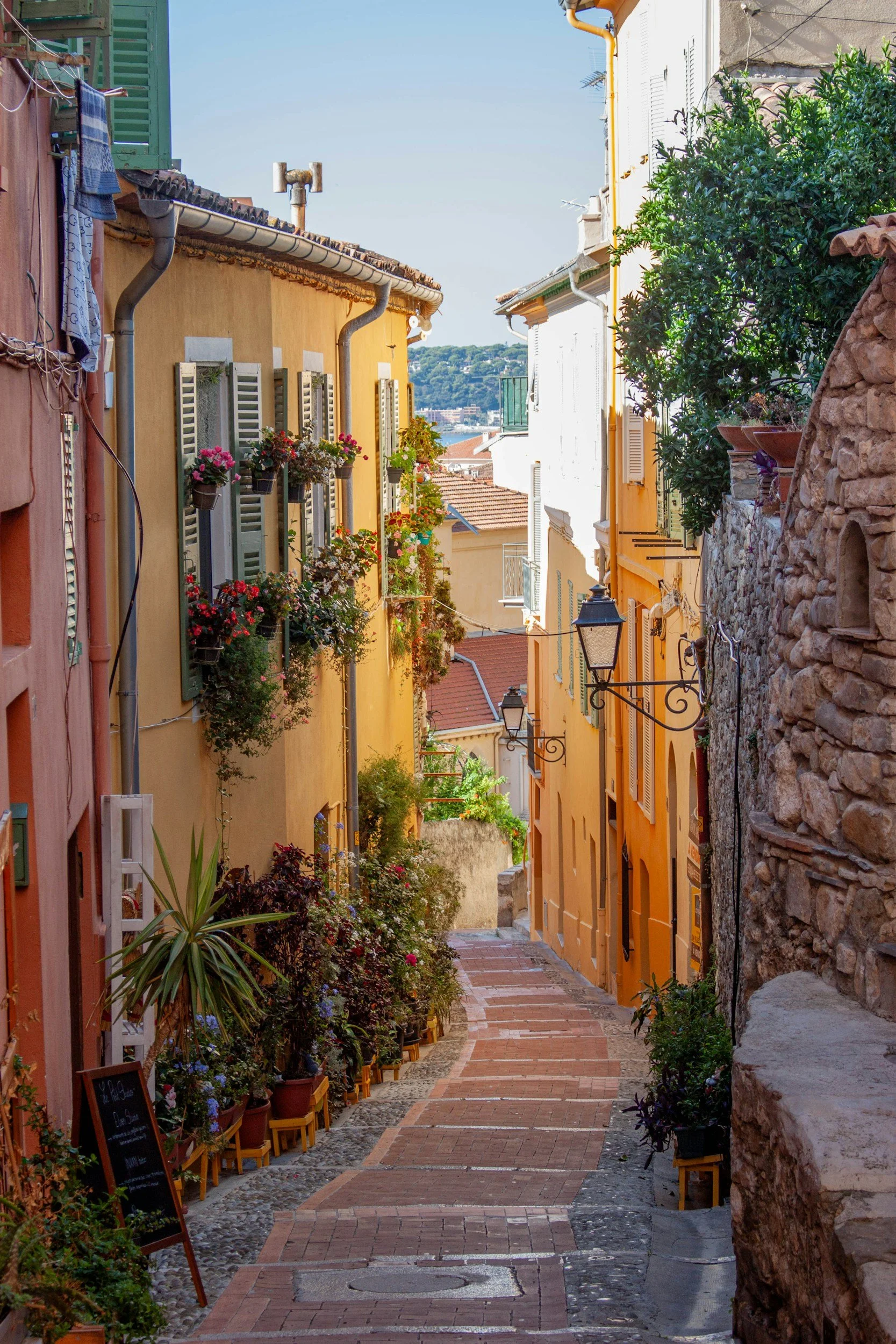
You leave the flat seafront and start going uphill into Vieux Menton. The streets don’t really follow a pattern. Steps appear, then disappear, then turn into something else. You think you’re going one way and end up somewhere slightly different.
You’ll probably cross Place des Palmistes at some point. It’s open, a bit brighter, with cafés around it. People sit for a few minutes, check their phones, then move on again.
If you keep going uphill, it gets quieter. Fewer shops, more shade, bits of wall where people stop without saying anything. You don’t stay long, but you notice it.
At some point, you come back down again without really deciding to.
You’ll likely end up near the market.
Les Halles de Menton, just off Avenue Félix Faure, is one of those places you pass through more than visit. In the morning it’s busier, people picking things up, talking briefly, moving on. Later in the day, it slows down a lot.
Inside, it’s simple. Cheese, vegetables, olives, jars lined up in a way that doesn’t try too hard. You walk through, maybe pick something up, maybe not, then head back out again.
Where to Stay in Menton
Where you stay in Menton makes more of a difference than you might expect, mostly because the town has many different neighbourhoods.
If you stay closer to the seafront, near Promenade du Soleil, everything feels easy. You’re a few minutes from the beach, cafés, and the walk into the old town. It’s a good option if you want to step out and not think too much about where you’re going.
Hotel Napoléon sits along this stretch. It’s modern, close to the water, and works well if you want something simple and well-located without being in the middle of everything.
If you’d rather stay somewhere that feels a bit more local, look closer to the centre, around the streets just behind Avenue Félix Faure. You’re still within walking distance of everything, but it’s quieter once the day slows down.
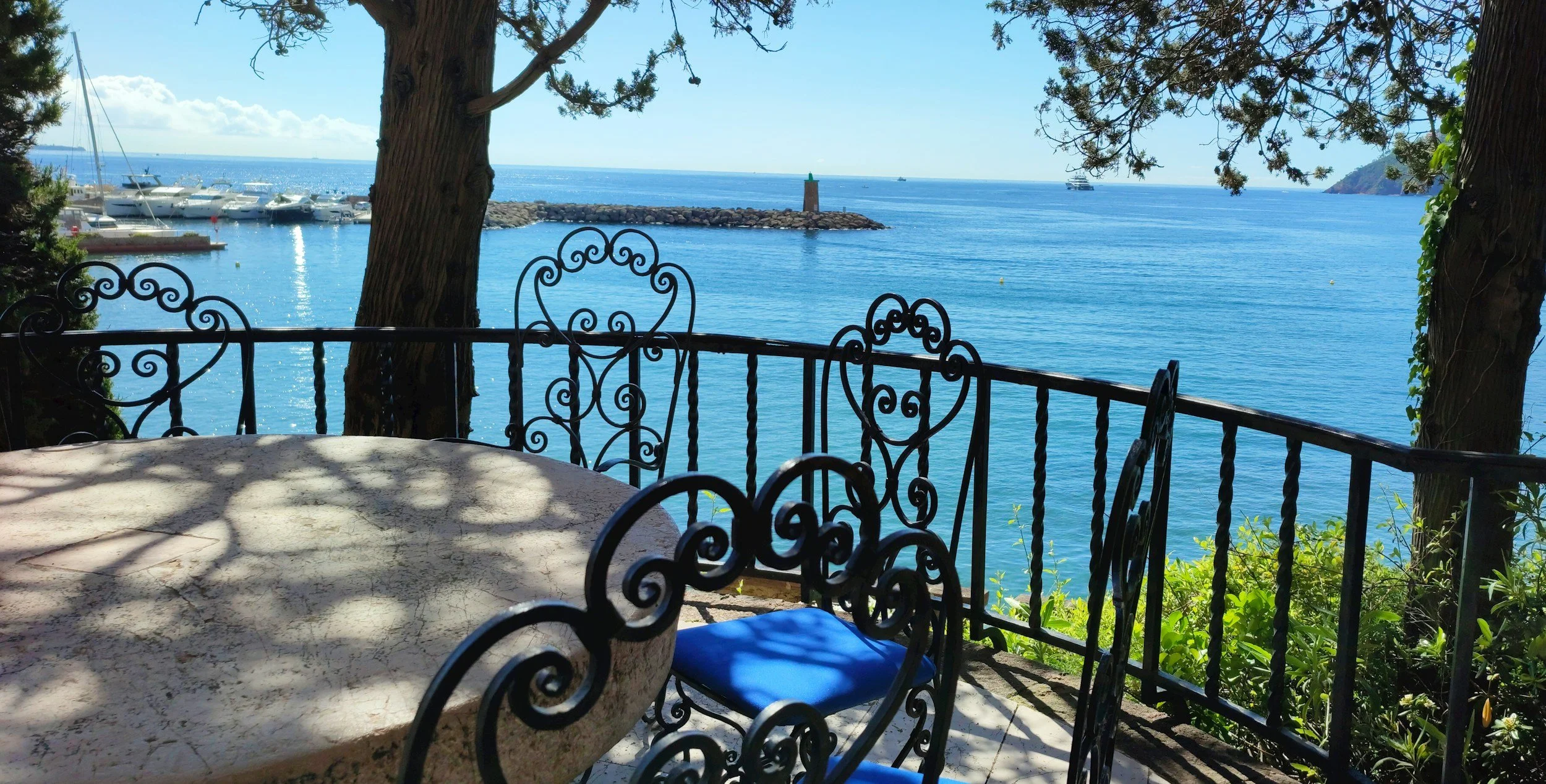
Hôtel Menton Riviera is in this area. Nothing overly styled, but comfortable and easy to come back to after being out all day.
You’ll also find a lot of small apartments and Airbnbs around the old town and the streets leading up from it. These tend to feel more like staying in Menton rather than just visiting it. Just be aware that the higher you go into the old town, the more steps you’ll have to deal with, especially with luggage.
Hotel Menton Riviera
Where to Eat in Menton
You’ll figure food out as you go here, but where you stop makes a difference pretty quickly.
If you stay right along Promenade du Soleil, it’s easy but not always great. Walk one or two streets back instead, toward the old town, and it changes.
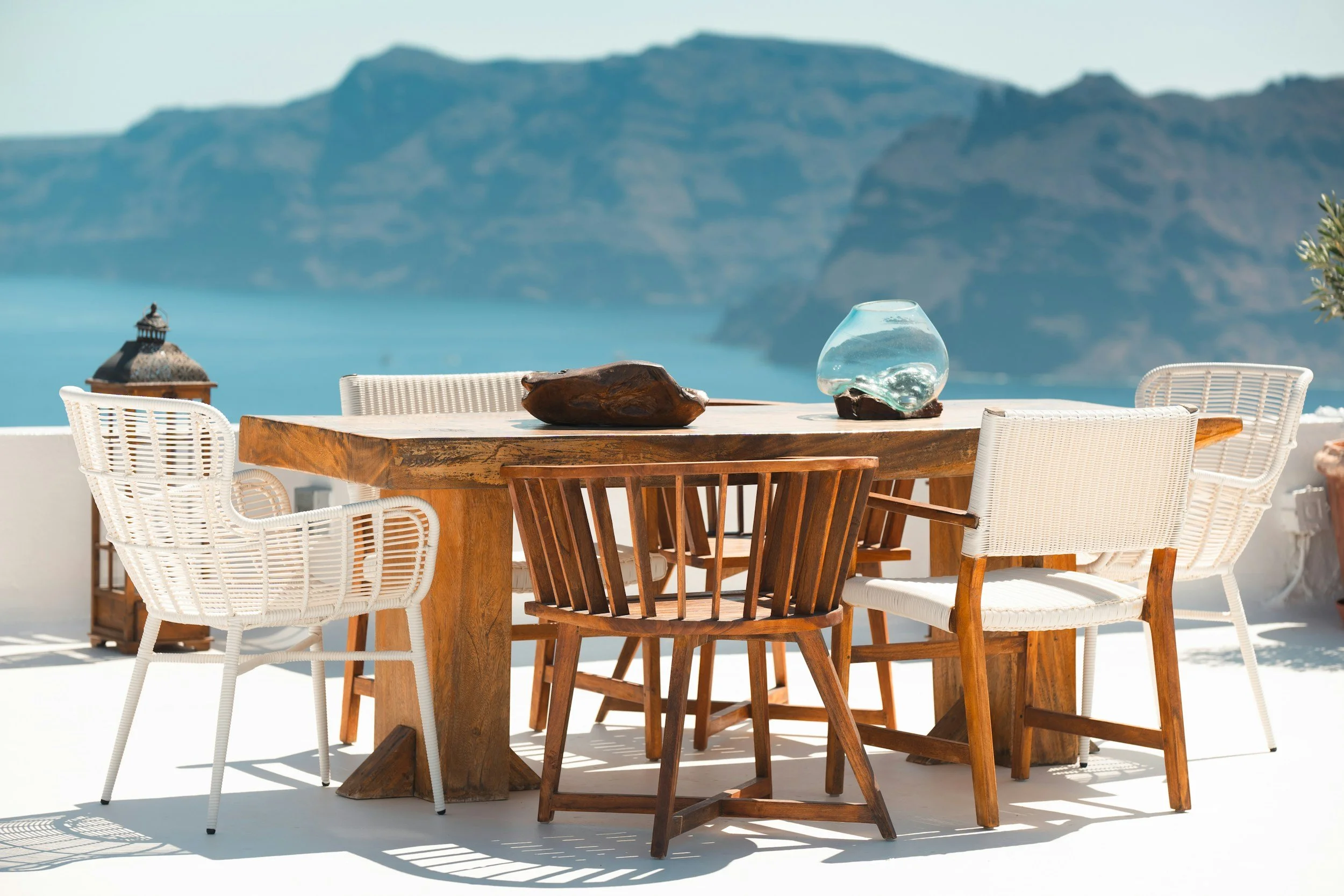
Bistrot des Jardins sits just above the centre, a short walk up from Rue Longue. The easiest way to find it is to head uphill until the streets start narrowing and you’re no longer seeing the sea between buildings.
There are a few tables outside, slightly uneven ground, and a handwritten menu that’s usually clipped near the door. Around 12:30 it starts filling slowly, not all at once. People come in, sit down, and stay.
If you’re closer to the water, walk toward Port de Garavan, the quieter side of Menton near the Italian border. Le Petit Port sits right along the marina. Boats in front of you, road just behind.
Lunchtime here drifts. You’ll see people arrive around 13:00, order something simple, then still be there well past 15:00. No one’s rushing them out.
For a quieter stop, Café des Arts is just behind the Jean Cocteau Museum, near Quai de Monléon. You’ll know you’re close when the streets flatten out again near the water.
Inside, it’s small. A few tables, usually half full mid-afternoon. People sit with a coffee and don’t move much. It’s one of the easier places to just stop without thinking about it.
At some point, you’ll pass the market.
Les Halles de Menton sits just off Avenue Félix Faure, a few minutes from the seafront. If you go around 10:00–11:30, it’s at its busiest. People queue briefly at the cheese counter, move between stalls, then leave again.
After about 13:00, it drops off. Some stalls close, others stay open but quieter.
You don’t need much. A piece of fougasse from the bakery stall near the entrance, something from the cheese counter, maybe olives.
Then you walk back out and find somewhere to sit. Usually not far.
Is Menton Worth It?
Menton makes more sense once you’ve spent a bit of time moving between the same few places.
You go down to Plage des Sablettes, sit for a while, then head back up through the old town without really planning to. At some point you pass Rue Longue, maybe take a wrong turn, end up higher than expected, then find your way back down again.
Later on, you’re back near Avenue Félix Faure or drifting through Les Halles before things start closing.
That’s kind of the loop!
It also works if you’re moving along the coast. The train runs straight through to Monaco, Nice, and over to Ventimiglia, so you can leave for a few hours and come back the same day.
But Menton itself usually feels better once things slow down again. Late afternoon, early evening, when the beach empties out a bit and the old town gets quieter.
If Menton feels like your kind of place, it’s usually not the only stop. This slower side of the south is consistent, whether you stay along the coast or head further inland. You’ll see it again in this solo travel guide to southern France, where the pace stays just as manageable.
And if you’ve ever felt like Provence sounds good but doesn’t quite feel right anymore, there are quieter alternatives that follow the same rhythm without the pressure, like these places that feel like Provence, just calmer.
Menton FAQ: What to Know Before You Go
Is Menton worth visiting compared to Nice or Monaco?
Yes, if you want something quieter. Menton still has the same coastline and access to the Riviera, but it’s easier to move around and less crowded, especially outside peak summer.
How many days do you need in Menton?
2–3 days is enough. The town is compact, so you can walk between the beach, old town, and market easily. Staying overnight makes a big difference compared to just visiting for the day.
Is Menton a good base for the French Riviera?
Yes. Trains run frequently to Nice, Monaco, and Ventimiglia (Italy). It’s easy to go out for a few hours and return the same day without needing a car.
When is the best time to visit Menton?
April–June and September–October are the easiest months. It’s warm enough to be outside, but quieter than summer. February is busier due to the Lemon Festival.
Is Menton less crowded than other Riviera towns?
Yes. It gets visitors, but it doesn’t have the same constant flow as Nice or Monaco. Early mornings and evenings are especially calm, even in busier months.
What is Menton known for?
Menton is known for its lemons and the annual Fête du Citron (Lemon Festival). You’ll also notice citrus products in markets, shops, and local dishes.
Can you visit Menton without a car?
Yes. The train line connects Menton directly to the rest of the Riviera. Once you arrive, everything in town is walkable.
Where should you stay in Menton for the best location?
Anywhere near Promenade du Soleil or just behind Avenue Félix Faure works well. You’ll be within walking distance of the beach, old town, and market.
Are Menton’s beaches sandy or rocky?
Most beaches are a mix of sand and small pebbles. Plage des Sablettes is one of the more comfortable and easiest to access.
What should you not miss in Menton?
Walking through Vieux Menton, spending time at Plage des Sablettes, and stopping by Les Halles market in the morning give you a good sense of the town.
Looking for more slow travel tips like this? Sign up for our Trippers Terminal newsletter and get handpicked travel stories, peaceful destinations, and cozy café finds straight to your inbox.