
These southern French villages deserve more than a quick stop

If you’ve been looking into Southern France, you’ve probably come across Gordes, Saint-Rémy, and the usual Luberon loop. They’re easy to find online, and in summer, you feel that the moment you arrive.
This guide focuses on smaller villages where it’s still possible to arrive mid-morning, park within a few minutes of the center, and find a table without waiting.
Take Lagrasse in the Aude region. It’s officially classified as one of Les Plus Beaux Villages de France, but day-to-day life still revolves around the basics. Around 8:30–9:30 in the morning, you’ll see locals picking up bread from the bakery on Rue Foy, crossing the bridge over the Orbieu, and stopping for coffee near the covered market hall. A place like Le Bastion or one of the small terraces nearby works well if you just want to sit for a while and not feel rushed.
That’s generally how these villages function. Shops open in the morning, close for a few hours after lunch, and reopen in the late afternoon. Menus are short and change often. If you show up around 12:00–12:30, you’ll usually get a table without needing to plan ahead - especially outside July and August.
They’re also easier to navigate on your own. You don’t need to move between “sights.” Most days naturally revolve around a few things: a market (if it’s the right day), a walk just outside the village (often signposted from the center), and somewhere simple to eat in the evening.
In Lagrasse, for example, you can walk out toward the abbey (Abbaye Sainte-Marie) in about 10–15 minutes, or follow the river for a quieter stretch away from the main square. In other villages on this list, it’s usually vineyards, olive groves, or short marked trails just beyond the last row of houses.
If you’re trying to avoid the more built-up parts of Provence but still want the same landscape (stone houses, small squares, local markets) these places tend to work better.
Below are five villages where it’s actually worth staying a night or two, not just passing through, with specific details so you know what to expect when you get there.
If you’ve already seen the usual Provence recommendations, it’s worth widening the search a bit. There are still places like this across Europe where things move at a different pace - this guide to quiet villages in Europe is a good place to start.
Seillans: A Hilltop Village in Provence That’s Actually Easy to Spend Time In
When you think of Provence, you might picture the larger, more popular towns like Aix-en-Provence or Nice - places full of energy and crowds. While these spots are beautiful, they often come with the rush of tourism. Seillans, however, offers something completely different. Nestled in the hills of Var, this small, medieval village feels like a step back in time, with no pressure to race through a checklist of must-sees. The streets are narrow, winding, and lined with traditional stone houses. The vibe here is calm - the kind of place where it’s easy to leave behind the stresses of daily life and simply be in the moment.
One of the things that really makes Seillans special is the lack of crowds. The village is small but packed with charm. You can spend hours walking through its cobbled streets, stopping here and there to admire the architecture, peek into tiny local shops, or just enjoy the quiet surroundings. There’s no need to rush.
The heart of Seillans is its main square, which is where you’ll see the locals gathering throughout the day. It’s a relaxed place where you can feel the village’s pulse without the noise and hustle of bigger cities. Café de la Place, located right in the square, is the perfect spot to grab a coffee and start your day. It’s nothing fancy, but that’s exactly why it’s so great. The coffee is good, the service is friendly, and it has that down-to-earth feel that makes it easy to settle in and relax. You’ll likely find yourself sitting there longer than planned, simply soaking in the calm atmosphere, watching neighbors greet each other, and enjoying the easy flow of village life.


If you’re a wine lover, then Domaine des Masques should be on your radar. This vineyard, just outside Seillans, is a true hidden gem. It offers private wine tastings in a setting that’s miles away from the usual tourist spots. The tasting is more personal and laid-back, with no large groups or rushed schedules. It’s the kind of place where you can chat with the owner, ask questions, and enjoy a glass of wine while taking in sweeping views of the vineyard and surrounding hills. The wines here are top-notch, many of which you won’t find in stores, and the peaceful surroundings make for the perfect setting to relax and unwind. It’s not a big production - just great wine, beautiful views, and a quiet afternoon.
For somewhere to stay, La Bastide de Seillans is an excellent choice. This guesthouse is tucked away just outside the village, offering a peaceful retreat that’s still close enough to everything Seillans has to offer. The property feels like it’s been there forever, with rustic charm and a welcoming atmosphere. The views of the valley below are spectacular, making it the ideal spot to unwind after a day of exploring. Whether you’re sipping wine on the terrace, reading a book by the pool, or just sitting back and taking in the natural beauty, it’s a place that allows you to truly disconnect from the outside world.
Seillans isn’t about cramming in as many attractions as possible or rushing to the next destination. It’s about enjoying the small moments like strolling through the village, chatting with locals in the square, or simply sitting down with a coffee and watching the world pass by. The village has a way of making you feel like you’re living life at a more thoughtful pace. If you’re looking for a place to escape the crowds, slow down, and experience the true essence of Provence, Seillans is the perfect getaway.
If you’re figuring out where to stay in Provence, it can help to compare it with somewhere slightly bigger. This Aix-en-Provence guide gives a clearer picture of how the pace changes depending on where you base yourself.


How to Get There:
To reach Seillans, take a train from Nice to Les Arcs-Draguignan (about 1.5 hours). From there, it’s a short 20-minute taxi ride to the village. If you’re traveling from Cannes, you can take a train to Grasse (about 1 hour), then hop on a bus or take a taxi to Seillans. If you prefer more flexibility, renting a car is a great option. The drive from Nice to Seillans takes around 1 hour and offers a scenic route through the hills and picturesque landscapes of the Var region.
Le Castellet, Provence: A Quiet Hilltop Village Near Toulon Worth Visiting
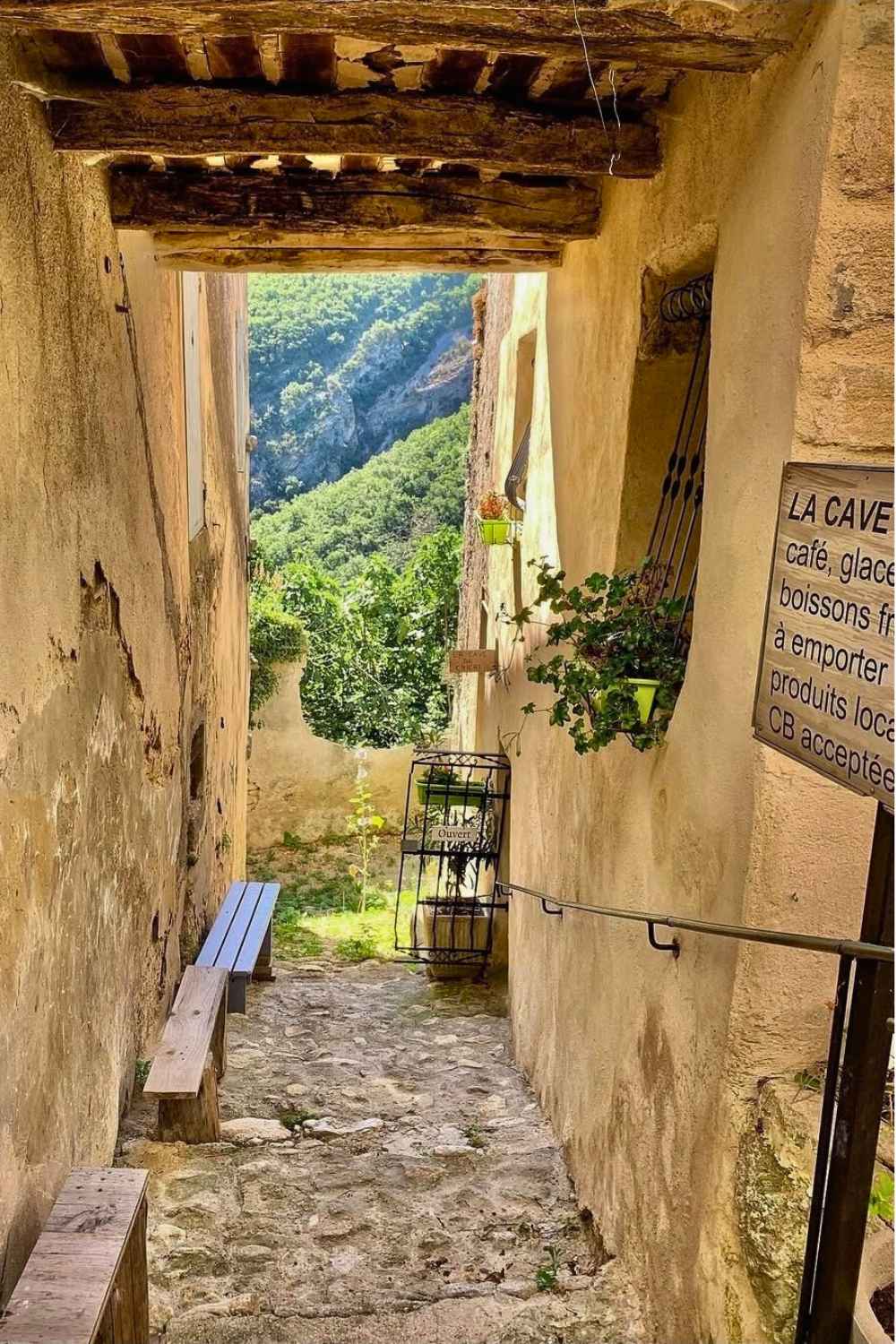
If you’re dreaming of that classic medieval village feel, Castellet in Provence is just what you’re looking for. Perched high on a hill, this charming village offers some of the best views over the Bandol vineyards, and the scenery alone is worth the trip. But what really makes Castellet stand out is the peace and quiet. Unlike some of the more well-known spots in Provence, this place hasn’t been overtaken by the usual tourist crowds. You can wander through the narrow streets, take your time exploring the small local shops, and just relax, all while soaking in the views that stretch out over the hills and vineyards.
Le Café de Castellet is the ideal place to grab a coffee and ease into the day. It’s tucked into the village’s main square, and it’s exactly what you’d expect from a cozy, small-town café. The vibe is relaxed, and there’s no hurry here. You can grab a seat outside, watch the world go by, and just enjoy your coffee as the village starts to wake up. The square is quiet, with locals popping in and out, saying hello, and chatting in between errands. It’s a peaceful way to start the day, and the slower pace is a nice break from the usual tourist-packed spots.
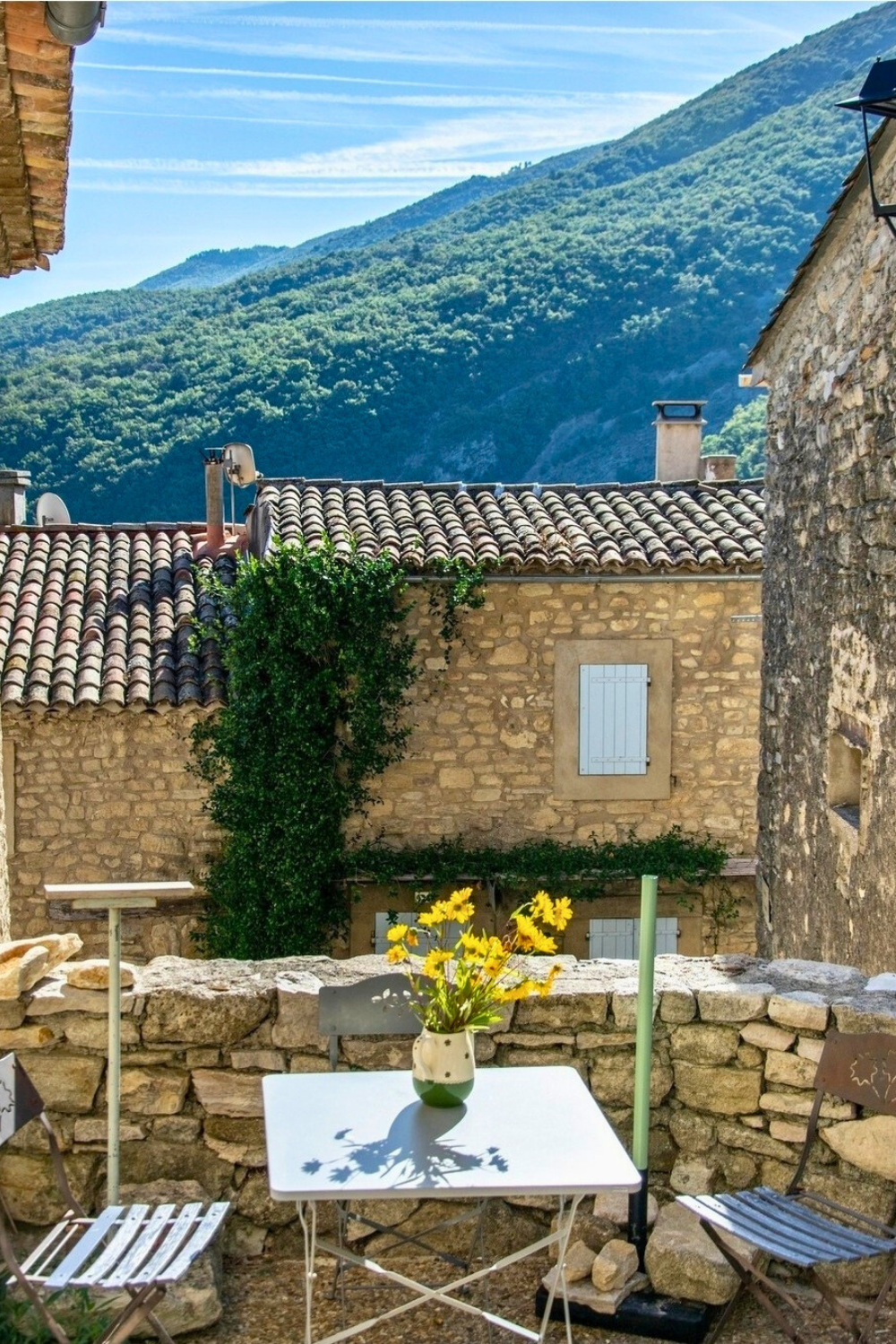
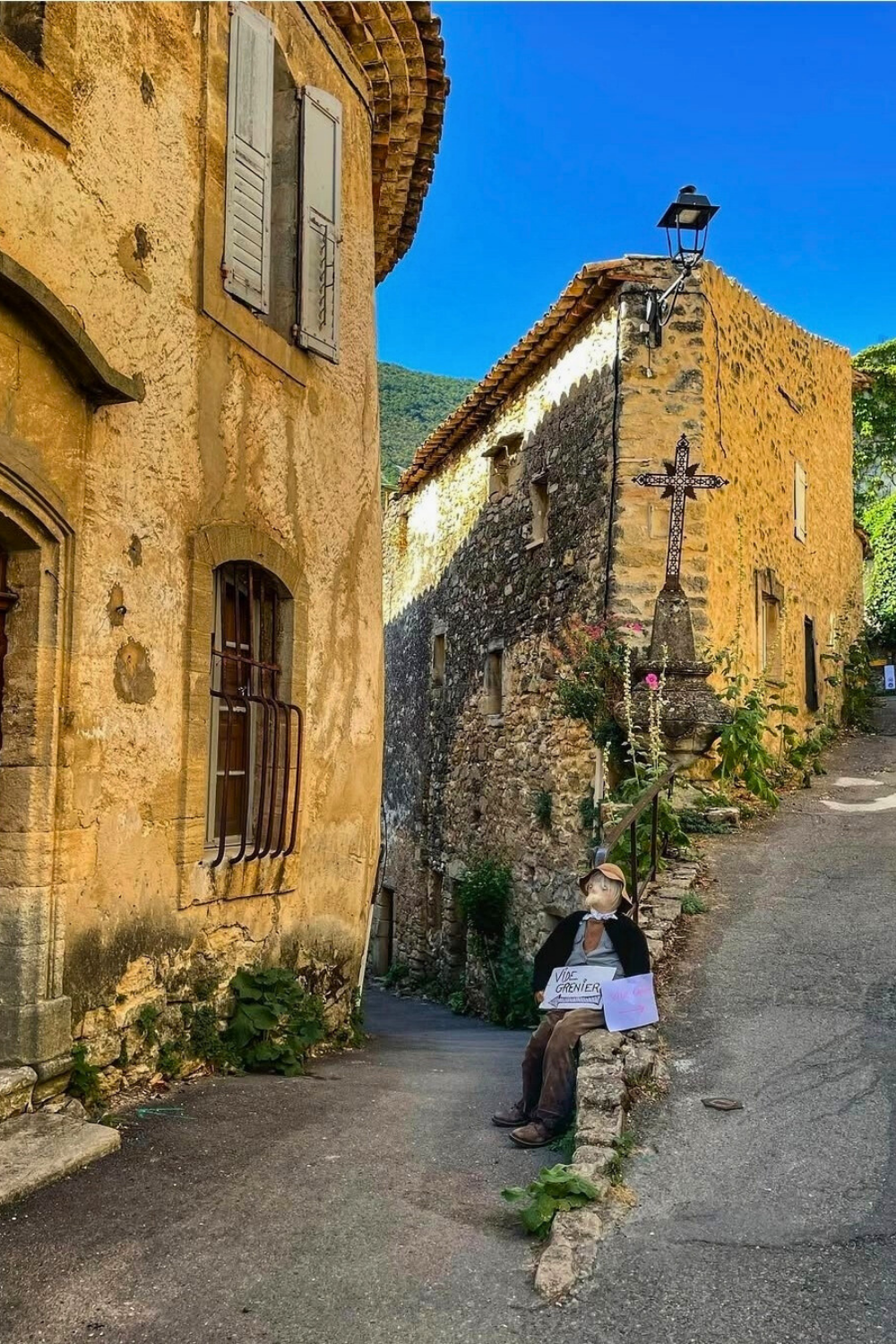
When it comes to wine, Le Wine Bar du Castellet is a must. It’s a hidden little spot that serves wines from the Bandol region, which is known for its excellent reds and rosés. The bar is casual but cozy, perfect for a relaxed evening with a glass of local wine in hand. The vibe is easygoing, and it’s the kind of place where you can sit back, enjoy a few glasses of wine, nibble on some charcuterie, and just let the time pass slowly. The best part? It’s all about the wine and the laid-back experience - just good wine and great company.
As for where to stay, Le Castellet Hôtel is a top pick. It’s small, cozy, and perfectly located right in the heart of the village, so you’ll have easy access to everything. The hotel has a welcoming feel, with a rustic charm that fits perfectly with the vibe of the village. It’s the kind of place you can come back to after a day of wandering the streets, relaxing on the terrace with a drink, or just unwinding in your room. After all, Castellet isn’t about filling your days with tours or packed itineraries, it’s about enjoying the slower pace and taking in all the little moments.
If you’re looking for an authentic, peaceful side of Provence, away from the crowds and the typical tourist hustle, Castellet is exactly what you need. It’s got everything that makes the region special: stunning views, great wine, and a quiet charm that lets you experience the true heart of Provence. You can take your time here, whether you’re exploring the streets, sipping coffee in the square, or enjoying a glass of local wine in a tucked-away bar. The village is a perfect spot to escape the noise and enjoy Provence at its most laid-back.

How to Get There:
To reach Castellet, take a train from Marseille to Bandol (about 50 minutes). From there, it's just a 10-minute taxi ride to the village. If you're coming from Nice, you can take a train to Toulon, which takes around 2 hours, and then a short taxi ride to Castellet. Renting a car is also a good option if you want to explore the surrounding vineyards at your own pace. The drive from Marseille takes around 1 hour, with scenic views along the way.
If you’re thinking about staying somewhere for a few days instead of moving around, Uzès is one of the easier places to settle into. This guide to what a slower stay in Uzès actually looks like gives a good sense of the rhythm.
Moustiers-Sainte-Marie: Between the Verdon Gorge and Lac de Sainte-Croix

Moustiers-Sainte-Marie is one of those places that feels a bit unexpected when you arrive. You drive through fairly open countryside, and then suddenly the road narrows, the cliffs close in, and the village just… appears, built straight into the rock.
You can’t drive into the center, so you park just outside and walk in. It only takes a few minutes, but it changes the pace straight away. There’s a small stream running through the village, and most of the streets follow it, with low stone houses, shaded steps, and a few ceramic shops (this is where the region’s faïence pottery comes from).
What makes this place work is how close everything is. Within 15 minutes, you’re down at Lac de Sainte-Croix (usually near Les Salles-sur-Verdon if you want easy access to the water) and it’s the kind of lake where people actually swim, rent pedal boats, or just sit by the edge for a few hours. Then you come back up to the village, and it feels completely different again.
If you want a bit of movement, there’s a path that leads up to the Notre-Dame de Beauvoir chapel. It’s a steady climb on stone steps, nothing complicated, and you get a clear view over the rooftops pretty quickly. It’s worth doing either early in the morning or later in the evening when it’s quieter.
Midday can feel busy, especially in summer, but it shifts again later on. Once people leave, the streets open up, and you can walk through the village without constantly stepping aside. That’s usually when it feels easiest to enjoy.
Start your day at Café du Progrès, a cozy spot in the village with an outdoor terrace that gives you a front-row seat to the surrounding mountains and the village’s winding streets. It’s a quiet place to sip a coffee, enjoy a pastry, and just take in the view. The peaceful atmosphere of the café sets the tone for the rest of your visit: there’s no rush, just the chance to relax and enjoy your surroundings.
Once you’re fueled up, head towards Lake Sainte-Croix, which is just a short distance away. The lake itself is one of the main attractions here, with its crystal-clear waters and stunning natural surroundings. You can rent a kayak or take a leisurely walk along the shore, where you’ll find plenty of quiet spots to sit and unwind. The peacefulness of the area is perfect for those looking to spend some time away from the usual tourist buzz. It’s the kind of place that makes you feel more connected to nature, and it’s ideal for anyone who just wants to escape for a while.
If you’re into local art, Moustiers-Sainte-Marie has a unique artistic heritage, especially when it comes to ceramics. The village is famous for its traditional faience pottery, which you can find in several local shops. One of the best places to see this craftsmanship up close is the Musée de la Faïence, a small museum that showcases the rich history of Moustiers’ pottery. It’s a fascinating place to learn about the village’s artisanal roots, and you can even pick up some pieces to take home as souvenirs. You’ll see everything from simple designs to intricate, colorful patterns that reflect the village’s cultural history.
As you wander through the streets, don’t forget to stop by one of the local handicraft shops. There are several hidden gems selling unique pottery, jewelry, and local art. These are the kinds of places where you can find something truly special, whether it’s a handmade ceramic piece or a locally crafted leather bag. There’s so much to choose from!


If you're looking for a place to stay, La Bastide de Moustiers is a great choice for anyone wanting a peaceful retreat. It’s a bit more luxurious than other places in the area, but it’s worth it if you’re looking for a relaxing, nature-filled experience. The views from the hotel are stunning, and the surroundings (surrounded by lush gardens and open countryside) make it easy to unwind and enjoy the quiet. The property itself has a cozy, rustic vibe with plenty of outdoor space, so you can take full advantage of the beautiful environment.
Moustiers-Sainte-Marie is perfect for anyone looking to truly disconnect and enjoy a slower pace. The combination of lakeside beauty, mountain views, and the village’s charming atmosphere makes it an ideal spot for relaxing and exploring at your own pace.
If markets are part of your trip, it’s worth choosing the right towns. These quieter Provence market towns tend to feel less crowded and easier to enjoy.
How to Get There:
To reach Moustiers-Sainte-Marie, take a train from Nice to Draguignan, which takes about 1.5 hours. From Draguignan, it’s a 30-minute bus or taxi ride to the village. If you prefer more flexibility, you can rent a car in Nice and drive straight to Moustiers-Sainte-Marie - it’s about a 1.5-hour drive, and the views along the way are absolutely stunning.
Saorge, Alpes-Maritimes: A Remote Mountain Village Near Nice Worth the Detour
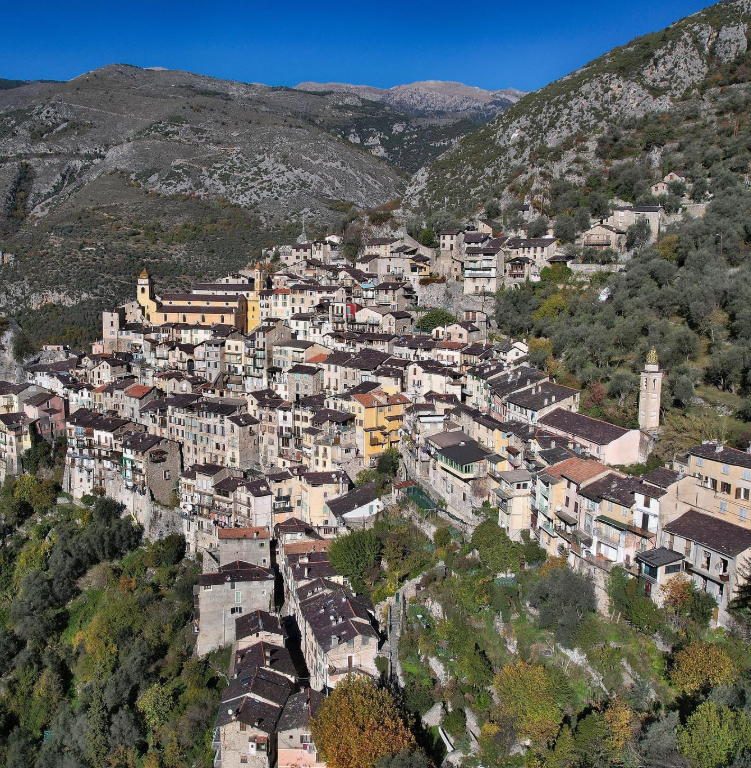
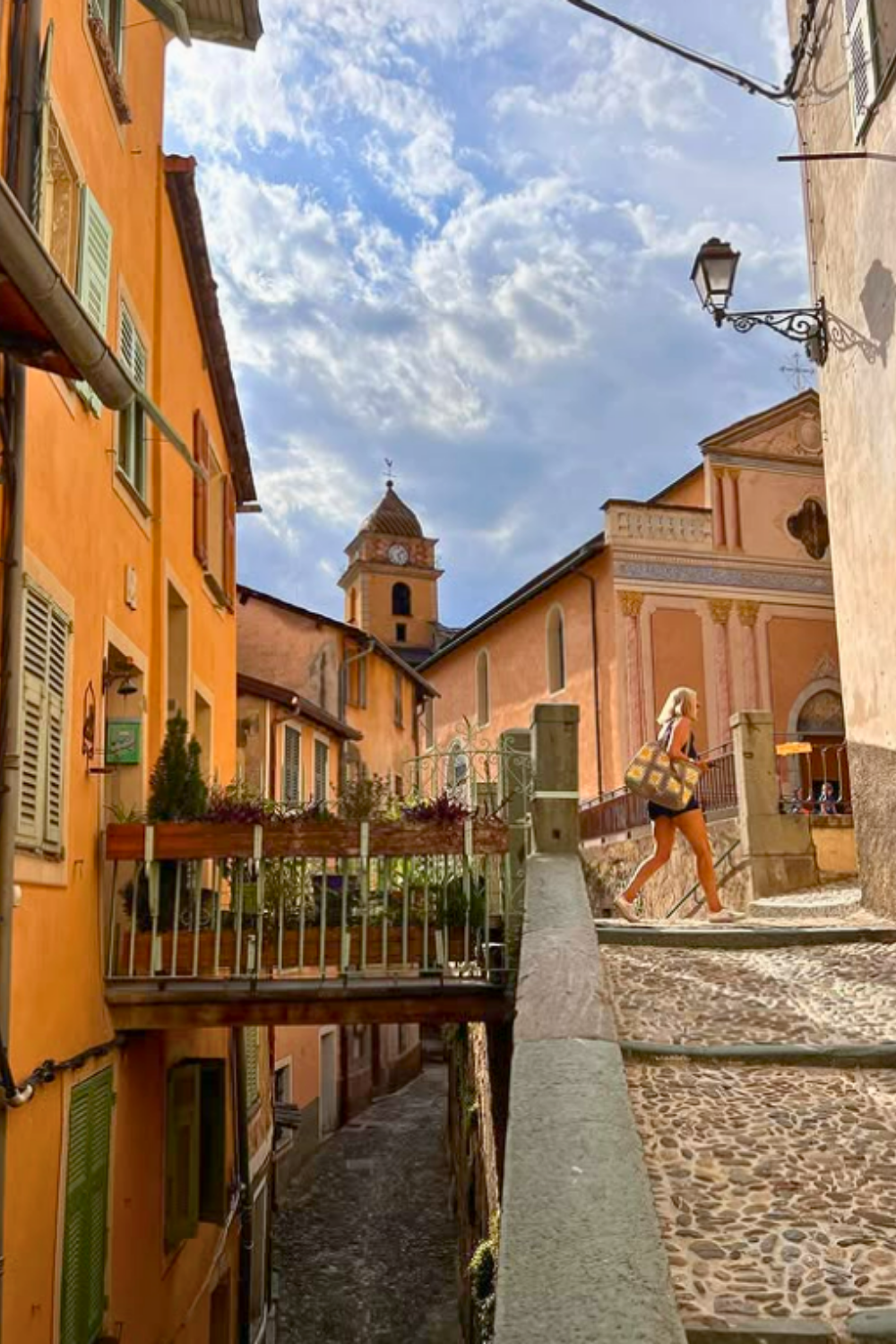
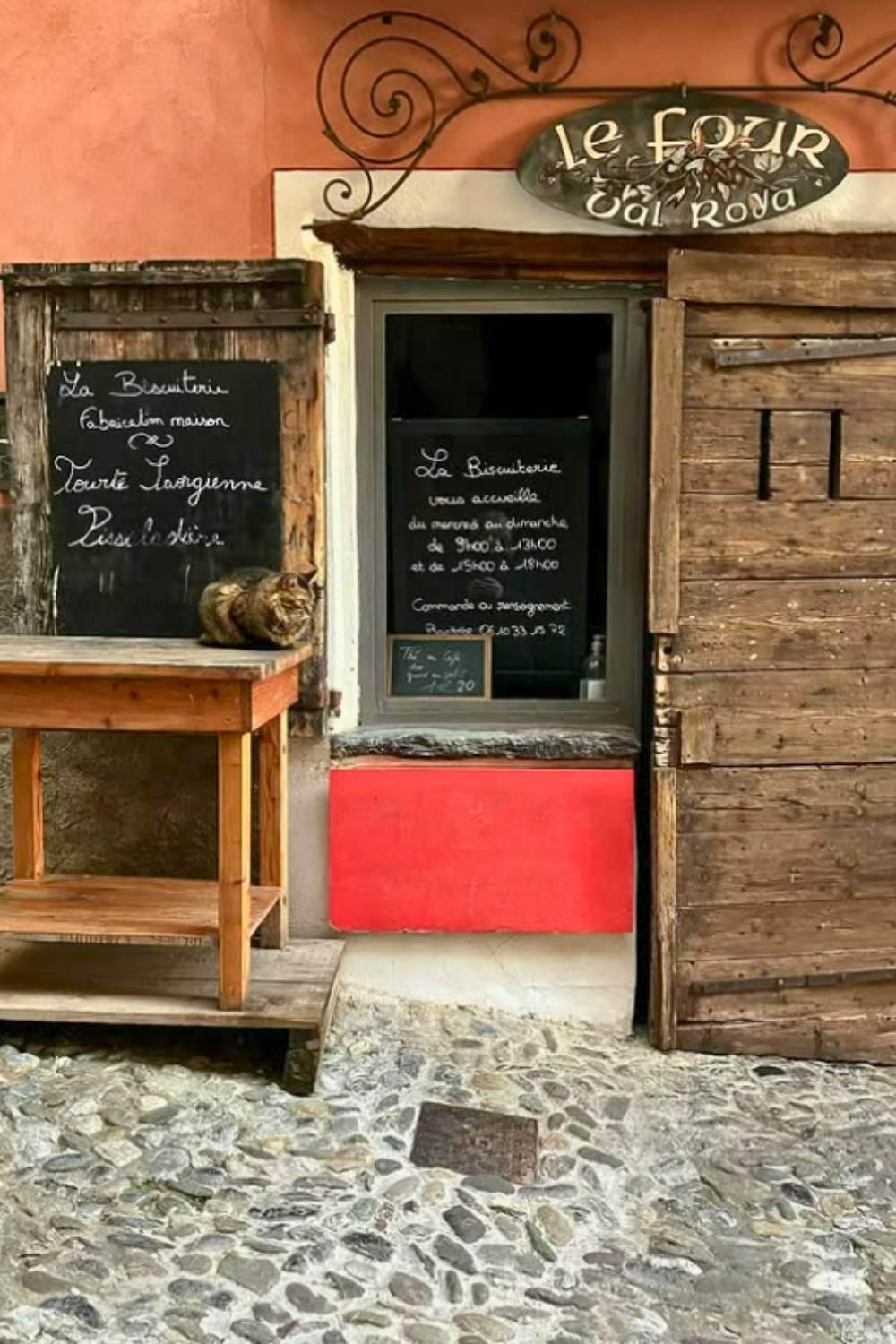
Saorge sits above the Roya Valley, about an hour from Nice by train, but it feels much further away once you arrive. The village is built steeply into the mountainside, with rows of pastel buildings stacked on top of each other and narrow pedestrian lanes connecting everything.
You don’t explore Saorge in a straight line. From the moment you walk up from the lower road, it’s all staircases, small passages, and turns that don’t quite make sense until you’ve been there a while. Most of the village is car-free, so you move on foot between different levels, often stopping because a path suddenly opens up to a view over the valley.
The best part about Saorge is that it hasn’t been overtaken by tourists. It retains a real sense of authenticity that’s hard to come by in more popular towns. As you walk through the streets, you’ll see locals going about their daily lives, and it’s easy to get lost in the moment, enjoying the simplicity of the surroundings. Every corner has something to discover like an old stone building or a hidden garden tucked away on the mountainside.
For a peaceful start to the day, head to Café du Saorge, a quiet local spot right in the village square. It’s small, simple, and everything you need. The coffee is good, and the atmosphere is relaxed: perfect for sitting back and taking in the surroundings. From here, you can enjoy a perfect view of the village, watch the occasional passerby, and soak in the tranquility of Saorge. It’s not about fancy décor or trendy vibes - it’s about the authenticity of the place, and that's exactly what makes it so inviting.
If you’re into nature, Saorge is an absolute haven for hikers. The village is surrounded by a network of trails that offer stunning panoramic views of the mountain landscape. Whether you're an experienced hiker or just looking for a leisurely walk, there’s a trail for everyone. The routes take you through quiet forests, rocky paths, and up to spots where you can see the mountains stretching out before you. It’s one of those places where you can disconnect completely and just immerse yourself in nature. The peacefulness of the trails, coupled with the fresh mountain air, makes this the ideal spot to clear your mind and recharge.
When it comes to where to stay, Auberge du Logis is a cozy gem right in the heart of Saorge. It’s small and intimate, with just a handful of rooms, which makes it feel even more special. The setting is perfect for anyone looking to really unwind and soak up the peaceful surroundings. The intimate atmosphere and warm hospitality make it a wonderful place to relax after a day of hiking or exploring the village. The views from the auberge are incredible, and the quiet here is unlike anything you’ll find in larger towns. It’s the kind of place where you can leave your worries behind and let yourself be completely present in the moment.
Saorge isn’t about big attractions or tourist hotspots - it’s about experiencing the slower pace of life, connecting with nature, and taking in the beauty of the mountains around you. If you're looking for a quiet retreat where you can really feel like you've found a hidden corner of Provence, Saorge will give you exactly that.
How to Get There:
Getting to Saorge can be a bit of an adventure, but it’s totally worth it. Take a train from Nice to Breil-sur-Roya (about 1 hour), and from there, it’s a short bus ride or a 15-minute taxi ride to Saorge. If you’re traveling by car, the drive from Nice to Saorge takes about 1.5 hours, winding through beautiful mountain roads and offering plenty of photo opportunities along the way.
If you’re traveling on your own, places like these tend to feel much easier than larger cities.
This guide to small villages in Europe that work well for solo travel explains why.
Lagrasse, Aude: A Small Medieval Village by the Orbieu River Near Carcassonne

Lagrasse is one of those places that doesn’t look like much on the map, but works surprisingly well once you’re there. It’s in the Aude region, about 40 minutes from Carcassonne, set along the Orbieu River with a stone bridge connecting the two sides of the village.
Most of the activity is on the side with the main square and Les Halles (the covered market hall). That’s where you’ll find a few cafés and the bakery, and where people naturally gather in the morning. Around 8:30–10:00, a few tables fill up, locals stop by for bread, and others sit down for a quick coffee before heading off - it feels active, but never busy.
If you cross the bridge, it shifts almost immediately. Fewer people, quieter streets, and the abbey (Abbaye de Lagrasse) set slightly apart from the center. It’s the kind of place where you can walk for a few minutes without passing anyone, especially outside peak summer hours.
The abbey is worth going inside, not just seeing from a distance. It’s larger than it looks from the outside, and walking through it gives you a better sense of the scale and history than staying in the square.
After that, it’s easy to slow things down. You can walk down to the river just below the bridge, where people often sit along the stone edge or dip their feet in the water on warmer days, or follow one of the smaller streets out toward the vineyards for a quieter stretch.
Parking is usually just outside the village, within a few minutes’ walk, so you don’t need to plan much once you arrive.
Start your morning with a visit to Le Café de la Place, a relaxed café in the village square. This spot is perfect for grabbing a coffee and sitting outside while taking in the view of the square. The vibe is calm, with locals stopping by to chat and go about their day. There’s no rush here, just the opportunity to sip your coffee and watch the village slowly wake up. It’s one of those places where you can easily lose track of time, and that’s exactly what makes it so special.
A local gem you don’t want to miss is L’Abbaye de Lagrasse. Not only is it a historical site worth exploring, but it also offers wine tastings that highlight some of the best wines from the nearby Corbières region. The abbey’s peaceful, almost meditative atmosphere makes it the perfect spot for a quiet afternoon. Pair your wine with some local cheese and freshly baked bread, and you’ve got the simplest and most enjoyable way to experience Lagrasse’s true flavors. There’s something about sitting in the abbey’s courtyard with a glass of wine, surrounded by history, that just feels right. It’s a must-do for anyone who appreciates a relaxed vibe and great local products.
For where to stay, Hotel de France is a great choice. This small, intimate hotel is right in the center of the village, so it’s easy to explore everything on foot. It offers a warm, welcoming atmosphere, and the historic charm of the hotel fits perfectly with the vibe of Lagrasse. The peaceful ambiance makes it an ideal place to come back to after a day of wandering the village or enjoying the surrounding countryside. Whether you’re staying for a few nights or just passing through, it’s a cozy home base that will make you feel right at home.
Lagrasse is a real gem in the Aude region that combines history, charm, and beauty - all without the usual crowds. If Lagrasse is your kind of place, you’ll probably like the wider region too. This route through Drôme Provençale’s smaller villages and markets has a very similar feel, just spread across a few different stops.


How to Get There:
To get to Lagrasse, take a train from Carcassonne (about 30 minutes) to Lézignan-Corbières, then a short taxi ride to the village. If you're coming from Perpignan, it’s about a 2-hour train ride to Narbonne, followed by a quick bus or taxi to Lagrasse. Renting a car is also a great option for more flexibility, as it’s about a 45-minute drive from Carcassonne through the scenic Corbières region.
Where to Go Next in Southern France

If you’re planning a trip like this, it helps to not try to see everything at once. These villages are quite spread out, and they’re not the kind of places you rush through in an hour and move on from.
Lagrasse, for example, makes more sense if you stay nearby and let it be part of a slower couple of days in the Aude region. Seillans and Le Castellet fit better if you’re already around Provence. And Moustiers-Sainte-Marie is a bit more out of the way, so it works best if you combine it with time by Lac de Sainte-Croix or the Verdon Gorge.
What tends to work well is choosing one area and staying there, instead of trying to cover too much ground. Most of these villages are small, with parking just outside the center, so once you arrive, everything is within walking distance anyway.
You also notice a big difference depending on when you go. Early mornings are usually quiet, even in summer, and evenings calm down again once day visitors leave. If you can travel outside July and August, it’s easier overall - fewer people, and more time to actually enjoy where you are.
These aren’t places you go to “see everything.” A good day is usually very simple, with a walk through the village, something small to eat, maybe a short walk just outside, and then just staying a bit longer than you planned.
FAQ: Small Villages in Southern France
What are the quietest villages in Southern France to visit?
Villages like Lagrasse (Aude), Seillans (Var), and Saorge (Alpes-Maritimes) tend to feel much calmer than well-known places in Provence. They still have cafés, small restaurants, and weekly markets, but without the steady flow of day visitors you’ll find in places like Gordes.
How many days do you need in villages in Southern France?
Most villages are small, but they’re better experienced slowly. Staying at least one night makes a big difference, especially if you want to see the village early in the morning or in the evening when it quiets down. As a rough guide, plan 1–2 nights per area rather than trying to visit several villages in one day.
Do you need a car to visit small villages in Southern France?
In most cases, yes. Villages like Seillans and Lagrasse are easiest to reach by car, and it gives you flexibility to explore nearby areas. Some places, like Saorge, can be reached by train from Nice (via Breil-sur-Roya), but getting around is still more limited without a car.
Where do you park in villages like Lagrasse or Seillans?
Parking is usually just outside the old village center. In Lagrasse, you’ll find parking within a few minutes’ walk of the bridge and main square. In Seillans, there are small parking areas below the village, and from there it’s a short walk uphill into the center.
When is the best time to visit Southern France villages?
May, June, and September are usually the easiest months. The weather is warm, but it’s less crowded, and you can move around more freely. July and August are busier, especially in Provence, but mornings and evenings are still noticeably quieter.
Are villages in Southern France walkable?
Yes, most of them are built for walking. You’ll usually park outside and explore on foot. Expect narrow streets, uneven paths, and stairs, especially in hilltop villages like Seillans or Saorge.
What do you actually do in small villages in Southern France?
Days tend to be simple. Walking through the village, sitting down for coffee or lunch, visiting a local market, and taking a short walk just outside the center. Often toward vineyards, rivers, or open countryside. Places like Moustiers-Sainte-Marie also give you access to lakes and hiking nearby.
Is Southern France safe for solo travel?
Yes, especially in smaller villages. They’re generally quiet, with a slower pace and fewer crowds. Basic awareness still applies, but overall these areas are considered very safe for solo travelers.
Ready for more travel inspiration? Sign up for the Trippers Terminal newsletter to get the best tips, local gems, and peaceful places straight to your inbox.