
These are the stargazing trips I'd actually plan a holiday around
Stargazing holidays in Europe often get framed around how dark the sky is, but when you’re actually there, it comes down to something much simpler. You need a place where it’s easy to stay outside in the evening without overthinking it, and where stepping away from light doesn’t mean getting in a car and driving for 40 minutes.
In places like the Cévennes in southern France, you can finish dinner in a village like Saint-Jean-du-Gard and walk a few minutes past the last row of houses where the streetlights stop. In the Alentejo region in Portugal, many countryside stays sit just outside small towns like Monsaraz, where you’re already surrounded by open land and low light. And in northern Sweden, even just outside Abisko or along the road towards Björkliden, you’re often a short walk from complete darkness without needing to plan anything complicated.
That’s the kind of experience this guide focuses on. Not just where the sky is clear, but where your evenings naturally lead you outside anyway. Places where you can have dinner at a normal time, step out with a jacket, and stay as long as you want without it feeling like an activity you had to organise.
Each of the five stays in this guide is built around that idea. You’ll find where to base yourself, how to get there without a car if possible, and what an actual evening looks like once you arrive, including where you might eat, how far you need to walk, and how late it realistically stays comfortable to be outside.
For example, long days, vineyard walks and quiet evenings go well together, and this guide to Tuscany’s hidden vineyards pairs nicely with a night under the stars.
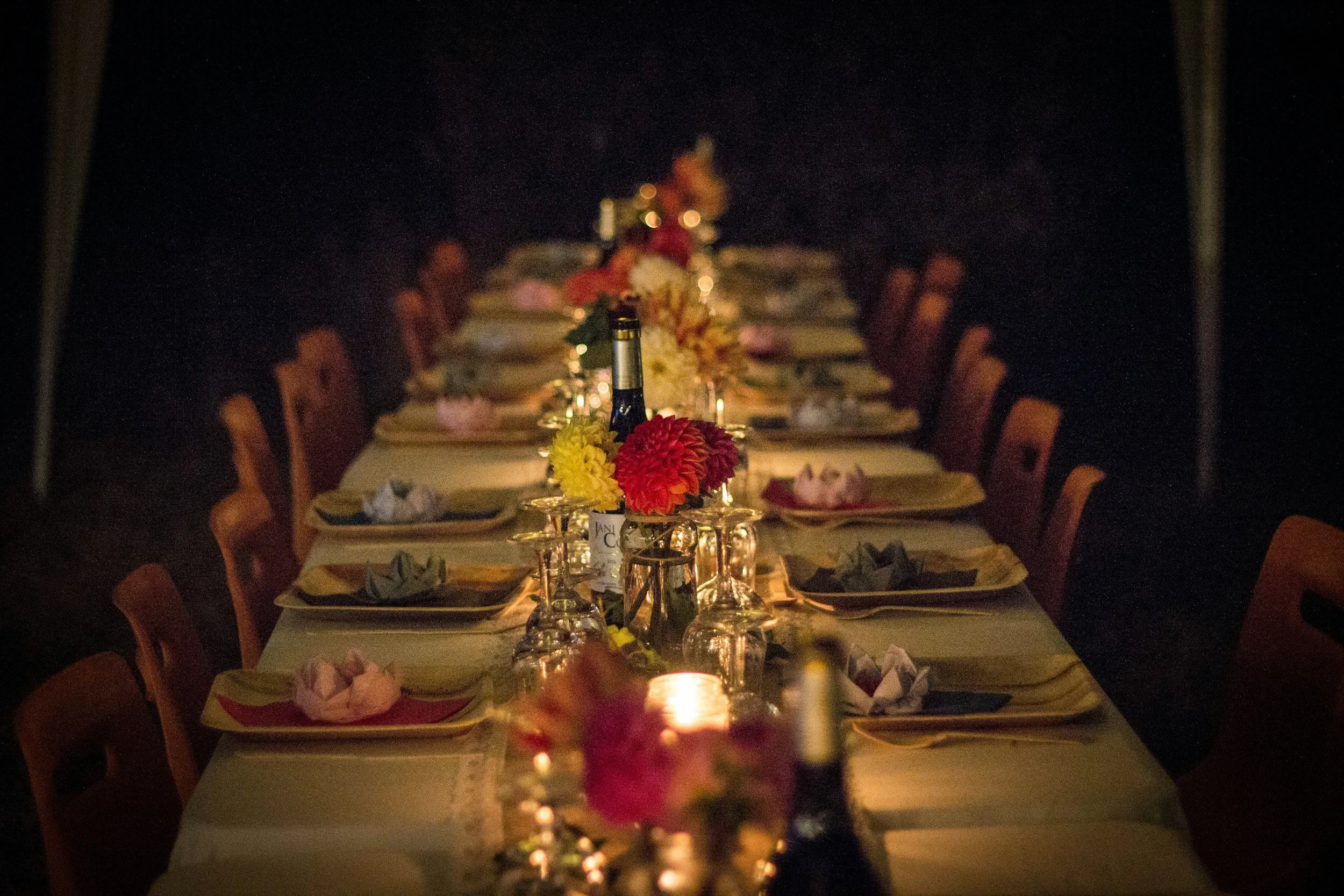
A cozy, candlelit dinner under the stars – Tuscany, Italy
In Chianti, evenings already happen outside for a big part of the year, especially if you stay somewhere a bit removed from the main towns. Around Panzano, along the quiet roads between Greve in Chianti and Castellina, many agriturismos set their tables in gardens or gravel courtyards rather than inside dining rooms. You don’t book a “stargazing experience.” You just sit down for dinner and stay there.
At Podere Felceto, just outside Panzano, dinners are often served in the garden with very low lighting and widely spaced tables. It’s the kind of place where dinner starts around 20:00, stretches naturally, and no one rushes to clear the table. Once you step a little beyond the last lights, even just past the edge of the terrace, the sky is completely open. There’s no need to drive anywhere or plan anything separately.
You’ll find similar setups if you stay along the SR222 road, particularly between Panzano and Radda in Chianti, where properties sit on hillsides with almost no surrounding light. Places like Fattoria Poggio Alloro near San Gimignano or smaller, family-run agriturismos outside Castellina often do the same thing in summer. Dinner is outside, lighting is minimal, and once the evening settles, people stay seated longer instead of moving indoors.
If you want something slightly more structured, there are a few smaller-scale experiences in Chianti where local hosts bring in an astronomer for the evening, usually tied to wine tastings or private dinners rather than large events. These aren’t heavily advertised, so it’s worth asking your accommodation directly when you book.
Getting there without a car is doable if you plan it in advance. From Florence, buses run regularly to Greve in Chianti, and from there it’s usually a 10–20 minute taxi to places like Panzano or the surrounding countryside. If you’re staying near Castellina or Radda, expect a slightly longer transfer. Most agriturismos will help arrange it if you contact them ahead of time.
For this kind of evening to work, location matters more than the property itself. You want to be outside the town centre, ideally a few kilometres out, where there are no streetlights nearby. That’s what makes the difference once dinner is over and you’re still sitting there, long after the plates are gone.
If you want a trip where evenings are quiet enough to actually see the stars, this guide to Tuscany without a car shows how to move between small towns without driving.
For hilltop villages, slow dinners and night skies away from city lights, these off-the-radar Tuscan villages make a lovely base.
A night hike with a star guide – Swiss Alps
If you want to actually be outside while the sky changes, rather than just stepping out after dinner, a guided night hike in Switzerland is one of the easiest ways to do it without overplanning.
BergFrau runs small group hikes in places like Appenzell and the Bernese Oberland, and they’re set up in a way that makes sense even if you don’t hike regularly. One of the more common starting points is near Wasserauen, right at the end of the train line from Zürich via Gossau. You meet in the early evening, usually around 18:30–19:30 depending on the season, and start walking while there’s still some light left.
The route towards Ebenalp is a good example of how these evenings work. The first part is on clear, well-marked paths, gradually gaining height rather than anything steep or technical. As it gets darker, the pace slows down naturally. You’re not covering distance anymore, you’re stopping more often, letting your eyes adjust, and getting a few simple references from the guide so you can actually recognise what you’re looking at.
Once you’re higher up, the landscape opens out properly. Around Ebenalp or further along towards Schäfler ridge, there are wide sections without tree cover, so you’re not trying to find gaps between branches or buildings. The guide usually carries a small laser pointer or printed maps, nothing complicated, just enough to orient you without turning it into a lecture.
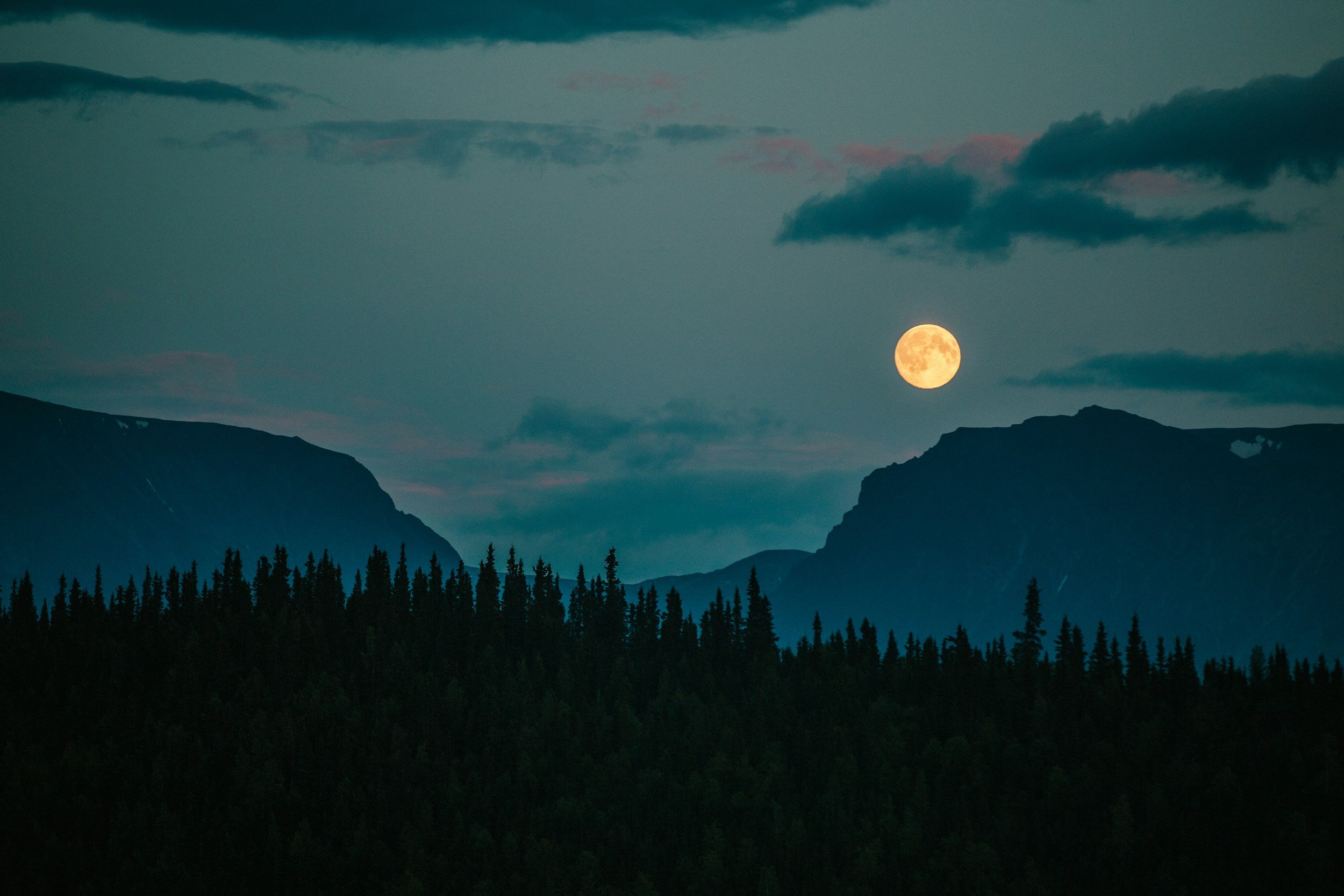
A lot of these hikes either pass by or end near mountain restaurants or huts. Berggasthaus Ebenalp and places along that stretch often stay open later in summer, and depending on the group, you might stop for something simple to eat or head back down after a break outside. In other regions, like around Grindelwald First or above Mürren, similar hikes end with a late dinner at a hut where you’re already far from any village lighting.
If BergFrau’s women-only groups appeal, they run regularly throughout the season, but you’ll find similar setups in other parts of Switzerland too. Around Zermatt, guided evening walks often start near the Sunnegga funicular and continue onto quieter trails above the village. In the Engadin valley, around Pontresina and Samedan, the terrain is more open from the start, so you don’t need to climb as much to get clear views of the sky.
Getting there is straightforward without a car, which makes a big difference. Trains run directly to Wasserauen, Wilderswil, Lauterbrunnen, and Pontresina, and from there you’re either at the starting point or a short cable car ride away. The only part to check in advance is timing your way back down if you’re not staying overnight, since the last trains can be earlier than you expect.
What makes these evenings work is that you don’t have to think about where to go or when to step outside. You just follow the route, and by the time it’s properly dark, you’re already in the right place without having done anything complicated to get there.
For a slower, restorative escape in the mountains, this piece on slow wellness in the Swiss Jura shows how peaceful it can feel.
If you want small villages, lakes and big skies, this slow travel guide to Switzerland fits perfectly.
Yoga under the stars – quiet countryside stays in southern Europe
Yoga under the stars isn’t usually sold as a separate experience in Europe. It tends to happen as part of a stay, especially in places where evenings are already spent outside. You’ll see it most in smaller countryside properties where dinner, sitting outside, and winding down all happen in the same space.
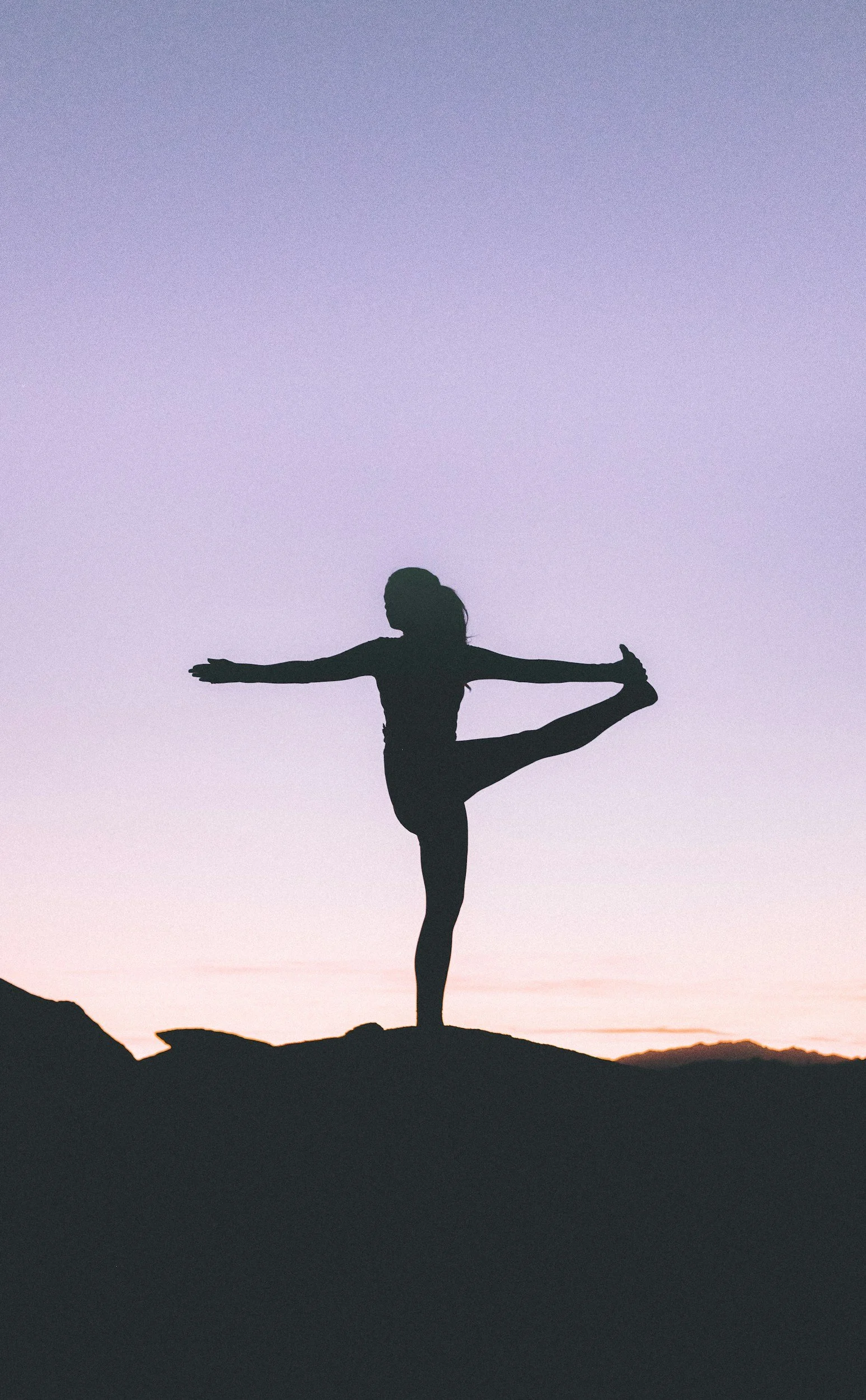
In the Cévennes, just outside Anduze along Route de Mialet, there are a few retreat-style guesthouses where this works naturally. You might start with a late afternoon session in a shaded garden, then have dinner around 20:00, often outside if the weather allows. Later, once it’s fully dark, a shorter session happens on the same terrace or a nearby patch of land. It’s usually simple, mats on gravel or stone, very little lighting, and no one rushing through it. After that, people don’t head back in straight away. They stay where they are, lying on mats or sitting quietly while the sky is completely open.
In inland Catalonia, around villages like Monells and Madremanya, the setup is similar but often a bit more spread out. Many of the smaller yoga-focused stays are set along narrow rural roads rather than in the centre of the village. You might be staying just outside the old stone streets, where there are no streetlights at all. Evening sessions often move between a courtyard and a field or terrace just beyond the property. Once you step away from the main building, even by a few metres, the difference in the sky is noticeable.
In Puglia, the best version of this is inland, not along the coast. Around Martina Franca and Cisternino, some of the smaller masserias run low-key yoga stays where the evening session takes place on flat rooftops or wide stone courtyards. Places like Masseria Montenapoleone or Masseria San Giovanni keep lighting minimal in outdoor areas, which makes it possible to stay outside after the session without it feeling staged. Dinner is usually served late, around 20:30 or later in summer, and the second session happens after that, once the temperature drops.
You’ll also find a quieter version of this in Alentejo, especially around Monsaraz and the smaller roads leading out towards São Pedro do Corval. Properties like São Lourenço do Barrocal or other smaller farm stays in that area occasionally organise evening yoga outdoors, often tied to specific dates rather than daily schedules. The landscape there is flat and open, so you don’t need to move far at all. Stepping just beyond the courtyard is enough to be in complete darkness.
Getting to these places without a car takes a bit of planning but it’s manageable. For the Cévennes, the closest train stations are Alès or Nîmes, followed by a 20–40 minute taxi. For inland Catalonia, Girona is the easiest arrival point, then a short transfer into the countryside. In Puglia, you can take the train to Martina Franca or Fasano and arrange pickup from there. Alentejo is more spread out, so most stays organise transfers from Évora.
The main thing to look for isn’t whether yoga is listed as an activity. It’s whether the place already uses its outdoor space in the evening and keeps lighting low. That’s what makes it possible to stay outside after the session, without needing to go anywhere else.
Stargazing in dark sky parks – where you don’t need to figure anything out
Dark sky parks are one of the easiest ways to get a good stargazing setup without having to think too much about logistics. You’re not guessing where it will be dark enough or whether you’re allowed to be there. There are already designated areas, parking spots, and in some cases short evening sessions you can join if you want a bit of guidance.
In the Cévennes, the most practical area is around Mont Aigoual. If you follow the D986 road up from Valleraugue towards L’Espérou, you’ll pass several open viewpoints where people stop after sunset. Parking is simple, usually just gravel pull-ins along the road. Once you step a few metres away from the car, there’s no surrounding light at all. The observatory at the top of Mont Aigoual sometimes runs evening openings in summer, but most people just stay outside along the road or near the summit and keep it simple. If you’re based in Meyrueis or Le Vigan, it’s about a 30–40 minute drive, and the road itself is easy to follow even in the dark.
In Portugal, the Alqueva Dark Sky area around Monsaraz is even more straightforward. You don’t need to leave the area far at all. Just outside the village walls, along roads like Rua da Barrada or heading out on CM1127 towards the reservoir, you’re already in near-complete darkness. The land is flat, so you don’t need elevation to get a clear sky. If you want something guided, Dark Sky Alqueva runs small evening sessions with telescopes, usually starting around 21:30 in summer. They keep the groups small, and it’s more about pointing things out clearly than turning it into a long lecture.
In northern Spain, the Sobrarbe region in the Pyrenees works well if you prefer something less structured. From Aínsa, you can drive out along the A-138 towards Bielsa, and within 10–15 minutes you’re already in open landscape with very little light. Smaller roads towards Torla or Broto are even quieter. There aren’t big designated viewing platforms everywhere, but that’s what makes it easy. You stop where it feels right, step away from the road, and you’re set. Some local guides in Aínsa organise short evening walks with stargazing, usually starting from the edge of the old town rather than deep in the mountains.
If you’re in Germany, the Rhön area around Wasserkuppe is one of the more accessible dark sky regions. There are marked “Sternenpark” viewing points with small parking areas and open land. It’s less remote than the other examples, but once you’re outside the main road area, the sky is still clear enough to make it worthwhile. In summer, they sometimes organise evening stargazing events, but most nights you can just go on your own.
Dense forests and spa towns pair well with dark skies, and this guide to the Black Forest near Baden-Baden gives you another idea for a nature-focused trip.
If you want to combine stargazing with scenic train rides, this Bavarian & Bohemian Forest route makes an easy loop.
Getting to these places depends a bit on where you stay. Monsaraz is reachable from Évora with a taxi transfer, and once you’re there, you can walk to several dark areas directly from the village. The Cévennes and Pyrenees are easier with a car, especially if you want flexibility in the evening. In Rhön, you can reach nearby towns by train, but getting up to the best viewpoints usually means a short drive.
The main advantage with dark sky parks is that you don’t have to build your whole day around it. You can have dinner where you’re staying, drive or walk a short distance, and already be in the right place without searching for it.
Stargazing and wine tasting – Douro Valley, Portugal
In the Douro Valley, you don’t really plan a separate stargazing moment. It usually happens because you’re still outside after a long tasting and dinner, and there’s very little light around once the last tables start to clear.
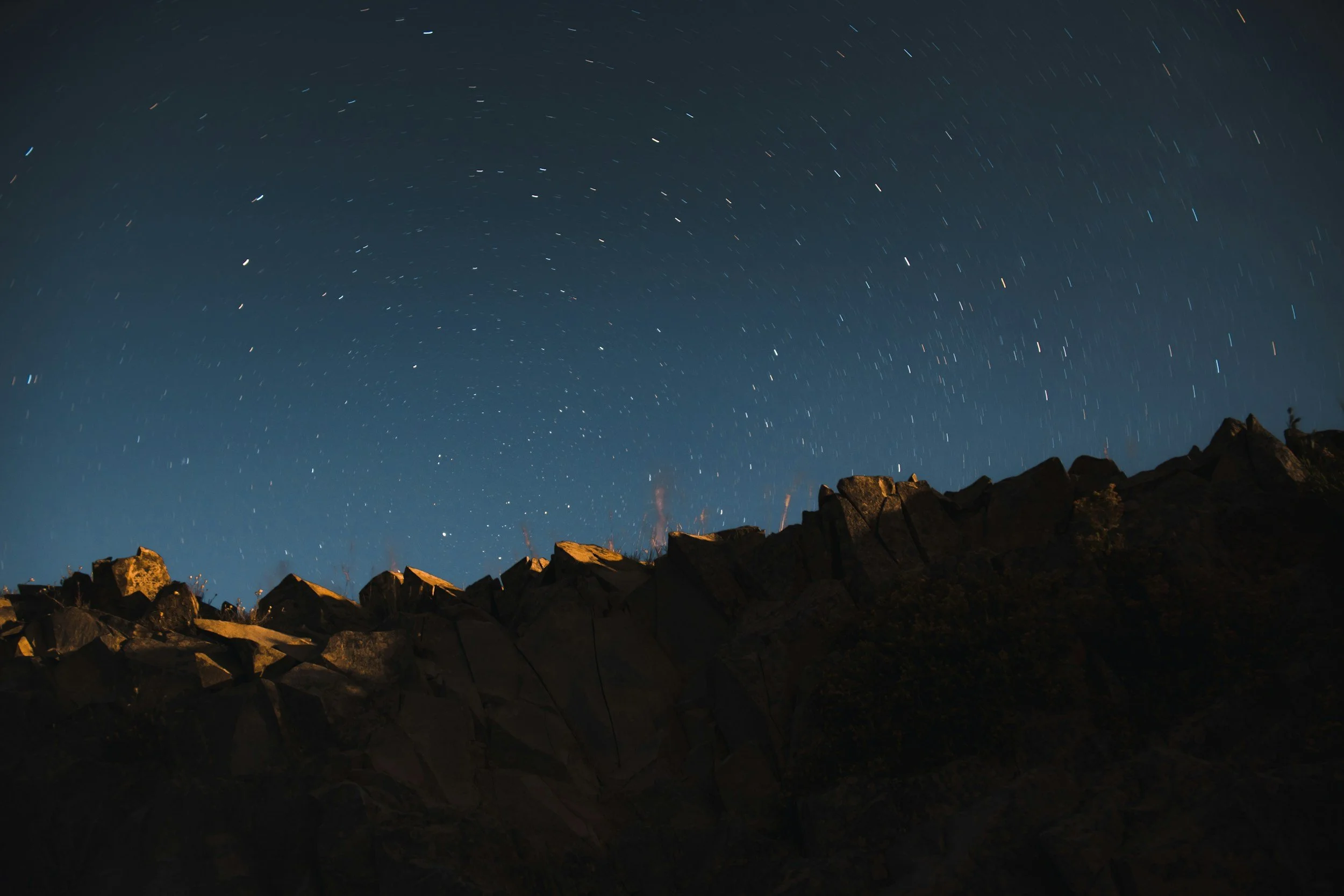
Around Pinhão, if you stay just outside the centre, the difference is immediate. Along the N222 heading towards Vale de Mendiz, there are several quintas set above the river where evenings stretch without anyone needing to organise anything. Tastings often start around 18:30 or 19:00, usually on a terrace, and then move into dinner. By the time you’re finished, it’s fully dark, and you’re already sitting in a place where the sky is clear.
At Quinta do Tedo, near the small junction by Folgosa on the N222, the terrace faces both the river and the vineyards. After tastings, people tend to stay outside rather than move in, especially in summer when it’s still warm late into the evening. If you walk a short distance away from the main terrace, even just along the access road leading up to the property, the surrounding light drops off quickly.
Quinta Nova de Nossa Senhora do Carmo, a bit higher above Pinhão, works in a similar way but feels more open. The estate sits on a ridge, so once you step away from the building, you’re looking out over the valley with almost no visible light from nearby houses. Dinner here is usually later, around 20:30, and it naturally runs long, which means you’re outside when the sky is at its darkest without having planned for it.
If you stay closer to Peso da Régua, it’s worth moving slightly out of town rather than staying right by the riverfront. Even driving 10–15 minutes inland towards places like Cumieira or the smaller roads above Santa Marta de Penaguião makes a noticeable difference once you’re outside after dinner.
For something a bit more arranged, a few quintas in the region offer private evening tastings that extend into simple stargazing setups. These aren’t big events. It’s usually just a small group, sometimes a telescope, and someone pointing out a few constellations after the tasting. You won’t always see it advertised, so it’s worth asking directly when you book.
If you want a similar experience outside Portugal, you’ll find it in quieter wine regions rather than the well-known ones. Around Séguret and Cairanne in the southern Rhône Valley, smaller wineries host evening tastings in courtyards or vineyards, with open land just beyond. In La Rioja Alavesa, just outside Laguardia, staying beyond the old town walls puts you in darker surroundings once restaurants close for the night. The structure is the same. You finish eating, stay where you are, and the sky becomes part of the evening without needing to go anywhere else.
Getting to the Douro is one of the easier parts. The train from Porto to Pinhão runs along the river and takes about two hours. From the station, most quintas are a short taxi ride, usually 10–20 minutes depending on how far up into the valley you’re staying. Some properties will arrange pickup if you ask in advance.
What makes this work so well here is that nothing feels separate. You’re already outside, already in a darker setting, and the evening naturally continues without needing to move or plan the next step.
For warmer nights and coastal horizons, this guide to the Algarve off-season gives you quiet beach towns and wide skies.
If you like the idea of an easy seaside escape, this weekend in Figueira da Foz keeps things simple and slow.
For something even quieter, the Alentejo coast in Portugal offers long horizons, salt air and very little light pollution.
When stargazing actually works in Europe (and when it doesn’t)
Stargazing in Europe isn’t consistent year-round, and this is where a lot of trips fall flat if you don’t think about timing before booking.
In southern Europe, like Tuscany, the Cévennes, or the Douro Valley, summer evenings are warm and easy to spend outside, but the sky doesn’t get properly dark until later. In June and July, you’re often waiting until around 22:30 or even 23:00 before the sky is fully clear. That works well if dinner naturally runs late, but less so if you expect an early evening experience.
In places like the Douro Valley or inland Catalonia, August can still be a good option, especially if you’re staying somewhere without surrounding light. The main thing to check is temperature. If it’s still above 25°C late in the evening, people tend to stay outside longer, which makes it easier to actually experience the night sky without planning around it.
In northern Europe, including the Alps and northern Sweden, the timing is almost the opposite. In June and early July, it doesn’t get properly dark at all, so stargazing isn’t realistic. By late August and September, conditions improve quickly, and you start getting darker skies earlier in the evening, often around 20:30–21:30.
If you prefer winter skies and quiet mountain roads, this look at winter travel beyond the Alps gives you a few unexpected options.
Weather matters more than anything else. Clear skies make a bigger difference than how remote the place is. In regions like the Swiss Alps or the Pyrenees, clouds can move in quickly after sunset, even if the day has been clear. In southern regions like Alentejo or inland Provence, conditions are usually more stable, which makes planning easier.
Moon phases are also worth checking before you book. Around a full moon, the landscape is easier to see, which works well for night hikes, but you’ll see fewer stars. If your priority is the sky itself, aim for dates closer to a new moon when possible.
The easiest way to make this work in practice is to build your evenings around where you’re staying, not around a specific “stargazing plan.” Choose places where you can step outside easily after dinner, and then adjust based on the weather rather than trying to follow a fixed schedule.
What actually makes a good stargazing stay in Europe
What makes these kinds of evenings work isn’t the destination on its own, it’s how easy it is to stay outside once the day is over. That usually comes down to small things that aren’t obvious when you’re booking.
Lighting is one of them. In places like the Douro or Chianti, you’ll notice quickly that some properties keep terraces fully lit well into the night, while others switch to very low lighting after dinner. If you look at photos of outdoor dining areas, you can usually tell the difference. A courtyard with string lights or bright terrace lamps will feel very different at 22:00 compared to a place that only uses candles or small wall lights. If you’re unsure, it’s worth sending a quick message before booking and asking how they handle outdoor lighting in the evening.
Distance matters more than people expect. In the Cévennes or around Monsaraz, you might technically be in a very dark area, but if your room is a 5–10 minute walk from where you had dinner, along an unlit gravel path, you’re less likely to head back out later. Places where everything sits close together, a terrace, a small garden, maybe a short path just beyond the building, tend to work better in practice.
It’s also worth checking what’s around the property itself. In Chianti, for example, staying just off the SR222 between Panzano and Radda usually means fewer nearby houses and less scattered light than staying closer to Greve. In the Douro, properties above the N222 rather than right by the river tend to feel darker once you step away from the main terrace.
You don’t need every stop on your trip to be perfect for this. One or two evenings in the right setting is usually enough, especially if you stay somewhere where you don’t need to leave the property once it gets dark. That also gives you some flexibility if the sky isn’t clear the first night.
Most of the places in this guide work because nothing extra needs to happen. You finish dinner, stay where you are, and the rest of the evening follows from that without needing to plan the next step.
FAQs about stargazing holidays in Europe
What are the best stargazing holidays in Europe?
The best stargazing holidays in Europe combine dark skies with places where you can stay outside in the evening without needing to plan anything extra. Regions like the Douro Valley in Portugal, the Cévennes in southern France, Chianti in Tuscany, and parts of the Swiss Alps all work well because you can finish dinner and already be in a dark setting. Staying just outside towns like Pinhão, Saint-Jean-du-Gard, or Panzano makes a noticeable difference compared to staying in the centre.
For snowy peaks, candlelit dinners and quiet trails, this cozy weekend in the Swiss Alps makes a lovely winter option.
Where are the darkest skies in Europe for stargazing?
Some of the darkest skies in Europe are found in the Alqueva region in Portugal, the Cévennes National Park in France, the Pyrenees in northern Spain, and rural parts of Scandinavia. In practice, you don’t need to reach the most remote point. Areas just outside villages like Monsaraz, Meyrueis, or Aínsa already have very low light pollution if you step a short distance away from the main buildings.
What is the best time for stargazing in Europe?
Late August to October is usually the most reliable period. In June and July, especially in southern Europe, it stays light until 22:30 or later. In northern regions and the Alps, it may not get properly dark at all in early summer. From late August, evenings get darker earlier while temperatures are still comfortable enough to stay outside.
Do you need a telescope for stargazing in Europe?
No, most stargazing experiences in Europe don’t require a telescope. In places like the Douro Valley, Chianti, or Alentejo, the sky is clear enough to see constellations with the naked eye once you’re away from artificial light. Guided sessions sometimes include telescopes, but many evenings are simply about being in the right place at the right time.
Are there stargazing hotels or stays in Europe?
Yes, but they are not always labelled that way. Many agriturismos in Tuscany, quintas in the Douro Valley, countryside stays in Alentejo, and smaller retreats in southern France naturally offer the right conditions. Look for properties outside towns, with outdoor dining areas and minimal lighting rather than searching specifically for “stargazing hotels.”
Can you do a stargazing holiday in Europe without a car?
Yes, in some regions. The Douro Valley is one of the easiest, with trains from Porto to Pinhão and short taxi transfers. In Switzerland, places like Wasserauen, Lauterbrunnen, and Pontresina are accessible by train and close to darker areas. In more rural regions like the Cévennes or inland Spain, having a car makes evenings more flexible.
Where can you do guided stargazing in Europe?
Guided stargazing is available in places like the Alqueva Dark Sky area in Portugal, where small evening sessions are organised near Monsaraz. In the Swiss Alps, guided night hikes combine walking with basic stargazing, often starting near villages like Wasserauen or Grindelwald. In some wine regions, including the Douro Valley, private stays occasionally arrange small evening sessions on request.
Is summer a good time for a stargazing holiday in Europe?
Summer works well in southern Europe because evenings are warm and people stay outside longer. The main thing to plan for is timing, as it gets dark late. If you prefer earlier evenings with darker skies, late August and September are usually a better balance.
Does the moon affect stargazing holidays in Europe?
Yes, the moon phase changes what you’ll see. Around a full moon, the landscape is brighter, which works well for night hikes or outdoor dinners. Around a new moon, the sky is darker and more stars are visible. It’s worth checking moon dates when planning your trip.
How do you plan a stargazing holiday in Europe?
Focus on where you’ll spend your evening rather than only the destination. Choose a stay outside town centres, check how outdoor lighting is handled, and make sure you can easily step outside after dinner. In places like Chianti, the Douro Valley, or the Cévennes, this often matters more than how remote the region is.