Where to find Europe's darkest skies
Most stargazing guides in Europe point you straight to the same places. You’ll see the same names repeated over and over, usually far from anywhere you can reach without serious planning or a long, expensive trip.
But you don’t have to fly north of the Arctic Circle or plan a full expedition to get clear, dark skies in Europe. There are quieter regions where light pollution is low, the air is clear, and the night sky feels incredibly close, without the crowds or complicated logistics.
This guide focuses on places you can actually reach without chartering a plane or spending days in transit. Places where you can step outside after dinner and see the Milky Way, watch constellations rise over mountain ridges, or sit under a sky so dark you start to notice how loud silence can be.
Some of these locations sit in mountain valleys. Others are in protected countryside or small rural towns where nights are still truly dark. All of them are places where the stars don’t feel like a tourist attraction, but part of the landscape itself.
If you’re looking for winter night skies that don’t require joining a tour group or booking a once-in-a-lifetime trip, these five places are genuinely worth the journey.
If you like the idea of pairing mountain air with big night skies, this slow travel guide to the Dolomites is an easy way to plan a few quiet days. Read more below.

The Italian Dolomites: where to go for stargazing after dark
The Dolomites sit across northern Italy in South Tyrol and Trentino, and what makes them different from most stargazing spots in Europe is how quickly things go quiet once the day visitors leave. You can spend the afternoon somewhere busy like Ortisei or Cortina, then drive 20–30 minutes and end up in near darkness without really trying. That shift is what makes this area work so well.
One of the easiest places to get this experience without overplanning is Alpe di Siusi (Seiser Alm). Most people arrive during the day via the lift from Ortisei (Seceda cable car area) or the road up from Siusi allo Sciliar, but very few stay late unless they’re sleeping there. If you book somewhere near Compatsch or further out toward Saltria, you’ll notice how empty it becomes after sunset. There are no through-roads across the plateau at night, and once the last buses leave, it’s mostly just a few lights from mountain hotels.
A small detail that actually makes a difference: walk away from the main cluster at Compatsch and follow the path toward Hotel Panorama or in the direction of Malga Sanon. It’s a gentle, wide trail you can walk even in low light, and within 10–15 minutes you’re far enough from any artificial light to let your eyes adjust properly. If you turn your view away from Val Gardena and instead face toward the Sassolungo and Sassopiatto, the sky tends to be noticeably darker.
Another place that works really well, but feels completely different, is Val di Funes (Villnöss). Most people only stop for photos near the church of Santa Maddalena, usually along Via Geisler / St. Magdalena village road, then leave again. But if you stay overnight somewhere around Ranui or further up toward Zanser Alm (Malga Zannes), the valley changes completely after 9–10 pm. The traffic disappears, the viewpoints empty out, and you’re left with open farmland and a clear view straight up toward the Odle peaks.
There’s a quiet farm track that runs above Santa Maddalena toward Putzenhof and further along the hillside. It’s not marked as a “stargazing spot” anywhere, but it’s one of those places where locals walk in the evening. No streetlights, just wooden fences and fields. If you go out there on a clear night, you don’t need anything more complicated than that.
If you want something a bit higher up without committing to a full hike, the area around Passo delle Erbe (Würzjoch) is one of the most underrated spots. It connects Val Badia and Val di Funes, but doesn’t get the same traffic as places like Passo Gardena. There are a few small stays like Ütia de Börz mountain hut and nearby guesthouses, and once it gets dark, there’s very little movement at all. You can literally step outside and already be in a dark-sky setting.
For a slightly more structured option, there’s the South Tyrol Observatory in Olang (Valdaora), near the edge of Fanes-Senes-Braies Nature Park. They run occasional evening sessions, but even if you don’t join one, the surrounding villages like Geiselsberg (Sorafurcia) and Taisten (Tesido) sit higher up and away from heavier light pollution. Staying in these smaller places instead of down in Brunico (Bruneck) makes a noticeable difference.
One thing that’s worth knowing, and that most travel guides skip, is that you don’t need to go deep into the mountains to get a good sky here. Even staying just outside a main town can be enough. For example, if you’re in San Cassiano, walking 10–15 minutes out toward the edge of the village, in the direction of Armentarola road, already gives you a darker view than the center. Same with the hills above Brunico, where small hamlets sit just above the valley floor.
Timing matters more than people expect. Summer works, especially late July and August, but you’ll often get clearer skies in mid-September to early October. The air is drier, there are fewer afternoon storms, and the evenings feel calmer overall. If you’re there in winter, areas like Alta Badia can be just as good, but you’ll need to plan around snow and access.
What makes the Dolomites stand out isn’t just the darkness, it’s how the landscape frames everything. You’re not just looking up at a wide sky. You’re standing in a quiet meadow, or next to a wooden fence, with the outline of the peaks around you and barely any sound. It feels contained in a way that’s hard to explain until you’re actually there.
If you plan it even slightly intentionally, this is one of the easiest places in Europe to experience a proper night sky without needing specialist gear or long detours. And that’s exactly why it works so well.
If you’re looking for wide valleys, wildflowers and almost no light pollution, this slow weekend in Valle Maira shows why the area is so good for slowing down.
For winter skies and quieter landscapes without the crowds, this guide to travel beyond the Alps opens up lesser-visited parts of France and Italy.
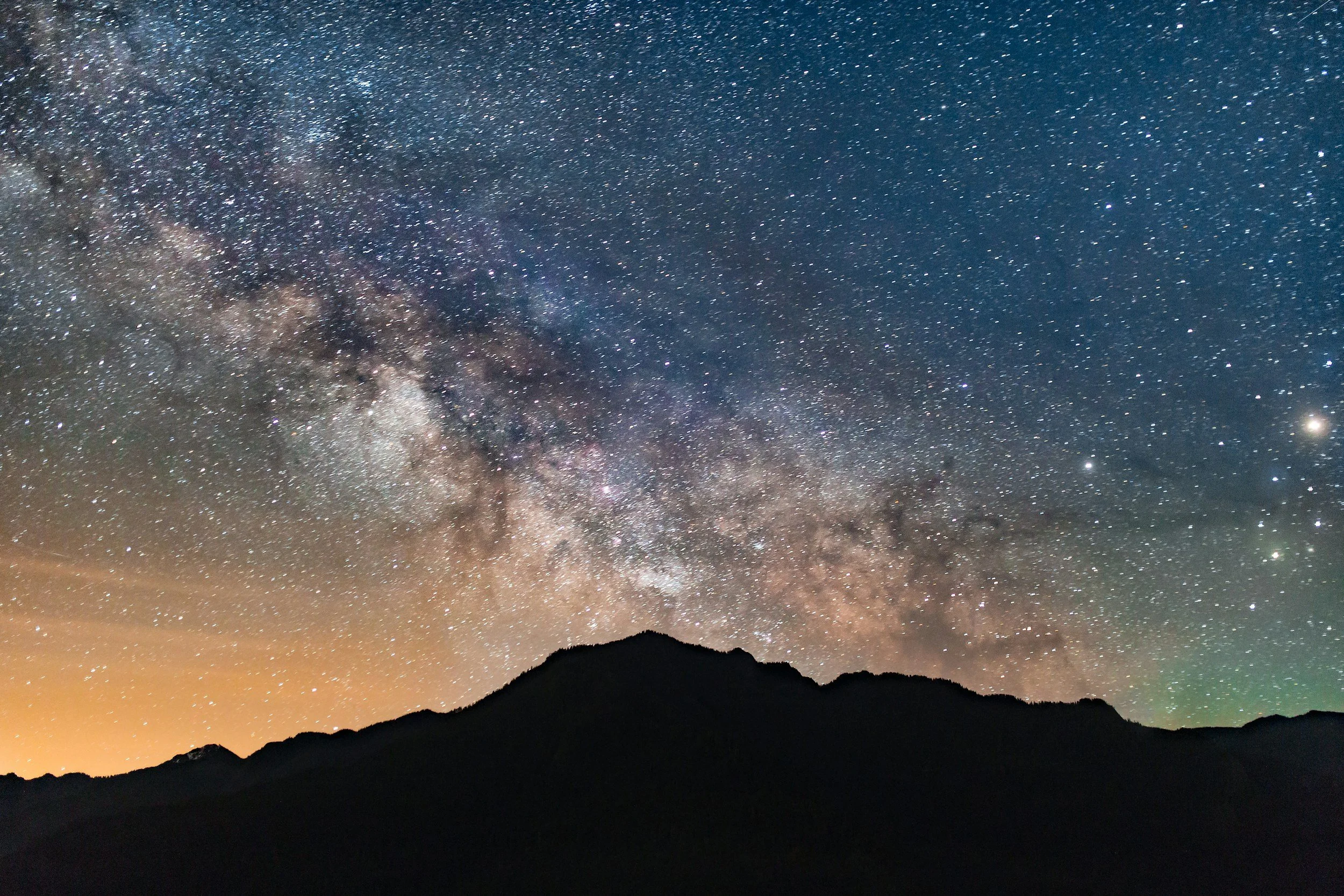
Cortina d’Ampezzo
The Picos de Europa: quiet valleys and high roads for clear night skies
The Picos de Europa feel very different from most mountain regions in Europe. It’s not polished, it’s not overly set up, and once the day visitors leave, things go quiet fast. That’s exactly why it works so well for stargazing. You don’t need to plan anything complicated here. You just need to be in the right place when it gets dark.
Most people pass through Potes, and during the day it’s a good base. But for the night sky, you don’t want to stay right in the center. If you drive out along the CA-185 toward Fuente Dé, even just 10–15 minutes, you’ll notice how quickly the light drops off. There are a few small roadside pull-ins along this stretch, especially after Tama and before Espinama, where you can stop without needing to hike anywhere. It’s simple, but it works.
If you continue up to Fuente Dé, where the cable car station is, the landscape opens up properly. During the day it’s busy, but after sunset the area empties out almost completely. If you stay nearby, for example at Parador de Fuente Dé or one of the small guesthouses in Espinama, you can just walk out after 10 pm and already have a clear sky.
A small detail that actually makes a difference here: don’t stand right in the main parking area. Walk a few minutes past it toward the open fields near the start of the Hotel Áliva trail (PR-PNPE 24). It’s flat, easy to follow, and within minutes you’re away from the last bits of light and passing cars. That’s usually enough.
On the Asturias side, things feel a bit greener and more enclosed, but there are still really good spots if you go slightly higher. Sotres is one of them. It’s one of the highest villages in the Picos, reached from Arenas de Cabrales via the AS-264, and once you’re there, there’s almost no movement at night. If you walk out along the road toward Tielve, or even just find a quiet spot above the village, you’ll have open views without needing to go far.

Another place people overlook is the area around Posada de Valdeón and Caín de Valdeón on the León side. Getting there already feels a bit remote, especially the drive down into Caín, and that’s part of why it works. After dark, there’s barely any traffic. If you walk out toward the start of the Ruta del Cares, or even just follow the river slightly out of the village, you’re far enough from any light within minutes. You don’t need a “viewpoint” here. Just stepping away from the houses is enough.
The Lagos de Covadonga are a bit different. During the day, they can feel busy, especially in summer. But access is restricted, and once the buses stop running in the evening, it changes quickly. If you’re staying nearby and can time it right, or stay somewhere with access, the area around Lago Enol and Lago Ercina becomes surprisingly quiet. The road (CO-4) is usually empty at that point, and the open landscape gives you a wide, unobstructed sky.
One thing that’s easy to underestimate here is how little you need to do. In a lot of places, you have to chase dark skies. In the Picos, you just need to avoid the main village centers. Staying somewhere just outside Potes, a bit above Cangas de Onís, or in smaller places like Espinama, Sotres, or Posada de Valdeón already puts you in a good position.
Timing is less predictable than in southern Europe. You’ll get clear nights, but not every night, especially closer to the coast. That’s why it helps to stay a couple of nights rather than planning everything around one evening. Late summer into early autumn usually gives you the best balance. Winter can be very quiet, but access to certain roads becomes more limited.
What makes this area stand out isn’t just the darkness. It’s how unstructured everything feels. You’re not following signs to a “stargazing spot.” You’re just stepping out of a small village, walking a few minutes, and suddenly the sky opens up above you. There’s just mountains, a bit of wind, and a clear view.
That’s what makes it work.
Naxos: stargazing spots across the island once the beaches empty out
Naxos is one of those places where the evenings change completely depending on where you are. Stay near the port and you’ll still have restaurants open late and a bit of movement. Drive 15–20 minutes inland or along the quieter parts of the coast, and it goes very still. That’s where stargazing actually works here.
Most people base themselves in Naxos Town (Chora), and during the day it’s lively, especially around the harbour and the walkway out to Portara (Temple of Apollo). It’s a beautiful place for sunset, but for stargazing, it’s not ideal. There’s too much light from the town. If you do go there at night, walk past the main viewing point and continue slightly down toward the rocks facing away from the harbour. It’s darker on that side, but still not the best option on the island.
For a noticeable difference, head south along the coast road from Chora toward Agios Prokopios → Agia Anna → Plaka Beach. By the time you reach Plaka, especially near the quieter southern end around Orkos or Mikri Vigla, the lighting drops off. There are long stretches of beach without streetlights, and if you walk a few minutes away from the tavernas, you’ll already have a clear view of the sky. The sand dunes near Orkos are particularly good because they block some of the remaining light from the road.
A small detail that helps here: avoid staying right on the main beach strip if your goal is the night sky. Instead, look for places slightly set back along roads like Stelida road or the smaller inland lanes behind Plaka. Even being a few hundred meters away from the beachfront lighting makes a difference once it gets fully dark.
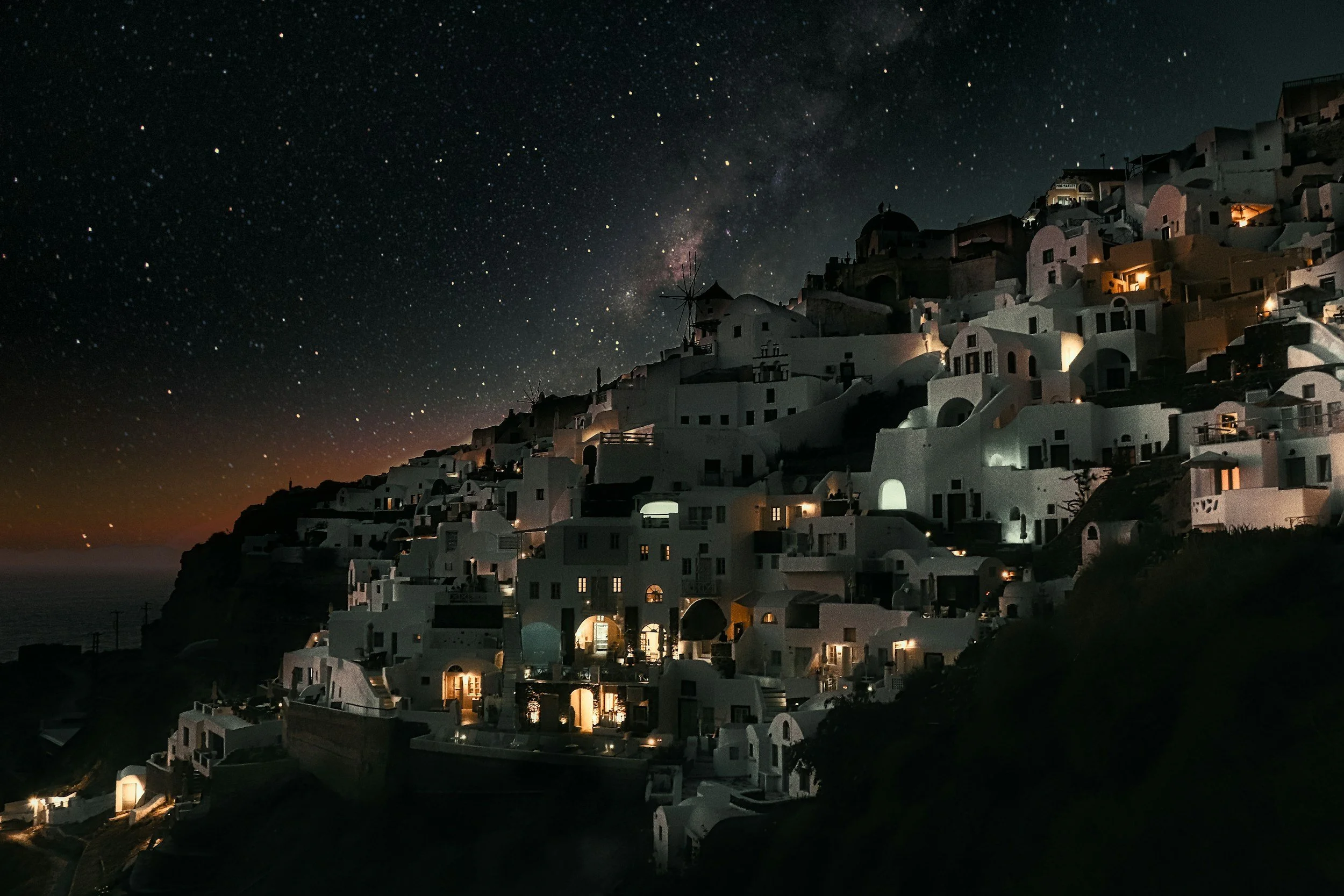
If you want something even quieter, go inland. The villages in the center of the island, like Filoti, Chalki, and Apeiranthos, sit higher up and feel completely different at night. Apeiranthos, in particular, is worth knowing. It’s built in stone, set along the mountain road toward the north, and once the evening settles, there’s very little light beyond the village itself. If you walk just outside the main square and follow the road toward Mount Zas (Zeus Mountain), you’ll quickly reach darker areas with open views.
For a slightly more elevated experience, the road up toward Mount Zas trailhead (near Aria Spring / Agia Marina area) gives you access to higher ground without needing to hike far in the dark. Even just parking near the start of the trail and stepping a bit away from the road is enough. You don’t need to climb the mountain. The altitude and distance from the coast already give you clearer visibility.
Another area that works well, and is often overlooked, is the west coast further north, around Aliko Beach and the abandoned hotel ruins. During the day, it’s known for its cedar forest and quiet coves, but at night it’s almost completely empty. There’s very little infrastructure, no large hotels, and minimal lighting. If you’re staying nearby or willing to drive, it’s one of the darkest coastal spots on the island.
One thing that makes Naxos easier than many other Greek islands is that you don’t need to go far. You just need to avoid the immediate areas around Chora and the busiest beach strips. Within 15–25 minutes, you can be somewhere with very little light pollution.
Timing is fairly straightforward here. Summer nights are warm and dry, and the sky is usually clear, especially from June through September. The only thing to keep in mind is wind. The meltemi winds can pick up, especially in July and August, which doesn’t affect visibility but can make it less comfortable to stay out for long periods.
What makes Naxos stand out isn’t dramatic altitude or extreme darkness. It’s how accessible everything is. You can literally have dinner by the water, drive a short distance, and be somewhere quiet within minutes. No planning, no special equipment, no long hikes. Just a shift in location, and the sky opens up.
If your idea of stargazing includes warm evenings and small island life, these underrated Greek islands make a nice contrast to the mountains.
Aosta Valley: high-altitude villages and quiet roads for clear night skies
The Aosta Valley sits in the far northwest of Italy, right up against France and Switzerland, and it’s one of those places people pass through on the way to somewhere else. Most stop for Courmayeur or the Mont Blanc tunnel, maybe a quick walk in Aosta town, then move on. But if you stay a night or two and head slightly off the main routes, it turns into one of the easiest places in Italy to find a genuinely dark sky.
The main valley floor, along the E25 / SS26 corridor, has a steady line of towns and traffic, so it’s not where you want to be at night. The difference happens when you turn off into one of the smaller side valleys or drive a bit higher above the main road. You don’t need to go far. Even 15–20 minutes is usually enough.
One of the simplest areas to base yourself is just above Aosta town, in small villages like Gressan or Pila. Most people go up to Pila during the day for views of Mont Blanc and skiing in winter, but in the evening the road up (SR18) becomes quiet. If you stay overnight, you can walk a few minutes away from the main buildings and already be in much darker conditions than down in the valley. There are open viewpoints along the road where locals stop, but even just stepping slightly away from the lit areas makes a noticeable difference.
If you want something more remote, head into Val di Cogne. The drive from Aosta into Cogne (via SR47) already feels like you’re leaving everything behind, and once you’re there, the atmosphere shifts completely after dark. The village itself is calm, but if you walk out toward the meadows near Sant’Orso, or continue slightly beyond the center toward Valnontey, the lighting drops off quickly. These are wide, flat areas with very little obstruction, which works well for the night sky.
A small detail that’s easy to miss: the meadows around Prati di Sant’Orso are often used during the day, but at night they’re almost empty. If you go out after 10 pm and move just a bit away from the last lit buildings, you’ll find yourself in near darkness within minutes.
Another area that works particularly well is Val d’Ayas, especially around Champoluc and further up toward Saint-Jacques. During the day, it’s a base for hiking and skiing, but in the evening it becomes very still. If you follow the road beyond Champoluc toward Frachey and Saint-Jacques (Route Ramey area), you’ll notice how quickly the traffic disappears. There are small clearings and quiet stretches where you can stop without needing to walk far.
For something higher and even less developed, Valgrisenche is one of the most overlooked parts of the region. It’s reached via SR25 from Arvier, and it doesn’t get much through traffic because it ends at the dam. That’s part of why it works so well. Once you’re up there, especially near Lago di Beauregard, there’s very little artificial light. Even the small villages along the way are sparsely lit, so stepping outside is often enough.
If you’re looking for something more structured, the Aosta Valley also has the Saint-Barthélemy Astronomical Observatory (Osservatorio Astronomico della Regione Autonoma Valle d’Aosta), located above Nus. The road up (SR36) climbs steadily, and the area around the observatory is known for low light pollution. They run guided observations, but even without joining, the surrounding plateau is one of the darkest accessible areas in the region.
What makes the Aosta Valley stand out is how practical it is. You don’t need to plan a full night hike or travel hours into isolation. You just need to stay slightly above or outside the main valley floor. Places like Cogne, Champoluc, Valgrisenche, or Saint-Barthélemy already do most of the work for you.
Timing is similar to the rest of the Alps. Summer can be clear, but you might get afternoon clouds that linger. Early autumn tends to be more stable, with clearer evenings and fewer visitors. Winter can be excellent for visibility, especially at higher altitude, but you’ll need to factor in cold temperatures and snow access.
What’s different here compared to somewhere like the Dolomites is that it feels less curated. There are fewer designated viewpoints and fewer places built around tourism. You’re often just stepping out of a small village, walking a short distance, and finding yourself in a quiet, open space with very little light around you.
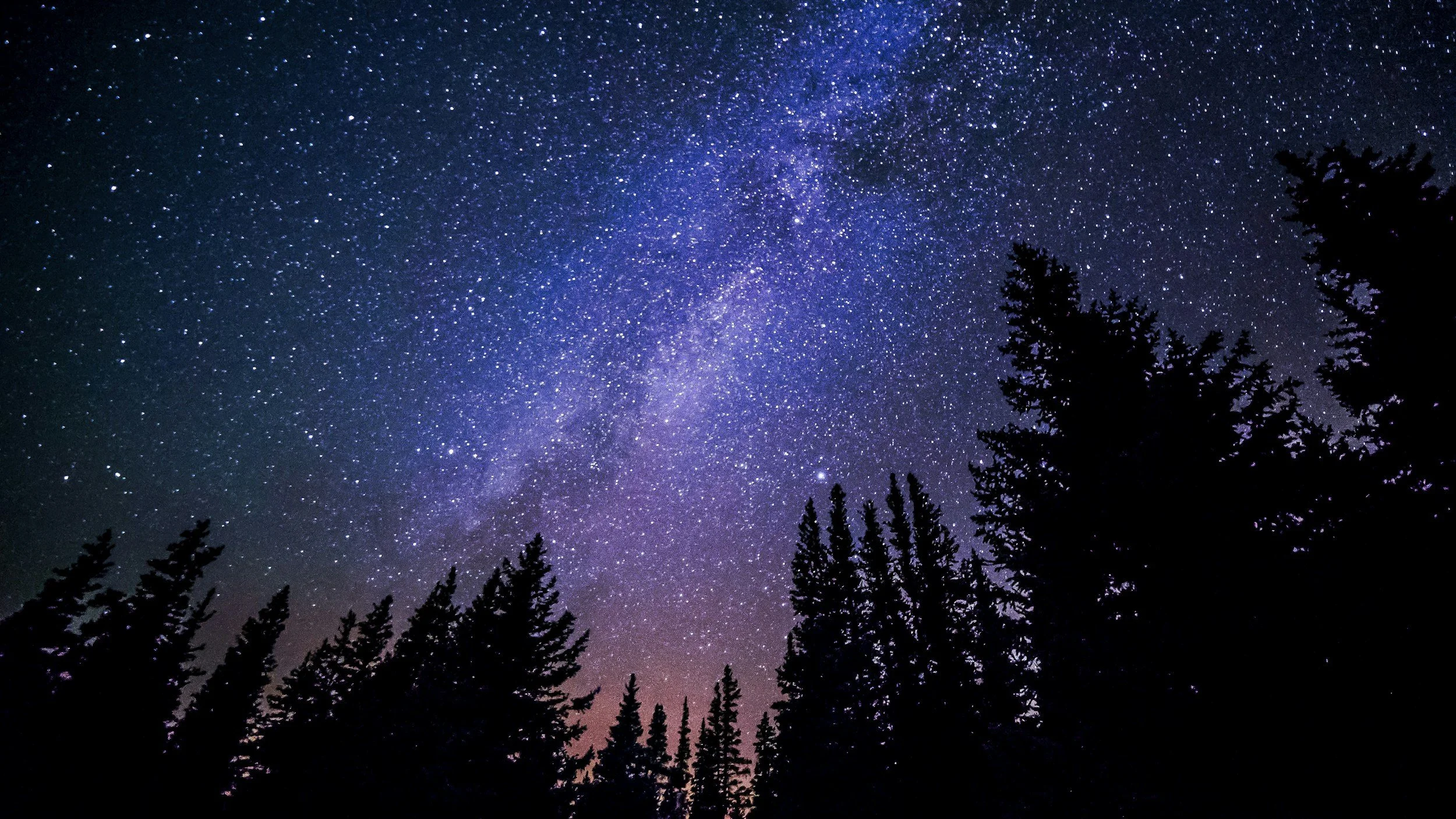
The Iberian Plateau: where to find the darkest skies in inland Spain
This is a completely different kind of stargazing compared to the mountains. No peaks, no dramatic silhouettes, nothing blocking your view. Just open land in every direction. The Iberian Plateau stretches across central Spain, mainly through Castilla y León, Castilla-La Mancha, and parts of Extremadura, and it’s one of the least talked about places in Europe for night skies, even though the conditions are often better than in more “famous” locations.
What makes it work is simple: very low population density and very little light. Once you leave the bigger towns, the landscape flattens out into farmland, small villages, and long, empty roads. You don’t need to hike, climb, or plan anything complicated. You just need to drive a bit outside where you’re staying.
One of the strongest areas to base yourself is around Ávila and the wider Castilla y León region. Ávila itself is known for its medieval walls, but if you stay just outside the city and head out along smaller roads like the AV-900 or AV-P-401, you’ll quickly notice how dark it gets. Even a short drive toward villages like Muñana or La Serrada is enough to get away from most of the light. The landscape here is slightly elevated, open, and quiet, which gives you a wide sky without needing to go far.
Further west, Extremadura is one of the darkest regions in Spain and officially recognized for its night skies. The area around Monfragüe National Park, especially near villages like Torrejón el Rubio, is particularly good. During the day, it’s known for birdwatching, but at night, it’s something else entirely. Roads like the EX-208 that run through the park are almost empty after dark, and there are designated viewpoints like Portilla del Tiétar that, once the last visitors leave, become completely still. If you’re staying nearby, you don’t need to go far. Even stepping outside your accommodation can be enough.
Another place that’s often overlooked is La Mancha, especially the area around Campo de Criptana and Consuegra. Most people visit for the windmills, then leave before evening. But if you stay overnight and return to the windmill hills after sunset, it’s a completely different experience. The road up to the windmills in Consuegra (Cerro Calderico) is usually empty late at night, and once you’re there, you have a full 360-degree horizon. No mountains, no trees blocking your view. Just open sky in every direction.
A small but important detail here: move slightly away from the main lit areas around the windmills. Even walking a few minutes down the dirt paths behind them makes a difference. It’s subtle, but enough to improve visibility.
If you want something even more remote, look toward Soria province, one of the least populated areas in Spain. Villages around Calatañazor or Muriel de la Fuente sit in landscapes where there’s almost no light at all once the sun sets. The roads connecting these places are quiet, and there’s very little traffic at night. It’s the kind of place where you don’t need a “spot.” The entire area works.
What’s different about the Iberian Plateau is how easy it is. In the mountains, you often need to think about altitude, direction, or access. Here, you just need space and darkness. And there’s a lot of it.
Timing is generally on your side. The central parts of Spain have many clear nights, especially from late spring through early autumn. Summers can be very warm during the day, but the evenings cool down enough to stay outside comfortably. Autumn is often the best balance, with stable weather and fewer people around.
One thing that stands out, and that you don’t really get in the same way elsewhere, is the sense of scale. Because the land is so open, the sky feels bigger. You notice more movement, more depth, and a clearer horizon line. It’s less about dramatic scenery and more about the sky itself.
If you’re building a trip around stargazing and want something that feels different from the usual mountain or coastal settings, this is one of the strongest options in Europe. And it’s still surprisingly under the radar.
The Jura Mountains: quiet ridgelines and forest clearings for clear night skies
The Jura sits along the French–Swiss border, just north of Geneva, but it feels much more low-key than the Alps. Softer mountains, more forest, smaller villages. It’s not somewhere people rush through, and that slower pace carries into the evenings. Once it gets dark, it’s properly quiet, and that’s what makes it work so well for stargazing.
Most people base themselves around Les Rousses, Métabief, or somewhere near Saint-Claude, depending on which side of the range they’re on. During the day, these are typical mountain towns. But at night, if you move just a little outside the centers, the light drops off quickly.
One of the easiest areas to access is around Col de la Faucille, along the D1005 road between Gex and Mijoux. It’s known for its views toward Mont Blanc during the day, but after sunset, the road becomes much quieter. There are a few parking areas and viewpoints along this stretch, and if you stop and walk even a short distance away from the road, you’ll already notice how much darker it gets. You don’t need to hike far. Just stepping away from the headlights and the last bit of traffic is usually enough.
A better option, if you’re staying nearby, is to head slightly deeper into the Jura Regional Natural Park. The area around Lac des Rousses and the smaller lakes like Lac de Lamoura works well, especially if you move away from the main access points. During the day, these places are used for swimming or walking, but in the evening, they empty out almost completely. The shoreline paths around Lac de Lamoura, in particular, are flat and easy to follow, and once you’re a few minutes away from the parking areas, there’s very little artificial light.
If you want something more elevated without too much effort, the ridgelines around Crêt de la Neige (the highest peak in the Jura) are good, but you don’t need to hike all the way up. Starting from areas like Lélex or La Vattay, there are open sections along the trails where the forest clears and gives you wide views. Even staying at the edge of the tree line is often enough to get a clear sky.
Another area that works particularly well is around Baume-les-Messieurs, a small village set inside a deep reculée (a kind of limestone valley). During the day, it attracts visitors for the abbey and waterfalls, but at night, it becomes very still. If you drive slightly out of the village and up toward the surrounding plateau via roads like the D70 or D471, you’ll reach higher, more open ground with less light and wider views.
A small detail that’s worth knowing in the Jura: because there’s a lot of forest, your exact position matters more than in open landscapes. If you’re surrounded by trees, your view will be limited. Look for pastures, ridgelines, or lake edges where the sky opens up. Even moving 5–10 minutes from a forested area into a clearing can change the experience completely.
If you prefer something more structured, the Jura is part of the Parc naturel régional du Haut-Jura, which actively protects its natural environment, including light pollution. There aren’t as many formal “dark sky” designations as in Spain, but the conditions are often just as good if you choose your location carefully.
Timing-wise, late summer into early autumn tends to be the most reliable. The air is clearer, and there’s less evening haze compared to peak summer. Winter can also be excellent, especially around cross-country areas like La Vattay, but you’ll need to be prepared for snow and colder temperatures.
What makes the Jura different is the atmosphere. It’s not dramatic in the same way as the Alps. It’s quieter, more contained. You’re often standing near a lake, or at the edge of a field, with forest around you and almost no sound.
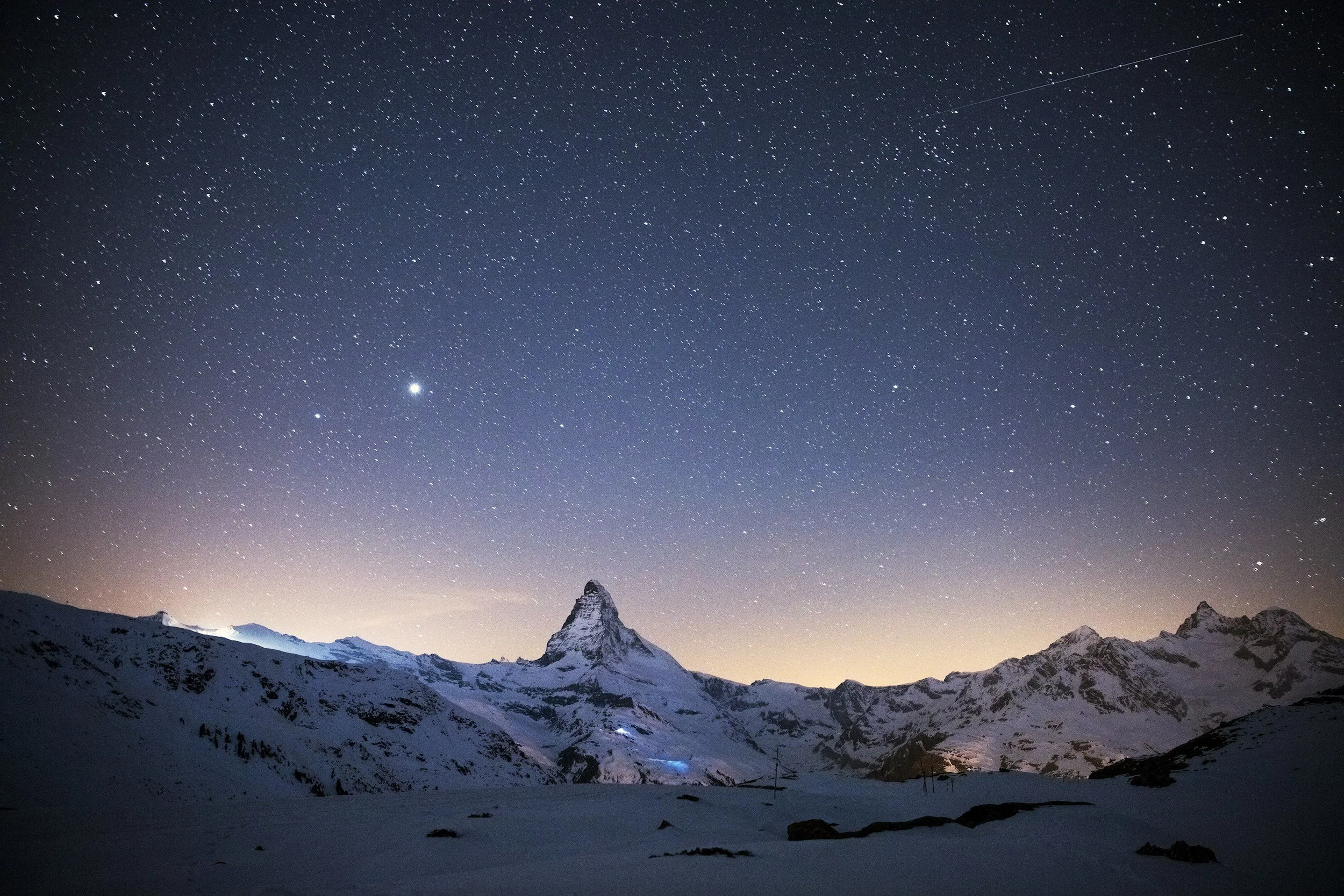
How to plan a stargazing night that actually works (without overthinking it)
Most people overplan this part. You don’t need to. The difference between a forgettable night and a really good one usually comes down to a few small things you do in the moment.
Start with timing. Don’t show up in complete darkness. If you’re heading out from somewhere like Espinama (Picos de Europa), the edge of Santa Maddalena in Val di Funes, or the windmill road up to Cerro Calderico in Consuegra, aim to arrive just before it gets fully dark. Even 20 minutes is enough. You’ll see where the ground is uneven, where the last bits of light are coming from, and where you might want to move once it gets darker. It makes everything feel more relaxed.
Then don’t stop at the first obvious spot. A lot of people do. They park, step out, look up, and that’s it. But in most of the places in this guide, moving a little changes everything.
In the Dolomites, walking past Compatsch toward Malga Sanon instead of staying near the main area is usually enough.
In the Picos, stepping away from the main parking at Fuente Dé and walking a few minutes toward the Hotel Áliva trail makes a difference.
In Naxos, getting off the lit beach strip and into the dunes around Orkos or Mikri Vigla changes the sky completely.
It’s rarely about finding a “perfect” location. It’s about getting just far enough away from light.
Another thing people don’t expect: the first 10 minutes can feel a bit underwhelming. Your eyes haven’t adjusted yet, and you’re still aware of everything around you. Give it time. Stay for at least 20–30 minutes. That’s when more stars start appearing and the sky feels deeper. Most people leave just before it gets good.
Where you stand matters more than people think, especially in places like the Jura or parts of the Aosta Valley. If you’re surrounded by trees or buildings, your view will feel limited. Look for small openings instead. A field edge, a roadside clearing, the side of a quiet lane. Even something as simple as walking 5 minutes up from a village like Taisten or out along a road above Champoluc can open everything up.
One thing that’s easy to overlook is sound. In places like Val di Funes, Valdeón, or inland Spain around Calatañazor, there’s often a point where everything just goes quiet. No cars, no voices, nothing in the background. It doesn’t happen instantly, but if you stay long enough, you’ll notice it. That’s usually when the whole experience shifts a bit.
And this is probably the part you won’t find in most guides: some of the best moments won’t come from the places you planned. They happen on the way back. On a short stop along a road like the CA-185, or a random turn-off outside a village you hadn’t thought about. That’s why it helps not to treat this like a checklist.
If you’ve chosen one of the areas in this guide, you’ve already done the hard part. After that, it’s just about giving yourself enough time, moving a little if needed, and not leaving too early.
And if you’re after dark skies without leaving the Nordics, these slow stays in Sweden make for peaceful nights and clear skies.
Stargazing in Europe: FAQs
Where can you see the clearest night skies in Europe without light pollution?
Some of the clearest night skies in Europe are found in places with very low population density, like inland Castilla y León and Extremadura in Spain, parts of the Dolomites around Alpe di Siusi, and higher areas in the Aosta Valley. You don’t need to go completely remote - even staying outside towns like Ortisei or Potes is often enough.
Where to go stargazing in Europe without crowds?
Quieter stargazing spots in Europe include areas like Val di Funes in the Dolomites, roads beyond Espinama toward Fuente Dé in the Picos de Europa, and inland villages around Soria or Calatañazor in Spain. The key is to avoid main viewpoints and walk a few minutes away from lit areas.
Can you go stargazing in Europe without a car?
It’s possible, but more limited. Places like Alpe di Siusi (accessible from Ortisei) or areas near Naxos Town can work if you’re willing to walk 20–30 minutes away from the main areas after dark. For most of the locations in this guide, having a car makes it much easier to reach darker spots.
How far from a town do you need to go to see stars clearly in Europe?
In many parts of Europe, you only need to go 10–20 minutes outside a town to see a big difference. For example, driving from Potes toward Espinama, or from Naxos Town toward Filoti, quickly reduces light pollution. Small changes in location often matter more than distance.
When is the best time to see the Milky Way in Europe?
The Milky Way is usually visible between late spring and early autumn (May–September), with the best conditions in August and September. In mountain areas like the Dolomites or Aosta Valley, early autumn often gives clearer skies than peak summer.
Is Spain one of the best countries in Europe for stargazing?
Yes, especially inland regions like Extremadura, Castilla y León, and La Mancha. These areas have large open landscapes, low light pollution, and several Starlight-certified zones, making them some of the most reliable places for stargazing in Europe.
Where can you go stargazing near the Dolomites without hiking?
You don’t need to hike to stargaze in the Dolomites. Areas like Alpe di Siusi near Compatsch, roads around Passo delle Erbe, or fields near Santa Maddalena in Val di Funes all offer clear skies within a short walk from where you park or stay.
What should you avoid when planning a stargazing trip in Europe?
Avoid staying in the center of busy towns, arriving too late (when it’s already completely dark), and leaving too quickly. Even moving slightly away from lit areas (like stepping off the main road or walking into a field) can make a big difference.
Are there dark sky parks in Europe worth visiting?
Yes, especially in Spain. Monfragüe National Park is one of the best-known dark sky areas. There are also observatories like Saint-Barthélemy in the Aosta Valley and smaller protected areas across Europe where light pollution is actively reduced.
Is it safe to go stargazing alone in Europe at night?
In most rural areas like the Dolomites, Jura Mountains, or inland Spain, it’s generally safe. The main thing to be aware of is terrain (uneven ground, limited lighting), not safety concerns. Staying near villages or known roads is usually enough.