
How I'd spend a winter week between the Bavarian and Bohemian forests
Winter suits this corner of Central Europe because it is already quiet by nature. And I absoluely love those places (and I think you will too). The Bavarian Forest and the Bohemian Forest (Sumava) sit on either side of the German-Czech border, stitched together by valleys, local train lines, and a kind of everyday rural life that does not change its personality for visitors. That matters when you are travelling without a car, because the trip stops being about reaching a series of sights and becomes about choosing a base you actually like, then letting the week unfold at a winter pace.
A train-only week here is not a “do everything” trip. It works best when you accept two truths early: daylight is short, and some of the most satisfying moments will be small. A platform in fresh snow. A bakery that opens before the town fully wakes up. A forest edge you can reach on foot from the station. If you want late-night nightlife, big museum days, or constant variety, you will find this too slow. If you want a winter week that feels clean and simple, it’s perfect for you.
For a broader sense of how Trippers Terminal approaches no-car travel, the rail-focused pieces in the Scenic Routes section pair nicely with this guide, especially Lesser-Known Train Routes in Europe if you like the idea of building trips around regional lines rather than famous routes.
Following the forest line: life along the regional train routes
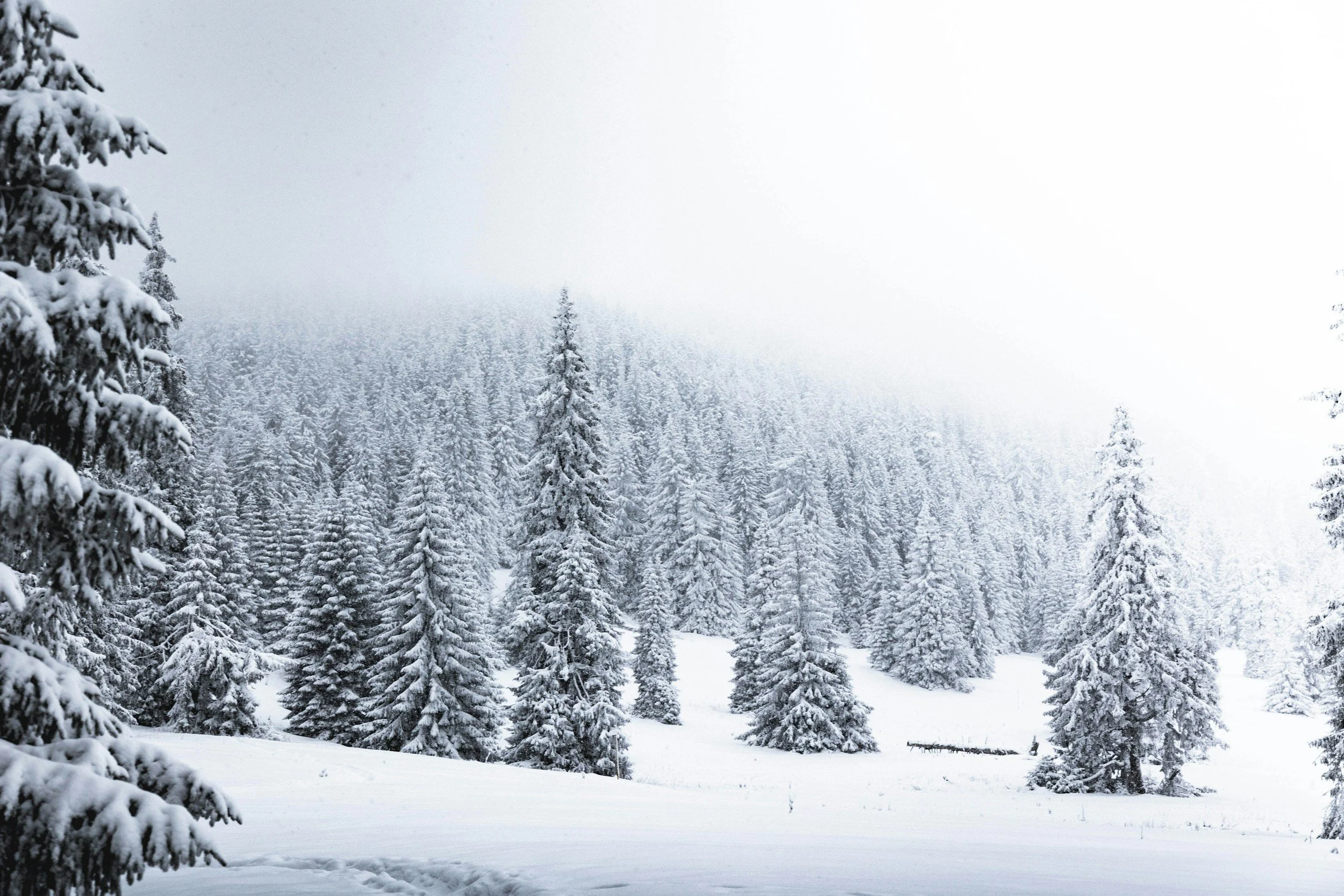
The easiest way to understand this journey is to stop thinking in driving distances and start thinking in rail lines. In both forests, trains follow valleys and waterways. That makes winter travel feel logical because trains avoid the steepest terrain, and stations often sit where people actually live. It also means you can do something that is surprisingly hard in car-based winter trips: stay warm, stay unhurried, and still feel like you moved through a region.
On the Bavarian side, the local network is built for daily life. Trains and buses connect small towns, trailheads, and larger rail junctions. On the Czech side, the pace and vibe is similar but the experience changes: different timetables, different station buildings, different café habits, different language on the platform screens. The border itself is not dramatic. The shift is subtle, and that subtlety is part of the appeal.
This is also why the week works best with fewer stops. Every extra hotel night creates friction in winter: packing in the dark, navigating slushy streets, checking in before reception closes, then doing it again two days later. If you choose one base on each side, you get to travel like a local for a few days at a time. The trains become your thread, not your obstacle…
If you enjoy trips built around rail logic, not tourist logic, you might also like 4 Train-Friendly Towns in Europe for a Soft Summer Escape (No Car Needed). It is a different season, but the mindset is the same: pick places where the station is part of the town, not an afterthought.
Where to stay on both sides of the border
Without a car, your base matters more than your “itinerary”. A good winter base in the forests has three qualities: a station you can walk to easily, enough open places to eat without needing to plan every meal, and a sense that the town still functions in January.
It is tempting to chase the prettiest-looking village on a map, especially in winter when everything looks cinematic. But the most photogenic places can be inconvenient in the way that becomes exhausting by day three. The smarter choice is often a modest rail town that gives you options. You want somewhere with a bakery, a grocery store, a warm café, and at least one simple restaurant that does not require a booking weeks in advance.
On the Bavarian Forest side, choosing a base with easy connections lets you do day trips that are actually restful. You can head out for a short winter walk and still be back before the light fades. You can take a train one stop just to try a different café. You can have a day that is mostly indoors without feeling like you “wasted” the region.
On the Bohemian Forest side, the same logic applies, with one extra factor: opening hours can be less forgiving in small towns. In winter, some places run with shorter hours, and a quiet Monday can feel very quiet. That is not a problem if you choose a base that has a bit of local life built in.
In winter, where you stay affects the whole day more than you might expect. It’s less about style and more about how easy it feels to come and go. Places that work well tend to be close to the station, open all year, and warm enough that coming back in the afternoon feels genuinely comforting, not like hiding from the cold.
Smaller, family-run hotels and pensions usually suit this kind of trip better than anything too polished or seasonal. On the Bavarian Forest side, towns with good rail connections tend to have a few reliable places that quietly cater to walkers and longer stays. On the Bohemian Forest side, accommodation can feel simpler, but the places that stay open through winter usually do so because they’re used to slower weeks and guests who aren’t in a rush.
A good way to decide is to picture arriving back just before dark, cold and a bit tired. If the place feels somewhere you’d happily sit for an hour without doing anything, it’s probably the right choice.
For those who like staying longer in one place rather than hopping constantly, French Towns Worth Staying 3-5 Nights is worth bookmarking. Different country, same principle: fewer moves, better travel.
What winter looks like here (and what it isn’t)
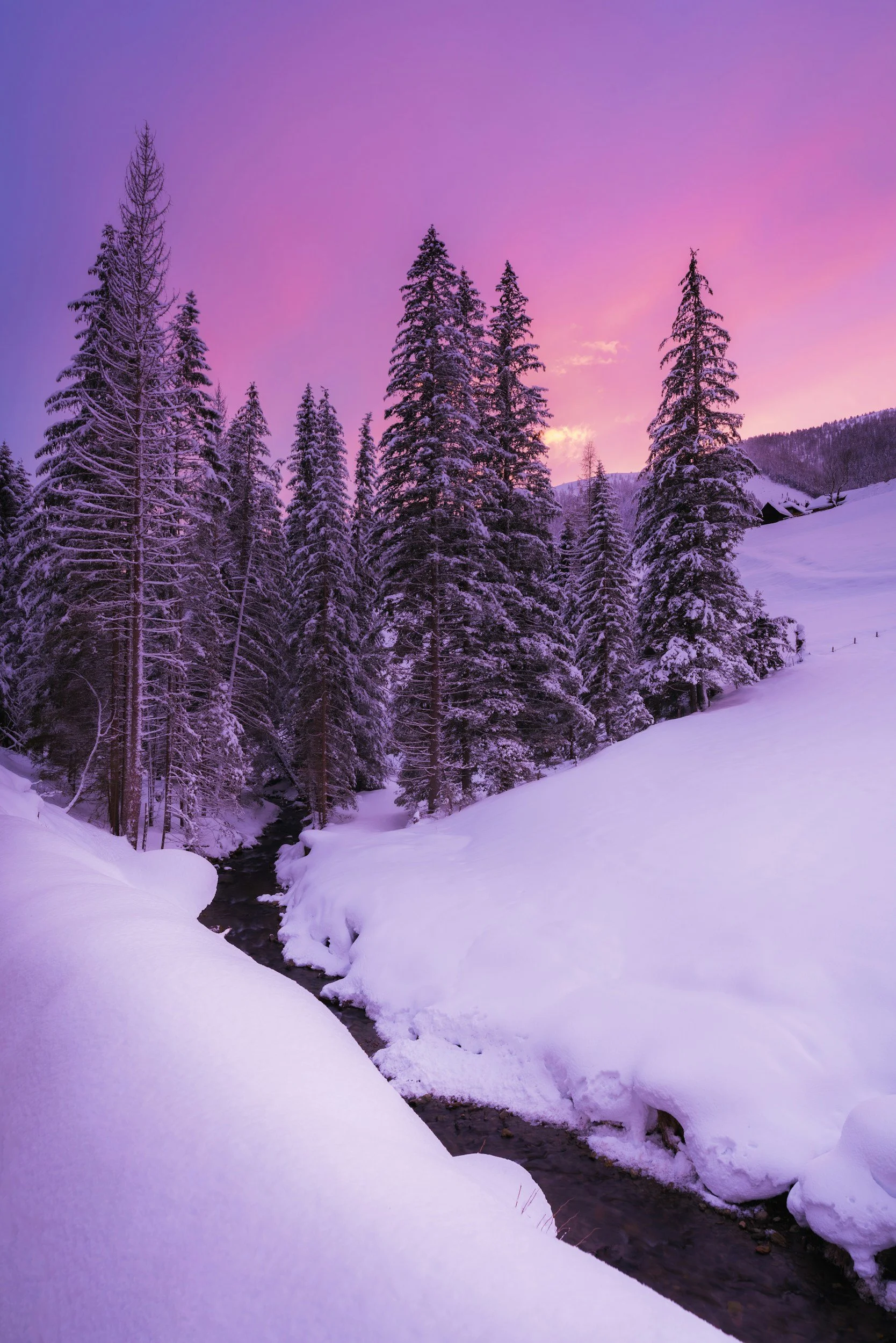
A winter week in these forests is not guaranteed snow-globe perfection. Sorry not sorry! Some years are crisp and snowy. Some years are more grey, with wet cold that clings to your coat. Sometimes you get a perfect morning of fresh snow and then two days of thaw, leaving the streets slushy and the forest paths messy. The point is not to promise a fantasy winter, but to choose a trip style that still works when the weather is imperfect.
Daylight is short, and it shapes the pacing naturally. This is not a region for big “full-day plans” unless you genuinely enjoy winter hiking. Most people will do better with one main activity per day and a comfortable base that makes early evenings feel normal instead of disappointing.
Another reality: not every trail will be enjoyable. In deep snow, some paths are beautiful and quiet. In half-thaw conditions, they can turn into ice and mud, especially where locals have walked it into a slick surface. Good boots matter here, but so does humility. There is no point forcing a long walk if the conditions are miserable. A winter week can still be a good week with shorter walks and more café time.
Also, some attractions, tours, and seasonal activities are simply not running in the same way as summer. It is part of what keeps the region calm. Winter here is everyday winter, not a “curated” winter.
If you like winter travel as a concept but want more ideas for where it makes sense, the stargazing-focused guides tend to overlap well with this kind of quiet landscape travel. 5 Stargazing Holidays in Europe: A Cozy, Soulful Experience is a good companion read, especially if you like the idea of evenings being part of the trip, not just the downtime.
Walking from the station: forest paths, villages, and short winter days
The best days on this trip often start with something simple: leaving the station and walking. Not hiking to prove a point, not racing daylight, just walking until the town fades and the forest begins.
A practical detail that matters: many station areas in small towns are not built for lingering. They are functional. That is why choosing a base with a pleasant walkable centre helps. You want to be able to step off a train and be in a real street within minutes, not stuck on an edge road with nothing open.
From a good base, you can build winter days that feel balanced. A short loop walk in the morning, then a warm lunch somewhere with actual local regulars, then an afternoon train to a nearby town for a different bakery, then back before dark. The train becomes a way to vary the day without making it busy.
Forest walks in winter are also about texture. You notice things you miss in summer: how the trees change when leaves are gone, how sound carries differently in cold air, how a small river becomes the centre of the landscape because everything else is muted. The forests here are not dramatic in a cliff-and-summit way. They are steady, wide, and quietly absorbing. That is why they work so well for a no-car week. You are not chasing peaks. You are paying attention.
One limitation to be honest about: without a car, you will not reach every isolated trailhead easily. Some of the most remote starting points rely on seasonal buses or require transfers that do not make sense in winter. The workaround is not to “plan harder”. The workaround is to accept the station-to-forest walks as the main experience. They are often better anyway, because they keep the day grounded in the place where people actually live.
Crossing the border without noticing (except for the language)
Crossing from the Bavarian Forest into the Bohemian Forest by local transport is quietly satisfying because nothing really announces it. The landscape does not change dramatically. The forest remains the forest. What changes is the human layer: signage, station announcements, the rhythm of the town streets near the tracks, the small differences in how people dress for the cold.
This is where the train-only approach becomes more than a constraint. It makes you notice the border as a lived thing rather than a line you drive across. You wait on platforms. You hear languages switch. You see the small practical differences in station design and local commuting habits.
The border also changes your sense of value. Even if you are not focused on budget travel, you will notice that the café stop on one side of the border might feel different in price and portion, or that the style of food is heartier or more understated. None of this needs to become a “comparison” piece. It is just part of the week, like noticing a shift in architecture when you take a train from one region to another.
If you tend to like cross-border regions, it is worth leaning into the idea that this is one landscape with two cultures. Spending a few days on each side makes the contrast clear without turning the trip into a rushed tick-box border crossing.
Eating well in small European winter towns
Food in small winter towns tends to be more about routine than novelty, and that is exactly what makes it good on a week like this. You are not hunting for the “best restaurant”…
Breakfast is often the easiest place to start. Bakeries in small towns are not a cute activity, they are part of daily life. Getting something warm early sets the tone for the day, especially when you are leaving the house into dark mornings. A simple pastry and coffee, eaten slowly, does more for your mood than an ambitious plan ever will.
Lunch tends to be the main meal if you are moving around by train. In winter, you may find that some places close earlier than you expect, and the most reliable meals are often straightforward ones: soups, hearty plates, local classics. The goal is not to turn this into a culinary project. The goal is to find a couple of dependable places near your base so you do not spend every day negotiating opening hours.
Dinner is where winter travel can either feel cosy or feel frustrating. In some towns, evenings are quiet and dining options are limited. That can be a relief if you like early nights. It can also be annoying if you arrive late and everything is closed. The practical solution is to keep one simple plan in your back pocket: a grocery store dinner, something easy back at your accommodation, or a place you already know is open. It is not glamorous, but it makes the week feel smooth.
If you enjoy food as part of place, not as a checklist, you might want to browse the Culinary Journeys section later. It supports the same editorial idea: travel anchored in real daily life, not one-off experiences.
Plan the week without an itinerary
A week without a car can either feel freeing or slightly unmoored. The difference is whether you build structure in a way that suits winter.
Instead of an itinerary, think in repeating anchors! Morning walk. Warm lunch. One train ride somewhere nearby. An early evening that is intentionally quiet. When you repeat a few anchors, you stop feeling like every day needs a new “plan”. You also avoid the trap of spending half the week inside stations because you tried to cram too many town changes into short daylight.
A simple approach that works well is to give each half of the week its own focus. On the Bavarian Forest side, let the first days be about settling and finding your “everyday places”. The bakery you like. The café that feels calm. A couple of walks that are manageable in winter conditions. On the Bohemian Forest side, do the same again, and let the cross-border shift be the main change rather than a dramatic switch to new activities.
Winter weather also deserves permission to be in charge sometimes. If a day is grey and icy, it might be better as a slow indoor day with a short walk, a longer lunch, and a train ride purely for scenery. That still counts as a good day. In fact, it is often the day you remember, because you gave yourself permission to be in the place without forcing it.
Train travel here is mostly on regional lines, which makes planning easier than it sounds. These trains are built for everyday use, not for booking weeks in advance, and in winter that flexibility helps. Weather changes, connections shift, and it’s often nicer to decide as you go rather than locking everything in.
Seat reservations usually aren’t an issue, and while trains may not run constantly, they’re generally reliable. The main thing is not to overestimate how much you can fit into a winter day. If a connection looks tight on paper in January, it probably is.
Once you stop treating the train as something to optimise and start seeing it as part of the day, the logistics fade into the background.
For readers who enjoy rail travel as a travel style, not just a “transport” method, it is worth keeping The Ultimate Guide to Switzerland’s New Scenic Grand Train Routes saved for later. It is more famous, more curated, and a different mood, but it helps reinforce how trains can shape a trip in a way cars never quite do.
Who this journey works for (and who might not like it)
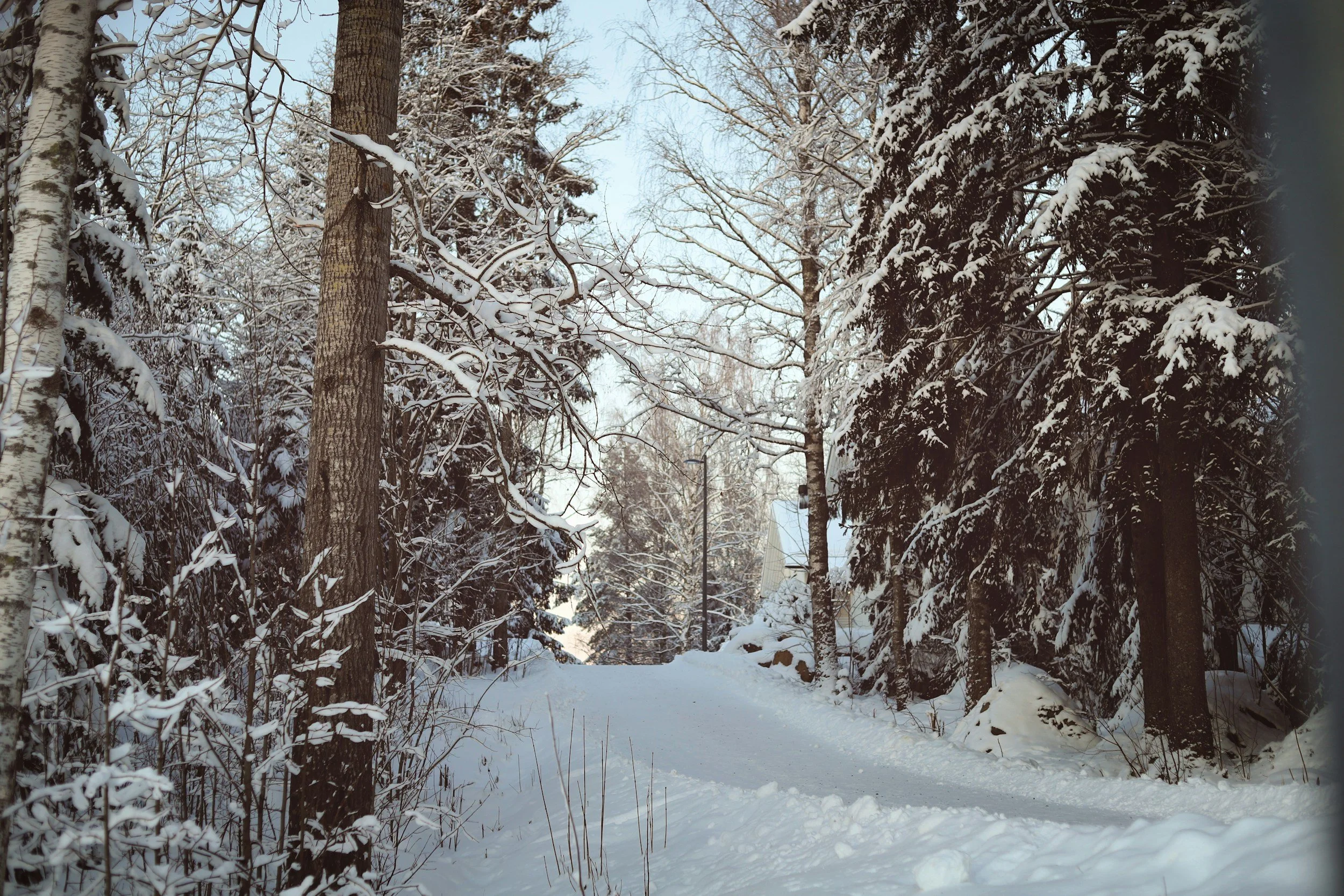
This week is for people who like being in winter rather than “doing winter”. If it sounds appealing to wake up in a small town, step onto a local train, walk in a forest, and be back somewhere warm before dark, you will probably love it. If you find comfort in repeating a few simple routines in a new place, it fits. If you like the feeling of moving through a region without constantly packing and unpacking, it works beautifully.
It is not for everyone. If you need constant variety, late nights, or a sense that every day must be visually impressive, you might feel restless. If you dislike the idea of weather changing plans, this might feel unpredictable. And if you are the kind of traveller who feels stressed without a detailed itinerary, a train-only winter week might be better saved for later, when you feel ready to travel with a lighter grip.
There is also a practical limit to name clearly: no-car travel in rural winter regions requires patience. Connections can be missed, buses can run less frequently, and small inconveniences are more noticeable when the temperature is low. The payoff is that you experience the region in a way that feels real and relaxed, but it does ask for flexibility.
If you want to keep exploring trips with the same calm, selective feel, the Scenic Routes section is the most natural next stop, especially the pieces that focus on staying longer in fewer towns and building travel around landscapes rather than attractions.
Questions that tend to come up
Can you travel through the Bavarian Forest by train in winter?
Yes, but it works best if you pick a base town with solid regional connections and plan day trips around daylight and frequency, not distance.
Is the Bohemian Forest accessible without a car?
Yes, especially if you stay in a town with a station and treat walks from town as the core experience rather than trying to reach remote trailheads.
Do trains run reliably between Germany and Czechia in winter?
Generally yes, but winter always rewards flexibility. Timetables and connections matter more than usual, so it helps to plan around a couple of dependable routes rather than ambitious multi-transfer days.
Where should you stay in the Bavarian Forest without a car?
Look for a town where the station is walkable to the centre and there is enough year-round life to make winter evenings easy: food options, groceries, cafés, and straightforward accommodation.
Is winter too quiet in the Bohemian Forest towns?
It can be, depending on the town and the day of the week. If you enjoy early evenings and calm streets, it is a benefit. If you need lots of open restaurants and nightlife, it may feel empty.
How many days do you need for this region by train?
A week is ideal because it gives you time to settle on each side of the border. Shorter trips can work, but they tend to feel more like logistics than a real winter stay.