Not every great winter trip needs snow and skiing. Start here instead.
If you try to plan a winter trip in France or Italy without skiing, you tend to end up in the Alps anyway. Not always because you want to, but because that’s what comes up first and what’s easiest to piece together.
And once you’re there, even if you’re not skiing, the whole place runs on that schedule. Busy arrival days, quieter midweek gaps, restaurants opening and closing around the same patterns. You notice it pretty quickly, especially if you’re just there for a few days and not part of it.
If that’s what you’re after, it works. But if you’re not, it can feel a bit off without being able to explain why.
There are other parts of France and Italy where winter doesn’t take over in the same way. Smaller regions, market towns, countryside areas where things keep going more or less as they do the rest of the year. Cafés are open because people live there. Shops don’t shut for half the week. You can go out for a walk without needing to plan around anything.
That’s what this guide focuses on. Not dramatic winter scenery or ski alternatives, just places where it’s easy to spend a few days without having to think too much about the season.
Most of these regions work best when you stay put for a few nights. They’re not places to rush through. If that approach appeals, you’ll probably also enjoy this guide to French towns worth staying 3–5 nights. It’s the same idea, just applied to winter.
Jura: forested hills and market towns
Jura sits in eastern France, between Burgundy and the Swiss border, a region people usually pass through rather than aim for. Low mountains, long forests, small towns that exist because people live there, not because anyone decided they should be visited. In winter, that becomes very clear, and for the right kind of traveler, quietly reassuring.
Nothing here reorganises itself around the season. Markets still take place on the same mornings, even when it’s cold enough that stalls feel more functional than inviting. Bakeries open early, lights on before the day has really started, and cafés look much the same as they do the rest of the year. Fewer people, and less conversation. Basically, winter doesn’t “add” atmosphere. It just strips things back a little.
Towns like Arbois, Poligny, or Salins-les-Bains are great to visit because they hold daily life together. You can arrive without a plan and stay a few days without feeling like you should be doing more. You basically walk through town, pick up bread, sit somewhere warm, walk again. That’s the pace here. If the broader landscape resonates, you might also enjoy this slower piece just over the border: a slow wellness escape in the Swiss Jura.
Food never really becomes a “thing” here. You’ll see Comté everywhere, in small shops, on tables at lunch, tucked into simple menus, but no one is trying to turn it into an experience or explain it to you. It’s just there, part of daily life, something people buy and eat without thinking twice about it. That’s usually when you realise how different the place feels compared to regions that are more aware of being visited.
Once you leave the towns, it doesn’t take long before you’re on forest paths without really planning it. In winter, especially if there’s snow, the landscape doesn’t suddenly become dramatic. It just gets quieter. Walking takes a bit longer, you stop more often, and at some point you turn back, not because you’ve reached anything in particular, but because it feels like the right moment to head in again. Lunch ends up taking up more of the day than expected, and the afternoon tends to drift without much structure.
Evenings can go either way. Some villages feel like they’ve closed in early, streets empty, lights going out one by one, while others carry on more or less as usual. You don’t always know which you’re going to get, even if they’re only a short distance apart, and that unpredictability is part of what defines the area.
If you’re looking for things to do, it can feel limited quite quickly. If you’re looking for somewhere that doesn’t expect you to fill your time, it starts to make more sense.
Auvergne: volcanic landscapes and quiet towns
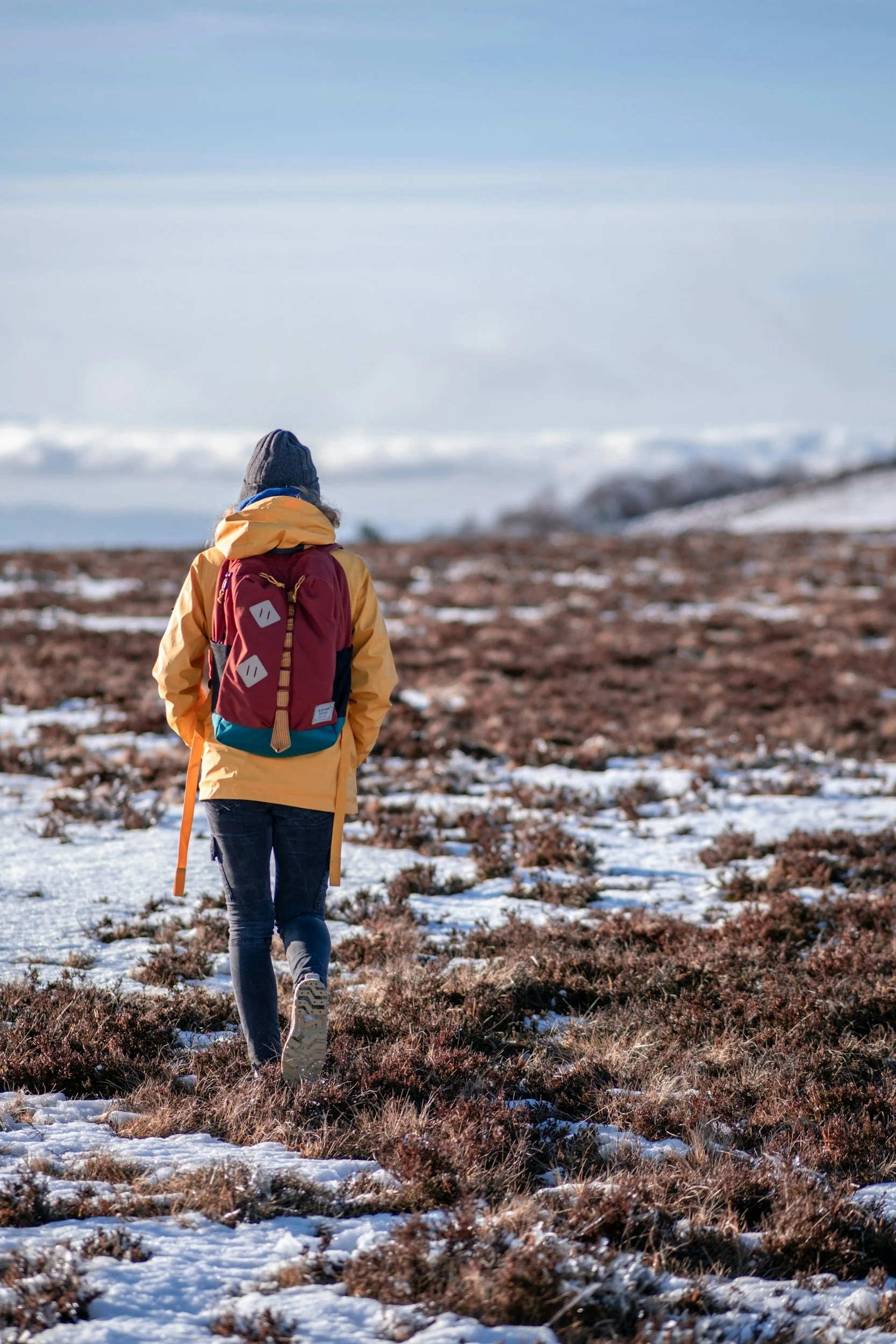
Auvergne is one of those French regions that feels like it’s been quietly doing its own thing for a long time. In winter, it’s especially appealing because it doesn’t rely on a single tourism identity. Yes, there are mountain areas and some winter sports, but the region as a whole doesn’t revolve around ski culture. That means you can find towns that stay open, feel grounded, and aren’t defined by peak weeks.
The landscape is the hook, but it’s not the same alpine drama people chase in the Alps. Auvergne’s volcanic forms feel rounder, more spacious, and often more atmospheric in bad weather. Fog can actually make the region feel better, not worse. And because it’s not built around the lift-and-après loop, your days can be slower without feeling like you’re missing the main point.
Auvergne also works well if you like the idea of winter travel with a “warm core”. Thermal culture shows up across parts of central France, and while you don’t need to build a trip around spas, it’s one of the most logical winter additions you can make. A long soak in cold season feels genuinely restorative, not like an extra. It’s also a good way to handle those midwinter afternoons when it’s dark too early and you don’t feel like pushing through another walk.
If you want a related read with more details on this area, you probably like this one: quiet French villages in Auvergne and Limousin.
Auvergne can be very doable by train if you choose the right base, but the second you start wanting “just one more village”, you may feel the limits of rural public transport. If you’re staying for a long weekend, pick a base where you can have full days without needing to leave town at all. You can always add a day trip if it feels easy once you arrive, rather than building your whole plan on connections that only run a couple of times a day.
Auvergne is also not a region where you come for bright winter sunlight. Some trips will feel soft and gray. If that makes you feel calm, you’ll probably love it. If it makes you restless, choose a different region in this guide.
Abruzzo: snow-dusted villages without ski-town energy
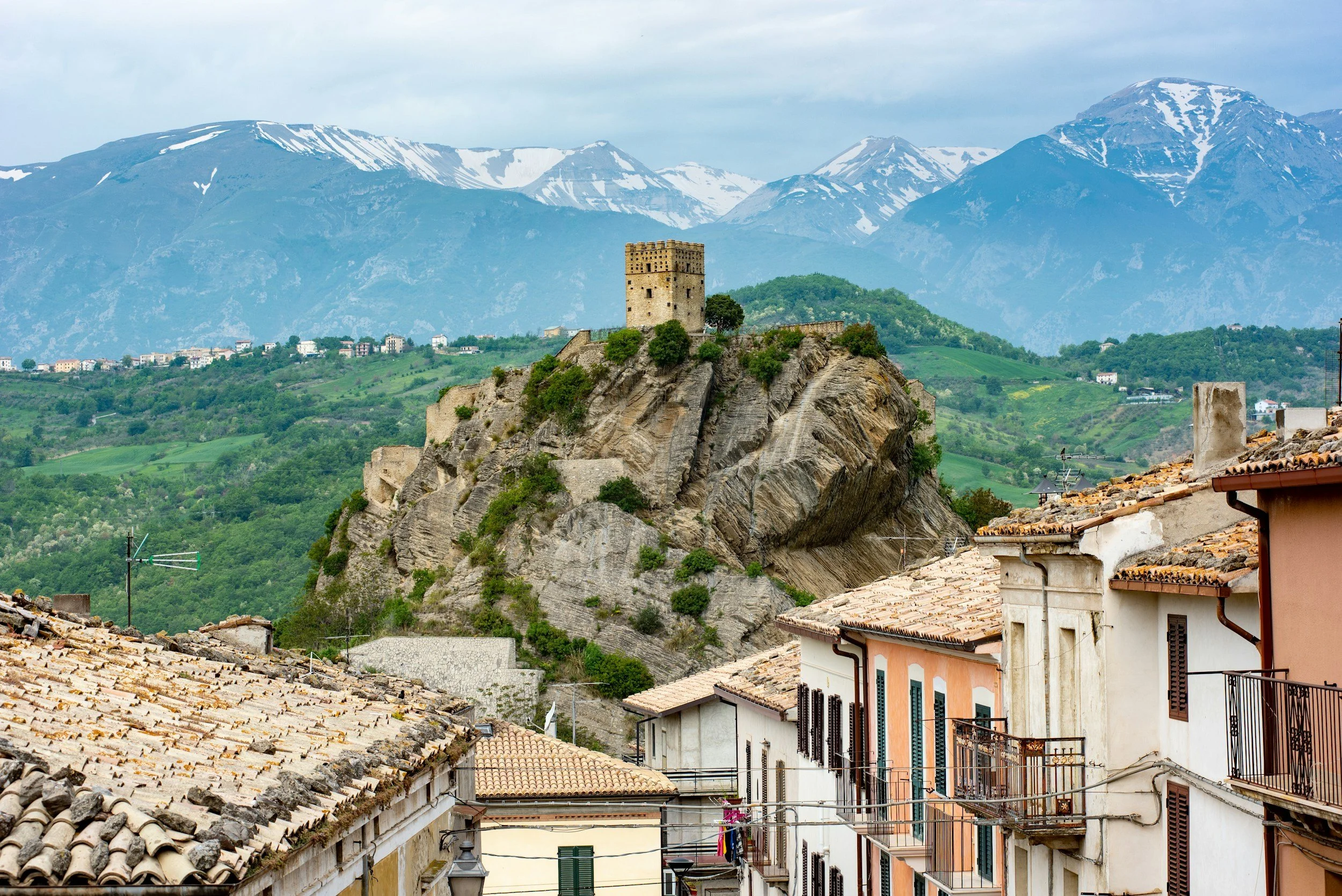
Abruzzo is one of the best answers in Italy when someone wants winter that feels real but doesn’t want ski resort culture. It’s mountainous, often snowy, and still feels distinctly Italian in how daily life continues through the season. You’ll find winter sports in parts of Abruzzo, but the region’s identity isn’t built around resorts the way parts of the Alps are. That’s the difference.
The most satisfying Abruzzo winter trips tend to feel village-based rather than scenic-drive-based. You choose a town that can hold you for a few nights, then you build small days around it: a walk, a long lunch, a quiet church interior, a bakery stop, back to your base before it gets too cold. If you’ve ever traveled in Italy in shoulder season and loved the feeling of places being more “themselves”, winter in Abruzzo can give you that, just with heavier coats.
There’s a calmness in this place. You might be the only non-local in a café, and you might have an entire small museum room to yourself. If you’re okay with that, then this might be your place.
The trade-offs are real. Some mountain villages can feel extremely quiet in midwinter, and the comfort level varies a lot. In some places, you’ll be very happy. In others, you’ll feel like you’re pushing against the season. This is where a simple rule helps: in winter, base yourself somewhere that has a year-round lifestyle. Look for signs of that before you book. Do restaurants look open beyond weekends? Are there reviews in winter months? Does the town have a normal-life feel rather than a seasonal feel?
If you want to read more about Italy (without forcing it to be about winter), a useful cozy read is solo travel in Italy by train for a weekend. Even if you’re not traveling solo, it’s strong on pacing and realistic movement, which matters in winter when you don’t want to waste energy on complicated transfers.
Molise: winter travel at a slower pace
Molise is the kind of place you only notice after you’ve already looked at everything else, when the obvious options start to feel a bit predictable and you keep scanning the map without really knowing what you’re hoping to find. It sits between regions people recognise, but doesn’t push itself forward, and in winter that’s even more noticeable, because you arrive without stepping into something that’s been set up for you, and for a moment it can feel almost too quiet, like you’ve landed somewhere in between seasons.
That feeling starts to make more sense once you settle into a place like Termoli or one of the inland towns such as Agnone or Campobasso. Mornings begin slowly, often with a short walk through streets that feel half awake, shutters just opening, a bakery already busy while everything else takes its time. You’ll find one café that’s open rather than a row to choose from, maybe a place with a few tables, a counter, and a couple of people who clearly come every day. You sit down without comparing options, and the next morning you come back because it makes more sense than starting again somewhere else.
By midday, the rhythm shifts without you planning it. Lunch becomes the centre of the day, not because it’s designed that way, but because it naturally takes time. In a place like Agnone, you might end up in a small trattoria near the main street where tables fill slowly and stay that way, while in Termoli it could be closer to the old town walls with a view toward the sea, even in winter. Either way, you sit longer than expected, and by the time you leave, the rest of the day has already adjusted around it.
After that, you move without much direction. In Campobasso, you might walk up toward the Castello Monforte and look back over the town, then circle down through quieter streets where everything feels more residential. In Agnone, it’s easy to drift toward the edge of town where the houses thin out and the landscape opens slightly, with hills stretching out rather than any defined viewpoint. In Termoli, you follow the narrow lanes of the old town, then end up along the seafront where the light changes more than anything else.
You start noticing small details without looking for them. A sign outside a shop that hasn’t changed in years, a church door open with no one inside, a bar that’s full at one time of day and empty a few hours later. Nothing is presented as something to see, but it all adds up to a place that feels lived-in rather than arranged.
Evenings come in quietly. In inland towns, streets empty earlier, lights go out one by one, and by the time you head back, there’s very little movement left. In places like Termoli, there’s a bit more life near the centre, but even there it stays low-key compared to other coastal towns. You don’t feel like you’re missing anything, just that the day has come to a natural end.
There are a few practical things you adjust to along the way. Not everything is open every day, and opening hours aren’t always consistent, especially outside the main towns. You might walk to a restaurant and find it closed, or realise it’s better to check ahead rather than assume. It’s not complicated, but it does mean you pay a bit more attention to how things are running around you.
If you’re drawn to the idea of winter trips built around local food culture rather than “things to do”, you might also enjoy this guide to authentic small-town markets in Italy which is a good example of the kind of everyday Italy that still matters in winter, even if you’re not traveling specifically for markets.
Aosta Valley beyond the resorts: calm valley towns
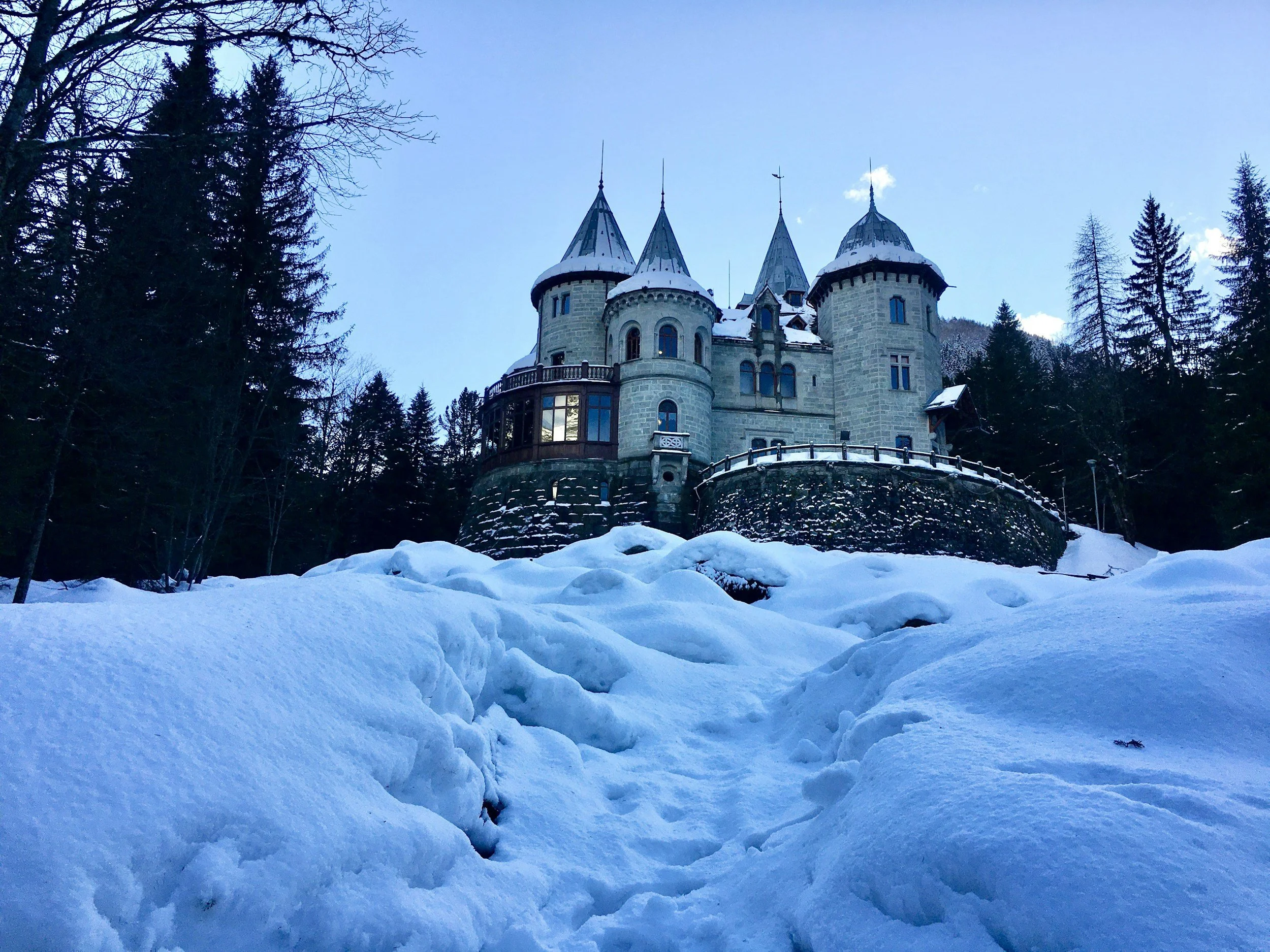
Aosta Valley is part of the Alps, but it doesn’t have to feel like a ski trip unless you set it up that way.
The difference shows up pretty quickly depending on where you stay. If you book somewhere tied to the slopes, everything around you follows that rhythm. But if you stay lower down, in Aosta or Saint-Vincent, the days don’t really revolve around anything in particular. The mountains are still there, you see them from almost everywhere, but they’re more of a backdrop than something you need to organise your time around.
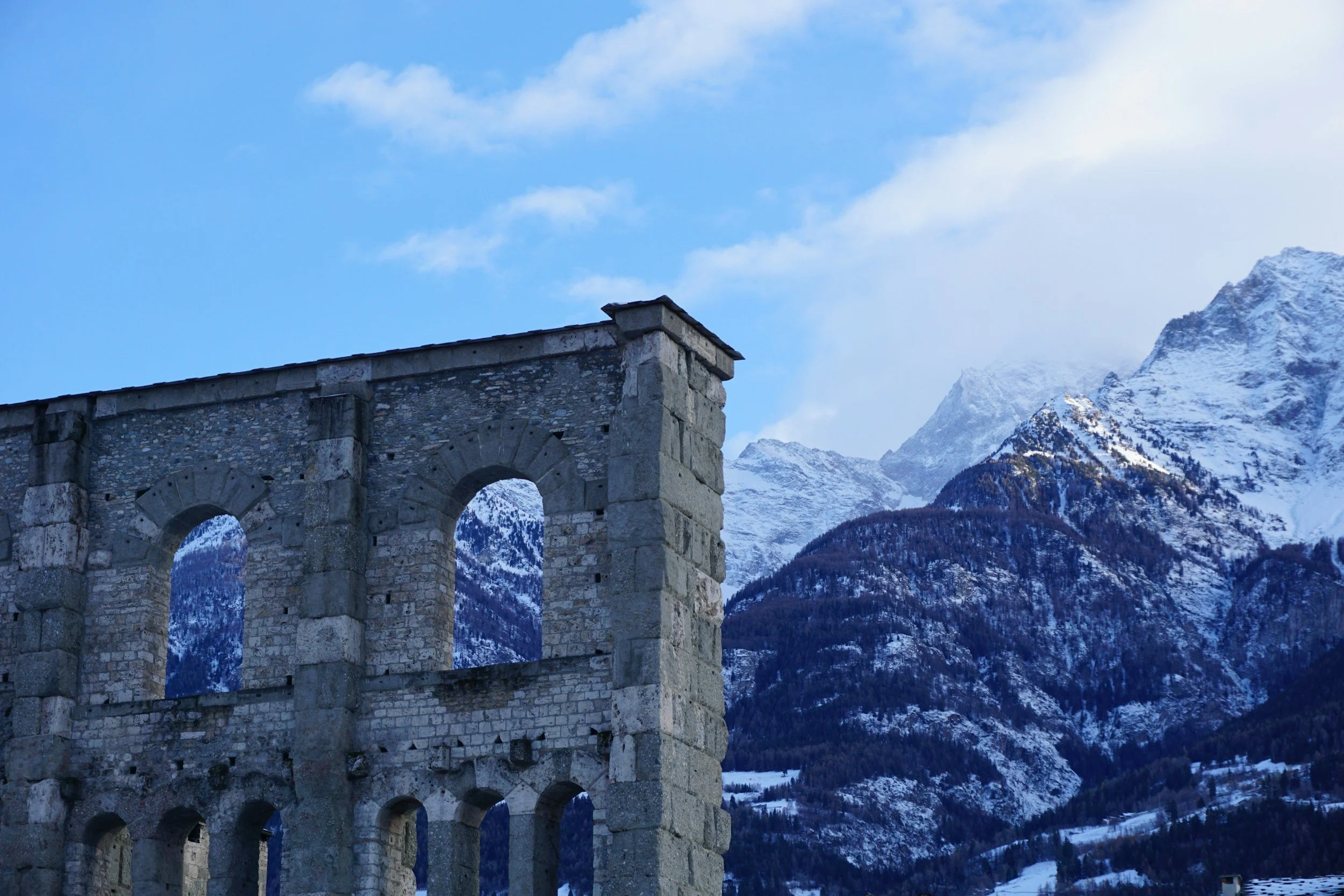
In Aosta, it’s easy to fall into a routine without meaning to. You head out in the morning, end up somewhere near Piazza Chanoux, maybe grab something from a bakery on the way, and then just keep walking. The Roman parts of the town, the Arch of Augustus, Porta Praetoria, bits of wall built into houses, don’t feel like stops, you just pass them as you go. If you wander a few streets away from the centre, it gets quieter almost immediately, and that’s usually where the place feels most comfortable.
Saint-Vincent feels even simpler. It’s more spread out, set along the hillside, and you don’t really “arrive” anywhere specific. You walk along Via Roma, stop if something looks open, keep going if it doesn’t. The view over the valley is just there the whole time, not something you have to walk toward.
Food fits into the day without much planning. You’ll see the same things come up, polenta, Fontina, soups, simple plates that make sense when it’s cold. Lunch often ends up being the longest part of the day, not because you’ve booked anything, but because you sit down and don’t feel any reason to leave.
Moving around is straightforward if you want to, the valley runs in a straight line, with trains and roads connecting the towns, so it’s easy to go somewhere else for a few hours. But most of the time, you don’t really need to. Staying in one place works just as well.
The only thing that really changes the feel is timing. School holidays bring more people into the whole valley, not just the resorts, so even towns like Aosta get busier. Outside of that, especially midweek in January or early December, it settles back into something quieter again.
What winter looks like outside ski towns
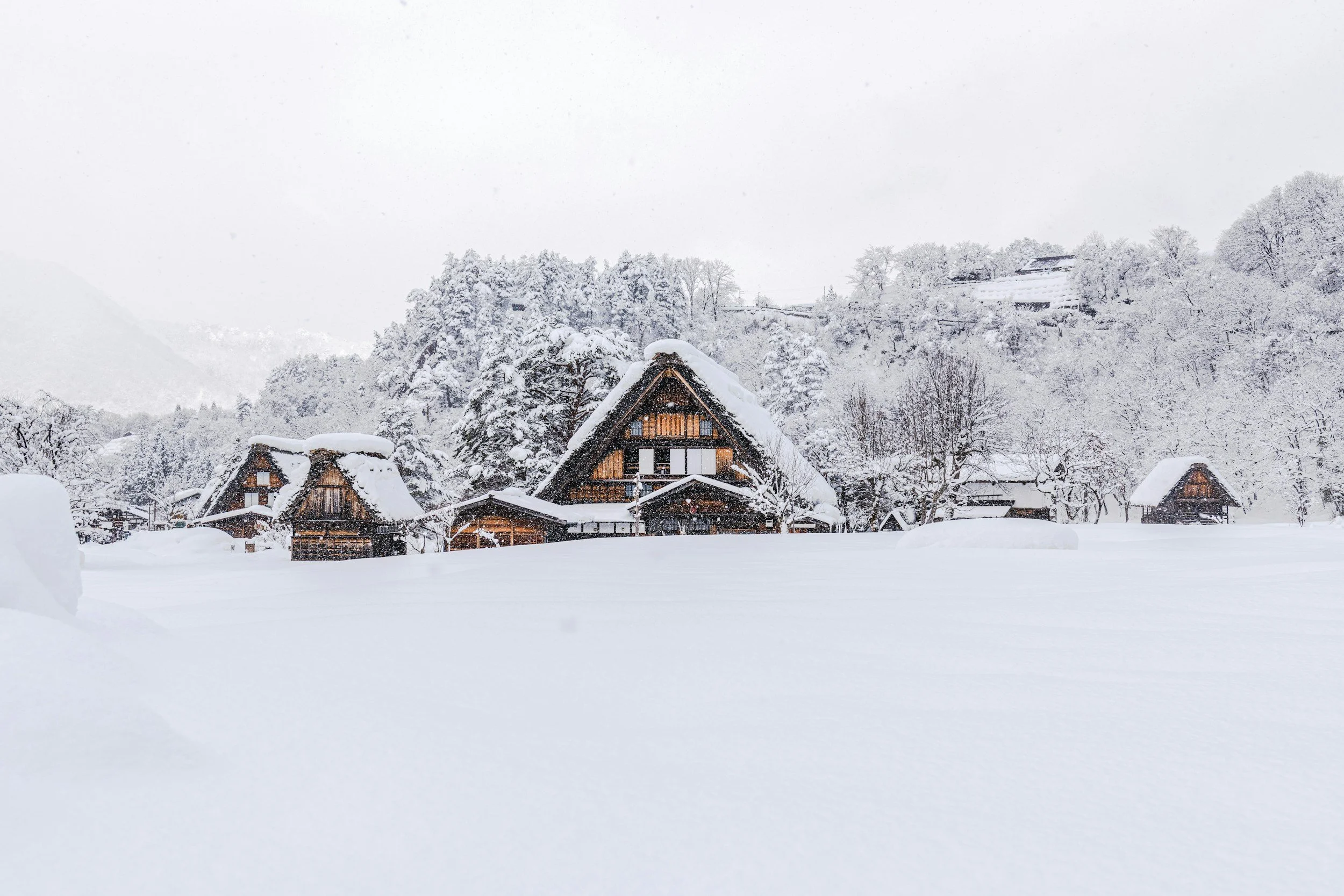
Most winter trips don’t feel off because of where you go. It’s usually because the place and the way you’re trying to use it don’t match.
In towns that aren’t built around skiing, winter changes the basics more than people expect. Opening hours are shorter. Mondays can feel half closed. Even places that feel lively during the day can be very quiet by early evening. If you go in expecting full days that roll into late dinners and busy streets, it can feel like something’s missing.
It helps to shift things earlier without overthinking it. Lunch ends up being the main part of the day. Not something quick in between, but something you actually sit down for. And that mid-afternoon café stop matters more than anything in the evening, especially once it starts getting dark around 4 or 5.
Evenings can feel surprisingly quiet, depending on the town. In some places, there’s just not much going on after a certain point. That’s not a bad thing, but it can feel a bit unfamiliar if you’re used to more movement. It’s also why your base matters more than how “nice” a place looks online. A beautiful village where everything is closed gets old quickly. A slightly more practical town with a couple of good places to eat makes the whole trip easier.
Weather plays into this as well. In summer, you can push through most plans. In winter, it usually works better to adjust. A grey day becomes a slower one. A clear day is when you stay outside longer. If it’s very cold, you keep things short and stay close to somewhere warm.
Getting there and moving around without overcomplicating it
A lot of winter travel advice is either too optimistic or too extreme. It’s either “you don’t need a car at all” or “you need one for everything.” Most trips end up somewhere in between.
If you want things to feel easy, trains usually make the most sense for getting there. Not because they’re faster, but because you don’t have to think about driving in the dark, parking, or road conditions. You arrive, drop your bag, and you’re already in the middle of it.
What works best in winter is staying in one place rather than moving around. Three to five nights in the same town is usually enough to settle in properly. If you start planning multiple stops, it’s worth asking yourself if you actually want that, or if it just feels like you should.
That said, there are regions where having a car for a day or two helps. Parts of eastern France or southern Italy are easier to explore that way. A simple way to handle it is to arrive by train, stay somewhere central, and then rent a car just for a short stretch if you feel like going further out.
Is this kind of winter trip right for you?
These regions tend to work well if you’re not looking for a packed itinerary and don’t mind days that stay relatively simple. If you’re happy basing yourself in one place, returning to the same café in the morning, and letting the day go by with no real plans, this kind of trip usually feels easy.
It also suits you if you prefer places that feel “lived-in”. Towns where shops open because people need them, not because it’s peak season, and where you don’t have to plan every hour in advance to have a good day.
On the other hand, if you’re someone who likes a clear structure, a list of things to do, or a sense of momentum from morning to evening, these regions can feel limiting quite quickly. There aren’t always obvious highlights, and some days won’t look very full on paper.
The same goes if you expect a lot of choice at all times. In winter, options are fewer, opening hours are shorter, and not everything is available every day. That doesn’t usually cause problems, but it does mean you need to be a bit flexible.
This kind of trip works best if you’re comfortable with less going on, and if you’re happy letting the place set the pace instead of trying to shape it too much yourself.
What to know before planning a winter trip in Europe
Where can you go in France in winter without skiing?
In southern France, Uzès works well because the centre around Place aux Herbes stays active year-round, even in January, with cafés and bakeries open most mornings. In eastern France, Belley is another good option, especially if you want access to the Bugey countryside without staying in a resort area.
Where can you go in Italy in winter that isn’t crowded?
Molise is one of the least crowded regions, and towns like Agnone stay local and quiet even in peak winter months. If you want a coastal option, Termoli keeps a steady pace in winter, especially around the old town and seafront.
What are good alternatives to the Alps in winter?
Instead of heading into ski regions, you can base yourself in towns like Uzès, Belley, or Agnone, where winter isn’t built around tourism. You’ll still get seasonal food, colder weather, and local routines, but without lift schedules or resort crowds shaping the day.
Is it worth visiting small towns in France and Italy in winter?
Yes, but only if you’re comfortable with a slower pace. In towns like Uzès or Aosta, most activity happens in the morning and around lunch, while afternoons and evenings are much quieter.
What is winter actually like in places like Uzès or Aosta?
In Uzès, mornings start slowly with a few cafés open around Place aux Herbes, while many shops open later or stay closed depending on the day. In Aosta, the centre near Piazza Chanoux stays active during the day, but a few streets away it becomes noticeably quieter, especially after lunch hours.
Do restaurants stay open in winter in smaller towns?
Some do, but not all. In Belley, you’ll usually find a few places open around the centre, but not every night. In Agnone, options are limited, and it helps to check ahead rather than assume everything is open.
Is it better to stay in a village or a town in winter?
A town is usually easier. A village might look more appealing, but if everything closes early, it can feel restrictive. Places like Uzès, Aosta, or Belley give you enough options without needing to move around.
Do you need a car for winter travel in these regions?
Not necessarily. You can reach towns like Aosta or Uzès by train and stay local on foot. If you want to explore further, renting a car for a day or two makes more sense than having one the entire trip.
What is the biggest mistake people make on winter trips like this?
Trying to plan it like a summer trip. In winter, fewer places are open, and the best parts of the day happen earlier. Overplanning usually leads to frustration.
When is the best time to visit for fewer crowds?
Early December and mid-January tend to be the quietest. Even in smaller towns, weekends and holiday periods bring more people in.
How do you avoid crowds in France and Italy in winter?
Stay out of ski resorts and avoid major holiday weeks. Smaller towns like Uzès, Belley, or Agnone remain calm even when nearby regions get busier.
What kind of traveler enjoys this type of winter trip?
Someone who doesn’t need a full schedule. If you’re comfortable returning to the same café, walking without a plan, and keeping your days simple, these places tend to work well.