

The Swiss valley I'd disappear to for a long weekend
If you arrive in the Engadine by train, the moment that usually sticks is the stretch just before St. Moritz where the line runs alongside Lake St. Moritz and everything suddenly opens up. You step off at the station, and within a few minutes you’re already down by the water, walking past locals doing the same loop they do every morning, usually between the station side and the quieter path toward Bad. It’s not something you need to plan, but it sets up the rest of the weekend in a very practical way, because most of what you’ll actually do here starts from places like this rather than from viewpoints or specific “must-see” stops.
What makes a short trip work in the Engadine is understanding how close everything is once you’re in the valley, and how quickly it becomes inefficient if you try to cover too much. The train between Samedan, Pontresina, and Zuoz runs frequently enough that you don’t need to think about it, but the distances are just long enough that doubling back wastes time you could spend walking. A simple example is the path from St. Moritz to Silvaplana, which follows the lakes for several kilometres. It’s flat, easy to follow, and you can step on or off the bus or train at multiple points, but it only works well if you treat it as a one-direction walk instead of trying to return the same way.
Food also needs a bit more attention here than people expect. In Pontresina, places along Via Maistra start serving lunch early, often before noon, and kitchens close again mid-afternoon. If you’re coming down from a morning walk above the village or from the lower valley trails, timing matters, because once service ends you’re usually waiting until evening. In Zuoz, the options are even more limited, so it’s worth knowing in advance where you’re heading rather than assuming you’ll find something open when you arrive.
This guide focuses on how to actually structure a weekend around those details. Where it makes sense to stay so you’re not moving constantly, which stretches of the valley are worth walking instead of skipping between stops, and how to plan your days so you’re not arriving somewhere just after everything has closed.
If you’re used to mountain landscapes further north, it’s interesting to compare this with somewhere like Saxon Switzerland, where the scale feels different but the quiet is similar.

Getting to the Engadine Valley: airports & travel tips for the Swiss Alps
Before diving into the beauty of the Engadine Valley, it’s important to know how to get there. While Switzerland is famous for its efficient train system, there are a few key airports nearby that will get you to the region quickly and conveniently.
Zurich Airport (ZRH) – This international hub is the most common entry point for travelers visiting the Engadine Valley. It’s about a 3.5-hour drive or train ride from Zurich to the Engadine region. If you’re looking to combine your visit to the Alps with some city exploration, Zurich is a perfect starting point.
Milan Malpensa Airport (MXP) – If you’re coming from Italy, Milan is the closest major airport, located just 4 hours from the Engadine Valley. From Milan, you can take a scenic train ride across the border and into Switzerland’s alpine paradise.
Innsbruck Airport (INN) – For those flying in from Austria, Innsbruck offers a 3-hour train ride to the Engadine Valley. The journey from here is especially scenic, with views of rolling hills and jagged peaks.
Once you’ve arrived, take advantage of Switzerland’s exceptional train network. The Glacier Express is a scenic route that connects Zermatt and St. Moritz, passing through the heart of the Alps. If you’re arriving by car, make sure to book parking at your accommodation in advance as the region can get busy during peak seasons.
It’s understandable that a lot of people end up here by train without planning too much around it, especially once they’ve looked at routes like these Swiss train routes.
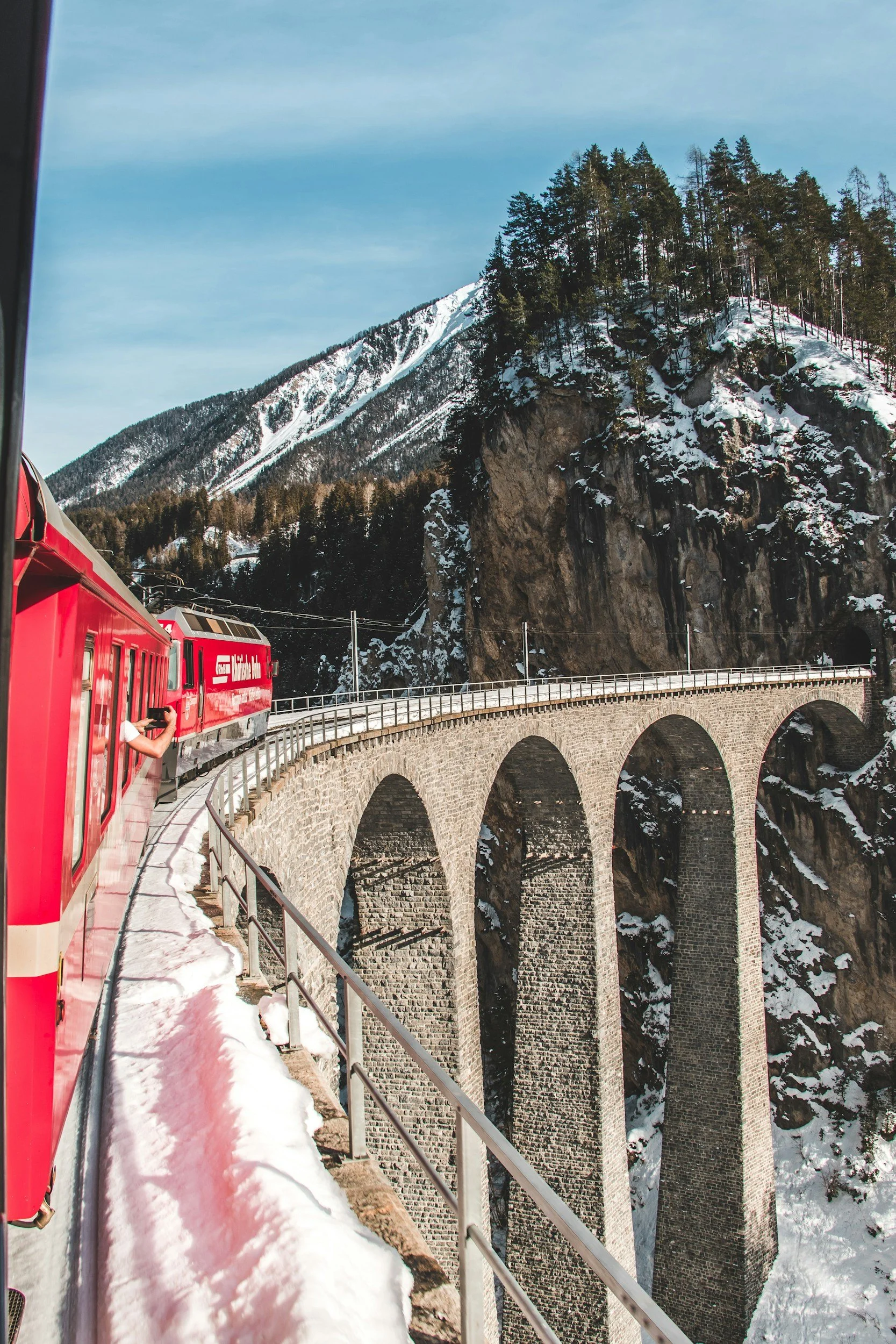
Where it actually makes sense to stay in the Engadine valley for a weekend
Choosing where to stay in the Engadine comes down to how you want your days to run, not just the view from your window. The valley is long, and even though the train line connects everything, small decisions about your base will decide whether your weekend feels simple or slightly disjointed.
If you want everything within walking distance from the moment you arrive, staying close to the station area in St. Moritz works better than people expect. The lower part of town, near the lake and the station, is much easier to move around than the upper centre. From there, you can walk straight along the lakeside path toward Bad in the morning, pick up the bus without needing to climb uphill, and reach places like Silvaplana or Sils Maria in under 20 minutes. It’s also one of the few places in the valley where arriving late in the evening still works. If you want something well-located without overcomplicating things, Hotel Waldhaus am See sits directly by the lake and close to the station, while Hauser Hotel St. Moritz is a more central option if you prefer being slightly higher up with easy access to restaurants.
A quieter option is Pontresina, which tends to feel more consistent throughout the day. Most accommodation is centred around Via Maistra, so you’re never more than a short walk from a bakery in the morning or a place to eat in the evening. From here, you can walk directly out of the village toward Val Roseg without arranging transport, and the train connection back to St. Moritz or further down the valley runs frequently enough that you don’t need to check schedules too closely. Hotel Müller Pontresina is a reliable, well-placed option right on the main street, while Grand Hotel Kronenhof is slightly set back but works if you want more space and quiet without losing access to the centre.
Further east, Zuoz is smaller and more residential, with most accommodation set within a compact historic centre. Staying here works well if you’re planning to spend more time walking locally rather than moving between multiple stops. The streets around the old square stay quiet in the evenings, and you’ll notice quickly that shops and restaurants close earlier than in St. Moritz or Pontresina. Hotel Castell Zuoz sits just above the village with views across the valley and easy access down into the centre, and it works well if you want a calm base without needing to think too much about logistics.
If you prefer being close to the lakes rather than in a larger village, areas around Silvaplana and Sils Maria offer smaller guesthouses and chalet-style stays, often within a few minutes’ walk of the water. These are good bases if you plan to spend more time on the lakeside paths or take shorter walks without using transport much. Hotel Bellavista Silvaplana is set slightly above the lake with direct access to walking routes, while Hotel Waldhaus Sils is one of the more established stays in the area, positioned at the edge of the forest with easy access to both the village and the lakeside paths.
Across the valley, accommodation tends to book up early for weekends, especially in smaller villages where the number of rooms is limited. It’s usually worth choosing your base first and building the rest of your plans around it, rather than trying to fit in multiple locations over two or three days.
If you’re deciding whether to stay in one place or move around, these Swiss villages help you picture how that kind of trip actually works.
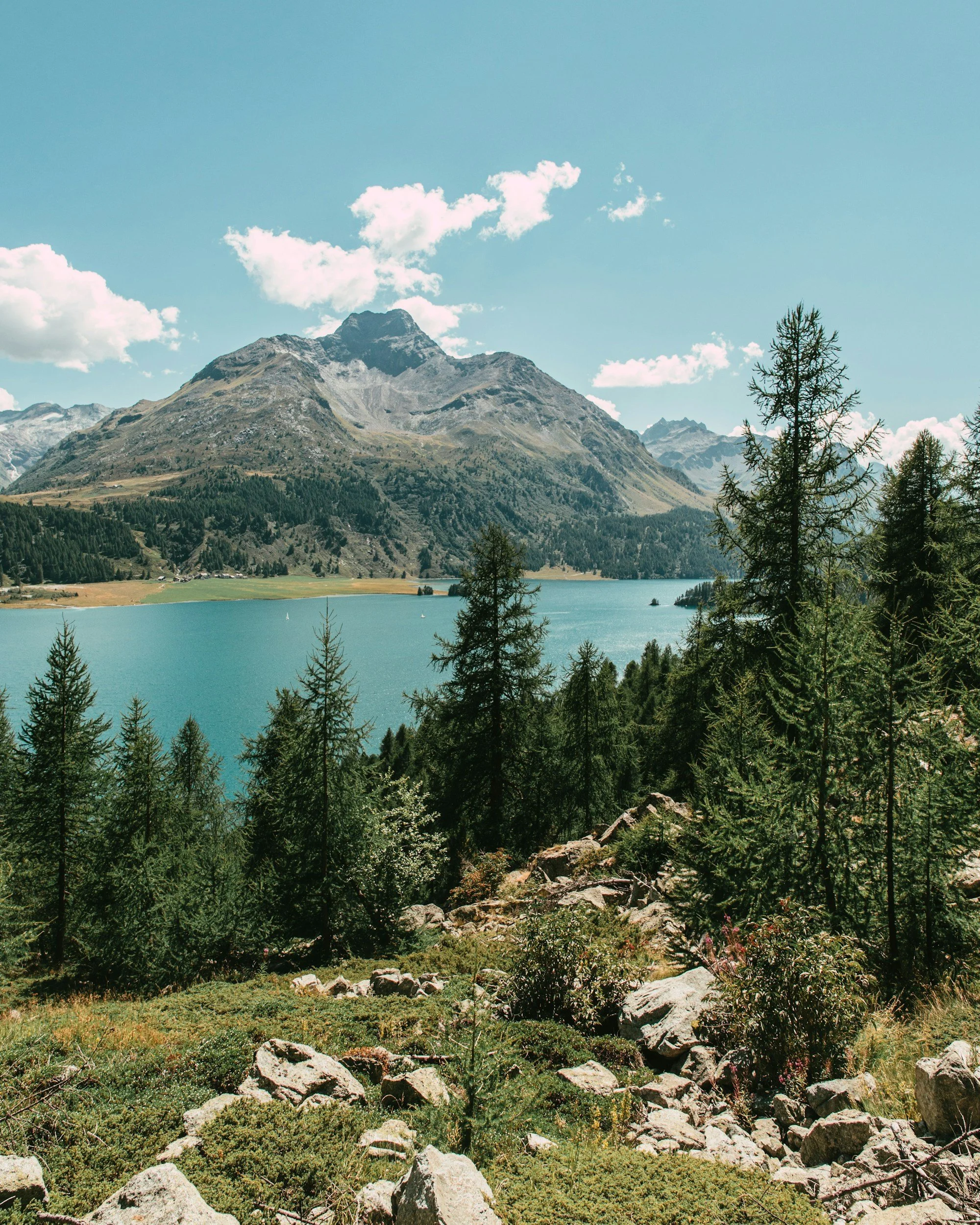
Walkable routes in the Engadine valley that stay quiet even on weekends
Most walks in the Engadine are easy to reach, but they don’t all work the same way once you’re on the ground. The routes that stay quieter tend to be the ones you can start directly from where you’re staying, or ones where you keep walking past the obvious stopping points instead of turning back where most people do.

One of the most reliable options is the walk into Val Roseg from Pontresina. From the station, it’s about a 10-minute walk through the village to the trail entrance, passing along Via Maistra before the road narrows and turns into a gravel path. Most visitors gather near the horse carriage departure point at the start of the valley, but if you continue walking past that area, the space opens up quickly and the path becomes less crowded. The full route to Hotel Restaurant Roseg Gletscher takes around 1.5 to 2 hours, mostly flat and easy to follow, but the better section is often the middle stretch where the valley widens and side paths branch toward the river. If you leave Pontresina before 09:30, you’ll have a long stretch of the walk almost to yourself, especially on weekdays. Coming back, it’s usually quieter if you return slightly earlier in the afternoon, before the carriage traffic peaks.
The lakeside route between Silvaplana and Sils Maria is another one that works well without much effort, but small choices change how it feels. Starting near the Silvaplana lake edge, close to the windsurfing area, the path follows the water for roughly 4 to 5 kilometres. It’s flat the entire way and takes around 1.5 hours at a relaxed pace. Most people stay close to the main gravel path, but there are smaller side tracks closer to the water that are worth taking where possible, especially just before reaching Sils. Once you arrive, walking a few extra minutes past the main village toward the peninsula near Lake Sils usually brings you into a noticeably quieter section. Buses back toward St. Moritz and Silvaplana run regularly from the centre of Sils Maria, so there’s no need to plan the return in detail.
For a higher starting point without committing to a full mountain hike, the funicular up to Muottas Muragl gives you access to several longer ridge walks that most visitors skip. The initial viewing platform is busy, especially between 11:00 and 14:00, but if you continue along the marked trail toward Alp Languard or along the ridge paths heading away from the main terrace, the number of people drops quickly within 15 to 20 minutes. These paths are still clearly marked, with a mix of gravel and rocky sections, and typically take 1 to 2 hours depending on how far you go. It’s worth checking the last funicular down before you start, as missing it means arranging a longer descent on foot.
If you’re based in Zuoz, the walking options are less defined on standard maps, but that’s part of why they stay quiet. From the old village centre, it takes less than 15 minutes to reach the edge of the settlement, where marked trails begin climbing gradually into the surrounding hills. These routes don’t have a single destination in the same way as Val Roseg, which makes them easier to adapt depending on how much time you have. You can walk for an hour, loop back toward the village, or continue across open sections of the valley with wide views and very few other people around, even in the middle of the day.
A final option that works well if you’re staying near St. Moritz is to walk away from the main lake area rather than around it. Starting near the St. Moritz Bad side, you can follow quieter paths that lead toward forested sections above the lake instead of staying on the main promenade. Within 20 to 30 minutes, the number of people drops noticeably, especially compared to the central lake loop that most visitors stick to.
Across all of these routes, the difference comes down to timing and direction rather than difficulty. Starting earlier in the day, continuing past the first obvious stopping point, and choosing one-direction walks between villages instead of returning the same way usually gives you a much quieter experience without needing to search for anything complicated or remote.
There’s also a quieter side to Switzerland that doesn’t get as much attention, which comes through clearly in this Swiss Jura escape.


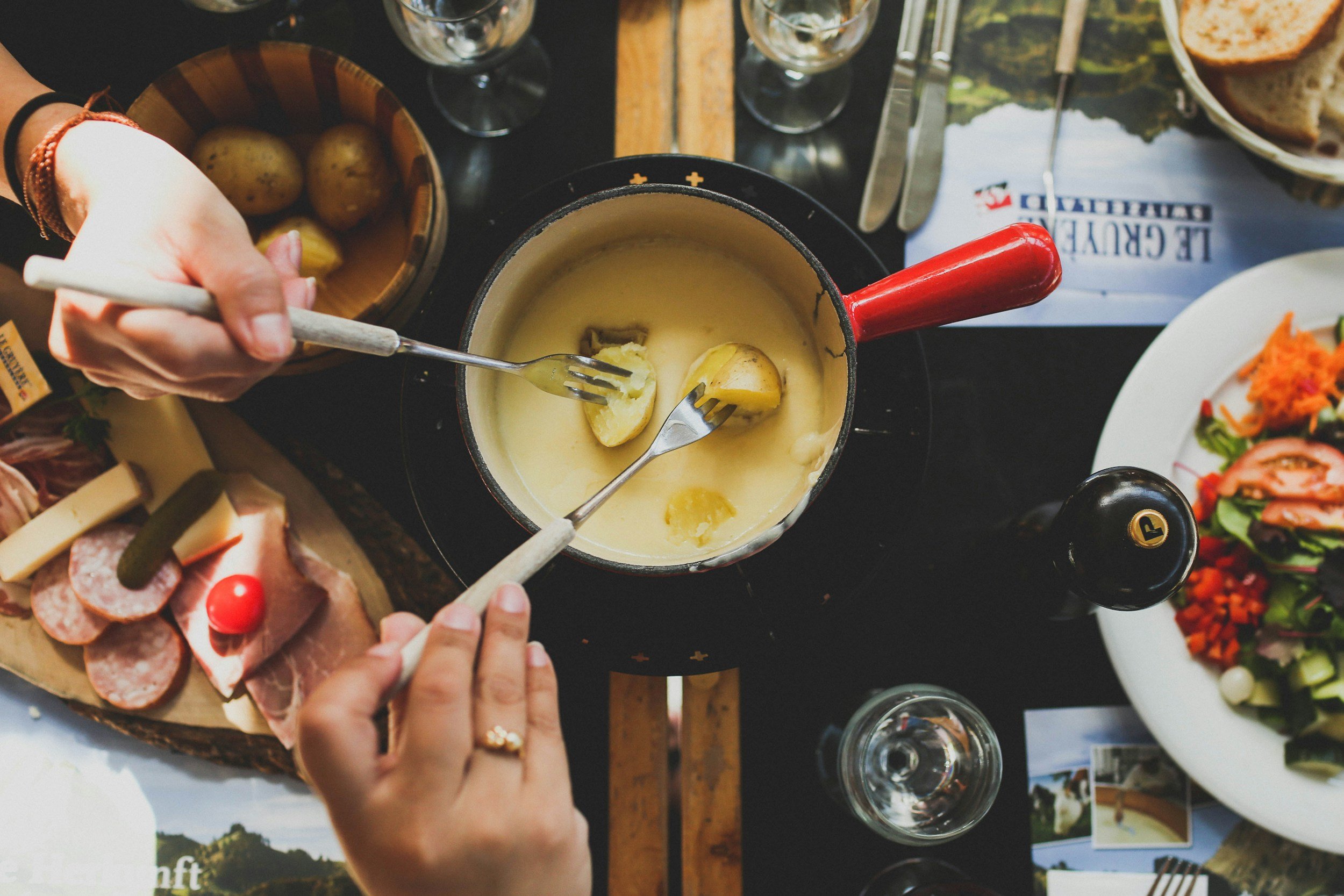
Where to eat in the Engadine valley when you want proper food and a good setting
Food in the Engadine is tied closely to timing and location, and it’s one of the easiest parts of a weekend to get wrong if you don’t plan it around where you’ll already be. Kitchens tend to open early for lunch, often from 11:30, and close again around 14:00–14:30 before reopening for dinner. That gap matters more here than in most places, especially if you’re coming down from a walk and arrive just after service has ended, because alternatives are limited once kitchens close.
A straightforward way to structure it is to decide where you’ll eat before you start the day. If you’re heading up to Muottas Muragl, it’s worth timing your visit either just before 12:00 or closer to 14:00. The restaurant at the top fills quickly between those times, particularly with people arriving on the same funicular departures, but outside that window you can usually get a table without waiting. It works well to take a later lunch here after a short walk along the ridge paths, rather than eating immediately when you arrive.
In Pontresina, most of the reliable places to eat are lined along Via Maistra, which makes it easy to plan around. If you’re walking into Val Roseg in the morning, you’ll likely be back in the village between 12:30 and 14:00, which is the busiest period. Restaurant Sporthotel Pontresina is useful here because service tends to be efficient even when it’s full, so you’re not waiting long after a walk. A few minutes further along the street, Restaurant Au Premier sits slightly above the main flow of people and works better if you want a quieter lunch or an early dinner. If you’re staying overnight, it’s often easier to book dinner in advance, as options in the village are limited once places fill up.
If you prefer to eat during the walk rather than after, stopping at Hotel Restaurant Roseg Gletscher is the most practical option inside the valley. The timing here is important. The busiest period usually starts when the horse carriages arrive, which tends to be late morning into early afternoon. If you reach it before 11:30, you’ll have a quieter experience and more choice of tables, especially outside. If you arrive later, it’s still manageable, but it’s worth expecting a slower service. It works well as a halfway point, and you don’t need to walk all the way to justify stopping there.
Around Silvaplana, food options are more spread out, so it helps to know where you’re going before you arrive. Restaurant Stuva is one of the more reliable stops close to the centre, especially if you’ve walked along the lake and want something straightforward without detouring too far. If you’re continuing toward Sils Maria, it can also make sense to eat earlier here rather than waiting until later when fewer places are open.
In Sils Maria, the number of restaurants is smaller, but they are generally well positioned. Restaurant Stüva Hotel Waldhaus sits slightly away from the busiest part of the village, which makes it a good option if you’ve come in from the lakeside path and want to sit down without heading into the centre. It’s also one of the better choices if you’re staying nearby and want a dinner that doesn’t require moving between villages in the evening.
Back in St. Moritz, you have more flexibility later in the day, which is useful if your plans change. Chesa Veglia is a consistent option for traditional dishes, set in one of the older buildings in the upper part of town. It works best in the evening, especially if you’ve spent the day further down the valley and return by train. If you’re staying near the lake, it’s worth allowing time to get up to this part of town, as the walk is steeper than it looks on a map.
Across the valley, the most useful approach is to match your meals to where you’ll realistically be at certain times of day. Lunch is easier to plan around a walk if you aim for either an early or late sitting, and dinner is usually simpler if it’s close to where you’re staying, especially in smaller villages where options narrow quickly after 20:00. Checking opening hours the evening before and deciding on one or two places in advance removes most of the friction and makes the rest of the weekend easier to manage.
If you’re passing through a city before or after, something like this Basel weekend gives you a softer contrast to the mountains.
And if you’re shaping a short trip around this region, it’s worth seeing how a similar pace plays out in Bern in autumn.
Where to slow down in the Engadine valley without overplanning your day
Wellness in the Engadine works best when it fits into the day you already have, rather than becoming a separate plan. The distances between villages are short, but once you start moving between places just for a spa or a class, it quickly turns into unnecessary travel. The easier approach is to stay close to one or two options and use them at the right time of day, especially in the afternoon when most walks naturally wind down.
In St. Moritz, the most practical setup is around the Bad area, where you can combine a walk with a spa visit without needing transport. Starting from the lakefront near the station, it takes around 10–15 minutes on foot to reach Ovaverva St. Moritz. It’s open throughout the day, which gives you flexibility if your plans shift. The indoor and outdoor pools are connected, and the sauna section is usually quieter before 15:00. After that, it fills up with people coming in after skiing in winter or hiking in summer. It’s one of the few places where you can stay for two to three hours without needing to structure your visit around a booking, which makes it easier to combine with a morning walk along the lake or a shorter route above town.
If you’re staying in Pontresina, most wellness options are tied to hotels rather than standalone facilities, but that often works in your favour because everything is within walking distance. Along Via Maistra, you’ll find several hotels offering spa access either to guests or as a day option if arranged in advance. Grand Hotel Kronenhof has one of the larger spa areas, with indoor pools, sauna rooms, and quieter relaxation spaces, and it tends to be calm in the late afternoon once day visitors have left. Hotel Saratz is another option slightly closer to the edge of the village, which works well if you’re coming back from a walk toward Val Roseg and don’t want to cross the whole village again. In both cases, it’s easier to use these places in the late afternoon or early evening rather than mid-day, when you’ll usually be out walking.
A quieter alternative is Samedan, which is about 10 minutes by train from St. Moritz or Pontresina. From the station, it’s a short walk through the old village streets to Mineralbad & Spa Samedan. The layout is different from most spas in the area, with several sauna levels built upward through the building, leading to an outdoor rooftop pool. Going after 18:00 usually means fewer people, and it fits naturally as an evening stop if you’re already passing through on the train line rather than making a separate trip just for it.
For slower, unstructured time, the lakes are often enough on their own. The paths around Lake Silvaplana and Lake Sils are easy to reach from nearby villages, and they’re flat enough that you can walk without thinking about routes or timing. Early morning is usually the best window, before the wind builds around Silvaplana and before buses start bringing in more people. A short loop of 30–60 minutes along the water often works better than planning a longer walk on days when you want to keep things slower.
If you’re looking for yoga or guided sessions, most of them are small and tied to accommodation rather than large studios. In St. Moritz and Pontresina, hotels often run morning or early evening classes for guests, and these are not always listed publicly. It’s usually more effective to check with your hotel the day before than to search for a fixed schedule in advance. The timing tends to be around 08:00–09:00 or early evening, which fits naturally before breakfast or after dinner rather than interrupting the middle of the day.
Across the valley, the main thing that makes this part of the trip work is keeping it close to where you already are. One spa, one short walk, and time in between without needing to move around too much is usually enough. Trying to combine multiple locations in one day often leads to spending more time in transit than actually using any of them.
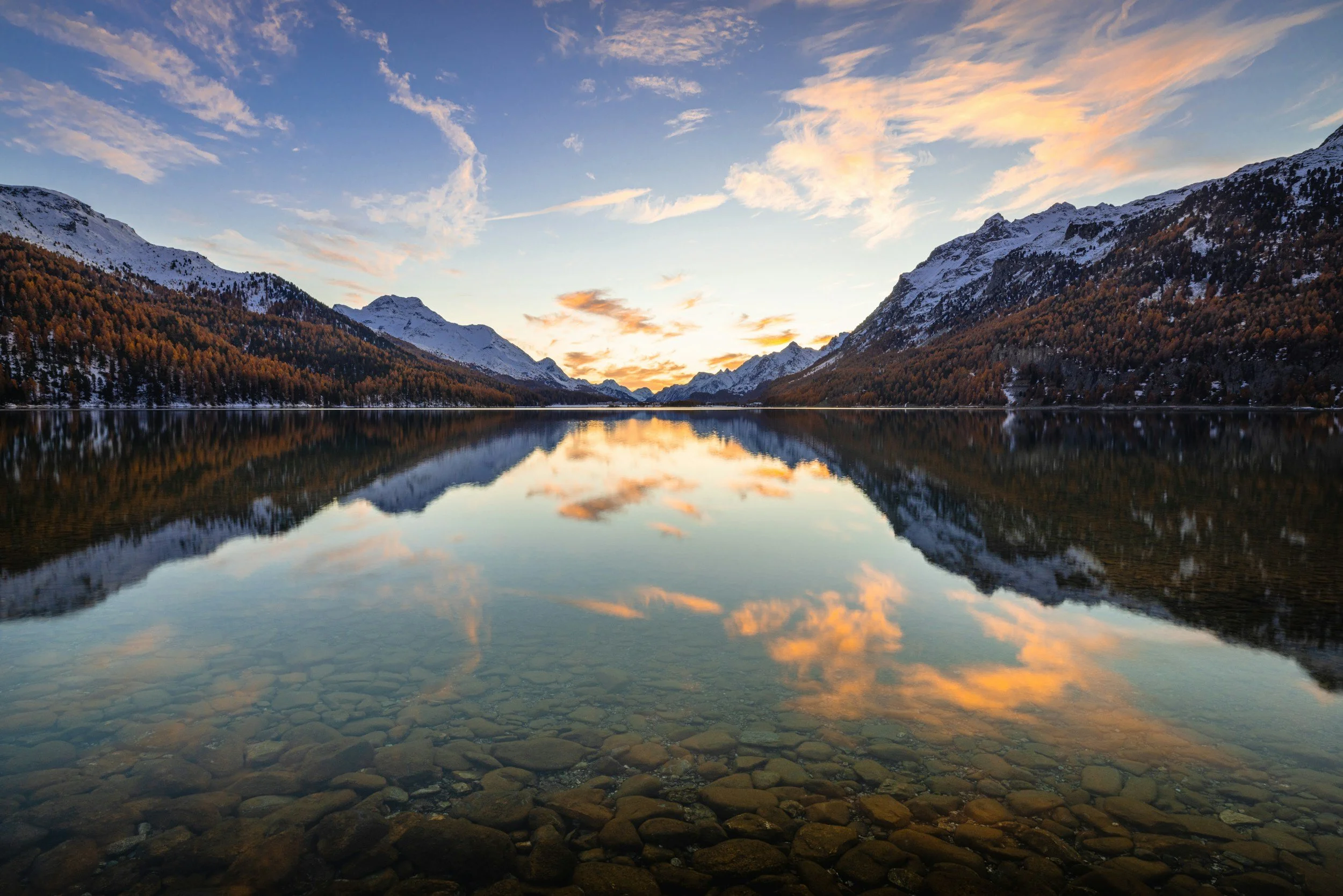
What changes your experience in the Engadine valley (and it’s not where you go)
One thing that becomes clear after a couple of days in the Engadine is how much the valley shifts depending on the time of day, not the season. Early morning around the lakes is usually still, with very little movement apart from locals walking the same short stretches near the water. By late morning, the same areas start to fill in, especially near the main access points in St. Moritz and along the path toward Silvaplana, and it’s not always obvious why until you’ve seen it once.
The quieter version of the Engadine is still there, but it sits slightly outside those patterns. It’s in the side streets just off Via Maistra in Pontresina after lunch, or along the lake near Sils Maria once the afternoon buses have passed through. None of this requires going further or doing more, just shifting when and where you spend your time.
That’s usually what people take away from a short stay here. Not specific places, but how small adjustments change how the valley feels from one hour to the next.
Explore more slow travel destinations across Europe
For a mountainous retreat with forest walks and mindful meals, you might enjoy Mindful Travel in the French Countryside: A Weekend of Yoga, Markets, and Quiet Walks.
FAQ: planning a weekend in the Engadine valley
Is it better to stay in St. Moritz or Pontresina?
It depends on how you want your days to run. St. Moritz is easier if you want more restaurant options and later evenings, especially near the lake and station area. Pontresina is simpler for walking routes like Val Roseg and works better if you don’t want to rely on transport during the day.
Do you need a car in the Engadine valley?
No. Trains and buses connect all main villages, including St. Moritz, Pontresina, Samedan, and Zuoz. Most walks start close to stations or bus stops, so a car usually adds complexity rather than saving time.
Can you walk between Silvaplana and Sils Maria?
Yes, and it’s one of the easiest routes in the valley. The path runs along the lake for around 4–5 km and takes about 1.5 hours one way. You can return by bus, which runs frequently between Silvaplana and Sils Maria.
What is the easiest scenic walk in the Engadine valley?
Val Roseg from Pontresina is the most reliable option. It’s a wide, mostly flat path that takes around 1.5 to 2 hours to reach Hotel Restaurant Roseg Gletscher. You don’t need to complete the full route for it to be worthwhile.
When is the best time of day to walk in the Engadine?
Morning is the most consistent. Between 08:00 and 10:30, trails are quieter and conditions are more stable. Midday is busiest near main access points, while late afternoon becomes quieter again, especially away from St. Moritz.
Do restaurants in the Engadine close in the afternoon?
Yes. Most kitchens open around 11:30 and close again between 14:00 and 14:30. They usually reopen for dinner around 18:00. Outside these hours, options are limited, particularly in smaller villages.
Where can you eat during a hike in the Engadine valley?
The main option on longer valley walks is Hotel Restaurant Roseg Gletscher in Val Roseg. Otherwise, most meals are in villages like Pontresina or St. Moritz rather than directly on trails.
Is the Engadine valley crowded?
It depends on timing. Areas around St. Moritz and popular viewpoints get busy from late morning. Quieter experiences are easy to find by starting earlier, walking between villages, or spending time in places like Pontresina or Zuoz.
How do you get to the Engadine valley by train?
Most routes go via Chur, then continue on the Rhaetian Railway to St. Moritz. The journey from Chur takes about 2 hours and connects directly to other villages along the valley.
How many days do you need in the Engadine valley?
Two to three days is enough for a short trip if you focus on one base and a few walks. Trying to cover multiple areas in a weekend usually leads to spending more time in transit than exploring.