
The Tuscan vineyards I'd choose over the bigger wineries
You’re driving out of Siena toward Montalcino, following the main road for a while, then turning off without being completely sure it’s the right one. The road narrows, the surface changes slightly, and you stop seeing anything that looks like a destination. Just vineyards, olive trees, and the occasional farmhouse set back from the road. At some point, you slow down because you’re looking for a small sign, usually just a name on a board or a metal plate at the edge of the driveway. If you’re going too fast, you’ll miss it and need to turn around.
You turn in, follow a short gravel stretch, and park near a courtyard or next to a low stone building. There’s no clear entrance in the way you might expect. Sometimes someone comes out to meet you, sometimes you wait a minute and then walk toward where it looks like people are working. You’re already on the property before anything has really started.
That’s how most smaller vineyards work across Chianti and Montalcino. At places like Podere Le Ripi or Castello di Ama, the visit isn’t separated into a single tasting room. You move through different parts of the estate, starting in a courtyard or near the cellar, then walking outside between the vines before sitting down somewhere on site. Where you sit changes from place to place, sometimes a terrace, sometimes a table set up near the buildings, depending on the weather and the day.
Most visits start late morning, around 10:30 or 11:00, and if you arrive earlier, you’ll often be waiting while things are still being set up. Later in the afternoon, fewer time slots are available, and some places close visits entirely. If you’re driving from Siena or Florence, the last part of the journey usually takes longer than expected, so it helps to leave earlier rather than trying to time it exactly.
What also stands out is how little is signposted once you’re there. You won’t see directions telling you where to go next. You follow whoever is guiding you, or you move slowly enough to understand the layout as you go. It’s easy to feel slightly unsure at first, but that’s part of how these places operate.
This guide focuses on those kinds of visits. Not just which vineyards to go to, but how to approach them in a way that actually works, where to turn off the main road, how much time to allow between stops, what a visit looks like once it starts, and how different areas like Chianti and Montalcino change the way the day turns out.
If you’re here as much for the food as the wine, this slow food Tuscany shows what that looks like once you move beyond the obvious stops.
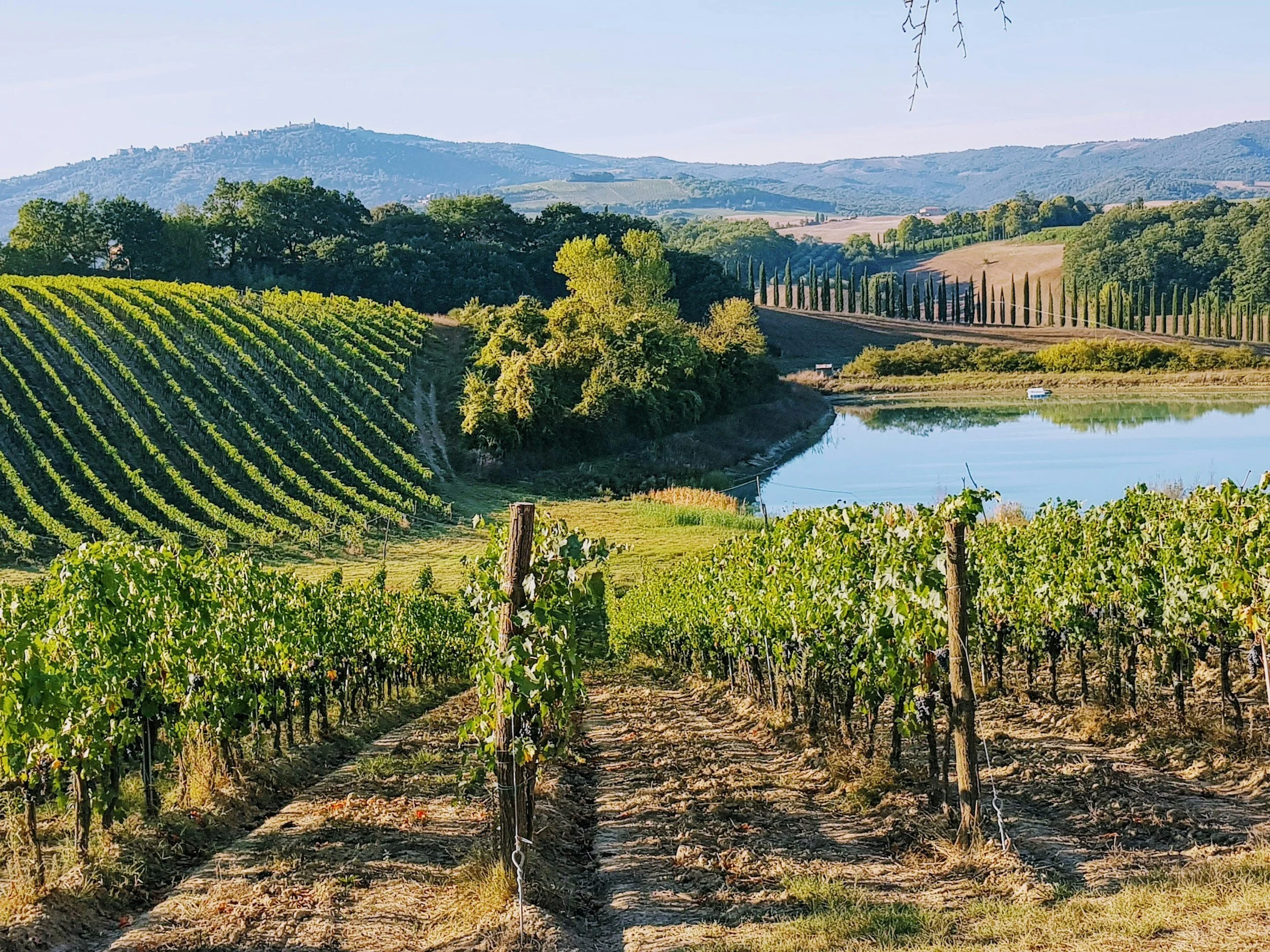
Castello di Ama: wine tasting and art in Tuscany’s Chianti hills
Tucked deep into the rolling hills of Chianti, Castello di Ama is one of Tuscany’s best-kept secrets, offering an experience that blends history, art, and wine in a way that is completely unique. They also produce olive oil, so make sure to taste this too when you’re here. Situated within a 12th-century castle, surrounded by stunning vineyards and olive groves, Castello di Ama offers something that most vineyards in Tuscany don’t: a true fusion of art and winemaking.
What sets Castello di Ama apart is its contemporary art collection, scattered throughout the estate. The vineyard has partnered with some of the most renowned artists in the world, creating a series of striking installations that interact with the landscape in a way that feels both bold and organic. These pieces are not simply placed in the vineyard for decoration; they are thoughtfully integrated into the surroundings, creating an immersive experience where the art is as much a part of the atmosphere as the vines themselves.
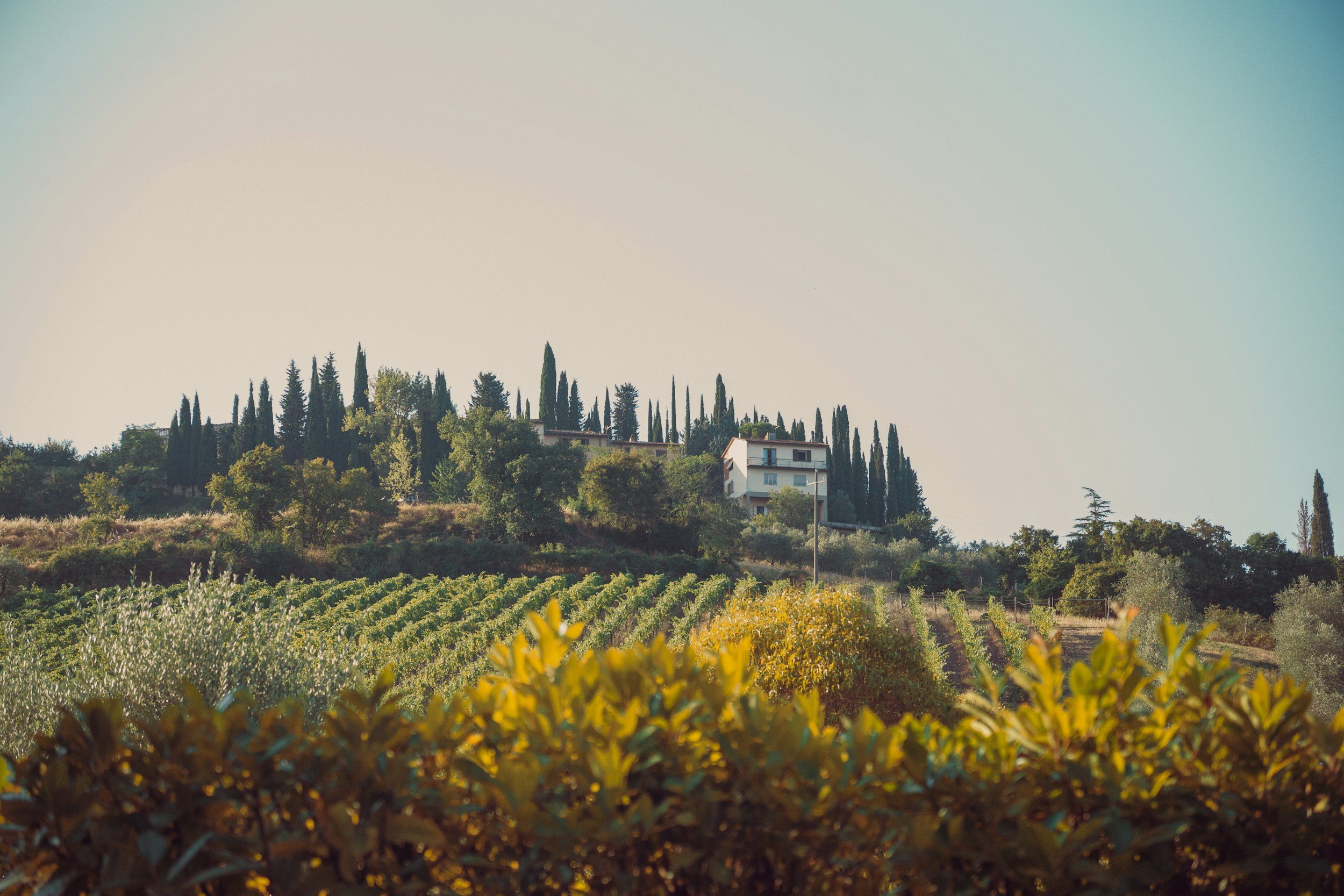
Castello di Ama
One of the coolest parts about visiting Castello di Ama is wandering through the vineyards and stumbling across their art installations. It’s a neat mix with modern art popping up among centuries-old vines, reminding you Tuscany isn’t just about history frozen in time, but also about fresh, creative energy. You’ll spot sculptures standing tall between the grapes, art that seems to grow out of the landscape, and even spaces where the art feels totally part of the estate itself. It’s a calm, thoughtful experience that really sticks with you.
When it’s time to relax, grab a spot in one of their peaceful courtyards or sleek tasting rooms. Here, you can sip on their standout wines (Chianti Classico and rich Sangiovese) while soaking up the views of the rolling hills. The wine here feels like part of the whole artistic vibe, crafted with care and a balance of tradition and innovation.
Some of the best vineyard days actually happen just outside the well-known areas, and these Tuscan villages are a good place to start.
You’ll usually start inside, then move through the cellars and back out into the vineyards. The art isn’t collected in one place. It’s scattered across the estate, tucked into old rooms, set along paths, or placed where you don’t expect it. Some pieces are obvious, others you almost walk past without noticing. It helps to slow down a bit here, even just turning back once or twice, because a few of them sit just slightly off where you’d normally walk.
Mid-morning is a good time to be there. Around 10:30–12:00, there’s space to move without crossing into other groups, and the light across the vineyards is clearer. Later in the afternoon, it can feel a bit more structured with more people arriving at the same time.
If you’re visiting during harvest, usually September into early October, it’s worth asking what’s happening that day. Sometimes you’ll see grapes coming in or being sorted, sometimes not, it depends on timing. It’s not presented as a big separate experience, but when it lines up, it adds another layer to what you’ve already seen.
Where to Stay
If you want to extend the vibe, check out Borgo Casa al Vento nearby. It’s a charming agriturismo right in the heart of Chianti with cozy, rustic rooms and killer vineyard views. It’s a great little base to explore the area and unwind after your day at the vineyard.
Tenuta di Carleone: family-run vineyard stays in Chianti, Tuscany
If you’re after a quiet, off-the-beaten-path spot in Tuscany, Tenuta di Carleone is definitely worth a look. Just outside Greve in Chianti, this family-run vineyard offers a chill, intimate vibe that feels miles away from the usual tourist bustle. The estate is small but perfectly nestled in the rolling hills, surrounded by olive groves and vineyards stretching as far as the eye can see.
What makes Tenuta di Carleone stand out is its mix of deep tradition and real passion for winemaking. They’ve been producing wine here since the 1800s, so you really get a sense of history when you visit. The family running the place knows the land inside and out and loves sharing their stories and process. During a tasting, you’ll sample their Chianti Classico and other local wines that truly show off the region’s unique character. The wines are rich and full-bodied, crafted with respect for tradition but with an eye on quality. Whether you’re just enjoying wine casually or know your stuff, you’ll appreciate the flavors and the stories behind each bottle.
Oh, and don’t miss trying their olive oil - it’s top-notch. If you like it, grab a bottle to take home; it’s a little taste of Tuscany to enjoy later.
The tastings here are relaxed but informative. No rush at all. You get to sit back, sip at your own pace, and really connect with the wines, the land, and the people behind it all. The staff are warm and take the time to explain everything from the grapes to the final pour, making the whole experience feel personal and authentic.
Where to Stay
One of the things we love about Tenuta di Carleone is that they have their own cozy villas right on the property. Staying here means you get the full Tuscan countryside experience: rustic, comfy, and with incredible views over the vineyards and olive groves. It’s the perfect place to slow down, unwind, and soak in Chianti without having to rush anywhere.
Markets don’t always run when you expect, which is why a quick look at market days in Italy can save you from missing them completely.
Ps. if you're visiting in late September to early October during the harvest season, ask if you can join in on the grape picking. It’s one of the most authentic ways to connect with the winemaking process and gives you a real sense of the hard work and care that goes into every bottle. Plus, it’s a fun way to be a part of the region’s rich agricultural traditions.
Fattoria di Petroio: Tuscany wine & wellness retreat in Chianti
If you’re looking for a Tuscany experience that goes beyond wine tasting, Fattoria di Petroio is the place to be. Nestled in the heart of Chianti Classico, just outside Panzano in Chianti and Greve in Chianti, this family-run estate offers a holistic Tuscan escape. It’s not just about the wine (though their Chianti Classico is incredible) - it’s about immersing yourself in the land, the culture, and even the wellness of the region.
Fattoria di Petroio isn’t just a vineyard; it’s a full experience. The estate blends winemaking, wellness, and the Tuscan way of life to offer a truly unique retreat. If you're after more than just a wine tasting, you can enjoy the estate's holistic offerings - from yoga classes to wellness packages. These experiences are designed to help you slow down, reset, and reconnect with yourself, all while surrounded by the peaceful, natural beauty of Tuscany. After a morning of yoga, you can treat yourself to a wine tasting, or unwind with a walk through the vineyards or olive groves. It’s the perfect balance of well-being, nature, and authentic Italian food and wine.
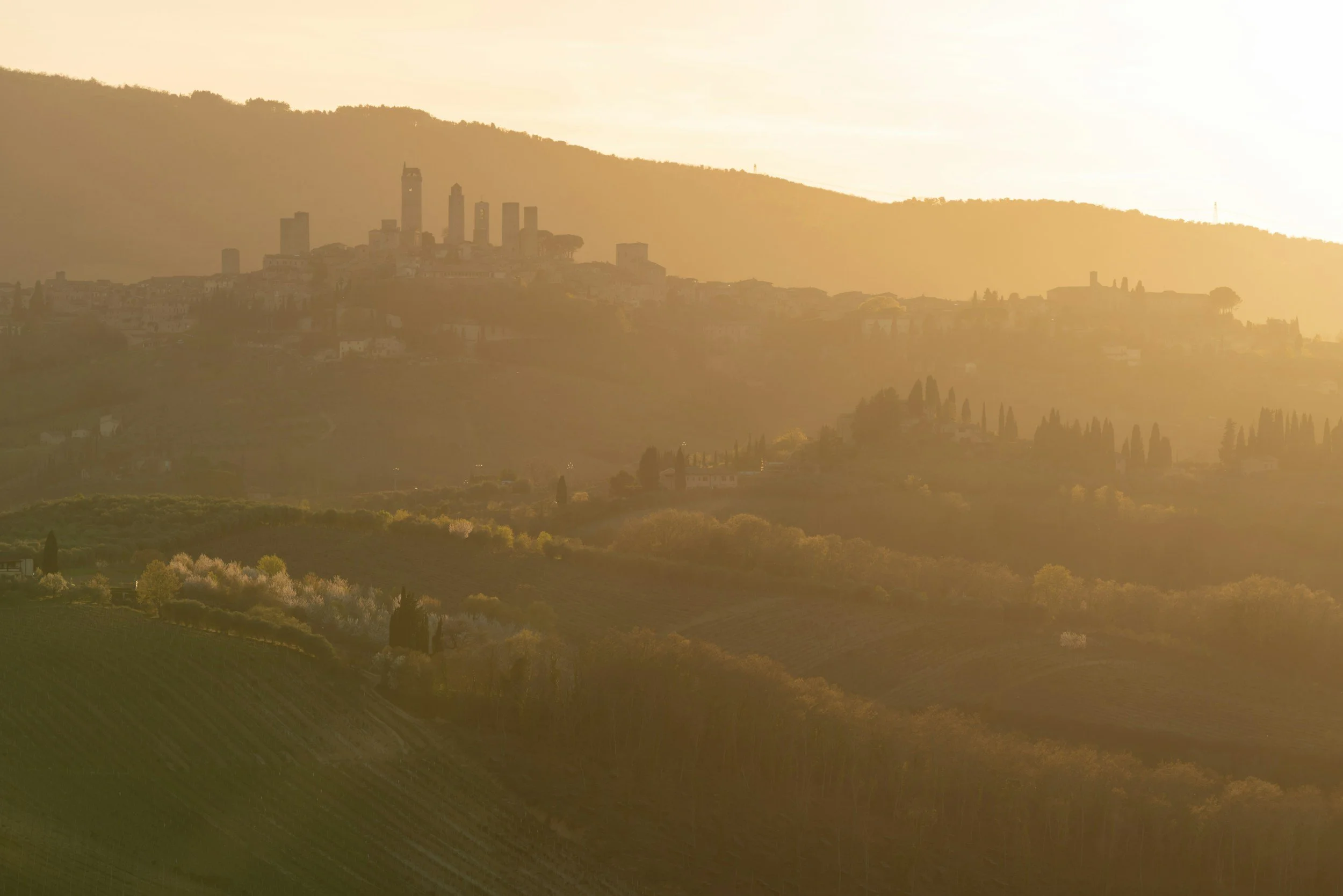
The wine tasting here has a personal touch. The team at Fattoria di Petroio is incredibly welcoming, and during your tasting, you’ll get a chance to sample their top-tier Chianti Classico, learn about the organic and sustainable farming practices they follow, and hear about the history of the vineyard. It’s a relaxed experience, with plenty of time to chat, sip, and enjoy the views.
What truly makes Fattoria di Petroio stand out, though, is its wellness approach. You can book a holistic package that includes daily yoga sessions, wellness activities, and even special meals prepared with locally-sourced ingredients that promote health and well-being. The estate’s calm atmosphere and stunning views provide the ideal backdrop for taking a step back from the daily grind and focusing on your physical and mental well-being.
The property itself is quiet and full of charm, with rustic accommodations that feel both cozy and luxurious. Whether you're staying in one of the estate’s charming villas or an apartment, you’ll be surrounded by the beauty of the Tuscan countryside. With views of vineyards, olive trees, and hills, the scenery alone is enough to help you feel at peace.
Staying at Fattoria di Petroio is the perfect way to immerse yourself in both the region’s winemaking tradition and its wellness culture. The estate offers rustic but comfortable accommodations in beautifully restored villas and apartments, making it an ideal base for relaxation and exploration. After a day of wine tasting, yoga, and enjoying Tuscany’s delicious food, you’ll feel completely recharged.
Timing changes everything here, so checking Italian food seasons makes it easier to know what you’ll actually find.
Fattoria di Montemaggio: Organic Wine, Vineyard Picnics & Art in Tuscany
If you’re after a laid-back, less touristy spot in Tuscany, Fattoria di Montemaggio is a solid choice. Nestled in the rolling hills of Chianti Classico, this family-run vineyard combines great wine with a genuine passion for local art and culture. What really sets it apart is their commitment to organic farming! The wines taste better because of it, and you can tell they genuinely care about protecting the land.
What’s cool about Montemaggio is how they mix wine with art. It’s not just a vineyard; it’s also a place where you’ll stumble on art installations and exhibitions that feel right at home among the vines and olive trees. It’s a refreshing break from the usual winery visit and adds a modern twist to the classic Tuscan scenery.Wine tasting at Fattoria di Montemaggio .
When you head to the wine tasting, expect to enjoy some really fantastic Chianti Classico, along with a few other local wines. The tasting is casual, and the staff here are super friendly, eager to share the story of the estate and the wine-making process. You’ll learn about their sustainable, organic approach to growing grapes and the unique flavors it brings to the wine. No stress at all, you can really take your time, enjoy the wine slowly, and get to know the wine, the vineyard, and the people behind it.
The views at Fattoria di Montemaggio are just stunning. After your tasting, you’ll want to take some time to walk around the property, relax, and enjoy the peaceful atmosphere. The combination of the rolling vineyards, olive trees, and the art installations scattered around makes for a vibe that’s more like an immersive cultural escape than just a wine tour.
Tuscan vineyard picnics: where to book wine tastings with food
There’s even more to Fattoria di Montemaggio than just wine. If you’re after something a bit different, you can enjoy their picnic experience. You’ll be served a light lunch with local cheeses, cured meats, fresh bread, and other Tuscan delights, all paired perfectly with their wines. The picnic is set up in a quiet, beautiful spot on the property - ideal for slowing down and enjoying the surroundings.
If you’re looking to add a creative twist to your visit, Fattoria di Montemaggio also offers painting on ceramics and textile classes. These hands-on workshops let you get creative while surrounded by the beauty of the Tuscan countryside. Whether you’re painting pottery or learning textile techniques, it’s a unique way to immerse yourself in local culture and take home something special to remember your trip by.
Staying at Montemaggio is just as nice. They have cozy, rustic villas with amazing views of the vineyards and hills - perfect for relaxing after a day of tasting and exploring the countryside.
If you’re visiting in summer, check if there’s a wine-pairing dinner or evening event happening. These casual get-togethers with local food, live music, and art are a great way to soak up Tuscany’s culture without feeling rushed or overwhelmed.
Podere Le Ripi: biodynamic vineyard tours & brunello in Montalcino
If you want a vineyard visit that includes more than just a tasting, Podere Le Ripi is worth the detour. It sits just outside Montalcino, slightly off the main road, and feels more like a working property than a set-up for visitors. You move between the vineyards, the cellar, and the outdoor spaces without much structure, and the visit usually includes a mix of wine, the surrounding landscape, and small details tied to how things are done on site. It’s the kind of place where you end up staying longer than planned because nothing is pushing you to move on.
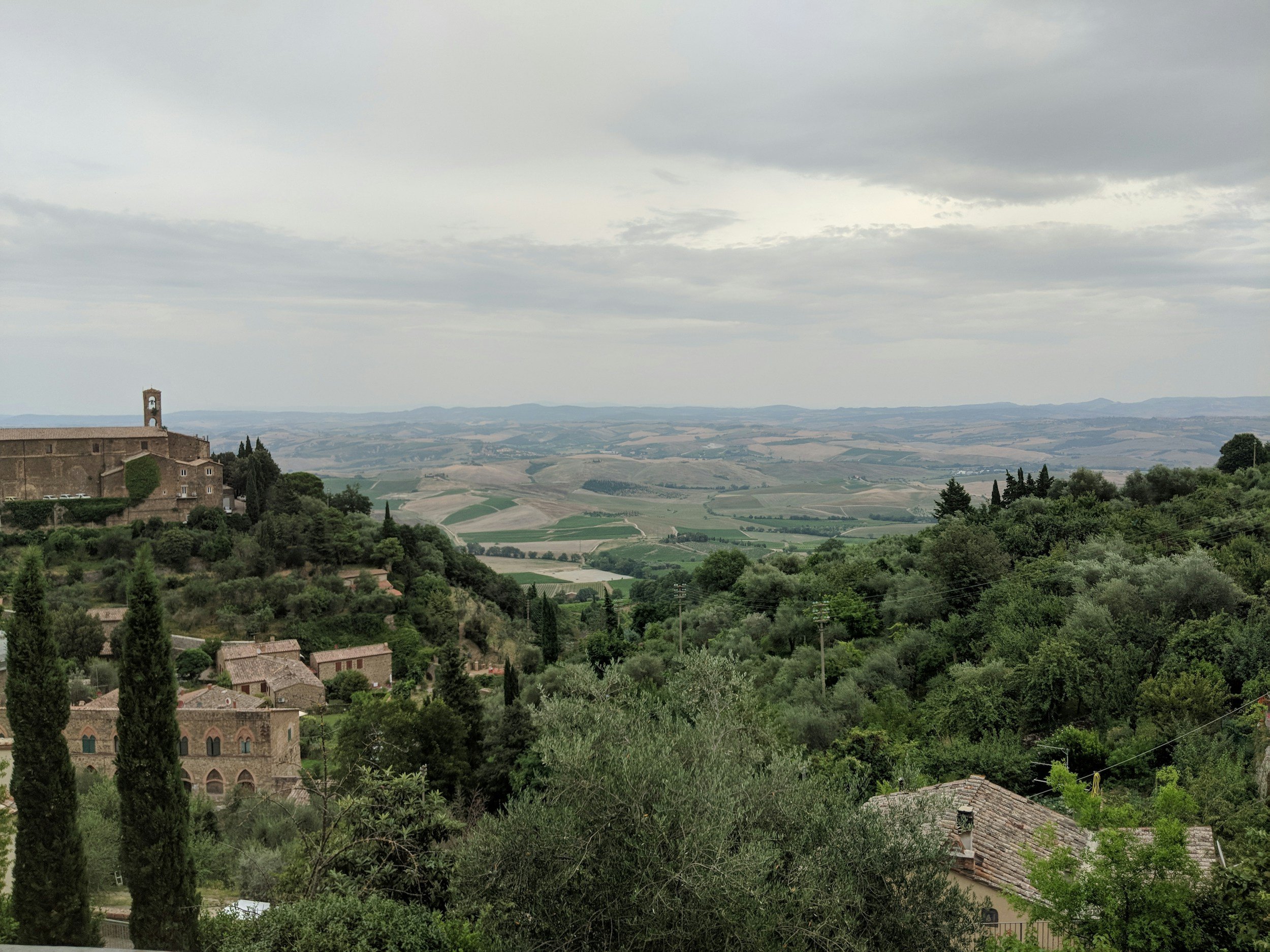
What sets Podere Le Ripi apart is their focus on biodynamic farming, ensuring every bottle of wine reflects the natural rhythms of the land. Their Brunello di Montalcino is exceptional, of course, but there’s so much more to discover here. When you visit, you’ll get more than just a wine tasting. The estate offers guided tours that take you through the vineyards and olive groves, showing you the sustainable farming methods that make their wines so unique. You'll learn about the winemaking process, from vine to bottle, all while soaking in the peaceful countryside surroundings.
After the tour, the wine tasting is an experience in itself. Sip on their Brunello and Rosso di Montalcino, perfectly paired with local delicacies. It's relaxed and personal, giving you plenty of time to really savor the wines and chat with the staff. They’re happy to share stories about the estate’s history, its biodynamic practices, and the flavors that make their wines stand out.
At Podere Le Ripi, the experience isn’t limited to the cellar. As you move around the property, you’ll come across contemporary pieces placed between the vines and olive trees, sometimes along the paths, sometimes closer to the buildings. They’re not grouped together, so you notice them gradually rather than all at once, which changes how you move through the estate.
There’s also the option to stay on site. The rooms and small villas are set across the property, looking out over the vineyards rather than toward a central courtyard. Evenings tend to be quiet, especially once day visitors leave, so it becomes more about staying in place than heading back out again.
If you want a second base nearby, Borgo San Felice sits further north in Chianti. It’s more structured, with a restored village layout rather than a working vineyard, but still within reach if you’re moving between Montalcino and the surrounding areas.
If you’re still narrowing down where to stay, this slow Tuscany guide helps you see how the region actually breaks down.
Why smaller vineyards in Tuscany work better for a visit

The main difference shows up as soon as you arrive.
At a smaller place, like Podere Le Ripi or Castello di Ama, you’re not moving through a fixed tasting room with groups coming in one after another. You’re usually taken through the property itself, starting in a courtyard or near the cellar, then walking out into the vineyards before sitting down somewhere on site.
The tasting doesn’t happen in isolation either. It’s often tied to whatever else is happening that day. In Montalcino, that might mean walking past fermentation tanks in use if you’re there in September. In Chianti, it could be moving between indoor rooms and outdoor spaces depending on the weather, sometimes with food brought out gradually rather than served all at once.
Staying overnight changes things more than expected. At places with rooms or agriturismo, the pace shifts once day visitors leave. Late afternoon and evening are quieter, and you’re using the same spaces, terraces, paths, views, without the structure of a scheduled visit. That’s when the setting makes more sense, especially in areas like the hills around Montalcino where properties are spread out and there’s very little nearby.
Season also affects how much you actually see. During harvest, usually September into early October, you might see grapes arriving, sorting happening, or parts of the cellar in use, but it depends on the exact day. In spring, the vineyards are easier to walk through, and visits tend to feel less structured because there are fewer people moving through the same schedule.
Another practical difference is how bookings work. Smaller vineyards often run on fewer time slots, and visits can feel slightly flexible once you’re there. It’s not uncommon for a tasting to run longer than planned, or to include parts of the property that weren’t mentioned when you booked, depending on who’s available.
This is also where you notice how close everything is. Vineyards, olive groves, and sometimes small gardens sit within the same property, so what you taste usually comes from the same place you’re standing in. It’s not presented as a concept, it’s just how the visit is set up.
If you compare that to larger estates with higher visitor numbers, the difference is mostly in how much control you have over the pace. At smaller vineyards, you’re not moving on because the next group is waiting. You leave when the visit naturally comes to an end.
Some people end up choosing lakes instead of vineyards, and these Italian lake towns give you that version of the trip.
Chianti vs Montalcino: where to base your vineyard visits
If you’re deciding between Chianti and Montalcino, the difference shows up in how your day actually runs, not just in the wine.
In Chianti, especially around Greve in Chianti, Panzano, and Castellina in Chianti, everything sits closer together than it looks on a map. You’ll leave Florence, be on the SR222 (Chiantigiana) within 20–30 minutes, and from there most vineyard turn-offs are just a few minutes apart. It’s normal to have a late-morning tasting, stop for lunch in Greve or Panzano, then drive 10–15 minutes to a second visit in the afternoon without watching the clock too much.
The roads are still narrow once you turn off, but you’re never far from a main route. Even if you miss a turn, you’re back on track quickly. Places like Castello di Ama fit into that kind of day, you arrive, visit, leave, and move on without needing to plan around long distances.
Montalcino works differently. Once you leave Siena and head south toward Buonconvento, the landscape opens up and things spread out. The final drives to vineyards are longer, often along roads where you don’t pass much at all. If you’re heading to somewhere like Podere Le Ripi, you’ll notice that once you turn off the main road, you’re committing to that stop. There isn’t another place five minutes away to add in easily.
That changes how you plan the day. In Montalcino, it usually works better to book one visit, maybe two if they’re close, and leave the rest of the time open. Lunch might be in Montalcino town itself, or at the vineyard if they offer it, rather than driving between multiple places.
Parking and arrival feel different too. In Chianti, you often pull into a small but clearly marked area and walk straight into a courtyard. In Montalcino, it’s more common to park along a gravel edge, look around for a moment, and then head toward wherever it looks like the main building is.
If you’re staying in Florence and only have a day, Chianti is easier. Shorter drives, more flexibility, and you can adjust as you go. If you’re based further south or planning to stay overnight, Montalcino makes more sense, especially if you want to spend more time in one place without moving around.
The wine is different, but that’s not what shapes the visit. It’s the distance between places, how long you’re in the car, and whether your day is built around one stop or several.
If you’re building a longer route through Italy, these countryside stays make it easier to figure out where to base yourself along the way.
How to get to Tuscany’s vineyards
Most vineyard visits in Tuscany start from Florence or Siena, but the vineyards themselves sit outside the towns, often along smaller roads with no direct public transport. The last part of the journey is usually what determines how easy the day feels.
If you’re heading into Chianti, for example toward Castello di Ama, you leave Florence by car and follow the SR222 (Chiantigiana) south. The road itself is straightforward, but once you turn off toward individual estates, it narrows quickly. Signage is limited, and entrances are often just a small sign at the side of the road. It’s common to slow down and double-check you haven’t missed the turn.
For Montalcino, where places like Podere Le Ripi are located, the approach is longer. From Siena, it’s about 1 hour 15 minutes by car. You follow main roads part of the way, then branch off onto smaller routes that wind through the hills. The final stretch is usually along gravel or narrow paved roads, and you won’t pass much once you leave the main route.
Public transport works up to a point. You can take a train to towns like Castellina in Chianti, Greve in Chianti, or Buonconvento, and from there use a taxi for the final part. Buses run into some of these areas, but they don’t connect well with vineyard schedules, and they rarely stop close to individual estates.
Because of that, most people either rent a car or base themselves at a vineyard for a night or two. Staying on-site removes the need to move between locations in one day, which makes a noticeable difference, especially if you’re visiting more than one place.
Keep in mind, many vineyards offer tastings in the late morning or early afternoon, often between 10:30 and 14:30. If you’re driving from Florence or Siena, it helps to leave earlier than you think you need to, since the last part of the drive is slower than the map suggests.
Parking is usually simple once you arrive. Most estates have space close to the main buildings, even if it’s not clearly marked. You park, walk a short distance, and check in at the main entrance or courtyard.
What makes this different from visiting towns is that you can’t rely on moving spontaneously between stops. Distances look short on a map, but each visit takes time, and roads slow you down. It works better to plan one or two vineyards in a day, leave space in between, and treat the drive itself as part of the visit rather than something to get through quickly.
Getting between vineyards is often simpler than people expect, and this Tuscany without a car helps you see what’s realistic.
FAQ about visiting vineyards in Tuscany
How do you visit vineyards in Tuscany without a car?
You can get part of the way by train or bus, for example from Florence to Greve in Chianti or from Siena to Buonconvento. From there, you’ll need a taxi for the final stretch. Most vineyards, including places like Podere Le Ripi, sit along smaller roads without direct public transport. Without a car, it’s easier to plan one visit per day rather than trying to move between several.
Do you need to book vineyard visits in Tuscany in advance?
Yes, especially at smaller vineyards. Places like Castello di Ama run visits at set times and often with small groups. Walking in without a booking usually doesn’t work. It’s best to reserve a few days ahead, particularly during high season or harvest.
What is the best time of day to visit a vineyard in Tuscany?
Most tastings run between late morning and early afternoon, usually starting around 10:30–11:00 and finishing by 14:00–15:00. Early morning is often too early, and late afternoon visits are less common at smaller estates. Planning around that window makes the day easier.
How many vineyards can you visit in one day in Tuscany?
One or two at most. Even if distances look short, driving between vineyards takes time, and visits themselves often last 1.5–2 hours. Trying to fit in more usually means rushing or arriving late.
Which areas in Tuscany are best for vineyard visits?
Chianti, between Florence and Siena, is the easiest to access, with places like Castellina in Chianti and Greve in Chianti close together. Montalcino is more spread out but known for Brunello wines and smaller estates like Podere Le Ripi. Each area requires slightly different travel planning.
Not every region feels the same when it comes to wine and landscape, and these Italian hill towns give a useful comparison.
Is it better to stay at a vineyard in Tuscany?
If possible, yes. Staying at an agriturismo or vineyard means you don’t need to drive between locations and can take part in tastings and dinners without watching the time. It also makes evenings and early mornings easier, especially in more remote areas.
And if you’re not completely set on Tuscany, places like Ascoli Piceno are worth a look before you decide.
What happens during a wine tasting at a small Tuscan vineyard?
You’re usually taken through part of the property first, for example the cellar or vineyard, before sitting down to taste. Tastings often include several wines, sometimes with food, and can last longer than expected depending on the group and the day.
When is harvest season in Tuscany vineyards?
Harvest usually takes place from mid-September into early October. During this time, you might see grapes being brought in or processed, depending on the day. It’s not guaranteed, but it adds another layer to the visit if it lines up.
Can you buy wine directly from vineyards in Tuscany?
Yes, and many people do. Most vineyards sell bottles on site, and some can arrange shipping depending on where you’re traveling from. Availability varies, especially for smaller producers with limited stock.
Are Tuscany vineyard roads difficult to drive?
Main roads are easy, but the last part of the drive is often on narrow or winding roads, sometimes with gravel sections. Driving slowly and allowing extra time helps, especially when turning off from larger routes like SR222 or heading into areas around Montalcino.
Further north, the pace shifts slightly, and this Prosecco hills guide shows how different vineyard travel can feel there.
Download ourSummer Market Guide for more cozy travel inspiration, and make sure to sign up for more slow travel destinations and tips in our newsletter🌻