
These hotels make sustainability feel effortless
You check in, drop your bag, and the first question is practical. Do you need to go back out for anything, or can you stay where you are? In places that are set up properly, you already passed the last supermarket on the way in, you know how dinner works, and the next morning’s breakfast is clear without asking.
That’s usually the difference. Not how a hotel describes itself, but whether the logistics hold together once you arrive.
In Abruzzo, that means leaving your car outside the walls of Santo Stefano di Sessanio and walking your bag through narrow stone streets to your room. In Normandy, it’s a 10-minute drive out of Honfleur along Route de Genneville, then staying on site because everything you need is already there. In South Tyrol or Slovenia, it’s a train to Brixen or Ljubljana, then one short transfer up into the mountains, after which you don’t move much again.
Food is part of that setup, not a separate feature. Breakfast isn’t a long buffet. It’s bread from a nearby bakery, dairy from the region, eggs made when you ask for them. Sometimes you’re picking it up yourself in a town like Hobro or Blairgowrie before arriving because there isn’t anything closer. Either way, it’s clear how it fits into the stay.
This guide focuses on hotels where those details are already thought through. You arrive, understand how the place works within a few hours, and don’t spend the rest of the time organising basic things. That’s what tends to make the stay feel consistent from start to finish.
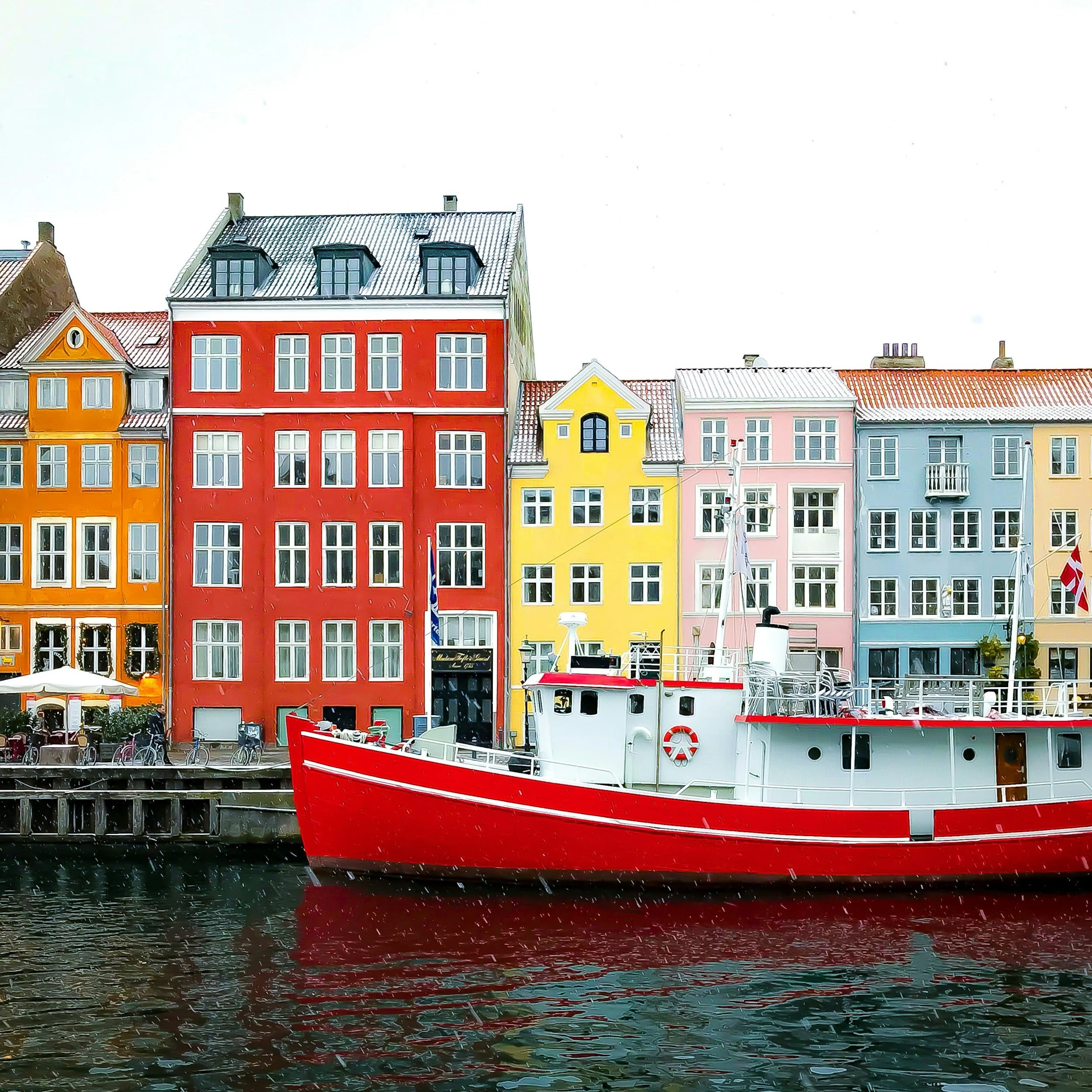
Manon Les Suites near the lakes in Copenhagen
You walk out of København H (Copenhagen Central Station) and head toward Vesterbrogade, and at first it still feels like you’re in the middle of everything. Buses, bikes, people moving quickly. Then you cut across toward Gyldenløvesgade, pass a few quieter blocks, and within a couple of minutes you’re by the lakes. The pace changes there without anything dramatic happening. That’s where Manon Les Suites sits, just back from Peblinge Sø, close enough that you end up walking past it several times a day.
It’s about a 10–12 minute walk from the station, and the route is flat and straightforward even with a bag. From the airport, the metro to Nørreport Station is usually faster than a taxi, then another 10 minutes on foot. If you arrive during the day, it’s easier just to walk rather than figure anything else out.
From the outside, the building doesn’t stand out. It looks like a regular block on the street, which makes the inside feel slightly unexpected the first time you walk in. You pass reception, turn a corner, and then the central courtyard opens up. The pool, the palms, the balconies stacked around it. It’s smaller than it looks in photos, and you notice quickly that it’s a shared space rather than something quiet and separate. People use it throughout the day, especially late afternoon.
Rooms face either inward toward that courtyard or outward toward the street. If you’re facing the pool, you’ll hear movement below, voices, water, people coming and going. It’s not loud, but it’s there. Rooms facing the street are quieter, but you lose the view that most people book for. It’s one of those trade-offs that’s worth deciding in advance.
Inside the rooms, things are simple but not minimal in a cold way. Soft lighting, neutral tones, and enough space to move around without feeling boxed in. You’ll probably end up sitting near the window more than anywhere else, especially in the morning before heading out.
Breakfast is served upstairs, and it follows the same approach you see across Copenhagen. Organic produce, good bread, simple combinations that don’t try to do too much. You’ll find things like yogurt, fruit, eggs, and a few warm options, but it’s not built as a large buffet. People come in, eat, and head out, but no one rushes through it either. It fits the rhythm of the city rather than slowing it down.
Once you step outside, the location starts doing most of the work for you. The lakes are about two minutes away, and that’s usually where the day begins. Walking along Peblinge Sø or Sortedams Sø is easy, flat, and doesn’t require any planning. You’ll pass locals running, cycling, sitting on benches, and it gives you a sense of how the city moves without needing to go anywhere specific.
If you head toward Nørrebro, you’ll reach Ravnsborggade in about 10 minutes. It’s a small street, but one where you slow down a bit, second-hand shops, smaller cafés, places you might not have planned to stop at but do anyway. Continue a bit further and you reach Jægersborggade, around 20–25 minutes on foot. That stretch works well if you want to stay in one area for a while. Coffee at Coffee Collective, something simple to eat nearby, and then you move on when you feel like it.
Going the other way takes you back toward the center. Torvehallerne is about 15 minutes away and works well for a casual lunch. You can walk through, pick something up, and leave without needing to sit down for long. From there, Strøget is close, but most people don’t stay long before heading back toward quieter streets.
Closer to the hotel, there are a few places that tend to become part of your routine without planning it. Sidecar on Skyttegade is about 10 minutes away and works well if you skip the hotel breakfast one morning. Atelier September is further toward the center, but still within walking distance, and one of those places you might return to more than once.
Evenings around Gyldenløvesgade stay fairly calm. There’s movement, but it doesn’t build into anything busy. If you want more options, Vesterbro is a 10–15 minute walk, with more restaurants and bars along streets like Istedgade, but you don’t need to go far unless you want to change the pace.
Back at the hotel, the courtyard shifts in the evening. People come back from the day, sit by the pool, have a drink, and stay for a while. It’s not quiet, but it doesn’t feel overwhelming either. You can join it or stay out of it depending on how you want the evening to go.
If you’re planning a stay where food is part of the experience, not just something you book around, copenhagen weekend gives a clearer sense of how that plays out in a city that takes local sourcing seriously.
And if you’re wondering whether that same focus on ingredients actually shows up in everyday places, copenhagen breakfasts is a quick way to see how consistent it really is.
Sextantio Albergo Diffuso in Santo Stefano di Sessanio, Abruzzo
You park just outside Porta Medicea and that’s where the arrival ends. No driveway, no reception sign pulling you forward. Just a gap in the stone wall and a path into Santo Stefano di Sessanio. If you’ve come up from L’Aquila on the SS17bis, you’ve already passed open stretches near Barisciano and Calascio, but it’s only once you step inside the village that it actually feels different.
The first few minutes aren’t completely clear. You’re walking on uneven stone, passing under low arches, turning onto narrow lanes like Via del Lago or cutting across toward the small square near Piazza Medicea without really knowing if you’re going the right way. Check-in happens in one building, but your room won’t be there. You’re given a key, a few directions, and then you find it yourself somewhere inside the village. It might take a minute. That’s normal.
Once you’ve found your room, you notice how little has been changed. Thick stone walls, wooden beams, simple furniture that doesn’t try to modernise anything. The light comes in through small windows, often facing another part of the village rather than open landscape, so it shifts throughout the day instead of filling the room all at once. Early morning feels cooler inside, even in warmer months, and it takes a bit of time before the space warms up.
In the morning, you step back out and you’re immediately in the same streets again. No corridor, no transition, just stone underfoot and the same layout you walked through the night before. You might pass Locanda Sotto gli Archi before it opens, or see someone setting up near the small shop close to the main square, but there’s very little movement.
Breakfast is set in one of the communal spaces, usually around a long table rather than separate seating. You sit down, and the food is already there or brought out gradually. Bread, local cheeses, cured meats, honey from the surrounding area, sometimes pastries. It reflects what’s produced in this part of Abruzzo rather than trying to cover everything. You don’t move around much. You sit, eat, and stay a bit longer than you expected.
If you keep walking through the village, you reach the edge quite quickly. A few turns past the last houses and you’re already out toward the open land leading into Campo Imperatore. The ground changes underfoot, less stone, more dirt and grass, and the view opens up in a way that makes the village feel smaller than it did from inside. You don’t need to follow a marked path. Most people walk out for a while, then turn back when the village starts to feel distant.
During the day, you might drive out toward Rocca Calascio. It’s about 20 minutes along SP7, and the road itself is quiet, with long stretches where you don’t pass anything at all. You park below and walk the last section up. If you go early, you’ll reach the top before anyone else. Later in the day, there’s more movement, and people tend to stay for a shorter time.
Back in Santo Stefano, there aren’t many places to eat, and that becomes clear quickly. Locanda Sotto gli Archi is one of the few you’ll likely use, set into the stone with a menu that stays close to local ingredients. There are a couple of other small spots, but you don’t move between options the way you would in a larger town. After the first evening, you already know where you’ll go.
As the light drops, the village empties out. The small square near the Torre Medicea goes quiet, the paths narrow into shadow, and you walk back through the same streets with very little around you.
For Italy, where many sustainable stays are closely tied to agriculture, food seasons helps you understand when and where certain regions make the most sense to visit.
If you’re specifically looking at vineyard stays or agriturismos, tuscany vineyards shows how wine, food, and accommodation often blend into one experience.
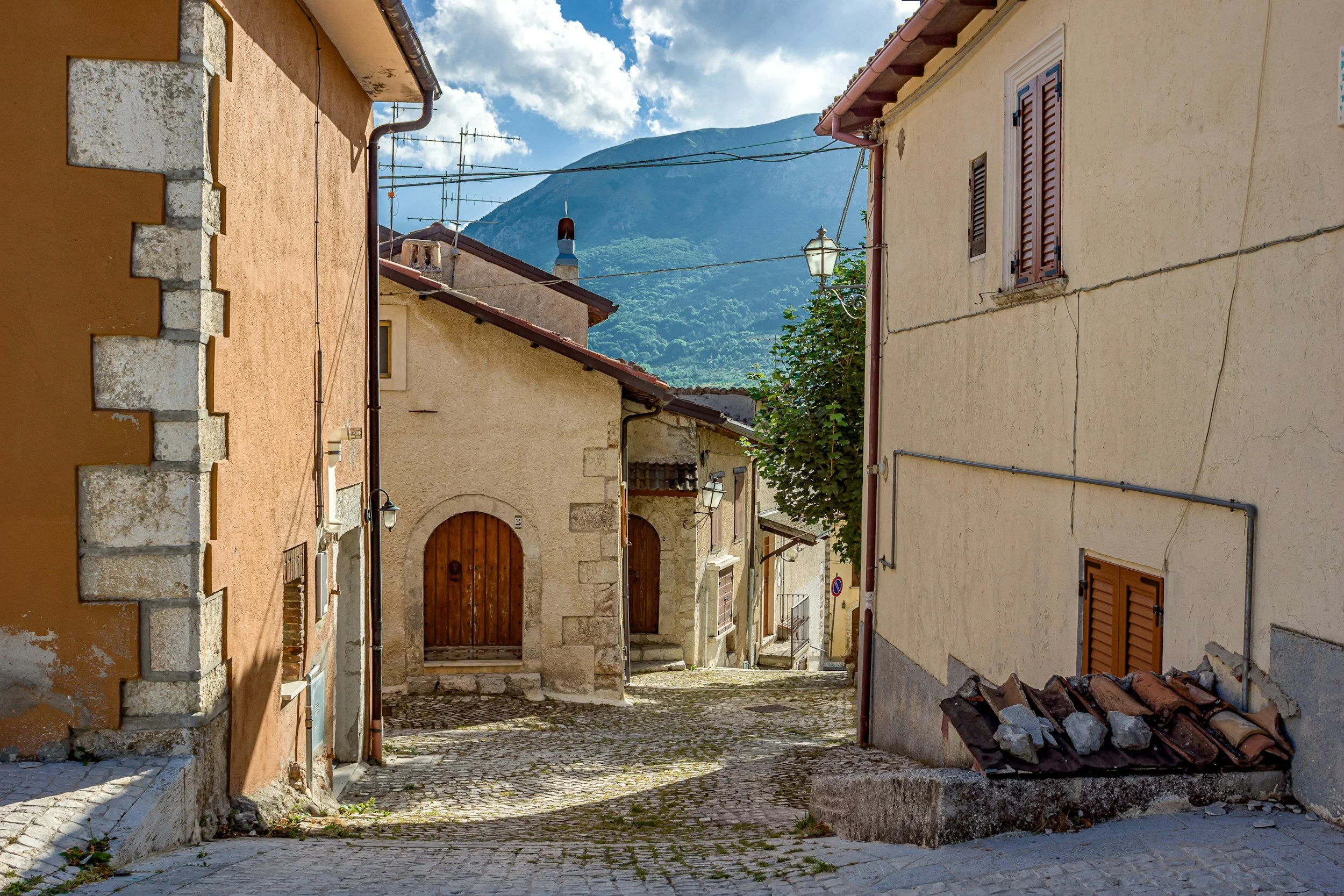
Vila Planinka above Zgornje Jezersko in northern Slovenia
The drive changes quite quickly once you leave Kranj behind. You follow the road north toward Zgornje Jezersko, passing through Preddvor and a few smaller stretches where the houses thin out and the valley starts to open. The mountains don’t arrive all at once. They build slowly, then suddenly feel much closer once you reach Jezersko. From there, it’s another few minutes uphill on a narrower road, and you reach Vila Planinka without much signage or buildup.
If you’re arriving from Ljubljana, the drive takes around 45–60 minutes depending on traffic. There is a bus connection as far as Jezersko, but the final stretch up to the hotel is easier by taxi, especially with luggage. Once you’re there, you don’t really need to think about transport again.
The building sits slightly above the valley, facing out rather than into anything. When you step inside, it doesn’t feel like a hotel that’s trying to show itself. You check in quickly, and then you’re left to settle in without much structure around you. The common areas are quiet, and there’s no constant movement of people coming and going.
Rooms are set up so that you’re always drawn toward the outside. Windows face the valley or the surrounding peaks, and you end up sitting near them without deciding to. Early in the morning, the light moves slowly across the mountains opposite, and you notice it before you’ve even left the bed. In the afternoon, the view shifts again, and the valley feels wider.
Inside, the space is simple but not minimal in a way that feels empty. Wood, soft lighting, and enough room to move around comfortably. Nothing feels added for effect. It’s more that everything has been kept at a level where you don’t need to adjust to it.
Breakfast is downstairs and follows the same approach you see across this part of Slovenia. Bread, local cheeses, eggs, and seasonal ingredients depending on what’s available in the area. It’s not a large setup, but it holds up over a couple of mornings because it doesn’t try to cover too much. You sit, eat, and take your time without needing to move on quickly.
Once you step outside, you’re already in the landscape that most people would drive to. From the hotel, you can walk straight out into the valley without planning a route. Paths lead through open meadows and then into forested sections, and you can follow them for as long as you want before turning back. Even a short walk changes the perspective, because the hotel sits slightly elevated.
If you drive down into Zgornje Jezersko, it only takes about five minutes. There’s a small center with a few local places, and from there you can reach Planšarsko Lake in another few minutes. The lake is one of the more visited spots in the area, but it’s still small enough that you can walk around it in under an hour without planning anything.
There are also longer routes if you want them, heading toward the Kamnik–Savinja Alps, but most people don’t build full hiking days here. It works better to go out for a couple of hours and then come back.
Back at the hotel, the day tends to slow down again without you deciding to slow it down. You sit, maybe step outside again, then come back in. There’s very little around you in terms of noise or movement, and you notice that after a few hours.
Dinner is served on site, and most people stay in rather than looking for alternatives. The menu changes and stays close to local ingredients, similar to breakfast. After the first evening, you know what to expect, and there’s no need to plan anything else.
For something quieter and more rural, especially if you’re comparing regions, vipava valley gives a really clear picture of what a low-intervention, nature-based stay can feel like.
Ecocamp Glenshee in the Cairngorms near the A93
You leave Blairgowrie and follow the A93 north, and for a while it still feels like a normal drive. You pass through Bridge of Cally, maybe stop for fuel or something small, and then the road starts to open out. The trees thin, the bends stretch longer, and by the time you reach Spittal of Glenshee, there’s very little left around you. A hotel, a café, a few parked cars, and then the landscape takes over again. The ecocamp sits just off this stretch of road, but you won’t see much until you turn in and follow a smaller track away from it.
You park on a gravel area, step out, and the wind is usually the first thing you notice. Then you carry your bag the last short distance across grass or packed ground to the tents. It’s not far, but it’s enough that you stop thinking about the drive. There’s no traditional reception desk, just a quick check-in and then you’re shown where you’re staying.
The tents are spaced across open ground rather than tucked into forest. You’ll see the outline of a few others in the distance, but there’s enough space between them that you don’t feel overlooked. The setting is more exposed than some other stays, which means you’re always aware of the weather, whether that’s low cloud moving across the hills or clear skies opening up.
Inside, everything is kept at a level that works for the conditions. A proper bed, heavy blankets, simple furniture, and insulation that holds the warmth once it’s built up. There’s no full electricity setup, so lighting is low and you adjust to that quite quickly. It’s not uncomfortable, just different from what you might expect if you haven’t stayed somewhere like this before.
Before arriving, most people stop in Blairgowrie or Bridge of Cally to pick up anything they need. Once you’re up in Glenshee, there isn’t anywhere to buy food nearby apart from the small stop at Spittal of Glenshee, which is limited. If meals are included, they’re served at set times in a shared space, usually something warm and straightforward that fits the setting. Breakfast tends to be simple, bread, something hot, coffee, and you eat either inside or near your tent depending on the weather.
During the day, you don’t need to drive anywhere to get out. From the camp, you can walk straight into the surrounding landscape. You might follow sections of the old military road that runs through Glenshee, or head gradually uphill toward the lower slopes without committing to a full hike. The ground is open, and you can see where you’re going most of the time, which makes it easy to walk without planning a route.
If you do want a more defined starting point, the Glenshee Ski Centre is about 15–20 minutes further along the A93. In summer, it’s used as a base for walking routes into the hills, and in winter it becomes one of the main ski areas in this part of Scotland. You’ll notice the difference in scale there compared to the quieter area around the camp.
For a change of setting, Braemar is about 30 minutes north. It’s a small village, but it has a few cafés, shops, and places along Mar Road where you can sit for a while and reset before heading back. Most people go once, if at all.
Back at the camp, the afternoon tends to slow down without needing to decide it. You come back from a walk, sit for a bit, maybe go out again briefly, then settle in. There’s no background movement, no traffic, and very little sound apart from the wind and whatever’s happening in the landscape around you.
Evenings are shaped by the weather more than anything else. If it’s clear, you’ll stay outside a bit longer. If it turns colder, you head in earlier and build up the warmth inside the tent. There’s no light pollution here, so once it gets dark, it’s properly dark, and that’s noticeable if you’re used to being closer to towns.
If your idea of sustainability leans more towards remote, low-impact islands, scilly islands shows how that looks in practice without needing a car.
For coastal stays with access to local produce and small-scale food culture, ayr scotland helps you decide if that west coast setting fits your trip.
L’Auberge de la Source near Honfleur in Normandy
You leave the center of Honfleur and within a few minutes you’re already on smaller roads. Past the roundabout near Avenue de Normandie, then onto lanes like Route de Genneville where the houses thin out and hedges start lining both sides of the road. It doesn’t take long, maybe 5–10 minutes, but it feels like you’ve moved further than that. You pass a few farms, some timber-framed houses, and then turn in toward the hotel without much buildup.
If you’re coming by train, Deauville-Trouville is the easiest station to aim for. From Paris Saint-Lazare, trains run regularly, and from there it’s about a 20-minute drive across the Pont de Normandie area and into the countryside. You could technically reach Honfleur by bus, but with luggage it’s not worth the effort. Once you arrive at the hotel, you won’t need to move much unless you want to.
The property is spread across several Normandy-style buildings rather than one main structure. You walk between them on small gravel paths, crossing over a narrow stream that runs through the grounds. There are gardens, patches of grass, and small corners that don’t feel designed for anything in particular. It feels more like staying somewhere that’s been there for a long time rather than somewhere recently built.
Rooms are set across different buildings, so each time you head to breakfast or dinner, you’re stepping outside. Some rooms face the gardens, others look out toward open fields or hedgerows beyond the property. Inside, the layout follows the structure of the building. Wooden beams, slightly uneven walls, and windows placed where they make sense rather than where they would look best in a photo.
Breakfast is in the main house and stays close to what you’d expect from this part of Normandy. Bread from nearby bakeries, butter, cheeses, pastries, and simple additions depending on the day. You’re not walking around a large buffet. You sit down, take what you need, and stay a bit longer than planned because there’s no reason to leave quickly.
If you walk out from the property, the surrounding roads are quiet enough that you can follow them without thinking too much. You might pass small farms, fields with grazing animals, and houses spaced far enough apart that you’re not really passing people. It’s not a marked walking route, but it works for an hour or so without needing a destination.
Going into Honfleur is straightforward and close enough that you can go for a few hours and come back. Most people park just outside the center and walk toward the Vieux Bassin. The harbor area is where you’ll likely end up first, especially around Quai Sainte-Catherine and Rue de la Ville, where cafés and small shops line the water. It gets busy in the middle of the day, especially in summer, so going earlier or later makes a big difference.
If you want something quieter, you can drive a few minutes further along the coast toward Vasouy. The road runs close to the water in parts, and you’ll find small spots where you can stop and look out without much around you. It’s not somewhere you stay long, but it changes the feel of the day.
Back at the hotel, the afternoon slows down without needing to plan it. You might sit outside near the stream, walk through the gardens again, or just go back to your room for a while. There’s no movement around you that pushes you to do anything else.
Dinner is served on site, and most people stay in rather than heading back into Honfleur. The menu follows the same regional approach as breakfast, and once you’ve had one meal, you understand what to expect for the rest of the stay.
If you’re considering northern France, especially for shorter stays, cabourg stay gives context on what the atmosphere and pace are actually like.
And if you’re timing your trip around harvest or seasonal food experiences, normandy cider is useful for understanding when that region feels most connected to its local produce.
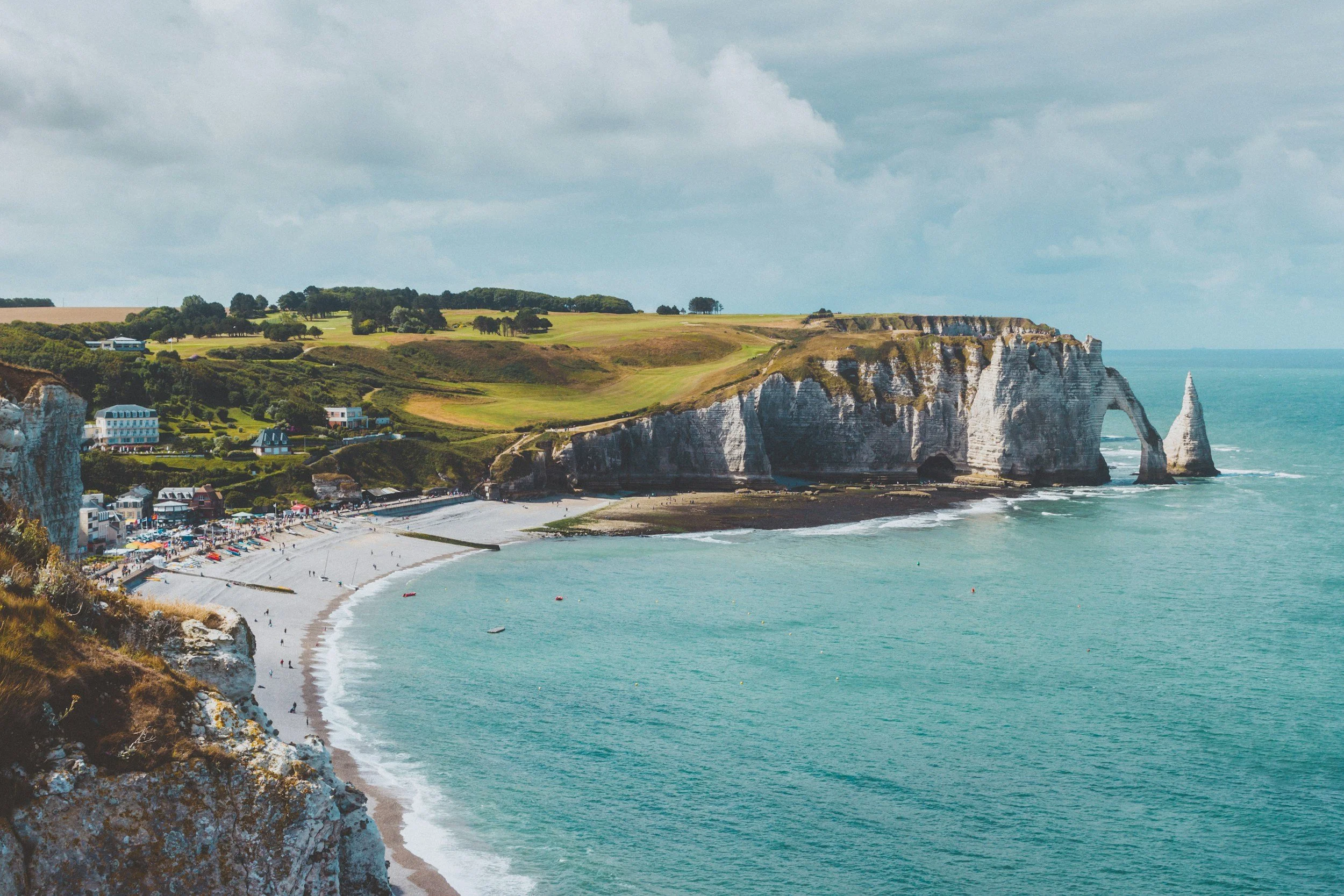
How to choose a truly sustainable stay in Europe
Most places don’t get this wrong on purpose. They just describe themselves in the same way, so it’s hard to tell what actually matters before you arrive. The difference usually shows up in small, practical things once you’re there.
Start with the last part of the journey. If it’s clear how you get from a train station or small town to the property, like a short drive from Brixen, Bordeaux, or Umeå, it usually means the place is used regularly and not positioned as something remote just for the idea of it. If you’re struggling to understand how to reach it, you’ll probably feel that again during the stay.
Food is another giveaway. You don’t need a long explanation to see where it comes from. It shows up in what’s actually on the table. Bread that’s been picked up locally rather than brought in from far away. A smaller breakfast that changes slightly instead of staying fixed. Sometimes it’s even what you’ve bought yourself in places like Hobro or Blairgowrie before arriving because there isn’t anything else nearby. It all feels connected to where you are.
Then there’s how much you need to plan your day. The stays that work best are the ones where you don’t spend time figuring things out. You wake up, eat, go for a walk, come back, and that’s enough. If everything depends on driving somewhere else or filling the day with activities, it tends to feel less tied to the place itself.
You’ll also notice how the buildings are used. In some places, the structure isn’t just there to look a certain way. It changes how you move around, where you sit, how the light comes in, even how long you stay in one spot. That ends up mattering more than any label.
FAQ: Sustainable hotels in Europe
What are the best sustainable hotels in Europe to stay in?
Well-rated options include Sextantio in Santo Stefano di Sessanio (Italy), Vila Planinka in Slovenia, L’Auberge de la Source near Honfleur (France), and smaller Nordic stays in Sweden and Finland. These work because they combine local food, restored buildings, and locations where you don’t need to travel far once you arrive.
What makes a hotel truly sustainable in Europe?
It usually comes down to three things: how the building is used (restored vs new), how food is sourced (local and seasonal), and how much you need to move during your stay. If you can arrive, stay in one place, and not rely on transport, it tends to be a more consistent setup.
Where in Europe are most sustainable hotels located?
Most are outside large cities. Common regions include Normandy and Dordogne in France, South Tyrol in northern Italy, the Slovenian Alps, and parts of Scandinavia like Swedish Lapland or coastal Finland. They’re usually within 1–2 hours of a city but feel more remote once you arrive.
Can you visit sustainable hotels in Europe without renting a car?
In many cases, yes. You can reach places like Brixen (Italy), Bordeaux (France), or Umeå (Sweden) by train or flight, then take a short taxi for the final 10–60 minutes. Fully car-free stays exist, but most require one last transfer.
Do sustainable hotels in Europe include organic or local food?
Most smaller properties do. Instead of large buffets, you’ll usually get a smaller breakfast with bread, dairy, and seasonal products from nearby farms. Dinner menus also tend to change based on what’s available locally.
Are eco hotels in Europe worth it for a short trip?
Yes, but only if travel is simple. Locations within one hour of a city or airport work best for 2-night stays. More remote places are better if you can stay longer and avoid rushing the experience.
How many nights should you stay in a sustainable hotel?
Two nights is usually the minimum. It gives you time to settle in, understand the setting, and not feel like you need to leave straight away.
Are sustainable hotels more expensive in Europe?
They can be slightly higher priced, but the setup is different. You’re paying for smaller-scale properties, local sourcing, and a stay that doesn’t require additional transport or planning.
What should you check before booking a sustainable hotel?
Look at three things: how you get there, whether meals are included or nearby, and how far the hotel is from the nearest town. These details affect the stay more than the label itself.
What’s the difference between eco hotels and sustainable hotels in Europe?
In practice, there’s often no clear difference. “Eco” is used more broadly, while “sustainable” usually refers to sourcing, building use, and how the hotel operates day to day.
Join our newsletter to get hand-picked guides to unique stays, and cozy travel inspiration every month.