
Why I'd choose Cabourg for a weekend on the Normandy coast
Cabourg sits on the Normandy coast, about two hours from Paris. Most people arrive via Dives–Cabourg station, then walk or take a short taxi into town. From there, everything is centred around the seafront.
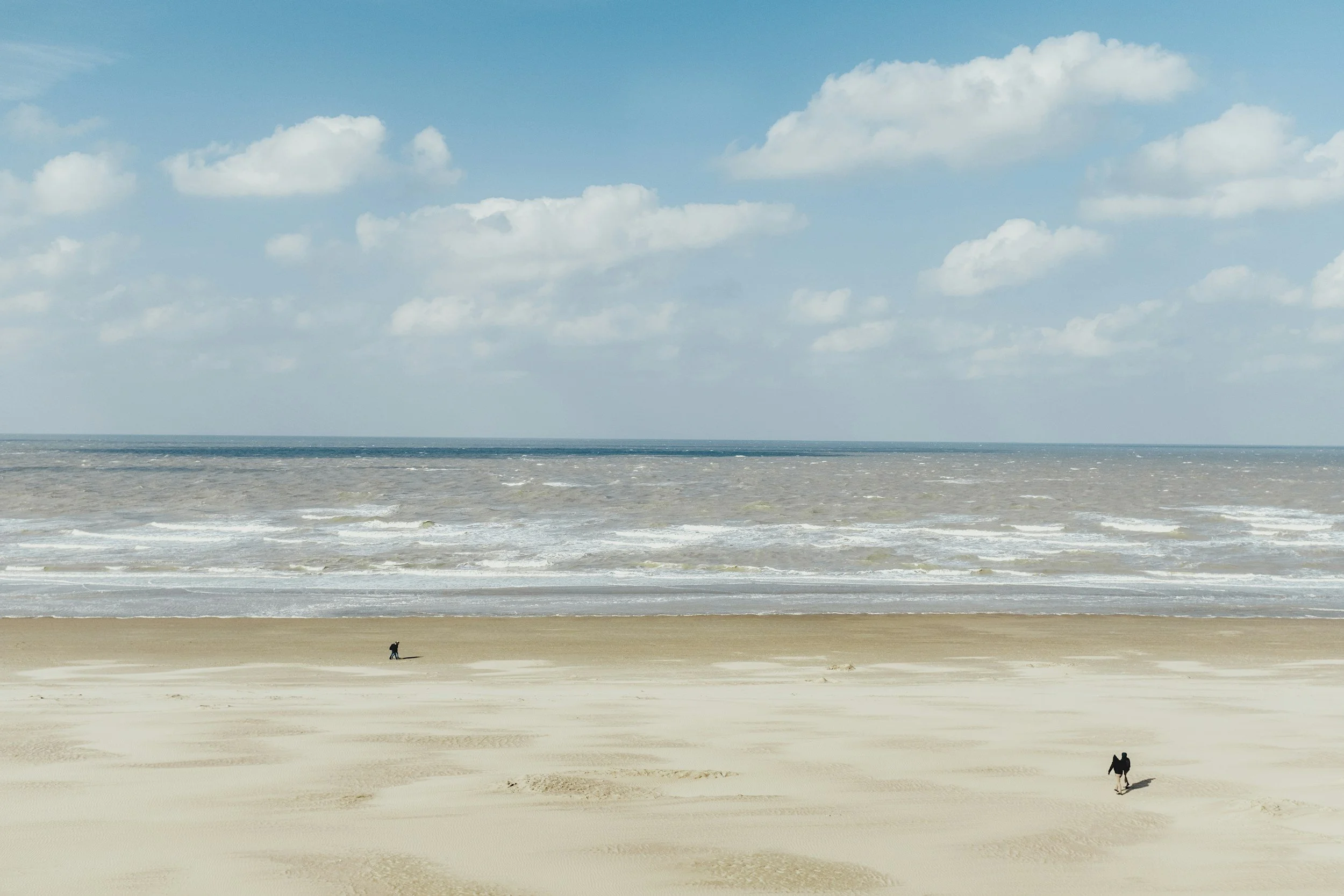
The Promenade Marcel Proust runs along the beach for nearly four kilometres, with Belle Époque villas just behind it. In the morning, people are already out walking - some doing a full stretch along the boardwalk, others stopping at cafés near the Grand Hôtel for coffee.
The town itself is compact. A few streets around Avenue de la Mer and Place Bruno Coquatrix with bakeries, restaurants, and small shops, then back to the sea again. It doesn’t take long to understand the layout.
The day tends to follow a simple rhythm. Morning by the water, lunch somewhere local (often seafood or something quick from a bakery), then a slower afternoon depending on the weather. When the tide is out, the beach stretches far enough that people walk well beyond the main area.
Cabourg isn’t hidden, but it’s easy to experience it in a quieter way if you stay a bit longer or avoid the middle of the day in peak season. It’s less about what there is to do, and more about how easy it is to spend time there without needing a plan.
Cabourg, Normandy: A Quiet Seaside Town for Long Walks and Sea Views
Walking through Cabourg honestly feels like stepping back in time, but in the best way. The town has a solid Belle Époque vibe, with elegant villas lining the coast, many of which have been carefully preserved to maintain their old-world charm. As you wander the streets, you’ll get a sense of history that’s hard to find in the busier tourist spots. It's peaceful, quiet, and gives you a taste of what Normandy was like back in the day without feeling like a museum.
A great way to start your day is with a slow walk along Plage de Cabourg. The beach is wide and sandy, stretching for miles, and even in the summer, you can find quieter spots to relax and enjoy the sea breeze. Whether you’re soaking up the sun, reading a book, or just strolling along the shore, the beach is the perfect place to take things slow and let the world pass you by for a bit.
If you feel like exploring, head over to the promenade that runs along the beach. With tall palm trees and great views of the coastline, it’s a lovely spot to wander or just sit for a while. It’s perfect for a morning stroll or an afternoon of people-watching. There’s something calming about the ocean in the background, the fresh air, and the laid-back vibe. It’s one of those places where you can really slow down, breathe, and enjoy the moment.
If you’re planning to explore more of Normandy beyond Cabourg, it’s worth looking into the cider-producing countryside nearby. This Normandy cider route guide gives a clear idea of where to go, what to taste, and how to plan a relaxed day through the region.
Cabourg: Cafés, Small Shops, and a Slower Pace by the Sea
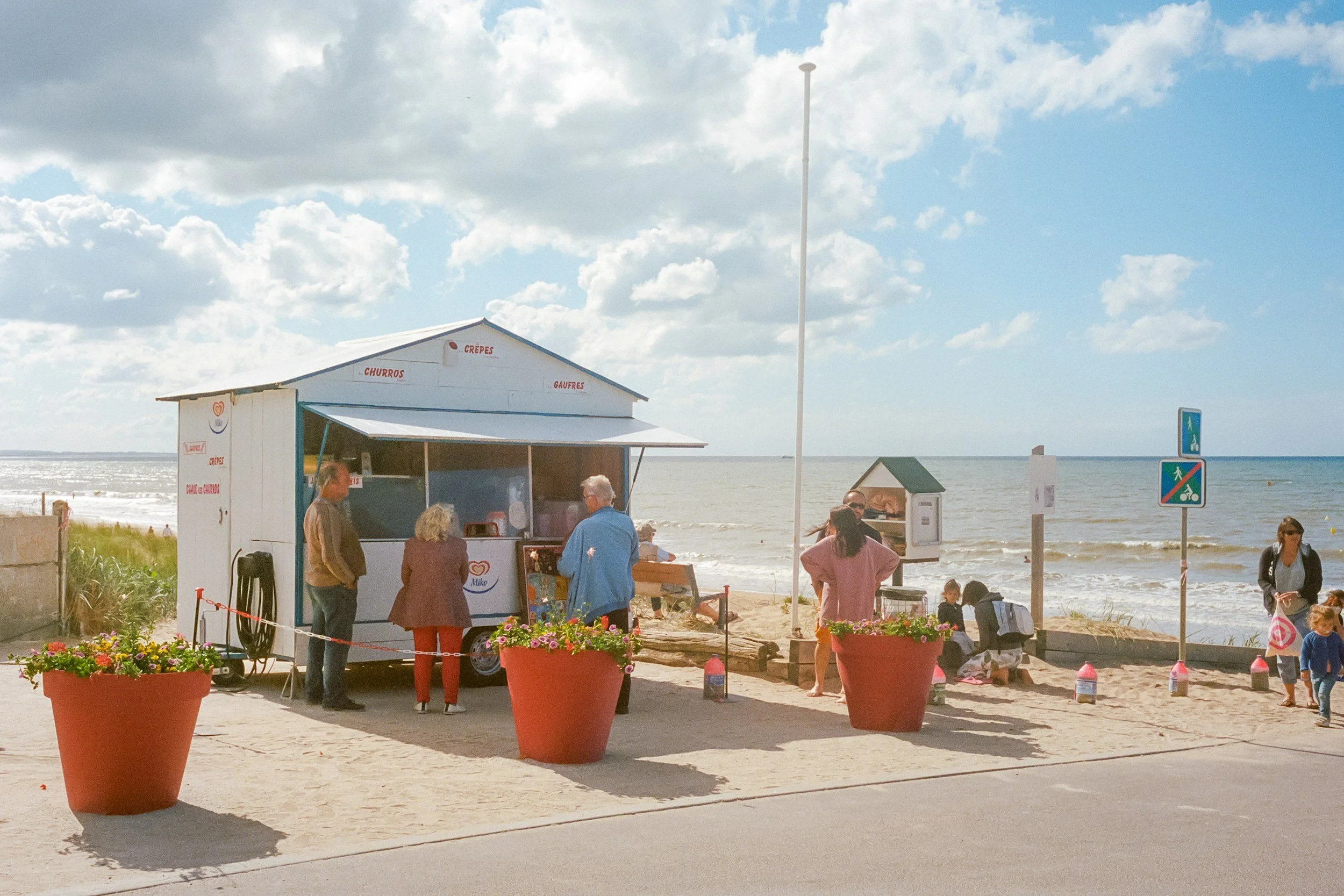
Food in Cabourg is easy to fall into without planning anything. Most of it happens along Avenue de la Mer and the streets just behind the promenade, so you’ll pass places naturally as you move between the town and the beach.
In the morning, it’s quick and local. People stop in for a coffee at the bar, maybe a croissant, then head straight back out again. If you sit outside instead, you’ll notice how the town slowly fills with people coming down towards the sea, others picking up bread and heading home.
Around lunchtime, everything shifts. Between 12:30 and 14:00, tables fill up across town, especially closer to the seafront. It’s not rushed. People stay, talk, order something extra. If you arrive right at that time, you’ll feel the difference straight away compared to the quieter morning.
Later in the afternoon, it loosens again. Some places close for a few hours, others stay open for drinks or something small. A lot of people end up back near the promenade after a walk - especially when the tide is out and the beach stretches much further than you expect.
What works best here is keeping it simple. Walk a bit, see what’s open, and stop when something feels right. You’ll usually end up somewhere good without trying too hard.
For those who prefer to cook their own meals, the local market is the place to go. It’s small, but it’s packed with all kinds of good stuff like fresh produce, local cheeses, and, of course, Camembert. You can grab some Normandy apples for a snack or pick up a bottle of local cider to enjoy later. It’s a perfect way to bring a little bit of Cabourg back home with you.
For lunch or dinner, you’ve got options that hit all the right notes. Le P’tit Cabourg is a cozy little spot in the center of town that serves up fantastic seafood and local specialties. Their fish dishes are always fresh, and they pair really well with local wine - just ask the staff for a recommendation. The vibe here is casual but with great attention to quality, so it’s perfect for those who want something authentic without the fuss.
If you’re in the mood for something a bit more refined, La Table de Cabourg is a solid choice. It’s a bit more elegant but still feels relaxed. The dishes are modern takes on classic Normandy flavors, like duck confit or seared scallops. It’s the kind of place where you’ll feel taken care of, and it’s a great setting if you’re looking to have a more intimate, memorable meal.
After a delicious meal, take a stroll down to the Casino de Cabourg. It’s not a huge casino, but it fits right into the town’s charming, nostalgic feel. Even if you’re not feeling lucky, it’s a fun stop. There’s something about the atmosphere (laid-back, with a touch of old-school glamour) that makes it a unique part of the evening. Grab a drink, relax, and soak in the vibe of a simpler time.
Shopping in Cabourg is pretty low-key, and that’s part of the appeal. Most of the small boutiques are around Avenue de la Mer and the streets just behind it, so you’ll come across them naturally as you walk between the centre and the beach.
You’ll pass places like Maison Florin, which has a mix of homeware and small decorative pieces that actually feel considered, not overly touristy. Nearby, La Maison du Savon de Marseille is easy to spot from the scent alone, with shelves of traditional soaps and simple skincare products that make a practical (and very French) souvenir.
There are also a few smaller fashion and accessory boutiques dotted along the street - the kind where you’ll find linen pieces, scarves, or jewellery that fit the coastal setting rather than follow trends.
Because the town is small, it doesn’t feel repetitive or overdone. You’re not walking into the same chain stores you’ve already seen elsewhere. If you do buy something here, it usually feels like something you happened to notice along the way, and not something you went out looking for.
Nearby Places Worth Visiting from Cabourg
Cabourg is a really easy base if you want to explore more of Normandy without packing up every day. Most places are within 30–90 minutes, so you can head out in the morning and still be back by the sea in time for dinner.
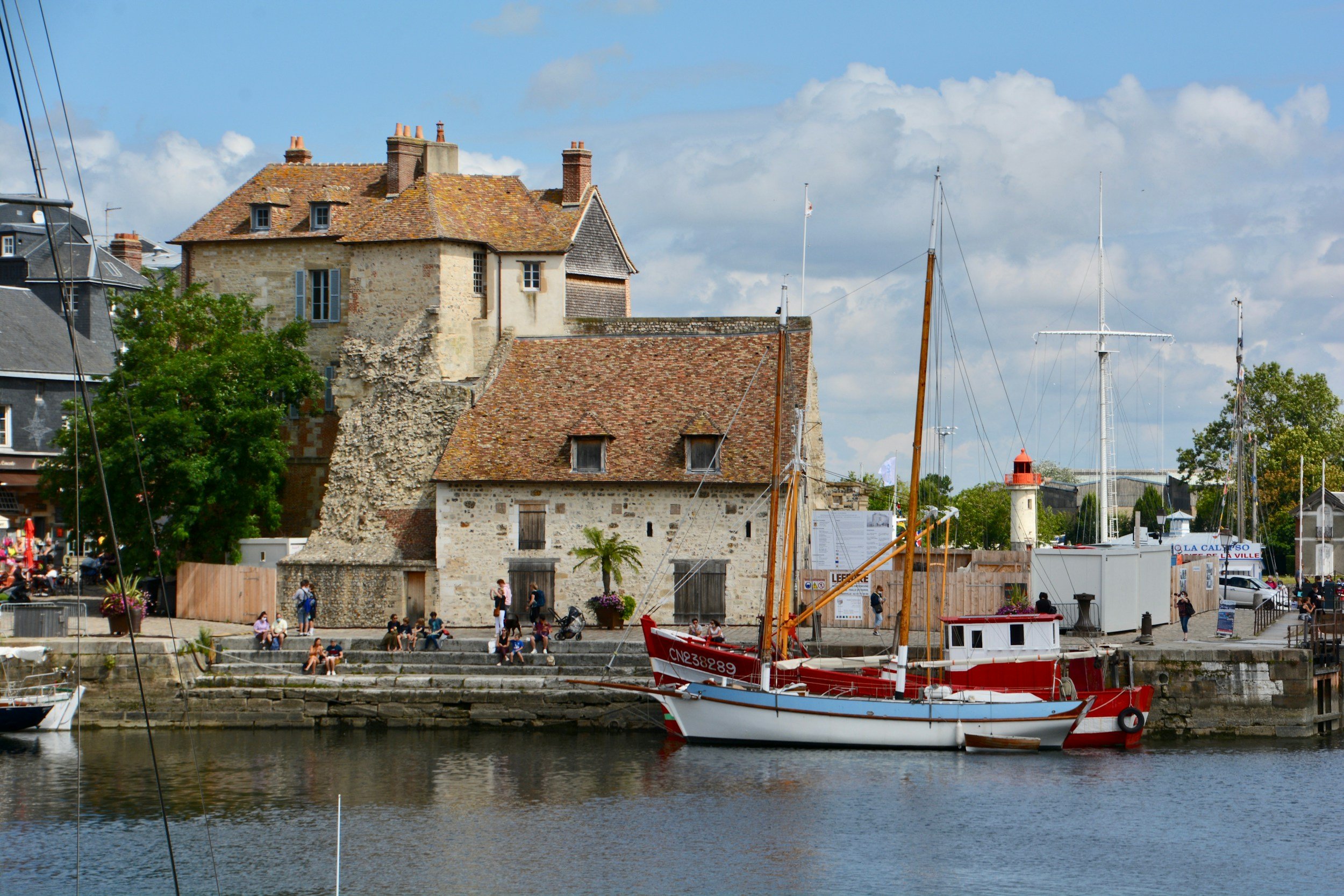
Honfleur
Honfleur (around 45 minutes by car)
Honfleur is one of the most straightforward day trips from Cabourg. You’ll drive over the Pont de Normandie to get there, which is worth it on its own for the wide views over the Seine estuary.
The town centres around the old harbour, Vieux Bassin, where tall, narrow buildings line the water. It’s the busiest part of town, so it’s best to arrive before 10:30 or later in the afternoon if you want it a bit calmer.
From the harbour, walk up towards Église Sainte-Catherine, a wooden church built by shipbuilders, then continue into the smaller streets behind it. This is where Honfleur feels quieter and more local, with small galleries and independent shops.
For a relaxed lunch, Le Breard is a good option just a few minutes from the harbour, with seasonal menus and a quieter setting than the waterfront restaurants. If you’re after something simpler, SaQuaNa (run by Alexandre Bourdas) is well-known for modern French dishes, but booking ahead is usually needed.
D-Day Beaches (1–1.5 hours depending on where you go)
The D-Day landing beaches stretch along the coast west of Cabourg, so it helps to focus on one area rather than trying to see everything.
Omaha Beach and the Normandy American Cemetery (Colleville-sur-Mer) are the most visited. The cemetery is very structured and easy to walk through, while the beach itself is wide and open, especially when the tide is out.
If you’d prefer somewhere quieter, Juno Beach near Courseulles-sur-Mer has a more low-key feel, along with a small museum that gives useful context without taking too long.
It’s not a place to rush through. Going earlier in the day makes a noticeable difference, both in terms of crowds and overall atmosphere.
Normandy Countryside & Calvados Route (30–60 minutes inland)
Head inland from Cabourg and you’ll quickly reach the Calvados countryside. Roads wind through apple orchards, small farms, and villages that feel largely unchanged.
A good stop is Beuvron-en-Auge (around 30 minutes away), known for its half-timbered houses and small central square. It’s compact, so you don’t need long, but it’s an easy place to pause for a coffee or a short walk.
If you want to try something local, Manoir de Grandouet is a nearby cider and calvados producer that’s simple to visit. You can see how everything is made and taste a few varieties without it feeling overly set up for tourists.
A Simple Day Trip Route from Cabourg
If you want an easy structure for the day, this works well without feeling rushed:
Start your morning in Cabourg, then drive to Honfleur (around 45 minutes). Spend a few hours walking around the harbour and backstreets, and stop for lunch slightly away from the waterfront.
In the afternoon, head back towards Cabourg but take a detour inland through Beuvron-en-Auge or another small village in the Calvados region. Stop for a coffee or cider along the way before returning to the coast.
You’ll be back in Cabourg by late afternoon, just in time for a walk along the promenade or dinner by the sea.
If you’re drawn to places with a similar slower pace, these quiet towns in the Loire Valley are a good next step. They offer the same kind of calm atmosphere, but with a different landscape and setting.
If you're craving an authentic, peaceful escape, why not take it a step further and discover
Where to Stay in Cabourg
Cabourg has a nice mix of places to stay, depending on what kind of vibe you’re after. Whether you’re looking to treat yourself a little or just need a cozy spot to rest your head, the town has something that fits.
If you’re after a little luxury without going overboard, Le Castel Cabourg - Hôtel & SPA is a great pick. It’s got those lovely seaside views and the kind of historic charm that makes you feel like you’ve stepped into a different time, but it’s still super comfortable and welcoming. You can enjoy a bit of elegance without feeling like you need to dress up for every meal. Plus, the spa is perfect for unwinding after a day spent exploring the town. If you’re into a bit of pampering, this one’s hard to beat.
For something more low-key but still cozy, Villa Les Mots Passants is definitely worth checking out. It’s got that personal, homey feel that makes it feel like you’re staying at a friend’s place rather than a hotel. The rooms are beautifully done, and you’ll get that quiet, intimate vibe perfect for recharging. Bonus points for being just a short stroll from the beach: ideal for a morning coffee while you listen to the waves roll in.
And if you really want to get away from it all, Le Clos de la Chaumière is just the place. Tucked away a little outside the town center, this peaceful spot has a garden that feels like your own secret oasis. It’s the kind of place where you can enjoy the slower pace of life, sit in the garden with a book, or just take in the surroundings. The vibe here is super relaxed and perfect for anyone looking to unwind and feel right at home.
If Cabourg makes you want to stay somewhere quieter and more personal, you might also like these family-run guesthouses in rural France, where the experience feels more local and less hotel-like.
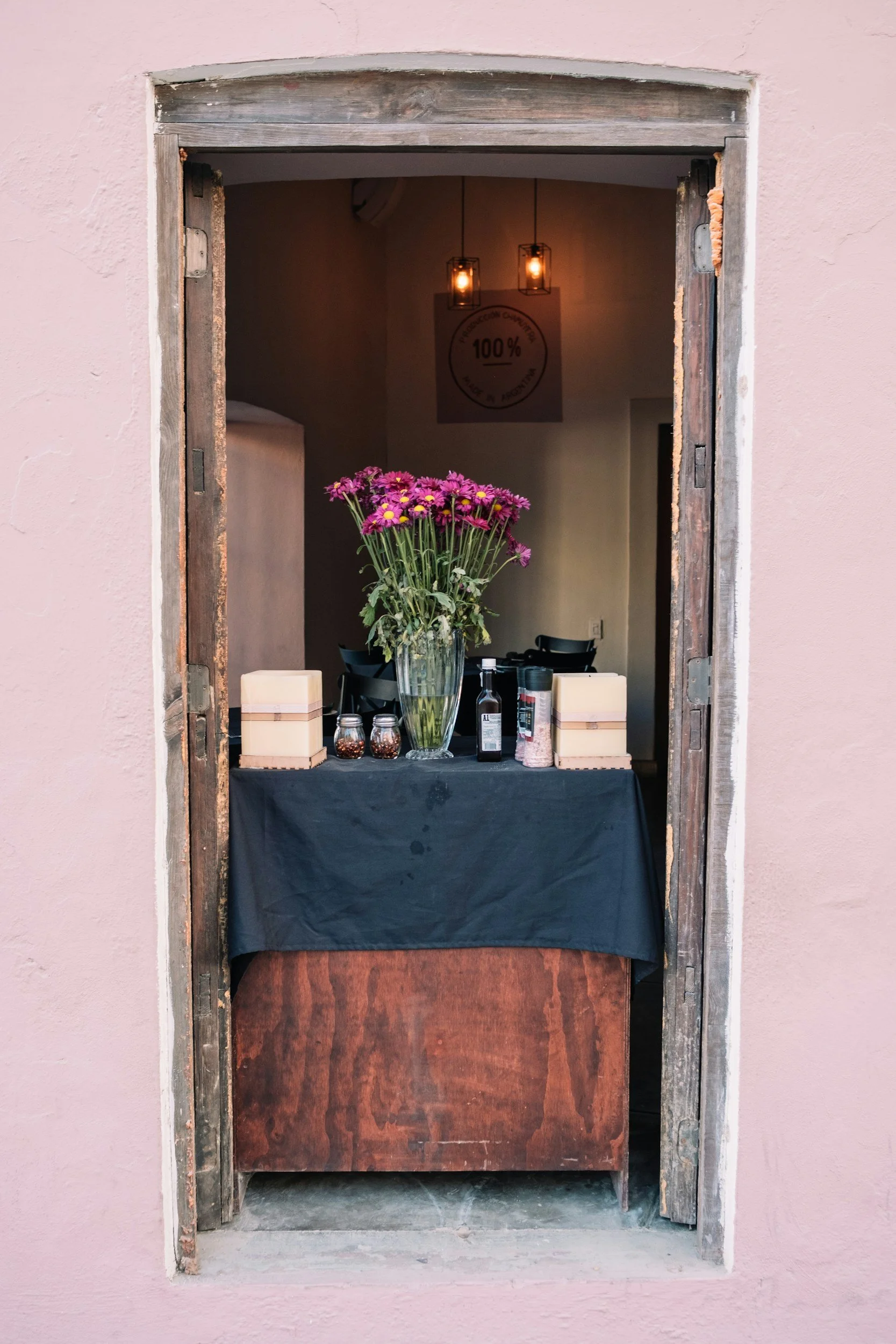
Villa Les Mots Passants
A Slower Way to Experience the Normandy Coast
Cabourg is easy in a way that a lot of coastal towns aren’t. You don’t need to plan routes, book activities, or think too much about how to structure your day as everything is within a short walk.
The town is built around a simple loop: the beach, the promenade, and Avenue de la Mer. You’ll end up moving between those three without really trying. That’s what makes it work so well if you’re trying to slow down.
A typical day might start with a walk along Promenade Marcel Proust, which stretches for about 4 km along the seafront. It’s quiet early on, especially before 9:30, and that’s when the town feels most local. Later in the day, it gets busier, but it never turns hectic.
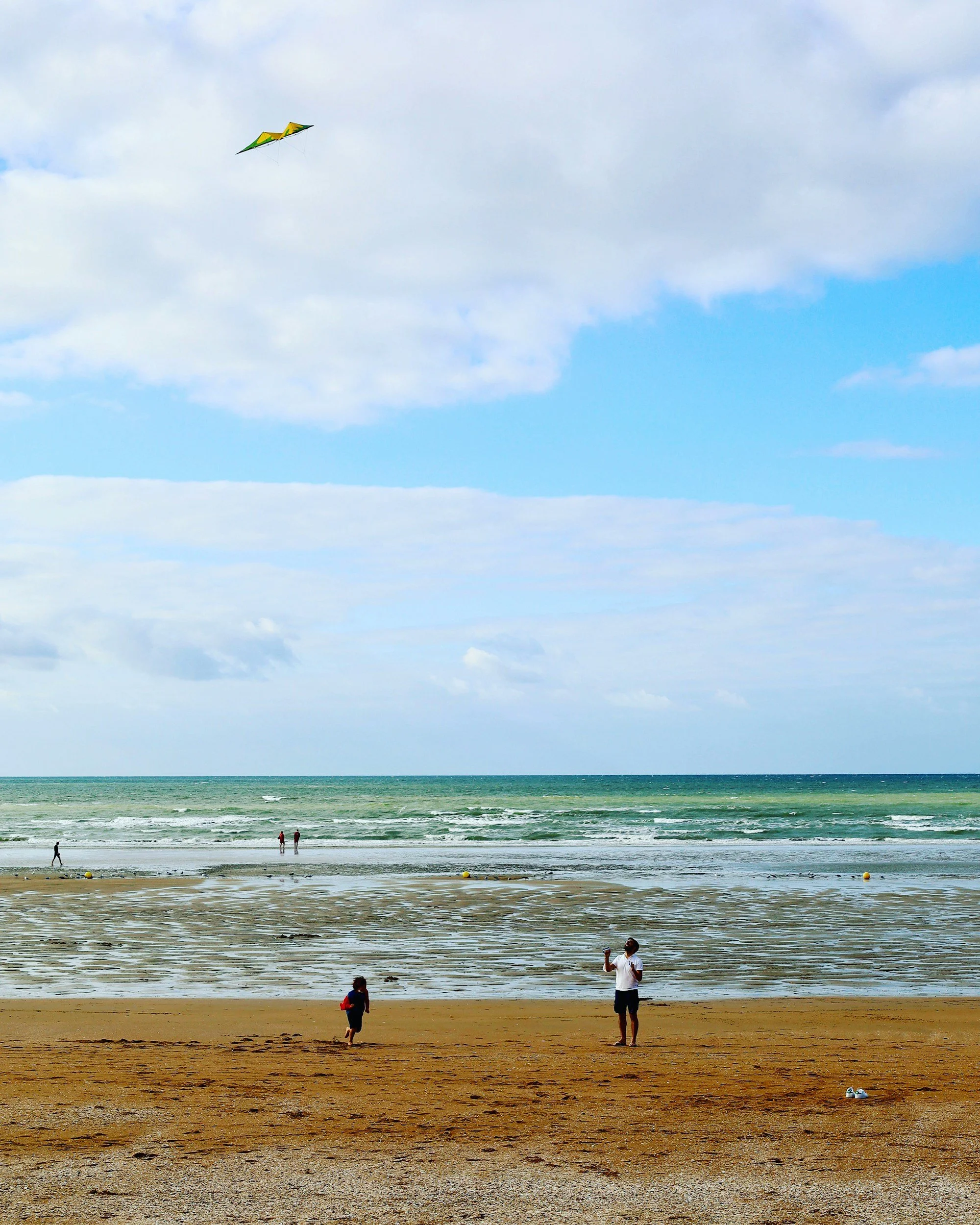
One thing that’s worth knowing is how much the tide changes the experience. At low tide, the beach becomes very wide (almost flat and endless) which makes it ideal for longer walks. At high tide, everything feels closer and more compact. If you check the tide times in advance, you can plan your walks around it, which makes a bigger difference than you’d expect.
Food here follows a rhythm as well. Lunch is typically between 12:30 and 14:00, and many places slow down or close briefly in the afternoon before reopening for dinner around 19:00. If you arrive right at peak lunch time, you’ll notice that tables fill quickly, especially near the seafront.
Most of your time will naturally centre around Avenue de la Mer, which runs straight from the town down to the beach. It’s where you’ll find bakeries, cafés, and small shops, so you’re never far from somewhere to stop. You don’t need to look things up - just walk and see what feels right.
If you’re visiting in June, the Cabourg Film Festival brings a slightly different energy, with more people and events in the evenings. Outside of that period, the town stays fairly calm, even in summer.
The key to enjoying Cabourg is not overfilling your day. It’s better to do less here, like a walk, a long lunch, time by the sea - and let the day stretch out a bit. That’s where the town actually works best.
If you’re planning a longer trip through France, this Aix-en-Provence guide gives a slightly more lively but still relaxed experience, with markets, cafés, and walkable streets.
FAQ:s about Cabourg, Normandy
What is Cabourg known for?
Cabourg is best known for its long seaside promenade, Promenade Marcel Proust, and its Belle Époque villas facing the beach. It’s one of the quieter coastal towns in Normandy, with a wide sandy beach and a slower pace than nearby Deauville.
It’s also associated with writer Marcel Proust, who stayed at the Grand Hôtel de Cabourg, which you can still visit today.
How do you get to Cabourg from Paris?
The easiest route is:
Train from Paris Saint-Lazare → Deauville-Trouville (around 2 hours)
Then a 20-minute taxi or local bus to Cabourg
Driving takes about 2.5 hours via the A13, and is the better option if you want to explore nearby towns like Honfleur or the D-Day beaches.
Is Cabourg worth visiting compared to Deauville?
Yes, especially if you prefer somewhere quieter.
Deauville is more polished, with luxury hotels and designer shops. Cabourg is smaller and more relaxed, with fewer crowds and a more local feel, especially in the mornings and evenings.
They’re only about 25 minutes apart, so you can easily visit both.
What are the best things to do in Cabourg?
Most of what you’ll do is simple and close together:
Walk along Promenade Marcel Proust (best early morning or sunset)
Spend time on Plage de Cabourg, especially at low tide when the beach opens up
Walk down Avenue de la Mer for cafés, bakeries, and small shops
Stop by the Grand Hôtel area for views over the sea
Visit the local market (Marché de Cabourg) if you're there on market day
It’s not a place for packed itineraries — it works best when you keep your days open.
When is the best time to visit Cabourg?
May–June and September are the best months if you want mild weather and fewer people.
July and August are busier, but Cabourg still feels calmer than most Normandy beach towns.
The Cabourg Film Festival takes place in June and brings a bit more energy to the evenings.
Do you need a car in Cabourg?
No, not for the town itself. Cabourg is small and very walkable.
But if you want to visit:
Honfleur
Beuvron-en-Auge
D-Day beaches
then having a car makes things much easier.
Where should you stay in Cabourg?
If you want to stay central, look near:
Promenade Marcel Proust (for sea views)
Avenue de la Mer (easy access to everything)
Well-known options include:
Grand Hôtel de Cabourg (historic, right on the beach)
Le Castel Cabourg Hôtel & Spa (quieter, slightly outside centre)
Smaller guesthouses like Villa Les Mots Passants
Where can you eat in Cabourg?
Cabourg has a mix of casual and slightly more refined places.
A few reliable options:
Le Balbec (Grand Hôtel) – for a more classic, seaside setting
Le P’tit Cabourg – simple seafood and local dishes
Dupont avec un thé – good for breakfast, coffee, or something light
For mornings, it’s worth stopping at a local bakery along Avenue de la Mer rather than sitting down somewhere formal.
Can you visit the D-Day beaches from Cabourg?
Yes! Most are 1 to 1.5 hours away by car.
If you’re short on time:
Choose Omaha Beach + American Cemetery
orJuno Beach for a quieter experience
It’s best to go early and focus on one area rather than trying to see everything in one day.
Is Cabourg good for a quiet or solo trip?
Yes, it’s one of the easier coastal towns in France for that.
It’s safe, walkable, and doesn’t rely on big attractions. You can spend the day walking, reading by the sea, or sitting in a café without feeling out of place.