
The best time to visit Italy depends on what you want to eat
Italian food seasons only really make sense once you stop thinking in months and start thinking in where you actually are. Italy looks compact on a map, but when you’re there, the differences show up fast and in very ordinary ways. An April lunch in a small town outside Turin feels nothing like an April lunch near the coast south of Rome, even though it’s the same week and the same country. The food, the rhythm of the day, even how long people sit at the table all follow local habits, not the calendar.
A lot of trips are planned around ideas like “spring food” or “autumn ingredients,” and that’s usually where expectations start drifting. What ends up on your plate depends on what was available that morning, which shops were open, and what people around you are used to cooking at that point in the year. In many towns, shopping still happens on foot and close to home, often every day. Nobody is chasing a seasonal concept, they’re cooking what fits into their day.
You start to notice this once you move away from restaurants designed for quick visits. Drive an hour inland from the coast and the food can feel like it belongs to a different month entirely. Winter dishes stick around, vegetables are cooked longer, and menus repeat without apology. There’s no sense that anything needs updating. People eat what works in that place, at that temperature, with the kind of day they’re about to have, and they keep doing it until there’s a practical reason to change.
If you’re curious how Italian food seasons actually show up in real life, markets tell the story better than any menu. In smaller towns, what’s on the stalls shifts naturally through the year, and shopping still follows the harvest rather than trends.
Why food seasons in northern Italy are different from the south
In the north, winter doesn’t end just because February turns into March. In smaller towns, especially once you’re away from Milan or Turin, the day still starts slowly. Cafés open when it’s barely light outside, heaters are on, and most people order something hot and filling rather than lingering over a quick coffee. At lunch, you’ll see plates coming out with the same things day after day: beans cooked down with onion and oil, cabbage that’s been braised until soft, polenta that’s been reheated and topped with whatever was already prepared earlier. Salads aren’t missing, they’re just not useful yet. Nobody is in a hurry to switch things up.
If you head south during the same trip, the change isn’t subtle. You step off the train and the air feels different, and so does the pace. Markets are louder, stalls stay open longer, and people stand around talking instead of buying quickly and leaving. Cafés don’t empty out after the morning rush, and lunch doesn’t feel fixed to a strict hour. Meals are lighter, not because anyone decided they should be, but because it’s easier to eat that way in warmer weather. The distance on the map is small, but daily life shifts enough that what felt normal at the table a few hours earlier suddenly doesn’t anymore.
Parma is one of those places where the connection between food and region feels obvious without being explained. The dishes people cook are shaped by what’s produced nearby and by the time of year, not by what’s popular elsewhere. This guide gives a good sense of that everyday food culture.
Winter menus in Piedmont look nothing like winter menus in Sicily
In Piedmont, winter food feels steady and slightly stubborn in a way that makes sense once you stay long enough to eat more than a couple of meals. In towns around Alba or the Langhe, lunches at places like Osteria dell’Arco feel almost unchanged day to day. Polenta shows up constantly, sometimes plain, sometimes with slow-cooked meat or vegetables that have clearly been on the stove since morning. Beans, cabbage, and root vegetables repeat across menus, not hidden or reinvented, just cooked well and served without comment. Lunch starts earlier than many visitors expect, often before 1 pm, and people actually sit down for it. Cafés like Caffè Mulassano stay warm and quiet through the afternoon, with little urgency to clear tables or rush anyone out.
In Sicily, winter runs on a completely different clock. Citrus is everywhere, piled high in markets and worked into both sweet and savory dishes. Wild greens still show up on plates, and seafood never really disappears from daily cooking. In towns like Noto, cafés such as Caffè Sicilia stay busy well into the evening, and dinner starts later than it ever would in the north. Even wineries like COS Winery do tastings and simple food that feel part of everyday life rather than a seasonal exception. If you arrive expecting the heavy, repetitive meals of the north and instead find lighter plates and longer evenings, it’s not a softened version of winter. It’s just how winter actually works there.
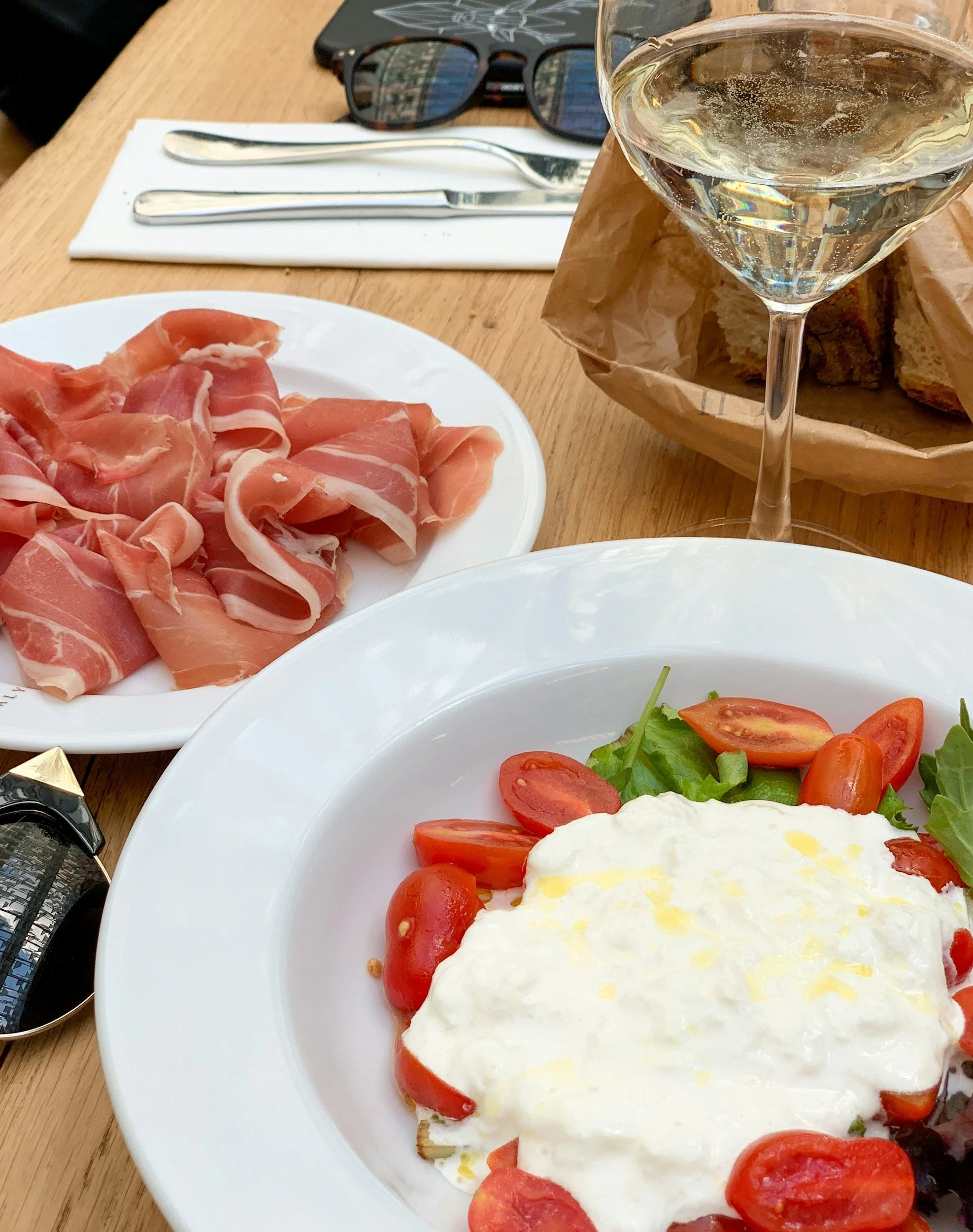
Late winter travel means cabbage, polenta, and long lunches up north
From January into early March in the north, eating is very predictable, and that’s not a bad thing. In small Piedmont towns, lunch is the main event and everything else bends around it. Polenta is made once and reused through the day, cabbage and beans sit ready in the kitchen, and the menu barely changes. At places like Osteria La Piola, people show up between noon and two, sit for as long as they need, and leave when they’re finished. No one is pushing tables along. Around three, the kitchen closes and that’s it until the evening, if it opens again at all during the week.
That’s what shapes the day. Town centers are small, so walking anywhere takes ten or fifteen minutes, but if you miss lunch, you feel it. Spend too long wandering the Langhe hills or inside a museum in Turin and suddenly everything is shut. You can still get coffee at Caffè Al Bicerin, but you’re not finding a proper meal. People who live there know this and don’t think twice about it. They eat first, then do whatever else they planned. After a few days, you end up doing the same because it’s the only way the day works.
In Bologna, seasonal eating doesn’t come with labels or rules, it’s just how things work. Menus change quietly, locals eat what’s available, and food stays tied to routine rather than occasion. If you’re interested in that slower, more grounded way of experiencing the city, this guide goes deeper into it.
Truffle timing in Alba vs Umbria is never the same month
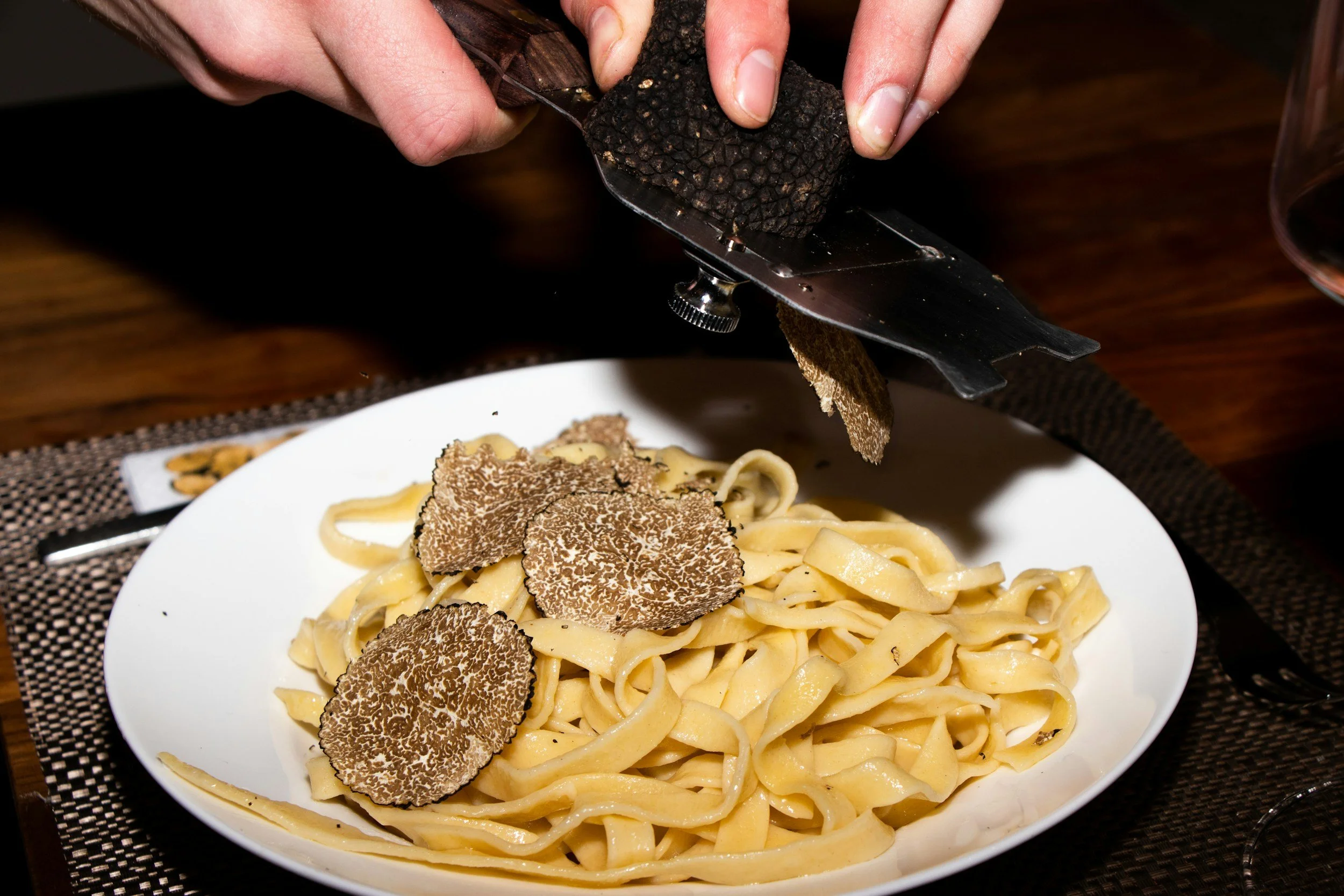
Truffle seasons don’t line up neatly across Italy, even though they’re often talked about as if they do. In Alba, white truffles are tied to autumn, but the exact window changes every year. One season they start showing up in late October, another year it’s well into November. Rain matters, temperature matters, and locals talk about it constantly. Restaurants adjust fast. At places like Osteria dell’Arco, menus can change from one week to the next depending on what’s actually coming in. Some days truffles are shaved generously, other days they’re suddenly gone, and nobody makes a big announcement about it.
In Umbria, truffles follow a different rhythm altogether. Black truffles appear at other times of year, and the cooking around them feels more integrated into everyday food rather than treated as a short season. In towns like Norcia, dishes built around truffles show up when they make sense locally, not because visitors are expecting them. If you try to plan one trip that includes both Alba and Umbria with the idea of eating truffles in each place, it usually falls apart. One area will still be waiting, the other already finished, and you’ll end up paying for truffles that are technically available but not really worth the effort.
Spring starts earlier on the coast and much later in the Apennines
Along the coast, spring starts to show itself quietly and early. You notice it in small things first, like herbs appearing on market stalls again or simple vegetable dishes showing up at lunch without much fuss. In towns along the Ligurian or Tuscan coast, cafés put a few tables outside as soon as the sun sticks around for more than an hour, even if people are still wearing jackets. Menus don’t flip overnight, but they loosen up. Soups get lighter, vegetables are cooked less aggressively, and meals feel a bit shorter.
Head inland and especially into the Apennines, and it’s a different story. In hill towns and mountain villages, winter food stays put well into April. Cabbage, beans, polenta, and slow-cooked dishes are still the norm, not because anyone is behind, but because it’s still cold enough that they make sense. Even when the days get brighter, evenings cool down fast, and there’s no real pressure to change how people eat.
That difference shapes the day more than you might expect. Along the coast, places stay open longer as the light stretches into the evening, and dinner slowly drifts later. Inland, lunch remains the main meal, and evenings stay quiet and short. If you move between the two during one trip, it’s easy to feel slightly “out of sync” unless you adjust. The food, the opening hours, and the pace all shift, and trying to keep the same routine everywhere usually doesn’t work.
Easter dishes change completely once you cross a regional border
Easter is one of the times when it becomes very clear how little Italian food traditions travel. Cross a regional border and the holiday table can look completely different. In parts of Lazio and Abruzzo, lamb is central and shows up everywhere, from family lunches to small trattorias offering one fixed menu for the day. In Liguria, Easter is more likely to mean savory pies filled with greens and cheese, sold by the slice in bakeries and eaten over several days. Further south, sweet breads and pastries take over, often bought in advance and kept at home rather than eaten out.
From a travel point of view, Easter changes how everything works. Many shops close without much warning, buses and trains run on reduced schedules, and restaurants narrow their menus to whatever makes sense for that day. In smaller towns, there may be only one option for lunch, and it will be the same for everyone in the room. If you’re used to choosing from a menu or eating at odd hours, it can feel limiting. In reality, it’s just a few days when eating follows a shared routine, and flexibility mostly disappears because nobody expects it to be there.
Artichoke season peaks in Rome while Milan is still eating root veg
In Rome, artichokes show up in a very matter-of-fact way. One week they’re suddenly everywhere at the markets, already trimmed because most people don’t want to deal with the leaves at home. Around that time, you start seeing them on most lunch menus without much explanation. Fried, cooked slowly with oil and garlic, or served on their own as a main plate. No one makes a big deal out of it, and no one tries to stretch the season. They’re eaten while they’re good, and then they’re gone.
In Milan, spring doesn’t push winter food out so quickly. Even when days get brighter, markets are still full of potatoes, onions, and cabbage, and that’s what people are cooking with. Artichokes do appear, but they sit alongside those vegetables rather than replacing them. If you move between Rome and Milan in the same trip, it can feel like the timing is off. It isn’t. People are just eating what still makes sense where they are, and they don’t rush it.
April in Liguria feels green and herbal rather than fresh-fruit focused
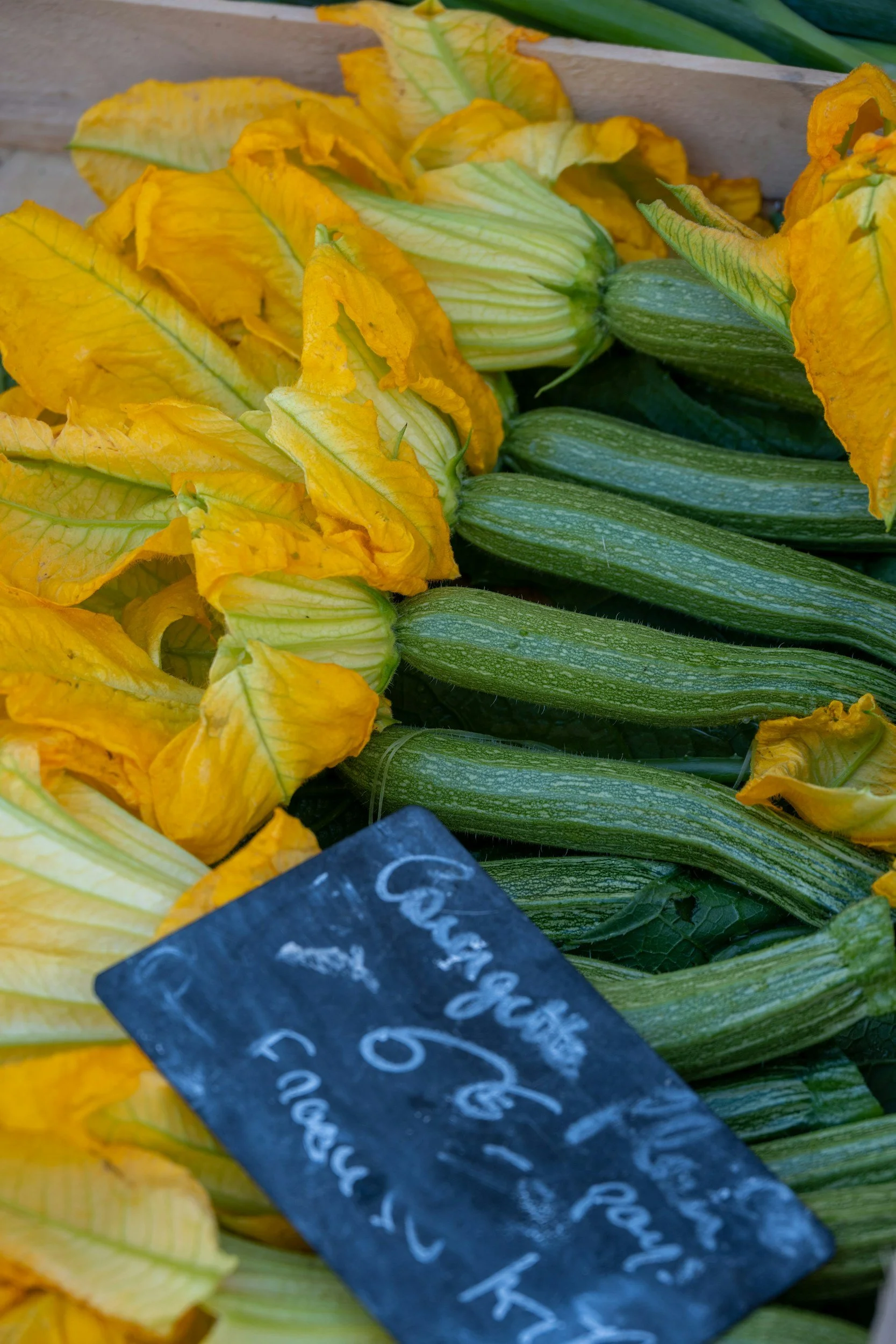
In Liguria, April food feels very green and very specific to the place. Fruit isn’t really part of the picture yet. Instead, markets are full of herbs, bundles of wild greens, and the first vegetables that grow easily along the coast. Pesto ingredients start showing up everywhere, not as something special, just because basil and herbs are finally usable again. In towns like Camogli or Santa Margherita Ligure, lunch menus lean heavily on vegetables, pasta with herbs, and simple dishes that don’t need much added to them. Desserts stay basic, often something baked and kept behind the counter, and nobody seems to be waiting impatiently for fruit to arrive.
How people eat here is closely tied to the landscape. Coastal towns are spread out, and moving between them usually means steep paths, staircases, or long walks along the water. You notice that meals tend to happen once people are done walking for the day. Lunch after a climb or a coastal walk feels normal, while late dinners don’t. In smaller places, kitchens close earlier than you might expect, especially once the light fades. Cafés like Bar Pasticceria Revello stay busy in the afternoon, but by evening the day winds down quickly. Food fits around movement here, not the other way around.
How altitude affects food seasons in northern Italy in early summer
By early summer, the calendar matters less than where you are vertically. Along the coast, menus start to shift toward lighter cooking and early summer vegetables, while hill towns and mountain villages are still eating much the way they did in spring. Drive up into the inland parts of Liguria or toward the lower Apennines and the change is noticeable. Lunch might still be built around beans, greens, and vegetables that have been cooked for a while, because evenings cool off fast and that kind of food still fits the day. Down by the water, the same week can feel completely different, with simpler plates and shorter cooking times.
Moving between these places sounds easy on paper, but it rarely is. Roads wind, parking takes time, and a short distance can stretch into an hour without much warning. That’s why meals tend to be planned around when you actually arrive, not when you hoped to eat. In smaller towns, once lunch service starts, kitchens stick to it and don’t adjust much for late arrivals. Dinner is the same. If you know you’ll still be on the road at seven, it’s better to eat earlier or plan to stay put. People who live there build their days around this without thinking about it, and visitors usually figure it out after missing a meal once.
Tomato season doesn’t really begin everywhere in June
Tomatoes tend to appear earlier than they’re actually worth eating, and that’s where a lot of trips quietly go wrong. In some places you’ll see tomatoes at markets in early June, but they’re handled carefully. They’re cooked down into sauces, added to stews, or used in small amounts rather than sliced and served raw. Kitchens treat them like something that’s almost ready, but not quite there yet. You rarely see whole menus built around tomatoes at this stage, and when you do, it’s usually not a great sign.
That changes later, and it changes unevenly. Late June into July is when tomatoes start to settle into everyday cooking, and August is when they finally make sense across most regions. Even then, they don’t suddenly take over plates. They appear gradually, folded into dishes people already cook well, rather than replacing everything else. The shift is quiet and practical, not announced.
If you want tomatoes when they’re actually good, it helps to stay away from obvious stops and look slightly inland. In Velletri, south of Rome, tomato dishes start to show up naturally in midsummer. Local trattorias use tomatoes from nearby fields, and when they’re ready, they’re cooked briefly and served without much added to them. If the tomatoes aren’t right yet, those dishes simply aren’t on the menu.
Further south, inland parts of Campania handle tomatoes the same way. In places like San Mauro Cilento, tomatoes are used late in the season, when they’re fully ripe and don’t need help. They’re not treated as something special or highlighted for visitors. They’re just there because that’s what’s good that week, and that’s usually when tomato dishes are at their best.
July heat changes eating hours more than ingredients in the south
In the south, July heat doesn’t change what people eat as much as when they eat it. Lunch shifts earlier, often finished before the sun is properly high, and meals get simpler because nobody wants to sit in front of a stove for long. Dinner moves later, sometimes well after nine, once the air finally cools enough to sit still. The ingredients are still seasonal and familiar, but cooking is quicker, sauces are lighter, and portions tend to be smaller during the day.
By early afternoon, towns slow down noticeably. In inland parts of Campania or southern Sicily, shutters come down, shops close, and streets empty out almost completely. Walking around at two o’clock feels unnecessary, not romantic. People do errands in the morning, go home to eat and rest, and come back out once the light softens. Sightseeing makes more sense early or late, and the middle of the day quietly belongs to food, shade, and staying still. Nobody explains this to you, but after a few days you stop fighting it and plan around it without thinking.
In summer, food shopping in Italy often moves outdoors, and market towns become part of everyday life rather than a special stop. It’s where seasonal produce, casual meals, and local routines naturally overlap, especially in smaller places.
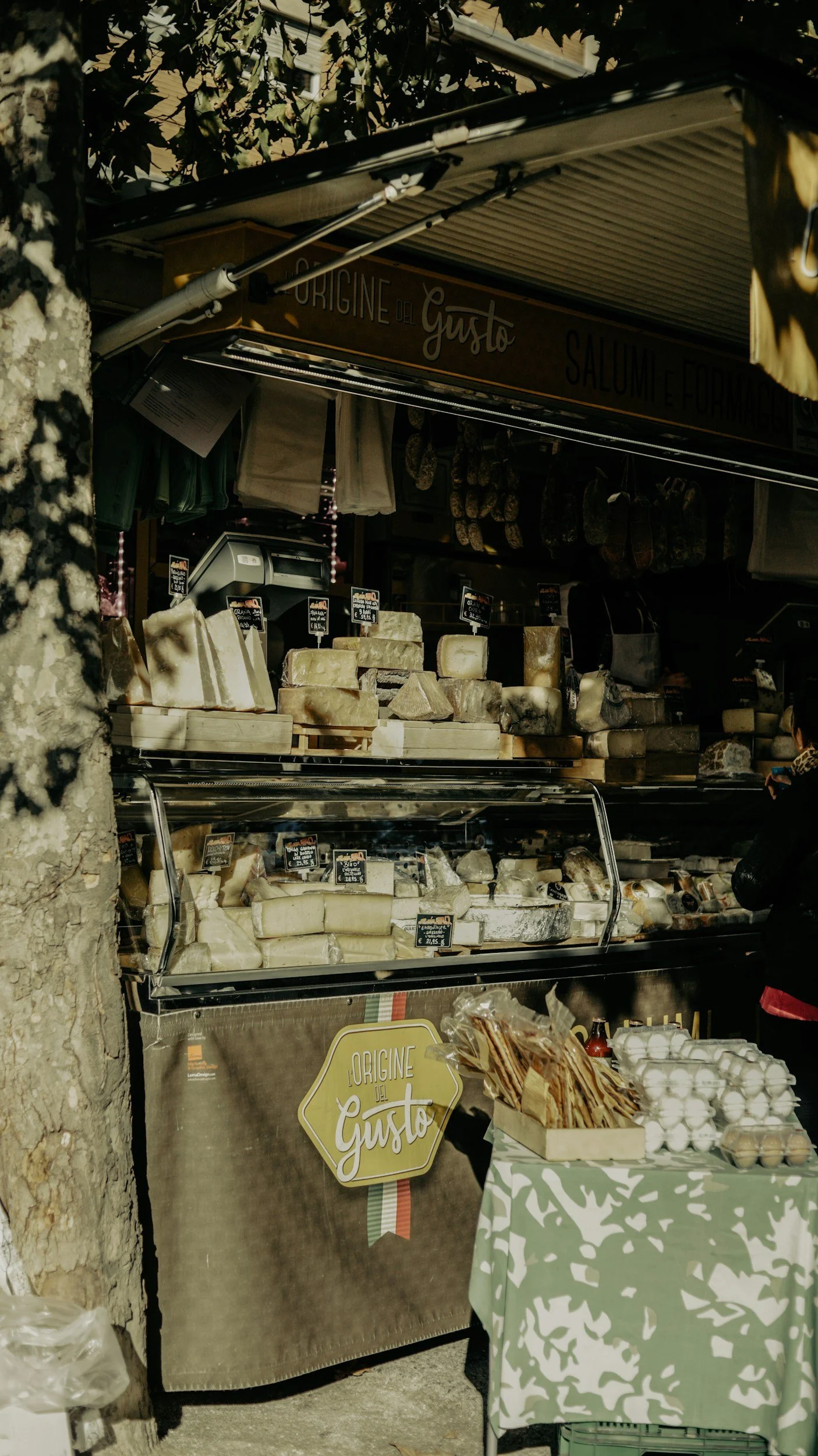
What closes in Italy in August: markets vs restaurants
In August, markets are usually the first thing to shift, and it catches people off guard. In smaller towns, stalls start closing earlier, market days get shortened, or disappear for a week or two without much warning. You might arrive expecting a full morning market and find only a handful of vendors packing up by late morning. This happens a lot in inland towns in southern Campania or quieter parts of Sicily, where many families take their holidays seriously and leave town altogether.
Restaurants behave differently. Many stay open longer in August, especially in places that see summer visitors, even if the rest of the town feels half-closed. That’s when food can start to feel slightly disconnected from what’s actually being sold nearby. Menus rely more on what kitchens already have access to, rather than what’s fresh that morning. It’s not bad food, just less closely tied to the rhythm of the market.
If your days normally revolve around visiting markets, be more flexible in August. One town will feel completely normal, the next oddly quiet. Schedules change quickly, and it’s rarely posted anywhere. During this month, it’s usually easier to let meals anchor the day and treat markets as a bonus rather than a plan.
Ferragosto week shifts menus toward what’s easy and local
During Ferragosto, everyday routines loosen in a very practical way. Kitchens don’t stop working, but they simplify. Menus get shorter, sometimes down to a handful of dishes that rely on what’s already in the kitchen or easy to source locally. You’ll see the same plates repeated for days, not because of a lack of ideas, but because this is the week when nobody is trying to complicate things. Long-standing local dishes take over, the kind that can be prepared without much planning and served without explanation.
Where you stay matters a lot during this week. Coastal towns fill up fast, while inland places thin out noticeably. In small hill towns in southern Tuscany or inland Liguria, places like Trattoria da U Titti keep a steady, almost stubborn routine. They cook what they know, open when they always do, and don’t adjust much for visitors. Transport schedules slow down, buses run less often, and moving around takes more effort than usual. Eating close to where you’re staying becomes the sensible choice, not a compromise…
Late summer fruit arrives in waves, not all at once
Late summer fruit doesn’t arrive neatly or all together, and markets make that obvious. One week peaches dominate every stall, piled up and sold quickly before they soften. A short while later, figs take over, often replacing peaches almost overnight. Grapes come last, and when they do, everything else starts to fade out. Each phase is brief, sometimes only a couple of weeks, and then it’s gone.
You notice this most if you stay put. In smaller towns, like those around Norcia or inland parts of Marche, fruit stalls change quietly from one market day to the next. Short visits can feel slightly unfinished if you’re expecting variety all at once, but that’s not how it works. Fruit comes when it’s ready, stays briefly, and moves on. If you’re there long enough, you adjust your eating without really thinking about it, buying what’s there that week and not worrying about what hasn’t arrived yet.
Grape harvest timing depends on microclimate, not region names
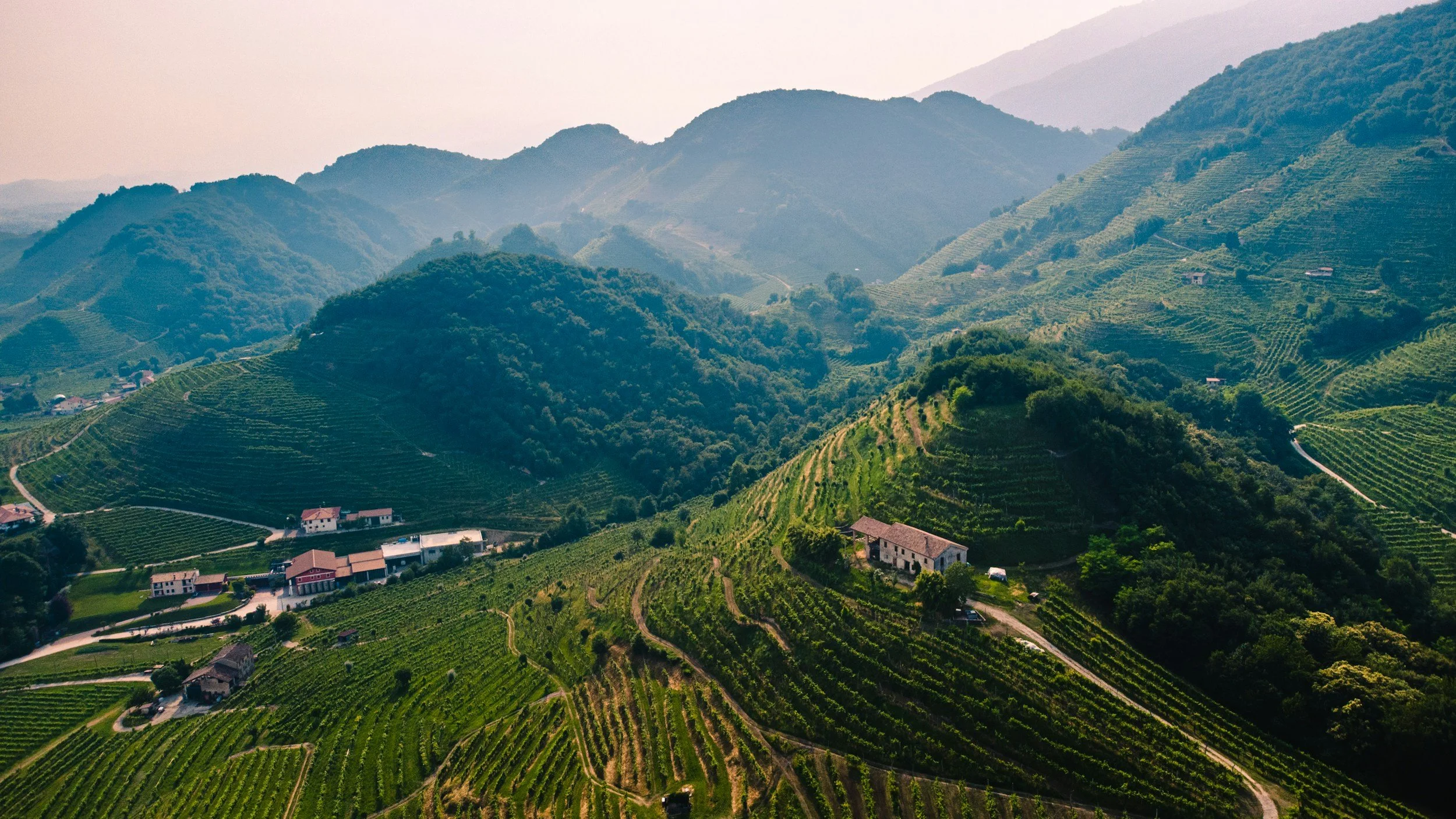
Grape harvest sounds like something that happens all at once, but on the ground it rarely does. Even within the same region, timing shifts depending on where the vineyards sit. Lower, warmer areas start earlier, while higher vineyards can lag behind by weeks. In places like Langhe, a vineyard on one side of a hill might already be finished while another a few kilometers away is still waiting. The difference can come down to sun exposure or how much rain fell in late summer.
For travelers, this makes harvest harder to time than people expect. You might arrive a few days before picking starts or just after the last crates have been taken away. Even then, you still notice the season in small ways. Bakeries sell simple grape-based sweets for a short stretch, cafés open earlier because people are up working the fields, and lunches feel quicker and more functional. In quieter wine areas like Carema, daily life bends around the harvest even if you never see the grapes being picked.
September food travel works best in areas with active harvests
September can be a great month to travel for food, but only if you land somewhere that’s actually busy with seasonal work. In areas where harvests are underway, the food feels grounded and purposeful. Menus are built around what people need to eat that week, not what looks impressive. In places like Montefalco, meals reflect what’s coming in from nearby fields and vineyards, and you notice that cafés and trattorias are full of locals eating early and heading back to work.
In regions between harvests, September can feel oddly quiet. The summer rush has eased, but the autumn rhythm hasn’t fully started yet. Menus sit in between seasons, and markets can feel sparse. The distances between active areas aren’t large, but arriving a week earlier or later can completely change what you eat. Keeping plans loose makes it easier to adjust, especially if food is the main reason you’re there.
Mushroom season starts earlier in the north, later in central Italy
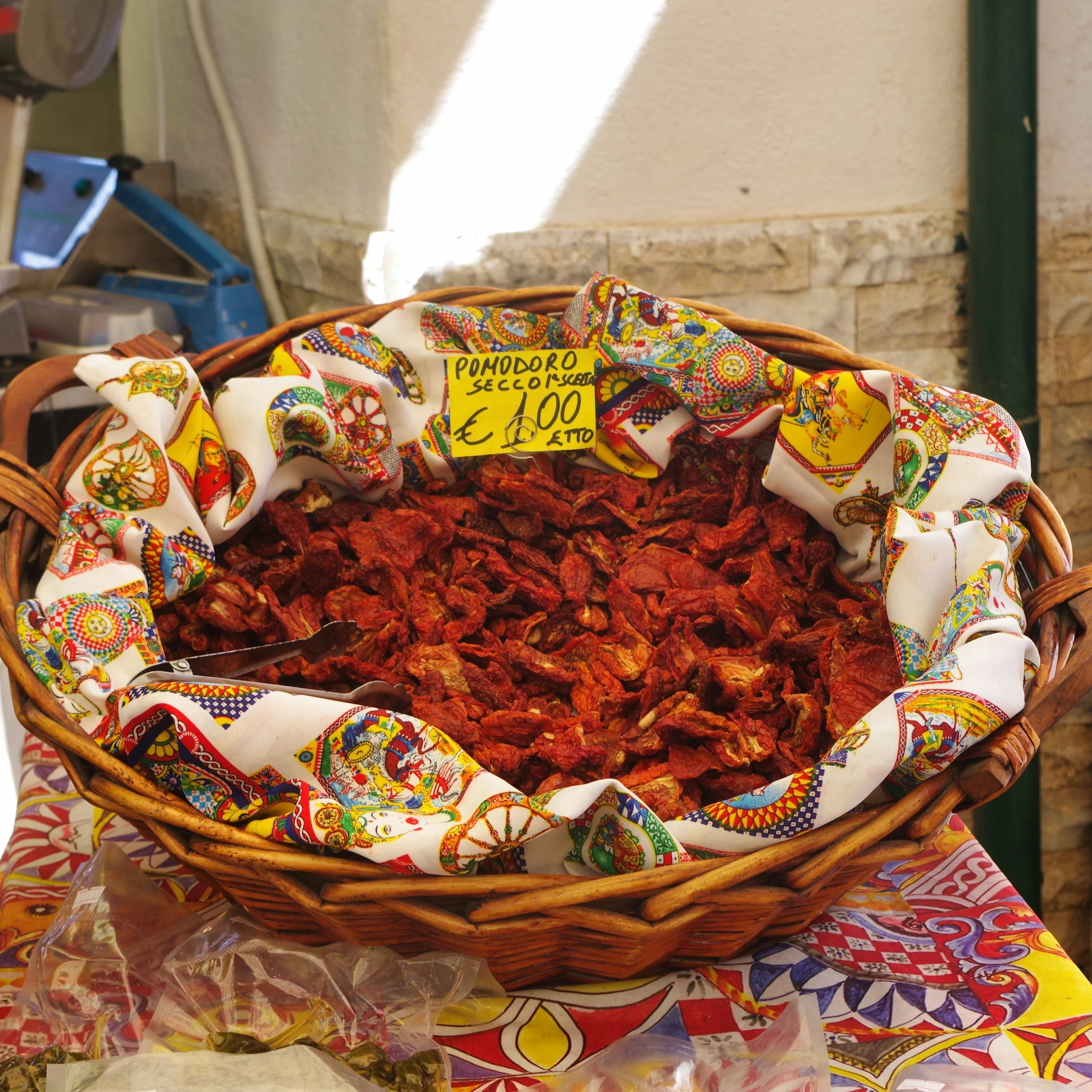
Mushroom season doesn’t start because the calendar says so. It starts after rain, once the ground has had time to settle, and that timing shifts every year. In northern areas, especially around forested parts of Piedmont and Lombardy, mushrooms often show up earlier, sometimes already in late summer. In central Italy, places like Umbria or the Marche usually lag behind by a few weeks, waiting for cooler nights and steady moisture.
When mushrooms do arrive, the change is immediate but brief. Restaurants don’t ease into it. One week mushrooms aren’t mentioned, the next they’re folded into pasta, served with eggs, or cooked simply with oil and garlic. At agriturismi like Agriturismo Il Castagneto, menus shift quietly depending on what’s been picked nearby. These dishes might last a week or two, then disappear just as quickly. Availability changes from one market day to the next. Asking at a café or bakery usually gets you a more honest answer than any seasonal guide, because everyone knows conditions vary hill by hill.
You notice seasonal food culture most clearly once you spend time outside cities. In vineyard landscapes and rural areas, walking routes, meals, and daily life tend to follow the same pace. Northern Italy is full of places where that connection still feels intact.
Olive harvest trips only make sense if you’re flexible with dates
Olive harvest timing changes every year, and there’s no reliable way to lock it in far ahead. A warm autumn can push it earlier, a wet one can delay everything. Even neighboring groves don’t always harvest at the same time. Planning a trip around olive harvest only works if you’re willing to adjust plans close to arrival and accept that things might shift by a week or more.
When harvest is actually happening, you feel it everywhere. Roads fill with small trucks carrying crates, people are up early, and olive mills stay open late into the night. Meals get simpler because time is tight. In rural areas of Tuscany or Umbria, farm stays like Agriturismo La Torretta run on the rhythm of the harvest, not on guest schedules. If you arrive too early, nothing has started yet. Too late, and it’s already finished. Flexibility isn’t a bonus here, it’s the difference between seeing the harvest at work and missing it entirely.
What to eat in Italy in November (and where it actually matters)
November feels like a reset in many parts of Italy. The pace slows down, visitors thin out, and food shifts back toward dishes that are filling and familiar. Restaurants stop trying to please a mixed crowd and cook more for the people who live nearby. Menus narrow, portions get heavier, and you start seeing dishes that only make sense in that exact place and season. In towns like Dogliani or Camerino, meals are built around beans, slow-cooked meats, chestnuts, and whatever has been stored from earlier in the year. There’s less variety, but more intention.
This is also the month when schedules become unpredictable. Some restaurants close for a week or two, others only open on weekends, and many shorten lunch or dinner hours without much notice. You can still eat very well, but you have to pay attention. Walking into town at seven and assuming something will be open doesn’t always work. Locals know which places are still running and when. Visitors usually learn by checking opening hours carefully or by asking earlier in the day, which becomes part of the routine.
What to eat on the Italian coast in winter
Along the coast, winter food pulls inward rather than outward. Fresh fish is still cooked, but it’s no longer the centerpiece of every meal. Preserved fish, cured meats, salted anchovies, and stored vegetables take on a bigger role, especially in smaller towns. In places like Cervo or Marina di Pisciotta, winter menus are simple and repetitive, built around what keeps well and what’s always been eaten at that time of year.
Daily routines tighten up too. Cafés close earlier, sometimes right after the afternoon coffee crowd fades, and dinners happen sooner than they do in summer. Evening walks along the water are still common, but they usually end at home or at one familiar spot rather than turning into a late meal out. Outside larger towns, eating late becomes rare. Food fits into the shorter day, not the other way around.
City menus don’t always reflect what’s actually in season nearby
In bigger cities, it’s easy to lose any real sense of season just by looking at menus. Ingredients come in from everywhere, and restaurants know that most visitors expect the same dishes no matter the month. You can order something that sounds seasonal and still be eating food that has nothing to do with what people nearby are actually cooking at home. It’s not that the food is bad, it just doesn’t tell you much about what’s happening in the region right now.
If you step outside the city, even for half a day, things usually feel clearer. In smaller towns around places like Ivrea or Frascati, menus change more often because they’re feeding the same people week after week. Markets are smaller, deliveries are closer, and when something runs out, it simply disappears. Seasonal food shows up fast and leaves just as fast, which makes timing matter in a way it often doesn’t in city centers.
Market days matter more than restaurant trends for timing
Market days quietly run the show in a lot of towns. If the market is on Tuesday, that’s when people do their shopping, and the rest of the week is built around it. Restaurants buy what they need that morning, and menus tend to follow along without much fuss. What you eat on a Tuesday doesn’t always look the same as what you eat on a Friday.
Arriving on a market morning feels different right away. Stalls are full, people are walking home with bags, and cafés are busy earlier than usual. By afternoon, everything calms down. If you show up the day after the market, choices can feel narrower, not because anything is wrong, but because the rhythm has already passed. Knowing the market day often tells you more about how and what you’ll eat than scrolling through menus ever will.
Travel days change what you’ll actually eat in Italy
Travel days have their own rules, and food is usually the first thing that gets compromised. A train delay, a slow bus connection, or a longer drive than expected can easily push lunch past normal hours. By the time you arrive, kitchens may already be closed, or the only option left is whatever can be served quickly. These aren’t bad meals, they’re just practical ones, and they tend to look the same no matter the season.
That’s why where you stay matters more on travel days than on any other. Being within walking distance of one or two dependable places makes a difference when you arrive tired or late. On those days, eating something simple and predictable works better than trying to chase a specific dish. People who live here plan this way without thinking about it. Meals on travel days are about getting fed and settling in, not about matching the season perfectly.
How to choose the right time to visit Italy for food
Most people start with a month and then try to match the food to it, and that’s usually where things start to feel slightly off once you arrive.
It tends to work better if you flip that. Think about what you actually want to eat, or the kind of meals you’re hoping to have, and then shape the timing around that instead of the other way around. If you’re set on something specific like truffles, olives, or harvest season, you need to leave some room to adjust, because those don’t follow exact dates and can shift by weeks depending on the year.
If you’re less focused on one ingredient and more on how people eat day to day, then the region matters more than the exact timing. A week in the right place will usually give you a clearer sense of seasonal food than trying to cover multiple areas quickly.
Trip length makes a bigger difference than people expect. With just a few days, it’s easier to stay in one area and let things fall into place rather than moving between regions that are slightly out of sync. On paper it looks manageable, but in reality it often means arriving just before something starts or just after it’s already passed.
It also helps to think about how you want your days to feel. Spring and autumn tend to have more variation, while winter and the height of summer are more consistent in how food shows up. Neither is better, but they come with different routines, and once you lean into that instead of trying to work around it, the whole trip tends to fall into place more easily.
FAQs about seasonal food and travel in Italy
When is the best time to travel to Italy for seasonal food?
It depends on the region and what you want to eat. Spring arrives at different times along the coast, inland, and in the mountains, and autumn harvests don’t line up across the country. Picking a place first and then choosing dates usually works better than choosing dates and hoping the food matches.
Is Italian food seasonal all year round?
Yes, but not in a uniform way. What’s considered seasonal in one region can be completely different in another at the same time of year. City menus often blur this, but smaller towns and markets still follow local seasons closely.
Why does food feel different when I travel inland from the coast?
Temperature, altitude, and daily routines change quickly once you leave the coast. Inland towns often eat heavier food longer into the year and keep earlier meal times, while coastal areas shift earlier toward lighter cooking and later dinners.
Is August a bad time to travel for food in Italy?
Not necessarily, but it works differently. Markets often scale back first, while restaurants stay open longer. Menus can feel less seasonal, and planning around meals rather than shopping usually makes August easier.
How important are market days when traveling in Italy?
Very important in smaller towns. Market days often determine what’s available for the next few days and influence restaurant menus. Arriving on a market morning gives a clearer picture of what’s actually in season.
Can I plan a trip around truffle or olive harvest season?
Only if you’re flexible. Timing changes every year based on weather, and even nearby areas don’t always harvest at the same time. Fixed dates often lead to disappointment.
Why do some restaurants close early or not open every day?
Outside tourist centers, restaurants follow local routines rather than visitor demand. Lunch and dinner hours are fixed, and mid-afternoon closures are common. Checking opening hours early in the day helps avoid missed meals.
Does September always mean great food everywhere in Italy?
September works best in areas where harvests are actually happening. In regions between seasons, food can feel quieter and menus transitional. Timing and location matter more than the month itself.
Why does city food feel less seasonal than food in small towns?
Cities source ingredients from many places and keep menus stable for visitors. Smaller towns rely more on local supply and change menus quickly when ingredients come and go.
How should I plan meals on travel days in Italy?
Assume meals will be simpler and possibly earlier or later than usual. Staying near reliable food options and keeping expectations flexible makes travel days much easier.