
Ljubljana is one of Europe's easiest capitals to like
The center is small and mostly car-free, built around the Ljubljanica River. You walk across Tromostovje (the Triple Bridge) without really thinking about it, end up near Central Market by Vodnikov trg, and then just keep going along the water. Cafés like Cacao are already full of people sitting outside, even on a random weekday. Nothing feels hectic, and you don’t need to plan your route.
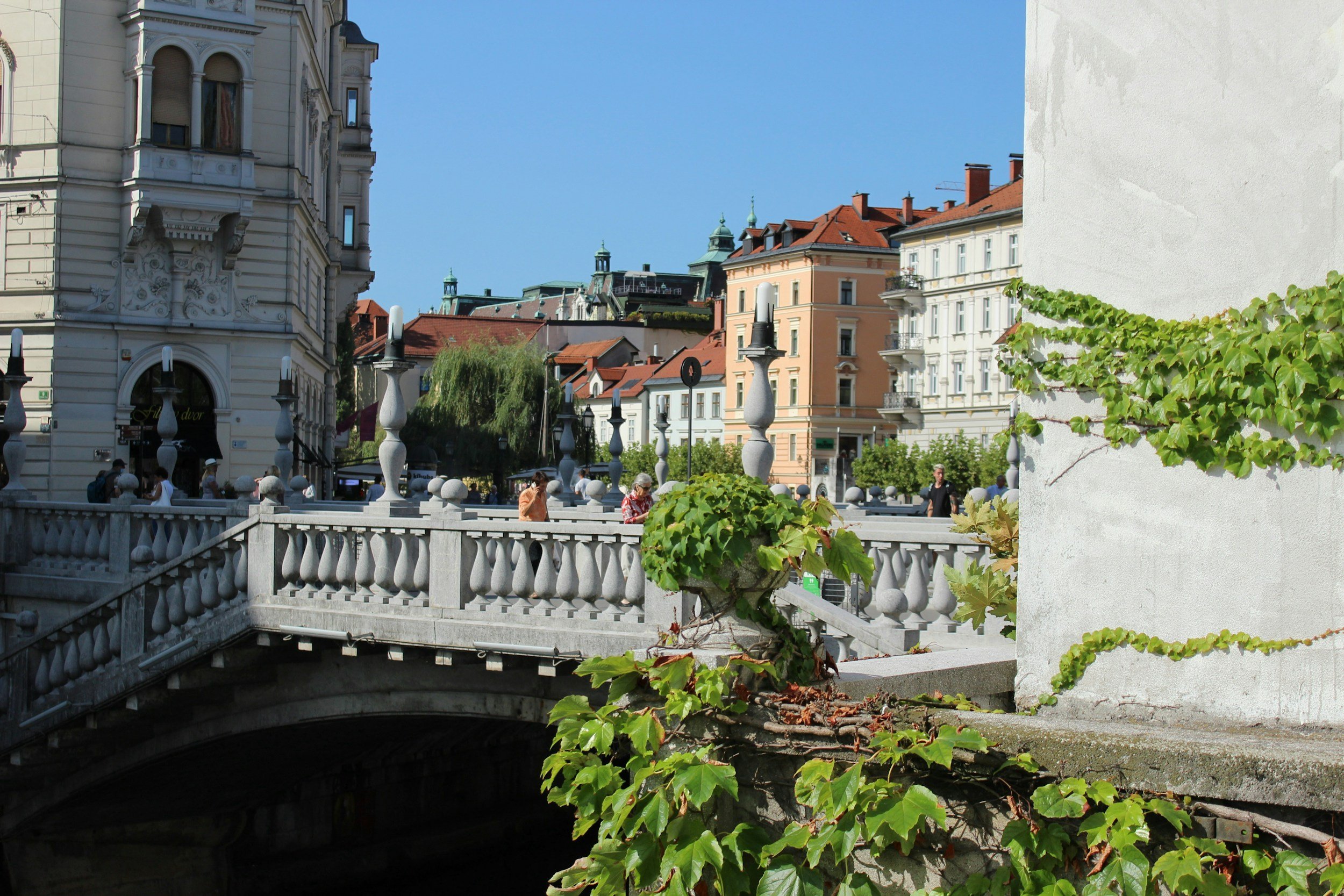
What’s nice about Ljubljana is that your day doesn’t feel structured. You grab a coffee, maybe pick up fruit or something fresh from the market, walk along Petkovškovo nabrežje, and suddenly it’s midday. Later, you might end up in Tivoli Park without really deciding to go there. It just kind of happens.
There are galleries, small shops, and places like Metelkova, but it’s all quite low-key. It adds something to the city without turning it into a place where you feel like you’re constantly missing something if you don’t see everything.
Ljubljana works best when you don’t overthink it. Just walk, stop when something looks good, and let the day unfold a bit. It’s one of the few capitals where that’s actually enough.
How to Get to Ljubljana Without a Car
Despite its low profile, Ljubljana is well connected, and thankfully easy to reach without flying into a major European hub.
By air: Ljubljana Jože Pučnik Airport (LJU) is 25 minutes from the city and has direct flights from Vienna, Munich, Frankfurt, London, Brussels, and Zurich. If you're coming from North America, it’s often easiest to fly into one of those cities first, then take a short connecting flight.
By train or bus: The central station is just north of the old town and connects easily to places like Zagreb (2.5 hrs), Trieste (1.5 hrs), Vienna (6 hrs), and Salzburg (4 hrs). If you're slow-traveling by rail, the routes through Austria or northern Italy are especially scenic.
Airport to city center: Buses and shared shuttles are available right outside arrivals, with rides into the city running around €10–€15. A taxi might cost more, but still reasonable compared to other European capitals.
Walk the Ljubljanica: Ljubljana’s Riverside Path That’s Easy to Fall Into
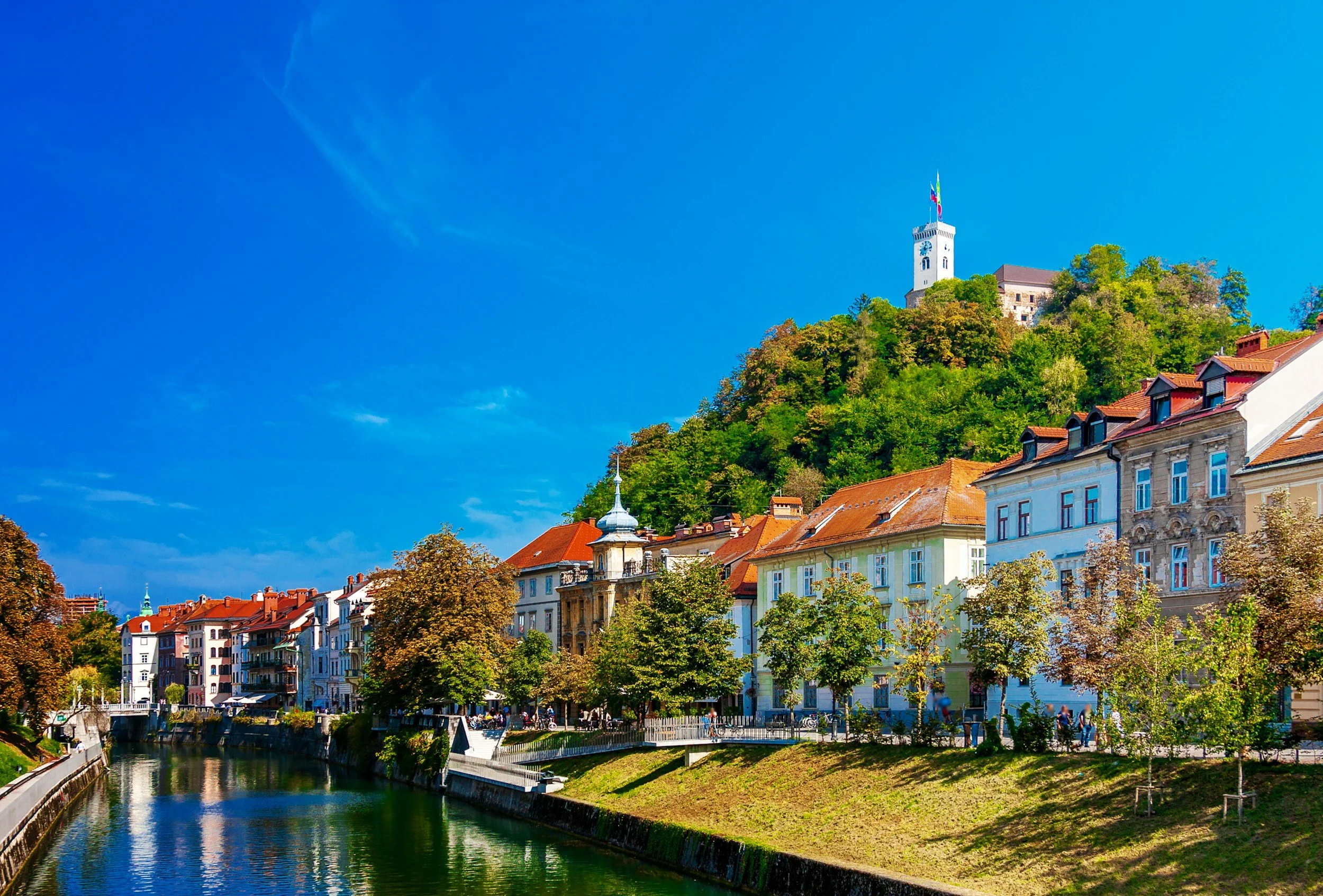
One of the easiest ways to get into Ljubljana is to start walking along the river and not think too much about where you’re going. The Ljubljanica runs straight through the center, and the paths on both sides are made for slow, aimless walks. No cars cutting through, no noise - just people moving at their own pace.
Most days naturally start at Prešeren Square. From there, cross Tromostovje (the Triple Bridge) and stay on the south side of the river. It’s slightly calmer here. You pass stretches of trees, a few small galleries, and rows of outdoor tables that slowly fill up as the day goes on. Nothing feels crowded, just… busy in a normal way.
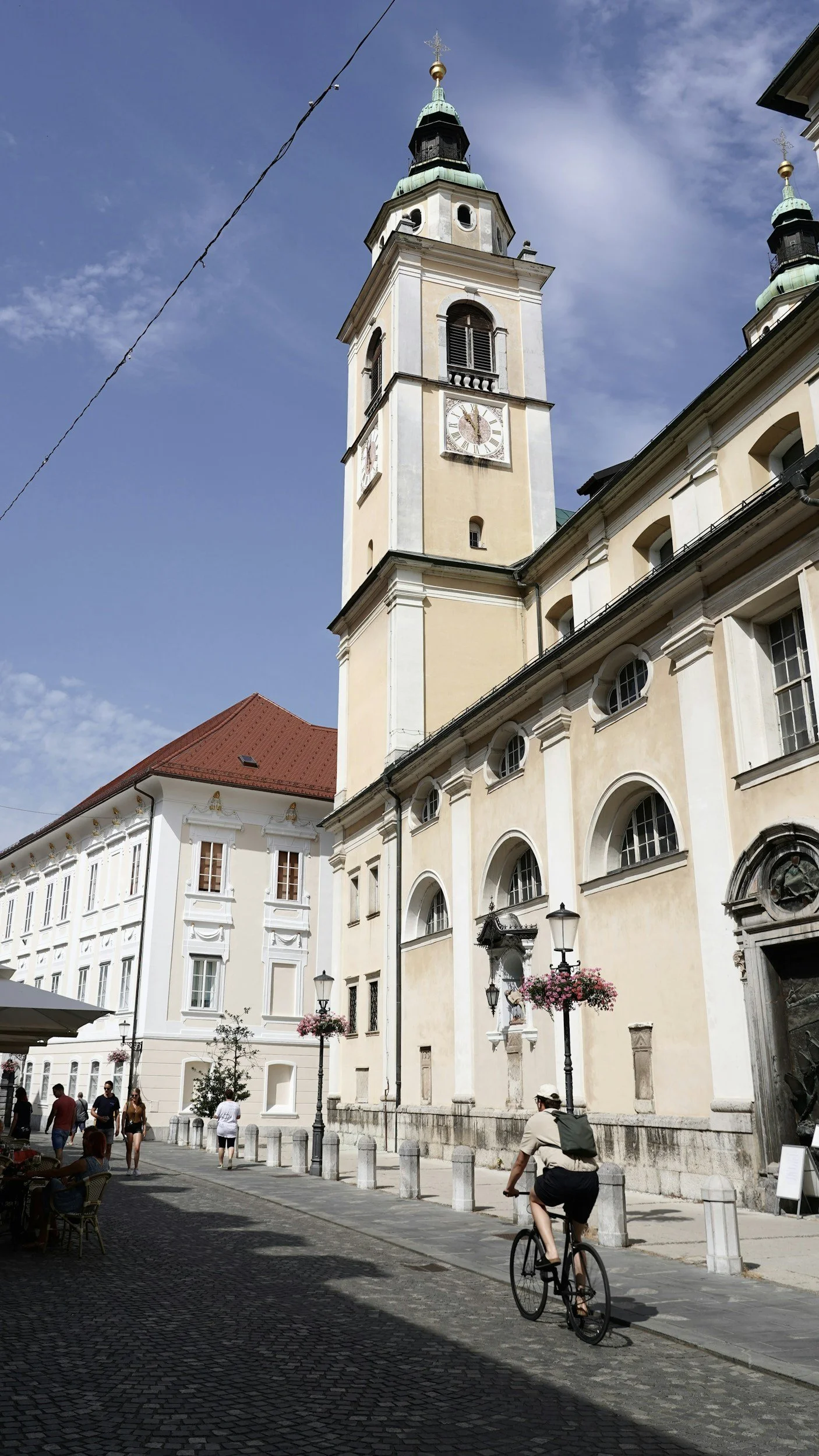
Café Čokl
Keep walking and you’ll reach Dragon Bridge, where things open up a bit. From here, you can cross over and follow the north side back toward the center, or keep going further out toward Trnovo if you feel like a longer walk. The nice thing is that you don’t really need to decide. The route sort of takes care of itself.
Even in summer, when more people are around, it never tips into chaos. Someone’s reading on a bench, someone’s walking a dog, a couple of people are sitting by the edge of the water with takeaway coffee. The river isn’t big or dramatic, but it slows the whole city down.
Just by Dragon Bridge, slightly easy to miss if you’re not looking for it, Café Čokl is a good place to stop. It’s small, a bit tucked into the street, and feels more local than most places right by the river. The coffee is strong, the hot chocolate is genuinely good (not the thin kind), and no one rushes you. If the bench outside is free, it’s worth taking it for a while.
Ljubljana Castle: An Easy Walk Up When You Want a Bit of Space
Ljubljana Castle is always there in the background. You see it from the river, from Prešeren Square, from side streets in the old town. After a while, it just makes sense to go up and see it properly.
The quickest way is the funicular from behind Central Market, just a few steps from Vodnikov trg. It runs every 10 minutes or so and takes less than a minute, so it’s useful if you don’t feel like walking uphill. But if you have the time, the walk is better.
One of the easiest walking routes starts just behind the market and follows a gravel path into the trees. Within a few minutes, the noise from the city drops away. You’ll pass a few wooden benches, some locals cutting through the park, and stretches where it’s just quiet. It takes around 15–20 minutes at a relaxed pace, and the incline is steady but not steep.
When you get to the top, you come out into the main courtyard. You don’t need a ticket for this part, which is why people tend to stay longer. There’s space to move around, sit along the stone walls, or just stand and look out without feeling like you need to keep going.
The view is wide and easy to take in. Red rooftops spread out below, the river cutting through the center, and on clear days you can see all the way to the Julian Alps. If you’re there in the morning, it’s quieter and softer. Late afternoon is busier, but the light over the rooftops is better.
Inside the castle walls, there’s a small Slovenian History Museum and a few rotating exhibitions. It’s all quite manageable, nothing that pulls you into a long visit unless you want it to. The View Tower costs a few euros extra and gives you a full 360° view. It’s worth it if visibility is good, especially toward sunset.
There’s also a small café inside the castle area if you want to sit down for a bit, but most people end up finding a quiet spot outside instead. That’s really the point of coming up here.
It’s an easy place to spend time on your own. Walk around, sit for a while, leave when you feel like it. No structure, nothing you need to “complete.”
When you head back down, take a different path if you can. The trails loop around the hill, and some of them bring you out closer to Gornji trg in the old town. You’ll usually pass a few locals walking their dogs or heading home. It feels less like leaving a sight and more like just easing back into the city.
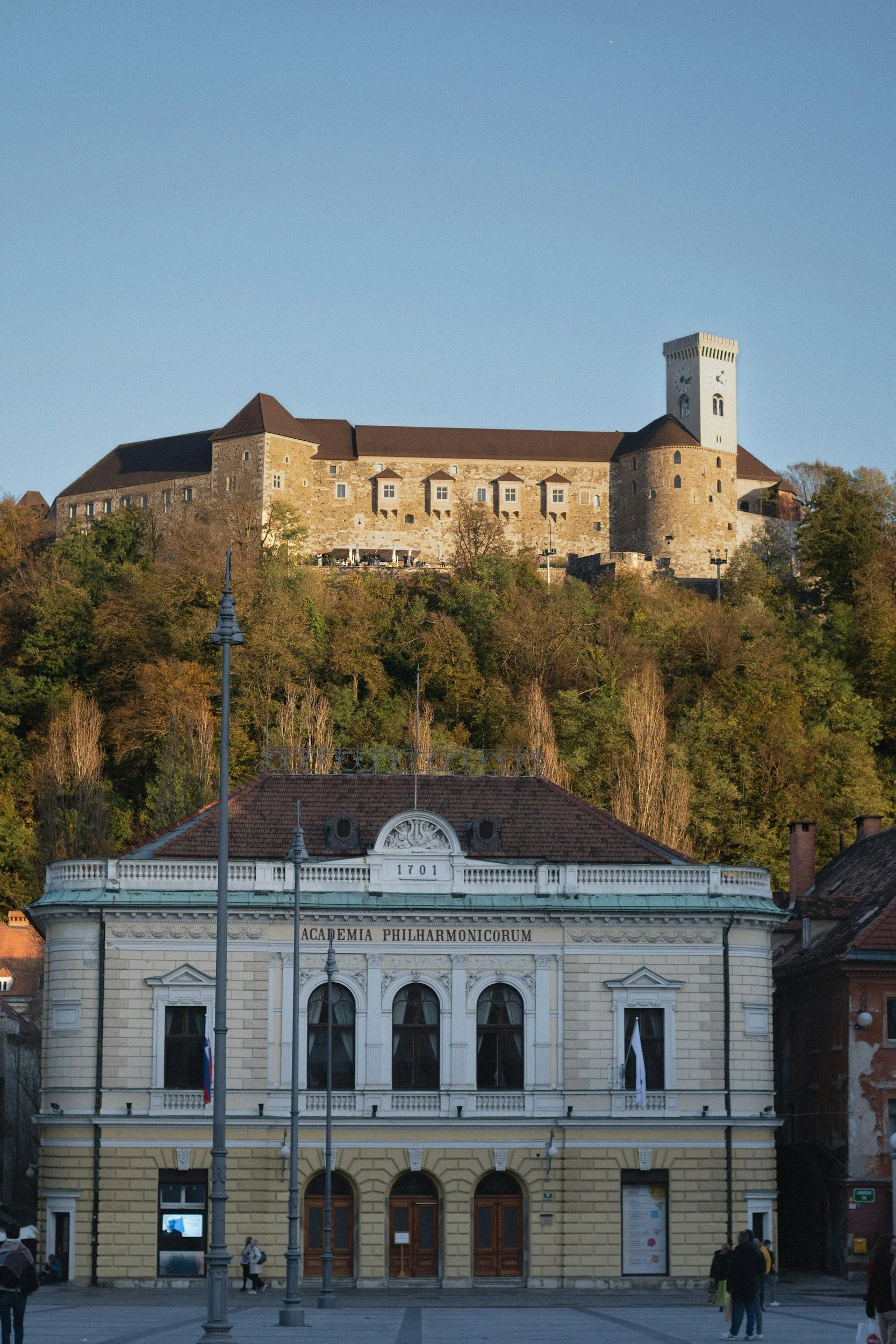
Museum of Slovenian History
Ljubljana Central Market: Where the City Actually Feels Alive
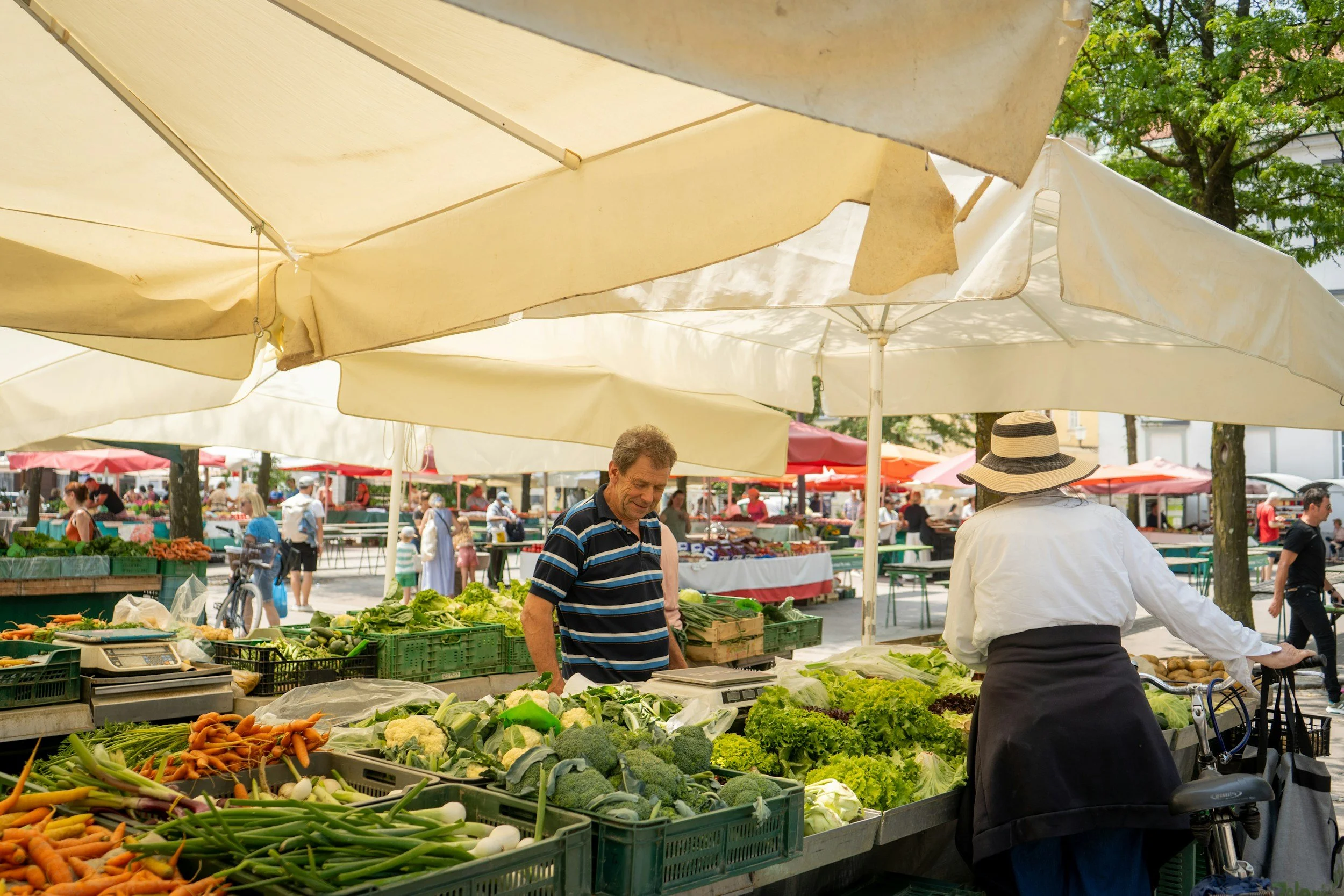
If you want to understand Ljubljana properly, start at Central Market. It sits right between Vodnikov trg and the river, just a minute from Tromostovje (the Triple Bridge), so you’ll likely pass through it without even planning to.
In the morning, especially before 11, it’s at its best. You hear it first. Stallholders talking to regulars, coffee cups clinking from nearby cafés, people stopping mid-walk to chat. It’s busy, but in a steady, everyday way. Nothing feels staged.
The open-air part of the market spreads across Vodnikov trg and Pogačarjev trg. This is where you’ll see tables filled with seasonal produce, herbs tied in small bundles, and buckets of flowers. A lot of the vendors are older, and you get the sense they’ve been here for years. Prices are handwritten, interactions are short but warm, and people tend to buy just what they need for the day.
Along the river, under the covered colonnade designed by Jože Plečnik, the atmosphere shifts slightly. Here you’ll find cheeses, cured meats, honey, oils, and baked goods. It’s worth slowing down here. Look for Tolminc cheese, dark pumpkin seed oil, and small jars of local honey. You can usually ask for a taste, and most vendors will happily explain what you’re trying, even with limited English.
Right next to the market, Pekarna Osem is a good stop if you want something simple and reliable. Their sourdough has a proper crust, and the pastries change depending on the day. It’s the kind of place where people come in, grab something quickly, and head back out to the river.
On Saturdays, the Open Kitchen (Odprta Kuhna) takes over Pogačarjev trg. It’s more food-focused than the weekday market, with local restaurants and chefs cooking on-site. It gets busier, especially around lunchtime, but it’s still easy to navigate if you go a bit earlier.
If you’re after something quieter, walk slightly beyond the main flow of people and you’ll find smaller organic stands and producers selling seasonal vegetables, herbal teas, and natural wines. Fewer visitors make it this far, and the pace slows down again.
You don’t need a kitchen to enjoy any of this. Pick up a few things that travel well. A piece of fruit, some bread from Pekarna Osem, a bit of cheese, maybe something pickled. Then walk a few minutes toward Zvezda Park or down to Trnovski pristan, where the river is calmer and there’s more space to sit.
For another place where everything is close, walkable, and just easy to settle into, this slow weekend in Bern is a good one to have bookmarked.
Ljubljana’s Coffee Scene: Where You Actually Sit Down for a While
Coffee in Ljubljana isn’t something you grab and walk off with. Most people sit. Even on a weekday morning, you’ll see tables filled with people taking their time, talking, or just watching what’s going on around them. If you’re traveling solo, it’s an easy way to feel part of the city without needing a plan.
You’ll find decent coffee almost everywhere in the center, but a few places stand out for different reasons.
Café Zvezda, right by Congress Square (Kongresni trg), is one of those places you end up returning to. Mornings are best, before it fills up. Inside, it’s calm, a bit dim, with a steady background of quiet conversation. Outside, the terrace faces the park, so you can sit with a coffee and watch people crossing the square or heading toward the university buildings. Their cakes are known locally, and it’s worth ordering something small alongside your coffee rather than just sticking to a drink.
If you care more about the coffee itself, STOW Specialty Coffee inside the City Museum of Ljubljana is a good stop. It’s a small counter rather than a full café, but the quality is consistent. Beans are roasted in-house, and the menu is simple. Flat whites, filter coffee, espresso done properly. It’s the kind of place you stop by while walking rather than settling in for hours, especially if you’re heading toward Gornji trg or back down to the river.
For something quieter, slightly outside the main flow, To Je To near the Metelkova area feels more tucked away. You don’t really pass it by accident. The space is simple, a bit creative, but not trying too hard. Music stays low, people keep to themselves, and it works well if you’ve been walking around the galleries or the Metelkova art area and want somewhere to pause. The coffee is solid, often single-origin, but it’s more about the atmosphere than anything else.
If you’re staying a couple of days, it’s worth building small routines around places like these. A morning coffee near Kongresni trg, something quick from STOW while walking, maybe a quieter stop later in the day. It’s not about finding the “best” café, it’s about finding one you want to return to.
If you found yourself paying more attention to cafés than landmarks here, you might want to save Basel’s smaller café and art scene for later. Different city, but a very similar way of spending your time.
Metelkova Art Center Ljubljana: What to Expect Before You Go
About a 10-minute walk from the old town, just past Ljubljana train station, Metelkova feels like a shift rather than a stop on a route. You leave the tidy streets behind, cross over toward Metelkova ulica, and suddenly everything looks a bit less controlled.
The area used to be military barracks. Now it’s an active art and cultural space that’s grown over time without much structure. Buildings are covered in layers of graffiti, tiles, painted wood, metal sculptures, and things that don’t really have a clear label. Some parts feel detailed and intentional, others look unfinished. It changes constantly.
There are no signs explaining what you’re looking at. You walk through a series of small courtyards and narrow passages, noticing things as you go. A welded sculpture in one corner, a doorway painted over again and again, something hanging from a balcony that makes no sense at first glance. You don’t need to understand it to enjoy being there.
During the day, it’s usually quiet. A few people passing through, someone working on a piece, maybe a couple of visitors taking photos. If you want to see the space without distractions, this is the best time to go.
If you're more into galleries than nightlife, make time for Galerija Alkatraz, a small, non-commercial space tucked within the district. It hosts rotating contemporary art exhibitions - usually experimental, often local, and always interesting. The gallery is calm and quiet, especially during the day, and it offers a completely different way to engage with the space around you.
By early evening, the atmosphere starts to change. Bars open, music carries through the courtyards, and more people gather. It doesn’t turn into a polished nightlife area, but it does get louder and more social.
If you’re unsure when to go, late afternoon works well. You still get the quieter side of the space, but you can feel it starting to shift.
Some parts feel rough, some feel creative, and some feel like both at once. It’s safe to walk through on your own, but it helps to come without expectations. The less you try to define it, the more interesting it becomes.
A Day Trip to Lake Bled: Go Early, Take Your Time
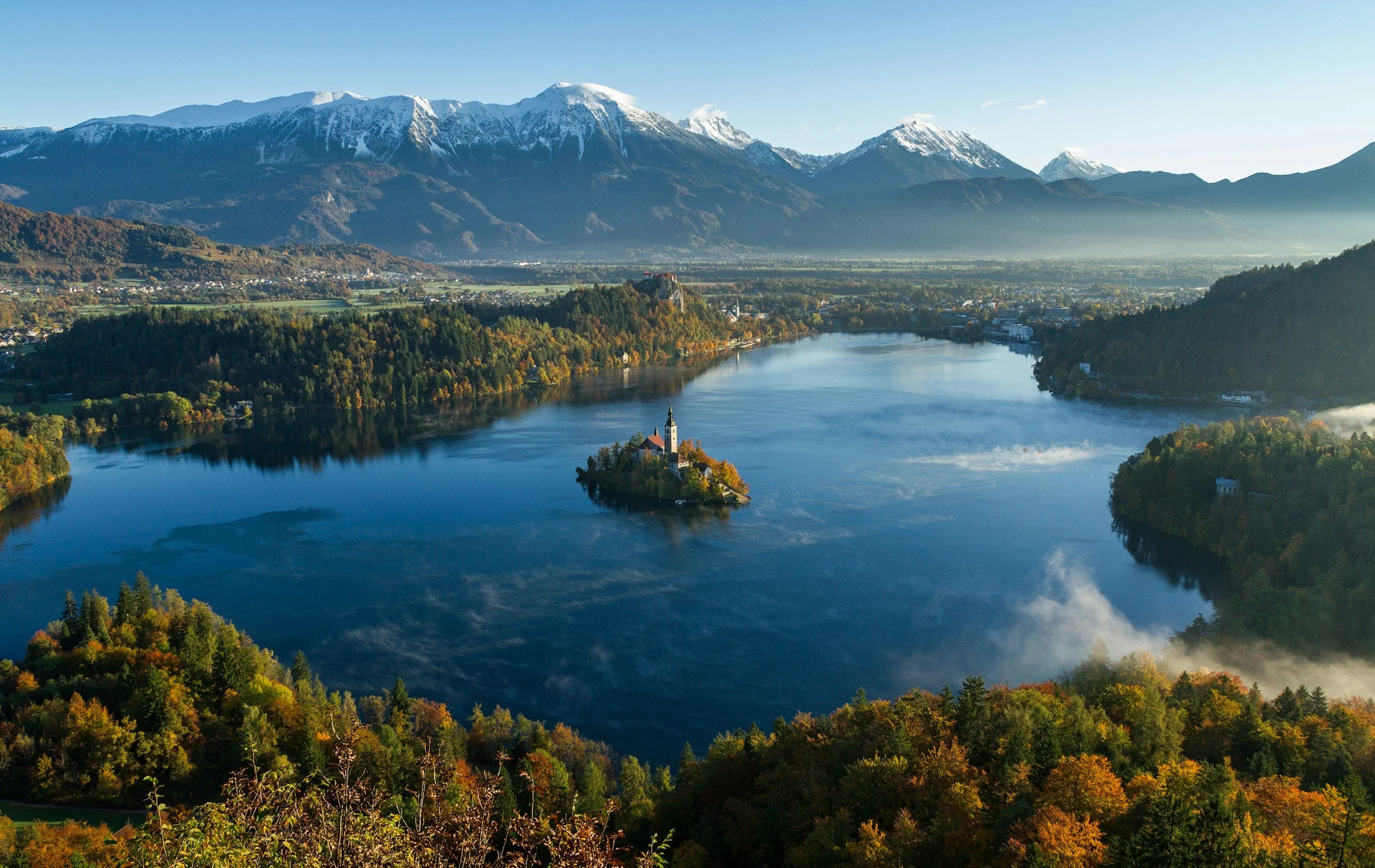
Lake Bled is the place everyone mentions when you’re in Ljubljana. It’s popular, and yes, it’s genuinely beautiful. The only thing that really matters is when you go.
The easiest way to get there is by bus from Ljubljana Bus Station. It takes around 45–60 minutes and drops you close to the lake. If you can, take an early one. It makes a big difference. The air feels fresher, there are fewer people around, and you can actually hear the water.
Lake Bled
The path around the lake is easy to follow and takes about 1.5 to 2 hours if you keep walking. You won’t. There are too many places to stop. Wooden platforms, quiet stretches under the trees, spots where you just sit for a minute and look out over the water. If you stay on one side the whole time, it can feel busy. If you keep moving, it opens up again.
If you feel like a short climb, walk up to Ojstrica viewpoint. It takes about 20 minutes and the path is a bit uneven in places, but nothing too difficult. At the top, you get that wide view over the lake, the island, and the mountains behind it. It’s better earlier in the day before more people arrive.
The wooden pletna boats go back and forth to Bled Island throughout the day. It’s a short ride. Most people walk straight up the steps to the church, but it’s quieter if you just wander around the edge for a bit instead of heading straight up.
At some point, sit down for a coffee and try a slice of kremšnita. You’ll see it everywhere. It’s light, slightly messy, and better than it looks. If you walk a little further away from the main entrance areas, you’ll usually find a calmer place to sit.
Buses back to Ljubljana run regularly, so there’s no need to rush back. If you stay later in the day, it starts to quiet down again once people leave. The lake feels different then. Slower, more open.
Lake Bled is simple. Walk, stop when you feel like it, don’t try to do everything.
Ljubljana’s Green Spaces: Where You Go When You’ve Had Enough of the City
One thing that stands out in Ljubljana is how quickly you can get out of the streets and into something quieter. You don’t need to plan it. You just walk for a bit, turn a corner, and suddenly there are trees, gravel paths, and people slowing down.
Tivoli Park is the obvious place to start, but it doesn’t feel obvious when you’re there. You walk in from Cankarjeva cesta, near the National Gallery, and within a few minutes it already feels different. The main path, Jakopič Promenade, runs straight ahead with large photo prints set up along the way. People actually stop and look at them, not just pass by.
If you keep going, the park opens up more. Long straight paths, side trails into the trees, benches that are usually taken by someone reading or just sitting. During the week, it’s mostly locals. Dog walkers, students, people out for a proper walk rather than a quick break.
A little further in, you’ll reach Tivoli Mansion. You can step inside if you want something quieter and indoors, but most people just pass by and keep walking.
From there, the path continues up into Rožnik Hill. It’s a gentle uphill walk, nothing demanding, and it stays shaded most of the way. At the top, there’s a small church and a café with outdoor tables. It’s simple, a bit worn in places, but that’s kind of the point. People sit with a coffee and don’t rush off.
If you want something even quieter, head toward the Botanical Garden, about a 20-minute walk from the market. You follow the river south, cross near Šentjakobski most, and then it’s tucked in behind a low gate that’s easy to miss.
Inside, it feels calm straight away. Narrow paths, sections of herbs and plants, a few greenhouses, and benches in the shade. It’s not styled or polished. More like a place people actually use and maintain. You’ll hear birds, maybe see a few bees moving through the flowers, and that’s about it.
Right at the entrance, there’s a small café where people sit under the trees with tea or juice. It’s quiet, and no one seems to be checking the time.
If you keep walking along the river from there, you’ll reach Špica Park. It’s a simple spot where the water splits, with stone steps leading down to the edge. On warmer days, people sit right by the water, reading, talking, or just lying in the sun. Nothing organised, just people spending time.
Where to Stay in Ljubljana
Ljubljana is small, so you don’t need to stress about location. What matters more is how it feels when you get back after a few hours out. Somewhere quiet, somewhere you can slow down a bit, not just drop your bag and leave again.
These are places that do that well.
Adora Hotel (below the castle, near Gornji trg)
This is one of the easiest places to settle into. It’s on a quieter street just under the castle, so even when the old town is busy, it stays calm here. You can open the window without hearing much, which you’ll appreciate at night. Rooms are simple but warm, nothing overdesigned. Breakfast feels more like someone put it together for you rather than a “standard” setup. You step outside and you’re two minutes from the river, but it doesn’t feel like it.
Hotel Heritage (Čevljarska ulica)
Right in the old town, but not on the busiest stretch. You can be by the river in a minute, then come back and it’s noticeably quieter. The building has stone walls and wooden details, but it still feels light inside. Some rooms face the street, so if you want it really quiet, it’s worth asking for one further in. Good if you want to be central without being in the middle of everything all the time.
Vander Urbani Resort (by the river)
This one is more about location than anything else. You walk out and you’re right by the water, cafés, everything. It’s a bit livelier outside, especially in the evening, but inside it’s surprisingly calm. Rooms are darker, more modern, and feel a bit more “city” than the others. There’s a small rooftop pool, which is actually nice to have on warmer days when you don’t feel like doing much.
Lesar Hotel Angel (near Gornji trg)
This one feels more personal. Smaller, quieter, and with a little garden where you can sit outside, which is rare this central. It’s the kind of place where mornings feel slow without trying. You’re still right in the old town, but on a street that people don’t really pass through unless they’re staying nearby.
Antiq Palace Hotel & Spa (old town)
A bit more space than most places in the center. High ceilings, larger rooms, and a layout that feels slightly spread out rather than compact. If you get a room facing the courtyard, it stays very quiet. It’s not overly styled, just comfortable and easy to be in after a long day walking.
Where to Eat in Ljubljana
Food in Ljubljana is easy. You don’t need to plan much, and you don’t need to chase anything. Most of the time, you’ll just walk, notice a place that feels right, and sit down.
Still, there are a few spots that are worth knowing about, especially if you don’t want to end up somewhere too polished or too touristy.
If you’re walking through the old town around Stari trg, you’ll likely pass Druga Violina without thinking much of it at first. It’s small, a bit understated, and that’s exactly why it works. People sit outside for a long time, meals move slowly, and no one seems in a rush to leave. It’s a good place for lunch when you don’t want anything complicated.
A few streets over, Julija is one of those places that feels slightly more put together, but still relaxed. If you go earlier in the evening or for a late lunch, you can sit outside without it feeling busy. The menu leans Mediterranean, but it still fits the city. It’s the kind of place where you order a glass of wine and end up staying longer than planned.
If you want something more traditional, Gostilna Sokol is easy to miss if you don’t know it’s there. It’s tucked just off the main flow near the river. Inside, it’s a bit rustic, wooden interiors, heavier dishes, proper portions. This is where you go if you want something warm and filling after a long day walking.
On days when you don’t feel like a full meal, Pop’s Place works well. It’s casual, a bit louder, and known for burgers, but it doesn’t feel like a chain or a tourist stop. You can sit down, eat, and leave without overthinking it.
And if you feel like doing something slightly different, Monstera Bistro is worth it for lunch. It’s smaller, more focused, and changes with the season. It’s not somewhere you just walk into randomly in the evening, but earlier in the day it feels calm and considered without being formal.
In general, it’s worth eating a bit earlier or a bit later than peak times if you can. The city shifts quickly depending on the hour, and the same place can feel completely different just by adjusting when you go.
Ljubljana also has a similar feel to cities where you don’t really follow a plan, you just move through it. This quieter, more local way to experience Athens in spring captures that really well.
And if you’re thinking of adding somewhere warmer to a longer trip, Tomar in Portugal works well as a second stop. Smaller, historic, and the kind of place where you don’t need to rush anything.
How to Plan Your Time in Ljubljana
Ljubljana works best over 2 to 3 days. That gives you enough time to settle into the city, walk the river more than once, and not feel like you’re moving on too quickly.
Stay somewhere in or just outside the old town so you can walk everywhere. Most of what you’ll want to see sits within 10–15 minutes, which makes it easy to head back, rest, and go out again later.
Mornings are when the city feels calmest, especially around Central Market and along the river before the cafés fill up. Late afternoon is a good time for Tivoli Park or a walk up to the castle. Evenings are simple here. Dinner, a drink, maybe another short walk.
If you’re adding Lake Bled, go early and treat it as a half-day rather than trying to rush it in.
The city is small enough that you’ll naturally cover what matters just by walking, stopping, and paying attention to what feels worth your time.
If you liked how easy Ljubljana feels, especially the café culture and slower pace, you’ll probably enjoy this take on literary cafés and quiet weekend escapes in Eastern Europe. Same kind of energy, just spread across a few different places.
Ljubljana FAQ: What to Know Before You Go
Is Ljubljana worth visiting or is it too small?
Ljubljana is small, but that’s exactly why people enjoy it. You can walk everywhere, don’t need a strict plan, and still feel like you’ve had a full day. It works best if you like slower city breaks rather than packed sightseeing.
How many days should you spend in Ljubljana?
2 to 3 days is ideal. That gives you time to explore the old town, walk along the river at different times of day, visit Tivoli Park, and go up to Ljubljana Castle. If you’re planning a trip to Lake Bled, add at least half a day.
Is Ljubljana walkable or do you need public transport?
Ljubljana is one of the most walkable capitals in Europe. The old town is mostly car-free, and most places are within 10–15 minutes on foot. You’ll only need transport for places slightly outside the center.
What is the best area to stay in Ljubljana for first-time visitors?
The old town and areas just around it, like near Gornji trg or Kongresni trg, are the most convenient. You can walk everywhere, but still stay on quieter streets away from the busiest parts of the river.
When is the best time of year to visit Ljubljana?
May to September is the most popular period, when cafés and markets are fully open. Early mornings and evenings are the calmest times to explore. Spring and early autumn tend to feel more relaxed than peak summer.
Is Ljubljana safe for solo female travelers?
Yes, Ljubljana is considered very safe. The center stays calm even in the evening, and it’s common to walk around alone. As always, basic awareness is enough, but it’s an easy city to navigate on your own.
How do you get from Ljubljana to Lake Bled without a car?
Buses run regularly from Ljubljana Bus Station and take around 45–60 minutes. They stop close to the lake, so you can start exploring immediately without needing extra transport.
Is Lake Bled worth visiting or too touristy?
Lake Bled is busy in the middle of the day, but still worth it if you go early or later in the afternoon. Walking the quieter side of the lake or visiting viewpoints like Ojstrica makes a big difference.
What food should you try in Ljubljana?
Try traditional dishes like dumplings and stews in local restaurants, and pick up smaller things at Central Market like cheese, honey, or fresh bread. For something sweet, kremšnita is the most well-known dessert.
What are the best things to do in Ljubljana in a short trip?
Walk along the Ljubljanica River, visit Central Market, spend time in Tivoli Park, go up to Ljubljana Castle, and sit in a few cafés without rushing. The city is more about how you spend your time than ticking off sights.