

The Isles of Scilly are unlike anywhere else in England
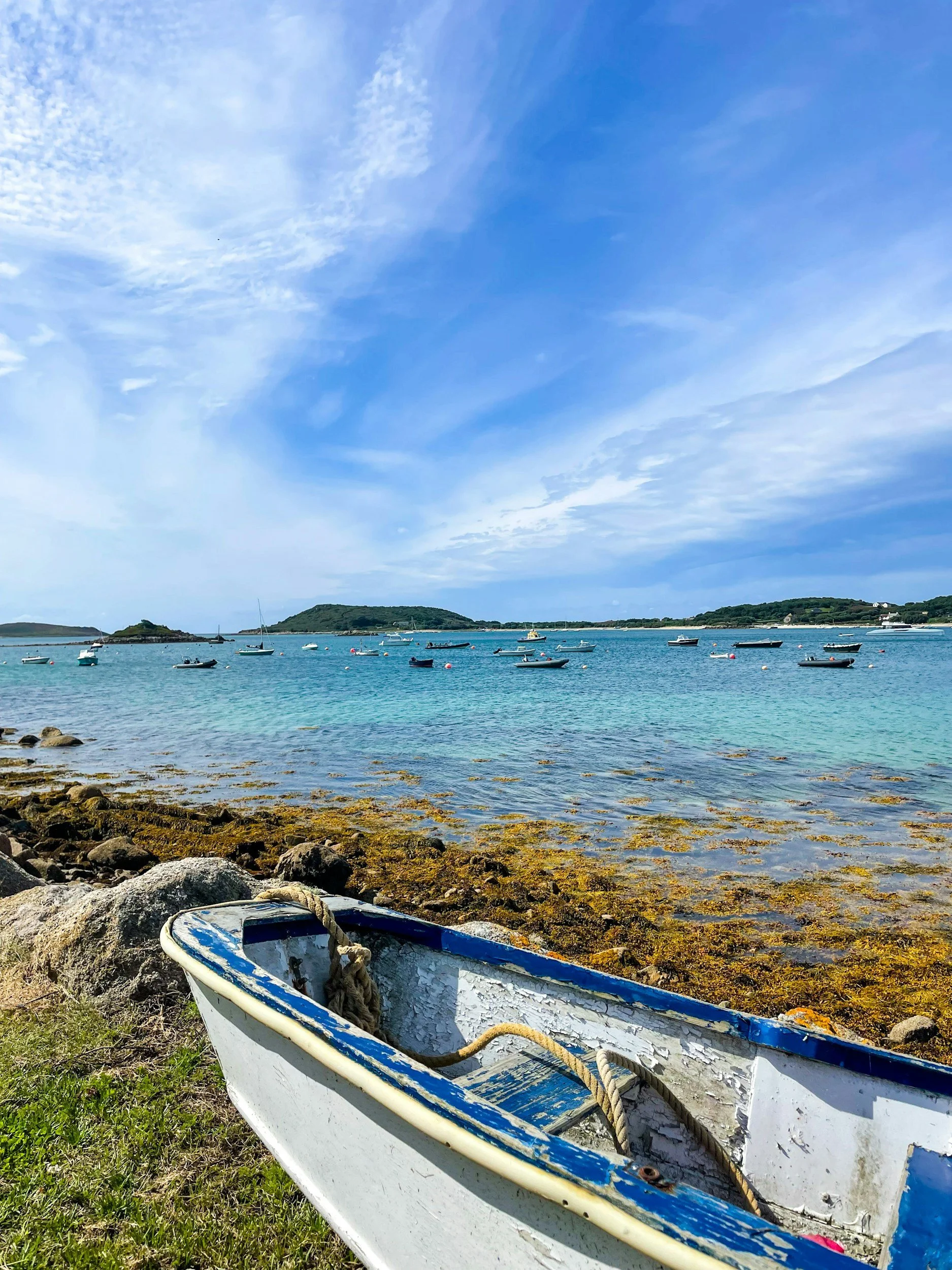
You don’t realise how different the pace is on the Isles of Scilly until you step off the boat and notice what’s missing. There are no queues of cars, no traffic noise, and no feeling of needing to get anywhere fast. If you arrive by ferry from Penzance, the boat docks at St Mary’s and within minutes you’re walking along the harbour road with fishing boats tied up on one side and a row of small cafés and shops on the other. The centre of Hugh Town is only a few minutes’ walk from the quay, so you’re settled in almost as soon as you arrive.
Life here runs on footpaths and short distances rather than timetables. On St Mary’s, you can walk from Hugh Town to sandy coves, coastal viewpoints, and quiet beaches in under an hour. If you feel like going further, small passenger boats run between the islands, linking St Mary’s with places like Tresco and Bryher, which means you can island-hop without ever needing a car.
What makes the Isles of Scilly work so well as a trip is how little you need to organise once you’re there. You walk, you take the next boat, you stop for lunch when you pass a café, and the day shapes itself around tides and ferry times rather than strict plans. For anyone who wants a few days where everything stays close, manageable, and genuinely calm, these islands are one of the easiest places in the UK to travel without feeling rushed.
If you’re wondering what this would feel like without the ferry part, this guide to Ayr stays gives you a pretty good mainland version of it.
St Mary’s: coastal paths, harbour life and easy days on foot
Most people arrive on St Mary’s by ferry, and that first moment sets the tone for the whole stay. The boat from Penzance pulls into the harbour at Hugh Town, and you step straight off onto the quay with the town centre already in front of you. No taxi ranks, no waiting around. If you’re staying in Hugh Town, chances are your accommodation is five to ten minutes away on foot, even with luggage.
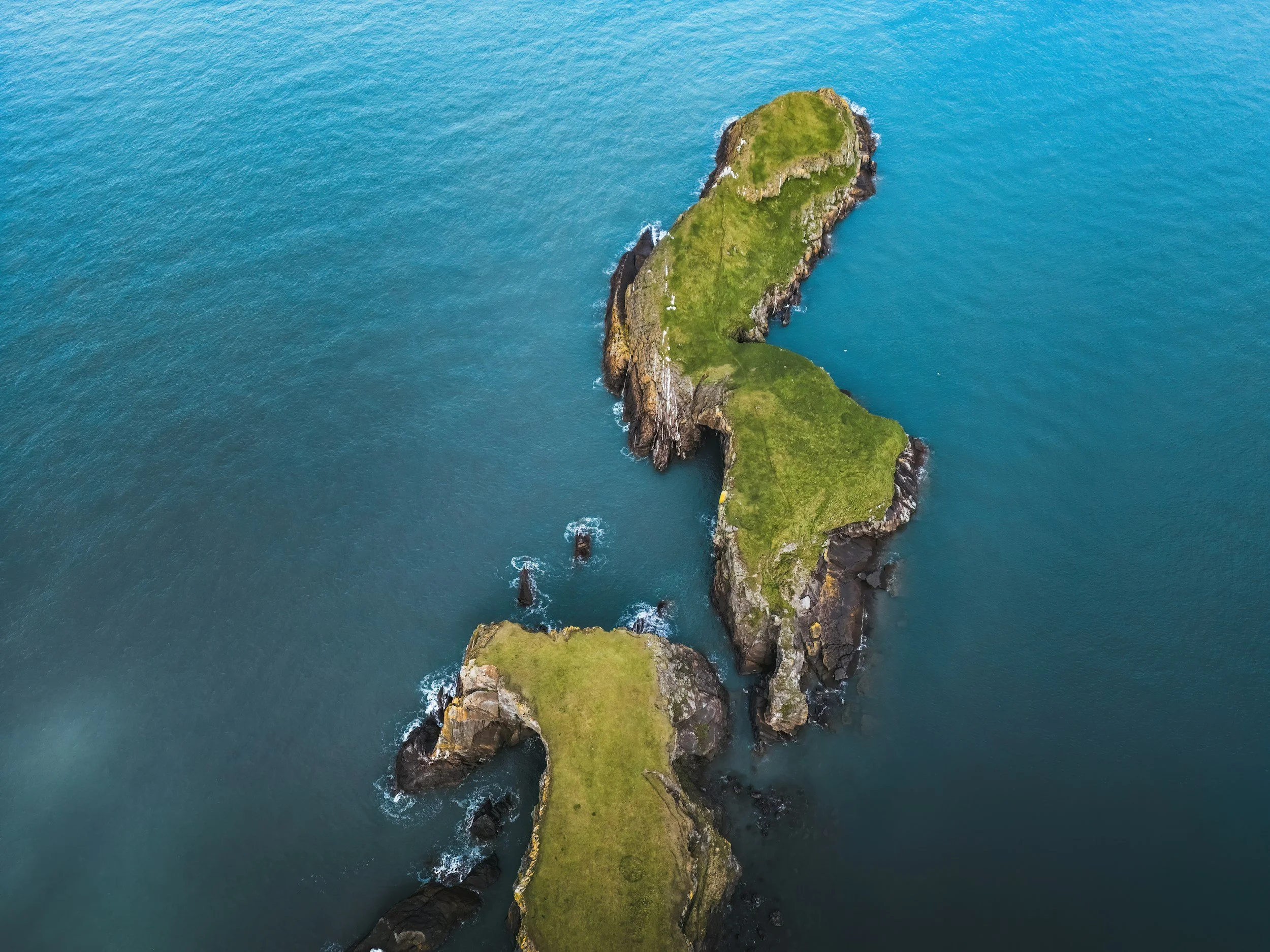
Hugh Town sits on a narrow strip of land between two beaches, which is why the layout feels unusual. On one side you have Porthcressa Beach, a sandy bay with a promenade that runs along the curve of the shore. On the other side, just a minute or two’s walk away, is Town Beach, where the harbour boats come and go. You can walk from one side of the town to the other in under two minutes, which makes it easy to move between cafés, shops and the coast without planning anything.
One of the most useful walks to know is the loop around The Garrison. From the centre of Hugh Town, you follow the road past the harbour and start climbing gradually uphill. The path circles the headland along the old fortifications, passing stone walls, small batteries and wide viewpoints looking across to nearby islands. It’s an easy loop that takes around 45–60 minutes, depending on how often you stop. There are benches along the way, and the path is well used by locals, especially in the early morning and late afternoon.
If you want a longer walk, head out of Hugh Town toward Old Town. The route follows quiet lanes past small fields, stone cottages and stretches of low hedgerow. The walk takes around 25–30 minutes each way, and Old Town feels more rural, with a small church, a beach, and a couple of places to stop for food in season. It’s a good option if you want to see a quieter side of the island without committing to a full-day walk.
Eating on St Mary’s is straightforward. Along Hugh Street and the lanes running off it, you’ll find small cafés, bakeries and pubs where you can get a proper meal without booking far in advance outside the busiest weeks. In the morning, people tend to gather around the cafés near the harbour, while in the evening, places around the centre fill with a mix of locals, seasonal workers and visitors. It’s easy to walk back to your accommodation after dinner without needing transport.
What makes St Mary’s particularly easy to manage is the way everything sits close together. You can walk from your room to a café, onto a coastal path, and back again without thinking about routes or schedules. For a car-free stay, that kind of layout makes a noticeable difference.
Some people add a few days further north after this, and these Scotland night skies show what the evenings can look like once you’re properly away from everything.
St. Agnes: quiet paths, small bays and one café that matters
If you want a quieter day than St Mary’s, take the small passenger boat from Hugh Town over to St Agnes. The crossing takes about 20–30 minutes depending on sea conditions, and the boat lands at the small quay near Porth Conger. From the moment you step off, the scale feels different. There are no cars, only narrow paths, low stone walls and fields that slope gently down toward the sea.
Most people start by walking the loop around the island. The full circuit is around five kilometres and takes about two hours at an easy pace, longer if you stop often. From the quay, you can follow the coast path clockwise toward Periglis Cove, a small, sheltered beach where you often see people swimming on calm days. The path continues along grassy cliffs, with the Atlantic on one side and small fields on the other. The ground is mostly firm, but after rain, the paths can be muddy, especially near gates and stiles.
One of the most distinctive parts of St Agnes is the sandbar that connects the main island to Gugh. At low tide, you can walk across the sand between the two islands. The crossing point is near The Bar, and timing matters here. When the tide is in, the bar is completely covered, so it’s worth checking tide times before you go. Once on Gugh, a simple footpath leads you around the island’s perimeter, passing Bronze Age entrance graves and quiet coves where you’re unlikely to meet more than a handful of people.
There isn’t much in the way of facilities on St Agnes, which is part of the appeal. Coastguards Cafe, close to the quay, is the main place to get coffee, cake or something more substantial. Opening hours vary with the season and weather, so it’s worth not relying on it for your only meal if you’re visiting outside summer. There’s also a small shop near the centre of the island where you can pick up basics, but stock can be limited, especially later in the day.
St Agnes works well if you want a few hours of simple walking without needing a map or complicated planning. You can step off the boat, follow the coast path around the island, stop for a drink or snack near the quay, and be back on the boat to St Mary’s in the afternoon. It’s simple, quiet, and easy to enjoy at your own pace.
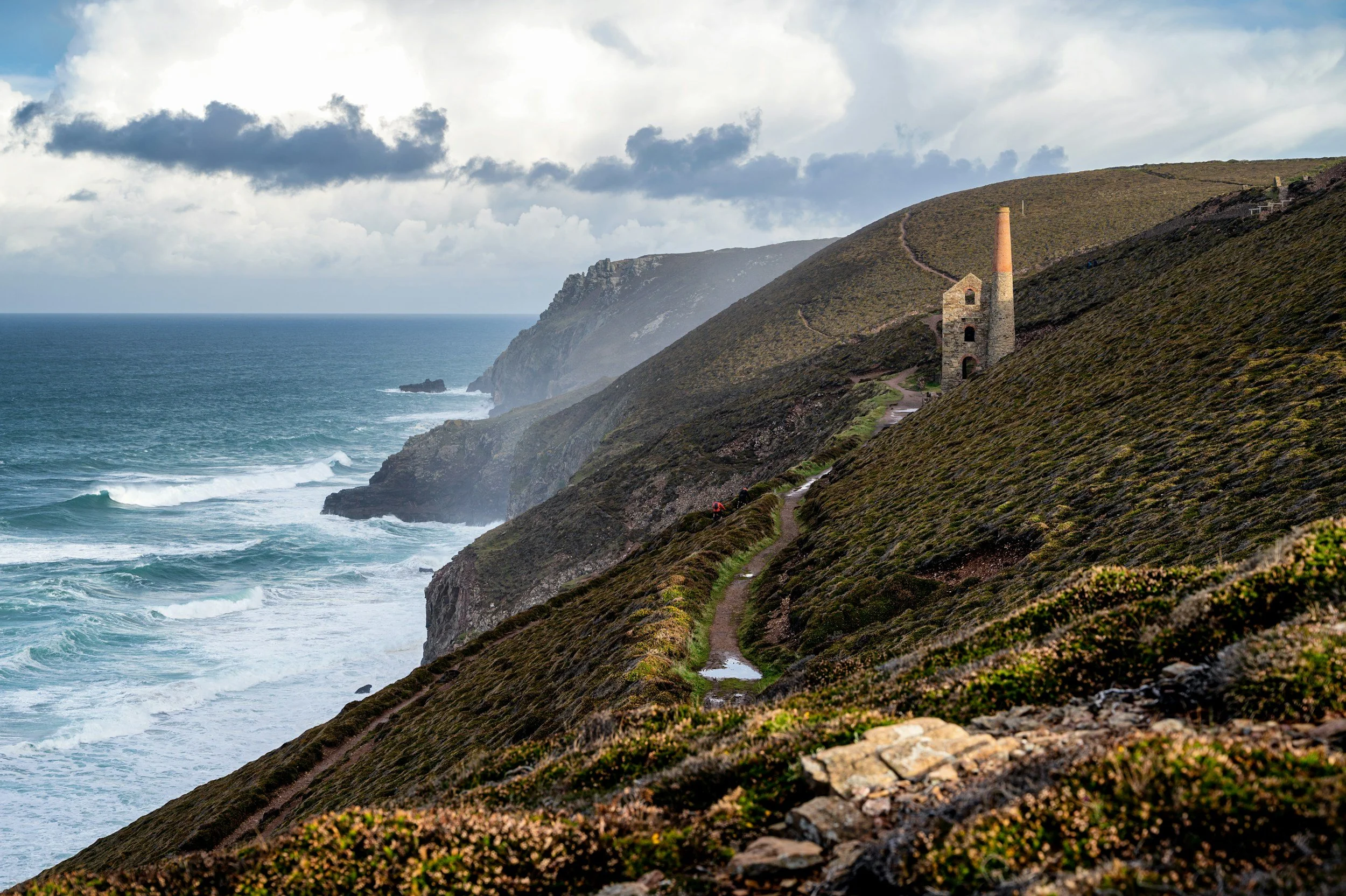
Tresco Abbey Garden: rare plants, shipwreck relics and a quiet place to wander
If you’re spending a day on Tresco, it’s worth setting aside proper time for Tresco Abbey Garden. Boats from St Mary’s land at either New Grimsby on the west side of the island or Old Grimsby on the east, depending on the tide. From either quay, it’s an easy 15–20 minute walk to the garden. If you land at New Grimsby, you’ll pass the harbour, a handful of cottages, and quiet lanes before the path begins to rise slightly toward the entrance. From Old Grimsby, the route follows a track inland past fields and stone walls before joining the main path.
The garden itself is laid out in terraces that slope down toward the sea. The microclimate here is what makes it special. Even in early spring, when much of the UK still feels cold, you’ll find plants in flower here. You’ll walk past tall tree ferns, palms, and bright banks of succulents and proteas, many of them brought here from places like South Africa, New Zealand and South America. The lower terraces tend to feel warm and sheltered, while the upper paths catch more of the breeze and open up to views across the channel toward neighbouring islands.
Paths inside the garden are mostly gravel and compacted earth, and they wind gently rather than climbing steeply, so it’s easy to explore without needing to think about the route. There are benches dotted around, often tucked just out of the wind, and it’s common to see people sitting with a book or just watching the light move across the water.
At the top of the gardens sits the Valhalla Museum. It’s a small but memorable place, with a collection of ship figureheads salvaged from wrecks around the islands. The space is quiet, and the pieces themselves are striking - carved wooden figures worn smooth by salt and time.
After you’ve finished in the garden, it’s easy to carry on walking. From the exit, paths lead back down toward the coast. You can walk toward the beach at Old Grimsby or loop back toward New Grimsby, where you’ll find a small café and a pub near the quay. Because boats back to St Mary’s run several times a day, there is no need to stress.
Take a peaceful boat trip to the smallest islands
One of the easiest and most enjoyable things to do on St Mary’s is to head down to the quay in Hugh Town in the morning and choose your island based on what’s running that day. The departure point is right by the harbour, next to the slipway at St Mary’s Quay. There’s usually a chalkboard or hand-written sign propped up against the wall listing the day’s boats, with destinations and departure times. You don’t book online in advance for most trips — you turn up, buy a ticket at the kiosk or directly from the crew, and board when it’s time.
If you’re heading to Bryher, the boat usually lands at Church Quay on the eastern side of the island. There’s no village centre, just narrow lanes and footpaths leading off between hedgerows, small fields, and scattered cottages. From the quay, follow the path north toward Great Par Beach, a wide sandy bay that’s sheltered and calm on most days. If you walk clockwise around the island, the route takes you along the western coast past rocky outcrops and open heathland. The stretch near Shipman Head Downs feels wild and exposed, especially when the wind picks up, with nothing but low scrub and views out across the Atlantic. On the return side of the loop, the landscape softens again, with views across the channel toward Tresco. If you want a proper stop, Hell Bay Hotel sits above the western shore and serves lunches and drinks to non-guests, making it a useful place to break up the walk.
For St Martin’s, boats usually land at Lower Town Quay. From there, the coast path is easy to pick up and follows the edge of the island in a loop. The path is mostly level and well trodden, passing through flower fields in season and small stretches of woodland. Walking north, you’ll reach Par Beach, one of the quietest and longest sandy beaches on the island, and if you continue around the headland, you get views out toward the uninhabited Eastern Isles. The track eventually brings you toward Higher Town, where you’ll find Polreath Tea Room, a good place to stop for something warm or a simple lunch. Opening hours can vary depending on the season, so it’s worth not relying on it as your only food stop if you’re walking early or late in the day.
These boat trips work well because they don’t force you into a fixed schedule. You can take a morning boat out, walk a loop, stop for a coffee or lunch if something’s open, and catch an afternoon boat back. If the weather changes or you want a shorter day, it’s easy to adjust without feeling stuck. The islands are small enough that you never feel stranded, but they’re big enough to give you a proper sense of distance and variety in a single day.
If it’s really the slower coastal pace you’re after, not necessarily the islands, these English coastal villages are a lot easier to reach and feel surprisingly similar day to day.
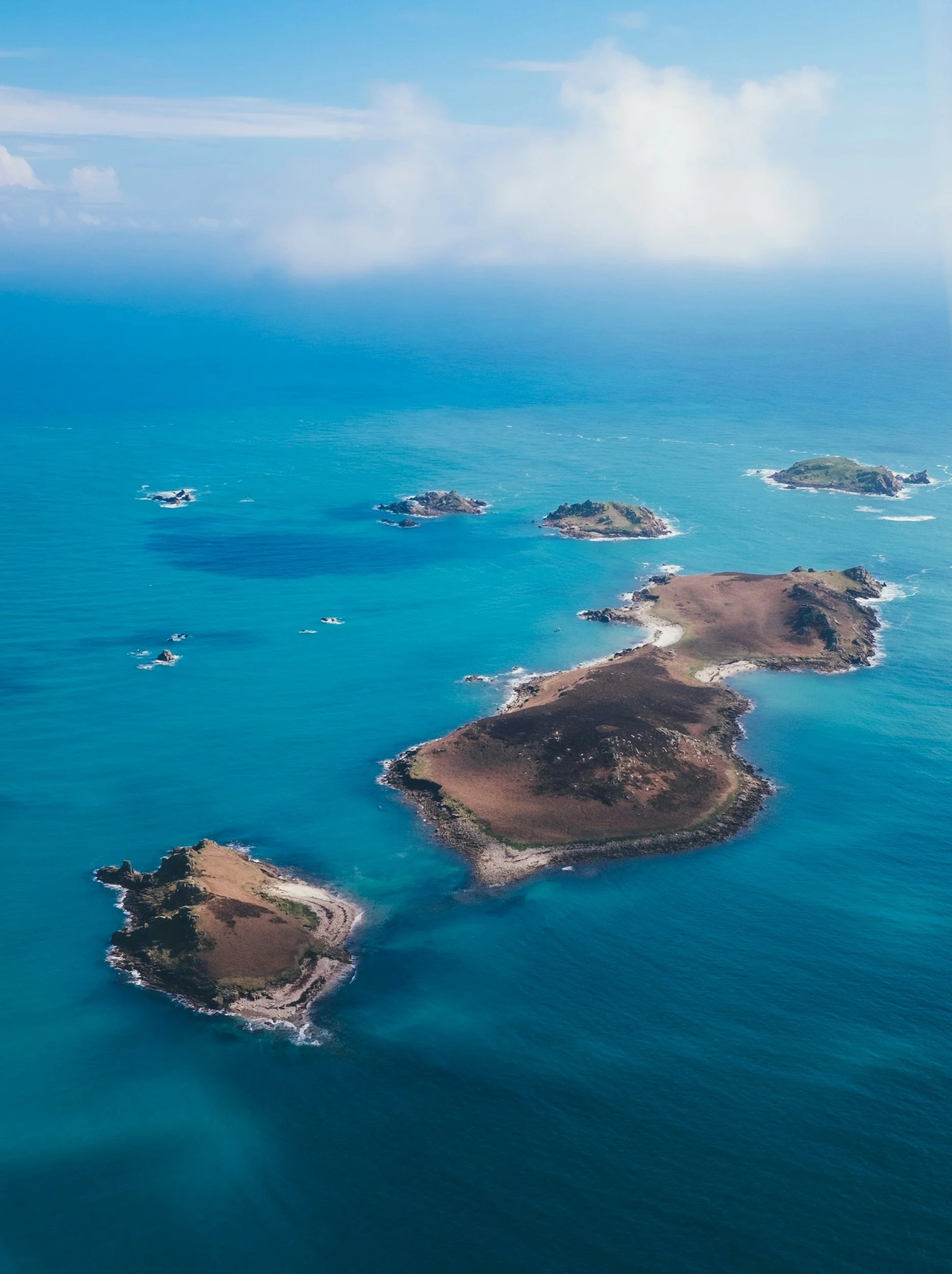
Gugh Island
Experience local life at the quiet pubs and cafés
Even though the Isles of Scilly feel remote, you’re never far from somewhere to sit down with a hot drink or a plate of food. What stands out is how simple and unhurried these places feel. You don’t get the polished interiors or fast turnover you find in busy coastal towns on the mainland. People come in straight from a walk, boots dusty or damp, and stay as long as they like.
On St Mary’s, most cafés and pubs cluster around the harbour in Hugh Town. A good place to start your morning is Bell Rock Hotel & Café, a short walk from the quay along Church Street. The café is popular with locals picking up a coffee before work and with walkers having a slow start to the day. You’ll see people sitting by the windows with maps, notebooks, or just watching the harbour while the tide moves in and out.
If you’re walking the coastal paths around St Mary’s, it’s easy to loop back into town for lunch without breaking the day too much. Along Hugh Street, you’ll find small places serving sandwiches, soup, and cakes, often with a short, seasonal menu. Nothing feels rushed, and you can sit inside or outside depending on the weather. In the evening, pubs around the harbour fill with a mix of islanders, boat crews, and visitors, which makes it feel relaxed rather than touristy.
Over on St Agnes, the main place to stop is The Turks Head, right by the quay. If you’re walking the loop around the island, it’s an easy place to pause before or after the route. The pub sits close to the water, and on a calm day you can sit outside and watch the boats come and go while you eat. The menu usually includes seafood, simple pub dishes, and local ales, and you don’t feel out of place turning up in walking clothes.
Food on the islands tends to follow what’s available locally. Fresh crab appears regularly on menus in summer, often as sandwiches or simple plates. You’ll also see local fish, homemade cakes, and basic but well-prepared dishes rather than elaborate menus. Opening hours can be a little unpredictable outside peak season, so it’s sensible to plan meals earlier in the day rather than relying on late-night options.
What makes these spots work so well is how low-pressure they are. You don’t need to book weeks ahead or plan your day around a specific reservation. You can finish a walk, wander into a pub or café, and sit down without feeling like you’re interrupting anything. For a trip built around walking, sea air, and slow days, that kind of flexibility matters more than anything else.
You might also be deciding between this and a city trip, and this take on Edinburgh in spring makes that difference pretty obvious once you see how the days play out.
Stay at a guesthouse that actually feels like part of the islands
Where you stay on the Isles of Scilly really changes the feel of your trip. There aren’t any large hotels here in the resort sense. Instead, most accommodation is small, family-run, and tucked into quiet streets or along the coast, which suits the slower pace of the islands.
On St Mary’s, one of the more distinctive places to stay is Star Castle Hotel. It sits inside the old fortifications of The Garrison, above Hugh Town. The position gives you clear views over the harbour and the neighbouring islands, but you’re still only a ten-minute walk down into town for cafés, pubs, and the quay. The walk back uphill is noticeable but manageable, and it means evenings stay quiet once the day visitors have left.
If you’d rather be somewhere smaller, you’ll find guesthouses and B&Bs scattered around Hugh Town and the nearby lanes. Many are in converted houses, with just a handful of rooms and simple breakfasts. Staying here means you can walk to the harbour in a few minutes for the morning boat to Tresco or St Agnes, then come back in the evening without needing transport.
For something quieter still, both Tresco and St Agnes have small-scale accommodation rather than hotels. On St Agnes, places tend to be family-run guesthouses or self-catering cottages, often close to the coast paths. On Tresco, you’ll find cottages and rooms spread between New Grimsby and Old Grimsby. Staying on one of the smaller islands means evenings are very quiet once the last boats have gone, which can be a big part of the appeal if you want time away from noise and schedules.
A practical detail worth knowing is that many smaller guesthouses can help arrange local boat trips or point you toward the day’s sailings. That can make it easier to visit places like Bryher or St Martin’s without needing to plan everything in advance. It’s not a luxury service so much as local knowledge shared casually, but it makes moving around the islands feel straightforward.
Before you plan your time on the Isles of Scilly
One of the things that catches people out on the Isles of Scilly is how much the tides shape the day. Boat times between St Mary’s, Tresco, Bryher and St Agnes change daily, and they don’t always run late into the afternoon. If you’re planning a longer walk or a long lunch, check the last return boat before you set off rather than assuming you can come back whenever you like. The schedule board on the quay in Hugh Town is the most reliable source, and locals still use it more than apps.
Distances also feel different here. The islands look small on a map, but the coastal paths are uneven in places and slow you down more than expected. A loop that looks like an hour can easily turn into two if you stop at beaches or take detours down to the coves. The stretch between Old Town and Hugh Town on St Mary’s, for example, takes longer than many people expect because of the narrow lanes and small climbs along the way.
Shops and cafés don’t follow mainland hours either. Outside the busiest summer weeks, some places close mid-afternoon or on certain weekdays. If you’re heading to St Agnes or Bryher for the day, it’s sensible to carry water and something to eat, even if you plan to stop somewhere. Places like the café on St Agnes or the small shop near the quay don’t always stay open all day, especially if the weather turns or the boats are quiet.
Mobile signal is patchy once you leave the main settlements, so don’t rely on live maps or constant connectivity. Most paths are well trodden and easy to follow, but downloading a map or checking your route before you leave town makes things simpler.
The best way to approach a trip here is to keep the day flexible. Start early if you can, check the boats before committing to a long route…
FAQ about visiting the Isles of Scilly without a car
How do you get to the Isles of Scilly?
Most people travel from Penzance. You can take the passenger ferry to St Mary’s, or fly on a small plane from Land’s End Airport or Newquay Airport. The ferry takes around 2 hours 45 minutes, while the flight takes under an hour. The choice usually comes down to budget, weather and whether you enjoy being on the water.
If you’re adding a city before or after, this guide to Glasgow cafés helps you plan that part without it turning into something rushed.
Is it better to fly or take the ferry to the Isles of Scilly?
The ferry is cheaper and allows more luggage, but it can be choppy when the sea is rough. The flights are much quicker and offer views over the coastline and islands, but seats are limited and fares are higher. If you’re prone to seasickness, flying is usually the more comfortable option.
Do you need a car on the Isles of Scilly?
No. On St Mary’s, you can walk between the harbour, beaches, coastal paths and most accommodation without needing transport. The smaller islands like Tresco, Bryher, St Agnes and St Martin’s have very few vehicles, and walking is the main way to get around.
How do you travel between the Isles of Scilly islands?
Small passenger boats run between the islands daily. They leave from the quay in Hugh Town, and the destinations and times change depending on tides and weather. There isn’t a fixed year-round timetable, so most people check the board at the harbour the night before or on the morning of travel.
Is it expensive to visit the Isles of Scilly?
The Isles of Scilly aren’t a budget destination. Accommodation is limited, and prices reflect that, especially in summer. Food and drink prices are similar to small coastal towns on the mainland, but travel costs (ferry or flight) add to the overall cost. Booking early helps, especially for accommodation.
How long do you need on the Isles of Scilly?
Three to four days is enough to see St Mary’s and one or two of the off-islands without rushing. A full week gives you time to visit several islands, walk more of the coastal paths and allow for slower days if the weather changes.
Can you walk around St Mary’s in a day?
Yes. You can walk a full loop of St Mary’s in around three to four hours at a steady pace, depending on how often you stop. The route passes beaches, headlands and small settlements like Old Town, with options to shorten or extend the walk.
How long does it take to walk around St Agnes?
A full loop of St Agnes usually takes around two hours at an easy pace. If you include the walk across the sandbar to Gugh at low tide, allow extra time to explore both islands.
Which island is best to stay on in the Isles of Scilly?
St Mary’s is the most practical base, with the widest choice of accommodation, places to eat and regular boat connections to the other islands. Tresco is quieter and works well if you want a slower stay, while St Agnes and Bryher suit those looking for a more remote feel with fewer services.
When is the best time to visit the Isles of Scilly?
Late spring through early autumn is the most reliable time for boat crossings and walking weather. May, June and September tend to be quieter than July and August but still offer good conditions for walking and island-hopping.
Are there places to eat on the smaller islands?
Yes, but options are limited and hours vary. On St Agnes, The Turks Head sits right by the quay. On Bryher, Hell Bay Hotel serves food to non-guests. It’s still wise to carry water and a snack, especially outside peak season.
Can you visit Tresco Abbey Garden without staying on Tresco?
Yes. Tresco Abbey Garden can be visited on a day trip. Boats from St Mary’s usually land at New Grimsby or Old Grimsby, and the walk to the garden entrance takes about 15–20 minutes from either quay.
By ferry: The Scillonian III runs from Penzance to St Mary’s (about 2 hours 45 minutes).
By plane: Fly from Land’s End, Newquay, or Exeter to St Mary’s Airport.
By helicopter: A more expensive but scenic option from Penzance to St Mary’s.
Which island should I stay on?
St Mary’s is the main island with the most services and accommodation.
Tresco is perfect if you love gardens and peaceful walking trails.
St Martin’s is ideal for beach lovers who want to disconnect.
Bryher is quiet and wild - great for nature-focused travelers.
St Agnes is the most remote and low-key.
Do I need a car?
No! The islands are car-free for visitors. Most people walk, cycle, or use small boats between the islands. It’s part of what makes the experience so relaxing.
When is the best time to visit?
Late spring and early autumn are perfect: fewer crowds, blooming flora, and mild weather. July and August are lovely but busier. The islands feel peaceful year-round, but services are limited in winter.
Is it expensive?
It can be, especially in peak season, but off-season stays and self-catering cottages help stretch your budget. Many places offer packages that include ferry tickets and bike hire.
What’s one thing I shouldn’t miss?
A visit to the Tresco Abbey Garden - it feels like a subtropical dream, with plants from all over the world and sea views from nearly every path.
Ready for the ultimate quiet escape? Join our newsletter and discover more serene destinations that cater to your need for mindful, introverted travel.