
Spring is when I'd choose Copenhagen every time
You arrive in Copenhagen and within half an hour you’re already outside with a coffee.
Not because it’s warm. It’s usually not. But the chairs are out again, and everyone’s sitting anyway.
Walk through Vesterbro in the morning and you’ll see it straight away. Tables full, people in coats, sunglasses on, turning their chairs slightly toward the sun. No one seems in a rush to leave.
Head over Dronning Louises Bro and it gets even clearer. People lined up along the lakes with takeaway cups, sitting right on the edge, talking, staying put. You end up doing the same without really planning to.
By late March into April, things start to shift a bit more. Trees around the lakes pick up colour, Østre Anlæg starts to feel alive again, and you notice you’re walking a little further without thinking about it.
The biggest difference compared to summer is how easy everything feels. You can stop when something looks good and actually get a table. Walk along the canals in Christianshavn without adjusting your pace. Even when Tivoli Gardens opens again, it’s still calm enough to enjoy without pushing through crowds.
It’s a good time to be in the city if you don’t want to plan much. You walk, you stop, you sit down, and the day fills itself in.
How to get to Copenhagen
Getting to Copenhagen is refreshingly simple. The main airport (CPH – Copenhagen Kastrup) is one of the most efficient in Europe and just 15 minutes by metro or train to the city center. No complicated transfers, no stress.
If you’re coming from elsewhere in Europe, direct trains connect Copenhagen to Hamburg, Berlin, and Stockholm. From Sweden, the Øresund Bridge links Malmö to Copenhagen by train in under 40 minutes - and the view crossing the water is worth it.
Once you arrive, you honestly don’t need a car. The metro, buses, and bike lanes cover the whole city. And since Copenhagen is compact and well-designed, most neighborhoods are easy to explore on foot or by bike (especially in spring, when everything’s waking up again).
If you’re thinking of extending your trip, Copenhagen works well as a starting point for slower travel across the region. This cozy guide to Scandinavia gives a good sense of where to go next without rushing between places.
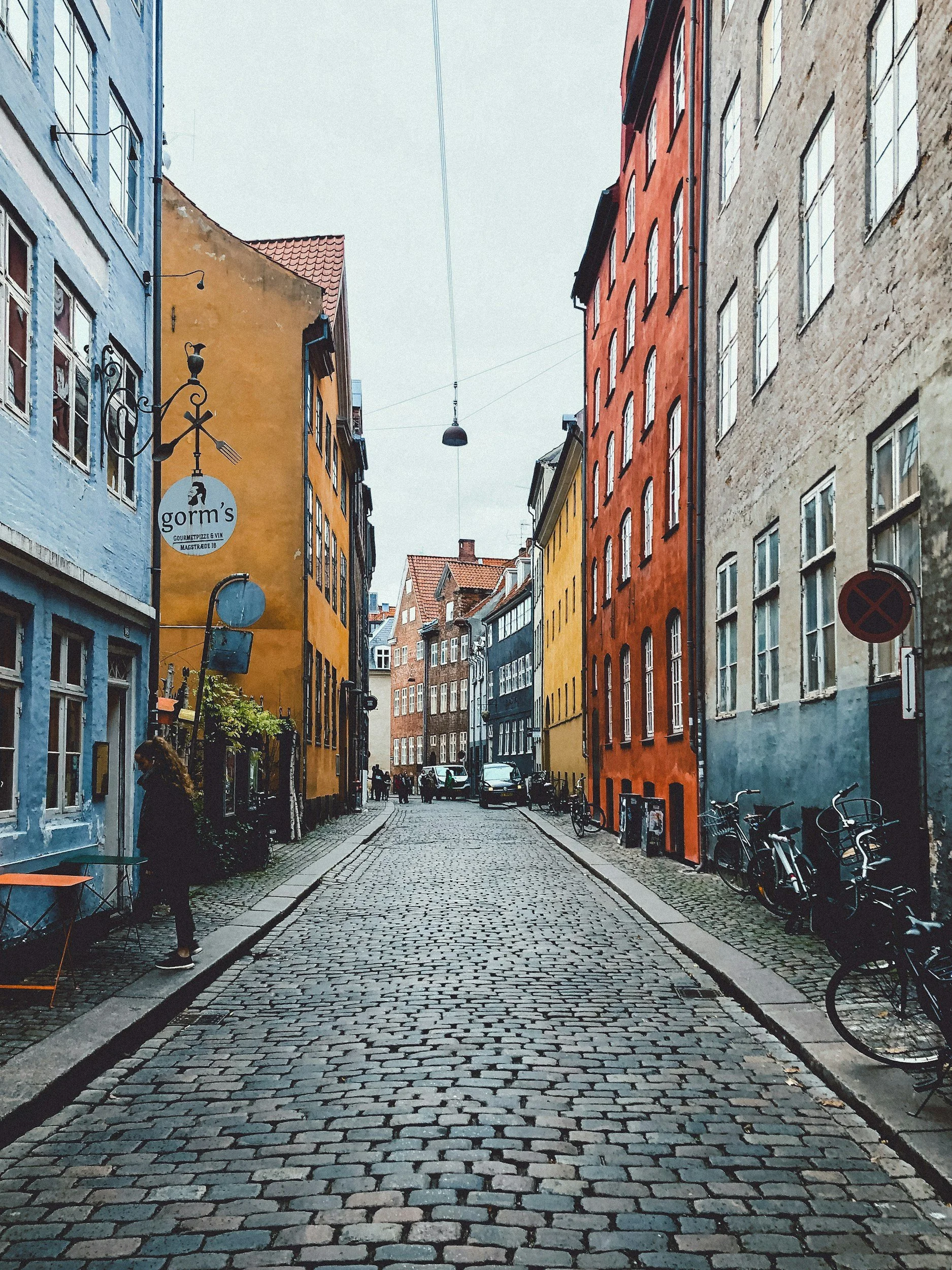
Where to stay in Copenhagen: places that feel calm at the end of the day
Where you stay in Copenhagen makes more of a difference than you think. Not because of distance, but because of how it feels when you come back after being out all day.
You’ll likely be walking a lot. Stopping often. Sitting down here and there. So it helps to stay somewhere you actually want to return to for an hour before heading out again.
Hotel SP34 (Latin Quarter)
This is one of the easiest places to settle into. It’s right in the Latin Quarter, a few minutes from Tivoli and the center, but the street itself stays relatively calm.
Rooms are simple and warm without trying too hard. Good lighting, comfortable beds, and enough space to slow down for a bit rather than just drop your bag and leave again.
In the morning, you can head straight out and be at a bakery or café within minutes. In the evening, there’s a small wine hour in the lobby, which people either join or quietly pass through. It never feels forced.
Andersen Boutique Hotel (Vesterbro)
If you’d rather stay somewhere that feels a bit more local, this works well. It’s in Vesterbro, close to the Meatpacking District (Kødbyen), so you’re near cafés, restaurants, and smaller streets that are good for wandering.
The area has a bit more movement during the day, but it quiets down at night, especially on the side streets. Rooms have more colour than most places in Copenhagen, but still feel calm and easy to be in.
It’s also a practical choice. Close to Copenhagen Central Station, which makes arrival, departure, or a quick train up to Humlebæk very straightforward.
Plus, being close to the Copenhagen Central Station means easy access to day trips: like heading up to the Louisiana Museum of Modern Art, or over to Malmö if you’re curious about Sweden for an afternoon.
Speaking of Sweden, if you’re building a longer trip through the region, these quiet, well-designed stays in Sweden are worth keeping in mind. Same kind of calm, just across the water.
Where to Eat in Copenhagen
Copenhagen’s food scene isn’t just about Michelin stars (though there are plenty of those). What makes the city feel so special (especially in spring) is how easy it is to find food that’s both comforting and creative. Whether you're after a warm pastry in a sunlit café or a slice of Danish layer cake that tastes like nostalgia, this city makes slow food feel natural, not pretentious.
Here’s how to eat well in Copenhagen: especially if you're traveling solo and want to savor the experience at your own pace.
Start Your Day at Atelier September
There’s a certain quiet magic to Atelier September. Tucked into a light-filled space near Kongens Nytorv, this café is where minimalism meets warmth. It’s all white walls, houseplants, and soft morning light streaming through the windows: the kind of place that makes you want to take your time with breakfast.
The food is clean and seasonal, but still deeply satisfying. Try the skyr with granola and fruit, or the avocado toast that somehow tastes different (better) here. Their coffee is excellent, and it’s a calm, friendly space to write, read, or just stare out the window for a while.
Come early on weekdays for a quiet spot by the window, especially if you want to relax with a notebook or enjoy a peaceful solo breakfast.
Try Traditional Smørrebrød at Hallernes Smørrebrød (Torvehallerne Market)
No trip to Copenhagen is complete without tasting smørrebrød, Denmark’s iconic open-faced sandwiches. But not all smørrebrød is created equal - and Hallernes, located inside the lively but well-organized Torvehallerne Market, is a favorite for both locals and visitors.
Here, you’ll find rye bread topped with everything from classic pickled herring and dill to smoked salmon, roast beef with remoulade, or egg and shrimp with lemon. It’s fresh, it’s satisfying, and it’s surprisingly cozy to enjoy alone - especially if you grab a seat at the window bar or a bench just outside the market.
Torvehallerne comes alive in April with flower stalls, fresh produce, and local crafts. It’s great for grazing, so pick up some cheese or local honey while you're there.
If you end up planning your mornings around coffee and pastries here, it’s worth saving this guide to the best breakfast spots in Copenhagen for later. It goes a bit deeper into places you’ll likely pass anyway.
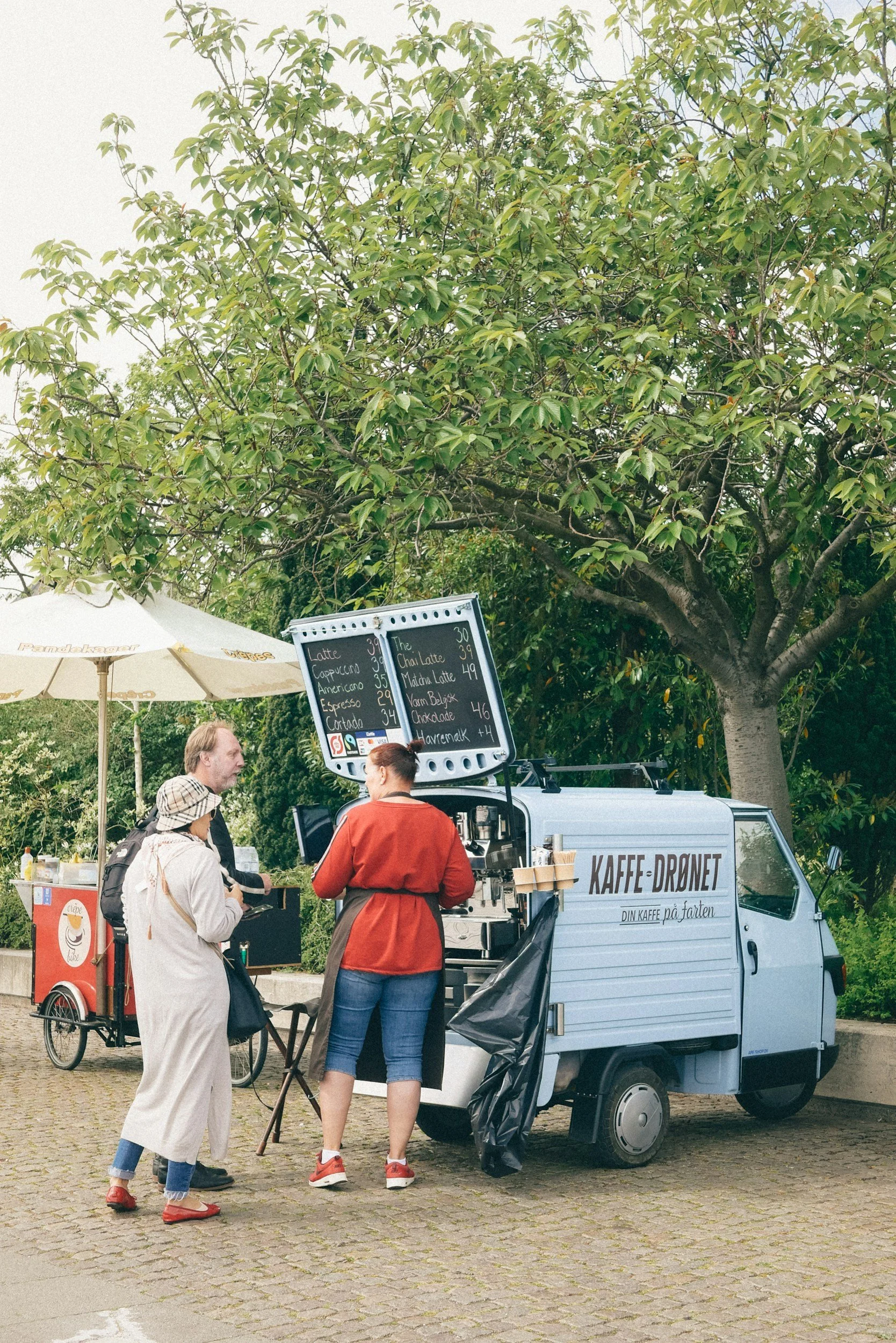

Treat Yourself at La Glace, Copenhagen’s Oldest Cake Shop
Need a soft landing after a long walk? La Glace has you covered. This old-school pastry shop has been open since 1870, and stepping inside feels a bit like traveling back in time - in the best way.
Wood-paneled walls, chandeliers, delicate plates of cake: it’s cozy, classic, and full of quiet charm. Order the sportskage (a local favorite made with layers of whipped cream, caramelized pastry, and nougat), or a traditional lagkage with seasonal berries.
A Few More Cafés You’ll Probably End Up In
You don’t need a list in Copenhagen, but there are a few places that keep coming up for a reason.
If you find yourself in the Meatpacking District, it’s worth stopping at Prolog Coffee Bar. It’s small, a bit industrial, and people take their coffee seriously here without making it feel heavy. Most grab a cup and stand outside for a few minutes before moving on.
Near the Central Library, Democratic Coffee is easy to miss if you’re not looking for it. It sits inside the library, so the whole place stays quiet. People bring laptops, notebooks, sit for a while. Their croissants are one of the few things people will actually queue for.
You’ll also run into Coffee Collective without trying too hard. There are a few around the city, including one at Torvehallerne. It’s reliable, always busy, and a good place to stop when you don’t feel like searching for something new.
What to Do in Copenhagen: Walk, Stop, Keep Going
Start at Nyhavn, but not in the middle of the day. Go early when it’s still quiet. A few people setting up, someone washing down tables, a couple of tourists taking photos and then leaving again. Walk along the canal slowly, past the coloured buildings, all the way to the end where it opens up. If you want to sit, walk all the way to the harbour end near Inderhavnsbroen. That’s where locals tend to sit along the wooden edge with their feet over the water, away from the main cluster of people near the restaurants.
Most people turn back there. Don’t. Cross the small bridge and stand on the other side for a minute. It’s calmer, and you can actually take it in without people moving around you all the time.
From there, cross Inderhavnsbroen into Christianshavn. Walk along Overgaden Oven Vandet, then drift off onto a smaller street like Wildersgade.

At some point you’ll reach Christiania. Walk in, have a look around, but don’t stay right at the entrance. It’s busier there. Keep going toward the back where it opens up near the water. There are a few spots where people sit quietly, away from everything else. That’s where it starts to feel more like itself.
Later, back in the center, go to Kongens Have. Not through the main entrance. Walk in from the side streets and find a spot a bit further in. You’ll see people lying on the grass with jackets under their heads, someone reading, someone just staring up at the sky.
If you’ve picked something up from Hart Bageri or Meyers, this is where you eat it. Sitting on the ground, not rushing, watching people come and go.

If you feel like leaving the city for a few hours, take the train to Humlebæk. When you arrive, it doesn’t feel like much at first. Just a quiet residential area. Then you walk down toward the water and reach the Louisiana Museum of Modern Art.
Inside, you don’t move in a straight line. Rooms open into glass corridors, then back outside again. At some point you’ll end up in the sculpture garden, walking down toward the water without really deciding to. People sit along the edge there, looking out across the Øresund, not talking much.
Before you leave, sit in the café for a bit. The tables by the window fill up first, but if you get one, you’ll probably stay longer than planned.

How to Spend a Weekend in Copenhagen Without Overplanning It
Two to three days is enough in Copenhagen, but only if you don’t try to fill every hour.
Stay somewhere central so you can walk back easily. That’s what makes the city work. You head out for a couple of hours, stop for coffee, maybe sit somewhere longer than planned, then go back, rest, and head out again later.
Mornings are the best time to move around. Bakeries are busy, but in a good way, and the streets are still quiet enough to enjoy properly. Midday is when you slow down. Find a place to sit, eat something simple, stay a bit. Evenings don’t need much planning. Dinner, a walk, maybe one more stop before heading back.
If you have an extra half day, use it well. Either stay in the city and do less, or take the train up to Louisiana Museum of Modern Art and spend a few hours there without rushing it.
Copenhagen isn’t complicated. The less you try to organise it, the better it tends to feel.
For something quieter after the city, Denmark has a very different side to it. This take on slow, scenic islands for a proper digital detox shows how quickly things can shift once you leave Copenhagen.
And f you’re drawn to places that feel even more remote, Anholt Island is about as far removed as it gets. Completely different pace, especially outside peak season.
Copenhagen Travel FAQ: What to Know Before You Go
Is Copenhagen worth visiting in spring?
Yes. Spring is one of the best times to go. The city starts to open up again, cafés put tables outside, and you can actually enjoy places like Nyhavn and the canals without peak-season crowds. It’s not warm all the time, but it’s easy to be outside.
How many days do you need in Copenhagen?
2 to 3 days is enough for a weekend trip. You can walk most places, spend time in a few neighborhoods like Vesterbro and Christianshavn, and still have time to sit down and not rush between things.
Is Copenhagen a walkable city?
Very. Most of the city center is flat and easy to walk, and distances are short. You can move between Nyhavn, the lakes, Vesterbro, and Christianshavn in 10–20 minutes. Bikes are everywhere, but you don’t need one.
What is the best area to stay in Copenhagen for a weekend?
Stay central so you can walk back easily. Vesterbro is a good option if you want cafés and restaurants nearby. Indre By (the old town) works if you want to be close to everything. Christianshavn is quieter and feels more local.
When is the best time of day to visit Nyhavn?
Early morning or late evening. Midday gets busy, but earlier in the day it’s much calmer and you can actually walk along the canal without stopping every few steps.
What are the best things to do in Copenhagen in spring?
Walk along the lakes, sit outside at cafés, explore neighborhoods like Vesterbro and Christianshavn, spend time in parks like Kongens Have, and visit Louisiana Museum of Modern Art if you have extra time.
Is Copenhagen expensive to visit?
Yes, but it’s manageable if you keep things simple. Walking is free, and you don’t need to book lots of activities. Eating at bakeries, cafés, and food halls like Torvehallerne helps keep costs down.
Is Copenhagen safe for solo travelers?
Yes. It’s one of the safer cities in Europe. It’s common to walk around alone, even in the evening. Just use normal awareness, especially around busy areas at night.
How do you get to Louisiana Museum from Copenhagen?
Take the train from Copenhagen Central Station or Nørreport to Humlebæk. The journey takes about 35–40 minutes, and from the station it’s a 10-minute walk to the museum.
What food should you try in Copenhagen?
Start with pastries from places like Juno or Hart Bageri, try smørrebrød for lunch, and stop for coffee regularly. Copenhagen is more about small stops throughout the day than one big meal.