
These boutique hotels are worth booking for the design alone
You arrive, open the door, and within a few minutes you know if the place works. Not from the photos you saw before booking, but from small things you notice straight away. Where you sit without thinking about it. What you’re looking at when you do.
At Juvet Landscape Hotel, that moment happens when you face the glass wall toward the Valldøla river. There isn’t another direction that makes sense, so you sit there and stay there. At Sextantio Albergo Diffuso, it’s different. You step into a stone room off a narrow street like Via del Lago, realise the light is limited, and end up back outside within minutes, walking toward the edge of the village. In Sublime Comporta, you’re not choosing between inside and outside. The doors are open, sand comes in with you, and you move between the two without noticing when one becomes the other. And at Hotel Il Pellicano, it’s the terrace above the water, usually in the late afternoon, that becomes the place you return to without planning it.
These moments aren’t designed to stand out, but they shape how the stay actually works once you’re there. You don’t move around trying to improve the space. You use it the way it’s set up from the start.
That’s what this guide focuses on. Boutique hotels in Europe where the design isn’t something separate from the stay, but something you notice in how you arrive, where you sit, and how the day ends up without needing to plan it.
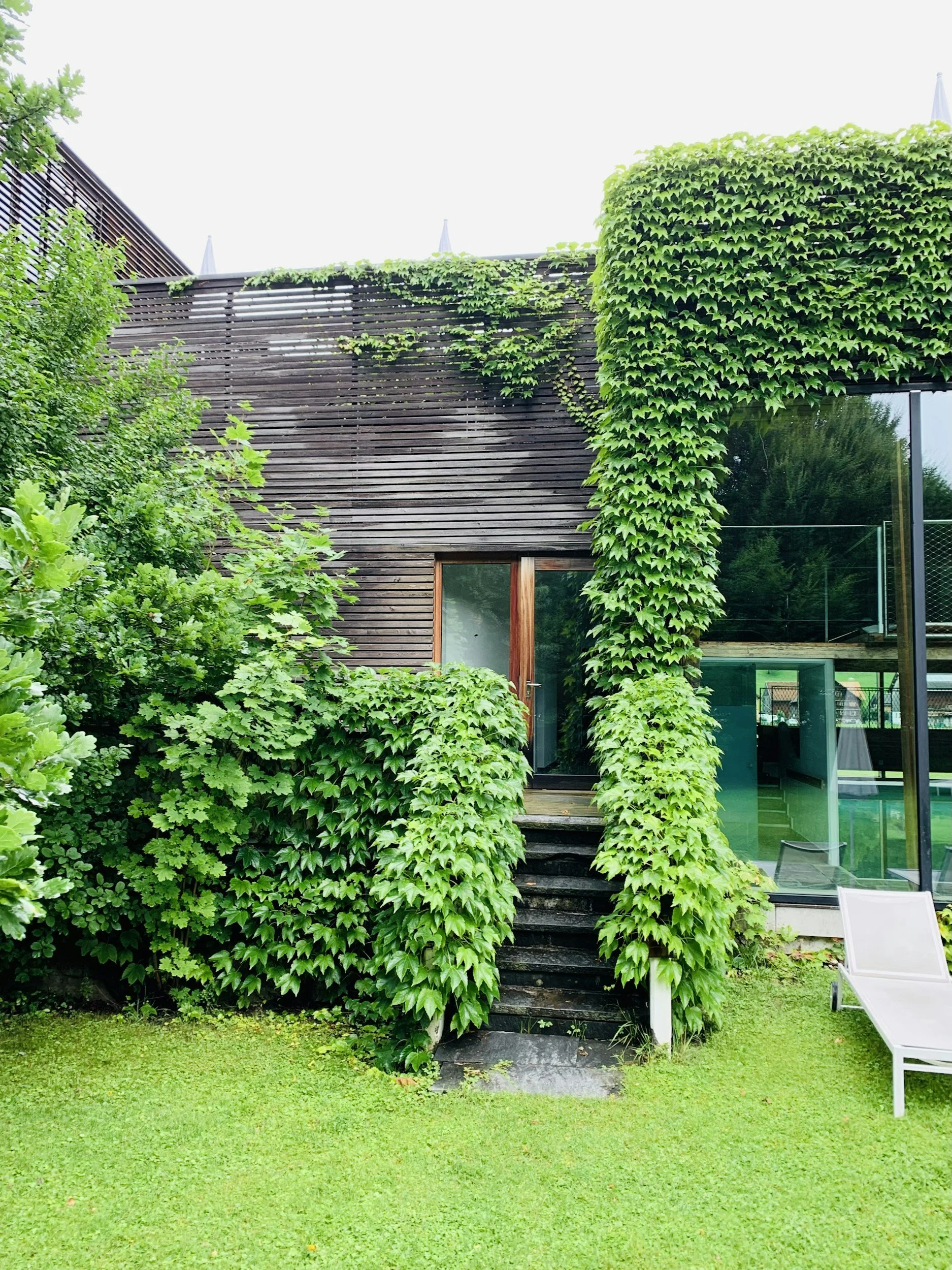
Juvet Landscape Hotel in Valldal, western Norway
You don’t come across this place by accident. From Åndalsnes, you follow the E136 along the Romsdalsfjord, then turn toward Valldal and continue on road 63. The drive takes around 45–60 minutes, and the shift happens gradually. Fewer houses, longer gaps between anything built, then stretches where it’s just water, rock, and forest. After Valldal village, you continue a few more minutes before turning off onto a smaller road toward the hotel. There’s no large sign or clear entrance, just a narrow road that leads down toward the river.
If you’re arriving by train, Åndalsnes is the closest station, connected via the Rauma Line from Dombås. From there, you’ll need a car or taxi for the final stretch. Buses run through Valldal, but they don’t bring you directly to the hotel, and with luggage it’s not practical. Once you arrive, you don’t need to think about transport again.
The hotel is spread out along the Valldøla river rather than built around one central structure. When you check in, you’re given directions to your cabin rather than being escorted down a corridor. You walk along gravel paths, sometimes crossing small bridges, and reach your cabin after a few minutes. You don’t see many of the others along the way, which is intentional. Each one is placed to face a specific part of the landscape.
Inside, the layout is stripped back to the essentials. A bed, a chair or bench, and one full wall of glass. No artwork, no decoration competing with the view. The glass faces either the river, the forest, or the rock formations nearby, and it’s close enough that you don’t feel like you’re looking out from a distance. You sit down, and the view becomes the main part of the room without needing to move.
The river is constant. You hear it as soon as you arrive, and it stays in the background the whole time. Not loud, but steady enough that you notice it when everything else is quiet.
Breakfast is served in the main building, which sits slightly higher up the slope. The walk there takes a few minutes, depending on which cabin you’re in. It’s a simple setup, bread, butter, cheese, eggs, and a few warm dishes. Nothing extended, but it works, especially if you’re staying more than one night. People come down, eat, and head back out without much delay.
Once you’re back at the cabin, you don’t need to plan anything. You can walk directly from the door along the river, following paths that run close to the water or lead slightly uphill into the trees. There are no marked routes you need to follow. You walk for a while, then turn back when you feel like it. The terrain changes enough that it doesn’t feel repetitive, even if you don’t go far.
If you do want to leave for a few hours, the road toward Trollstigen is about 30–40 minutes away. It’s one of the main routes in the area, with viewpoints and stops along the way. It’s noticeably busier than the area around the hotel, especially in summer, so it feels like a separate part of the trip rather than something connected to the stay.
Valldal itself is small and practical. There’s a supermarket, a few houses along the main road, and a couple of local stops, but it’s not somewhere you spend time beyond picking something up if you need it.
Back at the hotel, the afternoon tends to slow down without you deciding to slow it down. You sit in the cabin, watch the light change on the river and the trees, maybe step outside for a bit, then go back in.
Dinner is served in the main building, and most guests stay on site rather than going out. The menu changes and focuses on local ingredients, and after the first evening, you know how the structure works. You arrive, eat, sit for a while, and then head back to your cabin.
For extrordinary restaurant views, check out this piece on stunning Scandinavian cafés and restaurants worth a visit.
The Greenhouse near Hveragerði, just off the Ring Road
You leave Reykjavík heading east on Route 1 and the drive is straightforward the whole way. Past Mosfellsbær, through the tunnel at Hvalfjörður if you’re coming that way, then out toward Selfoss where traffic spreads out and the landscape opens. A few minutes later you reach Hveragerði, and you’ll notice it immediately because of the steam. Low plumes rising from the ground in different parts of town, especially near the river and greenhouse areas. The Greenhouse sits just off Route 1 on the eastern side, close enough that you don’t need to search for it, but set back enough that you’re not directly on the road.
From Keflavík International Airport, it’s about an hour’s drive. You stay on main roads the entire time, which makes it one of the easier places in Iceland to reach, especially if you’ve just landed and don’t want to deal with smaller roads straight away.
The building doesn’t feel like a typical hotel when you walk in. There’s no clear separation between lobby, restaurant, and common space. You step inside and you’re already in a larger shared area with seating, food counters, and people moving through at different times of day. It’s more active than most of the stays in this category, and you notice that straight away.
Rooms are set back from this central area, so once you reach yours, it’s quieter. Inside, everything is kept simple. Clean lines, practical layout, large windows. Nothing trying to stand out, but nothing missing either. You come in, drop your bag, and the space works without needing to adjust anything.
Food here is part of the setup rather than a fixed routine. Instead of a traditional breakfast room, you use the food options inside the building. There’s a bakery-style counter, casual dining spots, and places where you can pick up something simple at different times. It means you’re not tied to specific hours, but you’ll move through the shared space more than you would in a smaller hotel.
Stepping outside, Hveragerði is easy to understand within a few minutes. Streets like Breiðamörk and Austurmörk run through the town, with everyday shops, a bakery, and a few cafés spaced along them. It doesn’t feel curated. People live here, and you’re just moving through it.
One place people often stop at is Skyrgerðin, a small spot focused on Icelandic skyr, about 10–15 minutes on foot from the hotel. It’s the kind of place you pass, stop briefly, and then keep walking. Nearby, you’ll also find simple bakeries and local cafés rather than anything built around tourism.
The Reykjadalur hike is what most people come here for. The trailhead is about a 5-minute drive or a 25–30 minute walk from the hotel, starting near Reykjadalur parking. From there, it’s a steady uphill walk for about 45–60 minutes. You’ll pass steaming vents, small streams, and open sections where the valley widens. At the top, the geothermal river runs through the valley, with wooden walkways and basic changing areas. People spread out along the river depending on how warm the water is at different points.
If you drive back toward Selfoss, about 15 minutes away, you’ll find larger supermarkets like Krónan and Bónus, which are useful if you want to pick up something before settling in for the evening. There are also a few more casual food spots there, but most people don’t stay long.
Back at The Greenhouse, the shared space becomes more active in the evening. People return from hikes or drives along the south coast, pick up food, sit for a while, and move between the different areas. It’s not quiet, but it’s also not overwhelming. You can be part of it or step away from it easily.
If you’re up for exploring northern Iceland as well, this guide will help you plan the trip of your dreams. Northern Iceland is full of charming fishing villages and stunning nature!
Hotel Il Pellicano above Porto Ercole on Monte Argentario
You leave Orbetello and cross the narrow strip of road that runs through the lagoon, then start climbing onto Monte Argentario. The road bends quickly, and within a few minutes the view opens out over the Tyrrhenian Sea. You pass through Porto Ercole, follow the coastal road past small coves and villas, and then turn off onto a narrower road where the hotel sits above the water. It takes around 15–20 minutes in total, but it feels further because of how quickly the setting changes.
If you’re coming by train, Orbetello-Monte Argentario station is the closest stop, about 20 minutes away by car. From Rome, it’s a direct route along the coast, and once you arrive, you won’t need to go back unless you want to leave the area entirely.
The hotel is built into the hillside rather than set on flat ground, so you move through it in levels. Paths, steps, and small walkways connect everything, and you don’t see the whole place at once. You pass shaded terraces, small gardens with olive trees, and then suddenly an opening where the sea is right there in front of you. It’s not arranged as one central space, so you end up finding your own route through it after the first few hours.
Rooms are spread out along the slope, many with terraces facing the water. That’s where you’ll end up spending time without planning to. Early in the morning, the light comes in from the side and reaches the terrace first. Later in the afternoon, it shifts again, and the water changes color depending on the angle. You don’t need to leave the room to notice it.
Breakfast is served on a terrace overlooking the sea, and it’s one of the few times where people stay longer than they expect. Not because it’s formal, but because there’s no reason to rush. You’ll find fruit, pastries, eggs, and local products, but most people keep it simple and come back for another coffee instead of filling the table.
Getting down to the water is part of the routine. There’s no beach here, so you take a path or use the small lift that runs down the rock face. The last part is always on foot, down steps carved into the stone. At the bottom, there are platforms built directly into the rocks where people sit, swim, and stay for a few hours rather than moving around. The water is clear and deep straight away, so you don’t wade in, you go in properly.
If you decide to leave the hotel for a bit, Porto Ercole is the easiest option. It’s about 10 minutes by car, and most people park near Lungomare Andrea Doria and walk from there. The harbor is lined with small cafés and restaurants, and streets like Via Caravaggio run slightly uphill into the village. It’s not a place where you plan much. You walk, stop somewhere for a drink or something to eat, and then head back.
If you want something quieter, you can drive along Strada Panoramica toward smaller spots along the coast. There are places where you can stop briefly and look out over the water without much around you, but most of the time you’ll return to the hotel because it already gives you access to the same setting.
Back at Il Pellicano, the afternoon tends to settle without needing to decide anything. You move between your room, the water, and the main terrace, and that’s enough. There’s no sense of needing to go somewhere else.
Sublime Comporta, Portugal – Boho minimalism meets wild nature
About an hour south of Lisbon, the landscape changes in a way that feels quite noticeable even if you’re not paying full attention at first. The traffic thins out, the buildings disappear, and you start driving through long stretches of rice fields and pine forest where everything feels a bit more spaced out. Sublime Comporta is set right in the middle of that, surrounded by trees, slightly hidden from the road, and without any sense of arrival in the traditional hotel way.
There’s no big entrance or obvious focal point when you arrive. Instead, the property unfolds slowly as you move through it. The rooms are spread across the grounds in cabana-style buildings, connected by sandy paths rather than paved walkways, which changes how you move through the space. You don’t pass crowds or shared areas in the same way you would at a more structured hotel. It feels quieter, more private, but still easy to navigate.
Inside the rooms, the design stays consistent with the setting without trying too hard to make a statement. There’s a mix of raw wood, linen, muted tones, and soft light coming in through large windows that frame the surrounding trees. Nothing feels overly styled or precious. It’s the kind of place where you can leave doors open, walk in barefoot, and not think too much about it. Some of the villas come with private pools and outdoor showers, and these aren’t just there for effect. In the late afternoon, when the temperature drops slightly and the light shifts through the trees, those spaces become part of how you actually spend your time.
One detail that stands out once you’ve been there for a day or two is the bio-pool. It’s filtered naturally using plants rather than chemicals, so the water has a softer feel and the entire area looks more like a calm pond than a designed pool space. There’s no sharp contrast between the pool and the landscape around it. You move between them without really noticing where one ends and the other begins, which says a lot about how the place has been planned overall.
Food follows the same approach. The main restaurant focuses on ingredients from the Alentejo region, but without overcomplicating anything. You’ll find grilled fish, seasonal vegetables, simple plates that rely on good produce rather than heavy preparation, and a wine list that leans towards smaller Portuguese producers. Breakfast tends to stretch out longer than expected, partly because there’s no real reason to rush. Fresh bread, fruit, coffee, and a setting that makes it easy to stay a little longer than planned.
If you decide to leave the property, Comporta is only a short drive away, and it’s worth seeing at least once during your stay. The village is small, with a handful of cafés, local shops, and a low-key atmosphere that matches the surroundings. From there, it’s easy to reach beaches like Praia da Comporta or Carvalhal, where the coastline stretches for kilometres. Even during the busier months, it feels more open than many other coastal areas in Portugal, partly because everything is so spread out.
What makes Sublime Comporta stand out in a design-focused context isn’t just how it looks, but how consistent everything feels once you’re there. The architecture, the materials, the spacing between buildings, and even the way light moves through the rooms all follow the same idea. Nothing feels added for attention, and nothing feels out of place.
It’s the kind of hotel that works well if you don’t want to plan too much. You can stay within the property for most of your time, moving between your room, the pool, and the restaurant without feeling like you’re missing anything. At the same time, if you do want to explore the surrounding area, it’s easy to do that at your own pace and come back to something that feels settled and well thought through.
And that’s probably the main reason it stays with people after they leave. Not because of one standout feature, but because everything fits together in a way that feels easy to be around for a few days without needing to adjust to it.
In case you’re tempted to explore more of Portugal, this guide on where to stay on the Azores might be of interest for you.
Castello di Reschio, Umbria, Italy – a rustic retreat in the Italian countryside
Right on the edge of Umbria, close to the Tuscan border, the landscape starts to feel quieter in a way that’s hard to describe until you’re actually there. Roads narrow, the hills roll out more slowly, and you pass long stretches of woodland and farmland without much interruption. Castello di Reschio sits deep within that setting, on a private estate where the approach alone takes time. You leave the main road, follow a gravel track through trees and open fields, and eventually reach the castle without ever passing through a village or town on the way in.
The estate itself is large, and that scale changes how the stay feels from the start. This isn’t a hotel where everything is concentrated around a single building. The castle is the centre, but it’s surrounded by restored farmhouses, olive groves, vineyards, and long walking paths that stretch further than you expect. It gives you space to move without planning anything, which is part of the appeal.
The castle dates back to the 10th century, and the restoration has been done in a way that keeps that history visible. Nothing feels overly corrected or smoothed out. Stone walls are left textured, doorways are slightly uneven, and the layout still follows the original structure rather than being reshaped into something more modern. You notice it in small ways, like the thickness of the walls, the way light enters through narrow windows, or how sound carries differently through the rooms.
Inside, the design stays consistent with that approach. Rooms are furnished with a mix of antique pieces, custom-made furniture, and natural materials that feel like they belong there. You’ll see wood, leather, linen, and aged metal, all in muted tones that don’t draw too much attention to themselves. Beds are large and comfortable, but they don’t dominate the space. Bathrooms often feature stone basins, deep bathtubs, and soft lighting that works well in the evenings when everything slows down a bit.
Some rooms look out across the valley, where the landscape shifts throughout the day. Early mornings tend to be slightly misty, with soft light over the hills, while late afternoons bring warmer tones that settle into the stone and wood interiors. It’s the kind of place where the room itself changes depending on the time of day, without anything needing to be adjusted.
One of the things that stands out more the longer you stay is how easy it is to spend time across the estate without feeling like you’re repeating the same experience. There are walking paths that take you through olive groves and forested areas, often without clear signage, which makes it feel less structured and more natural. Bikes are available, and horseback riding is part of the estate’s history, so it feels like a continuation of what the land has always been used for rather than an added feature.
The pool is set slightly away from the main castle, surrounded by greenery and with views across the countryside. It’s not designed as a central social space, which changes how people use it. You might spend a couple of hours there in the afternoon, but it doesn’t feel like the focus of the day. It’s more something you come across after a walk or before heading back for dinner.
Food is one of the stronger parts of staying here, but it stays closely tied to the region. Much of what’s served comes from the estate itself or nearby producers, including olive oil, vegetables, and herbs grown on-site. The menu leans into traditional Umbrian cooking, with fresh pasta, grilled meats, seasonal vegetables, and simple desserts that reflect what’s available at the time rather than following a fixed structure.
Dinner is usually taken in the castle or courtyard, depending on the season. Evenings tend to start later, with a slower pace that makes sense in this setting. There’s no pressure to move through courses quickly, and it’s common to sit for a while after the meal, especially when the temperature drops slightly and the air feels cooler.
If you decide to leave the estate, there are a few places within reach that are worth knowing about, even if you only go for a few hours. Città di Castello has a more local feel than many towns in the region, with small shops, cafés, and a pace that hasn’t shifted too much over time. On the Tuscan side, Cortona offers wider views across the valley and a slightly busier centre, though it’s still manageable if you go early or later in the day.
What makes Castello di Reschio stand out in a design-focused context isn’t that it tries to reinterpret the countryside in a new way. It’s that it stays very close to what was already there. The restoration, the materials, and the way the estate is used all feel aligned, which makes it easier to settle into.
It works especially well if you’re looking for a place where you don’t need a structured plan. A day might start with breakfast in the courtyard, followed by a walk through the estate, some time by the pool, and then dinner in the evening without much variation. And that repetition doesn’t feel limiting. It feels like part of why you came.
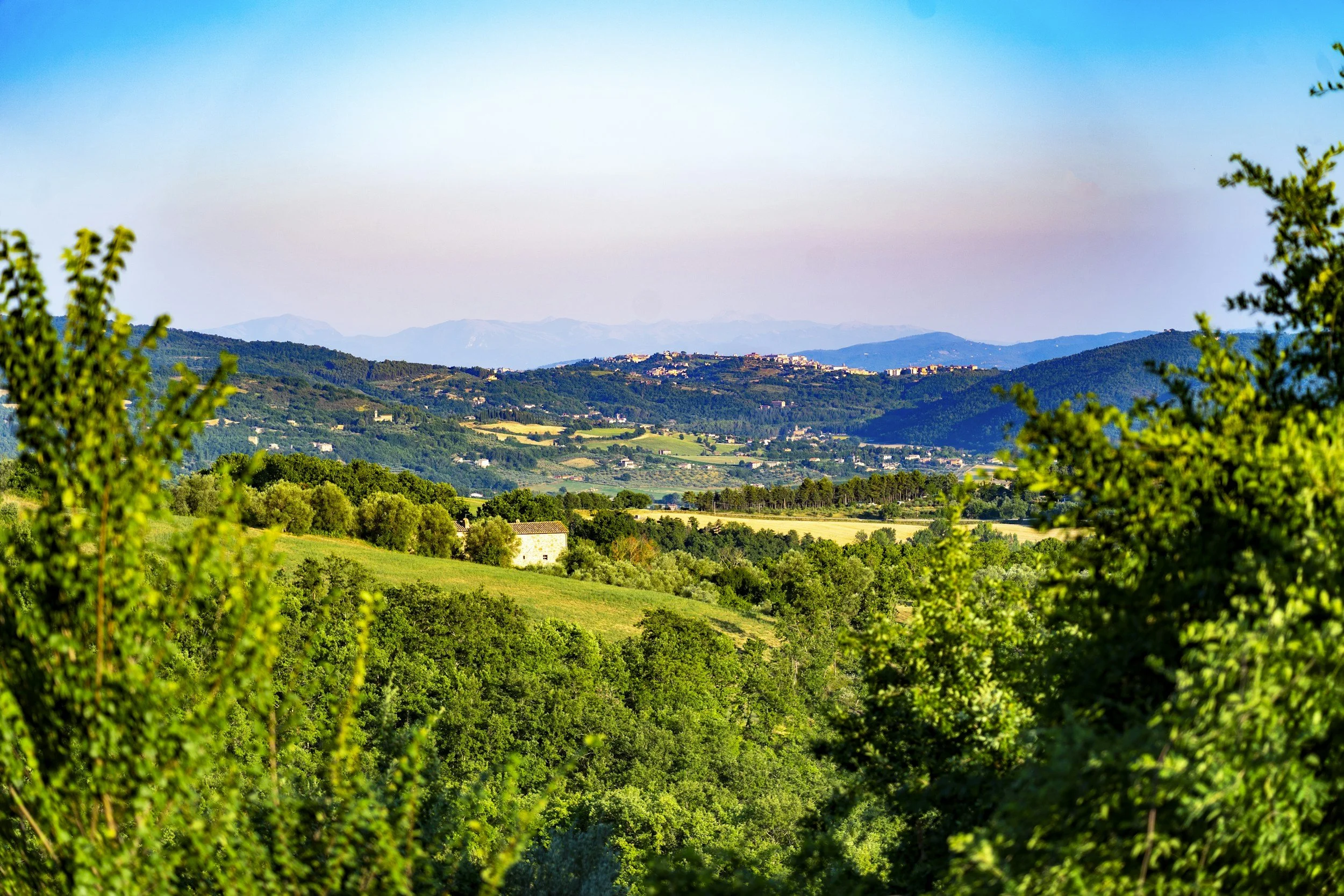
Design, comfort, and the slow travel experience
What you remember from a stay like this usually isn’t the obvious things. It’s more specific than that. The way the room feels early in the morning before you’ve really woken up. How quiet it is when you come back in the evening. Whether you end up sitting somewhere longer than you meant to, without checking your phone or thinking about what’s next.
Some hotels look good when you arrive, but you don’t actually spend time in them. You sleep there, get ready, and leave. Others make it easy to stay in without feeling like you’re missing out on anything. You have breakfast and don’t feel the need to rush off. You come back in the afternoon and stay for a while instead of heading straight back out again.
That’s usually what good design does, even if you don’t think about it in those terms. The layout makes sense, the materials feel right for the place, and nothing gets in your way. You’re not adjusting to the space. It just works.
And that shifts the pace of the trip more than you expect. Plans become less important. You don’t try to fit in as much. You pay attention to smaller things because there’s actually time for them.
It’s not about slowing everything down as an idea. It’s just that some places make it easier to spend time where you are, and that changes how the whole trip feels.
More slow travel stays in Europe?
If you love the idea of stays that feel like part of the journey, these guides will give you more inspiration:
Italy’s 5 Authentic Small-Town Markets
Discover local markets where design, tradition, and everyday life come together - the kind of places that shape a trip as much as any hotel.
Tuscany’s Secret Vineyards: Where Wine, Art, and Culture Meet
Explore Tuscany’s quieter side, where vineyard stays mix timeless scenery with simple, thoughtful hospitality.
A Slow Wellness Escape in the Swiss Jura
A look at retreats that prove design and comfort aren’t just about style… they’re about creating a setting for rest and renewal.