Beaune for wine, Dijon for almost everything else? It’s not quite that simple
If I were booking a few days in Burgundy without a car, I’d choose Dijon for most trips, particularly from Paris. You get off the train, you are already where you need to be, and you have far more freedom to decide what you feel like doing once you’re there. Beaune is only around 20 minutes away on many direct trains, so staying in Dijon does not mean sacrificing Beaune at all. I’d switch that recommendation only if the trip was heavily centred around wine and I knew I wanted to spend most of my time in and around Beaune, with tastings, wine bars and tours close enough that I would not have to keep thinking about the journey back.
The slightly frustrating thing about Burgundy is that the bit between Dijon and Beaune is incredibly easy, while some of the places you are probably coming to Burgundy for are not. On a map, villages such as Gevrey-Chambertin, Vosne-Romanée, Pommard and Meursault all look close enough that it is tempting to assume you can move between them almost as casually as you can between the two towns. Sometimes you can, but sometimes the useful bus only runs a few times a day, the railway station is nowhere near the tasting you have booked, or the return journey suddenly matters much more because lunch ran long.
That is really what I would base the decision on. Dijon gives you more breathing room if you have not booked every day in advance, if the weather turns, or if you want Burgundy to be about more than wine. Beaune is more appealing when you already know you want to wake up in the middle of the wine town, spend the day around the Côte de Beaune and still be there once the day visitors have gone home.
And because the train between Dijon and Beaune is so easy, there is very little reason to treat this as a choice between seeing one or seeing the other. You are choosing where you want the trip to feel easiest.
The short answer changes depending on what the trip is really for
Choose Dijon if you are coming down from Paris for two or three nights and want to leave yourself some room to change your mind once you arrive. It is the better base for a trip that mixes wine with everything else Burgundy does well: a morning at Les Halles, a museum when the weather turns, dinner somewhere you have not booked three weeks ahead, or another town by train the following day. It also deserves more consideration from anyone interested in the Côte de Nuits. Gevrey-Chambertin, Morey-Saint-Denis, Chambolle-Musigny, Vougeot and Vosne-Romanée all sit north of Beaune, and Dijon is a much more logical starting point for that side of the wine route than the usual “stay in Beaune for wine” advice suggests. In winter, or on a trip where the forecast is looking unreliable, I would lean even more strongly towards Dijon because there is simply more to fall back on when a vineyard plan does not happen.
Choose Beaune when you already have a fairly good idea of how you want the trip to look and most of it involves wine. It suits a stay built around one guided vineyard tour, a planned day cycling towards Pommard, Volnay or Meursault, and evenings when you would rather walk back from a cellar or wine bar than check the next train north. Beaune also becomes much more tempting if you are arriving from Lyon or continuing south afterwards, since there is less reason to travel past it simply to make Dijon your base. And if your dates include a Friday night, the large Saturday market around Place de la Halle is enough of a reason to give Beaune serious consideration; staying overnight means you can go in the morning rather than arriving with everyone else later in the day.
For travellers who mainly want a smaller place to come back to in the evening, Beaune will probably feel like the more natural choice. For anyone still looking at their Burgundy itinerary with a few blank spaces in it, Dijon is the safer booking.
Dijon and Beaune are only around 20 minutes apart, so that is not the real issue
The first thing I would take off the worry list is whether choosing Dijon means missing Beaune, or the other way around. It really does not. Direct trains run throughout the day and many take around 20 minutes, with the quickest services in the research for this guide coming in at about 18 minutes. That is short enough that you can stay in Dijon, spend most of the day in Beaune, have lunch, do a tasting and still come back without feeling as though you have spent half the day travelling.
The same applies in reverse. If you stay in Beaune and want a day in Dijon, that is an easy decision too. I would not split a short stay just to say you have slept in both places, because the extra hotel check-in, luggage and general faffing around gives you very little in return when the train journey itself is this simple.
Where Burgundy gets more annoying without a car is once you start looking beyond those two stations. The famous wine villages all look temptingly close together, but the useful transport is not always the obvious one and it is rarely as frequent as the Dijon-Beaune train. You can miss one train between Dijon and Beaune and usually just take the next one. Miss a bus back from a village after a tasting and you may suddenly be looking at a long wait, a taxi you had not planned to pay for, or a dinner reservation you are now unlikely to make.
That is why I would not choose a base based on which town you are most excited to see. You can see both very easily. I would choose based on the harder parts of the trip: where you are arriving from, which side of the vineyards you want to explore, how much public transport you want to rely on, and what you want within walking distance when you are done travelling for the day.
If you are still figuring out tickets, connections and the difference between TER and faster French trains, this guide to how France's regional TER trains actually work will make the rail side of the trip much easier to plan.
Why Dijon is easier when you do not want every day planned in advance
Dijon’s biggest advantage is not that it has more transport on paper. It is that you can get quite a lot wrong and the trip still holds together. Your train can arrive late, it can rain on the day you planned to cycle, a tasting can disappear from the itinerary, or you can decide over breakfast that you would rather go somewhere completely different. From Dijon, none of those changes creates much of a problem.
That is the main reason I would choose it for a first trip of only two or three nights. Burgundy is easy enough by train between the main towns, but the vineyard days need more planning, and I would rather have one or two days that require proper thought than build the whole trip around connections and reservations.
Coming from Paris, Dijon saves you a surprisingly useful bit of the first day
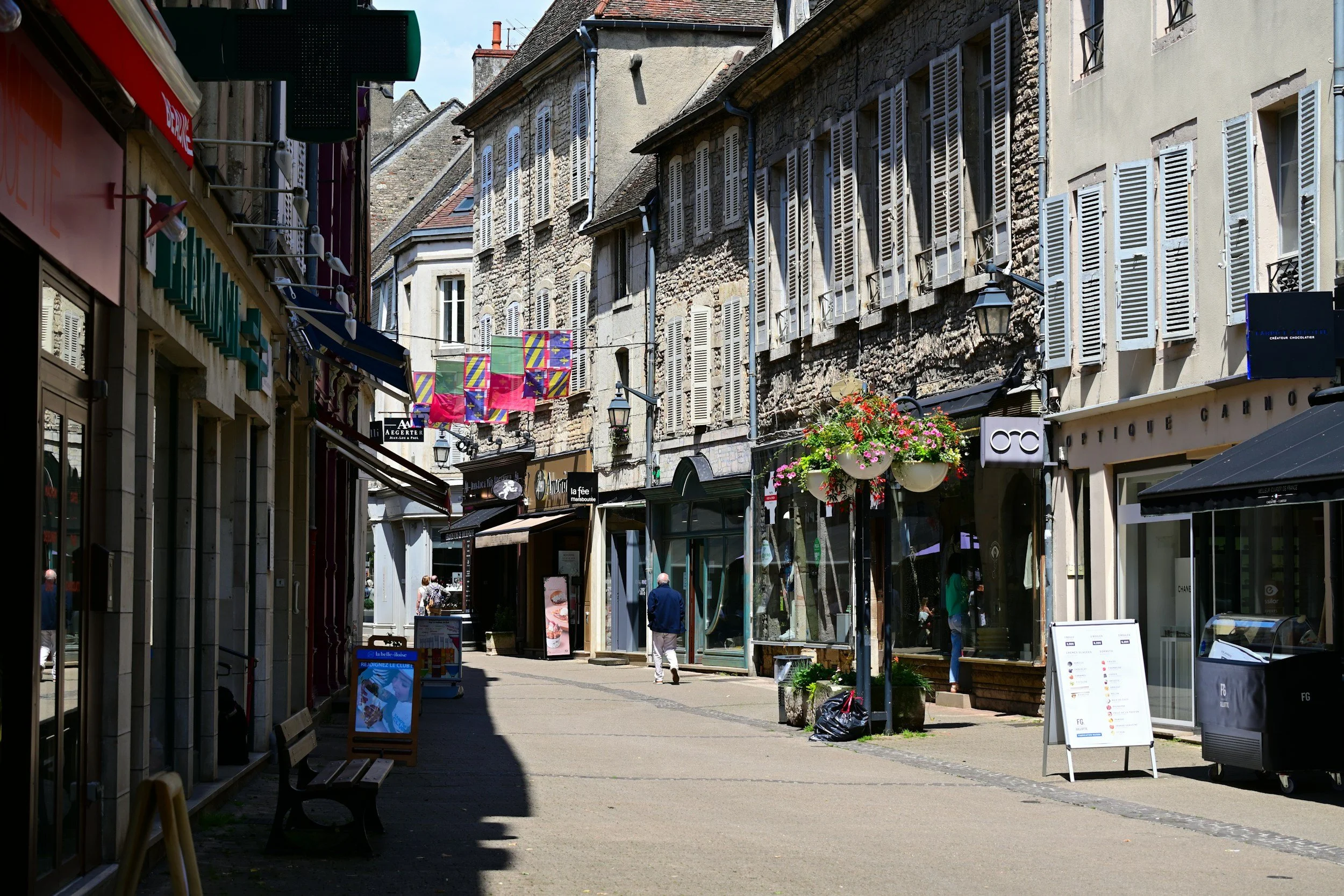
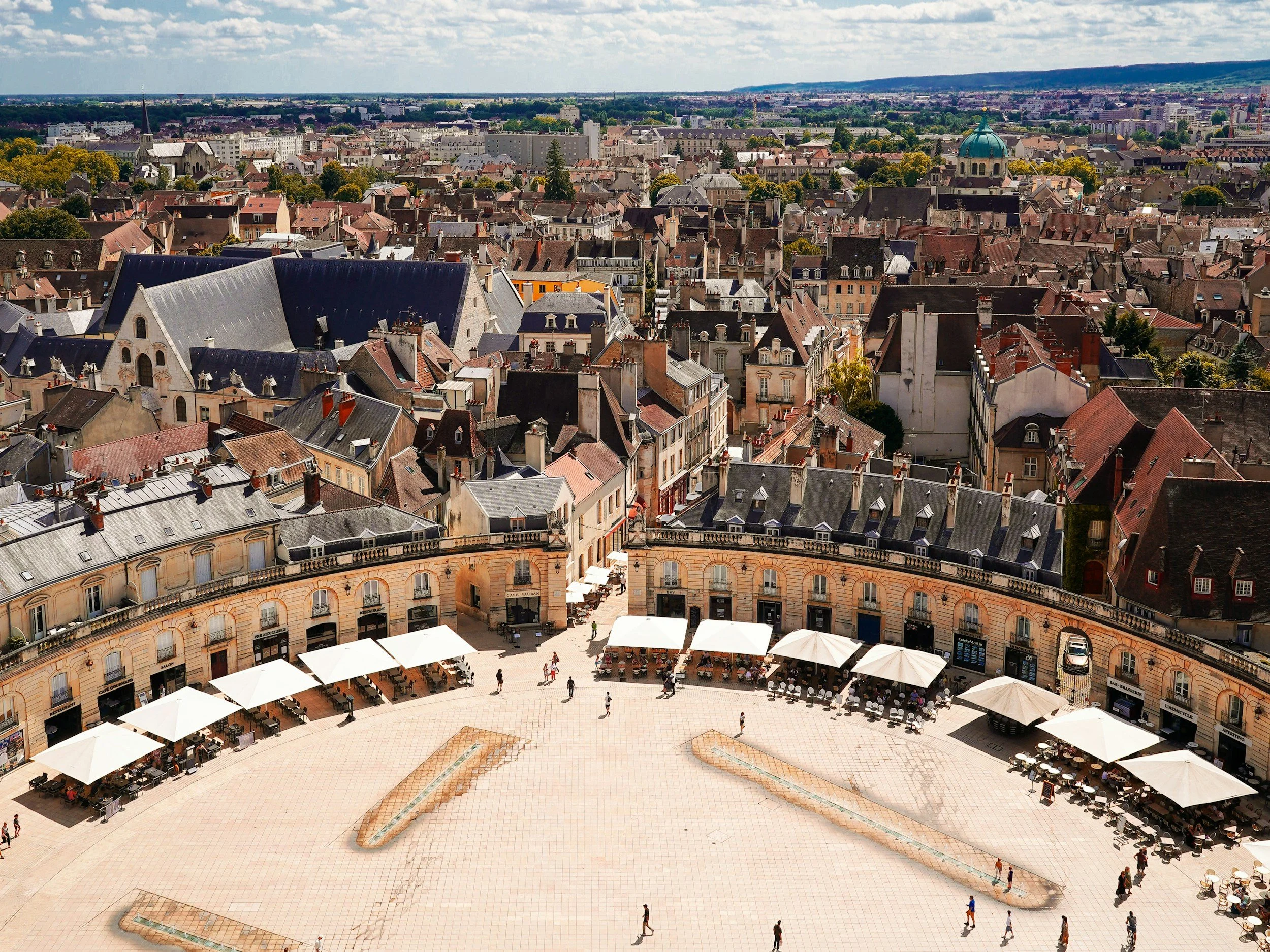
The fastest Paris-Dijon trains were taking around 1 hour 34 minutes when I researched this guide, and Dijon-Ville is already on the western edge of the centre. From the station, you can walk to Place Darcy and Porte Guillaume in roughly five to ten minutes, and from there Rue de la Liberté leads straight into the old town.
That arrival is hard to improve on for a short break. You can leave Paris in the morning, arrive in Dijon, drop your bag and be somewhere around Place François Rude or Les Halles before you have had much time to feel as though you are travelling at all.
Going straight to Beaune means adding another train after Dijon on many journeys from Paris. It is not a difficult connection, and I would happily do it for a longer stay, but on three nights I would want a reason for it. If you have an early Beaune wine tour booked the following morning, several tastings already arranged there, or specifically want your evenings in Beaune, that is a reason. Doing it simply because Beaune has become the default answer to “where should I stay in Burgundy?” is less convincing.
There is another small advantage that only becomes obvious when something goes wrong: if the train from Paris is delayed, Dijon is your destination rather than the place where you are watching the clock and wondering whether you will make the connection south. It is not a glamorous reason to choose a hotel base, but on a short rail trip these are exactly the little things that make a difference.
A rainy day is much less annoying in Dijon
I would also lean towards Dijon outside late spring and summer, or on any trip where the forecast looks mixed, because you do not need to invent a replacement day if the vineyards suddenly look considerably less appealing.
The Musée des Beaux-Arts sits right in the centre at the Palais des Ducs, and its permanent collection is free, so there is no need to reserve a rainy afternoon for it in advance. Dijon’s municipal museum collections are free generally, which gives you several places you can simply walk into when the weather changes rather than trying to rearrange a paid activity. The museum is also close enough to Place François Rude and Rue de la Liberté that going inside for an hour does not turn into a separate excursion.
The market is another useful difference. Les Halles runs on Tuesday, Thursday, Friday and Saturday mornings, rather than giving you one important market morning that your dates either catch or miss. For someone arriving on a Wednesday and leaving on Saturday, for example, Dijon gives you several chances to fit the market around a vineyard day rather than building the vineyard day around the market.
And although you probably will not need public transport much if you stay between Place Darcy and Les Halles, Dijon has it when you do. The two tram lines run every few minutes through most of the day and into the evening, while the free City shuttle loops through the centre roughly every ten minutes from Monday to Saturday. That becomes useful when it is raining, when you have luggage, or when you have spent all day walking through vineyards and suddenly the extra fifteen minutes back to the hotel feels much less insignificant than it did that morning.
There is more margin around meals too. Dijon has a much larger everyday restaurant scene than Beaune and less of the trip depends on having chosen the right opening day in advance. I would still book somewhere I particularly wanted to eat, especially at the weekend, but I would be far less concerned about arriving on a Sunday evening or discovering that the place I had saved is closed on Monday.
And Dijon is not the place you stay when wine is secondary
This is probably the part of the Dijon-versus-Beaune comparison I would pay most attention to, because a lot of advice online quietly turns the decision into Dijon for city things, Beaune for wine. That is too simplistic once you look at the northern half of the wine route.
The Route des Grands Crus begins in Dijon, and the Côte de Nuits runs south from the city through some of Burgundy’s biggest wine names. If the bottles you are most interested in come from Gevrey-Chambertin, Morey-Saint-Denis, Chambolle-Musigny, Vougeot or Vosne-Romanée, staying in Dijon is not a compromise before travelling into “the real” wine country. You are already at the useful end of it.
The regional LR113 bus is especially interesting without a car because it follows the Dijon-Beaune corridor through the wine villages rather than simply connecting the two cities. From Dijon it serves Marsannay-la-Côte and continues through or close to Fixin, Gevrey-Chambertin, Morey-Saint-Denis, Chambolle-Musigny, Vougeot, Vosne-Romanée and Nuits-Saint-Georges before eventually reaching Beaune. Some regional trains also stop at Gevrey-Chambertin, Vougeot-Gilly-lès-Cîteaux and Nuits-Saint-Georges.
I would not assume the train is automatically the better option just because it is faster. Vougeot-Gilly-lès-Cîteaux is a good example of why the station name needs a second look: the railway serves the area, but your tasting or the place you want to visit may be somewhere else entirely. The LR113 can put you closer to the Route des Grands Crus itself, which can save an awkward walk along roads that were never designed around someone arriving with a tote bag full of wine.
The bus does come with a catch, and it is quite an important one. This is regional transport with a timetable you plan around, not something you wander over to after a long lunch and assume will appear shortly. Services can be several hours apart, they vary according to the day and school period, and some departures have reservation conditions. I would choose the return bus first and only then decide what tasting comfortably fits between the two journeys.
There is also no requirement to organise the Côte de Nuits independently. Dijon has vineyard tours leaving from the city itself; the tourism office currently lists several, including Côte de Nuits itineraries, and at least one departs from Place Darcy, which is particularly convenient if you have followed the advice above and stayed between the station and the old town. That gives you an easy option for the day when you want Gevrey, Vougeot and the vineyards without spending half the evening studying regional bus timetables.
So I would be quite comfortable choosing Dijon for a trip with plenty of wine in it, particularly when the Côte de Nuits is the part of Burgundy I care about most. Beaune becomes harder to beat once the trip moves south towards Pommard, Volnay and Meursault, and that is where the difference between the two bases gets much more interesting.
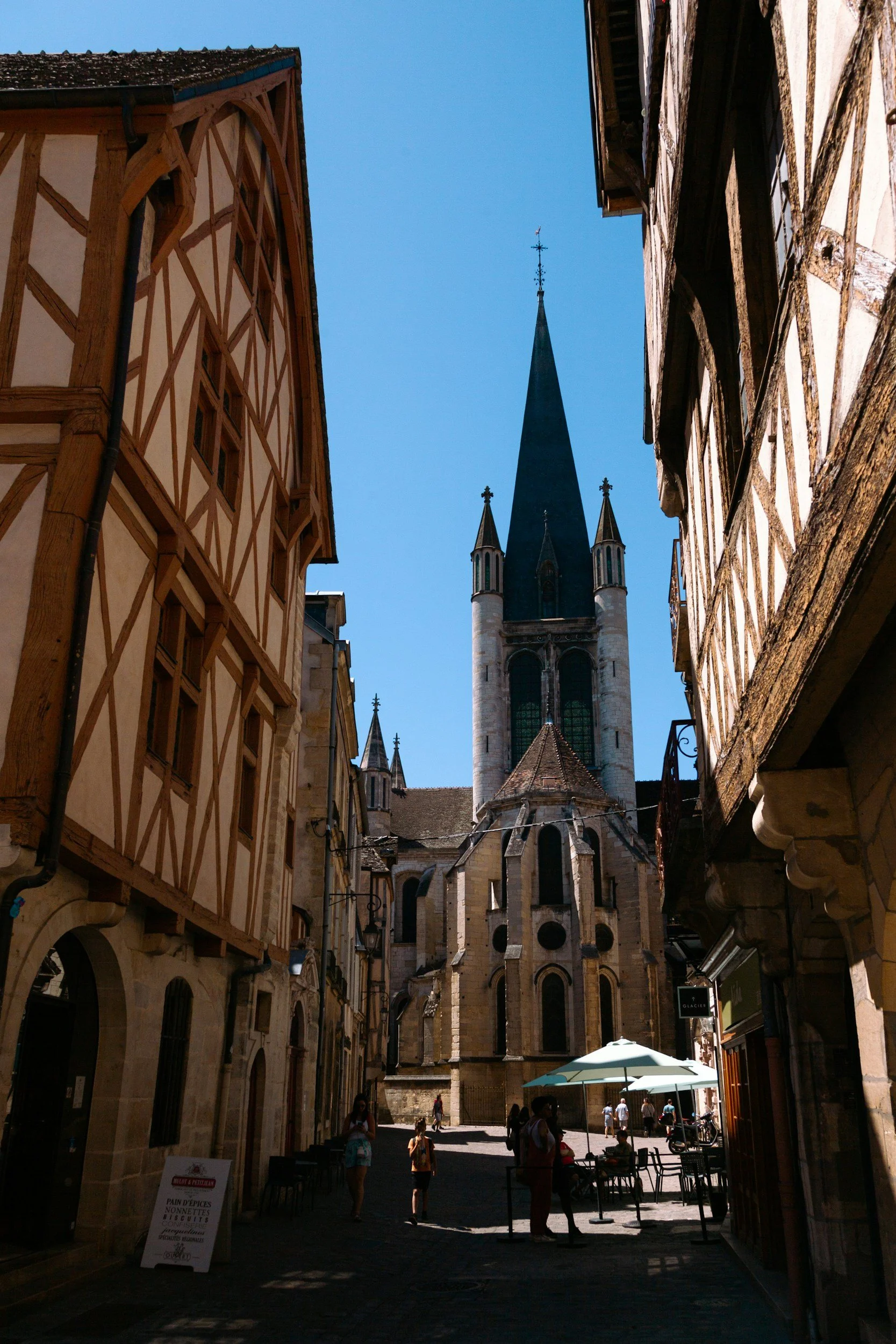
When I’d choose Beaune instead
There are trips where I would happily give up some of Dijon’s extra flexibility and stay in Beaune instead. If I had already booked a wine tour, wanted a day around Pommard or Meursault, planned a couple of tastings in town and happened to be there over a Saturday morning, I would rather be in Beaune than keep travelling down from Dijon every time the wine part of the trip started.
That is really Beaune’s advantage. You can wake up there, spend most of the day around wine, go out for dinner afterwards and walk back to your hotel without another bit of transport entering the conversation. For a trip where wine is taking up most of the itinerary, that starts to matter more than having the biggest choice of trains.
You can have a proper wine day without leaving town
One reason Beaune is such an easy place to base a wine-focused trip is that a vineyard excursion is not essential every single day. There is enough inside the old town itself to have a full wine day on foot, which is very useful if the weather is awful, a producer changes your appointment or you simply decide that you cannot be bothered with another bus timetable.
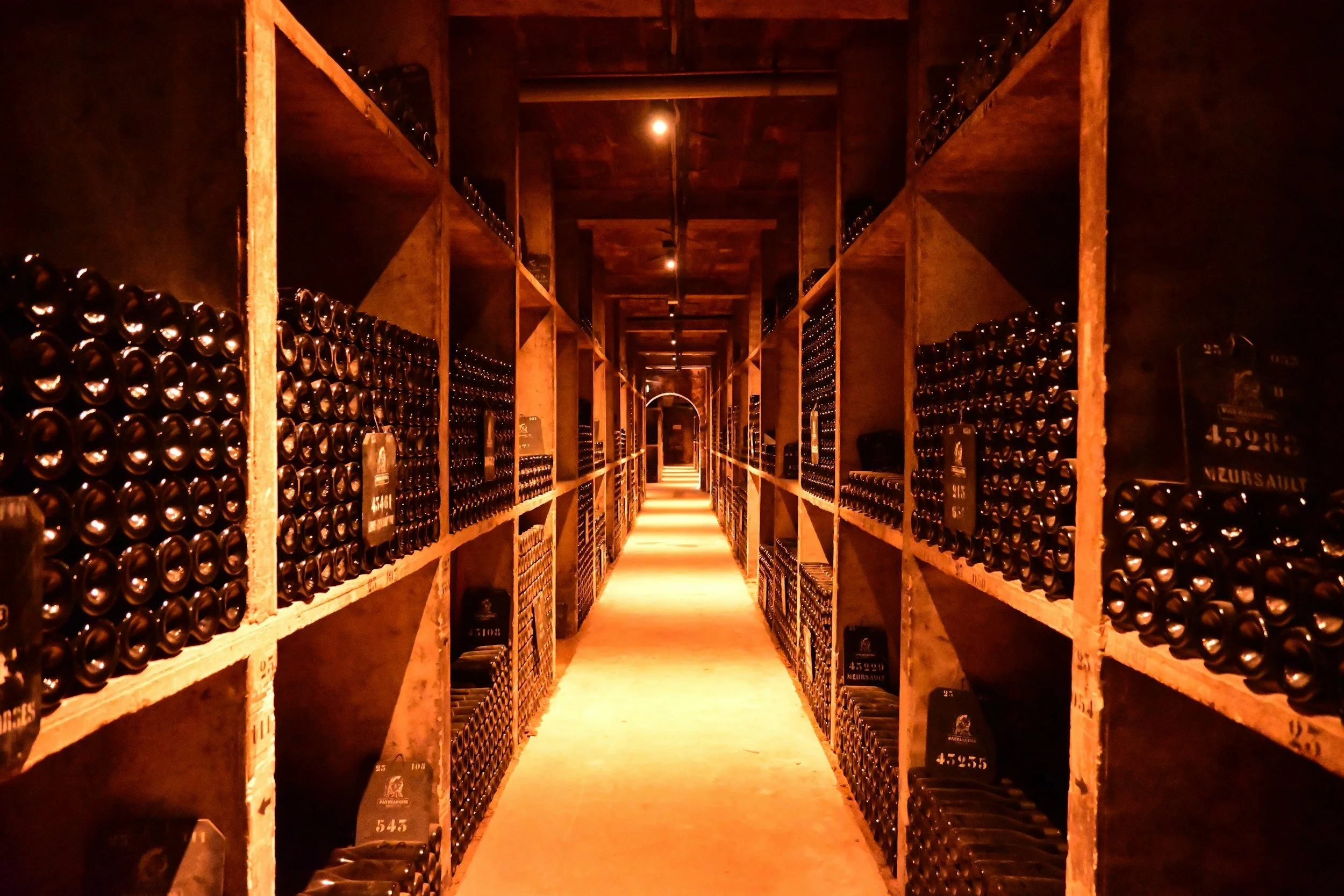
Patriarche Père & Fils, for example, has its cellars on Rue du Collège right in the centre, with visits that currently include the underground cellars followed by a tasting. Bouchard Aîné & Fils is another central option, although its tastings are more structured around set times, which is a good example of something I would check before turning up. Beaune may have a lot of tasting rooms and wine houses, but that does not mean every door is open whenever you happen to walk past it.
There is also the Musée du Vin de Bourgogne, the Hôtel-Dieu and the Cité des Climats et Vins de Bourgogne, so you can spend part of the day learning a little more about what you are drinking rather than moving straight from one tasting to another. I would probably mix those in, particularly on a longer stay. Three serious tastings in one afternoon might sound excellent while planning from home, but I am not convinced it is the nicest way to spend four days in Burgundy.
And this is where staying in Beaune feels genuinely different from visiting for the day. You do not have to make every wine experience into an excursion. You can book one tasting, have lunch, change your mind about the afternoon and still be surrounded by plenty of options.
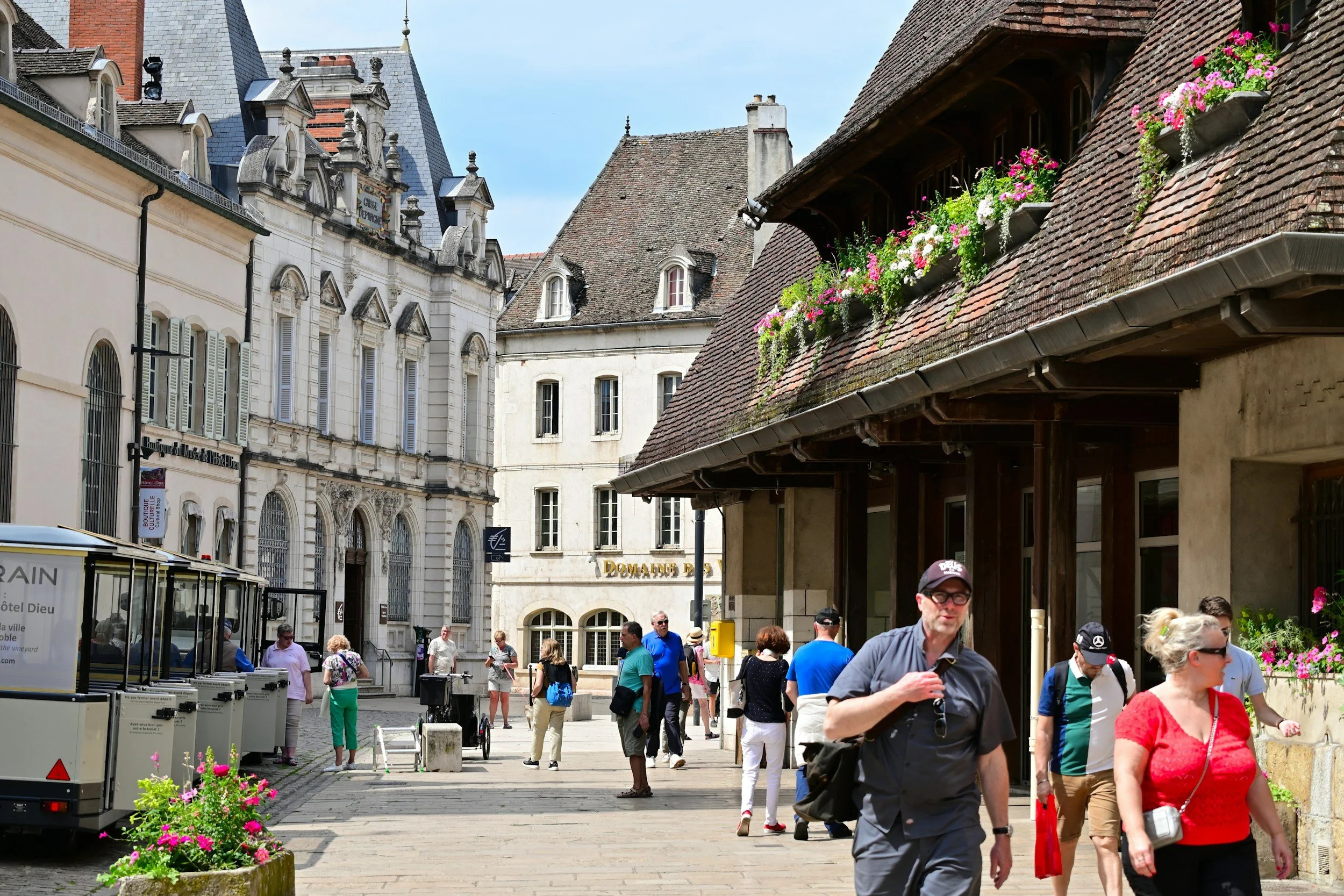
For Pommard, Volnay and Meursault, Beaune is simply easier
The argument gets stronger once your plans move south into the Côte de Beaune. The Voie des Vignes starts from Beaune and runs through Pommard, Volnay and Meursault, continuing towards Puligny-Montrachet, Chassagne-Montrachet and Santenay. If those are the names you keep circling while planning the trip, I would rather start the morning in Beaune than take a train down from Dijon before the day has even begun.
Cycling is probably the nicest way to use that location if you want the vineyards themselves to be part of the day rather than simply transport between appointments. You can hire a bike in Beaune and head towards Pommard without much ceremony, then continue as far south as you have the energy for.
I would be a little careful with the way cycling gets recommended for Burgundy, though. An e-bike makes the hills easier; it does not make several wine tastings and cycling home a particularly clever combination. For a day with one planned tasting, lunch and plenty of time outside, I think it is a great option. For a day built around several producers, I would much rather join a tour and let somebody else worry about getting everyone back.
Beaune has a lot of those tours leaving directly from town, often from central pick-up points such as Porte Marie de Bourgogne, which is another small reason staying here can make a wine-heavy trip feel easier. You walk to the meeting point in the morning, someone else handles the vineyard transport for the day, and you are dropped back in Beaune afterwards rather than needing one more connection home.
There are also Côte&Bus services to some of the surrounding communes, but I would treat them as something to use when the timetable happens to suit the day, rather than the backbone of the whole trip. Services are nowhere near frequent enough to hop between Pommard, Meursault and Beaune without checking the return first.
And if you are coming from Lyon, the case for Beaune gets stronger again. The fastest services in the research for this guide were around 1 hour 25 minutes, so if you are travelling north from Lyon and most of your plans are around the Côte de Beaune, going farther north to Dijon just because it is the more practical base overall starts to feel a bit backwards.
If Burgundy is part of a longer journey towards Lyon, Tournus is one stop I would at least consider before rushing straight south, especially if you have enough time for somewhere smaller between Dijon and Lyon.
If your stay includes Saturday morning, Beaune gets much more tempting
I would also pay attention to the day of the week before booking the hotel, because Saturday morning is a particularly good time to already be in Beaune.
The main market spreads around the Halles, Place de la Halle, Place Fleury and Avenue de la République, with roughly 180 traders. It is much larger than the smaller Wednesday market and one of the few things in this comparison that could genuinely push me towards one base because of a particular morning.
Staying in Beaune means you can walk over early, buy bread, cheese, fruit or whatever else looks good, and leave before you have spent half the morning edging through the busiest part of it. Coming down from Dijon is still completely possible, of course, but then you are choosing a train, walking up from the station and arriving after the market has already been going for a while. I would much rather have coffee, go to the market early and then decide what to do with the rest of the day.
If markets are one of the main reasons you are travelling through Burgundy, there is a separate guide to a Burgundy weekend built around the best market mornings, which goes much further into how I would plan the dates.
So Beaune becomes very convincing when several things line up at once: you are coming from Lyon, most of the wine you want to explore is south of town, you want at least one day that requires almost no transport planning, and Saturday morning falls during the stay. In that version of the trip, I would stop trying to optimise every train connection and just stay where I was going to spend most of my time anyway.
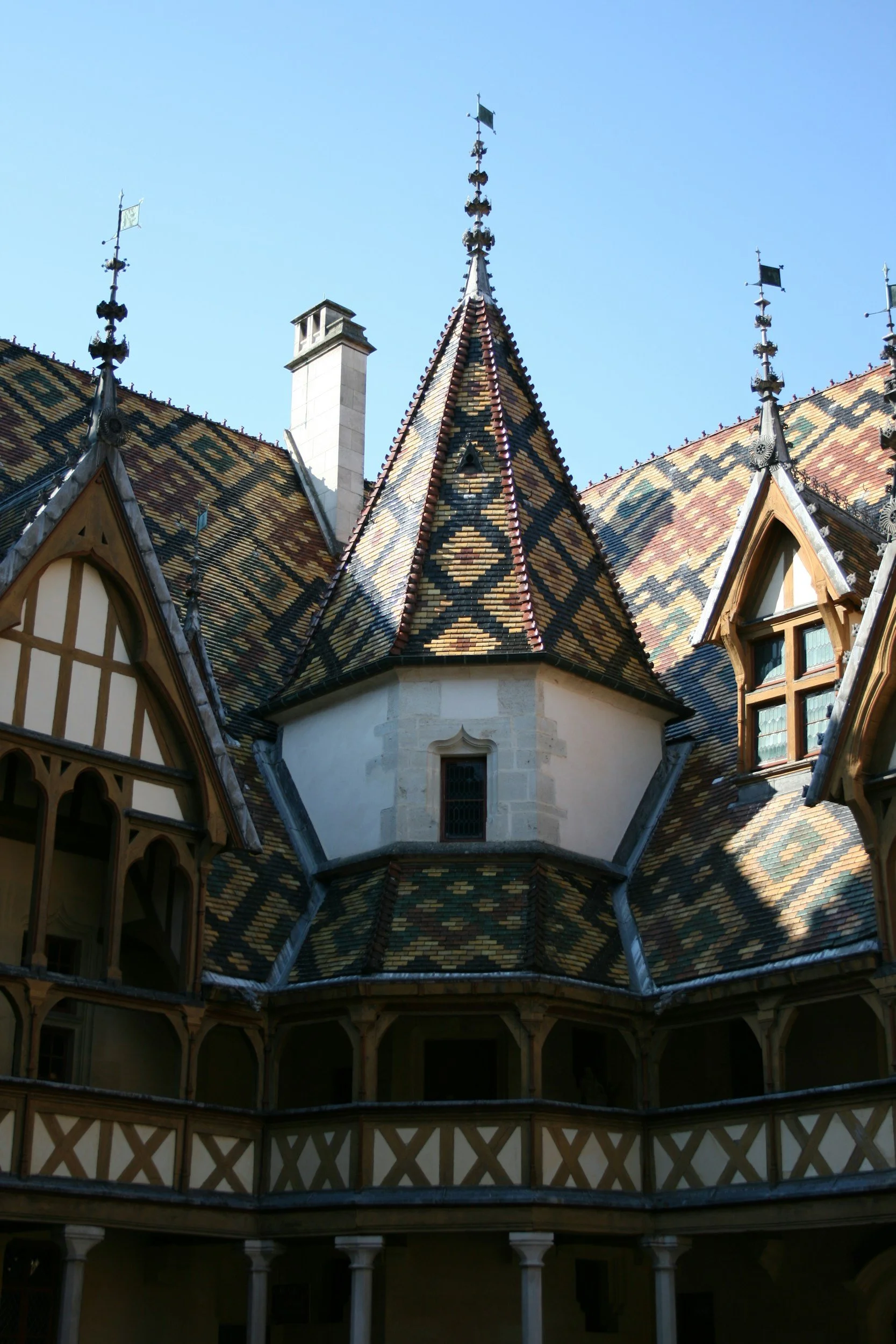
Plan the vineyard day before you book the hotel
This is the part I would sort out before choosing between Dijon and Beaune, because the wine villages are where Burgundy stops being quite so effortless without a car. Looking at the map, everything seems close. Gevrey-Chambertin, Vosne-Romanée, Pommard, Meursault... none of them are far from either base, and quite a few even appear in train searches. The problem is that a short journey on SNCF does not necessarily mean an easy day once you add the walk from the station, a tasting at a fixed time and the question of how you are getting back afterwards.
I would plan the return first. Morning transport is usually the easy part because you know where you are going and you are probably leaving plenty of time. The journey home is the one that catches people out: lunch lasts longer than planned, the tasting starts late, you buy a couple of bottles you now have to carry, and suddenly that 17:20 bus you barely noticed when planning the trip has become very important.
A five-minute train can still leave you two kilometres away
Meursault is probably the best example of how misleading journey times can be here. From Beaune, the train ride itself can take only a few minutes, which sounds almost too easy. Then you look properly at the map and discover that Meursault station is about two kilometres from the village, something the Beaune tourism office specifically points out.
Two kilometres is fine when it is 20°C and you have nowhere to be. It is less appealing when it is 30°C, you have a tasting booked at 11:00 and you are trying to work out whether you can walk there comfortably without arriving sweaty and late. The walk back matters too, particularly if you have bought wine or are trying to catch one specific train rather than simply heading to a station whenever you feel finished.
So I would never book a tasting just because SNCF shows a convenient train to the right village name. I would put the exact tasting address into Google Maps, check the station or bus stop against that address, and then look at the return before booking anything. It takes another five minutes when you are planning at home and can save a very annoying hour once you are there.
For the Côte de Nuits, check the bus before you assume the train is better
The LR113 bus is one of the more useful pieces of Burgundy transport for anyone without a car, particularly if you want to explore the Côte de Nuits independently.
It runs between Dijon and Beaune through the wine corridor, with stops around Marsannay-la-Côte, Fixin, Gevrey-Chambertin, Morey-Saint-Denis, Chambolle-Musigny, Vougeot, Vosne-Romanée, Nuits-Saint-Georges and Aloxe-Corton. Some of those stops are much more useful for a wine day than the railway station because the bus follows the Route des Grands Crus and gets you closer to the villages themselves.
I would check it even when SNCF gives me a train option. Faster does not help much if the train drops you somewhere that then requires a long walk, while the slower bus leaves you near the village centre or close to the domaine you have booked.
The downside is that the LR113 is not frequent enough to improvise around. There can be long gaps between departures, the timetable changes depending on the day and school calendar, some services need reserving, and public holidays can be particularly limited. I would never finish a tasting and then start wondering how to get home. Pick the return first, screenshot it, and give yourself more time than you think you need.
There is also no prize for squeezing in one extra domaine if it means spending the last twenty minutes checking your phone every two minutes because the bus is due.
Decide what kind of wine day you want
Once I stopped thinking of “visiting the vineyards” as one single activity, the Dijon-versus-Beaune choice became much clearer.
If I wanted a guided wine tour, I would be happy staying in either place. Beaune has a particularly large choice of tours leaving from town, but Dijon also has departures into the Côte de Nuits, and for a day with several tastings I would choose a tour over trying to stitch together buses and trains myself anyway.
For an independent Côte de Nuits day, I would seriously consider Dijon. Gevrey-Chambertin, Morey-Saint-Denis, Chambolle-Musigny and Vosne-Romanée are all north of Beaune, and the LR113 gives Dijon much better access to this part of Burgundy than the usual “Beaune is the wine base” advice suggests.
For a cycling day through the Côte de Beaune, I would stay in Beaune. The Voie des Vignes runs out towards Pommard, Volnay and Meursault, continuing towards Puligny-Montrachet, Chassagne-Montrachet and Santenay, so you can rent a bike in town and start the day without taking another train first. That feels like a much nicer use of a morning.
I would keep the wine part of that cycling day fairly modest, though. One planned tasting with plenty of time around it is very different from trying to visit three domaines and then cycling back with bottles in your bag. If the wine is the main event, I would book a tour or driver and leave the bike for another day.
And if I wanted a wine day without going into the vineyards at all, I would choose Beaune. You can walk between tastings, have lunch, go somewhere else for a glass later and never need to look at a timetable.
So before deciding that Beaune is “closer to the wine” or Dijon is “better connected,” I would work out what you are really planning to do. A guided tour, a bus day in the Côte de Nuits, a bike ride through Pommard and Meursault and an afternoon of tastings in Beaune are four very different days, and the best base is not the same for all of them.
I would book the things that can ruin the day if they are full: any producer you particularly want to visit, a guided wine tour and a driver if you are relying on one to get home. I would also check the exact LR113 service before fixing a tasting time, because some journeys need reserving and the timetable changes by day. Trains between Dijon and Beaune are the part I would be much more relaxed about; the vineyard transport is where I would want the plan sorted before arriving.
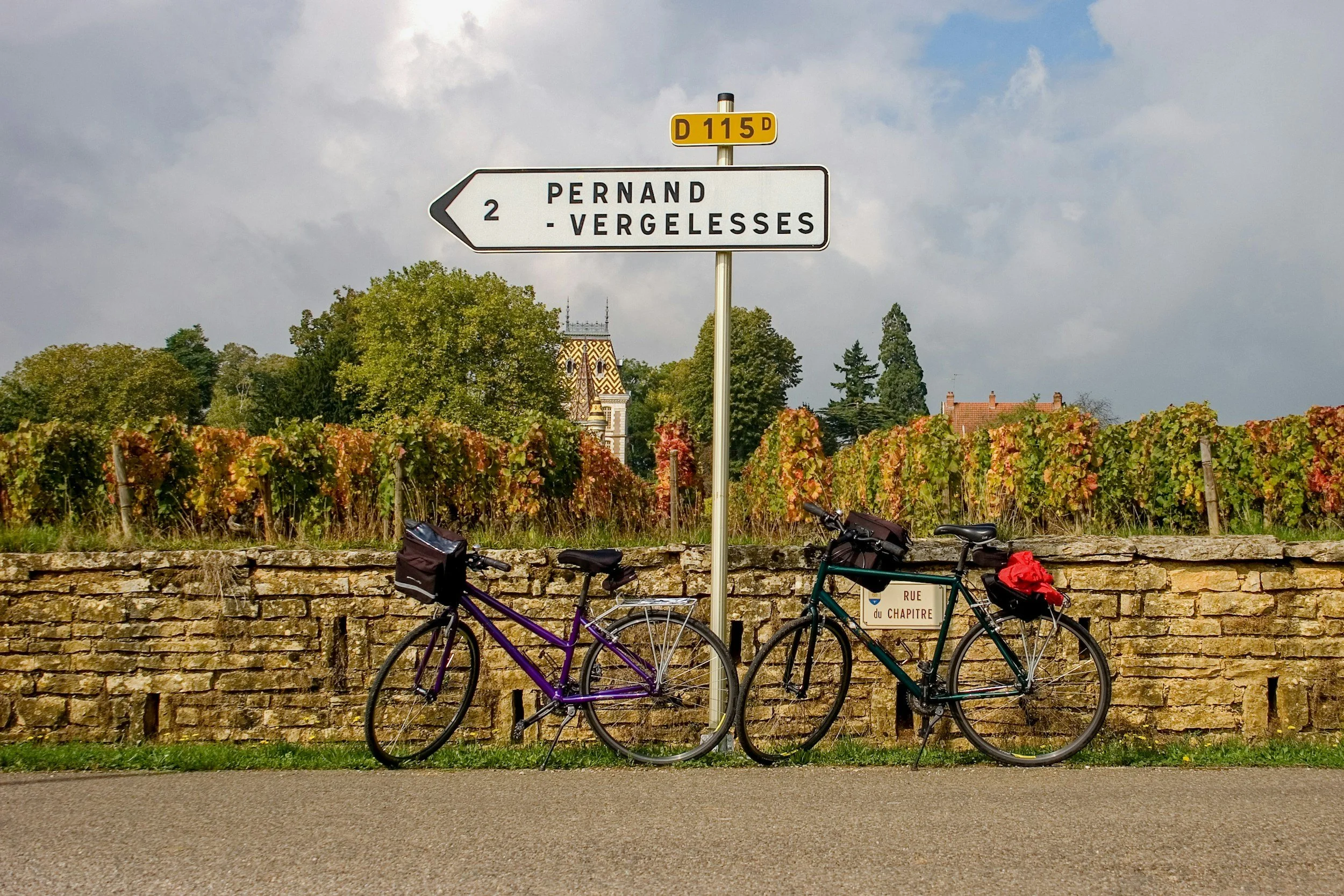
Coming from Paris? I’d lean Dijon. From Lyon, Beaune gets more interesting
Paris to Dijon is very straightforward. The quickest trains from Paris Gare de Lyon take around 1 hour 34 minutes, and Dijon-Ville drops you close enough to the centre that you can be at your hotel soon afterwards. If you are only staying three nights, that is a nice first day: you leave Paris, arrive in Burgundy, drop your bag and you are done with trains until you decide you want one again.
Beaune is still perfectly reachable from Paris, but many journeys involve changing in Dijon and continuing south, with the quickest overall journeys around 2 hours 15 minutes. That is not a difficult journey, but I would ask myself what I am gaining from the extra connection.
If the answer is “I have a wine tour leaving Beaune at 9am tomorrow, dinner booked there tomorrow night and most of the trip is around the Côte de Beaune”, then keep going. Beaune is clearly where you should be.
If the answer is simply “Beaune seems to be where people stay for Burgundy”, I would probably stop in Dijon.
The difference becomes more noticeable if you are arriving later in the day. A 15- or 20-minute connection does not look like much when you are planning from home, but after getting to Gare de Lyon, travelling with luggage and potentially dealing with a delayed train, I would rather arrive at the place where I am sleeping than start checking the departure board for the final leg to Beaune. With five nights I would care much less. With two or three, I would rather spend that bit of time having dinner.
There is also no real penalty for doing this because Beaune is so easy to visit the next day. You are not choosing Dijon in place of Beaune; you are choosing the simpler arrival and then using the short Dijon-Beaune train when it suits you.
From Lyon, Beaune suddenly becomes a much easier choice
Coming from Lyon, I would look at the trip very differently. The quickest Lyon-Beaune trains take around 1 hour 25 minutes, so Beaune fits naturally into a northbound rail trip and you can arrive without having to go via Dijon first on the fastest direct options.
This is where I would be much more tempted to stay in Beaune, particularly if the next couple of days are going to be spent south of town around Pommard, Volnay, Meursault or the rest of the Côte de Beaune. Travelling another 20 minutes north to Dijon, checking into a hotel there and then coming south again for your wine days is possible, but it starts to feel like you are choosing the technically better transport hub rather than the base that suits the trip you are taking.
Imagine arriving from Lyon around lunchtime with three nights ahead of you. If you stay in Beaune, the rest of that first day can be completely local: leave the bag, have lunch, visit a cellar, walk around town, have dinner. The following morning you can join a tour from Beaune or head towards Pommard and Meursault. There is no reason Dijon needs to enter the itinerary until you decide you want to visit it.
That is a very different trip from arriving from Paris, where Dijon is already sitting conveniently at the end of the fastest first journey.
I would also look at where the train goes after Burgundy
The onward journey can tip the decision too, especially if Burgundy is just one stop in a longer France or Europe trip.
If you are continuing north or east towards Alsace or Switzerland, Dijon is usually the base I would favour because you are already at Burgundy’s stronger rail hub. Dijon has direct connections towards places such as Strasbourg, Besançon and Dole, and even when the eventual journey involves a change, starting in Dijon generally gives you more options than first travelling north from Beaune and then beginning the longer journey.
That matters if your next stop is somewhere like Strasbourg, Colmar or Basel and you are trying to keep the whole trip reasonably simple. I would rather have one slightly longer vineyard day during the Burgundy stay than finish the stay with an early Beaune-Dijon train purely so I can catch the train I really need from Dijon.
Going south is the reverse. If Burgundy sits between Paris and Lyon and your next stop is Lyon, Provence or somewhere farther south, Beaune can slot neatly into that journey because it already sits on the railway heading in the right direction. You avoid travelling north to Dijon at the end only to turn around and head south again.
I would not choose a base solely to save twenty minutes of railway travel, but once several journeys start pointing in the same direction, I pay attention. A trip from Paris to Dijon, then onward to Alsace has a very natural shape. A trip from Lyon to Beaune, followed by more time farther south, does too.
And if you are doing something like Paris → Burgundy → Lyon, then the choice becomes much more about what you want from the Burgundy part itself. Dijon gives you the easier arrival from Paris; Beaune puts you closer to the wine days and leaves you well placed for Lyon afterwards. In that case, I would let the number of nights and the vineyard plans decide rather than trying to optimise every train.
This is also why I would look at the entire rail itinerary before booking a cheaper hotel in either town. Saving a little on the room stops feeling like much of a saving if it creates an extra early-morning connection with luggage on the day you leave.
And if neither Dijon nor Beaune feels quite small enough for the trip you have in mind, there are quieter Burgundy towns around Beaune that are worth looking at, although the transport becomes more important once you leave the main rail corridor…
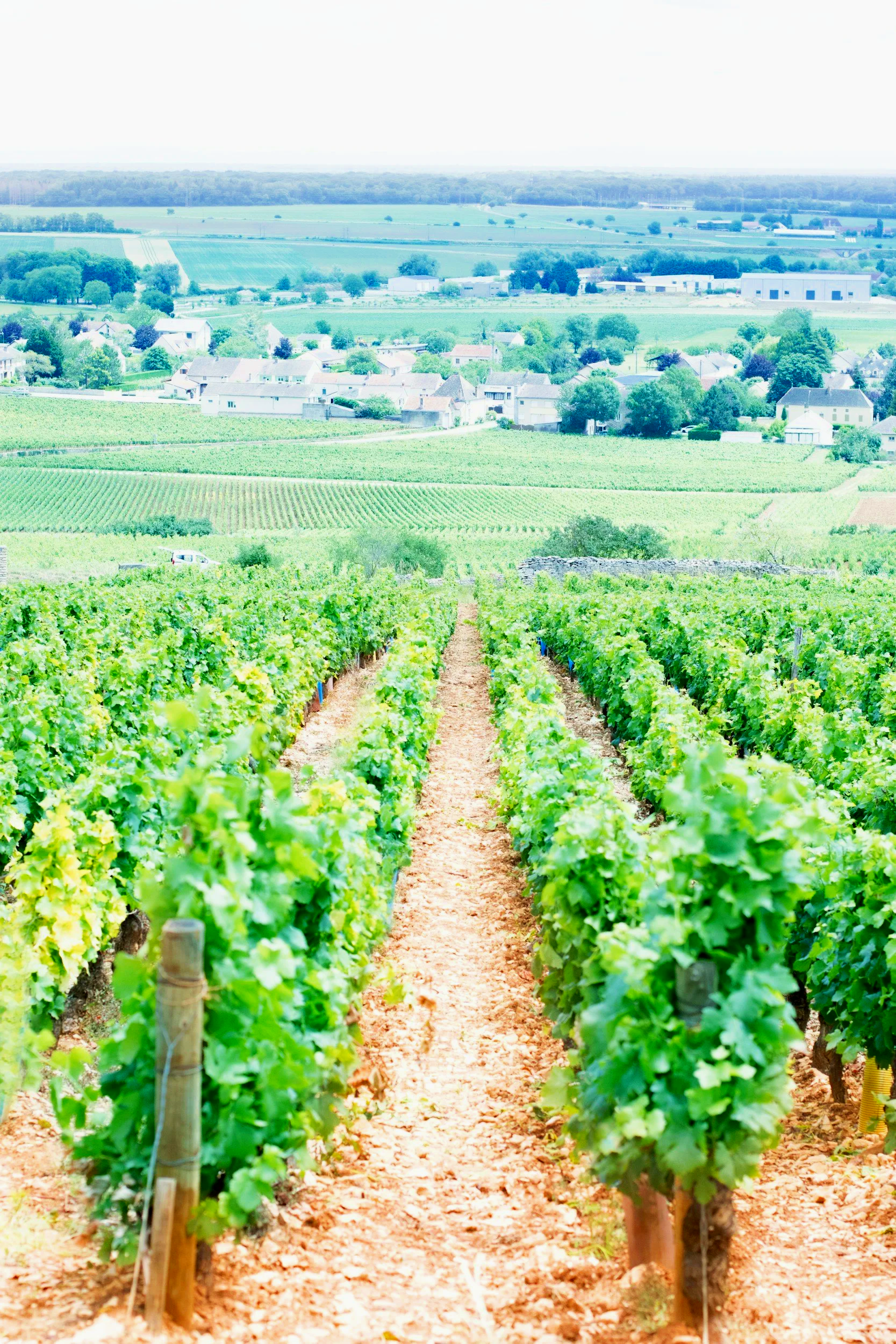
How long you’re staying changes what I’d book
The number of nights makes a bigger difference here than I first thought, mostly because Dijon and Beaune are so close that changing hotels can feel like a lot of effort for very little gain. I would be quite reluctant to move between them unless there was a clear reason, because a 20-minute train is easy. Packing your bag, checking out, carrying everything to the station and then waiting for the next room to be ready is not difficult either, but it is still annoying, and I would rather spend that time somewhere with a glass of wine than sitting on my suitcase.
Two nights: definitely stay in one place
With only two nights, I would not split the stay.
From Paris, Dijon is the obvious choice for a mixed trip. You arrive quickly, you are already in the centre of things, and you still have Beaune within easy reach if you want to spend your one full day there. Two nights sounds like more than it is once you count the arrival and departure days, so I would keep the logistics as light as possible.
I would choose Beaune for two nights if the whole weekend was already built around wine. Say you are coming up from Lyon, you want Friday evening in Beaune, Saturday morning at the market, then a wine tour or tasting in the afternoon. In that case, staying in Dijon would just mean travelling back and forth for no real reason.
What I definitely would not do is book one night in each just because both towns seem too good to miss. You are not missing either of them. You are just making yourself deal with two hotels instead of one.
Three nights: this is where the choice gets more interesting
Three nights gives you enough time to have one proper wine day and still have a bit of space around it, which is why I still lean towards Dijon for most people.
You could arrive, settle in, have the first evening there, then use the next day for Beaune or the Côte de Nuits and keep the third day open. That last bit matters to me. Burgundy is the sort of place where one tasting can end up dictating half the day, or the weather can suddenly make the bike plan look much less appealing, and I like having at least one day that is not already boxed in.
Beaune starts to win when one of those days is already very clearly a wine day. If you have a guided tour booked, want to cycle out towards Pommard and Volnay, or you know you want a long Saturday morning at the market followed by tastings, then staying there starts to feel more natural.
And I would think about the evenings too. If you like the idea of having dinner, maybe another glass somewhere afterwards, then walking back to the hotel without checking a train time, Beaune has a real advantage. If you are more likely to decide on dinner at the last minute and want a bigger choice around you, Dijon is easier.
From the Dijon side, Semur-en-Auxois is another Burgundy town I would keep for a slower second trip, particularly if you want somewhere smaller and more medieval than either Dijon or Beaune.
Four or five nights: you still do not need to move
This is where I think a lot of itineraries get unnecessarily complicated.
Four or five nights feels long enough that people start thinking, “We should probably do two nights here and two nights there”, but I still would not move just for the sake of it. You can spend a full day in the other town whenever you want, and the train is short enough that it never feels like some huge outing.

I would split the stay only if the plans genuinely make it useful. Maybe you have an early tour leaving from Beaune one morning and then an early train out of Dijon at the end. Maybe you have booked dinners in Beaune on two nights and you already know you will not want to travel back afterwards. Or maybe you really do want the trip to feel different halfway through, with a couple of nights in Dijon first and then a more wine-focused couple of nights in Beaune.
Those are good reasons.
“I have four nights, so I should stay in both” is not.
There is also the very unglamorous issue of bottles. Once you have bought a few, moving hotels suddenly becomes a lot less appealing, especially if you already have normal luggage to carry over cobbles and onto trains. I would much rather keep one room, leave everything where it is and travel light for the day.
So with two nights, I would keep things very simple. With three, I would think about where that one big wine day is happening. And with four or five, I would still stay in one place unless the plans themselves are giving you a very good reason to move.
Where I would stay in each town if I didn’t have a car
Once you have decided between Dijon and Beaune, the hotel location matters almost as much as the town itself. Both places are walkable, but that can be a slightly misleading thing to read when you are comparing rooms online, because “walkable” can still mean dragging a suitcase for twenty minutes, walking back from dinner along a road you would rather not be on at night, or realising that the cheaper hotel you booked is technically in Beaune but nowhere near the part of Beaune you came for.
For a short car-free trip, I would try to keep things very simple. I want to be able to arrive with luggage without turning it into an expedition, but I also want the useful part of town close by once I have checked in. The best areas in Dijon and Beaune are slightly different for that reason.
In Dijon, I’d stay between Place Darcy and Les Halles
This is the bit of Dijon I would look at first.
Place Darcy sits just beyond Dijon-Ville and is only around five to ten minutes away on foot, so it gives you a very easy arrival without leaving you stranded in a station district for the rest of the stay. From there, you pass through Porte Guillaume and straight into the old centre, with Rue de la Liberté taking you towards Place François Rude and Les Halles.
I think the nicest compromise is somewhere around Rue du Docteur Maret, Place Grangier, Rue Musette or the western side of the old town. You are close enough to the station that an early train does not require military planning, but your evenings are still spent in the part of Dijon where you are likely to want to be anyway.
If I was travelling with a small suitcase, I would happily stay closer to Les Halles. That is the side I would favour for a longer weekend because breakfast, the market, restaurants and the old streets are all around you, and the slightly longer walk from the station is something you only have to do properly twice: when you arrive and when you leave.
A hotel right beside Dijon-Ville would only tempt me if I was getting in very late, leaving very early, or carrying enough luggage that every extra cobblestone started to feel personal. It is practical, certainly, but for a two- or three-night stay I would rather walk another five or ten minutes on day one and then have the centre outside the door for everything that follows.
Dijon does have the tram, so staying farther out is possible. I still would not do it unless the hotel was significantly better value. A room in Toison d’Or or another outer district may look perfectly reasonable on the map because the tram solves the distance, but then you are waiting for transport every time you want breakfast, dinner or a walk around town. That feels like an odd thing to build into a short break when one of Dijon’s strengths is how easy the centre is to use on foot.
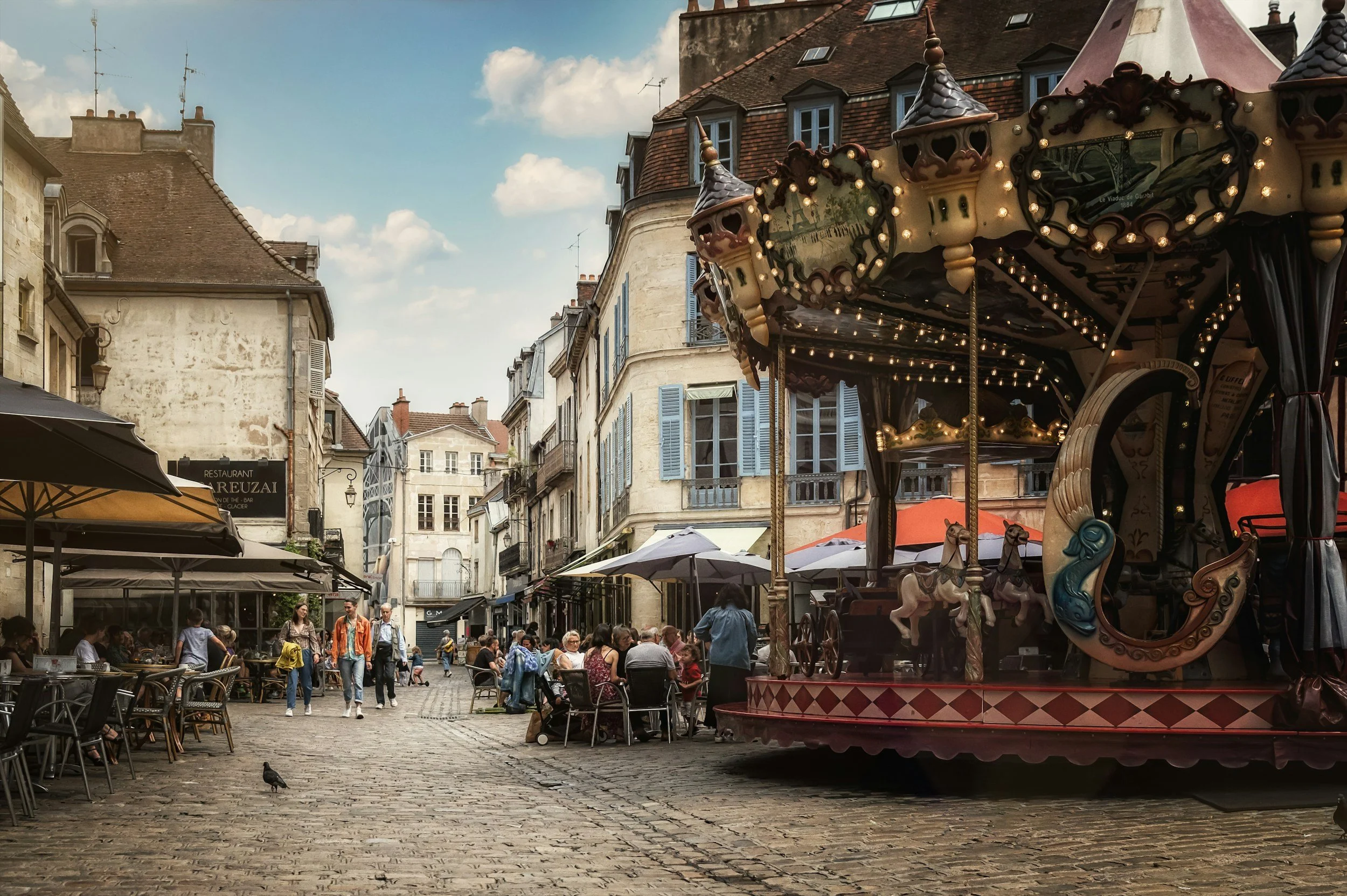
In Beaune, I would be much stricter about the map
Beaune is smaller, which makes it very tempting to assume that almost anywhere with a Beaune address will be fine. I would not.
The part I would book is inside the old-town ring or immediately beside it, because that is where staying in Beaune earns its keep. You can walk to the wine bars, the cellars, the Saturday market, dinner and most of the places you are likely to use in the evening without needing to think about transport again.
If luggage mattered, I would pay particular attention to the east and southeast side of the centre, because that is the side you approach from Beaune station. Somewhere around Rue de Lorraine or just inside the eastern edge of the old town gives you an easier walk on arrival while still keeping you close to the centre once you have dropped the bags.
If I was choosing purely for evenings, I would look around Place Carnot, Place de la Halle and the surrounding streets. You are right in the middle of things there, which is lovely when dinner runs late or you decide to have one more glass somewhere before going back to the hotel. The only thing I would check carefully is recent noise feedback, especially for summer weekends, because being in the middle of everything is less charming at midnight if your room is directly above it.
The area I would be cautious about is south of the centre around Avenue Charles de Gaulle, the Palais des Congrès and the A6, plus hotels farther out towards Levernois. A few of those properties can look like excellent value when you are scanning a booking site because the distance to central Beaune appears tiny on a zoomed-out map. Then you look at the walking route and realise that the money saved on the room has bought you a much less pleasant walk every morning and every evening.
That matters even more in Beaune because so much of the reason to stay there is being able to do things on foot. If I have chosen Beaune because I want to finish a tasting, have dinner and walk home, I do not want to discover that “home” is another half-hour towards a motorway junction.
Levernois is another one I would treat carefully. It is very close to Beaune by car and has some lovely accommodation, but that does not automatically make it useful without one. I would only stay there if the property offered a transfer I was happy to rely on, or if I was deliberately booking a quieter hotel and understood that I was giving up the easy walk-in, walk-out part of Beaune.
This is also one place where I would not get too seduced by the cheapest room. Saving a little per night can disappear very quickly once you start paying for taxis, or simply become annoying if every dinner ends with a long walk back along a route you do not enjoy.
If I were booking quickly, my rough rule would be this: in Dijon, keep the hotel somewhere between the station and Les Halles, with Place Darcy as the useful anchor. In Beaune, keep yourself inside or right beside the old-town ring, and favour the station-facing side if you have luggage. That gives you the thing you are really paying for in both towns: the ability to arrive easily, drop your bag, and then forget about the hotel logistics for the rest of the stay.
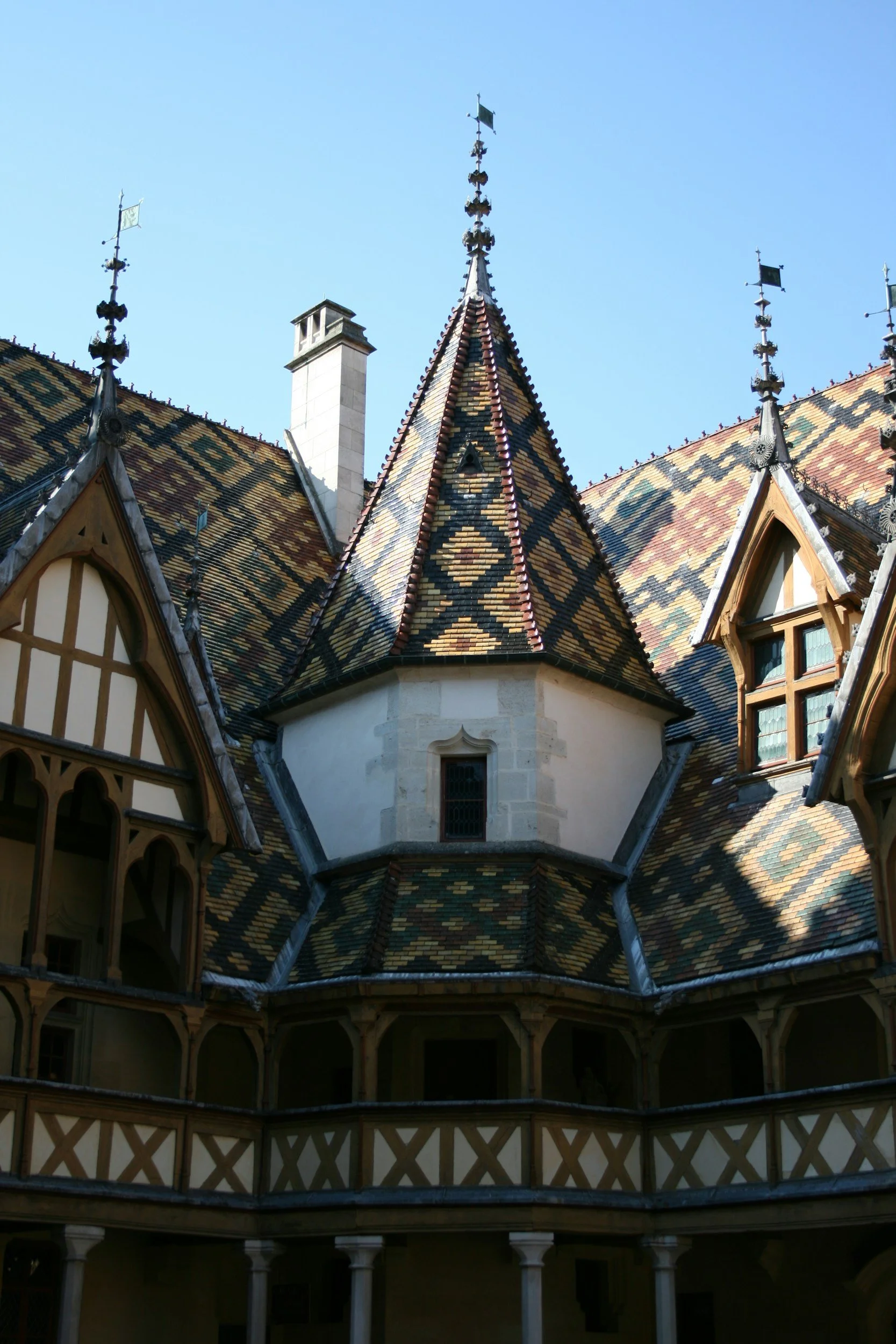
If you are already thinking beyond the Côte d'Or, Chablis is a very different kind of Burgundy wine weekend and deserves its own trip rather than being squeezed into a Dijon-Beaune itinerary.
What I’d book for a first trip
For a first Burgundy trip without a car, I would still book Dijon. It gives you a little more room to be undecided, and I think that matters on a first visit because you probably do not yet know which part of Burgundy you are going to want more of once you are there. You might arrive thinking the trip will be mostly about wine and then realise you want a slower day in Dijon, another town by train, or simply a morning where you do not have to think about a reservation or a return bus. Dijon is very forgiving of that kind of change.
From Paris, it is also the choice I would make without spending too much more time debating it. You can arrive directly, get into the centre quickly and start the trip rather than adding another connection because Beaune sounds more obviously “Burgundy”. Then, when you do want Beaune, it is so close that you can give it a proper day rather than feeling as though you have chosen against it.
I would switch to Beaune when the trip already has a clear shape before I book the hotel. If I knew I wanted one full day in the Côte de Beaune, had a tour or tasting booked, wanted to cycle towards Pommard and Meursault, and my dates happened to include Saturday morning, I would stay there and enjoy having most of that within easy reach. I would also choose Beaune if I knew I cared about the evenings there. Being able to finish dinner, have another glass of wine and walk back to the hotel is a much nicer end to the day than checking whether you need to leave for the station.
That is probably the easiest way to make the decision: think less about which town sounds better and more about which journeys you would rather not make. If you would rather avoid extra connections from Paris, awkward vineyard transport and being too tied to a plan, choose Dijon. If you would rather avoid travelling into Beaune for every wine-heavy day and then leaving again in the evening, choose Beaune.
I would not split a short stay unless the plans themselves make it useful. Dijon and Beaune are too close for moving hotels to add much on its own, and once you have luggage, a few bottles of wine and a perfectly good room already set up, the appeal of checking out and doing it all again drops quite quickly. I would rather choose one base, travel light for the day and come back to the same place afterwards.
And if you are still looking at the map thinking that neither Dijon nor Beaune is quite what you had in mind, that is probably the point where I would move on to the full guide to Burgundy without a car, because there are other bases that may suit a quieter or more regional trip better.
If it is Beaune’s Saturday market and the food side of Burgundy that is pulling you in, the next thing I would read is the Burgundy market weekend I would plan before fixing the dates.
FAQ: Dijon or Beaune without a car
Is Dijon or Beaune better for wine tasting without a car?
For wine tasting inside the town, Beaune is easier because you can walk between several wine houses, cellars and wine bars without arranging any transport. Dijon becomes much more competitive if you want to explore the Côte de Nuits, particularly Gevrey-Chambertin, Morey-Saint-Denis, Chambolle-Musigny, Vougeot and Vosne-Romanée.
If most of the names on your wine list are Pommard, Volnay, Meursault or Puligny-Montrachet, I would stay in Beaune. If they are mainly Côte de Nuits reds, I would seriously consider Dijon.
Can you visit Meursault from Beaune without a car?
Yes, but this is a good example of why I would never judge a Burgundy day by the train time alone. The train from Beaune can take only a few minutes, but Meursault station is around two kilometres from the village itself.
That is perfectly walkable for some travellers, but you need to allow for the walk when booking a tasting and again when planning the train home. In hot weather, rain or with a few bottles of wine to carry, those extra kilometres become much more noticeable.
Can you visit Gevrey-Chambertin or Vosne-Romanée from Dijon without a car?
Yes. The LR113 regional bus runs south from Dijon along the wine corridor and serves places including Marsannay-la-Côte, Fixin, Gevrey-Chambertin, Morey-Saint-Denis, Chambolle-Musigny, Vougeot, Vosne-Romanée and Nuits-Saint-Georges.
Some Côte de Nuits towns also have rail stops, but I would check the exact tasting address before choosing the train. The bus can sometimes leave you somewhere much more useful than the railway station.
Is the LR113 bus easy to use for the Burgundy wine villages?
It is useful, but I would not describe it as hop-on, hop-off transport. Departures can be several hours apart, services change according to the day and school calendar, and some journeys need advance reservation. Public-holiday service can also be very limited.
I would choose the return bus first, then book the tasting around it. That sounds slightly backwards until you are in a village at 17:00 and discover the next convenient bus is not coming for a very long time.
Can you visit Burgundy wineries by train?
Sometimes, but a station with the right village name does not necessarily leave you close to the winery you want to visit. Regional trains serve places including Nuits-Saint-Georges and some stops around Gevrey-Chambertin and Vougeot, while Meursault also has a station outside the village.
For every winery visit, I would check three things separately: the train stop, the exact tasting address and the journey home. That is much more reliable than searching “Beaune to Meursault” and assuming the short train journey tells you the whole story.
Do you need to book wine tastings in Burgundy in advance?
For anywhere you particularly care about visiting, yes, I would book it. Some larger wine houses in Beaune have regular visiting hours or set tasting slots, while smaller domaines may work mainly by appointment.
I would also book guided vineyard tours and any driver you intend to rely on. Burgundy is not somewhere I would plan three important tastings and assume I can sort out the transport or appointments once I arrive.
Can you cycle from Beaune to Pommard and Meursault?
Yes. Beaune is a very good starting point for the Voie des Vignes, which heads through Pommard, Volnay and Meursault before continuing farther south through the Côte de Beaune.
I would use a bike for a day where cycling and the vineyards are a big part of the experience, perhaps with one carefully planned tasting. If the day is really about visiting several producers and tasting properly, I would book a tour or driver instead.
Can you stay in Beaune without booking a wine tour?
Definitely. Beaune is probably the easiest place in Burgundy to have a wine-focused day without arranging any vineyard transport at all. You can book a cellar visit or tasting in town, visit the wine museum or Cité des Climats, have lunch and continue to a wine bar later without needing a bus, train or taxi.
A guided tour becomes much more useful when you want to visit several producers outside Beaune in one day.
Is Beaune easy to reach from the train station with luggage?
The old centre is generally around a 10–15 minute walk from Beaune station, depending on exactly where you are staying. That is reasonable for most travellers, but I would still pay attention to the hotel location if you have a large suitcase.
The eastern and southeastern side of the old-town ring gives you the easiest balance between walking from the station and still being close to dinner, wine bars and the centre in the evening.
Is Dijon or Beaune easier on a Sunday or Monday?
I would rather be in Dijon if my trip includes several Sunday or Monday hours with nothing booked. Smaller restaurants, independent shops and some tasting rooms around Burgundy often close on one or both days, particularly outside the busiest months, and Dijon simply gives you more alternatives when the first place you wanted is shut.
I would be more organised in Beaune: check restaurant opening days, reserve any tasting that matters and avoid assuming that a wine house you saved on Google Maps will be open when you arrive.
What should I book before travelling to Burgundy without a car?
I would book any specific winery or domaine you really want to visit, a guided wine tour, and a driver if your day depends on one. If you are using LR113, check your exact service before fixing the tasting time because some journeys require reservations and the timetable varies.
I would be far more relaxed about the trains between Dijon and Beaune. The vineyard days are the ones I would have sorted before arriving.