The French markets I’d plan a September weekend around
At some point, I realised I'd started checking market days before I checked almost anything else when planning a weekend in France. I could find a town I wanted to visit, start looking at trains and places to stay, then discover the market was on Thursday and immediately rethink the dates. I'd rather arrive on Wednesday evening and have Thursday morning properly free than turn up on Friday and spend the weekend knowing I'd missed the one morning I would probably have enjoyed most.
That's exactly the sort of decision I'd make for Nyons, where Thursday is market day, or Dieulefit, where I'd want to be there for Friday morning rather than arriving later for a more conventional Friday-to-Sunday break. Issigeac creates the opposite problem because its market takes over the village on Sunday, so I'd stay on Sunday night rather than spend the morning checking the time and wondering when I needed to leave. Even Samatan would tempt me into extending the trip until Monday, simply because leaving on Sunday would mean missing the market that had made me interested in going there in the first place.
September makes all of this even more worthwhile because you catch French markets at a particularly interesting point in the year. There can still be tomatoes, peppers and the last of the summer fruit on one stall while the next has early figs, grapes, walnuts or mushrooms that have appeared after the first proper rain. In Alsace, growers are busy with the grape harvest around Obernai; around Nyons and Dieulefit, figs, Picodon and produce from the Drôme are filling the baskets; and further west, the markets of Issigeac and Samatan already look quite different from the ones you'd have found at the beginning of summer.
That's really why I'd plan the dates around the market rather than fit the market around everything else. You're not travelling to France simply to walk past a row of stalls for an hour. You're seeing what people in that particular part of the country are growing, making, cooking and buying that week, and in September those answers can change surprisingly quickly from one region to the next.
That's also why this isn't simply a list of French market towns I'd recommend at any time of year. Obernai is far more interesting to me when the vineyards around town are busy with the vendanges, while Nyons in September catches that lovely overlap when late Provençal produce is still around but figs and walnuts are beginning to appear. In Issigeac, I'd be watching for the first mushrooms after rain alongside walnuts, goat's cheese and duck from the Dordogne, while a Monday morning in Samatan is an entirely different proposition, with Gascon producers selling duck and foie gras in a market that still feels very much like somewhere people have come to buy food rather than spend a morning sightseeing.
Those differences ended up being the reason I chose these particular towns. I didn't want seven variations of the same pretty French market square, and I definitely didn't want to fill the guide with famous places simply because people already recognise their names. I wanted markets that would give me a genuine reason to change my travel dates: Dieulefit on Friday for Picodon and ceramics, Tournus on Saturday for Burgundy produce, Issigeac when its Sunday market spreads through the medieval lanes, or Samatan on Monday because that's the morning I'd regret leaving before.
That's the test I'd use when deciding whether a market was worth travelling for. If I'd be annoyed to discover I'd missed it by a day, it belonged in this guide. And September makes that decision particularly easy because what you find isn't interchangeable from one town to the next. A shopping bag in Nyons might end up with Tanche olives, Picodon and figs in it; in Obernai, I'd be thinking about Riesling, quetsches and whatever had appeared during the harvest; and in Tournus, I'd probably be wondering how much Époisses I could reasonably carry home. That's the France I want this guide to help you plan around.
September changes the markets more than the weather
I think I'd notice September first by looking at what was actually on the stalls. In June, I'd expect to come away with cherries, strawberries, apricots, tomatoes and armfuls of fresh herbs. A few months later, the shopping bag would look completely different. September is when grapes, late figs, apples and pears begin appearing alongside fresh walnuts, squash and the first wild mushrooms, while peaches, nectarines and some of the other summer fruit are still hanging on for another week or two. I really like that overlap because you don't arrive one morning to find that summer has simply disappeared. You can actually see one season giving way to the next as you walk around the market.
The timing isn't the same across France either, and that's where September becomes much more interesting. In Burgundy, the vendanges may already be underway, so grapes aren't simply another piece of fruit on a stall; you're travelling through villages where growers are bringing in that year's crop. Lorraine's mirabelle season is much shorter and usually nearing its end by September, which makes those last small golden plums something I'd buy when I saw them rather than assume I'd find again later in the trip. Further south in the Drôme, I'd be looking for late figs, Picodon, honey and the vegetables beginning to replace the courgettes and tomatoes of high summer. Around the Dordogne, fresh walnuts start becoming particularly interesting, with cèpes appearing when temperature and rainfall have been right, while further north in Normandy, September means the beginning of the apple harvest and the point when cider producers start pressing the new crop.
Fresh walnuts are probably the thing I'd be most excited to find because they're nothing like the bags of dried walnuts I normally buy at home. In early autumn they're sold before they've fully dried, sometimes with traces of the green outer husk still around the shell, and inside the nut is paler, softer and much more delicate. They're also not something I'd buy with the intention of keeping until Christmas. This is the moment to eat them with cheese, add them to a salad or simply crack a few open that evening with whatever else I'd picked up at the market.
Mushrooms are even less predictable. Cèpes don't appear because the calendar says September; they need the right combination of moisture and temperature, so a good spell after rain can suddenly bring baskets of them into markets across places such as the Dordogne. That also means I'd never write “buy cèpes” into an itinerary as though they were guaranteed. I'd look for them when I arrived, ask the seller what had come in that morning and buy them if I'd been lucky with the timing. The same goes for late figs and other produce with a short window. September markets are interesting precisely because you don't know exactly what will be waiting until you get there.
Cheese is another place where I'd stop following a predetermined shopping list. In Dieulefit and Nyons, I'd be looking for Picodon AOP, but I'd ask the cheesemonger what was particularly good that week rather than automatically choosing the youngest-looking round on the counter. Picodon changes considerably as it matures, from soft and relatively mild when young to firmer and much more pronounced later on, so I'd tell them whether I planned to eat it that evening or take it home. With September figs, fresh walnuts and Drôme honey sitting a few stalls away, I'd probably have most of dinner sorted before I'd even left the market.
I'd listen to what people were talking about as well. September gives you questions that simply wouldn't come up in June: whether the vendanges had started, where that morning's cèpes had been gathered, how much longer the figs were likely to last or whether the fresh walnuts had only just arrived. Regular customers asking what's good this week? would probably influence what I bought far more than anything I'd written down beforehand, particularly with mushrooms and fruit where a few days of rain or sunshine can make such a difference.
I'd pay attention to the handwritten restaurant boards afterwards for much the same reason. A market full of late tomatoes doesn't suddenly become an autumn market on 1 September, and neither does a restaurant menu. The change happens gradually. You might still find peaches or tomatoes at lunch while another dish uses the first mushrooms, figs are served with goat's cheese and walnuts start appearing in tarts or salads. I find that overlap much more interesting than arriving later in autumn when the transition is already over.
I wouldn't assume that every restaurant was buying directly from the stalls I'd just visited, but I would use the market as a useful clue to what was particularly good locally that week. If several producers in Issigeac had baskets of cèpes after a wet spell, I'd be checking the lunch boards rather carefully afterwards. If I'd spent Thursday morning in Nyons surrounded by figs, Picodon and olives, those are the ingredients I'd be hoping to see again when I sat down to eat. It makes lunch more interesting because you already understand a little more about why those ingredients are there.
The only part I'd be slightly less relaxed about is timing. A French market may officially continue until lunchtime, but that doesn't mean everything you saw at nine will still be there at twelve. A mushroom seller who brought a limited quantity of cèpes gathered after the previous day's rain can't simply replenish the stall from a storeroom, and the same applies to small producers arriving with that morning's figs or a limited batch of bread and cheese. I wouldn't turn market morning into a race, but if there was something seasonal I particularly wanted, I'd buy it when I saw it rather than assume I could come back after lunch.
That's probably the biggest difference between September and June for me. In June, I'd happily wander around knowing that many of the things I liked would still be around the following week. September makes me pay more attention. The last figs, the first fresh walnuts and a basket of cèpes after rain all have their own timing, and that timing changes between Burgundy, the Drôme, the Dordogne, Gascony and Alsace. Once you start noticing those differences, market day becomes much more interesting than simply walking around looking for something “local” to buy.
If you're still deciding whether September is actually the month you want, Burgundy in September gets much more specific about what changes once the vendanges begin, including the towns I'd choose and what I'd plan around.
I also wouldn't assume southern France feels the same throughout autumn. Occitanie in autumn is the one I'd read before choosing between September and October, especially if Pézenas is already tempting you.
Why I plan the whole weekend around market day
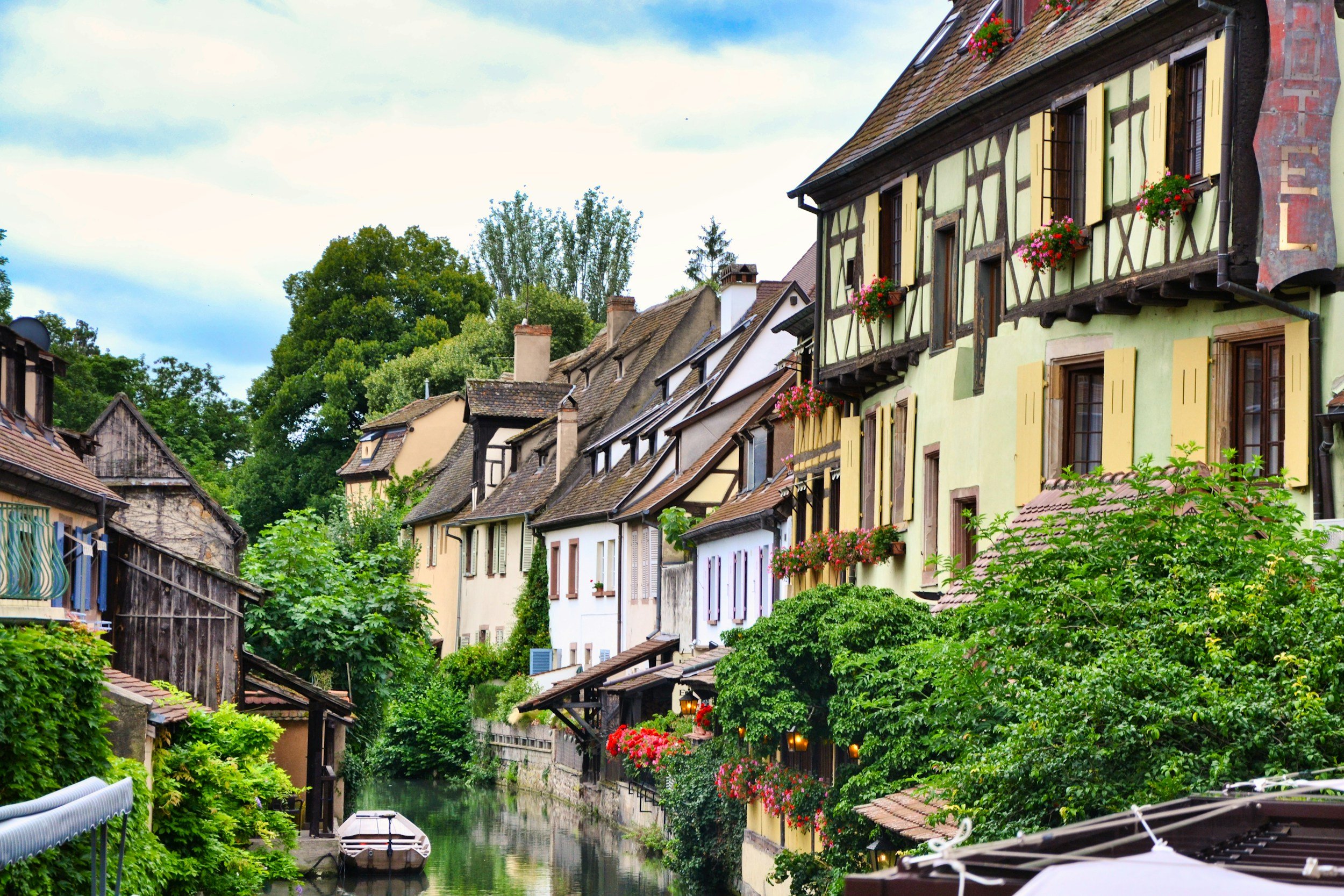
I've realised there's not much point travelling to one of these towns for the market if I'm going to spend half the morning checking the time. I'd much rather arrive the night before, wake up knowing I have nowhere else to be and see what happens once I start wandering. It might mean paying for another night in a hotel, but I'd take that over arriving at eleven, buying a few things in a hurry and leaving just as I'm starting to enjoy myself.
In Tournus, I'd arrive on Friday and be out early on Saturday, probably starting around Rue de la République before walking towards Place de l'Hôtel de Ville. I'd pick up bread while the bakery shelves were still full, then see what the cheesemongers had brought and ask what was particularly good that week. I'd probably have some idea of what I wanted to buy before I arrived, but I know how quickly that would disappear once I saw the Charolais beef, Burgundy cheeses and vegetables on the stalls. Half the fun would be deciding what I wanted to eat later based on what I'd actually found that morning.
Nyons would be completely different, and Thursday is the day I'd make sure I didn't have anything else planned. Around Place du Champ de Mars, I'd be looking for Tanche olives, olive oil, tapenade, Picodon, figs and fresh walnuts if they'd started appearing. I'd want to taste the oils rather than grab the first bottle I recognised, ask one of the producers how this year's olives were looking and probably buy far more tapenade than I could reasonably eat over a weekend. By the time I'd finished, I can easily imagine ending up at one of the cafés nearby with my shopping bags under the chair and suddenly realising it was nearly lunchtime. Booking a train for early afternoon would just mean spending the nicest part of the morning wondering when I needed to leave.
I wouldn't book lunch for twelve either, especially somewhere like Dieulefit. Friday morning might start with Picodon and a jar of lavender honey at the market, but once I was already in the centre I'd want to carry on along Rue du Bourg and look through the pottery shops and workshops. I know I'd spot a bowl or a mug in a window, go inside for what I thought would be five minutes and end up talking to whoever made it while mentally rearranging my luggage to work out whether I could get it home in one piece. Lunch can wait another half an hour.
And then there's Issigeac, where I'd definitely avoid making plans for late Sunday morning. The market doesn't stay conveniently contained in one square. It spreads through the medieval streets and into the little spaces between the old houses, so just when I thought I'd seen most of it, I'd probably turn another corner and find more walnut growers, duck producers and cheesemakers. I'd rather get a little lost and keep going until I'd genuinely had enough than spend the morning trying to make an eleven-thirty reservation somewhere else.
That's really why market day ends up deciding my travel dates. It's not because I want to spend the entire day shopping. It's because I don't know beforehand which part will take longer than expected. Maybe I'll spend twenty minutes talking to a cheesemonger in Tournus, get distracted by pottery in Dieulefit or decide that the figs I saw earlier in Nyons actually do need to come home with me after all. I'd rather leave room for those things than organise the day so carefully that the market becomes another appointment I have to finish on time.
By late morning, I'd probably have stopped thinking about the market as somewhere I was shopping and started thinking about lunch. The rotisserie chickens have been turning for hours by then, and you can smell them before you actually find the stall. People are leaving with bread tucked under their arms and vegetables sticking out of bags, the bakery queue somehow seems to have become longer rather than shorter, and cafés around the centre are filling with people who've put their shopping bags under the table and ordered a coffee or a glass of wine before going home. You might also see restaurant staff carrying boxes of vegetables or other produce away before lunch service, which is a good reminder that this isn't a market arranged purely for people spending the weekend in town.
By around 1pm, though, I'd start noticing gaps where stalls had been earlier. Tables are folded, crates disappear into vans and within a surprisingly short time you can see the square properly again. I actually like that part of market day almost as much as the morning because I wouldn't feel any need to rush somewhere else. In Tournus, I'd probably walk down towards the Saône after lunch and follow the quays for a while. In Pézenas, I'd carry on through the old centre and start looking properly at the antique dealers and brocantes I'd only glanced at between market stalls earlier. Dieulefit would probably pull me back towards the ceramics, whether that meant another look along Rue du Bourg or going into a workshop I'd noticed that morning.
That's also why I wouldn't leave as soon as the stalls disappeared. Market morning gives me a reason to choose the date, but the afternoon is when I'd finally have time to look properly at the town I'd travelled to see. I might end up opening something I'd bought for lunch, finding a café because my feet needed a break or going back to a shop I'd noticed at 9:30 but hadn't wanted to carry anything else around. None of those things needs an itinerary, and I'd rather have the afternoon available for them than book a 2pm train because technically the market was finished.
That's why I'd happily move a trip by 24 hours to be there on the right day. I'm not changing my plans for 3 hours of shopping. If I arrived the following morning, the abbey would still be there in Tournus and the medieval streets would still be there in Issigeac, but I'd have missed the part that tells me far more about the town: which baker has a queue before breakfast, what people are actually buying for dinner, which producer everyone seems to know and where people go once their shopping is done. For me, that's worth changing the dates for.
If cèpes and walnuts are the reason you're considering waiting until October, Dordogne in autumn will help you decide whether shifting the trip a few weeks later is actually worth it.
The towns I’d choose to visit in September
I could have made this list much longer. France has no shortage of excellent weekly markets, but after researching September specifically, I became much pickier about which towns I'd actually travel for. A good market wasn't enough. I wanted somewhere I'd still be pleased to wake up on the morning after it had packed away, with enough around the market to justify staying for the weekend rather than driving in, shopping for an hour and moving on.
That's how I ended up with such a mixed group. Tournus gives me Burgundy food, the Saturday market, the abbey and the Saône within a very walkable centre. Dieulefit adds something completely different because Friday morning can lead straight into its pottery shops and workshops. In Nyons, the Thursday market makes much more sense once you understand how closely the town is tied to Tanche olives and olive oil, while Issigeac is here because on Sunday the market spreads through the medieval village rather than sitting neatly in a single square. Samatan is the one I'd choose when food was almost the entire reason for going, and Pézenas is where I'd expect market shopping to turn into an afternoon of brocantes, antiques and wine.
I haven't ranked them because I genuinely wouldn't know what I'd be ranking. The market I'd choose for a food-focused weekend in Gascony isn't the one I'd choose when I wanted ceramics in the Drôme or Burgundy wine with lunch beside the Saône. What I can tell you is why I'd travel for each one in September, what I'd look for when I got there and whether I'd still want to be in town once the stalls had gone home. That's a much more useful way to choose between them..
Tournus
If somebody asked me where I'd go for a September market weekend in Burgundy, Tournus would be very high on my list. Saturday is a big part of the reason. You can stay somewhere central, walk to the market in the morning, have Burgundy food and wine for lunch, spend the afternoon around Saint-Philibert Abbey or down by the Saône, and do the whole thing without needing to organise a car. For a weekend of only 2 or 3 nights, that makes an enormous difference.
The Saturday market also isn't a recent addition created because Tournus happens to receive visitors. The town's role as a trading centre goes back centuries, helped by its position on the Saône and the routes running through southern Burgundy, and markets have long been part of everyday life here. I think that history matters more when you actually see people doing their weekly shopping than when you read about it on a plaque. You're not turning up to a square filled exclusively with regional products packaged as souvenirs. People are buying meat, cheese, vegetables, bread and whatever they need for the next few days, and that's exactly what I'd want to see.
I'd arrive on Friday evening and stay somewhere that put Rue de la République, Place de l'Hôtel de Ville and the abbey quarter within an easy walk. On Saturday I'd be out early enough to buy bread before heading properly into the market, when the counters were still full and I had time to see what had actually arrived that week. I wouldn't go in with a particularly ambitious shopping list either. I'd rather see which cheeses looked good, whether mushrooms had appeared after rain and what the fruit growers still had from the end of summer before deciding what I wanted.
One thing I like about the market layout is that you don't stand in the middle of a single purpose-built market square and see everything at once. The stalls extend through the centre, so the town remains part of the morning rather than disappearing behind rows of traders. I'd inevitably stop, carry on for another street and then realise there was something I'd meant to go back for. It also makes it very easy to combine the market with the rest of central Tournus rather than treating Saturday morning as a separate activity.
September is particularly interesting here because southern Burgundy is changing quickly at that point in the year. The vendanges are taking place across the surrounding wine country, although the exact dates move from year to year, and the market begins showing the same transition from late summer into autumn that you see elsewhere in Burgundy. I'd look for fresh walnuts, apples and pears, mushrooms when the weather had been favourable and whatever late-summer fruit was still hanging on. You might be eating tomatoes at lunch while seeing the first properly autumnal ingredients appearing elsewhere on the menu, which is one of the reasons I prefer September to waiting until the season has completely changed.
I'd also come hungry because Tournus sits in a particularly good part of Burgundy for food. Charolais beef is an obvious thing to look for, with Charolles and the wider Charolais-Brionnais area to the west, while the Mâconnais immediately to the south brings another side of the region into the market through wine and goat's cheese. Rather than searching for a stall selling the greatest hits of Burgundy, I'd pay attention to what people ahead of me were buying. A butcher with a queue tells me more than a display designed to photograph well ever could!
My own shopping would probably end up reflecting that geography. I'd look for a Mâconnais goat's cheese, and I'd happily buy a good Brillat-Savarin if I found one I wanted to eat that weekend, although I wouldn't describe it as specifically Tournus cheese. Then there would probably be a bottle of Mâconnais wine, some fresh walnuts or fruit and whatever vegetables had looked too good to leave behind. If I were travelling by train, I'd buy differently from somebody driving home, but I'd still leave a suspicious amount of space in my bag.
Once the market had packed away, I wouldn't feel as though the main reason for being in Tournus had disappeared. I'd finally have time to go properly into the Abbaye Saint-Philibert, walk around the streets beside it and then head down towards the Saône. That's one of the reasons Tournus makes more sense to me as a weekend than a market stop. Saturday morning gives me the date to plan around, but there's enough within walking distance that I wouldn't spend Saturday afternoon wondering what to do next.
And lunch is one place where I'd keep the plan deliberately loose. Tournus has a much stronger food reputation than its size might suggest, so I wouldn't fill up on random snacks simply because I'd spent the morning at the market. I'd see what was available, put the shopping down and give lunch proper time. After a morning of Charolais beef, Burgundy cheeses, Mâconnais wine and whatever September had brought onto the stalls that week, I'd probably have a much better idea of what I wanted to order than I did when I woke up.
Once the last stalls start packing up around 1pm, I'd finally head towards Abbaye Saint-Philibert. I actually prefer the idea of visiting at this point rather than trying to squeeze it in before the market, when I'd inevitably be thinking about what was happening outside. By early afternoon, people are disappearing into restaurants for lunch and the area around the abbey is easier to explore properly. Afterwards, I'd walk down towards the Saône, follow the quays for a while and probably sit by the river with something I'd bought that morning if it had survived that long.
One detail I nearly missed while researching Tournus is the smaller Wednesday producers' market on Place Carnot. It isn't an alternative I'd choose over the main Saturday market, but it's genuinely useful to know about if you're travelling through Burgundy during the week or your dates simply don't work with Saturday. I'd still arrange my first visit around the weekend if I could, especially in September, but I like knowing that Wednesday morning gives you another chance to buy directly from local producers rather than arriving in town on the wrong day and finding nothing happening at all.
There's an even better reason to check the calendar before booking your return train. On the 1st Sunday of the month, Puces des Quais brings brocante dealers, vintage pieces and collectibles to the riverside. If my September dates happened to line up with it, I'd definitely stay on Saturday night. I'd spend Saturday buying food at the weekly market, then come back down to the Saône on Sunday morning to look through old crockery, furniture, prints and whatever else the dealers had brought with them. For me, that's a much better reason to add another night than trying to find another attraction to fill Sunday.
Tournus is also one of the towns in this guide I'd choose without hesitation if I were travelling without a car. Tournus station is on the Dijon–Mâcon–Lyon rail corridor, with TER services making it straightforward to reach from the larger cities along the route. From the station, it's roughly a 10-minute walk into the central part of town, so I'd choose accommodation somewhere between the station, Rue de la République, the abbey quarter and the Saône rather than worry about onward transport. Once the suitcase was dropped off, I wouldn't need the car again for the Saturday market, Abbaye Saint-Philibert, the quays, cafés or dinner.
Coming from Lyon, I'd check TER connections to Tournus rather than assume I needed to rent a car for Burgundy. Mâcon is even closer and makes an easy rail connection, while Dijon gives you another useful starting point if Tournus is part of a longer Burgundy trip. I'd check the exact SNCF timetable for the weekend I was travelling, particularly for the return journey on Sunday, rather than build the trip around a generic journey time that might not match that day's service.
That's probably the best argument I can make for Tournus. I wouldn't come because it has Burgundy's biggest market, and I wouldn't try to convince anyone that it's the prettiest town in the region. I'd come because I can arrive by train on Friday, walk to the Saturday market in the morning, buy Mâconnais cheese, Burgundy wine and whatever September has brought in that week, have a proper lunch, spend the afternoon between Saint-Philibert and the Saône, and possibly wake up to Puces des Quais on Sunday if I've chosen the right weekend. That's a very specific kind of Burgundy weekend, and it's exactly why Tournus earns its place in this guide.
Tournus is only one of the places where France becomes surprisingly easy once you stop assuming the countryside requires a rental car, and towns by train has more places I'd consider if the simple station-to-market setup is part of what appeals to you here.
If Tournus has made a Burgundy wine trip without driving sound much more realistic, wine regions by train is where I'd go next before deciding which region actually works best by rail.
Dieulefit
I'd probably arrive in Dieulefit thinking about the Friday market and leave thinking about pottery. That's the combination that makes me want to spend a full weekend here rather than treat it as another Provençal market stop, because once I've bought Picodon, figs and honey in the morning, there are still workshops, ceramic shops and galleries around town that I'd genuinely want the rest of the day for.
I'd arrive on Thursday evening so Friday morning was completely free. The market spreads around Place Châteauras, Place Abbé Magnet and Rue du Bourg, and I actually like that it isn't enormous. I'd rather have time to go back to a producer I'd spoken to earlier than spend 2 hours trying to make it through hundreds of stalls. In September, I'd be looking for Picodon, late figs, fresh herbs, lavender honey and tapenade, with early walnuts beginning to appear and mushrooms depending on what the weather had been doing. There would almost certainly be bread involved too, and probably roast chicken once I'd smelled it enough times to convince myself I needed one.
September is also a good reminder that Dieulefit isn't really a lavender destination, despite being in the Drôme Provençale. By then, the lavender harvest has already happened. I find what comes afterwards much more interesting anyway. The lavender is still there in the honey and other products made from the summer crop, but on the food stalls you're beginning to see figs, walnuts and the first ingredients that tell you autumn isn't very far away. Olives are important to this part of the Drôme too, although I wouldn't come in September expecting the new olive harvest because that happens later. I'd be buying oil and tapenade made from an earlier harvest instead.
The thing I'd ask about properly is Picodon AOP. You'll see these small goat's cheeses elsewhere in the Drôme and Ardèche, but Dieulefit has its own particularly interesting connection through the traditional méthode Dieulefit. The cheese is matured further rather than eaten only in its younger, softer form, becoming firmer and developing a much stronger flavour as it ages. If I found a producer selling different maturities, I'd tell them when I planned to eat it and ask what they'd choose rather than automatically reaching for the youngest one. That's exactly the sort of conversation I want to have at a market because I'd probably leave understanding the cheese rather better than I did when I arrived.
I wouldn't buy everything immediately either. Rue du Bourg is where the food side of the morning starts bumping into the other reason I'd come to Dieulefit: ceramics. Pottery here isn't a decorative theme somebody has attached to the town for visitors. Dieulefit and the surrounding area have a long history of ceramic production, helped by local clay deposits, and there are still working potters and ceramicists in and around town. That means I'd be looking at the bowls, cups and serving dishes very differently after spending the morning buying cheese, honey and figs. I'd probably start wondering which one I wanted to eat breakfast from at home, which is considerably more dangerous for my luggage than buying another jar of tapenade.
Once I'd had enough of carrying shopping, I'd stop for coffee somewhere around the centre rather than immediately move on to the next thing. Friday morning is exactly when I'd want to sit for a while because I'd probably have already spotted 2 or 3 ceramic shops I wanted to go back to once the market started thinning out. Shopping bags under the chair, Picodon safely packed away and a mental argument underway about whether I really needed another handmade bowl sounds much more realistic for me than racing through a list of things to see before lunch.
And that's where Dieulefit starts separating itself from the other towns in this guide. The market gives me Friday morning, but the ceramics give me Friday afternoon. Once the food stalls begin disappearing, I wouldn't be wondering what to do next. I'd go back along Rue du Bourg, look properly at the workshops and galleries I'd passed earlier and give myself enough time to talk to the people actually making what I was looking at. If I came home from Dieulefit with a piece of pottery I was still putting on the breakfast table 10 years later, I'd consider that a considerably better souvenir than anything I'd gone there intending to buy.
By early afternoon, I'd probably be ready to put the food shopping down somewhere and go back to the ceramics I'd been noticing all morning. Rue du Bourg is exactly where I'd want to spend a few hours because the pottery isn't confined to a museum or a couple of souvenir shops. I'd stop at Art des Huit, where local ceramicists sell everything from porcelain and stoneware to faience and glazed earthenware, including bowls, cups, pitchers and sculptural pieces. It's the sort of shop where I'd go in intending to look and immediately start wondering whether a bowl would survive the journey home wrapped inside 2 jumpers.
I'd also make time for Galerie Artenostrum, especially because its exhibitions aren't limited to ceramics even though contemporary ceramicists feature prominently. In September, the gallery currently opens Friday, Saturday and Sunday from 2:30 pm to 6:30 pm, which actually works very well after the Friday market. It also exhibits ceramicists who have come through the Parcours jeunes créateurs at Maison de la Céramique, so there's a direct connection between the training happening in Dieulefit and some of the contemporary work you can see around town.
I'd save Maison de la Céramique for the afternoon too. This is where I'd go if I wanted to understand why there are so many ceramicists here rather than simply browse their work. More than 200 pieces trace pottery in the area from the Gallo-Roman period through to the 20th century, but the building isn't only looking backwards. Maison de la Céramique also runs temporary exhibitions, workshops and professional training, and has a shop selling ceramics made in the area. In September it's currently open Wednesday to Sunday from 2 pm to 6 pm, so it fits particularly well after Friday's market rather than competing with it in the morning.
I'd still stop at the old Beffroi and look for the inscription Le temps passe, passe-le bien. I normally roll my eyes slightly when a town has a quote that's supposed to sum up the entire place, but this one I actually like. By that point I'd probably have spent the best part of a day buying Picodon, looking at bowls I absolutely did not need, stopping for coffee and going back to a workshop because I'd changed my mind about something in the window. Time passes. Spend it well. Fair enough, Dieulefit.
I wouldn't fill Saturday with another itinerary either. There would almost certainly be ceramic workshops I'd missed on Friday, and I'd want enough time to go back to anything I'd seen while carrying market shopping. Le Poët-Laval is also close enough to make sense if I wanted to leave town for a few hours, rather than trying to squeeze another major destination into the weekend. I'd rather come back to Dieulefit afterwards and have dinner there than turn Saturday into a day of driving around the Drôme collecting villages.
Getting here without a car does require a little more planning than Tournus. Dieulefit doesn't have a railway station, so I'd take the train to Montélimar and continue on bus line 35 to Dieulefit. Montélimar is the main rail gateway recommended by the local tourism office, with TGV and regional connections making it possible to reach from larger cities before changing to the bus. I would check the current line 35 timetable for my exact dates before booking the train, particularly for a September weekend, because this isn't somewhere I'd want to arrive at Montélimar and simply assume another bus would be along in 20 minutes.
If I were driving, Dieulefit is reached from the A7 corridor via Montélimar, and having a car would make places such as Le Poët-Laval and the surrounding Drôme countryside easier to combine with the weekend. But I wouldn't rent one simply for getting around Dieulefit itself. Once I'd arrived and dropped my bag, the market, Rue du Bourg, Art des Huit, Maison de la Céramique and the central galleries are exactly the things I'd want to explore on foot.
My bag home would probably explain Dieulefit better than another paragraph could. There'd be mature Picodon, lavender honey, figs if they were still good that week, perhaps a bottle of olive oil from the Drôme and almost certainly a ceramic bowl I'd spent Friday afternoon convincing myself was practical. That's what separates Dieulefit from Tournus for me. I'd come for Friday market because that's when I'd want to be in town, but I'd stay because I'd want to know who made the cup I was drinking from, where the cheese came from and why pottery is still something people come here to learn rather than something the town only talks about in the past.
Dieulefit is one of those places where I wouldn't want to squeeze everything into market morning, and a weekend in Dieulefit is where I'd start if you're trying to work out whether the pottery workshops, cafés and surrounding Drôme make it worth staying for 2 or 3 nights.
Nyons
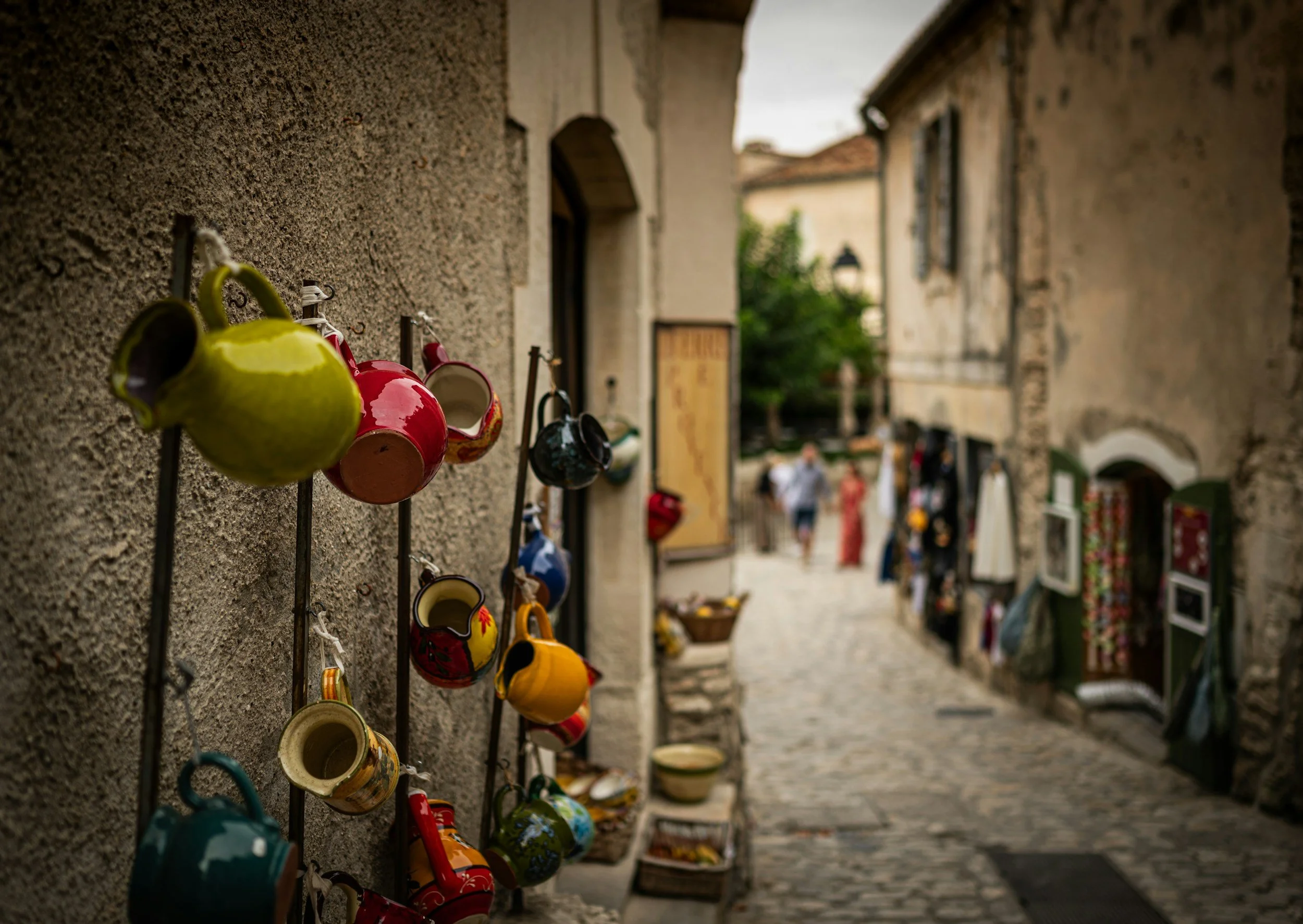
I could spend Thursday morning in Nyons buying nothing but olives and still come away feeling as though I'd barely understood them. Before researching the town properly, I knew about Nyons olive oil but not how specific the local olive culture actually was: one particular variety, its own protected appellation, different ways of curing the fruit and even a local olive spread that isn't quite the tapenade I'd normally order elsewhere in Provence. That alone gives me a much better reason to come here than simply adding another Provençal market to the trip.
I'd make sure Thursday was completely free because that's the main weekly market day. Markets in Nyons have a very long history, and even the town's ancient name, Noiomagus, is generally interpreted from its Celtic roots as meaning “new market.” I love that detail because it puts Thursday morning into perspective. Trading isn't something Nyons discovered when Provence became popular with visitors; markets have been connected with this place for an extraordinarily long time.
I'd arrive on Wednesday evening so I could be out early on Thursday without thinking about check-in times or onward transport. The market spreads through central Nyons, including Place de la Libération, Place des Arcades and Place Buffaven, and I'd rather see it gradually than head straight for the first olive stall I recognised. There are fruit and vegetable growers, cheesemakers and olive producers alongside herbs, soaps, baskets, fabrics and Provençal household goods, and because the stalls continue through different parts of the centre, I'd probably walk past the same corner twice before realising I'd somehow ended up back where I started.
September is particularly interesting because some of the things people automatically associate with this part of France have already happened. The lavender harvest is over, so I wouldn't come expecting purple fields around every bend. I'd be seeing the result of that summer crop instead: lavender honey, essential oils, soaps and dried lavender, alongside fresh figs, grapes, walnuts and whatever late-summer vegetables were still coming in that week. I actually prefer that because it tells me much more about what people are producing here than driving around trying to find a lavender field that should have been harvested weeks earlier.
The olives need a little explanation too because September isn't olive-harvest season in Nyons. The Tanche olives are still developing on the trees, with harvesting coming later in the year, so any olive oil, cured olives or Affinade I bought at the Thursday market would be products from an earlier harvest. That's worth knowing before travelling because otherwise it's very easy to describe September as though every local crop were being harvested at once. It isn't. I'd be eating the last figs while the olive growers were still waiting for their next crop to be ready.
And I would absolutely seek out the Tanche. It's the variety behind the protected Olive noire de Nyons and Huile d'olive de Nyons, and its naturally wrinkled appearance is part of what makes it so recognisable. The fruit is dark, fleshy and relatively mild once prepared, quite different from the firmer green olives I might automatically picture when somebody says Provence. Nyons also has an important place in French olive history: its olives and olive oil were the first in France to receive AOC recognition, before later becoming protected at European AOP level. That's a much more interesting distinction than incorrectly calling it France's only protected olive.
I'd taste Affinade as well, especially because it's easy to assume it's simply another name for tapenade. It isn't quite the same thing. Affinade is closely associated with Nyons and puts the local black olives firmly at the centre, whereas traditional tapenade also gets much of its character from ingredients such as capers and anchovies. I'd probably taste both if the producer had them open rather than decide beforehand which one I preferred, then buy a jar of Affinade and spend the rest of the weekend finding increasingly unnecessary excuses to put it on bread.
Once I'd finished at the market, I'd probably head over to Espace Vignolis because by that point I'd want to understand the olives I'd been tasting all morning rather than simply buy another jar of them. The cooperative has more than 1,100 growers, and its shop and tasting area at Place Olivier de Serres goes well beyond bottles of olive oil lined up on shelves. You can compare Huile d'olive de Nyons AOP, taste Olives noires de Nyons AOP and work your way through tapenade, Affinade and some of the other olive-based spreads before moving on to wines from Vinsobres, Côtes-du-Rhône Villages Nyons and the Coteaux des Baronnies. There's also local charcuterie, cheese, olive-wood pieces and other regional products, so I'd allow considerably longer than the 10 minutes I would probably tell myself I needed.
I'd be particularly interested in tasting the oils side by side. Olive oil is one of those things I buy all the time without really stopping to compare, whereas here I'd actually have the opportunity to notice the differences and ask what I was tasting. Vignolis runs olive-related tastings and activities at different points in the year, so I'd check its current September programme before travelling rather than assume a particular tour was running every Thursday. If there was a mill visit or tasting that fitted my dates, this is one place where I'd happily book ahead.
By the time I finally sat down for lunch, I'd probably have changed my mind about what I wanted to eat anyway. After a morning of Tanche olives, Picodon, figs, walnuts and olive oil, I'd be much more interested in seeing which of those ingredients appeared on the menu than ordering something I'd chosen online 2 weeks earlier. September can still give you late tomatoes and figs here, so lunch doesn't suddenly become heavy autumn food just because August has finished. I'd be perfectly happy with goat's cheese, olives, vegetables and a glass of wine from the surrounding hills.
The afternoon is when I'd finally leave the food alone for a while and walk through the older part of Nyons towards the Pont Roman over the Eygues. The bridge has been standing for more than 600 years, and I'd rather come here after lunch when I had nowhere else I needed to get to than try to fit it in before Thursday market. From there I'd make my way back towards Place des Arcades and Place de la Libération, probably stopping at another épicerie because apparently the olive oil I'd already bought wouldn't be enough.
There is one September detail I'd definitely check before choosing my dates. In addition to the traditional Thursday morning market, Nyons has a separate Provençal market on Sunday mornings from mid-May to mid-September. If I were travelling during the first half of September, I could therefore arrange the weekend around both. Later in the month, Sunday is no longer an option, which makes Thursday the market morning I'd organise the trip around.
Getting to Nyons without a car is perfectly possible, but I'd plan the connection before booking accommodation because there is no railway station in town. I'd take the train to Montélimar, then use the regional TER coach between Montélimar and Nyons. The service is specifically designed to connect Nyons with the rail network at Montélimar and serves places including Grignan, Taulignan, Valréas and Venterol along the route. I'd book the rail and coach journey together where possible and check the exact timetable for my September dates, especially if I needed to reach Nyons on Wednesday evening in time for Thursday market.
Once I was in Nyons, though, I wouldn't want a car for the weekend itself. The Thursday market, old centre, Place des Arcades, Pont Roman and the cafés and shops around Place de la Libération are all things I'd want to explore on foot. Espace Vignolis sits a little further from the historic centre at Place Olivier de Serres, and Vignolis itself notes that there isn't regular public transport immediately outside apart from the local NyonsBus, so that's one distance I'd check from my accommodation before booking. NyonsBus is free and currently operates 5 circuits a day from Monday to Saturday, which gives you another option if you don't fancy carrying bottles of olive oil back across town.
My bag home would almost certainly be heavier than the one I'd arrived with. I'd want Tanche olives, Nyons AOP olive oil and Affinade, then I'd probably add lavender honey, fresh walnuts or figs depending on what looked best that week. An olive-wood spoon would be exactly the sort of thing I'd tell myself was practical enough not to count as souvenir shopping.
But I think the thing I'd remember most is actually the timing. September isn't olive-harvest season in Nyons, and that's what makes it interesting in a way I hadn't expected. I'd be eating the last figs, tasting oil from the previous harvest and talking to producers whose next crop was still ripening on the trees. Coming back later in autumn would give me a completely different version of the same town. For this particular guide, though, I'd choose September precisely because I get to catch Nyons in between those two seasons rather than pretending everything associated with autumn happens at once.
If Nyons and Dieulefit are both making the shortlist, Drôme in autumn makes that decision much easier because it looks at the wider region rather than treating either town as an isolated market stop.
And if what you really want is several market mornings rather than one, Provence market towns is a better place to compare your options before deciding where to base yourself.
Issigeac
I don't think I've researched another market in this guide where looking at a map is quite so useless once you actually start imagining the morning. In most towns, you can identify the market square and understand roughly where you'll be going. Issigeac's Sunday market spreads through so much of the medieval centre that I'd give up trying to follow a route almost immediately. I'd turn off Grand Rue, find more stalls around the next corner, carry on towards Place du Château and then realise there were still producers tucked into streets I'd assumed I'd already walked through.
That's a big reason I'd arrive on Saturday afternoon rather than travel in on Sunday morning. I'd want to see Issigeac before the stalls appeared, partly because it would help me understand just how much the village changes the following day. I'd have Saturday evening for the medieval streets and dinner, then be outside fairly early on Sunday because the market gets going from around 8:30. Not because I wanted to race anyone to the cheese, but because I'd rather have several hours available than arrive late and discover producers were already thinking about packing up.
The market spreads around Place du Château, Place de l'Église, Grand Rue and Rue du Cardinal, with stalls continuing through the narrow streets connecting them. Issigeac's medieval layout is what makes this market so different from Nyons or Tournus. You can't stand at one end and see what's ahead. Timber-framed and stone houses close the view, streets bend away from one another and another group of stalls can appear just beyond a corner you thought was leading out of the market. I'd probably walk through the same street more than once, which wouldn't bother me at all because I'd almost certainly have changed my mind about something I'd left behind the first time.
I'd also pay more attention here to where the food actually comes from. Issigeac sits in the Périgord Pourpre, south-east of Bergerac, so the shopping looks very different from what I'd have been carrying around Nyons a few days earlier. Duck products are an obvious part of it, including foie gras, confit, rillettes and pâtés, alongside walnuts, honey, cheeses and fruit and vegetables from surrounding farms. Wine gives you another very clear geographical marker because you're close to the vineyards of Bergerac and Monbazillac, with Pécharmant another appellation I'd look for if wine producers or merchants were selling bottles at the market.
September is especially good for seeing the overlap between the end of summer and the beginning of Périgord's autumn produce, but I wouldn't arrive expecting every stereotypical Dordogne ingredient to be guaranteed. Fresh walnuts begin appearing around this time, late figs can still be excellent and pears are coming into season, while cèpes depend far more on rainfall and temperature than on the date printed on the calendar. If several mushroom sellers had good baskets after a wet week, I'd buy them when I saw them. If there weren't any, I wouldn't assume I'd somehow visited the wrong market.
Walnuts are probably what I'd be most interested in taking home because this is one of the products that genuinely connects the market with the wider Périgord. I'd look for fresh ones rather than automatically buying dried nuts, especially earlier in the season when they're still softer and more delicate. With a piece of local goat's cheese, bread and perhaps a bottle of Monbazillac, I'd already have enough for the kind of Sunday evening dinner I'd much rather eat after the market than go searching for something complicated.
And that's what distinguishes Issigeac for me. Nyons gives me a product to understand; Dieulefit gives me ceramics to follow into the afternoon; Issigeac gives me a market where the village itself determines how I shop. The narrow streets mean I can't efficiently work my way from one end to the other, and that's probably a good thing!
I wouldn't assume that the restaurants around the market are buying from the exact stalls I'd just visited unless they told me so, but I would pay attention to what was in season before choosing lunch. Le Bouchon Médiéval on Grand Rue is one place I'd look at because it's a family-run restaurant using fresh, seasonal produce, with the chef in the kitchen and his wife and daughter running the dining room. On Sunday it serves lunch right in the middle of market day, so this is one occasion when I actually would think about reserving rather than hoping somewhere had a table when I finally got hungry.
I wouldn't decide what I was eating before I arrived either. If September had brought a good flush of cèpes after rain, I'd certainly be checking menus for mushrooms, but I wouldn't expect them simply because I was in the Dordogne. The same goes for figs and fresh walnuts. Le Bouchon Médiéval changes its cooking with the season, and its wine list includes Bergerac wines, so I'd rather see what was actually being served that Sunday than recommend a dish that might not be there when somebody visits.
Once lunch was over, I'd go back through the streets I'd barely looked at properly that morning. That's one of the strange things about Issigeac's market: you can spend hours walking through the village and still realise afterwards that you paid almost no attention to the buildings. Without stalls in front of them, the timber-framed houses, narrow passages and old façades suddenly become much easier to see. I'd go back towards Maison des Têtes, then retrace some of Grand Rue and Rue du Cardinal, partly because I'd probably recognise shops and doorways I'd walked straight past while concentrating on cheese 3 hours earlier.
My shopping bag wouldn't be particularly sensible by this point. I'd want fresh walnuts if they were available, some local goat's cheese, honey and perhaps figs, then I'd probably add a bottle from Bergerac or Monbazillac and spend the rest of the afternoon worrying about whether I'd packed it properly. I'd be much more tempted by those things than generic “Dordogne souvenirs” because they're the products that actually explain where Issigeac sits: in the Périgord Pourpre, surrounded by Bergerac wine country and within a region where walnuts and duck have a much stronger presence than the olives and Picodon I'd been looking for around Nyons.
Getting here is the part I'd think about before booking the weekend, especially if I wasn't driving. Issigeac doesn't have a railway station, so unlike Tournus, this isn't somewhere I'd expect to step off a train and walk straight to the hotel. Bergerac is the useful rail gateway, and from there I'd check the current regional bus connections and weekend timetable carefully for my exact dates rather than assume Sunday services would work around the market. If the connections didn't line up well, this is one of the towns where I'd seriously consider a taxi for the final journey or renting a car in Bergerac.
If I were driving, the logistics become much easier, and having a car also gives me the option of combining Issigeac with the vineyards around Bergerac and Monbazillac. I still wouldn't use it once I'd arrived on market morning, though. The entire point of staying in the village would be being able to leave it parked, walk out on Sunday and spend the next few hours following the stalls through the centre without thinking about where I'd left the car or when I needed to move it.
That's also why I'd stay Saturday and Sunday nights rather than make Issigeac a Sunday morning stop on a larger Dordogne road trip. Saturday lets me see the village before the market takes over the streets, Sunday morning gives me as long as I want among the stalls, and Sunday afternoon lets me go back and actually look at all the buildings and shops I'd barely noticed earlier.
Issigeac gets even more interesting once the Dordogne produce starts changing, and Dordogne autumn markets is worth opening if walnuts, mushrooms and market days are starting to determine where you want to stay.
Samatan
Samatan is the town I'd choose if the market itself was the main reason for the trip. I wouldn't come expecting the kind of morning where you browse a few pretty food stalls, buy a jar of something local and then move on to sightseeing. Monday here is much more food-focused than that, with the regular weekly market happening alongside the specialist trading that has made this small Gers town particularly well known for poultry, duck and foie gras. I'd want to see both because they're quite different parts of the same Monday morning.
I'd arrive on Sunday afternoon and stay overnight rather than try to reach Samatan early on Monday. The general market starts in the morning, so I'd be outside sometime after 8 o'clock and begin there, when the fruit and vegetable stalls, cheesemakers, butchers and other traders were properly set up. In September, I'd be looking for late tomatoes and peppers, grapes and figs, garlic and the first fresh walnuts as the month progresses. Mushrooms would depend much more on what the weather had been doing, so I'd look for them after a decent spell of rain rather than arrive assuming there would be baskets of cèpes waiting for me.
The important thing to know is that the specialist market isn't simply another row of stalls at the end of the general one. Samatan's reputation comes largely from its poultry and foie gras trade, and that part of Monday has its own timetable and way of working. Producers and buyers gather separately from people doing their ordinary weekly shopping, so this is one place where I'd check the current opening times before travelling rather than assume I could turn up whenever I liked. Arriving at 11:30 after a long breakfast could mean missing the part I'd specifically come to see.
There's also a detail about the opening that I'd want to be there for. Trading doesn't simply begin when the first buyer decides they're ready. The opening is traditionally signalled by a whistle, and then the buying starts. It's such a small thing, but it tells me far more about Samatan than calling it an atmospheric market ever could. People are waiting because actual business is about to happen, and I'd want to see that rather than arrive once everything was already underway.
I wouldn't reduce Samatan to “the foie gras market” either. That's certainly responsible for much of its reputation, but Monday is broader than that. The regular market is where I'd look for vegetables, fruit, cheese, meat, bread and whatever else was particularly good that week, while the specialist markets introduce a completely different side of Gascon food culture through poultry and duck production. I like the idea of moving between the 2 because I'd be seeing people buying ingredients for home at one point in the morning and professional food trading at another.
September is interesting precisely because it isn't yet the height of the traditional foie gras season. I'd rather be clear about that than pretend everything associated with Gascony reaches its peak because this happens to be a September guide. The market still gives me figs and grapes from the end of summer, garlic, the first fresh walnuts and whatever mushrooms the weather has produced, while the busiest period for fattened duck and foie gras comes later as the year moves towards the festive season.
For me, that doesn't make September a compromise. It gives me a better reason to pay attention to everything else Samatan is selling. I'm not coming 3 months early for a Christmas food experience. I'm coming on an ordinary Monday in the Gers, when people still need vegetables, cheese, meat and bread for the week and the specialist poultry trade is happening alongside them. None of the other towns in this guide gives me quite that combination, and that's why I'd happily add Sunday night to the trip just to be there on Monday morning.
Being in Gascony changes what I'd be looking for as well. My shopping bag here wouldn't look anything like the one I'd carried around Nyons or Tournus. Duck is the obvious difference, whether that's confit, rillettes, magret or foie gras, but I'd also be looking for garlic, walnuts, local cheeses and honey, then probably adding a bottle of Floc de Gascogne or Armagnac even though I'd promised myself I wasn't buying anything heavy. That's what I like about putting these markets next to each other in the same trip: after a few days, you start recognising where you are from what's being sold rather than needing somebody to tell you.
I wouldn't book lunch too early, although in Samatan I'd be slightly more organised than I might be elsewhere because I'd want to see the specialist trading first. Once that was finished, I'd look at what restaurants were actually serving that Monday rather than decide 2 weeks beforehand that I needed magret or foie gras simply because I was in the Gers. Restaurant de France and L'Échappée Belle are both places I'd check when planning the weekend, but I'd still look at current opening days and menus before reserving. After spending the morning around duck, local cheeses, garlic and whatever September produce had turned up that week, I'd probably have a much better idea of what I wanted for lunch anyway.
Afterwards, I'd be ready for somewhere considerably less busy. Lac de Samatan sits close enough to the centre to make an easy afternoon walk, and that's probably where I'd go rather than start searching for more things to see. I'd spent the morning concentrating on stalls, opening times and the specialist market, so an hour walking around the lake before heading back into town would be enough for me. I don't think Samatan needs another attraction added to the afternoon simply to justify staying overnight.
My shopping would probably be fairly predictable by this point. I'd want duck rillettes, some cheese, garlic and fresh walnuts if they'd started appearing, perhaps figs for the journey and a bottle of Floc de Gascogne to take home. I'd also leave some room for the thing I hadn't researched at all. That's usually the more interesting purchase anyway: something a producer lets me taste, explains how they make and convinces me to buy before I've worked out whether I have anywhere sensible to put it.
How I'd get to Samatan
Samatan is definitely one of the towns in this guide where I'd sort out transport before booking the accommodation. There is no railway station in town, but the useful connection from Toulouse is better than I'd initially assumed: liO bus 365 runs between Toulouse and Samatan, continuing towards Boulogne-sur-Gesse. So if I were arriving in the region by train, I'd use Toulouse as my main gateway and connect to the bus there rather than assume I needed to hire a car immediately. The current liO network lists line 365 specifically as Boulogne-sur-Gesse–Samatan–Toulouse.
There's another option that could be useful depending on where the trip started. LiO line 954 connects Samatan with L'Isle-Jourdain, where there is an SNCF station on the Toulouse–Auch rail line. The published timetable shows the bus serving Allée Jean Cahuzac in Samatan and L'Isle-Jourdain Gare SNCF, so I'd compare that connection with the direct Toulouse bus for my exact travel dates rather than automatically choose one route.
What I wouldn't do is arrive without checking the timetable, particularly because I'd want to be in Samatan on Sunday evening for Monday market. Bus frequencies are nothing like an urban service, and weekend connections deserve a proper look before committing to a train or flight. I'd use the current liO Occitanie timetables when booking, especially as new schedules take effect from 1st September. Once I'd actually reached Samatan, though, I'd stay centrally and walk. I wouldn't rent a car simply to move between the market, lunch and the lake.
And I think I'd leave Samatan there. I wouldn't try to turn it into the prettiest stop in Gascony or pretend September is the peak moment for every food the region is known for. I'd choose it because Monday morning shows me something the other markets in this guide don't. I can start among ordinary weekly food stalls and then see the specialist poultry trade operating on its own timetable, with the whistle marking the moment buying begins. Add duck, Gascon produce and a bottle of Floc de Gascogne to take home, and that's already enough reason for me to spend Sunday night in a town I might otherwise never have thought to visit.
Pézenas
Pézenas is where I'd leave extra room in my bag and probably still regret not leaving enough. The Saturday market would get me out early, but food is only part of the problem here. Once I'd finished buying figs, olives or whatever else looked good that week, I'd still have the antique dealers, ceramicists, artists and craftspeople in the old centre to get past. Realistically, I'd probably fail at the whole “I'm only looking” thing before lunch.
I'd arrive on Friday evening so Saturday morning was completely free. The weekly market runs through Cours Jean Jaurès and into the centre, and I'd start there early rather than arrive with a list of sights I wanted to fit around it. I'd pick up breakfast from a boulangerie nearby, then take my time with the food stalls before heading into the smaller streets. What works particularly well in Pézenas is how easy it is to move between the 2. I could be buying tomatoes and cheese on Cours Jean Jaurès, turn towards the historic centre and 10 minutes later be looking through the window of a ceramicist or wondering whether an old serving dish was sufficiently “useful” to justify carrying it home.
September is when I'd most want to do this because Pézenas still has plenty of late-summer produce without the day being entirely about finding somewhere cool. I'd look for figs, grapes and late melons alongside tomatoes, peppers, olives and herbs, then see what had started appearing as the month progressed. Mushrooms would depend on rainfall rather than the calendar, so I wouldn't promise myself cèpes just because it was September. I'd also keep an eye out for cheeses, charcuterie and bottles from the surrounding Languedoc vineyards, particularly if I wanted something to open later rather than carry home.
I wouldn't try to finish the market in 1 hour either. Pézenas is much better when I let myself get distracted because there's always something just beyond the stalls that has nothing to do with food. I'd notice an old doorway, go over for a closer look and realise there was a workshop behind it; stop because I liked a ceramic bowl in a window; then somehow end up discussing a bottle of local wine when I'd originally been trying to find my way back to the market. I'd rather have enough time for that than spend Saturday morning repeatedly checking where I was supposed to be next.
Once the food stalls began packing away, I'd head properly into the historic centre. Rue de la Foire, Rue Conti and Rue de la Juiverie are exactly the streets I'd want time for because Pézenas has a long-established community of craftspeople and antique dealers rather than a centre made up entirely of conventional tourist shops. I'd be looking for ceramicists, jewellers, artists and restorers, but I wouldn't try to work through a predetermined list of addresses. Workshops change, opening hours vary and half the fun here would be seeing who was actually open when I walked past.
The antiques are what would probably keep me out longest. Pézenas has a particularly strong brocante and antiques tradition, so I'd leave Saturday afternoon available for browsing rather than treat it as something I could squeeze into the final 30 minutes before dinner. Old tableware would be my downfall: serving platters, glasses, café bowls, linen and the sort of slightly battered kitchen pieces that are considerably harder to talk myself out of when I'm already imagining them at home. That's a very different afternoon from the pottery workshops in Dieulefit or olive tasting in Nyons, which is exactly why Pézenas deserves its own place in this guide.
And I'd probably end up buying something from a contemporary maker as well. That's what makes the combination interesting to me. I could spend 20 minutes looking through old French tableware, walk a few doors further and find somebody making ceramics or jewellery now. Rather than separating Pézenas into “the market” and “the historic sights,” I'd give Saturday to the streets between Cours Jean Jaurès, Rue de la Foire, Rue Conti and Rue de la Juiverie and see what I actually found.
One place I'd definitely leave time for is the Maison des Métiers d'Art on Place Gambetta. I originally assumed this would be somewhere I'd walk around for 20 minutes to learn a little about Pézenas' craft history, but that's not really what it is. It's an exhibition and sales space for contemporary work, with pieces by more than 100 makers represented each year, ranging from ceramics and tableware to jewellery, furniture, lighting, fashion and sculpture. In September it's normally open Tuesday to Saturday from 10 am to 6 pm, so I'd probably go once the Saturday market had started packing away and I was already heading further into the old centre.
I like that it isn't the only place keeping those skills visible either. Pézenas has official Ville et Métiers d'Art status, and the workshops scattered through the old streets include potters, ceramicists, sculptors, jewellers and glassmakers. That makes the afternoon quite different from Dieulefit. There, I'd probably end up concentrating on pottery and learning why ceramics matter so much to that particular town. In Pézenas, I could walk out of one workshop looking at jewellery, find a ceramicist a few doors later and then lose another 30 minutes looking at old tableware in an antique shop. The mix is really the point.
I'd almost certainly buy something I hadn't intended to. Old tableware would be dangerous enough after an afternoon around the brocante dealers, but the contemporary workshops make it even worse because I know I'd start imagining a handmade bowl, serving dish or piece of glassware back in my own kitchen. I'd rather bring home something I genuinely use than buy a conventional souvenir simply because it says Pézenas on it, although I'd probably be considerably less enthusiastic about that decision once I had to fit everything into my luggage.
By late afternoon, I'd be ready to stop shopping and find somewhere around Place Gambetta for a glass of wine. This is one occasion when I'd specifically look for AOP Languedoc-Pézenas rather than simply ordering whichever Languedoc red I recognised. Pézenas is a named sub-appellation within AOP Languedoc, covering 15 communes, and the wines are red, principally from grapes including Syrah, Grenache, Mourvèdre, Carignan and Cinsault. The vineyards sit on a surprisingly varied mixture of limestone, schist, sandstone, gravel and basalt, so if a wine bar had more than 1 local producer open, I'd ask what was different between them rather than automatically choosing the first glass on the list.
My bag home would probably make very little sense by then. There might be olives, cheese, figs and a bottle of Pézenas wine from the market, then an old serving plate I'd found later and some completely unnecessary handmade object I'd spent 15 minutes convincing myself was actually very practical. That's what I'd expect from Pézenas, though. Food would get me out on Saturday morning, but I'd need the rest of the day because the interesting shopping doesn't stop when the market stalls disappear.
Pézenas is dangerous if you're the sort of person who spots one old café bowl and suddenly needs to know whether it's actually worth buying. Buying French brocante is the useful detour I'd make before giving the antique shops an entire Saturday afternoon.
How I'd get to Pézenas
Pézenas is another town in this guide without its own railway station, but I wouldn't rule it out for a car-free weekend because the final connection is manageable if I planned it properly. Agde is the rail station I'd look at first, particularly if I were coming along the Montpellier–Sète–Agde–Béziers corridor. Agde is served by TER as well as longer-distance trains, and Cap'Bus line 5 connects Agde SNCF station with Pézenas, travelling via Vias, Bessan, Saint-Thibéry and Nézignan-l'Évêque.
That makes Montpellier a particularly sensible starting point without a car: I'd take the train south to Agde and change there for Pézenas rather than hire a car simply for the weekend. The same rail corridor also makes Agde straightforward from Sète and Béziers, although I'd always check which train-and-bus combination gave me the least waiting around on the Friday I was travelling.
The important September detail is that I'd check the Cap'Bus timetable for my exact dates. Some services and schedules change after the July-August summer period, so I wouldn't copy a journey time from a summer travel guide and assume it still applied in September. Once I was actually in Pézenas, though, I'd stay centrally and forget about transport. The Saturday market, Cours Jean Jaurès, Place Gambetta, Rue de la Foire, Rue Conti, Rue de la Juiverie and Maison des Métiers d'Art are all part of the compact centre I'd come here to explore on foot. There's also a free central Pézenas shuttle operating Tuesday to Friday in 2026, but for the weekend I've described here, I doubt I'd have much reason to use it.
And that's probably where I'd leave Pézenas. I wouldn't choose it because Saturday market is somehow better than every other market in southern France. I'd choose it because I'd still have a reason to keep walking once the food stalls had gone home. I could spend the morning buying figs and olives on Cours Jean Jaurès, the afternoon moving between contemporary makers and old pieces around the historic centre, then finish with a Pézenas red I'd probably never think to order anywhere else. For me, that's enough to turn a Saturday market into a weekend rather than a morning stop.
And if Pézenas has made you wonder whether you'd actually prefer somewhere further east, autumn in Uzès gives you a very different southern French weekend to compare before booking.
Obernai
I'd plan Obernai around Thursday rather than the weekend. That's useful to know before booking anything, because it would be very easy to treat the town as a Saturday stop on an Alsace trip and miss the weekly market completely. The market has a history stretching back centuries, and Thursday morning gives me a much better reason to stay overnight than trying to squeeze Obernai into a few hours between Strasbourg and the villages further south on the Wine Route.
I'd arrive on Wednesday evening, then be out early enough on Thursday to see the market properly. It spreads around the Remparts and Halle Gruber, close enough to the historic centre that I wouldn't need to choose between market morning and seeing the town. There can be more than 100 traders, and this is a much broader weekly market than a handful of regional food producers. Alongside fruit, vegetables, cheese, charcuterie and bread, there are flowers, household goods and other everyday stalls, with Alsatian products appearing among them. I actually think that's more interesting than pretending every table is covered in artisanal food specifically chosen to represent Alsace.
I'd look for the regional things rather than try to buy something from every stall. Munster, local charcuterie, honey, breads and pastries would be obvious places to start, and I'd pay attention to what the fruit growers had brought that week. Obernai sits right beside the vineyards, so I'd also be interested in the wine merchants and producers I came across in town afterwards rather than expect the weekly market itself to function as a wine fair.
September is where I'd be particularly careful about timing. The Alsace grape harvest doesn't begin on one fixed date, and the official opening dates for the vendanges are determined each year and can vary according to grape type and intended wine. So I wouldn't promise that somebody arriving on 1 September would find Obernai surrounded by harvest activity. Later in the month, though, there's a much better chance of seeing the wine-growing calendar become part of everyday conversation in and around town.
The food stalls are already giving me plenty to look for anyway. Quetsches, the purple plums used so often in Alsatian tarts, are exactly the sort of thing I'd buy here in September. Early in the month I might still find the end of the mirabelle season, while apples, pears and fresh walnuts begin taking up more space as September progresses. Mushrooms would depend on rainfall and temperature rather than appearing automatically because the calendar says autumn. I'd much rather tell the reader to look at what growers actually have that Thursday than promise a perfect display of every September ingredient.
I also wouldn't state that freshly pressed grape juice will definitely be on the weekly market. It can appear in Alsace during the harvest period, but its availability is tied to the grapes actually being picked. If I saw jus de raisin frais at a producer or winegrower later in September, I'd absolutely try it, but I'd treat finding it as a seasonal bonus rather than put it on my shopping list before leaving home.
Once I'd finished with the market, I'd go back through the historic centre rather than immediately leave for another Wine Route village. Place du Beffroi, Rue du Marché and Rue des Pèlerins are all close enough that Thursday can easily turn into a full day on foot. I'd stop at whichever bakery had looked busiest that morning, look through the food shops properly once I wasn't carrying half the market and find somewhere serving Alsatian food for lunch rather than spend the afternoon trying to collect monuments.
That's really where Obernai earns its place alongside towns such as Nyons and Samatan for me. I already know Alsace has pretty wine villages. I don't need another one in this guide purely because the half-timbered houses photograph well. Obernai gives me a specific reason to choose Wednesday night and Thursday morning, then enough food, wine and streets within walking distance to make staying afterwards worthwhile. That's a much stronger reason for me to include it than simply calling it one of Alsace's prettiest towns.
For lunch, I'd look for a winstub rather than make this the day for a formal restaurant. La Cloche is one option in the centre, although I'd check its current opening days before building Thursday around it. What I'd really want is straightforward Alsatian cooking and a local wine that made sense with it, rather than deciding beforehand that September automatically meant game and mushrooms. Mushrooms depend on the weather and game belongs more firmly to later autumn, so I'd see what was actually on the menu that week. If there was Munster, onions, seasonal vegetables or something cooked with local wine, I'd probably be very easily persuaded.
The afternoon is where I'd do something I haven't suggested for any of the other towns in this guide and simply walk out into the vineyards. Obernai has an official 3.5 km wine trail through the surrounding vines, with information along the route about wine-growing and Alsace grape varieties and views back towards Obernai, the Alsace plain and the Vosges. That's much more useful to me than vaguely saying the vineyards are “a few minutes away”, because I could actually leave lunch, follow a proper route and be back in town without needing a car or committing the rest of the day to a long hike.
September would make me particularly interested in doing it, but I wouldn't promise myself scenes of tractors and grape pickers simply because I'd booked the right month. Vendanges dates change each year, and vineyards are working agricultural land rather than a harvest display for walkers. If picking happened to be underway around Obernai while I was there, brilliant. If not, I'd still have the vines, the views and a much better understanding of how close the wine-growing landscape is to the centre of town.
If my dates happened to coincide with BiObernai, I'd check the programme before finalising the weekend because the event brings organic producers, food, talks and activities to Obernai in September. I wouldn't describe it as something that happens on the same dates every year, though, or assume that every normal market arrangement remains unchanged during the event. It's exactly the sort of local event I'd check when choosing between 2 possible September weekends rather than discover after I'd already booked everything.
My shopping bag would be unmistakably Alsatian by then. I'd probably have Munster, honey, gingerbread or biscuits, some quetsche jam if I'd found a good one and a bottle of Riesling or Pinot Gris from a producer I'd come across in town. If the quetsches themselves looked good at Thursday market, I'd buy those too, although realistically most of them would be gone before I reached the train.
How I'd get to Obernai
This is where Obernai becomes one of the easiest towns in the guide to recommend without a car. Obernai has its own railway station, so there's no final bus connection to organise and no reason I'd rent a car simply for this weekend. From Strasbourg, TER trains run south towards Obernai, making Strasbourg the obvious gateway if I were arriving from elsewhere in France or flying into the region.
I'd aim to reach Obernai on Wednesday evening, walk from the station to accommodation in or near the historic centre and leave my luggage there until Friday. Once I'd checked in, the Thursday market, Remparts, Halle Gruber, Place du Beffroi, old centre and the start of a vineyard walk are all things I'd be doing on foot. That's a major advantage here because Thursday morning doesn't need to be squeezed between hotel checkout, parking and another drive along the Wine Route.
If I were coming from Paris, I'd look at a TGV to Strasbourg followed by the TER connection to Obernai. If Obernai were part of a longer Alsace trip, I'd also use the regional rail network rather than automatically assume the Wine Route requires a car. I'd still check the current SNCF timetable for my exact Wednesday and Friday dates, particularly the evening connection into Obernai, but this is one of the few places in the article where public transport would actively make me more inclined to choose it for a short trip.
I'd probably stay until Friday rather than leave immediately after Thursday market. That gives me Thursday for the market, lunch and the 3.5 km wine trail, then Friday morning for anything I'd missed in the old centre or a wine tasting before getting back on the train. I don't need to invent another full itinerary to justify the extra night. Being able to arrive by train, spend Thursday between an old weekly market and the vineyards and walk almost everywhere I'd want to go is already a very good reason to choose Obernai in September.
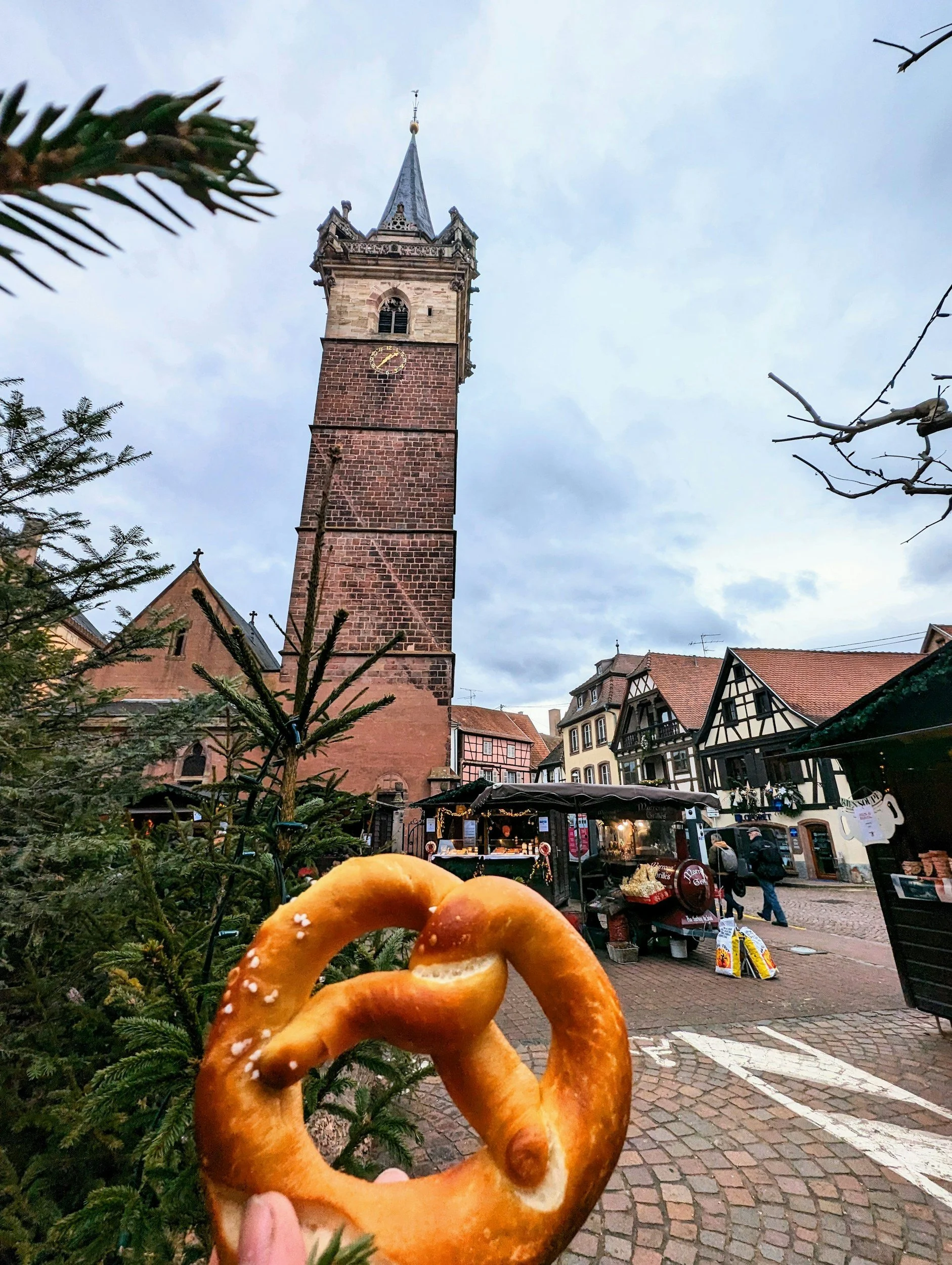
What makes each market worth travelling for
By this point, I wouldn't choose between these towns by asking which one has the best market. They're too different for that to be particularly useful. I'd be much more likely to look at the dates I had available and ask what I actually wanted to spend the weekend doing, because the answer would send me somewhere completely different.
Tournus would be my choice when food was going to take up most of the weekend. I'd want Saturday morning for the market, but I'd also want the Mâconnais cheese, Burgundy wine, Charolais beef and whatever September produce looked particularly good that week to carry on into lunch. Then I'd have the Saône and Saint-Philibert for the afternoon, and if I'd managed to coincide with Puces des Quais on the 1st Sunday of the month, I'd have a very good excuse not to catch the train home too early. Tournus is the one I'd choose when I wanted to eat extremely well and not have to organise much else around it.
Dieulefit is harder on my luggage. I'd go into Friday market looking for Picodon, figs and lavender honey, but the thing most likely to come home with me would probably be a bowl. Having Rue du Bourg, Art des Huit and Maison de la Céramique to explore afterwards changes the weekend completely because I could spend the afternoon seeing the work of people who are still making ceramics here rather than simply reading about the town's pottery history. I'd choose Dieulefit when I wanted the food market in the morning but didn't particularly want the rest of the weekend to be about food.
I'd go to Nyons with a completely different shopping list. I know I can buy French olive oil almost anywhere, but here I'd want to taste Huile d'olive de Nyons AOP, try Tanche olives and Affinade, then go to Espace Vignolis afterwards and actually compare the oils rather than pick a bottle because I liked the label. September makes that particularly interesting because the next Tanche crop is still ripening rather than being harvested. I'd be eating figs and fresh walnuts from the current season while tasting olive oil made from the previous one, which tells me far more about Nyons than simply knowing it's famous for olives.
Issigeac is the one I'd choose when I wanted Sunday morning to take care of itself. There isn't really a sensible route through a market that spreads around Place du Château, Place de l'Église, Grand Rue and Rue du Cardinal, and I wouldn't bother trying to invent one. I'd look for fresh walnuts, goat's cheese, duck products and whatever mushrooms the weather had produced, probably realise I'd forgotten where I'd seen something and then walk through half the village again trying to find it. I'd stay on Sunday night too, because I'd want to see those same medieval streets once the stalls had disappeared and I could finally work out what I'd been walking past all morning.
Samatan is the outlier. I'd go because I wanted to see what happens when an ordinary weekly food market and a specialist professional market exist alongside each other. I'd start Monday among the fruit, vegetables, cheese and meat, then make sure I was in the right place before the whistle signalled the opening of the specialist poultry trading. I wouldn't choose Samatan for pretty market photographs or because September is peak foie gras season, because it isn't. I'd choose it because none of the other towns lets me see quite this side of how food is actually bought and traded in the region.
Pézenas would be the dangerous choice if I'd recently decided to stop buying things for my house. Saturday might begin with figs, olives and a bottle of AOP Languedoc-Pézenas, but once the food stalls started packing away I'd still have Rue de la Foire, Rue Conti, Rue de la Juiverie and Maison des Métiers d'Art ahead of me. Between the antique dealers and contemporary makers, I'd probably spend considerably longer deciding whether I needed an old serving plate than I had choosing anything at the market. I'd pick Pézenas when I wanted Saturday to involve food but also knew I'd happily give the entire afternoon to brocante and craft workshops.
And then there's Obernai, where the calendar matters in a different way. I'd specifically arrive on Wednesday because Thursday is market day, buy Munster, quetsches and whatever else September had brought in that week, then spend the afternoon on the 3.5 km wine trail through the vineyards around town. If the year's vendanges happened to be underway, that would be a bonus rather than something I'd assume I'd see. Obernai would be my choice when I wanted the market to sit inside a wider Alsace wine weekend, especially because I could get there by train and spend the whole visit without needing a car.
So I wouldn't try to rank them. Give me food and Burgundy wine and I'd probably book Tournus. Pottery, Dieulefit. Olives, Nyons. A Sunday spent following market stalls through medieval streets, Issigeac. Serious Gascon food trading, Samatan. Antiques and contemporary craft, Pézenas. And if I wanted Alsace wine country without renting a car, I'd take the train to Obernai. That's a much easier decision to make than trying to work out whether one market is somehow objectively better than another.
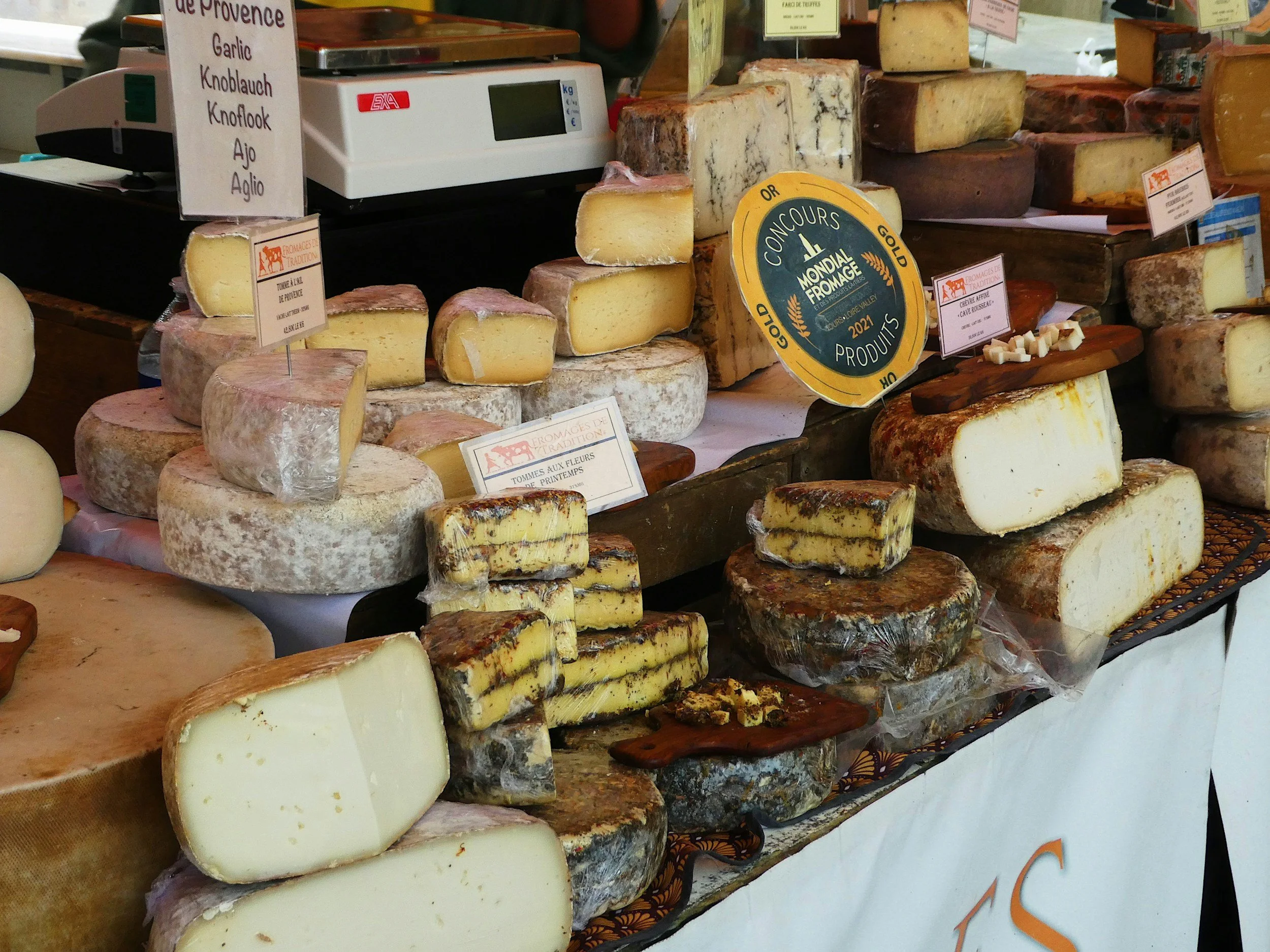
I'd actually change my travel dates for these markets
By this point, I know exactly which dates I'd move around for these markets. I wouldn't arrive in Tournus on Sunday and tell myself I'd seen enough of the town without Saturday morning. I wouldn't book Dieulefit for Saturday and miss Friday, or stay in Nyons for 3 nights only to leave on Wednesday. And if I were going all the way to Samatan, there is absolutely no chance I'd organise the trip so that I wasn't there on Monday.
That sounds obvious, but I think it's an easy mistake to make when you're planning France by destination rather than by what actually happens there each week. Tournus is still worth seeing without its Saturday market, but I'd be annoyed knowing I'd missed the morning when I could have been buying Mâconnais cheese and Burgundy wine before lunch. If my dates also lined up with Puces des Quais on the 1st Sunday of the month, I'd add the extra night rather than leave after Saturday.
I'd be even stricter with Dieulefit. If I only had Saturday and Sunday available, I'd probably save it for another trip. Friday is the combination I'd want: Picodon and lavender honey at the market in the morning, then Rue du Bourg, Art des Huit and Maison de la Céramique afterwards. Missing Friday would mean missing the part that makes Dieulefit particularly interesting to me rather than simply spending a pleasant weekend in the Drôme.
For Nyons, I'd book Wednesday night specifically so I could be there for Thursday market. I could buy Tanche olives and Nyons AOP olive oil elsewhere, but that isn't really why I'd come. I'd want the morning market first and Espace Vignolis afterwards, with enough time to taste the oils properly rather than grab a bottle before leaving. If I were travelling during the first half of September, I'd also check whether my dates caught the seasonal Sunday Provençal market before it finished for the year.
Issigeac is the one I'd protect Sunday morning for. I wouldn't stay 20 minutes away and plan to drive over after breakfast. I'd sleep in the village on Saturday night and be outside from around 8:30, when the stalls begin filling Place du Château, Place de l'Église, Grand Rue and Rue du Cardinal. I'd stay Sunday night too if I could. Seeing those streets with the market in full swing and then again once the walnut growers, cheesemakers and duck producers had packed away is one of the main reasons I'd choose Issigeac in the first place.
I wouldn't travel to Samatan unless I could be there on Monday morning. The specialist poultry trading, including the whistle signalling the start, is too specific to the town to treat it as something I could replace with a visit on Tuesday. I'd arrive on Sunday, check the current timings before I travelled and give Monday morning to both the regular food market and the specialist trading. Of all the towns here, this is probably the one where getting the day wrong would change the trip most.
Pézenas needs Saturday, although for a slightly different reason. I'd want the food market along Cours Jean Jaurès in the morning and then the afternoon for Rue de la Foire, Rue Conti, Rue de la Juiverie and the makers at Maison des Métiers d'Art. I'd arrive on Friday rather than waste part of Saturday getting there, particularly because Pézenas doesn't have a railway station and I'd already have the train-and-bus connection via Agde to think about.
And I'd make an unusual midweek choice for Obernai. I'd arrive on Wednesday for the Thursday market, rather than automatically book the Friday-to-Sunday weekend I'd normally associate with Alsace. I'd buy Munster and quetsches in the morning, have lunch in town and then walk the 3.5 km wine trail through the vineyards in the afternoon. Obernai having its own railway station makes that particularly easy: I wouldn't need to turn it into a larger Wine Route road trip simply to justify going.
So these are markets I'd put into the calendar before booking the train or hotel. Saturday for Tournus, Friday for Dieulefit, Thursday for Nyons, Sunday for Issigeac, Monday for Samatan, Saturday for Pézenas and Thursday for Obernai. Getting that one detail right changes far more than where I'd spend the morning. It decides when I'd arrive, whether I'd stay another night and, in several of these towns, whether I'd actually see the thing that made me want to go there in the first place.
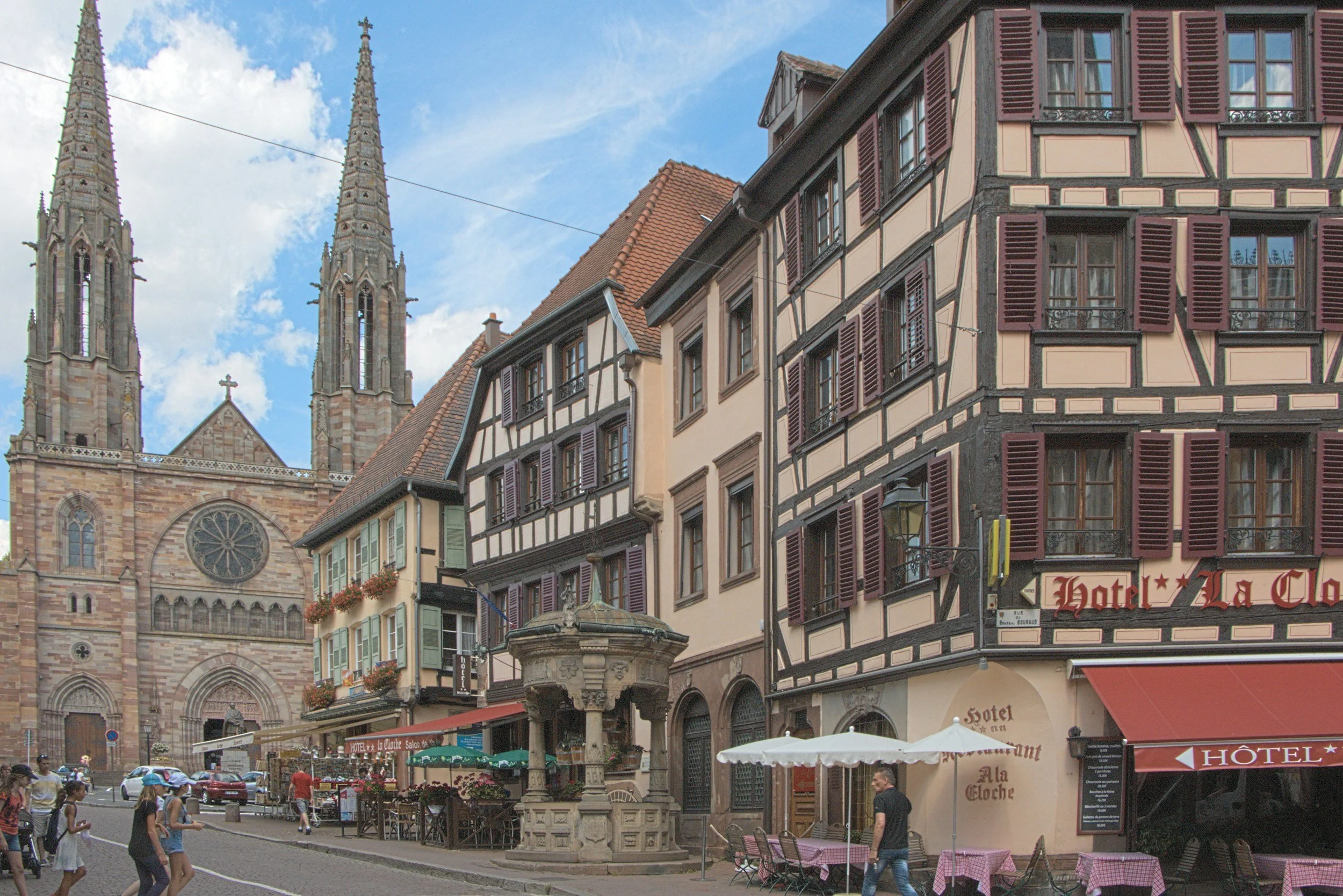
For Nyons, Dieulefit or another southern market town, I'd be careful about booking the gorgeous farmhouse 15 km away, and Provence without a car shows the sort of places where staying centrally genuinely changes the trip.
If I could only pick one...
If I genuinely had 1 September weekend and had to choose from this list, I'd start with what I wanted the trip to be about. At this point, I don't think saying “they're all lovely in different ways” is particularly helpful. There are clear reasons I'd choose one over another, and there are also a couple I'd save for a different trip if the dates or transport didn't work.
For the easiest food-focused weekend, I'd choose Tournus. I'd arrive by train on Friday, spend Saturday morning at the market looking for Mâconnais cheese, Charolais beef, Burgundy wine and whatever September produce was best that week, then have the Saône and Saint-Philibert for the afternoon. If the weekend happened to include the 1st Sunday of the month, Puces des Quais would probably settle the decision for me. It's the one I'd choose when I wanted very good food without needing a car or much advance planning once I'd arrived.
I'd choose Dieulefit instead if I knew I'd enjoy the afternoon as much as the market morning. Friday gives me Picodon, figs and lavender honey, but I'd probably be thinking about Art des Huit, Rue du Bourg and Maison de la Céramique before I'd even finished shopping. If the idea of coming home with a handmade bowl sounds more appealing than another bottle of wine, this is the one I'd pick. The only thing that would make me hesitate is transport, because reaching Dieulefit via Montélimar takes more planning than stepping off the train in Tournus.
For olives, there isn't really a competition. I'd go to Nyons, arrive on Wednesday for Thursday market and leave enough time for Espace Vignolis afterwards. September isn't the Tanche harvest, which I actually think makes the visit more interesting once you understand what's happening. The next crop is still developing on the trees while you're tasting Nyons AOP oil from the previous harvest and buying figs and walnuts that belong very firmly to September. I'd choose Nyons when I wanted to come home knowing considerably more about something I buy all the time.
I'd pick Issigeac when the setting mattered just as much as what I was buying. Sunday market spreading through Place du Château, Place de l'Église, Grand Rue and Rue du Cardinal gives me something none of the other towns does, and I'd want to stay in the village on Saturday night rather than drive in halfway through the morning. It's also the one I'd choose for Périgord food, especially if fresh walnuts, goat's cheese, duck and a bottle of Bergerac or Monbazillac sounded better than olives or Burgundy cheese.
Samatan would be a much more deliberate choice. I'd go because I specifically wanted to see the Monday market and the specialist poultry trading, including that very particular moment when the whistle signals the start. I wouldn't choose it for a first market weekend in France, and I wouldn't choose it if I wanted the simplest car-free trip. But for somebody who is genuinely interested in Gascon food culture and how a working specialist market operates, I think it's one of the most interesting places in this guide.
I'd choose Pézenas when I knew food wasn't going to keep my attention all day. Saturday morning gives me the market along Cours Jean Jaurès, but I'd be just as interested in what happened afterwards around Rue de la Foire, Rue Conti, Rue de la Juiverie and Maison des Métiers d'Art. If I wanted antiques, contemporary craft, local wine and the possibility of coming home with something for my kitchen that definitely wasn't on the shopping list, Pézenas would beat Tournus for me.
And Obernai is probably the easiest choice for someone who wants market day to be part of a wider wine trip. I'd take the train in on Wednesday, shop at Thursday market, have lunch in town and walk the 3.5 km wine trail through the surrounding vineyards afterwards. I wouldn't book it on the assumption that I'd see the vendanges happening beside the path, because harvest timing changes every year, but September still puts me in Alsace at exactly the point when the wine-growing calendar becomes particularly interesting.
But if you made me book 1 of them today, I'd choose Tournus.
Not because I think it has France's best market. I don't even think that's a particularly useful claim to make. I'd choose it because it asks the least of me while giving me almost everything I'd want from this kind of weekend. I can get there by train, stay in the centre, walk to Saturday market, eat extremely well, buy Burgundy produce I actually want to take home, spend the afternoon beside the Saône and potentially add antiques on Sunday if I've picked the right weekend. For 2 or 3 nights in September, that's a combination I'd find very difficult to beat.
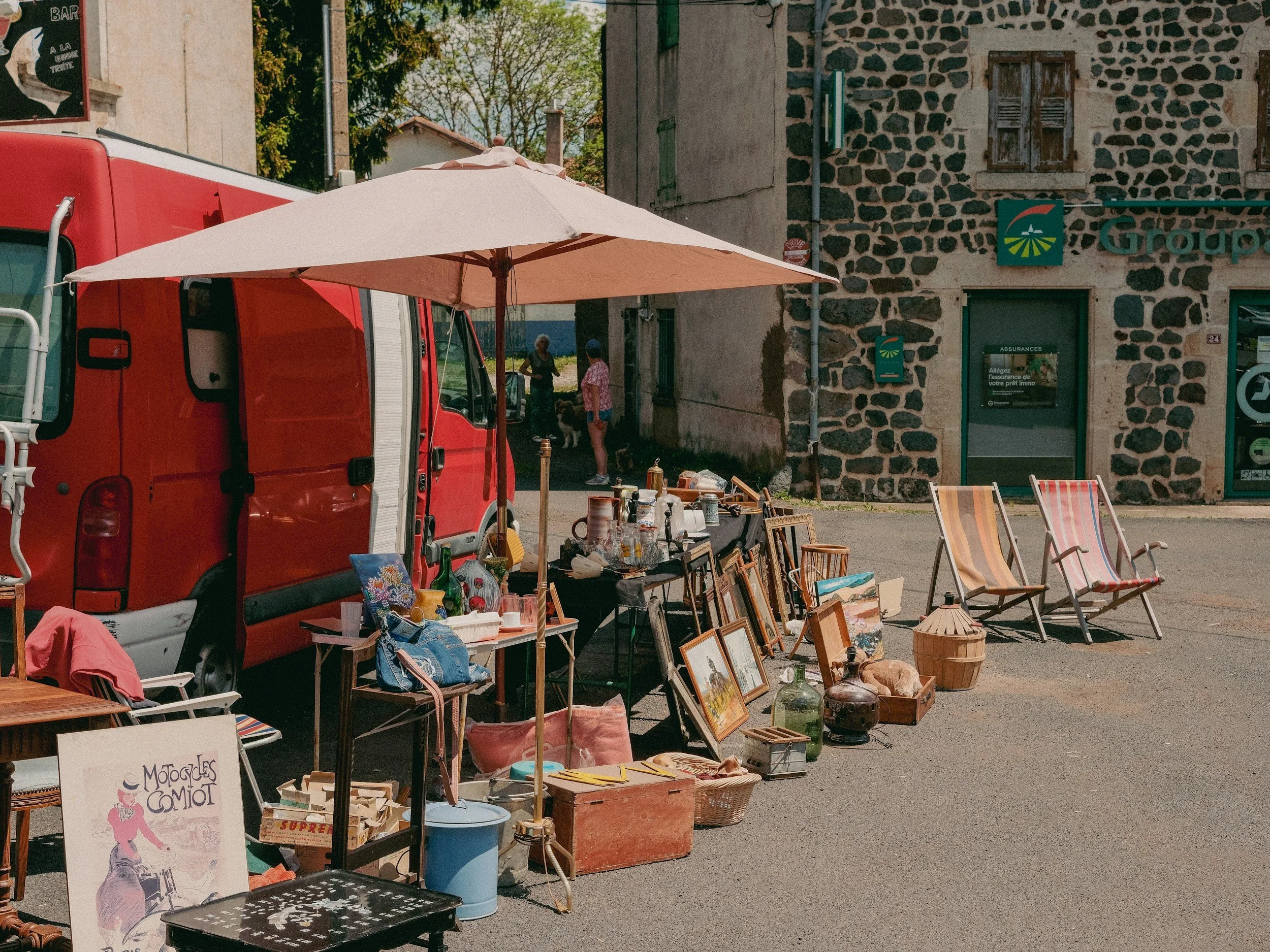
What I'd actually bring home
I'd be quite selective here, especially if I were travelling by train. Cheese that needs careful packing, bottles that add a surprising amount of weight and fresh produce that has to survive several hours in a bag all change what I'd realistically buy. I wouldn't try to bring home a miniature version of each region. I'd choose the things that were particularly good there, plus anything I knew I'd actually open, cook with or use once I was home.
In Tournus, cheese would be difficult to resist, although I'd ask the cheesemonger what was particularly good that week rather than arrive determined to buy Époisses or Brillat-Savarin simply because they're famous Burgundy names. I'd be even more interested in a Mâconnais goat's cheese, which connects much more closely with this part of southern Burgundy. Charolais beef makes sense while I'm there, but unless I had a proper cool bag and a short journey ahead, I wouldn't pretend raw meat was a sensible train souvenir. A bottle of Mâconnais wine is considerably more likely to make it home.
Dieulefit is the town where food would probably have to compete for luggage space with ceramics. I'd want a Picodon AOP, and if I found one matured using the traditional méthode Dieulefit, that's what I'd ask about first. Lavender honey would be easy to pack, and I'd look at olive oil and dried herbs from the Drôme Provençale as well. But realistically, the thing I'd be rearranging my clothes around would be a handmade bowl or cup from one of the local ceramicists. I'd rather bring home 1 piece I genuinely liked than buy several generic Provençal products I could find elsewhere.
I'd have to impose some rules on myself in Nyons because Espace Vignolis alone could make the bag ridiculously heavy. I'd taste the Huile d'olive de Nyons AOP before choosing a bottle, then add Olives noires de Nyons AOP made from the Tanche variety and a jar of Affinade. Those 3 would tell me far more about Nyons than buying every olive product on the shelf. If I still had room, I'd look at a bottle of Vinsobres or Côtes-du-Rhône Villages Nyons, particularly if I'd tasted one locally and wanted to remember the producer rather than simply buy another regional wine.
Issigeac would be much more dependent on what I found that Sunday. In September, fresh walnuts would be high on my list because their short season is exactly what makes them worth buying when I see them. I'd add goat's cheese if I could keep it cool, honey because it travels easily and figs only if I was prepared to eat them fairly quickly. I wouldn't plan on bringing home mushrooms. If cèpes had appeared after suitable weather, I'd rather buy a small amount and eat them while I was still in the Dordogne than carry fresh wild mushrooms around for the rest of the journey. A bottle of Bergerac or Monbazillac, however, could definitely come home.
I'd shop differently again in Samatan. Duck rillettes, confit or another properly preserved duck product would make much more sense for travelling than trying to take home whatever looked good at the specialist market without thinking about storage. I'd also look for garlic, fresh walnuts and perhaps a bottle of Floc de Gascogne. Armagnac would be tempting, but with limited luggage I'd probably choose between the 2 rather than haul several bottles home. This is one market where I'd bring a small cool bag if I already knew food shopping was going to be a major part of the morning.
Pézenas is where I'd probably break my own luggage rules. I'd start sensibly enough with a bottle of AOP Languedoc-Pézenas and perhaps olives or figs from Saturday market, then undo all that good work somewhere around Rue de la Foire or Rue Conti. An old café bowl, serving plate, piece of linen or something made by one of the contemporary craftspeople would be much harder for me to leave behind than another jar of preserves. I'd also check anything antique carefully before buying it for food use. Old glazed ceramics and metal kitchenware can be lovely on a shelf without necessarily being something I'd want in regular contact with food.
From Obernai, I'd concentrate on things that were genuinely Alsatian and reasonably easy to carry. Munster would be wonderful if I could keep it properly chilled, although I'd think twice before putting a particularly ripe one in my luggage for a long train journey. Honey, pain d'épices, quetsche preserves and Alsatian biscuits would be much easier, and I'd leave room for a bottle of Riesling or Pinot Gris from a producer I'd actually tasted while I was there. If I found a kougelhopf mould I really liked, that might be the thing that ruined my otherwise sensible packing.
The one thing I'd do before any of these trips is put a foldable shopping bag and a small insulated bag in my luggage. They're hardly exciting travel advice, but they'd be far more useful on market morning than another carefully planned shopping list. Soft cheeses, charcuterie and other perishable foods need to stay cold, bottles need wrapping properly and figs have absolutely no respect for whatever else is packed beside them.
And I'd leave some space deliberately. Not for a souvenir I thought I ought to buy, but for the thing I couldn't have known about before I arrived: the Picodon a producer tells me is particularly good that week, a bottle I've just tasted, an old plate I find in Pézenas or the ceramic bowl I pick up in Dieulefit and immediately know exactly where I'm going to put it at home. Those are the purchases I'd make room for.
If you're looking at several of these towns and wondering where French regional trains are genuinely useful rather than just theoretically possible, using TER trains clears up how the regional network works before you start piecing together the individual journeys.
Friday, Saturday and Sunday
I've learnt that the nicest market weekends usually start the evening before the market, not when the first stalls open. If I arrived in Tournus at 10:30 on Saturday or Pézenas halfway through its market morning, I'd immediately feel as though I were catching up. I'd rather arrive on Friday, leave my bag at the hotel and spend that first evening doing very little beyond finding dinner and working out where I'd want coffee the next morning.
Friday is also when I'd resist the temptation to make too many plans for Saturday. I wouldn't reserve lunch for 12:00, book a museum for 2:00 and then give myself exactly 90 minutes for the market in between. I'd want Saturday morning left completely open, especially somewhere like Issigeac, where the stalls spread through several streets, or Pézenas, where I'd probably keep disappearing into shops long after I'd supposedly finished at the market.
On market morning, I'd do 1 lap before buying much. Not to compare every price, but because the first 10 stalls aren't necessarily where I'd want to fill my bag. I'd look at what several fruit and vegetable growers had brought, notice which cheesemonger had the queue and see whether the same September ingredient kept appearing. If there were fresh walnuts on 4 different tables in Issigeac, or everyone in Nyons seemed to have particularly good figs that week, I'd take the hint.
I'd also ask more questions than I used to. “What would you eat today?” is considerably more useful than asking what's most famous. At a cheese counter, I'd tell them whether I wanted it for lunch, dinner or the following day. Ripeness matters, particularly with softer cheeses, and a good cheesemonger can choose accordingly. If I were buying something unfamiliar, I'd ask how they'd eat it at home rather than immediately search for a recipe on my phone. That might mean serving Picodon with very little besides bread, finding out which olives are intended for eating rather than cooking, or being told that the figs I've just bought really shouldn't survive until Sunday.
Some of my market shopping wouldn't make it home at all, and I think that's important. I'd buy for the weekend as well as for my suitcase. Bread, cheese, tomatoes, fruit and something from a charcuterie stall could become Saturday evening dinner if lunch had been enormous. Figs might disappear on a bench beside the Saône in Tournus. A few quetsches from Obernai could end up as train snacks. I'd rather eat something at its best in the place where I bought it than spend the weekend protecting it because I'd decided it needed to become a souvenir.
I'd handle anything perishable differently. Cheese, meat and other foods that need refrigeration wouldn't spend 4 hours in my tote bag while I went for lunch and wandered around galleries. I'd either buy them towards the end of the market, take them back to accommodation with a fridge or carry a small insulated bag. And I definitely wouldn't assume I could return at 12:45 for something I'd seen at 9:30. Smaller producers can sell out, and some stalls will already be packing away by then. If there was something I particularly wanted, I'd buy it when I saw it.
Sunday would be the opposite. I wouldn't wake up thinking I needed another full programme simply because I had until the afternoon train. I'd find a bakery, have coffee somewhere I liked enough to return to and eat whatever was left from the market before deciding whether I actually wanted to do anything else. In Tournus, that could mean the Puces des Quais if I'd deliberately booked the 1st Sunday of the month. In Dieulefit, I might use the morning for the workshop I hadn't managed to reach on Friday. Somewhere else, I might do nothing more ambitious than buy bread and take another walk before collecting my luggage.
And I'd check Sunday opening hours before assuming I could buy everything I'd forgotten. That's especially important in smaller French towns, where the bakery I noticed on Friday, the food shop I meant to return to or the restaurant I saved for Sunday evening may have reduced hours or be closed altogether. I'd rather discover that while planning than at 1:30 on Sunday with an empty fridge and a train that doesn't leave for another 4 hours.
That's roughly how I'd build these trips now: arrive the evening before, protect market morning from other bookings, buy some things to eat immediately and leave Sunday deliberately loose. It isn't much of an itinerary, which is precisely why it works for me. The market already gives the weekend its fixed point. I don't need to fill every hour around it.
September still wins for me overall, but French autumn weekends is useful if you're flexible on dates and want to see which towns actually become more interesting once September turns into October.
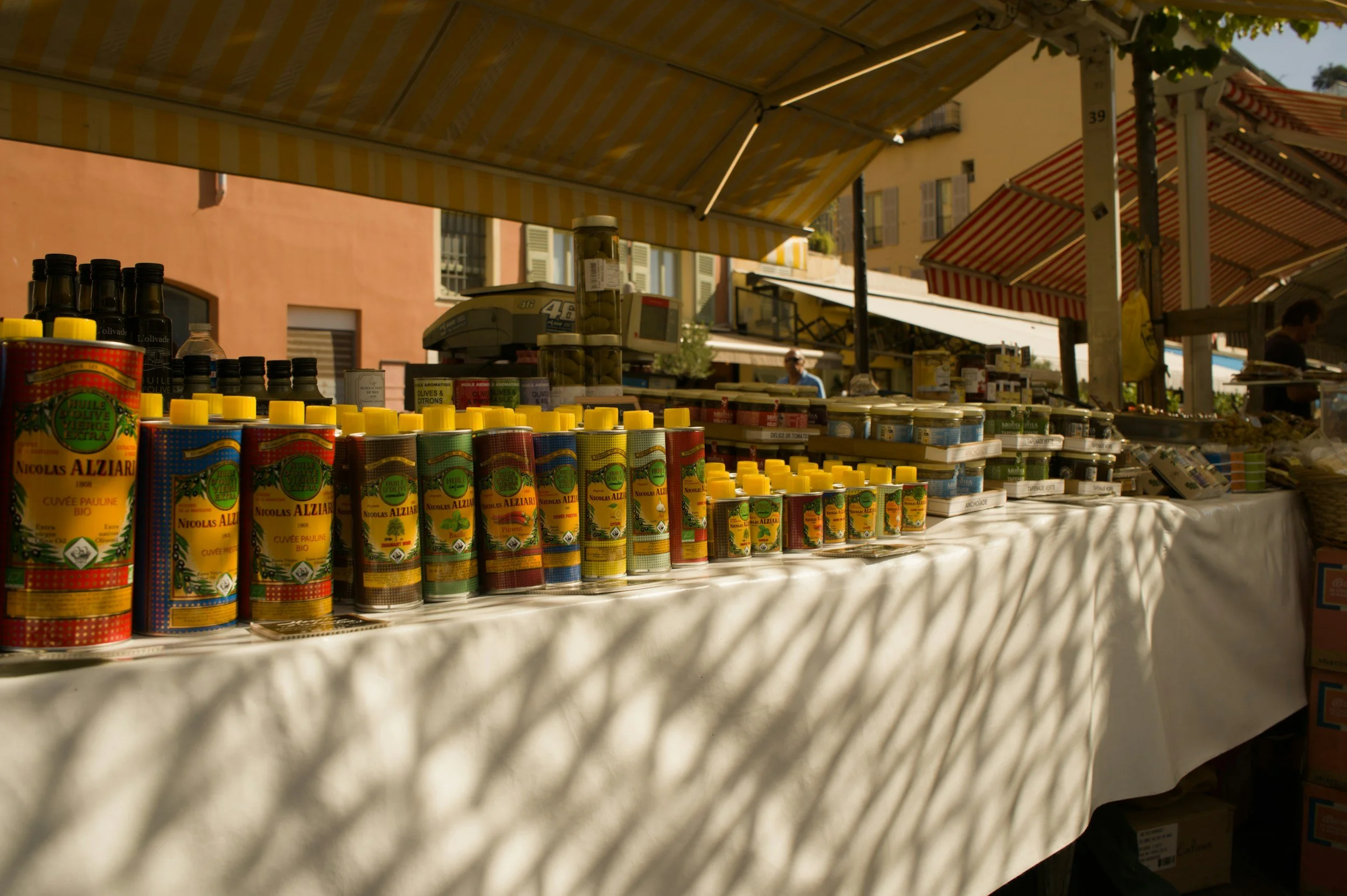
The little things I'd know before booking
The first thing I'd check isn't the hotel. It's the market day, followed immediately by the transport that gets me there the evening before. That sounds almost too obvious to mention, but it completely changes how I'd book these towns. Samatan needs Monday morning, Nyons and Obernai need Thursday, Dieulefit needs Friday, Tournus and Pézenas need Saturday, and Issigeac needs Sunday. I'd put that into the calendar first and build the hotel and train bookings around it rather than discover afterwards that I'd managed to spend 3 nights somewhere and miss the one morning I particularly wanted.
I'd check the market with the town or tourist office as well, especially if I were travelling around a public holiday or during a local event. Weekly markets are wonderfully dependable, but road closures, festivals, fairs and exceptional dates can affect where stalls are positioned or how the morning operates. BiObernai is a good example of why I'd check what's happening on my exact September weekend rather than assume every Thursday or Saturday looks identical.
I'd also be slightly suspicious of an opening time that simply says 8:00–13:00. That tells me roughly when the market operates; it doesn't promise that the mushroom grower, cheesemaker or small producer I particularly wanted to buy from will still have everything at 12:45. Some traders sell out, others begin packing before the official end, and weather can affect smaller outdoor markets too. I'd still take my time, but if I saw something genuinely seasonal that I'd be disappointed to miss, I'd buy it when I found it.
Where I stayed would matter more than whether the hotel had the prettiest room. I'd much rather be 5 or 10 minutes on foot from the market than save a little money and sleep 15 km outside town. In Tournus or Obernai, I'd also look at the relationship between the station, hotel and centre because arriving by train becomes considerably nicer when I can drop my bag and forget about transport. In Samatan, Dieulefit, Issigeac and Pézenas, where getting there involves more planning, I'd be even less interested in adding another transfer simply because I'd found a cheaper room outside town.
I'd check Sunday and Monday opening hours before booking dinner as well. This matters particularly if I were extending the trip beyond market day. A restaurant that looked ideal when I found it online might be closed Sunday evening; a bakery I planned to visit before my Monday train might take Monday off; a workshop I'd saved for the final morning might not open until Tuesday. I wouldn't research every business in town, but I'd verify the handful I genuinely cared about using their own website, booking page or recent social media rather than relying entirely on the opening hours displayed in a search result.
I'd do the same with transport. A route existing on a map doesn't necessarily mean it works at the time I need it, particularly on Sunday or later in the evening. That's much less of a concern in Tournus and Obernai, which have railway stations, but it matters considerably more for places such as Samatan and Pézenas. I'd work backwards from the market: What time do I want to be there? Where am I sleeping the night before? What is the last sensible connection into town? Only then would I book the long-distance train.
There are a couple of September-specific things I'd check too. I wouldn't assume that “September” guarantees mushrooms, fresh walnuts, active grape harvesting or the final mirabelles simply because I'd read about them in a guide. Weather and the exact week matter. Early September in Alsace can look quite different from the final week of the month, and cèpes depend far more on rain and temperature than on somebody turning the calendar to autumn. I'd treat those things as reasons to pay attention once I arrived, not promises attached to the booking.
And I'd be realistic about how much food I could take home. If I were travelling for several hours after checkout, I'd think carefully before buying a very ripe cheese, fresh meat or anything else that needed reliable refrigeration. Preserved duck from Samatan, honey from Dieulefit, olive oil from Nyons and wine from Pézenas are easy. A soft cheese sitting in a warm bag while I change trains is a different proposition. If food shopping were one of the main reasons for the trip, I'd choose accommodation with a fridge and ask whether I could retrieve chilled purchases when collecting my luggage later in the day.
None of this requires much planning. Most of it is 5 minutes of checking before I press book: market day, official calendar, last connection into town, hotel location and the opening hours of the 1 or 2 places I really don't want to miss. I'd rather do that beforehand and then leave the actual weekend fairly open. These towns don't need an hour-by-hour itinerary, but getting those few details right makes it much easier to enjoy them without spending Saturday morning solving problems I could have sorted out at home.
If you're wondering whether I'd push the trip into October once the weather cools, Provence in autumn is where I'd compare the later-season market towns before changing the dates.
Where I'd stay
For a market weekend, I'd nearly always choose location over the nicest room. I don't necessarily mean sleeping directly above the market square, though. There's a fairly big difference between being able to walk to the first stalls in 3 minutes and having vans unloading underneath your bedroom window early in the morning. My ideal spot would usually be 1 or 2 streets back, close enough that I could go out for bread without thinking about transport but far enough away that market set-up wasn't my alarm clock.
In Tournus, I'd stay in the compact area between the station, Rue de la République, Place de l'Hôtel de Ville and the abbey. The station is already close to the centre, so I wouldn't sacrifice the old town just to sleep beside the tracks, and I wouldn't go looking for a countryside property outside Tournus either. From somewhere central, I could arrive on Friday with my bag, walk to Saturday market in the morning, go back to the room if I'd bought cheese that needed refrigerating, then head towards Abbaye Saint-Philibert and the Saône after lunch. If I'd deliberately booked the 1st weekend of the month for Puces des Quais, being able to walk down to the river again on Sunday would make the location even more useful.
I'd be even fussier in Dieulefit because I'd want Friday to happen almost entirely on foot. Somewhere around Rue du Bourg and the central streets near Place Châteauras and Place Abbé Magnet would put the market, cafés, ceramic workshops and galleries close together. I wouldn't stay several kilometres into the surrounding Drôme countryside just because the property had a pool and lavender outside the window. That might be lovely for a longer holiday, but it would be inconvenient for the particular weekend I'm describing here.
For Nyons, I'd look around the historic centre and the streets close to Place de la Libération and Place des Arcades. That would put me close to Thursday market and still make it easy to walk over to Espace Vignolis and towards the Pont Roman later. Nyons is also somewhere I'd seriously consider a small apartment rather than a hotel. After buying Tanche olives, olive oil, figs, bread and cheese, having a fridge and somewhere to put together a very simple dinner would be genuinely useful rather than an excuse to book a larger room.
Issigeac is the place where I'd make the strongest case for sleeping inside the village itself. I'd arrive on Saturday while the medieval centre was still relatively quiet, then wake up already inside Sunday's market rather than drive in once the streets were busy. Somewhere around Grand Rue, Place du Château or the lanes immediately around the centre would be ideal, although I'd check exactly where Sunday's stalls are positioned before choosing a room directly above one of the market streets. I'd happily accept a 5-minute walk in exchange for a quieter night's sleep.
I'd actually keep Samatan fairly central too, rather than automatically choose the lake. Lac de Samatan sounds appealing after Monday lunch, but the specialist market is the reason I'd have travelled here and I'd rather make that easy. An apartment could still be a very good choice, particularly if I wanted a fridge for anything I'd bought that morning, but I'd choose one that allowed me to walk to the market first and the lake second. I can walk out to the water when I want some quiet; I don't need to sleep beside it.
In Pézenas, I'd want to be somewhere between Cours Jean Jaurès and the historic centre. That puts Saturday's food market on one side of the day and Place Gambetta, Rue de la Foire, Rue Conti and Rue de la Juiverie on the other. Because I'd already have dealt with the bus connection from Agde, the last thing I'd want after arriving would be another journey to accommodation outside town. This is also where I'd think about storage before booking. If there's a realistic chance I'm coming back with wine, cheese and an antique serving plate, being able to drop things at the room halfway through Saturday would be surprisingly useful.
Obernai gives me a little more flexibility because the railway station and historic centre are close enough that I don't have to choose one or the other. I'd look for somewhere on the town-centre side of the station, within an easy walk of Halle Gruber, the Remparts and Place du Beffroi. Then Wednesday arrival, Thursday market and the vineyard trail can all happen without another bus or taxi. I wouldn't book accommodation out among the vineyards for this particular trip. I'd rather walk into them when I wanted to and come back to Obernai for dinner.
The choice between a hotel and an apartment would come down to what I planned to do with the market shopping. If I mainly wanted breakfast out, a long lunch and dinner in town, I'd take the small hotel with the better location. If I knew I'd be buying cheese, charcuterie, fruit and wine for later, I'd start looking for a fridge and somewhere comfortable to eat. I wouldn't book a full kitchen just because I was visiting a food market, though. There's little point paying for an apartment kitchen in Tournus and then discovering I'd rather spend every meal trying the restaurants.
There is one thing I'd check before paying for any central room: exactly where the market sets up. “2 minutes from the market” sounds wonderful on a booking site until those 2 minutes turn out to mean “directly above the street where metal stalls are assembled before breakfast.” I'd look at the official market location, find the accommodation on the map and read recent reviews for mentions of street noise. Being close is useful. Being directly on top of market set-up is a different proposition.
So my choices would be slightly different in every town, but the test is fairly simple. Can I walk to the market in the morning, drop purchases back at the room if I need to, go out for dinner without arranging transport and get home afterwards without thinking about a car? If the answer is yes, I'd take that over the countryside hotel with the better photographs almost every time.
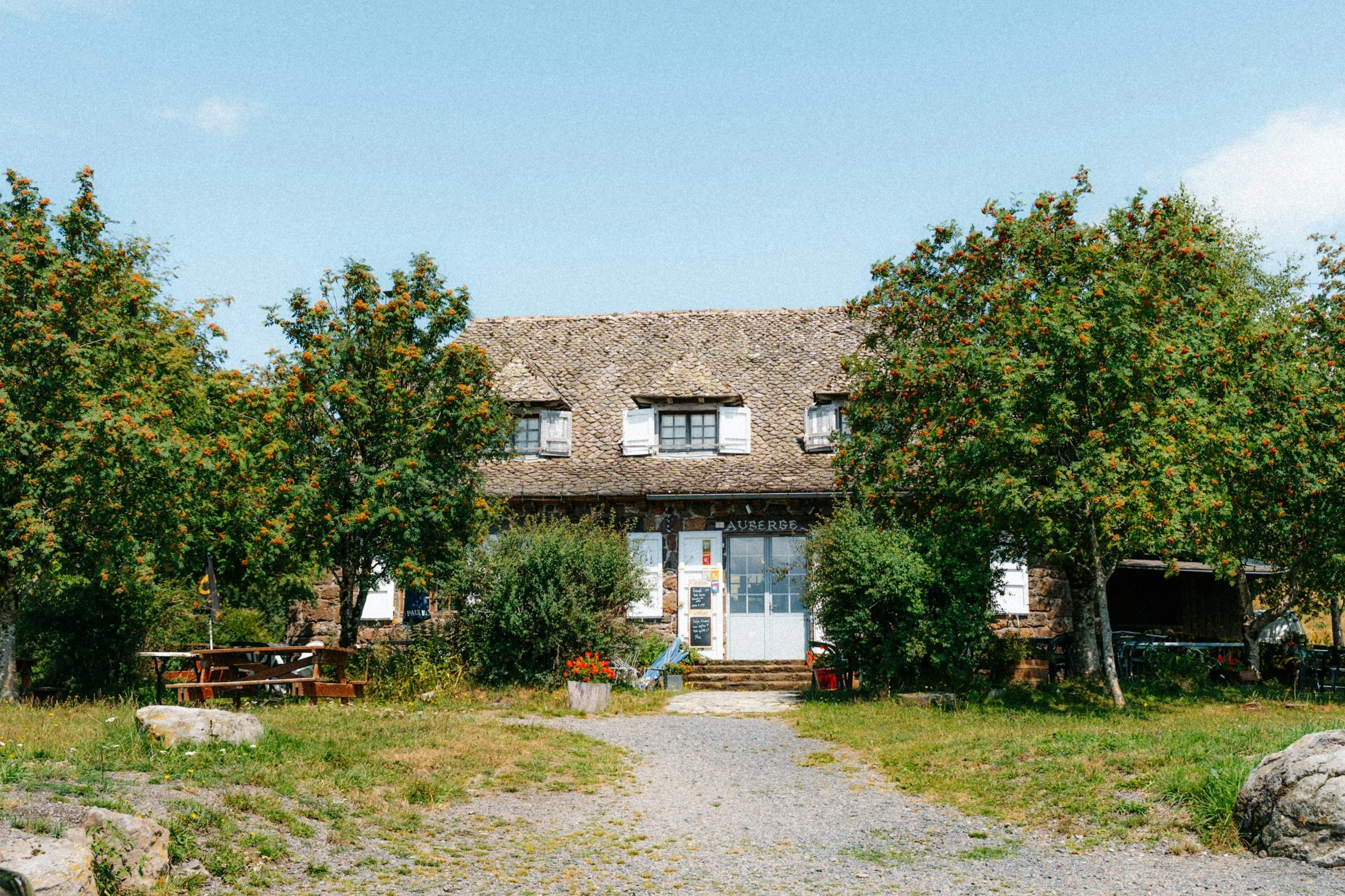
Would I always choose September?
No. September would still be my first choice for this particular trip, but I wouldn't choose it for every market on this list. Move the dates forward or back by a month and you're not simply getting warmer or colder weather. Different products come into season, harvest dates change and, in a few of these towns, the reason I'd go becomes stronger later in the year.
June would tempt me most in Pézenas, Dieulefit and Tournus. I'd have considerably more daylight to use after market morning, which matters in Pézenas when I want Saturday afternoon for the old centre and in Dieulefit if I want to combine Friday market with workshops and time outside afterwards. The stalls would look different too. Instead of searching for walnuts and autumn mushrooms, I'd be buying cherries, strawberries, apricots and the first really good summer vegetables. If my idea of a market weekend included eating outside, walking until late and buying fruit for the train rather than ingredients for dinner, I'd seriously consider June instead.
September is the month I'd choose when I wanted a little of both seasons. I could still find tomatoes, peppers, late peaches or melons in southern France while figs, grapes, plums, apples and fresh walnuts were beginning to change what was on the tables. I wouldn't expect all of those things in every town or every week, but that's part of what makes September interesting. Issigeac won't look like Nyons, and Nyons won't look like Obernai. Even 2 visits to the same market at opposite ends of the month could produce quite different shopping bags.
For Obernai, September also gives me the possibility of being there during the Alsace vendanges, although I'd check that year's official harvest dates rather than assume grapes would be picked during my visit. Earlier September could still feel fairly summery; later in the month I'd expect the transition towards apples, pears and walnuts to be more obvious. If the wine-growing side of Obernai were the main reason for my trip, I'd choose my dates according to the year's harvest calendar rather than simply book the 2nd weekend of September and hope for the best.
Then there's October, which I think is the month most likely to make me reconsider September altogether. This is when I'd be particularly interested in Issigeac and Samatan. In the Dordogne, autumn is a much more convincing time to start hoping for woodland mushrooms, although cèpes still depend on rain and temperature and can never sensibly be guaranteed. Walnuts also belong much more firmly to the season by then. In Gascony, October takes me further towards the richer food I associate with the region, and I'd be perfectly happy trading an hour or 2 of daylight for a market morning followed by a substantial lunch.
I'd consider Nyons in October too, but for a different reason. September is the anticipation of the olive harvest rather than the harvest itself. The Tanche crop is generally harvested later, so anyone coming specifically because they want to understand Nyons' olive culture shouldn't assume September is automatically the most important moment of the year. I'd still happily go then for Thursday market, Espace Vignolis and the late-summer produce, but if olives were the entire purpose of the trip, I'd look at the olive calendar separately.
November is where I'd become much more selective. I wouldn't choose Pézenas simply because I wanted hours of outdoor browsing, and shorter days would change how much I'd try to fit around the market. But Samatan becomes more interesting to me rather than less. The Gascon food angle makes considerably more sense as the year moves towards winter, and this is one destination where grey weather wouldn't particularly bother me. I'd come for Monday market, eat extremely well and accept that the lake might get 30 minutes rather than an entire afternoon.
I'd also happily consider Tournus later in autumn. Having its own railway station matters more when daylight is limited because I wouldn't lose time dealing with buses or a car, and Burgundy food doesn't suddenly become less appealing when the temperature drops. I'd spend less time beside the Saône and considerably more time over lunch, which doesn't sound like much of a sacrifice.
So if somebody asked me for 1 month that works across this entire list, I'd still say September. It gives me late-summer produce in the south, early autumn ingredients beginning to appear further north, the possibility of the Alsace grape harvest and enough daylight that the market doesn't have to be the only thing I do that day.
But I'd make exceptions. I'd consider June for Pézenas or Dieulefit if I wanted long days and summer produce; October for Issigeac if autumn food mattered more than the weather; and later autumn for Samatan if Gascon food was the main reason I was travelling. September isn't the month when every one of these markets reaches some imaginary peak.
FAQs about French market towns in September
Which French market town would you choose for a first September trip?
If somebody had never planned a French market weekend before, I'd probably suggest Tournus. It's easy to reach by TER train, the Saturday market is one of Burgundy's best, and everything sits within a compact historic centre where you can walk between the market, the abbey, riverside restaurants and wine bars without needing a car. It gives you a little bit of everything that makes September in France so enjoyable without feeling overwhelming. If your interests are more specific, though, I'd happily point you elsewhere. Nyons if olives are the main attraction, Dieulefit if you enjoy ceramics and meeting local makers, Samatan if you're travelling almost entirely for food or Pézenas if you know you'll end up spending as much time in antique shops as you do at the market.
Is September the best month for French markets?
For most travellers, I'd say yes. September sits in that lovely period where summer produce is still everywhere, but the first signs of autumn are beginning to appear. Markets fill with grapes, figs, walnuts, mushrooms and the first harvest produce, while many restaurants have already started changing their menus for the new season. The weather is usually comfortable enough to spend hours outdoors, but the atmosphere feels noticeably calmer than during the peak holiday weeks. That said, if your ideal weekend revolves around museums, cosy cafés and long lunches rather than walking all day, you might actually prefer October or even November.
What food should I look out for at French markets in September?
That's one of the reasons I enjoy travelling in September so much because every region offers something slightly different. In Burgundy, I'd be looking for seasonal cheeses, Charolais beef, grapes and the first mushrooms. Around Nyons and Dieulefit, I'd keep an eye out for figs, goat's cheese, lavender honey and walnuts before olive season really gets underway. In Gascony, duck, foie gras and autumn produce begin taking centre stage, while in Alsace the grape harvest starts shaping both the markets and the villages around them. Rather than arriving with a shopping list, I'd simply ask producers what's particularly good that week. The answer changes every September.
Should I plan my trip around market day?
I would every single time. In fact, I'd choose the market day before I booked the hotel. Weekly markets are often the reason these towns feel so lively, and arriving the evening before means you can enjoy the whole morning without dragging a suitcase through busy streets or worrying about missing the train home. Once you've chosen the market day, everything else becomes much easier to plan.
Which French market towns are easiest to visit by train?
Tournus is probably the easiest because it's directly connected by TER trains from Dijon, Mâcon and Lyon, and the station is only a short walk from the historic centre. Obernai is another excellent option with direct trains from Strasbourg. The other towns in this guide usually need a connecting bus or a short drive for the final part of the journey, but once you've arrived they're all easy to explore on foot.
Is it worth staying overnight in a French market town?
I'd actually recommend staying for at least two nights if you can. The market might be the reason you booked the trip, but some of the nicest moments happen before it opens or after it finishes. Walking through Issigeac on a quiet Saturday evening, watching Obernai settle down once the Thursday market has packed away or wandering back through Tournus after dinner are all experiences you'd completely miss on a rushed day trip.
Which French region has the best autumn markets?
I don't think there's a single answer because every region celebrates autumn differently. Burgundy is wonderful if you're travelling for wine and seasonal cooking, Drôme Provençale combines markets with olives, pottery and Provençal produce, Gascony is one of the best places in France if food is your main priority, and Alsace comes alive during the grape harvest. I'd choose the region based on what you'd most like to eat, cook or bring home rather than simply looking for the biggest market.
What's the difference between September and October markets in France?
September still feels like the meeting point between two seasons. You'll often find tomatoes, peppers and late figs sitting alongside grapes, walnuts and the first mushrooms. By October, markets begin looking noticeably more autumnal, while restaurant menus have usually moved even further towards game, pumpkins, root vegetables and richer dishes. I wouldn't say one month is better than the other. September feels like a bridge between summer and autumn, while October fully embraces the new season.
Is one night enough for a French market weekend?
You can certainly do it, but I don't think it's the nicest way to experience these towns. I'd rather arrive the evening before the market, spend the whole of market day exploring without watching the clock, then enjoy one more slow morning before travelling home. That extra night gives you time to browse the independent shops, enjoy a long lunch, visit a museum or simply sit at a café without feeling as though every hour needs to be planned.
Do French markets happen every day?
No. Most of the markets in this guide only take place once a week, and that's one of the reasons I'd always check the market calendar before booking trains or accommodation. Tournus comes alive on Saturday, Dieulefit on Friday, Nyons on Thursday, Issigeac on Sunday and Samatan on Monday. If you book the wrong dates, you'll still enjoy the town, but you'll miss one of the main reasons for travelling there in the first place.