
The Swiss train journeys I'd choose before the famous panoramic routes
Travelling through Switzerland by train works differently than in most places. You don’t need to build an itinerary out of separate legs or chase individual viewpoints. Once you’re on one of the Grand Train Tour routes, the landscape starts changing on its own, often within the same stretch of track.
For example, leaving Montreux, the line follows the edge of Lake Geneva, passing through terraced vineyards around Lavaux before turning inland towards the mountains. On other sections, like the route running from Lucerne towards Interlaken, the train skirts lakes such as Lake Brienz, then climbs gradually into narrower valleys where small stations sit directly beside the tracks. These aren’t isolated scenic moments. They unfold continuously as you move.
The routes labelled Vineyards and Valleys, Alpine Rivieras, East–West, and Lakes and Peaks aren’t separate tourist trains but linked sections of existing railway lines. That means you’re travelling on the same trains locals use, passing through working towns rather than staged viewpoints. You might pull into a small station like Spiez or Zweisimmen, step off for a short break, and continue later on the same line without needing a separate ticket or tour.
What makes these routes useful is how little you need to plan once you’re on them. You can basically sit by the window and watch the terrain change from lakeshore to vineyards to alpine pasture without moving between transport types or chasing highlights. This guide focuses on how the routes work in practice, which sections are worth staying on longer, and how to use them if you want a slower way to see the country without constantly changing trains or rushing between places.
The best time for scenic train routes in Switzerland
The timing of your trip makes a bigger difference than most people expect, especially if you want quieter trains and better views. Spring and early summer (late April to June) are usually the easiest months. Around this time, the hills above Lake Geneva and the slopes around Lavaux are green, vineyard paths are dry, and towns like Montreux and Lucerne aren’t at peak capacity yet.
Summer brings more reliable weather, but also more people. On popular stretches like the route between Lucerne and Interlaken, midday trains can feel crowded, especially on clear days. If you’re travelling in July or August, it’s easier to get a good window seat if you take earlier departures rather than mid-morning services.
Autumn (September to mid-October) is one of the best periods for vineyard sections. In Lavaux, the harvest season brings activity to the slopes, and the light across the lake feels softer in the afternoons. It’s also a good time to walk short sections of the Moselsteig or parts of the Douro Valley if you’re combining Switzerland with nearby regions on the same trip.
Winter works too, but the experience changes. Mountain views are often clearer on cold days, especially around Mount Rigi and the routes above Lucerne, but vineyard walks are less practical once temperatures drop and daylight shortens. Trains still run frequently, but walking between stations is less comfortable, especially on exposed lakeside paths.
Overall, late spring and early autumn give the best balance: good visibility, manageable crowds, and enough daylight to combine train travel with walking without rushing.
Some of the best parts of these routes are the smaller stops in between, and this guide to Swiss villages helps you decide where it’s actually worth getting off.
Vineyards and Valleys: walking the Lavaux vineyards above Lake Geneva
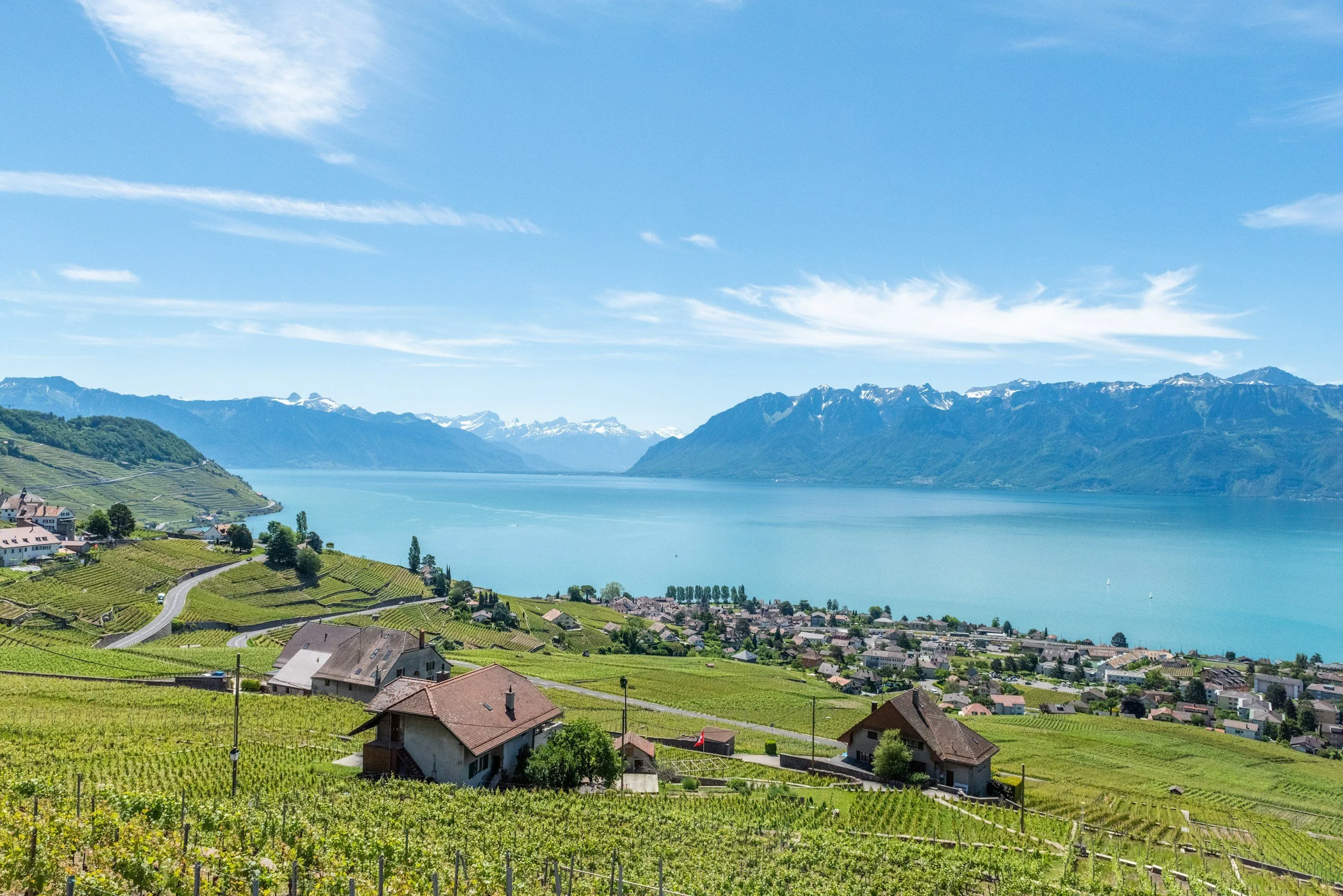
The Vineyards and Valleys section of the Grand Train Tour makes the most sense when you slow down around Montreux and the terraced slopes of Lavaux. This is where the vineyards step down towards Lake Geneva, and the train line follows the edge of the water for long stretches, passing through small stations where you can easily stop and continue on foot.
A practical way to experience this section is to get off the train at Cully or Epesses. From either station, you can walk directly into the vineyards within minutes. The footpaths run between stone walls and vineyard plots, linking small lanes like Chemin de la Creuse and Route de la Corniche, with open views over the lake most of the way. The walking is straightforward rather than technical, and you can decide how far you want to go before looping back to the station.
If you want to base yourself in Montreux, staying close to the lake makes the most sense. Hôtel des Balances sits right on the waterfront, and from here you can walk along the lakeside promenade towards Territet before catching a train towards Lavaux later in the morning. The route is flat and easy, and the early light over the water is one of the best times to walk here.
For a more classic lakeside stay, Grand Hotel Suisse Majestic is directly opposite the station, which makes it practical if you’re moving between train and vineyard walks. Rooms facing the lake have clear views across the water, and being close to the station means you can step straight onto trains heading towards the Lavaux villages without extra transfers.
If you’re leaning more toward quiet mountain stays than moving around every day, this Swiss Jura escape gives you a very different pace.
To understand the wine culture here beyond just walking through the vineyards, it’s worth stopping at Lavaux Vinorama near Rivaz. It’s built into the hillside and focuses on wines from the surrounding slopes rather than general tastings. From here, you can continue walking through the terraces or head back to the station for the short train ride back to Montreux.
If you want to extend the day beyond Lavaux, you can take the GoldenPass line from Montreux towards Château-d’Oex. The journey climbs away from the lake into quieter mountain landscapes, which feels like a natural continuation after time spent in the vineyards.
Alpine Rivieras: lakeside routes around Lucerne and the lake
The Alpine Rivieras section of the Grand Train Tour makes the most sense when you slow down around Lucerne instead of trying to see everything in one sweep. The rail lines here hug the edge of Lake Lucerne, and the stations sit so close to the water that you can step off the train and be walking along the lake within minutes.
If you base yourself in the old town, you don’t need transport to start exploring. Hotel des Alpes sits right on the river by Chapel Bridge. From here, you can walk along Schweizerhofquai and continue towards Nationalquai, a flat lakeside promenade with clear views across the water to Mount Pilatus. In the early morning, this stretch is quiet and used mostly by locals walking or cycling rather than visitors.
If you want a stay that feels further away without leaving the area, Bürgenstock Resort sits high above the lake on a ridge across the water. The most scenic way to get there is to take a boat from Lucerne Bahnhofquai to Kehrsiten-Bürgenstock, then continue up on the Bürgenstock funicular. Once you’re at the top, you can follow the Felsenweg cliff path towards the Hammetschwand Lift, with open views over the lake and mountains the entire way. The path is well maintained, but there are exposed sections, so it’s better on dry days.
If you’re planning to mix train travel with a few proper hiking days, this Swiss Alps weekend helps you see how that balance can work.
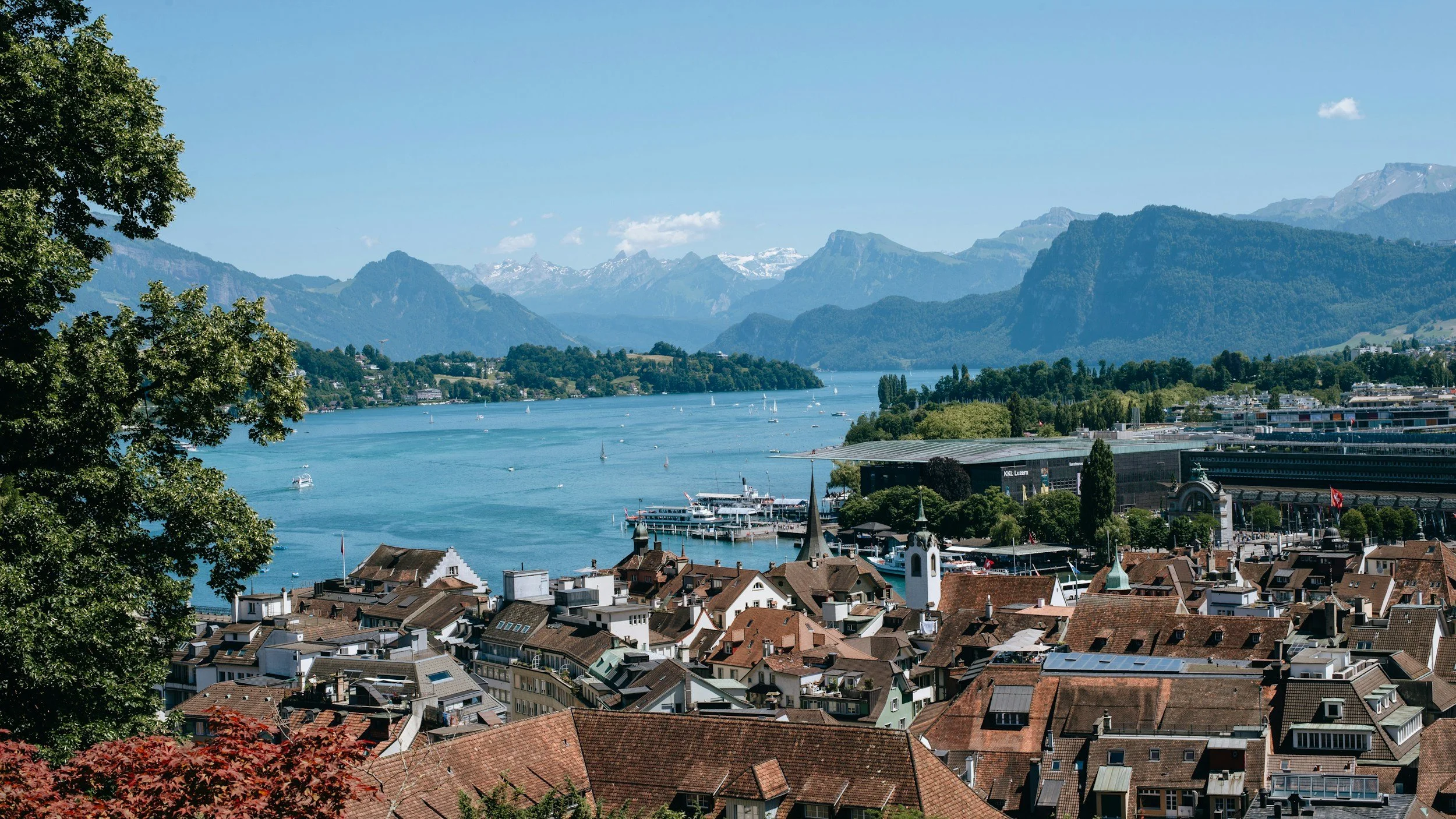
A good day out from Lucerne is Mount Rigi. The classic route is to take a boat from Lucerne to Vitznau, then ride the cogwheel train up the mountain. From Rigi Kulm, you can follow easy walking paths along the ridge or take a shorter route towards Rigi Kaltbad. If you don’t want to do a full hike, you can walk for an hour or so and then take the train back down to Weggis or return the same way.
If you’d rather stay close to the lake, smaller stops along the shoreline like Hertenstein or Meggen work well. The lakeside paths here are flat and quiet, and you can walk short sections before hopping back on a boat or train. These routes are easier than the mountain paths and still give you wide views across the water.
What makes this part of the route easy to enjoy is how closely the train, boat, and walking routes connect. You can start on foot, switch to a boat or train without much planning, and still spend most of the day outside rather than in transit.
Not every route needs to be packed with stops, and this take on Vals in spring shows what it looks like to stay in one place and build the trip around it.
East–West: small towns, slow train lines and real daily life
The East–West route works best if you treat it less like a scenic “highlight reel” and more like a way to see how people actually live in Switzerland. Instead of dramatic mountain passes, this stretch links smaller cities and towns that are easy to step into for a few hours without needing a car or a full-day plan.
A practical starting point is Bern. The station sits just above the old town, so you can be on Kramgasse or down by the Aare River within ten minutes of getting off the train. If you have time before continuing east, walking the riverside path from Nydeggbrücke towards Marzili gives you a different view of the city than the main streets.
From Bern, the line towards Lucerne passes through open farmland and small stations. Lucerne is an easy stop because everything sits close to the tracks. From the platforms, you can walk straight onto Bahnhofplatz, cross the Chapel Bridge, and follow the waterfront along Schweizerhofquai without needing transport. If you want a quieter break, the streets behind Weinmarkt and Hirschenplatz are less busy than the lakefront and have small cafés where you can sit without planning ahead.
Continuing east, the route carries on towards St. Gallen. The old town here sits slightly above the station, and you can walk uphill through Multergasse into the centre in a few minutes. The area around Gallusplatz and the streets surrounding the Abbey of Saint Gall are compact enough that you can explore on foot without a set route. The abbey library is right in the middle of town rather than on the outskirts, which makes it easy to include even on a short stop.
What makes this route practical is how easily you can break the journey. You don’t need to stay on the train for hours at a time. Instead, you can travel for an hour, get off in a place like Lucerne or St. Gallen, walk for a while, then continue later on the same line. That flexibility makes the East–West route feel less like a long transit day and more like a series of small, manageable stops.
Lakes and Peaks: slow routes between Lucerne, Interlaken and the Bernese Oberland
The Lakes and Peaks section of the Grand Train Tour is where Switzerland feels most like what people imagine when they think of the country. The route links clear lakes, small mountain towns, and high passes, but it works best when you don’t try to rush through it.
A good place to start is Lucerne. From Bahnhofplatz, trains run along the lake before turning inland towards the mountains. One of the most practical routes is the line from Lucerne to Interlaken, which forms part of the Luzern–Interlaken Express. The journey takes just under two hours and passes through valleys, forests, and alongside lakes such as Lake Brienz. The train has large windows, so you don’t need to chase viewpoints; you see them as you go.
Interlaken sits between two lakes, Lake Thun and Lake Brienz, and works well as a base. From Interlaken Ost, you can reach mountain towns without needing a car. A popular short trip is the train to Lauterbrunnen, where the valley opens up quickly after you leave the station. Within minutes, you’re walking on flat paths with steep cliffs on either side, and waterfalls visible from the main road.
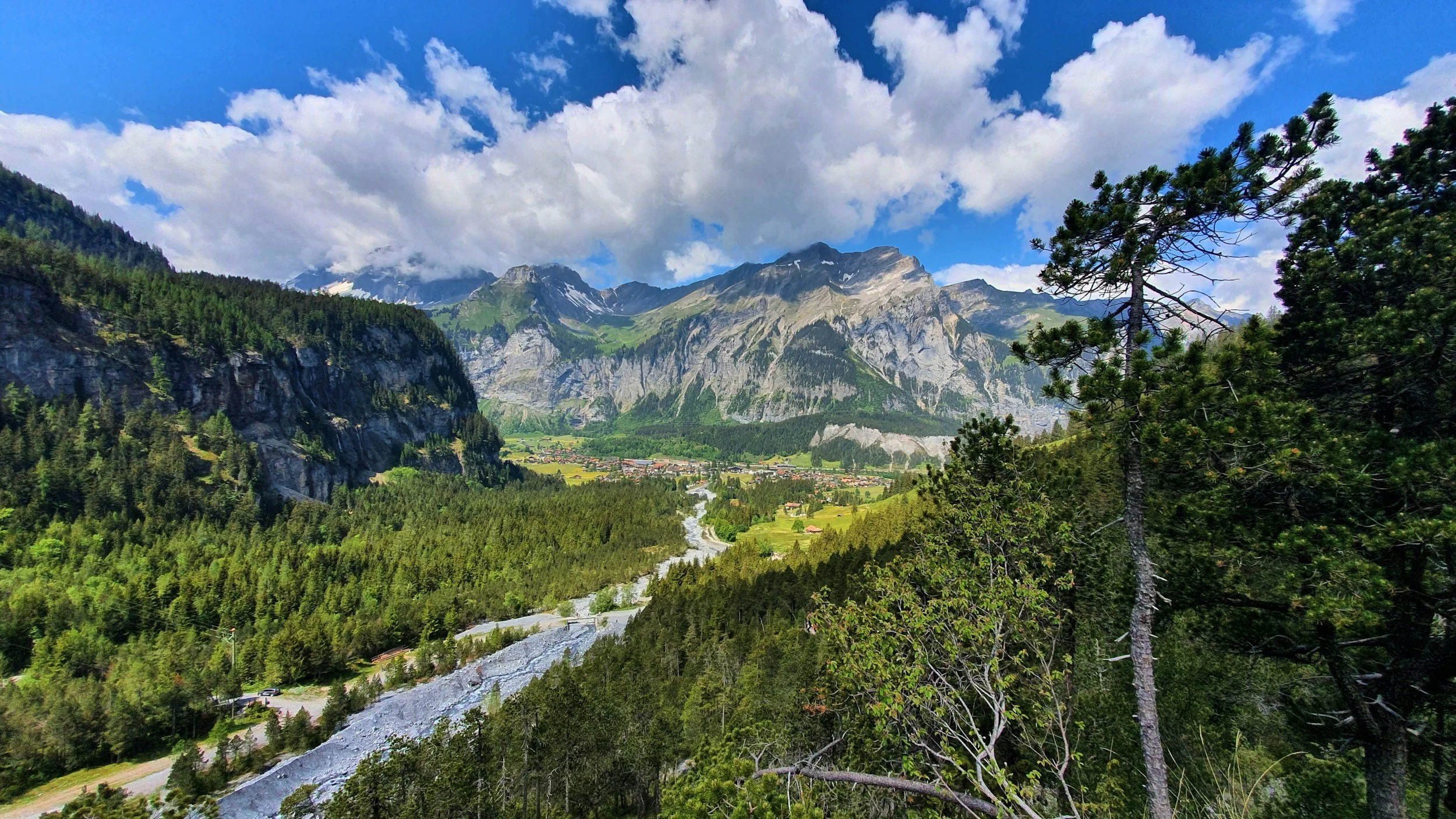
If you prefer lakeside time, the boats from Interlaken are easy to use. You can take a boat along Lake Brienz to Brienz or towards Giessbach Falls. The boat stops are close to the train stations, so you can switch between train and boat without planning a complex route.
What makes this part of the route practical is how close everything sits together. You can start the day on a train, switch to a boat, walk for an hour or two, and still be back in town by late afternoon. Distances are short enough that you don’t need to choose between mountains and lakes; you can do both in the same day without rushing.
Your perfect day in Grindelwald
The Lakes and Peaks route wouldn’t be complete without a visit to Schilthorn, one of the most iconic peaks in the region. From the top, you’re treated to sweeping panoramic views that take in the Matterhorn and surrounding mountain ranges - absolutely breathtaking. It’s one of those spots where you feel like you’ve truly made it to the top of the world. If you’re into photography, this is your moment to capture the grandeur of the Swiss Alps. But even if you’re just here to take it all in, it’s hard not to be in awe of the scenery.
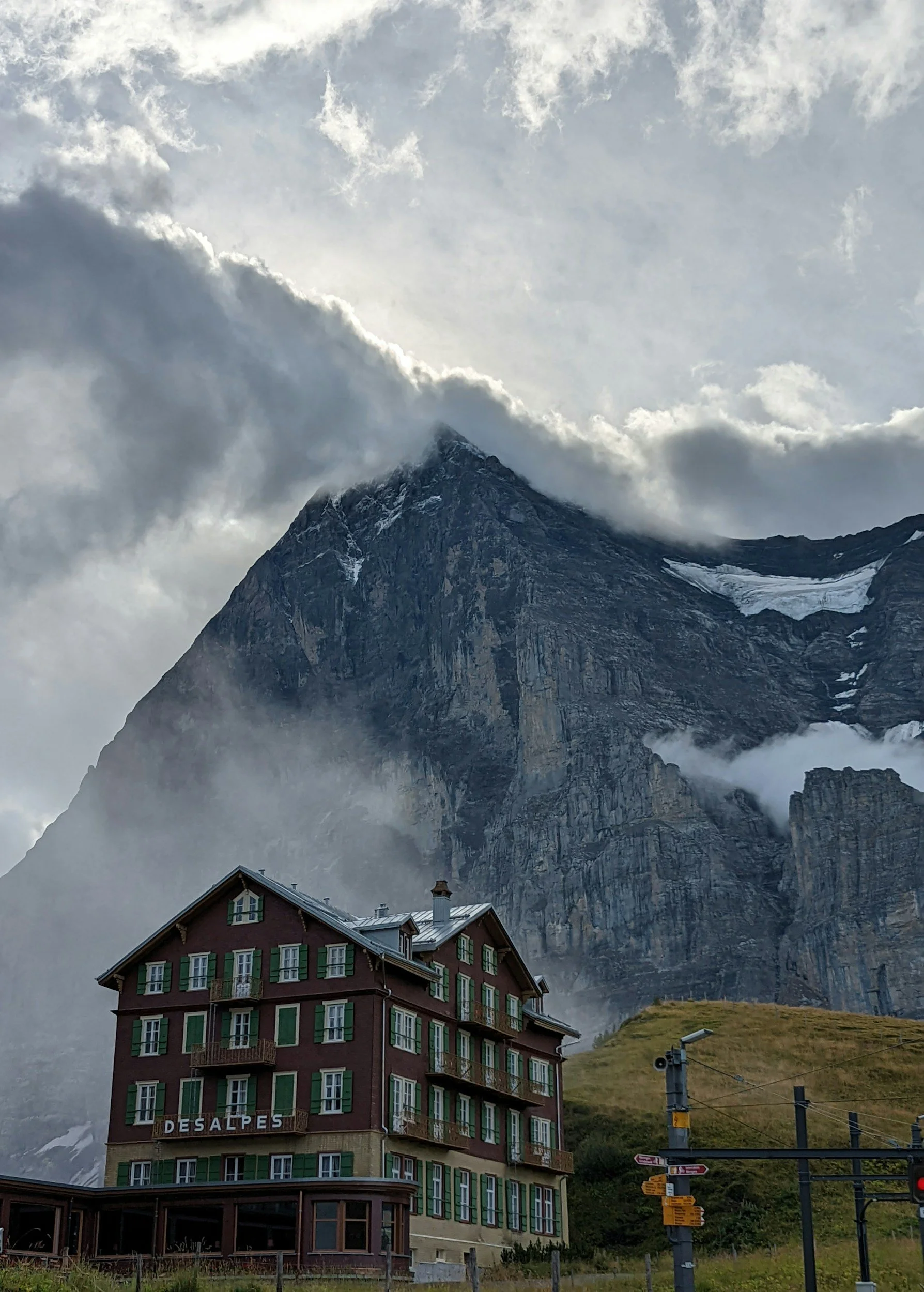
If you’re craving something a little more peaceful, take a trip to Lauterbrunnen Valley. It’s quieter than some of the more well-known spots in the region, and it’s packed with beautiful waterfalls and hidden hiking trails. Lauterbrunnen feels like a secret - it's where you go to step off the tourist path and reconnect with nature. One of my favorite ways to spend the afternoon is to take a gentle walk from the village to Staubbach Falls. It’s a calm, easy walk, but the experience of standing in front of this powerful waterfall is incredibly refreshing. Plus, it’s a great way to unwind without feeling rushed.
Another option in Lauterbrunnen is to explore the Trümmelbach Falls, a series of stunning waterfalls inside the mountain that you can visit via a short walk. It’s not as crowded as some of the more famous waterfalls, which makes it feel a little more special.
What it’s actually like travelling these routes
On paper, Switzerland’s scenic train routes sound seamless. In reality, the experience changes a lot depending on where you board, where you sit, and when you travel. Morning trains out of Lucerne tend to be quieter than midday services, especially on the line towards Interlaken. If you want a window seat on the Luzern–Interlaken Express, it’s easier to get one if you board at the start of the line rather than partway through.
On routes along Lake Geneva, the best views are on the lake side of the train between Montreux and Vevey. The scenery isn’t distant; the tracks run close to the water, so the view changes quickly as you pass through small stations and vineyard terraces.
Weather makes a noticeable difference too. On clear days, the stretch between Lucerne and Interlaken opens up wide views over Lake Brienz. On overcast days, the same route feels quieter and more enclosed, which isn’t worse, just different.
Another small but useful detail is luggage. Smaller stations like Brienz or Spiez don’t always have lockers, so it’s easier to leave bags in Lucerne or Interlaken if you plan to walk.
How to get the most out of Switzerland’s scenic train routes
The biggest difference between simply taking a train and actually experiencing these routes comes down to where you stop and how you pace the day. On the Vineyards and Valleys stretch, for example, it’s far better to get off in Cully or Epesses than to stay on the train all the way through Lavaux. From either station, you can be walking among the vineyard terraces within five minutes. The paths start right above the platforms and link small lanes like Chemin de la Creuse and Route de la Corniche, with views over Lake Geneva almost the entire way.
Around Lucerne, it pays to mix transport rather than stick to the tracks. Instead of staying on the train, take a boat from Bahnhofquai across Lake Lucerne to Vitznau or Weggis, then continue up Mount Rigi by cogwheel railway. This combination lets you experience the lake, the mountain, and the small villages along the way in one easy loop.
On longer stretches, timing makes a real difference. Regional trains on routes like the Luzern–Interlaken Express usually run hourly. Knowing that in advance means you can walk a lakeside path or explore a village like Brienz without constantly checking the clock. If you miss one train, another will follow soon enough, which makes it easier to keep a relaxed pace.
Where you sit on the train also matters more than most people realise. Along Lake Geneva, sitting on the lake side gives you clear views across the water, especially between Montreux and Vevey. Between Lucerne and Interlaken, the right-hand side of the train often offers better views of Lake Brienz and the surrounding mountains.
Another practical detail is luggage. Smaller stations like Brienz or Spiez don’t always have lockers, so it’s easier to store bags in larger stations like Lucerne or Interlaken before setting out on foot. That way, you can walk through the villages or along the water without carrying everything with you.
The best way to use these routes is to stay flexible. Step off where it feels right, walk a short section, stop for coffee or a lake view, then continue when you’re ready. You don’t need to complete a full route in one go. Breaking the journey into smaller pieces is what makes travelling by train in Switzerland feel genuinely different from simply getting from one place to another.
Some people compare this with Saxon Switzerland before deciding, and this Saxon Switzerland guide makes it easier to understand how the landscapes differ.
FAQs about the grand train tour of Switzerland
What exactly is the Grand Train Tour of Switzerland?
The Grand Train Tour of Switzerland is basically a dream road trip - except, it’s all by train. This scenic journey takes you through Switzerland’s most jaw-dropping landscapes, from stunning lakes and vineyards to the Swiss Alps. It’s the perfect way to experience the country at a slower pace, letting you soak up the beauty without feeling rushed. The train routes connect a mix of iconic spots and hidden gems, offering you a real sense of Switzerland’s charm and variety.
How do I get around on the Grand Train Tour?
Getting around is easy with the Swiss Travel Pass. It gives you unlimited access to trains, buses, and even boats across Switzerland - perfect for hopping on and off wherever you feel like it. The pass works for various durations, so you can pick one that fits your travel plans. If you’re planning on doing the full Grand Train Tour, this pass is a great deal. Plus, it gives you discounts on many attractions, making it super convenient for exploring.
When’s the best time to do the Grand Train Tour?
Switzerland is beautiful year-round, but it really depends on what vibe you’re after. If you’re into sunny, warm days and want to enjoy the lakes, summer (June to September) is perfect. The scenery is lush, and the outdoor activities are endless. For a cozy, winter wonderland experience, go during the colder months (December to February) - think snow-capped peaks and cozy chalets. If you want to avoid crowds, late spring or autumn are great choices—just know that it might be a little cooler, but still breathtaking.
What are the highlights of the Grand Train Tour?
There’s so much to see, but a few standout moments include the GoldenPass line, which takes you through some of the most picturesque parts of Switzerland, and the Glacier Express, which offers epic views of the Alps from Zermatt to St. Moritz. You’ll also get to experience the stunning vineyards in Lavaux, the serene lakes of Lucerne and Montreux, and top it off with panoramic views from spots like Schilthorn and Rigi. Basically, you’re in for one incredible view after another.
What towns should I definitely visit on the Grand Train Tour?
You’ll get to visit some amazing places! In Lucerne, you can explore the charming old town and enjoy the lake. Montreux on Lake Geneva has a peaceful, artsy vibe. Grindelwald is perfect for mountain lovers, while Zermatt offers views of the iconic Matterhorn. Chur, the oldest town in Switzerland, gives you a more authentic feel for the country. If you’re looking for quiet spots, Lauterbrunnen Valley is where you’ll find waterfalls and hiking trails without the tourist crowds.
If you’re starting or ending in a city, this guide to Bern in autumn gives you a calm base that still fits the overall pace of the trip.
Is the Grand Train Tour good for solo travelers?
Absolutely! Switzerland’s train system is super easy to navigate, and solo travelers will feel right at home. It’s the kind of trip where you can spend your time exploring at your own pace, taking in the scenery, and enjoying some peaceful moments without the rush of a typical tourist itinerary. Plus, the Swiss are known for being friendly, so you’ll feel safe and welcomed every step of the way.
How can I make the most of the views on the Grand Train Tour?
Switzerland’s landscapes are something you’ll want to take your time with, so here are a few tips for making the most of it:
Book a window seat: You’ll want that perfect view, and sitting by the window will give you the best possible spot to enjoy it.
Reserve scenic train seats: If you're taking scenic trains like the Glacier Express, reserve your seat in advance, especially during peak travel times.
Take breaks along the way: Don’t just rush through your trip. Get off at some of the scenic stops, stretch your legs, and enjoy the views at a slower pace.
Bring a phone charger: Trust us, there’s no shortage of Instagram-worthy moments. Whether it’s a stunning mountain backdrop or a calm lakeside view, you’ll want to snap a few pics.
Where should I stay on the Grand Train Tour?
Switzerland has a range of accommodation options to match the vibe of the Grand Train Tour. In Lucerne, try Hotel des Alpes for easy access to the town and lake views. If you’re after something a bit more luxurious, Bürgenstock Resort has panoramic views and top-notch amenities. In Grindelwald, Hotel Eiger is a cozy spot with great mountain views, or if you prefer something more intimate, Hotel Gletschergarten offers a quieter, family-run feel. Each hotel lets you soak in the beauty of Switzerland while offering a relaxed atmosphere to recharge.