

Not every scenic train route is packed. Start with these.
You’re standing on a small platform somewhere in Europe, and for a second it feels like you’ve taken a wrong turn. No crowds, no big signs, no one holding up a phone to capture the moment. Just a short train, a few people waiting, and the feeling that this probably isn’t on most itineraries.
That’s usually how these routes start.
Not from major stations or well-known departures, but from places like Gulbene, Cisna, or Mokra Gora where nothing is trying to stand out. You board without much expectation, and for the first part, it feels almost too simple. Then the pace slows, the surroundings shift, and you realise you’re seeing parts of Europe that most people pass through without stopping.
This isn’t about panoramic trains with curated views or routes built to impress quickly. It’s about smaller railways that still run the way they always have, where the journey unfolds gradually and the stops actually matter. Places where you can get off, walk into a village or along a quiet road, sit down somewhere without a plan, and then get back on again when it feels right.
If you’ve ever looked for scenic train routes in Europe and felt like everything pointed to the same crowded experiences, this is the alternative that usually doesn’t show up in search results.
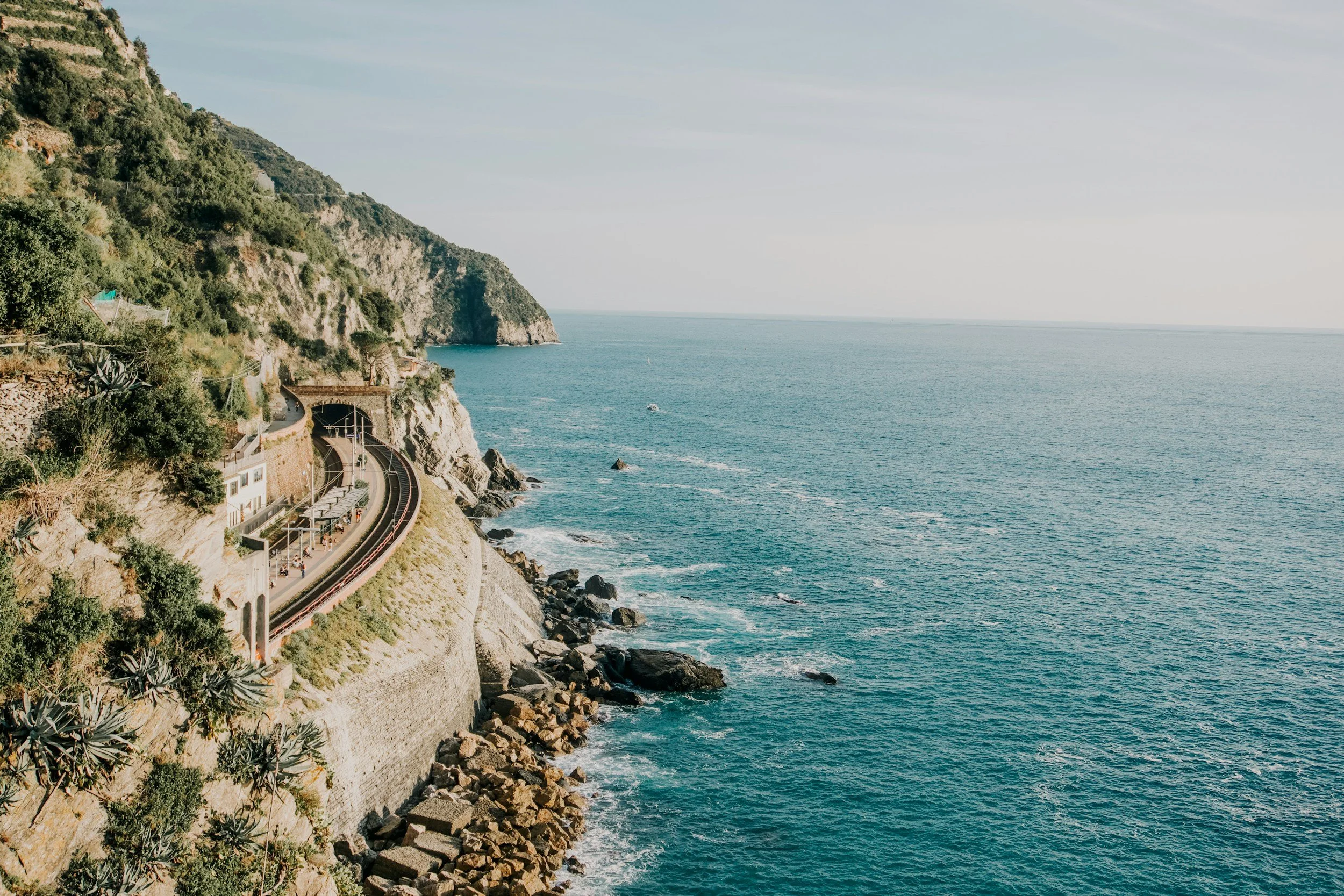
Vigezzina–Centovalli Railway: a slower cross-border route that actually feels local
If you’re starting in Domodossola, don’t expect a big “scenic train” setup. You’ll walk into the station, follow a smaller sign for the Vigezzina–Centovalli Railway, and end up on a quieter platform off to the side. It feels more like you’ve accidentally found the right train rather than planned it.
Try to get a seat by the window, but don’t stress about the “perfect side.” The first part through Val Vigezzo is more about small villages and open stretches than dramatic views anyway. This is usually when people are still settling in, not watching every second.
About 20–25 minutes in, you’ll reach Santa Maria Maggiore. This is the stop that tends to make the whole route feel different. You step off, it’s quiet, and there’s no pressure to do anything specific.
Walk uphill from the station and you’ll naturally end up on Via Roma. It’s the main street, but it doesn’t feel like one. A few cafés, a couple of shops, people sitting without moving much. Walk it once without stopping, just to get a feel for it, then turn back and pick a place that looks right.
Bar Pasticceria Fontana is an easy first stop if you just want coffee and something small. If you’re there around lunch, Ristorante Miramonti is the kind of place where you sit down and don’t really think about leaving for a while.
What makes this stop work isn’t a specific sight. It’s how quickly it gets quiet once you leave the main street. Walk a few minutes out in any direction and you’ll find yourself in residential streets with open views over the valley. No signs, no viewpoints, just space.
When you head back to the station, don’t time it too tightly. Trains come often enough that you don’t need to rush back for a specific one.
Once you’re back on board, the change into the Centovalli is gradual. You start noticing tighter curves, small bridges, and sections where the train feels closer to the edge. It’s not one big “wow” moment, more like a steady shift in the landscape.
If you feel like breaking it up again, get off at Intragna. It’s a small stop and doesn’t need planning. Walk into the village, find a place to sit, and take a break. It’s quieter than the final stop and easier if you don’t want to end the day somewhere busier.
If you do go all the way to Locarno, just don’t stop right by the station. Walk down towards Piazza Grande, then turn off onto a side street like Via della Motta. It’s a small shift, but it makes it much easier to find somewhere you can sit without feeling rushed.
One thing that’s worth knowing before you go: there’s no real food on the train. Bring something small with you or plan your stop around eating. It makes the whole day feel easier.
If you’ve got time, staying overnight somewhere along the route changes the pace completely. Santa Maria Maggiore is the easiest place if you want quiet evenings and everything close by. Locarno works if you want a bit more going on later, as long as you stay slightly outside the busiest streets.
Not every route feels this calm once you’re on it, and this take on Italy for quiet travel helps you see where that slower pace actually holds up.
Septemvri–Dobrinishte narrow-gauge railway: slow, a bit rough around the edges
It doesn’t start the way you expect.
You board in Septemvri and it feels like any other local train. A couple of older green-and-cream carriages, windows you have to slide open yourself, people settling in with bags of groceries. No one is taking photos. No one is treating it like an “experience.”
For the first 30–40 minutes, you might wonder if you picked the wrong route. The train moves slowly through flat farmland, stopping in places like Varvara and Kostandovo where people step off quickly and disappear. It feels practical, not scenic.
Then, without any real signal, it changes.
The train starts climbing. You feel it before you really see it. The speed drops, the turns get tighter, and the line begins to wind into the hills. You’re no longer moving across the landscape, you’re moving through it.
Somewhere after Velingrad, you’ll notice people shifting slightly in their seats, leaning closer to the window. Not because there’s a single viewpoint, but because the scenery stops being background. Forest closes in, the track curves along the hillside, and you start crossing narrow bridges where you can see how far down it drops.
If you want this route to feel like more than a long train ride, you need to get off once.
Velingrad is the easiest place to do it. When the train pulls in, step off and don’t overthink the plan. Walk straight ahead along bul. Khan Asparuh. It’s not particularly pretty at first, but after 10–15 minutes you reach the centre where things open up a bit. Cafés, small parks, people sitting outside for longer than you expect.
Find a place that already has a few locals and sit down. Coffee, something small, nothing complicated. If you’re there around lunchtime, walk a bit further in and you’ll find proper restaurants without needing to search for them. Meals here aren’t rushed, so it naturally slows the day down.
If you’ve got time, keep walking past the centre. Velingrad is known for its mineral springs, so you’ll pass spa hotels and small green spaces without trying to “see” them. It’s a good way to stretch the stop before heading back.
When you get back on the train, it feels quieter.
Fewer people, longer stretches without stops, and a sense that you’ve moved further away from the start than you realised. You pass through Avramovo, which sits at over 1,200 metres and is the highest railway station in the Balkans. The train stops briefly, doors open, then close again. No announcement, no big moment. Just another small detail you either notice or miss.
Further along, the landscape opens and closes again. Forest, then a glimpse of valley, then back into trees. It never stays the same for long, which is what keeps you watching.
If you want another break, Bansko is the most practical stop before the end. Just know the station sits outside the centre. A short taxi is easiest, otherwise it’s a 25–30 minute walk. Once you reach Pirin Street, it’s a different pace again. More restaurants, more choice, a bit more movement. After hours on the train, it can feel like a reset.
If you stay on until the final stop, you reach Dobrinishte. Smaller, quieter, and much less built up. From the station, walk straight into town. You’ll pass a few local restaurants and eventually reach the area around the mineral pools where people tend to gather in the evening.
There are a couple of things worth knowing before you go, the kind you only realise halfway through if you haven’t planned for them:
there’s no proper food on the train, so bring something with you
the journey is slow (around five hours end to end)
delays happen, so don’t plan anything tight afterwards
Looking for more slow, soul-soothing places to travel on your own?
These underrated European destinations are perfect for solo travelers craving calm, and a break from the usual crowds. Think morning coffee by the sea, quiet market strolls, and relaxing small-towns.
Mocănița on the Vaser Valley: wood smoke, open carriages, and a day that feels longer than it is
You don’t just “arrive” at this train. In Vișeu de Sus, you follow Strada Gării past sawmills and stacks of timber until you reach the yard where the Mocănița steam train waits. It’s not polished. It smells like smoke before you even see the engine, and there’s usually a mix of locals, families, and a few travellers trying to figure out where to sit.
If you can, get there a bit early. Not for photos, just to choose your seat properly. The open wagons with wooden benches are the ones most people end up preferring, even if they don’t look comfortable at first. You can move around more, and you’re not looking through glass the whole time.
When the train starts, it doesn’t ease into it. It pulls out slowly, creaking a bit, then settles into a steady rhythm. For the first stretch, you’re still close to town, passing backyards and small crossings. Then it narrows. The track follows the Vaser Valley, sometimes right next to the river, sometimes slightly above it, but always close enough that you hear the water over the engine.
After about 30–40 minutes, people stop talking as much. Not because there’s a big view, but because the surroundings don’t change in a dramatic way. Forest, river, track. It repeats, but not in a boring way. You start noticing smaller things instead. The way the train slows before tighter bends, the smell of the smoke catching up when the wind shifts, the sound of the wheels on the track.
You don’t need to move around much, but it’s worth switching sides once or twice during the journey. The light changes, and the valley feels different depending on where you’re sitting.
The train stops after around two hours at a clearing deeper in the valley, usually near Paltin. Everyone gets off at the same time. There’s no decision there. You step down, walk a bit, stretch your legs, and suddenly it’s very quiet without the engine running.
This is where food happens. There’s usually a simple setup with grilled meat, bread, maybe something warm to drink. It’s basic, and it works. If you’re particular about what you eat, bring something with you from town. A small bakery or supermarket near the centre of Vișeu de Sus is your best bet before heading to the station.
The stop lasts long enough that you don’t feel rushed, but not so long that you start wondering what to do. Most people just stand around, sit on logs, or walk a bit along the track.
Then you get back on the same train and head back.
The return is quieter. People sit more, talk less, and you notice things you didn’t on the way in. It’s the same route, but it doesn’t feel like a repeat.
A couple of small things that make the day easier:
bring a layer, even in summer. It cools down once you’re deeper in the valley
don’t wear anything you mind getting a bit smoky
bring cash for small things at the stop
If you’re staying overnight, it’s easiest to base yourself in Vișeu de Sus. Look for guesthouses near the centre or within walking distance of Strada Gării so you don’t need to arrange transport in the morning. In the evening, places around Strada 22 Decembrie are usually where you’ll find somewhere simple to eat without overthinking it.
Bieszczady Forest Railway: deep forest, wooden benches, and a train that doesn’t rush anything
You don’t end up in Cisna unless you’ve already decided to go a bit further than most people do, and that’s part of why this place works so well from the start. It’s one main road cutting through the village, with a handful of guesthouses, a couple of small grocery shops, and places like Siekierezada where people sit for hours without anyone trying to turn the table. There’s no pressure to do anything quickly, and that same feeling carries through the whole experience.
From Cisna, you make your way towards Majdan, Cisna, which is only a few minutes by car or a longer walk if you don’t mind following the road out of the village. The transition is subtle. A few houses thin out, the trees move closer to the road, and then you arrive at a small clearing where the station sits almost quietly, with its wooden building and narrow tracks disappearing straight into the forest.
That’s where the Bieszczady Forest Railway begins, although it doesn’t feel like a “beginning” in the usual sense. If you arrive early, there’s no rush to board, no announcements pushing people along. You can take your time walking along the platform, looking at the carriages, deciding where to sit without feeling like you’re missing something important.
The open wagons are the ones most people settle on, even if they don’t look particularly comfortable at first. Wooden benches, no cushioning, nothing separating you from the outside air. It means you can move around a bit, turn your body, lean slightly to one side when you want a better view, which ends up mattering more than comfort over the course of the ride.
Before getting on, it’s worth picking up water or something small to eat back in Cisna, especially along the main road where a few local shops and bakeries make it easy to grab what you need without planning it. The small kiosk at the station isn’t something to rely on, and once the train leaves, you’re committed to the journey as it is.
When it starts moving, it doesn’t feel like a departure. There’s no clear shift from waiting to travelling, just a slow roll forward past a level crossing and a few houses before the forest closes in around you. Within minutes, you’re properly inside the Bieszczady Mountains without any dramatic moment marking the change.
If you’re sitting on the side closest to the Solinka stream, you’ll notice it gradually. Sometimes you see the water clearly running alongside the track, other times it’s just the sound in the background, steady and constant enough that it becomes part of the ride without demanding attention.
What stands out is how little the route tries to impress you. There isn’t a viewpoint everyone points to, no single moment where people reach for their phones. Instead, the same elements repeat—forest, water, track—but not in a way that feels monotonous. It just gives you enough time to stop looking for something different.
The train slows regularly, especially on curves and small crossings, and you feel those movements through the bench and the structure of the carriage. It’s not smooth, but that’s part of what makes it feel grounded and real rather than staged.
After about an hour, the train pulls into Przysłup, Cisna, where everyone gets off almost instinctively. There’s no need for direction. It’s a clearing with a few wooden stalls, some benches, and open space where people spread out without much structure. If food is being prepared, you’ll smell it before you see it: grilled sausage, bread, something simple that fits the setting without trying to be more than it is.
Some people eat, others just walk a short distance along the track or sit down somewhere and take a break. It’s not a place you explore in a traditional sense. It’s just a pause that naturally fits into the rhythm of the journey.
If your train continues to Balnica, it’s worth staying on, even if it means a bit more time on the bench. Fewer people do, and you feel that immediately. More space, less conversation, longer stretches where you don’t pass anything except trees and track. It feels more remote, even though nothing about the route has fundamentally changed.
On the return journey, the landscape is the same, but your experience of it shifts. The light changes slightly, and you begin to notice smaller details that didn’t register on the way out - a bend in the track, a section where the forest opens briefly, the sound of the stream in places where you didn’t catch it before. It’s less about looking and more about being present without trying to capture anything.
By the time you arrive back in Majdan, you’ve been sitting for a while, and you’ll probably feel it. The benches aren’t built for comfort, but most people don’t seem to mind, and no one is in a hurry to leave.
Back in Cisna, you’ll likely end up along the main road again, almost without deciding to. A few restaurants, people sitting outside, that familiar end-of-day feeling where you don’t need to make plans. Karczma Brzeziniak is an easy place to settle into if you want something warm and filling without thinking too much about where to go.
If you’re staying overnight, it’s easiest to stay somewhere central in Cisna so everything is within walking distance, which means you don’t have to think about transport at any point during the day.
A few things that make the whole experience smoother without overcomplicating it: bring water and something small to eat, go earlier in the day if you prefer it quieter, wear something you don’t mind getting a bit dusty, and avoid planning anything tight afterwards.
Planning your next solo trip?
If you're looking for peaceful cities in Europe that are kind to your budget and your energy, this guide rounds up affordable places where solo travel still feels easy, inspiring, and slow-paced
Gulbene – Alūksne Railway: a quiet ride through eastern Latvia that most people skip
You arrive in Gulbene and at first it doesn’t feel like the start of anything memorable. It’s the kind of place where things just carry on quietly, with a straightforward station, a few people coming and going, and no real sense that something unusual is about to happen. Then you notice, slightly off to the side, a narrower track and a much smaller train waiting there, almost like it belongs to a different system entirely.
That’s the Gulbene–Alūksne Railway, and the way you board it reflects the whole experience. There’s no buildup, no designated “tourist moment,” just a simple ticket, a short walk, and then you’re inside a carriage that feels functional, slightly worn, and very much still in use. Some people clearly take this train regularly, which gives it a different kind of atmosphere right away. You’re not stepping into something staged, you’re stepping into something that still has a purpose.
Once the train leaves Gulbene, the transition into the countryside happens almost immediately, without any attempt to frame it as a highlight. One moment you’re near the station, and the next you’re moving past open fields, patches of forest, and small crossings where the train slows just enough for you to notice details you’d normally miss. It doesn’t try to impress you. It just keeps going.
After a while, you stop looking for something specific to happen, and that’s when it gets better. The views don’t hit you all at once, they just change slowly without making a point of it. One moment it’s open fields, then you’re moving through denser forest, then it opens up again. The stops along the way, like Stāmeriena, don’t feel like planned highlights either. They feel more like places the train naturally passes through, part of everyday life rather than something put there for you to see.
If you want to turn this into more than just a ride, Stāmeriena is the stop that makes the most sense to use. When you get off, there’s no immediate indication of what to do, which is exactly why it works. You simply walk away from the tracks, follow the road, and within 15–20 minutes you reach Stāmeriena Palace. It’s understated rather than impressive, with open grounds and very few people around, which makes it feel like a place you can spend time in without needing a plan.
If you keep walking beyond the palace towards Lake Stāmeriena, the surroundings open up even more, and the whole stop starts to feel less like a detour and more like a quiet break in the middle of the journey. There’s no pressure to stay long or leave quickly. You just move at your own pace, then head back when it feels right.
Back on the train, the second part of the journey continues in the same way, without trying to build towards anything. By this point, most people have settled into it. Conversations drop, people look out of the window without really focusing on anything specific, and the movement of the train becomes something you notice more than the scenery itself.
When you arrive in Alūksne, it feels slightly more like you’ve reached somewhere, even though the station itself is just as simple as the one you left. From there, the easiest way to get into town is to walk towards Pils iela, which leads you naturally into the centre without needing directions. After that, continuing down towards Lake Alūksne makes the most sense, as that’s where the town opens up and people tend to gather.
Walking across to Pilssala, the small island connected by a pedestrian bridge, gives you space to slow down again. There are paths, benches, and open views over the water, and it’s the kind of place where you can sit for a while without needing to decide what comes next.
If you’re planning to eat, heading back towards the centre around Pils iela or Tirgotāju iela usually works best. The restaurants and cafés there are simple and easy to walk into, without needing reservations or much planning, which fits the overall pace of the trip.
Staying overnight in Alūksne makes sense if you want to stretch the experience a bit. It’s still quiet, but there’s enough going on in the evening that it doesn’t feel empty, and you’re not rushing back on the last train.
A few practical things that are worth keeping in mind before you go: trains don’t run very frequently, so checking the timetable in advance helps more than you might expect; it’s also a good idea to bring something small to eat, especially if you’re staying on for the full route; and leaving space in your schedule makes a noticeable difference, since delays aren’t unusual.
If you’re trying to picture what one of these quieter routes looks like in real life, this Vipava Valley trip is a good example of how the days can come together once you get off the train.
Šargan Eight: a slow mountain train that’s more about the ride than the views
You arrive in Mokra Gora and it already feels like you’ve stepped a bit outside the usual routes, with a handful of wooden buildings, a quiet road running through the valley, and the station sitting there without much fuss, the old narrow-gauge train waiting as if it’s always been part of the place rather than something set up for visitors.
The Šargan Eight railway looks almost too neat at first, especially compared to some of the more rugged lines, but once you’re on board and the train starts moving, that impression fades quite quickly as you realise how slowly it climbs and how much of the experience comes from the way it moves rather than what it shows you all at once.
As the train leaves the station, it doesn’t take long before it begins winding its way into the slopes of Šargan Mountain, and this is where the structure of the line starts to make sense, even if you don’t fully see it from above. The figure-eight layout means the train loops back on itself, crosses over sections you’ve already passed, and curves in a way that feels continuous rather than directional, so you lose track of where you are quite easily.
At the beginning, people tend to move around a lot, leaning across seats, switching sides, trying to find the best angle through the windows, but after a while that fades as the rhythm of the train settles in and the movement becomes more predictable, almost steady enough that you stop thinking about it.
The route itself is a mix of dense forest, short open stretches, and a surprising number of tunnels, some just long enough to interrupt the light for a moment, others long enough that everything goes quiet and still before the train emerges again. That constant shift between light and dark, open and enclosed, is what keeps the journey from feeling repetitive, even though the pace never really changes.
There are several stops along the way, including places like Jatare Station, where the train pauses long enough for people to step off, walk around, and take a break from sitting, which ends up being more important than it sounds. You don’t need to treat these stops as something to “see,” but getting off once or twice changes how the rest of the ride feels, giving you a different sense of the scale of the landscape.
In certain sections, especially where the train runs along the edge of the mountain, the views open up more fully, and you get a sense of how high you’ve climbed, but those moments don’t last long enough to feel staged. They appear between the trees, stay with you for a few seconds, and then disappear again as the train curves back into the forest.
By the time you’ve gone through a few loops and tunnels, the need to keep track of the route fades, and you find yourself just sitting with it, watching without trying to capture anything in particular, which is usually when the experience feels the most natural.
When the train returns to Mokra Gora, it doesn’t feel like a clear ending so much as a gradual return, since the pace and the surroundings don’t change dramatically at the end, they just slowly open up again.
If you have a bit more time, it’s worth heading over to Drvengrad, just a short drive away, where the wooden streets, small squares, and quiet corners give you a different perspective on the area, even if it feels more curated than the train itself.
For food, Mokra Gora has a few simple restaurants where you can sit down without much planning, usually serving local dishes in a setting that matches the slower pace of the day, which tends to feel like a natural way to finish the experience rather than something you need to organise in advance.
Trains are great. But maybe you’re dreaming about… Bordeaux for your next solo trip?
This guide shares the quieter side of the city - peaceful wine tastings, charming corners, and local spots where solo travelers can slow down and soak it all in, without the rush.
What makes these train rides feel better in real life than they do online
Most of these routes look pretty straightforward when you search for them. You’ll find a timetable, a departure station, maybe a few photos taken from the same angle. What you don’t really see is how much the experience depends on small, practical choices that aren’t written anywhere.
Take something as simple as where you sit. On paper it sounds important, but in reality, what matters more is that you don’t stay in the same seat the whole time. On routes like the Vigezzina–Centovalli Railway or the Šargan Eight railway, people naturally shift sides halfway through without thinking about it, usually after a stop or a tunnel. That’s often when the views start to feel different again, even though the train hasn’t changed direction in any obvious way.
The stops matter more than you expect too, especially the ones that don’t look like much on a map. Getting off in places like Stāmeriena or a clearing along the Bieszczady Forest Railway isn’t about seeing something specific. It’s about breaking the journey at the right moment. Sitting somewhere for 20–30 minutes, stretching your legs, having something small to eat, then getting back on makes the second half feel completely different.
Timing is another thing that doesn’t show up properly when you’re planning. The same train can feel calm and almost empty in the morning, then busy and a bit rushed a few hours later. Taking an earlier departure, even if it means adjusting your plans slightly, often changes the whole experience without you needing to do anything else differently.
And then there’s everything around the train, which is usually treated as an afterthought but ends up shaping the day just as much. Where you have your coffee before boarding, how you get to the station, whether you stay overnight or try to fit it into a tight schedule. In places like Cisna or Mokra Gora, the time before and after the train is often what makes it feel complete rather than rushed.
If you want this kind of trip to work, it’s usually less about planning more and more about leaving a bit of space. Not trying to catch the perfect departure, not staying on the train just to complete the route, and not treating every stop like something you need to “see.”
If you’re after more cozy train routes - check out this blog post:
Best Scenic Train Routes in Europe for Summer: Alps, Coastlines & Villages
FAQ: scenic and lesser-known train routes in Europe
What are the most scenic train routes in Europe that are not crowded?
If you want something quieter than the well-known routes, trains like the Vigezzina–Centovalli Railway, Gulbene–Alūksne Railway, and Bieszczady Forest Railway tend to feel much less crowded because they’re still used locally or sit outside the main tourist routes. You won’t get the same “panoramic train” setup, but you’ll have more space and a more relaxed pace.
Are there scenic train routes in Europe that still feel local?
Yes, and that’s usually what makes them more interesting. Routes like the Septemvri–Dobrinishte narrow-gauge railway or the Gulbene–Alūksne Railway are still part of everyday transport in some areas, which means you’re sharing the train with locals rather than just other travellers.
Which European scenic train routes are best for a slow travel experience?
If you’re not trying to fit everything into one day, slower routes like the Mocănița steam train in the Vaser Valley or the Šargan Eight railway work well because the pace is naturally slower and the journey itself becomes the main part of the day.
How do you plan a scenic train trip in Europe without rushing?
The easiest way is to avoid treating it as a direct journey from A to B. On routes like the Vigezzina–Centovalli Railway, getting off in places like Santa Maria Maggiore for a few hours makes the experience feel more natural than staying on the train the entire time.
When is the best time of day to take scenic train routes in Europe?
Morning departures usually feel quieter and more relaxed, especially on smaller regional lines. Midday trains tend to be busier, particularly on routes like the Šargan Eight railway or heritage railways in Poland and Romania.
Do you need to book scenic train routes in advance?
It depends on the route. Smaller regional lines like the Gulbene–Alūksne Railway or Septemvri–Dobrinishte narrow-gauge railway often don’t require advance booking, while more popular heritage routes like the Mocănița steam train can sell out in peak season.
Are scenic train routes in Europe expensive?
Many of these lesser-known routes are actually quite affordable compared to the more famous panoramic trains. Regional lines and narrow-gauge railways are often priced like regular transport rather than premium experiences.
What should you bring on a scenic train journey in Europe?
It’s worth bringing water and something small to eat, especially on routes where there’s no food service, like the Bieszczady Forest Railway. A light layer also helps, particularly on open carriages or mountain routes where temperatures change quickly.
Are there scenic train routes in Europe suitable for a day trip?
Yes, many of them work well as half-day or full-day trips. Routes like the Gulbene–Alūksne Railway or the Vigezzina–Centovalli Railway can easily be done in a day, especially if you include one stop along the way.
What makes lesser-known train routes in Europe worth it?
It’s usually not one specific view or highlight. These routes feel different because they’re less structured, less crowded, and give you more space to experience the journey without rushing through it.