
The small towns I'd visit instead of spending another day in London
There are loads of small towns you can get to from London by train. On paper, it should make planning a quiet weekend easy. In reality, it often does the opposite.
A lot of these places are great for a few hours. You arrive, walk around, have a good lunch, maybe stop for coffee, and it all feels like it’s working. The centre is busy enough, everything looks nice, and you think you picked well.
It’s usually later in the day when it shifts.
You go back out in the evening, expecting things to carry on a bit. Instead, it’s already winding down. Lights are off in places that were open earlier. The café you noticed is closed. The restaurant you had in mind has either stopped serving or is fully booked. The streets aren’t calm, they just feel a bit… done.
You walk a bit further than you meant to, checking a few places, and end up sitting somewhere that’s still open rather than somewhere you actually wanted to go.
That’s when it clicks. The place works as a day trip, but not really as somewhere to stay.
It’s not that anything’s wrong with it. It’s just built around people coming and going. It peaks in the middle of the day, then quiets down once everyone starts heading back to London. If you’re staying overnight, you feel that gap straight away. Fewer places open, less choice, not much happening once it gets dark.
And that’s usually why the weekend ends up feeling shorter than it should. Not bad, just a bit underwhelming.
The places that work better don’t have that drop. You can head out in the evening without thinking too much about it. There are still people around, a few places open, somewhere you can sit without planning it days ahead. Nothing dramatic, just enough that the day doesn’t feel like it stopped too early.
That matters more than how a place looks in the daytime. Especially in England, where you often arrive later than planned and lose part of the day straight away. If a town only really works between late morning and mid-afternoon, staying overnight can start to feel like the wrong call.
This guide is about the places that hold up across the whole day. Not just somewhere to walk around for a few hours, but somewhere you can actually settle into for a weekend without overthinking it.
If your weekends tend to revolve around finding somewhere you can sit without being rushed, it’s worth seeing how that plays out in a city setting as well. These quieter cafés in Edinburgh are the kind of places you can return to more than once without thinking about it.
Glasgow works differently again, but for similar reasons. This guide to cafés, bookshops, and pubs in Glasgow shows how a bigger city can still feel easy to move through if you know where to sit and when.
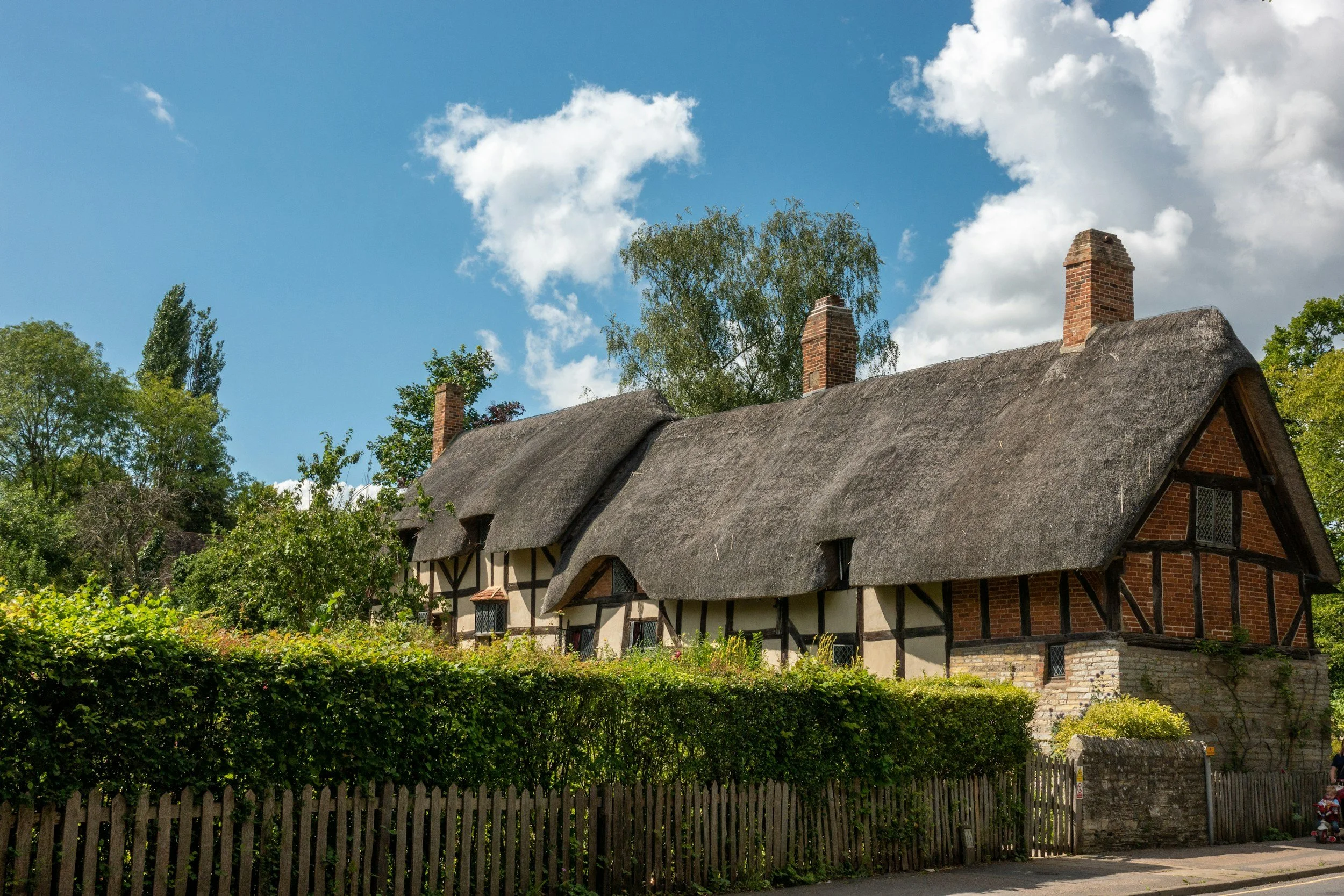
Market towns that still work after lunchtime
Market towns tend to come up first when you’re looking for somewhere to go from London. They feel like the safe option. There’s a train, a recognisable centre, somewhere decent to eat, maybe a few independent shops. It all sounds straightforward enough.
And for a few hours, it usually is.
You arrive late morning, walk through the centre, find a place for lunch, maybe stop for coffee afterwards, and everything lines up quite easily. The streets feel full without being overwhelming, there’s enough going on to keep moving, and for a while it feels like you’ve landed somewhere that works.
What’s less obvious is how quickly some of these places start to thin out once that middle part of the day passes.
You notice it gradually. A few shutters come down earlier than you expected. A café that felt busy an hour ago is already stacking chairs. By the time you head out again later in the day, the options have narrowed without you really clocking when it happened. Nothing is wrong exactly, but the town no longer feels as usable as it did when you arrived.
That’s usually the difference between somewhere that works for a few hours and somewhere that holds together for a full weekend.
The places that manage that don’t rely on one peak moment. They feel steady rather than busy. Shops stay open because people actually use them. You can arrive mid-afternoon and still find your footing without feeling like you’ve missed something. The day doesn’t collapse into a single window.
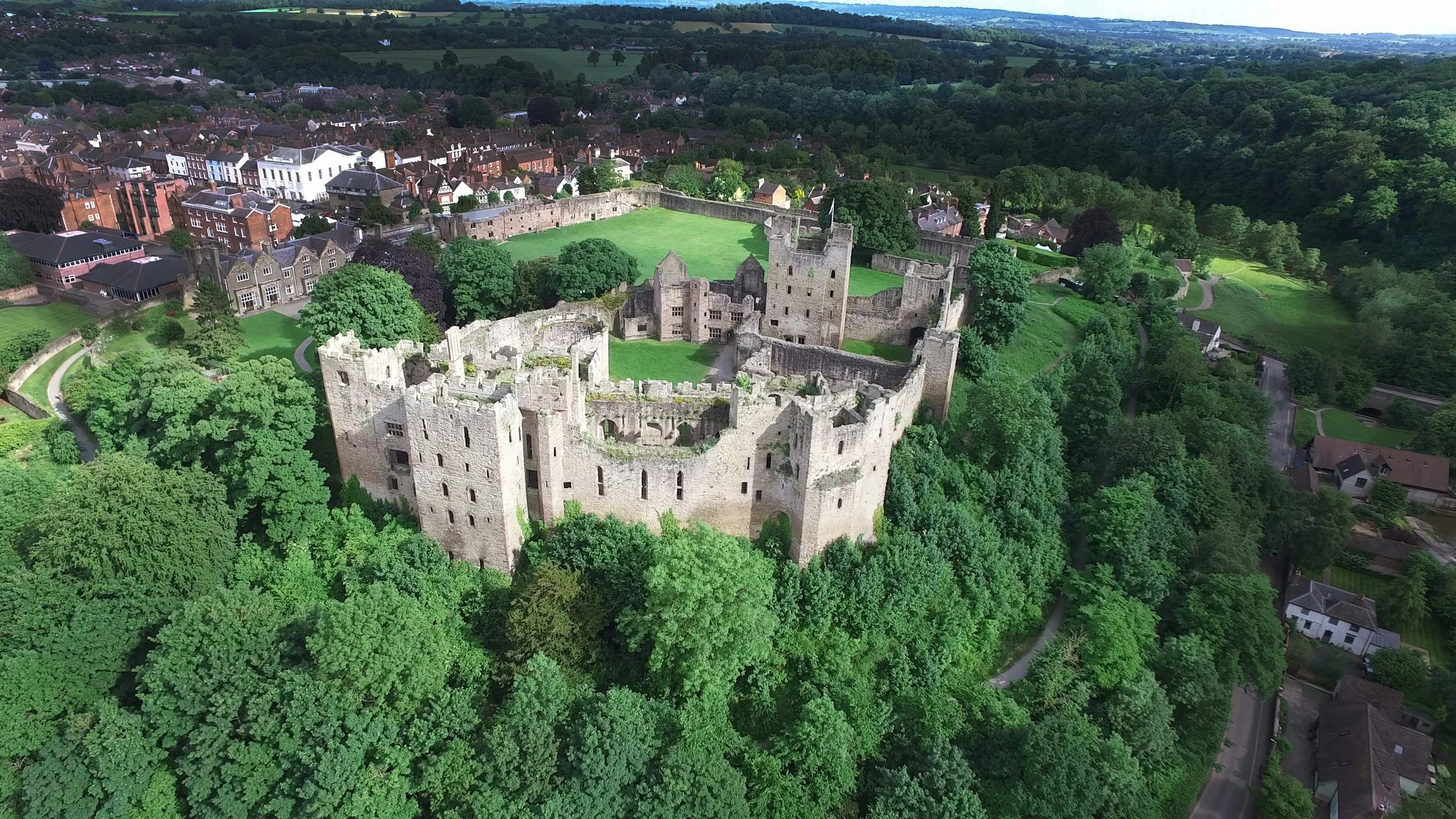
Ludlow: a market town that holds together
The market on Castle Square runs several times a week, but it isn’t what holds the town together. What you notice more is how everything around it keeps going once the stalls start packing down. On Broad Street and along King Street, shops stay open in a way that feels tied to daily life rather than passing trade. Harp Lane Deli still has people coming in mid-afternoon, and bakeries like The Cottage Café & Bakery sell out because locals are picking things up on their way home, not because there’s a rush of visitors at noon.
You don’t get that sense of arriving too late.
It’s also a town that shifts depending on how quickly you move through it. If you walk straight from the market towards Ludlow Castle and back again, it can feel smaller than expected. But if you take your time, looping down towards the river, cutting through the smaller lanes behind the centre, or pausing in the castle grounds, it opens up in a more gradual way. Places like Ludlow Bookshop or the antiques shops scattered around the centre aren’t somewhere you pop in and out of, they’re the kind of places where ten minutes turns into half an hour without you really noticing.
That’s when the town starts to feel like it has depth rather than just a centre.
Evenings are slightly more contained, but not in a way that feels limiting once you understand the rhythm. Restaurants like The Church Inn or Mortimers tend to seat earlier than you might expect, and by around 7.30pm things start to settle. But you don’t need to chase the most obvious places. Pubs like The Charlton Arms, just outside the centre with views over the river, or smaller wine bars carry the evening more naturally. It feels less like a rush to secure a table and more like choosing where to spend the next couple of hours.
From London Paddington, the journey usually takes just under three hours with a change at Hereford, which sets the tone before you even arrive. Once you’re there, everything is walkable, from the station up into the centre and across towards the river.
Frome
Frome works in a less obvious way, and there isn’t a single centre where everything happens. Instead, it spreads out from Cheap Street up towards Catherine Hill, with smaller streets branching off in between. You don’t arrive and immediately feel like you’ve “seen” it. You move through it slowly, and it builds as you go.
Starting on Cheap Street usually gives you the right rhythm. Places like Rye Bakery are already steady by late morning, not in a rushed way, but with a mix of people coming and going throughout the day. It’s the kind of place you can return to later without it feeling like you’re repeating yourself. Nearby, Eight Stony Street works in a similar way for coffee, somewhere you can sit without feeling like you need to move on quickly.
As you walk uphill towards Catherine Hill, the town changes slightly. Independent shops and small galleries are spaced out rather than clustered, so nothing feels like it peaks and empties all at once. Catherine Hill itself is where you start to slow down without really deciding to, moving in and out of shops, stopping because something catches your eye rather than because you planned it.
Cheap Street Books is a good example of that. It’s not somewhere you visit with a purpose, it’s somewhere you end up staying longer than expected. The same goes for a lot of the smaller places around the centre. You don’t move through them quickly, and that’s what makes the afternoon stretch out.
Evenings are quieter than in larger towns, but they don’t disappear. You can still find somewhere to eat without it turning into a search. Places like The River House or smaller spots tucked into the centre mean you’re not relying on one or two options. If one place doesn’t work, you don’t feel stuck, which is usually the point where a town either holds together or doesn’t.
From London Paddington, the journey takes around two hours with a change at Bath Spa or Westbury. It’s an easy route, but once you arrive, Frome makes more sense if you stop thinking in terms of efficiency. You don’t need to cover everything. The town works better when you spend a couple of days, returning to the same streets, noticing different things the second time around.
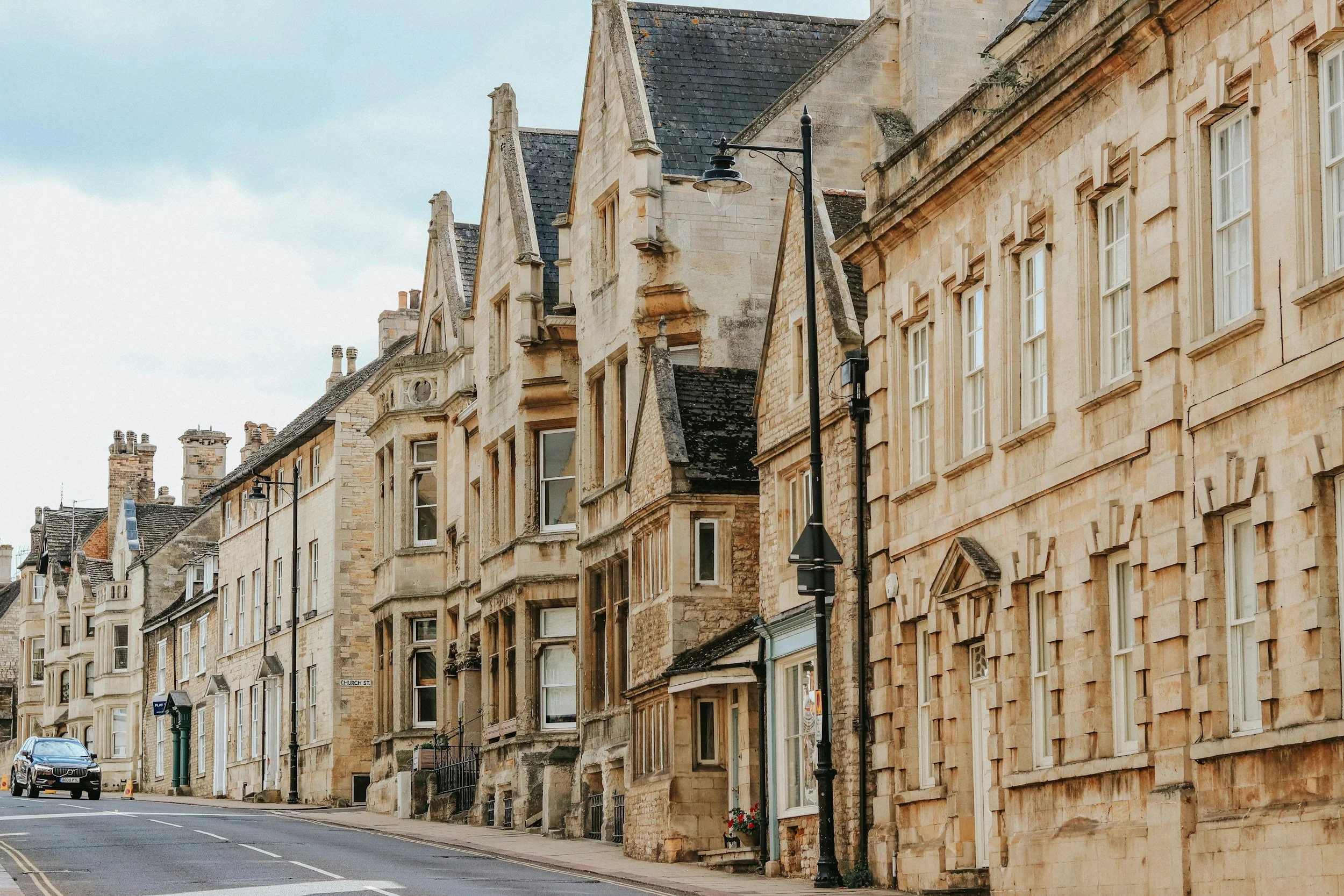
Stamford
Stamford is easier to read than most places. You arrive and understand it almost straight away.
From the station, it’s a short walk into the centre, and within a few minutes you’re on High Street St Martin’s, crossing the bridge towards the main part of town. From there, everything sits within a compact loop. St Mary’s Street, Broad Street, and the lanes around them connect in a way that doesn’t need figuring out. You don’t spend time deciding where to go next, which makes a noticeable difference on a short trip.
What stands out more is how consistent it feels across the day. Shops open when you expect them to, and they stay open long enough that you’re not watching the clock. The Stamford Bookshop sits right in the centre and feels like part of the town rather than something to seek out. You can step in for a few minutes and end up staying longer without it feeling like a detour.
Cafés follow the same pattern. Places like Fika don’t rush you in or out, and they stay steady rather than peaking and dropping. You can come in late morning or mid-afternoon and it feels much the same, which is usually a good sign that the place is used by locals as much as visitors.
The layout helps with that. You move easily between streets without needing to plan a route, and the town never feels like it has a single centre that empties out. Even a short walk down towards the river, following the edge of Burghley Park, works as a natural way to pass time between meals or stops rather than something you need to schedule.
Evenings are where Stamford proves itself as a place to stay rather than just visit. Pubs like The George Hotel or The Tobie Norris continue serving at sensible hours, and there’s enough choice that you don’t feel pushed into whatever is still open. The centre doesn’t suddenly thin out, it just settles into a slower pace.
That’s what makes it reliable. You don’t need to think too far ahead. You can go out, change your mind, walk a bit further, and still find somewhere that works.
Direct trains from London King’s Cross take around 1 hour 15 minutes, which changes the feel of the whole weekend. You can leave London later on a Friday and still arrive with time to walk through the centre, find somewhere to eat, and ease into the place rather than rushing to catch up.
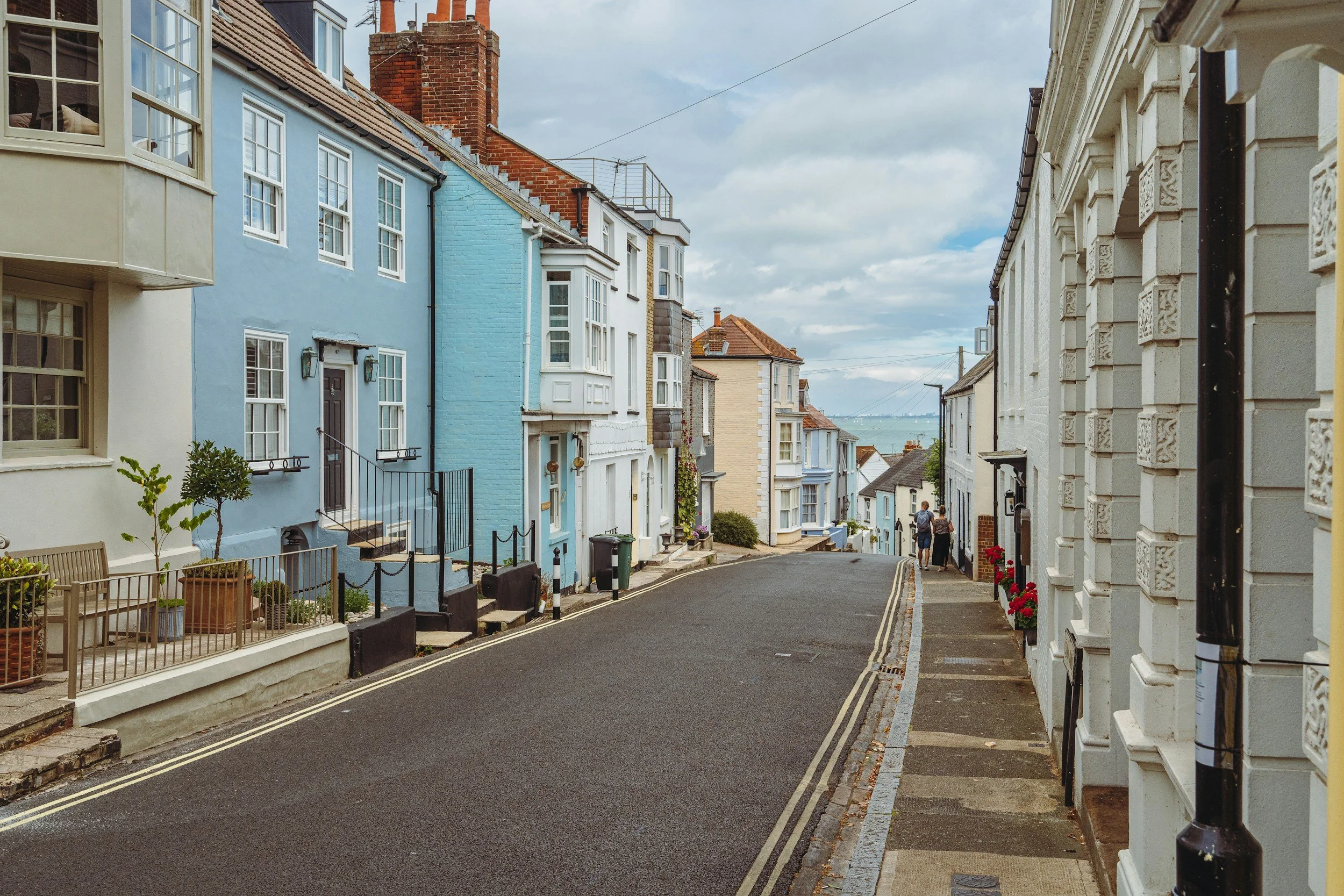
Coastal towns that stay calm into the evening
Some coastal towns work well until about 4pm.
You’ll feel it in places like Whitstable on a Saturday. By midday, Harbour Street is full, people queue outside bakeries, and it all feels like you picked the right place. Then later on, it splits. Some places close earlier than you expected, others are fully booked, and suddenly you’re working a bit harder to find somewhere to sit down than you were earlier.
Nothing’s wrong exactly, it just stops being easy. That’s the part that matters if you’re staying overnight.
The places that hold up don’t really have that shift. They don’t rely on a midday rush, and they don’t empty out once it passes. People are still out in the evening in the same way they are during the day. You don’t need to plan around it.
Deal falls into that category.
Deal
You walk down from the station, cut through the side streets, and then the seafront just opens up. The promenade runs wide along the shingle, with Deal Pier stretching out, but people are spread out along it rather than clustered. Someone sitting with a coffee, a couple walking slowly, a few people just standing looking out. It feels the same whether you get there mid-morning or closer to sunset.
If you keep walking, you pass along the front and then drift back in towards Lower Street and Middle Street. That’s where the town settles. Small shops, a few cafés, places that don’t feel like they’re trying to catch you as you walk past. You stop because something looks worth going into, not because it’s been recommended.
During the day, somewhere like Deal Pier Kitchen works without needing to think about it. You can sit, have something simple, and stay longer than you meant to. It’s not rushed, and it doesn’t feel like it’s built around a single busy window.
The difference shows more later.
You head out in the evening and things are still open in a way that feels usable. Not busy, not quiet, just… working. You can walk a bit, look at a couple of places, and still end up somewhere decent without having planned it. Le Pinardier is a good example of that. It’s small, relaxed, and you can sit there without it turning into an “evening out.” It just becomes part of the day continuing.
There are enough places like that in the centre that you don’t feel pushed into whatever’s left.
From London St Pancras, it’s about 1 hour 30 minutes direct, which makes the timing of the trip easier. You don’t have to arrive early to make it work. Once you’re there, everything is close enough that you don’t think about distance.
Rye - changes quite a lot once the last few day visitors leave
During the day, the centre can feel tighter than it actually is. You notice it most around Mermaid Street and the small lanes nearby. People move through quickly, stop for photos, then move on again. It’s busy, but in a way that doesn’t really settle.
By early evening, that drops off, and you walk through the same streets and they feel completely different. Lights come on gradually in the windows, the main flow disappears, and you’re no longer moving around other people. It’s not empty, just quieter in a way that makes it easier to be there.
That’s when Rye starts to make more sense as somewhere to stay rather than pass through.
Mornings are the best example of that. If you’re out early, before things properly open, you can walk along Mermaid Street, past St Mary’s Church, or along the old town walls without really seeing anyone else. You start to notice how small it actually is, and how everything connects, which is harder to see in the middle of the day.
Cafés open early enough that you’re not waiting around, but they don’t feel rushed. Places like Whitehouse Rye or Hayden’s are better for sitting than passing through. You can take your time without feeling like you’re holding up the next person.
The rest of the day works in smaller pieces.
You dip into places rather than moving between them with a plan. A short stop in Rye Castle Museum, a walk up to the church tower if it’s open, then back out again. The bookshops and antiques shops around the centre work the same way. You don’t really “do” them, you just end up inside them for longer than expected.
Evenings are quieter than somewhere like Deal, and that’s the one part that needs a bit of thought. There are good places to eat, but not loads of them, and if you leave it too late, your options narrow quickly, especially midweek. It works better if you eat earlier and let the evening taper off rather than trying to stretch it.
Getting there is straightforward. Trains from London St Pancras take just under an hour with a change at Ashford International, and once you arrive, everything is close. Staying near the centre makes a big difference here. Rye feels most like itself when you can step out and be in it straight away, without needing to walk far or think about where you’re going.
Small towns that suit travelling alone particularly well
Some towns are easier to be in on your own than others.
It’s not really about safety. It’s more about whether you feel like you need to explain yourself. In some places, sitting alone stands out. You notice it when you walk into a café and every table is taken by groups, or when eating alone feels slightly out of place, even if no one is actually paying attention.
In places like Ludlow, Deal, and Frome, that feeling doesn’t really come up.
You can walk into somewhere like Deal Pier Kitchen or a small café in Ludlow mid-morning, sit down with a coffee, and stay as long as you want without it feeling like you’re in the way. People come and go, some on their own, some not, and nothing about it feels unusual. You’re just part of the day.
The same applies later on. In Deal, you can sit at a small table at Le Pinardier or a nearby bar without needing to turn it into an “evening out.” In Frome, it’s easy to spend an hour in a place like Cheap Street Books, then step back outside and carry on without needing a plan. In Ludlow, a slower evening in a pub works without it feeling like you’ve opted out of something else.
That’s usually the difference. You’re not filling time, you’re just moving through it.
There’s also less pressure to organise your day. You don’t feel like you need to hit certain places at certain times or make the most of every hour. You can walk, stop, double back, sit down again, and nothing about that feels like a compromise.
If anything, those slower gaps are what make the trip feel settled.
That’s why these kinds of towns tend to work well if you’re travelling alone. Not because there’s more to do, but because there’s less resistance to just being there.
If this is the kind of trip you’re looking for, you’ll find a similar approach in other guides across Trippers Terminal, especially the ones focused on smaller towns rather than fixed routes.
If you’ve ever wondered why Oxford can feel slightly harder to settle into than expected, it usually comes down to where you spend your time. This guide to Oxford’s bookshops and cafés shows exactly which places still feel usable once the main streets fill up.
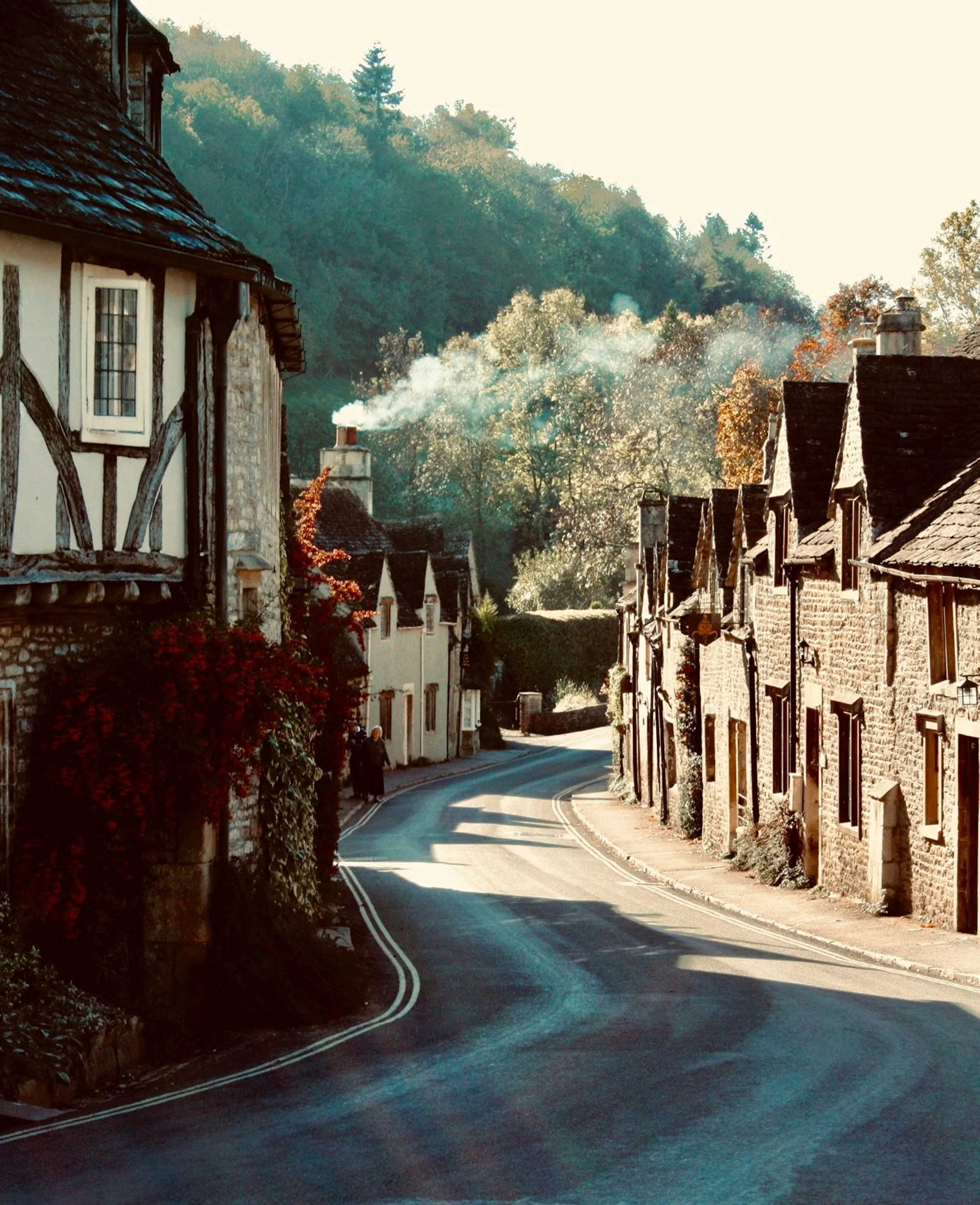
How far three hours by train really gets you from London (and where it stops being worth it)
Three hours by train sounds like a wide circle on a map. In reality, it behaves more like a series of corridors. What matters isn’t how far you go, but how cleanly the journey fits around a short weekend.
A slow, direct train that runs regularly will almost always feel easier than a faster journey with awkward changes. Miss one connection on a Friday evening and you start the weekend already negotiating timetables. That’s why some places that look close can feel surprisingly effortful, while others farther away work smoothly.
Thinking in terms of routes rather than destinations makes choosing much easier.
Cambridge often looks like the safer alternative, but it doesn’t behave exactly the same once you stay overnight. This slower look at Cambridge breaks down where it actually works and where it thins out.
West from Paddington: market towns and workable countryside bases
The Paddington lines are some of the most forgiving for short breaks. Trains are frequent, changes are predictable, and stations tend to land you close to the centre of town rather than on the outskirts.
Within two to three hours, this route comfortably reaches places like Ludlow, Frome, but also quieter stops that are often overlooked. Leominster works well if you want something smaller and more contained than Ludlow, with a usable centre and easy walking. Bradford-on-Avon is another good example: compact, settled, and easy to arrive into without needing transport once you’re there.
A useful rule of thumb on this route: if the final leg after a change is under 40–45 minutes, the journey usually feels continuous rather than broken. Once you’re dealing with late-evening branch lines, especially on Sundays, the balance starts to tip.
Windsor is one of those places that seems like an obvious choice until you spend an evening there. This guide to Windsor’s cafés and quieter spots makes it much clearer where the town holds up and where it doesn’t.
North from King’s Cross: compact towns that suit short stays
The East Coast Main Line is one of the easiest ways to make a weekend feel longer than it is. Fast, direct trains mean you can leave London later and still arrive with the evening intact.
Beyond Stamford, towns like Grantham and Retford are often dismissed as too ordinary, but that’s exactly why they work. They’re functional, walkable, and built around daily life rather than visitor cycles. For a calm overnight stay, that matters more than reputation.
Further north, places like York technically sit within the three-hour window, but for a quiet weekend they often start to feel like too much. The journey is fine; the pacing on arrival is the issue. This is where three hours can still be “possible” but no longer restful.
South-east from St Pancras: coastal towns that absorb short stays well
The south-east lines are particularly good for coastal towns because they combine reasonable travel times with stations that drop you straight into town.
Beyond Deal and Rye, places like Folkestone and Whitstable sit comfortably within the same logic. Folkestone works best if you stay near the old town rather than the outskirts, while Whitstable suits shorter, food-led stays where the town itself does most of the work.
What matters on these routes isn’t speed but service frequency. If missing one train means waiting an hour, the journey starts to dictate the weekend rather than supporting it.
South from Waterloo: smaller towns that don’t feel like suburbs
The Waterloo routes are often overlooked, but they reach a number of towns that function well overnight if you choose carefully.
Places like Winchester or Farnham sit well within two hours and work best if you treat them as bases rather than sights. Arrive mid-afternoon, stay central, and let the town settle around you. Once you push further into the network with multiple changes, the calm starts to erode.
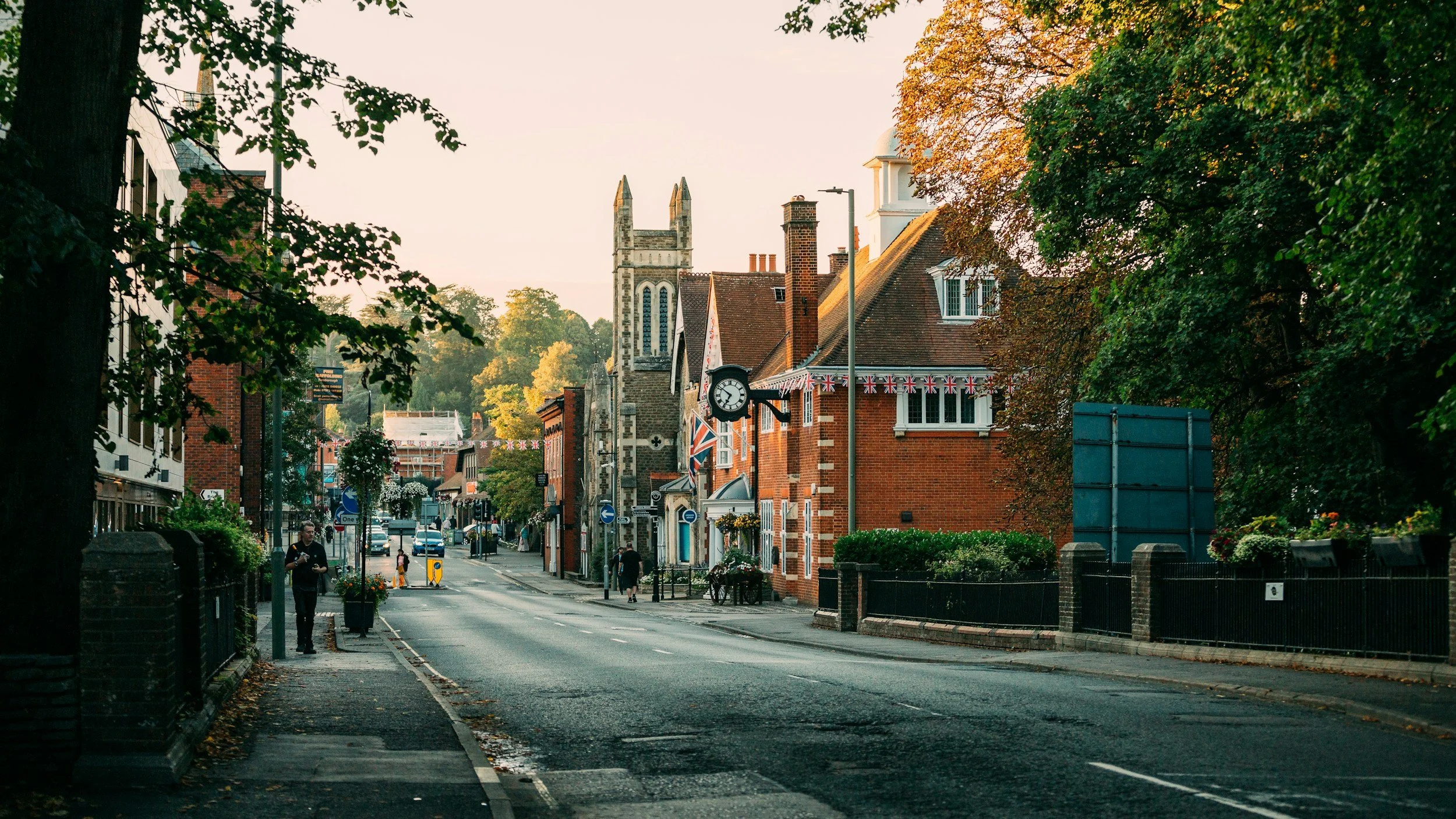
Where three hours stops being worth it
Beyond three hours, especially with more than one change, short breaks start to feel compressed. You arrive later, leave earlier, and spend a disproportionate amount of time thinking about the journey.
This is most noticeable on winter Fridays. Arriving after dark into a small town can be perfectly fine if the town functions well in the evening. It can also feel flat if shops are already closed and dinner options are limited. That’s why arrival time matters as much as distance.
As a general guide, places that:
require two or more changes
rely on infrequent evening services
or sit at the end of branch lines
are usually better saved for longer trips…!
Choosing the right town (and getting the timing right)
With smaller towns, timing matters more than the place itself.
The same town can feel easy one weekend and slightly frustrating the next, just because of when you arrive or what kind of break you’re actually trying to have. It’s less about the destination and more about how it fits around your timing.
A good starting point is to be honest about how much energy you have when you get there.
If you’re arriving late on a Friday, it makes a difference whether the town is still properly functioning in the evening. In some places, you’ll find a pub still serving food at 8pm and a couple of options if that doesn’t work. In others, kitchens have already closed, or everything revolves around bookings you didn’t make. That first evening can either feel easy or slightly off from the start.
If you’re arriving mid-afternoon instead, there’s more room to settle in. Towns like Ludlow or Frome work well here because you can walk, stop for coffee, browse a bit, and ease into the place before the evening becomes the focus.
Season plays a bigger role than people expect.
Late spring and early autumn tend to be the easiest. Shops keep normal hours, cafés feel steady rather than stretched, and the place works even if the weather isn’t perfect. Summer can be good in inland towns, but coastal places often feel more uneven, busy in parts, quiet in others. Winter can be great, but only if the town still holds together once it gets dark. If not, the day can feel like it ends too early.
It also helps to think about the evening before you go, not just the daytime.
Some towns suit early dinners and quieter nights, where the day does most of the work. Others feel better if you want to sit somewhere longer, move between places, or decide things as you go. Neither is better, but getting that wrong is usually when a weekend starts to feel shorter than it should.
The easiest way to judge a place is to ask practical questions rather than ideal ones.
Can you still eat well if you don’t book ahead?
Will there be somewhere to go after 6 or 7pm?
Does the town still feel usable if the weather turns?
Can you walk everywhere once you arrive?
Would you mind going back to the same café twice?
If most of those feel like yes, the place will probably work.
The last thing people underestimate is how much the edges of the trip matter.
Arriving later than planned, or leaving in a rush the next morning, changes how the whole weekend feels. A place that looks perfect on paper can feel slightly off if it doesn’t fit your actual schedule. Choosing somewhere that works with your travel times, not an ideal version of them, is often what makes the trip feel settled rather than squeezed in.
For slower afternoons, especially when the weather turns, it helps to think beyond cafés. These Oxfordshire villages for a relaxed picnic show how easily a day can shift once you step slightly outside the town itself.

Getting there: what actually matters with trains
Getting to these towns is straightforward, but the timing of your train makes more of a difference than most people expect.
In the UK, ticket prices can shift quite a lot depending on when you book and when you travel. If you know your exact train, booking a few weeks ahead usually gives you the best price. If you want flexibility, off-peak tickets are easier to work with, but slightly more expensive.
Friday evenings are the one point that can catch people out. Trains are busier, prices are higher, and delays are more common. If you’re leaving after work, it’s worth booking a specific train rather than relying on what’s available.
Station choice also shapes the trip more than it seems.
St Pancras works well for places like Deal and Rye
Paddington for Frome and further west
King’s Cross for Stamford
Getting that right makes the journey feel simple from the start.
On the return, leaving too early can cut the trip short more than you expect. Late morning or early afternoon trains tend to work better than rushing back first thing, especially in smaller towns where mornings are often the best part of the day.
You don’t need to overthink it, but a small amount of planning here makes the whole weekend feel easier.
If part of the appeal here is not needing a car at all, it’s worth noticing how this translates elsewhere. These train-friendly towns across Europe follow the same pattern where you arrive and everything just works on foot.
FAQ: Small towns near London by train
What are the best small towns near London to visit by train?
Some of the best small towns near London by train are Ludlow, Frome, Stamford, Deal, and Rye, depending on the kind of weekend you want. Ludlow and Frome work well if you prefer slower days with good food and independent shops, while Deal and Rye suit coastal breaks. Stamford is one of the easiest for a short trip because of its direct train and compact centre.
Which small towns near London are best for a weekend stay?
Not all towns that are easy to reach from London work well overnight. The best ones for a weekend stay are places that still feel active in the evening and don’t rely on a midday rush. Towns like Deal, Ludlow, Frome, and Stamford hold their pace across the day, so you’re not left with limited options once it gets later.
Are there quiet towns near London that aren’t crowded?
Yes, but timing matters. Towns like Frome or Stamford tend to feel steady rather than crowded, especially outside peak summer weekends. Coastal places like Deal are also quieter than more obvious options like Brighton. Visiting midweek or outside school holidays makes a noticeable difference.
What are the easiest day trips from London by train?
Many of these towns can be done as day trips, including Rye, Deal, and Stamford, thanks to direct or simple train connections. However, some places like Ludlow or Frome work better as overnight trips because of longer travel times and how the towns change in the evening.
How far are these towns from London by train?
Most towns in this guide are within 1 to 3 hours by train.
Stamford: ~1 hour 15 minutes (direct)
Deal: ~1 hour 30 minutes (direct)
Rye: ~1 hour (change at Ashford)
Frome: ~2 hours (change at Bath or Westbury)
Ludlow: ~3 hours (change at Hereford)
Is it better to stay overnight or visit for the day?
It depends on the town. Places like Rye or Deal can work as day trips, but they feel very different once the day visitors leave. Towns like Ludlow and Frome are better experienced over at least one night, as they open up more once you settle into them. And if you’re thinking about staying somewhere that feels a bit different without overcomplicating things, there are options that don’t feel staged. These castle stays in the UK are much more usable than they sound at first.
What is the best time of year to visit small towns near London?
Late spring and early autumn are usually the easiest times to visit. Towns feel active without being crowded, and opening hours are more consistent. Summer can be busy, especially in coastal towns, while winter works best in places that still have steady evening life.
Can you explore these towns without a car?
Yes. All the towns mentioned are walkable once you arrive by train. Staying close to the centre makes a big difference, especially in the evening, when you want to move around easily without relying on transport.
What should you look for when choosing a small town for a weekend?
The key things to look for are:
places to eat in the evening without booking far in advance
a centre you can walk around easily
enough going on outside peak daytime hours
somewhere that still feels active after 6pm
These factors usually matter more than how the town looks at first glance.
Are these towns good for solo travel?
Yes. Towns like Deal, Frome, and Ludlow are particularly easy to navigate alone. You can sit in cafés, walk through shops, and spend time on your own without it feeling out of place, which makes them well suited for solo weekends.