The best towns to stay in Piedmont for wine weekends
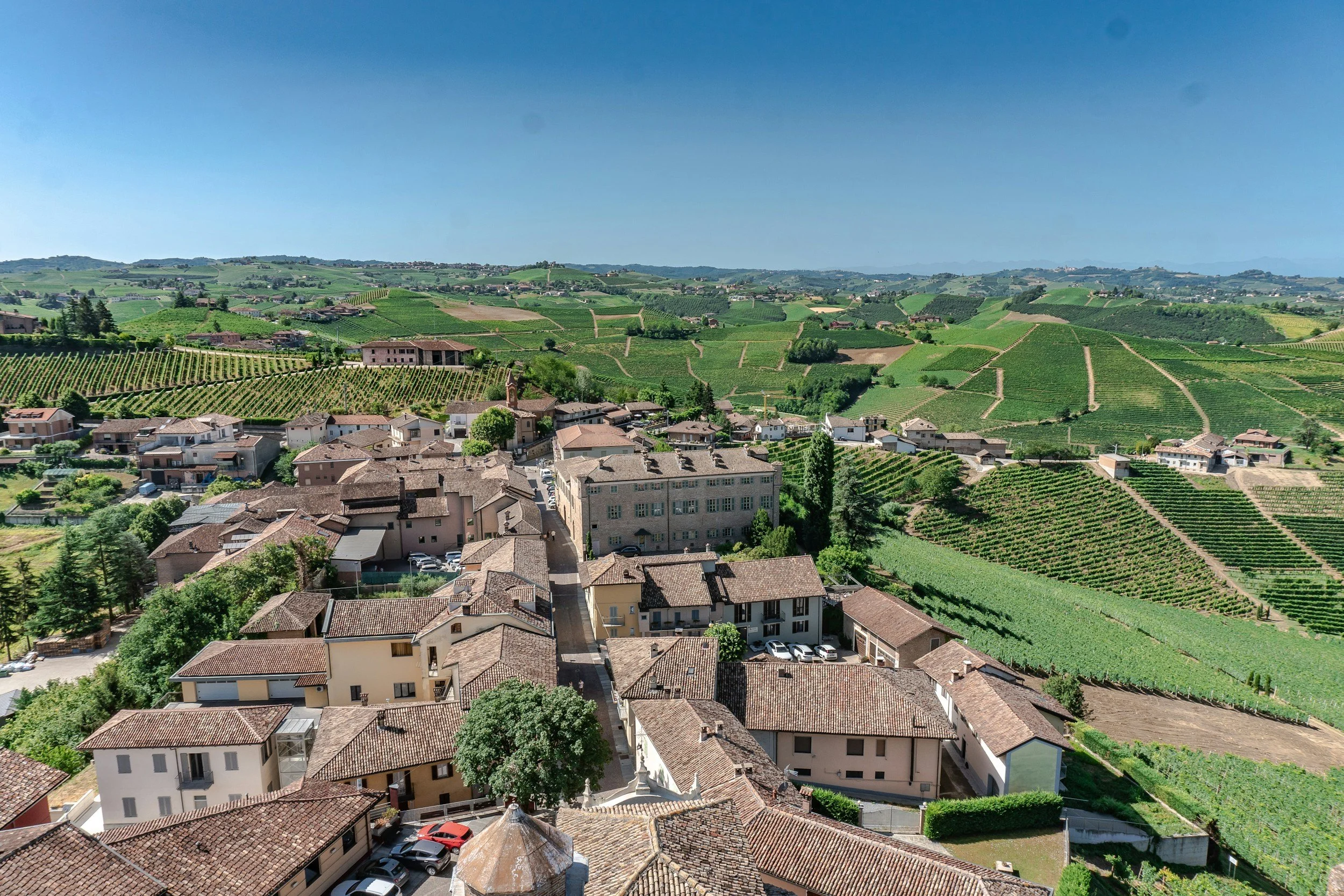
Arriving into Piedmont, the first decision usually gets made too late. You book a place in Alba because it’s easy to reach, or pick Barolo because you’ve heard the name before, and only once you’re there do you realise how much that choice shapes everything else. Where you stay here decides whether your mornings start with a quick espresso on a busy street or a quiet walk straight out into vineyards, whether dinner feels spontaneous or needs to be planned two days ahead, and whether visiting other towns is simple or something you hesitate to arrange.
The distances between places like Alba, La Morra, Barolo, and Neive are short on paper, but they don’t function like a city where you can move around freely. There are no train stations in most of the wine villages, taxis need to be booked, and walking between towns is rarely something you’ll do more than once. That’s why the idea of a “base” matters more here than in most regions in Italy.
This guide focuses on that exact decision. Not a list of towns, but what it’s actually like to stay in each one for a few days, how your routine ends up looking, how easy it is to move around, and where things start to feel limited. It’s written for someone who wants wine, but also wants to be able to step outside and walk somewhere without needing a plan every time.
Train lines into Langhe, Roero, and Monferrato
Most people first see Piedmont through a station platform, not a vineyard. And where you step off matters more than expected.
Alba and Asti are the two places that actually function as entry points. Not because they’re the most interesting, but because they’re where the trains stop in a way that connects to the wine areas without too many gaps.
Coming from Turin, you’ll usually leave from Porta Nuova and change in Bra. That change is not complicated, but it does add time, and if you miss the connection, you’re often waiting another hour. The train into Alba is slower and regional, and when you arrive, you step out right near Corso Fratelli Bandiera, with the town already within walking distance.
From Milan, it’s different. Trains into Asti are direct and faster, leaving from Milano Centrale or Porta Garibaldi. You arrive into Asti Stazione, which is a bit outside the historic center, about a 15-minute walk or a short taxi ride uphill into town. From Asti, you can continue toward Alba, but most people either stop there or switch to a car from that point.
What doesn’t show up clearly when planning is that Barolo, La Morra, and most of the places people picture when they think of Piedmont don’t have train stations at all. The last part of the journey is always by road. From Alba station to Barolo is about 25 minutes by car, closer to 30 if you’re going up to La Morra. There’s no direct public transport that lines up with arrival times or luggage.
Roero is even less connected. You can reach Bra by train, and from there you’re technically close, but once you leave the station, you’re relying on a car to actually move between villages like Guarene or Montà. The train gets you near, but not into it.
Monferrato looks well connected on a map because there are more stations, but they’re scattered. You might arrive in a place like Nizza Monferrato or Canelli, but your accommodation could still be 10–20 minutes away by car, often on small roads without sidewalks.
Car vs no car in Piedmont wine areas
This is where plans either stay simple or start to feel frustrating.
If you’re not renting a car, Alba is the easiest place to base yourself. The station is central, most hotels are within a 10-minute walk, and taxis are actually available. You can wake up, walk to a café on Via Vittorio Emanuele, pick up something from the bakery on the corner, and plan the day without needing to leave town immediately.
From Alba, you can reach Barolo or Barbaresco, but it’s never something you decide last minute. A taxi to Barolo usually needs to be booked the day before, especially in busy months. It takes around 25 minutes, and you’ll need to think about how to get back as well. There are no taxis waiting in Barolo square.
There are wine tours that handle this, but they follow a set structure. If you prefer to choose wineries as you go, it’s less flexible.
Once you stay in La Morra or Barolo without a car, your world becomes very small very quickly. You can walk out into the vineyards, which works well in the morning before it gets too warm, and there are routes that take you past producers like Cantina Comunale in La Morra or down toward the lower vineyards around Barolo. But if you decide you want to have lunch in Alba or visit a second village, that requires planning.
The roads between towns are not designed for walking between them. They’re narrow, often without pavement, and include long uphill sections. Walking from Barolo to La Morra, for example, is technically possible but takes over an hour and involves steady climbing.
With a car, everything changes. You can stay in a smaller place like Neive or La Morra and still move easily between towns. You can leave after breakfast, stop at a viewpoint outside La Morra, drive 10 minutes to a winery near Barbaresco, and be back in time for dinner without thinking about logistics.
Without one, the best approach is to accept a slower radius. Stay in one place, plan one or two outings, and let the rest of the time happen within walking distance.
Alba as a base in Piedmont for wine and walkable streets
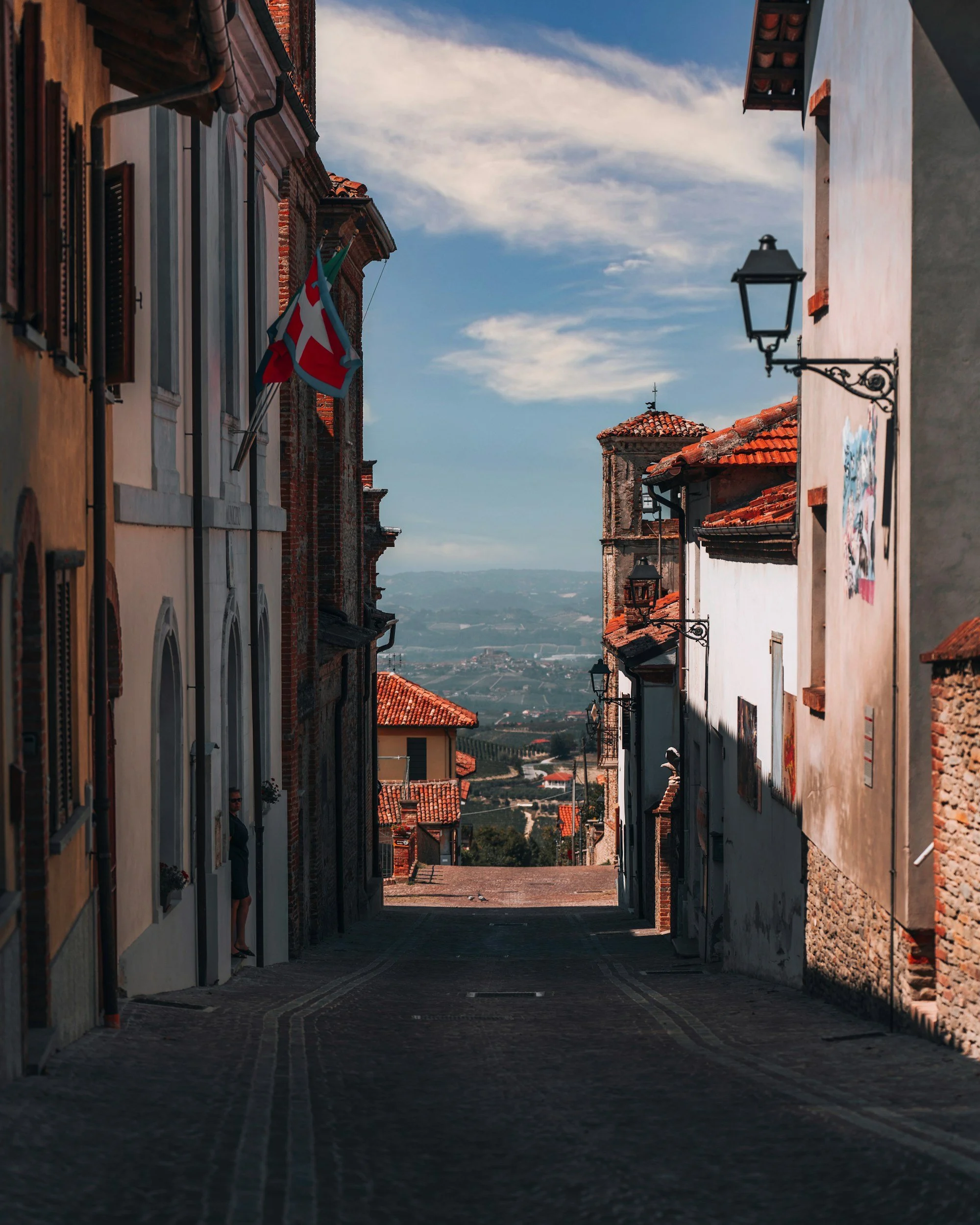
Alba looks bigger on a map than it feels once you’re inside it. Most of your time ends up within a small loop between Via Vittorio Emanuele, Piazza Risorgimento, and the streets just behind the cathedral. That’s where you’ll walk back and forth without thinking about it.
If you arrive at the train station, you’ll cross Corso Fratelli Bandiera and be in the center within 10 minutes. From there, everything tightens. The main street, Via Vittorio Emanuele, runs straight through the old town with covered walkways, and most cafés, wine bars, and small shops sit along this stretch or just off it.
In the morning, you’ll likely end up at one of the same few places without planning it. Piazza Michele Ferrero fills up early with people grabbing coffee before work, while spots closer to the cathedral open slightly later but are calmer. Bakeries along the side streets start selling focaccia and pastries from around 7:30, and by 9:00 most of the town is already moving.
During the day, movement stays within a short radius. You might walk from your hotel to the market area near Piazza Savona, then back through the center, stopping somewhere for a glass of wine in the afternoon. Nothing is far enough to think about transport. It’s all within 5–10 minutes on foot. If you’re trying to avoid peak-season crowds but still want markets and food culture, this markets outside summer guide shows where Italy feels more relaxed once summer ends.
Where Alba differs from the smaller villages is that it doesn’t slow down in the middle of the day in the same way. Shops stay open, people keep moving, and there’s always somewhere to go without checking opening hours too closely.
In the evening, the same streets fill again, but it spreads out more. Restaurants along Via Vittorio Emanuele and the surrounding streets stay open later than in places like La Morra or Barolo, and you can still find somewhere to eat without having booked days ahead, especially if you’re willing to eat a bit earlier or later than peak time.
You don’t really explore Alba in the sense of discovering new areas each day. You repeat the same routes, but that’s the point. It becomes familiar quickly, and that’s what makes it work as a base when you’re going out to the vineyards during the day and coming back to something that still feels active in the evening.
Morning routines: cafés, markets, and slow starts in Alba
Mornings in Alba start earlier than most people expect, and the town is already active by the time you step outside. If you’re staying anywhere near the center, you’ll likely walk toward Via Vittorio Emanuele without planning it, because that’s where everything connects.
The first stop is usually coffee, and most locals keep it quick. Places like Caffè Umberto or the bars along Piazza Risorgimento are already busy from around 7:00, with people standing at the counter for an espresso and a small pastry before heading to work. If you sit down, it’s slower, but most tables turn quickly in the early hours.
For something more substantial, you’ll notice a few bakeries opening their doors along the smaller streets just off the main stretch. Pane, focaccia, and simple pastries come out in batches, and by 8:30 the best selection is already starting to go. If you’re planning to pick something up for later, it’s worth doing it early rather than after 10:00 when options are more limited.
If your visit overlaps with market days, usually Saturday, the morning shifts direction. Stalls begin setting up early around Piazza Savona and extend into the surrounding streets. You’ll find produce from nearby farms, cheeses from the Langhe hills, cured meats, and everyday items that locals actually come to buy. It’s not just a visitor market, which changes how it feels once it gets busy around mid-morning.
Outside of market days, mornings stay simple. You move between a café, maybe a short walk through the quieter streets behind the cathedral, and back toward the main road as shops open around 9:30–10:00. Nothing requires planning, and that’s what makes Alba easy to settle into. You don’t spend time figuring out where to go, you just follow the same few streets and adjust slightly each day depending on how early you start.
Getting from Alba to Barolo and Barbaresco (real distances and how you actually do it)
From Alba, both Barolo and Barbaresco sit close enough to look easy on a map, but getting there depends on how you plan the day.
Barbaresco is the simpler one. It’s about 6–7 km from Alba, and by car or taxi it usually takes 15 minutes. The road follows the Tanaro River for part of the way before climbing slightly into the village. If you leave Alba after breakfast around 9:30–10:00, you can be standing in Barbaresco’s main square before the first tasting rooms properly fill up. It’s close enough that some people consider cycling, but the return involves a steady incline, especially in warmer months.
Barolo is further, around 12–15 km depending on the route, and the drive takes closer to 25–30 minutes. The road winds more through the Langhe hills, passing vineyards and small hamlets, and the final stretch into Barolo involves a gradual climb. It’s not difficult, but it’s not something you’d want to walk between towns, even if the distance doesn’t look extreme.
Without a car, both places require a bit more structure. Taxis from Alba need to be booked in advance, especially in peak months like September and October. You can’t rely on finding one outside the station or calling last minute. A typical plan is to book a drop-off in the morning and either arrange a return time or accept that you’ll spend several hours in one village before heading back. If you’re not renting a car and want to avoid overcomplicating your stay, this no car stays guide shows exactly which areas in Italy are easier to base yourself in without needing to plan every transfer.
Wine tours are the other option, and they usually leave directly from Alba. These often include two or three wineries across Barolo and Barbaresco areas, which works well if you don’t want to manage logistics yourself. The trade-off is less flexibility in where you stop and how long you stay. If you’re timing your trip around food and wondering when certain things are actually in season, this food seasons breakdown helps you avoid arriving at the wrong time for what you had in mind.
Public transport exists on paper, but it doesn’t line up well with how a day in the vineyards actually works. Buses run infrequently, often at times that don’t match tasting hours, and stops aren’t always close to where you want to go once you arrive.
In practice, most days from Alba follow the same pattern. You leave mid-morning, spend a few hours in either Barolo or Barbaresco, maybe fit in one or two tastings and a walk through the vineyards, and return in the late afternoon. Trying to do both areas in one day without a car usually feels rushed, even though they’re geographically close.
Evenings in Alba compared to staying in Barolo, La Morra, or Neive
Evenings in Alba stay active in a way the smaller villages don’t. Around 18:30–19:00, people start moving back into the center, and the same streets you walked in the morning fill again, but with a different pace. Via Vittorio Emanuele becomes the main stretch for the evening walk, with groups stopping for a glass of wine at places along the street or just off it.
You don’t need a fixed plan to eat. Restaurants open in waves from around 19:00, and while the more popular places fill up, you can usually still find a table somewhere within a short walk. If one place is full, you move on to the next street and try again. That flexibility is what makes Alba easy at night, especially if you don’t want to organise every evening in advance.
There’s also more variation. You can start with an aperitivo near Piazza Risorgimento, walk five minutes to dinner, and still find somewhere open afterward if you want another glass of wine. Shops stay open later, and there are enough people around that the town doesn’t empty out after dinner.
In Barolo, La Morra, or Neive, evenings are more contained. Most restaurants open around the same time, and once they’re full, that’s it. You’ll usually have one booking, walk there, eat, and then head back to your accommodation. There aren’t many places to move between, and very little stays open late.
The pace also drops earlier. By 21:30–22:00, the streets are quiet, especially outside peak season. In La Morra, you might walk past the viewpoint after dinner, but beyond that there isn’t much to do. In Barolo, the central area clears out once restaurants finish their second seating. Neive feels slightly more lived-in, but still quiet, with most activity tied to meal times.
This changes how you plan your days. Staying in Alba means you can return from the vineyards without thinking about dinner too much. Staying in a smaller village usually means booking ahead, arriving on time, and structuring the evening around that one place.
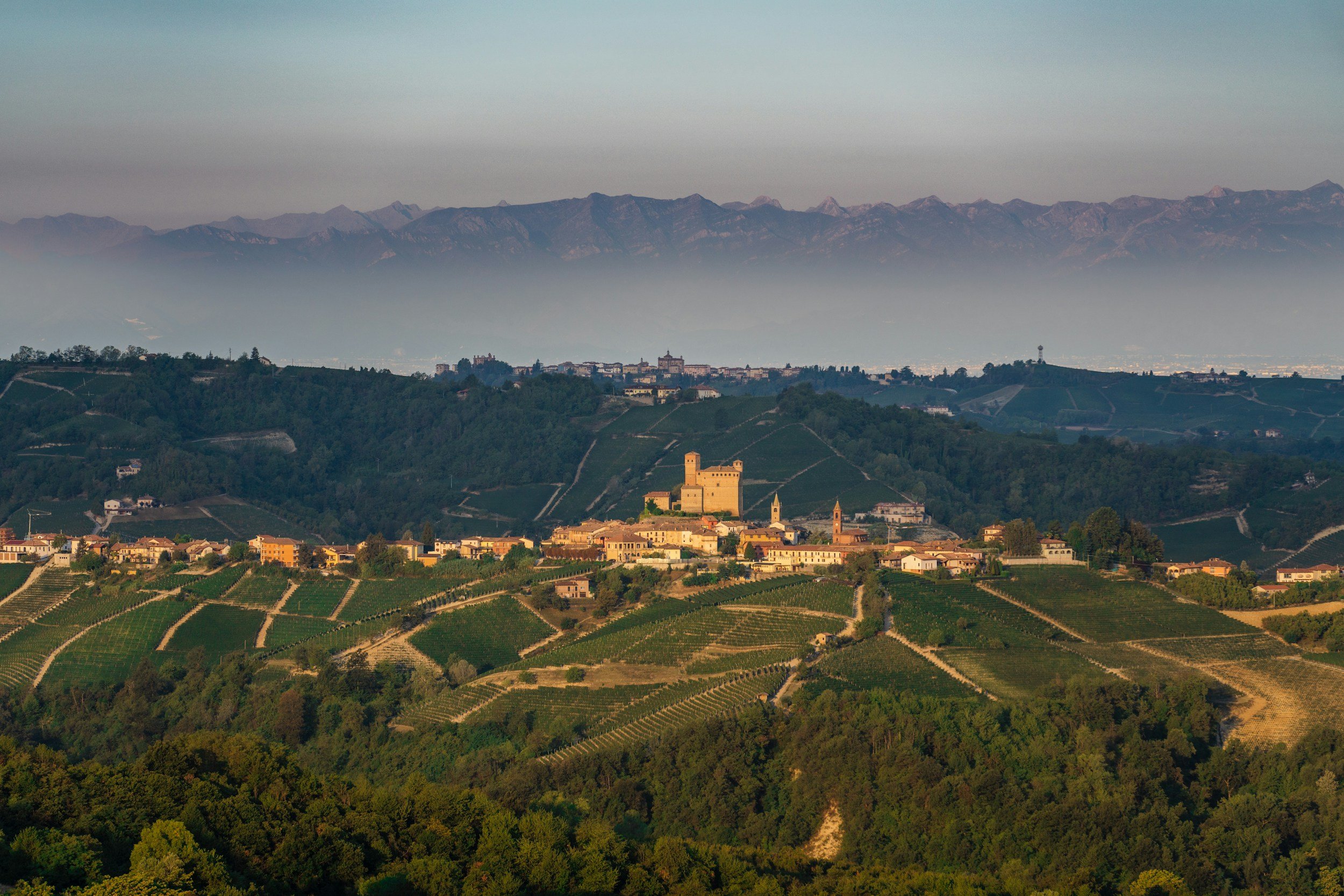
When Alba starts to feel busy (truffle season, weekends, late summer)
Alba doesn’t feel crowded most of the year, but there are a few periods when it shifts quite noticeably, and it’s worth knowing what that actually looks like on the ground.
The biggest change happens during truffle season, especially from early October through November. The International White Truffle Fair takes over parts of the town, with events centered around areas like Piazza Risorgimento and the nearby streets. We’ve created a full guide on this culinary event, so make sure to read more if this is something you’d be interrested in! By mid-morning on weekends, the main streets are full, and moving through Via Vittorio Emanuele becomes slower than usual. Restaurants book out earlier in the day, and even smaller wine bars fill up by early evening.
Market days during this period are also different. What is usually a local, practical market becomes much busier, with more visitors than locals by late morning. If you want to see it without the pressure, it’s better to go early, around 8:00–9:00, before the crowds build.
Weekends outside of truffle season can still feel busy, particularly from late spring into early autumn. Friday evenings bring in people from Turin and Milan, and by Saturday, the center feels more crowded than during the week. You’ll notice it most when trying to find a place for dinner without a reservation or when cafés along the main streets are full.
Late July and August have a different kind of pressure. It’s not as concentrated as truffle season, but the heat changes how the day works. Mornings start earlier, afternoons slow down, and then everything picks up again in the evening. The center fills up later, often around 20:00–21:00, when people come out after the heat drops. Restaurants are busy, but the atmosphere is more spread out rather than concentrated in one area.
If you’re trying to avoid the busiest periods, midweek stays make a noticeable difference. Arriving Sunday evening through Wednesday keeps things more manageable, even during popular months. Outside of October and November, Alba rarely feels overwhelming, but during those weeks, the difference between a weekday and a Saturday is significant.
In case you’re planning around harvest or truffle season and trying to figure out which villages actually feel manageable during that time, this autumn villages guide breaks down what changes once crowds arrive.
Staying in Barolo village in Piedmont
Barolo is smaller than most people expect when they arrive. If you’re dropped off near Piazza Falletti, you’re already in the center of it. From there, you can walk the entire village in under 10 minutes without trying to explore anything in particular.
Most of your time ends up looping between the same few spots. You’ll pass the Enoteca Regionale del Barolo inside the castle, walk down Via Roma where a few tasting rooms sit next to each other, and maybe continue slightly downhill before turning back up again. There isn’t a second “area” you discover later. What you see in the first hour is essentially it.
Mornings are very quiet. If you leave your hotel around 8:30, you’ll notice how little is open. There’s usually one café preparing for the day, sometimes two, and people staying in the village tend to eat breakfast where they’re staying rather than going out. You don’t get that feeling of stepping into a town that’s already moving like you do in Alba.
By around 10:00–11:00, things shift slightly. Day visitors start arriving, usually by car, and the tasting rooms begin to open properly. You’ll see small groups moving between places along Via Roma and up toward the castle. If you’ve booked a tasting, your day naturally follows those time slots, with gaps in between where you’re either walking a short loop out into the vineyards or sitting somewhere with a glass of wine.
Walking out of the village is easy, but it’s not like moving between towns. If you head down toward the lower vineyards, you’re on narrow roads with very little space on the sides, and the return is always uphill. It works for a morning or late afternoon walk, but not as a way of getting somewhere else.
Around 16:00–17:00, Barolo starts to empty again. The people who came for tastings leave, and what’s left are the ones staying overnight. That’s when the village feels most like a place to stay rather than a place to visit.
Evenings are straightforward but limited. There are a few restaurants, and most of them are booked in advance, especially from spring through autumn. You’ll walk to one place, have dinner, and then head back. There isn’t really a second stop after that. By 21:30, you’ll notice how quiet it gets. Streets that had people walking between tastings earlier in the day are empty again.
After two days, you know exactly how your day will look. Where you’ll get a coffee, which direction you’ll walk, where dinner will be. That can either feel easy or slightly repetitive, depending on how much variation you’re expecting.
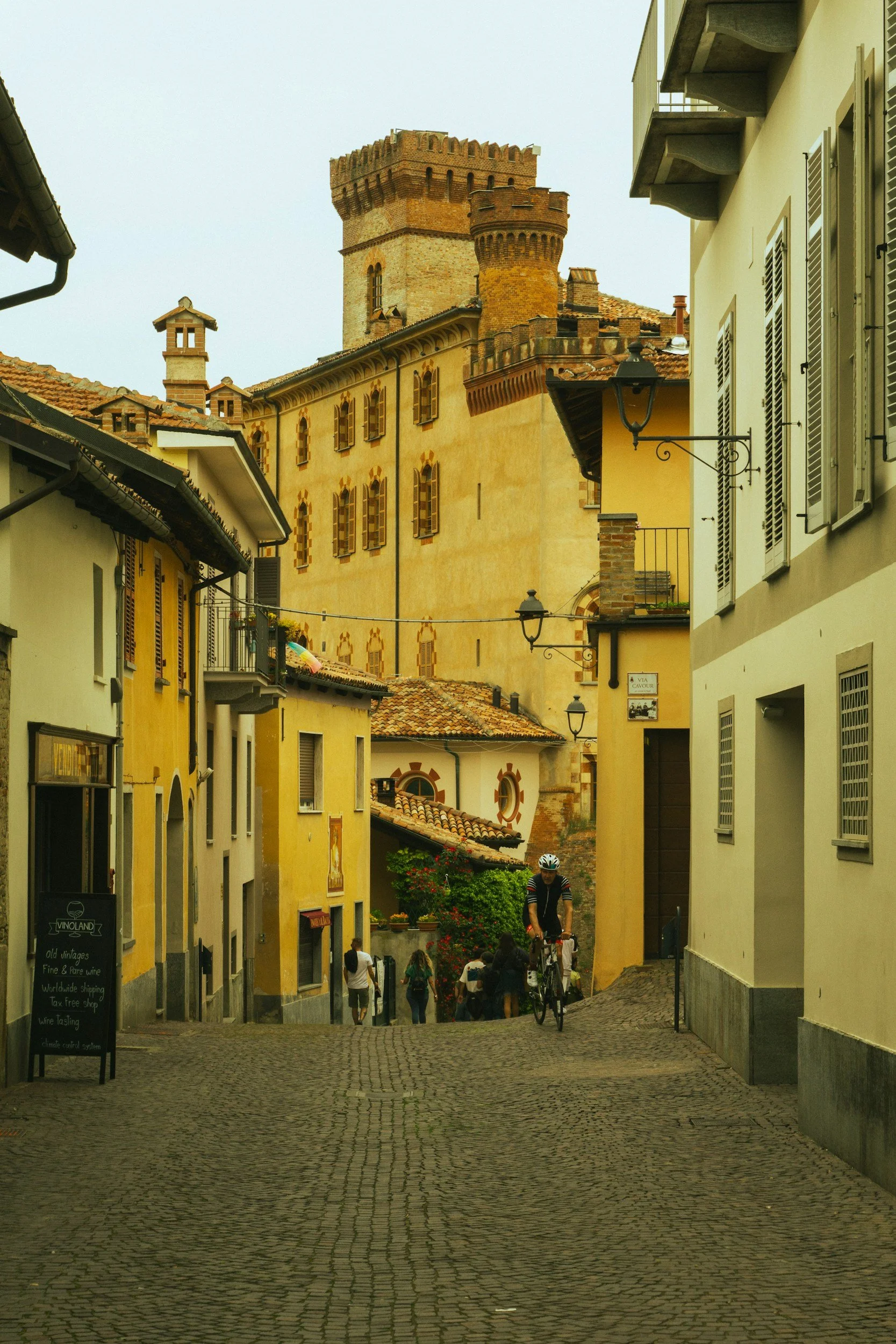
Walking out into the vineyards from Barolo village
One of the reasons people choose to stay in Barolo is that you can step out of the village and be in the vineyards almost immediately. That part is true, but it’s worth understanding what those walks actually look like once you’re there.
If you leave from the center near Piazza Falletti and head downhill past Via Roma, you’re quickly on small roads that cut through the lower vineyards. Within five minutes, the buildings drop away and you’re walking between rows of vines with open views back toward the village. It feels close, not like you’ve gone somewhere separate.
The easiest walks stay near Barolo itself. You might head down toward the Cannubi area, which sits just outside the village and is one of the most well-known vineyard zones. The roads here are quiet, used mostly by locals and winery traffic, but they’re still proper roads rather than marked walking trails. You need to stay aware of cars, especially around late morning when producers and visitors start moving between tastings.
If you continue further out, the distances stretch more than expected. Walking toward La Morra is technically possible, but it takes well over an hour and includes a steady climb at the end. In summer heat, it’s not something most people repeat. The same applies in other directions. What looks like a short connection between villages often turns into a long, exposed walk with no shade and no places to stop.
Most days, the walks are shorter and loop back into the village. A typical route might be 45 minutes to an hour, leaving mid-morning or later in the afternoon when the temperature drops slightly. You pass working vineyards, occasionally a small producer, but not many places where you can stop spontaneously unless you’ve arranged a tasting.
Footwear matters more than expected. Surfaces change between paved roads, gravel sections, and uneven edges along vineyard rows. It’s manageable, but not something you’d want to do in sandals or light shoes.
What makes these walks work is how close they are to your accommodation. You don’t need to plan transport or commit to a full day out. You step outside, walk for a while, and come back into the same few streets you already know. That simplicity is the main advantage, but it also means you’re mostly walking variations of the same area rather than moving between different towns.
If you’re thinking about pairing Piedmont with somewhere quieter and very different, this Matera stay gives a completely different pace and setting to balance the trip.
Restaurants and shops in Barolo village (what options you actually have)
Barolo doesn’t give you many options, and that becomes clear quite quickly once you’ve been there for a day or two.
Most of what’s available sits along Via Roma and around Piazza Falletti. There are a handful of restaurants, a few wine bars, and several tasting rooms, but not much beyond that. You don’t have a second area to move to if somewhere is full, and you don’t really discover new places as the days go on. You rotate between the same streets and the same doors.
Mornings are the first place you notice it. If you don’t have breakfast included where you’re staying, your choice is usually limited to one or two cafés, and they don’t always open early. It’s not like Alba where you can try somewhere different each day. You find one place that works and go back.
Lunch tends to be tied to where you already are. If you’ve booked a tasting at a winery just outside the village, you either eat there if they offer something, or you return to the center and choose from the same small group of restaurants. By early afternoon, most places close for a few hours, so if you miss that window, you’re waiting until dinner.
Dinner is where planning starts to matter. There are only a few restaurants in the village itself, and during most of the year, especially from April through October, they’re booked in advance. You can’t rely on walking around and finding a table at 20:00. If you haven’t reserved something, you’re often left with very limited options.
After dinner, the evening doesn’t continue anywhere else. There aren’t late bars or places to move on to. You walk back through the same streets, which are already quiet by that point, and head back to where you’re staying.
There’s also very little in terms of everyday shops. No proper supermarket in the center, just a few small stores focused on wine and local products. If you want snacks, water, or anything basic, it’s something you usually pick up earlier in the day or bring with you from Alba.
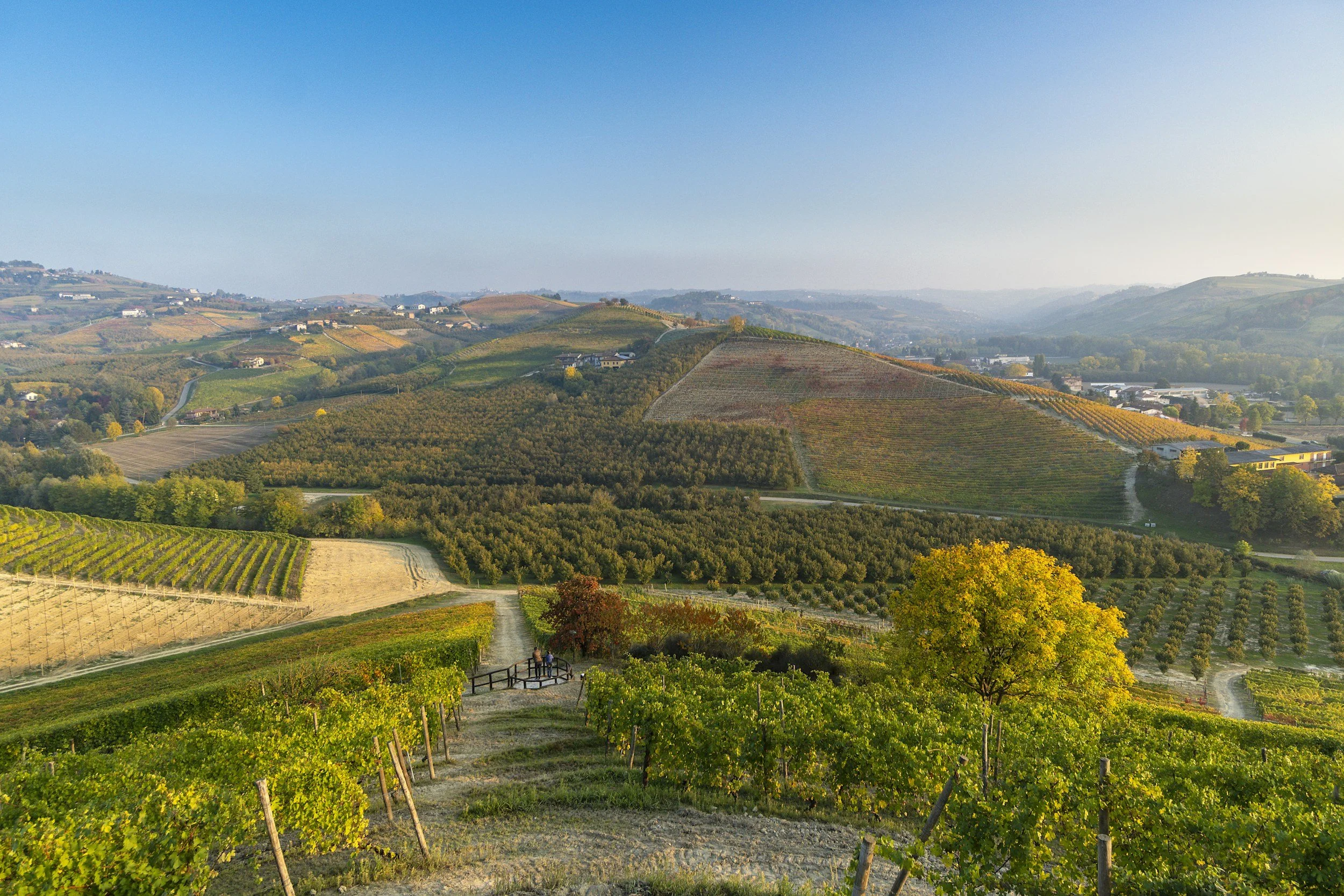
Getting in and out of Barolo without a car
Barolo isn’t difficult to reach, but the last part of the journey is always the part people underestimate.
There’s no train station in the village, so you’re always coming in from somewhere else. Most people arrive via Alba. If you’re coming by train, you’ll get off at Alba station and then continue by taxi for the final stretch. The drive takes around 25 minutes, depending on where you’re staying, and the road climbs steadily into the village.
Taxis don’t wait outside Alba station in a reliable way. If you arrive and hope to find one, you might, but you might also end up waiting or needing to call around. In practice, it’s much easier to book one in advance, especially if you’re arriving later in the day or during busy months. Most hotels or guesthouses in Barolo will arrange this for you if you ask.
Once you’re in Barolo, leaving again is where things become more limiting. There’s no simple option to move between villages without planning ahead. If you want to go to La Morra, Barbaresco, or back to Alba, you’re either arranging a taxi or relying on a pre-booked tour. There are no regular shuttle services connecting the villages, and public buses exist but don’t run frequently enough to build a day around.
This affects small decisions. If you’re having dinner in Barolo, you stay there. Going to Alba for the evening and returning afterward isn’t something you do spontaneously. You’d need to arrange a return taxi, and late evening availability isn’t always guaranteed.
It also means your arrival and departure days need a bit more structure. You can’t just decide to leave earlier or later based on how the day feels unless you’ve already sorted transport. Even something simple like heading back to Alba after checkout needs to be timed with your taxi booking.
Staying in Barolo without a car works best when you accept that your movement will be limited to the village and its immediate surroundings. You can walk out into the vineyards, you can visit a few nearby producers, and you can structure your day around those places. But moving beyond that requires planning, not just distance.
Is Barolo a good base for more than 2–3 days?
Barolo works best when your days are already simple before you arrive. If the plan is to focus on one or two winery visits per day, take a short walk through the vineyards, and keep evenings quiet, the village fits that structure without needing much adjustment. You step out, walk the same few streets, head to a tasting you’ve booked in advance, and come back without thinking about transport or timing too much.
It also suits shorter stays. One or two nights is usually enough to get a clear sense of the place. You’ll have time to visit the Enoteca Regionale inside Castello Falletti, walk down toward the Cannubi vineyards, and try one or two restaurants in the center without feeling like you’ve run out of options.
It starts to feel repetitive once you want more variation in the day. After the first couple of mornings, you’ll notice that coffee happens in the same one or two places, lunch comes from a small group of restaurants, and most walks follow similar routes out of the village and back again. There isn’t another neighborhood to shift into or a different part of town that changes the pace.
You also feel it if you want to move between villages more freely. Going to La Morra or Barbaresco isn’t difficult in terms of distance, but it’s not something you decide on the spot. Without a car, each outing needs to be arranged, which means you’re less likely to leave once you’ve settled into the village.
Evenings are similar. Dinner naturally becomes the main event, and once it’s over, there isn’t much else to extend the night. After a couple of days, you know which restaurants you’d go back to and which ones you’ve already tried.
La Morra as a base in Piedmont (higher up, more spread out, quieter at night)
La Morra doesn’t really have a single tight center where everything sits next to each other. Instead, it stretches slightly across the hill, and you end up moving through it in a more relaxed, back-and-forth way rather than circling one square like in Barolo.
Most of your time naturally gathers around Piazza Castello and the belvedere without you planning it. You’ll walk there on your first day just to see the view, but then you’ll pass it again on the way to dinner, and again the next morning when you go out for coffee. It becomes a kind of anchor point, even though the town itself is a bit more spread out.
From there, you drift along Via Roma and the small streets just off it. Things aren’t packed together, so you’re always walking a few minutes between places. A restaurant might be slightly further down the street, a café a bit off to the side, and your hotel somewhere just outside that central stretch. It’s not far, but it’s enough that you feel the movement more during the day.
Mornings are very quiet here. If you step out around 8:30, it’s not unusual to feel like nothing has really started yet. There might be one café open near the center, maybe someone setting up outside, but it’s not a place where you try different spots each day. You find one that works and go back.
What changes the feel of La Morra is how easily the village drops away into the vineyards. You don’t need to plan a walk. If you just keep going past the belvedere or follow one of the roads leading down, within a few minutes you’re out of the town completely. You look back and see La Morra sitting above you, and everything else is rows of vines and quiet roads.
The return is what you notice more. Coming back up into the village always involves a steady climb, and after doing it once or twice, you naturally adjust how far you go. Walks tend to stay shorter, not because you can’t go further, but because you know you’ll feel it on the way back.
Over a couple of days, your movement becomes predictable without feeling too tight. You’re still walking the same general routes, but there’s a bit more space between things, and more reason to step outside the village for an hour rather than staying within it. Even so, by the second day, you know exactly where you’ll end up in the morning, which direction you’ll walk in the afternoon, and where you’ll pass through again in the evening.
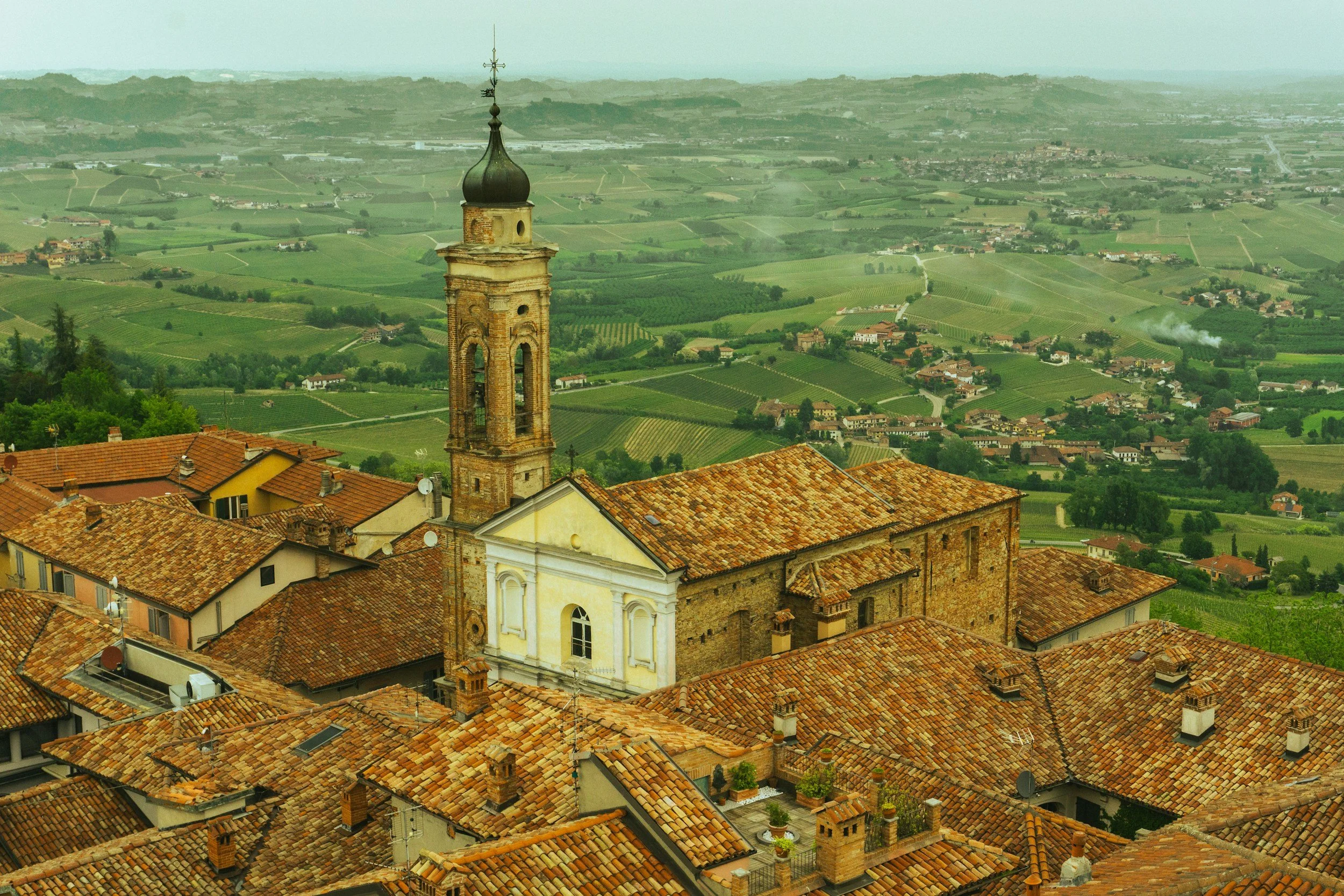
Vineyard walks you can actually do from La Morra
From La Morra, you don’t really go out looking for a specific trail, because most of the time you’ll just leave the village in one direction and find yourself in the vineyards within a few minutes without needing to think about it too much.
If you start near Piazza Castello and walk past the belvedere, the road naturally pulls you downhill into the vines below the town, and this is where most people end up on their first walk. It doesn’t feel like you’re “starting” anything in a formal way, you’re just continuing past the last buildings, and then suddenly you’re surrounded by vineyard rows with La Morra sitting above you when you turn around.
One of the more common directions is down toward the Brunate vineyards, where the road curves gently through working plots and past a few well-known producers. It’s quiet early in the morning, but by late morning you’ll notice occasional cars heading to tastings, so you stay to the side and follow the road rather than expecting a dedicated walking path. The surface changes slightly as you go, from smooth road to rougher edges, and that becomes more noticeable the further down you walk.
If you keep going, you can technically reach Barolo on foot, but it takes longer than it looks when you first consider it. The distance is manageable, but the time adds up, and what matters more is knowing that the return is always uphill if you come back the same way. Most people don’t complete that route more than once, and many turn back earlier and take one of the smaller roads that loop through the vineyards instead.
Walking in the opposite direction, away from Barolo, feels different. The roads are quieter, with less traffic and fewer people moving between wineries, and it’s often where you end up if you’re looking for a slower walk without interruptions. You won’t pass as many recognisable vineyard names, but the surroundings are similar, and it tends to feel more open.
In reality, most walks from La Morra are quite the same. You leave the village, walk downhill for a while, maybe stop for a moment to look back toward the town, and then return the same way or take a slight variation. The uphill part shapes the whole experience, because even though it’s not steep enough to be difficult, it’s steady enough that you start to factor it in without thinking about it.
There aren’t many spontaneous stops along these routes unless you’ve arranged something in advance, since most wineries expect bookings rather than walk-ins, so the walking is more about being out in the vineyards than moving between places. What makes La Morra work for this is that you don’t need to organise anything before stepping outside, but at the same time, you’re mostly repeating variations of the same landscape rather than moving between different villages.
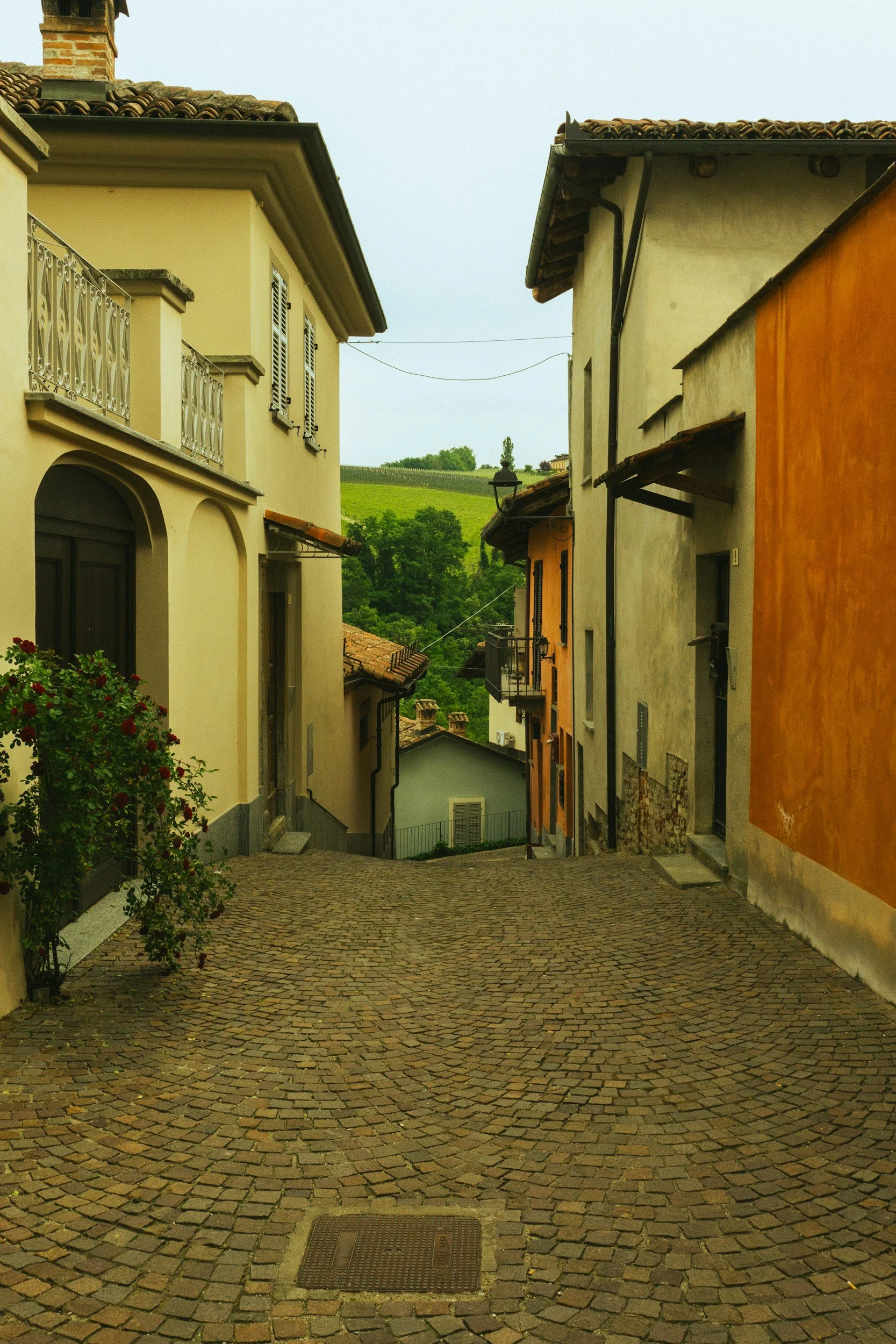
Distance to Barolo and Alba and how often you actually go
When you look at a map, it’s easy to think you’ll move between La Morra, Barolo, and Alba all the time, because the distances are short. In reality, you don’t move around that much once you’re settled in.
Barolo is very close, around 5 km away, and if you have a car, it’s an easy 10-minute drive. The road drops down through the vineyards and then climbs slightly again into the village. It feels nearby, but it’s not something you casually go back and forth to without thinking about it. Walking between the two takes over an hour, and the return uphill into La Morra is the part you feel, especially in the afternoon. Most people either do that once or skip it entirely.
Because of that, Barolo usually becomes a planned outing rather than somewhere you pop into. You decide to go there for a few hours, maybe combine it with a tasting, and then come back. If you don’t have a car, that plan becomes even more fixed, since you’ll need to book a taxi and think about your return before you leave.
Alba is a bit further out, around 15 km, and the drive takes closer to 25–30 minutes. That distance changes how often you go. Even with a car, you don’t tend to go every day. It’s more of a one-time visit during your stay, often for a change of pace, a longer walk through town, or dinner with more options than you have in La Morra.
Without a car, Alba feels like a bigger step. You’ll need to organise a taxi both ways, and once you’re there, you’ll stay for a few hours to make it worth it. Going in just for dinner and heading back later isn’t something you decide on the spot. It needs to be planned, especially in the evening when taxis aren’t always easy to find last minute.
So even though everything looks close together, your days don’t involve moving between towns much. You stay in La Morra, walk out into the vineyards, maybe visit something nearby, and then one day you go to Barolo, and maybe another day you go to Alba. It’s not a place where you drift between towns without thinking about it.
If you’re deciding between staying in Piedmont or heading further east into Veneto, this Asolo vs Bassano comparison makes it easier to choose without overthinking it.
Where you eat in La Morra and how the evenings usually is spent
In La Morra, dinner isn’t something you figure out once you’re hungry. You usually decide earlier in the day, sometimes right after breakfast or when you walk past a place and see it’s already fully booked for the evening.
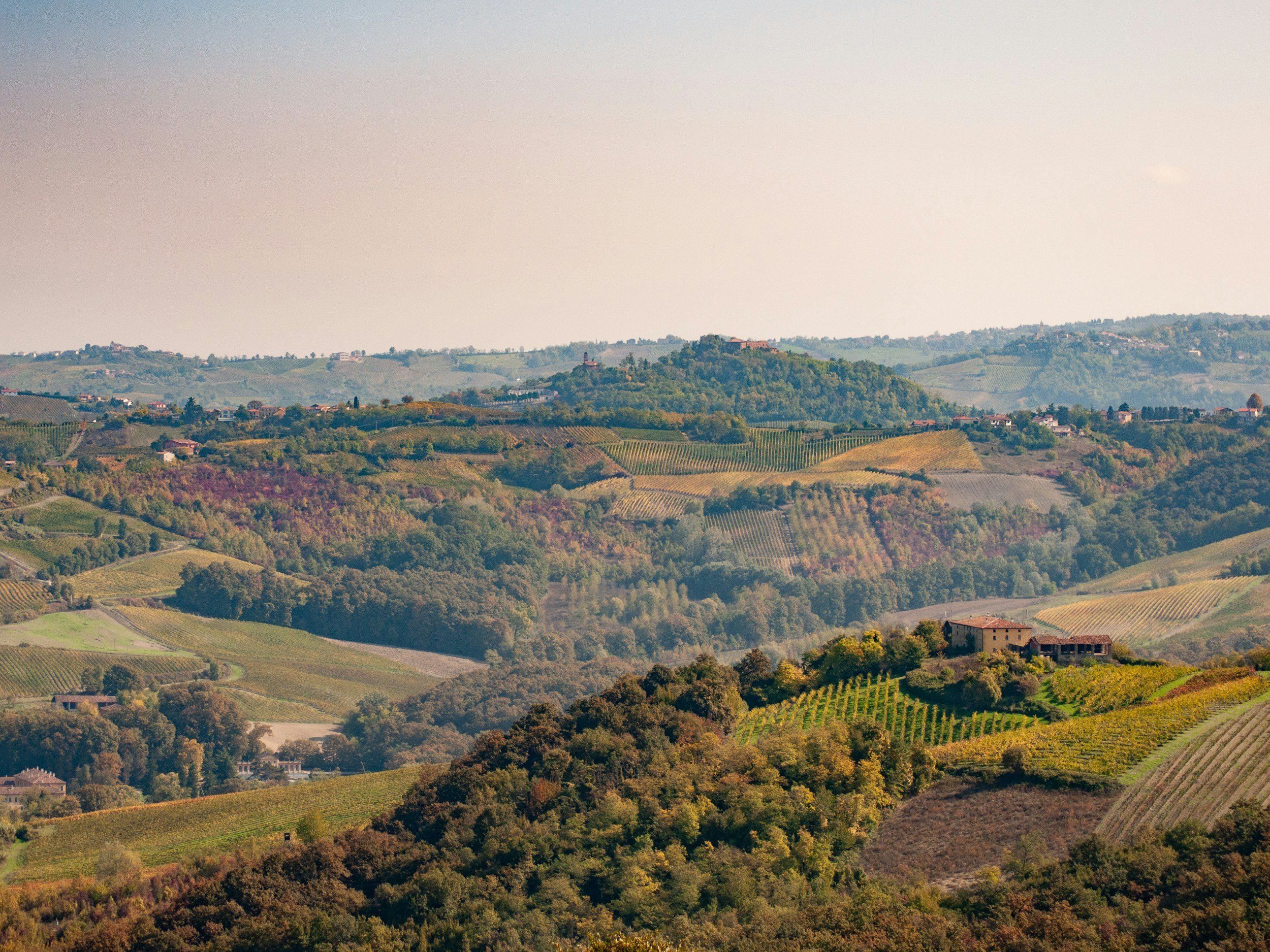
Most of the restaurants sit within a few minutes of Piazza Castello, along Via Roma and the small streets just behind it. You’ll pass them all on your first walk through the town, and by the second day you already know which ones you’d consider and which ones you’ve ruled out. There isn’t another part of town where more options suddenly appear.
Lunch is the one time you can be a bit more relaxed. If you come back into the village around 12:30, you can usually find a table without planning too much, especially midweek. You’ll notice people drifting in from vineyard walks or tastings nearby, and it feels a bit more open, like you can just pick somewhere and sit down. But even then, the number of places is still small, so you’re choosing between a handful of options rather than browsing.
Dinner works differently. By the time you’re walking through the center in the late afternoon, you’ll see signs on doors or hear from your hotel that most places are already booked for the evening. If you haven’t reserved anything, you end up going back to the same two or three places to check again, and usually the answer doesn’t change. It’s not about popularity in the usual sense, it’s just that there aren’t that many tables to begin with.
Because of that, your evenings start to follow a pattern. You walk out around 18:30–19:00, pass through Piazza Castello, and almost always stop for a minute at the belvedere without really planning to. People gather there briefly, looking out over the vineyards, then drift off toward their reservations along Via Roma or the nearby streets.
Dinner itself becomes the main part of the evening, not something that leads into something else. Once you’re done, there isn’t a second place to go, no stretch of bars or cafés that stay open late. You walk back through the same quiet streets, often noticing how quickly everything has shut down.
By around 21:30, sometimes earlier outside peak season, La Morra is already settling. Lights are on inside restaurants, but the streets are mostly empty again. If you walk past the belvedere at that point, it’s completely different from earlier in the evening, with no one lingering.
After a couple of days, you adjust without thinking about it. You book dinner ahead, you pass through the same few streets each evening, and you don’t expect the night to continue beyond that. It’s simple, but also quite fixed once you’re there.
Barbaresco village (smaller, softer pace than Barolo)
Barbaresco feels different the moment you arrive, mostly because there’s less going on. If you’re dropped off near the tower, you’re already in the middle of it, and within a few minutes you’ve seen most of the village without trying to explore anything.
Everything gathers around Via Torino and the small square near the church and the Torre di Barbaresco. There are a few tasting rooms, a couple of restaurants, and that’s about it. You don’t have that steady movement of people going in and out like in Barolo, where groups arrive, move between wineries, and keep the place active during the day. Here, there are gaps where nothing really happens, and you might walk through the center and only pass a handful of people.
If you stay overnight, you notice it even more. Late morning brings a few visitors, usually people driving in for a tasting and leaving again after an hour or two, but it never builds into anything busy. By mid-afternoon, it quiets down again, and by early evening, it’s mostly just the people staying in the village.
There isn’t another part of town to move into. You walk along Via Torino, maybe turn slightly off toward a tasting room or restaurant, and then you’re back where you started. After a day, you already know exactly where you’ll go for coffee, where you might eat, and which direction leads out into the vineyards.
What makes it feel different from Barolo isn’t just the size, it’s that the whole place feels less structured around visitors. You’re not following a pattern of stops or moving between clearly defined places. You’re just there, in a small village where things open, close, and move a bit more quietly throughout the day.
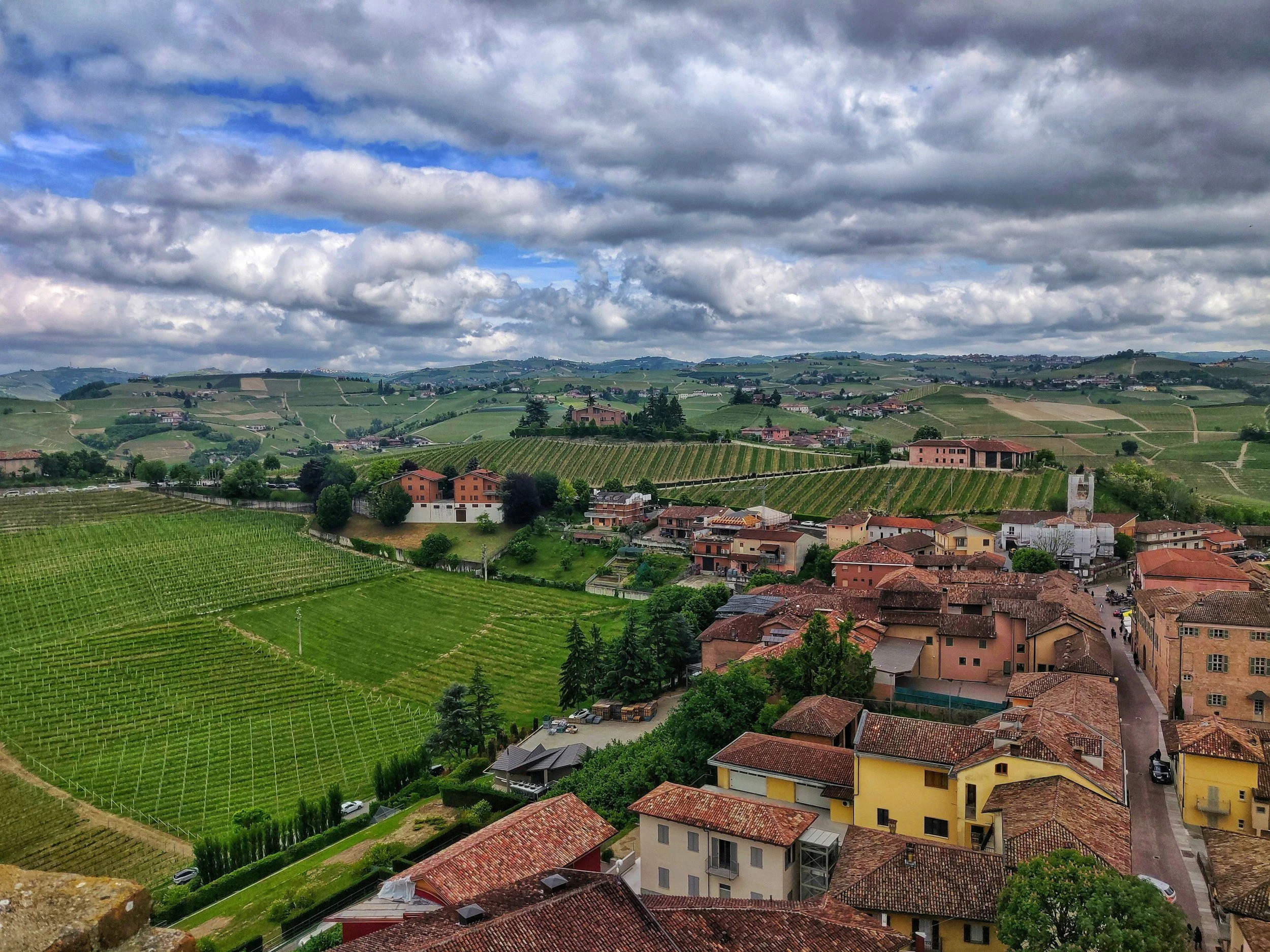
Walking down toward the Tanaro and out into the vineyards from Barbaresco
From Barbaresco, you don’t need to plan a walk in advance, you just leave the village in one direction and see where it takes you. Because the town sits slightly above the Tanaro River, the first thing you notice is that every walk either goes down toward the river or out across the vineyard slopes.
If you start near the tower and head down past Via Torino, the road slowly drops toward the Tanaro. It’s not dramatic at first, but after 10–15 minutes you realise you’ve left the village completely behind. The vineyards thin out slightly, the land opens up, and you start hearing more road noise from the valley below. It’s quieter in terms of people, though. You can walk for a while without passing anyone, especially in the morning.
That route doesn’t really lead to a specific place you need to reach. Most of the time, you walk until it feels far enough, then turn back, knowing the return will be uphill the entire way. That uphill stretch is what decides how long you stay out more than anything else.
If instead you walk away from the river, you end up in the vineyard areas that surround Barbaresco more closely. From the center, you can take one of the small roads leading out past the houses, and within a few minutes you’re between rows of vines. The shift happens quickly. One moment you’re near the church and a couple of restaurants, the next you’re on a narrow road with vineyard signs like Rabajà and Asili appearing along the way.
These roads aren’t walking paths, they’re working roads for wineries, so you stay to the side and let cars pass when they come through, but traffic is light enough that it doesn’t interrupt the walk much. Late morning is usually the busiest time, when people are moving between tastings, but even then it never feels crowded.
If you keep going, you can link a few of these roads together and create a longer loop, but most walks end up being out-and-back without thinking about it too much. You head out, pass a few vineyard gates, maybe stop to look back toward the tower above the village, and then turn around.
There aren’t many places to stop along the way unless you’ve arranged a tasting, and most producers don’t take walk-ins, so you don’t rely on finding somewhere open. It’s more about being outside for an hour or so rather than moving between stops.
After doing it once or twice, you get a sense of how far you want to go. The climb back into Barbaresco isn’t steep enough to be difficult, but it’s steady, and in warmer months it’s the part you feel the most. That’s usually what keeps the walks shorter, not the distance itself.
If you like the idea of walking through vineyards but want something more structured than Piedmont roads, these Prosecco hikes show what that looks like in a different region.
Getting to nearby towns from Barbaresco without a car
From Barbaresco, getting anywhere else without a car is where things start to feel a bit fixed.
Alba is the closest place you’ll likely go, and it’s only about 6–7 km away, but that doesn’t mean you’ll move between the two easily. There’s no simple train connection from the village, so you’re either arranging a taxi or committing to a longer walk that most people don’t end up doing more than once.
If you’re relying on taxis, you’ll need to book them ahead, especially if you’re planning to go in the evening or during busy months. You won’t find one waiting in the village, and calling one last minute doesn’t always work. A typical plan is to book a drop-off in Alba in the late morning or early afternoon, spend a few hours there, and then arrange a return later in the day.
Barolo and La Morra are further out, around 15–20 minutes by car, but without one, they’re not realistic to reach spontaneously. You can include them as part of a wine tour that picks you up in Barbaresco, which is often the easiest option if you want to see more than one area in a single day.
Walking between villages is technically possible, but it doesn’t work in the way people imagine. Distances are longer than they look, the roads aren’t designed for pedestrians, and there aren’t places to stop along the way unless you’ve planned something in advance. It turns into a half-day commitment rather than a simple way of getting around.
Because of that, most days stay local. You walk out into the vineyards, maybe visit a nearby winery, and return to the village without leaving the immediate area. Going to another town becomes something you plan as a separate outing rather than part of your daily routine.
Even something like going into Alba for dinner and coming back the same evening requires thinking ahead. You need to book both legs of the taxi, and late evening availability isn’t always guaranteed, so it’s not something you decide on the spot.
Where Barbaresco feels limited once you’ve been there a day or two
You notice the limits in Barbaresco almost without trying, mainly because everything is concentrated along the same short stretch of Via Torino and around the tower. There isn’t a second street with more cafés or a quieter area with different options, so once you’ve walked through it once, you already know where you’ll go for most things.
Mornings are where it shows up first. If you leave your hotel around 8:30, you’re not choosing between cafés, you’re checking if one is open yet. Sometimes there’s a single bar near the center getting ready, maybe another opening closer to 9:00, and that becomes your place by default. The next day, you go back there again, not because it’s your favourite, but because it’s the only one that fits your timing.
During the day, the same pattern continues. You pass the same tasting rooms, the same restaurant doors, the same small corners of the village, and there isn’t really anywhere else to drift into. If you want something simple like fruit, water, or snacks for later, there isn’t a proper grocery shop to rely on, so it’s something you either bring with you from Alba or pick up when you leave.
Lunch is manageable, but still limited. You might walk past two or three places, check if they’re open, and choose from what’s available at that moment. After a couple of days, you’ve already rotated through most of them. There’s no sense of “trying somewhere new” each day, because there aren’t enough places for that.
Evenings are pretty mucb the same.. . you book dinner, walk along Via Torino or the small streets just off it, eat, and then head back. There isn’t anywhere to continue the evening, no second stop, no place where people gather afterward. If you walk past the tower after dinner, it’s usually empty, completely different from the brief activity earlier in the evening.
By 21:30, sometimes earlier, the village is already quiet. You might see lights inside a restaurant finishing its last tables, but outside there’s very little movement. After two days, you know exactly how your evening will go before it even starts.
Neive as a base in Piedmont (what it’s actually like to stay there)
Neive doesn’t feel like you’ve stepped into a place built around wine visitors, even though you’re in the middle of the same region.
If you come in along Via Cocito, which is where most people arrive, it feels more like passing through a normal small town than arriving somewhere you’re meant to “stay”. There are cars moving through, people stopping outside small shops, someone carrying groceries, and then, almost without noticing, you start drifting uphill into the older part of the village.
There isn’t a clean break between “visitor area” and “local area”. You move between the two without really thinking about it. One minute you’re on Via Cocito near a bakery or a small shop, the next you’re walking up a narrow street toward Piazza Italia where a couple of wine bars and restaurants sit. It never feels like everything has been arranged in one place for you.
Mornings are the clearest difference. Around 8:00, places are already open, but they’re not set up for slow breakfasts. People come in, order quickly, stand at the counter, and leave again. If you stay a few days, you start to notice that you’re the one slowing things down rather than the place adjusting to you.
You also don’t need to plan the basics in the same way. If you forgot to buy water or want something small for later, you just pick it up while you’re walking. It sounds like a small thing, but it changes how the day feels compared to Barolo, where you’re relying on restaurants and planning ahead more than you expect.
During the day, there isn’t that steady flow of people moving between tastings. You’ll see a few visitors, maybe someone heading up into the old town or sitting outside with a glass of wine, but there are also long pauses where nothing happens. You turn a corner and it’s just quiet, no one coming toward you, no one behind you.
Evenings don’t close in the same way either. You still go out for dinner, but the village doesn’t feel like it shuts down around that one moment. When you walk back afterward, there are still a few lights on along Via Cocito, someone passing through, a bit of movement that makes it feel like you’re staying somewhere that continues without you.
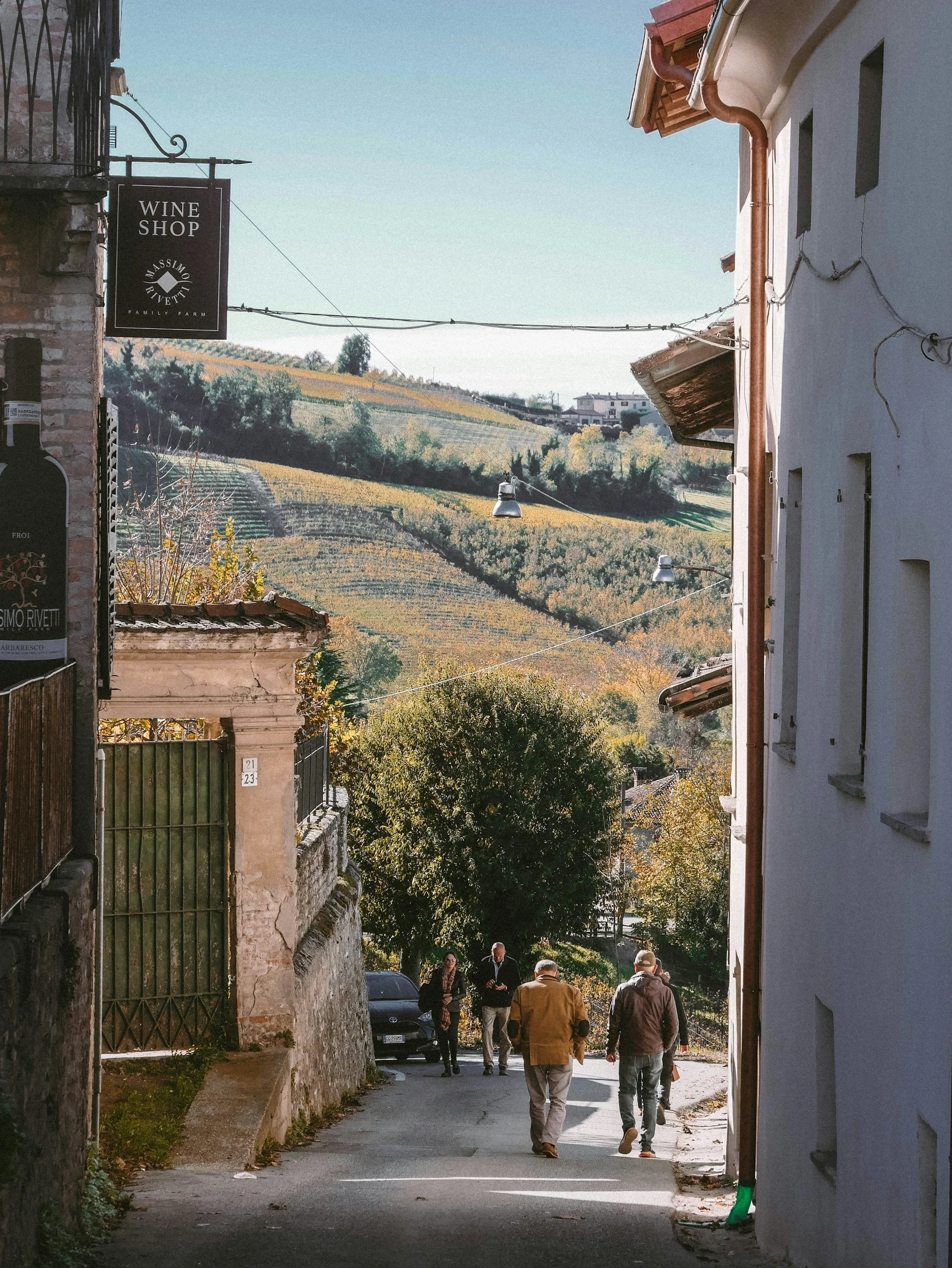
Shops, bakeries, and the places you actually use in Neive
In Neive, the places you end up using aren’t something you plan, they just sit along the route you walk every day.
Most of it happens along Via Cocito, which is where you arrive and where you keep returning without thinking about it. If you’re staying nearby, you’ll pass straight by Panetteria Alimentari di Neive in the morning, usually already open with trays of focaccia and pastries coming out. It’s the kind of place where people step in quickly, order, and leave again, so you end up doing the same. By the second day, you already know what you’ll get and roughly what time to go.
A few doors down, there are small alimentari-style shops where you can pick up basics like water, fruit, or something simple for later. You don’t go there with a list, you just step in because you’re passing anyway. That’s what changes the feel of staying here compared to Barolo, where you’d usually have to think ahead about these things or pick them up elsewhere.
As you walk up toward the old town, you move off Via Cocito and into the narrower streets around Piazza Italia. There are a couple of wine bars and small restaurants here, but they sit next to everyday places rather than forming a separate “visitor area”. You might stop at a place like Degusta Enoteca without planning to, simply because it’s open and on your way, not because you’ve built your day around it.
During the day, you end up looping between these same points. Down along Via Cocito for something practical, then up into the historic part for a slower walk or a drink, and then back again. The distances are short, but the movement feels slightly more varied than in Barolo because you’re not staying within one tight cluster.
What stands out is that these places are used in between everything else. You don’t set time aside to go to a bakery or shop, it just happens while you’re moving through the village. You’ll see the same people doing the same thing, stopping in for a minute and leaving again.
Walking out into the vineyards from Neive
From Neive, you don’t need to look up a route or decide where to go first. You just leave the village and keep walking.
If you’re in the old town near Piazza Italia, you’ll usually drift back down toward Via Cocito and then take one of the small roads that lead out past the last houses. It happens quickly. Within a few minutes, the buildings thin out and you’re already between vineyard rows without any clear transition.
One of the easiest directions is heading out toward the Barbaresco side, where the roads roll gently through the hills and pass signs for vineyard areas without you needing to follow anything specific. You’re on working roads, not marked trails, so you stay to the side when a car comes through, but most of the time it’s quiet enough that you don’t think about it.
If you walk in the opposite direction, toward the edges of Neive and further into the countryside, it feels even more open. Fewer cars, fewer people moving between tastings, and longer stretches where it’s just rows of vines and small farmhouses. It’s the kind of walk where you don’t have a destination, you just turn around when it feels like enough.
The terrain is softer than in La Morra. There are still hills, but they feel more gradual, and the return into Neive isn’t as demanding. You notice the incline, but it doesn’t shape the walk in the same way, which makes it easier to stay out longer without thinking about the way back.
You won’t pass many places where you can stop unless you’ve arranged a tasting. Most gates are closed, and visits are expected to be booked in advance, so you don’t rely on finding somewhere open along the way.
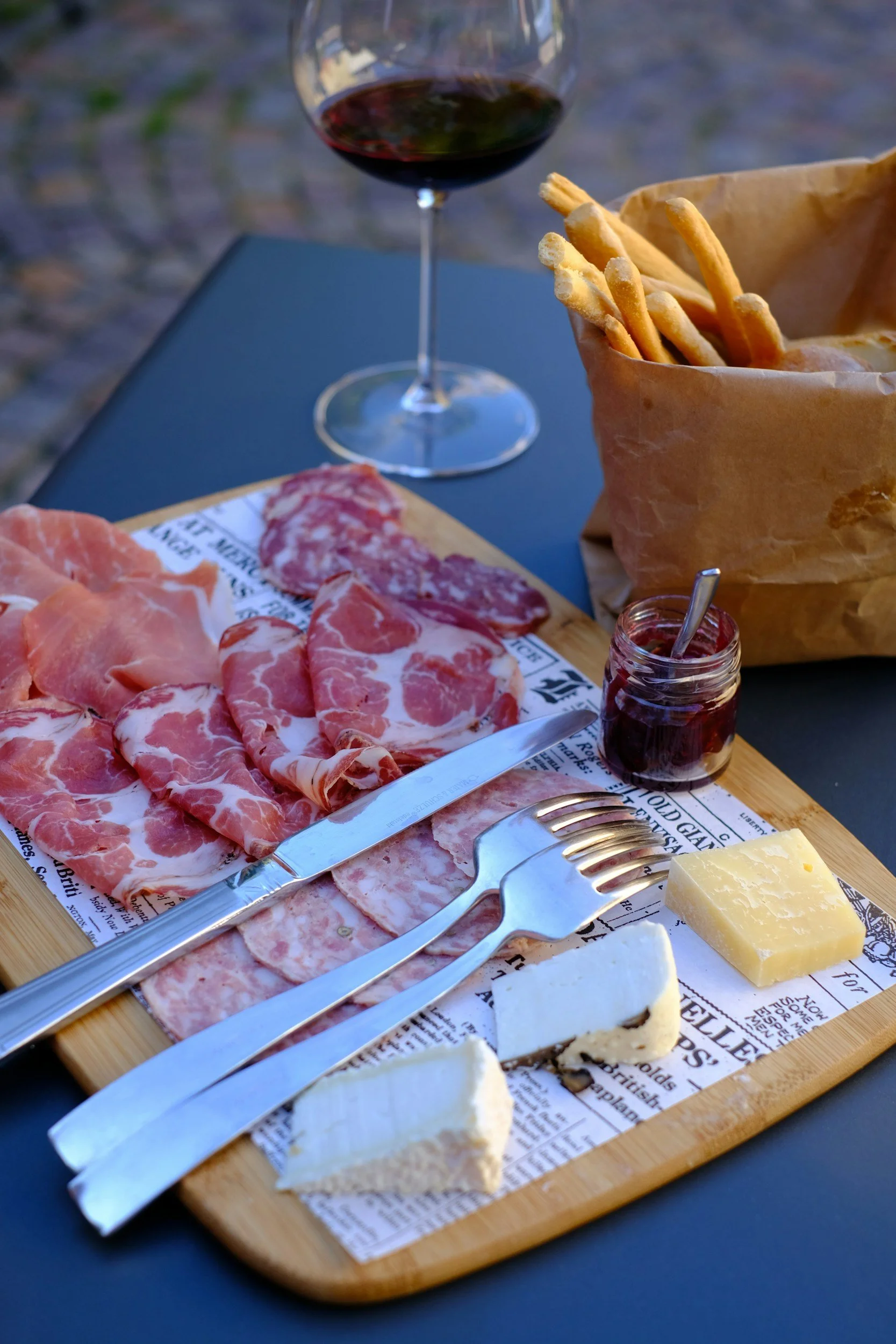
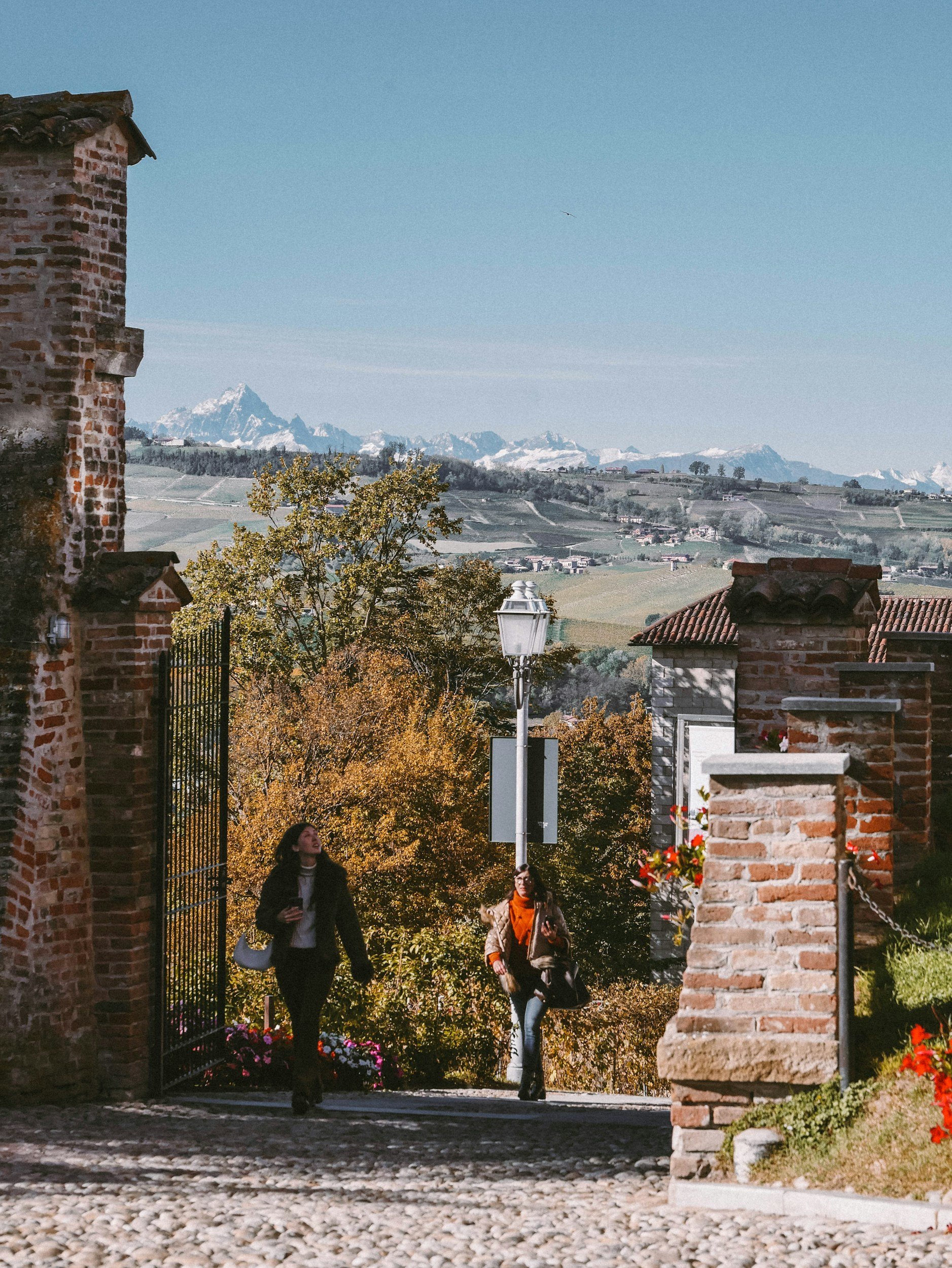
Getting to Barbaresco and Alba from Neive without a car
From Neive, both Barbaresco and Alba are close enough that you assume you’ll move between them easily, but once you’re there, you realise it’s something you plan rather than something you do on the spot.
Barbaresco is the closest, only about 4–5 km away. If you’re used to walking, it’s technically possible to get there on foot, but it takes close to an hour and the roads aren’t set up for it. You’re walking along narrow stretches with no pavement, and there aren’t natural stopping points along the way unless you’ve arranged something in advance. Most people either skip it or do it once and then rely on a taxi after that.
A taxi between Neive and Barbaresco takes around 10 minutes, but you need to book it. There isn’t a rank in the village, and you won’t find one passing through. If you’re planning to go there for a tasting or lunch, it’s usually arranged earlier in the day or even the day before.
Alba is slightly further, around 10–12 minutes by car, and it’s the place you’re most likely to visit if you want more choice for restaurants, shops, or just a change of pace. Without a car, it becomes more of a set outing. You book a taxi, go in for a few hours, and return later rather than going back and forth.
Even something like going into Alba for dinner and coming back the same evening needs to be planned. You’ll need to arrange both directions, and late evening taxis aren’t always easy to find without booking ahead, so it’s not something you decide last minute.
There are no practical train options directly from Neive, so everything depends on road transport.
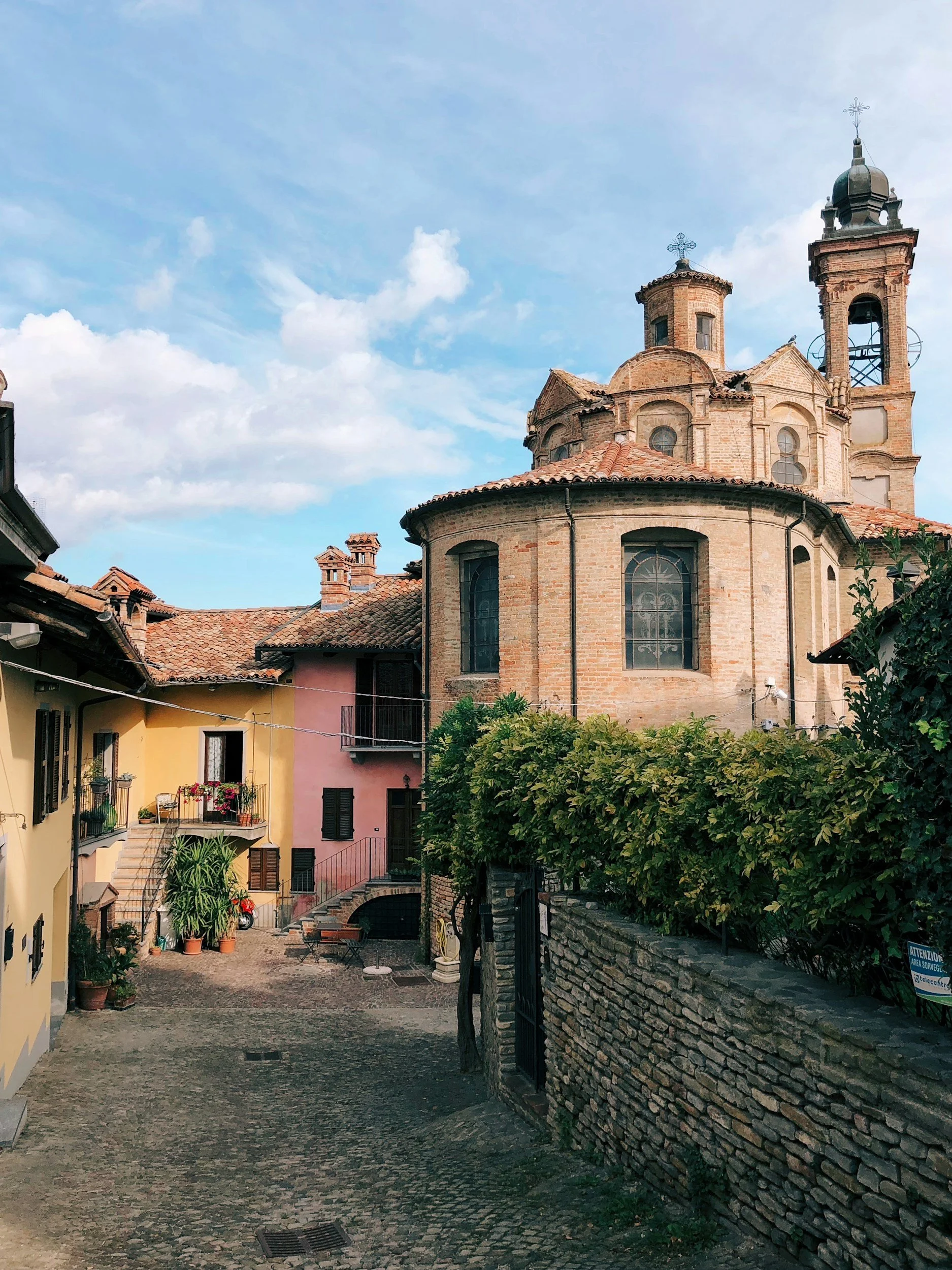
Using Asti as your base in Piedmont (practical, but less about vineyards)
Asti works best when you want things to be simple from the moment you arrive, especially if you’re coming by train and don’t want to deal with that last stretch into smaller villages.
If you arrive at Asti station, you can walk or take a short taxi up into the center in under 10–15 minutes, and once you’re there, you don’t need to think much about logistics. There are supermarkets, pharmacies, cafés that open early, and restaurants that don’t require planning days ahead. You can step out in the morning and know something will be open without checking.
It also makes sense if your trip isn’t only about vineyards. Asti is larger, with more going on during the day, and you can spend time walking through streets like Corso Alfieri, passing shops, stopping for coffee, and moving around without repeating the same route every few hours. It feels more like a town you live in for a few days rather than somewhere you stay only to leave again.
If you’re planning to move around the region, Asti is one of the easier places to do that from. Trains connect directly to Turin and Milan, and you can also reach smaller towns in Monferrato without needing a car. It’s not as close to the Langhe villages like Barolo and La Morra, but it gives you more flexibility overall if you’re not focusing on just one area.
Where it becomes practical is in the small details. You don’t need to think about where to buy water or snacks, you don’t need to book every meal in advance, and you don’t need to arrange taxis just to leave town. You can decide things during the day and adjust as you go.
It also works well if you’re staying longer. In smaller villages, a few days can start to feel repetitive, but in Asti, there’s enough variation in streets, cafés, and daily life that it doesn’t close in the same way.
You trade something for that, though. You’re not surrounded by vineyards when you step outside, and getting into the Langhe hills takes a bit more effort. But if you want a base where things are easy, connected, and don’t require planning every movement, Asti fits that role better than the smaller wine villages.
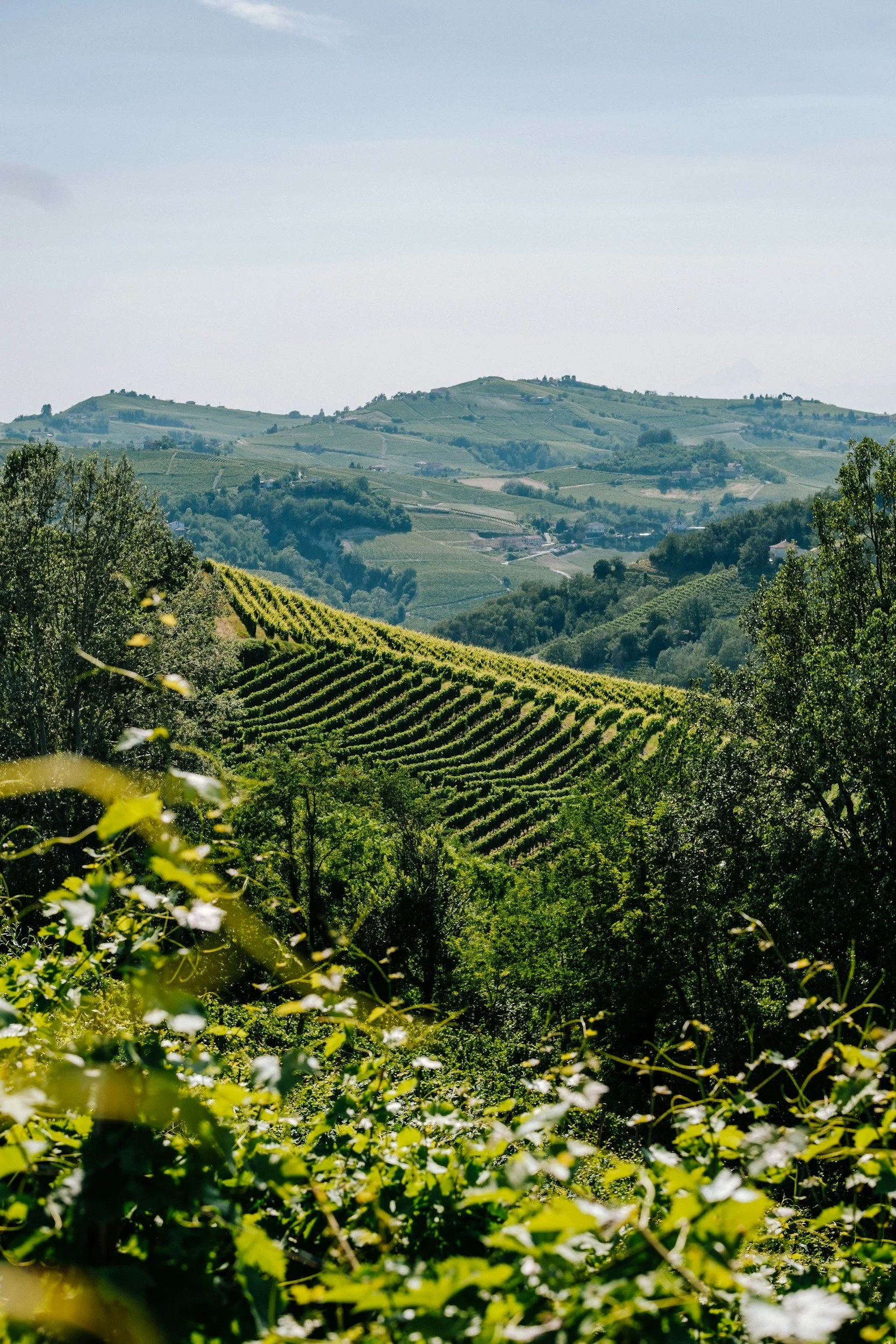
Train connections from Asti and how you actually use them
If you stay in Asti, the train station is what makes the whole place work differently from the smaller villages.
You’ll arrive into Asti Stazione, which sits below the center. When you step out, it doesn’t feel like much at first, just a typical station area, but within 10–15 minutes you’re up on Corso Alfieri, which is where you’ll spend most of your time. That short uphill walk or quick taxi is something you’ll repeat if you’re using trains during your stay.
From there, moving around is simple in a way it just isn’t from places like Barolo or La Morra.
Trains to Torino Porta Nuova run frequently enough that you don’t need to build your day around them. You can decide over breakfast that you want to go, walk down to the station, and be on a train within a reasonable window. The journey takes just under an hour, which makes it feel like a normal outing rather than something you need to plan carefully.
The same goes for Milan. You’ll find direct trains to Milano Centrale or Porta Garibaldi, usually taking around 1 hour 30 minutes. It’s the kind of connection that makes arrival and departure days much easier, especially compared to changing trains and then arranging taxis into smaller villages.
Where Asti becomes more useful is for smaller towns that don’t get much attention. You can take a train to places like Nizza Monferrato or Canelli, and while these aren’t high-frequency routes, they’re straightforward enough that you can fit them into a day without too much effort. You walk out of the station, spend a few hours there, and come back without needing to arrange a car.
Getting to Alba is possible, but there’s usually a change involved, often in Alessandria, and the timing isn’t always smooth. It works, but it’s not something you do casually just for a short visit.
What stands out after a day or two is that you stop thinking about logistics in the same way. You’re not booking taxis, you’re not timing everything around a single transfer, and you’re not stuck in one place unless you’ve planned something. You just check the next train, head down toward the station, and go.
You still won’t reach the vineyard villages directly by train, that part always requires a car or taxi, but everything leading up to that point feels easier from Asti than it does anywhere else in this region.
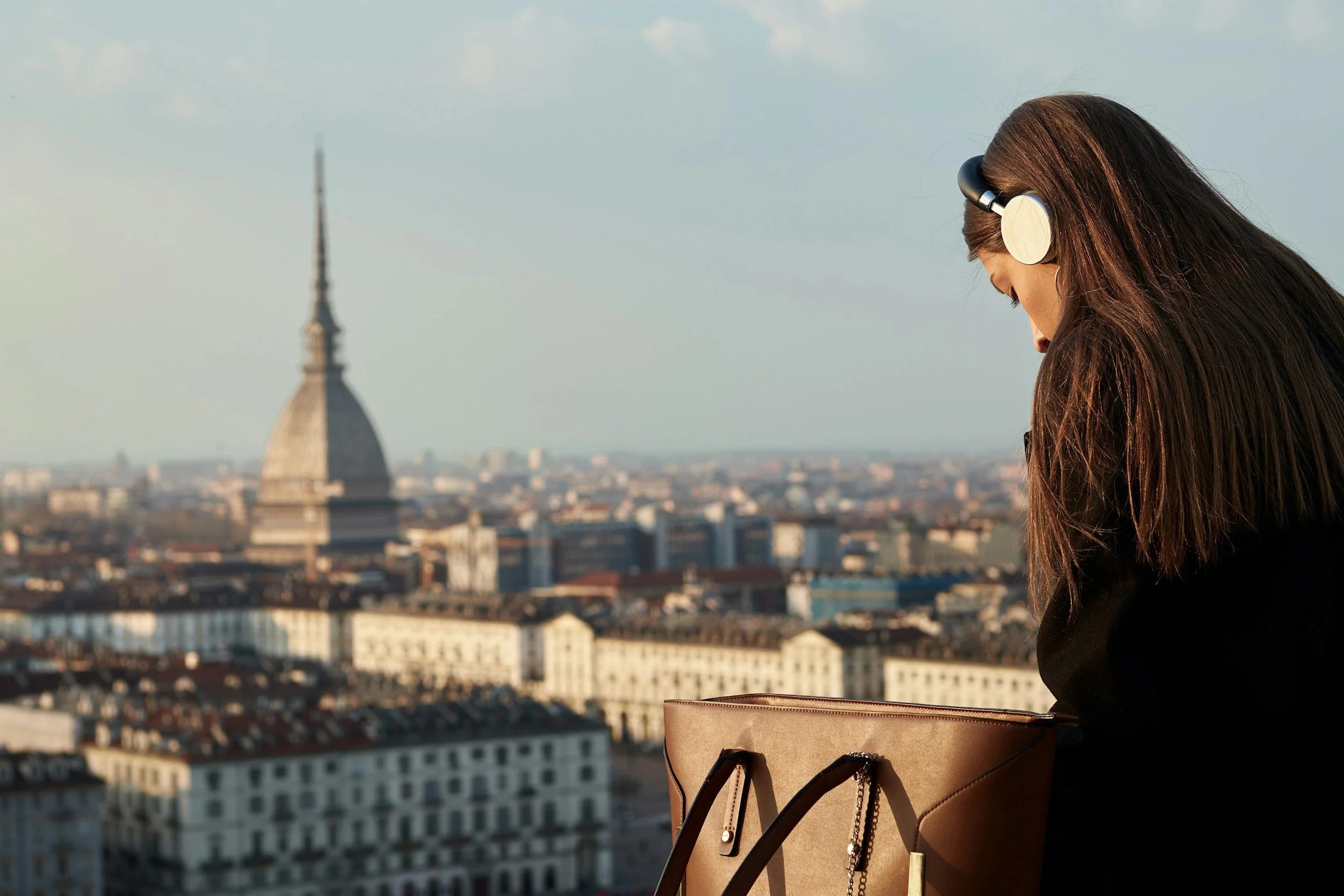
Walkability in Asti vs actually reaching the wine landscapes
Asti is easy to walk once you’re there, but that doesn’t mean you’re in the vineyards.
Most days start along Corso Alfieri, which runs through the center and connects everything you’ll use. You can walk from one end to the other in 15–20 minutes, passing cafés, bakeries, and shops without needing to think about direction. Side streets branch off toward places like Piazza San Secondo and Piazza Alfieri, and that’s where you’ll naturally end up stopping during the day.
It’s the kind of place where you can step outside and fill a few hours without planning anything. Coffee in the morning, a short walk, maybe stopping somewhere for lunch, and then continuing through a different street on the way back. You don’t repeat the same loop in the same way you do in Barolo or La Morra, because there’s more space and more variation in how you move through the town.
But once you want vineyards, you have to leave.
There’s no point in Asti where you turn a corner and suddenly you’re walking between vines. The town sits in the middle of the region, not inside the wine landscape itself, so even though you’re surrounded by wine areas, you’re not directly in them.
To get into the Langhe or even parts of Monferrato where you feel that vineyard setting, you’re looking at a 20–30 minute drive. Without a car, that means arranging a taxi or planning a train to somewhere nearby and then continuing from there. It’s not something you do casually for a short walk in the afternoon.
That’s the main trade-off. In Asti, everything you need day-to-day is right outside your door, and you can move around freely without thinking ahead. But the vineyards, the kind you walk through directly from your accommodation in La Morra or Barbaresco, aren’t part of that daily routine.
Is Asti worth staying in if you want vineyard views?
In Asti, things work without much effort, and that’s the main difference you notice after a day or two.
If you start your morning along Corso Alfieri, everything is already set up for you. Cafés are open early, bakeries are busy, and you don’t need to think about where to go. You can stop for coffee near Piazza San Secondo, pick something up on the way, and keep walking without planning the next step. It all feels easy in a way that smaller villages don’t.
The same goes for the rest of the day. If you need anything, a pharmacy, a supermarket, a place to sit down for lunch, it’s all within a short walk. You’re not adjusting your timing around opening hours or worrying about places being closed. You can decide things as you go and change plans without it affecting the whole day.
That ease is what makes Asti practical. You’re not thinking about logistics, you’re not booking ahead for everything, and you’re not limited to a small number of places. It’s a place where you can stay for a few days and not feel like you’ve seen everything too quickly.
But that same setup is also what separates it from the vineyard areas.
When you walk through Asti, you’re moving through a town, not through the landscape that most people come to this region for. You don’t step out and see rows of vines or quiet roads leading into the hills. You see streets, shops, and everyday life.
Even when you sit outside for a drink or walk through the quieter parts of the center, it doesn’t shift into that vineyard setting. You’re still in a town that functions on its own, not one that’s shaped by the surrounding wine landscape in the same immediate way as Barolo or La Morra.
So while everything works easily, and that makes your stay smoother, you’re always aware that the part people picture when they think of Piedmont, the vineyards, the hills, the slower movement between small villages, sits outside the town rather than around you.
Choosing between Langhe, Roero, and Monferrato
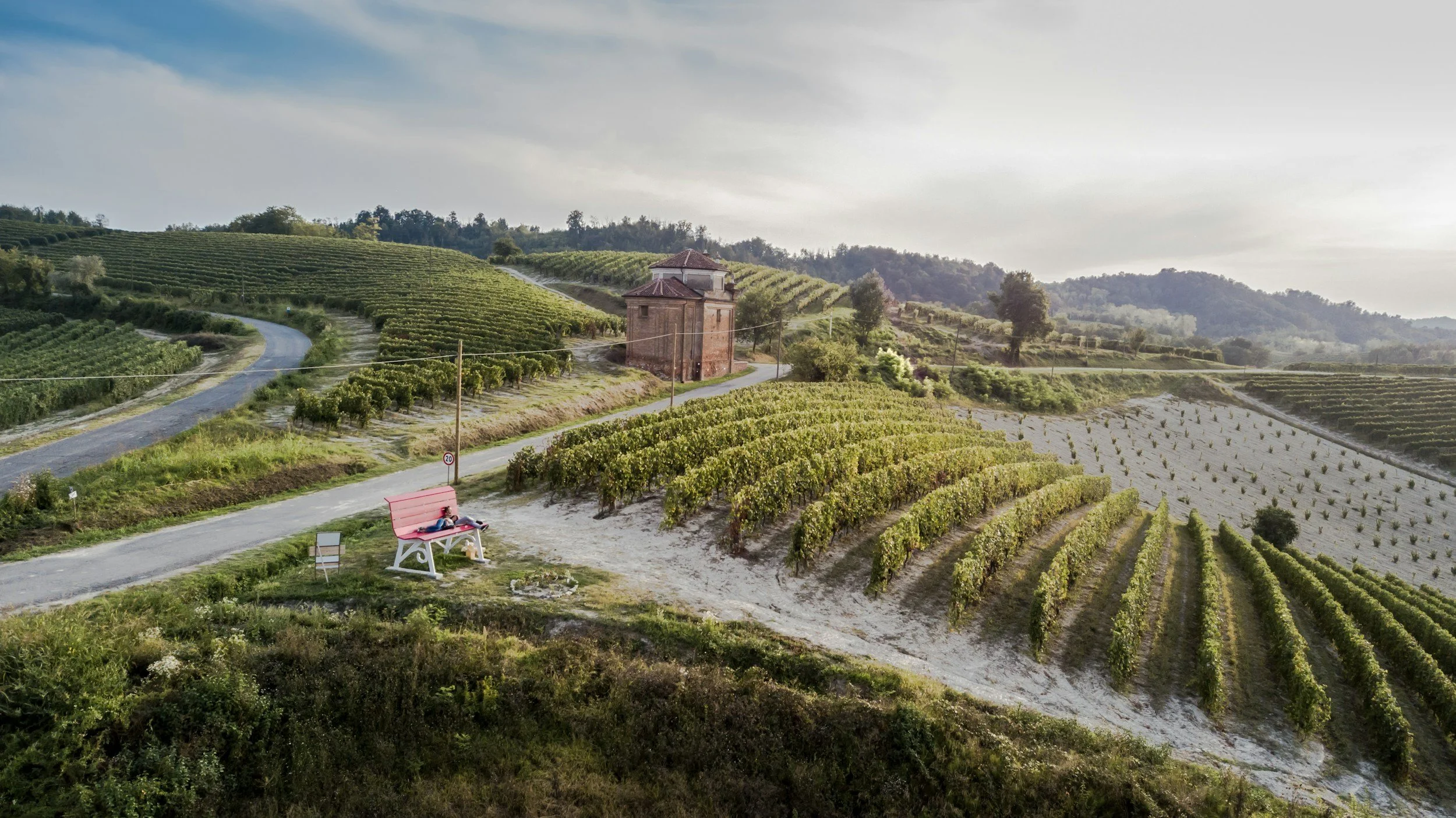
Langhe: you naturally move between places without planning much
If you stay in the Langhe, you don’t really sit still for long, even if you think you will.
You might start in Alba, walk out along Via Vittorio Emanuele for coffee, and then at some point decide to go out for a drive. Within 15–20 minutes, you’re already somewhere completely different, maybe near La Morra, passing vineyard signs like Brunate or Cannubi without having planned anything specific. It’s all so close that the day just builds on itself.
You’ll notice it in small ways. Cars constantly moving between villages, people arriving for tastings, taxis coming and going. Not in a busy way, just enough that you feel like you’re part of something that’s already in motion.
Even if you only plan one stop, you end up adding something else. You think you’ll go to Barolo for a couple of hours, and then you pass something on the way back and stop again. It’s easy to do that here, because nothing feels far.
Without a car, it changes slightly, but not completely. You’re still based somewhere like Alba, and you know Barbaresco is only 15 minutes away, Barolo maybe 25. You just have to commit to one place at a time instead of drifting between them.
Roero: you slow down whether you meant to or not
Roero feels quieter straight away, even though it’s right next to the Langhe.
You cross over, often near Bra, and suddenly there’s less movement. The roads feel wider, there are longer stretches where nothing really happens, and you stop seeing that pattern of people going from one tasting to another.
If you stay here, your day doesn’t fill up in the same way. You go out, maybe to one place you’ve booked, walk a bit, and then come back. You don’t feel that pull to keep going somewhere else, because there isn’t something obvious just around the corner.
It’s not empty, it just feels more spaced out. You might drive for 10–15 minutes without seeing much, and that changes how you plan your time without you really noticing.
Without a car, it becomes difficult quite quickly. You can get to Bra by train, but after that, everything depends on taxis, and there aren’t many. It’s the kind of place where you either stay put or commit to going somewhere, there’s not much in between.
Monferrato: you pick a place and stay there for the day
Monferrato feels less obvious when you arrive, and it takes a bit longer to understand how to use it.
If you base yourself somewhere like Asti or head out to Nizza Monferrato or Canelli, the day doesn’t naturally split into different stops. You arrive, walk through the town, maybe sit somewhere along the main street, and before you realise it, you’ve spent most of your time there without thinking about moving on.
The vineyards are still there, but they’re not constantly around you in the same way. You’re not passing vineyard names every few minutes or feeling like you’re in the middle of a wine route. It’s more mixed, a bit more everyday.
What makes it easier is the train connections, especially from Asti. You can go to a place like Canelli without a car, spend a few hours, and come back. But once you’re there, you don’t really combine it with something else. You stay, and that’s the day.
It feels less structured overall… You don’t get that sense of “next stop” the way you do in the Langhe. Some people like that, others feel a bit unsure of how to fill the time.
Planning your days without trying to fit everything in
It usually starts the same way. You sit and look at the map and think it makes sense to combine things. Barolo in the morning, La Morra for lunch, Barbaresco in the afternoon, maybe back to Alba for dinner. Nothing looks far. You zoom in, see the short distances, and it feels like you’d be wasting time if you didn’t connect them….
What actually happens once you’re there
Then you arrive somewhere like Barolo, walk up toward Castello Falletti, wander along Via Roma, maybe step into a tasting room, and suddenly it’s already midday without you trying to “do” anything.
You sit down for lunch, maybe somewhere just off the main street, and after that you’re not really thinking about leaving anymore. The idea of going somewhere else feels like starting the day again rather than continuing it.
It’s the same in La Morra. You walk out past Piazza Castello, drift down toward the vineyards below the belvedere, come back up, and by the time you’ve had something to drink or eat, a few hours have gone without you noticing.
Even in Alba, where there’s more going on, the morning disappears quickly. You stop for coffee near Piazza Duomo, walk along Via Vittorio Emanuele, maybe pass through the side streets toward Piazza Savona, and you’re already into the afternoon.
Where things start to feel off
It’s usually when you try to leave too early or add something else on top.
You check the time, realise you should head to Barbaresco next, start thinking about the drive or the taxi, whether you’ll make a reservation, and how long you actually have once you get there.
Instead of staying where you are, you’re already halfway into the next plan.
The classic version is trying to do Barolo and Barbaresco in one day. It works on paper, but in reality it turns into shorter stops, more time checking logistics, and less time actually sitting anywhere.
What a day ends up looking like instead
Most days here settle into something much simpler.
If you’re based in Alba, you spend the morning in town, then head out to one place, either Barolo or Barbaresco, not both. You stay there, maybe do one or two tastings, walk a bit, and then come back.
If you’re in La Morra, you often don’t leave at all. You walk out into the vineyards for an hour, come back up, have lunch somewhere near Via Roma, and that already fills most of the day.
In Neive, it’s even more contained. You move between Via Cocito and the old town, stop somewhere, walk a bit, and that’s enough without needing to go anywhere else.
Seasonal shifts that change where you should stay in Piedmont
If you arrive in Alba on a Saturday in October, you’ll notice it within minutes of stepping onto Via Vittorio Emanuele. The street is already full by late morning, the market spills out around Piazza Savona, and the area near Piazza Risorgimento gets crowded because of the truffle fair.
It’s not just “busier”, it changes how your day works. Coffee takes longer, lunch needs to be timed, and by the afternoon you’ll see people queueing outside restaurants that don’t usually require planning. By 18:00, most dinner spots are already booked, and if you haven’t reserved anything, you’ll end up walking the same streets trying your luck.
Even getting around becomes less flexible. Taxis from Alba out to Barolo or La Morra need to be booked earlier, and the roads between villages have more traffic than you’d expect for such a small area.
This is where staying somewhere like La Morra, Barbaresco, or Neive makes a noticeable difference. You’re still close enough to go into Alba when you want to, but you’re not starting and ending your day in the busiest part of the region. You can come back to somewhere quieter in the evening, which changes the pace completely.
May to June (everything works without needing to plan too much)
Late spring is when the whole area feels easiest to move through.
You can walk out in Alba around 9:00, get a coffee near Piazza Duomo, find a table without waiting, and just let the day build from there. Restaurants still get busy in the evening, but you don’t need to organise everything ahead of time, and it’s easy to adjust plans if something changes.
In smaller villages like La Morra or Barbaresco, it’s the same feeling. Places are open, but not full. You can walk through the center, decide on lunch without checking three alternatives, and book dinner the same day without it being a problem.
Walking works better too. Roads out of La Morra toward Brunate or from Neive into the surrounding vineyards are quiet, temperatures are comfortable, and you don’t need to think about heat or crowds shaping your day.
This is the time when your base matters less, because everything is flexible. You can stay in Alba, La Morra, Neive, or even Asti and not feel like you’ve made the wrong choice.
July to August (heat changes your routine more than anything else)
In summer, the main thing you adjust to isn’t crowds, it’s timing.
If you’re staying in La Morra or Barolo, you’ll find yourself outside early, walking through the vineyards before 10:00, because after that it gets too warm to enjoy it properly. By early afternoon, most people are indoors, and the villages feel quieter even if they’re not empty.
Alba works differently during this period. You’ll notice that Corso Vittorio Emanuele and the surrounding streets stay active, but the pace slows in the afternoon, then picks up again around 20:00. Dinner shifts later, and people stay out longer once the temperature drops.
This is when having access to cafés, shade, and somewhere to sit during the day becomes more important. Staying in Alba or Asti makes the middle of the day easier, while La Morra or Barbaresco feel better early morning and later in the evening.
December to February (what’s actually open matters more than location)
Winter changes things in a quieter way, but it affects your stay more than you might expect.
If you’re in Barolo or La Morra, you’ll notice that not everything is open. Some restaurants only open a few days a week, a few tasting rooms close completely, and even cafés don’t always follow regular hours. You can still walk through the vineyards, but the days feel more empty, and you need to check opening times before heading out.
In Barbaresco and Neive, it’s similar. You can stay there, but you’ll be relying on a small number of places that are actually open, and evenings become even more limited than usual.
This is where Alba or Asti become easier bases. In Alba, shops along Via Vittorio Emanuele stay open, restaurants run more consistently, and you don’t need to plan every meal. In Asti, you have even more flexibility, with supermarkets, cafés, and train connections all working normally.
Winter can still be a good time to visit if you want things quieter, but where you stay becomes less about preference and more about what’s realistically available day to day.
If you’re comparing Piedmont to Tuscany and unsure how they differ once you’re actually there, these Tuscan villages give a clearer sense of what they are like.
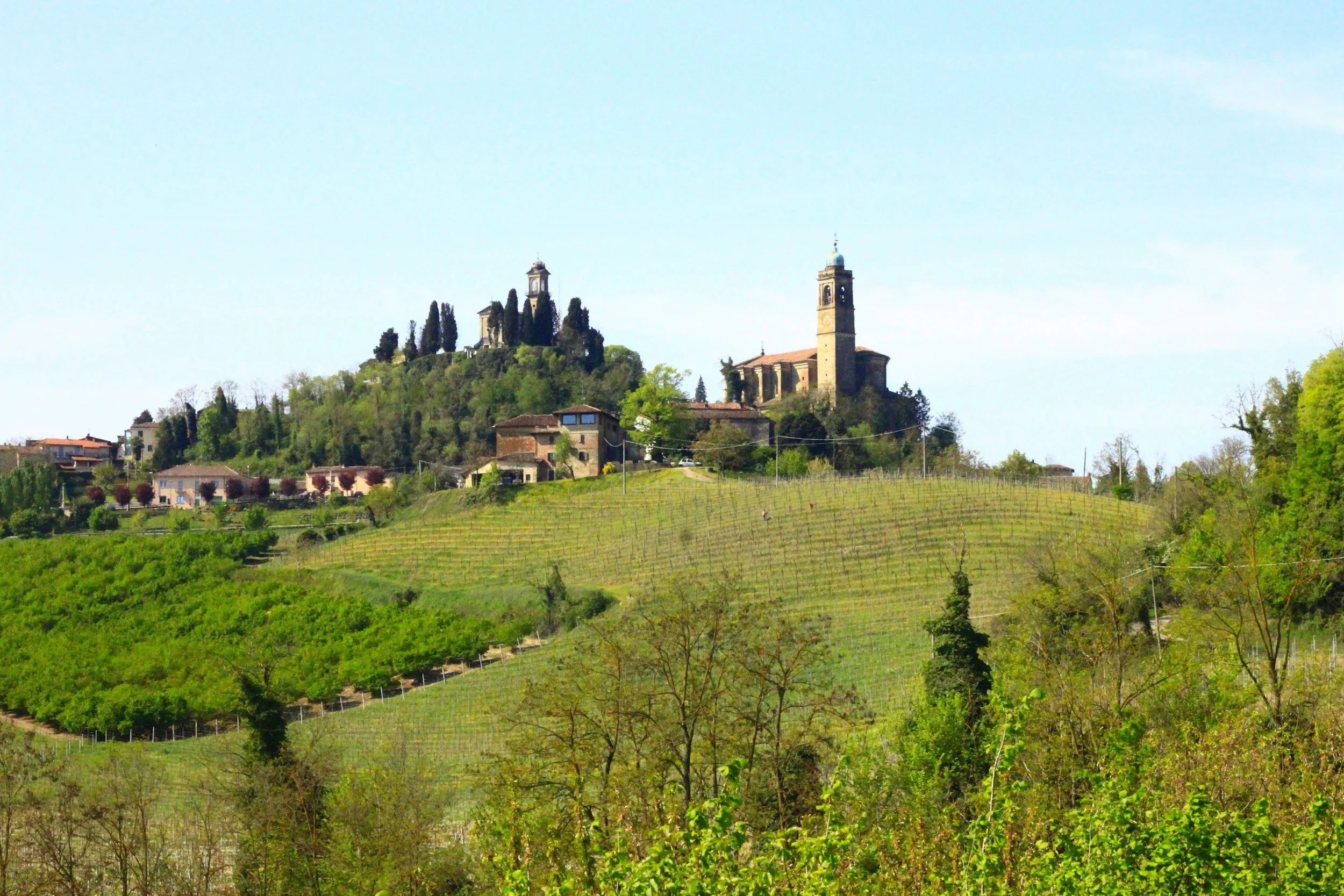
FAQ: Where to stay in Piedmont for wine and walkable towns
Where is the best place to stay in Piedmont for wine tasting?
If you want the easiest base, stay in Alba. You can walk everywhere, there are plenty of restaurants, and it’s the simplest place to arrange taxis or tours to Barolo and Barbaresco.
If you want to stay directly in the vineyards, choose La Morra. You can walk out into the vines from the village, and it feels more connected to the landscape.
Barolo and Barbaresco work, but they are smaller and more limited. Most people find 1–2 nights enough there before it starts to feel repetitive.
Is Alba or Barolo better as a base in Piedmont?
For most people, Alba works better.
In Alba, you can walk along Via Vittorio Emanuele, find a café at any time of day, and decide dinner without planning too far ahead. You also have a train station and easier access to taxis.
Barolo is much smaller. Once you’ve walked around Piazza Falletti and Via Roma, you’ve seen most of it. It’s a good place to stay for a short, quiet stay, but not ideal if you want flexibility.
Can you visit Barolo and Barbaresco without a car?
Yes, but you need to plan each day.
From Alba, a taxi to Barolo takes around 25 minutes, and to Barbaresco about 15 minutes. These usually need to be booked in advance, especially from September to October.
You can also join wine tours that handle transport, but they follow fixed routes.
Public transport exists, but it doesn’t line up with tasting times, so most people don’t use it.
Is Piedmont easy to visit without a car?
It’s manageable, but not effortless.
If you stay in Alba or Asti, you can get around by train and taxi. If you stay in La Morra, Barolo, or Barbaresco, you’ll need to plan transport every time you leave the village.
Most people without a car end up doing one area per day rather than moving between multiple places.
How do you get around the Piedmont wine region?
You either rent a car or base yourself in Alba and use taxis.
Driving is the easiest way to move between villages like Barolo, La Morra, and Barbaresco, since they are 10–30 minutes apart but not connected by train.
Without a car, taxis and wine tours are the main option, and both need to be arranged ahead of time.
How many days do you need in Piedmont wine region?
3 to 4 days is enough for most trips.
That gives you time to stay in one base, visit one or two other villages, and still have slower days without rushing.
If you stay longer, it helps to split your time, for example between Alba and La Morra, so the days don’t start to feel the same.
Is it better to stay in Barolo, La Morra, or Barbaresco?
La Morra is usually the easiest of the three.
It’s slightly more spread out than Barolo, quieter in the evenings, and you can walk straight into the vineyards from the village.
Barolo is very compact and works well for 1–2 nights.
Barbaresco is smaller and calmer, but also has fewer cafés and restaurants, so your days stay more contained.
Can you walk between towns in Piedmont wine region?
Not in a practical way.
You can walk out into the vineyards from places like La Morra or Barbaresco, but walking between towns like Barolo and La Morra takes over an hour and involves uphill sections on narrow roads.
Most people walk locally and use a car or taxi to move between villages.
Is Asti a good base for visiting Piedmont vineyards?
Asti works if you want easy logistics.
You have direct trains to Turin and Milan, supermarkets, cafés, and restaurants that don’t require planning ahead. Walking around Corso Alfieri feels very different from the smaller villages.
But you’re not in the vineyards. Reaching Barolo or Barbaresco still takes around 30 minutes by car, so you need to leave town to get that experience.
Where should you stay for Barolo vs Barbaresco wineries?
Stay near La Morra or Barolo if you want to focus on Barolo wines.
Stay near Barbaresco or Neive if you want to focus on Barbaresco wines.
If you want to see both areas without changing hotels, Alba is the easiest base, since both are within 15–30 minutes by car.
When is the best time to visit Piedmont for wine and fewer crowds?
May and June are the easiest months.
Everything is open, the weather is comfortable, and you don’t need to book restaurants far in advance.
September and October are the busiest because of harvest and truffle season. Alba, especially around Piazza Risorgimento, gets crowded on weekends, and bookings become essential.
Do you need to book restaurants in Piedmont in advance?
Yes, especially in smaller villages.
In La Morra and Barolo, there are only a few restaurants, and most are fully booked by the evening, even midweek.
In Alba, you have more flexibility, but during busy months it’s still safer to book earlier in the day.
What is the easiest town to stay in Piedmont without a car?
Alba is the easiest.
You arrive by train, walk everywhere, and can organise day trips to the vineyards without needing to drive.
Other villages are more limited without a car, because you need to arrange transport for almost every outing.