
Visit Matera before summer? Here's why it's worth it
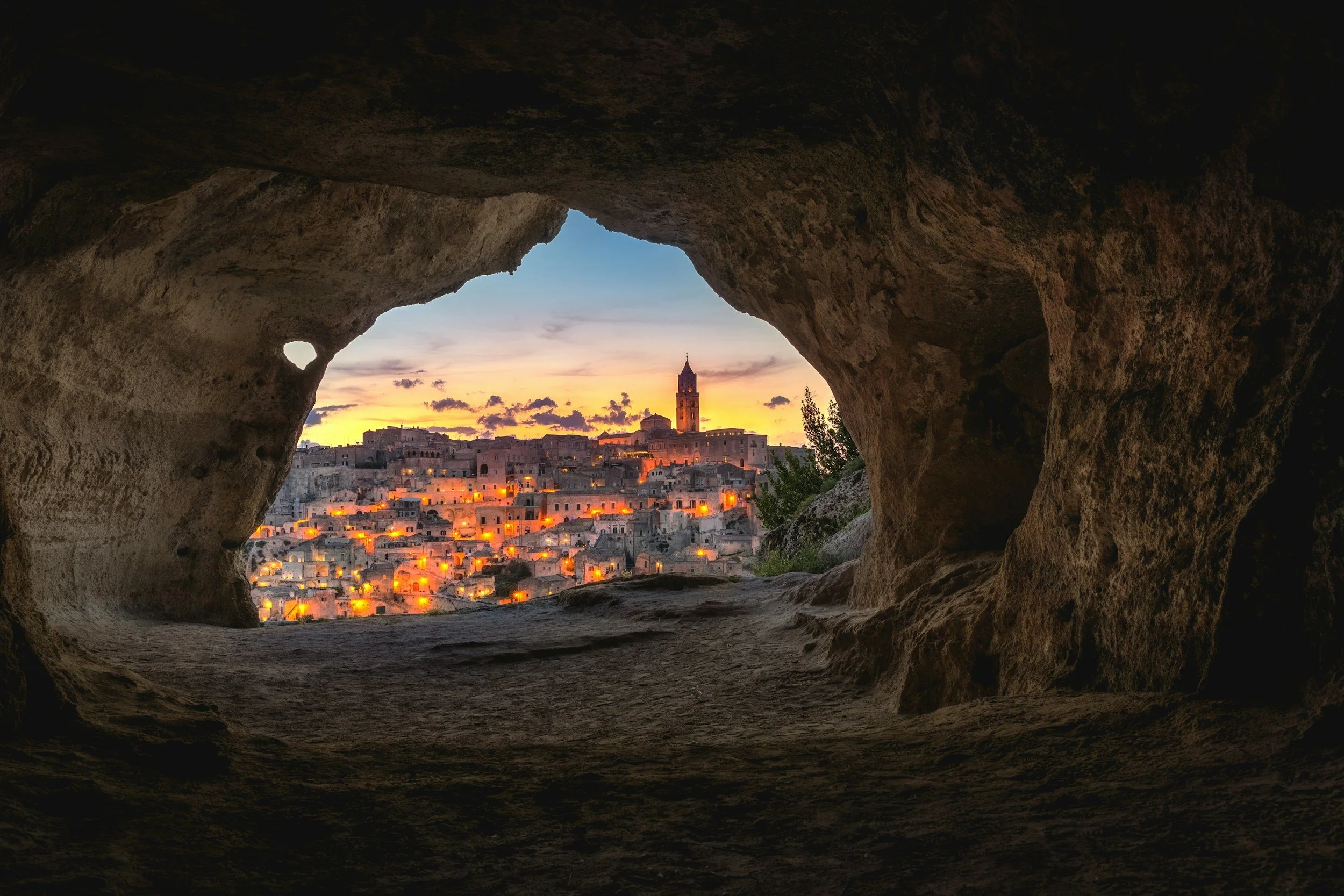
Matera is one of the most unusual places to visit in Italy. The city sits in the southern region of Basilicata, built directly into a limestone ravine where entire neighborhoods were carved into the rock centuries ago. What looks like rows of small stone houses from afar are often cave homes, churches, and staircases layered into the cliffs.
Walking through Matera feels very different from most Italian cities. Instead of wide streets and busy piazzas, you move through narrow alleys, stone stairways, and quiet viewpoints overlooking the canyon. Much of the historic center is still made up of the ancient Sassi districts, where people have lived in these cave dwellings for generations.
Visiting before the height of summer makes the experience far more enjoyable. Temperatures are easier for walking, the viewpoints are quieter, and it becomes easier to appreciate the details that make Matera so memorable.
This guide looks at what it’s like to visit Matera at a slower pace, including where to wander, the viewpoints worth seeking out, and how to experience the city before the peak summer crowds arrive.
If you enjoy places in Italy that feel a little calmer and easier to explore slowly, you might also like this guide to quiet places in Italy for thoughtful travelers.
Matera, Italy
Where is Matera in Italy?
Matera is located in southern Italy in the region of Basilicata, close to the border of Puglia. The city sits on the edge of a deep limestone canyon known as the Gravina, where houses, churches, and entire streets have been carved directly into the rock.
Although Matera feels remote when you arrive, it is actually quite easy to reach from Bari, one of the main cities in southern Italy. Many travelers combine Matera with destinations in Puglia, such as Alberobello or the coastal towns along the Adriatic.
If you’re already exploring southern Italy, it’s also easy to combine Matera with the Cilento Coast, one of the most relaxed coastal regions in the country.
How to get to Matera
Matera does not have a direct station on Italy’s main national railway network, which is one reason it still feels slightly removed from the busiest tourist routes.
Most visitors arrive via Bari, which is the closest major city with an airport and high-speed train connections.
From Bari you can reach Matera by:
• Regional train (Ferrovie Appulo Lucane) – about 90 minutes
• Bus – about 1 hour
• Car – around 1 hour
Many travelers combine Matera with other slower journeys through Italy, especially if you enjoy traveling by train and spending a few days in smaller places along the way.
Where to Stay in Matera: A Cave, But Make It Cozy
Let’s start with what makes Matera feel so different: the Sassi. These ancient cave dwellings are what people come to see, but staying in one? Whole other story.
Le Dodici Lune: Right in the Sasso Caveoso district, this place blends modern comfort with cave charm. Think stone walls, good mattresses, warm lighting, and silence that hits different.
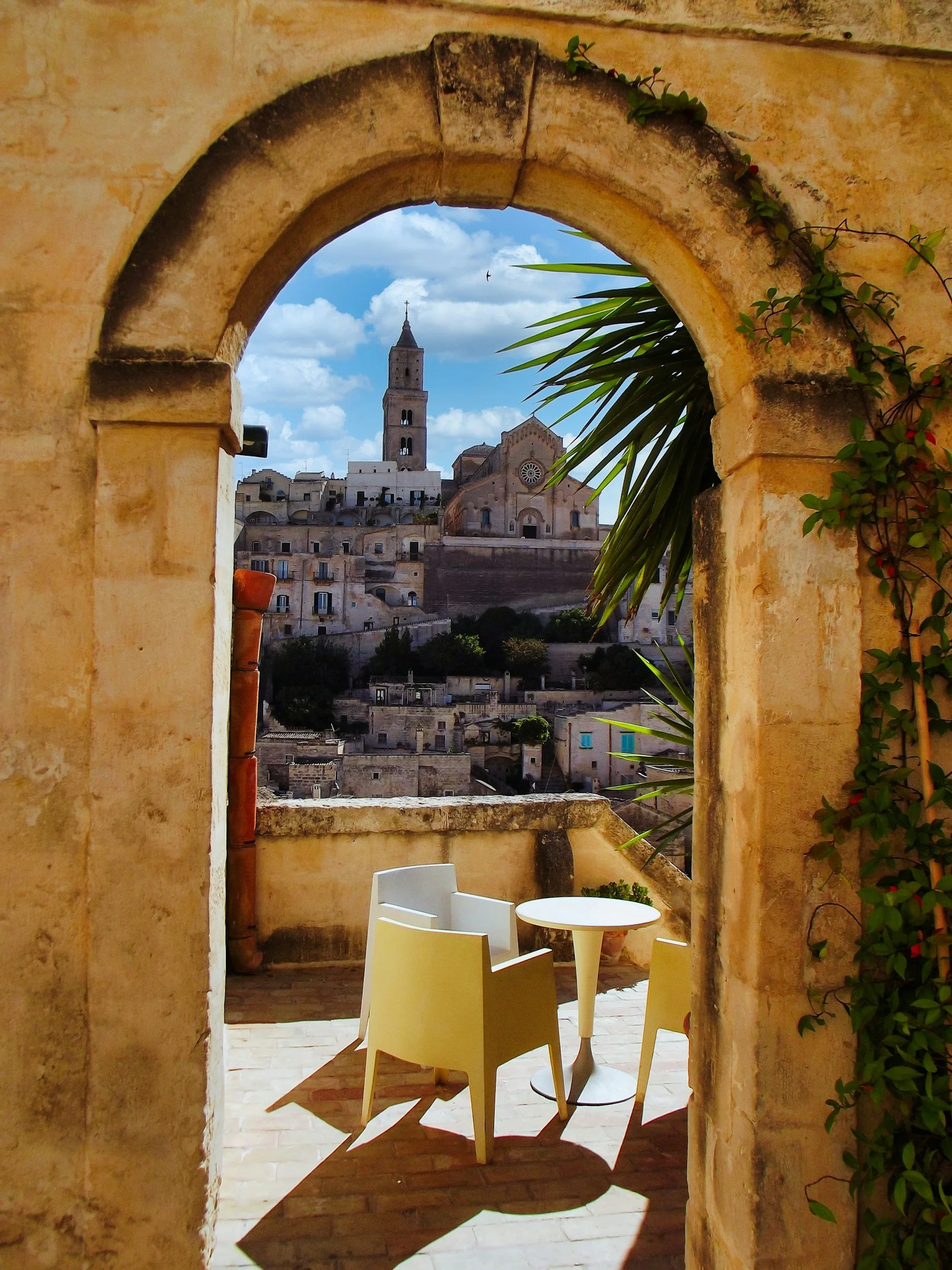
Corte San Pietro: Beautifully restored and tucked into the quieter part of town. It’s got that candlelit courtyard vibe that makes you want to write a novel (or just take a nap with a view).
Most of these boutique cave hotels include breakfast and are easy walking distance to the old town’s best viewpoints.
A Quiet day in Matera
You don’t need to go full spiritual retreat here, but Matera kind of invites you to turn the volume down a bit. Here’s how to slow-walk a day that leaves space to breathe:
Morning: Start early. Not to hustle, but because sunrise over the Sassi is quiet magic. Grab a pastry from I Vizi degli Angeli and sit with your coffee on the steps above Piazza San Pietro Caveoso.
Late Morning: Wander up to Casa Noha, a multimedia intro to Matera’s history in a former noble home. It’s small, well done, and helps you understand what you’re walking through. From there, follow the stone alleys to Santa Lucia alle Malve, a rock church with faded frescoes that feel oddly intimate.
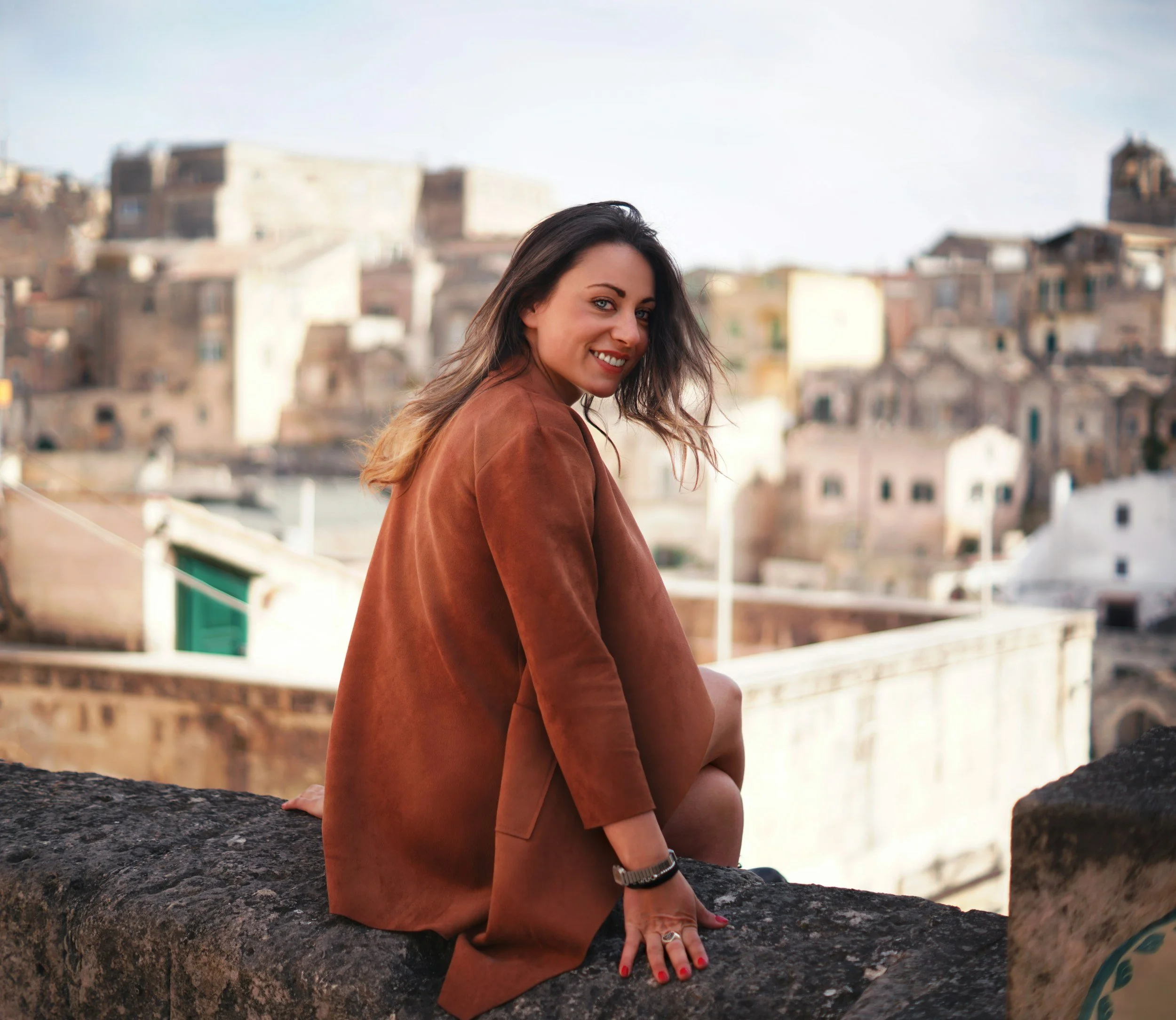
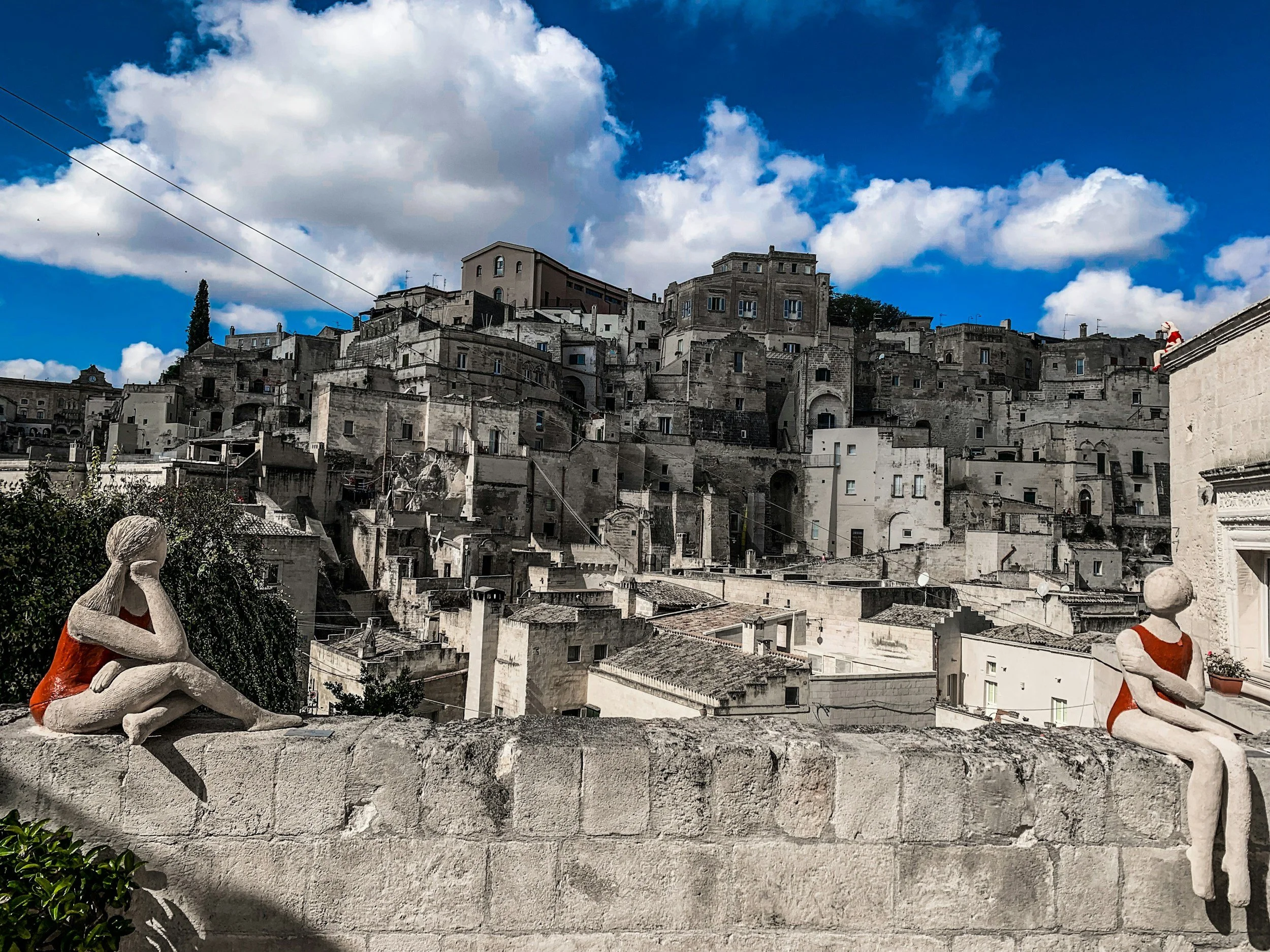
Statue by Margherita Grasselli in Matera
Lunch: Head to Trattoria Lucana (yes, the one Anthony Bourdain visited) for handmade orecchiette with local ricotta. It’s unfussy and perfectly salty.
Markets are still an important part of everyday life in many Italian towns, which is something you’ll notice quickly if you explore some of the small town markets across Italy.
Afternoon: Rest. Matera heats up mid-day, even in May, and the stone soaks up every bit of it. This is a great time to journal, nap, or visit a cool cave cistern like Palombaro Lungo if you need an activity.
Evening: Watch golden hour from Belvedere di Murgia Timone across the ravine. Bring a bottle of local wine and stay till the lights flicker on in the Sassi. Then head back for a cozy dinner at Ristorante Francesca or Vitantonio Lombardo, depending on your budget and vibe. We always recomend to make table reservations to not be disappointed.
Slowly Wander Through Matera
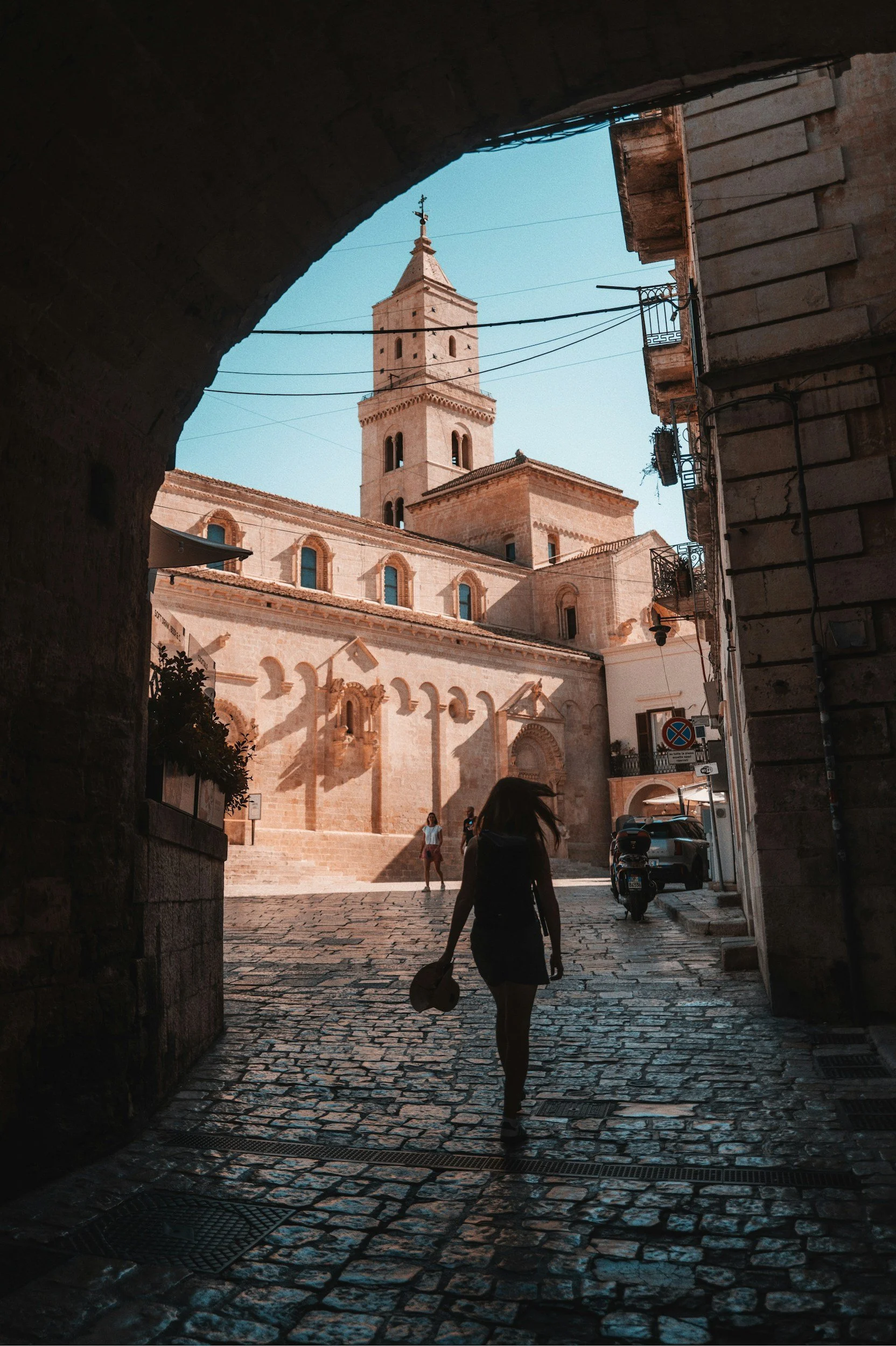
Matera is a walking city. Just... bring shoes with grip, because the stones can be slippery. Here's where to get a little lost:
Via Ridola
If you’re in the mood for a cozy walk with a gelato in hand, this is the street to wander down. Lined with little bookshops, art galleries, and open squares, Via Ridola is easy to love. It’s less chaotic than the main tourist zones and still full of character. Pop into the Museo Ridola if you feel curious: it's small, quiet, and packed with local history without overwhelming you. Ideal for a mid-morning stroll when the sun’s warm but not yet too hot.
If you enjoy discovering quieter regions of Italy, places like the Prosecco Hills offer a similar kind of slower travel experience.
Civita Area
This is the old heart of Matera. It’s the part most people picture when they think of the city: stone churches, ancient walkways, and sweeping views of the Sassi. While it can get busy later in the day, mornings here are surprisingly calm. You’ll find golden light pouring over rooftops and silence in the narrow lanes. It’s a great place to just walk, look, and breathe - especially if you’re someone who values a peaceful photo walk over rushing from one attraction to the next.
Sassi alleys between Caveoso and Barisano
This is where Matera really starts to feel like a living, breathing place: not just a beautiful backdrop. The narrow paths that weave between the Sassi neighborhoods are filled with quiet, unscripted moments: laundry strung up between buildings, sleepy cats lounging on sunlit steps, neighbors chatting across balconies. These in-between zones are where you get a sense of real life. It’s unfiltered, humble, and kind of magical.
Northern Italy also has places where the pace feels very different, like this weekend in Valle Maira, a valley known for its walking trails and wildflower meadows.
A Few Cozy Highlights in Matera
Lanfranchi Bookshop
Set just off Via Ridola, this little bookshop is a gem. You’ll find everything from travel journals and Italian cookbooks to poetry and local history books. It’s the kind of place ideal for flipping through pages in peace or picking up a thoughtful souvenir that isn’t just another postcard.
Area 8
Equal parts coffee shop, bar, and creative space, Area 8 is where locals go when they want something a little different. During the day, it’s quiet enough to journal, read, or just sip something cold while soaking in the artsy vibe. At night, it sometimes hosts events or live music, but even then it keeps that easygoing energy. A great spot to unwind if you’re traveling solo and want somewhere that feels both social and relaxed.
Gelida Voglia
Yes, it’s technically a chain - but if you’re looking for reliable gelato that actually tastes like the fruit or nut it claims to be, this is your stop. It’s consistently good, with rich flavors and generous portions. Grab a cone, find a sunny step, and enjoy the simple pleasure of good gelato in a beautiful place.
Best viewpoints in Matera
One of the best ways to understand Matera is to step back and look at the city from across the ravine. The Sassi di Matera, the city’s ancient cave districts, are now a UNESCO World Heritage Site and one of the oldest continuously inhabited settlements in the world.
The Belvedere di Murgia Timone viewpoint is one of the most impressive. From here you can see the entire Sassi district rising from the canyon walls, especially beautiful in the late afternoon when the stone turns warm gold.
Another easy viewpoint is near Piazza Duomo, where terraces open toward the canyon and the cave neighborhoods below.
If you enjoy wandering, the streets around Via Madonna delle Virtù offer quieter perspectives over the Sassi, especially early in the morning before day visitors arrive.
Frequently Asked Questions: Visiting Matera, Italy
How to get to Matera from Rome without driving?
Take a train from Rome to Bari or Taranto, then transfer to a local bus or regional train. Another option: direct buses from Rome Tiburtina to Matera (about 5 hours total) are comfortable and budget-friendly.
Best time to visit Matera to avoid crowds?
May, early June, and September are ideal. The weather is still warm, flowers are in bloom, and the crowds haven’t yet arrived - or have just left. Early mornings in the Sassi are especially calm and atmospheric.
Where to stay in Matera Sassi for a quiet experience?
Try the area between Sasso Caveoso and Barisano. Look for cave hotels or guesthouses with views, breakfast included, and personal touches. These neighborhoods are still central but much quieter than the Civita peak zones.
Is Matera walkable for solo female travelers?
Yes. Matera’s historic center is compact and safe, especially during the day and early evenings. It’s all about comfortable shoes, a crossbody bag, and slow exploring. Locals are friendly and the streets are usually filled with people dining or strolling - not partying.
Offbeat things to do in Matera besides the Sassi?
Visit the Palombaro Lungo (an underground water cistern), browse books and crafts on Via Ridola, or sip a spritz at Area 8, a creative café-bar. For nature, walk the panoramic Belvedere trails across the ravine for a unique view of the city.
How many days do you need in Matera?
Two full days is perfect. One for exploring the historic center, cave dwellings, and museums; another for sunrise walks, café stops, and relaxing in the quiet alleyways. Add a third if you want to include hiking or day trips nearby.
Is Matera expensive for food and hotels?
It’s very reasonable compared to Rome or Florence. You can find boutique cave hotels under €150/night and great local meals under €20. Many guesthouses include homemade breakfast and helpful local tips.
What to pack for Matera in the fall?
Layers are key: light sweaters, a jacket, comfortable walking shoes with grip (the stones can be slippery), and something weatherproof in case of rain. A small daypack and portable charger will come in handy for long days out.
Is Matera worth visiting in spring?
Definitely. Spring brings blooming wildflowers, mild temperatures, and fewer tourists. It’s the perfect time for peaceful mornings, bike rides, and outdoor meals without the summer heat.
Can you stay in a cave hotel in Matera?
Yes, and it’s one of the best parts of visiting. Many of the old cave dwellings have been transformed into boutique hotels, combining ancient architecture with cozy, modern comforts.
Can I work from there?
Technically yes, but Wi-Fi in the caves can be patchy. You’ll find better connectivity in modern cafes and hotels - but maybe take the chance to unplug a little too.
If this sounds like your kind of trip, you’re probably one of us. Join the slow travel circle and get more under-the-radar inspiration like this every week. Sign up for our newsletter.