Why July is a great time to visit France's thermal spa towns
By the middle of July, there is a very specific kind of fatigue that starts creeping into a lot of French destinations.
You notice it in places that are supposed to feel relaxed. A small lake town where every terrace is suddenly full by 18:30. A market village where you spend twenty minutes looking for parking in full sun before realizing half the visitors are there on day trips from somewhere else. Restaurants simplifying their menus because the kitchen is overwhelmed. Apartment prices doubling compared with early June.
French thermal spa towns can feel surprisingly separate from that, but only certain ones.
Some still revolve around people staying for three-week thermal cure programs, which changes the atmosphere immediately. The mornings are busy long before tourists would normally wake up. Pharmacies open and fill early. People queue outside bakeries carrying reusable shopping bags instead of beach towels. By midday, a lot of the streets are quiet again because everyone disappears indoors during the heat.
And the towns vary much more than they first appear online.
In places like Vichy, you can arrive by train, walk ten minutes to your hotel, buy groceries nearby, and spend four or five days without really thinking about logistics again. In somewhere like Amélie-les-Bains, the hills start feeling much steeper after two afternoons of heat, and by Sunday evening you suddenly realize most of the town has shut down apart from a few places near the thermal center.
The mountain spa towns feel different too. In Bagnères-de-Luchon, people are still sitting outside after dinner with jackets by late evening because the air cools properly once the sun disappears behind the Pyrenees. Further inland, especially during late July heatwaves, some thermal towns can still feel hot enough at 22:00 that the café terraces stay half-empty until well after sunset.
A lot of guides treat French spa towns as if they are interchangeable wellness destinations, but in summer the practical differences become the entire experience. Where the station sits matters. Whether the market happens on Tuesday or Saturday matters. Whether there is actually somewhere open for dinner on a Monday night matters. Some towns absorb summer quietly. Others start feeling strained the moment French school holidays fully begin.
If you are already traveling south from Paris by train and trying to break up the route before Lyon or the Alps, these small-town stops fit unusually well alongside a thermal-town itinerary.
A lot of people looking at French thermal towns are usually trying to avoid the same kind of overstimulating summer trip that pushes people toward places like the Riviera in the first place, which is also why this southern France guide helps clarify which parts of the region still feel manageable once July gets hectic.
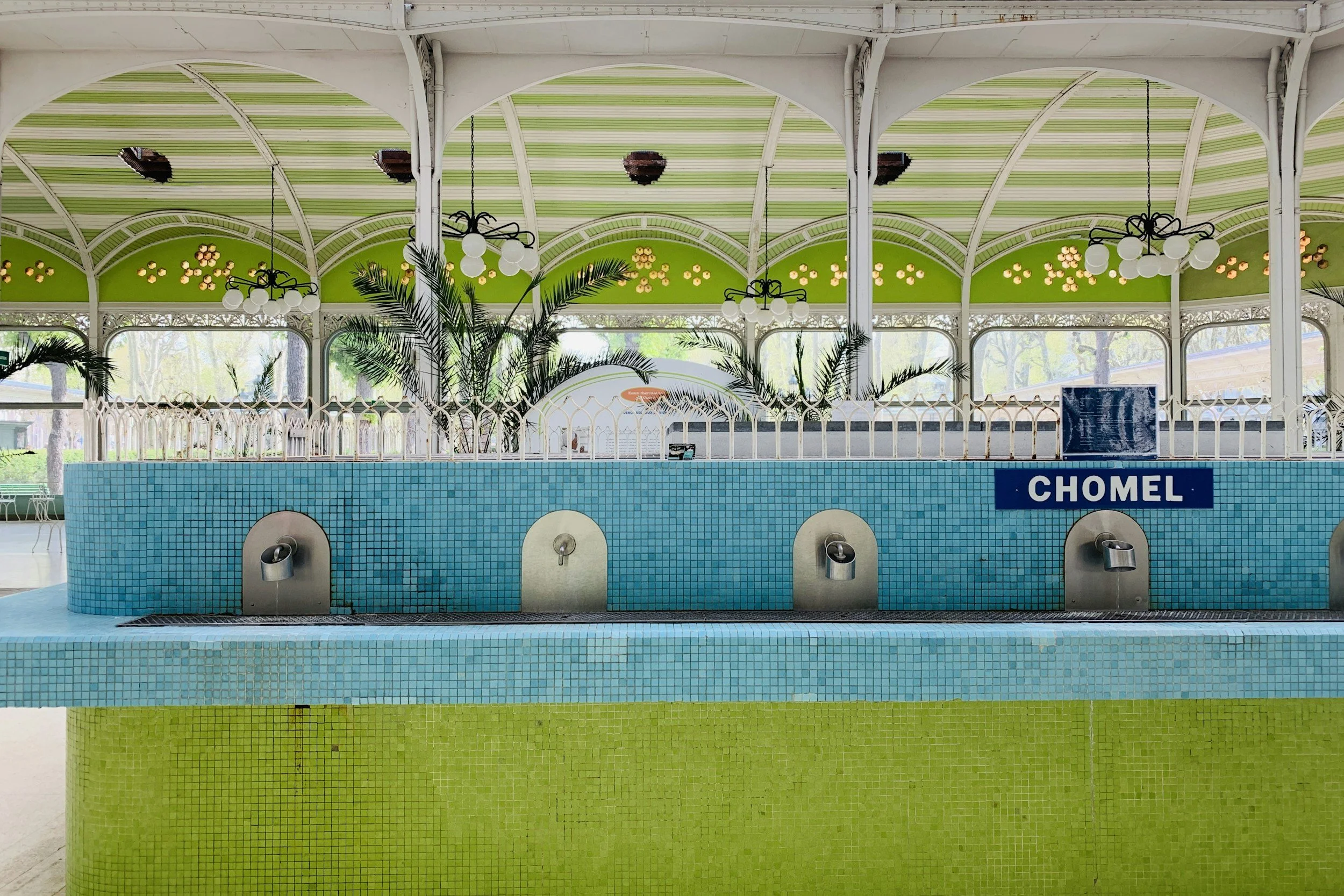
Vichy is probably the easiest all-round thermal town in France
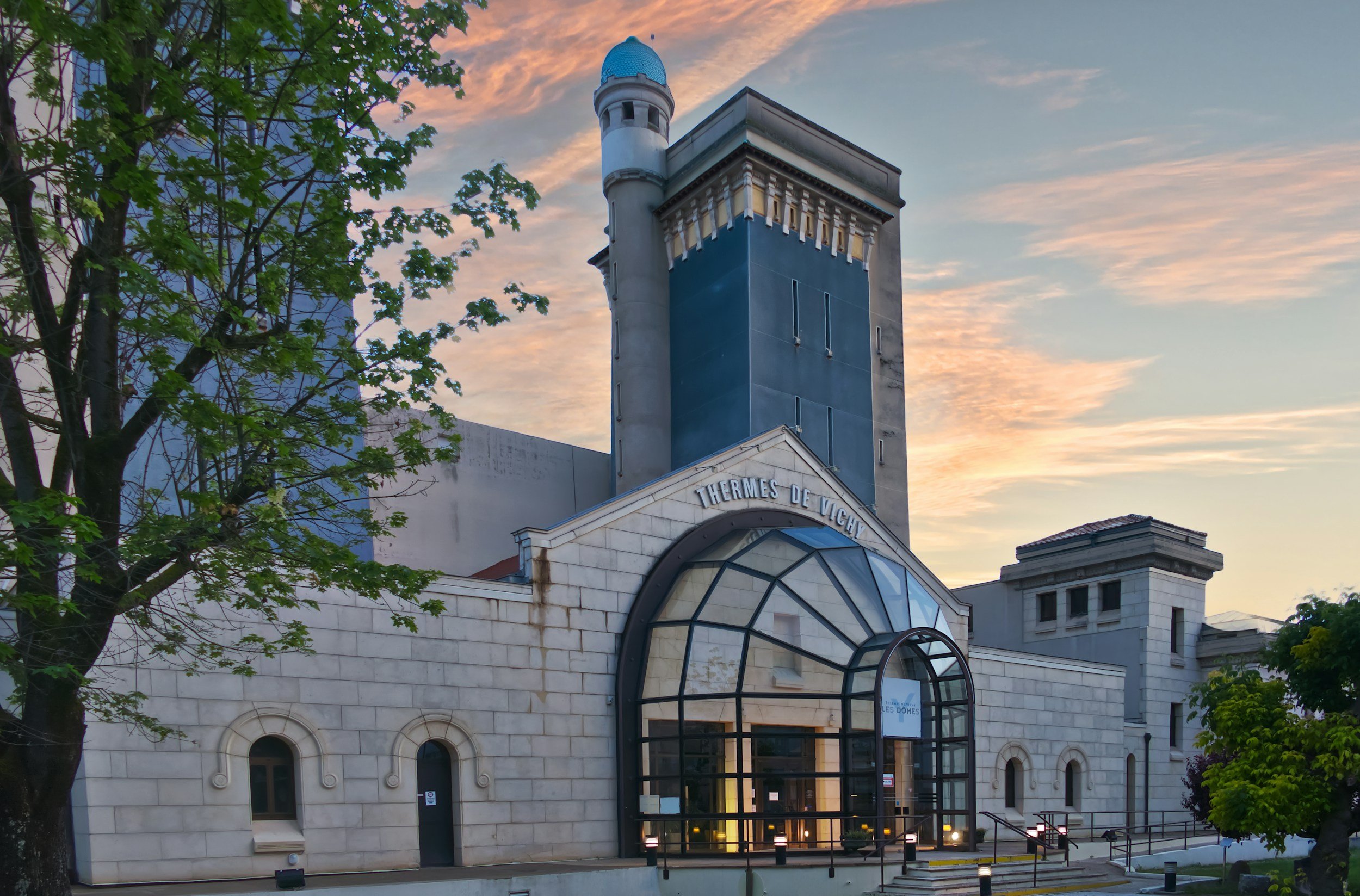
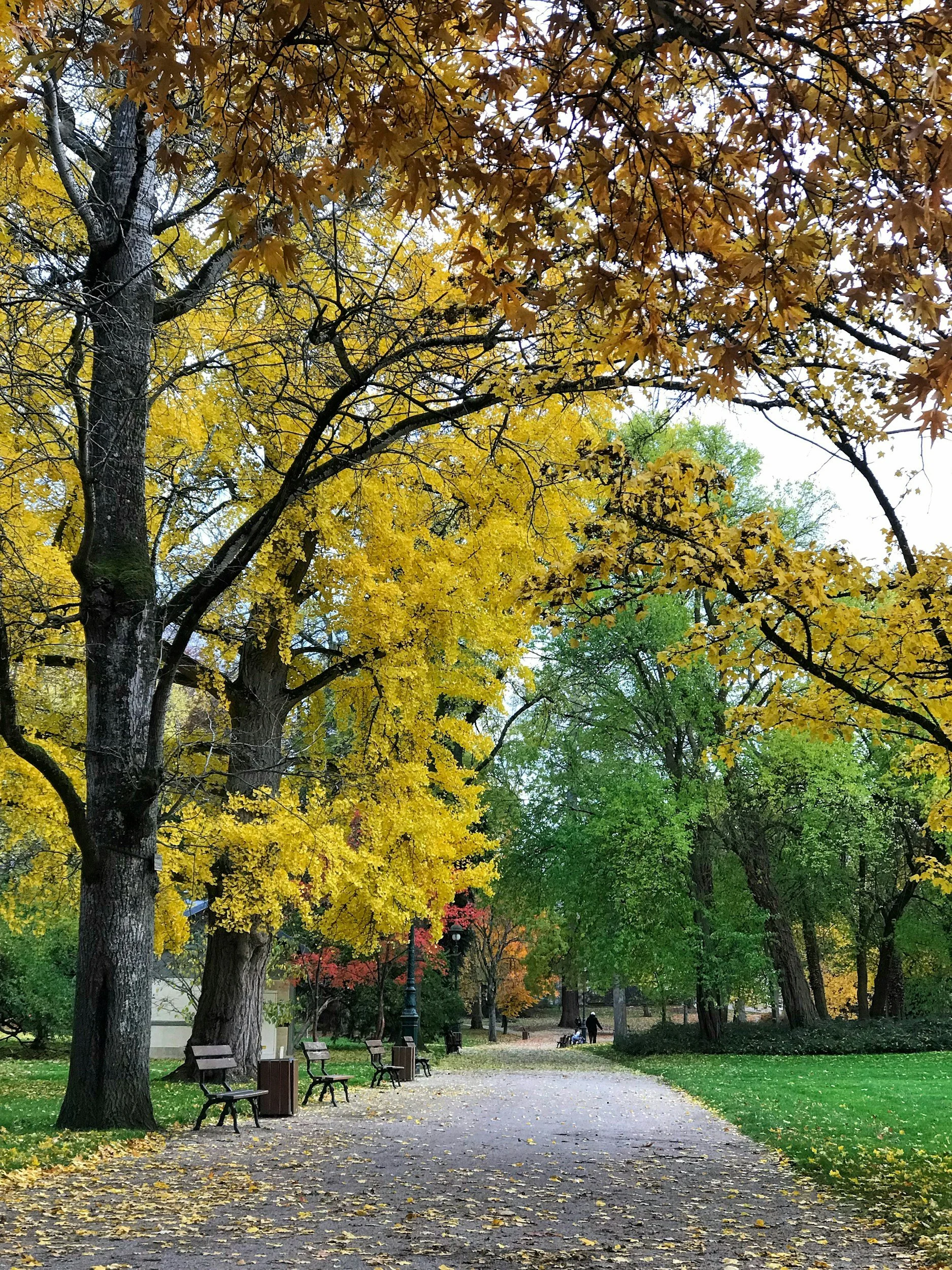
Vichy sits in central France in the Auvergne region, a little over three hours south of Paris by direct train, and part of what makes it work so well in July is that people are usually there on purpose. It is not somewhere heavily folded into the classic summer tourism circuit, so the atmosphere feels completely different from the moment you arrive. You step out of the station and into a town where people are still doing ordinary things in the middle of summer. Picking up fruit from the market before lunch. Cycling along the river after work. Sitting under the trees in Parc des Sources reading newspapers before the heat properly settles in for the afternoon.
The station itself is close enough to the center that most people staying near the thermal quarter can just walk with luggage instead of dealing with taxis or buses, and honestly that detail starts mattering more and more once you travel through France in late July. A lot of destinations sound manageable online until you arrive carrying a suitcase through 35-degree heat trying to figure out regional transport connections while half the town appears to be on holiday. Vichy avoids most of that friction. The town is spread out enough to breathe, but compact enough that daily life stays easy once you are there.
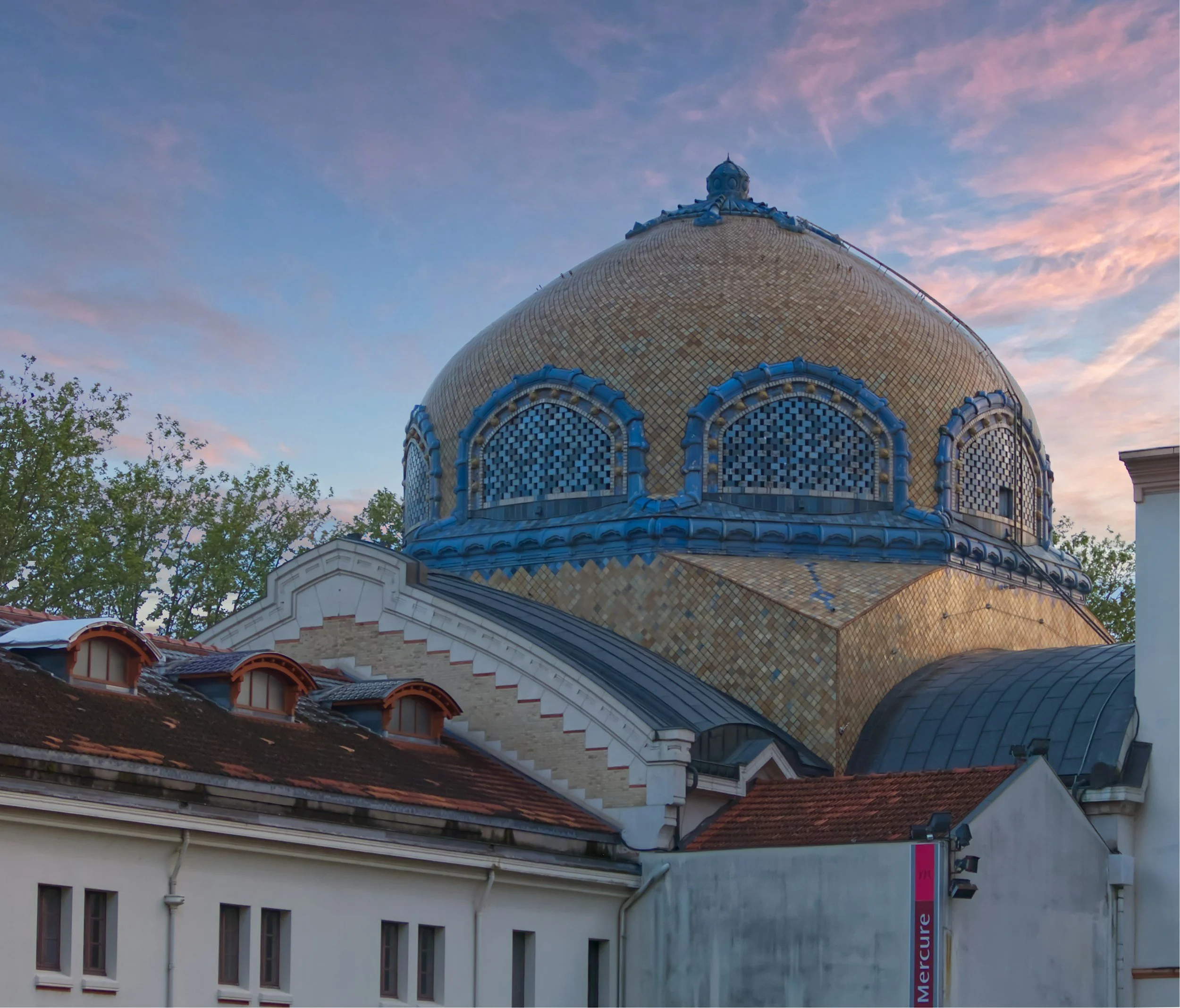
A lot of the older thermal architecture is concentrated around Parc des Sources and the Opéra area, but what makes Vichy interesting is that it never fully separated its spa identity from the rest of the town. The thermal buildings sit beside pharmacies, tabacs, apartment blocks, bookstores, bakeries, small clothing stores, and slightly faded cafés that still feel very local. Around Avenue Thermale and the covered passages near the opera house, you still see people arriving for three-week thermal cure stays carrying reusable shopping bags and folded newspapers under their arms, crossing paths with families heading toward the river for the evening. It feels much more integrated into everyday life than the polished “wellness destination” version many spa towns now try to market themselves as.
The best hours in Vichy are usually the mornings. By around 08:30, the streets near the market hall are already busy, especially later in July when people try to finish errands before the heat builds. Grand Marché de Vichy becomes part of the daily rhythm very quickly if you stay nearby. Cheese counters from around Auvergne, trays of apricots and flat peaches stacked outside produce stalls, rotisserie chickens already turning before lunch, older residents arriving with wheeled shopping trolleys while café terraces slowly start filling around the edges of the hall. It is not some beautifully staged food market built for tourism content. It feels functional first, which is partly why it is enjoyable to return to every morning.
The smaller streets around Rue de Paris and Rue Georges Clemenceau are usually more interesting to wander through than the grander parts directly beside the thermal park. There are wine shops that still close for proper lunch breaks, old pharmacies with sun-faded signs, independent clothing boutiques, bookstores where nobody immediately switches to English, and chocolate shops that feel almost unchanged for decades. Librairie Carnot is worth stepping into if you like older French bookstores that still feel genuinely tied to the town rather than curated for visitors. Around Passage de l’Opéra, there are also a few quieter cafés that work better in the afternoon than the terraces directly facing the park, which can become surprisingly hot and crowded during festival weekends.
One thing people often underestimate about Vichy is how much life shifts toward the Allier River in summer. By early evening, especially during hotter weeks, the center still holds warmth from the afternoon while the riverbanks start cooling slightly faster, and people naturally drift downward toward the water. Families walk along the promenade eating ice cream, groups meet at the guinguette bars for drinks after work, older couples dance outside during summer music nights, and runners move along the paths just before sunset. The views back toward the Napoleon III villas and the thermal façades are especially nice from the opposite side of the river once the light softens later in the evening.
For thermal experiences themselves, Les Célestins Thermal Spa is the obvious place people book, although first-time visitors are often surprised that it does not feel especially glossy or overly luxurious once inside. The atmosphere is much more mixed than that. You have visitors booking massages and thermal circuits for an afternoon beside people arriving for long-term thermal treatments through the French healthcare system, which keeps the place from feeling overly curated. Day access to the thermal areas usually starts somewhere around €35–50 depending on the package and season, while massages and hydrotherapy treatments climb much higher quite quickly. Even if you do not book anything, the thermal hall itself near the park is still worth walking through at least once simply because it retains that slightly old-fashioned thermal culture that has disappeared from a lot of spa destinations elsewhere in Europe.
Food in Vichy is better when you stop expecting destination dining and lean into the regional side of the town instead. Les Caudalies is one of the stronger options if you want a longer dinner without entering formal tasting-menu territory, but some of the smaller bistros near the market honestly feel more memorable because they still revolve heavily around residents rather than visitors. Lunch matters more than dinner here in some ways. By midday, terraces fill properly, especially under shade near the covered market, while evenings often stay calmer than people expect for a French summer town.
One genuinely useful thing to know before booking accommodation is that the areas immediately around Parc des Sources can become surprisingly quiet late at night outside major festival weekends. If you want evenings that still feel active after dinner, staying slightly closer to the river side of town usually works better in July. Sundays also catch people off guard. By Sunday evening, parts of Vichy feel almost oddly calm for the middle of peak season. Independent shops close early, restaurant options narrow quickly outside the center, and Mondays remain subdued too. But that quieter rhythm is also part of why the town still works so well in the middle of summer.
Tournus also works surprisingly well as an overnight stop before continuing toward Vichy or Aix-les-Bains, especially if you want somewhere walkable from the station without dealing with a car immediately, and this Burgundy stopover explains the logistics properly.
Bourbon-Lancy stays quieter than almost anywhere else in France in July
Bourbon-Lancy does not really feel like the kind of place people “discover” accidentally anymore. You go there deliberately, usually because you are tired of how intense a lot of France becomes by mid-July, or because you already know that thermal towns built around long medical stays tend to function differently from places built around tourism first.
It sits down in the southern part of Burgundy near the Loire, surrounded by fields, Charolais countryside, and roads where you can drive fifteen minutes without passing much beyond tractors, sunflower patches, and shuttered stone houses. Getting there is part of why the town still feels the way it does. Most people come by car because the public transport connections at the end are irritating enough that casual summer visitors usually choose somewhere easier instead. The nearest proper rail access is awkwardly disconnected from the final stretch, and if you arrive late in the evening without planning ahead, there is a very real chance you will end up standing outside a small station wondering whether to call the only taxi company still operating.
That slight isolation changes the atmosphere immediately once you arrive in Bourbon-Lancy itself. Nothing feels rushed. The town does not behave like it is trying to “absorb” summer tourism. It just continues functioning the way it normally does, except with more flowers in the windows and more people sitting outside cafés before lunch.
The upper medieval quarter is where most people slowly end up gravitating after a day or two, especially once they realize the thermal area below stays hotter in the afternoon. Around Rue du Sénateur Turlier and the small lanes behind Place de l’Église, the stone walls trap cool air surprisingly well even during hotter weeks in July, and you start noticing tiny details that barely register at first. Cats sleeping on windowsills above the old arcades. Elderly residents watering plants from metal cans in the evening. Wooden shutters left half-open all afternoon while church bells echo across the upper streets louder than traffic.
There are afternoons here where almost nothing appears to happen at all.
Not in a romanticized way. Literally. By around 14:00, especially during heatwaves, parts of Bourbon-Lancy become almost completely still. The bakery queues disappear. Restaurant shutters close. The little antique shop near the church square suddenly has a handwritten note saying it will reopen “later.” Then around 18:30 the town starts returning slowly to itself again once the heat eases.
This is honestly what makes Bourbon-Lancy either deeply relaxing or incredibly frustrating depending on what someone expects from a summer trip…. People who need constant movement usually start getting restless here after one night.
The thermal culture still shapes almost everything in town. Thermes de Bourbon-Lancy is not trying to reinvent itself as some glossy wellness destination full of minimalist interiors and influencer-focused spa packages. A huge part of the clientele still comes for proper thermal cure stays lasting several weeks, and that changes the entire atmosphere around the baths. Early in the mornings you see people walking toward appointments carrying folders, water bottles, tote bags, newspapers. The cafés around the thermal park fill before 09:00, not after brunch.
If you want the quieter thermal experience, late afternoon access usually feels much calmer than mornings in July, especially after day visitors leave. Some of the shorter wellness circuits and thermal pool sessions remain surprisingly affordable compared with bigger French spa destinations too, often somewhere around €20–40 depending on treatment type and time slot.
One thing that makes Bourbon-Lancy feel genuinely different from larger thermal towns is how important the market still is socially. On market mornings around Place de la République, the whole center suddenly feels awake in a completely different way. Farmers arrive with Charolais beef, Burgundy cheeses, apricots, tomatoes, flowers, honey, and wine while people stop to talk beside stalls for long stretches instead of moving through quickly. Then by lunchtime the entire atmosphere collapses back into silence again once everyone disappears indoors.
For coffee, the terraces near the square are busiest early in the morning, but the nicer places are usually the slightly faded cafés tucked further uphill where thermal visitors have clearly been returning for years. Le Café du Centre is one of those places where nobody seems particularly interested in turning tables quickly. If you sit outside long enough, you start recognizing the same people every morning.
There are also little details repeat visitors notice that never really appear in travel guides. The way the upper town smells faintly of warm stone after sunset. How quickly Sunday evenings empty out once dinner ends. The fact that some restaurants close on Monday and Tuesday even in peak summer because the town simply does not care about stretching itself around tourism demand.
The nicest evening walk is usually not around the thermal park itself but uphill through the older quarter toward the church, then back downward through the smaller residential lanes where the light stays soft against the stone walls late into the evening. Around blue hour, when windows are open and people are quietly eating dinner inside while the temperature finally drops, Bourbon-Lancy starts making much more sense.
Food here stays very regional and very Burgundy. La Grignotte du Vieux Bourbon is one of the better places if you want dinner somewhere that still feels tied to the town instead of generic hotel dining, and the wine lists around Bourbon-Lancy are often better than people expect because local Burgundy producers still dominate heavily. Lunch menus tend to be stronger than dinner in a lot of places though, especially around market days.
There is also a tiny independent bookstore near the upper streets that opens somewhat unpredictably during summer afternoons depending on the heat, plus small antique shops and brocante-style spaces where owners seem more interested in conversation than sales. Bourbon-Lancy is full of places like that.
And to be fair, that is probably the clearest difference between Bourbon-Lancy and the French spa towns that have become more high-end over the years. Nothing here feels optimized. The town still moves according to its own habits, even in the middle of July.
People who end up enjoying Bourbon-Lancy usually also like places where daily life still revolves around markets, bakeries, and ordinary routines instead of tourism schedules, which is partly why Semur-en-Auxois tends to appeal to the same type of traveler.
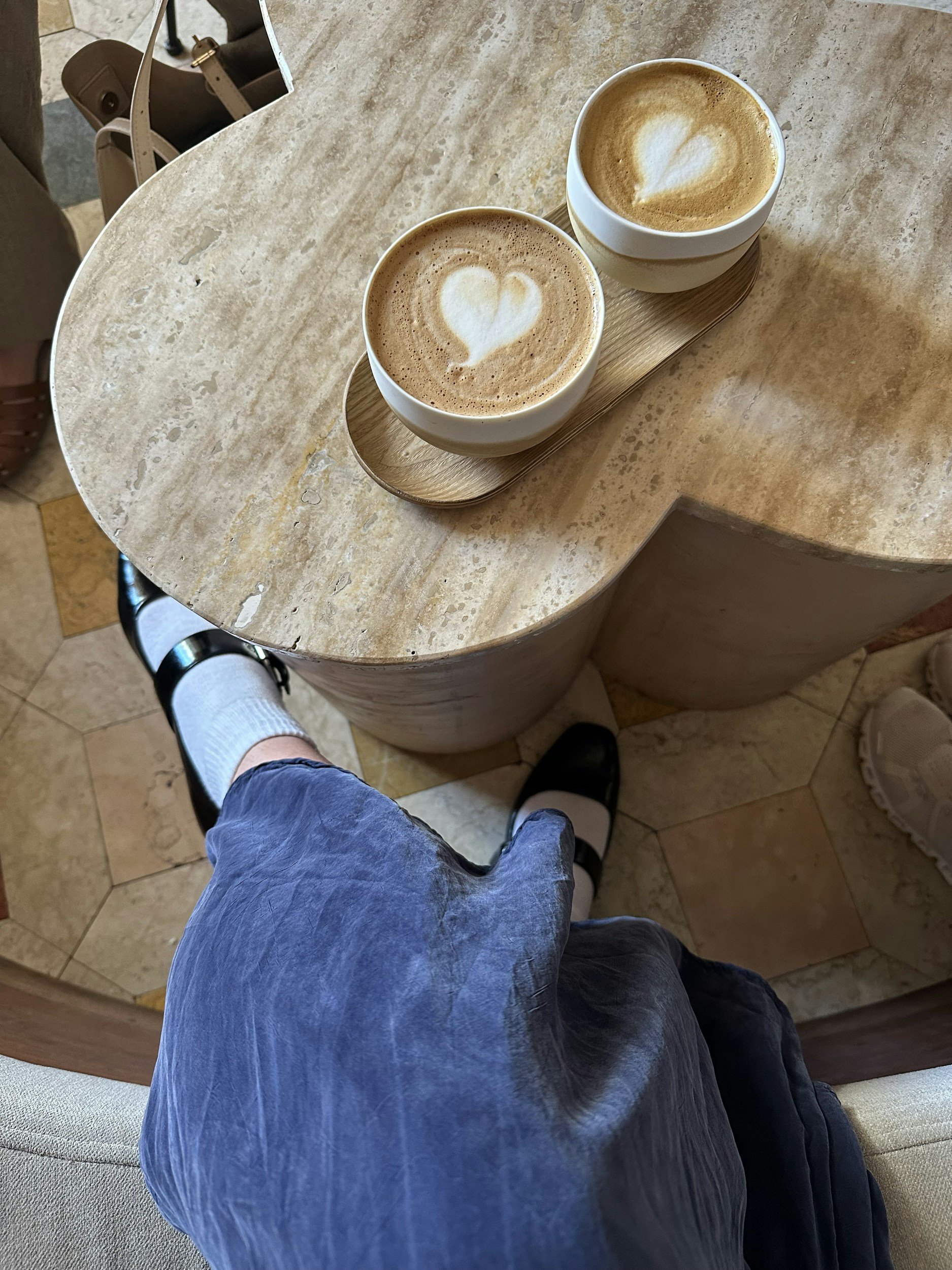
Aix-les-Bains gets crowded in July, but it never really turns frantic in the way Annecy does
Aix-les-Bains is one of those places where the photographs online can give slightly the wrong impression before you arrive. People imagine a small polished spa town beside a lake and then end up surprised by how spread out, active, and genuinely lived-in it feels once they are actually there in the middle of summer.
The town sits beside Lac du Bourget, about an hour from Lyon by train, and because the station is right inside the center, you can realistically arrive without a car and still manage perfectly fine for several days. What catches people off guard is not transport but distance. The lakefront, the thermal quarter, the marina, the old hotels, the shopping streets, the beaches, and the quieter residential areas are all slightly further apart than they look on maps, and after two or three afternoons climbing back uphill from the lake in heavy heat, you start understanding why locals move much slower here in July.
That uphill stretch back from Petit Port toward Rue de Genève around 16:00 in full sun feels very different from the soft glamorous version people imagine when booking lake towns online.
People spread out here. Constantly!
You do not get trapped inside one overcrowded old center the way you do in Annecy where everyone seems to funnel toward the same canals and terraces by lunchtime. In Aix-les-Bains, one group disappears toward the lake for swimming at 08:00, another heads into the mountains toward Mont Revard before the heat builds, thermal visitors drift between appointments and cafés around the center, cyclists stop for lunch before continuing deeper into Savoie, and by evening everyone slowly reconnects near the water again once the temperature finally drops.
By early morning, swimmers are already in the water around Petit Port while paddleboarders move quietly across the lake before the larger boats begin crossing properly. Around 11:00, the beaches start filling quickly, especially on weekends when people arrive from Lyon and Geneva. But locals usually avoid the main central beach areas entirely during the busiest hours. Instead they drift further north toward smaller lake access points near Brison-Saint-Innocent where the atmosphere feels calmer and the water clearer.
A lot of first-time visitors never make it there because they stay close to Grand Port the entire trip.
The prettiest evenings are usually not directly around the busiest marina either. If you walk past the restaurants and continue north as the light starts changing, the atmosphere becomes quieter very quickly. Small private jetties. Sailboats tied beside old gardens. The mountains slowly turning blue-grey behind the lake after sunset. You start hearing halyards knocking softly against the masts once the restaurants begin emptying out.
The thermal side of town feels much less separate from ordinary life than people expect too. Thermes Chevalley sits higher above the center with wide lake views, and the crowd there is completely mixed in July. Older visitors arriving for proper thermal cure stays, hikers with backpacks booking recovery massages after long walks, couples doing evening spa circuits before dinner, cyclists stopping after mountain rides. It never really feels staged or overly polished despite the setting.
Late evening access is usually much better than midday in summer. Around sunset, once the worst heat disappears from the stone streets below and the lake starts reflecting the evening light properly, the thermal pools become much calmer. Prices are definitely higher than smaller thermal towns though. Basic spa access often starts around €45 and climbs quickly during weekends.
Around the center itself, the streets near Rue de Chambéry and Rue de Genève are much more interesting than the obvious lakefront restaurant rows most people stay near. There are old Savoy wine shops, independent bookstores, faded Belle Époque hotels, little chocolate shops with windows melting slightly in the afternoon heat, pharmacies that still look unchanged since the early 2000s, and cafés where people actually sit for hours instead of rushing tables.
Librairie Garin is one of those places repeat visitors almost always end up back inside at some point, especially during hotter afternoons when the upper streets are quieter and cooler than the waterfront. Nearby, Galerie Elizabeth Couturier regularly hosts smaller regional exhibitions during summer, and because Aix-les-Bains attracts a mix of older long-stay visitors and younger weekend crowds, the art scene feels more active than most thermal towns this size.
One thing people underestimate about Aix-les-Bains is how different weekdays feel from weekends in July. Friday evenings are when cars from Lyon begin arriving, lakefront restaurants fill up, and suddenly the marina feels almost Mediterranean for about thirty-six hours. Then by Monday morning, after the weekend crowd leaves, the cafés around Place Carnot fill with locals buying bread and newspapers instead of people carrying beach bags.
For coffee, the nicest places are usually uphill from the lake rather than directly beside it. The waterfront terraces become crowded and expensive quickly in summer afternoons, while smaller places around the market area and Rue de Chambéry still feel tied to ordinary town life. Early mornings there are especially good before the heat properly arrives. Bakeries open early, shutters stay half-closed against the sun, and people move through the streets slowly carrying fruit from the market before disappearing indoors again around lunchtime.
Food here also feels more regional than many visitors expect from a lake town. Fish from Lac du Bourget appears constantly in summer, especially fera and perch, alongside Savoy wines from nearby vineyards. L'Incomparable above the lake is one of the stronger dinner spots if you book late enough for sunset views, but honestly some of the smaller restaurants further back from the waterfront end up feeling more memorable simply because they are not trying so hard to impress summer visitors.
And there are small details you only really notice after staying a few days. The thunderstorms building over the mountains after very hot afternoons, and the way the lake suddenly turns silver-grey just before rain arrives. How people continue walking beside the water surprisingly late into the night because the temperature near the lake remains comfortable long after the upper streets have cooled down.
Aix-les-Bains definitely gets busy in July! There is no point pretending otherwise. But the town was never built around one single postcard center or one single experience, which is exactly why it still feels manageable when so many other French summer destinations stop feeling enjoyable altogether by the middle of the month.
Some travelers looking at Aix-les-Bains are actually searching for thermal towns because the Swiss Alps feel too polished or expensive in peak season, and this Vals retreat makes the differences surprisingly clear very quickly.
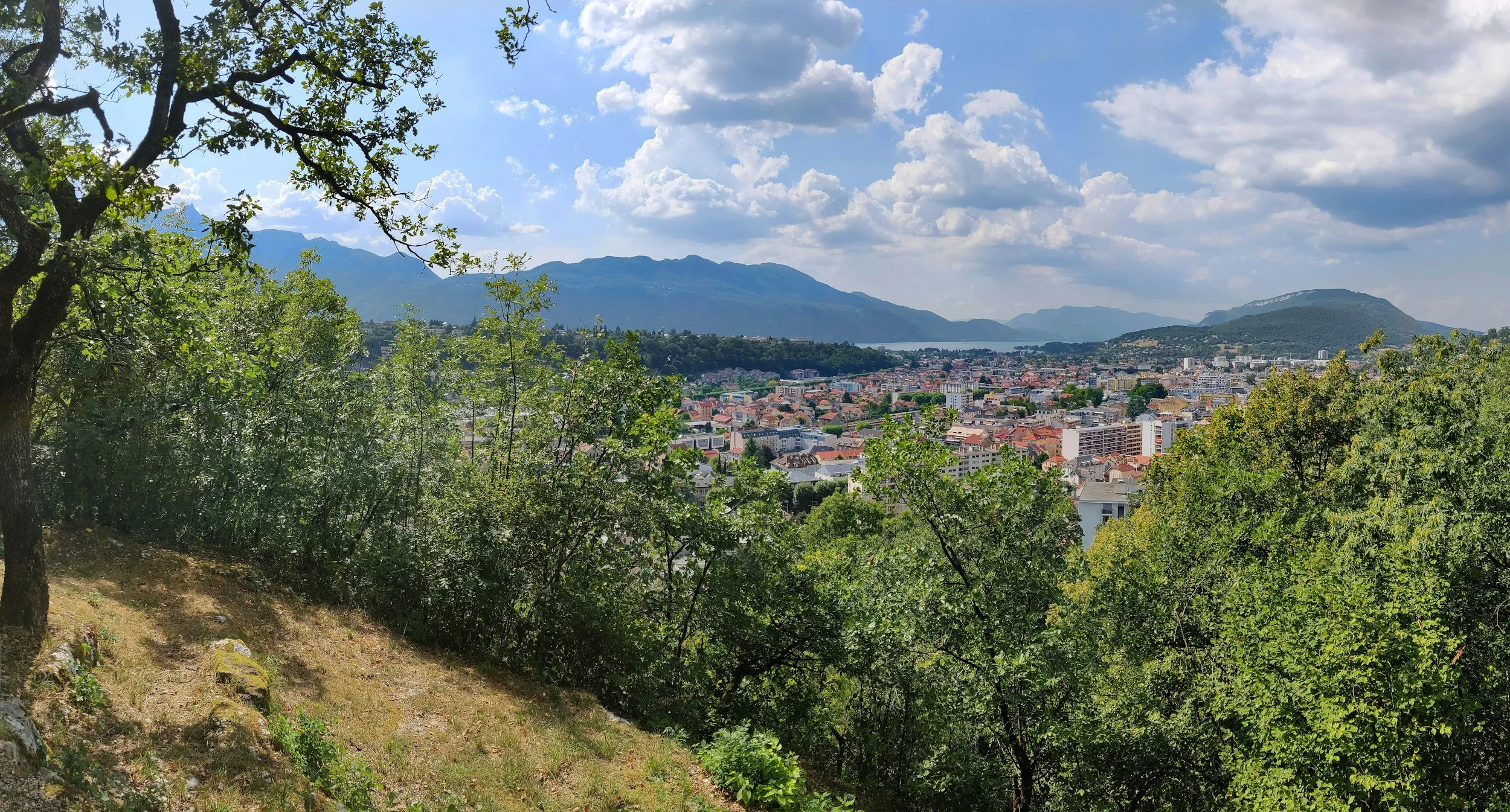
Bagnères-de-Luchon works better for people who want mountains first, thermal culture second
Bagnères-de-Luchon sits deep in the Pyrenees close to the Spanish border, and by the time you actually arrive there in July, after the slow final bus ride from Montréjeau through the valley roads and overheated little villages, the atmosphere already feels completely different from the spa towns further north in France. The mountains close in around the town quite suddenly, the air changes, and even during hotter weeks there is usually a big drop in temperature once the sun disappears behind the peaks in the evening.
That evening shift is probably what makes Luchon work so well in the middle of summer. In a lot of inland French towns, the heat still sits heavily on the streets long after dinner, but here people start properly coming outside again around 20:30 once the shadows reach the lower part of town. Along Allées d’Étigny, which runs straight through the center beneath rows of old plane trees, the terraces fill with hikers, cyclists, families, older thermal visitors, and groups who clearly spent the entire day somewhere higher in the mountains before drifting back into town late in the afternoon carrying backpacks and supermarket picnic bags.
The thermal side of Luchon still exists, but it no longer defines the atmosphere in the same way it probably once did. You still see people arriving for longer thermal cure stays at Thermes de Luchon, especially older French visitors who return every summer almost out of habit, but they mix completely naturally with cyclists riding the Col de Peyresourde, hikers heading toward mountain lakes, and younger travelers using Luchon as a base because accommodation further into the mountains becomes expensive and limited by July.
That mixture keeps the town from feeling too formal and high-end.
Some of the Belle Époque hotels along the avenue look slightly worn now, not neglected exactly, but no longer frozen in some perfect spa-town postcard version of themselves. Outdoor stores sit beside old thermal buildings, pharmacies beside ice cream shops, faded shutters above bars full of cyclists watching Tour de France coverage in the afternoon. The town feels used. Lived in. Slightly chaotic around the edges during busy weekends. And honestly, that is part of the appeal because Luchon never really slips into the polished Alpine-resort atmosphere places further east sometimes develop.
Most people end up falling into the same routine around Place Gabriel Rouy after a day or two, especially during warmer weeks in July when the valley starts heating up surprisingly early. By 08:00, the covered market is already properly active with hikers buying peaches, Tomme des Pyrénées, saucisson, and still-warm baguettes before heading toward the mountains, while the café terraces nearby slowly fill with cyclists checking weather apps and unfolding maps across tiny round tables.
Le Bellevue is usually busiest early in the morning because people stop there before leaving town for the day, and if you sit outside long enough you start noticing the same orders appearing constantly in July: café crème, fresh orange juice, tartines with apricot jam, and enormous pastries people convince themselves count as hiking fuel. The apple croustade from the bakeries around the market disappears quickly most mornings too, especially before weekends when half the town seems to head into the mountains carrying pastry boxes.
Around the covered market itself, the fruit stalls become especially good later in July once the flat peaches and small local apricots arrive properly, and a lot of people staying in apartments nearby end up shopping there almost daily because picnic culture completely takes over Luchon in summer. By late morning, you see groups walking back through the center carrying baguettes sticking out of backpacks, little tubs of olives, slices of tomme cheese wrapped in paper, and bottles of cold Orangina before disappearing upward toward the mountains.
The nicest picnic spots are usually not the obvious central park areas either. A lot of repeat visitors head up toward Superbagnères and stop near the grassy sections overlooking the valley once you get beyond the busier arrival area near the gondola station. Further out near Lac d’Oô, people spread themselves along the rocks and smaller grassy patches beside the water with baguettes, cherries, and cans of sparkling water cooling in the stream. Around Hospice de France, which sits further south near the Spanish border, families spend entire afternoons beside the river under the trees because the air stays noticeably cooler there than down in town during heatwaves.
One of the reasons Luchon still works so well in July is that people do not stay in town all day overheating on terraces the way they do in a lot of summer destinations. By around 10:30 in the morning, the center starts emptying out because everyone disappears upward toward the mountains instead. Cyclists head toward the Col de Peyresourde before the roads get too hot, hikers take the trails around Lac d’Oô, families ride up toward Superbagnères carrying baguettes, peaches, crisps, and supermarket pasta salads in cool bags while the town itself suddenly becomes strangely quiet for a few hours.
Then everybody slowly comes back again around late afternoon looking sunburnt and exhausted.
The nicest parts of Luchon are usually not directly on Allées d’Étigny once the day gets busy either. The smaller streets behind the avenue feel much better in the evenings, especially around Rue Sylvie and Rue Lamartine where old thermal villas sit behind crooked gates with overgrown gardens spilling onto the pavement. Around sunset, people start opening windows again once cooler air finally moves down from the mountains, and you see older residents sitting outside their front doors while cyclists roll slowly back through town carrying supermarket bags and helmets.
If you walk upward toward Parc des Quinconces later in the evening, especially after a very hot day, the atmosphere changes completely from the center below. Kids play around the fountains, people sit quietly on benches facing the mountains, and the light across the upper buildings turns soft for maybe twenty minutes before everything drops into shadow.
And the storms here feel very mountain-specific too. After a few days, you start noticing how everybody watches the mountains constantly in late afternoon. Around 16:00 the air suddenly gets heavy, the peaks start disappearing behind clouds, and then within ten minutes every terrace along Allées d’Étigny empties because people know exactly what is about to happen. Half an hour later the rain passes, the streets smell like wet stone and pine trees, and everybody slowly reappears outside again.
There are also details that make Luchon feel much more real and lived-in than the luxury Alpine resort towns. Cyclists soaking sore legs directly in the fountains near the thermal quarter after climbing impossible mountain roads all day. Hikers walking through the center in sandals carrying baguettes and little raspberry tarts from the bakeries. Pharmacy windows full of blister plasters and knee supports by July because everybody seems to have overestimated their hiking ability at least once.
Around 21:30, the center is usually still properly alive in summer. People queue outside the ice cream places near the avenue, restaurant tables stay full much later than in thermal towns further north, and the sound drifting through town is mostly glasses clinking, bikes rolling over the pavement, and groups talking loudly across terraces while the mountain air finally cools everything down again.
For coffee, the quieter cafés slightly back from the central avenue are usually better than the busiest terraces directly on Allées d’Étigny, especially during the afternoons when the center becomes crowded. Le Bellevue tends to fill early with hikers and cyclists before the day properly begins, while some of the older cafés further toward the side streets still feel very local even in peak summer.
There are also genuinely good little independent places scattered through town if you slow down enough to notice them. Tiny bookstores selling old Pyrenean hiking books and regional history, pastry shops where croustades disappear before lunchtime, outdoor stores that clearly existed decades before hiking aesthetics became fashionable online. Around Rue des Pyrénées, some of the smaller restaurants tucked away from the main avenue are usually better than the obvious central terraces too.
La Tute de l'Ours still feels properly tied to the mountains rather than tourism trends, with heavy Pyrenean food, southwest French wines, duck, grilled meats, and huge salads arriving at tables filled with exhausted hikers late in the evening. Dinner starts later here than in a lot of French thermal towns because people are often returning from the mountains quite late in the day.
And the best viewpoint around Luchon is probably not actually inside the town itself. Taking the gondola toward Superbagnères late in the afternoon, once the heat begins fading from the valley and the mountains start throwing long shadows across the town below, gives you one of those views that suddenly explains the geography of the whole area at once. Most people go up too early in the day when the light is flat and harsh. Around evening, everything changes.
A lot of people who enjoy places like Luchon eventually start looking for other thermal destinations that still feel tied to nature rather than luxury tourism, and these European hot springs are probably the closest match.
If you are trying to decide whether French thermal towns or Austrian spa regions work better once temperatures spike, this Austria comparison explains the atmosphere differences much better than most wellness guides do.
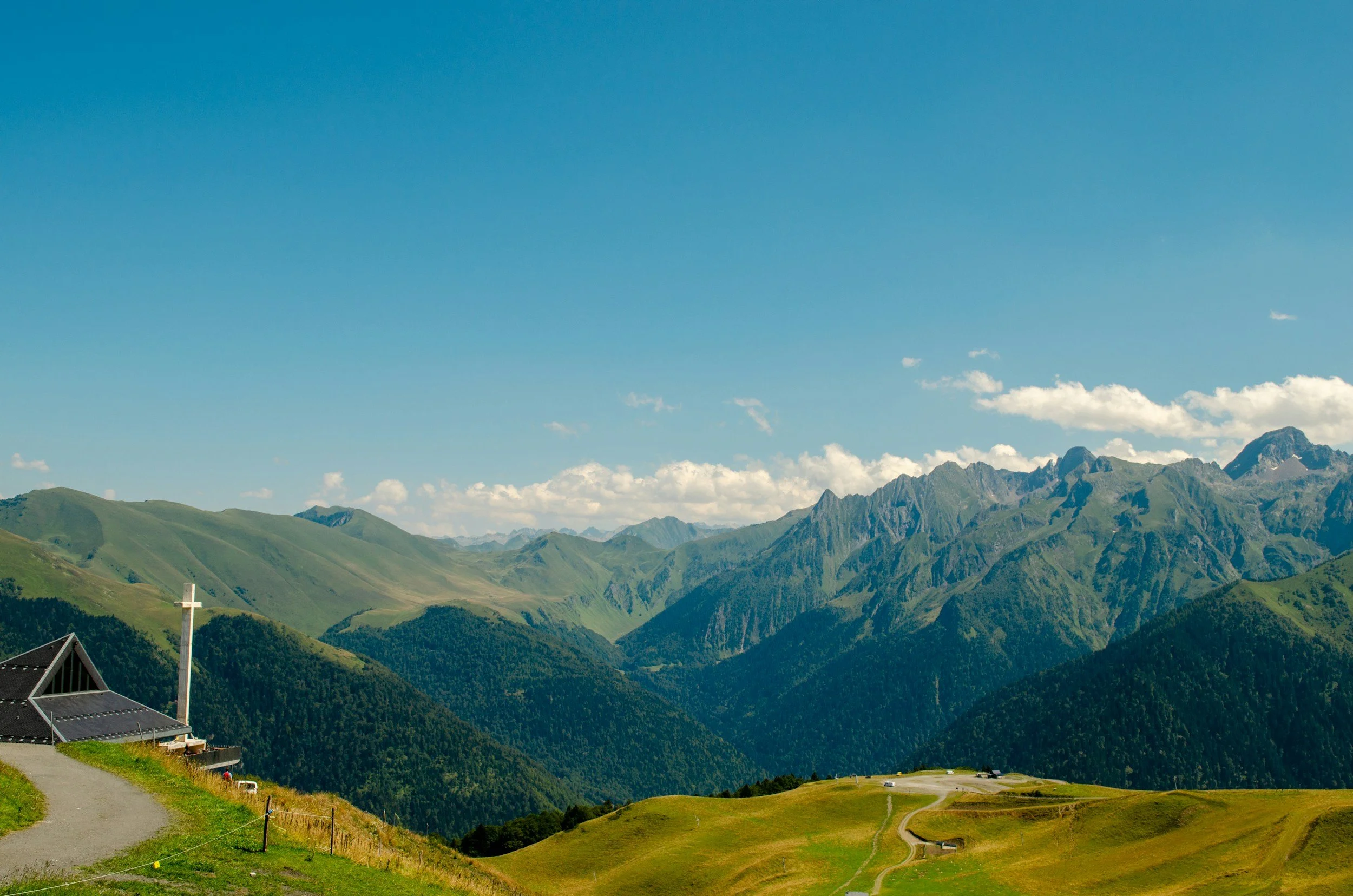
Amélie-les-Bains feels calmer than the Mediterranean coast nearby
Amélie-les-Bains-Palalda sits inland from Perpignan in the Vallespir valley near the Spanish border, and by late July the contrast between here and the coast starts feeling almost extreme. A lot of people arrive after a few overheated days somewhere like Collioure or Argelès-sur-Mer where every beach access road is clogged by 10:00 in the morning and dinner suddenly requires reservations three nights ahead. Then they arrive in Amélie-les-Bains and realize almost immediately that the lifestyle is different. The town still revolves around thermal appointments, pharmacy visits, market mornings, and people who have been returning here for years rather than short-term summer tourism trying to consume everything quickly.
The drive into the valley already starts changing the atmosphere before you even arrive properly. Fruit stalls appear beside the roadside selling flat peaches and apricots from nearby farms, little Catalan villages sit baking quietly in the heat, and the mountains begin closing inward around the road until suddenly the town appears stretched awkwardly along the river between steep hillsides. It looks compact online, but once you are there you realize very quickly that the terrain shapes almost every part of the experience. Some apartment rentals with beautiful valley views involve climbs that feel genuinely punishing by late afternoon in July, especially around the upper roads leading toward Palalda where Google Maps casually suggests “eight minute walks” without acknowledging the heat bouncing off the stone walls at 15:30.
That geography also explains why the town changes personality completely throughout the day. The mornings start early because everybody is trying to get things done before the heat settles into the valley properly. Around 08:00, the cafés near Thermes d'Amélie-les-Bains are already busy with people drinking espresso before treatments while bakery queues spill onto the pavement and pharmacy shutters roll upward one after another along Avenue du Vallespir. Le Café de Paris becomes one of those places where you start recognizing the same faces every morning after two or three days because half the clientele seem to return for thermal cures every summer. Tiny coffees, fresh orange juice, folded newspapers, that vibe…
The market streets around Place de la République feel best somewhere between 08:00 and 10:00, before the heat settles properly into the valley and everybody starts retreating behind shutters for the afternoon. By then the bakery queues are already spilling slightly onto the pavement, people are carrying paper bags full of croissants back uphill toward apartments, and the fruit stalls are stacked with flat peaches from nearby Roussillon, cherries sold by the kilo, tomatoes so ripe they smell sweet before you even touch them, little trays of olives glistening in the heat beside anchovies and wedges of local cheese wrapped loosely in paper.
A lot of the people staying several weeks for thermal treatments fall into the exact same rhythm every morning without really thinking about it. Coffee first at one of the terraces near the square, then bread, fruit, pharmacy, maybe a stop for cold rosé or sparkling water before the temperature becomes unbearable later in the day. Around the small épiceries near the market, you see canvas bags slowly filling with picnic food that makes sense in this kind of heat: peaches, slices of tomme, packets of cured ham, olives, little apricot tarts from the bakeries, bottles of Orangina sweating inside paper bags before people carry everything back through the narrow uphill streets toward darkened apartments with fans already running.
And then suddenly around lunchtime everything collapses into silence.
By around 13:30, Amélie-les-Bains starts slowing down in a very visible way once the heat settles properly into the valley. The terraces that were full all morning after thermal appointments suddenly empty, bakery bags disappear behind apartment shutters, and the streets around Avenue du Vallespir become almost weirdly quiet apart from the sound of the river and the occasional scooter moving through town too fast in the heat.
A lot of people arrive here imagining “Pyrenees” means fresh mountain air all day long, then spend the first afternoon slightly shocked by how heavy the valley heat actually feels in late July, especially down near the thermal quarter where the buildings trap warmth and barely any air moves until evening. You see tourists dragging themselves uphill toward apartment rentals with grocery bags looking genuinely exhausted because the listing said “short walk from the center” without mentioning the incline feels completely different at 15:00 after a 36-degree afternoon.
People who stay longer than a few days start adjusting their routines around the heat very quickly. Lunch happens earlier. Grocery shopping gets done before 10:00. Even the pharmacy queues disappear by midday because everybody retreats indoors for a few hours once the valley starts baking properly.
The nicer lunch spots are usually the places catching shade earliest rather than the terraces that looked prettiest online. Casa Portuguesa stays busy because people can sit there without feeling roasted alive by the sun, usually enjoying grilled sardines, olives, cold rosé, little Catalan plates, and huge bottles of sparkling water while fans hum somewhere inside behind the terrace. Around the smaller river streets, there are also tiny places doing simple lunch menus that make much more sense in this climate than heavy restaurant meals in the middle of the afternoon. Tomato salads, anchovies, grilled vegetables, cold beer, peaches bought from the morning market afterward on the walk home.
That part of the evening, once the heat finally starts lifting out of the valley, is when people slowly head up toward Palalda instead of staying down near the thermal center. During the afternoon the climb feels brutal in July, especially from around Avenue du Vallespir where the heat sits between the buildings and barely moves, but later in the evening the upper streets cool much faster and suddenly the whole village starts feeling alive again.
Around Rue des Marchands and the little lanes behind the church, doors stay open into tiny workshops selling ceramic bowls, old Catalan postcards, handmade soaps, watercolor paintings of the valley, shelves full of dusty regional books that look like they have been sitting there since the early 2000s. Some places barely look open at all until you actually walk inside. A lot of the galleries are more like someone’s front room than proper curated shops, with paintings stacked against walls and cats sleeping under the tables while people drift in and out slowly after dinner.
The nicest thing about Palalda is honestly just wandering without really aiming for anything specific. One minute you are squeezing past faded shutters and flower pots on tiny stone staircases still warm from the afternoon sun, then suddenly there is a little opening between the houses looking straight across the whole Vallespir valley while the hills behind Amélie-les-Bains turn blue-grey in the last light.
A lot of visitors end up eating late by local standards because nobody really wants heavy food while the heat is still trapped between the hills. Lunch spot Casa Portuguesa stays busy for exactly that reason. Further down near the river, some of the smaller places around Rue de la République usually end up feeling more enjoyable than the obvious terraces beside the thermal center because they still feel tied to ordinary town life (instead of summer tourism).
And honestly, some of the nicest dinners here barely feel like restaurant dinners at all. A lot of people staying longer than a weekend end up buying things from the market in the morning instead and eating later up near Palalda once the temperature becomes manageable again. Bread still warm from the bakery near Place de la République, peaches from the market, olives, slices of tomme wrapped in paper, cold rosé sweating inside a backpack while people sit along the little stone walls above the village looking out across the valley once the light starts disappearing behind the hills.
That whole upper part around Palalda feels especially nice after dark because the heat leaves faster there than down near the thermal quarter. People sit outside their houses talking quietly across the narrow lanes, little gallery doors stay half-open later into the evening, and every now and then the smell of grilled fish or garlic drifts out from somewhere hidden behind the old stone streets.
The nicest moments in Palalda usually happen when you are not really looking for anything specific. You turn down one of the tiny lanes behind the church because it looks cooler than the main street and suddenly there is a gap between the houses where the whole valley opens up below you. The river catches the last light running through Amélie-les-Bains, somebody downstairs is setting a table for dinner with the windows open, and you can still feel heat coming off the stone walls even though the air has finally started cooling properly.
Around the upper streets near the Église Saint-Martin, people leave their doors open late into the evening and sit outside talking across the narrow lanes while cats stretch out directly on the warm pavement like they own the place. Some of the little galleries barely look open at all until you notice paintings leaning against a wall inside or handmade ceramic bowls sitting outside beside faded postcards and dusty books about Catalan history. Half the places seem to operate on whatever schedule makes sense that day depending on the heat.
And everybody here watches the mountains once the afternoons get too hot.
You notice it after a few days because the mood changes before the storm even arrives. The air suddenly feels heavier around Avenue du Vallespir, café staff start pulling cushions inward without saying anything, and people sitting outside at the terraces near Place de la République keep glancing toward the hills behind town while finishing drinks faster than usual.
Then ten minutes later the rain arrives properly! Not gentle rain either. Huge heavy drops hitting the pavement all at once while people run underneath awnings carrying shopping bags from the market and waiters try to rescue glasses before everything blows sideways through the square.
The strange thing is that half an hour later everybody is back outside again because the temperature finally feels normal for the first time all day. The streets smell like wet stone and eucalyptus from the thermal quarter, water runs down the edges of the old lanes in Palalda, and the river suddenly sounds much louder once the traffic calms down for the evening…
Dinner in Amélie-les-Bains feels very tied to the temperature. If you walk through town around 19:00 after a really hot day in late July, half the terraces are still sitting almost empty because people are waiting for the valley to cool down properly before committing to dinner. Then suddenly around 20:30 everything fills up at once. Fans start spinning above the terraces, waiters drag extra tables into the narrow streets near the river, and people settle in for long dinners because nobody wants to go back indoors yet.
Le Carpe Diem gets busy partly because the terrace falls into shade earlier than a lot of the lower streets, and after a day of heat, that matters more than whether somewhere is trendy or not. People order cold rosé immediately, grilled fish, tomato salads, anchovies, things that actually make sense to eat when it has been over 30 degrees all day.
The smaller places away from the thermal center are usually better though. Around the little side streets near the river, there are restaurants where half the tables seem to belong to the same people every evening during thermal season. Older couples arriving at exactly 20:00, waiters greeting people by name, somebody ordering the same bottle of wine three nights in a row because they are staying for three weeks anyway.
And honestly, evenings here are less about “going out” and more about finally feeling comfortable again after the day cools down. People wander slowly after dinner without really heading anywhere specific. Ice cream near the bridge. Sitting beside the river for a while because the air feels cooler there. Climbing partway toward Palalda once the stone streets stop radiating heat back at you.
Jonzac feels less like a “spa destination” and more like a town where people quietly continue their normal lives through summer
Jonzac sits inland in the southern part of Charente-Maritime between Bordeaux and La Rochelle, surrounded by vineyards, sunflower fields, little wine villages, and roads where the loudest thing in the middle of the afternoon is usually cicadas or tractors somewhere beyond the vines. Most people arrive either by train from Bordeaux with a change somewhere around Saintes or Angoulême, or by car after leaving the Atlantic coast behind because places nearer the ocean have started feeling exhausting in peak summer.
And honestly, Jonzac does not really impress people immediately…
You do not arrive and think wow, this is beautiful. The station sits outside the older center near ordinary roads and supermarkets, the thermal complex looks modern and practical rather than historic, and at first the town can almost feel too functional compared with somewhere more dramatic like Aix-les-Bains or Luchon.
The older upper town around the château feels best early in the morning before the heat starts bouncing off the pale stone streets properly. Around Rue Sadi Carnot and the little lanes behind Place du Château, people move through the center in a very fixed rhythm that clearly has nothing to do with tourism. Pharmacy shutters open early because thermal appointments begin before 08:00, bakery queues form outside the boulangeries while it is still relatively cool, and by the time most visitors are thinking about breakfast half the town has already been awake for hours.
Le Café de la Paix fills up with the same regulars almost every morning during thermal season, especially the shaded tables furthest from the road where older visitors sit with tiny espressos, folded Sud Ouest newspapers, and glasses of pineau before lunch because nobody seems particularly interested in pretending it is too early for that in July heat.
Around the little food shops near the market streets, staff start dragging crates of melons, peaches, tomatoes, apricots, and Charentais cheeses onto the pavement before the sun reaches the upper part of town. By around 09:30, the smell of warm bread, fruit, roast chicken from the traiteur counters, and oysters packed on crushed ice starts drifting through Place du Marché while people slowly move between stalls carrying woven shopping baskets instead of beach bags.
The market matters much more here than people expect because so many visitors stay for weeks in countryside rentals around Haute-Saintonge instead of hotels. You see people buying things they will actually cook later rather than souvenir food. Bottles of chilled white Charentes wine. Strawberries that stain the bottom of paper bags before you even get home. Apricot tarts from the bakery near Rue Winston Churchill. Oysters brought inland from Marennes-Oléron packed beside lemons and salted butter while somebody else queues nearby for slices of pâté and cured ham before driving back out toward the vineyards for lunch.
And once you stay a few days, you start recognizing people stopping at the tabac beside Place du Château before disappearing back uphill through the narrow streets before the real heat arrives around lunchtime.
And the heat really does change the town completely by the middle of the day.
People underestimate the heat here because Jonzac sounds rural and quiet on paper, but by late July the upper streets around the château can feel absolutely relentless in the middle of the afternoon. Around Rue Sadi Carnot and the climb near Place du Château, the pale stone walls reflect heat straight back into the narrow streets and suddenly by around 14:00 the whole upper town feels almost abandoned apart from the occasional tourist dragging themselves uphill from the thermal center looking slightly regrettable and overheated.
You really notice it around the little square beside the château where the café terraces that were full all morning suddenly empty almost at once. Restaurant shutters come halfway down against the sun, dogs stretch out asleep under chairs outside Le Café de la Paix, and the only movement left is usually somebody carrying baguettes quickly back toward an apartment before disappearing indoors for the next few hours.
That is also why people rarely spend entire afternoons inside Jonzac itself once they have been there a couple of days.
The region around town becomes part of the routine very quickly, especially if you have a car. Around Saint-Germain-de-Lusignan and the little vineyard roads heading south, people drift slowly between wineries, roadside fruit stalls, and tiny villages where half the cafés still close after lunch because the owners disappear home during the hottest hours. Sunflower fields start appearing properly by late July too, especially on the quieter roads toward Mirambeau where old stone farmhouses sit baking in the heat behind rows of vines.
A lot of the nicest afternoons happen almost accidentally here. Pulling over beside a trailer selling melons and apricots near the vineyards because somebody has painted “melon charentais” badly onto a wooden sign. Buying oysters, chilled white wine, strawberries, and pâté from the morning market in Jonzac and then driving out toward the Gironde estuary later in the day where the air finally starts moving properly again near places like Mortagne-sur-Gironde.
And honestly, those little escapes is important because the afternoons inside town can feel very long during heatwaves. Around 15:30, the thermal center area near Les Antilles de Jonzac becomes one of the only places where people are still willingly outside because the pools, shade, and air conditioning suddenly feel worth everything. Meanwhile the upper streets near the château stay almost completely still until the temperature finally starts dropping again toward evening.
Without a car, Jonzac starts feeling small much faster than people expect. The train station works fine for arriving, but after two or three days you realize how spread out everything actually is once the temperatures climb. Walking from the upper town down toward Les Antilles de Jonzac in the morning is completely manageable, but doing the same walk back uphill around 15:00 after a 35-degree afternoon feels very different, especially along the more exposed roads near Avenue Jean Moulin where there is barely any shade.
And the interesting parts around Jonzac are usually outside the center anyway. The little vineyard roads around Saint-Germain-de-Lusignan, roadside melon stalls outside Neuillac, tiny wine producers hidden behind farmhouses, lunch places where everybody arrives by car because there is nothing else nearby for kilometres. You constantly see handwritten signs for pineau tastings or tomatoes sold directly from somebody’s garage while driving through the countryside around town.
The thermal side feels very local too. Les Antilles de Jonzac is busy because people genuinely use it, not because it is trying to look luxurious. During heatwaves, half the Atlantic coast seems to escape inland there for the afternoon. Families arrive carrying supermarket cool bags and inflatable armbands, older cure visitors move slowly between appointments with little pharmacy bags in hand, and local teenagers spend hours around the lagoon pools because honestly there is nowhere else nearby with air conditioning and water once the countryside starts baking in the heat.
The atmosphere changes a lot depending on the time of day too. Early mornings are mostly older thermal visitors quietly doing their routines before the heat builds, while by late afternoon the pools get louder once families start arriving back from overcrowded beaches around Royan looking exhausted from traffic and sunburn.
And that practical feeling is basically the whole identity of Jonzac. Nobody is trying to turn it into some polished wellness destination. People come because they already know the routines they like. Which bakery still has apricot tart left after 09:00, and which terrace stays shaded longest. And of course, which vineyard road smells strongest of sunflowers in late July.
And honestly, part of why Jonzac still feels calm in July is because nobody seems very interested in stretching the day endlessly for tourists once lunchtime is over. The town keeps following its own routines regardless of whether visitors find them convenient or not.
People get caught out by restaurant hours constantly the first couple of days. You see it every summer. Somebody wandering uphill through the old town at 14:15 assuming they will easily find lunch because it is July in France, only to realize half the kitchens around Place du Château have already stopped serving and chairs are being stacked inward against the heat.
The better lunches usually happen earlier anyway, before the stone streets around the château start radiating heat back at everybody.
Le Coq d'Or stays busy because the terrace catches shade earlier than most places in the upper town, and once people sit down there they tend to stay a long time. Oysters from Marennes-Oléron, melon with cured ham, grilled fish, cold Charentes white wine sweating in ice buckets while the square outside slowly empties because nobody wants to walk back into the heat yet.
Around the little streets behind Rue Sadi Carnot, some of the smaller restaurants feel even better because they still revolve around locals and long-stay thermal visitors instead of weekend tourism. You start recognizing the same people after a few evenings. Someone always ordering pineau before dinner. Somebody picking up pizza boxes and carrying them back uphill toward the apartments near the château once the temperature finally becomes bearable again. And around 20:30, the streets that felt almost abandoned a few hours earlier suddenly fill again, but not in a loud holiday-town way.
If you end up liking the quieter inland atmosphere around places like Jonzac or Bourbon-Lancy, these market towns give a very similar feeling in summer, especially if you care more about food markets, and shaded cafés.
The French thermal towns that locals still return to in July
One practical thing that almost never gets mentioned when people talk about thermal towns in France is how differently they function depending on the time of day in summer, and that ends up affecting the trip far more than the spa facilities themselves.
A town that feels almost disappointingly quiet at 15:00 can suddenly feel completely right at 21:00 once the heat drops and everybody reappears outside again. The reverse also happens. Places that seem lively and atmospheric during a quick lunchtime stop can start feeling awkward after two full days because there is nowhere comfortable to sit once the streets overheat or because everything closes earlier than expected.
That is why these towns work best for people who are comfortable adjusting to the local rhythm instead of fighting it.
In practice, that usually means doing more before noon than after lunch. Market first. Bakery early. Drives or walks before the valley temperatures peak. Then slowing down for several hours in the middle of the day because trying to “push through” the heat in inland France during late July honestly becomes exhausting very quickly, especially in towns built from pale stone that holds warmth long into the evening.
Accommodation choice also matters much more in thermal towns than in most regular city trips, and it is something people consistently misjudge when booking. In places like Amélie-les-Bains or Luchon, a rental with a beautiful elevated view can become surprisingly frustrating by the third day if every grocery run involves a steep uphill climb in 35-degree heat. In Jonzac, staying too far outside the upper town without a car quickly becomes inconvenient because the town spreads outward more than people expect. In Aix-les-Bains, staying near the lake creates a completely different trip from staying near the thermal quarter or station.
And honestly, that is usually the difference between a thermal town feeling restorative or irritating in peak summer. Not whether the spa is luxurious. Not whether the architecture is pretty. Mostly whether the daily logistics actually feel easy once the heat arrives.
The people who tend to enjoy these towns most are usually the ones who stop trying to optimize every hour of the trip after the first day or two. They start eating later because the evenings feel better. They learn which café catches shade first. They stop trying to do long drives at 14:00. They buy more from markets and less from restaurants. The trip becomes less about “seeing” the town and more about understanding how to exist comfortably inside it during the hottest part of the French summer.
And if this whole article made you realize you probably prefer inland France once peak summer starts getting chaotic, this Périgord Noir weekend gives a very similar atmosphere in another part of the country, especially around market days and slower countryside routines.
FAQ: French thermal spa towns in July
Which French thermal town is easiest without a car?
Vichy is realistically the easiest on this list without a car because the station sits close to the center and most of daily life stays concentrated around the thermal quarter, parks, covered market, cafés, and riverfront. You can arrive with luggage and be at a central hotel in ten minutes on foot without needing buses or taxis in extreme heat.
Aix-les-Bains also works fairly well by train, but accommodation location matters much more there because the station, lakefront, and thermal areas are not as close together as people often assume from photos.
Jonzac is probably the most frustrating without a car after several days because so much of the experience sits outside town itself. Vineyard roads, countryside restaurants, little farm shops, estuary drives, wine producers. You start noticing the limits quickly once temperatures hit 35 degrees and walking everywhere stops feeling realistic.
Which French thermal spa town feels coolest during heatwaves?
Bagnères-de-Luchon handles heat best overall because the Pyrenees setting changes the evenings completely. Even after very hot afternoons, temperatures usually drop properly once the sun disappears behind the mountains and people stay outside much later because the air actually feels comfortable again.
Aix-les-Bains also feels easier during hotter weeks because Lac du Bourget spreads people outward and creates more airflow than inland valley towns.
Places like Amélie-les-Bains-Palalda surprise people because they sound mountainous but can feel brutally hot in late July. The valley traps heat through the afternoon and some uphill apartment rentals become exhausting in full sun.
Are French thermal towns too hot in July?
Some absolutely can be.
A lot of inland thermal towns in France are built from pale stone that traps heat through the middle of the day, especially during heatwaves. The mistake people make is imagining “spa town” automatically means cool mountain air and shaded walks all day long.
In reality, places like Amélie-les-Bains-Palalda or Jonzac often revolve around avoiding the hottest hours entirely. Markets happen early. Lunch starts earlier. People disappear indoors between roughly 14:00 and 18:00 once the streets become uncomfortable.
The evenings are usually when the towns feel best.
Which French thermal town feels least touristy?
Bourbon-Lancy probably feels the least shaped by tourism overall. The thermal culture there still revolves heavily around long-stay French visitors and ordinary local routines rather than summer tourism momentum.
Jonzac also stays surprisingly grounded in July because the region around it still feels agricultural first. Market shopping, vineyards, pharmacies, long countryside lunches, people returning every year for cure stays rather than weekend tourism.
Is Aix-les-Bains too crowded in summer?
Not usually in the way people fear before booking.
Aix-les-Bains gets busy in July, especially near the lake on weekends, but Lac du Bourget changes the atmosphere completely because people spread outward constantly instead of compressing into one historic center all day long.
The bigger issue there is accommodation strategy. Staying too far uphill without a car becomes tiring quickly in hot weather, while staying directly near the lake creates a completely different trip from staying near the thermal quarter.
Which French thermal town works best for a longer stay?
Vichy probably works best overall for longer stays without needing much adjustment because the town functions normally year-round and daily life stays easy without a car.
Jonzac also works very well if you have a car because the experience naturally spreads outward into vineyard roads, estuary villages, markets, and countryside restaurants instead of relying entirely on the thermal side of town.
Are French thermal towns boring at night?
Some definitely become quieter than people expect, especially if they are used to Mediterranean summer destinations.
But “quiet” and “dead” are not the same thing.
Most thermal towns become active later because people wait for temperatures to drop before going outside properly again. In places like Amélie-les-Bains-Palalda or Bagnères-de-Luchon, the nicest part of the day often starts around 20:00 once the heat finally eases and people drift back into the streets after hiding indoors all afternoon.
The atmosphere is usually more about long dinners, river walks, late evening markets, and café terraces than nightlife itself.
Which French spa towns still feel lived-in during summer?
That is honestly the main difference between the towns in this guide and more tourism-heavy destinations nearby.
Amélie-les-Bains-Palalda still revolves around pharmacies, thermal appointments, market mornings, and local routines even in late July. Jonzac still feels tied to vineyards and agricultural life. Vichy keeps ordinary city life moving alongside the thermal culture instead of fully switching into summer tourism mode.
That is usually why these towns feel calmer than the coast even when accommodation is busy.
What do people actually do in French thermal towns besides spa treatments?
A lot less sightseeing than people imagine before arriving.
Most days end up revolving around ordinary summer routines adjusted around the heat. Markets before 10:00. Long lunches somewhere shaded. River walks after dinner once temperatures drop. Driving through vineyards or mountain roads during the cooler parts of the day. Buying fruit, wine, bread, and cheese at the market instead of eating every meal in restaurants.
In places like Bagnères-de-Luchon, people disappear into the mountains most afternoons. Around Jonzac, they spread outward through vineyards and countryside roads instead.
The thermal side usually becomes part of the daily rhythm rather than the whole reason for the trip.
What do people misjudge most about French thermal towns in summer?
Usually the heat, the hills, or the rhythm.
People book uphill apartments because the views look beautiful online and then realize carrying groceries uphill at 16:00 in 35-degree heat feels completely different in reality. They assume restaurants stay open all afternoon because it is peak summer and suddenly struggle to find lunch at 14:30. Or they expect constant activity when most towns actually become very quiet during the hottest hours before coming back to life later in the evening.
The towns that work best are usually the ones where you stop fighting those rhythms after the first couple of days instead of trying to force the trip into a normal sightseeing schedule.