Cison di Valmarino vs Asolo: how to choose between Veneto's prettiest towns
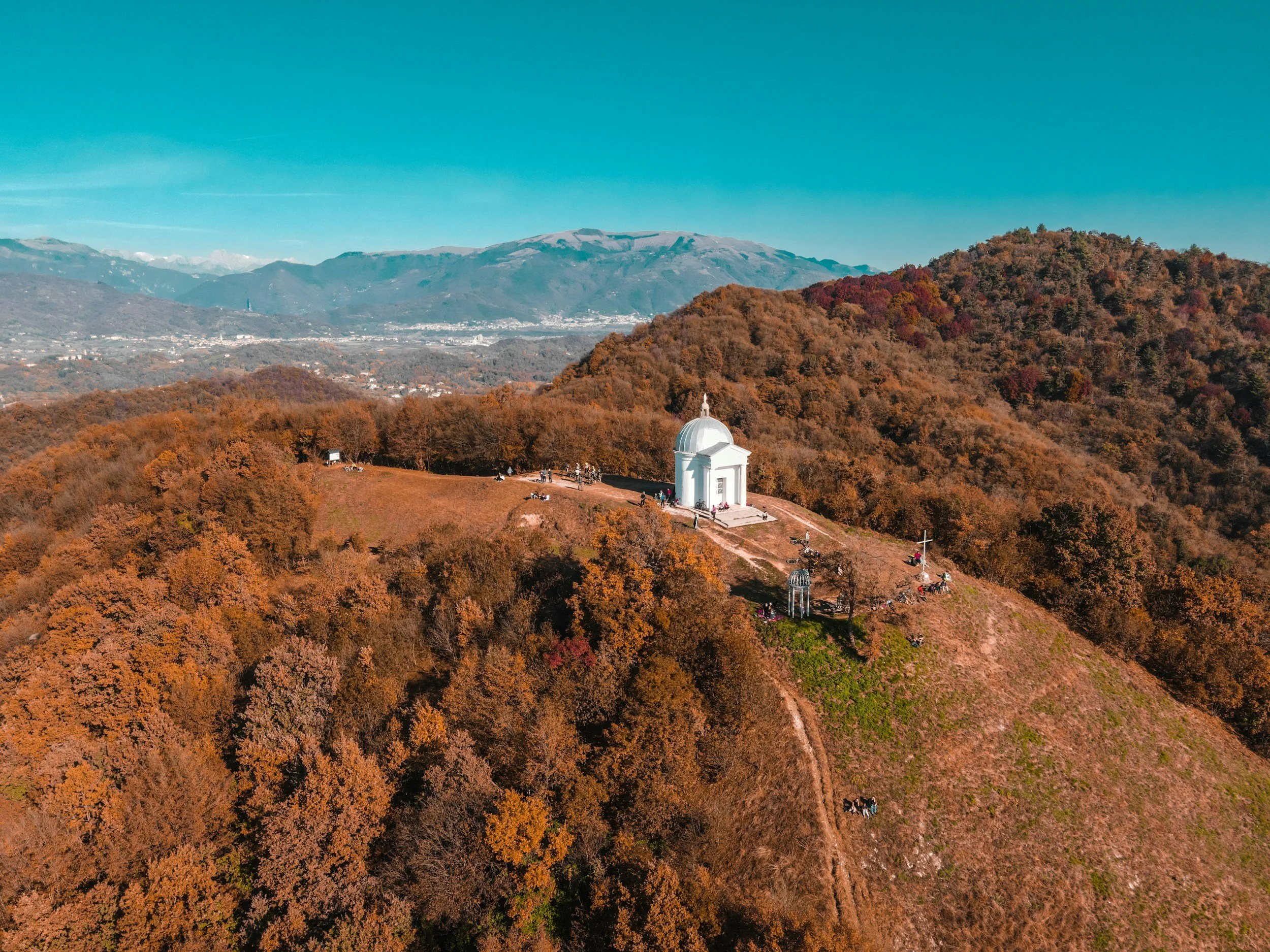
It's surprisingly common to see Asolo and Cison di Valmarino recommended alongside each other, whether you're reading about the Prosecco Hills, planning a road trip through northern Veneto or simply looking for somewhere smaller than Venice or Verona, and at first it genuinely looks as though you're choosing between two versions of the same weekend. They're less than an hour apart, both are historic hill towns surrounded by vineyards, and both appear on exactly the kind of itineraries that favour cafés, local restaurants and quieter places over famous landmarks.
The problem is that photographs don't really tell you how either town works once you've arrived.
You can scroll through images of Piazza Garibaldi in Asolo and Piazza Roma in Cison di Valmarino and come away thinking the experience will be much the same, when in reality they encourage completely different kinds of weekends, and that's something you usually don't realise until you've already unpacked your bag.
In Asolo, it's remarkably easy to head out after breakfast thinking you'll spend a couple of hours exploring before driving somewhere else, only to discover it's late afternoon and you've barely left the historic centre because another café looked inviting, a side street leading off Via Browning caught your attention, or you decided to walk up to La Rocca before lunch and ended up taking the long way back through streets you hadn't noticed earlier. It's one of those towns where your plans quietly become less ambitious as the day goes on, not because there's a huge list of attractions, but because it's simply enjoyable to spend time there.
In Cison di Valmarino you might begin the morning with a coffee overlooking Piazza Roma or a walk beneath CastelBrando, but before long you're driving towards Rolle because someone recommended the views across the vineyards, stopping in Follina for lunch, pulling into a small winery outside Guia that wasn't even marked on your original itinerary, or taking the quieter road towards Combai simply because it looked more interesting than the main one. The village is still the reason you came, but it naturally becomes part of a much wider day spent exploring this corner of the Prosecco Hills.
That's why I don't really think this is a question of which town is better, prettier or even more interesting, because those comparisons don't help very much once you're actually there. The more useful question is much simpler: what do you want your weekend to look like after you've checked into your hotel?
By the time you've finished reading, I hope you'll have a much clearer picture of which weekend sounds more like yours, because that's ultimately what separates these two towns far more than any list of attractions ever could.
Not every countryside hotel works well without a car, which is exactly why I put together these Italian stays after a lot of trial and error.
Getting to Asolo and Cison di Valmarino
One of the reasons these towns work well on the same trip is that they're surprisingly easy to reach once you're already in northern Veneto, although the final part of the journey is a little different for each.
If you're arriving by train, Asolo is usually the simpler option. Regional trains connect Venice Santa Lucia, Padua and Vicenza with Castelfranco Veneto, where regular buses continue up to the historic centre. The journey isn't completely seamless, but it's straightforward enough that many visitors spend a weekend here without hiring a car.
Cison di Valmarino takes a little more planning. The nearest railway stations are Conegliano and Vittorio Veneto, with local buses continuing into the village. Public transport works perfectly well if Cison is your destination, but it becomes much less convenient if you also want to explore wineries, Rolle, Follina or the smaller villages scattered through the Prosecco Hills.
If you're driving, both towns are easy to reach. From Venice, allow around 1 hour 15 minutes to Asolo and roughly 1 hour 20 minutes to Cison di Valmarino, depending on traffic. Travelling from Treviso is quicker, while both towns also fit naturally into a route between Lake Garda, the Dolomites and Friuli Venezia Giulia.
One small practical difference is parking. In Asolo, most visitors leave the car outside the medieval walls before walking into the centre, which means it's worth packing lightly if your accommodation is within the old town. In Cison di Valmarino, parking is generally closer to Piazza Roma, making arrivals and departures a lot easier if you're moving on to another village the next morning.
Planning the whole trip by train? This Italy itinerary connects several weekends that work surprisingly well without hiring a car.
Bologna fits surprisingly well before or after a few days in Veneto, especially if food is one of the reasons you're travelling, and this Bologna guide shows how I'd spend a long weekend there.
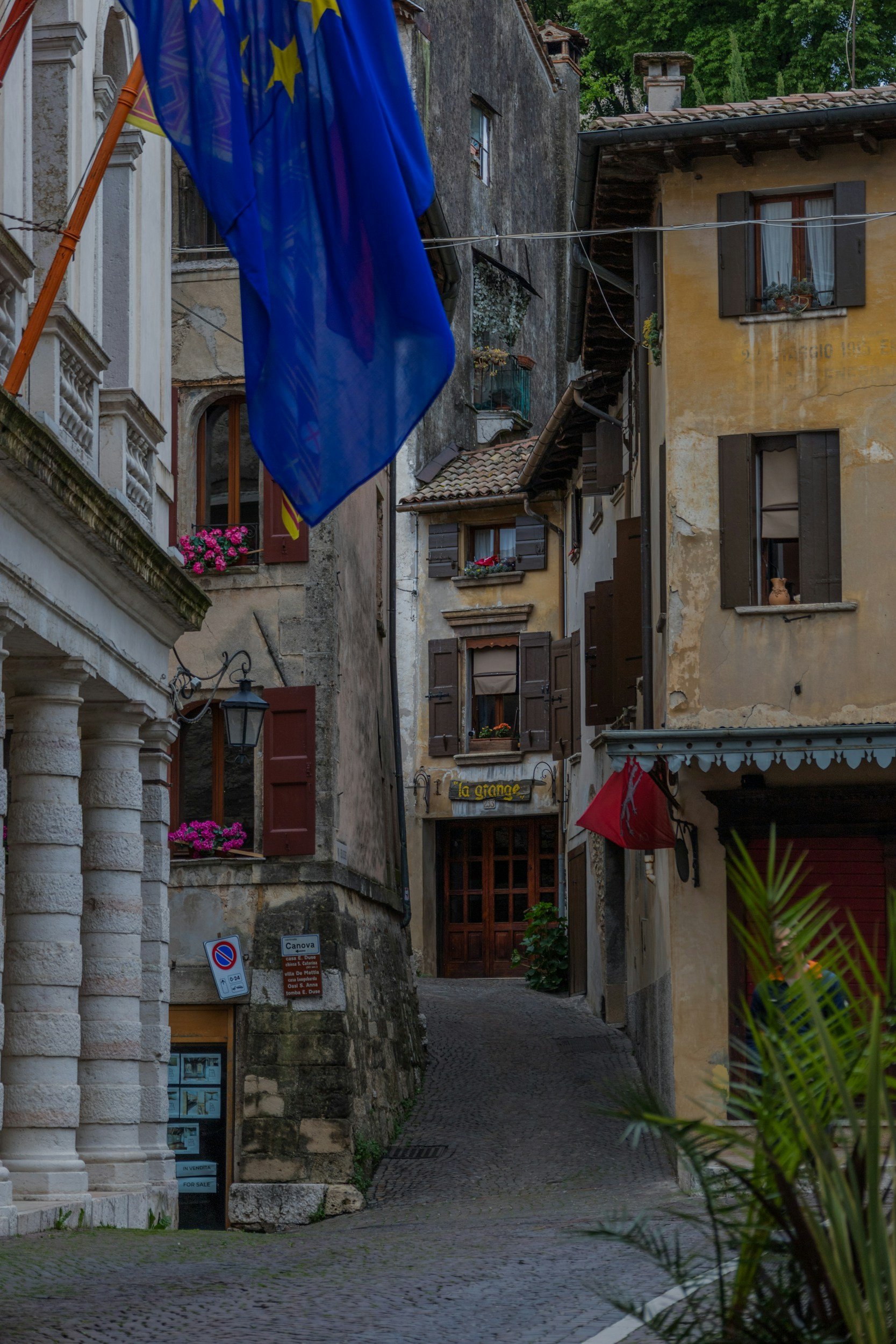
Why these two towns get compared so often
It's easy to understand why Cison di Valmarino and Asolo keep appearing in the same articles. They're less than an hour apart by car, both sit in the hills north of Treviso, and both are regularly recommended to travellers looking beyond Venice and Verona. If you're planning a route through the UNESCO-listed Prosecco Hills, there's a good chance you'll see both names within a few minutes of searching.
If you're planning a few days in northern Veneto, it's easy to end up with both Asolo and Cison di Valmarino open in separate browser tabs. They're close enough that many people assume they're interchangeable, and plenty of suggested itineraries simply include both without explaining why you might sleep in one instead of the other. It's not unusual to see a route that starts in Asolo, continues through Follina, perhaps stops at a winery near Valdobbiadene, then finishes in Cison as though all you're really doing is choosing between two attractive hill towns.
That sounds logical until you actually spend time there.
The fact that they're less than an hour apart turns out to matter much less than most people expect, because they don't become part of your trip in the same way. One is somewhere you'll probably spend most of the day without thinking much about where to go next. The other almost encourages you to keep looking beyond the village itself, simply because so much of what makes this corner of Veneto interesting lies only ten or fifteen minutes down the road.
One thing Asolo does very well is make you forget whatever else you had planned for the day. You might arrive thinking you'll spend the morning there before driving on to Bassano del Grappa or the Prosecco Hills, then realise it's already mid-afternoon and you've barely wandered beyond the historic centre.
You might start with a coffee on Piazza Garibaldi, wander into Libreria Massaro without meaning to buy anything, stop outside one of the ceramics workshops along Via Browning, then notice another narrow street climbing away from the main square and decide to see where it goes before eventually finding yourself on the path up to La Rocca. Even after you've reached the fortress and looked out across the Veneto plain towards Monte Grappa, there's no real sense that you've "finished" Asolo. Most people simply head back into the centre, perhaps stopping at a wine bar before dinner or taking another walk through streets that looked completely different a few hours earlier once the cafés have filled and the shopkeepers are standing outside chatting to people they know.
It's also one of the few towns in this part of Veneto where staying a second or third night genuinely changes the experience! Trust me on this. The first day is usually spent seeing the obvious places. The next is when you notice the little food shops tucked into side streets, the galleries you walked straight past the day before, or the fact that Via Robert Browning feels completely different first thing in the morning than it does just before dinner, when people begin gathering around Piazza Garibaldi for an aperitivo.
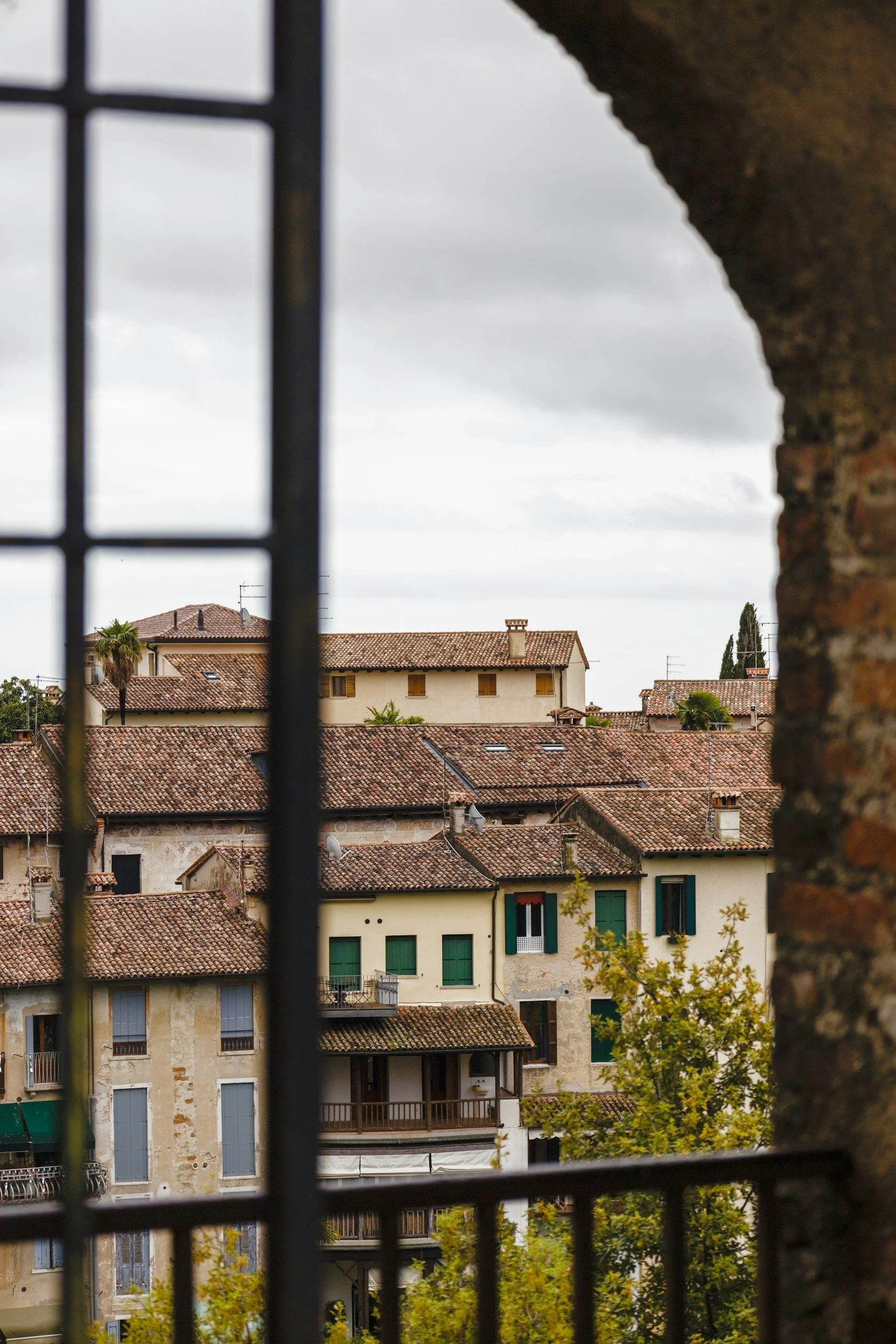
Restaurant in Asolo
Cison di Valmarino gives you a slightly different feeling almost as soon as you've finished walking around the centre. Piazza Roma, the little bridges crossing the Rujo stream and the streets leading up towards CastelBrando are all worth taking your time over, but after an hour or two it's quite common to look at the map and realise just how many places are within a fifteen-minute drive.
That's probably the biggest difference between Cison and Asolo.
From the village, it's only a few minutes to Follina, where people often stop to see the abbey before finding somewhere for lunch, while the road towards Rolle climbs steadily through vineyards that are just as memorable as the village itself. Continue in another direction and you'll come to Miane, Guia, Santo Stefano or Combai, where a handwritten sign outside a winery or a small roadside terrace is often enough to change your plans for the afternoon. You don't really need a detailed itinerary because the distances are so short that deciding to make one more stop rarely adds more than ten or fifteen minutes.
That's why Cison feels less self-contained than Asolo.
The village is still where you'll return at the end of the day, but it's rarely the only place you'll spend it. One morning might begin with coffee in Piazza Roma, another with a quick walk up towards CastelBrando, yet both days can end somewhere completely different because someone suggested a family-run winery outside Guia, you spotted the sign for Molinetto della Croda, or the drive towards Lago di Revine looked too tempting to ignore. After a couple of days, you stop thinking about individual villages and start thinking about this whole corner of Veneto as one connected area, where the roads between places become just as enjoyable as the places themselves.
One thing I kept noticing was how differently I used the car in each place, and that ended up changing the entire rhythm of the weekend without me really thinking about it.
In Asolo, once I'd parked outside the old town and carried my bag through the gates, the car barely crossed my mind again. Everything I wanted to do was within walking distance, whether that meant another wander through the streets around Via Browning, sitting outside on Piazza Garibaldi for longer than I'd planned, or deciding quite late in the afternoon that it was finally time to walk up to La Rocca. Even dinner didn't require much planning because there are enough restaurants spread through the centre that changing your mind halfway through an evening isn't usually a problem.
Cison di Valmarino never felt like a place where the village itself was going to fill the whole day, and I think that's simply because everything around it is so close.
It's very easy to leave after breakfast thinking you'll spend a couple of hours in Follina, then realise Rolle is only another ten minutes away, or decide to continue towards Combai because you've already come this far. By the time Valdobbiadene appears on the signs, adding another stop doesn't feel like changing the plan completely. It just feels like carrying on. After a day or two, I stopped thinking about individual villages altogether because the whole area feels so connected. Driving from Guia to Miane or taking the smaller road through Arfanta never felt like another excursion. It was simply the next part of the day.
In Asolo, dinner was often followed by another walk through the centre because I was already there. In Cison, by the time I got back to Piazza Roma, I'd usually been out since breakfast and covered far more ground than I'd realised. Dinner marked the end of the day rather than the start of the evening, and once the restaurants began emptying, the village became very quiet quite quickly, particularly outside summer and the grape harvest. I'd usually cross the square once more on the way back to the hotel, look up towards CastelBrando, and that was about it. It never felt as though anything was missing. The day had already happened somewhere else.
Asolo often gets compared with Bassano del Grappa too, and this Asolo comparison makes choosing between them much easier because they suit very different weekends.
The longer you stay in Asolo, the more it makes sense
One of the reasons people end up staying in Asolo longer than they planned is that the town never really feels finished after the first walk around. You can cross the historic centre surprisingly quickly if you head straight from Piazza Garibaldi towards La Rocca, but hardly anyone does. Instead, you wander down Via Browning, stop outside a shop window, notice a narrow lane disappearing between two ochre-coloured buildings, then somehow find yourself back on the square half an hour later without ever taking the route you originally had in mind.
That probably has as much to do with the businesses as it does with the streets themselves. Via Browning isn't lined with the same fashion chains and souvenir shops that dominate so many Italian towns. Instead, you'll pass small wine merchants selling bottles from the surrounding hills, independent boutiques where the owner is usually standing in the doorway chatting to people walking past, galleries, antique shops and Libreria Massaro, where it's surprisingly easy to lose track of time even if you hadn't planned on buying a book. A few minutes later you're on Via Robert Browning, which feels noticeably quieter, with fewer people stopping to browse and more simply making their way home before dinner.
After a while you stop thinking about individual streets altogether because the centre flows together so naturally. You might climb up towards La Rocca, come back down a completely different way, stop for an espresso on Piazza Garibaldi, then realise there's still an entire corner around Via Canova that you haven't wandered through yet. By late afternoon the square begins filling with local residents meeting for a drink after work, chairs scrape across the paving stones as more tables appear outside the cafés, and even if you've already spent six or seven hours in town, it rarely feels like you've run out of places to poke your head into before dinner.
If you do decide to walk up to La Rocca, it's worth knowing that the climb always looks shorter from Piazza Garibaldi than it feels halfway up. There are several ways of reaching the fortress, though, and that's one of the reasons the walk never becomes just about the viewpoint. One narrow lane passes old stone houses with flower boxes outside the windows, another suddenly opens onto a small terrace looking across the rooftops, and before long you've forgotten that you were actually trying to get somewhere. The view from the top easily justifies the effort, stretching across the Veneto plain towards Monte Grappa on a clear day, but I always find the walk itself just as enjoyable as standing at the fortress.
Coming back down is usually when Asolo starts pulling you in again.
You notice a food shop with local cheeses and salami that was closed earlier in the morning, a tiny gallery you've somehow walked past twice already, or a courtyard that wasn't obvious the first time because you were too busy looking for the road to La Rocca. It isn't a town where every street contains something famous. It's the opposite actually! Most of the pleasure comes from the little places you hadn't planned to find in the first place, and that's probably why people end up wandering the same streets several times without really minding.
That's also why I wouldn't worry too much about having a full itinerary here. Once you've parked outside the historic centre and carried your bag through the old gates, the car often stays exactly where it is until it's time to leave. Villa Barbaro in Maser or the Canova Museum in Possagno both make excellent half-day trips if you're spending several nights in the area, but if you never get around to either because another long lunch turns into another slow walk through town, you probably won't feel as though you've missed anything.
If your dates are flexible, it's worth checking whether you'll be in Asolo on the second Sunday of the month, because the antiques market completely changes the town for a day. Instead of browsing the usual handful of independent shops along Via Browning, you'll find dealers from across northern Italy setting up between Piazza Garibaldi, Via Roma and the smaller streets leading away from the square, with everything from old copper cookware and Venetian prints to vintage jewellery, maps, furniture and boxes of books spread across the cobbles.
It's also one of the few mornings when arriving early genuinely makes a difference. By nine o'clock, the cafés around Piazza Garibaldi are already busy with people carrying paper bags, comparing finds over espresso or deciding whether to buy something before walking another lap through the market in case they don't see it again. Even if antiques aren't normally your thing, it's surprisingly easy to spend much longer there than you intended because the market becomes woven into the town rather than feeling like a separate event.
The evenings have a similar effect, although in a much quieter way. Once the shops begin closing, Asolo doesn't suddenly empty as many small towns do. People head back towards Piazza Garibaldi for a glass of local Asolo Prosecco before dinner, restaurants gradually fill rather than all at once, and even later in the evening there are still couples strolling through the centre or locals stopping to chat outside the bars on their way home. It's never busy in the way larger Italian towns can be, but it doesn't feel as though the day ends when the shops shut their doors either, and if you're staying for a few nights, that makes the town feel much more lived-in than somewhere that empties as soon as the last day visitors leave.
If you're interested in vintage homeware or old Italian prints, I'd plan the entire weekend around that Sunday rather than treating it as something you happen to stumble across. The town feels completely different with the market in full swing, and it's one of the few monthly markets I'd genuinely rearrange my dates for.
Markets are one of the easiest ways to slow a trip down, and these summer markets are all places I'd happily build a weekend around.
The small-town markets are worth a look too if you'd rather browse local producers than souvenir shops.
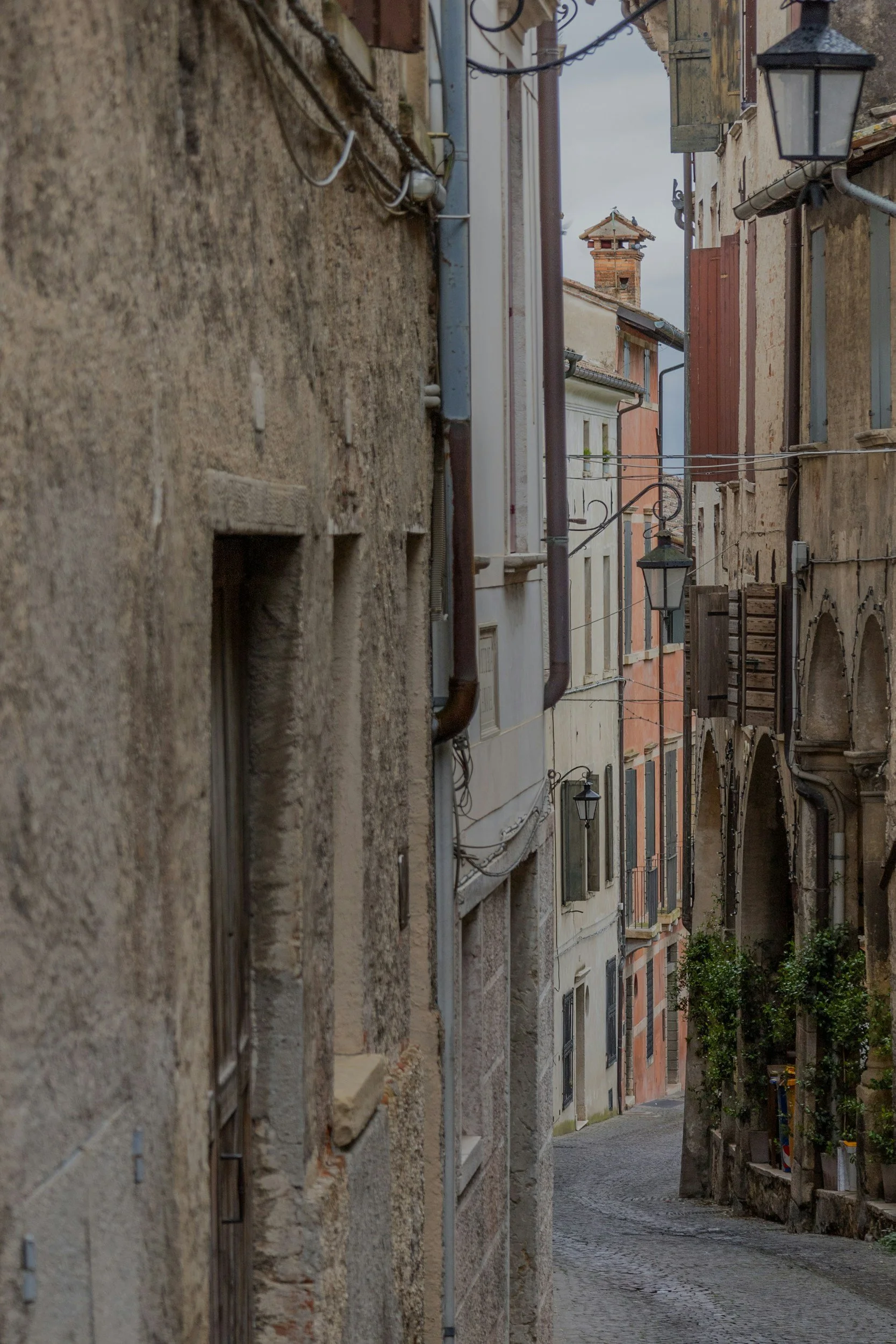
Travelling in autumn instead? The Alba truffles are one of the few seasonal events I'd genuinely plan a trip around.
Cison di Valmarino - where the Prosecco Hills start to make sense
The mistake I think a lot of people make with Cison di Valmarino is assuming the village itself is going to fill the whole weekend.
It probably won't, and I don't mean that as a criticism of Cison. It's simply because of where it sits. Once you've spent some time around Piazza Roma, wandered across the little bridges over the Rujo stream and looked up towards CastelBrando, you realise that almost everything else you wanted to see in this part of Veneto is only a short drive away.
That's what surprised me the first time I stayed here.
I'd leave the hotel thinking I was only driving to Follina for an hour, then notice a sign towards Rolle and decide it wasn't much further. After that it seemed unnecessary not to continue towards Guia, because I was already there, and before long I was stopping outside a winery simply because a few cars were parked outside and it looked busy with locals rather than tour groups. None of those decisions had been planned before breakfast. They just happened because the villages are so close together that changing your mind doesn't really cost you anything.
When you're staying in Asolo, there's a natural point where you stop thinking about the car because everything you want is already around you. In Cison, I found myself doing the opposite. I'd finish breakfast, look at the map for a minute and realise there were half a dozen places within fifteen or twenty minutes that I'd quite like to see before dinner.
Some of those places are hardly destinations in their own right. The road between Miane and Combai is one I'd happily drive again even if there wasn't anything waiting at the other end, simply because every few minutes another vineyard appears on impossibly steep slopes or another small producer has put a handwritten sign outside the gate advertising tastings. The same is true around Guia, where it's worth taking the smaller roads instead of staying on the main route, not because they're faster but because this is where you suddenly come across the places that rarely appear in guidebooks.
By the second day, I wasn't really thinking in terms of individual villages anymore. It felt more like spending time in one connected landscape where Follina, Rolle, Cison di Valmarino, Combai and Guia happened to be linked together by short drives rather than existing as separate destinations. That's probably why I think Cison works best as a base rather than somewhere to stay without exploring beyond it. The village is lovely on its own, but I think you'd miss the best part of this corner of Veneto if you never ventured a little further than Piazza Roma.
That changes the way the whole weekend comes together, and I don't think it's something that's obvious until you've spent a couple of days there.
When I stayed in Asolo, I more or less forgot about the car after checking in. I'd leave the hotel after breakfast, spend the day wandering through the historic centre and only really think about driving again when it was time to leave. If I returned to my room during the afternoon, it usually meant the day was already coming to an end because there wasn't much reason to keep moving between places. Everything I wanted to do, whether that was another coffee on Piazza Garibaldi, browsing a few more independent shops or deciding where to eat that evening, was already within a few minutes' walk.
Cison never settled into that kind of routine because the village sits in the middle of so many places that are worth seeing. One afternoon I'd come back after lunch to leave a couple of bottles I'd picked up at a winery outside Guia, only to realise I still had plenty of time to drive over to Rolle before dinner because it was barely ten minutes away. The following morning there was no reason to repeat that route because heading towards Follina, Lago di Revine or the vineyard roads around Combai took me in a completely different direction without adding much extra driving. After two or three days, you stop thinking about individual day trips and start treating the whole area as one connected landscape where every road seems to lead to another village, another producer or another viewpoint.
That's also why I wouldn't book Cison expecting to spend every hour in the village itself.
The centre is lovely, but it's relatively small, and I think most people naturally reach a point where they feel like seeing what's around the next bend rather than walking around Piazza Roma for a third time. That's not because you've run out of things to do. It's because this corner of Veneto is unusually compact. Within twenty minutes you can be tasting wine near Santo Stefano, standing inside the abbey in Follina, stopping for lunch in Combai or driving one of the quieter roads above Miane, where the vineyards climb steep enough hillsides that you wonder how they're worked at all. None of those places feels like a separate excursion. They're simply different pieces of the same weekend.
Unlike many Italian hill towns, where unloading luggage can be the most stressful part of arriving, Cison di Valmarino has several public parking areas within a short walk of Piazza Roma, so coming back to the hotel for an hour, dropping off a few purchases or changing before dinner doesn't become something you try to avoid. It sounds like a small detail, but after a couple of days it changes how relaxed the whole trip feels because you're never organising the day around where you've left the car.
The evenings are probably where I noticed the biggest difference.
In Cison di Valmarino, I found myself thinking about dinner much earlier than I ever did in Asolo, partly because there are fewer places to choose from around Piazza Roma and the streets below CastelBrando, but also because the village starts settling down quite early once the day visitors have gone. If you're travelling between Friday and Sunday during spring, harvest season or one of the local festivals, I'd book a table rather than assuming you'll decide where to eat once you're hungry. Outside those busier periods, especially on Sunday evenings and Mondays, you'll notice quite a few shutters already down by the time you're heading out.
After dinner, there isn't really another part of the evening waiting for you in the way there often is in Asolo. People aren't moving between wine bars, browsing shop windows or stopping for one last drink before walking back to the hotel. Instead, you'll probably find yourself doing what everyone else seems to be doing: taking a slow walk across Piazza Roma, crossing the little bridges over the Rujo one more time, looking up at CastelBrando now that it's lit against the hillside, then heading back. The village becomes remarkably quiet, and after spending the day driving between wineries, vineyard roads and neighbouring villages, that actually feels quite fitting rather than like something is missing.
I also think that's why people sometimes misjudge Cison when they're only looking at photographs online.
The village is beautiful, but if you choose it expecting another version of Asolo, there's a good chance you'll be disappointed because you're expecting the wrong thing. By the second or third day, I realised I wasn't really thinking about Cison di Valmarino as a single village anymore. I'd leave after breakfast with one destination in mind, stop somewhere completely different because a road looked interesting or someone at a winery had suggested another place nearby, then find myself back in Piazza Roma just before dinner without ever feeling like I'd been rushing from place to place. After a while, the village stopped feeling like the destination and started feeling more like the place everything else naturally connected back to, whether I'd spent the afternoon in Rolle, Follina, Guia or somewhere that hadn't even been on the itinerary that morning.
The roads around Cison are just as enjoyable on foot, and these Prosecco hikes are a good place to start if you'd rather leave the car behind for a day.
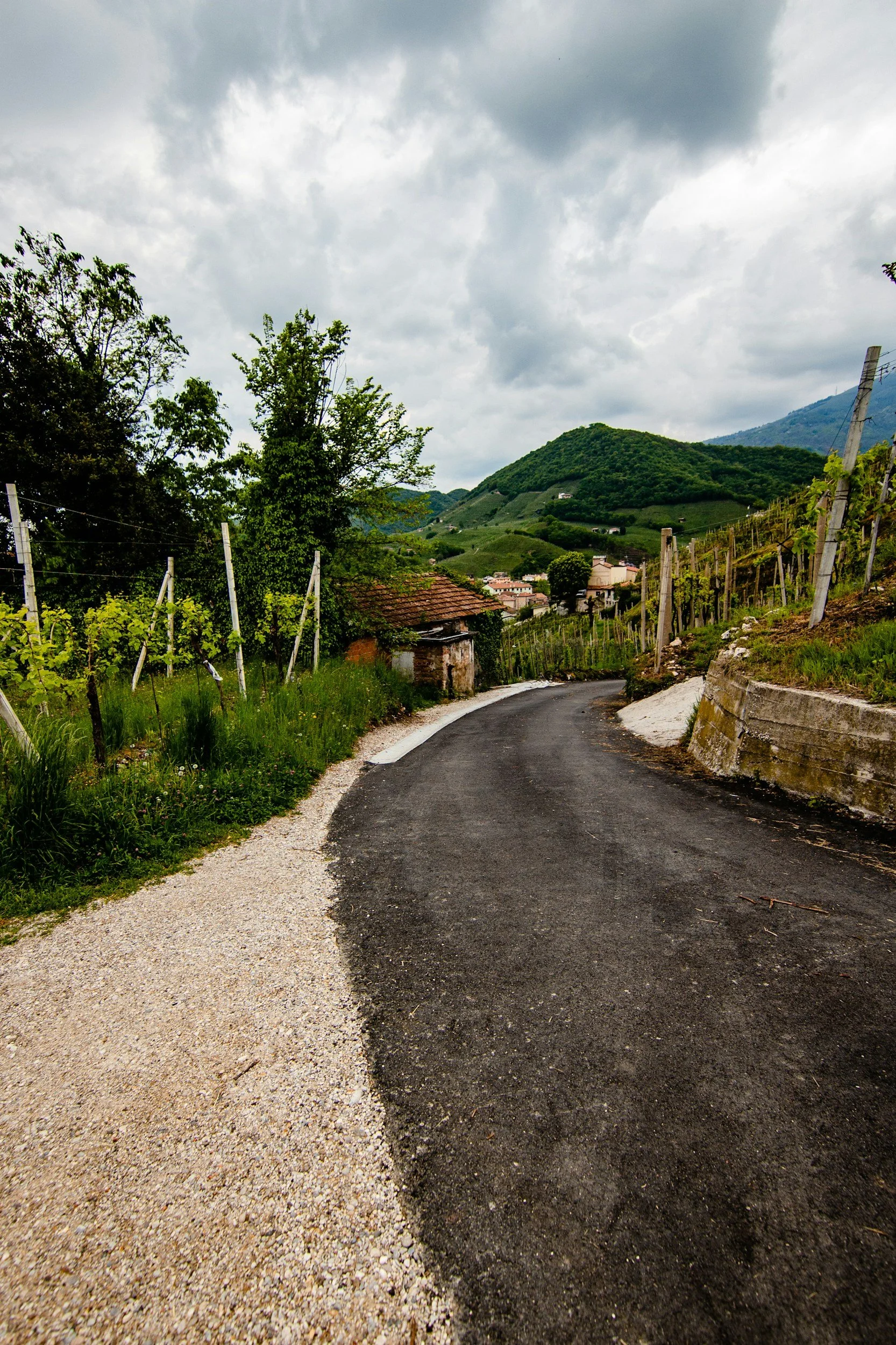
Getting there is only half the story
When I was planning my first trip, I spent far too much time looking at train stations and bus connections because I assumed that would be the deciding factor. In the end, it wasn't. Neither Asolo nor Cison di Valmarino has a railway station in the historic centre, so whichever one you choose, there's a final stretch by local bus, taxi or car before you arrive. That part is easy enough to work out beforehand. What surprised me was how differently the two weekends felt once I'd actually checked into the hotel.
With Asolo, most of the planning is over by the time you've walked through Porta Loreggia and reached Piazza Garibaldi. If you're arriving by train, you'll normally come via Castelfranco Veneto, where regular regional services from Venice, Padua and Vicenza connect with buses up to the town. It's worth checking the timetable before you travel because the buses don't always line up perfectly with every arriving train, but after that I barely thought about transport again. The centre is compact enough that you don't spend the weekend wondering how to get from one place to another or whether you've got time to fit something else in before the last bus leaves. You simply head out in the morning and see where the streets take you, knowing that wherever you end up, you're only a few minutes from your hotel.
Cison di Valmarino never felt quite as straightforward, although not because it was difficult to reach.
The difference was that every morning seemed to start another conversation. I'd open the map while drinking my coffee and notice that Follina was only a few minutes away, then remember someone had recommended a winery outside Guia, or realise I could easily continue towards Combai without adding much time at all. None of those places is far away, which is exactly why the decisions keep changing. You don't set out with a fixed route because you don't really need one. It's very easy to leave the village with one plan and come back having spent the afternoon somewhere you hadn't even considered the night before.
That's also where having a car begins to make a noticeable difference, not because Cison can't be reached by public transport, but because this corner of Veneto isn't really built around visiting one place at a time. Buses connect the main towns, including Conegliano, Vittorio Veneto and Cison itself, but the smaller producers, quiet vineyard roads and little villages in between are what make the area memorable, and they're much easier to explore when you aren't checking whether the next bus is in twenty minutes or another hour.
I don't think I'd choose Asolo because it's easier, or Cison because it offers more freedom. I'd choose them because they encourage two completely different ways of travelling. One lets you stop planning almost as soon as you've arrived. The other quietly convinces you to keep changing your plans, simply because there always seems to be another road that looks worth taking.
One thing I appreciated after a day or two in Asolo was that there never seemed to be any pressure to keep moving. If I spent longer than expected browsing the little shops along Via Browning, it didn't matter. If I suddenly felt more like another espresso on Piazza Garibaldi than walking up to La Rocca, I wasn't giving anything up. An hour later I could still decide to climb to the fortress, take a different route back through Via Canova, stop outside a gallery I'd completely missed earlier or wander along Via Regina Cornaro before thinking about dinner. Nothing ever felt too far away or as though I'd missed my chance by not doing it first.
I think that's one of the reasons Asolo suits people who enjoy spending time in one place rather than constantly looking at the next stop on the itinerary. You don't need to organise the day particularly carefully because almost everything sits within a few minutes' walk, which makes it easy to change your mind as you go without feeling like you've wasted time.
Cison di Valmarino gave me almost the opposite feeling, although not because the village is larger or more complicated. I simply found myself looking beyond it much sooner.
If you're only planning to spend the weekend in Cison di Valmarino, getting there without a car isn't especially difficult. Regional trains to Conegliano or Vittorio Veneto connect with local buses into the village, and once you've arrived, everything around Piazza Roma, the Rujo stream and the climb towards CastelBrando is easy enough to explore on foot.
Where things become a little less straightforward is when you start doing what almost everyone ends up doing.
You finish breakfast, open Google Maps for a quick look and realise Follina is barely ten minutes away. Then you notice Rolle is even closer than you expected. Someone at dinner the night before mentioned a winery outside Guia, and suddenly what was supposed to be a slow morning in Cison has turned into three or four possible plans before you've even left the hotel.
Italian markets feel completely different once summer is over, and these market tips explain why September and October are often much more enjoyable.
That's really how this part of Veneto works.
The villages sit surprisingly close together, but public transport doesn't work in the same way the map makes you think it will. Driving from Cison to Combai, continuing towards Miane, then taking the quieter road through Guia can easily become a relaxed afternoon. Trying to piece together the same route by bus is a completely different exercise because the services are designed around local residents rather than people spending the day between vineyards and wineries. Miss one connection, particularly on a Sunday, and it's often easier to abandon the original plan altogether than spend the next hour waiting.
I actually think that's why so many people end up hiring a car here even if they normally prefer travelling by train.
It's not because Cison di Valmarino is difficult to reach, but because this corner of Veneto rewards curiosity more than careful planning. Some of the nicest stops aren't villages you'd specifically searched for before arriving. They're the little cantina with two handwritten chalkboards outside Guia, the roadside viewpoint you notice between Miane and Combai, or the vineyard road you decide to follow simply because there are no other cars on it. Those moments are much easier to enjoy when you don't have to keep one eye on the next bus timetable.
One thing I liked about staying around Cison di Valmarino was that I stopped caring very much about sticking to the original plan. I'd set off towards Follina, notice a handwritten sign for wine tastings outside a small producer near Guia, pull in to see if they happened to be open, then carry on without worrying that I'd somehow fallen behind schedule. Another afternoon I ended up at the terrace outside Ai Cadelach Hotel Giulia, not because I'd read about it beforehand, but because it looked like somewhere worth stopping for a drink while driving back from Lago di Revine. Those little decisions became some of the moments I remembered most, and they only really happened because everything was so close together that making an unplanned stop never felt like a commitment.
That's probably the biggest difference between spending a weekend in Cison and spending one in Asolo. In Asolo, the town itself keeps your attention for much longer than you'd expect. Around Cison, it's often the roads between the villages that stay with you afterwards. One morning might begin in Piazza Roma, lunch ends up in Follina, the afternoon disappears somewhere between Miane and Combai, and by dinner you're back beneath CastelBrando wondering where the day actually went. I don't think I'd have travelled through this part of Veneto in quite the same way if I'd been relying entirely on buses, because so much of what I enjoyed was never planned before I left the hotel in the morning.
Ascoli Piceno is another place people often overlook, and this Ascoli guide explains why I'd choose it before some of Italy's more obvious destinations.
The evenings are where these towns really part ways
If you're only passing through for lunch, there's every chance Asolo and Cison di Valmarino will leave a fairly similar first impression. Both have attractive historic centres, restaurants with outdoor tables and enough to fill a few relaxed hours. Staying overnight is what separates them.
In Asolo, I never felt any pressure to fit everything into the afternoon because there wasn't a sense that the town was winding down once the shops closed. Dinner simply became another part of the day rather than the point where it ended. Restaurants around Piazza Garibaldi filled steadily through the evening, people drifted between tables rather than arriving all at once, and there was still enough going on afterwards that walking back to the hotel never felt like the final thing left to do.
That changed how I used the town.
Some evenings I'd realise there was a shop I'd meant to go back to before it closed, another night I'd take a different route through the centre because I hadn't walked down that street yet, or stop to look at the menu outside a restaurant I hadn't noticed earlier in the day. None of those things were destinations in themselves, but together they made it easy to stay outside for another hour without really deciding to.
Finding somewhere for dinner in Asolo never felt like something I needed to think about very much. I'd usually head out without having decided where to eat, wander through the centre for a while, look at a couple of menus and then simply choose whatever felt right that evening. Because the restaurants aren't all clustered around Piazza Garibaldi, you never really end up in a situation where everyone is trying to get a table at the same place, and if somewhere looked busier than I fancied, I'd just keep walking. It never took long before another restaurant caught my eye.
That didn't really change depending on the day of the week either. Saturdays are obviously busier, especially if your visit coincides with the monthly antiques market, but on an ordinary Tuesday evening I never had the feeling that I'd gone out too late or that the town had already called it a day. Restaurants were still serving dinner, there were still people out, and it felt just as easy to decide on the evening as it happened instead of having everything planned beforehand.
Cison di Valmarino is a little different, and it's worth knowing before you arrive.
There aren't as many restaurants in the village itself, so if you've already decided you'd like dinner at Osteria al Ponte or another particular place, I'd book a table rather than assume you'll find space when you turn up, especially on Fridays, Saturdays and during the busier weeks in spring and autumn. If your first choice is full, there simply aren't as many alternatives within a couple of minutes' walk as there are in Asolo.
The other small detail that's easy to miss is Monday. Quite a few restaurants and independent businesses close after the weekend, so if you're arriving on a Monday afternoon after spending the day around Valdobbiadene, Follina or the surrounding vineyards, you'll probably have fewer options than you expected. It's not something that changes the trip, but it's useful to know before you're standing in Piazza Roma wondering where everyone has gone.
After dinner, there isn't much reason to stay out for another couple of hours, and I don't think that's what Cison di Valmarino is trying to offer in the first place.
A short walk through Piazza Roma is usually enough to realise how quickly the village changes once the restaurants begin emptying. The little bridges across the Rujo are quiet again, the windows of CastelBrando stand out against the hillside above the village, and before long you're heading back to the hotel without feeling as though you're leaving anything unfinished. After spending the day driving between villages, stopping at wineries and taking whichever road looked interesting at the time, it feels like a fairly natural way to end the day.
That also changes what it's like to stay here for several nights.
The evenings aren't really where the variety comes from. That usually happens between breakfast and dinner, when you decide whether the day is taking you towards Follina, Combai, Miane or somewhere that wasn't even on the plan when you woke up. By the time you're back in Cison, the exploring has already happened. Dinner is the point where the day comes together again before everything starts over the following morning.
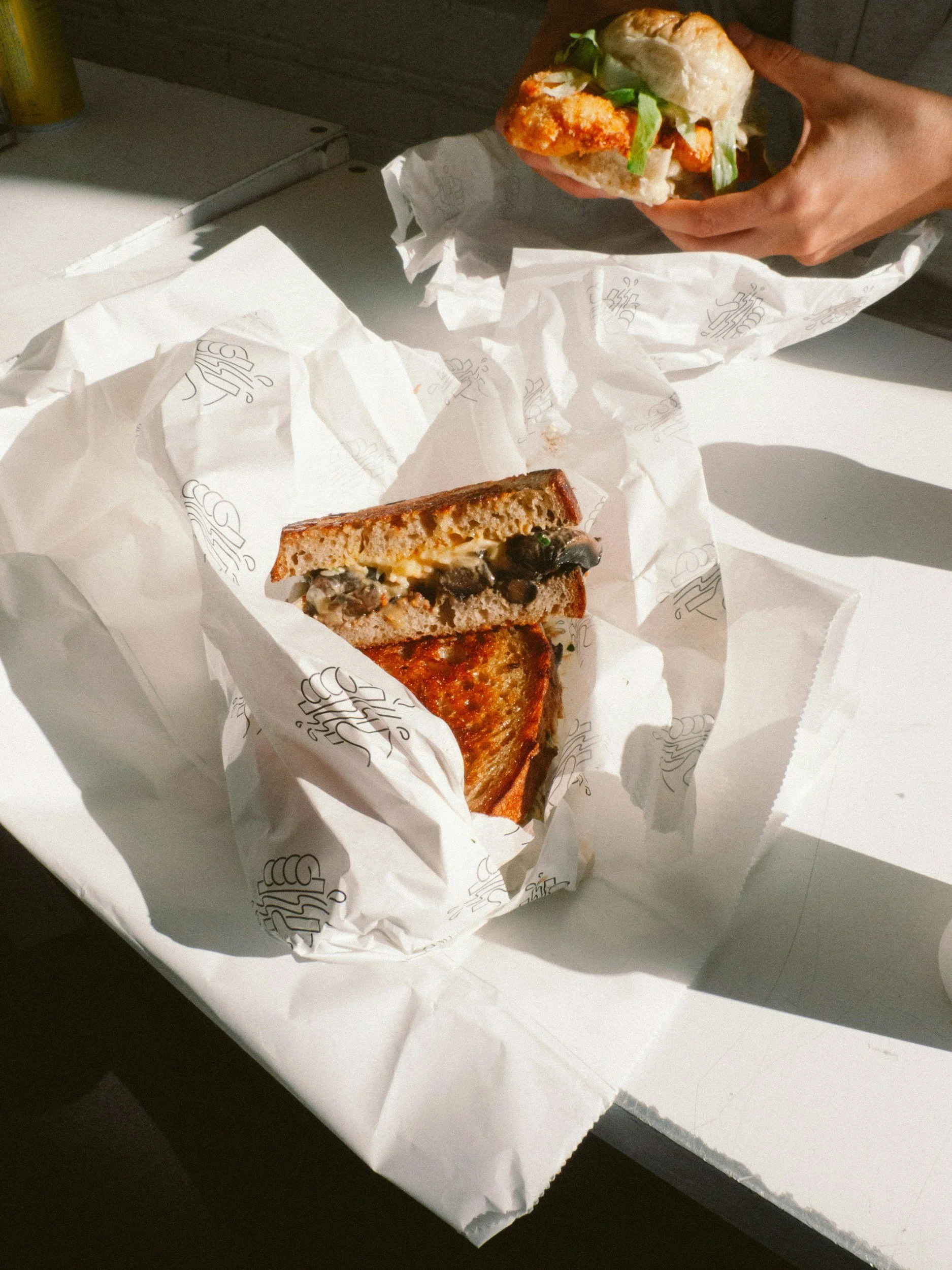
Appertivo in Asolo
The Sabina Hills offer a completely different side of Italy if you're already collecting ideas for another quiet weekend.
Which town is a better place to stay?
Choosing where to stay isn't only about the town itself. It's also about what you want to do once you've finished exploring it.
If the Prosecco Hills are the main reason you're coming to this part of Veneto, Cison di Valmarino is difficult to overlook. The village sits close to the middle of the UNESCO wine landscape, so places like Valdobbiadene, Farra di Soligo, Col San Martino, Refrontolo and Rolle all feel comfortably close without requiring long drives or backtracking. You can spend one day following the vineyard roads towards Valdobbiadene, another exploring the eastern side of the hills around Follina and Tarzo, and still discover villages you hadn't planned to stop in simply because they're only a few kilometres away.
That becomes particularly noticeable during the grape harvest, usually between September and early October, when tractors move steadily between the vineyards, temporary signs appear outside small producers selling freshly pressed grape juice, and many wineries extend their tasting hours. Rather than driving the same roads twice, you naturally find yourself creating a different circular route each day before returning to Cison in the evening.
If your trip is broader than the Prosecco Hills, Asolo often creates a better balance. Bassano del Grappa is less than half an hour away, Possagno with the Antonio Canova Museum is even closer, and Villa Barbaro in Maser fits easily into the same afternoon without spending most of the day behind the wheel. You're also well positioned if you're continuing west towards Vicenza or beginning a road trip into the foothills before heading north.
Arriving by train makes Asolo easier to build a trip around. If you're coming from Venice, you'll usually change at Castelfranco Veneto before continuing by bus up to the town, and once you've checked into your hotel there's very little else to organise. The next couple of days can be as simple as deciding whether you feel like walking up to La Rocca, spending longer around Piazza Garibaldi than you'd planned or taking an afternoon trip to Possagno or Villa Barbaro in Maser before coming back for dinner. It never feels as though you're constantly travelling to the next place.
Cison di Valmarino suits a different sort of weekend because the hotel is only one part of where you'll spend your time. You might leave in the morning with a tasting booked near Guia, then discover another producer a few kilometres away because someone poured you a glass of wine and said, "If you've got time, try this place as well." Or perhaps you decide to drive through Arfanta instead of taking the quicker road simply because you've never been that way before and there's no particular reason to hurry. Those are the little decisions that shape a weekend here, and they're much easier to make when you're already staying in the middle of the Prosecco Hills instead of driving in for the day.
The longer I stayed in Asolo, the less I felt the need to make plans for the next day.
Some afternoons I never left the historic centre at all, not because there wasn't anywhere else to go, but because I didn't feel I needed to. If the weather changed, it didn't really matter. If I felt like taking the afternoon slowly, that worked just as well. There was always another street I hadn't wandered down yet, a shop I'd meant to go back into or somewhere I'd noticed earlier that I hadn't quite had time for. A day without a plan never felt like a day wasted.
Cison di Valmarino never worked like that for me.
Each morning started with the same question: which direction should I drive today? One day it was Lago di Revine, another it was Combai, another it was the smaller roads around Arfanta and Guia, where I'd often end up stopping somewhere that hadn't been on the itinerary when I left the hotel. After a while, I realised I wasn't really staying in Cison for the village alone. I was staying there because almost every road leading away from it took me somewhere I wanted to see.
Lake Orta appeals to many of the same travellers, although for completely different reasons, and this Lake Orta guide explains why people end up staying longer than they expected.
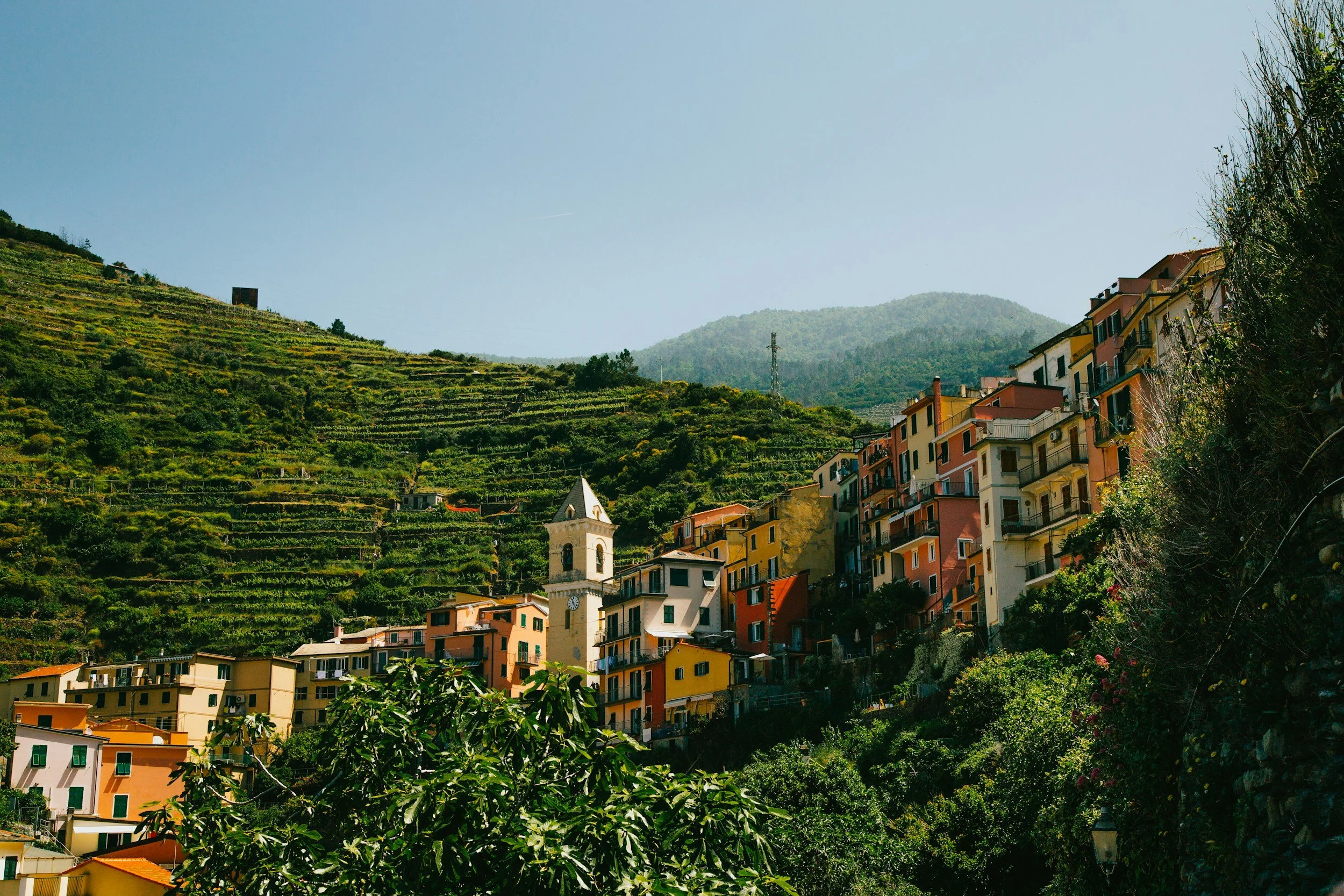
So which one should you choose?
I don't think I'd choose between Asolo and Cison di Valmarino because one is prettier than the other. After you've spent a few hours in each, that stops being the interesting question anyway. The bigger difference is what you feel like doing once you've walked around the centre and you're deciding what tomorrow looks like.
In Asolo, I never really felt the need to leave. I'd walk back through Piazza Garibaldi, remember there was a delicatessen I hadn't gone into, decide to have a look in Libreria Massaro before it closed, or realise I'd completely missed one of the smaller streets around Via Regina Cornaro earlier in the day. Before long it was time for dinner. The town kept giving me small reasons to stay where I was, and after two or three days I never felt like I'd made the wrong decision by not driving somewhere else.
Cison di Valmarino was different because every morning I had another place I wanted to see. Maybe I'd planned to drive to Follina, but someone had mentioned a winery near Guia the evening before. Perhaps I'd noticed Combai on the map and realised it was only another few minutes away, or decided to take the road through Arfanta because I'd never driven it before. None of those places was far away, so changing the plan never felt like a big decision. It was just part of spending a few days in this part of Veneto.
That's probably the easiest way I'd explain the difference to somebody planning a trip.
If you want one town that comfortably fills a long weekend without feeling the need to get back in the car every few hours, I'd recommend Asolo. If you're already looking at winery openings, wondering which villages to combine with Follina, or thinking about driving the smaller roads between Guia, Combai and Valdobbiadene, I'd choose Cison di Valmarino instead.
They're close enough that people compare them all the time. After staying in both, I don't think they're really trying to offer the same kind of weekend.
Ravenna creates a completely different kind of weekend again, and this Ravenna guide is a useful comparison before deciding where to spend a few days.
FAQs about Asolo and Cison di Valmarino
Is Asolo or Cison di Valmarino nicer to stay in?
That really depends on what you enjoy once you've dropped your bags at the hotel.
If your favourite part of a trip is wandering around one town, stopping for coffee when you feel like it, browsing independent shops and finding somewhere different for dinner each evening, I'd lean towards Asolo.
If you're happier getting back in the car after breakfast to see another village, another winery or another stretch of vineyard road, Cison di Valmarino usually makes more sense. Most people staying there spend just as much time outside the village as they do in it.
Do I really need a car in Cison di Valmarino?
Not to visit the village itself.
You can get there by public transport, and once you're in the centre everything is easy to explore on foot. The question is really how much of the surrounding area you want to see.
Places like Rolle, Guia, Combai and some of the smaller wineries are only a few minutes away by car, but much slower to reach by bus. If those are part of the reason you're coming, hiring a car makes a big difference.
Is Asolo just a day trip from Venice?
It can be, but I think that's selling the town a little short.
Quite a few people arrive around lunchtime, walk up to La Rocca, have dinner and realise they wish they'd booked a room instead of rushing back. The atmosphere changes once most of the day visitors leave, and that's one of the nicest times to be there.
Which town has the better cafés and restaurants?
Asolo has more choice.
The cafés, wine bars and restaurants are spread throughout the historic centre rather than gathered around one square, so if you're staying for a few nights it's easy to eat somewhere different every evening.
Cison has some very good places to eat as well, but there are fewer of them, so if you're visiting on a Friday or Saturday it's worth booking dinner rather than assuming you'll find a table.
I'm visiting the Prosecco Hills. Which town makes more sense?
If the vineyards are the main reason you're coming, I'd choose Cison di Valmarino.
You're already in the middle of the landscape that most people drive here to see, so it's easy to spend one day around Valdobbiadene, another near Follina and Rolle, and another exploring whichever winery catches your eye without spending ages in the car.
Which town is easier if I don't want to keep moving hotels?
Asolo.
It's the sort of place where you can happily spend most of the weekend on foot without feeling like you're missing anything.
Cison is different because the village naturally leads you into the surrounding countryside. That's part of its appeal, but it also means most people end up driving somewhere different each day.
Is there much to do in the evenings?
Neither town is about nightlife, but they feel surprisingly different after dinner.
In Asolo, people are still sitting outside with a drink, restaurants stay busy and there's enough going on that another walk through the centre feels worthwhile.
Cison becomes much quieter. After dinner, most people have one last stroll around Piazza Roma or beneath CastelBrando, then head back to their hotel. If you're looking for a peaceful evening, that's exactly what you'll get.
Can you visit both Asolo and Cison di Valmarino on the same trip?
Definitely, and I'd recommend it if you have three or four days.
I just wouldn't try to squeeze them into the same afternoon.
They're close together on the map, but they don't feel similar once you're there, and that's something you only really notice when you've had time to slow down a little in each place.
When's the nicest time to visit?
Late spring is lovely in both towns, but if you're interested in wine, September is hard to beat.
Around Cison di Valmarino, the vineyards become much busier during harvest, wineries are full of activity and there's a real sense that something is happening across the whole landscape rather than only in the villages.
If you're visiting Asolo, it's also worth checking whether your trip lines up with the second Sunday of the month, when the antiques market fills much of the historic centre.